What tree isn’t really a tree at all, has no annual growth rings, no taproot, and no branches — yet can outlast almost everything around it in hurricane-force winds?
The Palm Tree!
Coconut palms in Key West, FL. Image open source.
This week’s Featured Creature is written by Lori Pierelli, Bio4Climate’s Director of Communications and Strategic Engagement. A transplant from Maryland to Florida, Lori now lives in the land of palm trees . . . and hurricanes. After removing the stump of a palm tree that did not survive Hurricane Helene floodwaters, Lori discovered an extraordinary network of roots that needed to be removed. It was then she realized how these trees nearly always survive storms that take down almost everything else around them. . .
When you imagine a palm tree, you almost always picture them in a setting of sunny weather, tropical breezes, and turquoise waters. And you’re not wrong. But palm trees are much more than scenery for beachy dreams or a background for vacation memories. Their resiliency and ecological engineering help stabilize and restore storm-damaged areas like those along the Florida Gulf Coast.
Globally, there are more than 2,500 species of palms spread across tropical and subtropical regions. Part of the Arecaceae family, palm trees are monocots (a type of flowering plant characterized by seeds that contain only one embryonic leaf) and are more closely related to grasses than what we typically picture as a “tree.” Palms don’t have annual growth rings, they don’t branch out in the same way, and their root systems are completely different.
While most trees have a single taproot from which their roots spread, palm trees have a dense, fairly shallow network of fibrous roots that emerge from a small area around the base of the trunk. The roots maintain a generally uniform thickness as they grow outward, forming a flexible network that grips into sandy or saturated soil.
The flexible network of roots is how the trees stay standing in hurricane winds. As the winds push against the palm, the trunk bends and sways. The root system shifts but holds. In loose coastal sands or flood-soaked ground, the root system distributes the force instead of concentrating it in a single, rigid point. Even after a palm dies, those roots continue to matter. As they decay, they leave channels in the soil that allow water to infiltrate more easily, air to move downward, and microbes and invertebrates to travel. Even after the tree is gone, the root structure doesn’t simply disappear.
Spotlighting Florida Natives
Palm trees are ancient “grasses” that build living architecture above and below ground. In Florida, two types of palm tree showcase the resiliency of these monocots: the cabbage palm (Sabal palmetto; the Florida state tree), and the low-growing saw palmetto (Serenoa repens). These cousins thrive in hurricane country, from coastal dunes to inland hammocks, stitching together sandy soils and storm-battered landscapes.
Cabbage palms grow anywhere from 30 to 80 feet, their fan-like fronds fanning out from a fibrous trunk that sways without snapping. They anchor marshes, barrier islands, and urban edges, tolerating salt spray, poor drainage, and fire. Their fruits — sweet, black drupes — are a feast for northern cardinals, mockingbirds, raccoons, black bears, and Keys deer, while nectar-rich flowers draw bees, butterflies, and wasps. Epiphytes like Spanish moss and resurrection ferns drape the trunks, sheltering treefrogs, anoles, and nesting cavity birds such as screech owls and pileated woodpeckers.
Saw palmettos hug the ground in dense thickets, their fan leaves edged with tiny saw-teeth. They bind dunes against erosion, shelter quail, gopher tortoises, rabbits, and marsh rabbits from predators and storms, and resprout after fires or floods. (Note: the saw palmetto shown in the author’s image below sprouted after Hurricane Helene. There was no indication of any sort of palm in that spot prior to the flood, and the author did not plant it.)
Saw palmetto berries nourish black bears, Florida panthers, scrub jays, and white-tailed deer, while small white flowers lure sweat bees, native solitary bees, and hoverflies. The shaded understory becomes a safe haven for cotton rats, skinks, grasshoppers, and even bobwhite quail chicks hiding from hawks. (So far, the author hasn’t seen any bears, deer, or panthers in her yard.)
Saw palmetto. Courtesy Lori Pierelli, from her side yard.
Cold Limits
Palm trees are synonymous with tropical weather for a simple reason. They’re adapted to warm climates but not cold. Most species struggle when the temperature drops below freezing because their cells lack “antifreeze” proteins (thickened cell walls) that prevent ice crystal damage. Freezes cause fronds to yellow and drop, meristems (the growing tips) to blacken and die, and vascular tissues to rupture as water expands into ice.
Sabal palmettos tend to be hardier and can survive brief temperature drops to as low as 15°F (-9°C), but prolonged cold or wet freezes can still kill young palms or stress mature ones.
Saw palmettos handle the cold similarly. While their lower profile offers some ground-level protection, sharp frosts can brown their fans and slow berry production.
Temperature vulnerabilities are what define the range of palm trees, and prove that even resilient creatures have limits built on millennia of equatorial evolution.
Many palms, including varieties common in Florida yards, sport sharp spines along their stalks. (And yes, they hurt when you try to trim the fronds, even if you’re wearing thick gardening gloves.)
The spikes do serve a purpose, however. They are a defense mechanism against hungry herbivores, making tender leaves and growing tips harder to reach. In wilder settings, they thwart feral pigs and overbrowsing from invasive species. They also create safe nooks for smaller creatures like fence lizards, Carolina wrens, and juvenile snakes. They are a perfect example of the dichotomy of nature: repelling some species while welcoming others.
Ecosystem Engineers
Palm trees aren’t just survivors. They are active “ecosystem engineers,” creating conditions that support a range of life systems. Below ground, their fibrous roots form a living net that traps nutrients washed from sandy soils, slows floodwater runoff to recharge aquifers, and feeds mycorrhizal fungi, nematodes, springtails, and earthworms that churn and enrich the earth. Even as roots turn over, they support carbon and nitrogen cycles by maintaining pore spaces that boost infiltration, cut erosion, and let oxygen reach deeper microbes.
Above ground, the support systems multiply. Fallen palm fronds create a thick layer of mulch that suppresses weeds, retains moisture through dry spells, and decomposes into humus that feeds ground-nesters like ants and beetles. The rough bark of palm trunks hosts orchids, tillandsias, and bromeliads whose tiny tanks shelter frogs, springtails, and fairy shrimp, while older frond “skirts” offer roost sites for bats, owls, and insects. Flowers provide pulsed nectar for bees and butterflies, and fruits sustain hungry animals, such as cardinals who strip seeds, or bears who raid fallen drupes.
Palms are also carbon sinks, locking CO₂ into persistent fibers and fruits, bolstering coastal “blue carbon” in marshes and mangroves against sea rise and waves. They moderate microclimates by shading and cooling burrows for tortoises and rabbits, creating windbreaks that protect seedlings, and humdifying dry air for understory herbs as their fronds evaporate.
After significant events such as floods or gale force wind storms, palms jump-start habitat recovery because they resprout quickly and rapidly provide structures where animals can hide and forage while full habitats rebuild.
Palm tree survivors among Hurricane Melissa (2025) devastation in Black River, Jamaica. Copyright @Traceyathorne, Instagram.
Enjoying the Beach Vibes with a New Level of Understanding
Next time you’re dreaming of lounging by the sea with a cold drink in your hand, remember that the warm tropical breeze blowing through your hair is being created by much more than just another type of tree. The quintessential vacation backdrop has been adapted over millenia into one of nature’s most sophisticated living infrastructures, sheltering native species, pulling carbon from the air, recharging aquifers, and anchoring shorelines against storms. Experiencing these wonders of nature are one more reason to book that tropical vacation!
What tree wears needles in summer, gold in autumn, and nothing at all in winter, yet never forgets to bloom again?
Photo by Adrianna Drindak
The trees are silent. Last fall’s leaves crunch under my feet as I follow a faint trail through the woods. I know every rock and overturned leaf of this forest. Here I trampled over ferns, snowshoed in the light of a full moon, splashed in the gentle brook, and wandered for hours upon hours of my childhood. I wander back into these woods, dense with Eastern Hemlock, American Beech, hobblebush, trillium, and suddenly I’m young again, young enough to only see the beauty in the world, and I’m home. The old trail fades, and it’s time to journey beyond, along a path that lives in my mind like a memory. I recognize the surrounding trees, the pull of a small clearing in the distance. I may be off the trail, but I know where to walk, which steps will lead me through the thicket of trees, curving past the rickety rock wall, down by the bog, where a grove of evergreens grows, hemlocks and pines, and where a rare find in this forest thrives. Meet the tamarack.
In this forest, at the foothills of the Adirondacks, tamaracks are an uncommon sight. I’ve wandered through these woods for years, and these are the only ones I’ve been able to find. The marsh here, tucked into the creaky wood, creates an ecosystem where the tamarack thrives. Just beginning to grow, this small pocket of evergreens and tamaracks reminds me to remember my roots, deep in the bog, on a path I’ve come to know.
The name “tamarack” originates from “Hackmatack”, which is an Abenaki word meaning “wood for making snowshoes.” (Source) Tamaracks (Larix laricina) are found throughout North America, including all Canadian provinces and territories (Source). These trees thrive in bogs, but are also found in upland areas in the northern extent of their range (Source).
Tamarack trees are special. Known as deciduous conifers, they shift their appearance through the seasons. “Deciduous” refers to trees that drop their leaves for a portion of each year, while “evergreen” trees keep their leaves throughout the seasons (Source). “Conifer,” on the other hand, defines the tree as one that reproduces using a cone structure, thus a cone-bearing plant (Source). While many conifers are evergreen, the tamarack is rare in its ability to drop and regrow its needles in response to seasonal changes throughout the year. In bundles of 10 to 20, the needle clusters of these trees fade from a vibrant green to bright yellow during the fall months, alongside many other tree species in the northeast (Source). These yellow needles fall as the cold weather returns, a golden blanket over the tamarack’s roots (Source).
By Adrianna Drindak
It has been years since I visited this small pocket of tamaracks in person. Yet I am here often in this is the place of my dreams. It has always been a place of wonder and peace, which lives on in my imagination. I close my eyes, and I’m back there, winding between trees, following the path imprinted in my soul. This is a place I know. How powerful it is to know the trees, the esker that runs along through the forest, the curve of the river as it bends away from my course.
I know this place, but it’s changed – I’ve changed. I’m not the same young girl who used to look for colorful rocks in the riverbed, my camera steady in my hands as the heron landed gracefully in its nest, and observed the beaver dams protruding from the murky marsh. But this place will always be a part of me, no matter where I find myself in the future, no matter how much I change, no matter how much this forest changes. The little pocket of evergreens and whimsical tamaracks, tucked in the bog entrenched in my memory, continue to grow, evolving and shifting with the seasons. There is such beauty in change.
Adrianna Drindak is a rising senior at Dartmouth College studying Environmental Earth Sciences and Environmental Studies. Prior to interning at Bio4Climate, she worked as a field technician studying ovenbirds at Hubbard Brook Experimental Forest and as a laboratory technician in an ecology lab. Adrianna is currently an undergraduate researcher in the Quaternary Geology Lab at Dartmouth, with a specific focus on documenting climate history and past glaciations in the northeast region of the United States. This summer, Adrianna is looking forward to applying her science background to an outreach role, and is excited to brainstorm ways to make science more accessible. In her free time, Adrianna enjoys reading, baking gluten free treats, hiking, and backpacking.
What species has a hard outer shell that protects from predation, is found across the Midwest of the United States, and inspired the name of a Big Ten mascot?
The distinctive fruit and leaves of the Ohio Buckeye Jmasis, CC-BY-NC
The Buckeye Tree (Aesculus glabra)
Growing up in Ohio, otherwise known as ‘The Buckeye State’, the tree seemed to be everywhere. I saw it around my hometown, on THE Ohio State University (OSU) sweatshirts, and featured in the display cases of local stores selling buckeye-inspired chocolate peanut butter desserts. In Ohio, the buckeye is a cultural icon.
These trees are abundant in the Cleveland Metroparks: fields, trails, and forests peppered around the wilderness I’ve wandered with friends and family all my life. I remember seeing a buckeye while visiting an arboretum in second grade. A small plaque beside the tree signified its status as a crucial part of Ohio’s history and ecological community. Each year, as the air cools and jackets become a necessity, I can vividly imagine the Buckeye Tree’s nuts littering the grass, intermixed with yellow and brown leaves – even when far from my home state of Ohio.
But while the tree has become a staple of Ohio’s culture, what makes it stand out within Ohio’s flora and fauna?
Buckeyes typically reach about 30 feet in most understory areas, but can grow up to 70 feet tall. Their flaky, grey trunks reach up to two feet in diameter. The trees have leaves that palmate, or spread out like fingers on a hand, and are typically made up of five-toothed leaflets. They flower from April to May, and their sprouting yellow petals are common charms of Ohio’s spring landscape. Similarly, the pumpkin-orange of the leaves in the fall is integral to most Ohioans’ autumn experience. Lining forest exteriors and park pathways, the buckeye’s noble appearance is appreciated year-round.
Closer up, the tree has small fruits, which are rough capsules that split open when ripe to release nuts (2-5 cm long): the most iconic part of the species. Their smooth, dark-brown exteriors have a lighter, rough spot that imitates an eye and serves as the reason for the trees’ namesake.“Buckeye” comes from the Shawnee word ‘hetuck’, which means ‘eye of the buck deer,’ named so for its resemblance to the deer’s ocular organ. Over time, the etymology of this word has changed, and today it serves as a title of pride for Ohioans to reference the aesthetic, sturdy, and valuable aspects of the tree and its nut.
Despite its small size, the Buckeyes’ seed hides an elegant, layered defense system like that of a medieval castle.
It’s a great example of plant adaptation to predation. The seed’s large size and sturdy shell help protect it physically, while toxins act as a chemical defense. If a predator can’t crack the tough outer shell, the seed survives to germinate. This ability to deflect predators also means that the genes’ strongest seeds are the ones passed down to the next generation, allowing the population to become stronger and stronger! Still, if a larger predator does manage to break in, the toxins deliver a poisonous surprise that deters future predation (Mendoza & Dirzo, 2009).
While Brutus (OSU’s mascot) has a cheery disposition, the tree’s seed—like those of other buckeye species—is a mighty fighter in a small shell!
Other parts of the buckeye can also be quite dangerous to interacting fauna. The leaves, bark, and fruit are all highly toxic if ingested, primarily because of the high levels of glycoside aesculin, saponin aescin, and alkaloids found in the plant (USDA). While ingestion is dangerous, the buckeye has more topical applications.
The buckeye seed (often confused for a nut)
The buckeye has long been used by Indigenous communities across Ohio and the Midwest for its medicinal abilities. Specific compounds in the buckeye, like tannins, contain anti-inflammatory and astringent properties that aid the treatment of swollen joints, rheumatism, and sores on the body.
Recent research is giving new life to the buckeye’s potential as medicine. Scientists at Ohio State have found promising compounds in the tree’s bark that might one day be used to help treat cancer (Velazquez Cruz, 2024). In particular, they discovered antioxidants called procyanidins and signs that some of the bark’s properties may help destroy harmful cells.
Such research demonstrates the importance of listening to Indigenous practices, ecologies and medicines for solutions that come from the native plants around us. In utilizing the tools literally in our backyard, localized knowledge can be used to help fellow ‘Buckeyes’ around the world!
Current buckeye populations are thriving, but this reality might change if climatic shifts intensify faster than populations can adapt. The USDA Climate Atlas notes concerns over the buckeyes’ ability to properly establish seeds and resist fire topkill (the ability to succeed after repeated interactions with burns) in a warmer climate. Annual coldest and warmest temperatures in areas below Ohio will increase beyond a level manageable if carbon emissions continue at a ‘moderate level’.
Shifts in average temperatures and rainfall caused by emissions will undoubtedly impact the Ohio Buckeye’s current habitat. Already, there is a record of latitudinal shifts; as areas north of Ohio become warmer, buckeye populations in Canada and Michigan have been growing steadily over the past two decades (Henry, 2008). The introduction of the buckeye to these new areas poses a threat to local flora and fauna, as well as the individual species’ ability to grow.
However, the buckeye nut isn’t so easy to crack. Local researchers at Kent State University are studying species mix as a tool for resilience. A large part of their project is utilizing cleared land that has yet to be developed. By turning barren spaces into groves of trees, the project managers are increasing local carbon sequestration, learning about trees’ adaptability, and facilitating species’ growth.
As a powerful part of Ohio’s identity, the buckeye is a resilient contributor to the State’s biodiversity. From the symbolism of resistance encapsulated within the seed, to the untapped medicinal potential of the tree, the buckeye is a part of my personal history that continues to astound me. I want to protect the places I care about from the impacts of a changing climate, while also helping this iconic species continue to thrive in the Buckeye State!
Ryan Hill is currently an undergraduate student at Dartmouth College studying Environmental Studies and Studio Art. He is passionate about the conservation of local biodiversity and learning more about the ecosystems that make up our planet. He takes artistic inspiration from the natural world and admires the beauty of small insect colonies, to widespread old-growth forests.
What creature stands still for thousands of years, weathering wind, drought, and time itself, yet still grows inch by inch in the high mountains out west?
Image credit: Adrianna Drindak
I’m standing next to one of the world’s best timekeepers. The timekeeper keeps the time for thousands of years, and right now, I hold just this moment. The ground is loose, with the rocks shifting under my weight. There’s not a cloud in the sky, with the vibrant blue bringing the seemingly drab landscape to life. I take a deep, relishing breath. The air in these high altitude mountains seeps into my soul and lives in my veins. It is here, where the air is precious, the sky is close enough to touch, and the silence encompasses your being, that I truly feel at home.
In this alpine ecosystem, I share a few moments of time with the oldest living non-clonal organism on Earth – the Great Basin Bristlecone Pine (Pinus longaeva). Scattered in pockets across California, Utah, and Nevada, these trees thrive in rugged environments above 5500 ft (Lewis, 2024, p. 4). The Great Basin Bristlecone Pine (GBBP) is tolerant of drought conditions and bends in response to intense winds. Old needles are able to continue essential photosynthesis functions, with some staying on the tree for up to 35 years. Each century, these trees grow about 1 inch in diameter (Lewis, 2024, p. 4). In their ability to thrive at elevation and to grow unhurriedly, these trees are the embodiment of longstanding resilience. When people talk about the GBBP, they talk about the depth of time captured within the roots, trunk, and gnarled appearance. I’m standing by this mighty being for just a millisecond in its lifespan. My feet touch the same rocks into which the roots extend, we both take a breath of the same brisk mountain air, and the same wind bends our bodies to and fro. At this moment, we are the same.
Adrianna Drindak
While the jagged mountains loom above and the bristlecone pine latches to the tough soil, I know the landscape has not always been this way. The Earth is ever-evolving. It tugs and pulls, compresses and tenses, and takes on new forms from recycled material. Let’s look back to the formation of these mountains, and the creation of a harsh alpine environment in eastern Nevada. This region is known as the Basin and Range, and is defined by flat landscapes and steep mountain ranges, which form as a result of tectonic plate movement. As the Earth’s crust stretches, it fractures and creates faults in the bedrock. The extension that defines the Basin and Range region forms horsts and grabens, which form the steep mountains and flat, sediment-rich plains that we navigate today. Many GBBP are found in the high-reaching regions of the horsts of these geological formations. The Snake Range, home to Great Basin National Park and many GBBPs, formed as a result of crust extension in the region about 35 million years ago.
Flash forward in time to the Quaternary Period, which began about 2.6 million years ago. The Earth went through a series of glacial and interglacial cycles, which involved the cooling and warming of the planet due to changes in Earth’s orbit and the radiation reaching Earth’s surface. The glacial periods are marked by the growth of glaciers, which are masses of accumulated ice, sediment, and rocks that shape local landscapes. During the Quaternary Period, glaciers carved out the basins and ranges of Nevada. After a period of cooling in the Holocene, an epoch within the Quaternary that began about 10,000-12,000 years ago, a series of rock glaciers formed throughout the Snake Range. These glaciers are coated with thick layers of debris that increase resistance to melting. To this day, a rock glacier persists at the foot of Wheeler Peak, with a sea of GBBP towering above.
About 5,000 years ago, a monumental moment took place on Wheeler Peak. A seed drifted in the wind. It floated through the breeze, gliding down before landing gently on the exposed, rocky surface. This little seed grew into one of the oldest GBBP – named Prometheus.
Graduate student Donald Currey studied glacial landforms near Wheeler Peak during the 1964 summer field season. He received permits from the U.S. Forest Service to collect samples from many of the bristlecone pines in the area to learn more about the glacial geology underneath. This study of the bristlecone pines was designed to look at seasonal changes in growth. One tree on the mountain, Prometheus, was thought to be 4,000 years old. Currey identified this famous tree, and sources debate over what happened next. But at the end of the day, Currey had research permits and cut down the tree, only to find that Prometheus was about 4,900 years old – making this ancient tree the oldest documented. From this catastrophic discovery came the protection of this species. Researchers have since found trees of similar age in the White Mountains of California.
Adrianna Drindak
Bristlecone pines provide a window into the past, allowing us to see changes in the climate and local environment. The study of climate history is known as paleoclimatology, and tree rings are a common archive for looking into previous conditions. Tree rings are often studied by taking increment core samples, which involve the extraction of cylindrical tubes from the tree’s inner wood, allowing researchers to study the climate without harming the tree. By looking at a tree’s growth, encapsulated in rings of time, scientists are able to see shifts from rainy to dry seasons, evidence for forest fires, and trends in climate over time. However, the record is showing that over the past 50 years, the GBBP has been growing faster. Why? Temperatures are rising, even at high elevation. Soil moisture levels are lower and photosynthesis is amplified. Bristlecone pines could live perpetually in ideal growth conditions (Lewis, 2024, p. 5). Is this still the case, or will climate change affect their ability to grow in high elevation regions?
Bore Sampling ReBecca Hunt-Foster, NPS Dinosaur National Monument
I’m still standing next to the world’s best timekeeper. The moments that we have shared will live on in my memory. I celebrate this tree, and the complex plate movements and glacial history that molded and carved out this landscape. I wallow in the devastation of cutting down the world’s oldest tree, but also recognize that this action led to increased protection of so many ancient organisms. Great Basin Bristlecone Pines provide an incredible window into the past, allowing us to see how the climate has shifted over thousands of years. Beyond a look into the past, I’ve learned an invaluable lesson – the power of resiliency. GBBPs have adapted to face extreme conditions: rocky soil, intense winds, harsh winter conditions, limited oxygen, and a dry climate. We can also adapt, change, and grow in the most adverse conditions. When my world seems bleak, I’ll hold onto this moment – a powerful reminder of my own strength.
Adrianna Drindak is a rising senior at Dartmouth College studying Environmental Earth Sciences and Environmental Studies. Prior to interning at Bio4Climate, she worked as a field technician studying ovenbirds at Hubbard Brook Experimental Forest and as a laboratory technician in an ecology lab. Adrianna is currently an undergraduate researcher in the Quaternary Geology Lab at Dartmouth, with a specific focus on documenting climate history and past glaciations in the northeast region of the United States. This summer, Adrianna is looking forward to applying her science background to an outreach role, and is excited to brainstorm ways to make science more accessible. In her free time, Adrianna enjoys reading, baking gluten free treats, hiking, and backpacking.
What species is the tallest tree in the world, produces fog, and provides habitat for many organisms?
Adrianna Drindak
Let me introduce you to this ecosystem, beginning with a moment of meeting.
The metal boardwalk presses into my back, creating small indentations along my spine. A few meters away, a stream whispers, with the sound of swirling eddies lingering in my ears as the water glides and splashes. The surrounding ecosystem dazzles with green as the ferns dance from the nudge of a passing breeze. There is a deep silence in this forest. A silence that penetrates your soul, a true peace that quiets every internal murmur. Your attention drifts away from both the mundane and real challenges of the world, and shifts to look one way – up.
Now, let’s go for a walk to see the tallest trees in the world.
Adrianna Drindak
We step foot into the forest, with gigantic trees limiting our vision of the sky above. Today we’ll be meandering through the forest, stopping to explore and learn more about the vitality of the coast redwoods and the critical roles they play in this environment. But what does a redwood look like? The tallest known coast redwood is 379 feet (115 m) tall, which is similar to about 38 regulation height NBA hoops stacked on top of each other. This tree has a diameter of up to 26 ft (8 m) which is the equivalent to the length of about one stretch limousine. Recent research has found that there is more carbon stored aboveground in old-growth redwood networks than any other forest system.
Where did these enormous trees, towering above our heads, come from?
There are three species of redwoods found around the world, with each organism populating different biomes: Coast Redwood (Sequoia sempervirens), Dawn Redwood (Metasequoia glyptostroboides), and Giant Sequoia (Sequoidendron giganteum). The redwoods originated from conifers that grew alongside dinosaurs in the Jurassic period, about 145 million years ago. With shifts in the climate, the redwoods became constrained to their present geographic regions. Today the Dawn Redwood is found in central China and the Giant Sequoia thrives in the rugged terrain of the Sierra Nevada Mountains in California. The Coast Redwood is distributed along the coast of southern Oregon and northern California, and stands as the tallest known tree species on the planet.
Adrianna Drindak
We are walking down a gentle dirt path, deep within a redwood forest along the California coast, with our necks craned upwards to the giants above. As we wander amongst the trees, some over 2,000 years old, the branches above our heads are draped with lush greenery. Ferns, saplings, lichens and mosses rest within the tree; not causing harm, rather living peacefully from a higher viewpoint. These plants reposed in the canopy of the coast redwood are referred to as epiphytes. The quiet flutter of other biota sounds from above, such as the endangered Marbled Murrelets chirping from a nest and Wandering salamanders leaping between branches. The rumbling of a stream nearby is a reminder that while we cannot see below our feet, the redwoods are also building relationships below. Coast redwoods shade these aquatic environments and reduce erosion, which cools these areas for salmon populations. In exchange, the salmon provide marine nutrients to the ecosystem and the coast redwoods as they reproduce and decay.
Fog weaves through the afternoon sunlight, making our vision of the path ahead hazy. We pause, with one of the redwoods extending far below our feet, roots entangled with a neighbor, and many meters above our heads, branches draped. This redwood does not only provide habitats for a wide range of organisms, but also facilitates the local climate to support them. Redwoods play a central role in the water cycle of this coastal ecosystem, particularly through their relationship with fog. Coast redwoods require increased moisture levels to reach such extraordinary heights, and use a chemical called terpene to remove moisture from the air. This chemical causes these water droplets to condense, which creates low-lying clouds. This cycle of fog production, fueled by the nearby ocean, sustains the growth of redwood forests.
Adrianna Drindak
The fog slowly lifts and we continue our walk on the dirt path. The forest rustles as we reach a fallen redwood, obscuring part of our trail. The giant lies on its side, resting, with an immense root system exposed. There are ferns and mosses that have grown from the tree and a banana slug inches across the surface, leaving a slimy trail on the rough bark. Fallen redwoods give back to the community in many ways. The Yurok people have cultural traditions that involve working with fallen redwoods to create canoes and other structures. David Eric Stevens, a Yurok Canoe Builder, tells us the story of how the redwood canoe originated. “There’s a story of a redwood tree that wanted to live among humans, and the creator gave him the opportunity to live among humans by giving us canoes.” The canoes carved from fallen redwoods can take approximately seven years to create. Canoe Captain Julian Markussen describes, “If you take care of them properly, they can last for over 100 years.” These fallen redwoods continue to live even after falling, whether that be as habitat for organisms or in an extended life as canoes.
We step past the fallen redwood to continue our meander, dodging the ferns sprouting from the decaying bark. But as we walk, something changes in the forest. The redwoods seem to reach further and expand wider. The vegetation is more vibrant and green than anywhere else in the forest. The sunlight trickles through the branches above, dancing between lichen-covered branches. This is an old-growth redwood forest. Old-growth forests are hubs of biodiversity, with these trees acting as central to underground communication networks, providing habitat, and facilitating an interconnected ecosystem. The few trees that surround us are some that have been protected from historical logging in the region, as only 5 percent of these ancient coast redwood forests remain. We pause here and take a step back in time. There are hundreds of years of history captured in the lush undergrowth and full canopy.
We have reached the end of the path, emerging from the cool shade. We turn to look back, marveling once more at the incredible organisms we had the opportunity to meet. Coast redwoods regulate this vibrant, green ecosystem, endless beyond our sight. It is time to leave this magical forest, with the magnificent, ancient giants that shoot up out of our eyes’ reach. We have peered into an interconnected world, where these trees interact with the atmosphere, flourishing plant life, and abundant critters. There is a pause before we turn to go. What does this forest teach us?
I think back to that moment of meeting, lying on the boardwalk looking up. My first encounter with the coastal redwoods was magical, to say the least. There are no words to describe the might of these ancient beings, as their uppermost branches, or crown, beckon you to look up. In the sharing of gentle silence, as I laid down on the boardwalk surrounded by an ecosystem teeming with life, I dared my eyes to look farther and memorize every detail. I felt a deep desire to cherish and protect these organisms, and to share my joy for the incredible ways they shape their ecosystems and our planet. Most of all, the redwoods revived a deep sense of wonder. This wonder, inspired by such magnificent organisms, pulls you to be present. Just by nature of being and interacting with the redwoods, these trees inspire care, generosity, and resilience. How lucky we are to walk amongst such powerful beings.
Adrianna Drindak is a rising senior at Dartmouth College studying Environmental Earth Sciences and Environmental Studies. Prior to interning at Bio4Climate, she worked as a field technician studying ovenbirds at Hubbard Brook Experimental Forest and as a laboratory technician in an ecology lab. Adrianna is currently an undergraduate researcher in the Quaternary Geology Lab at Dartmouth, with a specific focus on documenting climate history and past glaciations in the northeast region of the United States. This summer, Adrianna is looking forward to applying her science background to an outreach role, and is excited to brainstorm ways to make science more accessible. In her free time, Adrianna enjoys reading, baking gluten free treats, hiking, and backpacking.
I live where the forest is humid and deep, I chatter and mimic, I laugh and I weep. With feathers of gray and a mind that’s quite bright, I talk with my flock from morning to night.
Perched on the sturdy branch of a Kapok tree deep in the Congo Basin rainforests, an adult African grey parrot listens as dawn begins to wake the parts of the forest that had been asleep.
Not long ago there had been many other roosts that would be waking up at this time, their overlapping songs passed from bird to bird, fragmenting into dialects and quips that only birds of a certain feather understood.
Now the forest stews in a silence that doesn’t fall all at once, but settles slowly.
Logging and habitat fragmentation have eroded away at the networks that bring the forest canopy to life. Roosts that once echoed with dozens of unique signatures have gone silent. Routes once marked by familiar voices are quieter now. The loss is not just physical territory, but a breakdown in the sonic landscape that makes community possible. When one parrot calls out to the forest, more and more often the forest doesn’t answer back.
Even so, at dawn the space between the trees begins to come alive. Slowly, the chorus starts with whistles and clicks, high-pitched mimicries and melodic chatter, weaving through the canopy with the morning light. To the untrained ear, certainly to mine, the parrot’s calls might sound like a kind of white noise, like a beautiful but nonsensical Youtube soundtrack titled Nature Jungle Ambiance 2. But to those birds in the know, it’s a language of memory, bond, warning, and belonging.
Communication is…everything to the African grey. These parrots live in fission-fusion flocks, where individuals join, leave, and rejoin subgroups throughout the day. In such fluid communities, each bird develops a unique vocal signature, a kind of name, that other parrots remember and respond to. Mates and family groups share contact calls, using them to locate one another in dense foliage or across long distances.
This writeup is not an exploration of physiology, but it’s important to understand how these parrots’ bodies are designed for communicating. Whereas we use vibrating vocal cords to speak, parrots produce sound using a complex organ called the syrinx, a structure of muscle and membrane. They control both airflow and tension in the syrinx’s membranes with remarkable precision, allowing them to mimic complex sounds, including human speech, with impressive clarity.
These are not purely instinctive habits; they’re learned, practiced, and honed as the parrots interact with each other and neighboring roosts. In a very real way, African greys don’t just make sounds, they participate in culture.
Young parrots learn by imitation, listening to their parents, flockmates, and the wider jungle soundscape. The mimicry is not random. They imitate that which surrounds them, other birds, local sounds, and occasionally the distant echo of chainsaws or human speech drifting from nearby villages and cities. These learned sounds are woven into their daily communication and social behavior.
They use alarm calls to signal predators, appearing to modulate their tone and pitch depending on the urgency of the situation, and reserving certain calls for specific threats. We’ve even seen strong evidence that some parrots can use reference-like calls, calls that refer to specific individuals, objects, or situations. In a way, we’re essentially talking about the capability for vocabulary, a primitive but very real form of symbolic language.
Communication among African greys also shapes their emotional reality. When separated from bonded partners, parrots often call persistently, showing signs of stress and vocal distress. Reunion is met with preening, soft warbles, and mutual mimicry.
If there’s anything we establish with this little exploration of African grey communication, it’s that these aren’t just functional instincts, they’re expressions of connection and culture. There’s really a month’s worth of Featured Creature essays we could fill up on the African grey, but I wanted to focus on communication because isn’t that what biodiversity really is at the end of the day? The exchange between living things? Trees share signals through their roots, grasses respond to grazing, coral reefs pulse with chemical messages. And the more we learn, the more it seems like life on Earth is always in conversation.
Brendan began his career teaching conservation education programs at the Columbus Zoo and Aquarium before relocating to Washington, DC. Since then, he has spent a decade as a journalist and policy communications strategist, designing and driving narratives for an array of political, advocacy, and institutional campaigns, including in the renewable energy and sustainable architecture spaces. Most recently before joining Bio4Climate, Brendan was working in tech, helping early and growth stage startups tell their stories and develop industry thought leadership. He is interested in how the intersection of informal education, mass communications and marketing can be retooled to drive relatable, accessible climate action. While he loves all ecosystems equally, he is admittedly partial to those in the alpine.
The first time I saw the vibrant blossoms of the ‘ōhi’a lehua tree, I was walking on a dirt path in Kauai’s Waimea Canyon State Park, gaping down at the most colorful red and green gorges I had ever seen. Needing a breather from the steep visual plunge, I looked up from the canyon and noticed bright red flowers on the side of the path. As I got closer and could see the plant more clearly, the first thought that popped into my head was how similar the flowers looked to those fiber optic light toys I had played with as a kid. (If you don’t know what fiber optic light toys look like, look them up. You’ll see exactly what I mean.)
After my trip to Waimea Canyon, I saw ‘ōhi’a lehua everywhere. When I drove along the coast between the beach and the sloping mountains, when I hiked the volcanic craters of Haleakala, and when I visited parks and gardens across the islands that protect native plants and animals. ‘Ōhi’a lehua is the most common native tree in Hawaii, so seeing its fiery red, orange, or yellow blossoms every day felt so very ordinary. But ‘ōhi’a lehua is far from ordinary.
Let Me Introduce You to My New Friend, ‘Ōhia Lehua
Endemic to the six largest islands of Hawaii, ‘ōhi’a lehua is the dominant tree species in native forests, present in approximately 80% of the total area of these ecosystems and covering close to one million acres of land across the state. Depending on where exactly it grows, its size can vary widely, from a small shrub to a large tree. Found only in the Hawaiian archipelago, ‘ōhi’a lehua grows at elevations from sea level to higher than 9000 feet, and in a variety of habitats like shrublands, mesic forests (forests that receive a moderate amount of moisture throughout the year), and more wet, or hydric, forests.
You can easily identify the ‘ōhi’a lehua blossoms by their mass of stamens – the part of the flower that produces pollen – which are slender stalks with pollen-bearing anthers on the end. It’s what made me think the ‘ōhi’a lehua looked exactly like those fiber optic light toys. These powder puff-like flowers are most often brilliant shades of red and orange, but yellow, pink, and sometimes even white ones can be found.
‘Ōhi’a lehua grows slowly, reaching up to 20-25 meters (66-82 feet) in certain conditions.
With a little help from the wind, the seeds of ‘ōhi’a lehua travel from the tree and settle in cracks in the ground of young lava rock. It is, in every sense, a true pioneer plant. As one of the earliest plants to colonize and grow in fresh lava fields, ‘ōhi’a lehua stabilizes the soil and makes it more habitable for other species.
Even though ‘ōhi’a lehua can blanket Hawaii’s native forests, this flowering tree also grows alone, as you can see in the photograph below. Plants like ‘ōhi’a lehua fill me with happiness because they are able to grow in the most harsh, barren, and disrupted places, and they make it possible for other species to do the same. Plants like ‘ōhi’a lehua fill me with surety that even though sometimes poorly treated, the natural world will continue to be strong. Plants like ‘ōhi’a lehua make me believe in the resilience of nature.
Biodiversity forms the web of life we depend on for so many things – food, water, medicine, a stable climate, and more. But this connection between human beings and natural life is not always clear, understood, or appreciated. But there is a concept in Hawaiian culture called aloha ‘āina, or love of the land, which teaches that if you take care of the land, it will take care of you. The ‘ōhi’a lehua in particular takes care of the Hawaiian people in a pretty special way.
One of the most important characteristics of this flowering evergreen tree is that it’s a keystone species, protecting the Hawaiian watershed and conserving a great amount of water. The way I see it, ‘Ōhi’a lehua is an essential glue that holds Hawaii’s native ecosystems together. The leaves of ‘ōhi’a lehua are excellent at catching fog, mist, and rain, replenishing the islands’ aquifers and providing drinking and irrigation water for Hawaiian communities. ‘Ōhi’a lehua’s ability to retain water, particularly after storms, not only makes that water accessible for other plants, but it helps mitigate erosion and flooding. The tree provides food and shelter for native insects, rare native tree snails (kāhuli), and native and endangered birds like the Hawaiian honeycreepers (‘i’iwi, ‘apapane, and ‘ākepa). ‘Ōhi’a lehua trunks protect native seedlings and act as nurse logs, providing new plants with nutrients and a growing environment.
‘I’iwi, the Scarlet Hawaiian Honeycreeper, perched on an ‘ohi’a tree (Image Credit: Nick Volpe)
The Myth of ‘Ōhi’a Lehua
‘Ōhi’a lehua may have a disproportionately large effect on Hawaii’s ecosystems as a keystone species, but its presence as a meaningful part of Hawaiian culture could be even larger. There are many versions of mo’olelo (story) about the origin of the ‘ōhi’a lehua tree, but the most common one is about young lovers named Ōhi’a and Lehua. Pele, the goddess of the volcano, changed herself into a human woman and tried to entice ‘Ōhi’a. When he denied her, Pele became enraged and transformed ‘Ōhi’a into a tree. When Lehua found out, she was so heartbroken that she prayed to the gods to somehow help her reunite with him. Answering her prayers, the gods transformed Lehua into a flower and placed her on the ‘ōhi’a tree’s limbs. To this day, it’s believed that whenever a lehua flower is picked, the skies will open up and rain will fall, because the lovers have been separated.
‘Ōhi’a Lehua as a Cultural Symbol
In Hawaiian culture, the ‘ōhi’a lehua is a symbol of love, resilience, and ecological harmony. The transformation of Ohia and Lehua into tree and flower represents the inseparable bond between two people who love each other, and between the tree and its flowers. The term pua lehua, or lehua flowers, is often used to describe people who express the same grace, strength, and resilience of the ‘ōhi’a lehua. Pilina, a Hawaiian word that means “connection” or “relationship,” is an important value in Hawaiian culture because it is a critical way for people to connect with and understand the world around them. The ‘ōhi’a lehua tree is a symbol of pilina, and embodies this relationship between the Hawaiian landscape and its people.
Hula dancers performing at the Merrie Monarch Festival Thomas Tunsch (CC BY-SA )
The ‘ōhi’a lehua is also incredibly important to hula. Hula is the narrative dance of the Hawaiian Islands, and it is an embodiment of one’s surroundings. Dancers use fluid and graceful movements to manifest what they see around them and tell stories about the plants, animals, elements, and stars. ‘Ōhi’a lehua trees and forests are considered sacred to both Pele, the goddess of the volcano as you may recall, and Laka, goddess of hula. To enhance their storytelling and evoke the gods, dancers traditionally wear lehua blossoms or buds in lei, headbands, and around their wrists and ankles.
The Dependability of ‘Ōhi’a Lehua
‘Ōhi’a lehua has long been a part of daily life. Historically, the hardwood of the tree was used for kapa (cloth) beaters, papa ku’i ‘ai (poi pounding boards), dancing sticks and ki’i (statues), weapons, canoes, and in the construction of houses and temples. Today, the tree’s wood is used for flooring, furniture, fencing, decoration, carving, and firewood. ‘Ōhi’a lehua blossoms decorate altars for cultural ceremonies and practices. Flowers, buds, seeds, and leaves form the base of medicinal teas that can stimulate appetite and treat childbirth pain.
Threats to ‘Ōhi’a Lehua
As a native tree, ‘ōhi’a lehua competes with invasive species for moisture, nutrients, light, and space. Plants like the strawberry guava plant (Psidium cattleyanum) grow in dense thickets and block the growth of ‘ōhi’a seedlings. The invasive fountain grass (Pennisetum setaceum) can dominate barren lava flows, making it difficult for ‘ōhi’a to compete. ‘Ōhi’a lehua is also threatened by non-native animals. Hooved animals like pigs, cattle, goats, and deer disturb the soil, eat sensitive native plants, and trample the roots of ‘ōhi’a lehua trees.
The most dangerous threat to ‘ōhi’a lehua is a virulent fungus called Ceratocystis fimbriate, which attacks the tree’s sapwood, preventing it from uptaking water and nutrients, and killing the tree within weeks. It’s been given the name Rapid Ohia Death (ROD) because of how quickly it suffocates the tree, turning the leaves yellow and brown and the sapwood black with fungus. Infections spread through a wound in the bark, which can be caused by animals trampling roots, lawn mowing, or even pruning, and can be present in the tree for up to a year before showing symptoms. ROD is spread by an invasive species of wood boring Ambrosia beetle that infests the tree and feeds off the fungus. When colonizing trees, the beetle produces a sawdust-like substance made of excrement and wood particles called frass, which can contain living fungal spores that get carried in wind currents and spread by sticking to animals and human clothes, tools, and vehicles.
Since its discovery in 2014, ROD has killed more than one million ‘ōhi’a lehua trees across 270,000 acres of land, making it a significant threat to biodiversity and cultural heritage. The International Union for Conservation of Nature (IUCN) classifies ‘ōhi’a lehua’s conservation status as vulnerable, and has recorded a decline in mature trees since 2020. Because ROD can spread long distances, it has the potential to wipe out ‘ōhi’a lehua across the entire state. If ‘ōhi’a lehua disappears, it will lead to a collapse of the Hawaiian watershed and radically change the ecosystem.
How the Hawaiian People Care for ‘Ōhi’a Lehua
Scientists, researchers, and native Hawaiians are working together to ensure the long-term health and resilience of ‘ōhi’a and Hawaii’s native forests by mitigating the spread of Rapid Ohia Death. Hawaii’s Forest Service monitors the land to track the spread of ROD and mortality of trees, has developed sanitation and wound-sealing treatments, and collaborates with hunters and game managers to reduce disease transmission. Scientists rigorously test ‘ōhi’a trees to understand the disease cycle, find out how it can be broken, and to identify trees resistant to the infection that could be used in potential reforestation efforts.
To prevent the spread, Hawaii has announced quarantine restrictions, travel alerts, and sanitation rules. If you are shipping vehicles between islands, you should clean the entire understory with strong soap to remove all mud and dirt from the tires and wheel wells. People who go into ‘ōhi’a forests are advised to avoid breaking branches or moving wood around, to clean their shoes and clothes, and to decontaminate any tools used with alcohol or bleach to kill the fungus. Even hula practitioners are forgoing the use of ‘ōhi’a lehua.
Mālama the ‘āina is a phrase that means to care for and honor the land. ‘Ōhi’a lehua is a wonderful representation of the interconnection between people and nature and I hope learning about this beautiful tree has encouraged you to appreciate the relationship we have with the Earth and what the natural world does for us.
Remember, if you take care of the land, it will take care of you.
Abigail
Abigail Gipson is an environmental advocate with a bachelor’s degree in humanitarian studies from Fordham University. Working to protect the natural world and its inhabitants, Abigail is specifically interested in environmental protection, ecosystem-based adaptation, and the intersection of climate change with human rights and animal welfare. She loves autumn, reading, and gardening.
What Mediterranean tree is uniquely equipped to withstand wildfires with armor-like bark and high, out of reach, branches?
The stone pine!
The stone pine in Casa de Campo, Madrid. (image by author)
In his 1913-1927 novel, In Search of Lost Time, French writer Marcel Proust described the power of a soft, buttery madeleine cookie dipped in tea to transport the story’s narrator back to his childhood, unlocking a flood of vivid memories, emotions, and senses. Since then, the term “Proustian memory” has come to describe the sights, smells, sounds, or tastes that bring us back to a particular place in time, one that reminds each of us that we are home.
This is how my partner talks about the stone pine (Pinus pinea) in Spain. Raised in Madrid, she moved to the U.S. when she was twenty-three. For the next decade she’d go long stretches without returning home (blame grad school, work, a global pandemic, and high airfare).
But on those occasions where she was able to return home for a visit, before that first sip of cafe con leche, it was the stone pines flickering past the taxi cab window that brought her back to the youth she’d spent running beneath them, and told her soul that she was home.
There are few markers more reliable than the stone pine to remind you that you are in the Mediterranean. Its branchless trunk rises 25-30 meters from the dry ground. Deep grooves run up the thick, rugged bark in shades of rust and ash-gray. It is bare all the way up to a rounded crown that seems to hover above the landscape. Branches bearing clusters of slender needles splay out horizontally and cast large soft shadows on the ground, giving the tree its nickname, the parasol (umbrella) pine. Its high canopy offers nesting sites and vantage points for many birds of the Med, like Eurasian Jays and Red Kites.
The stone pine’s unique silhouette foreshadows its individuality among its relatives in the genus Pinus.
stone pine bark detail. (Photo by dmcd25)(CC-BY-NC via iNaturalist)
The Parasol Pine
It is a resilient tree with few natural predators. High branches keep its cones away from most ground-dwelling herbivores, and that hardy bark helps shield against both prying insects and wildfire, perhaps its most common threat in the Mediterranean. The clustering of branches high above the brush also helps it withstand fire events more successfully than other species in the area. That said—it’s important to understand that pests (like the pine tortoise scale) and runaway fires do remain serious threats, even if the stone pine is better prepared to meet them.
The tree also stands apart from other species of pine in its lack of hybridization—that is, its failure to crossbreed with other pine species, despite existing in close proximity. It does not demonstrate a tendency to interbreed with its neighbors like Pinus halepensis (Aleppo pine) or Pinus pinaster (maritime pine), and that is unusual among pines. It’s really just out here doing its own thing.
This pattern of genetic isolation is a product of circumstances. The stone pine’s pollination window doesn’t often line up with other species and, even when they do, the tree’s genetic makeup has remained distinct enough (while others have hybridized) that fertilization is increasingly improbable.
And unlike other pine species, stone pine seeds are not effectively dispersed by the wind, perhaps contributing to this isolation. Instead, they rely on the few animals that can reach them, particularly birds, to shake them free and drop them elsewhere.
I hope we’ve established that the stone pine is one tough, rugged cookie, designed from the root up to thrive in a variety of ecosystems around the Mediterranean. But what’s going on below the surface?
To really understand any tree, you’ve got to look down. When we talk about “siliceous” soils, we’re talking about soils that are made up mostly of silica—essentially a mineral of silicon and oxygen that comes from rocks like quartz and sandstone. These soils are characteristically sandy and drain water quickly, but offer fewer nutrients—making them less fertile and more inhospitable for many trees. They also tend to be more acidic.
On the other half of the pH scale (which measures the acidity of acids on one end, and alkalinity of bases on the other) are what are known as “calcareous” soils—that is, soils rich in calcium carbonate from sources like limestone or chalk, but light on most other important nutrients.
Both of these types of soil are found along the rocky Mediterranean. And while its preference is for the former, more siliceous soils, the stone pine does well in both. In fact, it’s this ability to thrive in these rocky soils that earned the tree its name, the stone pine. Of course, the tree’s deep roots alone are not always enough to survive in these nutrient-deficient soils. Like other pines around the world, Pinus pinea benefits from ectomycorrhizas, the symbiotic relationship between the tree and fungi in the ground that help facilitate nutrient exchange in soils where they are harder to come by. It’s a fascinating relationship that certainly deserves its own essay, but it is important to understand the critical role Ectomycorrhizal fungi (EMF) play in maintaining thriving forest ecosystems. They form mutually beneficial relationships with trees, where the fungi exchange those coveted soil nutrients for carbon compounds produced by the trees during photosynthesis. This natural partnership supports nutrient cycling and enhances tree health and growth, allowing pines just like the stone to survive under more challenging soil conditions.
Explore visualizations of how Ectomycorrhizal fungi support forest growth.
In the course of human events
We know quite a bit more about where the stone pine is, rather than where it’s from. Pinpointing its native range has proven difficult because the tree has been harvested, traded, and replanted by human since prehistory—first for their edible pine nut seeds, then by later civilizations like the Romans for their ornamental status. Even today, it is common throughout the region to find a street or garden lined with the distinctive tree.
Today, pine nuts from the stone pine remain big business, and their cultivation has been seen as an alternative crop in regions where the arid soil would make other agricultural endeavors too difficult.
Pine nuts served on a dish of roasted peppers. Via Pexels.
I’ve realized there is more to learn about the stone pine than I could ever hope to fit on a page. In my naivety or ignorance, I did not expect that. Its deceptively simple silhouette belies a complex story of resilience, symbiosis, and ancient history and, for at least one Spaniard, a reminder that she’s home.
Brendan began his career teaching conservation education programs at the Columbus Zoo and Aquarium. He is interested in how the intersection of informal education, mass communications and marketing can be retooled to drive relatable, accessible climate action. While he loves all ecosystems equally, he is admittedly partial to those in the alpine.
What plant was the first to flower in space and is the most widely used model species for studying plant biology?
Arabidopsis thaliana (Mouse-ear cress)!
Mouse-ear Cress, Arabidopsis thaliana (Image Credit: Brendan Cole via iNaturalist)
If you’re a regular reader of Bio4Climate’s Featured Creature series, you might be wondering why I wrote the scientific name of this organism first, rather than its common name. Arabidopsis thaliana (also known as mouse-ear cress, thale cress, or rock cress) is, in fact, recognized by its scientific name more often because it’s one of the most popular organisms used in plant studies and has become the model system of choice for researchers exploring plant biology and comparative genomics. In fact, it’s often dubbed the “white mouse” of the plant research community, making its common name something of a double entendre.
bodhiheera via INaturalist (CC BY NC)The basal rosette (circular or spiral leaf pattern at base)
A. thaliana is a small plant with a basal rosette of leaves (a circular or spiral pattern near the base of a plant) that grows up to 9.5 inches (25 cm) in height, and small white flowers that give the plant its name. Mouse-ear is a member of the Brassicaceae (Brass-si-case-see), or mustard, family, which includes plants like —you guessed it— mustard, along with cabbage, broccoli, brussels sprouts, and radish. While A. thaliana is indeed edible like these more economically important crop plants, its capacity as a spring vegetable is not the reason for its fame. More on that story in a minute.
Native to Eurasia and Africa and naturalized worldwide due to human disturbance, A. thaliana is often found by roadsides and other disrupted (or man-made) environments. You have most likely walked by this cruciferous plant without even realizing it. To many, it’s just another weed (though it’s not actually a weed). A. thaliana is widely distributed in habitats with bare, nutrient-poor soil and rocky areas where other plants struggle to establish,needing only air, water, sunlight, and a few minerals to complete its short six-week life cycle. As a self-pollinating plant (selfer), it can also produce seeds without external pollinators. These characteristics help A. thaliana colonize those barren or disturbed areas, making it a pioneer plant—those hardy plants that pave the way and help initiate the development of a plant community.
What makes Arabidopsis thaliana so important in plant research?
Arabidopsis thaliana’s popularity as a leading research organism really exploded when its genome was fully sequenced in 2000. With relatively fewer base pairs of DNA and around 25,000 genes (other plants can have upwards of 30,000-45,000), the plant’s genetic simplicity —paired with its short life cycle— allows researchers to conduct experiments and analyze how specific genes influence development, physiology, and reproduction. Due to the volume of work being focused on the plant since its genome sequencing, A. thaliana is genetically well-characterized, and it’s become an important model system for identifying genes and their functions.
An invaluable effort supporting this research is The Arabidopsis Information Resource (TAIR). The online database offers open access to gene sequences, molecular data, and research findings, fostering collaboration and accelerating discovery. The Nottingham Arabidopsis Stock Centre (NASC) complements TAIR by maintaining the world’s largest seed collection for A. thaliana. With more that one million seed stocks and distribution networks spanning 30 countries, NASC ensures that scientists have ready access to the genetic material they need to push plant science forward.
The plant’s limited space requirements and ability to produce high quantities of seeds and specimens assists in repeated and efficient genetic experiments.
Adept at Adapting
When you think of plants and flowers, words like “fragile” or “delicate” often come to mind. While this may be true, nature is much stronger and more resilient than people first assume. A. thaliana is a prime example of how a small, seemingly weak-looking plant can, in fact, adapt well and keep itself alive. As a plant living in the natural world, A. thaliana has a range of defense mechanisms available to protect against herbivorous insects. Many unique samples of A. thaliana have leaves covered in trichomes, which are bristle-like outgrowths on the outer layer of the plant, that ward off moths and flea beetles. When A. thaliana’s plant tissue is damaged, special compounds call glucosinolates interact with an enzyme, producing toxins that deter most would-be attackers. Studying these Arabidopsis-insect interactions can provide crucial information on mechanisms behind traits that may be important for other plant species.
Using A. thaliana as a research tool has applications for larger, more complex crops. It has furthered our understanding of germination, aspects of plant growth, and been a key to identifying a wide range of plant-specific gene functions.
While A. thaliana has helped form the foundation of modern plant biology, its research informs areas outside strictly plant science as well, including air and soil quality from a public health perspective. A. thaliana can be used as an environmental monitor by tracking its exposure and reaction to different pollutants. This small plant also plays a part in biofuel production and space biology.
Arabidopsis thaliana grown in lunar soil Image Credit: Tyler Jones via NASA
Did you say space biology?
Yes, I did! Arabidopsis thaliana was the first plant to flower in space in 1982 aboard the Soviet Salyut 7. Due to its research value, to this day is it one of the most commonly grown plants in space. While it’s not a viable source of food, discoveries made using A. thaliana provide insights that can be applied to a variety of other plants. In the inhospitable environment of space, researchers deploy advanced plant habitats (APHs) with automated water recovery, distribution, atmosphere content, moisture levels, and temperature to assess how A. thaliana’s gene expression and plant health changes in space. When the plants are mature, the crew will freeze or chemically fix samples to preserve them on their journey back down to Earth for further study. Experiments to understand how space affects A. thaliana’s growth and development are key to learning how to keep plants flourishing in space and, some day, help promote long-duration missions for astronauts.
Nature’s little secrets
Nature can be found in the most improbable of places. Yesterday, A. thaliana was just a weed, one of the countless others blooming in places we’ve made natural life nearly impossible. Along a busy road or in the cracks of an aging sidewalk. I’ve stepped over it and driven by it every day without thinking twice.
Today, it’s a rugged little plant growing in some of the most unlikely or inhospitable places, not the least of which is about 250 nautical miles above our heads. A. thaliana’s relatively simple and unremarkable nature is precisely what makes it valuable to science, acting as a sort of legend to help researchers study other plants. It makes me wonder what other of nature’s secrets I pass every day, hidden in plain sight.
Remembering to appreciate those little plants growing on the sidewalk,
Abigail
Abigail Gipson is an environmental advocate with a bachelor’s degree in humanitarian studies from Fordham University. Working to protect the natural world and its inhabitants, Abigail is specifically interested in environmental protection, ecosystem-based adaptation, and the intersection of climate change with human rights and animal welfare. She loves autumn, reading, and gardening.
The Cork Oak is a unique tree species whose bark is an ancient renewable and biodynamic material that supports a valuable Portuguese industry. Portugal produces 50% of the world’s cork, thanks to the abundance of the native Cork Oak that covers 8% of the country’s total land area and makes up 28% of its forests.
The harvested cork is made into the wine stoppers we all know, but cork is also used to create flooring, furniture, a variety of household items, and has even broken into the fashion industry in the form of clothing and accessories. Across Portugal, (where the Cork Oak is the National Tree), you’ll find locals sporting cork backpacks, wallets, sandals, and belts, to name a few.
On a recent trip to the Douro Valley in northeastern Portugal, I was inspired by the locality of the wine-making process, exemplified by the roadside Cork Oaks whose harvested bark was used to plug the bottles of Portuguese wine made with grapes grown on the same hills.
The material is gaining more international recognition as a highly renewable and biodegradable resource that can replace traditional, more carbon intensive materials like wood, plastic, leather, and cotton in a wide variety of settings.
The Cork Oak, or Quercus Suber, is an evergreen oak species native to the Mediterranean region, most commonly in Portugal, Spain, Italy, Algeria, Morocco, and Tunisia. A lover of full sun, mild winters, and well-drained soil, the Cork Oak grows to a height of 40-70 feet. Its rounded crown consists of ovular, four-inch leaves that are dark green and leathery on top with a fuzzy, gray underside. The tree is characterized by its recognizable, fissured bark.
Cork Oaks are environmental stalwarts, working hard to prevent erosion and increasing the moisture level in the soil. These services are crucial: Cork Oaks are on the front lines as desertification creeps northward in Africa. These Mediterranean Forests are home to surprisingly biodiverse ecosystems with nearly 135 plant species per kilometer, including other oaks and wild olive trees. These forests shelter a wide variety of animal species and are final strongholds for crucially endangered species like the Iberian Lynx and Imperial Eagle. Their acorns serve as food for native birds and rodents, their yellow flowers feed pollinators, and their unique ability to regenerate their bark makes them a valuable resource for humans.
What sets Cork Oaks apart is their thick, fissured bark with the rare capacity to regenerate every 9-12 years. Its harvest is a heavily regulated process in Portugal that takes place between May and August each year. Laws allow the harvest of a single tree only once every nine years starting at age 25. The process leaves the tree standing, and allows time for the bark to regenerate completely between harvests. Large swaths of the outer bark is cut and peeled off by hand, exposing the tree’s striking, reddish-brown trunk. The last number of the harvest year is then marked on the tree in white paint, as seen below with a tree in the Douro Valley whose bark was harvested in 2023. This tree will be ready for another harvest in 2032, nine years later. With a lifespan of around 200 years, a single cork oak can be harvested up to 15 times!
Photo by Morgan Moscinski (Douro Valley, Portugal)
Once the cork has been aged slightly, pressurized, and boiled (a six-month process), it becomes the lightweight and elastic material we find in our wine bottles. Naturally impervious to liquid while allowing a little air movement over time (this helps wine mature), the Ancient Greeks were the first to use cork as a bottle stopper over 2,000 years ago! It remains the preferred closure solution of contemporary winemakers.
With immense environmental and economic value, the Cork Oak is a unique species working hard to keep the deserts at bay and the wine drinkers happy. A protected species in Portugal since the 13th century, the ancient practice of cork bark harvesting is more important than ever. The tree is not harmed by this process; it actually helps it become a larger carbon sink. The photosynthesis required to regrow its bark results in additional carbon dioxide drawn down from the atmosphere after each harvest. This fascinating process is a rare win-win in the search for biodynamic and sustainable materials. How will we use it next?
So, the next time you celebrate a special occasion, share a bottle with friends, or enjoy a glass of Douro Valley Moscatel after dinner (something I recommend), take a moment to think about the wonderful uniqueness of the material at play. And don’t forget to compost those corks at the end of the night!
Off I pop! Ryan
Ryan Pagois is a climate advocate and systems thinker serving as an Associate Director at Built Environment Plus, helping to drive sustainable building solutions in MA. He is passionate about urban ecology, carbon balance, and rewilding cities. He is excited to pursue a Masters of Ecological Design at the Conway School starting this fall, to explore how low-impact urban development can be our greatest climate solution and community resilience tool. He grew up in Minnesota and studied environmental policy and international relations at Boston University.
In the lush landscapes of North America, the Northern Red Oak stands as a timeless symbol of strength, resilience, and enduring beauty. Revered for its towering stature, vibrant foliage, and essential ecological contributions, this iconic species holds a cherished place in both natural ecosystems and human communities.
The state tree of New Jersey, the Northern Red Oak is sometimes referred to as the “champion oak,” and it certainly qualifies as a biodiversity and climate champion!
The Northern Red Oak, or Quercus rubra, is an impressive hardwood tree that graces the forests of Eastern and Central North America. Its grandeur is exemplified by its towering height, often reaching between 70 to 90 feet, and its robust, straight trunk. Adorned with deeply lobed, glossy green leaves, the Northern Red Oak undergoes a breathtaking transformation in the autumn, as its foliage turns into a symphony of red, russet, and orange hues, captivating onlookers and adding a burst of color to the landscape.
I got to know my oaks over the past few years as I’ve dived more deeply into the native ecology of New England. Like maples and tulip trees, oaks have fairly recognizable leaves, and make an accessible place to start with species identification. It took me a bit longer to discern between different types of oaks, from the sharp edged Northern Red Oak leaves to the rounded edges of the Swamp White Oak leaves, but it’s a satisfying journey to take to get to know these hallmarks of the landscape better. As I learn trees’ names, patterns, life cycles, and roles, I get to establish a greater kinship with these beings, and witness the beautiful ways they interact with the people, birds, insects, and animals in the ecosystem.
Beyond its visual allure, the Northern Red Oak plays a crucial role in maintaining the health and balance of its ecosystems. Its extensive root system helps prevent soil erosion, and improves the soil sponge for water infiltration, buffering against the intensifying drought and flood cycles affecting our environments. These trees also provide essential food and habitat for a biodiverse array of wildlife.
As many scientists and foresters are beginning to recognize in greater numbers, the more we can preserve and plant keystone native species of our ecosystems, the more deeply and powerfully those ecosystems can mitigate the extreme effects of climate change and global warming. Healthy ecosystems are full of complexity, and in part it is the relationships between different species of vegetation, fungi, microbes, and wildlife that make the whole so successful. Northern Red Oaks are particularly valuable bulwarks of the forest ecosystems of the Eastern and Central US, where they support almost 500 different of butterfly and moth species, which in turn feed the larger food chain. These trees’ acorns also directly supply vital sustenance for many types of wildlife, including blue jays, woodpeckers, turkeys, squirrels, raccoons, and deer. Finally, as old trees begin to decay and die, their trunks and branches go on to house many animals’ dens and nests, continuing to provide throughout the stages their life cycle.
The Northern Red Oak has traditionally been valued for its economic significance, which characterizes a lot of the information you can find on this beautiful tree. Revered for its durable wood, the Northern Red Oak is a prized timber species, notable for its strength, durability, and attractive grain pattern. Its wood can be found in various woodworking applications, including furniture, cabinetry, flooring, and veneer. So next time you see a product boasting its oak hardwood, imagine the long history of that material that lies beneath the surface.
Image by Nicholas A. Tonelli from Northeast Pennsylvania, USA, CC BY 2.0 via Wikimedia Commons
Vital and Versatile
Adaptability is another hallmark of the Northern Red Oak, as these trees thrive in a wide range of soil types and environmental conditions. From lush forests to urban parks, this resilient species can flourish in diverse habitats, underscoring its importance as a cornerstone of biodiversity.
In urban forestry and landscaping, Northern Red Oaks are treasured for providing shade, natural beauty, and environmental benefits to parks, streetscapes, and residential areas. Sometimes, biodiversity value and hardiness to poor soil conditions and urban stressors are thought of as tradeoffs that urban foresters must navigate. However, the Northern Red Oak (and many other remarkable trees) prove that sometimes, you can have it all.
Northern Red Oak sapling in our Danehy Park Miyawaki Forest (Image by Maya Dutta)
Despite its resilience, the Northern Red Oak faces threats from pests, diseases, and habitat loss from logging, degradation, and fragmentation, underscoring the need for transforming our relationship to forests and vegetation, these powerful systems for cooling and carbon sequestration. By protecting and preserving Northern Red Oak populations, prioritizing biodiversity and holistic ecosystem health in our climate resilience efforts, we can make a cooler, greener, healthier world for ourselves and the many species we share our home with.
May we make that dream a reality,
Maya
Maya Dutta is an environmental advocate and ecosystem restorer working to spread understanding on the key role of biodiversity in shaping the climate and the water, carbon, nutrient and energy cycles we rely on. She is passionate about climate change adaptation and mitigation and the ways that community-led ecosystem restoration can fight global climate change while improving the livelihood and equity of human communities. Having grown up in New York City and lived in cities all her life, Maya is interested in creating more natural infrastructure, biodiversity, and access to nature and ecological connection in urban areas.
What Nat King Cole, Mel Tormé and Bing Crosby Were Singing About
According to legend, songwriter Robert Wells, trying to stay cool during the hot summer of 1945, put to paper his favorite parts of winter, eventually turning those thoughts into “The Christmas Song.” First on his list – “chestnuts roasting on an open fire.”
Now maybe, if you are like me, you find that a curious choice. Were chestnuts really that important to the Christmas experience? Before yuletide carols and Jack Frost? Before turkeys and mistletoe and tiny tots who can’t sleep because “SantaSantaSanta?” Why, when penning his favorite parts of winter, did his first thought turn to chestnuts?
Which brings us to the Columbian Exchange.
What is the Columbian Exchange?
The Columbian Exchange, for those who don’t know, refers to the massive transfer of plants, animals, germs, ideas, people, and more that occurred in the wake of Christopher Columbus’ arrival in the Americas. While a detailed analysis of all the impacts of the Columbian Exchange is far beyond the scope of this piece, from a strictly biological standpoint, it began a fierce evolutionary battle as previously unseen species entered new territory for the first time.
One of the most notable victims of this exchange turned out to be the American Chestnut Tree.
For more than 2,000 years, the American Chestnut dominated the mountains and forests of the Eastern United States, allowing adventurous squirrels to travel, according to legend, from Georgia to New England without ever touching the ground or another species of tree. Each year it provided much of the diet for many species, including black bears, deer, turkeys, the (now extinct) passenger pigeon and more.
The chestnuts, which grew three at a time inside the velvety lining of a spiny burr, contained more nutrients than other trees in the East, making them especially valuable to Indigenous peoples who relied on them as a food source and used them in traditional medicines. Europeans would later use the nuts as feed for their animals, or forage to use them for food or trade. In addition, since the trees grew faster than oak and were highly resistant to decay, the lumber was highly-prized for construction—to this day American chestnut, reclaimed from older buildings, is sometimes used to create furniture.
Harvesting an American chestnut at TACF’s Meadowview Research FarmsOpen bur of an American chestnut Young green burs at Meadowview Research FarmsWild American chestnut seedling in NY
The chestnuts were, in fact, such a staple that, in the late fall and early winter after the trees had delivered their harvest, city streets would be lined with carts roasting the nuts for sale. They are reported to be richer and sweeter than other varieties of chestnut and were a much sought-after wintertime treat. Today, roasted chestnuts are typically imported, and either European or Chinese chestnuts are used and, if our great-grandparents are to be believed, those species are just not as good. In addition, the loss of the American Chestnut deprived the United States of an important export.
So, What Happened?
After Columbus arrived, a fella by the name of Thomas Jefferson danced into his Virginia home-sweet-home with some European chestnuts to plant at Monticello. Somebody else imported Chinese chestnuts and, before too long, ink disease had practically eliminated the American chestnut in the southern portion of its range.
Then, in 1876, Japanese chestnuts were introduced into the United States in upstate New York and, a few decades later, a blight was discovered at the Bronx Zoo (then known as New York Zoological Park) that, by 1906, had killed 98% of the American chestnuts in the borough. Since Asian chestnuts, and to a lesser extent European chestnuts, had evolved alongside the blight, they were able to survive. But the American Chestnut tree (and its cousin the Allegheny Chinquapin) could not. Over the coming decades the airborne fungus, which could spread 50 miles in a year and kill an infected American Chestnut within ten years, had rendered the American Chestnut functionally extinct.
Canker and blightBlight on young chestnut trees.
What Does That Mean, “Functionally” Extinct?
While the American Chestnut may be “functionally” extinct, that is not the same as being extinct. The root systems of the trees in many cases have survived, as the blight only kills the above-ground portion, and the below-ground components remain. Every so often a new shoot will sprout from the roots not killed when the main tree stem died. These shoots are only able to grow for a few years before they are infected with the blight, and they never reach a point of bearing fruit and reproducing, but they do grow. For that reason, the tree is classified as “functionally” extinct, but not extinct. In addition, isolated pockets of the species have been found, or planted, west of the trees’ historical range where the blight has not yet reached.
A Tufted Titmouse sits on the limb of an American chestnut
Red-spotted purple butterfly on an American hybridGray Tree Frog in Chestnut Tree
Will I Ever Get to Eat a Roasted American Chestnut?
While you probably won’t get to have the full roasted chestnuts experience as Robert Wells once did, there is hope for this species and hope that maybe your grandchildren will enjoy them as your great-grandparents once did. Programs at several universities such as the University of Tennessee and the State University of New York along with the USDA, US Forest Service and some non-profits like the American Chestnut Foundation are actively working to bring the species back by either cross pollinating blight-resistant specimens or combining them with more resistant species. You can learn more about these efforts toward resilient chestnuts by exploring the sources below.
Ho ho ho,
Mike
Mike Conway is a part-time freelance writer who lives with his wife, kids, and dog Smudge (pictured) in Northern Virginia.
With over 1,600 species of bamboo worldwide, this subfamily (Bambusidae) has a great deal of diversity, and well-earned acclaim. These plants are actually the largest grasses, or members of the family Poaceae.
This talented family boasts a remarkable diversity, with bamboo species native to every continent besides Antarctica and Europe. People and cultures across the world have come to prize bamboo for its amazing growth rates, its extraordinary flexibility and strength, and its ecological contributions to clean air, soil, and water. Whether as a symbol of luck and fortune, a provider of adaptable materials, or an ecosystem restoration MVP, bamboo reminds us of nature’s incredible ability to captivate and nurture.
The word “bamboo” is thought to originate in the Malay word “mambu.” During the late 16th century, the Dutch adopted the term and coined their own version, “bamboes,” which eventually became the “bamboo” we know and love today.
One great grower
Bamboo holds the crown for being the fastest-growing plant on Earth. Some species can achieve astonishing growth rates of up to 90 centimeters (35 inches) in just 24 hours. While giant sea kelp (actually an algae) can surpass bamboo’s growth rates in ideal conditions, the rapid growth of bamboo remains unparalleled among vegetation and land-based photosynthesizers.
Another of bamboo’s most notable qualities is its ability to be harvested without uprooting the plant. This feature allows for comparatively sustainable manufacturing processes, as bamboo regenerates quickly from its robust root system and does not require its rhizomes to be replanted.
Over centuries, people have found uses for bamboo in various industries, such as construction, furniture, textiles, and paper, and in the present day many are looking to bamboo for greener alternatives to traditional materials. You might see this trend taking off in the latest utensils, toothbrushes, or toilet papers hitting the market, but experiments using these plants are no new fad.
One of the most famous examples of bamboo taking a central stage in innovation came in 1880, when Thomas Edison used carbonized bamboo fiber to conduct electrical current through a lightbulb. After testing a wide variety of materials, he found the bamboo fiber to perform the best, lasting 1,200 hours as the conductor.
Bamboo harvested at Murshidabad, India (Photo by Biswarup Ganguly, CC by 3.0)
Bamboo is particularly renowned for its unique combination of flexibility and strength. This exceptional quality has made it a popular choice in construction. Notably, in Sichuan, China, a thousand-year-old bridge made of bamboo stands as a testament to the plant’s durability. The bridge is still in use today with ongoing maintenance, showcasing the long-lasting potential of bamboo.
People have naturally turned to bamboo for some of our most fundamental activities, like creating shelter, harvesting firewood, making clothing and home goods, and of course, eating. Bamboo shoots are featured in dishes across Asia, while its sap, seeds, leaves, and even the hollow stalks can be used in cooking or fermentation processes. Bamboo textiles offer durability, hypoallergenic properties, natural cooling, and moisture-wicking capabilities, making them ideal for bedding and clothing. Bamboo has also been used to create paper, writing implements, musical instruments, weapons, fishing and aquaculture equipment, baskets, firecrackers, medicine, and more. Truly, what can’t this plant do?
Bamboo trays used in mussel farming in Abucay, Bataan, Philippines (Photo by Ramon F. Velasquez, CC by 3.0)
An asset to the ecosystem
While humans have found many ways to work with harvested bamboo, I think these amazing grasses are most impressive as living organisms in their environment. Bamboo plays a vital ecological role in its surroundings, working to regulate intact ecosystems and repair degraded ones.
Bamboo’s extensive root system helps control soil erosion, preventing the loss of vital topsoil and providing stability to sloped areas and river systems. Some bamboo species are able to stabilize and hold in place up to six cubic meters of soil with their long roots. Additionally, bamboo can be extremely effective at absorbing carbon dioxide and releasing oxygen into the atmosphere. In particular, “clumping” types of bamboo that grow thickly in dense clusters can filter air up to 30% more effectively than other plants.
Park signage in New Delhi featuring good filtering plants, including bamboo (Photo by Maya Dutta)
Bamboo thrives in diverse environments, from tropical to high-altitude regions. It demonstrates exceptional resilience, withstanding extreme cold below -20°C (-4°F) in the Andes and Himalayas and heat up to 50°C (122°F). Notably, bamboo groves were the only plant life to survive the atomic bombings in Hiroshima, Japan, in 1945, and were among the first to resprout after the devastation.
Some species of bamboo are able to survive and thrive even in areas of high pollution, making them an extremely important ally in remediation efforts to remove heavy metals or other toxic substances from soil or wastewater. As a result of these advantages, many people have introduced bamboo species outside of their native areas. In doing so, it is essential to be aware of the potential for displacing vegetation important to local wildlife.
Some bamboo that clusters densely can easily crowd out competition, while other bamboo species can produce allelopathic compounds (natural herbicides) that prevent other plants from growing. In any interventions we make, especially for the good of our environments, a comprehensive systems approach is key. Understanding the elements of an ecosystem and the dynamics that make it function, as well as what outcomes you want to bring about, can help prevent single-minded solutions and unintended consequences that harm biodiversity and ecosystem function in the long run.
Bamboo under Spring Rain by Xia Chang (Image from Wikimedia Commons)
Strength in symbolism
Given its history of cultivation that dates back around 6000 years, it is unsurprising that Bamboo holds deep symbolic significance in cultures around the world. In China, it represents various values, including fairness, beauty, virtue, and strength. Its tall, upright growth is associated with integrity and the ability to adapt to challenging circumstances. In India, bamboo is considered a symbol of friendship and enlightenment, embodying qualities of unity and harmony.
One myth with several variants around Asia tells us that humanity emerged from a bamboo stem. If that is the case, then we are coming back to our roots. Let us embrace all this might mean for us — flexibility, fairness, adaptability, strength, and, of course, our interdependence with the biodiverse wonders of this world.
Rooted in admiration,
Maya
Maya Dutta is an environmental advocate and ecosystem restorer working to spread understanding on the key role of biodiversity in shaping the climate and the water, carbon, nutrient and energy cycles we rely on. She is passionate about climate change adaptation and mitigation and the ways that community-led ecosystem restoration can fight global climate change while improving the livelihood and equity of human communities. Having grown up in New York City and lived in cities all her life, Maya is interested in creating more natural infrastructure, biodiversity, and access to nature and ecological connection in urban areas.
You’ve never heard of Pando? Neither had I, till Paula Phipps here at Bio4Climate suggested it as a Featured Creature!
Pando is a 108-acre forest of quaking aspens in Utah, thousands of years old, in which all of the trees are genetically identical! These trees are all branches on a shared root system that is thousands of years old, so the whole forest is one single organism!
Known as the “Trembling Giant,” Pando is more than just your average arbor. It’s so unique it has a name. In a sense, Pando “redefines trees,” says Lance Oditt, who directs the nonprofit Friends of Pando (you will see his name on some of the photos in this piece). Pando also has symbolic significance to many people. Former First Lady of California Maria Shriver puts it this way: “Pando means I belong to you, you belong to me, we belong to each other.”
Aerial outline of Pando, with Fish Lake in the foreground. Lance Oditt/Friends of Pando (Wikimedia Commons)
Pando (Latin for “I spread”) is a single clonal organism, i.e., it is one unified plant representing one individual male quaking aspen (Populus tremuloides). This living organism was identified as a single creature because its parts possess identical genes with a unitary massively-interconnected underground root system. This plant is located in the Fremont River Ranger District of the Fishlake National Forest in south-central Utah, United States, around 1 mile (1.6 km) southwest of Fish Lake. Pando occupies 108 acres (43.6 ha) and is estimated to weigh collectively 6,000 tonnes (6,000,000 kg), making it the heaviest known organism on earth.
Its age has been estimated at between 10,000 and 80,000 years, since there is no way to assess it with any precision due to the irrelevance of branch core samples to the age of the whole creature. Its size, weight, and prehistoric age have given it worldwide fame. These trees not only cover 108 acres of national forestland, but weigh a shocking six million kilograms (13 million pounds). This makes Pando the most massive genetically distinct organism. However, the title for the largest organism goes to “the humongous fungus,” a network of dark honey fungus (Armillaria ostoyae) in Oregon that covers an amazing 2,200 acres. I had no idea such single living organisms could exist! I was instantaneously intrigued, and wanted to learn more about this curious entity.
Deer eating Pando shoots. (Lance Oditt/Friends of Pando)
Pando is also in trouble, because older branches (since it is not composed of individual “trees” despite its appearance, but sprouts from one extensive root system) are not being replaced by young shoots to perpetuate the organism. The reason is difficult to determine, between issues of drought, human development, aging, excessive grazing by herbivores (cattle, elk and deer), and fire suppression (as fire benefits aspens). The forest is being studied, and fencing has been put up around most of the area to prevent browsing animals from entering the forest and eating up the young shoots sprouting from this unified root system. Scientists believe that both the ongoing management of this area and uncontrolled foraging by wild and domestic animals have had deeply adverse effects on Pando’s long-term resilience. Overgrazing by deer and elk has become one of the biggest worries. Wolves and cougars once kept the numbers in check of these herbivores, but their herds are now much larger because of the loss of such apex predators. These game species also tend to congregate around Pando as they have learned that they are not in any danger of being hunted in this protected woodland.
An Epic History
Despite its fame today, the Pando tree was not even identified until 1976. The clone was re-examined in 1992 and named Pando, recognized as a single asexual entity based on its morphological characteristics, and described as the world’s largest organism by weight. In 2006 the U.S. Postal Service honored the Pando Clone with a commemorative stamp as one of the “40 Wonders of America.”
Genetic sampling and analysis in 2008 increased the clone’s estimated size from 43.3 to 43.6 hectares. The first complete assessment of Pando’s status was conducted in 2018 with a new understanding of the importance of reducing herbivory by mule deer and elk to protect the future of Pando. These findings were also reinforced with further research in 2019. But Pando is constantly changing its shape and form, moving in any direction the sun and soil conditions create advantages. Any place a branch comes up is a new hub that can send the tree in a new direction. If you visit the tree and see new stems, you are witnessing the tree moving or “spreading” out in that direction.
Botanists Burton Barnes and Jerry Kemperman were the first to identify Pando as a single organism after examining aerial photographs and conducting land delineation (basically, tracking its borders). They revealed their groundbreaking discovery in a 1976 paper.
Today, perhaps the person who knows the most about Pando’s genetics is Karen Mock, a molecular ecologist at Utah State University in Logan. She and three other scientists ground the aspen’s leaves into a fine powder and then extracted DNA from the dried samples. “When we started our research, I was expecting that it wouldn’t be one single clone,” as is the case with other systems, Mock says. “I was wrong. Pando is a ginormous single clone.” They published their findings in a 2008 study. The group also confirmed that this quaking giant is male, creates pollen and constantly regenerates itself by sending new branches up from its root system in a process called “suckering.”
“The original seed started out about the same size as an aphid,” Mock says. “It’s tiny, and to think that it started this one little tree, its roots spreading and sending up suckers to become one vast single clone.” For context, Pando’s current size is about 10-11 times bigger than that!
Their research has forever changed the way that the scientific community approaches Pando and helped raise public awareness of this unique clone growing in southern Utah while providing it additional protection. For example, Friends of Pando has fixed numerous broken fences that were allowing deer access to the tree.
A wintry vista on Monroe Mountain gives us an idea of what the land the Pando Seed sat down in may have looked like (Lance Oditt/Friends of Pando)
Speculating about how Pando started, biologists have woven a rough image of its early origins. They describe Pando as a tree that transcends nearly every concept of trees and natural classifications we have today. Pando is simultaneously the heaviest tree, the largest tree by land mass, and the largest quaking aspen (Populus tremuloides). A masterpiece of botanical imagination, how Pando came to be is even more improbable than the challenge of classifying it. One possibility is that on one of the first warm spring days of the year, thousands of years after the last ice age, a single Aspen seed floating 9,000 feet in the sky came to rest on the southeastern edge of the Fishlake Basin, a land littered with massive volcanic boulders, split apart along an active fault line, carved by glaciers, littered with mineral rich glacial till and shaped by landslides and torrential snow melts that continue to this day.
But what would appear to be a wasteland to the untrained eye made for a perfect home for the Pando seed. This was a prime location along the steep side of a spreading fault zone that provides water drainage to the lake below and a barren landscape with rich soil laid down by glaciers. Therefore this was a place where the light-hungry Pando seed would face no competition for sunlight. Underground, a tumultuous geologic landscape favored Pando’s sideways moving roots system over other native trees that prefer to dig down.
If we were to see the first branch of Pando, we might think nothing of it, not knowing what was in store for this organism with the ability to grow up to 3 feet per year. Those first years, any number of disasters could have destroyed the tree altogether.
In fact, for Pando to exist at all, at least one disaster likely set the tree on a new course that created the tree we know today. As a male tree, Pando only produces pollen so, to advance itself over the land, Pando has to replicate itself by sending up new stems from its root, a process called suckering. Probably at some time during those first 150 years of Pando’s life, something disrupted the growth hormones underground and within its trunk, creating an imbalance so Pando began to sucker. Although there’s no way to tell what that force was, we do know that was the moment Pando started to self-propagate, to spread both across the land and toward us in time. And today, that one tree has become a lattice-work of roots and stems that a rough field estimate indicates would conceivably be able to stretch as far as 12,000 miles or about halfway around the world.
Opinions do seem to vary on different estimates of Pando’s real weight and age. One source said Pando’s collective weight was 13 million pounds, double the estimate stated above, with the root system of these aspens believed to have been born from a single seed at the end of the last major ice age (about 2.6 million years ago). As we cannot measure Pando’s true age, we are left with intelligent guesses. This reminds me of what I often jestfully say might be an academic’s ideal state of mind, to be “unencumbered by facts or information and thus free to theorize”!
While Pando is the largest known aspen clone, other large and old clones exist, so Pando is not totally unique. According to a 2000 OECD report, clonal groups of Populus tremuloides in eastern North America are very common, but generally less than 0.1 hectare in size, while in areas of Utah, groups as large as 80 hectares have been observed. The age of this species is difficult to establish with any precision. In the western United States, some argue that widespread seedling establishment has not occurred since the last glaciation, some 10,000 years ago, but some biologists think these western clones could be as much as 1 million years old.
Pando encompasses 108 acres, weighs nearly 6,000 metric tons, and has over 40,000 stems or trunks, which die individually and are replaced by new stems growing from its roots. The root system is estimated to be several thousand years old with habitat modeling suggesting a maximum age of 14,000 years, but others estimate it as much older than that. Individual aspen stems typically do not live beyond 100–130 years and mature areas within Pando are approaching this limit. Indeed, the worry is that there are so few younger stems surviving that the whole organism is being placed at risk. This is why the scientists are trying to restrict herbivore access to this protected area.
A 72 year aerial photo chronosequence showing forest cover change within the Pando aspenclone. Base images courtesy of USDA Aerial Photography Field Office, Salt Lake City, Utah
This ancient giant, however, has been shrinking since the 1960s or 70s. This timing is no coincidence. As human activity has grown in the western United States, so has our impact on the surrounding ecosystems. The biggest factor behind this shrinking is a lack of “new recruits.” The shoots that form from Pando’s ancient rootstock are not making it to maturity. Instead, they are being eaten while they are still small, soft, and nutritious. Mule deer are the main culprits. Cattle are also allowed to browse in this forest for brief intervals every year, and the combined herbivory has thwarted Pando’s efforts to keep up with old dying trees.
These changes have led to a thinning of the forest. One study used aerial imagery to identify these changes, showing that Pando isn’t regenerating in the way that it should. Researchers assessed 65 plots that had been subjected to varying degrees of human efforts to protect the grove: some plots had been surrounded by a fence, some had been fenced in and regulated through interventions like shrub removal and selective tree cutting, and some were untouched. The team tracked the number of living and dead trees, along with the number of new stems. Researchers also examined animal feces to determine how species that graze in Fishlake National Forest might be impacting Pando’s health.
The problem is that with enough loss of old trees, the grove will lose its ability to regenerate. A dense forest can feed its roots with fuel from photosynthesis, and is able to send up new shoots regularly. But as it loses leaves and their photosynthetic capability, it can start to shrink.
A map showing the extent of Pando as well as recent fencing installations to protect its growth Image courtesy of Paul Rogers and Darren McAvoy, St. George News
As part of this new study, the team analyzed aerial photographs of Pando taken over the past 72 years (see previous image above with photos from 1939 to 2011). These impressions drive home the grove’s dire state. In the late 1930s, the crowns of the trees were touching. But over the past 30 to 40 years, gaps begin to appear within the forest, indicating that new trees aren’t cropping up to replace the ones that have died. And that isn’t great news for the animals and plants that depend on the trees to survive, researcher Paul C. Rogers said in a statement.
Fortunately, all is not lost. There are ways that humans can intervene to give Pando the time it needs to get back on track, among them culling voracious deer and putting up better fencing to keep the animals away from saplings. As Rogers says, “It would be a shame to witness the significant reduction of this iconic forest when reversing this decline is realizable should we demonstrate the will to do so.”
Though it seems easy to blame these changes on deer, the real blame still lies with us humans. Throughout the 20th century, deer populations have been hugely impacted by humans. Human impacts on ecosystems are complex and far-reaching. A major problem is the lack of apex predators in the area; in the early 1900s, humans aggressively hunted animals like wolves, mountain lions and grizzly bears, which helped keep mule deer in check. And much of the fencing that was erected to protect Pando isn’t working: mule deer, it seems, are able to jump over the fences. So we need to monitor all ecosystems to understand how they respond to human activity if we are to minimize damage, and take steps to compensate for the imbalances we create.
The aspen clone is one of the largest living organisms on the planet. (Lance Oditt/Friends of Pando)
Though it is hotly contested by ranchers wanting to protect their cattle, wolf reintroduction is ongoing in the West. Hunting is also regulated by federal and state agencies, which artificially adjust deer populations. The effects of these changes are not always immediately apparent. Forest managers do their best to replicate historical levels and manage new threats.
However, we lack good historical data on herbivory in Pando or many other surrounding areas. Controlling herbivory with more hunting is one remedial option. Reduced cattle grazing in the grove has also been suggested by researchers.
Reproduction and Threats
As mentioned, the asexual reproductive process for this entity is not like that of a regular forest. An individual stem sends out lateral roots that, under the right conditions, send up other erect stems which look just like individual trees. The process is then repeated until a whole stand, of what appear to be individual trees, forms. These collections of multiple stems, called ramets, all together form one, single, genetic individual, usually termed a clone. Thus, although it looks like a woodland of individual trees, with striking white bark and small leaves that flutter in the slightest breeze, they are one entity all linked together underground by a single complex system of roots.
Lance Oditt demonstrates how to use a 360-degree camerafor the Pando Photographic Survey. As of July, Oditt and his team had taken around 7,300 photos (Credit: Tonia Lewis)
A healthy aspen grove can replace dying trees with young saplings. As dying trees clear the canopy, more sunlight makes it to the forest floor, where young shoots can take advantage of the opening to rapidly grow. This keeps the forest eternally young, cycling through trees of all ages, as new clonal stems start growing, but when grazing animals eat the tops off newly forming stems, they die. This is why large portions of Pando have seen very little new growth.
The exception is one area that was fenced off a few decades ago to remove dying trees. This area excluded elk and deer from browsing and thus has experienced a successful regeneration of new clonal stems, with dense growth referred to as the “bamboo garden.”
Some other amazing features of Pando rise from the way aspens grow and develop. In Canada, aspen have earned the nickname “asbestos forests” as they have two unique characteristics that make them more fire tolerant. Aspen store massive quantities of water, allowing them to thwart low and medium intensity fires by simply being less flammable. They also do not create large quantities of flammable volatile oils that can make their conifer cousins so fire prone. Second, their branches reach high rather than spreading densely at the base, allowing them to avoid catching flame from fires that move over the land below.
Living where the growing season is short and winters are harsh, Pando features another advantage over other trees. It contains chlorophyll in its bark which allows it to create energy without leaves during the dark, cold winter months. Although this process is nowhere near as efficient as the energy production of the leaves in summer, this small energy boost allows Pando to get a head start by surging into bloom once temperatures reach 54 degrees for more than 6 days each spring.
However, the older stems in Pando are affected by at least three diseases: sooty bark canker, leaf spot, and conk fungal disease. While plant diseases have thrived in aspen stands for millennia, it is unknown what their ongoing ecosystemic effects might be, given Pando’s lack of new growth and an ever-increasing list of other pressures on the clonal giant, including that of climate change. Pando arose after the last ice age, so has had the benefit of a largely stable climate ever since, but that stability may be changing enough to endanger Pando’s long-term survival.
A scientist can plug in the metadata of a particular tree within the clone and be taken directly to that tree without having to navigate the entire forest virtually. (Intermountain Forest Service, USDA Region 4 Photography (Public domain via Wikimedia Commons)
Insects such as bark beetles and disease such as root rot and cankers attack the overstory trees, weakening and killing them. A lack of regeneration combined with weakening and dying trees, in time, could result in a smaller clone or a complete die-off. So the Forest Service in cooperation with partner organizations are working together to study Pando and address these issues. Over the years, foresters have tested different methods to stimulate the roots to encourage new sprouting. Research plots have been set up in all treated areas to track Pando’s progress, as foresters learn from Pando and adapt to their evolving understanding.
With regard to our changing climate, Pando inhabits an alpine region surrounded by desert, meaning it is no stranger to warm temperatures or drought. But climate change threatens the size and lifespan of the tree, as well as the whole complex ecosystem that it hosts. Aspen stands in other locations have struggled with climate-related pressures, such as reduced water supply and heat spells, all of which make it harder for these trees to form new leaves, which lead to declines in photosynthetic coverage and the continued viability of this amazing organism.
With more competition for ever-dwindling water resources (the nearby Fish Lake is just out of reach of the tree’s root system), with summertime temperatures expected to continue to reach record highs, and with the threat of more intense wildfires, Pando will certainly have to struggle to adjust to these fast-changing conditions while maintaining its full extent and size.
Age Estimates for Pando
Due to the progressive replacement of stems and roots, the overall age of an aspen clone cannot be determined from tree rings. In Pando’s case, ages up to 1 million years have therefore been suggested. An age of 80,000 years is often given for Pando, but this claim has not been verified and is inconsistent with the Forest Service‘s post ice-age estimate. Glaciers have repeatedly formed on the Fish Lake Plateau over the past several hundred thousand years and the Fish Lake valley occupied by Pando was partially filled by ice as recently as the last glacial maximum, about 20,000 to 30,000 years ago. Consequently, ages greater than approximately 16,000 years require Pando to have survived at least the Pinedale glaciation, something that appears unlikely under current genetic estimates of Pando’s age and the likely variation in Pando’s local climate.
Its longevity and remoteness have enabled a whole ecosystem of 68 plant species and many animals to evolve and be supported under its shade. However, this entire ecosystem relies on the aspen remaining healthy and upright. Though Pando is protected by the US National Forest Service and is not in danger of being cut down, it is in danger of disappearing due to several other factors and concerns, as noted above.
Estimates of Pando’s age have also been affected by changes in our understanding of aspen clones in western North America. Earlier sources argued germination and successful establishment of aspen on new sites was rare in the last 10,000 years, implying that Pando’s root system was likely over 10,000 years old. More recent observations, however, have disproved that view, showing seedling establishment of new aspen clones as a regular occurrence, especially on sites exposed to wildfire.
More recent research has documented post-fire quaking aspen seedling establishment following the 1986 and 1988 fires in Grand Teton and Yellowstone National Parks, respectively, where seedlings were concentrated in kettles and other topographic depressions, seeps, springs, lake margins, and burnt-out riparian zones. A few seedlings were widely scattered throughout the burns. Seedlings surviving past one season occurred almost exclusively on severely burned surfaces. While these findings haven’t led to a conclusive settling of Pando’s age, they do leave us with much to marvel over in this species’ longevity and history.
“Geologic Map of Fishlake Basin in Utah. Inset, an illustration of a Graben shows forces that continue to shape the land today.” (Friends of Pando)
Pando’s Uncertain Future
Pando is resilient; it has already survived rapid environmental changes, especially when European settlers arrived in the area in the 19th century, and after the rise of many intrusive 20th-century recreational activities. It has survived through disease, wildfires, and too much grazing before. Pando also remains the world’s largest single organism enjoying close scientific documentation. Thus, in spite of all these concerns, there is reason for hopefulness as scientists are working to unlock the secrets to Pando’s resilience, while conservation groups and the US Forest Service are working diligently to protect this tree and its associated ecosystem. A new group called the Friends of Pando is also making this tree accessible to virtually everyone through a series of 360˚ video recordings.
If you were able to visit Pando in summertime, you would walk under a series of towering mature stems swaying and “quaking” in the gentle breeze, between some thick new growth in the “bamboo garden,” and even venturing into charming meadows that puncture portions of the otherwise-enclosed center. You would see all sorts of wildflowers and other plants under the dappled shade canopy, along with lots of pollinating insects, birds, foxes, beaver, and deer, all using some part of the rich ecosystem created by Pando. In the summer the green, fluttering leaves symbolize the relief from summer’s heat that you get coming to the basin. In autumn the oranges and yellows of the leaves as they change color give a hint of the fall spectacular that is the Fish Lake Basin. All this can give us a renewed appreciation of how all these plants, animals, and ecosystems are well worth defending. And with respect to Pando, we can work to protect all three.
But attempts to do so have had some surprising consequences that were quite unexpected. When land managers, recognizing the stress that Pando was under from herbivores, fenced off one part of the stand to protect it from browsing, they split the grove into three parts: an unfenced control zone, an area with a fence erected in 2013, and another area that was first fenced in 2014. The 2014 fence was built from older materials to save money. This fence quickly fell into disrepair, such that mule deer could easily get around it until it was repaired in 2019. As a result, though they did not design it this way, managers had effectively created three treatment zones: a control area, a browse-free zone, and an area that experienced some browsing between 2014 and 2019. Unfortunately, these good intentions confused Pando. In 2021, it appeared that Pando was fracturing into three separate forests. With only 16 percent of the fenced area effectively keeping out herbivores, and over half of Pando without fencing, a single organism was effectively cut into 3 separate parts and exposed to varying ecological pressures.
The diverging ecologies of the world’s largest living organism, an aspen stand called Pando. Credit: Infographic Lael Gilbert
Bottom of Form
As Rogers explained, “Barriers appear to be having unintended consequences, potentially sectioning Pando into divergent ecological zones rather than encouraging a single resilient forest.” So not only does the stubborn trend of limited stand replacement persist in Pando, but by applying three treatments to a single organism, we also encouraged it to fracture into three distinct entities. The stumble makes sense; it is hard to understand whether fencing will work unless we compare the treatment to a control group. But the strategy does show our failing to understand Pando as one entity. After all, we would not apply three treatments to a single human. These surprising outcomes fuel vital learning experiences for researchers.
Furthermore, it may be that fencing Pando is not a solution to its regeneration problems. While unfenced areas are rapidly dying off, fencing alone is encouraging single-aged regeneration in a forest that has sustained itself over the centuries by varying growth. While this may not seem critical, aspen and understory growth patterns at odds from the past are already occurring, said Rogers. In Utah and across the West, Pando is iconic, and something of a canary in the coal mine.
As a keystone species, aspen forests support high levels of biodiversity—from chickadees to thimbleberry. As aspen ecosystems flourish or diminish, myriad dependent species follow suit. Long-term failure for new recruitment in aspen systems may have cascading effects on hundreds of species dependent on them.
Additionally, there are aesthetic and philosophical problems with a fencing strategy, said Rogers. “I think that if we try to save the organism with fences alone, we’ll find ourselves trying to create something like a zoo in the wild,” said Rogers. “Although the fencing strategy is well-intentioned, we’ll ultimately need to address the underlying problems of too many browsing deer and cattle on this landscape.”
Pando’s Songs?
“Microphones attached to Pando”. Photo Credit: Jeff Rice
Lance Oditt, Executive Director of Friends of Pando, is always searching for better ways to get his head around a tree this enormous. And he started wondering: “What would happen if we asked a sound conservationist to record the tree? What could a geologist, for example, learn from that, or a wildlife biologist?” So, Oditt invited sound artist Jeff Rice to visit Pando and record the tree.
“I just dove in and started recording everything I could in any way that I could,” says Rice, after making his pilgrimage to the mighty aspen. Rice says his sound recordings aren’t just works of art. “They also are a record of the place in time, the species and the health of the environment,” he says. “You can use these recordings as a baseline as the environment changes.” The wonders of science and curiosity never cease, do they?
In mid-summer, the aspen’s leaves are pretty much at their largest. “And there’s just a really nice shimmering quality to Pando when you walk through it,” says Rice. “It’s like a presence when the wind blows.” So that’s what Rice wanted to capture first — the sound of those bright lime green leaves fluttering in the wind. He then attached little contact microphones to individual leaves and was treated to a unique sound in return. The leaves had “this percussive quality,” he says. “And I knew that all of these vibrating leaves would create a significant amount of vibration within the tree.” Rice then set out to capture that tree-wide vibration in the midst of a thunderstorm. “I was hunkered down and huddling, trying to stay out of the lightning. When those storms come through Pando, they’re pretty big. They’re pretty dramatic.” All that wind blowing through the innumerable leaves offered Rice a sonic opportunity to record the tree.
A hydrophone was placed in contact with the roots of a tree (or “stem”) in the Pando aspen forest in south-central Utah. The sound captures vibrations from beneath the tree that may be emanating from the root system or the soil. The recording was made during a July 2022 thunderstorm and represents perhaps millions of aspen leaves trembling in the wind. It was made by Jeff Rice as part of an artist residency with the non-profit group Friends of Pando. Rice gives special thanks to Lance Oditt for his help in identifying recording locations, including the mysterious “portal to Pando.”
“We found this incredible opening in one of the [stems] that I’ve dubbed the Pando portal,” he says. Into that portal, he lowered a mic until it was touching the massive tangle of roots below. “As soon as the wind would blow and the leaves would start to vibrate,” Rice says, “you would hear this amazing low rumble.” The vibrations, he says, were passing through Pando’s branches and trunks into the ground. “It’s almost like the whole Earth is vibrating,” says Rice. “It just emphasizes the power of all of these trembling leaves, the connectedness, I think, of this as a single organism.” Rice and Oditt presented these recordings at an Acoustical Society of America meeting in Chicago.
“Field Technicians Rebekah Adams and Etta Crowley take vegetation measurement under Pando, the world’s largest living organism. A recent evaluation of the massive aspen stand in south-central Utah found that Pando seems to be taking three disparate ecological paths based on how the different segments are managed.” Credit: Paul Rogers
“This is the song of this ecosystem, this tree,” says Oditt. “So now we know sound is another way we can understand the tree.” In fact, the recordings have given Oditt research ideas, like using sound to map Pando’s labyrinth of roots. But above all, they’re a sonic snapshot of this leviathan at this moment in time. “We have to keep in mind,” says Oditt, “that it’s been changing shape and form for like 9000 years. I call it the David Bowie problem. It’s constantly reinventing itself!” And now, we’ve turned up the volume to hear Pando as the baritone soloist it has always been.
Pando as Teacher and Metaphor
Pando is seen as an inspiring symbol of our connectedness, in many engaging statements found here. I put just a few of them below, to give you the idea of how various people have reacted to Pando and its potential significance.
From The Rev. Ed Bacon, Former Senior Rector, All Saints Church, Pasadena, and Board Member, Pando Populus:
“‘We are already one but we imagine that we are not.’ Thomas Merton said those words just before his accidental death. A few months earlier in 1968, Dr. Martin Luther King in his last Sunday sermon notes that the ‘universe is constructed’ in an interdependent way: my destiny depends on yours. If there is one truth that will see us through whatever threats and chaos lie before us, it is that there will be no future without policies and attitudes based in the kind of Oneness we see in the one-tree Forest, Pando.”
FromJohn B. Cobb, Jr., Member, American Academy of Arts and Sciences, and Board Chair, Pando Populus:
“The one-tree forest we call Pando is a community. The health and well-being of every tree contributes to the whole of the root system and lives from it. But does it make sense today for Pando to be the symbol of what we aspire to in this country, when there are such intense political feelings and competing fears? Yes, it is in just such circumstances that seeking community is most important. If you are in any of the country’s opposing camps, you can begin by formulating the way people in other camps view the world and you. You do not have to agree. But if you understand why so many people feel so disturbed and even threatened by you and your values and beliefs, you have the beginning of community. Even that beginning might save us from the worst.”
From Paul Rogers, Chief Scientist for the Pando Aspen Clone and Director of the Western Aspen Alliance:
“In recent decades resource misuse – comorbid to a warming planet – have left a long-thriving colossus gasping for breath. In Pando, as in human societies, it is easy to forget vital relations between individuals and communities. Impulses are shared as mortality portends rebirth. Vast root networks maintain a single immense colony: e pluribus unum. Pando’s 47,000 stems with enumerable variation remain linked by DNA. Humans, though genetically distinct, are joined by need, desire, and innate dependence on Mother Earth. Pando’s paradox implores us to mutually foster communities and individuals. He is the trembling giant. She is the nurturing spring.”
From Devorah Brous, environmental consultant:
“To foster wholesale systems change, go to the roots. We gather in a sacred grove and branch out to feed shared roots – as descendants of colonizers and the colonized. We break bread as formerly enslaved peoples and enslavers, as immigrants, as indigenous peoples, as refugees. As ranchers and vegans. As scientists and spiritualists. As non-binary changemakers, and established clergy. As creatives, pioneers, and politicians. To study the known and unknown teachings of the trees – we sit still under a canopy of stark differences and harvest the nature of unity. We quest to feed and water a dying tree of life.”
* * * * *
I’ve written such a lengthy piece about Pando because it has so many fascinating and unusual characteristics. Who could ever imagine all the wondrous things that Nature creates? I think Her endless spontaneity in developing biodiverse life-forms is a truly intriguing phenomenon that motivates so many of our ‘Featured Creature’ essays. And exploring them is such an interesting process. We learn new aspects of Nature’s mysteries every time. Perhaps Pando has additional lessons for us as well!
So let us continue to root for this amazingly unified tree named Pando…
Fred
Fred is from Ipswich, MA, where he has spent most of his life. He is an ecological economist with a B.A. from Harvard and a Ph.D. from Stanford, both in economics. Fred is also an avid conservationist and fly fisherman. He enjoys the outdoors, and has written about natural processes and about economic theory. He has 40 years of teaching and research experience, first in academics and then in economic litigation. He also enjoys his seasonal practice as a saltwater fly fishing guide in Ipswich, MA. Fred joined Biodiversity for a Livable Climate in 2016.

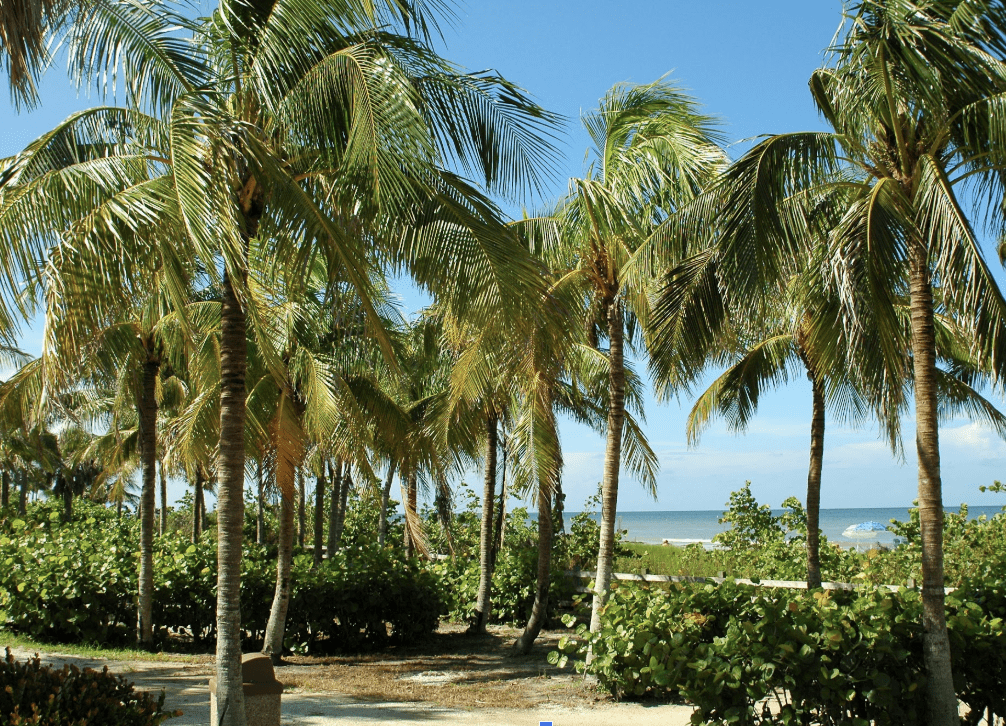

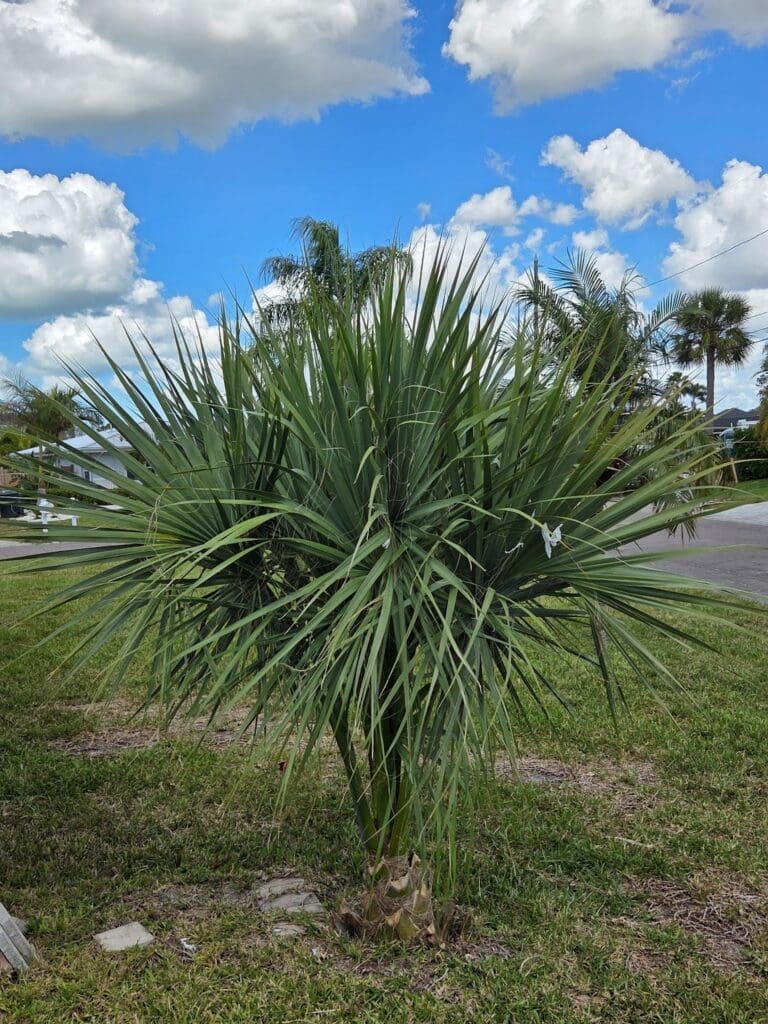
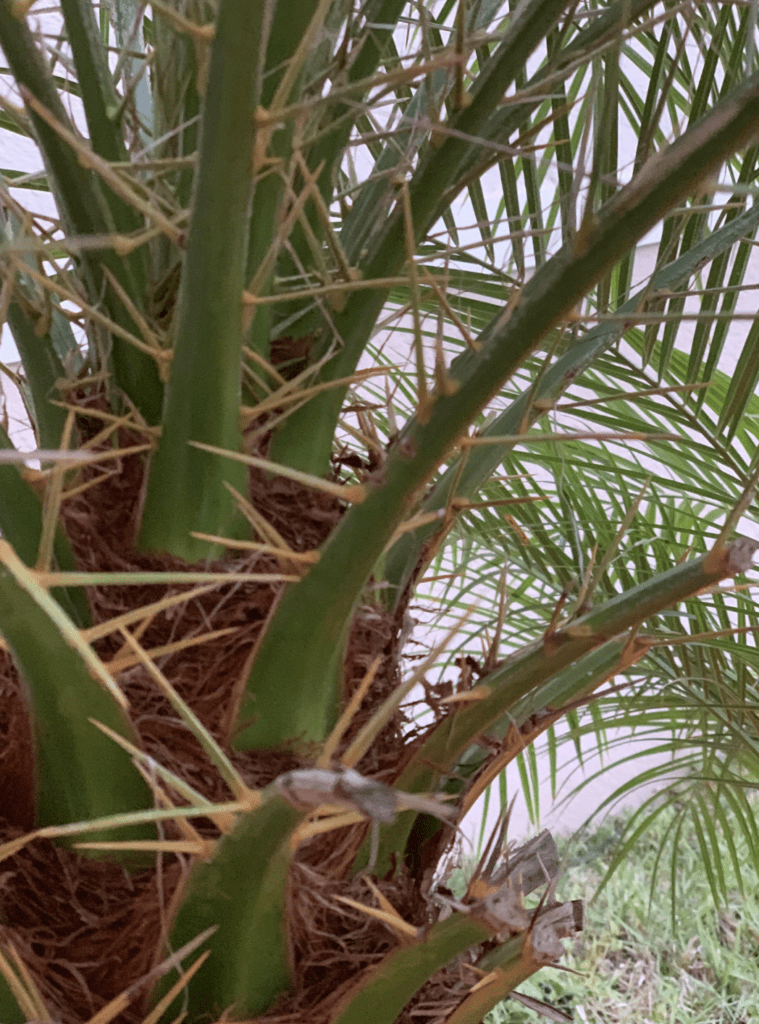

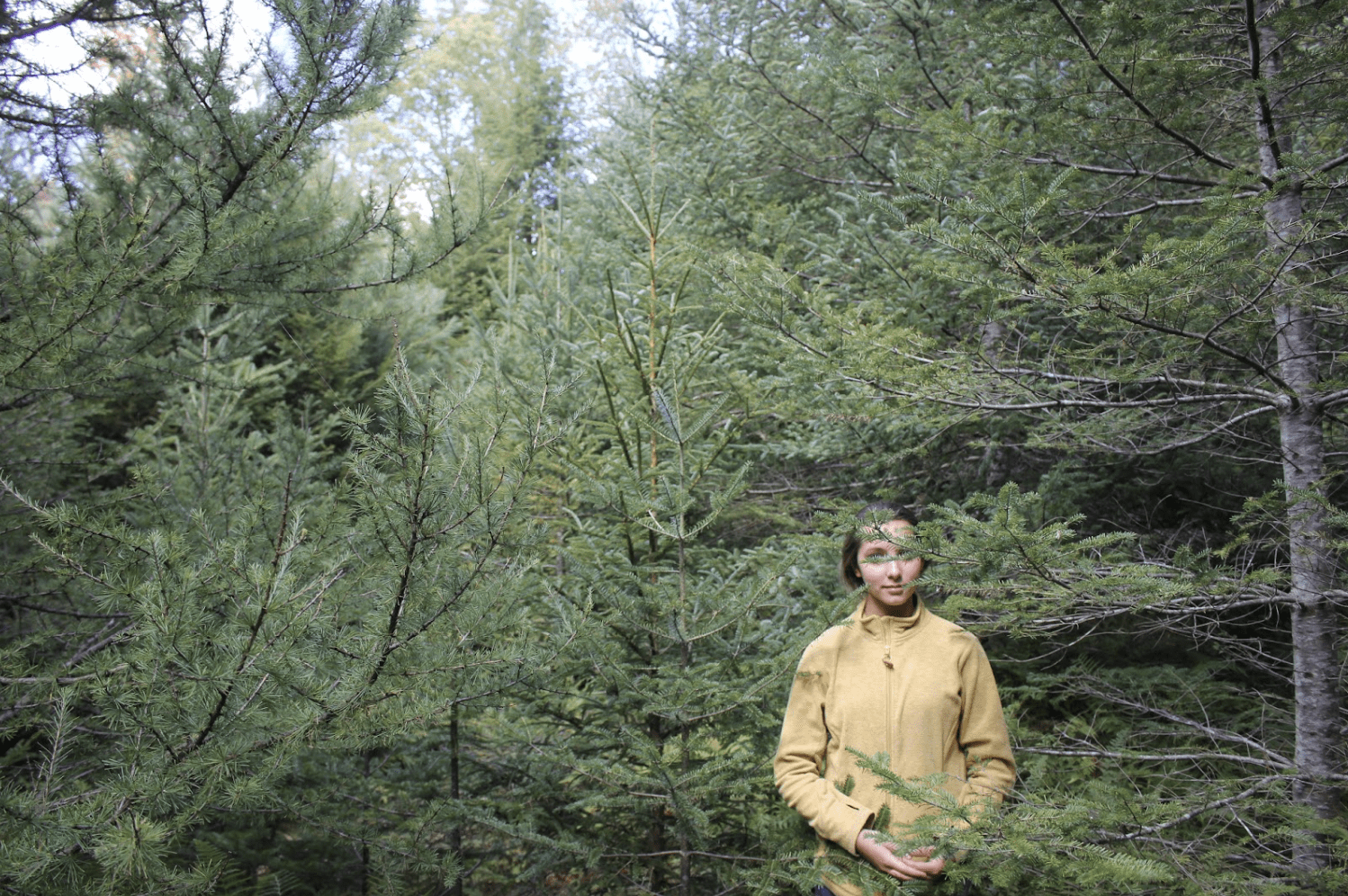
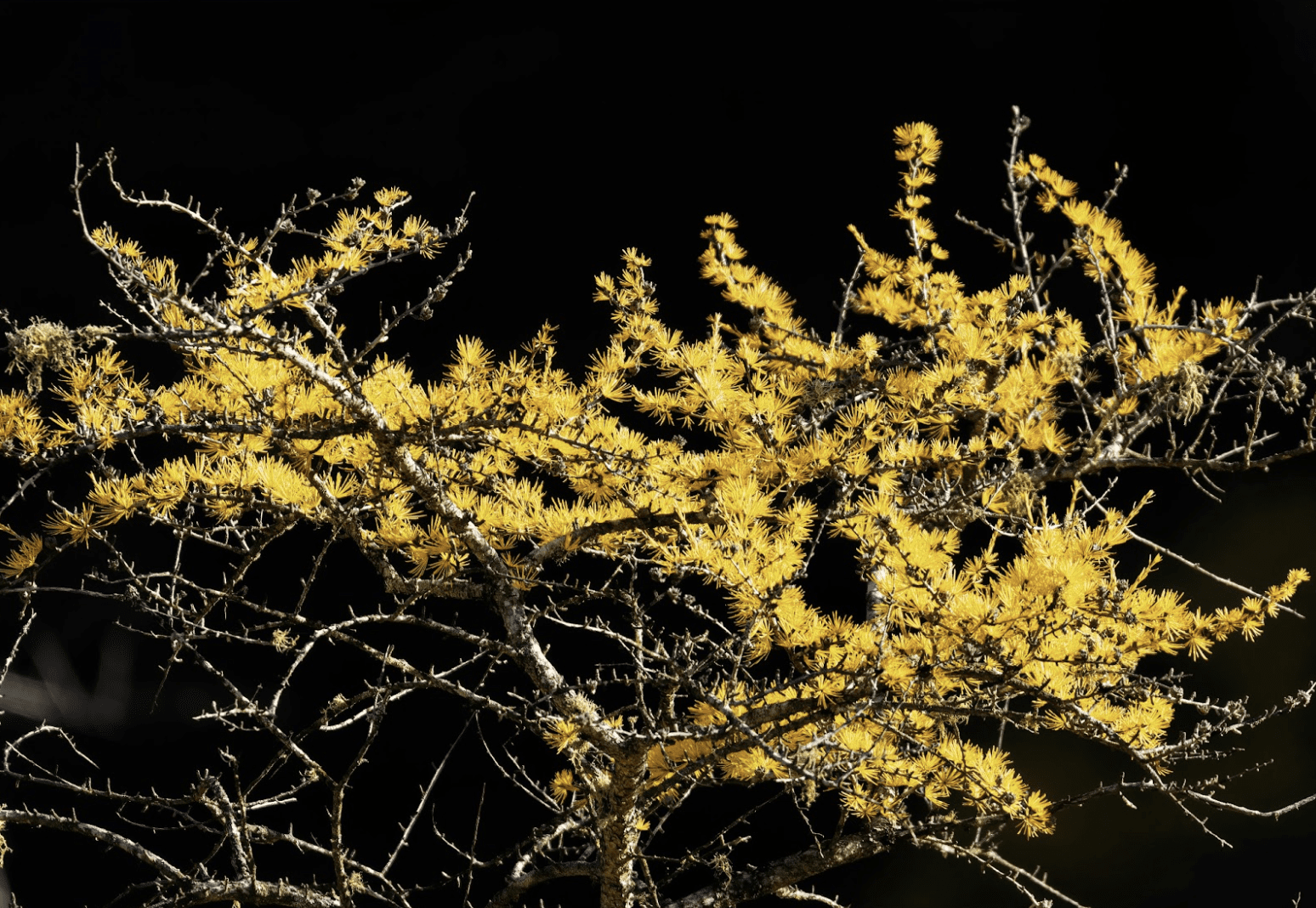
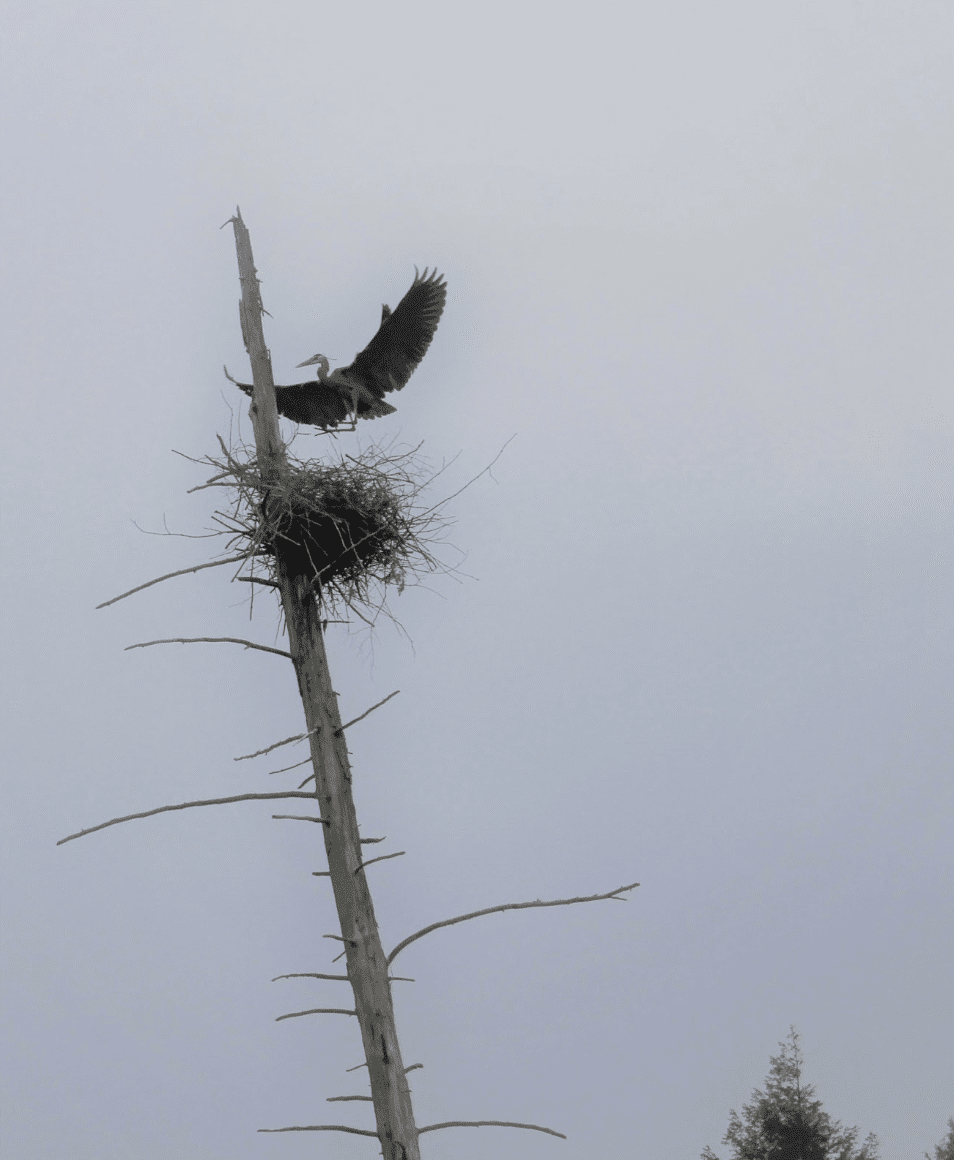
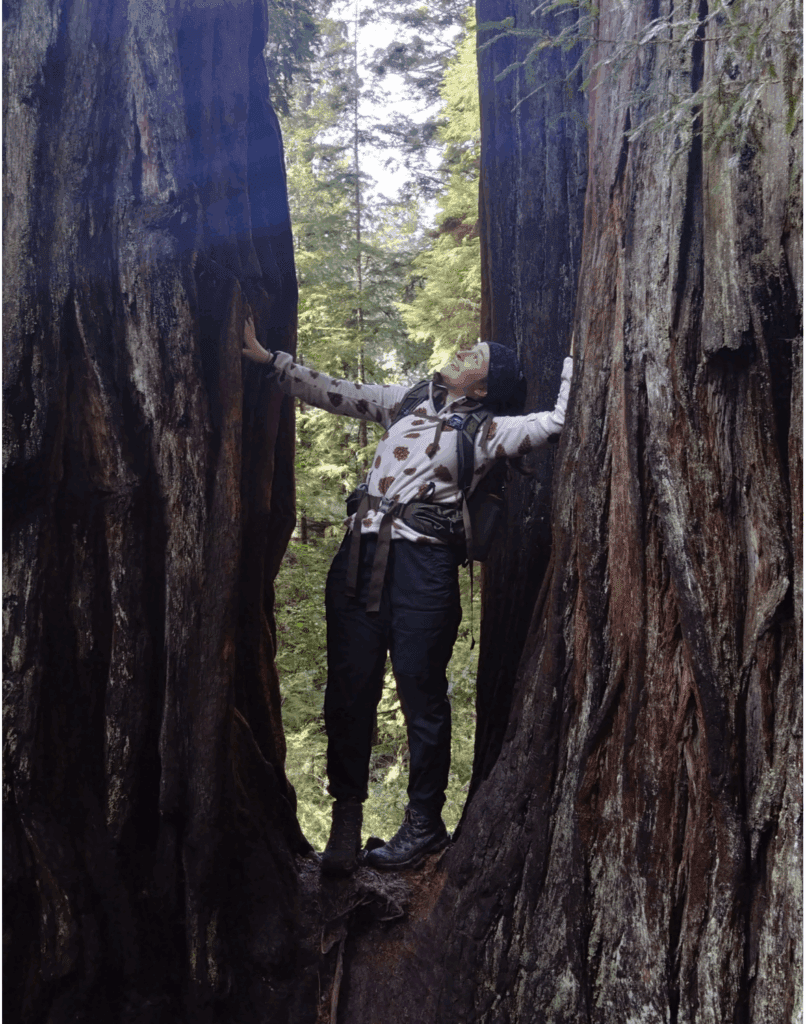
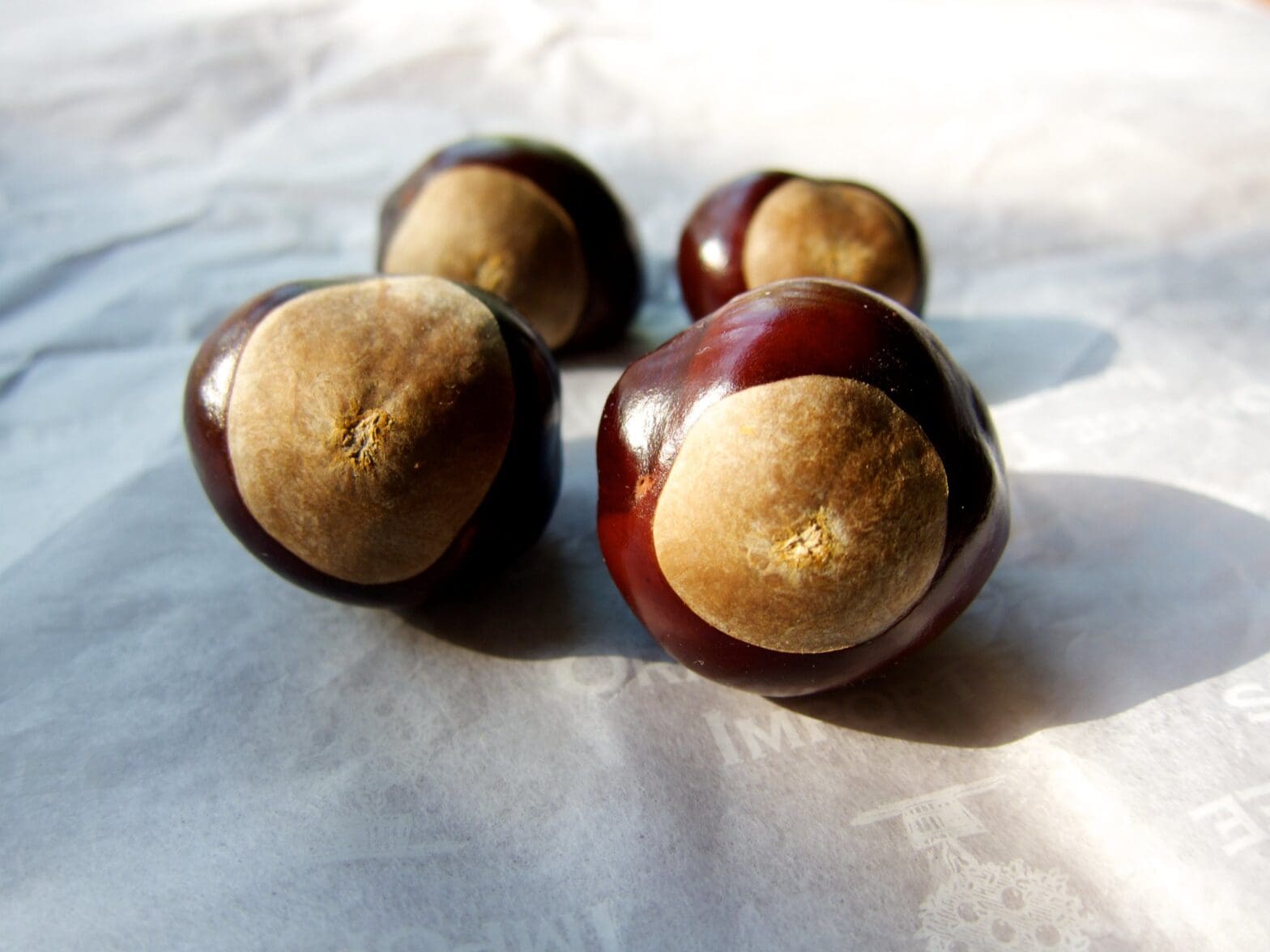
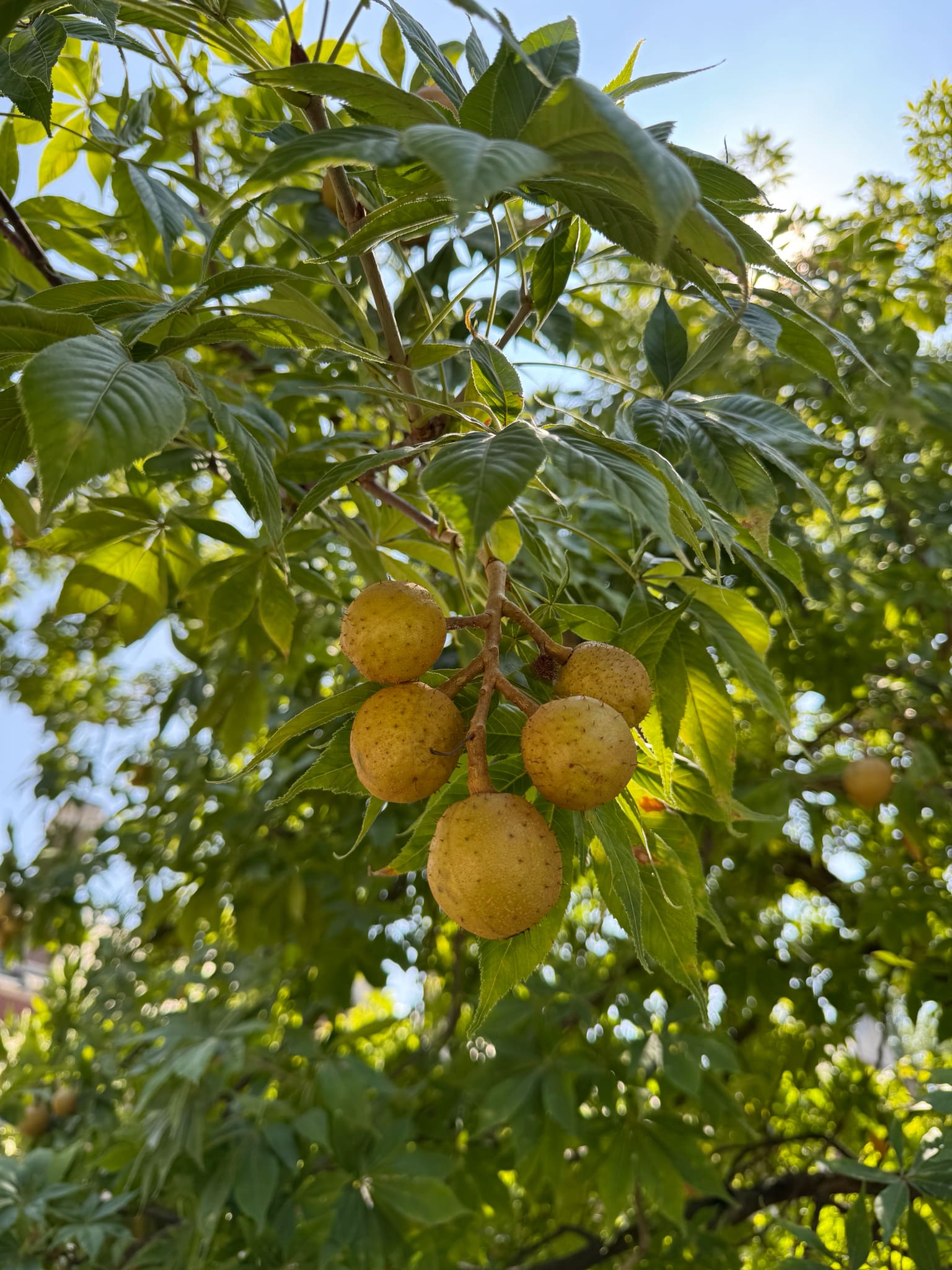
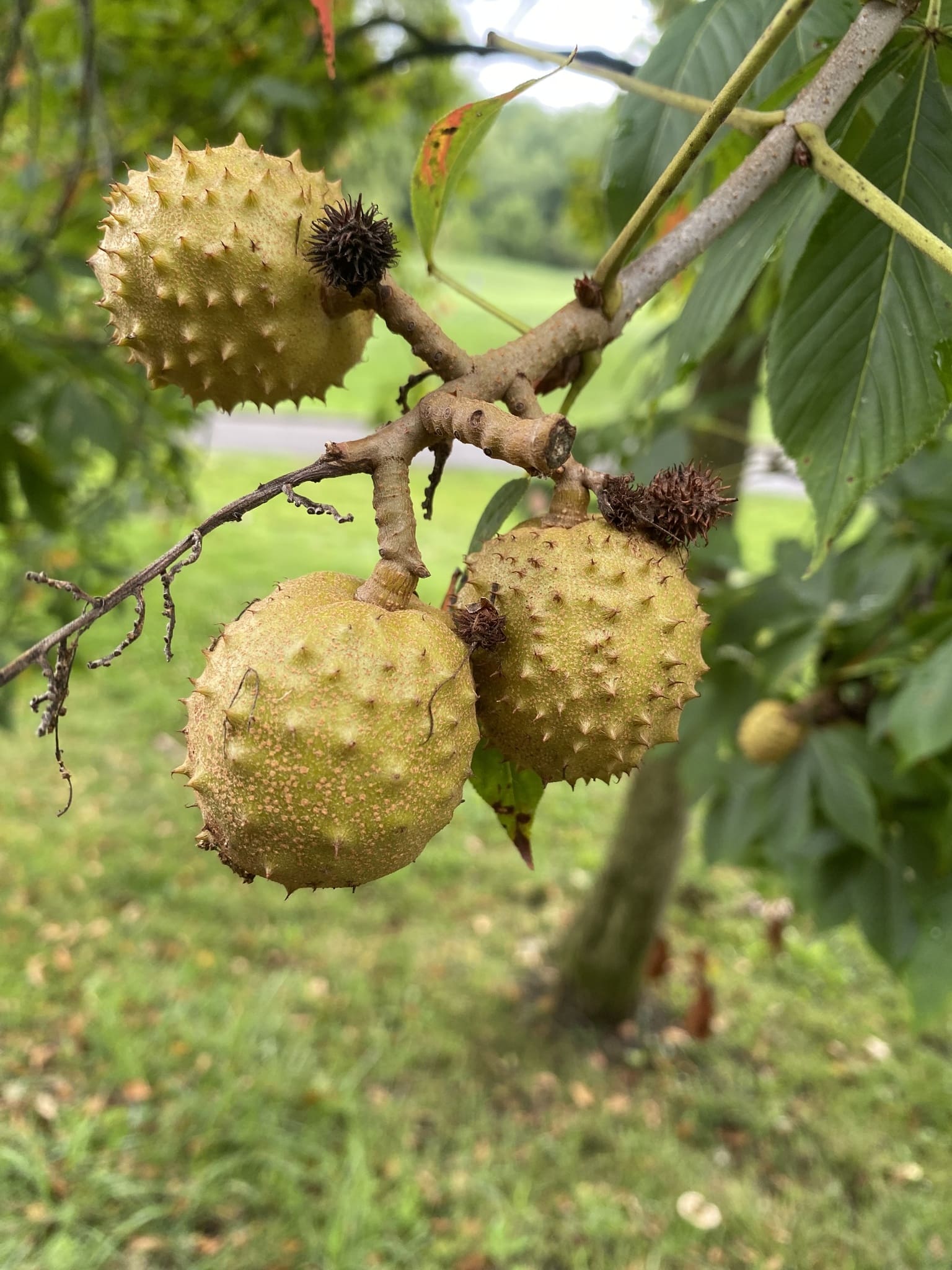
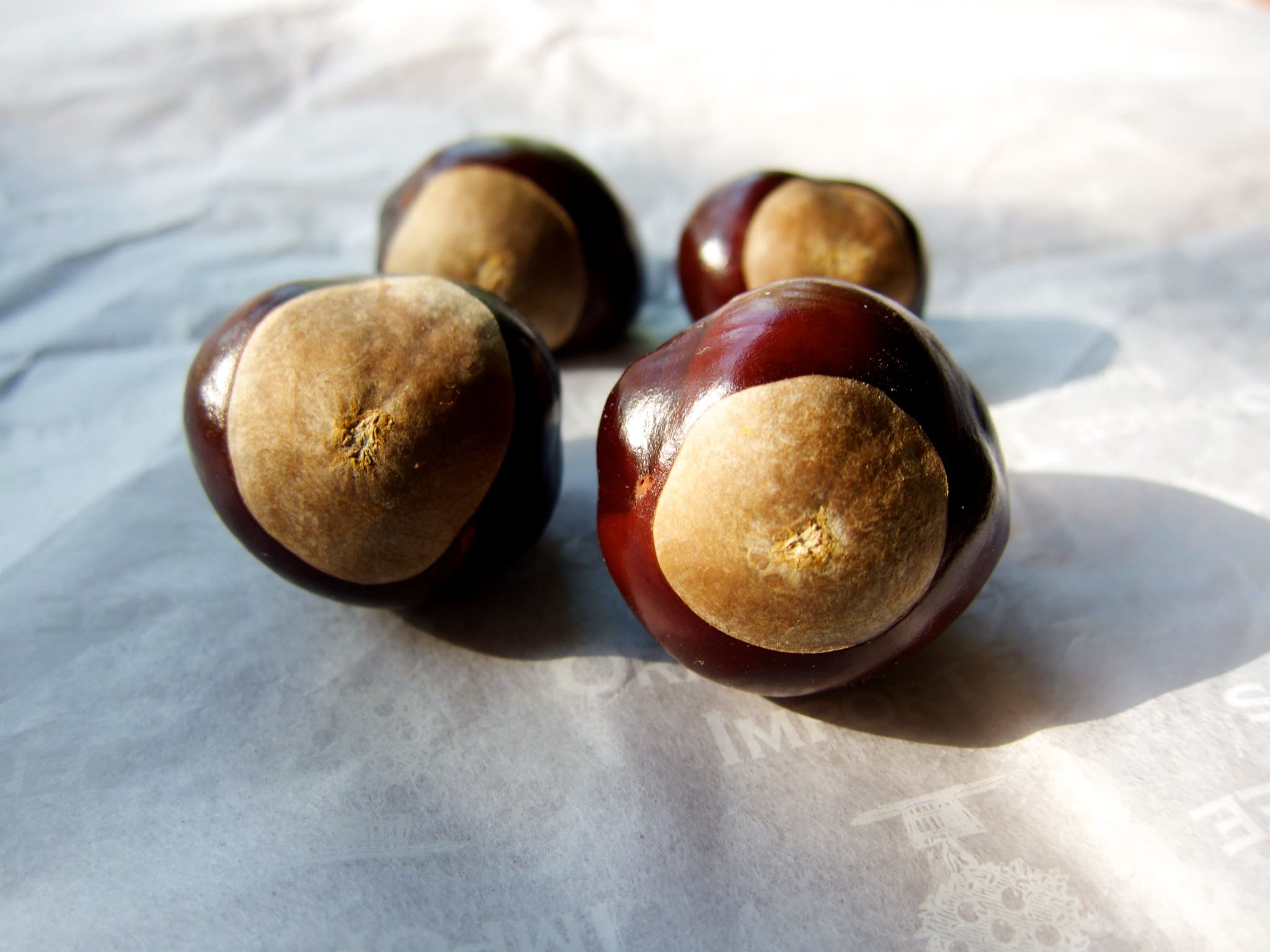
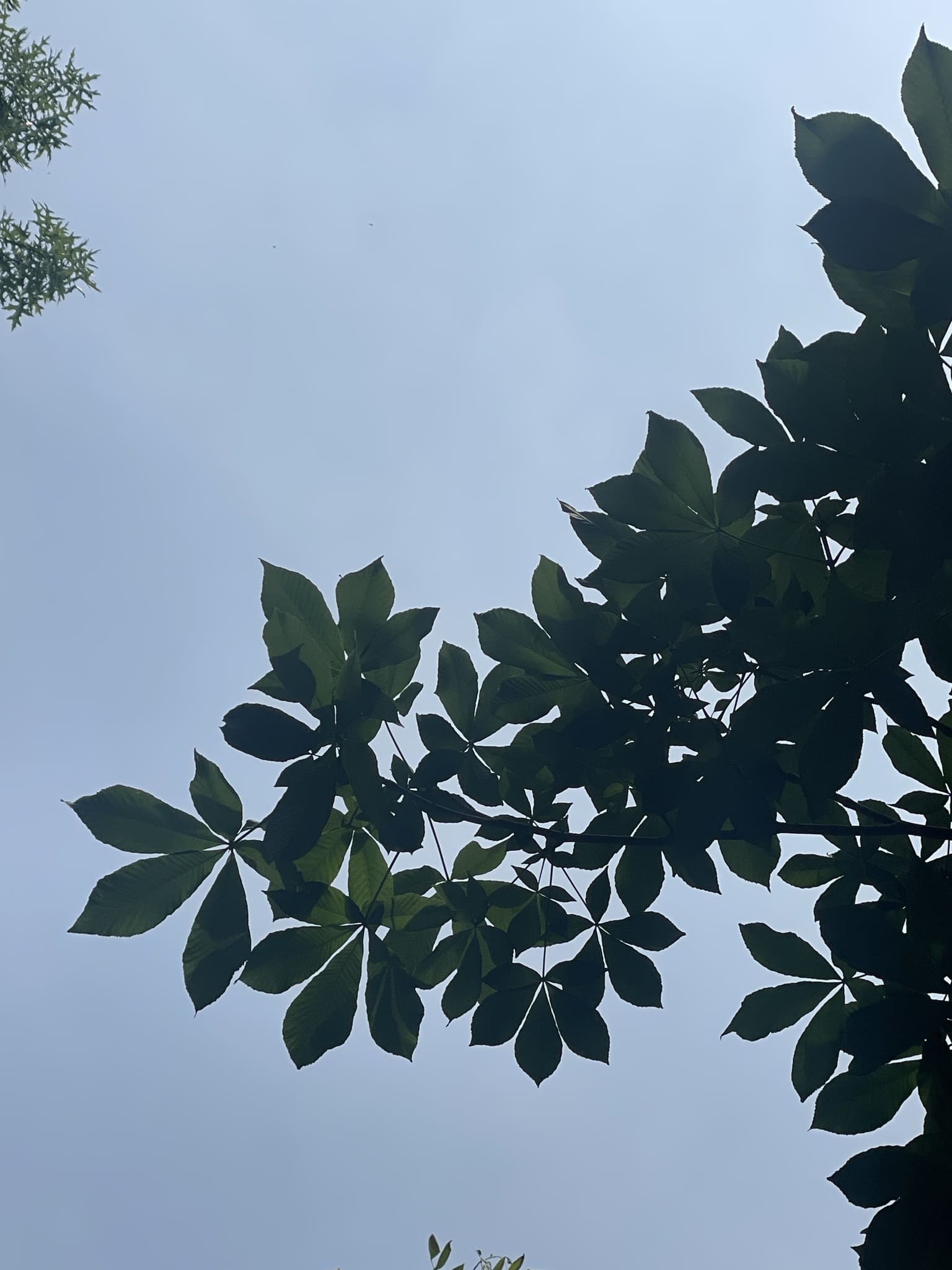

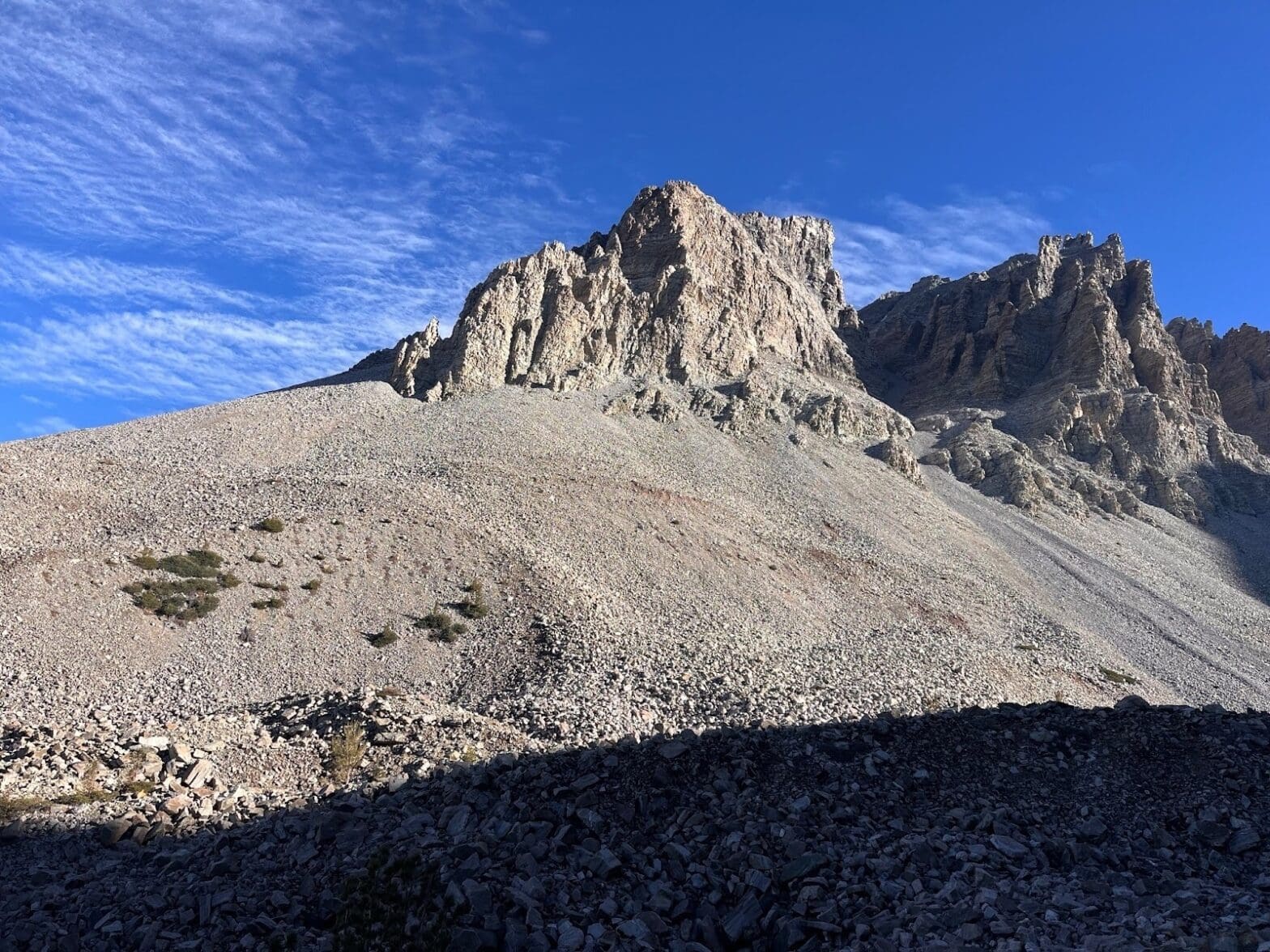
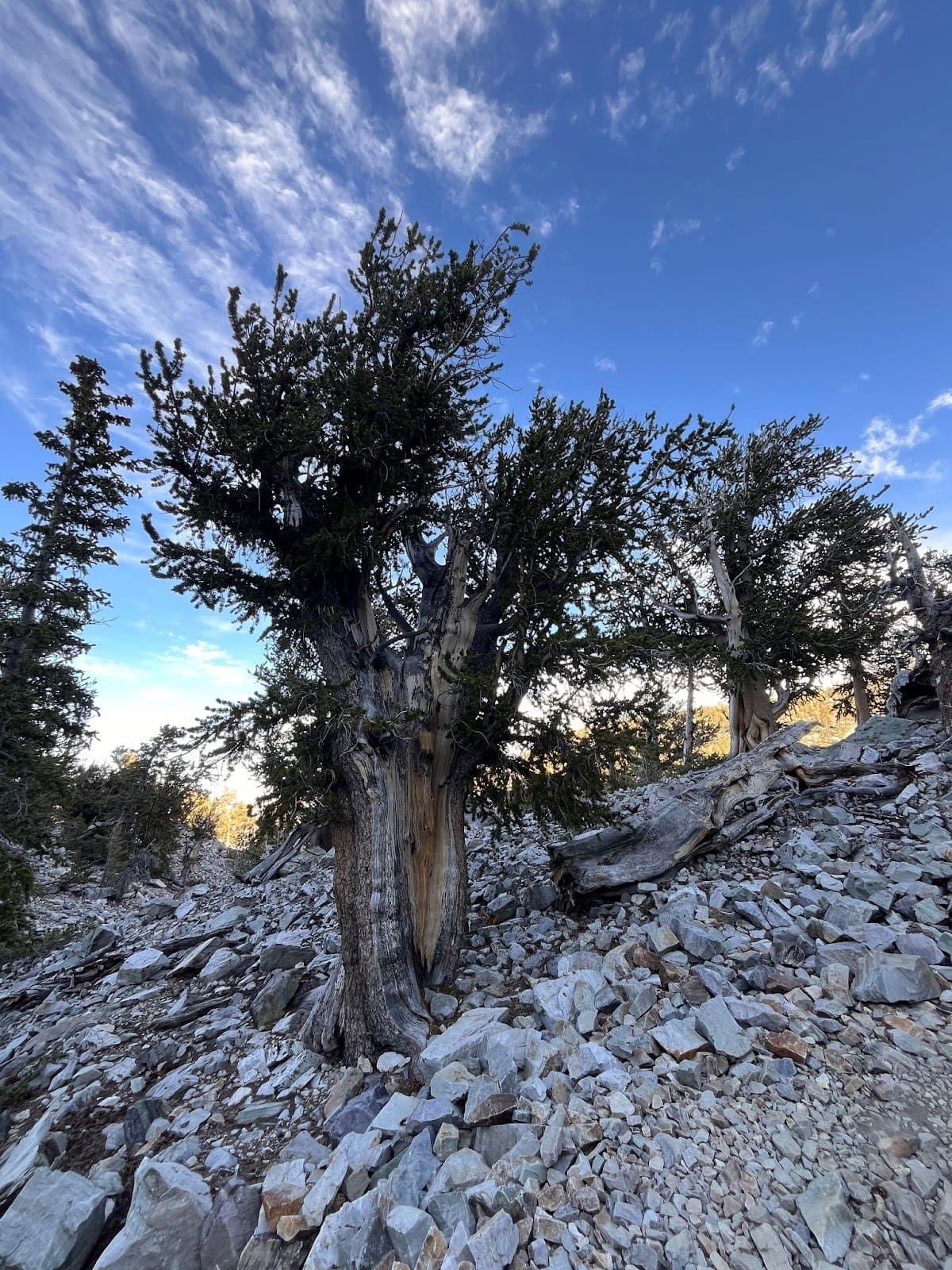
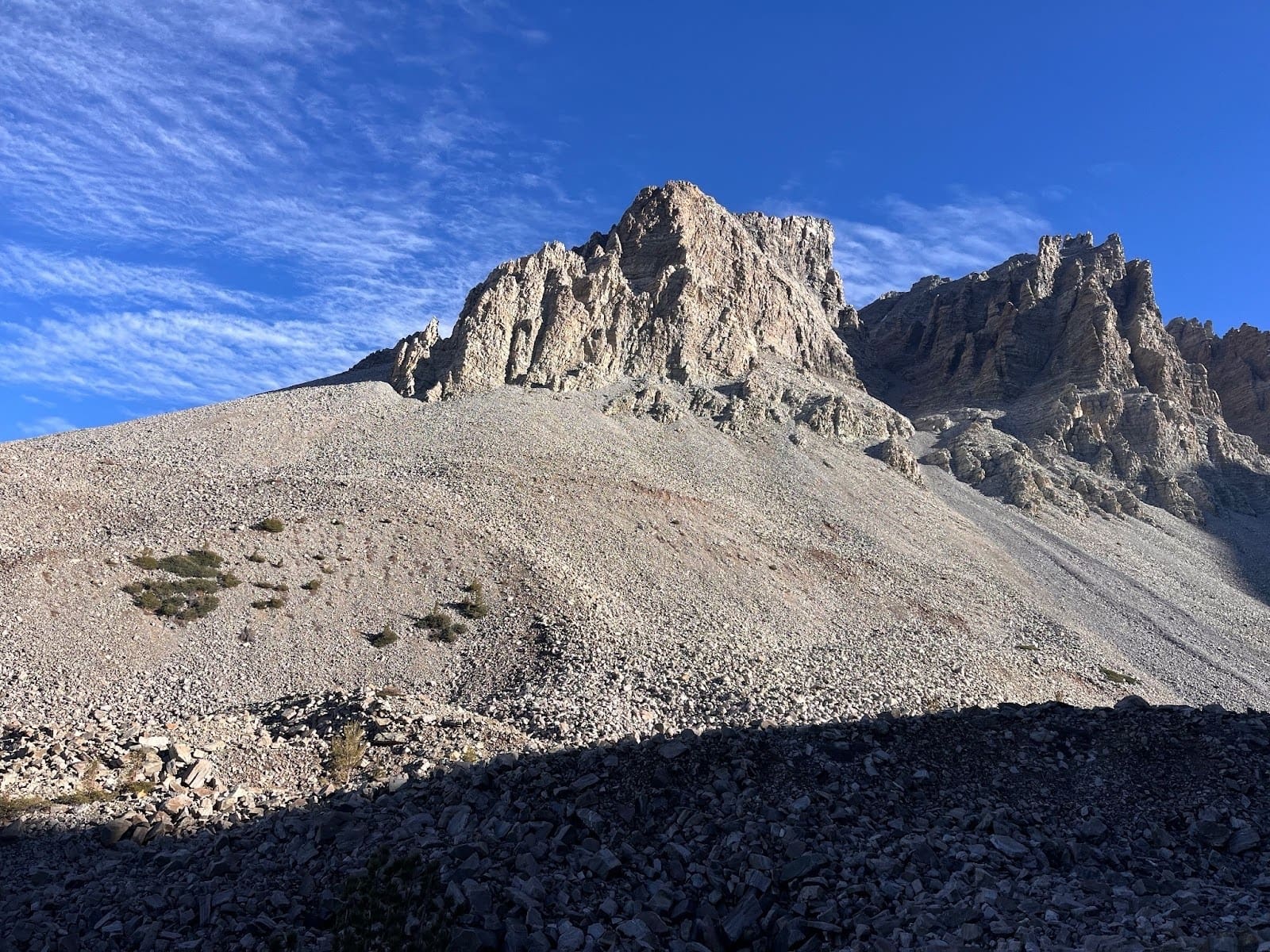
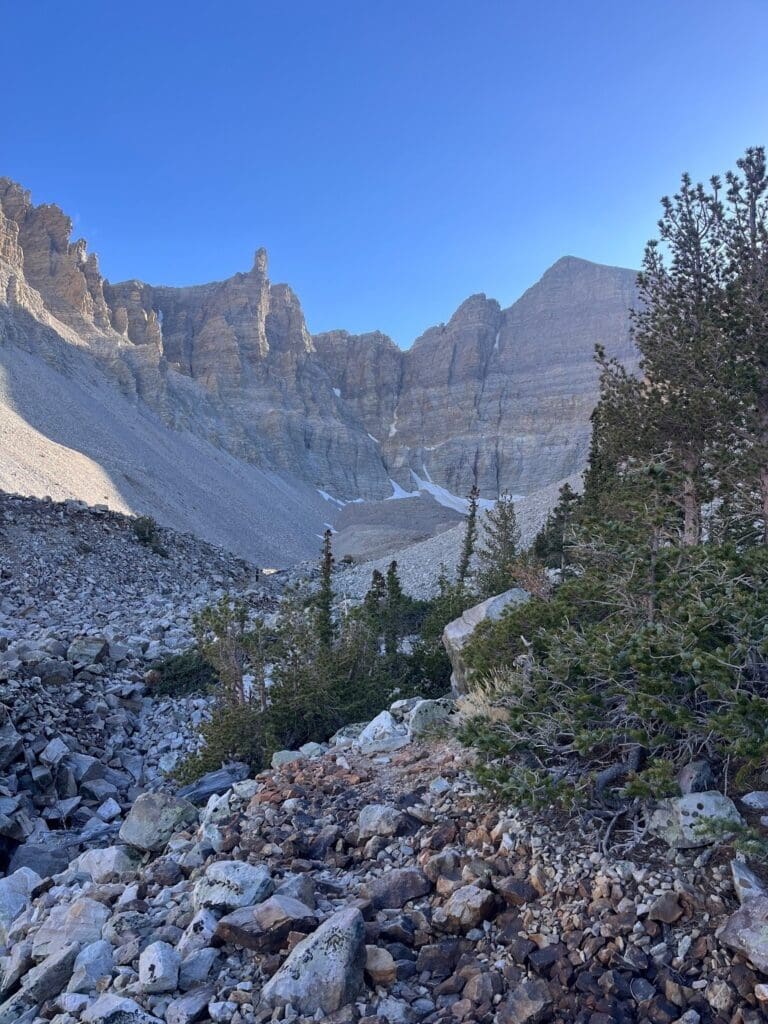
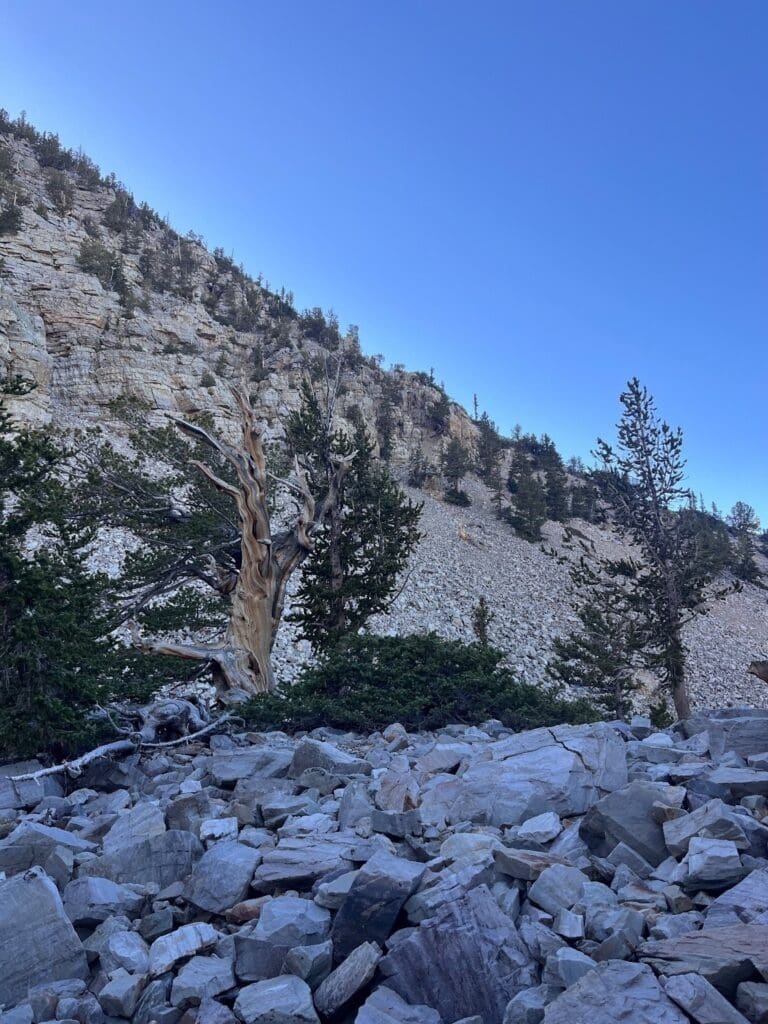
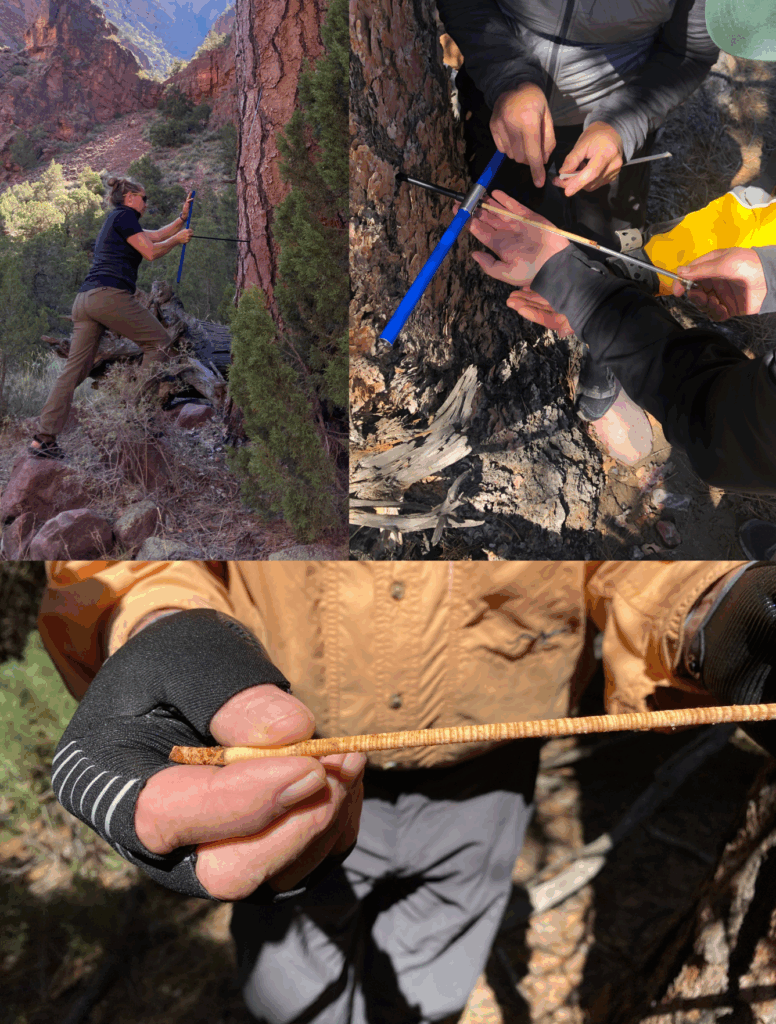


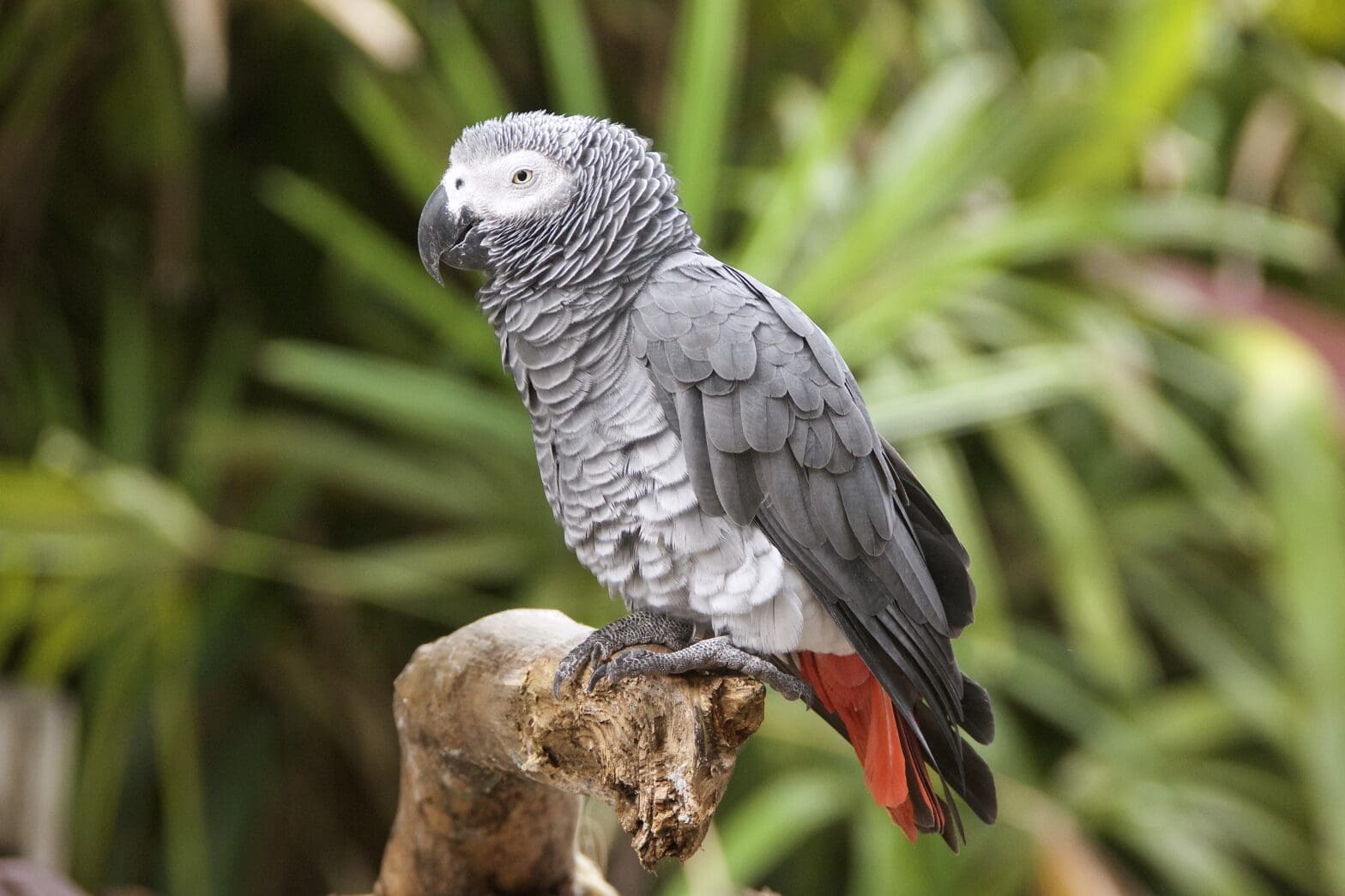
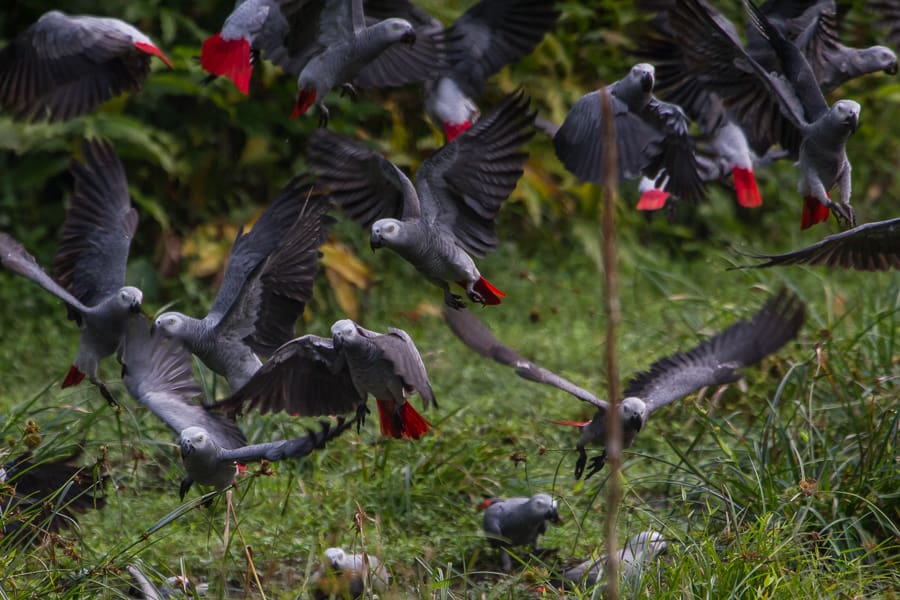

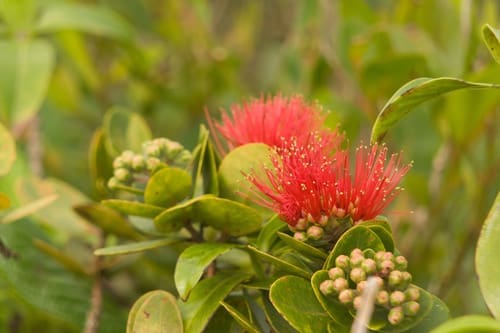
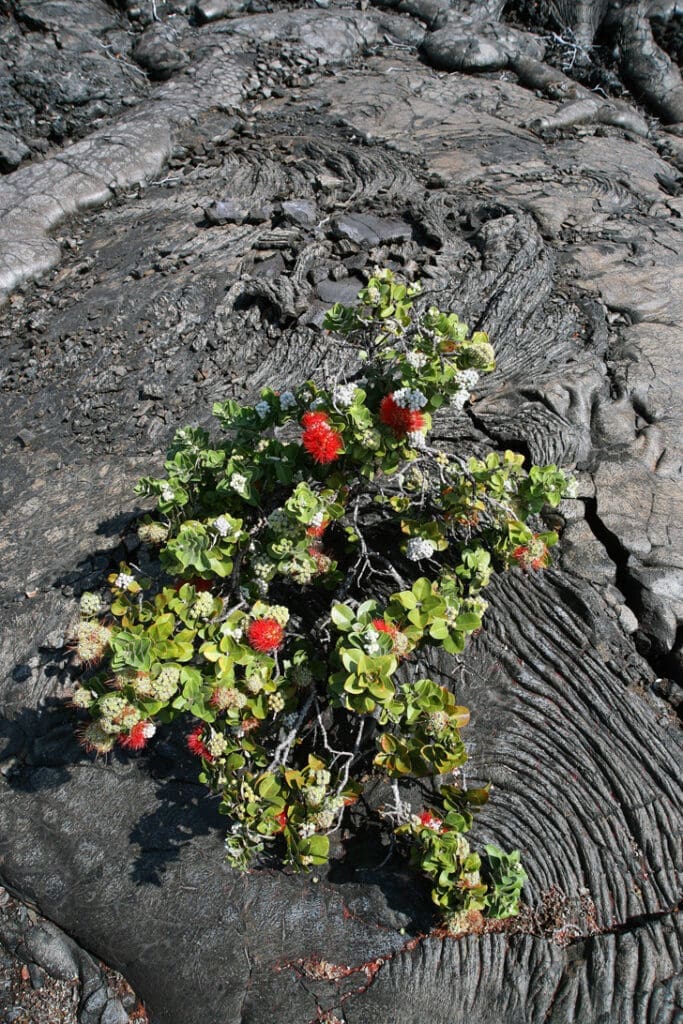
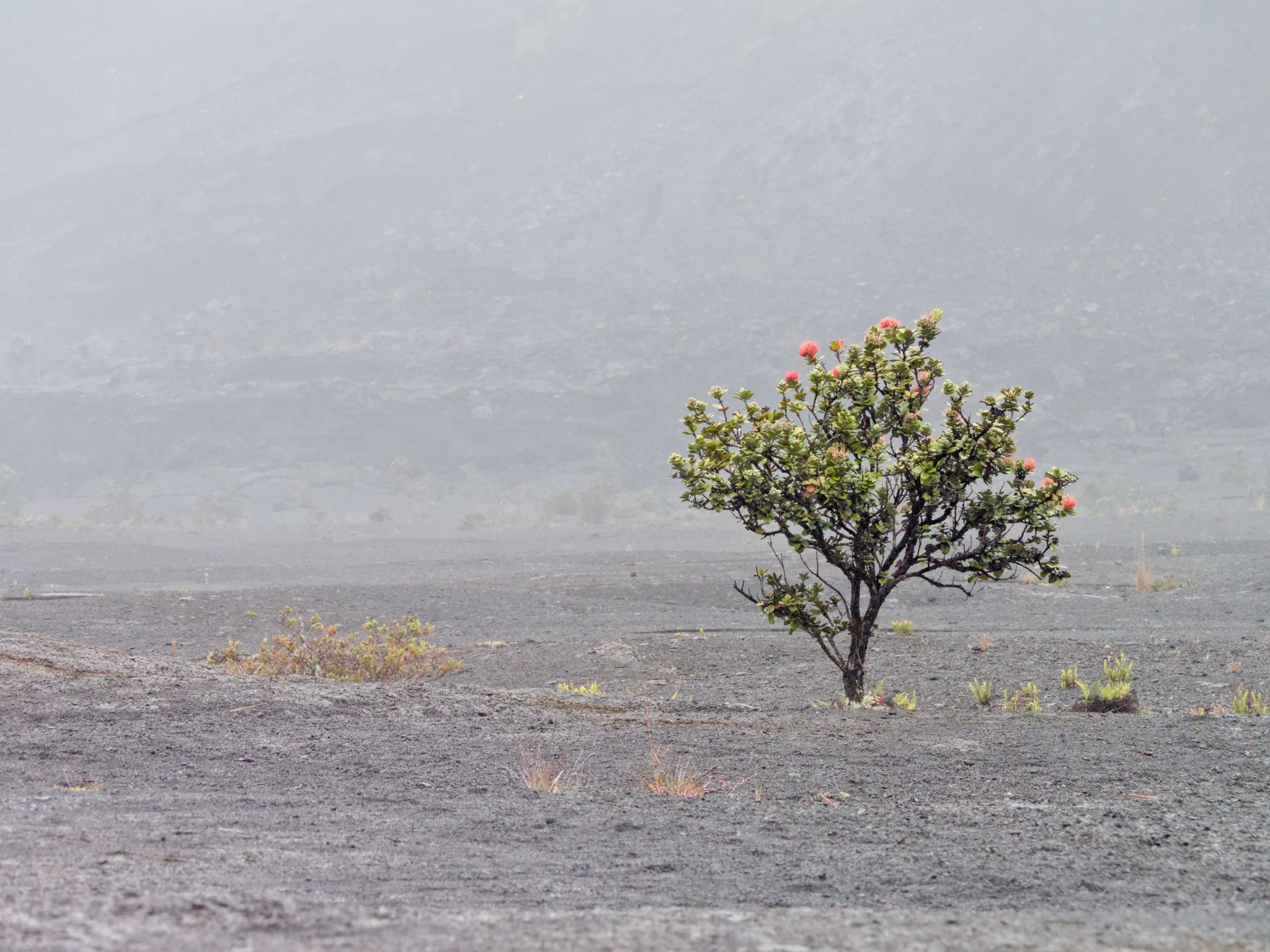
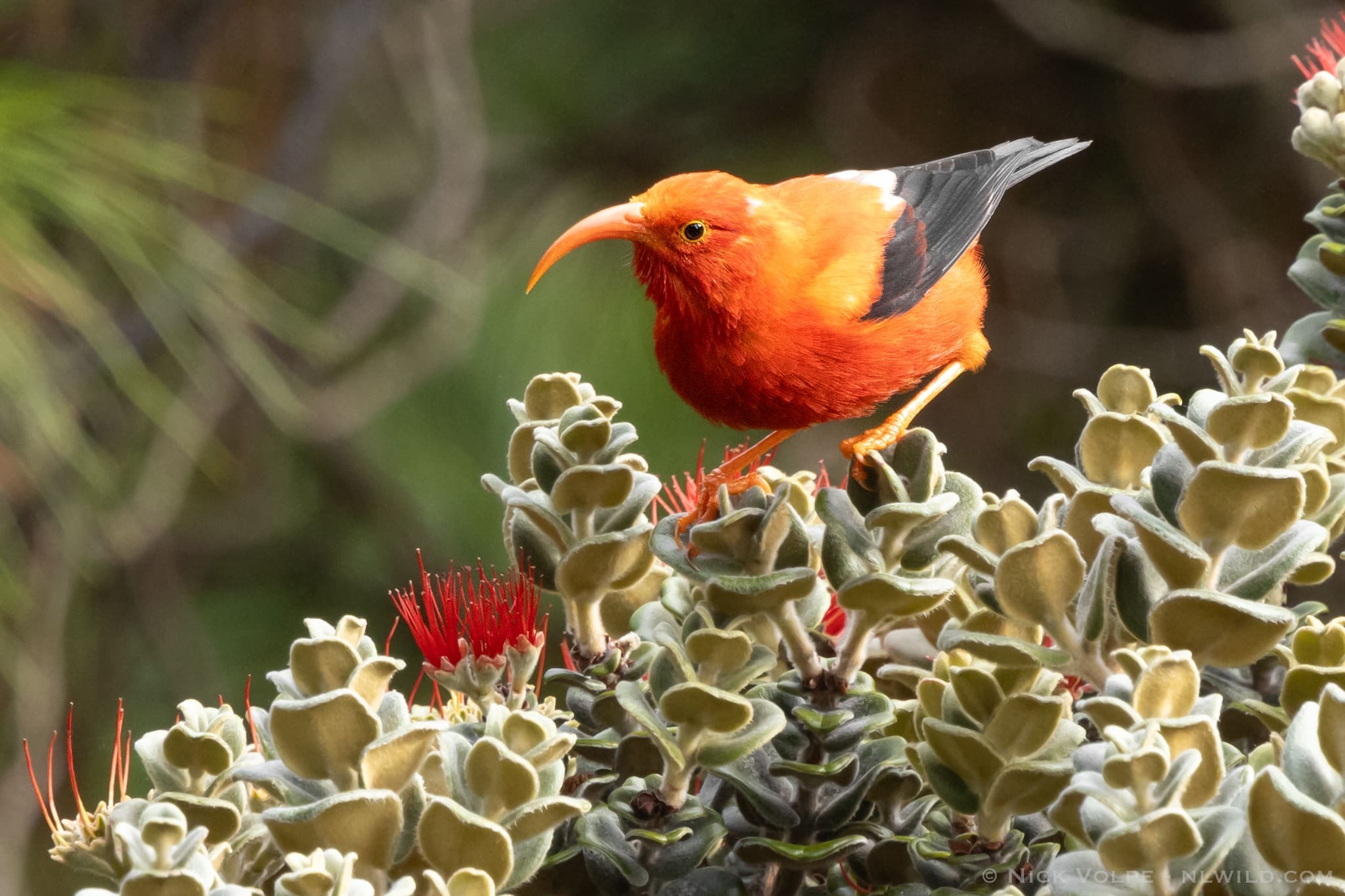
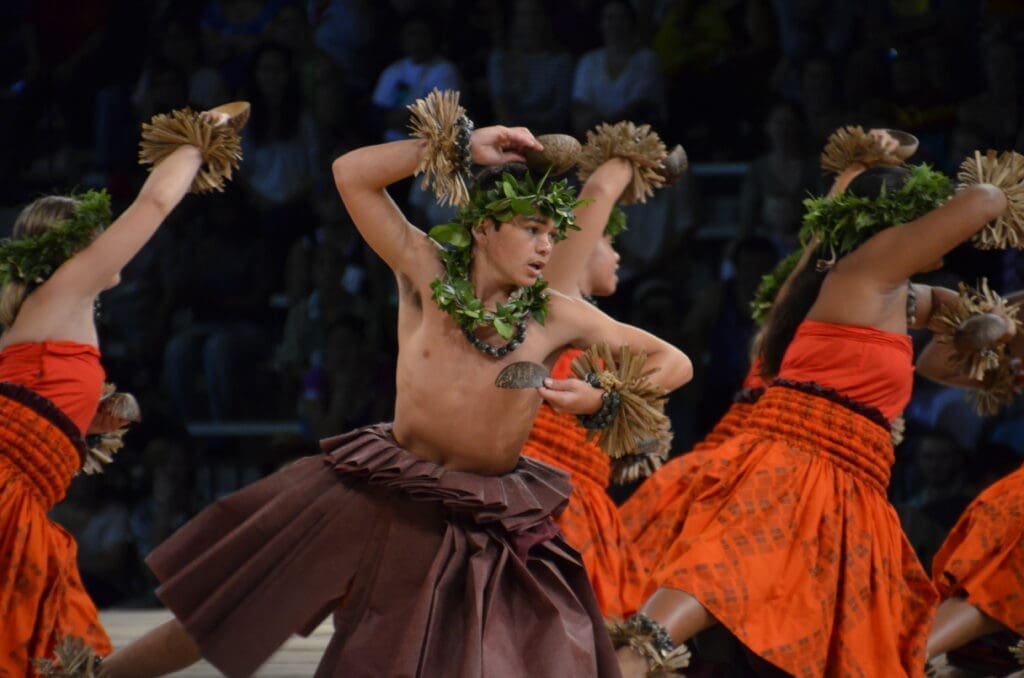

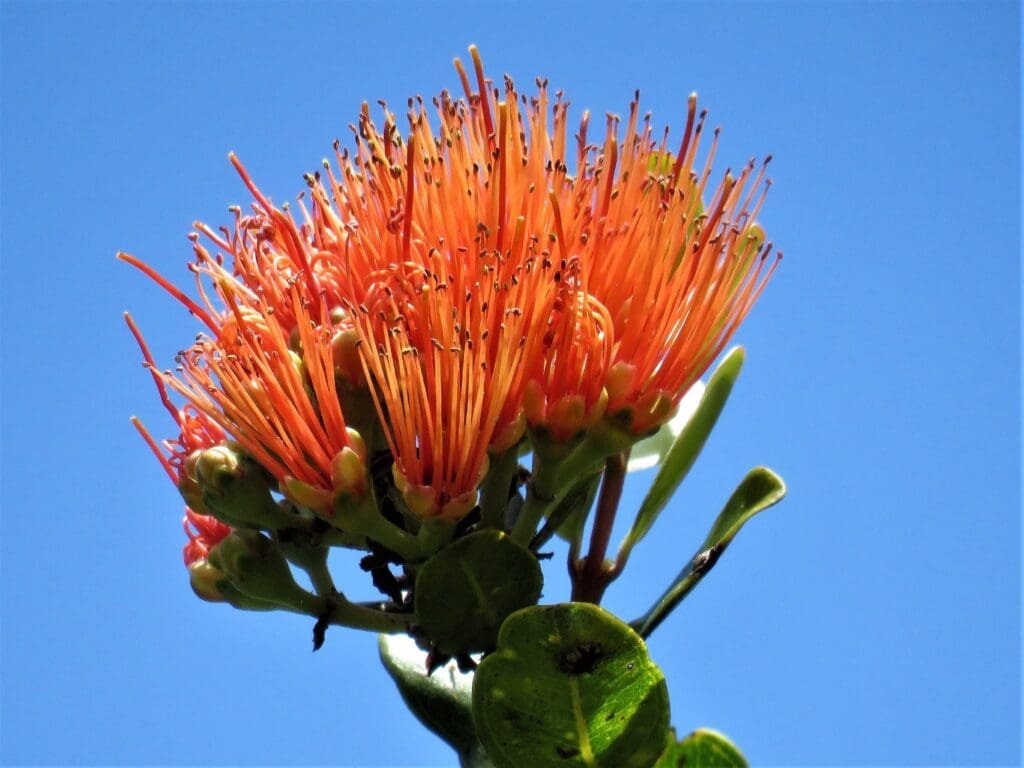

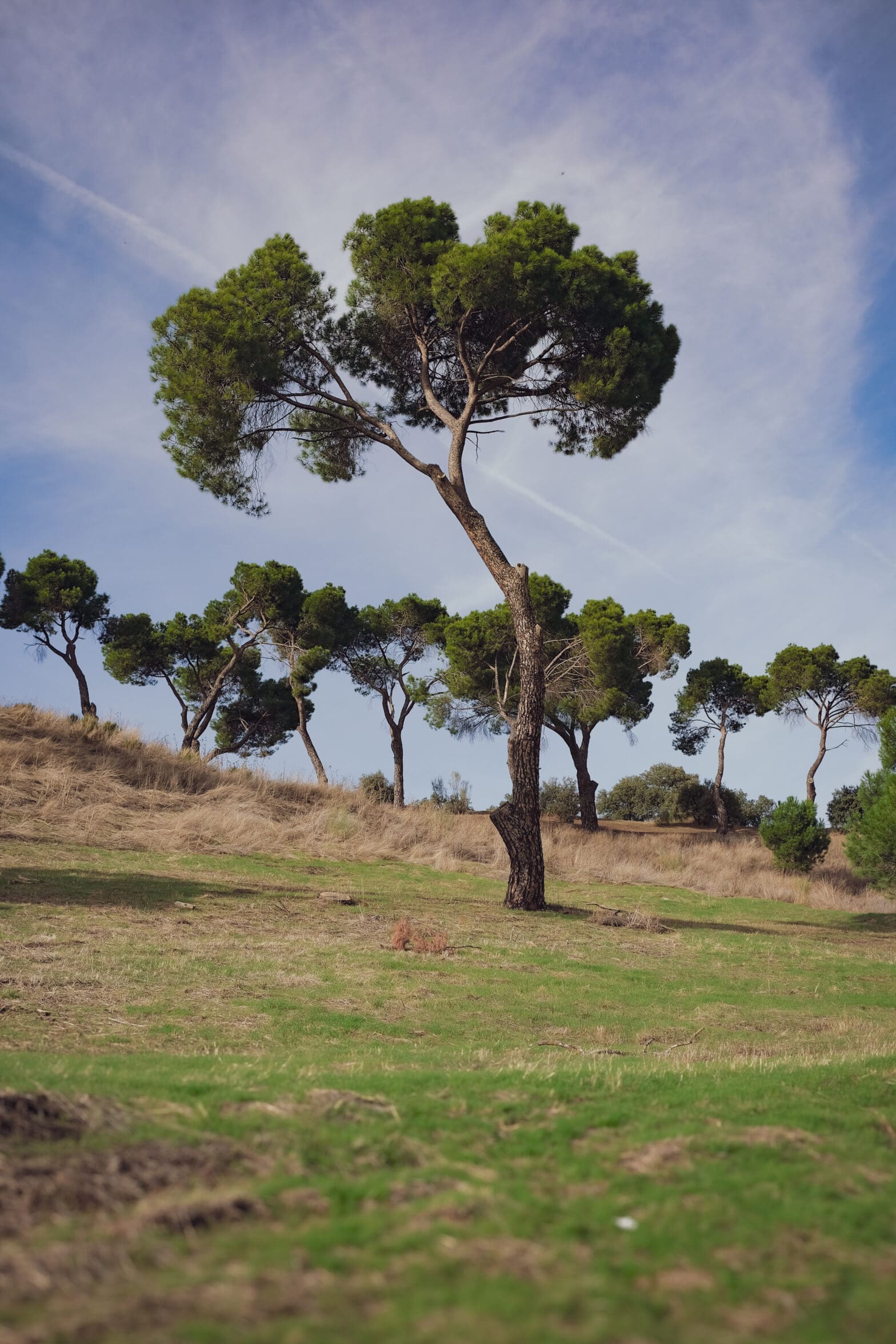
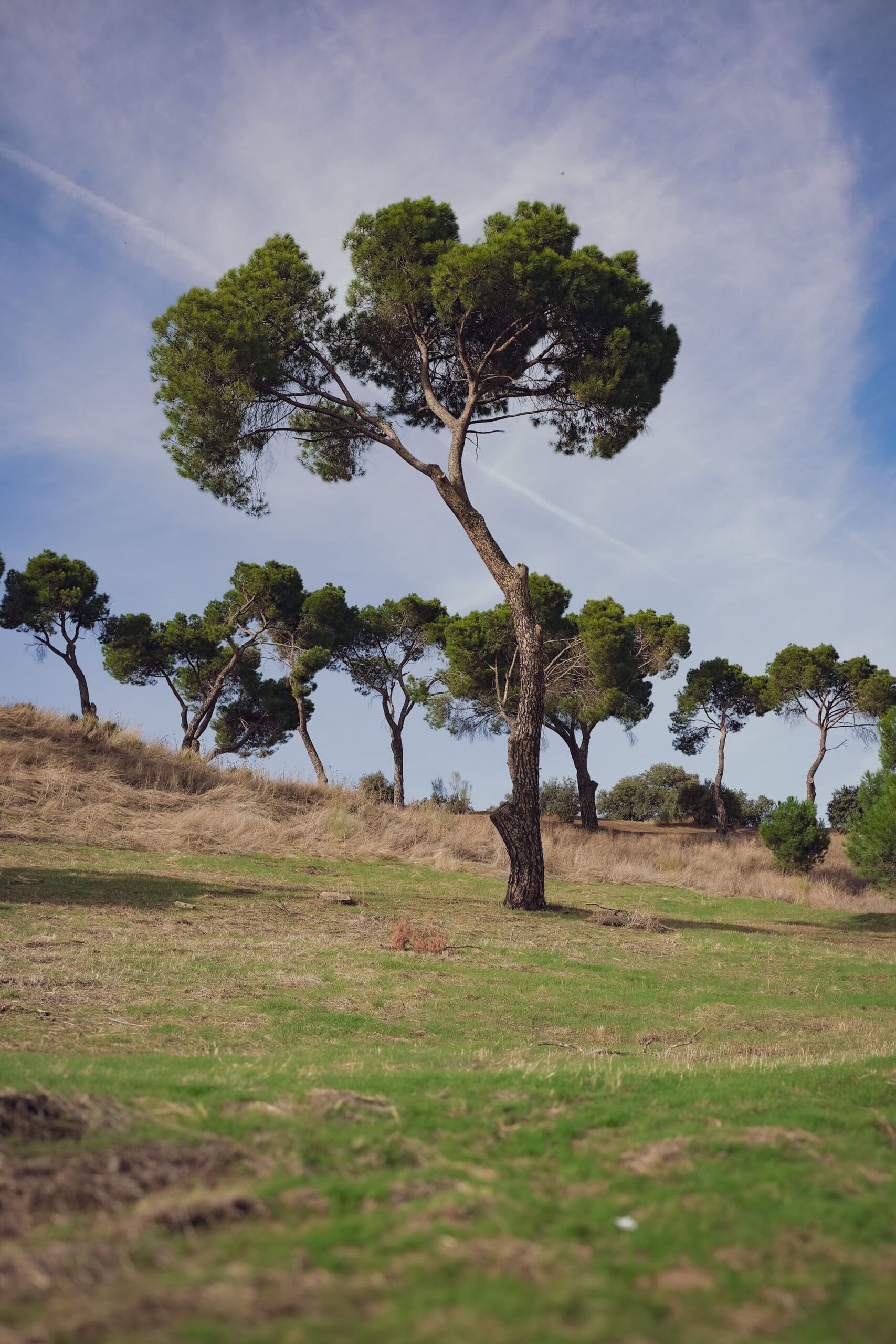
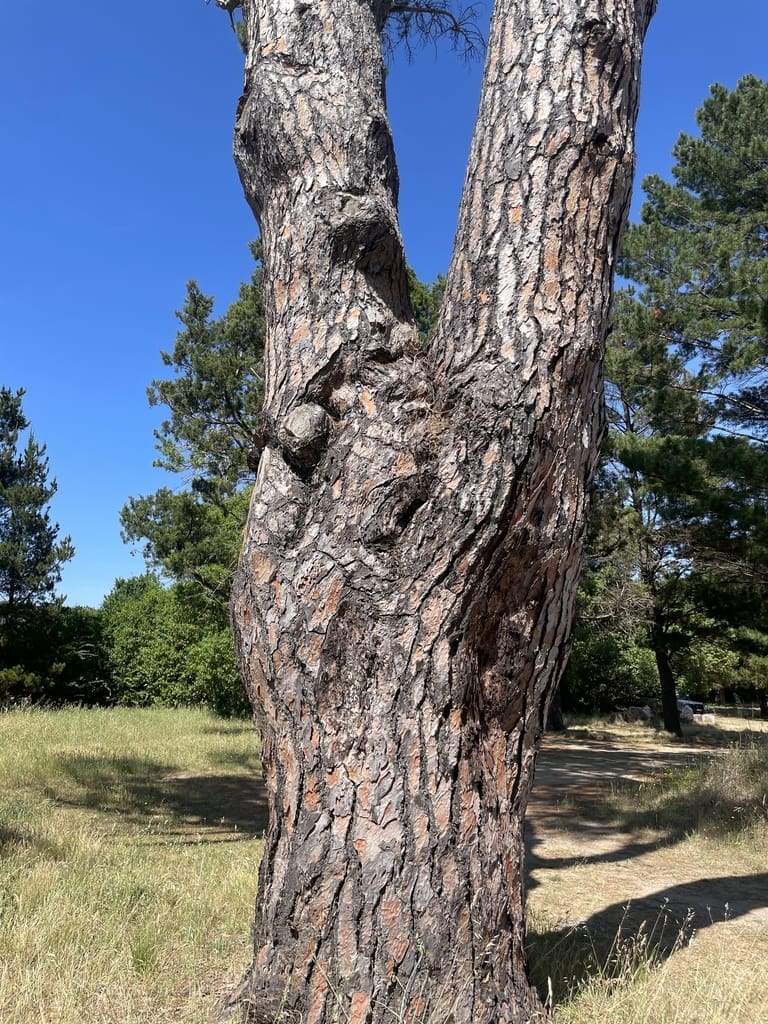
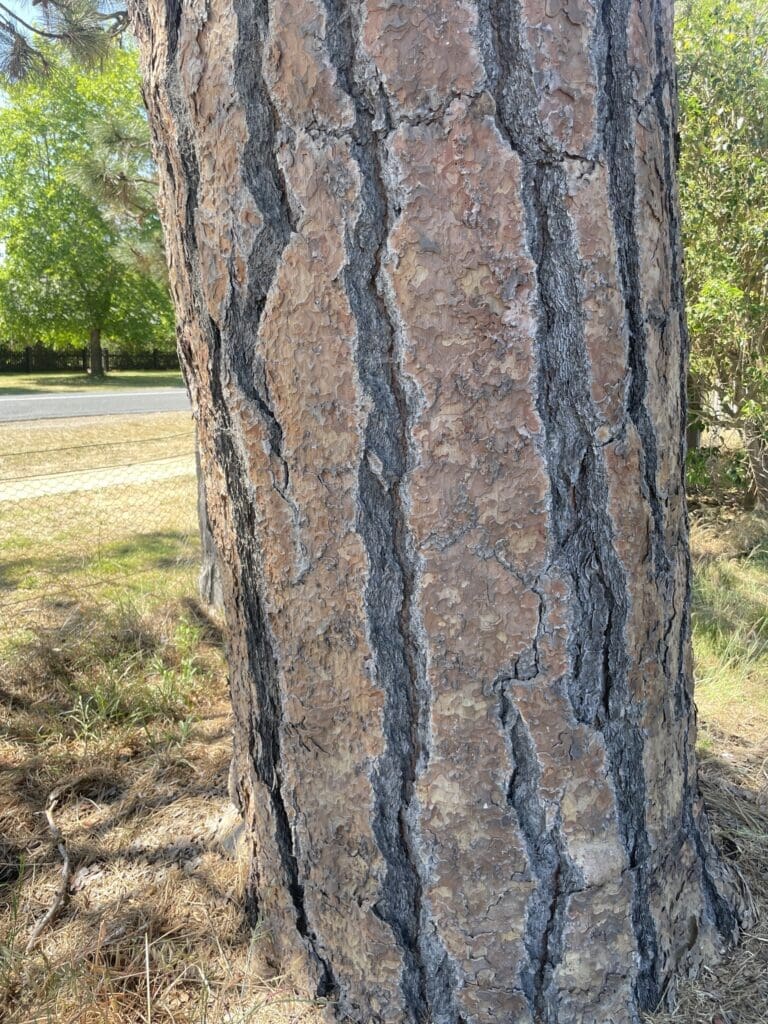



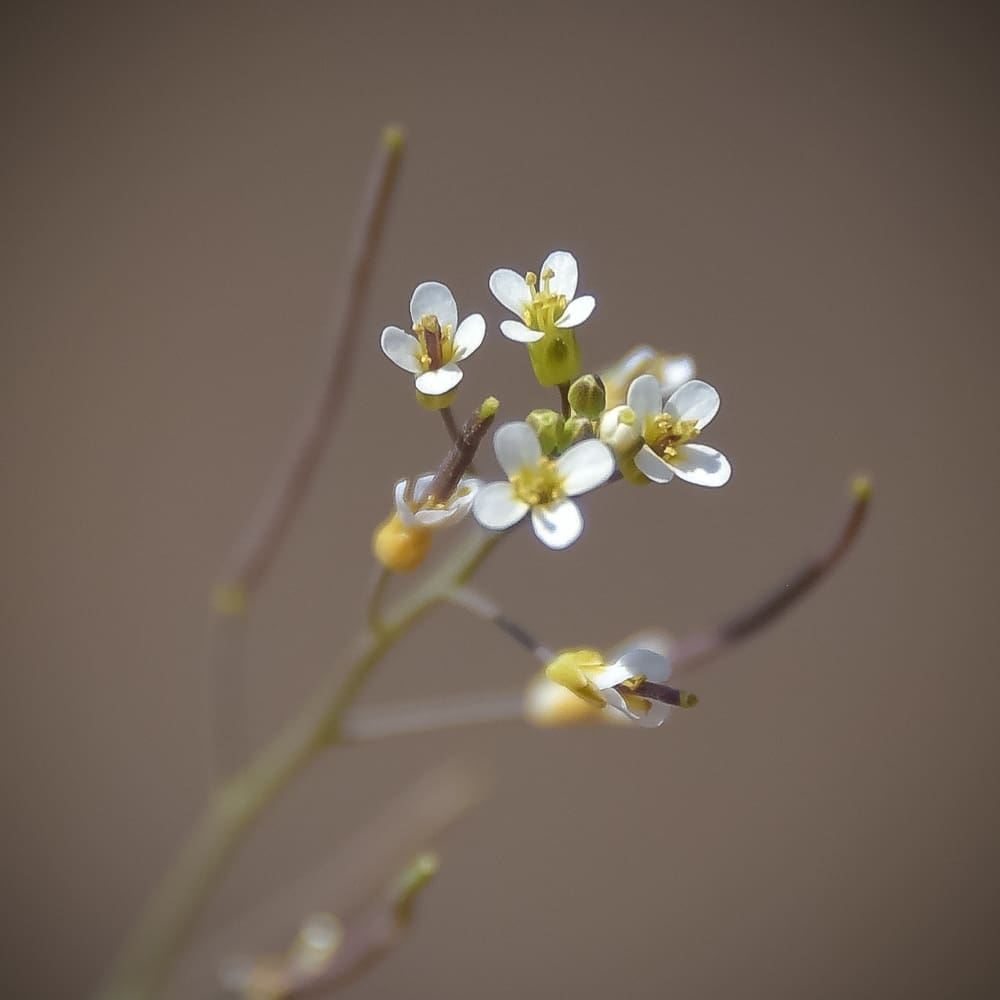
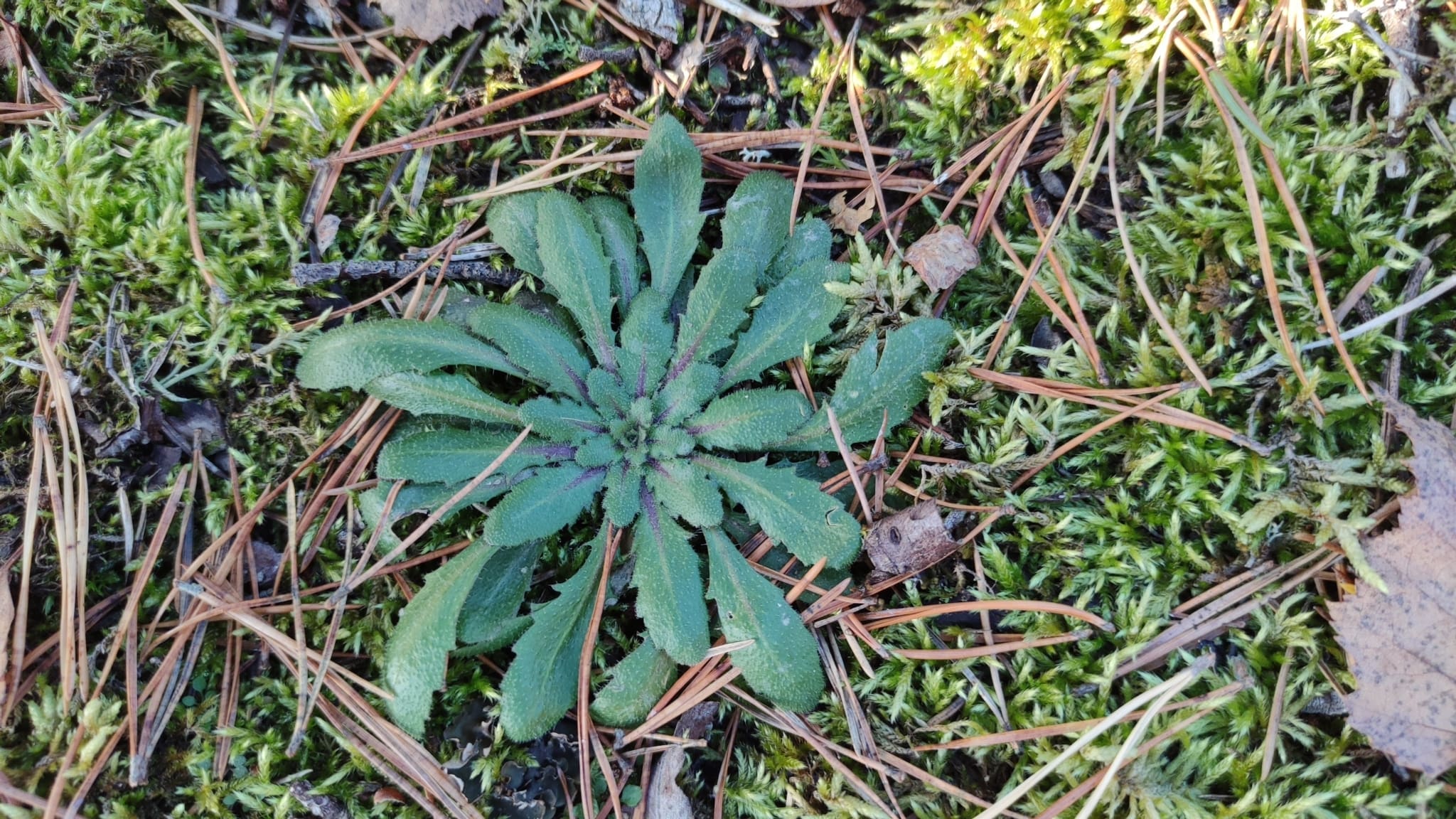
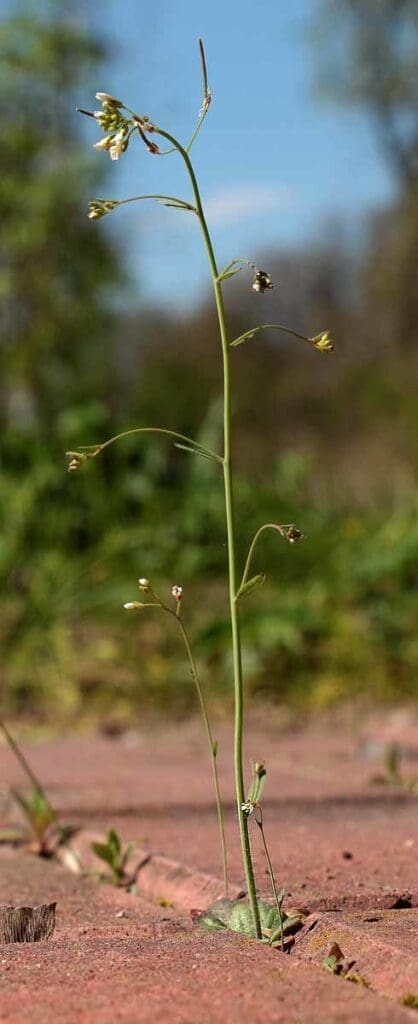
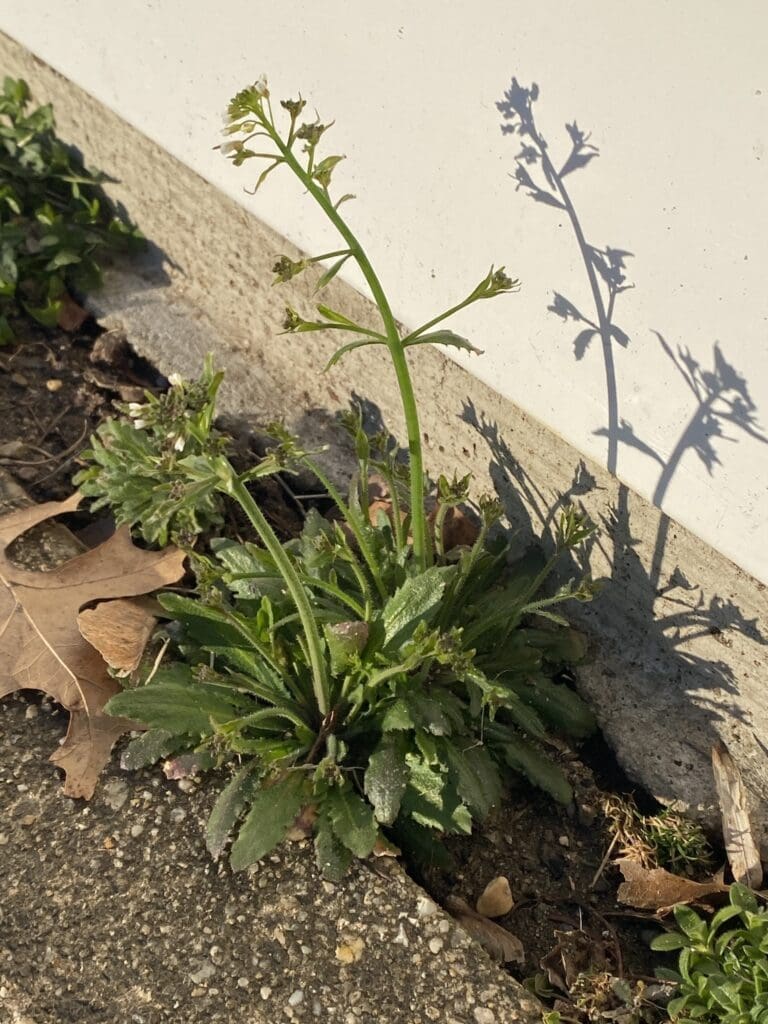
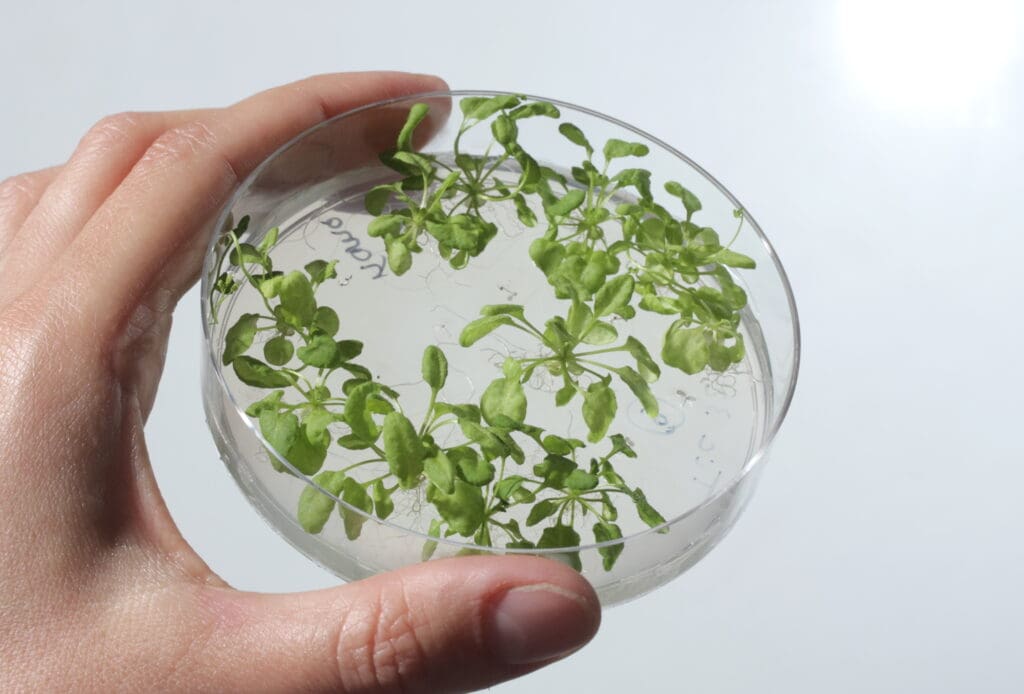

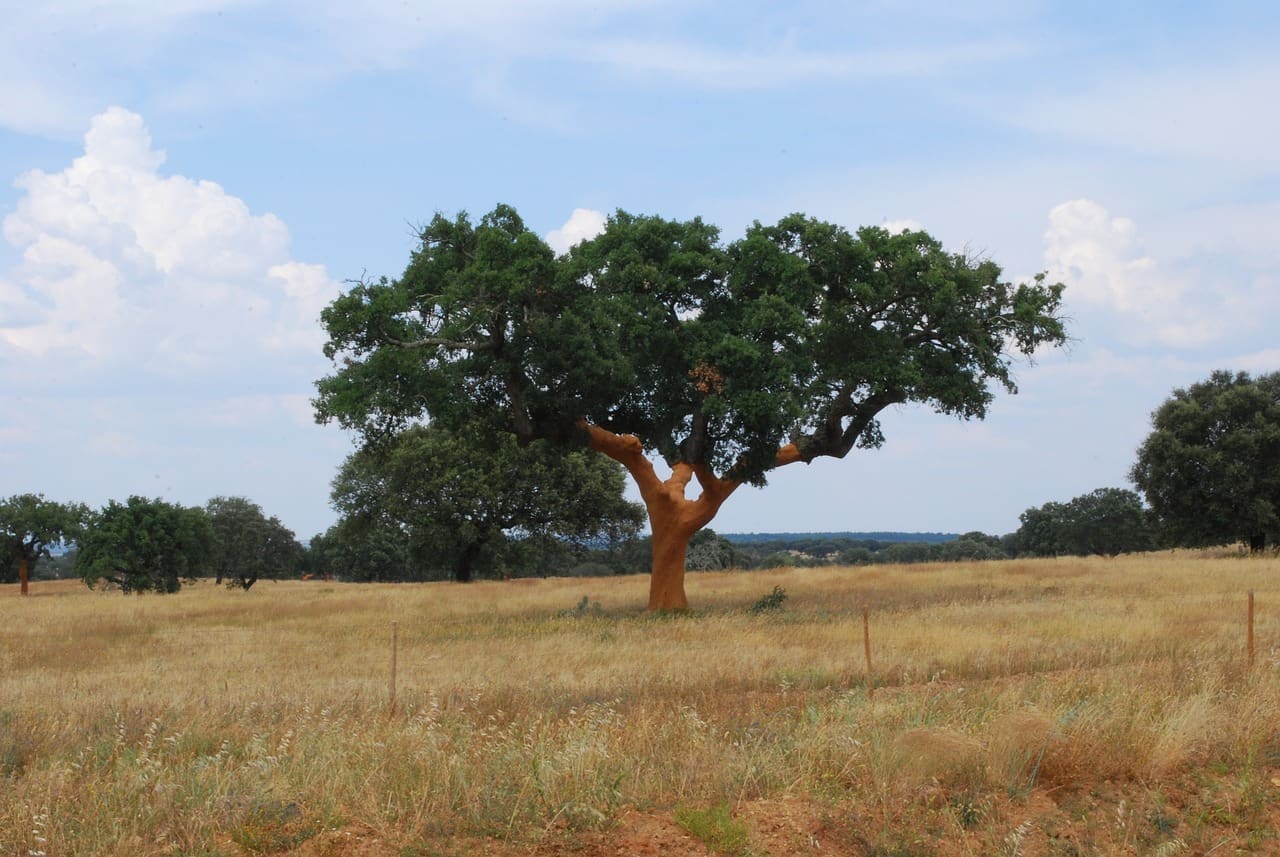
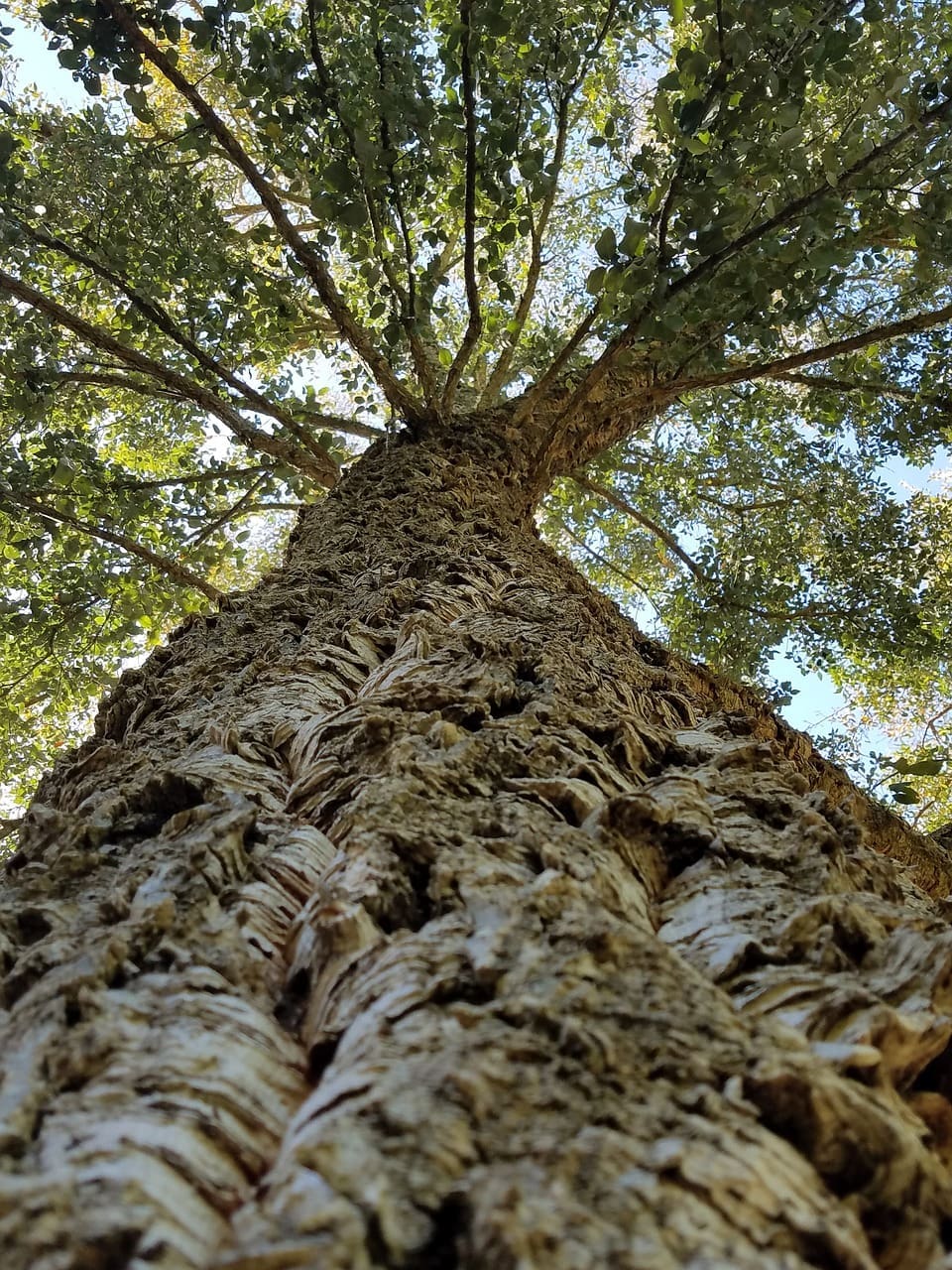
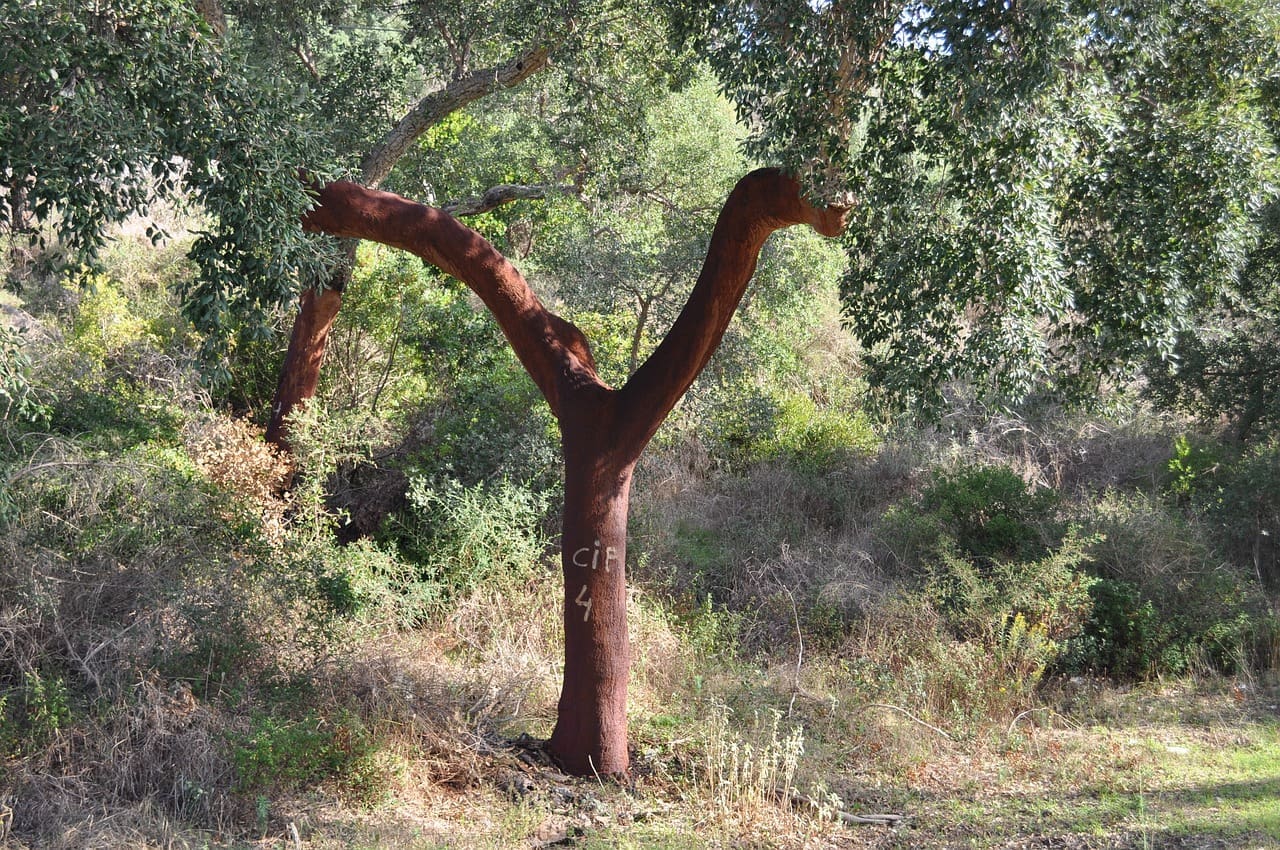
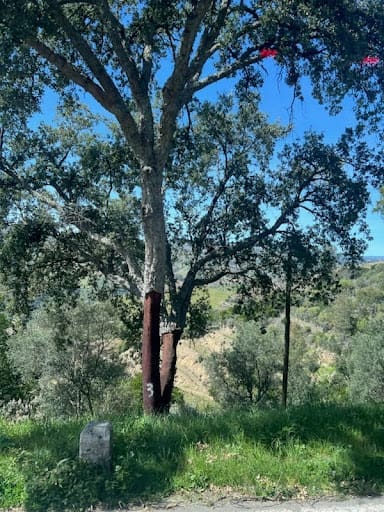


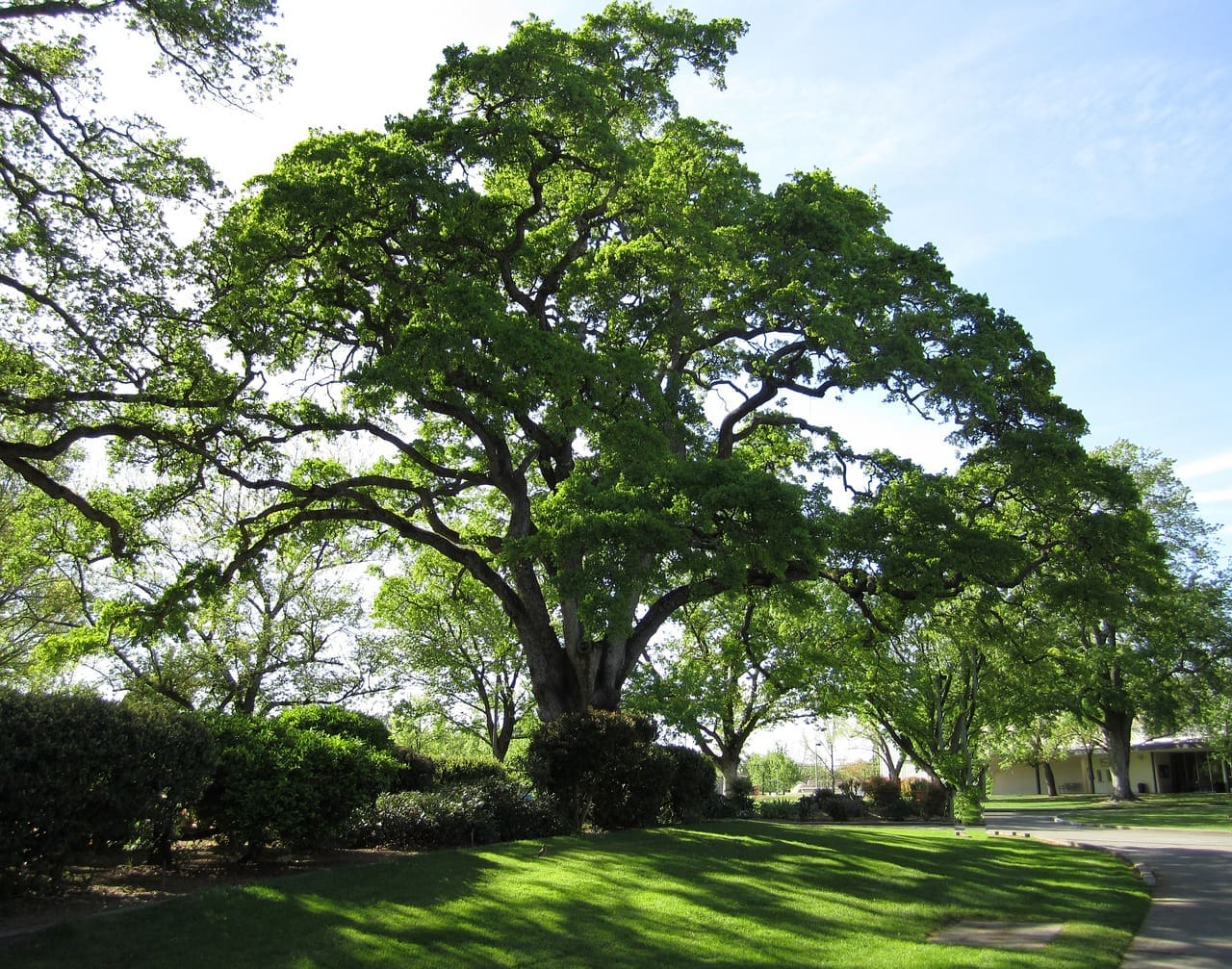
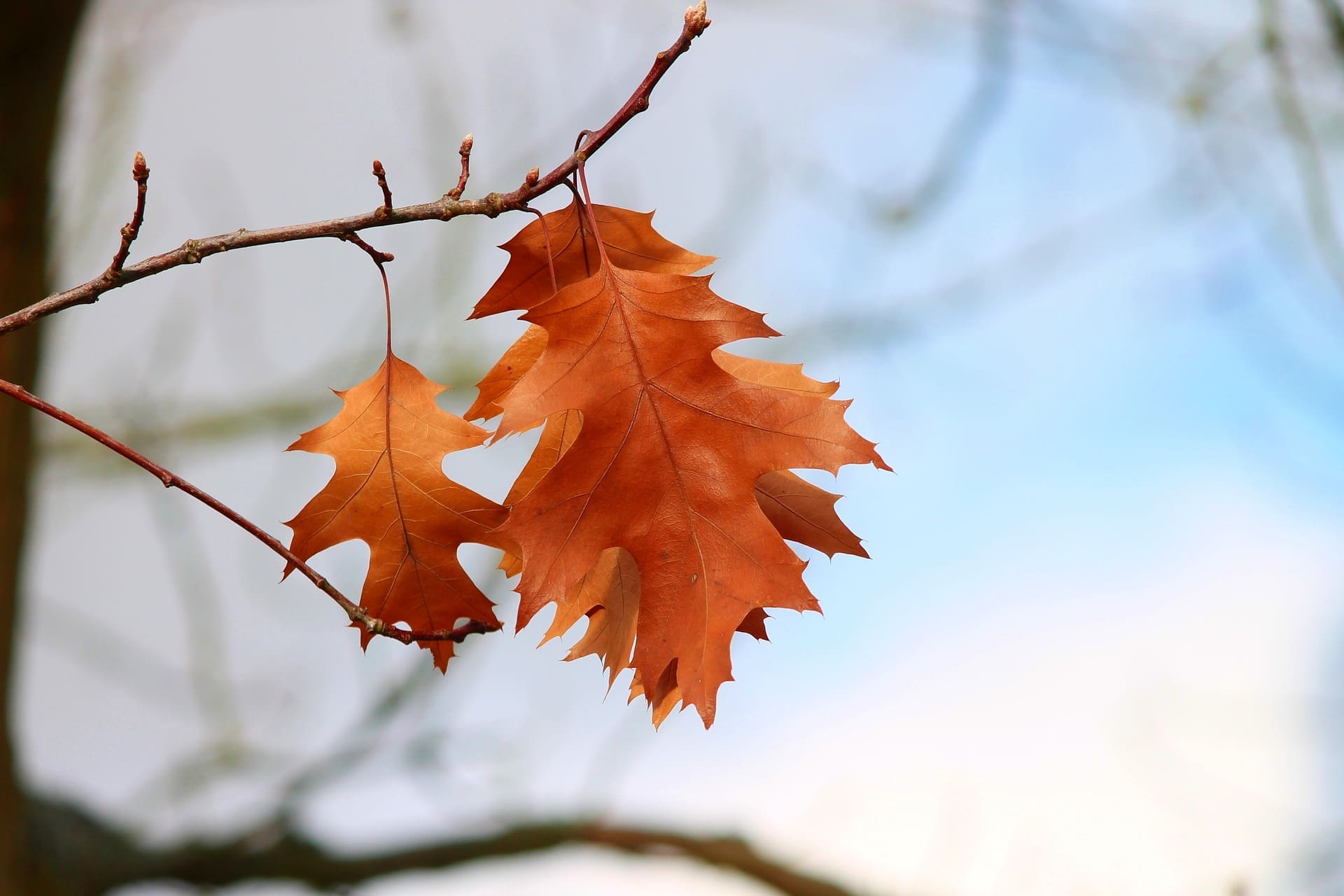
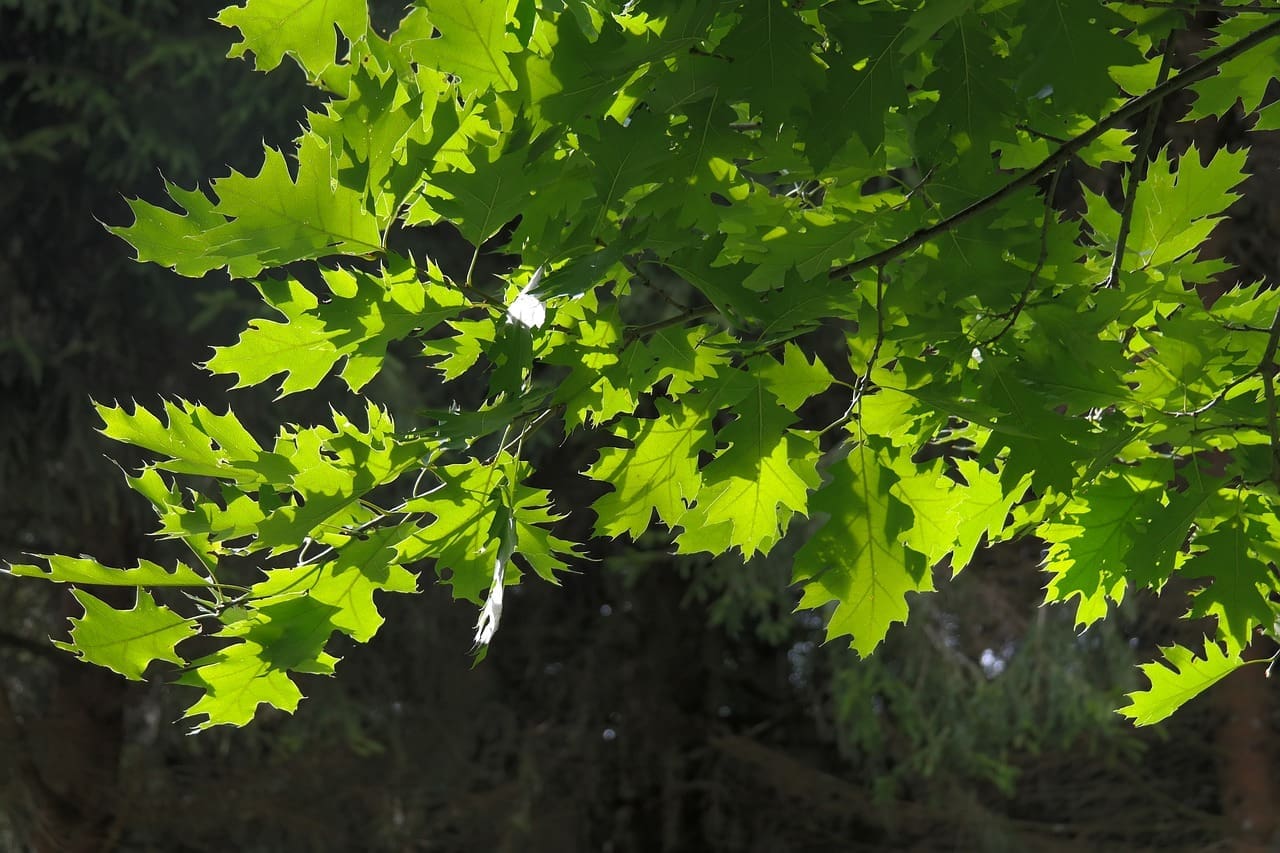
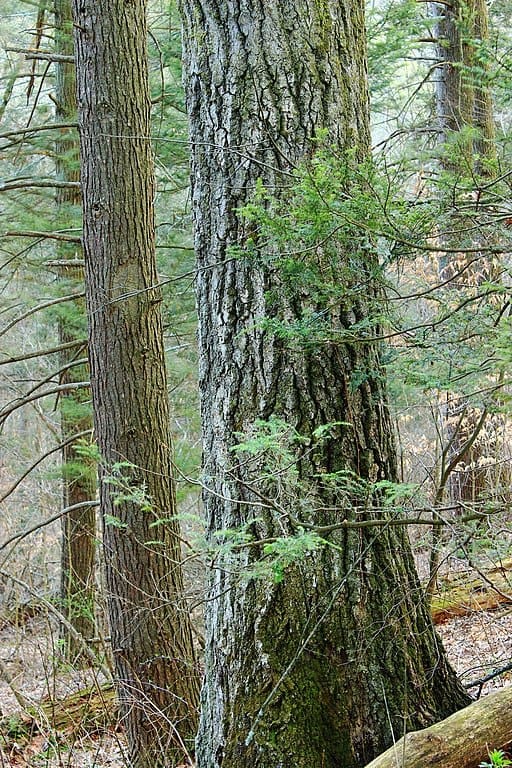
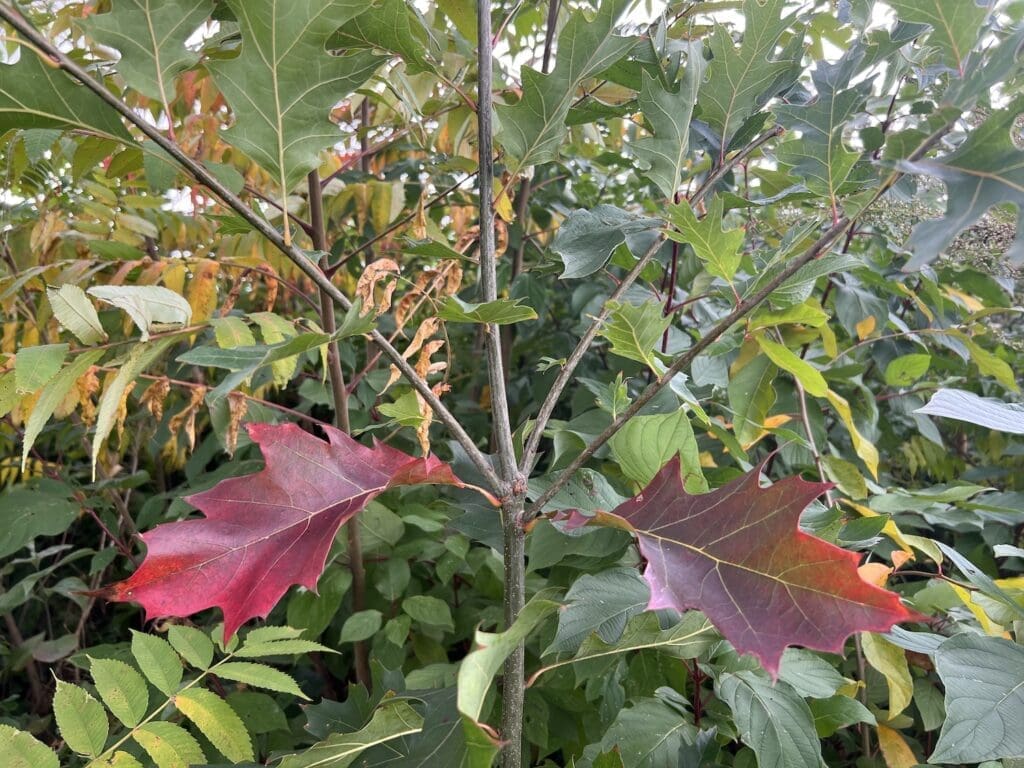

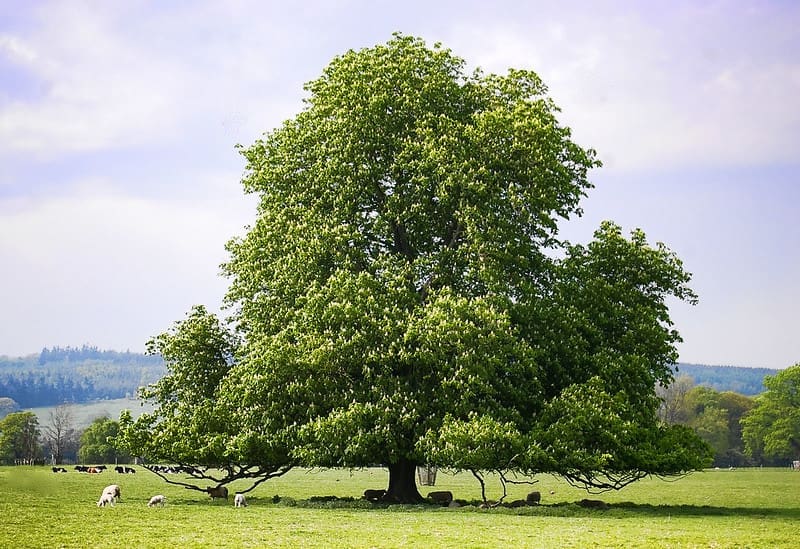
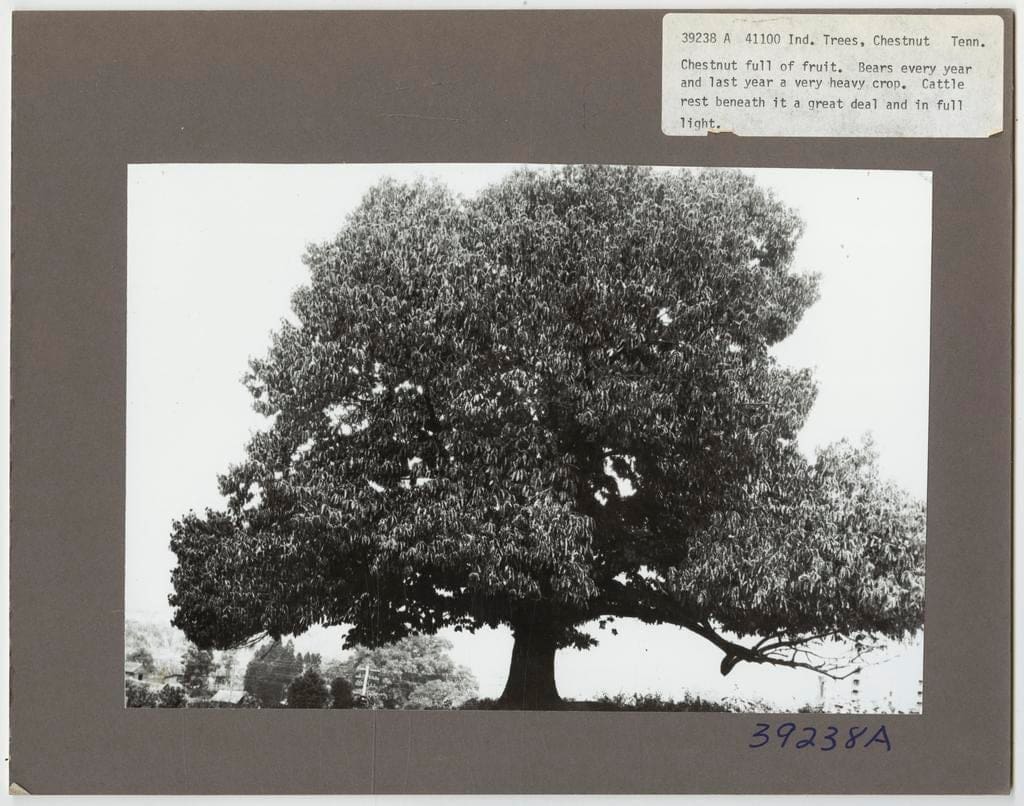

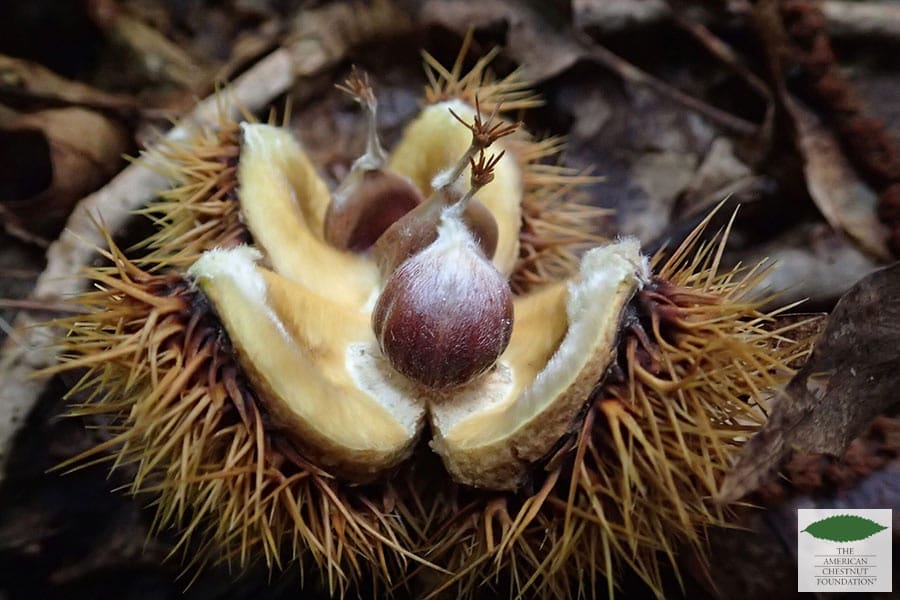
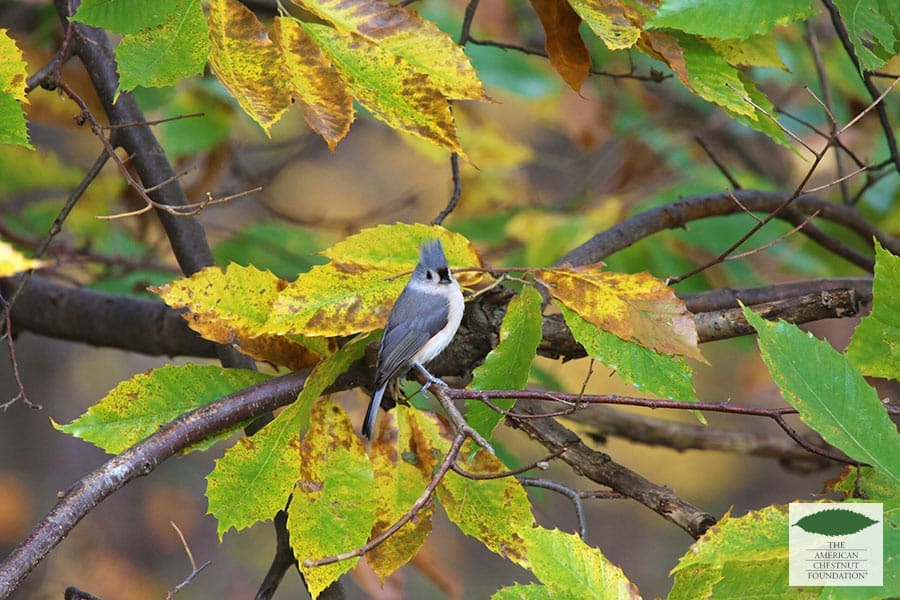
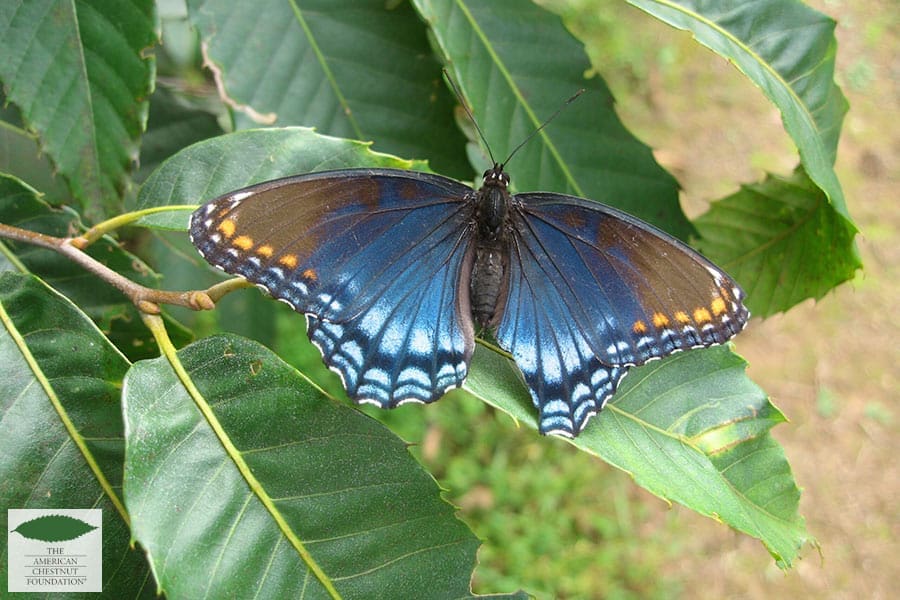



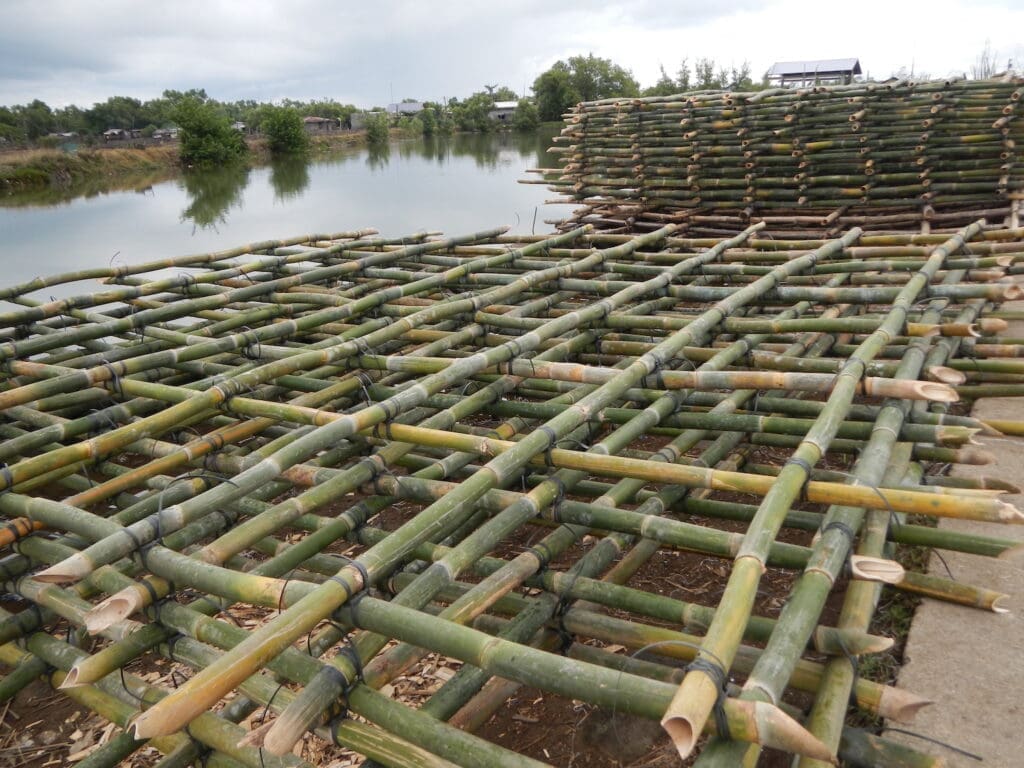
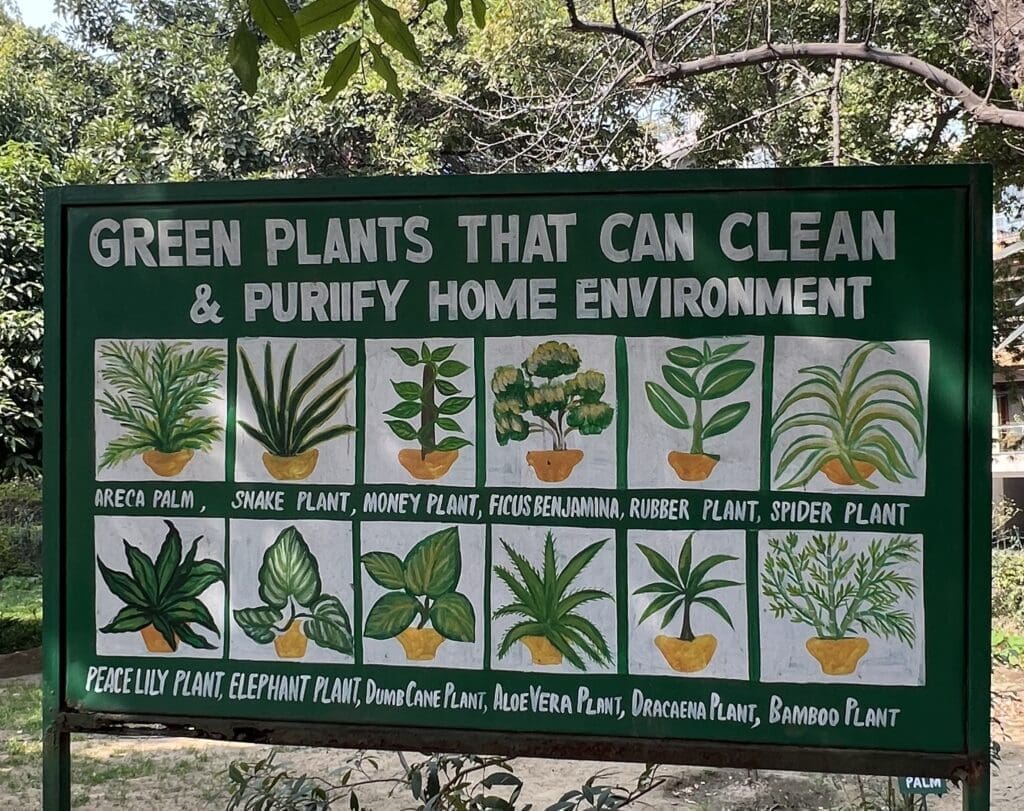


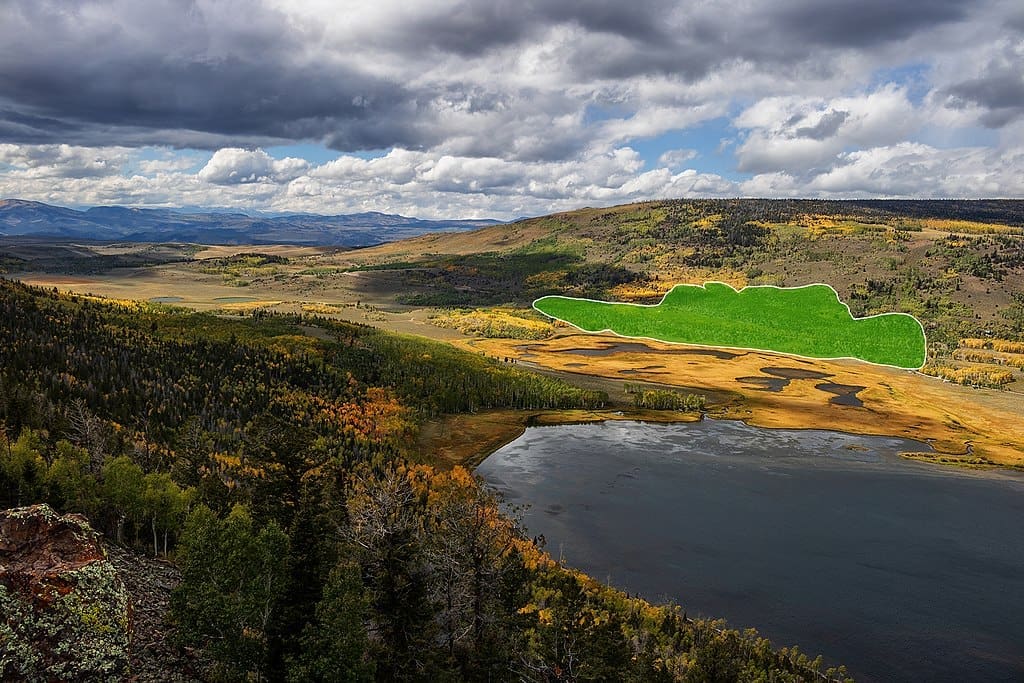
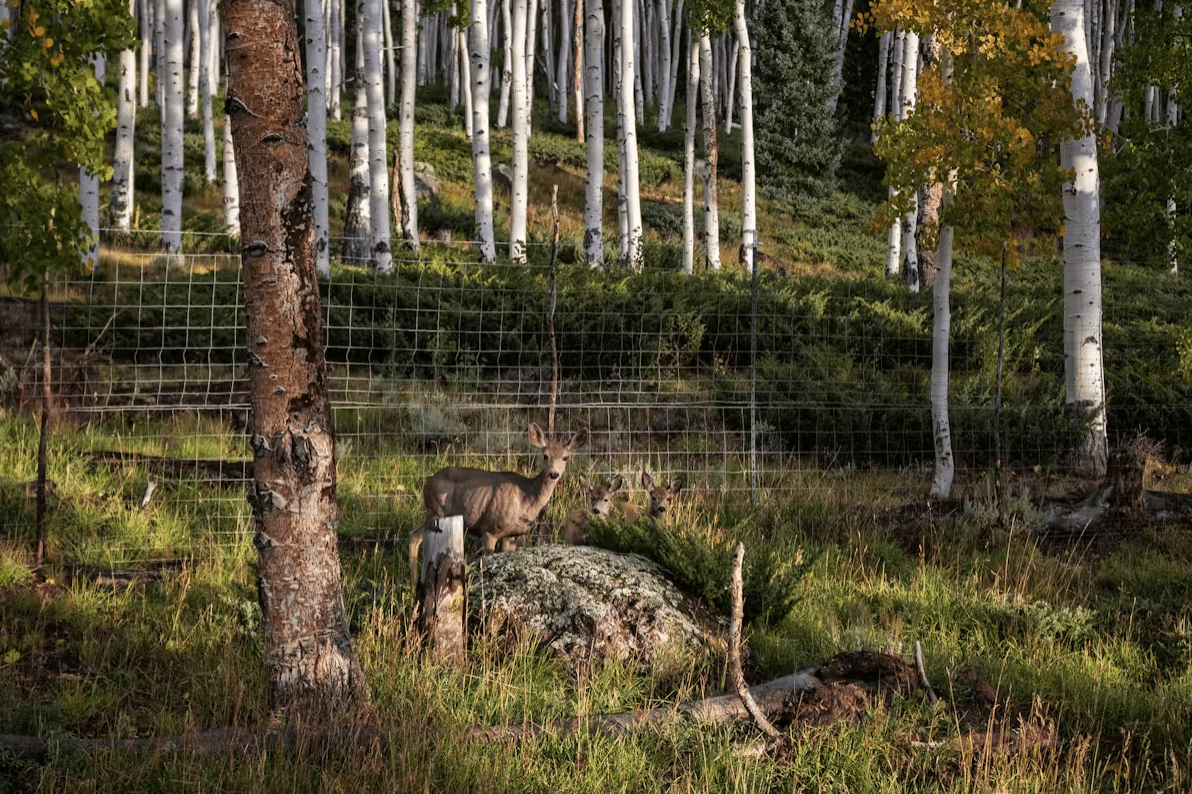
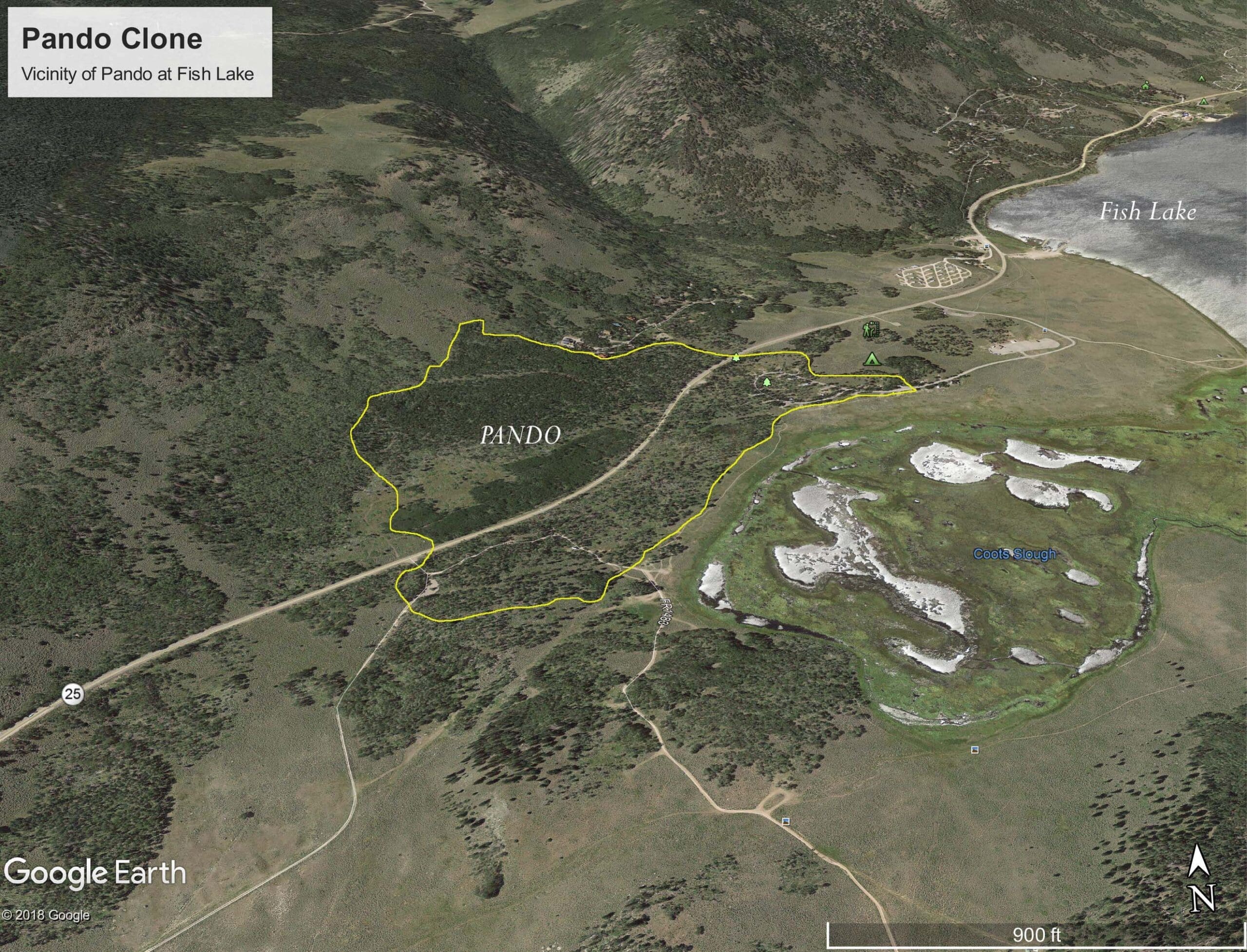
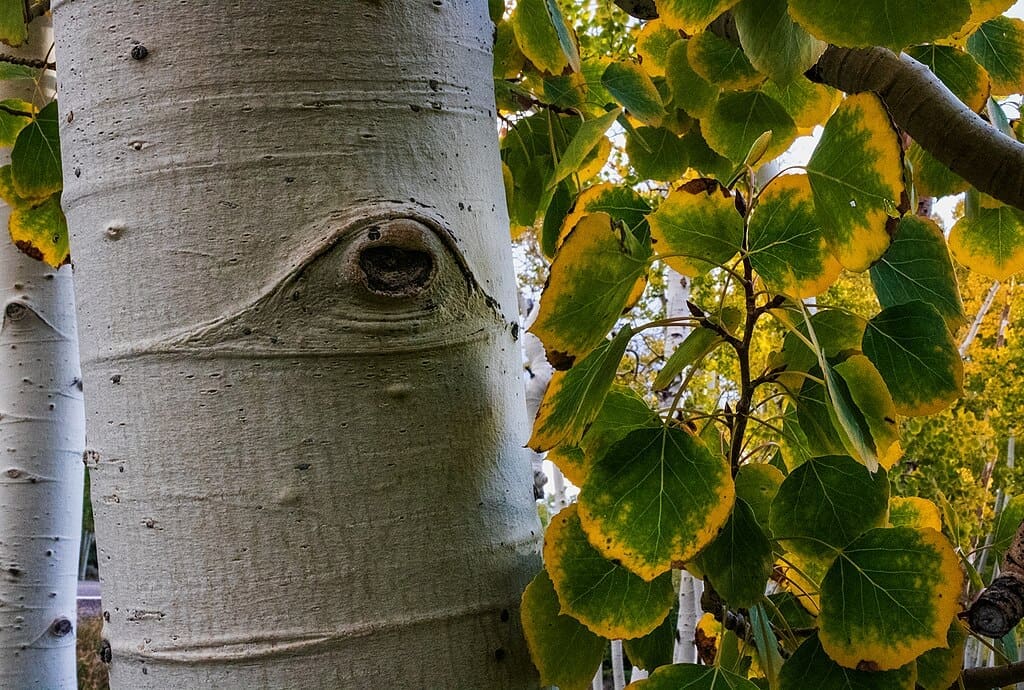
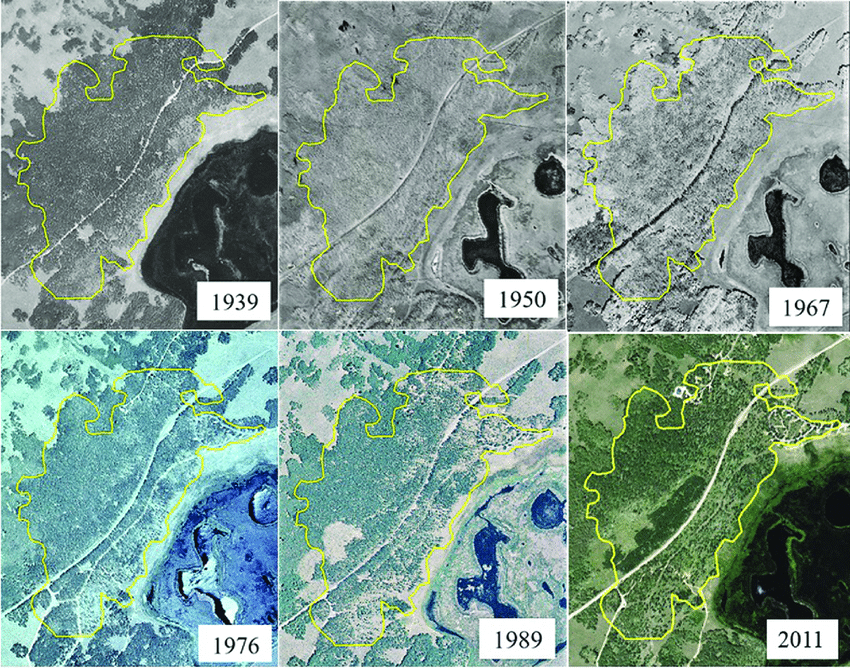
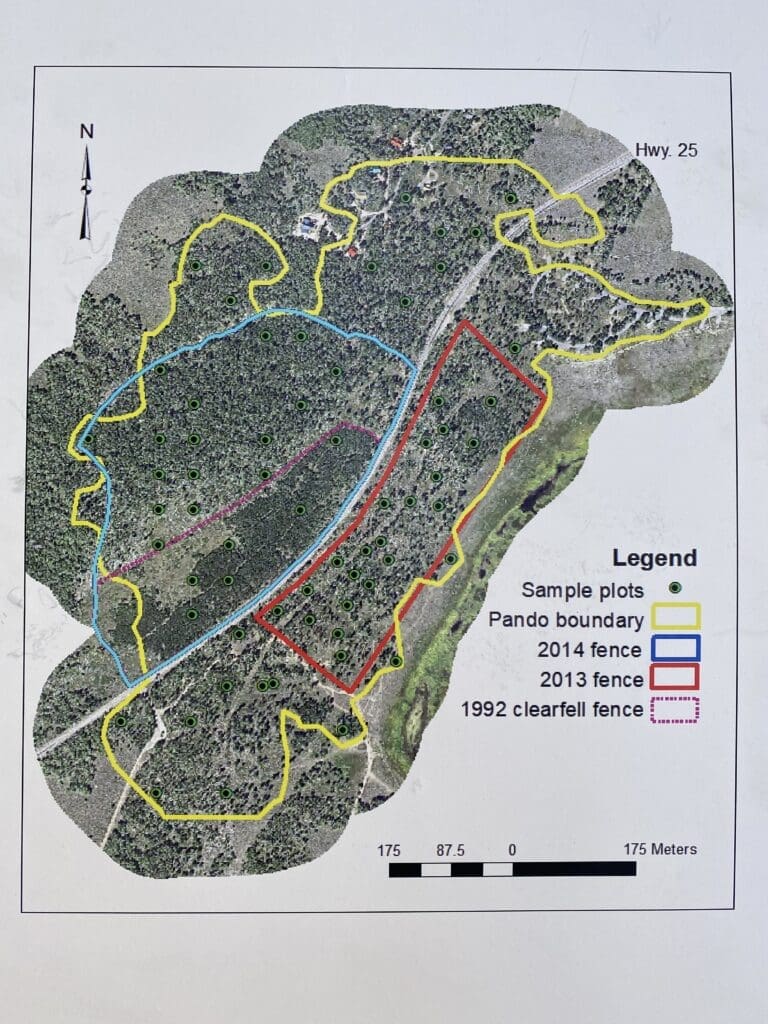
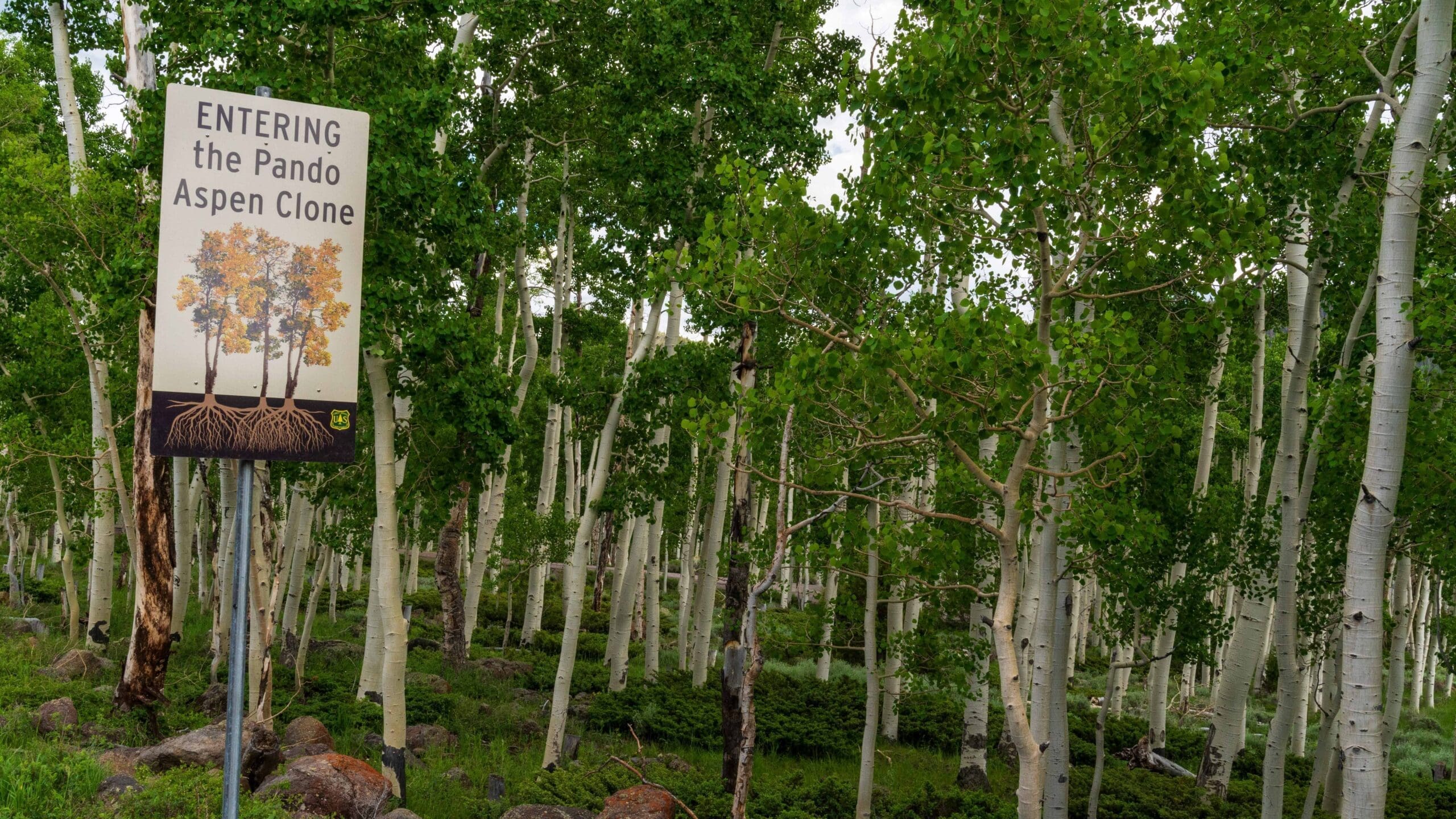
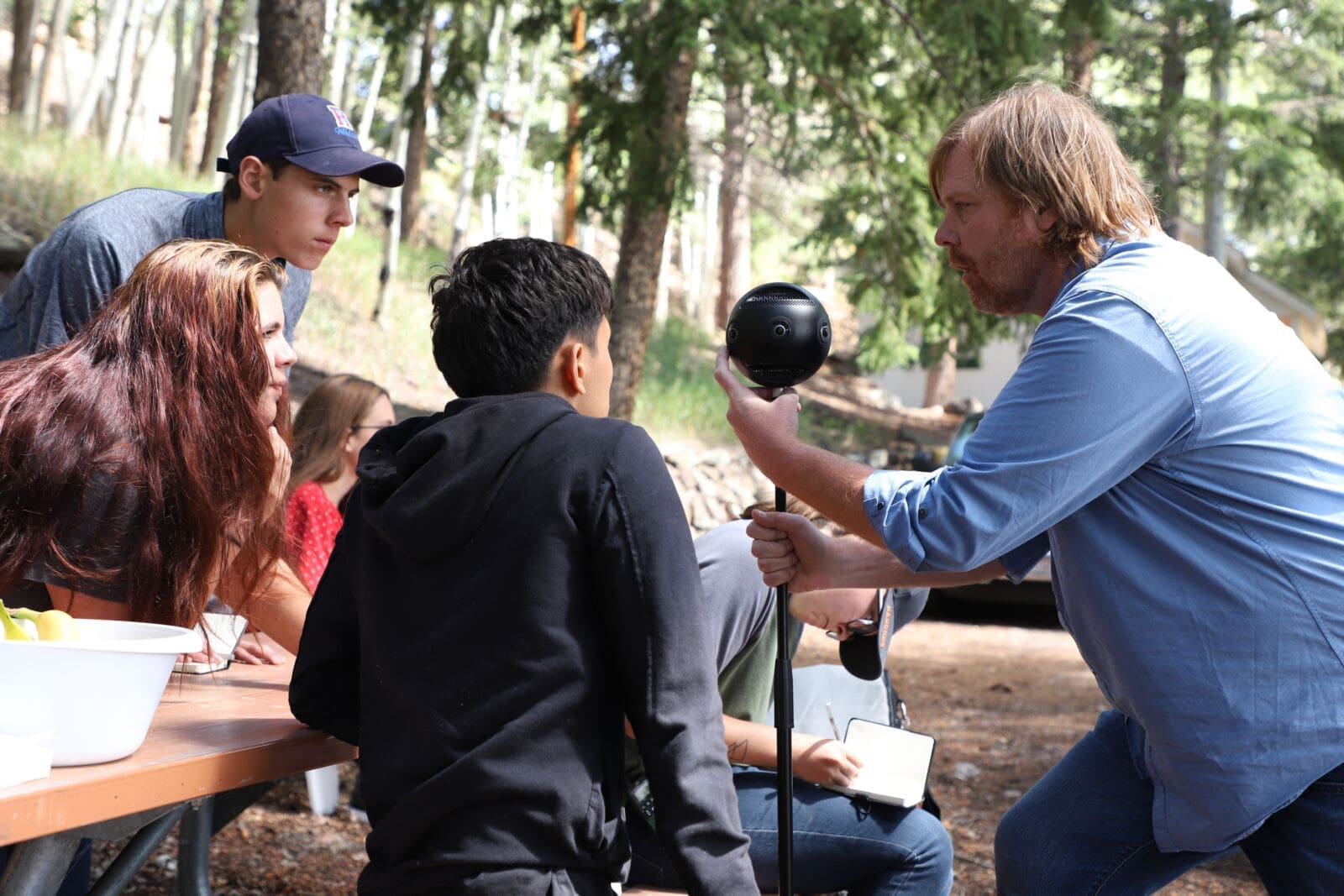
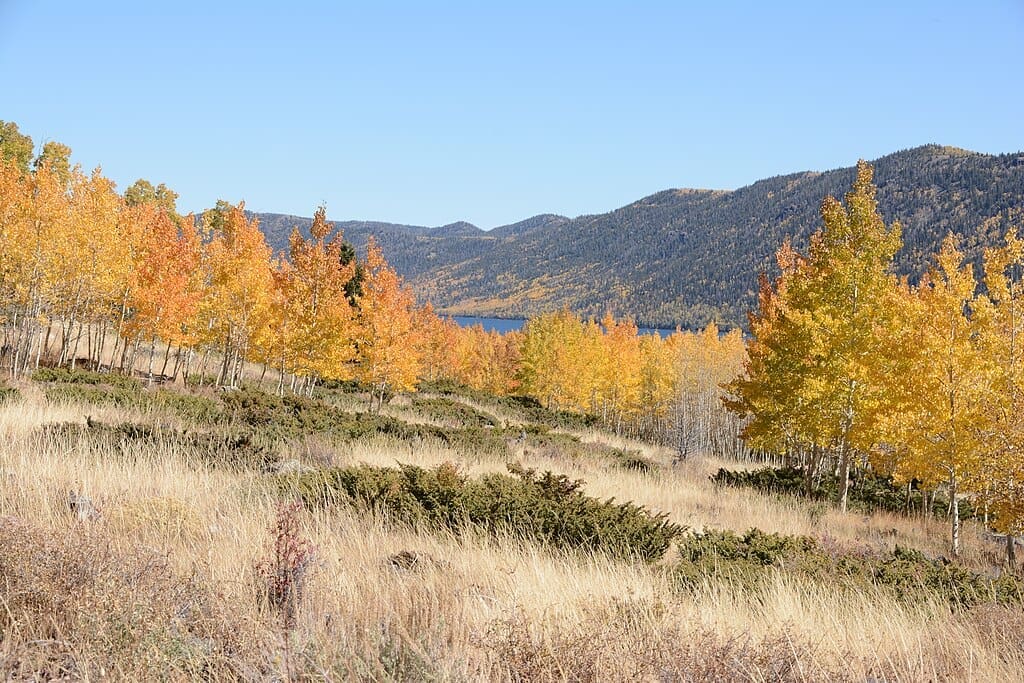
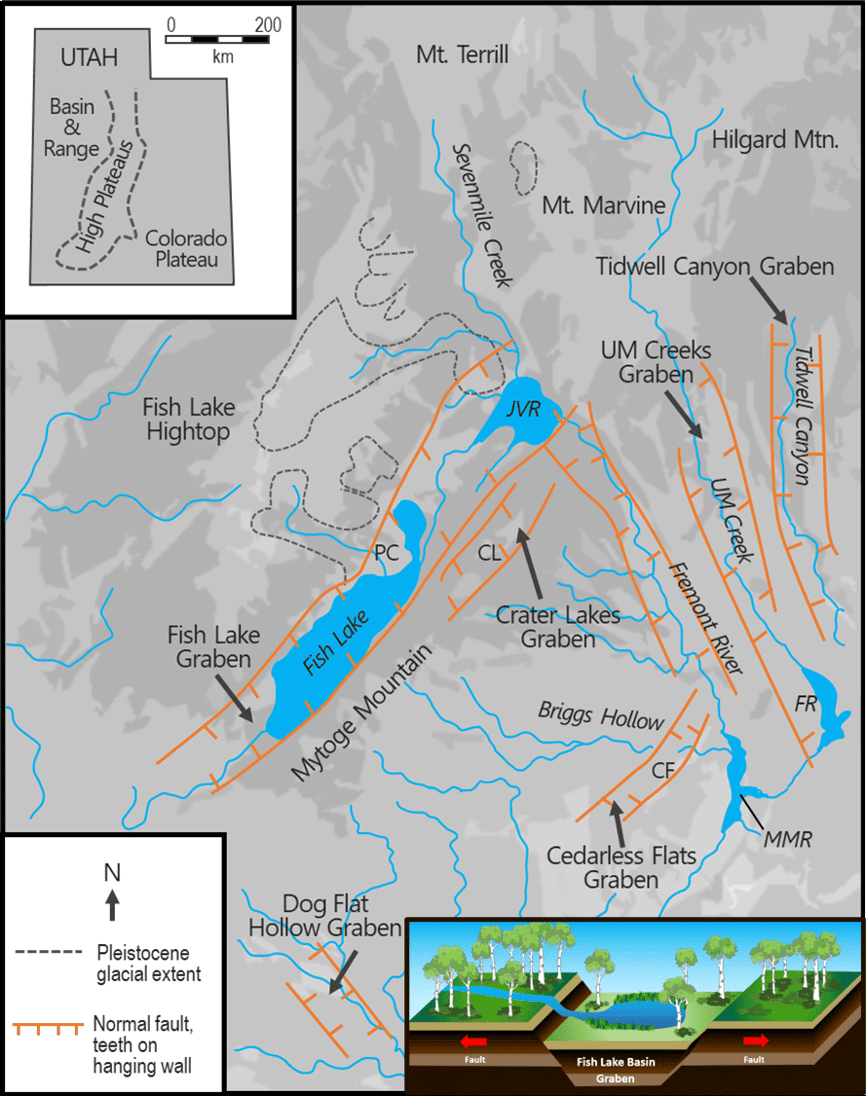
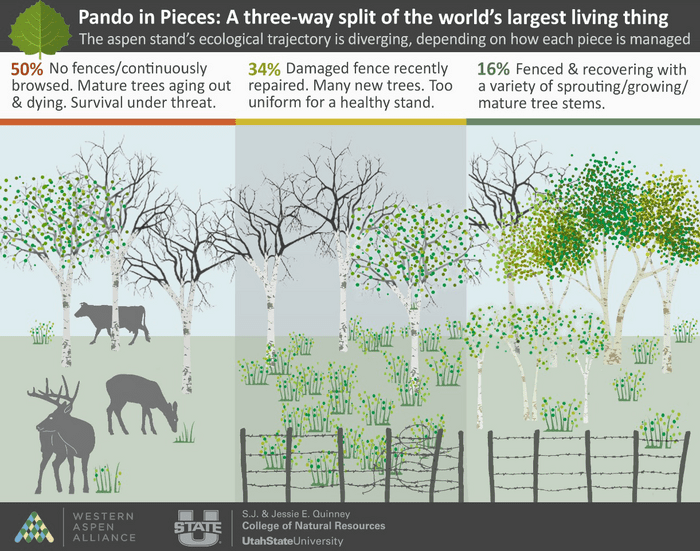
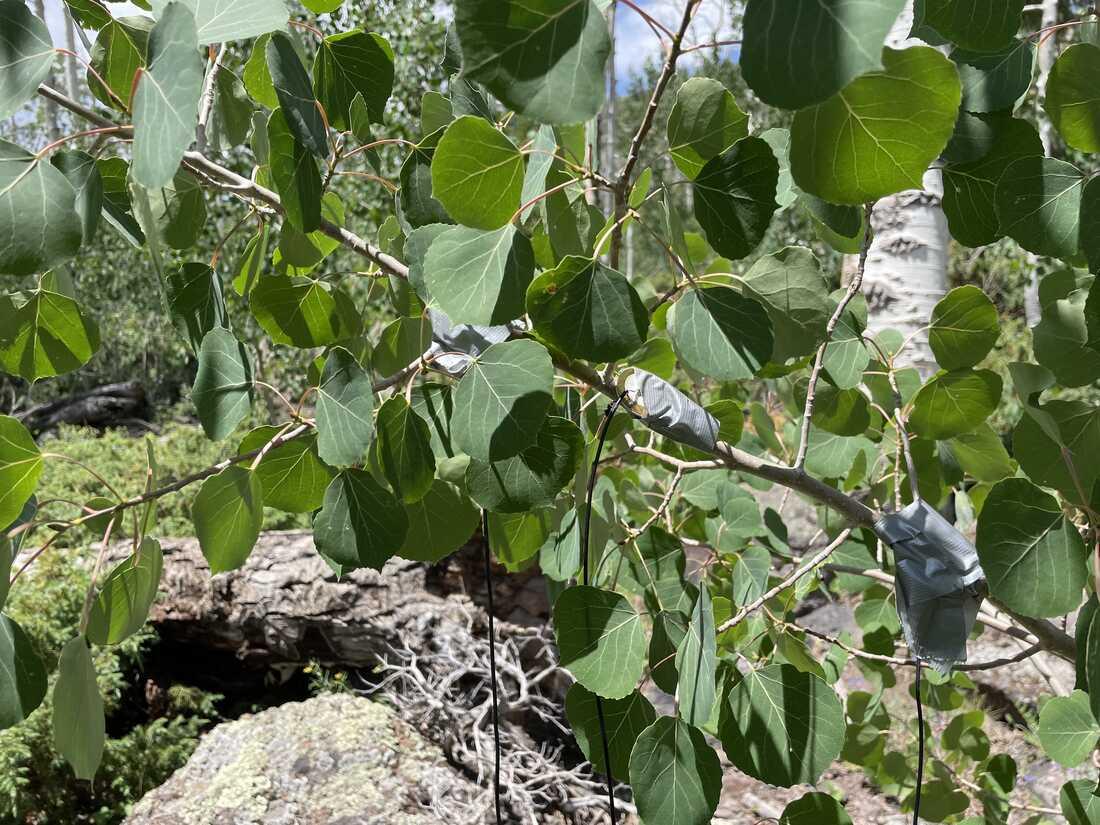
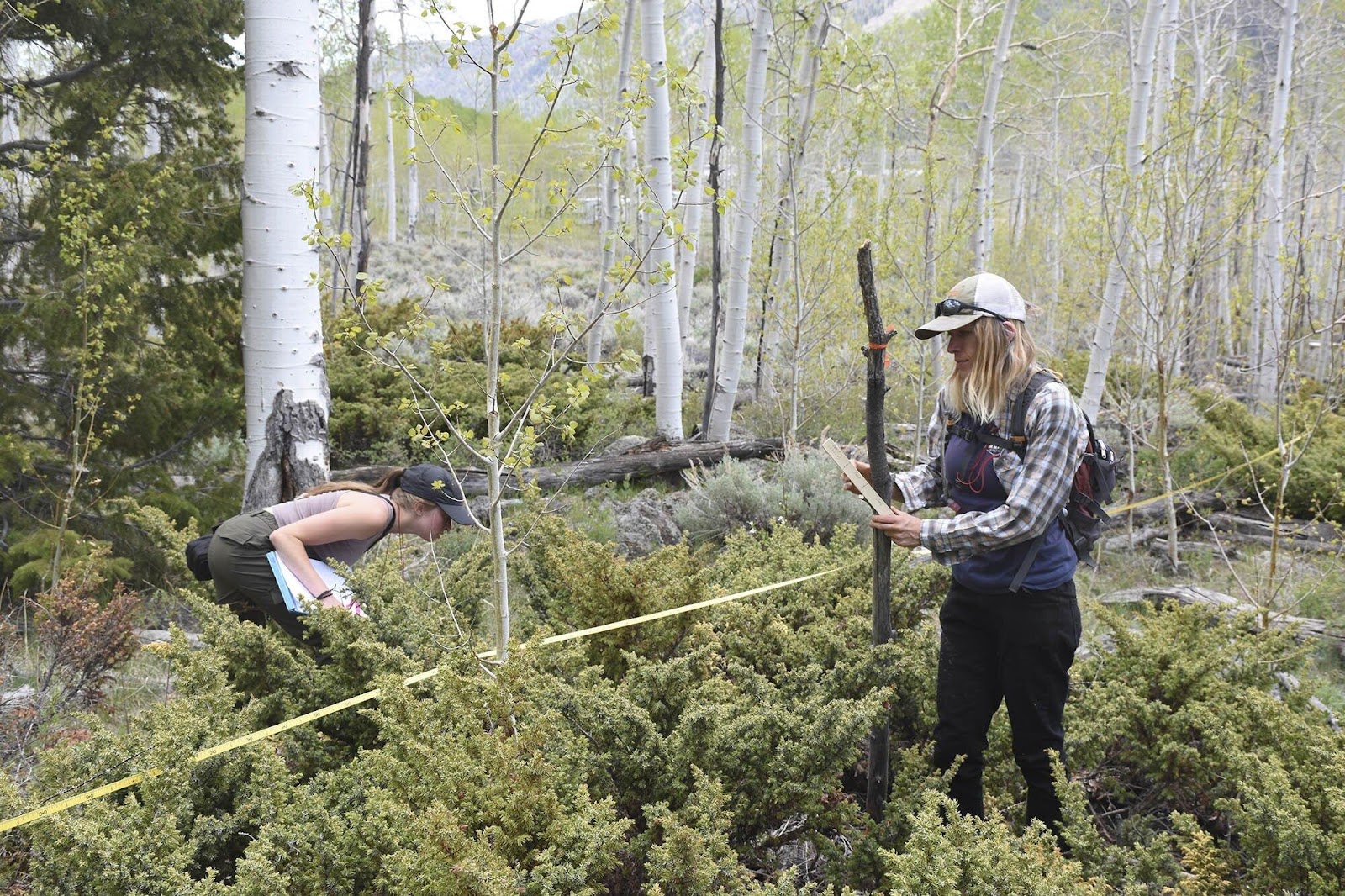


.jpg)