
What animal is covered in scales made from the same material as our hair and nails, can extend its tongue as much as 16 inches (40 cm), and is sadly, the most trafficked in the world?
The pangolin (Order Pholidota)!
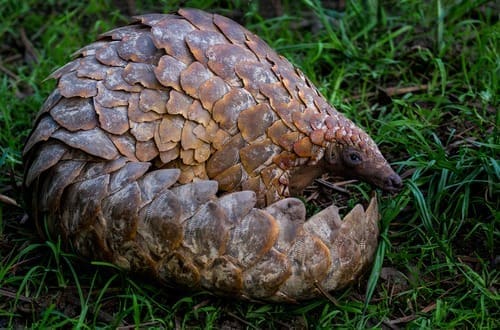
Image credit: Bart Wursten via iNaturalist (CC-BY-NC)
After recently attending an interactive webinar entitled “Back from the Brink: How the Giant Pangolin is Catalysing Forest Recovery” hosted by The Pangolin Project (TPP), this week’s author Sienna Weinstein felt it was a sacred duty of sorts to create a Featured Creature profile on this iconic symbol of endangered species. I send my thanks to speaker Ebony Ellen Escalona and TPP for allowing me to attend such an informative, incredible event, featuring phenomenal photographs, as well as data relating to the impact of conservation actions aimed at protecting the giant pangolin on the biodiversity and recovery of Kenya’s Nyekweri Forest.
An Armor-Plated, Awkward-Gaited, Awe-Inspiring Animal
Eight species found in Africa and Asia make up the members of a truly unique-looking mammal known as the pangolin. Also known as “scaly anteaters,” “walking pinecones,” and “artichokes with tails,” pangolins are the only mammal covered in tough, overlapping scales made of keratin—the same material that makes up rhino horns, and our hair and nails. Making up about 20 percent of a pangolin’s body weight, their scales become a defense shield when they curl into a ball of protection against predators such as lions, leopards, and tigers. As another predatory defense mechanism, Pangolins can emit a noxious-smelling chemical from anal glands, similar to a skunk’s spray.
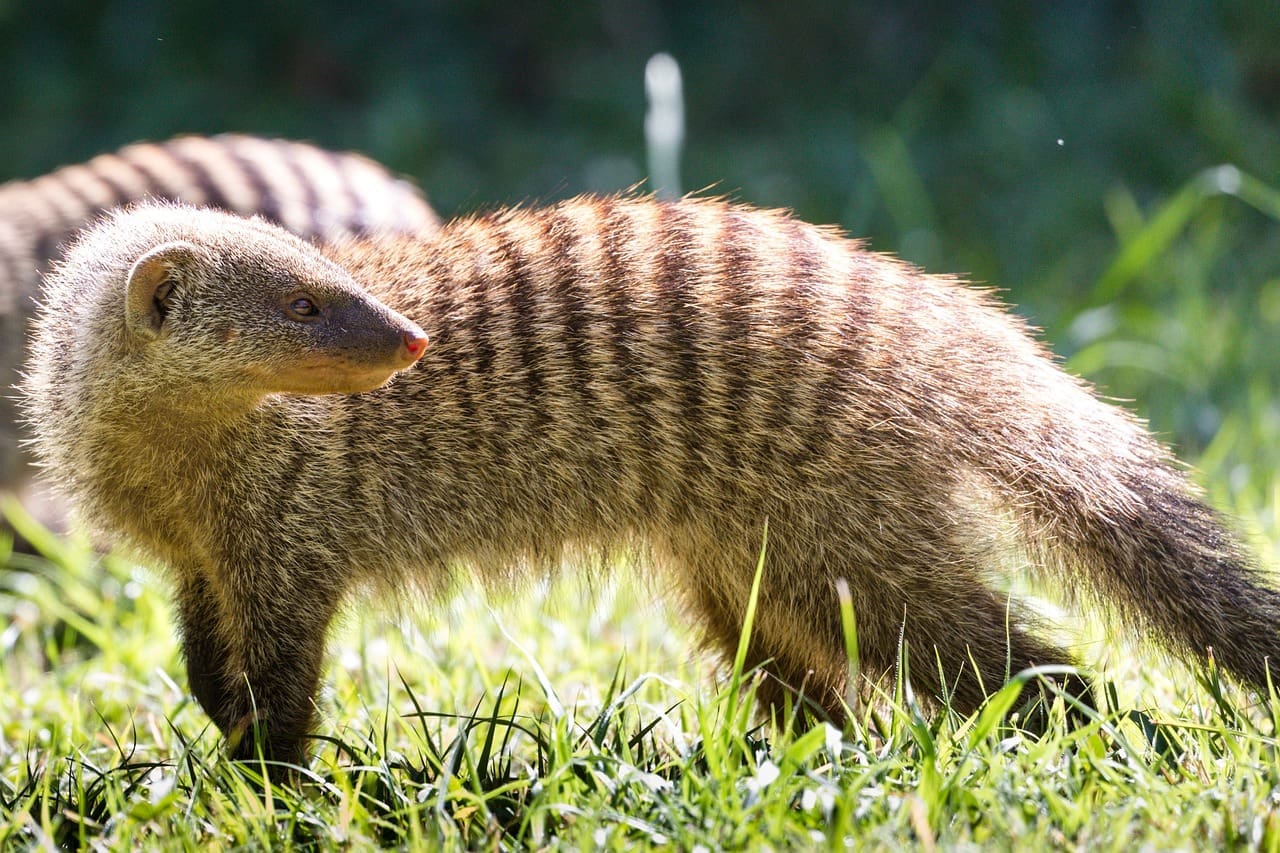
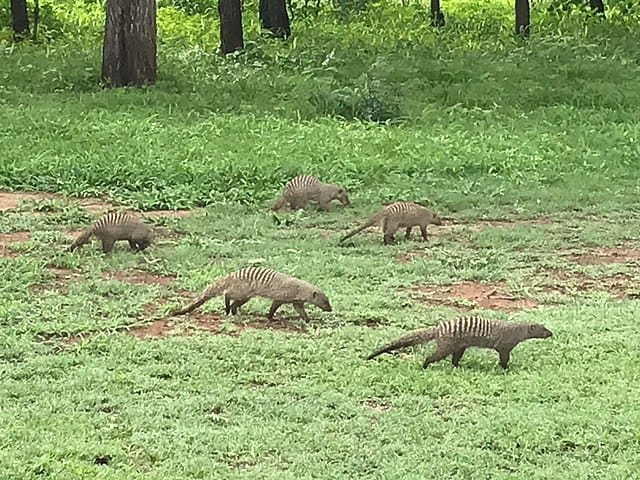
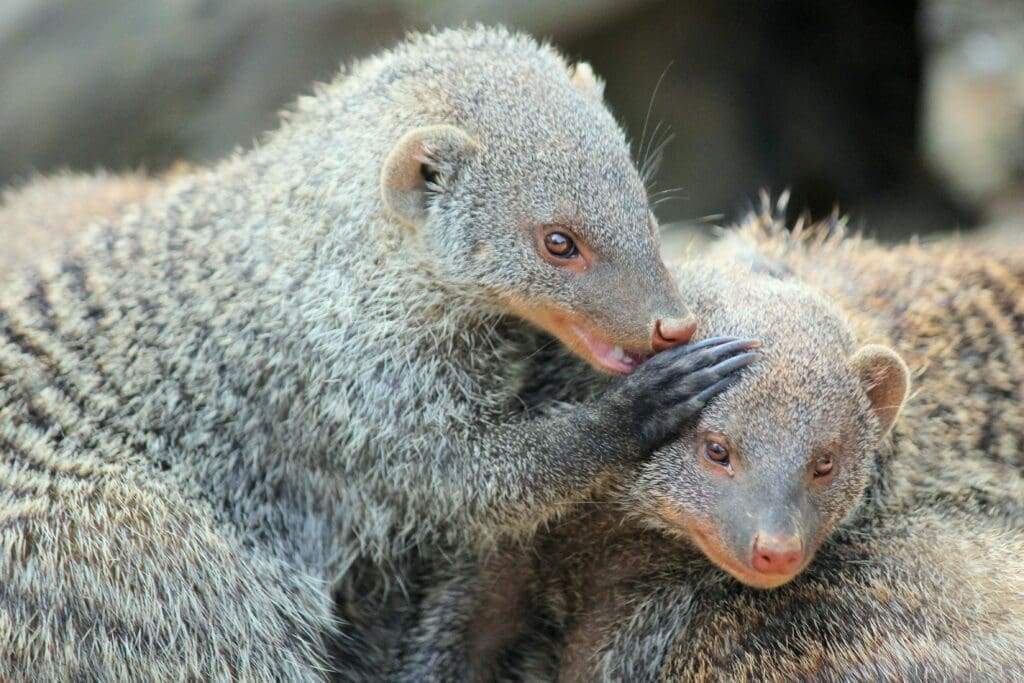
Pangolins have short legs with sharp claws, which they use not only for climbing, but for digging into ant and termite mounds. They lack teeth, but like anteaters, they possess a long, sticky tongue which in larger species, can extend up to 16 inches (40 cm) in order to lap up their favorite foodstuffs: termites, ants, and their larvae. Despite some similarities to anteaters, and possessing traits which may remind an observer of armadillos, one of the closest living relatives of pangolins is actually the mongoose!
8 Species With Wildly Different Habits
Most pangolins are nocturnal, with the only exception being the long-tailed pangolin, also known as the African black-bellied pangolin. There are also differences regarding where exactly certain species of pangolins live and sleep. All pangolin species search for food and water at ground level, but some species are arboreal, living in tree hollows. Ground-dwelling pangolin species dig tunnels to a depth of 11 feet (3.5 m) for shelter. Some species of pangolin, such as the tree pangolin (also known as the white-bellied pangolin), are rather acrobatic–using their strong prehensile tails to hang from branches and strip away bark from the trunk, exposing the insect nests inside.
Pangolin species even differ in their appearance while walking! Some walk with their front claws bent under the foot pad (although they use the entire foot pad on their rear limbs). Ground-based pangolins stand on their hind legs for some behaviors, such as surveying their surroundings or reaching higher objects, and may walk a few steps bipedally. Arboreal pangolins use bipedal movement less frequently, in comparison, and typically, in brief and unstable strides on the ground when moving between trees. Truly, after all of these fascinating facts, you could think pangolins are an alien species!
A Keystone Species
Pangolins are considered a keystone species–one that plays a crucial role in maintaining the health and diversity of their native ecosystems, as their actions significantly impact the environment and other species. Through their consumption of ants, termites, and their larvae, pangolins prevent these insects from overwhelming local vegetation, protecting both forests and human crops. Their digging abilities help to turn over the soil, aerating it and cycling nutrients, which is vital for plant growth and ecosystem regeneration, especially after fires. Abandoned pangolin burrows also provide homes for other species. Overall, pangolins physically reshape their environment which supports overall biodiversity, impacting both plant and animal communities.
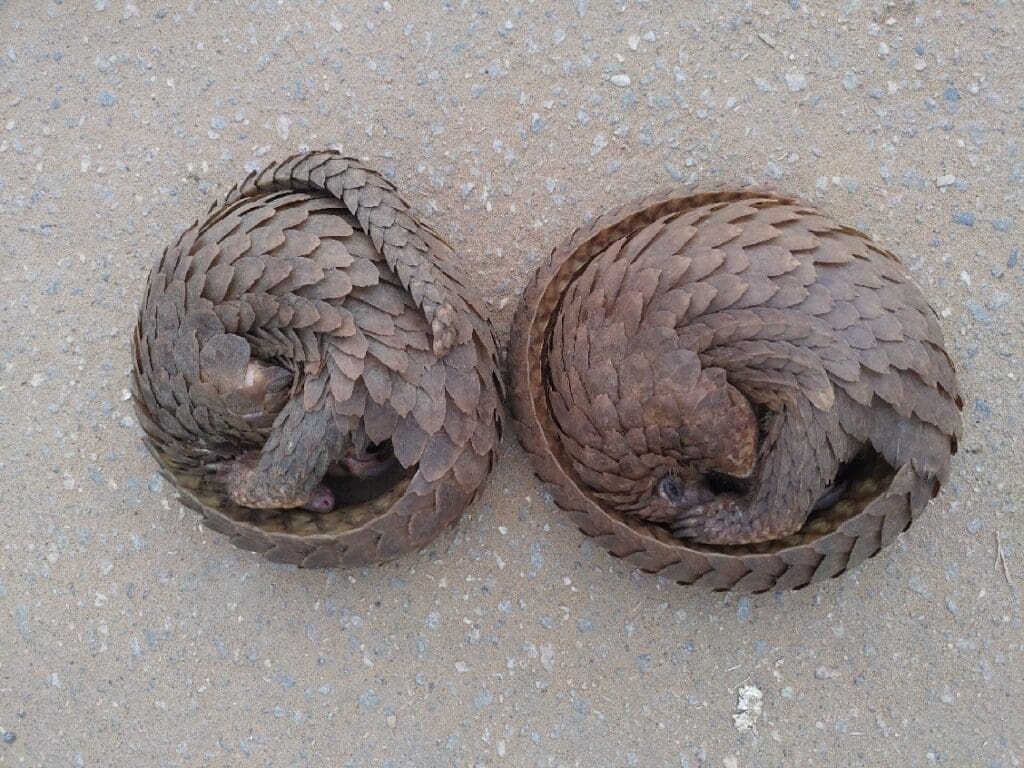
Image credit: Adedotun Ajibade via iNaturalist (CC-BY-NC)
A Tragic Tale of Trafficking
Pangolins are one of the, if not the, most trafficked animals in the world despite international bans on the trade. While their plated armor protects them from natural predators, it doesn’t protect against their biggest threat: humans. Pangolins are in high demand in China and Vietnam, as their scales are believed to have medicinal properties (such as curing cancer or asthma) in traditional medicine.
For scale (no pun intended), one study found that between August 2000 and July 2019, [the equivalent of] at least 895,000 pangolins were trafficked internationally.[1]
Pangolin meat is also considered a delicacy in these countries, and a sought-after bushmeat in West and Central Africa. Spiritual beliefs regarding the power of pangolins are not just limited to East Asia, however. Pangolins and their body parts are used for a wide variety of medicinal and “fortunetelling” purposes in parts of Africa as well, promising wealth and a suitable partner, along with other tempting promises.[2][3] Finally, habitat change through deforestation, land conversion for agriculture, and urbanization, all pose ongoing risks to pangolin survival.
What Can be Done?
In July 2014, the International Union for the Conservation of Nature Species Survival Commission (IUCN SSC) Pangolin Specialist Group launched a global action plan to conserve pangolins, dubbed “Scaling up Pangolin Conservation”. This action plan aims to improve all aspects of pangolin conservation, with an added emphasis on combating pangolin poaching and trafficking while educating communities on the species’ importance. Another potential approach to fighting not only pangolin trafficking, but general wildlife trafficking as well, consists of the strategy of “following the money” rather than “the animal”, which aims to disrupt smugglers’ profits by interrupting money flows. Combatting deforestation is also a must in order to ensure the pangolin’s survival. These are just a few mentions, but there are plenty of conservation actions needed should these truly unique and endearing little animals shape ecosystems, slurp up insects, and ultimately, survive, for decades to come.

Sienna Weinstein is a wildlife photographer, zoologist, and lifelong advocate for the conservation of wildlife across the globe. She earned her B.S. in Zoology from the University of Vermont, followed by a M.S. degree in Environmental Studies with a concentration in Conservation Biology from Antioch University New England. While earning her Bachelor’s degree, Sienna participated in a study abroad program in South Africa and Eswatini (formerly Swaziland), taking part in fieldwork involving species abundance and diversity in the southern African ecosystem. She is also an official member of the Upsilon Tau chapter of the Beta Beta Beta National Biological Honor Society.
Deciding at the end of her academic career that she wanted to grow her natural creativity and hobby of photography into something more, Sienna dedicated herself to the field of wildlife conservation communication as a means to promote the conservation of wildlife. Her photography has been credited by organizations including The Nature Conservancy, Zoo New England, and the Smithsonian’s National Zoo and Conservation Biology Institute. She was also an invited reviewer of an elephant ethology lesson plan for Picture Perfect STEM Lessons (May 2017) by NSTA Press. Along with writing for Bio4Climate, she is also a volunteer writer for the New England Primate Conservancy. In her free time, she enjoys playing video games, watching wildlife documentaries, photographing nature and wildlife, and posting her work on her LinkedIn profile. She hopes to create a more professional portfolio in the near future.
References:
• https://www.awf.org/wildlife-conservation/pangolin
• https://en.wikipedia.org/wiki/Pangolin
• https://www.instagram.com/p/DMBAmugKCdU/
• https://link.springer.com/article/10.1186/1746-4269-10-76
• https://news.mongabay.com/2019/12/three-pangolin-species-closer-to-extinction-iucn/
• https://planetwild.com/blog/pangolins
• https://pmc.ncbi.nlm.nih.gov/articles/PMC4300090/
• https://www.savepangolins.org/what-is-a-pangolin
• https://www.sciencedirect.com/science/chapter/edited-volume/abs/pii/B9780128155073000162
• https://wildaid.org/wildaids-pangolin-priority-saving-the-most-trafficked-wild-mammal-in-the-world/
• https://www.worldwildlife.org/resources/facts/what-is-a-pangolin/
• https://www.zsl.org/what-we-do/species/pangolins


















_DSC9195vv.jpg)
_with_a_mouthful_of_flowers.jpg)


