Featured Creature: Lavender

What’s usually purple, but sometimes pink,
and in the summer you might want it in a drink?

Lavender! (Lavandula)
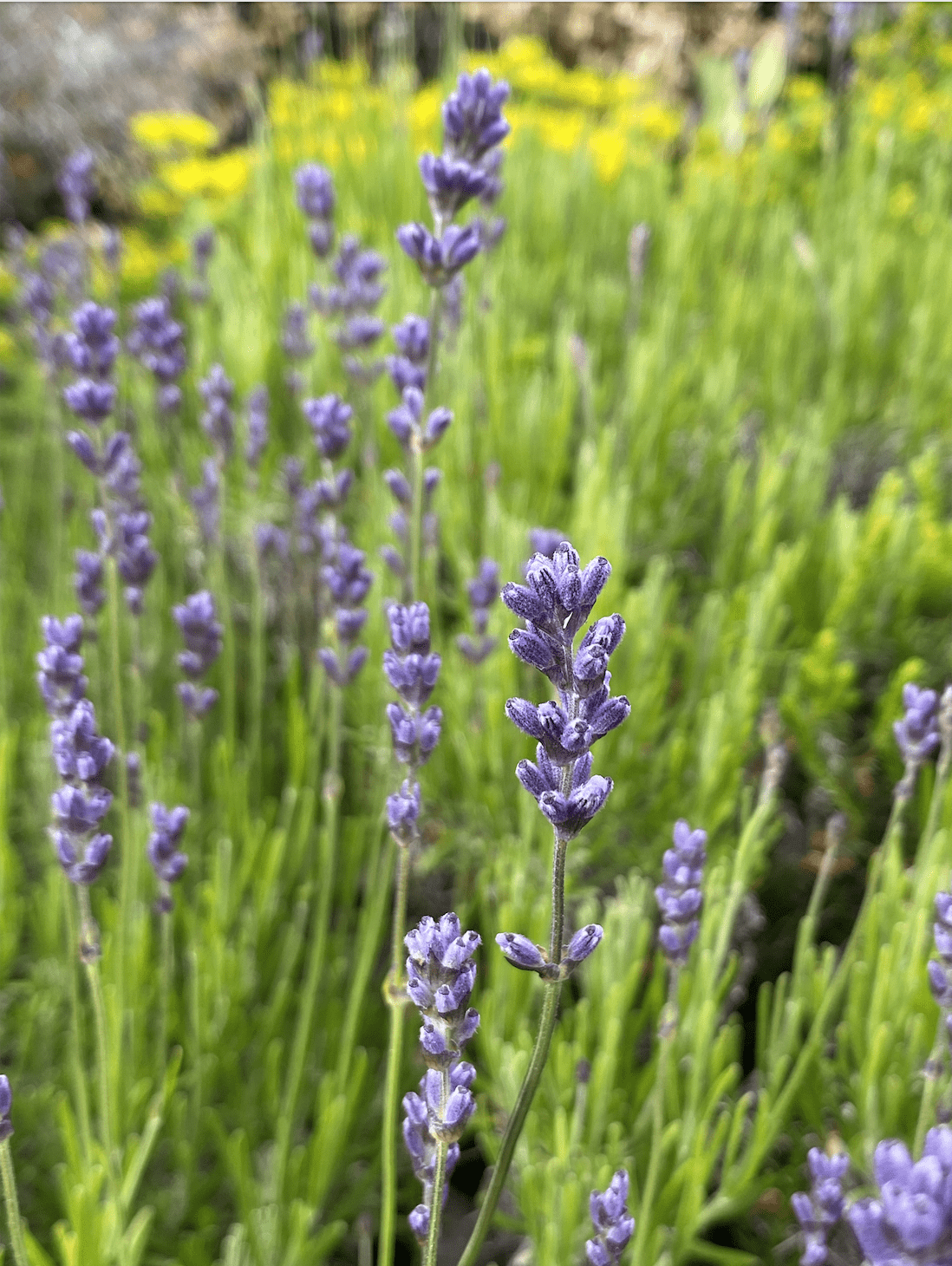
(Image Credit: edededen via iNaturalist)

Already baking in the high desert heat, I rolled up a gravel driveway past yucca and prickly pear cacti to Mesa Verde Lavender, the farm in Mancos, Colorado, where I was to spend my summer living and working. I didn’t know much about the plant other than that it smelled good, tasted a little soapy, and that I was potentially allergic to it (luckily, I was wrong about this one). 

Over the next three months, I would learn a lot about the lavender, how to plant it, care for it, and harvest it. On a lazy mid-June day, when the first buds of the flower had begun to blossom, the most mature field was full of flowers with tiny white buds springing from their stems. It was as if all of the color had been leached from their little buds. That is how I stumbled upon the existence of pink lavender, the Miss Katherine cultivar.
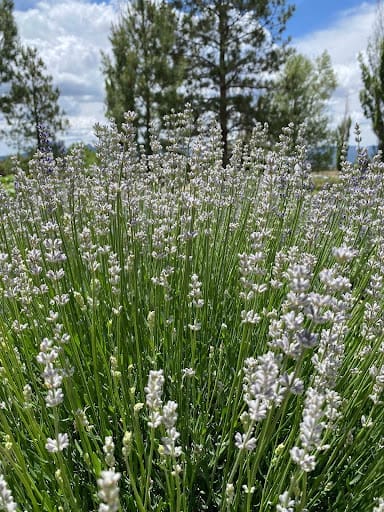
Miss Katherine in Colorado (Photo by Author)

Miss Katherine was the first variety to bloom on the farm, with a blooming period from early June to late August.

Lavender is a genus (Lavandula) of flowering plants known for its beauty and its fragrant oils. Lavender plants typically have long, slender stems with narrow leaves, and their flowers are generally in shades of purple, blue, or violet—though when I first laid eyes on them in Colorado, they were a dusty white. And while they certainly taste different, Lavender is in great aromatic company as part of the mint family (Lamiaceae), sharing several biological traits with its “fresh” relative like square stems and opposite leaves. 

Originating in the Mediterranean, Lavender prefers hot sunshine and more alkaline, or basic, soils (less acidic clay soils with a higher pH), making them strong and hardy plants, perfect for the high altitude desert farm in Colorado where I worked with them.
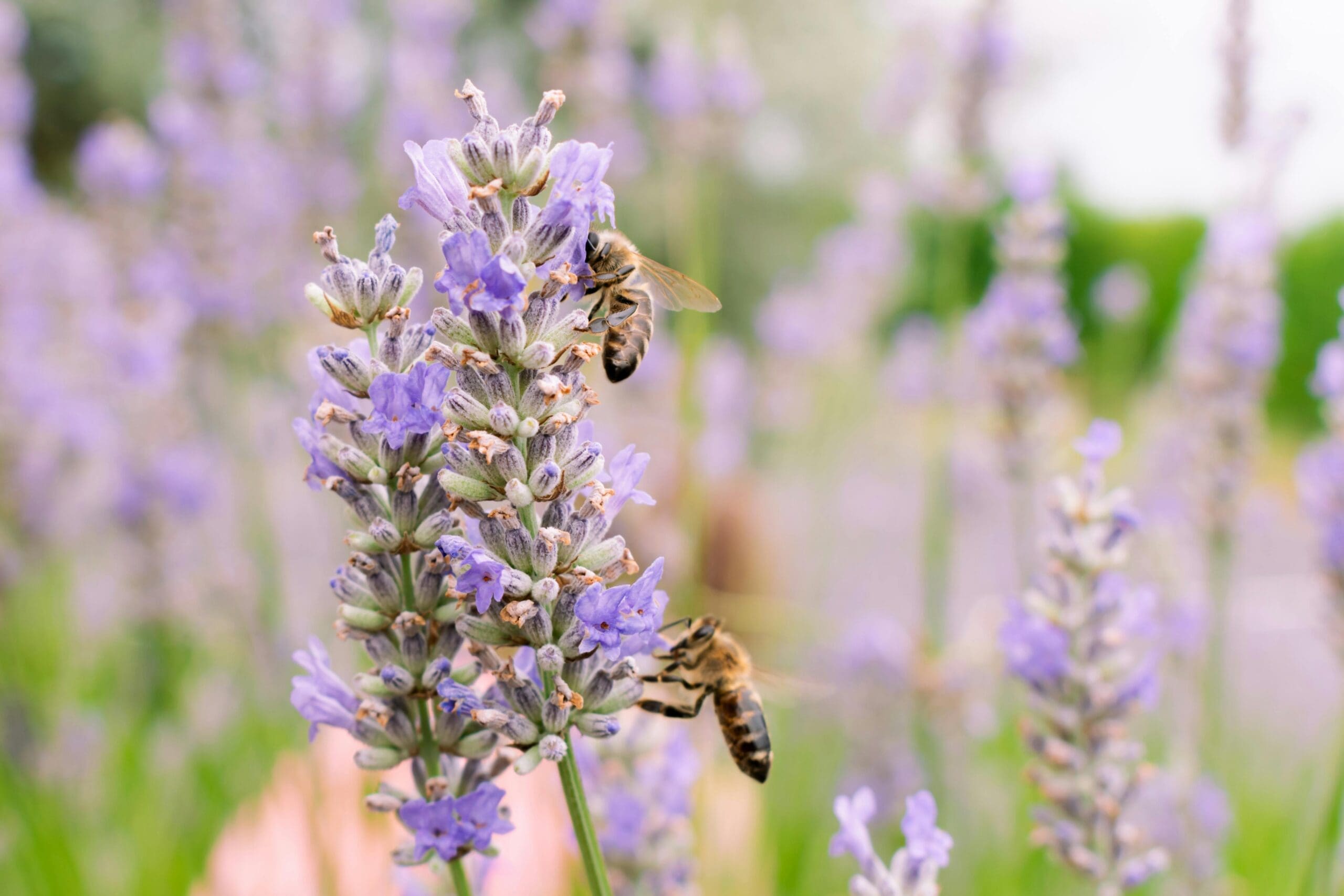
Bees?

Trendy chefs and mixologists aren’t the only ones working lavender into their meals. The plant’s flowers are rich in nectar and pollen, making them highly attractive to pollinators like bees and butterflies too. These pollinators are critical allies in the lavender’s reproductive process, transferring pollen between flowers to facilitate fertilization. Lavender flowers typically bloom during the summer, providing an important food source for pollinators and other feasting friends. 

Now, lavender plants can self-pollinate. But they thrive with the help of birds, bees, the wind, and others to spread their pollen to other, genetically diverse, lavender. And although many insects interact with lavender, none do it quite like bees. Interestingly, not all bees contribute equally; some species engage in what is known as “nectar robbing,” or extracting nectar without transferring pollen. But not the bumblebee. These highly efficient pollinators use their long tongues to access nectar more effectively, enabling them to forage lavender three times faster than honeybees. That’s good news for the bee. And their fuzzy bodies collect and transfer pollen efficiently between flowers, promoting successful cross-pollination. That’s good news for the lavender. 

There’s no denying it – lavender has a delicate aura about it. It’s decorative. It embellishes carefully plated meals. It’s a favorite of nearly every kind of scented product you can think of. But don’t let that image fool you. It’s one tough cookie, and this was something that really fascinated me when I dug into learning about the plant. I see it a little differently now. Lavender has evolved several adaptations that allow it to thrive in harsher environments. It is drought-resistant and capable of surviving in well-drained soils with low fertility. The plant’s deep, robust root system enables it to pull moisture from the soil, even in periods of low rainfall. It’s this ability to endure dry conditions that makes lavender well-suited for Mediterranean climates, where hot, dry summers are kind of the norm. 
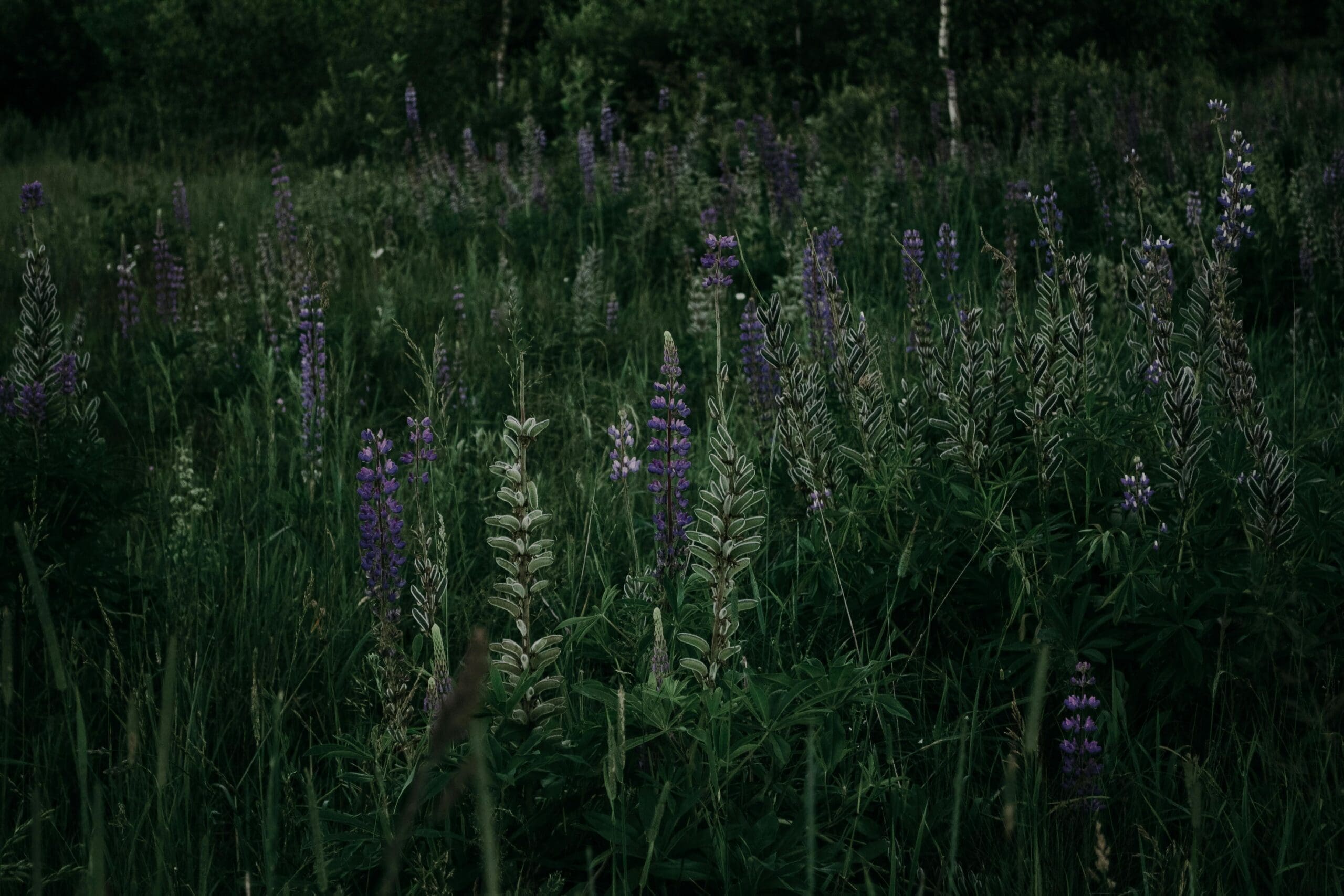
(Photo by Irina Iriser via Pexels)

Essential Oils

During the Colorado harvest, my fingers grew stickier with each strike of the scythe against the plant’s stems. A delicious-smelling substance that oozing from within the lavender and onto my hands. This was the essential oil. 

Essential oils are concentrated compounds extracted from plants, and they tend to capture each plant’s unique scent and natural chemical properties. They’re commercially valuable in numerous human applications, including aromatherapy, skincare, and medicinal and culinary uses.
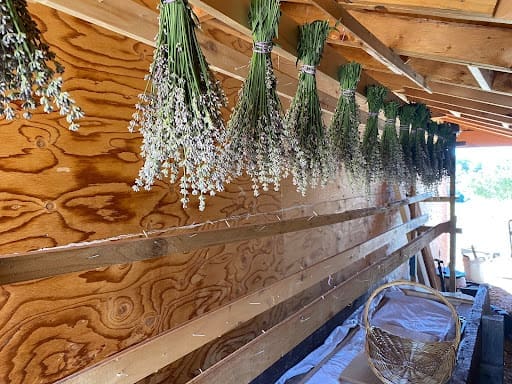
Miss Katherine hanging to dry (photo by author)

Essential oil is present in all parts of the lavender plant, including the leaves, buds, and stems (hence my sticky hands).

The Miss Katherine lavender is the most commonly used lavender variety for essential oil production, due to its low camphor content. Camphor is a naturally occurring compound in essential oils with a bitter taste and strong smell—not something you’d want on your plant or in your candle. Other lavender varieties, such as Lavandula stoechas and Lavandula lanata, have higher camphor levels, making them better suited for natural bug repellents and other less cosmetic or edible applications.

Scientists still don’t fully understand the natural purpose of essential oils in plants. Some oils are thought to be byproducts of metabolic processes, while others could play a role in defense against disease and predators. Lavender plants are thought to be allelopathic—capable of releasing chemicals that inhibit the growth of surrounding plants. This can help lavender outcompete invasive species. But on the flip side, planting lavender in an environment where it doesn’t belong can lead to inhibition of native plants and, ultimately, a loss of biodiversity. 
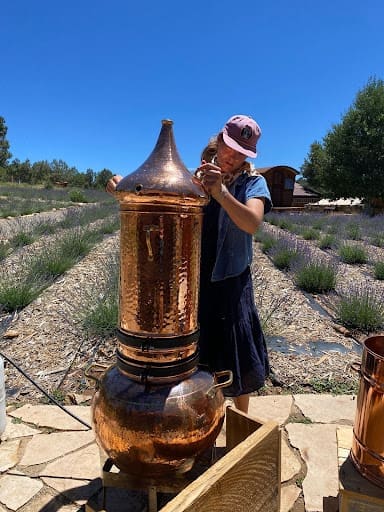
Lavender distilling (photo by author) 

After the harvest, bundles of lavender are hung upside down to dry for a couple days, after which the buds are stripped from the stems, contained in jars, and sent out to market. At Mesa Verde Lavender, the farm delivered a mixture of Miss Katherine, Provance, and Royal Velvet to a local ice cream shop, where the lavender was whipped into delicious gourmet ice cream and served to the community of Durango, Colorado.  


Helena Venzke-Kondo is a student at Smith College pursuing psychology, education, and environmental studies. She is particularly interested in conversation psychology and the reciprocal relationship between people and nature. Helena is passionate about understanding how communities are impacted by climate change and what motivates people towards environmental action. In her free time, she loves to crochet, garden, drink tea, and tend to her houseplants. 


Sources and Further Reading:

Featured Creature: Cork Oak

What creature is the engine of the Portuguese economy and works hard to delight wine-lovers around the world?

The Cork Oak!

Image by Annalisa Bussini from Pixabay

The Cork Oak is a unique tree species whose bark is an ancient renewable and biodynamic material that supports a valuable Portuguese industry. Portugal produces 50% of the world’s cork, thanks to the abundance of the native Cork Oak that covers 8% of the country’s total land area and makes up 28% of its forests. 

The harvested cork is made into the wine stoppers we all know, but cork is also used to create flooring, furniture, a variety of household items, and has even broken into the fashion industry in the form of clothing and accessories. Across Portugal, (where the Cork Oak is the National Tree), you’ll find locals sporting cork backpacks, wallets, sandals, and belts, to name a few. 

On a recent trip to the Douro Valley in northeastern Portugal, I was inspired by the locality of the wine-making process, exemplified by the roadside Cork Oaks whose harvested bark was used to plug the bottles of Portuguese wine made with grapes grown on the same hills.

The material is gaining more international recognition as a highly renewable and biodegradable resource that can replace traditional, more carbon intensive materials like wood, plastic, leather, and cotton in a wide variety of settings. 

So what’s this tree all about?

Image by Arthur Iannone from Pixabay

Ecological Tenacity

The Cork Oak, or Quercus Suber, is an evergreen oak species native to the Mediterranean region, most commonly in Portugal, Spain, Italy, Algeria, Morocco, and Tunisia. A lover of full sun, mild winters, and well-drained soil, the Cork Oak grows to a height of 40-70 feet. Its rounded crown consists of ovular, four-inch leaves that are dark green and leathery on top with a fuzzy, gray underside. The tree is characterized by its recognizable, fissured bark.

Cork Oaks are environmental stalwarts, working hard to prevent erosion and increasing the moisture level in the soil. These services are crucial: Cork Oaks are on the front lines as desertification creeps northward in Africa. These Mediterranean Forests are home to surprisingly biodiverse ecosystems with nearly 135 plant species per kilometer, including other oaks and wild olive trees. These forests shelter a wide variety of animal species and are final strongholds for crucially endangered species like the Iberian Lynx and Imperial Eagle. Their acorns serve as food for native birds and rodents, their yellow flowers feed pollinators, and their unique ability to regenerate their bark makes them a valuable resource for humans.

Image by Jörg from Pixabay

A Material of the Future?

What sets Cork Oaks apart is their thick, fissured bark with the rare capacity to regenerate every 9-12 years. Its harvest is a heavily regulated process in Portugal that takes place between May and August each year. Laws allow the harvest of a single tree only once every nine years starting at age 25. The process leaves the tree standing, and allows time for the bark to regenerate completely between harvests. Large swaths of the outer bark is cut and peeled off by hand, exposing the tree’s striking, reddish-brown trunk. The last number of the harvest year is then marked on the tree in white paint, as seen below with a tree in the Douro Valley whose bark was harvested in 2023. This tree will be ready for another harvest in 2032, nine years later. With a lifespan of around 200 years, a single cork oak can be harvested up to 15 times!

Photo by Morgan Moscinski
(Douro Valley, Portugal)

Once the cork has been aged slightly, pressurized, and boiled (a six-month process), it becomes the lightweight and elastic material we find in our wine bottles. Naturally impervious to liquid while allowing a little air movement over time (this helps wine mature), the Ancient Greeks were the first to use cork as a bottle stopper over 2,000 years ago! It remains the preferred closure solution of contemporary winemakers.

With immense environmental and economic value, the Cork Oak is a unique species working hard to keep the deserts at bay and the wine drinkers happy. A protected species in Portugal since the 13th century, the ancient practice of cork bark harvesting is more important than ever. The tree is not harmed by this process; it actually helps it become a larger carbon sink. The photosynthesis required to regrow its bark results in additional carbon dioxide drawn down from the atmosphere after each harvest. This fascinating process is a rare win-win in the search for biodynamic and sustainable materials. How will we use it next?

Image by NoName_13 from Pixabay

So, the next time you celebrate a special occasion, share a bottle with friends, or enjoy a glass of Douro Valley Moscatel after dinner (something I recommend), take a moment to think about the wonderful uniqueness of the material at play. And don’t forget to compost those corks at the end of the night!

Off I pop!
Ryan


Ryan Pagois is a climate advocate and systems thinker serving as an Associate Director at Built Environment Plus, helping to drive sustainable building solutions in MA. He is passionate about urban ecology, carbon balance, and rewilding cities. He is excited to pursue a Masters of Ecological Design at the Conway School starting this fall, to explore how low-impact urban development can be our greatest climate solution and community resilience tool. He grew up in Minnesota and studied environmental policy and international relations at Boston University.


Sources and Further Reading:
https://www.rainforest-alliance.org/species/cork-oak
https://www.gardenia.net/plant/quercus-suber
https://cycling-centuries.com/blogs/news/everything-you-could-ever-want-to-know-about-cork-trees
https://www.bourrasse.com/en/the-history-of-the-cork-closure

Featured Creature: Turkey Tails

Which fungi creature gets its name from a bird, helps heal internal wounds, and benefits people worldwide?

Turkey tails!

Reinhold Möller (CC BY-SA 4.0 via Wikimedia Commons)

This year I took two trips – one to Nashville, Tennessee and another to the Northeast, specifically to White Mountain National Forest in New Hampshire (Abenaki Penacook land). Both of these places have more trees than I’m used to in Southern California, so I was instantly amazed by everything that grew throughout these forest wonderlands, especially the turkey tails.

A Bird Fungus

Turkey tails have three scientific names (depending on whom you ask): Trametes versicolor, Coriolus versicolor, and Polyporus versicolor. The common name, turkey tail, derives from the mushroom’s bands that resemble a wild turkey’s tail in color and shape. The ‘versicolor’ in the scientific names refers to the mushroom’s cap and its many colorations, from white, red, orange, to dark brown. This part of the mushroom has a fuzzy texture, almost as if it had tiny hairs all over, and is extremely flexible so you can bend it without breaking it. The ‘trametes’ in one of the scientific names refers to the genus, and the ‘polyporus’ refers to the placement of the pores. Turkey tails are a type of mushroom with pores on their undersides, in contrast to other mushrooms that have gills on their sides. 

Polyporous mushrooms tend to grow on dead logs. Turkey tails can be found on fallen trees in nearly every forest worldwide. They grow year-round, but will be extra easy to spot when it’s time to release their spores (in North America, this happens between May and December). You can identify a family of turkey tails by their banding pattern – all the offspring of one individual will sport the same pattern as their ‘parent.’ It’s a fungal fingerprint!

Healthy Tails

Apart from their colors and tail-like shapes, turkey tails are extra intriguing for their health benefits. They contain numerous properties, including:

  • Antioxidants, such as phenols and flavonoids, which reduce inflammation and oxidative stress (an imbalance in our systems when we’re unable to detoxify).
  • Protein-bound polysaccharides (carbohydrates), one being Krestin which promotes immunity to toxins and regulates immune responses. It also activates white blood cells which protect our bodies from harmful bacteria.
  • Prebiotics, which foster beneficial bacteria. They also regulate our gut microbiome, leading to better digestion and lower cholesterol.
  • Fiber, found in many mushrooms, which also promotes better digestion.

People who consume turkey tail extract report better athletic performance, less fatigue, and when combined with chemotherapy, increased effectiveness of cancer treatments. By promoting our body’s natural production of beneficial compounds, and counteracting substances that harm us, turkey tails improve overall health when taken as a supplement.

Matthew Kvocera (CC BY 4.0 via Wikimedia Commons)

Turkey Tea

There are some mushrooms you can eat right after foraging, but turkey tails are not one of those. To receive the many benefits from Trametes versicolor, you’ll need some prep work.

Due to the thick and woody structure of turkey tails, they’re extremely difficult to consume and, therefore, essentially inedible. However, when you dry them out and grind them to create a powder, you can reap their benefits in no time. After letting them dry, and cleaning them to ensure no dirt or insects remain, you can grind them up. The resulting powder can be put into capsules to be taken as a pill-based supplement, or you can brew some tea to extract the most beneficial compounds. Other mushrooms require a process that involves alcohol before eating, but not turkey tails! 

If you’re feeling creative, you can also add the powder to your everyday meals. Since these mushrooms are relatively plain in flavor, people will add the extract to smoothies, oatmeal, or soup to add taste. The powder can be stored for years as long as it’s in an airtight container and kept in the pantry, away from the heat and sun.

We can thank ancient teachings for these turkey tail tips. Traditional Chinese medicine is the first documented time people practiced the art of extracting beneficial compounds from turkey tails. They originally used the extract to treat lung, liver, and spleen issues.

If you try any of these recipes, let us know your experience (you can email us at staff@bio4climate.org)!

A word of caution: If you do decide to forage, for turkey tails or any other organisms, please do so with consideration for the local ecosystem’s health. Only forage what you need, so as to not exploit natural resources.

It’s also best to forage with others when starting out (and it’s more fun this way!). You could join a local foraging group to gain access to resources regarding ecosystem health and potential contaminants in the area. This way, you can learn how to forage without causing harm to your body, other people, or the landscape.

Tea time, anyone?

Tania Roa


Tania graduated from Tufts University with a Master of Science in Animals and Public Policy. Her academic research projects focused on wildlife conservation efforts, and the impacts that human activities have on wild habitats. As a writer and activist, Tania emphasizes the connections between planet, human, and animal health. She is a co-founder of the podcast Closing the Gap, and works on outreach and communications for Sustainable Harvest International. She loves hiking, snorkeling, and advocating for social justice.