What thread is longer than the galaxy is wide but is hidden six inches underground, holds soil together, and has been in a successful relationship for close to 500 million years?
My adventure with planting rose bushes has activated a learning path I didn’t know I needed! As I learn more about the ways my foliage does or doesn’t survive, I’m learning more and more about soil. I never really gave much thought to the significant activity happening below the surface and the massive impact it has on the world above.
Threads, Not Roots
Mycorrhizal fungi aren’t one species, or even a single fungus. They’re a whole group of fungi that form symbiotic partnerships with most land-based plant and tree roots. The threads wrap around roots and spread out into the dirt like an underground spider web. Some of the fungi wrap around the outside of the roots and some grow into root cells and branch out from there. In exchange for the sugar the plant provides to the fungi, the fungi help the plants get water and nutrients.
The Fungal Version of a Meet-Cute
Like any good relationship, it’s all about the meet up and the underground version of “how YOU doin’?” The hyphae (the tips of the fungal threads) sense chemicals coming from a nearby plant root. The hyphae then curl toward the root and wrap around it and may even grow into the root cells. Inside the cell, the fungi form bushy, branching structures called arbuscules, which is where the magic happens. In the arbuscules, the plant sends sugars made in its leaves down to the roots and into the fungi and the fungi use their long network of threads to forage for water and nutrients like phosphorus, nitrogen, and potassium in pockets of soil the root can’t reach. They then share those resources back into the plant through the same connection. Like any healthy relationship, the give-and-take isn’t fixed; both partners adjust how much they give based on what they’re getting. If the plant sends more sugar, the fungi typically send more nutrients back. If nutrients are scarce, the fungi may hold onto more of them. Over time, the fungi develops into extended arms for the plant’s root system, letting the plant access resources it could never reach alone.
The Hidden Carbon Bonanza
Worldwide, plants and trees send an enormous amount of carbon underground to mycorrhizal fungi every year. Researchers estimate that, globally, roughly 13 billion tons of carbon dioxide are sent underground to mycorrhizal fungi every year. Sometimes the carbon returns immediately through respiration. Other times, it gets folded into fungal biomass and soil processes instead.
Regardless, the scale is significant. Soil stores far more carbon than the atmosphere, and the fungi help move, shape, and stabilize that carbon in ways climate models are still working to capture properly. The fungi also help bind soil into stable clumps. The clumps, called aggregates, create pockets for air and water to move freely, supporting plant roots and soil organisms. They hold onto carbon and nutrients, making them a vital indicator of soil fertility. They are also far less prone to washing or blowing away compared to loose, unstructured soil. Scientists are still exploring this function, but put simply, mycorrhiza fungi do not just live in the soil. They actively build soil fertility.
How Ecosystems Hold Together
Ecosystems are not just a collection of separate plants or trees. They are networks whose stability depends on strong root systems and good soil structure that helps keep water in the ground. Mycorrhiza fungi are critical to keeping the networks connected. They improve nutrient uptake, especially for phosphorus and other hard-to-access resources, which help plants and trees grow more strongly and establish more reliably in poor or disturbed soils. They also help plants and trees handle drought, disease, and other stress, which is why they are so important in places where conditions are changing fast.
When plants do better, the insects, birds, mammals (including humans), and microbes that depend on them do better too. So, while the fungus may be hidden underground, the ripple effect of its benefits extend far and wide.
Diversity Matters
Different species create different root environments, leak different kinds of carbon into the soil, and support different fungal partners. Mixed ecosystems usually build a more varied underground community than a simple one. The resulting fungal diversity improves nutrient cycling efficiency by spreading the work across multiple species and strategies.
Some fungi are better at breaking down organic matter, some are better at moving phosphorus or nitrogen, and some are better at functioning under different moisture or soil conditions. When all of these species coexist, the soil can more richly capture, transform, and recycle nutrients through more pathways. For example, a forest with richer tree diversity will usually have richer fungal diversity, with the relationships described above reinforcing one another.
Underground diversity is especially important in drought. Mycorrhizal networks increase the effective reach of roots, so plants and trees can keep accessing water and mineral nutrients from soil pockets that roots alone would miss. In some cases, fungi may also help move water through shared underground connections, giving stressed plants and seedlings a better chance of hanging on when the surface soil dries out.
Once we understand these relationships, we can see that forest resilience isn’t as abstract as it may seem. A forest with a mix of species and mycorrhizal types will likely handle drought better simply because the trees are not all relying on the same pathway for survival. Fungi don’t “solve” drought issues, but they can help soften the impact and make recovery faster once hydration returns.
Underground ecosystems are hard to map and the risk of fungal depletion in degraded ecosystems is significant. Depleted soils are less stable, slow plant recovery, increase erosion, and are harder to restore. The microbial balance is also disturbed, raising the possibility of disease. (View a map showing the predicted density of underground networks created by arbuscular mycorrhizal fungi).
Mycorrhizal fungi have been shaping plant life for hundreds of millions of years and likely helped early species make the jump from the ocean onto land. That kind of staying power matters. An organism this old, this widespread, and this essential is worth our attention.
Every time I water or trim my rose bushes, I’m reminded that so much more is happening than I will ever see, and it makes having these living ecosystems right out my front window so much more special.
Bio4Climate intern Melanie Davis-Kay believes that some of the most fascinating creatures on our planet are the ones that we can’t see with the naked eye. As such, she thought it only fitting that her first Featured Creature focuses on what she finds to be one of the most interesting microorganisms, the tardigrade.
One of the most resilient and impactful creatures on our planet is so small you can literally walk past thousands of them without even knowing it. Also known as “water bears” or “moss piglets,” tardigrades are tiny eight-legged animals about 0.02 inches in length. Compared to other microorganisms, Tardigrades are just darn cute, in large part because of their resemblance to piglets. Their mouths resemble a snout, and their bodies are just as round and chubby as swine. They are also known for their adorable waddle!
Cute as they may be, these little powerhouses are some of the toughest living creatures on our planet. They also have a large impact on the ecosystem and offer significant potential for science and space exploration.
Looking for Fresh Water? Ask a Tardigrade!
Tardigrades thrive wherever moisture collects: mosses, soil, leaf litter, lichens, freshwater streams, and saltwater environments. Tardigrade numbers are staggering, especially in mossy environments, where scientists have estimated that there are around 2 million tardigrades per square meter of moss. More specialized species have adapted to life as parasites inside marine invertebrates like crustaceans and sea scallops. They’ve even been spotted near hot springs and floating among seaweed.
Because they are so lightweight, tardigrades can also travel on the wind, drifting long distances through the air. It’s highly likely that you have encountered multiple tardigrades in your lifetime without ever realizing it. My personal favorite is to imagine blowing on a dandelion, with tens of thousands of tardigrades going along for the ride.
Tardigrades play a genuine and important role in the health of the environments they inhabit. Because they depend on clean fresh water to survive, they are indicators of healthy ecosystems. A thriving tardigrade population signals a healthy ecosystem, while a concentration of dead tardigrades points strongly to pollution. Scientists use them as biological markers to assess the condition of soil and water, making them one of nature’s most accessible monitoring tools.
Below ground, tardigrades are active participants in keeping soil ecosystems in balance. They feed on harmful bacteria and nematodes that would otherwise degrade soil quality. By controlling the damaging populations, tardigrades help sustain the microbial balance that supports plant growth, nutrient cycling, and the broader food web.
One of the most notable adaptations of the tardigrade is their environmental tolerance. Scientists have tested every environmental factor on this creature, and they have survived them all. This is because the tardigrade can go into cryptobiosis, otherwise known as a “tun” state. When their water source dries up, tardigrades curl up into a desiccated cyst, where no metabolic activity takes place. The tardigrade’s body is frozen in time until they are rehydrated. The tun state can last for several years, which has led scientists into experimenting what other factors the tardigrades can survive.
Tardigrades can survive extreme temperature, both hot and cold. This can be between a few minutes at 304 °F, to 30 years at −4 °F. They have also survived bullet impacts at speeds up to 3,000 feet per second. When hydrated, the tardigrade can withstand up to 5,000 gamma rays of radiation. That’s a thousand times more than any human or animal can survive. Arguably the tardigrades’ most impressive feat is their survival in space. In the twenty-first century, tardigrades have been sent on 3 different space missions. In 2007, dehydrated tardigrades were launched into low Earth orbit on the FOTON-M3. For 10 days, they were exposed not only to more radiation, but the cold vacuum of space. When they touched back down to Earth and were rehydrated, the tardigrades survived with no lasting injuries.
The BIOPAN which took the tardigrades into space in 2007. Hnapel via Wikimedia Commons
In 2011, tardigrades were sent to space on the STS-134 Space Shuttle Endeavor as part of the “Tardigrades in Space” experiment, otherwise known as TARDIKISS. Through this mission, it was discovered that microgravity and cosmic radiation had no major effects on the tardigrades. In 2019, tardigrades were sent to the moon by the Israeli lunar lander Beresheet. Unfortunately, the lander crashed into the moon. If the impact did not kill the tardigrades already, they could not survive on the moon without liquid water.
Despite all these impressive feats, the tardigrade is not indestructible. Even though the tardigrade can spend a few minutes in extreme heat, they cannot go longer than that without dying. While the vacuum of space did not affect the tardigrades’ egg-laying, the radiation from space did. And even with everything they had survived, if they continued to be harmed with these environmental factors, it would all weaken them until they died.
However, the negative outcomes for environmental tolerance have not stopped scientists from experimenting on the tardigrade. Yet this time, they’re not focused on how the tardigrade can save themselves—it’s on how they can save us.
Because of the tardigrades lasting endurance, many scientists are experimenting with the different ways the creature can benefit our health. One of those ways can be through vaccine development. Vaccines must be kept at low temperatures, which can be costly and could lead to other issues. With the longevity of tardigrades in below freezing temperatures, scientists are hoping to use their proteins to self-cool the vaccine. This would allow the vaccine to be stored in room temperature environments.
Another way that the tardigrades might help us, believe it or not, is through sunscreen! If the tardigrade can survive up to 1,000 times more radiation than we can, then shielding us from the sun should be a walk in the park!
With the tardigrades’ ability to survive long periods of drought, scientists have wondered if their properties can be transferred into crops. If the crops can survive long droughts as the tardigrade can, it would be useful as the lasting effects of climate change continue to affect the water cycle. The healing properties can also be useful to humans. The fast-healing proteins of the tardigrade might also be used to stabilize serious injuries and cell death. While the tardigrade has no properties that can cure cancer, they could protect and repair the damaged cells affected by chemotherapy.
With the survival of tardigrades in space, the next question becomes about humans. Could the tardigrades be our stepping stone into populating other planets? With all the other medical possibilities stated, there is no defined answer. Years of research needs to be done before we can definitively say how the tardigrade helped our progress on the medical front.
For a creature that is just .02 inches long, tardigrades have the potential to make big impacts on the future of humanity.
Melanie Davis-Kay is a soon-to-be graduate from Lesley College. She was a former volunteer at The Discovery Room inside the Museum of Science. She lives in Arlington, MA.
Front view of wheat aphid, Schizaphis graminum, showing the piercing-sucking mouthparts. Public domain use under USDA guidelines.
What insect clones itself, gives birth to live young, and sometimes already has the next generation developing inside it?
The aphid.
Front view of wheat aphid, Schizaphis graminum, showing the piercing-sucking mouthparts. Public domain use under USDA guidelines.
Bio4Climate’s Director of Marketing and Strategic Engagement Lori Pierelli recently planted rose bushes in honor of her Italian grandmother who had a gift for growing beautiful roses. She recalls her grandmother constantly mentioning aphids as problematic for the plants. Since Lori is now a “rose mom,” she decided to learn more about these insects that could potentially harm her budding babies.
More Than Just a Pest
At first glance, aphids do not seem like creatures worth celebrating, and growing up, I certainly never got the impression they should be. These tiny, soft-bodied sap-suckers are usually only noticed after they’ve begun feeding on plants. The leaves curl, the stems distort, and sticky honeydew starts to appear on the plant. But like many other “pest” species, aphids serve a purpose and contribute to keeping ecosystems going.
Aphids belong to a large group of insects, with thousands of species found around the world. Most feed on only one plant species or a few closely related plants. It’s this specialization that helps us understand why aphid diversity is tightly linked to plant diversity.
Small Bodies, Big Goals
Aphids feed on phloem, a nutrient-rich tissue that carries sugar through plants. They do this by inserting their slender mouthparts directly into the tissue. Phloem sap is rich in carbohydrates but relatively poor in essential amino acids, so aphids must rely on an internal “partnership” with bacteria that helps supply nutrients the insect cannot make on its own. In and of themselves, they are miniature ecosystems!
Aphids have one of the strangest lifecycles in the insect world. They reproduce without mating and birth live young instead of laying eggs. Some species show telescoping generations, where a mother carries daughters that already contain developing offspring inside them.
The Aphid Effect
Aphids are often framed as pests, and rightfully so, because some species do damage crops and ornamental plants and spread plant viruses. Ecologically, however, aphids are a major food source for other terrestrial creatures. From lady beetles, lacewings, and hoverflies to parasitoid wasps, ground beetles, birds, and other predators, aphids represent life beyond the plant.
Lady beetle hunting aphids. Public domain use under USDA guidelines.
Aphid honeydew, their sugary waste, supports ants and other insects and can be an important energy source for parasitoids and other beneficial organisms. Some ants “farm” aphids, protecting them from predators in exchange for honeydew. The ripple effect throughout the ecosystem shapes who eats whom and who survives in a habitat.
They support biodiversity by providing an early-season food source when many predators are just starting to become active. They help sustain specialist predators and parasitoids that depend on aphid colonies to complete their lifecycles. Their honeydew feeds microbes, ants, and other insects, creating additional layers of interaction around the plant they occupy.
These insects are part of the biodiversity of the plants they live on. In some tree systems, multiple aphid species occupy different niches on the same host, feeding on different parts of the plant. A single tree has the ability to support a small but complex community of aphids, predators, and mutualists. Even as aphids are seen as nuisances, they are indicators of a healthy plant community.
Surviving by Adapting
Like many other species, aphids adapt to survive. When conditions are good, they reproduce rapidly and spread fast. When their environment changes, many species produce winged forms that disperse to new hosts. Their ability to switch between body forms helps them escape crowding, poor plant quality, and seasonal stress.
Some aphids even induce plants to make galls, abnormal but highly organized plant structures to serve as shelter and protection. Galls are not random plant damage; they are shaped responses triggered by the aphids’ biological signals. That makes aphids not just herbivores, but expert manipulators of plant growth.
Aphids are easily dismissed as nuisances to be rid of, but every ecosystem needs a villain to survive. Aphids’ role as food for birds and other predators and honeydew creators for ants are part of a larger, rippling nutrient cycle.
So, while I’ll be keeping an eye out for aphids on my rose bushes, I’ll keep in mind that they are more than just a pest and remind myself that they are contributing to a broader ecological system, carrying a lot of life in their tiny bodies.
Bio4Climate intern Allison Eckard revisits the Immortal Jellyfish first featured in 2021 to discuss its remarkable ability to reverse its own aging process and the implications this tiny organism holds for regenerative medicine and our broader understanding of life itself.
A Life That Loops: The Strange Biology of the Immortal Jellyfish
The “immortal jellyfish,” Turritopsis dohrnii, is a species no larger than a pinky fingernail, with a life cycle that challenges one of biology’s most fundamental assumptions: that life moves in a straight line from birth to death.
Unlike most animals, this jellyfish has the ability to reverse its own development. Under certain conditions, it can transform from an adult back into its juvenile form, effectively restarting its life cycle.
Populations of Turritopsis dohrnii have spread far beyond their original range, likely carried by ships transporting seawater for stability. Today, they are found in oceans around the world—quietly drifting, resetting, and continuing a life cycle that defies expectation.
How It Works
Most animals follow a one-way path: they are born, mature, reproduce, and eventually die. Turritopsis dohrnii does something different.
The typical life cycle of a jellyfish has two main stages: the polyp, which is anchored and plant-like, and the medusa, the free-swimming form most people recognize as a jellyfish. In most species, this transition happens once, moving in a single direction toward adulthood. Turritopsis dohrnii is one of the only known animals capable of reversing that process.
Rather than continuing the natural progression toward death, the jellyfish hits the “reset” button, breaking its adult body down to a basic cellular state and rebuilding itself as a polyp colony.
When faced with physical damage, starvation, or environmental stress, the adult jellyfish can revert to an earlier life stage known as a polyp. This process, called transdifferentiation, allows specialized adult cells to transform into entirely different types of cells.
In essence, the jellyfish reorganizes its own body, returning to a youthful state from which it grows again into a new adult.
Transdifferentiation: Rewriting the Rules of Biology
Transdifferentiation is rare in the animal kingdom. It involves one type of fully developed cell transforming directly into another without reverting to a stem cell first.
In Turritopsis dohrnii, this process allows muscle cells, nerve cells, and other specialized tissues to be reprogrammed and repurposed. Rather than breaking down and being replaced, the body is effectively rebuilt from within.
Researchers are particularly interested in this unusual ability because it offers insight into cellular aging, regeneration, and the limits of biological plasticity. Most animals rely on stem cells for regeneration. In contrast, Turritopsis dohrnii seemingly bypasses this step, directly converting one mature cell type into another. This challenges long-standing assumptions about how fixed or permanent cellular identity is in complex organisms.
As a result, the species has become a model organism for studying how biological systems might recover from damage or reset developmental pathways.
Not Truly Immortal (But Close Enough to Be Strange)
Despite its nickname, the immortal jellyfish is not invincible. It can still be eaten by predators, affected by disease, or killed by environmental changes. What makes it remarkable is not that it cannot die, but that it does not necessarily die of old age.
In theory, this cycle of reverting and regrowing could continue indefinitely under the right conditions—making it biologically “immortal” in a very specific sense.
In natural environments, very few individuals are likely to complete this cycle multiple times. Ocean currents, predation, and changing conditions all make survival uncertain. The phenomenon is remarkable not because it guarantees endless life, but because it makes it biologically possible.
Why This Matters Beyond One Tiny Jellyfish
At first glance, a tiny jellyfish restarting its life cycle might seem like an isolated curiosity. But its implications reach much further.
Understanding how cells can be reprogrammed and reorganized has potential applications in fields like regenerative medicine and aging research. If scientists can better understand how Turritopsis dohrnii controls this process, they may glean insights into how damaged tissues might be repaired—or even how aging itself might be slowed.
At the same time, this species highlights how much remains unknown about ocean ecosystems. Small, often overlooked organisms like Turritopsis dohrnii can carry biological strategies that reshape how we understand life itself. Recognizing their role reinforces the importance of protecting marine biodiversity—not just for the species we already value, but for those whose significance we are only beginning to understand.
Even within ecosystems, its presence reflects the adaptability of life in changing ocean conditions.
A Different Way to Think About Life
The immortal jellyfish challenges something we often take for granted: that life moves forward in a straight line.
Instead, it reveals that under the right conditions, life can be flexible, cyclical, and capable of starting over. It doesn’t escape death entirely—but it bends the rules in ways that few other organisms can.
In a world where most living things move steadily toward an end, Turritopsis dohrnii offers a different possibility: not immortality as permanence, but immortality as the ability to begin again.
Allison Eckard is a senior Biology major with minors in Health and Environmental Science at Lesley University with a passion for ecological literacy and science communication. Through her internship with Bio4Climate, she explores the hidden relationships between neural systems, biodiversity, and climate resilience. She especially enjoys helping readers discover the surprising ways evolution shapes life in the smallest—and most unexpected—places.
What organism can take control of another animal’s body, force it to climb to a precise height, lock itself in place, and then use that body to spread its own offspring?
The Zombie-Ant Fungus
Bio4Climate intern Allison Eckard was drawn in by the science-fiction aspect of a creature that exists in real life, quietly impacting forests around the world.
Ophiocordyceps unilateralis holds a rare distinction in the Featured Creature archive: it is the only creature to have been featured twice. Fittingly,
a fungus that compels its host to act against its own nature has apparently done the same to our editorial judgment. For a deeper scientific exploration —
including the fungus’s evolutionary origins, its connections to The Last of Us, and its medicinal potential — see Fred Jennings’s 2023 Featured Creature article on the zombie-ant
fungus.
The Fungus That Rewrites a Mind
Meet Ophiocordyceps unilateralis, often called the “zombie-ant fungus”—a parasitic fungus that infects ants and alters their behavior in ways that seem almost deliberate.
At first glance, it’s easy to overlook. It begins as microscopic spores drifting through humid forest air. But when one of those spores lands on the body of a susceptible ant, something extraordinary begins.
Unlike predators that kill quickly or parasites that simply feed, Ophiocordyceps does something far more complex: it turns its host into its own survival vehicle.
Infection begins when fungal spores attach to the ant’s outer surface. From there, the fungus penetrates the exoskeleton and begins to grow inside the body. As it spreads, it consumes nutrients from the host while avoiding immediate detection or death. For a time, the ant continues behaving normally—walking, feeding, interacting with its colony.
But beneath the surface, something is changing. The fungus begins interacting with the ant’s internal systems, producing compounds that interfere with its physiology and behavior. Rather than destroying the host outright, it keeps it alive long enough to control it.
Climb, Bite, Hold: The Death Grip
At a critical stage of infection, the fungus triggers a dramatic shift. The ant leaves its colony. It begins to wander, often disoriented, until it climbs vegetation—usually to a very specific height and location where temperature and humidity are optimal for fungal growth.
In its final act, the ant bites down onto a leaf vein or stem in what is often called the “death grip.” Its jaws lock into place. Shortly afterward, the ant dies—but the fungus is just beginning its next phase.
For years, scientists believed the fungus might directly invade and control the ant’s brain. But more recent research suggests something even more intriguing. Instead of taking over the brain itself, Ophiocordyceps appears to form an extensive network throughout the ant’s body, surrounding muscle fibers and releasing chemicals that influence movement and behavior.
In other words, the fungus may not “possess” the ant’s mind in the way we imagine. It may instead control the body—coordinating actions from the outside in. This challenges assumptions about how behavior is generated and controlled. If movement can be directed without directly controlling the brain, it raises deeper questions about where control in biological systems truly resides.
A Precise Ending with a Purpose
Once the ant is fixed in place, the fungus begins to grow outward. A stalk emerges from the ant’s body—often from the head—and eventually releases spores into the environment below.
Because the ant climbed to an optimal location, those spores are more likely to land on other ants passing through the area, continuing the cycle.
This is not random. The height, humidity, and positioning of the host all influence the success of transmission. The fungus doesn’t just infect—it guides its host to the exact conditions needed for its own reproduction.
Forest Ecosystems Impact
As unsettling as this process may seem, the interaction plays a role in maintaining ecological balance. By infecting and killing certain ant populations, Ophiocordyceps helps regulate colony density, influencing everything from soil turnover to plant interactions, since ants are key players in many ecosystems.
It’s part of a broader network of relationships where organisms don’t just compete—they influence each other’s behavior, population, and distribution.
In tropical forests especially, these dynamics contribute to the complexity and stability of the system as a whole.
The zombie-ant fungus is not a single isolated phenomenon. It belongs to a larger group of parasites capable of altering host behavior in various ways.
But Ophiocordyceps stands out for its precision. It doesn’t just affect movement—it directs a sequence of actions: the ant leaves its colony, climbs vegetation, bites down onto a surface, and holds its position. Each step increases the likelihood of the fungus’s survival.
This level of coordination suggests a finely tuned evolutionary relationship between parasite and host—one shaped over millions of years.
A Different Way to Think About Control
We often think of behavior as something generated internally—by a brain, a nervous system, a single organism acting on its own.
Ophiocordyceps unilateralis complicates that idea. It shows that behavior can be influenced, redirected, and even overridden by another organism entirely. Not through brute force, but through subtle biochemical interaction. It’s a reminder that life is not just interconnected—it is, at times, deeply entangled.
The Cycle Continues
The zombie-ant fungus doesn’t chase, bite, or overpower its host. It waits. It infiltrates. And then, at the right moment, it turns another living organism into part of its own life cycle.
In the quiet understory of a forest, far from view, it carries out one of the most intricate and unsettling examples of biological control on Earth.
Allison Eckard is a senior Biology major with minors in Health and Environmental Science at Lesley University with a passion for ecological literacy and science communication. Through her internship with Bio4Climate, she explores the hidden relationships between neural systems, biodiversity, and climate resilience. She especially enjoys helping readers discover the surprising ways evolution shapes life in the smallest—and most unexpected—places.
What animal floats upside down on the ocean’s surface, feeds on one of the most venomous sea creatures, and then steals the venom to use as its own defense?
The Blue Dragon
What Even Is This Thing?
Meet Glaucus atlanticus, commonly known as the blue dragon—a species of sea slug that seems more mythical than biological, with a silver underside, electric blue markings, and branching, wing-like appendages. It’s no larger than your thumb—and it looks like a tiny, drifting dragon.
Most sea slugs live along the seafloor, crawling slowly over reefs or sand. Glaucus atlanticus does something entirely different. It spends its life floating at the surface of the ocean, carried by currents and wind, existing in the space where sky and sea meet.
Blue Above, Silver Below: The Science of Camouflage
The blue dragon lives in a region of the ocean known as the neuston—the thin layer right at the surface.
Here, it floats upside down.
By swallowing a bubble of air and storing it in its stomach, Glaucus atlanticus maintains buoyancy as it drifts with its underside facing upward. This unusual orientation is not random—it plays a key role in how the animal avoids predators.
The blue dragon’s coloration is not just striking—it’s functional. Countershading (a pattern where different sides of the body match different lighting environments) reduces visibility depending on the viewer’s angle.
Glaucus atlanticus’s countershading is reversed compared to many animals because of its upside-down orientation. Its blue side faces downward toward the ocean, blending with the water, while its silver side faces upward, reflecting light from the sky.
This form of camouflage helps it remain nearly invisible in an environment with very little cover. It is a simple but highly effective strategy for survival in an otherwise exposed habitat. Combined with its small size and drifting behavior, the blue dragon is extremely difficult to detect. Its appearance may look dramatic to humans, but in its natural environment, it is designed to disappear.
The blue dragon’s diet is as unusual as its lifestyle. It feeds on venomous organisms, most notably the Portuguese man o’ war (Physalia physalis), a floating colony known for its powerful sting. For most animals, this would be a dangerous—if not deadly—choice of prey. Glaucus atlanticus doesn’t just tolerate the venom. It repurposes it.
As it consumes the man o’ war, the blue dragon isolates the stinging cells, known as nematocysts, and transports them through its digestive system. Rather than breaking them down, it stores them in specialized structures at the tips of its appendages.
There, the nematocysts remain functional so that when the blue dragon is threatened, it can deliver a sting that is often stronger than the original organism it consumed. Instead of producing its own defense, it borrows one—turning its prey’s weapon into its own.
Because it concentrates stolen nematocysts, its sting can be painful—and in some cases, more intense than that of the Portuguese man o’ war itself. Contact with human skin can result in irritation, nausea, or more severe reactions depending on sensitivity.
Encounters are rare, but they do happen, especially when strong winds push surface-dwelling organisms toward shore.
Beautiful, Tiny, and Not to Be Touched
Despite its delicate size and striking appearance, the blue dragon is not harmless. It’s a reminder that in nature, appearance can be misleading. Something small and beautiful can still carry a powerful defense.
At first glance, the blue dragon can seem like a curiosity—a visually striking organism with unusual behavior. But it represents something deeper about how life adapts.
Its ability to exploit venomous prey, recycle biological defenses, and survive in an exposed environment highlights the flexibility of evolutionary strategies. Rather than evolving its own complex toxin system, it uses what already exists, conserving energy while increasing its effectiveness.
It also exists within a network of surface-dwelling organisms, interacting with species that are themselves shaped by ocean currents, climate, and environmental change.
Understanding organisms like Glaucus atlanticus helps build a more complete picture of marine ecosystems—especially those that are less visible but no less important.
A Species Without Borders
Carried by ocean currents and winds, blue dragons are found in tropical and subtropical waters around the world. They do not stay in one place, nor do they follow a fixed path. Their drifting distribution reflects the movement of the ocean itself—changing with seasons, weather patterns, and shifting environmental conditions. They are both inhabitants of the ocean and indicators of its dynamics; small, but a vital part of something much larger. At the edge of sea and sky, the blue dragon survives not by strength or speed, but by adaptation—by turning the world around it into something it can use. In doing so, it becomes something that seems almost impossible: a creature that is as functional as it is extraordinary.
Sienna Weinstein is a wildlife photographer, zoologist, and lifelong advocate for the conservation of wildlife across the globe. She earned her B.S. in Zoology from the University of Vermont, followed by a M.S. degree in Environmental Studies with a concentration in Conservation Biology from Antioch University New England. While earning her Bachelor’s degree, Sienna participated in a study abroad program in South Africa and Eswatini (formerly Swaziland), taking part in fieldwork involving species abundance and diversity in the southern African ecosystem. She is also an official member of the Upsilon Tau chapter of the Beta Beta Beta National Biological Honor Society.
Deciding at the end of her academic career that she wanted to grow her natural creativity and hobby of photography into something more, Sienna dedicated herself to the field of wildlife conservation communication as a means to promote the conservation of wildlife. Her photography has been credited by organizations including The Nature Conservancy, Zoo New England, and the Smithsonian’s National Zoo and Conservation Biology Institute. She was also an invited reviewer of an elephant ethology lesson plan for Picture Perfect STEM Lessons (May 2017) by NSTA Press. Along with writing for Bio4Climate, she is also a volunteer writer for the New England Primate Conservancy. In her free time, she enjoys playing video games, watching wildlife documentaries, photographing nature and wildlife, and posting her work on her LinkedIn profile. She hopes to create a more professional portfolio in the near future.
Huang, H.-D. (2022). Observation of an aggregation of the neustonic nudibranch Glaucus atlanticus (Forster, 1777) in southern Taiwan. Collection and Research, 35, 33–39.
Its not a plant. Not algae. Not a trick of the light. Meet the sea slug known as the leaf sheep, one of the most extraordinary recyclers in the ocean.
Costasiella kuroshimae is a creature so small you could fit several on your fingernail, yet so biologically inventive that scientists are still trying to understand how it pulls off its most remarkable trick: stealing solar power.
At first glance, the leaf sheep doesn’t look real. Its soft, rounded body is dotted with dozens of tiny green lobes, each tipped in white, giving it the unmistakable appearance of a miniature sheep grazing on an underwater meadow. Two dark eyes peek from its head, while a pair of ear-like rhinophores tilt forward, as if listening for something just beyond human hearing. It’s easy to understand why divers often describe the first encounter as surreal — like spotting a tiny animated character wandering across a blade of algae.
As cute as this sea slug is, what lies beyond its appearance is one of the strangest biological strategies in the ocean: kleptoplasty — literally, “stolen plastids.”
The leaf sheep feeds on algae. That alone isn’t unusual. Many marine animals graze on algae the way herbivores graze on grass. But instead of digesting everything it eats, the leaf sheep does something astonishing. It isolates the algae’s chloroplasts — the structures that perform photosynthesis — and stores them inside its own body. Those tiny green lobes covering its back, called cerata, act like living solar panels packed with borrowed chloroplasts.
The result? The leaf sheep can photosynthesize. After eating algae, it continues producing energy from sunlight, much like a plant. It still needs to eat, but sunlight supplements its energy intake — a hybrid lifestyle that blurs the line between animal and plant.
This strategy changes how we think about energy flow in ecosystems. Animals typically rely on eating other organisms for energy, while plants convert sunlight into usable fuel. The leaf sheep does both. It occupies a strange middle ground, showing that the boundaries between ecological roles aren’t always as rigid as we assume. In a world defined by specialization, the leaf sheep quietly experiments with flexibility.
This flexibility matters. In nutrient-poor environments, being able to stretch energy resources can make the difference between survival and disappearance. By holding onto chloroplasts, the leaf sheep continues generating energy even when food is scarce. It becomes less dependent on constant grazing and more resilient to fluctuations in its environment.
Resilience through Relationships
The leaf sheep’s resilience reflects a broader theme in nature: cooperation and reuse. The leaf sheep doesn’t evolve photosynthesis from scratch. Instead, it borrows an existing solution. It recycles living machinery. It becomes, in a sense, a living fusion of species.
The undersea cutie isn’t just a curiosity — it’s a living example of interconnectedness. The algae provide chloroplasts. Sunlight fuels them. The slug uses them. Energy flows across species boundaries, dissolving the idea that organisms exist in isolation.
This is exactly the kind of hidden relationship that shapes ecosystems. The leaf sheep grazes on specific algae species, helping regulate their growth. In turn, those algae form part of the foundation for small coastal ecosystems, providing habitat for microorganisms and stabilizing surfaces where other species settle. Even a creature only a few millimeters long participates in the balance of its environment.
A Scientific Mystery
Despite its ecological significance, the leaf sheep remains largely unknown outside marine biology circles. Part of that is because of where it lives — shallow tropical waters in places like Japan, Indonesia, and the Philippines. Part of it is its size. You don’t casually notice something smaller than a grain of rice unless you’re already looking closely.
There’s something else at play too. The leaf sheep challenges our expectations. We tend to imagine innovation as something dramatic: large predators, massive migrations, ecosystem engineers like beavers or corals. The leaf sheep reminds us that evolutionary creativity often happens quietly, at microscopic scales, in overlooked corners of the world.
It also raises scientific questions that researchers are still trying to answer. How long do the stolen chloroplasts remain functional? How does the leaf sheep prevent its immune system from destroying them? Do the chloroplasts continue repairing themselves, or are they slowly replaced through feeding? These mysteries are still being explored, and each answer reshapes how we understand cooperation between species.
There’s also a deeper question embedded in the leaf sheep’s existence: how many other organisms are quietly blurring biological boundaries? If one animal can borrow photosynthesis, what other hidden partnerships exist in nature that we haven’t yet recognized?
The leaf sheep also changes how we think about scale. We often focus conservation on charismatic megafauna — whales, elephants, wolves. But ecosystems are built from countless small interactions. Remove enough tiny grazers, recyclers, and specialists, and the larger structures begin to wobble. The leaf sheep represents that hidden scaffolding: small, quiet, but part of the fabric that holds ecosystems together.
From a biomimicry perspective, the leaf sheep offers a provocative idea — borrowing and integrating existing systems rather than building new ones from scratch. Human technologies often aim to optimize efficiency, reduce energy use, and create hybrid systems. The leaf sheep does all three, using biological materials, sunlight, and cooperation. It’s a tiny reminder that innovation in nature often emerges through reuse, not reinvention.
All of this is what makes the leaf sheep so compelling. It doesn’t dominate its environment. It doesn’t engineer landscapes. It doesn’t migrate across oceans. Instead, it demonstrates a subtler power — adaptability, cooperation, and efficiency at the smallest scale.
In a changing climate, those traits matter more than ever. Flexibility, energy efficiency, and symbiosis are strategies ecosystems rely on to remain resilient. The leaf sheep embodies all three.
So the next time you picture a solar-powered organism, you might imagine leaves stretching toward the sky. But somewhere in shallow tropical waters, a tiny green “sheep” grazes quietly, soaking up sunlight, and rewriting the rules of what an animal can be.
Bio4Climate intern Allison Eckard came across the Leaf Sheep as part of her studies and was inspired by its incredibly small size and cartoon-like appearance to learn more about how it contributes to its undersea environment.
Allison Eckard is a senior Biology major with minors in Health and Environmental Science at Lesley University with a passion for ecological literacy and science communication. Through her internship with Bio4Climate, she explores the hidden relationships between neural systems, biodiversity, and climate resilience. She especially enjoys helping readers discover the surprising ways evolution shapes life in the smallest—and most unexpected—places.
References
Rumpho, M. E., Worful, J. M., Lee, J., Kannan, K., Tyler, M. S., Bhattacharya, D., Moustafa, A., & Manhart, J. R. (2008). Horizontal gene transfer of the algal nuclear gene psbO to the photosynthetic sea slug Elysia chlorotica. Proceedings of the National Academy of Sciences, 105(46), 17867–17871. https://doi.org/10.1073/pnas.0804968105
Christa, G., Woehle, C., Wägele, H., & Gould, S. B. (2015). The plastid in the mollusc Elysia chlorotica: stolen photosynthesis. Journal of Experimental Botany, 66(15), 4255–4266. https://doi.org/10.1093/jxb/erv138
Rumpho, M. E., Pelletreau, K. N., Moustafa, A., & Bhattacharya, D. (2011). The making of a photosynthetic animal. Journal of Experimental Biology, 214(2), 303–311. https://doi.org/10.1242/jeb.046540
Maeda, T., Hirose, E., Chikaraishi, Y., Kawato, M., Takishita, K., Yoshida, T., Verbruggen, H., & Maruyama, T. (2012). Algivore or phototroph? Plastid retention and carbon/nitrogen acquisition in the photosynthetic sea slug Costasiella kuroshimae. Biology Letters, 8(4), 543–546. https://doi.org/10.1098/rsbl.2012.0028
Clark, K. B., Jensen, K. R., & Stirts, H. M. (1990). Survey for functional kleptoplasty among West Atlantic Ascoglossa (=Sacoglossa) (Mollusca, Opisthobranchia). Veliger, 33(4), 339–345.
Jensen, K. R. (1997). Evolution of the Sacoglossa (Mollusca, Opisthobranchia) and the ecological associations with their food plants. Evolutionary Ecology, 11(3), 301–335. https://doi.org/10.1023/A:1018428420456
WoRMS Editorial Board. (2024). Costasiella kuroshimae Ichikawa, 1993. World Register of Marine Species. https://www.marinespecies.org
NOAA Ocean Exploration & Research from USA, CC BY-SA 2.0 , via Wikimedia Commons
What creature looks like a cartoon elephant, lives nearly four miles beneath the ocean’s surface, and moves by “flying” through the water?
The Dumbo Octopus!
NOAA Ocean Exploration & Research from USA, CC BY-SA 2.0 , via Wikimedia Commons
Bio4Climate intern Allison Eckard from Lesley University shares her fascination with this rarely seen deep sea creature.
I first saw a dumbo octopus in a deep-sea video, and my immediate thought was: there’s no way that’s real! It didn’t move like anything I recognized. No darting, no sudden bursts. Just a slow, drifting motion, as if it were suspended in space.
And in a way, it is.
The deep ocean, the place dumbo octopuses call home, is about as close as Earth gets to another world.
Dumbo octopuses, from the genus Grimpoteuthis, live at depths of roughly 3,000 to 7,000 meters. That far down, there is no sunlight, the water temperature is near-freezing, and pressure is extreme. Plants cannot grow, food is scarce, and whatever nourishment does exist often arrives slowly, drifting down from the surface as marine snow. The dumbo octopus exists in an environment defined by limitation and is one of the most elegant examples of adaptation to this extreme world.
Built for Restraint
Persistence is what makes the dumbo octopus so remarkable. Unlike shallow-water octopuses, they do not rely on jet propulsion to get around. Instead, they use two large, ear-like fins to gently propel through the water. The movement is slow and rhythmic, and it does not look much like swimming. It looks like flying.
This style of motion is not only beautiful to watch; it is also highly energy efficient, which is critical for survival in an underwater world where energy is everything and there is no room for waste.
Because energy is so limited, dumbo octopuses are not built for dramatic chases or flashy escapes. They drift along the seafloor and use their arms to gather small organisms such as crustaceans and worms. They don’t tear their food apart. They swallow it whole. No drama. No excess. Just enough.
They’ve also let go of things other octopuses rely on. They don’t have ink sacs because there’s no need for defense through spectacle. They don’t need to create a dramatic ink cloud escape because there’s nowhere to hide in the same way, and encounters with predators are relatively rare.
Instead, dumbos depend on low visibility, minimal movement, and the quiet advantage of being hard to notice in the first place. They survive by restraint, not intimidation.
Their bodies reflect this too. They’re soft, gelatinous, and built to withstand pressure. Their form allows them to hover just above the ocean floor, conserving energy while staying mobile enough to feed. Even their reproduction has adapted to unpredictability. Females can carry eggs at different stages of development, allowing them to reproduce whenever conditions are favorable rather than being tied to a strict seasonal cycle. In an environment where timing is uncertain, flexibility is survival.
A Hidden Climate System
The dumbo’s adaptability makes it fascinating not only as a creature, but as part of a larger ecosystem. Even in the deep ocean, nothing exists in isolation. Dumbo octopuses are part of a food web that includes microscopic drifting matter, small invertebrates, and larger predators. By feeding on small organisms, they help regulate populations, move energy through deep water ecosystems, shape chemistry, carbon balance, and food systems throughout the entire body of water. They help break down and recycle organic matter.
Nothing exists in isolation, not even in the deepest parts of the ocean. Dumbo octopuses are part of a food web that includes microscopic drifting matter (marine snow), small invertebrates, and larger predators. By feeding on small organisms, dumbos help regulate populations and contribute to the flow of energy through deep-sea ecosystems. Yet again, nature is climate.
Even the creatures we rarely see are part of systems that shape the stability of the entire planet and these unseen ecosystems matter more than we might realize. The deep ocean plays a major role in carbon storage, nutrient cycling, and global climate regulation.
But here’s where things get complicated. For a long time, the deep sea was considered too remote to be significantly impacted by humans. That’s no longer true. Emerging industries like deep-sea mining threaten to disturb fragile habitats that took thousands, if not millions, of years to form. Fishing methods that drag heavy nets along the ocean floor can disrupt seafloor ecosystems.Climate change is altering ocean chemistry, affecting even the deepest environments.
The deep sea remains one of the least explored regions on Earth, and the dumbo octopus is part of that mystery. We don’t yet know how many species of dumbo octopus exist, nor do we know their population sizes.
We are still discovering the basics of how these systems function—while simultaneously putting them at risk.
A Lesson for Restoration
From a biomimicry perspective, there’s something fascinating here as well. The dumbo octopus represents efficiency over excess, movement adapted to constraint, and survival through balance rather than dominance. Their slow, controlled motion has even inspired interest in soft robotics—machines designed to move gently and efficiently through complex environments. Not by forcing their way through—but by adapting to what’s already there.
If the tuatara is a lesson in persistence across time, the dumbo octopus is a lesson in thriving within limits. It doesn’t rush. It doesn’t overpower. It doesn’t waste energy trying to be something it’s not. It simply exists—perfectly adapted to a world that, at first glance, seems unlivable.
And maybe that’s the quiet takeaway. Some of the most important parts of Earth’s systems are out of sight, slow-moving, and easy to overlook. But they’re still holding everything together.
Allison Eckard is a senior Biology major with minors in Health and Environmental Science at Lesley University with a passion for ecological literacy and science communication. Through her internship with Bio4Climate, she explores the hidden relationships between neural systems, biodiversity, and climate resilience. She especially enjoys helping readers discover the surprising ways evolution shapes life in the smallest—and most unexpected—places.
References
NOAA / deep-sea cephalopods: Vecchione, M. (2019). ROV Observations on Reproduction by Deep-Sea Cephalopods in the Central Pacific Ocean. Frontiers in Marine Science, 6, 403. https://doi.org/10.3389/fmars.2019.00403
MBARI observations: Monterey Bay Aquarium Research Institute. Octopus Garden. https://www.mbari.org/project/the-octopus-garden/
Collins, M. A. et al. (2001): Collins, M. A., Yau, C., Allcock, L., & Thurston, M. H. (2001). Distribution of deep-water benthic and bentho-pelagic cephalopods from the north-east Atlantic. Journal of the Marine Biological Association of the United Kingdom, 81(1), 105–117.
Vecchione, M. et al. (2014): The study of deep-sea cephalopods. Advances in Marine Biology, 67, 235–359. https://doi.org/10.1016/B978-0-12-800287-2.00003-2
National Geographic – Dumbo octopus overview: National Geographic. Dumbo Octopus Facts. https://www.nationalgeographic.com/animals/invertebrates/facts/dumbo-octopus
An adult male elephant seal lounging at Point Reyes National Seashore, California Image copyright, Sienna Weinstein, 2026.
What animal’s nose doubles as a megaphone and a built-in water recycler?
The Elephant Seal!
An adult male elephant seal lounging at Point Reyes National Seashore, California Image copyright, Sienna Weinstein, 2026.
This week, we visit coastal California with Sienna Weinstein.
Blubbery monarch Crowned with scars and briny roar, Tide bows at his chest.
As I finalize today’s Featured Creature, I am vacationing in the Silicon Valley of California. I recently explored Point Reyes National Seashore to take in the natural beauty of the area, and, more importantly, visit the iconic residents of this nature preserve: the northern elephant seals. By the time I arrived, breeding had concluded and the adult females had left the beach to feed. All that remained were groups of weaned pups and a few adult males.
Two Species, One Recognizable Appearance
There are two species of elephant seal: the northern and southern elephant seal. When not foraging for food in the open ocean, northern elephant seals, which are smaller than their southern cousins, are native to the Pacific coast of Canada, the United States, and Mexico’s Baja California. Southern elephant seals forage in the southern Pacific, Atlantic, and Indian Oceans. They form breeding colonies across the Valdés Peninsula of Argentina, various sub-Antarctic islands—primarily South Georgia, Macquarie, Heard, and Kerguelen, and even extend to the Antarctic pack ice. The southern species has also been spotted visiting the coasts of mainland Australia and New Zealand.
Sexual dimorphism is extreme among elephant seals: males (bulls) weigh up to 10 times more than females (cows), and have a prominent proboscis reminiscent of an elephant’s trunk, hence their name. This nose is used in producing extremely loud roaring sounds, especially during the breeding season. More importantly, however, the nose acts as a kind of rebreather, as it is filled with cavities that reabsorb moisture from their exhalations. This is critical during breeding season when the seals do not leave the beach to feed, and must conserve body moisture, as there is no incoming water source.
Elephant seals are much larger than other seals. Southern elephant seal bulls typically reach a length of 16 feet (5 m), and a weight of 7,000 pounds (3,000 kg); some exceptionally large males may reach up to 20 feet (6 m) in length, and weigh 9,000 pounds (4,000 kg); cows typically measure about 10 feet (3 m) and weigh 2,000 pounds (900 kg). Northern elephant seal bulls reach a length of 14 to 16 feet (4.3 to 4.8 m), and the heaviest of them weigh about 5,500 pounds (2,500 kg). Newborns can weigh 79 pounds (36 kg), and reach lengths up to 4 feet (122 cm).
Despite their massive size, elephant seals move easily in the water. Their bodies are covered in blubber, which helps keep them warm and reduces drag when swimming. Their limbs are small, making them more streamlined in the water, and their hind flippers have a large surface area, which helps propel them through the water. Unfortunately, their reduced limb size makes movement difficult while on land. This marks a difference with eared seals (Family Otariidae, those who have an outer ear, unlike true seals like the elephant seal, Family Phocidae), who are able to turn their hind flippers forward to assist with walking.
A cluster of weaned elephant seal pups sun bathing at Point Reyes National Seashore, California. Image copyright, Sienna Weinstein, 2026.
Land Ho!: Battling and Breeding
In addition to an annual visit to land in order to molt their fur, the only other time elephant seals come ashore is to breed and birth the next generation. The breeding season for the northern elephant seal runs from December through March, while the breeding season for the southern elephant seal runs from September through November. Males haul out to the rookery first, and females arrive later, heavily pregnant with pups which had been conceived nearly a year prior. Females give birth to a single pup a few days after arriving at the rookery, and pups feed on their mother’s milk for a month, while she doesn’t eat—living off of reserves in her blubber. During the last week of lactating, females go into estrus and the adults work on creating the next generation. Once weaned, the pups spend the next ten weeks learning how to swim and dive.
Males use a dominance hierarchy primarily based upon size, secondarily based upon age, and to some extent, upon previous experience. The alpha males establish harems of 40 to 50 females per individual. Outside of these groups, two to three beta bulls will roam around sections of the alpha’s territory, helping the alpha by preventing other males from accessing the females. Males will use their large proboscisses to vocally threaten others, and typically, this is enough to deter rivals. Should a confrontation occur, males will engage in shoving and battering fights. These fights can be bloody, but usually don’t result in fatalities. During this time of constant breeding and fending off of rivals, males, like females, can lose up to a third of their body weight! After breeding, females retreat back into the water, with the adult males following them. The numbers of adults on the beach continues to dwindle, leaving the weaned pups to practice the skills they need for survival.
Bouncing Back from a Historic Hunting Past
Historically, both subspecies of elephant seal were hunted by humans, who used their blubber to make oil until protections were enacted in the twentieth century. Today, both subspecies are listed as Least Concern on the IUCN Red List.
Compared with the northern elephant seal, southern elephant seals currently face few threats and conflicts, as they live far from human population centers, and have minimal interactions with commercial fisheries. Northern elephant seals, meanwhile, face greater potential for entanglement in fishing gear and collisions with boats. Both species, however, face non-direct human-caused threats, such as pollution, habitat degradation, and climate change. Intensive fishing could deplete prey stocks, and climate change may negatively impact prey populations as well as change marine habitats, especially for the southern subspecies. In addition, southern elephant seals which haul out at mainland sites could come into contact with domestic and wild animals, and potentially be exposed to a variety of diseases, such as morbilliviruses.
Ultimately, while both subspecies continue to bounce back after historic population declines, further monitoring of and actions to mitigate long term threats, including climate change and habitat degradation should continue in order that this enormous seal species survives in an ever-changing world.
Sienna Weinstein is a wildlife photographer, zoologist, and lifelong advocate for the conservation of wildlife across the globe. She earned her B.S. in Zoology from the University of Vermont, followed by a M.S. degree in Environmental Studies with a concentration in Conservation Biology from Antioch University New England. While earning her Bachelor’s degree, Sienna participated in a study abroad program in South Africa and Eswatini (formerly Swaziland), taking part in fieldwork involving species abundance and diversity in the southern African ecosystem. She is also an official member of the Upsilon Tau chapter of the Beta Beta Beta National Biological Honor Society.
Deciding at the end of her academic career that she wanted to grow her natural creativity and hobby of photography into something more, Sienna dedicated herself to the field of wildlife conservation communication as a means to promote the conservation of wildlife. Her photography has been credited by organizations including The Nature Conservancy, Zoo New England, and the Smithsonian’s National Zoo and Conservation Biology Institute. She was also an invited reviewer of an elephant ethology lesson plan for Picture Perfect STEM Lessons (May 2017) by NSTA Press. Along with writing for Bio4Climate, she is also a volunteer writer for the New England Primate Conservancy. In her free time, she enjoys playing video games, watching wildlife documentaries, photographing nature and wildlife, and posting her work on her LinkedIn profile. She hopes to create a more professional portfolio in the near future.
What animal evolved ears on its ribcage, can detect sounds far beyond the range of human hearing, and performs dazzling aerial evasive maneuvers in total darkness—all to avoid being eaten mid-flight?
The Night-flying Moth!
Source: Wiki Commons
This week’s Featured Creature is written by Allison Eckard. Allison is a student at Lesley University studying Animal Behavior. She is interning with Bio4Climate this spring.
The Moth That Learned to Hear Death
The first time I learned that some moths have ears on the sides of their thorax, I assumed it was a delightful biological oddity. They certainly didn’t evolve ears to hear music! Instead, they evolved them to hear bats.
In one of my animal behavior classes, I remember seeing the neural pathway drawn on the board: sensory receptor → interneuron → motor neuron → muscle. Clean. Elegant. Survival encoded in milliseconds. That was the moment it clicked for me. Biodiversity isn’t just about species existing. It’s about systems in motion. It’s about evolutionary arms races unfolding in the dark. And the night sky is full of them.
Life in the Ultrasonic Battlefield
Bats hunt using echolocation. They emit high-frequency ultrasonic pulses, typically between 20 and 100 kHz, and listen for the returning echoes to detect and track prey. To human ears, this world is completely silent. To a moth, it is full of alarms.
Many nocturnal moth species have evolved tympanal organs—simple “ears” located on the thorax—that are exquisitely tuned to ultrasonic frequencies. For moths, a split-second neural decision can mean the difference between life and death. Some species can detect bat calls specifically in the 20 to 50 kHz range. Inside those ears are two primary receptor neurons, typically called the A1 and A2 cells, and their division of labor is a marvel of minimalist engineering.
A1 receptors are highly sensitive and respond to distant bat calls—the first whisper of danger from across the night sky. When A1 fires, the moth subtly alters its flight path, steering away from the threat before it even registers as a genuine emergency.
A2 receptors only fire when a bat is very close—when the sound intensity spikes into the danger zone. When A2 fires, the moth throws all caution aside and performs drastic evasive maneuvers: dives, loops, and sudden power-off drops toward the ground.
This is stimulus filtering at its finest. Ignore irrelevant background noise; respond only to biologically meaningful signals. Evolution has shaped moth nervous systems to prioritize exactly the frequencies associated with their primary predators. In a very real sense, the moth’s brain has been sculpted by bats.
An Arms Race in the Dark
The relationship between bats and moths is a textbook example of coevolution—an ongoing, reciprocal evolutionary arms race. Bats evolve more precise echolocation; moths evolve better detection and faster evasive flight. Some bats shift to quieter or higher frequencies to “fly under the radar” of moth hearing; some moths respond by widening their auditory range. The battlefield reshapes both combatants, generation by generation.
Source: Conservation International
Some moth lineages have taken defense a step further. Certain tiger moths (family Erebidae) produce rapid ultrasonic clicks that may actually jam bat sonar or advertise to the bat that the moth is chemically unpalatable—a kind of acoustic warning label. The night sky, far from being the quiet backdrop we perceive, is an adaptive battlefield alive with ultrasonic signals, countermeasures, and counter-countermeasures.
More than Just Predator and Prey: Moths as Ecological Connectors
It would be easy to focus on the drama of the bat-moth chase and miss a larger story. Moths are not merely prey. They are pollinators, nutrient cyclers, and food web anchors that connect plant and animal communities across entire ecosystems (Macgregor et al., 2015). Many night-blooming plants depend almost entirely on moths for pollination—relationships that have co-evolved over millions of years, as intricate as any bat-moth interaction.
Yet nocturnal insect populations are declining globally. Long-term studies have documented dramatic losses in flying insect biomass across multiple regions, driven by habitat loss, pesticide use, and climate change. Among the most overlooked and underappreciated threats is artificial light at night (ALAN).
Source: WikiCommons
Light pollution disrupts moth navigation, mating behavior, and the very predator-detection systems we have been admiring—drawing moths toward lights where they are exposed, exhausted, and vulnerable (Owens et al., 2020).
The consequences cascade. Fewer moths mean less food for bats, whose own populations are already stressed by disease and habitat loss. It means fewer pollinators for night-blooming wildflowers. It means weakened food webs from the ground up. The bat-moth arms race, so finely tuned over millions of years, cannot simply be paused and resumed. Once the players are gone, the relationship dissolves.
What Moths Teach us about Engineering and Intelligence
From a biomimicry perspective, the moth auditory system offers a humbling lesson. With only two primary receptor cells, a moth executes rapid, context-sensitive, life-saving decisions in real time—distinguishing a distant threat from an immediate one and responding proportionately to each. In an era where we design elaborate sensor networks and AI systems to perform exactly this kind of layered threat detection, there is something worth pausing over: evolution already solved this problem, elegantly and cheaply, hundreds of millions of years ago.
Open questions remain. How flexible are moth neural responses under rapid environmental change? Can populations adapt quickly enough to shifting bat echolocation frequencies, increasing anthropogenic noise, or the novel sensory landscape created by artificial light? These are not merely academic curiosities—they are questions about whether a coevolutionary relationship refined over geological time can survive the pace of human-caused change.
What We Can Do
Protecting biodiversity means protecting relationships, not just species. The bat-moth arms race is one conversation in a vast, interconnected web of such dialogues. When we protect the conditions that allow it to continue—intact habitats, dark skies, pesticide-free landscapes, and the native plant communities that support insect diversity—we protect the whole fabric.
Practical steps include:
Reducing or eliminating pesticide use, which directly depletes moth populations and the prey base for bats
Supporting dark-sky initiatives and switching to wildlife-friendly outdoor lighting to limit the disorienting effects of ALAN
Protecting and restoring bat habitats, including old trees, caves, and undisturbed buildings that serve as roosts
Planting native species, especially night-blooming flowers that support moth populations and the broader pollination networks they anchor
When a moth detects the ultrasonic pulse of an approaching bat and drops into a power dive—a maneuver honed across millions of years of reciprocal evolution—we are witnessing one of the most ancient and intricate dialogues in the natural world. That dialogue is part of the climate story. And it is worth listening to.
Allison Eckard is a senior Biology major with minors in Health and Environmental Science at Lesley University with a passion for ecological literacy and science communication. Through her internship with Bio4Climate, she explores the hidden relationships between neural systems, biodiversity, and climate resilience. She especially enjoys helping readers discover the surprising ways evolution shapes life in the smallest—and most unexpected—places.
References
Corcoran, A. J., Barber, J. R., & Conner, W. E. (2009). Tiger moth jams bat sonar. Science, 325(5938), 325–327.
Fullard, J. H. (1998). The sensory coevolution of moths and bats. In R. R. Hoy, A. N. Popper, & R. R. Fay (Eds.), Comparative Hearing: Insects (pp. 279–326). Springer.
Hallmann, C. A., Sorg, M., Jongejans, E., et al. (2017). More than 75 percent decline over 27 years in total flying insect biomass in protected areas. PLOS ONE, 12(10), e0185809.
Macgregor, C. J., Pocock, M. J. O., Fox, R., & Evans, D. M. (2015). Pollination by nocturnal Lepidoptera, and the effects of light pollution: a review. Ecological Entomology, 40(3), 187–198.
Owens, A. C. S., Cochard, P., Durrant, J., Farnworth, B., Perkin, E. K., & Sondergaard, B. (2020). Light pollution is a driver of insect declines. Biological Conservation, 241, 108259.
Roeder, K. D. (1962). The behaviour of free flying moths in the presence of artificial ultrasonic pulses. Animal Behaviour, 10(3–4), 300–304.
Schnitzler, H.-U., & Kalko, E. K. V. (2001). Echolocation by insect-eating bats. BioScience, 51(7), 557–569.
Ter Hofstede, H. M., & Ratcliffe, J. M. (2016). Evolutionary escalation: the bat–moth arms race. Journal of Experimental Biology, 219(11), 1589–1602.
An adult Coquerel’s sifaka photographed in Madagascar's Ankarafantsika National Park Image credit: Allan Hopkins via Flickr (CC-BY-NC-ND)
What animal gained fame in a 1990s children’s TV show, and whose leaping abilities bring to mind a graceful human dancer?
The Coquerel’s sifaka (Propithecus coquereli)!
An adult Coquerel’s sifaka photographed in Madagascar’s Ankarafantsika National Park Image credit: Allan Hopkins via Flickr (CC-BY-NC-ND)
One of the shows, which I fondly recall growing up in the 1990’s was a live-action/animated children’s series titled Zoboomafoo. Created and hosted by zoologists and wildlife filmmakers, the Kratt Brothers (Chris and Martin Kratt), the show featured a talking Coquerel’s sifaka lemur named Zoboomafoo, who for the most part, was puppeteered, but in certain shots, was played by the “famous” lemur Jovian. Jovan’s appearance and his characteristic forward-facing bipedal bounds on the ground with his arms outstretched to the sides, made him a sight to behold, and his species leapt to the top among my favorite group of primates, the lemurs.
Cliché, but True: LEAPING LEMURS!
Native to the dry northwestern forests of Madagascar, the Coquerel’s sifaka, like other sifaka species, are distinguished from other lemur species by the way they move around their habitat: vertical clinging and leaping. Maintaining a vertical posture, sifakas leap from tree to tree using their long, powerful back legs, which can easily propel them distances up to 33 feet (10 m)! This unique motion isn’t limited to arboreal movement, however. Like their close cousin, the Verreaux’s sifaka, stretching their arms to the sides for balance, Coquerel’s sifakas move on open ground between areas of trees using bipedal hops. Unlike the former species, which bound sideways and cross their legs one in front of the other, the latter species bounds forward like a kangaroo, leaning in the direction of its jump to achieve forward momentum. In either case, these ground bounds evoke a human dancer! What’s more, the Coquerel’s sifaka has the amazing ability to leap to and across spiny trees and precisely place its hands and feet so that it won’t hurt itself on the cactus-like spines.
Girl Power!
Like most lemur species, the Coquerel’s sifaka is matriarchal–females hold a dominant status above males, they have preferential access to food and other resources, and they exhibit a polyandrous mating system, in which females mate with multiple males. Unlike other animal species which exhibit polyandry primarily to increase the chances for successful fertilization, polyandry among Coquerel’s sifakas is thought to be advantageous because when exact paternity is not known among the males of a group, the likelihood of infanticide among the potential fathers decreases.
Mouths: Useful for Munching, Vocalizing, and Cleaning
The Coquerel’s sifaka spends 30%-40% of the day foraging, especially during the morning, midday, and evening hours. They are herbivorous, with a diet that varies by season. In the dry season, they feed on mature leaves and buds, while in the wet season, immature leaves, flowers, fruit, bark, and dead wood are on the menu. Their diet contains a lot of fiber, so in order to aid in digestion, they have an enlarged cecum coupled with an extremely long colon. Thanks to each family group constantly moving around their home range, when releasing waste material as dung, Coquerel’s sifakas aid in seed dispersion of plant species throughout their forested habitat.
The Coquerel’s sifaka uses a wide variety of communication methods to relay messages about potential danger, territorial boundaries, and mood, among others. Among the most famous of their signals are their vocal signals. The word “shifaka” is a Malagasy name that comes from the lemurs’ characteristic “shif-auk” sound. The first syllable is a low growl that “bubbles” in the throat, and the second is a clicking sound like an amplified hiccup. The “shih-fak” call is used to warn fellow group members of a potential ground predator, or to threaten enemies and intruders, as all sifaka species are territorial. Contact calls used when family groups are traveling include soft grunts and growls. If a sifaka is separated from the group, it may emit a long, loud wail to find fellow members.
Coquerel’s sifakas have also been observed using visual signals to communicate as well. One of these is a rapid backward jerking of the head, which is a threatening action which may accompany the “shih-fak” call. They also rely heavily on scent for communication. Males typically scent-mark using a gland in their throats, which they will rub back and forth along branches. Females are more likely to scent-mark with anogenital glands. Despite the observance of scent-marking by researchers, it is not entirely clear what information is conveyed in these scents besides marking territory.
Like all lemurs, cleanliness is a must. Not only do Coquerel’s sifakas use what’s known as a toothcomb to occasionally scrape fruit off of a pit, but even more, they use this specialized dental structure consisting of a group of front teeth to groom one another. Like with other primates, grooming is a social activity that strengthens the bond between group members.
Many Conservation Threats, and Much Needed Collaboration
Like many other lemurs, the Coquerel’s sifaka have been studied extensively to help scientists learn about the evolutionary history of primates, including humans. They have been the subject of those researching the evolution of color vision, paternal care, matriarchal primate societies, and causes of speciation.
Unfortunately, 98% of lemur species (103 out of 107 listed on the IUCN’s Red List) are threatened with extinction, and of these, 31% of species (33 in total) are listed as Critically Endangered, including the Coquerel’s sifaka. The biggest threats facing the Coquerel’s sifaka are hunting for both local food and the pet trade, as well as habitat destruction in the form of slash-and-burn agriculture and annual burning to create new pasture for human livestock. Charcoal enterprises occurring in their “corner” of Madagascar are another habitat-destroyer of the already restricted distribution of this lemur species. Traditional beliefs placed major taboos on sifaka hunting, but new immigrants coming into the region in search of income are changing these beliefs through cultural erosion.
The Coquerel’s sifaka is listed in Appendix I of the Convention on International Trade in Endangered Species (CITES), an international agreement between governments whose goal is to ensure that international trade in specimens of wild plants and animals doesn’t threaten their survival. Coquerel’s sifakas are found in three protected areas in Madagascar: Ankarafantsika National Park, Anjiamangirana Protected Area, and Anjajavy Reserve. Unfortunately, habitat loss and hunting still pose threats in the former two locations.
Issues regarding Madagascar’s poverty have limited conservation efforts, especially when considering the need to burn down forest portions for economic gain and farmland. For this reason, it is critical to note that until the people of Madagascar can prosper, it will be difficult for the island’s unique wildlife to do the same. For this reason, the Wildlife Conservation Society has been collaborating with local communities to improve agricultural methods, develop businesses focused on sustainable resources, and modernize the local economies.
In addition, the American Journal of Primatology published a study in 2014 which recommended community-based conservation actions geared towards preserving forest connectivity, enacting alternative methods of charcoal production, logging, and grass fires, minimizing poaching, and collaborating with local authorities and researchers to ensure long-term monitoring of Coquerel’s sifakas in Ankarafantsika National Park.
With time and collaboration, hopefully the people and the truly unique wildlife of Madagascar will bounce back, and the Coquerel’s sifaka can continue to leap within the island’s northwestern dry forests for decades to come.
Sienna Weinstein is a wildlife photographer, zoologist, and lifelong advocate for the conservation of wildlife across the globe. She earned her B.S. in Zoology from the University of Vermont, followed by a M.S. degree in Environmental Studies with a concentration in Conservation Biology from Antioch University New England. While earning her Bachelor’s degree, Sienna participated in a study abroad program in South Africa and Eswatini (formerly Swaziland), taking part in fieldwork involving species abundance and diversity in the southern African ecosystem. She is also an official member of the Upsilon Tau chapter of the Beta Beta Beta National Biological Honor Society.
Deciding at the end of her academic career that she wanted to grow her natural creativity and hobby of photography into something more, Sienna dedicated herself to the field of wildlife conservation communication as a means to promote the conservation of wildlife. Her photography has been credited by organizations including The Nature Conservancy, Zoo New England, and the Smithsonian’s National Zoo and Conservation Biology Institute. She was also an invited reviewer of an elephant ethology lesson plan for Picture Perfect STEM Lessons (May 2017) by NSTA Press. Along with writing for Bio4Climate, she is also a volunteer writer for the New England Primate Conservancy. In her free time, she enjoys playing video games, watching wildlife documentaries, photographing nature and wildlife, and posting her work on her LinkedIn profile. She hopes to create a more professional portfolio in the near future.
A Temminck’s ground pangolin photographed in Gorongosa National Park, Mozambique Image credit: Bart Wursten via iNaturalist (CC-BY-NC)
What animal is covered in scales made from the same material as our hair and nails, can extend its tongue as much as 16 inches (40 cm), and is sadly, the most trafficked in the world?
The pangolin (Order Pholidota)!
A Temminck’s ground pangolin photographed in Gorongosa National Park, Mozambique Image credit: Bart Wursten via iNaturalist (CC-BY-NC)
After recently attending an interactive webinar entitled “Back from the Brink: How the Giant Pangolin is Catalysing Forest Recovery” hosted by The Pangolin Project (TPP), this week’s author Sienna Weinstein felt it was a sacred duty of sorts to create a Featured Creature profile on this iconic symbol of endangered species. I send my thanks to speaker Ebony Ellen Escalona and TPP for allowing me to attend such an informative, incredible event, featuring phenomenal photographs, as well as data relating to the impact of conservation actions aimed at protecting the giant pangolin on the biodiversity and recovery of Kenya’s Nyekweri Forest.
An Armor-Plated, Awkward-Gaited, Awe-Inspiring Animal
Eight species found in Africa and Asia make up the members of a truly unique-looking mammal known as the pangolin. Also known as “scaly anteaters,” “walking pinecones,” and “artichokes with tails,” pangolins are the only mammal covered in tough, overlapping scales made of keratin—the same material that makes up rhino horns, and our hair and nails. Making up about 20 percent of a pangolin’s body weight, their scales become a defense shield when they curl into a ball of protection against predators such as lions, leopards, and tigers. As another predatory defense mechanism, Pangolins can emit a noxious-smelling chemical from anal glands, similar to a skunk’s spray.
Pangolins have short legs with sharp claws, which they use not only for climbing, but for digging into ant and termite mounds. They lack teeth, but like anteaters, they possess a long, sticky tongue which in larger species, can extend up to 16 inches (40 cm) in order to lap up their favorite foodstuffs: termites, ants, and their larvae. Despite some similarities to anteaters, and possessing traits which may remind an observer of armadillos, one of the closest living relatives of pangolins is actually the mongoose!
8 Species With Wildly Different Habits
Most pangolins are nocturnal, with the only exception being the long-tailed pangolin, also known as the African black-bellied pangolin. There are also differences regarding where exactly certain species of pangolins live and sleep. All pangolin species search for food and water at ground level, but some species are arboreal, living in tree hollows. Ground-dwelling pangolin species dig tunnels to a depth of 11 feet (3.5 m) for shelter. Some species of pangolin, such as the tree pangolin (also known as the white-bellied pangolin), are rather acrobatic–using their strong prehensile tails to hang from branches and strip away bark from the trunk, exposing the insect nests inside.
Pangolin species even differ in their appearance while walking! Some walk with their front claws bent under the foot pad (although they use the entire foot pad on their rear limbs). Ground-based pangolins stand on their hind legs for some behaviors, such as surveying their surroundings or reaching higher objects, and may walk a few steps bipedally. Arboreal pangolins use bipedal movement less frequently, in comparison, and typically, in brief and unstable strides on the ground when moving between trees. Truly, after all of these fascinating facts, you could think pangolins are an alien species!
A Keystone Species
Pangolins are considered a keystone species–one that plays a crucial role in maintaining the health and diversity of their native ecosystems, as their actions significantly impact the environment and other species. Through their consumption of ants, termites, and their larvae, pangolins prevent these insects from overwhelming local vegetation, protecting both forests and human crops. Their digging abilities help to turn over the soil, aerating it and cycling nutrients, which is vital for plant growth and ecosystem regeneration, especially after fires. Abandoned pangolin burrows also provide homes for other species. Overall, pangolins physically reshape their environment which supports overall biodiversity, impacting both plant and animal communities.
A pair of endangered white-bellied pangolins rescued at a fish market in Epe, Nigeria by St. Mark, a veterinarian and conservationist Image credit: Adedotun Ajibade via iNaturalist (CC-BY-NC)
A Tragic Tale of Trafficking
Pangolins are one of the, if not the, most trafficked animals in the world despite international bans on the trade. While their plated armor protects them from natural predators, it doesn’t protect against their biggest threat: humans. Pangolins are in high demand in China and Vietnam, as their scales are believed to have medicinal properties (such as curing cancer or asthma) in traditional medicine.
For scale (no pun intended), one study found that between August 2000 and July 2019, [the equivalent of] at least 895,000 pangolins were trafficked internationally.[1]
Pangolin meat is also considered a delicacy in these countries, and a sought-after bushmeat in West and Central Africa. Spiritual beliefs regarding the power of pangolins are not just limited to East Asia, however. Pangolins and their body parts are used for a wide variety of medicinal and “fortunetelling” purposes in parts of Africa as well, promising wealth and a suitable partner, along with other tempting promises.[2][3] Finally, habitat change through deforestation, land conversion for agriculture, and urbanization, all pose ongoing risks to pangolin survival.
What Can be Done?
In July 2014, the International Union for the Conservation of Nature Species Survival Commission (IUCN SSC) Pangolin Specialist Group launched a global action plan to conserve pangolins, dubbed “Scaling up Pangolin Conservation”. This action plan aims to improve all aspects of pangolin conservation, with an added emphasis on combating pangolin poaching and trafficking while educating communities on the species’ importance. Another potential approach to fighting not only pangolin trafficking, but general wildlife trafficking as well, consists of the strategy of “following the money” rather than “the animal”, which aims to disrupt smugglers’ profits by interrupting money flows. Combatting deforestation is also a must in order to ensure the pangolin’s survival. These are just a few mentions, but there are plenty of conservation actions needed should these truly unique and endearing little animals shape ecosystems, slurp up insects, and ultimately, survive, for decades to come.
Sienna Weinstein is a wildlife photographer, zoologist, and lifelong advocate for the conservation of wildlife across the globe. She earned her B.S. in Zoology from the University of Vermont, followed by a M.S. degree in Environmental Studies with a concentration in Conservation Biology from Antioch University New England. While earning her Bachelor’s degree, Sienna participated in a study abroad program in South Africa and Eswatini (formerly Swaziland), taking part in fieldwork involving species abundance and diversity in the southern African ecosystem. She is also an official member of the Upsilon Tau chapter of the Beta Beta Beta National Biological Honor Society.
Deciding at the end of her academic career that she wanted to grow her natural creativity and hobby of photography into something more, Sienna dedicated herself to the field of wildlife conservation communication as a means to promote the conservation of wildlife. Her photography has been credited by organizations including The Nature Conservancy, Zoo New England, and the Smithsonian’s National Zoo and Conservation Biology Institute. She was also an invited reviewer of an elephant ethology lesson plan for Picture Perfect STEM Lessons (May 2017) by NSTA Press. Along with writing for Bio4Climate, she is also a volunteer writer for the New England Primate Conservancy. In her free time, she enjoys playing video games, watching wildlife documentaries, photographing nature and wildlife, and posting her work on her LinkedIn profile. She hopes to create a more professional portfolio in the near future.
PanAmericana 2017 - the image was taken on an overlanding travel from Ushuaia to Anchorage - taken by Thomas Fuhrmann, SnowmanStudios - see more pictures on / mehr Aufnahmen auf www.snowmanstudios.de
What animal travels over 100 miles for food and, due to warming temperatures, is suffering from insomnia?
Observing the scene from a large boulder at the water’s edge, the silence is disrupted by a faint clanging in the bushes as an unnatural rustling sounds from my campsite. Enraptured by the unfurling of clouds across the jagged landscape, I don’t see the creature until it emerges from a cluster of pines, pattering along a neighboring stretch of bedrock. The Black Bear is only 20 feet away when it dips into the water, head bobbing as the creature paddles to the other side of the lake. When it reaches the opposing shore, I release a breath I didn’t know I was holding, and watch as it pulls itself out of the water and crawls onto the green grass. The bear blends in with the darkness and disappears into the night.
It was the last night of a seven-day backpacking trip in Kings Canyon National Park in the Sierra Nevada mountains of California. We were staying at a campsite by Emerald Lake. After the bear encounter, I later returned to my campsite, only to find my bear barrels, designed to securely store food and other smellable items, scattered about – a reminder of the bear’s presence, and the complicated relationship between our species.
Photo by Adrianna Drindak
The Black Bear, also known as the American Black Bear, is found throughout North America, from the rugged Arctic regions of Alaska and Canada to parts of northern Mexico. In search of food, these creatures will travel up to 100 miles outside their territories, with their food availability often differing depending on the season. As omnivores, Black Bears consume both plants and other animals. Black bears help the growth of plants, such as berries, because the seeds are able to exit their digestive track and germinate – with the added benefit of fertile soil.
In the Pacific Northwest, Black Bears are well-known for their consumption of salmon. After catching and consuming salmon, Black Bears will often leave the carcasses at the edges of the stream or river, in an area known as the riparian zone. The salmon release nitrogen into the soil, which is then absorbed by large plant species. There is evidence that the nutrients from the salmon, created as a result of their predator-prey relationship with Black Bears, increase the overall health and well-being of the forest ecosystems in these areas.
In many areas, Black Bear food availability is being impacted by climate change. Recently, a group of researchers from the University of Nevada, Reno aimed to better understand how bear behavior has changed over time, especially the tension between human centers and Black Bear habitats. The group found that temperature swings in the early spring are devastating Black Bear food supply, resulting in bears seeking out food sources in human-centered areas. According to Dr. Kelley Stewart, who is leading the project, “The plants start growing and flowering with an early spring warm-up, and then there’s a late-season frost that takes them all out. It especially affects berries and the harder things like acorns, pine nuts and other things that nature normally provides for bears.” This decrease in food supply is leading to another negative outcome: Black Bears entering human settlements in search of food.
With increased human-bear interactions, bear mortality rises. While in part a result of lacking food resources, scavenging in human-dominated areas can result in the bears getting hit by cars or being euthanized. In June of 2024, Sierra County, California reported the first Black Bear-caused human mortality in recorded California history. Researchers have connected late frosts in early spring causing twice as many lethal removals of Black Bears compared to years without these cold snaps. When bears seek out the food of humans, they get used to trash and other attractants as a viable food source, therefore increasing their proximity to human centers. When bears become habituated to these environments, and human food, they are often labelled as “dangerous” and are euthanized.
There are communities working to repair this relationship between Black Bears and human-occupied places. The Boulder Bear Coalition was founded in 2014 and aims to educate the Boulder, Colorado residents on “proactively reducing attractants and enhancing deterrents.” Their methods focus on targeting the root of the issue, such as securing trash and providing resources so residents can implement strategies that keep bears and people safe. But the question remains that if Black Bears are seeking out human food in response to limited sustenance availability, do these actions solve the fundamental problem of our changing climate?
Climate change not only threatens Black Bear food supplies, but also their hibernation patterns. During the winter, Black Bears enter a state of decreased heart rate and dormancy known as hibernation, which is a response to colder temperatures. In preparation for hibernation, bears partake in excessive eating habits, otherwise known as hyperphagia. This increase in food intake helps build up body mass for the long winter months. However, with warming winters, bears are not sleeping for as long as they used to. According to a recent study, the length of bear hibernation could decrease by 19 to 39 days by 2050. With a shorter hibernation period, Black Bears will be threatened by limited food supply during the winter months. Which only becomes more complicated by the availability of human-caused waste and attractants – therefore resulting in further conflict and bear euthanizations.
It was our last night in the alpine zone. We reached our destination, Moose Lake, in the early afternoon, and had the rest of the day to enjoy our last night at elevation. Out of the corner of my eye, I saw a sleek figure meander along the shore. The shape of the creature slowly came into focus. There was a Black Bear wandering only twenty feet away from our campsite, scrambling along the rock edge, looking blissfully serene as it glanced back and forth to the shore ahead and the crystal clear water. Barely looking our way, the bear prodded into the distance, its body ebbing and flowing with the gently lapping shoreline. It continued along the water’s edge before disappearing on the far side of the lake.
My experiences in the California backcountry have shown that mutual respect between our species is possible – and has the power to be a beautiful relationship. In the face of climate change, we must learn to co-exist and compromise with care and empathy in our ever-evolving landscape.
Adrianna Drindak is a rising senior at Dartmouth College studying Environmental Earth Sciences and Environmental Studies. Prior to interning at Bio4Climate, she worked as a field technician studying ovenbirds at Hubbard Brook Experimental Forest and as a laboratory technician in an ecology lab. Adrianna is currently an undergraduate researcher in the Quaternary Geology Lab at Dartmouth, with a specific focus on documenting climate history and past glaciations in the northeast region of the United States. This summer, Adrianna is looking forward to applying her science background to an outreach role, and is excited to brainstorm ways to make science more accessible. In her free time, Adrianna enjoys reading, baking gluten free treats, hiking, and backpacking.
The car lurches forward, bouncing down the sandy two track. Birds roll and dive in a frenzy, gorging on the mosquitoes and grasshoppers before dusk slips away. Slowly, the shrubby landscape blurs into darkness.
I glance to the left and the car lurches as it whacks a pothole at full force. I slam on the brakes and whip my head around. There it is, a dog shaped creature standing stock still. I squint my eyes the way my grandma does when she is trying to read something on her phone. Looking harder, I realize it is an African Wild Dog!
Slowly my eyes adjust as the camo-patterned canine starts to amble. Then, another one bounds his way into eyesight. Oh, there’s another one! Soon enough, I’m surrounded by the entire pack.
I’ve stumbled upon an incredible moment: their evening ritual.
As the last light fades, the sociable pack has all found themselves back to their denning area. The hunting party returns, the pups are out making life difficult for mom, and the air is filled with the high-pitched yelps from a rambunctious pair of subadults. It’s a party of sorts. A pre-bed social hour for the pack.
I stay until the silhouettes fade into darkness, until the joyful yips are engulfed by the stillness of Botswana’s wetlands.
Figure 1. A pack of African Wild Dogs By Bart Swanson (Bkswanson) – Own work, CC BY-SA 3.0
Social Structure
These “painted dogs” are not your average pack animal. In fact, they put many animals to shame with their complexity, cohesion, and altruism.
Unlike the gray wolf —their North American cousin— fighting within the pack is almost non-existent. They still retain a hierarchy, but it is reinforced by social aspects beyond physical dominance. It is a hierarchy dictated through physical postures, yelps, and even sneezes! They can hit high notes with their yips that Bono could not imagine. They can smile wider than you would ever guess possible. And, just like a dog pestering you at the dinner table, they have the muscles responsible for “puppy eyes.”
More than just complex, African Wild Dogs are cohesive and altruistic. Sick and old dogs are taken care of. In the case of injured dogs, one member of the pack assumes the role of “doctor,” cleaning and guarding the injured dog while it recovers.
The pack cohesion especially shines with the pups. African Wild Dog pups are cared for by the entire pack, and during hunts the alpha mom enlists a subordinate dog as “babysitter.” This babysitter stands on alert for danger and ensures pups are safe, even if it comes at the cost of chasing away the danger.
Figure 2. African Wild Dog pups are extremely vulnerable to other predators. Source: New York Times, Brett Kuxhausen/Gorongosa Media
Hunting
While the “babysitter” works tirelessly back at the den, the hunting squad is on the move.
Because African Wild Dogs do not scavenge their prey, they move across large distances to find suitable targets. These targets are most often different species of medium-sized antelope, but they will target animals as large as wildebeest and zebra.
Once they find their victim, the pack works as a team to relentlessly run it down. As a pack they each take a turn at the lead, and with exceptional communication often end successfully. In fact, 80% of African Wild Dog hunts end successfully! When compared to a pride of lions, who only succeed 30% of the time, one realizes how exceptional these hunters are.
But what makes them such exceptional hunters? Alone they are these small and skinny dogs, who look far too cute to be such lethal predators. But as a pack, they are one of the scariest things on the landscape. The cohesion and communication of the pack is their secret weapon. The nighttime routine I witnessed is just one of many trust building moments within the pack, and that trust helps them survive.
Threats
Survival is quickly becoming more and more difficult for the African Wild Dog. A pack mentality might help protect the dogs from an annoyed lion, but not an angry farmer with a rifle. The pack might protect their injured, but high speed collisions only injure more of them.
Once upon a time the African Wild Dog was found from the Kalahari to Kilimanjaro, from the southernmost tip of Africa to northern reaches of Egypt.
Unfortunately, in the past century, African Wild Dog numbers have plummeted. African Wild Dogs need vast home ranges covering hundreds of square miles, and as human encroachment has resulted in massive losses in habitat, they have not been able to survive in smaller protected areas like many other threatened creatures.
This human presence has led to two major impacts: human-wildlife conflict and increased competition with larger predators. African Wild Dogs were often the victim of indiscriminate slaughter by farmers in their habitat. Often, fueled by other predators killing livestock. In Zimbabwe alone, during the 5-year period 1956-1961, at least 2674 dogs were killed. To put that into perspective, fewer than 7000 African Wild Dogs remain today. As the African Wild Dogs learned to avoid human danger, they found themselves more and more concentrated on protected lands. These protected areas contain high densities of larger predators, which pose another massive risk to their young.
While human encroachment is an issue, the lethal issue is how communities resolve human-wildlife conflicts. In a tale as old as time, we need to work with community members to prevent predator mortalities. As hard as it seems, communities are not going to uproot themselves, and conservationists —especially those across the world like myself— should not expect them to do so.
Nonetheless, further conservation efforts with communities are needed for the survival of the African Wild Dog. Compromises must be made to prevent African Wild Dog mortalities. Conservationists must protect corridors to connect further fragmenting populations of these expressive, considerate, and exceptional creatures. In doing so, many other species would benefit from the same corridors!
The threats facing African Wild Dogs might seem far removed from our day to day lives. But, the symptoms of their dire situation could not be more universal.
Think about the animals in your backyard. Think about the wolves, bears, mountain lions, and coyotes that are victims of human-wildlife conflict. While very few species are in such a dire situation as the African Wild Dog, I implore you to think critically about the effects human-wildlife conflicts have on predators. Think about what you and your community could do to minimize those conflicts, and how we can best conserve the incredible biodiversity we celebrate every day.
Cyrus Kiely is an undergraduate at Dartmouth College, studying Quantitative Social Science and Environmental Studies. He is an avid skier, hunter, and lifelong outdoorsman with a passion for biodiversity conservation. His experiences growing up in Montana, combined with environmentally focused opportunities abroad in Mongolia and Namibia, have shaped his commitment to fighting environmental challenges. Particularly the importance of large landscape conservation in the face of rapid development.
An especially prolific cactus digs its spines through my kneepad. Wincing in pain, I peer through the thicket of bramble… My heart sinks.
Three hundred yards out, a cloud of dust rises from the dry Montana ground, stirred up by North America’s speediest land animal: The Pronghorn. At 50 miles-per-hour, the herd crests the hill, disappearing as quickly as they entered my field of vision. I groan in frustration, begrudgingly picking the cactus spines out of my knees.
I crash through the remaining bramble to find myself surrounded by a mosaic of small, heart-shaped indentations, a telltale sign of the “speed goats” themselves. The herd’s tracks bob and weave through the sagebrush, slowly converging in their hasty escape.
I make my way up the hill, tensing with anticipation.
The horizon drops, and I look out into a field of gold. Wheat stubble extends for miles in every direction, broken up only by farmhouses, service roads, and the faintest lines of barbed wire fences.
Among this hegemony, a unified clump of brown and white races across the landscape. After a mere two minutes, the Pronghorn and I are now separated by a mile of gold.
A really fast patch of brown in a field of gold. (Photo Credit: Path of the Pronghorn — NFWF)
There is no simple introduction for this charismatic creature. The Pronghorn is a story of unmatched speed, of a creature evolved to outsprint even the fastest predators. To understand why, we have to go way back…During the Pleistocene epoch (2.5 million to 16,000 years ago), North America was home to Miracinonyx, North America’s cheetah species. Over eons, the Miracinonyx and Pronghorn were locked in a race of sorts, a competition to outrun the other. Over thousands of years, the two species pushed each other to go faster, to maximize their bodies for the art of sprinting. Scientists describe the phenomenon as “an evolutionary arms race,” a label for these constantly escalating adaptations.
A forgotten evolutionary arms race (Photo Credit: Blue Line American Cheetah — Rayan)
But, like any good drama, there is a plot twist. The Miracinonyx went extinct, and the Pronghorn no longer had anything to give it a good chase. On the flip side, nothing could catch it. So, the Pronghorn continued to flourish on the prairie, sprinting through sage brush, munching on bushes, and taunting predators who couldn’t run fast enough. This strategy worked for thousands of years, and besides the tough winters, life was good for the Pronghorn. Unfortunately their speed came at a cost: the Pronghorn never learned how to jump.
You might wonder, why does this matter today? Why does a prairie creature need to be able to jump? Four reasons: four strands of barbed wire fencing.
The American west is crisscrossed with fences, dividing property lines; ranches from farms, state land from private land. Barbed wire fence is one of the landscape’s constants: a dependable division of land.
When a Pronghorn meets one of these fences, it can be a battle to the death. As they try to duck under the bottom strand of barbed wire, the hide on their back is commonly scraped off by the barb, causing issues like infection and frostbite. Even worse, Pronghorn find themselves entangled in these fences beyond escape, sentenced to a cruel and unusual punishment for the Pronghorn: a stationary death.
For an animal that loves to run as much as the Pronghorn, these four strands hit hard.
Uh oh!Fence! (Photo Credits: 1. Out West — Joe Wilkins, 2.The Great Migration: the Path of the Pronghorn — Vance Martin)
So, how do we coexist with and protect a creature built for openness in an increasingly divided landscape? The first steps are surprisingly simple.
A study from the Alberta Conservation Association (ACA) experimented with different strategies that either raised the strand height or got rid of the barbs, one way or another.
Many of these strategies come at the cost of the landowner. Fence work is expensive, it’s time intensive, and downright frustrating. But, ACA found one time-efficient and inexpensive strategy that stood out: carabiners!
By clipping the bottom wire to the one above it, ranchers create just enough space for a pronghorn to slide under safely, without losing the barrier they need for their cattle. A low cost and time efficient first step. While an elevated bottom strand may not look like much, for a Pronghorn it could turn an obstacle into a doorway. With enough doorways, entire migration corridors stay intact, mortalities plummet, and Pronghorn thrive.
For the Pronghorn, strategies of mitigating harm are out there. Yet, there are so many places they haven’t been implemented; where we need to take that first step.
If we take enough of these first steps, I will be able to stand in that same prairie with our next generation. I will hear the squeal of excitement a young hunter makes as they proudly discover a trail of hoofmarks. I will give an annoyed “Shush! It’s right there!” as a Pronghorn ambles in the pre-dawn light. If we’re so lucky, simple acts like a carabiner could bridge generations, in awe of that patch of brown racing through a field of gold.
Cyrus Kiely is an undergraduate at Dartmouth College, studying Quantitative Social Science and Environmental Studies. He is an avid skier, hunter, and lifelong outdoorsman with a passion for biodiversity conservation. His experiences growing up in Montana, combined with environmentally focused opportunities abroad in Mongolia and Namibia ,have shaped his commitment to fighting environmental challenges. Particularly the importance of large landscape conservation in the face of rapid development.
What stands like a kangaroo, has stripes like a tiger, and is found everywhere in art but nowhere in nature?
Meet the Thylacine!
Benjamin, the last living thylacine, showing off his amazing yawn gape at the Hobart Zoo, 1933 (Image credit: Unknown original photographer; Public Domain)
A Unique Creature with a Truly Unique Biology
I was first introduced to the thylacine at a young age while watching a wildlife documentary. This one, focused on the wildlife of Australia, featured a few seconds of black-and-white footage of a wolf-like creature with distinctive tiger-like stripes, pacing around its enclosure at the now-closed Hobart Zoo (also known as the Beaumaris Zoo) in Tasmania’s capital of Hobart. I was captivated by this animal’s unique appearance, and was shocked beyond belief when at one moment, the animal opened its jaws at an alarmingly wide gape. Instantly, it became my favorite extinct animal of modern times, and remains so to this day.
Though it is also known as the Tasmanian tiger and Tasmanian wolf, the thylacine was neither. Rather, it was a marsupial, a group of mammals in which the female carries her young in a pouch. Much like those of tigers, the stripes across the back and down to the base of the tail were used for camouflage. The thylacine was the apex predator in its woodland ecosystem, and relied on ambush to attack its prey. It was also the largest carnivorous marsupial of its time, with a size comparable to that of a medium or large dog.
Despite having raised heels like canids, and typically walking with a stiff, shuffling gait on all fours, the thylacine was able to rest its heels on the ground and use its rigid tail for balance, adopting a kangaroo-like stance. This stance was primarily used to gain better observation of the surroundings. Thylacines were one of only two marsupials in which the male had a pouch (the other was the water opossum).
The most noteworthy (and intimidating) feature of the thylacine was its ability to open its jaw to a near 80º angle—the widest of any mammal! This may have been beneficial in taking down fast-moving prey, like wallabies. In theory, the greater the gape, the greater the clench onto the prey, which in turn, heightened the chance of a hunt well done. The gape yawn was also documented as a threat warning. It has been theorized that the gape may have been used by males as a display to win the attention of females and intimidate rival males.
Out-Competed, Wrongly Persecuted, and Hunted Until the End
Native to the islands of Tasmania, New Guinea, and mainland Australia, the thylacine died out in the latter two locations over 3,000 years before the arrival of Europeans. This has been theorized to be the result of the introduction of another Australian icon: the dingo, who won the competitive war for prey in those areas, but never reached our striped hero’s last stronghold in Tasmania.
Once Europeans formally established settlements on Tasmania in the nineteenth century, the thylacine was perceived as a sheep thief and a bounty placed on their innocent heads. A series of photos taken by Harry Burrell depicted a thylacine with a chicken in its mouth. Over recent years, these photos have been the subject of heavy debate and discussion among researchers as to whether the individual shown is captive, or even a living specimen. Speculation exists that editing was performed prior to the a photo’s publication in The Australian Museum Magazine (shown below).[1][2][3]
Based on observations, the thylacine was in fact a shy and reclusive animal. Their depiction as a sheep-killer was greatly exaggerated, yet persisted. A 2011 study exploring thylacine skull biomechanics conducted by Marie Attard, PhD of the University of New South Wales advanced our understanding of their hunting behavior. Her research suggested that the thylacine’s bite force and jaw mechanics restricted it to smaller prey. As stated by Attard, “… our findings suggest that [the thylacine’s] reputation was, at best, overblown.”
The (potentially-staged) image that sealed the thylacine’s fate: A thylacine specimen with a chicken in its jaws, 1921. The image presented to the Tasmanian public was zoomed in, omitting the fenced background.
(Image credit: Harry Burrell; Public Domain)
Cultural Icon
The last wild thylacine was shot and killed by farmer Wilf Batty on his property in Mawbanna, Tasmania, in 1930. In 1936, the last captive thylacine, named Benjamin, died at the Hobart Zoo on September 7. The day is now known as National Threatened Species Day in Australia, and not only serves to remember Benjamin, but to raise awareness for all threatened native plant and animal species throughout the continent.
Today, the thylacine is a cultural icon of Australia, and imagery of this unique marsupial is found all over Tasmania, including in artwork, the Tasmanian cricket team mascot, license plates, and even the state’s coat of arms.
Photograph: HC Richter/National Library of Australia
A Candidate for a Real Life Jurassic Park
The thylacine is just one of several subjects currently undergoing intensive research and experimentation by the American biotechnology and genetic engineering company Colossal Laboratories & Biosciences De-extinction Project. The company has already made headlines for planning to bring back the wooly mammoth; the thylacine is another animal they hope to bring back from extinction.
As the apex predator of Tasmania, the thylacine controlled populations of various native and invasive herbivore species, ensuring they did not cause chaos in their native ecosystem. This included preventing overgrazing, culling weaker and sick animals, suppressing disease among other species, and promoting biodiversity. Since the loss of the thylacine, trophic downgrading has occurred, which is a significant ecological disruption that cascades throughout the food chain.
Think about the classic example of Yellowstone’s wolves: when they were hunted to near extinction, herds of elk began overgrazing across the landscape, damaging the health of the ecosystem. With the return of wolves to Yellowstone, elk numbers are kept in check, and the number of plant and animal species have since diversified and thrived.
While genetic engineering may create hope of restoring thylacines as the wolf of Tasmania, it is more important to address threats to living species and their habitats. As we restore the water cycles and vegetation of degraded land, biodiversity begins to recover, creating a positive feedback loop of regeneration.
Sienna Weinstein is a wildlife photographer, zoologist, and lifelong advocate for the conservation of wildlife across the globe. She earned her B.S. in Zoology from the University of Vermont, followed by a M.S. degree in Environmental Studies with a concentration in Conservation Biology from Antioch University New England. While earning her Bachelor’s degree, Sienna participated in a study abroad program in South Africa and Eswatini (formerly Swaziland), taking part in fieldwork involving species abundance and diversity in the southern African ecosystem. She is also an official member of the Upsilon Tau chapter of the Beta Beta Beta National Biological Honor Society.
Deciding at the end of her academic career that she wanted to grow her natural creativity and hobby of photography into something more, Sienna dedicated herself to the field of wildlife conservation communication as a means to promote the conservation of wildlife. Her photography has been credited by organizations including The Nature Conservancy, Zoo New England, and the Smithsonian’s National Zoo and Conservation Biology Institute. She was also an invited reviewer of an elephant ethology lesson plan for Picture Perfect STEM Lessons (May 2017) by NSTA Press. Along with writing for Bio4Climate, she is also a volunteer writer for the New England Primate Conservancy. In her free time, she enjoys playing video games, watching wildlife documentaries, photographing nature and wildlife, and posting her work on her LinkedIn profile. She hopes to create a more professional portfolio in the near future.
A dromedary camel photographed in Varamin, Iran Image credit: Houman Doroudi via iNaturalist (CC-BY-NC)
What animal is the “Superhero of the Desert,” reshaping entire ecosystems simply by eating, roaming, and . . . pooping?
Meet the Desert Superhero!
A dromedary camel photographed in Varamin, Iran Image credit: Houman Doroudi via iNaturalist (CC-BY-NC)
Desert wanderer Curved as the dunes he walks on Splat! Anger expressed
A close family friend asked me to cover camels as one of my Featured Creatures. Ask, and ye shall receive! Despite the majority of camels today being domesticated species, they still play important roles in their local ecosystem, and contribute to the biodiversity of the habitats in which they live.
Dominating the Desert, and De-bunking Assumptions
Camels are far more than the four-legged, desert pack animals typically shown in movies—their presence shapes the health, stability, and biodiversity of their ecosystems. Their grazing patterns, movement, digestion, and remarkable resilience collectively engineer the landscapes they inhabit.
Camels haven’t just adapted to desert life, their entire bodies are designed for endurance in some of the most unforgiving climates on Earth. Did you know they can go up to 10 days without drinking, even in extreme heat! Their long legs help keep them cool, elevating their bodies away from ground temperatures that can reach 158ºF (70°C), and their thick coat insulates them against radiant heat. In the summer, their coats lighten to reflect the sunlight.
Long eyelashes, ear hairs, and sealable nostrils protect against the blowing sand, while their wide, padded feet keep them from sinking into the desert sand or snow. Bactrian camels grow heavy winter coats that enable survival in winter temperatures (-20ºF [-29ºC]), then shed them to adapt to the hot summer temperatures. Their mouths have a thick, leathery lining that allows them to chew thorny, salty vegetation, with split, mobile upper lips that help them grasp sparse grasses . . . and spit. Well, sorta. . .
Desert Engineers and Seed Dispersers
These “ships of the desert” feed on thorny, salty, dry plants that most herbivores avoid, keeping dominant species in check and promoting plant diversity. Their nomadic lifestyle prevents overgrazing, spreading this balancing effect across vast ranges and reducing the risk of desertification. As they move, they disperse seeds in their dung, enriching poor soils with nutrients and enabling new vegetation to take hold where it otherwise could not.
Even their hydration strategy—relying heavily on moisture from plants and drinking only occasionally—protects scarce water sources that smaller species depend on. Trails they create become pathways for other wildlife, while their presence attracts predators and scavengers, helping sustain food webs in seemingly barren terrain.
People often assume that camels carry water in their humps and spit when they are annoyed. But those humps aren’t sloshing with water. They are fat-storage structures that provide a slow-burning energy reserve when food is scarce. And that spitting? It’s actually a warning system composed of both saliva and partially digested stomach contents.
Helping People and Ecosystems Endure
Even though they may look goofy at first, the ecological and cultural value of the camel is extraordinary.
They have supported human survival in harsh environments for thousands of years. Domesticated camels provide wool, meat, milk, transportation, and labor. Their endurance and strength have made them central to trade routes, cultural traditions, and economic activity across regions where few other animals could thrive.
Camels shape vegetation patterns, support biodiversity, stabilize fragile ecosystems, and enable life in regions that would otherwise be nearly uninhabitable. Without camels, many desert landscapes would lose the very processes that sustain them.
So next time you see a camel, in a movie, at a zoo, or on your travels, remember that these are no ordinary creatures. They are survival specialists and a cornerstone of some of the world’s harshest and most remarkable environments.
The wild bactrian camel (of which there are only 950 remaining) photographed in Mongolia’s Gobi Desert. Image credit: Chris Scharf, a client of Royle Safaris via iNaturalist (CC-BY-NC)
Sienna Weinstein is a wildlife photographer, zoologist, and lifelong advocate for the conservation of wildlife across the globe. She earned her B.S. in Zoology from the University of Vermont, followed by a M.S. degree in Environmental Studies with a concentration in Conservation Biology from Antioch University New England. While earning her Bachelor’s degree, Sienna participated in a study abroad program in South Africa and Eswatini (formerly Swaziland), taking part in fieldwork involving species abundance and diversity in the southern African ecosystem. She is also an official member of the Upsilon Tau chapter of the Beta Beta Beta National Biological Honor Society.
Deciding at the end of her academic career that she wanted to grow her natural creativity and hobby of photography into something more, Sienna dedicated herself to the field of wildlife conservation communication as a means to promote the conservation of wildlife. Her photography has been credited by organizations including The Nature Conservancy, Zoo New England, and the Smithsonian’s National Zoo and Conservation Biology Institute. She was also an invited reviewer of an elephant ethology lesson plan for Picture Perfect STEM Lessons (May 2017) by NSTA Press. Along with writing for Bio4Climate, she is also a volunteer writer for the New England Primate Conservancy. In her free time, she enjoys playing video games, watching wildlife documentaries, photographing nature and wildlife, and posting her work on her LinkedIn profile. She hopes to create a more professional portfolio in the near future.
It’s 9:30 on a cool summer night in the Upper Valley—the orogenous area surrounding the Connecticut River in New Hampshire and Vermont. My friends and I are making the steep journey up the unfamiliar grass-covered slopes of the Dartmouth Skiway. With sleeping bags, no signal, and only a slight idea of where our cabin is, we trek upwards using our phones’ flashlights. We hear the crunch of leaves under our feet, unspecified animals rustling, and echoes in the woods. Some of the less outdoorsy members seem on edge, eager to reach somewhere with walls and a roof. A loud whine startles Tom, not helped by the stories we’ve told of potential bear and coyote sightings. I chuckle and affirm, “Tom, that was an owl.”
Identifiable in the darkness by its tremolo, an even-pitched trill that bounces through the trees, the eastern screech owl (Megascops asio) is one of the most common owls across the United States. They inhabit the Great Lakes down to the bottom of Texas, and from western Kansas to the Atlantic coast (Cornell Lab of Ornithology, 2024). Throughout such a vast range, they have adapted well to living alongside humans; it is one of the few birds of prey (raptors) that nest in New York City and other urban settings. Unlike many other raptors, the eastern screech owl has demonstrated a positive relationship with lower forest cover. In smaller green spaces, such as suburban parks, they thrive where larger predators cannot, thereby facing less competition for available prey (Nagy, 2012). However, smaller urbanized parks with impervious surfaces restrict their populations. Additionally, residing in concentrated residential or commercial areas increases their risk of human-related mortality and restricts movement to other populations.
Challenges of a Changing Climate
Eastern screech owls face danger from increasing development and changing conditions caused by climate change. A 30-year study in Texas, where annual temperatures rose by more than 20℉ due to the heat-island effect, saw changes in the timing of hatching (Gehlbach, 2012). Temporal change can alter how species intermix with their food, prey, and habitat as they adapt at different rates and may fall out of their population niches.
Their ability to thrive in such myriad environments comes from their variations in size and color. Their heights vary from roughly 6 to 10 inches, and their wingspan from 18 to 24 inches. This, combined with their lack of a neck, raised ear tufts, and short tail, gives them a rounded, unintimidating shape. Their smaller size contributes to their ability to camouflage into their environment. Most plumage ranges from grey to brown to a rusty red, adapted to the environment around them. Populations in southern states, like Texas, typically see higher numbers of red, and Northern states find more grey. In evergreen or deciduous forests, the eastern screech blends in meticulously with the trees (Lockwood, M. W., 2021).
This adaptation allows eastern screech owls to make quick work of their wide variety of prey. It’s a resourceful bird, consuming small rodents like mice, smaller birds, and insects. It plays an important role as a mesopredator, a mid-ranking role in the food web, that keeps lower populations in check, while also serving as prey for others. Still, their camouflage protects them from such predators. Larger owls and hawks, mammals like raccoons and mink, and even interspecies hunting by other eastern screech owls look to them for food; don’t be fooled by their small packages, these owls are fierce! (Chesapeake Bay Program). Whether waiting to swoop down from their perch, or in some cases fishing at water edges, the eastern screech owl is prepped to use its clawed feet against any foe (Peregrine Fund).
Conservation and Coexistence
While the eastern screech owl is resilient, they’re at risk too. By protecting existing populations through green spaces and human-based amenities, like nest boxes, we can contribute to their preservation. Community-led efforts like “Lights Out” campaigns, designed to reduce bird collisions and habitat disruptions, can also help.
Ryan Hill is currently an undergraduate student at Dartmouth College studying Environmental Studies and Studio Art. He is passionate about the conservation of local biodiversity and learning more about the ecosystems that make up our planet. He takes artistic inspiration from the natural world and admires the beauty of small insect colonies, to widespread old-growth forests.
Lockwood, M. W. (2021). WESTERN SCREECH-OWL and EASTERN SCREECH-OWL. In Basic Texas Birds (pp. 172–173). University of Texas Press. https://doi.org/10.7560/713499-082
Gehlbach, F. R. (2012). Eastern Screech-Owl Responses to Suburban Sprawl, Warmer Climate, and Additional Avian Food in Central Texas. The Wilson Journal of Ornithology, 124(3), 630–633. https://doi.org/10.1676/11-157.1
What lizard is among the largest in the Western Hemisphere, has striking red eyes to reduce the sun’s glare, and has been called the “Gardener of the Forest” in their native ecosystem?
A male Grand Cayman blue iguana sunning himself Image credit: David Jeffrey Ringer via iNaturalist (CC-BY-NC)
Big, Blue, and Totally Cool
As its name suggests, the Grand Cayman blue iguana is native to the largest of the Caribbean’s Cayman Islands. An example of island gigantism, the Grand Cayman blue iguana is also among the largest lizards in the Western Hemisphere, measuring five feet (1.5 m) from nose-to-tail, and weighing as much as 30 pounds (14 kg).
Adult iguanas are typically dark gray in color, matching the karst rock of the landscape. In the presence of other individual iguanas, however, they change their color to blue to signal to one another and establish territorial boundaries. Grand Cayman blue iguanas also exhibit sexual dimorphism, or noticeable physical differences between genders. Males are larger, are dark gray to turquoise blue in color, have more prominent crests along the back, and larger femoral pores (secretory glands which release pheromones, or chemical signals) on their thighs. Females are smaller than males, are typically colored olive green to pale blue, and have smaller and less prominent dorsal crests and femoral pores. Both genders have black feet, and, as equally striking as their skin color, have eyes sporting gold or blue-ish gray irises and red sclera. The red coloration of the sclera (the “white” part of the eyes in humans) is an adaptation to protect the pupils from the sun’s powerful glare in their tropical habitat.
Speaking of habitat, this iguana prefers dry, rocky forests in coastal areas of the island, but may also be found in scrub woodlands, semi-deciduous forests, and dry-to-subtropical, moist forests. Iguanas as a whole are rather adaptable, and can be found in manmade habitats as well, especially farmlands bursting with their favorite foods, such as flowers, fruits, leaves, nuts, and stems of over 45 different plant species. Although predominantly herbivorous, the Grand Cayman blue iguana has occasionally been observed feeding on fungi, insects, crabs, slugs, soil, small rocks, bits of shed skin, and feces.
The Grand Cayman blue iguana is diurnal, or most active during daylight hours. They begin their day basking in the sun to warm up, and at the end of the day, retreat to rock crevices, caves, tree cavities, and in more urbanized locations, buildings and piles of construction material. Adults are primarily terrestrial, and while not known to be arboreal (tree-dwelling), individuals have been observed climbing trees 15 feet (4.6 m) and higher. Younger individuals tend to be more arboreal. This iguana’s large size also comes with a few additional benefits: adults have no natural predators, and while their average longevity is not known, the species can live in excess of 50 years! One wild-caught individual (appropriately named Godzilla) who was transferred to the Gladys Porter Zoo in Brownsville, Texas was estimated to be 69 years of age upon his death in 2004. Notice how I said that adults have no natural predators? Hatchlings are preyed upon by the native snake the Grand Cayman racer, as well as rats, while iguanas of any age can fall victim to feral, free-roaming dogs and cats introduced by humans.
Headshot of a male Grand Cayman blue iguana at the Smithsonian’s National Zoo, Washington, D.C. Image credit: Sienna Weinstein
An Important Lizard and an Ongoing Conservation Success Story
The Grand Cayman blue iguana is considered a flagship species of the Cayman Islands–a symbol of not only the area’s unique biodiversity, but also the broader conservation effort due to its public appeal as a strikingly colorful species of Grand Cayman. This iguana plays a pivotal role within its habitat as a keystone species–one that plays a crucial role in maintaining the health and diversity of their native ecosystems, as their actions significantly impact the environment and other species. As Grand Cayman’s largest native herbivore, this iguana helps distribute native fruit and plant species across the island via their feces. This has led to them being called the “Gardener of the Forest” by tropical field biologist and conservationist Ian Redmond–a worthy title indeed. Through this role as a living, breathing forest-growing machine, they help to maintain the delicate balance between the climate and vegetation necessary for all species to survive in the island’s ecosystem.
The main threats facing the Grand Cayman blue iguana are predation of adults by feral cats and dogs, habitat conversion (mainly from fruit farms to grasslands for cattle grazing), deaths from vehicle collisions, trapping and shooting by farmers, being mistaken for the invasive green iguana and retaliated against, and occasional illegal capture of iguanas for the local pet trade. In 2002, only 10-25 individuals were recorded, making this iguana one of the most critically endangered lizards on Earth. Thanks to an extensive recovery program, among other conservation partnerships, as of July 2018, wild Grand Cayman blue iguana numbers have rebounded to over 1,000 individuals, moving on the IUCN’s Red List from Critically Endangered to Endangered. Ongoing conservation needs for the Grand Cayman blue iguana include additional research to manage the genetic diversity of the species, controlling populations of feral cats and dogs, and continuous public education and outreach efforts to combat the threats this unique species of iguana still faces today.
Sienna Weinstein is a wildlife photographer, zoologist, and lifelong advocate for the conservation of wildlife across the globe. She earned her B.S. in Zoology from the University of Vermont, followed by a M.S. degree in Environmental Studies with a concentration in Conservation Biology from Antioch University New England. While earning her Bachelor’s degree, Sienna participated in a study abroad program in South Africa and Eswatini (formerly Swaziland), taking part in fieldwork involving species abundance and diversity in the southern African ecosystem. She is also an official member of the Upsilon Tau chapter of the Beta Beta Beta National Biological Honor Society.
Deciding at the end of her academic career that she wanted to grow her natural creativity and hobby of photography into something more, Sienna dedicated herself to the field of wildlife conservation communication as a means to promote the conservation of wildlife. Her photography has been credited by organizations including The Nature Conservancy, Zoo New England, and the Smithsonian’s National Zoo and Conservation Biology Institute. She was also an invited reviewer of an elephant ethology lesson plan for Picture Perfect STEM Lessons (May 2017) by NSTA Press. Along with writing for Bio4Climate, she is also a volunteer writer for the New England Primate Conservancy. In her free time, she enjoys playing video games, watching wildlife documentaries, photographing nature and wildlife, and posting her work on her LinkedIn profile. She hopes to create a more professional portfolio in the near future.
What tree wears needles in summer, gold in autumn, and nothing at all in winter, yet never forgets to bloom again?
Photo by Adrianna Drindak
The trees are silent. Last fall’s leaves crunch under my feet as I follow a faint trail through the woods. I know every rock and overturned leaf of this forest. Here I trampled over ferns, snowshoed in the light of a full moon, splashed in the gentle brook, and wandered for hours upon hours of my childhood. I wander back into these woods, dense with Eastern Hemlock, American Beech, hobblebush, trillium, and suddenly I’m young again, young enough to only see the beauty in the world, and I’m home. The old trail fades, and it’s time to journey beyond, along a path that lives in my mind like a memory. I recognize the surrounding trees, the pull of a small clearing in the distance. I may be off the trail, but I know where to walk, which steps will lead me through the thicket of trees, curving past the rickety rock wall, down by the bog, where a grove of evergreens grows, hemlocks and pines, and where a rare find in this forest thrives. Meet the tamarack.
In this forest, at the foothills of the Adirondacks, tamaracks are an uncommon sight. I’ve wandered through these woods for years, and these are the only ones I’ve been able to find. The marsh here, tucked into the creaky wood, creates an ecosystem where the tamarack thrives. Just beginning to grow, this small pocket of evergreens and tamaracks reminds me to remember my roots, deep in the bog, on a path I’ve come to know.
The name “tamarack” originates from “Hackmatack”, which is an Abenaki word meaning “wood for making snowshoes.” (Source) Tamaracks (Larix laricina) are found throughout North America, including all Canadian provinces and territories (Source). These trees thrive in bogs, but are also found in upland areas in the northern extent of their range (Source).
Tamarack trees are special. Known as deciduous conifers, they shift their appearance through the seasons. “Deciduous” refers to trees that drop their leaves for a portion of each year, while “evergreen” trees keep their leaves throughout the seasons (Source). “Conifer,” on the other hand, defines the tree as one that reproduces using a cone structure, thus a cone-bearing plant (Source). While many conifers are evergreen, the tamarack is rare in its ability to drop and regrow its needles in response to seasonal changes throughout the year. In bundles of 10 to 20, the needle clusters of these trees fade from a vibrant green to bright yellow during the fall months, alongside many other tree species in the northeast (Source). These yellow needles fall as the cold weather returns, a golden blanket over the tamarack’s roots (Source).
By Adrianna Drindak
It has been years since I visited this small pocket of tamaracks in person. Yet I am here often in this is the place of my dreams. It has always been a place of wonder and peace, which lives on in my imagination. I close my eyes, and I’m back there, winding between trees, following the path imprinted in my soul. This is a place I know. How powerful it is to know the trees, the esker that runs along through the forest, the curve of the river as it bends away from my course.
I know this place, but it’s changed – I’ve changed. I’m not the same young girl who used to look for colorful rocks in the riverbed, my camera steady in my hands as the heron landed gracefully in its nest, and observed the beaver dams protruding from the murky marsh. But this place will always be a part of me, no matter where I find myself in the future, no matter how much I change, no matter how much this forest changes. The little pocket of evergreens and whimsical tamaracks, tucked in the bog entrenched in my memory, continue to grow, evolving and shifting with the seasons. There is such beauty in change.
Adrianna Drindak is a rising senior at Dartmouth College studying Environmental Earth Sciences and Environmental Studies. Prior to interning at Bio4Climate, she worked as a field technician studying ovenbirds at Hubbard Brook Experimental Forest and as a laboratory technician in an ecology lab. Adrianna is currently an undergraduate researcher in the Quaternary Geology Lab at Dartmouth, with a specific focus on documenting climate history and past glaciations in the northeast region of the United States. This summer, Adrianna is looking forward to applying her science background to an outreach role, and is excited to brainstorm ways to make science more accessible. In her free time, Adrianna enjoys reading, baking gluten free treats, hiking, and backpacking.
What ubiquitous little parasite purposely changes the behavior of its host, through some method researchers can’t even agree on?
Fluorescently stained T. gondii cells; Morne Arin via Wikimedia Commons, CC-BY-4.0; image is cropped)
Science fiction (and horror) features a lot of mind-controlling parasites. Someone gets infected, is completely taken over, and makes it their mission to spread the disease as far and wide as they can. The parasite consumes their brain, and they become just another vector for the organism’s spread. While that’s obviously a little far-fetched in real life, there are animals that use humans and other animals purely as vectors to stay alive, and there are even organisms that can alter the behavior of others to make their own survival as easy as possible.
A parasite is an organism that lives either on or inside another organism (a host) and benefits at the host’s expense; it steals food and nutrients from its host and often harms the host in other ways, too. This relationship between a host and a parasite is a type of symbiosis called parasitism.
There are several kinds of hosts in a parasitic relationship, but the most important are definitive and intermediate hosts: definitive hosts are the parasite’s ultimate hosts; the parasite can reproduce sexually in these hosts, allowing it to complete its life cycle. Intermediate hosts are just hosts where the parasite ends up on the way to the definitive host; they can still reproduce in intermediate hosts, but only asexually—by dividing inside host cells to create new copies of themselves, rather than mixing DNA from two parents as we do..
Incidental hosts are hosts the parasite ends up in by accident, and they don’t really help the organism reach its target destination, the definitive host. Reservoir hosts are those that harbor the parasite but aren’t affected by it; they just end up carrying it elsewhere.
Many hosts, whether they’re definitive, intermediate, or something else, are animals like mammals, fish, birds, or insects—but parasites can also infect much smaller organisms, even other microbes.
A rat carrying the bubonic plague (reservoir host) Public Domain
Parasites can be all kinds of organisms, but tend to be very small: single-celled organisms, insects, and worms (like a tapeworm) are common examples. Toxoplasma gondii is an extremely tiny single-celled parasite- around 1/20th the width of a strand of your hair!
T. gondii is found in several hosts, but its only definitive host is the cat. Its most common intermediate hosts are rodents. Cats are its only definitive hosts because their intestines provide a unique environment where T. gondii can reproduce sexually— due in part to cats’ low levels of the enzyme delta-6-desaturase, which allows linoleic acid to build up and trigger that process.
This parasite can also infect most other warm-blooded animals, such as deer, dogs, and even people. In fact, it’s pretty common for humans to have this parasite —around 30% of us worldwide have been infected at least once. In the United States, that rate is much lower, but it can be as high as 80% in other countries around the world.Now in humans, T. gondii keeps a low profile. Chances are, you wouldn’t even know it was there. In rare cases, it can develop into an actual infection called toxoplasmosis; with symptoms similar to the flu. Neurological changes are possible, but also rare. A severe infection can cause dizziness, clumsiness, slower thought processing, and lower stress levels (while that doesn’t necessarily sound like a bad thing, risky behavior can lead to an increased risk of car accidents.
Two T. gondii cells viewed through a TEM; Jacques Rigoulet et al. via Wikimedia Commons, CC-BY-4.0;
Humans are an incidental host, so all of these changes are accidental. The host T. gondii actually wants to manipulate is the intermediate host: rodents. In mice and rats, a Toxoplasma gondii infection changes their behavior. Infected rodents tend to take more risks if there’s a threat of a predator, like cats, and become more aggressive. Typically, rodents are repelled by the smell of cat urine because they don’t want to be in places cats have been before. It’s a survival instinct, and the infection gets right in the middle of that. Their lowered guard inevitably leads to more infected rodents being eaten, giving the parasite easy access to its definitive host, the cat and its abundant delta-6-desaturase enzyme. There, the parasite can finish its life cycle and reproduce, to spread and infect other animals again.
This is an example of what is known as parasite-increased trophic transmission, in which a parasite increases its own survival by making its intermediate host (a rodent, in this case) more likely to be consumed by a predator (a cat). The behavioral changes T. gondii causes in rodents make them more likely to act aggressively and fearlessly, leading them to be caught by cats when they don’t run away. In this way, T. gondii drives ecological interactions between different species.
The obvious question is how. It’s complicated stuff, no doubt. There are a couple of different theories as to how the parasite causes these oddly specific behavioral changes, but none is without their own flaws and uncertainties.
The first major theory is tropism. Parasitic infections like these often form cysts; those small nodes, clusters, or pockets of tissue in the body that aren’t supposed to be there, often filled with something unusual. T. gondii cysts contain hundreds of individual T. gondii cells, all dormant and ready to be reactivated later. These cysts aren’t spread evenly around the body, though– they’re concentrated in areas like the brain, eyes, and other immune-privileged locations. The cysts form where they can better hide from the body’s immune system. Tropism says that the physical location of these cysts plays a part in how they affect the host. In humans, they’re vaguely denser in certain areas of the brain, like the hypothalamus and amygdala. These parts of the brain deal with your mood and fear response, which is just the sort of thing that goes wrong in infected rodents. The theory is that, because there are more cysts in those locations, they’re able to interfere with how those neurons function. They might do this through inflammation and swelling, by physically destroying neurons, or by releasing certain chemicals.
As foreshadowed, it’s not a perfect explanation. Even when cysts are cleared or inactive, some behavioral effects can persist, suggesting that changes in the brain may outlast the infection itself.
Image: T. gondii cysts in muscle tissue; Dr. Martin D. Hicklin via Pixnio, CC0)
The second major theory is that the parasite disrupts human dopamine production. Dopamine is a neurotransmitter that deals with reward and motivation. Toxoplasma gondii has two genes that allow it to increase dopamine production in its neighboring neurons. In humans and infected organisms, dopamine levels are much higher in areas with cysts. Too much dopamine can cause a decrease in stress responses and can cause animals to take more risks, with the motivation to explore new smells, like cat urine.
The final major theory is that the parasite also changes testosterone and vasopressin levels in its host. Exposure to more of these chemicals increases aggressiveness and decreases caution, making the rodent more likely to be eaten by cats. This theory also holds because male rats are more likely to exhibit strong behavioral changes in response to an infection than females. Several studies have tested this, and testosterone levels have been shown to increase in humans and in rats, but strangely, not in mice.
Several studies have examined each of these theories and sought to test and disprove them; many disagree with one another. No one has fully agreed on which possibility is correct, and perhaps there is a more nuanced truth that combines of all of them. No matter what’s going on under the hood, T. gondii is able to infect intermediate hosts and alter their behavior to get closer to its definitive host, advancing its own life cycle.
Toxoplasma gondii isn’t the only parasite that does this, either: the zombie-ant fungus causes ants to drop their regular behavior and start to climb as high as they can before dying; the fungus will then release its spores, which tend to travel further and infect more insects because they have more room to travel if they’re in the air instead of on the ground. The rabies virus is also a common example; the classic “foaming at the mouth” appearance is actually a result of overproduction of saliva that contains the virus itself. The virus makes the host more aggressive, increasing the likelihood that it will bite others and spread the infection. Also, the common rumors that rabies makes you scared of water aren’t entirely false. While it doesn’t actually create a fear of water, the infection causes painful throat spasms that make swallowing difficult—so infected animals avoid drinking, which keeps the virus-rich saliva from being washed away.
Image: an ant infected with Ophiocordyceps unilateralis; Tiago Lubiana via Wikimedia Commons, CC-BY-4.0)
The world is full of parasites that alter behavior in oddly precise ways, all in an effort to increase their own survival and reproduction. These manipulations aren’t random—they’ve evolved over time through complex, codependent relationships that change predator-prey dynamics, influence brain chemistry, and even change how energy moves through ecosystems. Parasites like T. gondii show just how interconnected species are to each other; no species exists in a vacuum, and even something as small as a single-celled organism can affect completely different species; any tiny piece of something has the potential to change everything else.
Anya Reddy is a high school student at Blue Valley North. She loves biology and biochemistry, as well as entomology, ecology, and environmental science in general. Some of Anya’s non-science passions include archery and all kinds of 2D and 3D art. She enjoys learning about all kinds of organisms and how they connect and interact with others in their environment; she hopes to use writing to help share fascinating details about them, helping others like the weird and interesting organisms she loves.
On the fringes of my mind, there lies a lake. I can’t recall what it looks like, now just a fragmented memory, but I know it’s there. I imagine that it’s shimmering, with small ripples that echo and a deep blue that beckons, brightened by the sun. I imagine how time passed through this landscape, with the basin painstakingly carved out by a glacier, then pooling with the tears of retreat and the cry of melting snow. I imagine the lake resting, a wooded mountain towering above. Here, I am at peace.
A bird emerges from the water. It peers down, neck craned, to gaze into the depths of the lake. In a flash, the creature dives. Beneath the surface, the bird’s black and white feathers glimmer, and its stark, red eyes skillfully search the darkness. Under the bird’s sleek exterior lies a solid bone structure, allowing it to swim deeper and deeper, reaching depths of 250 ft as it races through the dim waters. The water is clear, allowing the bird to spot a small fish swimming, just a few feet below. Five minutes pass before the bird re-emerges, a small fish tucked in its beak.
The bird may be diving for fish in a faint memory, but it continues to swim at the forefront of my mind. Meet the common loon.
Mirror Lake, Thornton, NH (Photo credit: Adrianna Drindak)
Growing up, my grandparents spent one week of each summer along Blue Mountain Lake, nestled within the Adirondack Mountains in upstate New York. I remember going up to visit with my parents. We would sit outside and chat for hours, dipping in the lake to cool down and cooking meals for our small, close family. The details of these visits are now hazy. After all this time, it’s not the smell of the lake or a stunning evening sunset that lingers. It’s a sound that we cherished, a beckoning that would dance in our ears, a noise that both chilled and calmed my spirit – the call of the loon.
Even now, the loon calls to me. The common loon has four distinctive calls, with its voice most likely to be heard from May to June.
The hoot is a terse call that often allows for family units to converse over small distances.
A male loon might produce a yodel when defending its territory from nearby males, predators, and other threats.
The tremolo is a sound often released over water, as the loon flies over lakes inhabited by other loons.
But, of all the loon’s calls, there is one that settles in your bones, demanding you to listen – the wail. Often a call into the night, the wail serves as a way for mated loons to communicate over the expanse of a large lake. The sound haunts you. It is a cry that mourns, a cry that beckons, a cry that celebrates all that is living and has lived.
…
It is a few days after my grandmother’s funeral.
I hold a small, carved loon in the palm of my hand. This wooden loon is just one of the many objects remaining in my grandparents’ empty home. I hold the loon, and I’m pulled back to Blue Mountain Lake. Even if years separate me from the memory, I can still imagine the gentle whispers of my grandparents as a loon calls.
Mirror Lake, Thornton, NH (Photo credit: Adrianna Drindak)
Now I hear the loon and I feel its own mourning. There is a raw grief, as watersheds are polluted and habitats are destroyed, but there is also the need to communicate and seek partnership. A yearning for what is lost and what is loved. If grief is an expression of love, maybe the loon’s call is one for the world, a call to the wild, to the marshlands and lakes, to the ecosystems that once were, to the future and what our world can be.
Our planet has so much to share, and it’s up to us to listen.
Adrianna Drindak is a rising senior at Dartmouth College studying Environmental Earth Sciences and Environmental Studies. Prior to interning at Bio4Climate, she worked as a field technician studying ovenbirds at Hubbard Brook Experimental Forest and as a laboratory technician in an ecology lab. Adrianna is currently an undergraduate researcher in the Quaternary Geology Lab at Dartmouth, with a specific focus on documenting climate history and past glaciations in the northeast region of the United States. This summer, Adrianna is looking forward to applying her science background to an outreach role, and is excited to brainstorm ways to make science more accessible. In her free time, Adrianna enjoys reading, baking gluten free treats, hiking, and backpacking.
What tiny creature glows in the dark, digests cellulose, and can propel themselves up to 20 times their body length in the air without even using their legs?
II first discovered fire click beetles a few years ago while on a vacation to Florida in 2019. It was dark out, and my family and I sat at a firepit, joined by my younger cousins who we were visiting at the time. My brother and I had a tradition of catching fireflies, so we took our cousins to a grassy lawn bordered by trees and tall grasses on the other side of our hotel. Fireflies were dancing around in the air, and we had a lot of fun chasing them. I saw a light coming from the grass, and went towards it, thinking that trapping a firefly from below would be easier than jumping for one as it flew past me. I parted the grass to take a look, and saw that the glowing light wasn’t from a firefly at all!
At the time, I didn’t know that there were insects other than fireflies that could glow, much to my surprise. It was shinier than a firefly, without the characteristic red-yellow head, and the greenish glow was coming from two spots that looked like eyes! I didn’t try to pick it up, because I wasn’t sure if it would bite me, and instead went to share this unexpected finding with my parents. When I brought them over to see, it had disappeared. Later (with the help of Google, of course) I found out it was a click beetle; specifically, a fire click beetle (genus Pyrophorus). I had never seen one before. As someone who loves entomology, I started to read more, and I found them to be fascinating! Let’s take a look at what makes fire click beetles so unique.
Bioluminescence
As you know, fireflies are able to produce light, and fire click beetles are able to as well. Within an insect, the front section is the head, the middle section is the thorax, and the back portion is the abdomen. Pyrophorus has two glowing spots on its thorax, near the head. This beetle also has a spot underneath its abdomen, which is only visible when a beetle opens its wings to fly. These spots can glow yellow or green, and unlike fireflies, don’t really turn on and off. Fireflies can flash their lights at will, but fire click beetles cannot. These beetles can only control the brightness of their light at a given moment, changing intensity to adapt to the present environment and conditions. Fire click beetle eggs, larvae, and pupae glow, too!
Image: a fire click beetle with spread wings; Leonardo Adrián LEIVA (CC BY-NC 4.0 via iNaturalist)
Fireflies and fire click beetles produce their light in the same way: a chemical reaction. Both creatures have glowing “light organs”, which have special cells that contain a molecule called luciferin. Luciferin is stable by itself, but if it breaks down in a certain way, the energy within the molecule is released as light. Enzymes help break this chemical down using oxygen; the main enzyme involved is called luciferase (the suffix -ase means that it breaks down its namesake chemical, luciferin).
Interestingly, fireflies and fire click beetles have varying genes for luciferase. Since enzymes are coded for by DNA, scientists were able to compare the genes of the two insects to see the similarities and differences. The DNA turned out to differ significantly! This result indicates that these two insects did not get their bioluminescence in the same way, since there isn’t a common ancestor that passed the ability down. Each evolved to have bioluminescence separately, and it ended up working the same way. It’s no surprise that luciferins are one of the most efficient ways to create light!
Image: a fire click beetle showing off its mesosternal lip; Janet Guardiola (CC BY-NC 4.0 via iNaturalist, image is rotated)
On a side note, the word “luciferin” has no direct correlation with the devil; lucifer is a Latin word meaning “light-bearing”. Luciferin, which produces light, was named by adding the suffix “-in”, which is commonly used for many molecules and compounds.
Clicking Powers
Click beetles (family Elateridae) – believe it or not – can click! They get their name from a loud and sharp snap they can produce. This sound is produced through a latch mechanism, where they build up energy that suddenly releases, propelling themselves in the air and releasing a click. It works kind of like snapping your fingers; when you press your fingers together, the friction between your fingertips keeps them from moving until enough energy has built up that it overcomes resistance, and your finger slips, making a snapping sound. Click beetles have a little notch at the base of their thorax that acts as a hinge; when they bend backwards, the notch slips into a latch that holds it in place. When they try to bend forwards, the pressure builds up until it, metaphorically, explodes.
Now, in your case, your middle finger (or whatever finger you use to snap), slips fast and hits your palm. Click beetles don’t have a release like this; instead, the force flings their whole body into the air (given how small they are, this doesn’t actually take that much energy; they’re usually only about an inch long). They can go up around twenty times their body length, and one species, Athous haemorrhoidalis, can “jump” up to a foot in the air.
This motion only works when the beetles are on their back. If they were standing normally, they would technically be propelled down into the ground. They use this technique to flip themselves over when they are stuck on their back. At the same time, if the beetle is in danger, it could also be used to get up and away from a predator much faster than if they tried to fly.
Fire click beetles have no extra mechanism for making sure they land right-side–up; most animals, if they fall, are able to at least somewhat orient themselves in the air. Fire click beetles, and most insects, cannot. Still, they land right-side-up 2 out of 3 times. How? Well, it is actually quite simple – they act like a weighted coin. Their underside is much heavier than their top, since their exoskeleton there is thicker and denser. Therefore, when they are falling, their bottom side tends to go first, and ends up below, where it belongs. Of course, this is not a foolproof method, as they still land upside down a third of the time. In that case, they can just do it again!
Why don’t fire click beetles get hurt when they fall? When they’re in the air, they accelerate very fast, up to 300 times the force of gravity. That’s fast enough to kill a human, but the beetles are not injured at all – with the capacity to crawl and fly immediately. This ability is a result of their hard exoskeleton that protects them on the outside, and their soft tissue inside, which is designed to absorb impact to avoid internal damage. Coupled with their size, this structure allows most smaller insects to survive their terminal velocity. This means that, if you dropped one from as high as an airplane, it would survive the fall! (risks from air pressure, wind speed, or an unlucky bird encounter notwithstanding).
Fire click beetle larvae live in soil or decaying wood, where they feed on a mix of decomposing plant material and small invertebrates. In this way, they help recycle nutrients in their ecosystems. Adults of some click beetle species feed on pollen, nectar, and occasionally soft-bodied insects, though the diet of Pyrophorus adults is bit less well documented.
It’s worth talking here about cellulose, for a minute, a carbohydrate found in the lining of plant cells. Cellulose is one of the main “leftover” materials that needs to be broken down in the environment, since other animals only tend to digest proteins, lipids, and certain carbohydrates. Cows, for example, also have the right enzymes and gut microbes to digest cellulose; that’s why they can rely on grass as a food source, unlike humans. In our diets, cellulose is typically a fiber; we do not get energy from it, but it helps us in other ways (including helping digestion go smoothly, and helping diversify our gut microbes). However, these beetles are believed to tolerate and digest cellulose rather easily.
Since fire click beetles often eat pollen and plant matter, warm, leafy areas like the tropics, subtropics, and temperate regions are a favorite. They can be found in Central and South America, as well as the surrounding islands. They can even be found as far north as Mexico or, rarely, southern US, although they have recently been disappearing from there, along with many other insects in the area. Habitat loss and deforestation, pesticide and herbicide use, and temperature and precipitation variations due to climate change are some of the major contributors to fire click beetle disappearance. These beetles are usually referred to as cocuyos in areas south of Florida.
Also, remember when I mentioned aphids before? Some fire click beetle adults eat them, as well as other soft-bodied pests. This predator-prey relationship keeps aphid populations in check. Other species play a role in managing fire click beetle populations, such as large insects, moles and shrews, and some birds, which are all common predators of Pyrophorus.
Every species in an ecosystem has a specific role to play in the flow of energy and cycling of nutrients. Some of the main roles in a food web are producers, consumers, and decomposers. If any of these groups become too abundant or too small, the ecosystem might become unstable. A trophic cascade is a series of impactful and often harmful effects in a food web caused by a change in one of the populations in the ecosystem; the addition or removal of just one species causes the entire thing to fall apart.
For example, if most of the fire click beetles in a certain environment suddenly died, aphid populations could grow exponentially. This action could cause other harmful effects, starting with the death of plants that the aphids feed on. Animals that feed on the click beetles might also decrease in size, as they would lack this creature as a food source. In turn, other species those animals eat would increase in size, and the ecosystem would become unstable.
These potential consequences present the main reasons why it’s concerning that these beetles, and other insects and animals, are disappearing from certain locations. Climate change and human activities are causing ecosystem instability at much faster rates than usual, which puts environments at risk.
The potential for this kind of ecosystem collapse is part of the reason why invasive species or endangered species are such a big deal. Ecosystems are interconnected, and the presence or absence of a given species has the power to entirely change or destroy how other organisms interact with the environment.
I hope you’ve learned a little about a fascinating tiny insect that I love, and their weird features like bioluminescence and clicking. I also hope you’re more knowledgeable about the important roles species play, which are often critical to maintaining a stable ecosystem. Decomposers and little critters that feed in the soil are necessary for the flow of energy and nutrient cycling through an ecosystem. Consumers, like the adults, help keep populations in check and maintain a balance between different species.
I hope this introduction to the fire click beetle encourages us to dive into any curiosities we have, like I did with these beetles. I also hope that this reflection helps us become more aware of the natural world and our place in it, and consider how we affect other species and individuals in our ecosystem.
Anya Reddy is a high school student at Blue Valley North. She loves biology and biochemistry, as well as entomology, ecology, and environmental science in general. Some of Anya’s non-science passions include archery and all kinds of 2D and 3D art. She enjoys learning about all kinds of organisms and how they connect and interact with others in their environment; she hopes to use writing to help share fascinating details about them, helping others like the weird and interesting organisms she loves.
What creature stands still for thousands of years, weathering wind, drought, and time itself, yet still grows inch by inch in the high mountains out west?
Image credit: Adrianna Drindak
I’m standing next to one of the world’s best timekeepers. The timekeeper keeps the time for thousands of years, and right now, I hold just this moment. The ground is loose, with the rocks shifting under my weight. There’s not a cloud in the sky, with the vibrant blue bringing the seemingly drab landscape to life. I take a deep, relishing breath. The air in these high altitude mountains seeps into my soul and lives in my veins. It is here, where the air is precious, the sky is close enough to touch, and the silence encompasses your being, that I truly feel at home.
In this alpine ecosystem, I share a few moments of time with the oldest living non-clonal organism on Earth – the Great Basin Bristlecone Pine (Pinus longaeva). Scattered in pockets across California, Utah, and Nevada, these trees thrive in rugged environments above 5500 ft (Lewis, 2024, p. 4). The Great Basin Bristlecone Pine (GBBP) is tolerant of drought conditions and bends in response to intense winds. Old needles are able to continue essential photosynthesis functions, with some staying on the tree for up to 35 years. Each century, these trees grow about 1 inch in diameter (Lewis, 2024, p. 4). In their ability to thrive at elevation and to grow unhurriedly, these trees are the embodiment of longstanding resilience. When people talk about the GBBP, they talk about the depth of time captured within the roots, trunk, and gnarled appearance. I’m standing by this mighty being for just a millisecond in its lifespan. My feet touch the same rocks into which the roots extend, we both take a breath of the same brisk mountain air, and the same wind bends our bodies to and fro. At this moment, we are the same.
Adrianna Drindak
While the jagged mountains loom above and the bristlecone pine latches to the tough soil, I know the landscape has not always been this way. The Earth is ever-evolving. It tugs and pulls, compresses and tenses, and takes on new forms from recycled material. Let’s look back to the formation of these mountains, and the creation of a harsh alpine environment in eastern Nevada. This region is known as the Basin and Range, and is defined by flat landscapes and steep mountain ranges, which form as a result of tectonic plate movement. As the Earth’s crust stretches, it fractures and creates faults in the bedrock. The extension that defines the Basin and Range region forms horsts and grabens, which form the steep mountains and flat, sediment-rich plains that we navigate today. Many GBBP are found in the high-reaching regions of the horsts of these geological formations. The Snake Range, home to Great Basin National Park and many GBBPs, formed as a result of crust extension in the region about 35 million years ago.
Flash forward in time to the Quaternary Period, which began about 2.6 million years ago. The Earth went through a series of glacial and interglacial cycles, which involved the cooling and warming of the planet due to changes in Earth’s orbit and the radiation reaching Earth’s surface. The glacial periods are marked by the growth of glaciers, which are masses of accumulated ice, sediment, and rocks that shape local landscapes. During the Quaternary Period, glaciers carved out the basins and ranges of Nevada. After a period of cooling in the Holocene, an epoch within the Quaternary that began about 10,000-12,000 years ago, a series of rock glaciers formed throughout the Snake Range. These glaciers are coated with thick layers of debris that increase resistance to melting. To this day, a rock glacier persists at the foot of Wheeler Peak, with a sea of GBBP towering above.
About 5,000 years ago, a monumental moment took place on Wheeler Peak. A seed drifted in the wind. It floated through the breeze, gliding down before landing gently on the exposed, rocky surface. This little seed grew into one of the oldest GBBP – named Prometheus.
Graduate student Donald Currey studied glacial landforms near Wheeler Peak during the 1964 summer field season. He received permits from the U.S. Forest Service to collect samples from many of the bristlecone pines in the area to learn more about the glacial geology underneath. This study of the bristlecone pines was designed to look at seasonal changes in growth. One tree on the mountain, Prometheus, was thought to be 4,000 years old. Currey identified this famous tree, and sources debate over what happened next. But at the end of the day, Currey had research permits and cut down the tree, only to find that Prometheus was about 4,900 years old – making this ancient tree the oldest documented. From this catastrophic discovery came the protection of this species. Researchers have since found trees of similar age in the White Mountains of California.
Adrianna Drindak
Bristlecone pines provide a window into the past, allowing us to see changes in the climate and local environment. The study of climate history is known as paleoclimatology, and tree rings are a common archive for looking into previous conditions. Tree rings are often studied by taking increment core samples, which involve the extraction of cylindrical tubes from the tree’s inner wood, allowing researchers to study the climate without harming the tree. By looking at a tree’s growth, encapsulated in rings of time, scientists are able to see shifts from rainy to dry seasons, evidence for forest fires, and trends in climate over time. However, the record is showing that over the past 50 years, the GBBP has been growing faster. Why? Temperatures are rising, even at high elevation. Soil moisture levels are lower and photosynthesis is amplified. Bristlecone pines could live perpetually in ideal growth conditions (Lewis, 2024, p. 5). Is this still the case, or will climate change affect their ability to grow in high elevation regions?
Bore Sampling ReBecca Hunt-Foster, NPS Dinosaur National Monument
I’m still standing next to the world’s best timekeeper. The moments that we have shared will live on in my memory. I celebrate this tree, and the complex plate movements and glacial history that molded and carved out this landscape. I wallow in the devastation of cutting down the world’s oldest tree, but also recognize that this action led to increased protection of so many ancient organisms. Great Basin Bristlecone Pines provide an incredible window into the past, allowing us to see how the climate has shifted over thousands of years. Beyond a look into the past, I’ve learned an invaluable lesson – the power of resiliency. GBBPs have adapted to face extreme conditions: rocky soil, intense winds, harsh winter conditions, limited oxygen, and a dry climate. We can also adapt, change, and grow in the most adverse conditions. When my world seems bleak, I’ll hold onto this moment – a powerful reminder of my own strength.
Adrianna Drindak is a rising senior at Dartmouth College studying Environmental Earth Sciences and Environmental Studies. Prior to interning at Bio4Climate, she worked as a field technician studying ovenbirds at Hubbard Brook Experimental Forest and as a laboratory technician in an ecology lab. Adrianna is currently an undergraduate researcher in the Quaternary Geology Lab at Dartmouth, with a specific focus on documenting climate history and past glaciations in the northeast region of the United States. This summer, Adrianna is looking forward to applying her science background to an outreach role, and is excited to brainstorm ways to make science more accessible. In her free time, Adrianna enjoys reading, baking gluten free treats, hiking, and backpacking.
I flicker and float in warm evening air, Like nature’s own fireworks, more care than scare. No sound, just light as I drift and play What glowing insect lights up your way?
Fireflies in upstate New York Image credit: Alexandra Ionescue
Fireflies
We’re doing Featured Creature a little differently this week. Instead of a written piece, we’re publishing this conversation between Adrianna Drindak (Science Communications Intern) and Brendan Kelly (Communications Manager), with media and contextual commentary from Alexandra Ionescu (Associate Director of Regenerative Projects).
Brendan
Hi Adrianna.
Adrianna
Hi Brendan.
Brendan
So, Alexandra Ionescu had this idea of exploring fireflies for Featured Creature this weekend. It’s obviously Fourth of July in the United States and we typically celebrate with fireworks, and she made this great observation from the woods in Upstate NY, about fireflies being nature’s fireworks, and I thought that was so great and left open so much room to explore not just the ecology and biochemistry, but also I think our collective childlike awe and fascination with them.
Alexandra
Exactly! Thank you both and I’m so bummed I have to miss the rest of this conversation, but yes I wanted to give a little more context.
This summer I shared a really beautiful moment with my dad while he was visiting from abroad.
I took him to one of my favorite spots in Upstate NY near my husband’s parents house to see the beavers. We went at dusk and were able to catch a beaver and a few tail slabs. It was nearly dark by this point and the path back to the car cut through the forest. And what unraveled was this beautiful transition from being in the presence of a beaver and observing its movement through the water, and then walking back to the car through the dark forest.
Except, it wasn’t.
The forest was lit up by probably thousands of fireflies. Wherever you looked you could see them flickering and communicating and signaling. There were rhythms and waves of dots and points and flashes of light dancing all around us.
And it’s fascinating to realize that firefly season coincides with the 4th of July, especially if we think of fireflies as nature’s own fireworks. (Only, it happens through chemistry, with absolutely no sound the human ear can detect, and no pollution.)
How does nature illuminate, versus how humans illuminate?
Maybe it all comes down to an intentionality of being—one that respects the web of life, that practices co-existence, where illumination doesn’t disturb the ways of other beings, but coexists alongside them—through silence, wavelengths, and chemistry.
So I invite everyone this weekend—and beyond—instead of going to see the violent, explosive fireworks, the human–made fireworks, go see nature’s own fireworks instead.
By Alexandra Ionescu
Brendan
Thanks Alex, that’s such a beautiful way to set course for this conversation and our hope is to circle back around to some of those themes by the end. Okay, Adrianna, what do we know about fireflies?
Adrianna
Thanks Alex! Yes, let’s talk about fireflies. Or lightening bugs, depending on where you live or grew up.
Brendan
I was raised in Kansas, they’ve always been lightening bugs to me.
Adrianna
As a New Englander, it’s fireflies.
Brendan
Agree to disagree.
Adrianna
Sure. So this probably won’t come as a surprise to anyone, but fireflies are unique in that they are one of the few organisms that are able to produce their own light.
Brendan
You’re talking about bioluminescence?
Adrianna
That’s right, bioluminescence. Oxygen inside the firefly’s light organ, or lantern, mixes with three other components: adenosine triphosphate (ATP), a molecule called luciferin and the enzyme luciferase. And researchers believe that different fireflies can give off different intensities of light that they’re producing based on the level of oxygen that’s being supplied to the light organ, to the lantern.
During that reaction, nearly all the energy is released as light, not heat. It’s one of the most energy-efficient light sources in nature.
Brendan
That’s really neat. I’m reading right now that they’ve even inspired energy-saving LED technologies. If Alex was still here I think she’d have a lot to say about biomimicry!
I see that one way LED designers have drawn from fireflies is by adding microscopic surface structures that help light escape more efficiently. In most LEDs, those structures are symmetrical, but fireflies have asymmetric, angled microstructures on their lanterns. This boosts light output in two ways: First, the greater surface area increases light interaction, so less of it gets trapped. And second, the uneven angles scatter the light more randomly, giving it more chances to exit. It’s really clever. I’ll send you the article. The close-up images are wild.
Adrianna
And kind of like how you can buy different color LEDs, there are different colors of light amongst fireflies.
Brendan
Oh, interesting. Is it involuntary? I was reading about how, we can get into this in a second, but how the light is used to signal and communicate, where males will have their own flash patterns and specific sequences. So is what you’re talking about the mechanism by which that is controlled or are we talking about two separate things?
Adrianna
We’re talking about two separate things. Oxygen and chemical regulation can vary between species, which is why you get different colors and hues of light from different species of firefly. Separately, yes, each firefly can control the sequence of signals it sends.
But, it’s important to note that some firefly species are active during the day instead of at night. They don’t produce light, so instead of flashing, they communicate using pheromones.
Brendan
Yeah, I saw something similar in a recent report, just a couple years old. So…what do you call a lightning bug that doesn’t light up? Just a bug?
I’ll be honest I’m not entirely sure where that leaves us.
Adrianna
Communication.
Brendan
Right. One of my more recent feature creature articles was about African gray parrots and I focused pretty much exclusively on the communication aspect because what I love about those birds is that their vocalizations are hyperlocal and they have their own dialects based on where they live in the forest. Almost like accents. And it almost seems like there’s a similar phenomenon going on here with this sort of language of light.
Photo by Jud McCranie. Butler Island Plantation, Georgia
Adrianna
Yes! There are around 2,000 species of fireflies, which is wild to think about. When multiple species live in the same area, they each occupy a specific “signaling niche.” That means they might share habitats, but they’ll come out at different times of night, and they use distinct flash patterns to communicate. So even if they’re in the same place, they’re not getting their signals crossed, each species is speaking its own visual language, on its own schedule.
Brendan
That’s such a cool thing to know. If you’re observing fireflies in your backyard or local area, you can probably start to notice patterns, like what time they come out, how they flash. And then maybe when you’re somewhere else in the summer, you could compare what you’re seeing and pick up on the differences. I’m not sure if there’s a whole firefly-watching community out there like birders, but it’s fun to think about!
I was reading that the whole thing is kind of like a dance, at least when it comes to mating. The males are the ones flying around, flashing their little signals like peacocks, trying to get attention. The females stay on the ground or in low vegetation, and if they spot a male they like, they flash back. That’s how they find each other and connect.
Adrianna
That’s right. The male sends a flash of light and then the female will see the signal from a male of her species, and they communicate and find each other. They navigate their way towards each other through those sequences of flashes.
Brendan
It’s almost melancholy though because when you see them you get excited but they’re at the end of their life basically if you see them flying around flashing, right?
Adrianna
Yep. I’m looking at a diagram now and they are eggs for about 3 weeks, in their larva stage for about one to two years, in their pupa stage for about three weeks, and then they’re adults for only three to four weeks.
Brendan
Okay now I read this in a few reports so I have a degree of confidence about it. In some species, like Photuris fireflies, the females will actually mimic the flash patterns of a different firefly species to lure in unsuspecting males. The male thinks he’s found a mate, but when he arrives, it’s a total bait-and-switch…she eats him instead. It’s a wild example of aggressive mimicry.
Adrianna
That’s crazy.
Brendan
Yeah. Who knew the life of the lightening bug could be so hostile. But I guess on that point, it can be a hostile life!
Adrianna
It can, for sure. I came across a recent Penn State project studying threats to fireflies, and one key point was how climate change is affecting their development. For many U.S. species, the seasonal temperature patterns they rely on (warmer summers and cooler winters) are shifting. Unseasonal heat or cold can disrupt their life cycles. Changing rainfall patterns are also a problem: both droughts and flooding can interfere with firefly development at different stages.
Brendan
That makes sense. Fireflies usually need some level of moisture, so drier conditions are definitely a concern. But the issue of light pollution stood out to me. As cities expand and the night gets brighter, the bioluminescent signals fireflies use to find mates can get drowned out. If the flashing is less visible, then males and females may just miss each other altogether.
It’s a reminder that habitat isn’t just about physical space, it’s also about light, temperature, and other environmental cues that species depend on.
Adrianna
Definitely. I’ve never lived in a city before and I think it’s been really interesting for me to notice those kinds of changes and to think about those kinds of shifts in what organisms I’m seeing and which organisms I’m not seeing. I was just home last weekend in upstate New York like Alexandra, and we were walking in the woods and there were fireflies everywhere. And then I come back to D.C., where I’m living this summer, and it’s just very different.
Brendan
I didn’t see many fireflies when I lived in D.C. either, and I think that makes sense. When you’re out of the city, you can look up and see the stars clearly. But in the city, even on a clear night, you look up and the stars are hidden by all the light. And I think it’s probably the same for fireflies. To our eyes, a star and a firefly are about the same size. If we can’t see the stars, we’re not going to see the lightning bugs either. And more importantly, they might not see each other.
I’m sure pesticides are a factor too, but light pollution alone feels like a big deal.
Photo by Bernd Thaller. Graz, Austria
Brendan
Bringing this full circle, I’ve been thinking about how deeply embedded fireflies are in our collective memory, especially for those of us who grew up in suburban or rural areas in the U.S. They’re not like pets, exactly, but I’d still put them up there with cats and dogs in terms of how familiar and emotionally resonant they are. Almost everyone seems to have a memory: running barefoot through the yard at dusk, chasing little flashes of light, maybe at a cookout or camping trip. All of mine are social. Playing with friends, watching them float above the grass while the adults talked nearby. Even now, fireflies still feel special. You can’t be alone in the woods at night if there are fireflies all around.
There’s something about them that’s instantly nostalgic. Mention catching one in a jar and people don’t need an explanation…they just nod, like, “Yeah, I remember that.”
Adrianna
Yeah, and going back to how Alex opened this conversation with that contrast between fireflies and fireworks. On one hand, you’ve got fireflies, which have this quiet, calming, joyful presence. And then on the other, fireworks, which are loud and disruptive to so many living things. It’s just a really different kind of relationship you can have with each of them.
Adrianna Drindak is a rising senior at Dartmouth College studying Environmental Earth Sciences and Environmental Studies. Prior to interning at Bio4Climate, she worked as a field technician studying ovenbirds at Hubbard Brook Experimental Forest and as a laboratory technician in an ecology lab. Adrianna is currently an undergraduate researcher in the Quaternary Geology Lab at Dartmouth, with a specific focus on documenting climate history and past glaciations in the northeast region of the United States. This summer, Adrianna is looking forward to applying her science background to an outreach role, and is excited to brainstorm ways to make science more accessible. In her free time, Adrianna enjoys reading, baking gluten free treats, hiking, and backpacking.
Alexandra Ionescu is a Certified Biomimicry Professional, Ecological Artist and 2024 SUGi Fellow. Her aim is to inspire learning from and about diverse non-human intelligences, cultivating propensities for ecosystem regeneration through co-existence, collaboration and by making the invisible visible. She hopes to motivate others to ask “How can humans give back to the web of life?” by raising awareness of biodiversity and natural cycles to challenge human-centric infrastructures. At present, Alexandra is immersed in expanding her knowledge of ecological restoration through Miyawaki forests, beaver-engineered landscapes, and constructed floating wetlands. In her spare time, Alexandra is part of the Below and Above Collective, an interdisciplinary group that combines art with ecological functionality to build constructed floating wetlands.
Brendan Kelly began his career teaching conservation education programs at the Columbus Zoo and Aquarium before relocating to Washington, DC. Since then, he has spent a decade as a journalist and policy communications strategist, designing and driving narratives for an array of political, advocacy, and institutional campaigns, including in the renewable energy and sustainable architecture spaces. Most recently before joining Bio4Climate, Brendan was working in tech, helping early and growth stage startups tell their stories and develop industry thought leadership. He is interested in how the intersection of informal education, mass communications and marketing can be retooled to drive relatable, accessible climate action. While he loves all ecosystems equally, he is admittedly partial to those in the alpine.
What species is the tallest tree in the world, produces fog, and provides habitat for many organisms?
Adrianna Drindak
Let me introduce you to this ecosystem, beginning with a moment of meeting.
The metal boardwalk presses into my back, creating small indentations along my spine. A few meters away, a stream whispers, with the sound of swirling eddies lingering in my ears as the water glides and splashes. The surrounding ecosystem dazzles with green as the ferns dance from the nudge of a passing breeze. There is a deep silence in this forest. A silence that penetrates your soul, a true peace that quiets every internal murmur. Your attention drifts away from both the mundane and real challenges of the world, and shifts to look one way – up.
Now, let’s go for a walk to see the tallest trees in the world.
Adrianna Drindak
We step foot into the forest, with gigantic trees limiting our vision of the sky above. Today we’ll be meandering through the forest, stopping to explore and learn more about the vitality of the coast redwoods and the critical roles they play in this environment. But what does a redwood look like? The tallest known coast redwood is 379 feet (115 m) tall, which is similar to about 38 regulation height NBA hoops stacked on top of each other. This tree has a diameter of up to 26 ft (8 m) which is the equivalent to the length of about one stretch limousine. Recent research has found that there is more carbon stored aboveground in old-growth redwood networks than any other forest system.
Where did these enormous trees, towering above our heads, come from?
There are three species of redwoods found around the world, with each organism populating different biomes: Coast Redwood (Sequoia sempervirens), Dawn Redwood (Metasequoia glyptostroboides), and Giant Sequoia (Sequoidendron giganteum). The redwoods originated from conifers that grew alongside dinosaurs in the Jurassic period, about 145 million years ago. With shifts in the climate, the redwoods became constrained to their present geographic regions. Today the Dawn Redwood is found in central China and the Giant Sequoia thrives in the rugged terrain of the Sierra Nevada Mountains in California. The Coast Redwood is distributed along the coast of southern Oregon and northern California, and stands as the tallest known tree species on the planet.
Adrianna Drindak
We are walking down a gentle dirt path, deep within a redwood forest along the California coast, with our necks craned upwards to the giants above. As we wander amongst the trees, some over 2,000 years old, the branches above our heads are draped with lush greenery. Ferns, saplings, lichens and mosses rest within the tree; not causing harm, rather living peacefully from a higher viewpoint. These plants reposed in the canopy of the coast redwood are referred to as epiphytes. The quiet flutter of other biota sounds from above, such as the endangered Marbled Murrelets chirping from a nest and Wandering salamanders leaping between branches. The rumbling of a stream nearby is a reminder that while we cannot see below our feet, the redwoods are also building relationships below. Coast redwoods shade these aquatic environments and reduce erosion, which cools these areas for salmon populations. In exchange, the salmon provide marine nutrients to the ecosystem and the coast redwoods as they reproduce and decay.
Fog weaves through the afternoon sunlight, making our vision of the path ahead hazy. We pause, with one of the redwoods extending far below our feet, roots entangled with a neighbor, and many meters above our heads, branches draped. This redwood does not only provide habitats for a wide range of organisms, but also facilitates the local climate to support them. Redwoods play a central role in the water cycle of this coastal ecosystem, particularly through their relationship with fog. Coast redwoods require increased moisture levels to reach such extraordinary heights, and use a chemical called terpene to remove moisture from the air. This chemical causes these water droplets to condense, which creates low-lying clouds. This cycle of fog production, fueled by the nearby ocean, sustains the growth of redwood forests.
Adrianna Drindak
The fog slowly lifts and we continue our walk on the dirt path. The forest rustles as we reach a fallen redwood, obscuring part of our trail. The giant lies on its side, resting, with an immense root system exposed. There are ferns and mosses that have grown from the tree and a banana slug inches across the surface, leaving a slimy trail on the rough bark. Fallen redwoods give back to the community in many ways. The Yurok people have cultural traditions that involve working with fallen redwoods to create canoes and other structures. David Eric Stevens, a Yurok Canoe Builder, tells us the story of how the redwood canoe originated. “There’s a story of a redwood tree that wanted to live among humans, and the creator gave him the opportunity to live among humans by giving us canoes.” The canoes carved from fallen redwoods can take approximately seven years to create. Canoe Captain Julian Markussen describes, “If you take care of them properly, they can last for over 100 years.” These fallen redwoods continue to live even after falling, whether that be as habitat for organisms or in an extended life as canoes.
We step past the fallen redwood to continue our meander, dodging the ferns sprouting from the decaying bark. But as we walk, something changes in the forest. The redwoods seem to reach further and expand wider. The vegetation is more vibrant and green than anywhere else in the forest. The sunlight trickles through the branches above, dancing between lichen-covered branches. This is an old-growth redwood forest. Old-growth forests are hubs of biodiversity, with these trees acting as central to underground communication networks, providing habitat, and facilitating an interconnected ecosystem. The few trees that surround us are some that have been protected from historical logging in the region, as only 5 percent of these ancient coast redwood forests remain. We pause here and take a step back in time. There are hundreds of years of history captured in the lush undergrowth and full canopy.
We have reached the end of the path, emerging from the cool shade. We turn to look back, marveling once more at the incredible organisms we had the opportunity to meet. Coast redwoods regulate this vibrant, green ecosystem, endless beyond our sight. It is time to leave this magical forest, with the magnificent, ancient giants that shoot up out of our eyes’ reach. We have peered into an interconnected world, where these trees interact with the atmosphere, flourishing plant life, and abundant critters. There is a pause before we turn to go. What does this forest teach us?
I think back to that moment of meeting, lying on the boardwalk looking up. My first encounter with the coastal redwoods was magical, to say the least. There are no words to describe the might of these ancient beings, as their uppermost branches, or crown, beckon you to look up. In the sharing of gentle silence, as I laid down on the boardwalk surrounded by an ecosystem teeming with life, I dared my eyes to look farther and memorize every detail. I felt a deep desire to cherish and protect these organisms, and to share my joy for the incredible ways they shape their ecosystems and our planet. Most of all, the redwoods revived a deep sense of wonder. This wonder, inspired by such magnificent organisms, pulls you to be present. Just by nature of being and interacting with the redwoods, these trees inspire care, generosity, and resilience. How lucky we are to walk amongst such powerful beings.
Adrianna Drindak is a rising senior at Dartmouth College studying Environmental Earth Sciences and Environmental Studies. Prior to interning at Bio4Climate, she worked as a field technician studying ovenbirds at Hubbard Brook Experimental Forest and as a laboratory technician in an ecology lab. Adrianna is currently an undergraduate researcher in the Quaternary Geology Lab at Dartmouth, with a specific focus on documenting climate history and past glaciations in the northeast region of the United States. This summer, Adrianna is looking forward to applying her science background to an outreach role, and is excited to brainstorm ways to make science more accessible. In her free time, Adrianna enjoys reading, baking gluten free treats, hiking, and backpacking.
What animal was named after an Aztec god, maintains a youthful appearance for its entire life, and can regrow limbs, organs, and even parts of its central nervous system without scarring?
A leucistic axolotl (Image credit: John P Clare via Flickr, CC-BY-NC-SA 2.0)
Axolotls happen to be my favorite of all amphibians! Why? They’re just so darn unique (as you’ll find as you read this profile)! I recall seeing my first batch of axolotls when touring a scientific lab in Cambridge, Massachusetts, and I can say without a doubt that they are cuter in-person (especially the hatchlings) than they are through the screen of a computer or television.
But, a laboratory, you say? Today, far more axolotls exist in captivity or in lab environments than in the wild (we’ll get to their hyper-specific range later). Like much of the more-than-human world, the axolotls’ relationship with research environments has been checkered and controversial. Historically, many of the breakthroughs in axolotl regeneration came from invasive lab studies, a reflection of an older scientific mindset that prioritized discovery over care. Today, more researchers (and the rest of us) are asking: ‘how can we learn from nature without harming it?’
Water Dog? Water Monster?! Hardly!
The axolotl is named after the Aztec god of fire, lightning, monstrosities, sickness, and more… Xolotl (English pronunciation: show-LAH-tuhl), who in art was depicted as a dog-headed man, a deformed monster with reversed feet, or a skeleton. According to the creation myth recounted in the Florentine Codex, after the Fifth Sun was initially created, it did not move. Ehecatl (God of Wind, English pronunciation: e-HE-kah-tuhl), consequently began slaying all of the other gods to induce the newly-created Sun into movement. Xolotl, however, was unwilling to die, and among the creatures he transformed himself into in order to avoid capture was an axolotl. In the end, his effort was in vain.
With all of that mythological backstory out of the way, common translations from Nahuatl (the language of the Aztecs) for the axolotl include “water monster” and sometimes “water dog”. Of course, looking at an axolotl, it is obviously not a dog, and CERTAINLY not a monster.
The Peter Pan of Salamanders
No, I didn’t come up with that phrase myself. Numerous sources, including The Nature Conservancy, have compared the axolotl to “The Boy Who Never Grew Up”. Axolotls are members of the salamander family, and salamanders usually undergo a process called metamorphosis to become adults. It’s very much like how a tadpole becomes a frog, replacing their gills for lungs, and moving around on land. One unique feature of the axolotl is that they never undergo metamorphosis. Rather, they keep their frilly external gills and other juvenile features, and remain in the water for their lifetime. Even though they look like the “tadpole” form of most salamanders, they do become adults in the sense that they are able to reproduce, and grow larger compared to when they hatched (typically up to 9–12 inches (23–30 cm)). This condition or characteristic is known as neoteny.
(Image Credit: John P Clare via Flickr, CC-BY-NC-SA 2.0)
A Salamander Superpower
Axolotls are also known for a few other “salamander superpowers,” especially their remarkable ability to regenerate. If a limb, tail, or even part of an organ is lost to injury or predation in the wild, the axolotl simply grows it back, perfectly. Limbs can regenerate multiple times over the course of the axolotl’s life without scarring, and every tissue involved is rebuilt: bone, cartilage, muscle, skin, blood vessels, and nerves. And yes, I said organs too. Limited parts of the heart, lungs, spine, and brain can regenerate as well, and remain fully functional.
While going into detail about just how this regeneration is done would fill a library, from what we know this process starts with a flurry of biological coordination. After an injury, certain skin and muscle cells near the wound site essentially “reset” themselves, reverting to a stem-cell-like state. These cells gather into a small mound called a blastema, not too different from the buds that grow into limbs in a developing embryo. From there, guided by molecular cues from the surrounding tissues, that blastema begins reconstructing the missing part, layer by layer, in perfect proportion and order. Nerves and blood vessels regrow too, restoring full function.
Axolotls are able to do all this without forming scar tissue — a key difference from most other vertebrates. Non-invasive researchers studying regeneration from an ecological perspective believe this may be due in part to the axolotl’s highly tuned immune response, which seems to encourage healing rather than halt it. Perhaps owing to this physiological philosophy, axolotls also appear to be extraordinarily resistant to cancer. Their cells seem to have built-in checks that limit runaway growth even during rapid regeneration. Do the same mechanisms that allow for precise, rapid regeneration also give the axolotl greater control over proliferating cancerous cells?
A Keystone AND Indicator Species
Axolotls are classified as a keystone species–one that plays a crucial role in maintaining the health and diversity of their native ecosystem(s), as their actions significantly impact the environment and other species. What exactly do axolotls do that impacts their local ecosystem and environment? Axolotls are carnivores, by ingesting with a vacuuming-like maneuver (and thus, controlling populations) various small animals, including insects and their larvae, worms, crustaceans, mollusks, and even small fish. By doing so, they keep these populations in check and help to maintain the balance of their aquatic environment.
Axolotls are also an indicator species–one that is particularly responsive to changes in their environment, which can then be used to assess the health of an ecosystem, the quality of a particular habitat, and/or the impact of human activities. In the case of the axolotl, their sensitivity to changes in water quality, temperature, and pollution levels make them a living, breathing, warning system. A decline in populations of axolotls will often signal broader environmental degradation or changes.
Xochimilco on the outskirts of Mexico City is one of the few places axolotls can be found in the wild. Pablo Leautaud, CC BY-NC 2.0
Even Superheroes Need Help
Wild axolotls are found in only two (dwindling) places: Lakes Xochimilco and Chalco in the southern reaches of Mexico City. Though they may be eaten by storks, herons, and large fish from time-to-time, their biggest threats are urbanization and pollution of the lakes in which they live.
Life in the manmade canals of Xochimilco, a once-thriving agroecological system, has put the axolotl on a daily collision course with humans and a more extractive built environment. These waterways were once part of chinampa farming, an ancient, sustainable method that supported both people and native species. But centuries of colonial disruption, urban expansion, and pollution have degraded the ecosystem. Today, most of Xochimilco’s water is too toxic to support native life, and axolotls are left struggling to survive in what was once their ecological stronghold.
Their persistent decline has also been attributed to predation from introduced invasive fish and large birds, as well as overfishing for both food and medicinal purposes. They are currently listed as Critically Endangered by the IUCN Red List. While estimates of the number of mature wild individuals are hard to come by and not always reliable, most sources report between 50-1,000, versus at least a million in captivity.
To save wild populations of axolotls, a species recovery plan needs to involve habitat management and restoration before any other measure, such as further axolotl reintroductions. Any reintroduction efforts should take care to avoid introducing potential diseases or genetic problems from captive colonies to wild ones.
Sienna Weinstein is a wildlife photographer, zoologist, and lifelong advocate for the conservation of wildlife across the globe. She earned her B.S. in Zoology from the University of Vermont, followed by a M.S. degree in Environmental Studies with a concentration in Conservation Biology from Antioch University New England. While earning her Bachelor’s degree, Sienna participated in a study abroad program in South Africa and Eswatini (formerly Swaziland), taking part in fieldwork involving species abundance and diversity in the southern African ecosystem. She is also an official member of the Upsilon Tau chapter of the Beta Beta Beta National Biological Honor Society.
Deciding at the end of her academic career that she wanted to grow her natural creativity and hobby of photography into something more, Sienna dedicated herself to the field of wildlife conservation communication as a means to promote the conservation of wildlife. Her photography has been credited by organizations including The Nature Conservancy, Zoo New England, and the Smithsonian’s National Zoo and Conservation Biology Institute. She was also an invited reviewer of an elephant ethology lesson plan for Picture Perfect STEM Lessons (May 2017) by NSTA Press. Along with writing for Bio4Climate, she is also a volunteer writer for the New England Primate Conservancy. In her free time, she enjoys playing video games, watching wildlife documentaries, photographing nature and wildlife, and posting her work on her LinkedIn profile. She hopes to create a more professional portfolio in the near future.
I live where the forest is humid and deep, I chatter and mimic, I laugh and I weep. With feathers of gray and a mind that’s quite bright, I talk with my flock from morning to night.
Perched on the sturdy branch of a Kapok tree deep in the Congo Basin rainforests, an adult African grey parrot listens as dawn begins to wake the parts of the forest that had been asleep.
Not long ago there had been many other roosts that would be waking up at this time, their overlapping songs passed from bird to bird, fragmenting into dialects and quips that only birds of a certain feather understood.
Now the forest stews in a silence that doesn’t fall all at once, but settles slowly.
Logging and habitat fragmentation have eroded away at the networks that bring the forest canopy to life. Roosts that once echoed with dozens of unique signatures have gone silent. Routes once marked by familiar voices are quieter now. The loss is not just physical territory, but a breakdown in the sonic landscape that makes community possible. When one parrot calls out to the forest, more and more often the forest doesn’t answer back.
Even so, at dawn the space between the trees begins to come alive. Slowly, the chorus starts with whistles and clicks, high-pitched mimicries and melodic chatter, weaving through the canopy with the morning light. To the untrained ear, certainly to mine, the parrot’s calls might sound like a kind of white noise, like a beautiful but nonsensical Youtube soundtrack titled Nature Jungle Ambiance 2. But to those birds in the know, it’s a language of memory, bond, warning, and belonging.
Communication is…everything to the African grey. These parrots live in fission-fusion flocks, where individuals join, leave, and rejoin subgroups throughout the day. In such fluid communities, each bird develops a unique vocal signature, a kind of name, that other parrots remember and respond to. Mates and family groups share contact calls, using them to locate one another in dense foliage or across long distances.
This writeup is not an exploration of physiology, but it’s important to understand how these parrots’ bodies are designed for communicating. Whereas we use vibrating vocal cords to speak, parrots produce sound using a complex organ called the syrinx, a structure of muscle and membrane. They control both airflow and tension in the syrinx’s membranes with remarkable precision, allowing them to mimic complex sounds, including human speech, with impressive clarity.
These are not purely instinctive habits; they’re learned, practiced, and honed as the parrots interact with each other and neighboring roosts. In a very real way, African greys don’t just make sounds, they participate in culture.
Young parrots learn by imitation, listening to their parents, flockmates, and the wider jungle soundscape. The mimicry is not random. They imitate that which surrounds them, other birds, local sounds, and occasionally the distant echo of chainsaws or human speech drifting from nearby villages and cities. These learned sounds are woven into their daily communication and social behavior.
They use alarm calls to signal predators, appearing to modulate their tone and pitch depending on the urgency of the situation, and reserving certain calls for specific threats. We’ve even seen strong evidence that some parrots can use reference-like calls, calls that refer to specific individuals, objects, or situations. In a way, we’re essentially talking about the capability for vocabulary, a primitive but very real form of symbolic language.
Communication among African greys also shapes their emotional reality. When separated from bonded partners, parrots often call persistently, showing signs of stress and vocal distress. Reunion is met with preening, soft warbles, and mutual mimicry.
If there’s anything we establish with this little exploration of African grey communication, it’s that these aren’t just functional instincts, they’re expressions of connection and culture. There’s really a month’s worth of Featured Creature essays we could fill up on the African grey, but I wanted to focus on communication because isn’t that what biodiversity really is at the end of the day? The exchange between living things? Trees share signals through their roots, grasses respond to grazing, coral reefs pulse with chemical messages. And the more we learn, the more it seems like life on Earth is always in conversation.
Brendan began his career teaching conservation education programs at the Columbus Zoo and Aquarium before relocating to Washington, DC. Since then, he has spent a decade as a journalist and policy communications strategist, designing and driving narratives for an array of political, advocacy, and institutional campaigns, including in the renewable energy and sustainable architecture spaces. Most recently before joining Bio4Climate, Brendan was working in tech, helping early and growth stage startups tell their stories and develop industry thought leadership. He is interested in how the intersection of informal education, mass communications and marketing can be retooled to drive relatable, accessible climate action. While he loves all ecosystems equally, he is admittedly partial to those in the alpine.
What animal, despite having the same number of vertebrae, has a neck longer than the average human, has spot patterns as unique between individuals as our fingerprints, and despite their gentle appearance, can kill lions with a karate-style kick!?
A tower of Reticulated giraffes (G. reticulata) Image credit: Bird Explorers via iNaturalist (CC-BY-NC)
Some might say this is quite the… tall order for my very first Featured Creature profile! (Hold the applause!)
One of my earliest memories regarding these unique icons of the African savanna was when I was around five years old. My parents and I were visiting the Southwick Zoo in Mendon, Massachusetts, when we came upon the giraffe enclosure. One of these quiet, lanky creatures lowered its head across the fence bordering the enclosure, and licked my dad on the face with its looooong, black tongue! Once the laughter had died down, a flood of questions rushed into my head:
Why DOES the giraffe have such a long neck?
How do they sleep at night?
And what’s the deal with those black tongues?
A Tall-Walking, Awkwardly-Galloping African Animal
Their scattered range in sub-Saharan Africa extends from Chad in the north to South Africa in the south, and from Niger in the west to Somalia in the east. Within this range, giraffes typically live in savannahs and open woodlands, where their food sources include leaves, fruits, and flowers of woody plants. Giraffes primarily consume material of the acacia species, which they browse at heights most other ground-based herbivores can’t reach. Fully-grown giraffes stand at 14-19 feet (4.3-5.7 m) tall, with males taller than females. The average weight is 2,628 pounds (1,192 kg) for an adult male, while an adult female weighs on average 1,825 pounds (828 kg).
A giraffe’s front legs tend to be longer than the hind legs, and males have proportionally longer front legs than females. This trait gives them better support when swinging their necks during fights over females.
Giraffes have only two gaits: walking and galloping. When galloping, the hind legs move around the front legs before the latter move forward. The movements of the head and neck provide balance and control momentum while galloping. Despite their size, and their arguably cumbersome gallop, giraffes can reach a sprint speed of up to 37 miles per hour (60 km/h), and can sustain 31 miles per hour (50 km/h) for up to 1.2 miles (2 km).
Herd of giraffes running in Tanzania, Africa
When it’s not eating or galavanting across the savanna, a giraffe rests by lying with its body on top of its folded legs. When you’re 18 feet tall, some things are easier said than done. To lie down is something of a tedious balancing act. The giraffe first kneels on its front legs, then lowers the rest of its body. To get back up, it first gets on its front knees and positions its backside on top of its hind legs. Then, it pulls the backside upwards, and the front legs stand straight up again. At each stage, the individual swings its head for balance. To drink water from a low source such as a waterhole, a giraffe will either spread its front legs or bend its knees. Studies involving captive giraffes found they sleep intermittently up to 4.6 hours per day, and needing as little as 30 minutes a day in the wild. The studies also recorded that giraffes usually sleep lying down; however, “standing sleeps” have been recorded, particularly in older individuals.
Cameleopard
The term “cameleopard” is an archaic English portmanteau for the giraffe, which derives from “camel” and “leopard”, referring to its camel-like shape and leopard-like coloration. Giraffes are not closely related to either camels or leopards. Rather, they are just one of two members of the family Giraffidae, the other being the okapi. Giraffes are the tallest ruminants (cud-chewers) and are in the order Artiodactyla, or “even-toed ungulates”.
A giraffe’s coat contains cream or white-colored hair, covered in dark blotches or patches which can be brown, chestnut, orange, or nearly black. Scientists theorize the coat pattern serves as camouflage within the light and shade patterns of the savannah woodlands. And just like our fingerprints, every giraffe has a unique coat pattern!
The tongue is black and about 18 inches (45 cm) long, able to grasp foliage and delicately pick off leaves. Biologists thinks that the tongue’s coloration protects it against sunburn, given the large amount of time it spends in the fresh air, poking and prodding for something to eat. Acacia giraffes are known for having thorny branches, and the giraffe has a flexible, hairy upper lip to protect against the sharp prickles.
Both genders have prominent horn-like structures called ossicones, which can reach 5.3 inches (13.5 cm), and are used in male-to-male combat. These ossicones offer a reliable way to age and sex a giraffe: the ossicones of females and young are thin and display tufts of hair on top, whereas those of adult males tend to be bald and knobbed on top.
An elderly adult male Masai giraffe at the Franklin Park Zoo, Boston, Massachusetts Image credit: Sienna Weinstein
There is still some debate over just why the giraffe evolved such a long neck. The possible theories include the “necks-for-sex” hypothesis, in which evolution of long necks was driven by competition among males, who duke it out in “necking” battles over females, versus the high nutritional needs for (pregnant and lactating) females. A 2024 study by Pennsylvania State University found that both were essentially acceptable! Check out the graphic below for a good visualization.
A graphic summarizing the evolution of the giraffe’s body based on gender needs Image credit: Penn State University, CC-BY-NC-ND 4.0
A Flagship AND Keystone Species
Alongside other noteworthy African savanna species, such as elephants and rhinoceroses, giraffes are considered a flagship species, well-known organisms that represent ecosystems, used to raise awareness and support for conservation, and helping to protect the habitats in which they’re found. As one of the many creatures that generate public interest and support for various conservation efforts in habitats around the world, giraffes have a significant role.
Giraffes, like elephants and rhinos, are also classified as a keystone species–one that plays a crucial role in maintaining the health and diversity of their native ecosystems, as their actions significantly impact the environment and other species. What is it that giraffes do that impacts their local ecosystems and environment? By browsing vegetation high up in the trees, they open up areas around the bases of trees to promote the growth of other plants, creating microhabitats for other species. In addition, through their dung and urine, they help distribute nutrients throughout their habitat. Some acacia seedlings don’t even sprout and grow until they’ve passed through a giraffe’s digestive system! By protecting giraffes, we also contribute to protecting other plant and animal species of the African savanna and open woodlands!
The Life We Share
The woodlands and grasslands where giraffes live are shaped in part by those long necks and unique feeding habits. As they browse high in the canopy, they open up space for other plants and animals to thrive. These ecosystems aren’t something we built, they’re something we’re lucky to witness. And if we have a role to play, maybe it’s simply to make sure our presence doesn’t undo the work that nature is already doing so well.
Sienna Weinstein is a wildlife photographer, zoologist, and lifelong advocate for the conservation of wildlife across the globe. She earned her B.S. in Zoology from the University of Vermont, followed by a M.S. degree in Environmental Studies with a concentration in Conservation Biology from Antioch University New England. While earning her Bachelor’s degree, Sienna participated in a study abroad program in South Africa and Eswatini (formerly Swaziland), taking part in fieldwork involving species abundance and diversity in the southern African ecosystem. She is also an official member of the Upsilon Tau chapter of the Beta Beta Beta National Biological Honor Society.
Deciding at the end of her academic career that she wanted to grow her natural creativity and hobby of photography into something more, Sienna dedicated herself to the field of wildlife conservation communication as a means to promote the conservation of wildlife. Her photography has been credited by organizations including The Nature Conservancy, Zoo New England, and the Smithsonian’s National Zoo and Conservation Biology Institute. She was also an invited reviewer of an elephant ethology lesson plan for Picture Perfect STEM Lessons (May 2017) by NSTA Press. Along with writing for Bio4Climate, she is also a volunteer writer for the New England Primate Conservancy. In her free time, she enjoys playing video games, watching wildlife documentaries, photographing nature and wildlife, and posting her work on her LinkedIn profile. She hopes to create a more professional portfolio in the near future.
What is the second most consumed insect group in the world (by humans) that can build nests with heights up to 9 meters (29.5 feet) and has a symbiotic relationship with fungi?
Macrotermes carbonarius (Image Credit: Soh Kam Yung via iNaturalist (CC-BY-NC))
As a featured creature writer for Bio4Climate, I try to read through as many of our published pieces as possible, even those that pre-date my tenure. It’s a tall order, there are so many! Hidden alongside the grand humpback whale, the impressionable Pando, and the beautiful luna moth, I found Fred Jennings’ piece on the zombie ant fungus: an unpleasant looking insect-pathogenic fungus that attaches to ants’ exoskeletons and takes over their bodies from the inside out. It was a little grotesque, a little unsettling, and completely and utterly fascinating.
I’ve been wanting to write about a creature that doesn’t usually make the highlight reel…something easy to overlook, but essential in its own way. My hope is to inspire curiosity (and appreciation) for the parts of nature that don’t always fit our ideas of beauty.
More Than Just Pests
When I think of termites I think about how people, especially homeowners, consider them pests. One of the first links that pops up in an online search for the word termites is the U.S. Environmental Protection Agency’s guide for how to identify and control them. But just as it’s unfair to call sloths lazy simply because they move slowly, it’s unfair to define termites only by their “pest” status. They weren’t ever “pests” until we made them so.
Macrotermes vitrialatus (Image Credit: Craig Peter via iNaturalist (CC-BY-NC))
Macrotermes are fungus-growing termites that reside in tropical regions of Africa and Asia. These insects are larger than other common termites, the largest of all 330 species being the Macrotermes bellicosus, with queens reaching over four inches in length! Most of these bugs are dark brown, with some exceptions like the Macrotermes carbonarius, which are entirely black, and the Macrotermes gilvus, which have orange/red-brown heads.
Termites are a valuable part of many ecosystems. Like fungi, bacteria, and detritivores like millipedes, they decompose dead plant material, modifying the physical and chemical distribution of the soil. Creatures like termites restore soil that’s been degraded and play a key role in cellulose recycling, breaking down plants, wood, and paper into smaller molecules other organisms can use, and returning nutrients to the ecosystem. But, these termites are pretty special for a reason other than their role as ecosystem engineers.
Teamwork Makes the Colony Work
Macrotermes thrive thanks to teamwork, and a symbiotic partnership with a fungus that shares their life cycle. It’s remarkable that these termites (just like other creature populations) cooperate so well in such large numbers. Macrotermes colonies have a highly organized social system in which each insect has a role that makes life efficient and successful: workers gather food and build and maintain the nest/mound, soldiers use their strong jaws to protect the colony from predators like ants, and the queen and king reproduce. This social complexity is mirrored by the colony’s architecture.
Macrotermes carbonarius (Image Credit: Dirk Mezger via iNaturalist (CC-BY-NC))
Termite mounds aren’t just shelters, they’re marvels of natural engineering. Built with purpose, these architectural feats regulate temperature and humidity to create the ideal environment for the termite’s fungal partner, Termitomyces, to grow. After foraging for wood or dead plant material, Macrotermes workers masticate and deposit it in chambers inside their nest, producing the perfect substrate for fungus to grow into a comb. Macrotermes cultivate these fungus gardens and feed on them while the fungus degrades plant material, resulting in a continuous supply of food for the termites. To stimulate the right conditions for Termitomyces to grow, macrotermes build their nests with air ducts and ventilation systems. As the fungus produces heat in the nest, workers can open or block individual tunnels that lead to the surface to regulate temperature and humidity. These structures are built to various heights, with some only one foot tall while exceptional ones can rise more than 30 feet.
Tall Macrotermes bellicosus nest (Image Credit: Gabriel Leite via iNaturalist (CC-BY-NC))Macrotermes termite mound (Image Credit: Craig Peter via iNaturalist (CC-BY-NC)
Macrotermes and Humans
Macrotermes termites are an important edible insect widely consumed throughout Africa, along with their fungus gardens. People use the bugs, mushrooms, and termite soil in medicinal practices. The soil can be used as fertilizer or as building material to make bricks and plaster houses. These insects are also used as bait and feed for livestock. Alongside these uses, macrotermes termites have a role in superstitious beliefs, their nests serving as burying places associated with the spiritual world.
Outside their habitat in urban environments, most macrotermes are unable to survive, so they aren’t considered pests like other termites because they don’t cause as much damage to wood structures like homes and buildings. In contrast, macrotermes can pose threats to agriculture by directly consuming crops, roots, and stems of plants. But, like nearly every other creature in the natural world, these bugs don’t live without some challenges of their own.
The largest threat to termites is changes in land use; particularly transitions to organized orchards and more intensified agricultural practices. As ecosystem engineers that contribute directly to the nutrient makeup of the soil in their ecosystem, the changes in land use can have damaging effects on the landscape and organisms throughout the food cycle.
Macrotermes carbonarius (Image Credit: budak via iNaturalist (CC-BY-NC))
Nature deserves to be seen in its full complexity, not just through the lens of what we find beautiful, helpful, scary, or annoying. When we only celebrate the vibrant colors, graceful shapes, or soothing sounds, we risk overlooking the strange, the hidden, and the essential.
Abigail Gipson is an environmental advocate with a bachelor’s degree in humanitarian studies from Fordham University. Working to protect the natural world and its inhabitants, Abigail is specifically interested in environmental protection, ecosystem-based adaptation, and the intersection of climate change with human rights and animal welfare. She loves autumn, reading, and gardening.
I’m smaller than dust, yet ancient and wise, I thrive in the harshest of lows and highest of highs. No mate, no death, no fear of the cold, I borrow new genes when my own get too old.
Our world follows certain rules. Or at least, that’s what I was taught growing up. Falling objects accelerate at 9.8 meters per second squared in a vacuum. Warm air rises. Diagonally cut sandwiches just taste better. Living things, too, evolve a certain way, survive a certain way, die a certain way.
Or so I thought, anyway.
I was not taught that there are some creatures out there that cheat death, that rewrite their own DNA and survive in conditions that should render said survival impossible. At a moment when humans are trying to hack biology in an effort to live younger, longer, there are creatures out there that have been doing it for millions of years.
Meet the rotifer.
You’ve probably never seen one, but they’re everywhere: in puddles, moss, soil, and freshwater lakes. They look like something from Pandora, spinning through water with wheel-like cilia. Hardly larger than a speck of dust, they don’t roar, they don’t tower over landscapes, and they’re not exactly at the top of any food chain as I know them. But they’ve outlived entire species, survived mass extinctions, and continue to defy the rules of biology we thought we knew.
While rotifers may be practically invisible to our eyes, their impact is not. They play a fundamental role in freshwater ecosystems, drifting through aquatic environments and feeding on algae, bacteria, and other organic debris. Remember my little quip earlier about food chains? Well, it’s sort of a half-truth. They feed on algae, bacteria, and bits of organic debris—basically whatever’s floating around at the microbial level. In doing so, they turn microscopic life into something usable for everything else. They’re one of the first stops in the food web, sustaining creatures far bigger than themselves. Take them out, and the whole darn thing starts to wobble.
Life is full of exceptions, and even the smallest creatures can upend our understanding of what survival, and life itself, really means.
Rule #1: It Takes Two to Tango
A fundamental principle of biology I thought I understood is that species need genetic diversity to evolve and survive. Sexual reproduction is nature’s way of mixing genes, creating stronger offspring that are better adapted to changing environments. Without this reshuffling of DNA, plant and animal species alike face genetic stagnation and, over time, possibly extinction.
Rotifers see it differently.
For tens of millions of years, the bdelloid class of rotifer has lived without sex. They reproduce by cloning themselves over and over, spawning genetically identical offspring generation after generation.
By my logic, this should have led to their extinction long ago. They should have faced great difficulty adapting to changing environments, vulnerable to disease, and trapped in a state of evolutionary stasis. Instead, they’ve flourished.
But how?
By stealing DNA from other organisms. Instead of relying on traditional sexual reproduction, bdelloid rotifers are actually able to absorb genetic material from bacteria, fungi, and even some plants. This process, known as horizontal gene transfer, allows them to patch together their own genes with foreign DNA, essentially hijacking useful traits from unrelated life forms.
It’s a complicated process that, to be honest, I don’t fully understand. But that’s okay, because neither do the scientists studying this stuff. Here’s what they think is happening.
When a bdelloid rotifer dries out (usually in a harsh environment), its DNA begins to crumble and break apart into pieces. When it rehydrates, something strange happens: its cell walls become more permeable, just enough to let in snippets of DNA floating nearby, bits from bacteria, fungi, even plants. Once inside, the rotifer’s cellular machinery picks them up and patches them into its own fragmented genome. It’s like a genetic repair job using whatever foraged parts are lying around. Instead of mixing genes through sex, bdelloids build their genetic diversity by borrowing from the world around them. It’s a little messy, a little miraculous, but it works.
Rotifers can get nutrients from algae they can’t eat directly. A parasitic fungus infects algae and releases spores, which the rotifers can eat, allowing energy to pass from the algae to the rotifer through the fungus. Image Credit: Virginia Sánchez Barranco, et al. 2020
Rule #2: Death and Taxes
I remember my parents quipping throughout my childhood that there are only two sure things in this life, death and taxes. But while I can’t speak for their fiduciary responsibilities, rotifers have been able to generally cheat the former.
When an organism is deprived of water, it usually dies. Cells shrivel, biological processes shut down, and life ends.
When conditions turn hostile for rotifers, when droughts dry up their ponds, when ice encases them, when the world around them becomes unlivable, rotifers don’t really die. They shut down, entering a sort of paused or stalled state, called cryptobiosis. Their bodies lose nearly all water content, their metabolism grinds to a halt, and for all practical purposes, they are lifeless husks of a microorganism. But give them a single drop of water, and they wake up, pretty much just as they were before.
Some rotifers can survive in this suspended animation for decades. Others have gone far longer. In one of the most staggering discoveries, scientists revived a 24,000-year-old rotifer from Siberian permafrost, and it immediately resumed life, eating, cloning itself, and otherwise carrying on as if it had just taken a nap. I’m not too well-versed on Marvel films, but I’m 99% sure this was basically the plot of a Captain America movie.
Most creatures don’t get a second chance at life, and this individual superpower bodes well for the species as a whole. Limited though it may be, fossil evidence suggests they’ve been around for tens of millions of years, enduring planetary shifts, ice ages, and environmental catastrophes that wiped out far larger and more powerful creatures. I think it’s safe to say they’re well positioned for another few dozen million years, come what may.
Rotifers challenge what I thought I knew about survival itself. They don’t evolve the way they should, they don’t die when they should, and they have little regard for the biological limits we assume all creatures must adhere to.
Despite their microscopic size, rotifers keep ecosystems running, breaking down organic material, cycling nutrients, and supporting food webs that stretch far beyond their little dominion.
Science is full of rules. They help us understand how the world works. But rotifers are proof that rules aren’t always as rigid as we think. They remind me that life’s possibilities are bigger, weirder, and more resilient than we might imagine.
BrendanKelly began his career teaching conservation education programs at the Columbus Zoo and Aquarium. He is interested in how the intersection of informal education, mass communications and marketing can be retooled to drive relatable, accessible climate action. While he loves all ecosystems equally, he is admittedly partial to those in the alpine.
What creature is able to control blood flow to their extremities, has eyes adapted for underwater vision, and spends 75% of its life at sea?
Adélie penguins, Pygoscelis adeliae Image Credit: Nidhin Cyril Joseph via iNaturalist (CC-BY-NC)
Now that I’ve been writing for Biodiversity for a Livable Climate for a while, I’ve received several requests from friends and family for creatures to feature. This piece is the result of a request from my close friend’s two children, who, after listening to their parents read my feature on sloths, emphatically asked if I could write about penguins next.
Who am I to deny such an impassioned request?
While many penguins live in more temperate climates, today we’re putting the spotlight on the species that live in Antarctica and its surrounding islands.
When people share their ideas with me, it always gives me inspiration and prompts me to ask myself:
“What does this creature have to teach me about its life on Earth?” If you’re a penguin, the answer is, “quite a lot!”
If you play charades and act out the word “penguin,” you will probably start waddling, right? While the tendency to teeter back and forth on land is one of penguins’ most widely known (and adorable) characteristics, there is a lot more to them than that. Their countershaded plumage, flippers, and underwater vision are all features that make life as a penguin possible – and unique. But before we get to that, let me introduce you to our flightless friends.
Out of the 18 species of penguins, only eight of them live in the Antarctic. Out of those eight, only two species, Emperor and Adélie penguins, live exclusively on the ice shelves of the Antarctic continent. The rest of these cold climate birds – Macaroni, Gentoo, Chinstrap, Southern and Northern Rockhopper, and King penguins – live on the Antarctic Peninsula and surrounding sub-Antarctic islands.
In addition to their typical black and white feathers, many have distinctive features like red-orange beaks, or pale pink feet. Red eyes and yellow crests identify species like Macaroni penguins, and King and Emperor penguins can be recognized by the orange and yellow plumage on their chests and cheeks.
Here’s something you might not know: one in every 50,000 penguins are born with brown, cream-colored feathers rather than with black plumage. This washed-out look is called isabelline. While it’s not the same as albinism (which is defined by a complete lack of pigmentation) isabellinism is the partial loss of pigment.
Isabelline King penguin, Aptenodytes patagonicus Image Credit: Sebastian Traclet via iNaturalist (CC-BY-NC)
The Birds that Swim
Penguins are highly specialized for life in ocean water, and have many adaptations that suit their lifestyle in their environment. These beautiful birds have streamlined bodies that are equipped with a well-developed rib cage, wings that have evolved into flippers with shorter and stouter bones, and a pronounced keel, or breastbone, which provides an anchor for the pectoral muscles that move the flippers. Penguins might not be able to fly in the air, but they propel themselves with incredible agility into “flight” underwater with their flippers. In the water, Gentoo penguins (pictured below) are the fastest of all penguins, and of all swimming birds. While searching for food or escaping predators, they reach speeds up to 36 km (22 miles) per hour.
Their eyes, which are their primary means of locating evasive prey and avoiding predators and fishing nets, are adapted for underwater vision. And these aren’t the only traits that make penguins incredibly well-fit for aquatic life. Their short feathers, which minimize friction and turbulence as they swim, are denser than most other birds, with up to 100 feathers per square inch in some species, such as the Emperor penguin. This close spacing helps keep penguins warm, preserving a layer of air under their plumage that not only insulates them from the cold water, but also provides them with buoyancy.
Gentoo penguins, Pygoscelis papua Image Credit: Laura Babahekian via iNaturalist (CC-BY-NC)
Penguins also conserve heat in other ways. They possess this remarkable vascular countercurrent heat exchanger called a humeral arterial plexus – a system of heat exchange between opposing flows of blood. This allows cold blood to absorb heat from outflowing blood that has already been warmed, limiting heat loss in their flippers and feet, ultimately helping these small animals survive in such cold.
What Else Do Penguins Have to Teach Us?
We already know that most penguins have darker feathers on their backs and wings, and lighter-colored feathers on their bellies, but why? Called countershading, it’s actually a form of camouflage. For predators like orcas, it is difficult to look up from below and distinguish the white belly of a penguin from the water’s surface and sky above it. Similarly, from above, the bird’s dark back blends into the darker ocean depths. It’s speculated that birds with extreme plumage irregularity, like isabelline penguins that don’t have the advantage of camouflage, have a decreased life expectancy as a result of increased predation. However, research shows that isabelline individuals have survived for many years.
Young Gentoo penguin, Pygoscelis papua Image Credit: Hugo Hulsberg via iNaturalist (CC0)
While most penguins share incubation duties (one parent broods while the other forages at sea, switching when the other returns) species like the Emperor and King penguins have unique strategies where the males take on greater, or even sole, responsibility. But, the parents’ warm bodies are not the only thing protecting their babies: the eggs of cold-climate penguins are well-adapted to their adverse nesting environment too, with thick shells that reduce the chick’s dehydration and the risk of breakage. Once a clutch hatches and the parents go out to hunt, on their way back to their colony, some penguins use the sun as a directional aid while others rely on landmarks or even the Earth’s magnetic field to navigate, like a built-in gps. Once safely on land, parents use unique vocal calls to locate and reunite with their baby.
Did you know that even though a group of penguins is called a colony, they can also be called a “waddle” on land, and a “raft” in the water? Still, penguins don’t waddle all the time. Besides their awkward and amusing side to side rock, penguins also jump with both feet together to move more quickly across steep or rocky terrain. Can you guess what the Southern and Northern Rockhopper penguins were named for? If penguins want to conserve energy while moving quickly, they’ll do something called tobogganing, sliding on their bellies across the snow while using their feet to propel and steer themselves.
Regardless of which ecosystem a creature calls home, Earth’s organisms always have a more significant role in their environment than we first realize. Penguins are an important part of land and ocean ecosystems. Adult penguins are prey for sharks, orcas, and leopard seals, and penguin eggs/chicks serve to sustain other land predators like pumas, mongooses, and many seabirds like skuas, petrels, and sheathbills. Our aquatic fliers use their powerful jaws and spiny tongues to grip their quarry, eating krill, small fish, crabs, and squid, and getting nutrients from the rich, well-oxygenated waters of their ecosystem. Penguins then in turn fertilize the landscape with the nutrients like nitrogen, phosphorus, and organic carbon from their ocean foraging.
Penguins also play a key role in their colony’s survival. They are incredibly social creatures, and as a result of the extreme Antarctic conditions they live in, huddle together to stay warm during violent winter storms, even rotating so each penguin gets a turn at the center of the heat pack. Many penguin species form long-term pair bonds, fostering better collaboration, sharing of responsibilities, and improving the success of breeding over time. But, some have high divorce rates, switching mates in different breeding seasons.
Most penguin specie populations are declining, with nine out of the 18 species classified as endangered or vulnerable on the IUCN Red List.
While the Antarctic Treaty has provided some legal protections for penguins, these birds are still at risk. You might have already guessed one of the reasons why: climate change. The rapid increase in temperature around the globe is altering oceanic conditions and melting sea ice, threatening penguins’ food supply, breeding grounds, and the delicate natural infrastructure of water and ice that sustains their way of life. In fact, we’ve recorded a correlation between record low sea ice in 2022 and the first-ever known large-scale breeding failure of Emperor penguins, an episode in which few (or nearly none at all) chicks are born.
Penguins are also at risk from pollution, caused by the usual suspects: littering and ecological disasters like oil spills. Development projects threaten nesting sites, and unsustainable and irresponsible fishing practices increase competition for available food in the sea.
And just last year, H5N1, so-called “bird flu,” was detected in the Antarctic region. Due to their dense breeding practice, the looming threat to penguin colonies is significant if the virus continues to spread around the region and continent.
Some of these risks are more dangerous or difficult to combat than others, but doing our part to help protect penguins is not a hopeless cause. We can support marine protected areas that provide refuge for vulnerable species like penguins and conservation organizations that focus on preserving penguin populations and their habitats. We can spread awareness about the threats they face, advocate for the nature-based solutions that keep the Antarctic cool, and do our part to keep our oceans clean.
I’ve come to understand that these penguins that dwell in some of the coldest places on Earth are some of most resilient animal species on Earth. Despite the challenges their environment throws at them, they are strong and patient, and work together to survive and thrive.
Now, join me if you will in taking a deep, collective breath before I present this to some tough critics, my friend’s children. 🙂
Abigail Gipson is an environmental advocate with a bachelor’s degree in humanitarian studies from Fordham University. Working to protect the natural world and its inhabitants, Abigail is specifically interested in environmental protection, ecosystem-based adaptation, and the intersection of climate change with human rights and animal welfare. She loves autumn, reading, and gardening.
What plant thrives in the harshest landscapes, conserving water like a desert camel, and produces a sweet yet spiky fruit enjoyed for centuries? The Prickly Pear Cactus!
Credit: Hub JACQ via Pexels
When I’m in the south of France, nothing makes me happier than spending the day by the ocean, taking in the salty breeze and strolling along the littoral. After a long afternoon on the beach, as I make my way home, I always notice prickly pear cacti scattered throughout the local fauna.
Prickly pear cacti are everywhere in the south of France, where I’m from. My mom, who grew up in Corsica, used to tell me stories about how she’d collect and eat the fruit as a kid. So, naturally, last summer, when I spotted some growing along the path home from the beach, I figured—why not try one myself?
Big mistake.
Without gloves (rookie move), I grabbed one with my bare hands. The next 20 minutes were spent with my friends painstakingly plucking hundreds of tiny, nearly invisible needles out of my fingertips. The pain wasn’t unbearable, but watching my hands transform into a pincushion was… unsettling. And to top it all off? The fruit wasn’t even ripe.
For the longest time, I just assumed prickly pears were native to the Mediterranean. They grow everywhere, you can buy them at local markets, and my mom spoke about them like they were an age-old Corsican tradition. But a few weeks ago, while researching cochineal bugs (parasitic insects that live on prickly pear cacti), I discovered something surprising—prickly pears aren’t native to the south of France at all. They actually originate from Central and South America, and were introduced to the Mediterranean from the Americas centuries ago. They’ve since become naturalized.
Curious to learn more, I dove into the biology of prickly pears—and it turns out, these cacti are far more than just a tasty (and slightly dangerous) snack. Their survival strategies, adaptations, and ecological impact make them one of the most fascinating plants out there.
Prickly Pear Cactus Fruit Credit: Maciej Cisowski via Pexels
Prickly pear cacti belong to the Cactaceae family, and they’re absolute survivors. In spring and summer, they produce vibrant flowers that bloom directly on their paddles, eventually transforming into edible berries covered in sneaky little thorns (trust me, I learned that the hard way).
These cacti thrive in drylands but adapt surprisingly well to different climates. They prefer warm summers, cool dry winters, and temperatures above -5°C (23°F).Their ability to store water efficiently and withstand long dry periods has earned them the nickname ‘the camel of the plant world.’They can lose up to 80-90% of their total water contentand still bounce back, an adaptation that allows them to endure long periods of drought.
They are designed to make the most of their access to water whenever they get the chance. The cactus can develop different types of roots depending on what they need to survive, making them masters of adaptation. One of their coolest tricks? “Rain roots.” These special roots pop up within hours of light rainfall to soak up water—then vanish once the soil dries out.
And then there are their infamous spines. Prickly pears have two kinds: large protective spines and tiny, hair-like glochids. The glochids are the real troublemakers—easily dislodged, nearly invisible, and an absolute nightmare to remove if they get stuck in your skin. (Again, learned this the hard way.)
The term “nopal” refers to both the prickly pear cactus and its pads. It originates from the Nahuatl word nohpalli, which specifically describes the plant’s flat, fleshy segments.
These pads are highly nutritious and well-suited for human consumption, packed with essential vitamins and minerals. They are especially rich in calcium, making them an excellent dietary alternative for populations with high rates of lactose intolerance, such as in India.
Beyond calcium, nopales also provide amino acids and protein, offering a valuable plant-based protein source. They are rich in fiber, vitamins, and minerals, making their nutritional profile comparable to fruits like apples and oranges, explaining their long-standing role in traditional cuisine. From soups and stews to salads and marmalades, they are a versatile ingredient enjoyed in a variety of dishes
Ever wondered how to clean and grill a prickly pear pad at home?
The Fruit – Sweet & Versatile
Prickly pears produce colorful, juicy fruits called tunas, which range in color from white and yellow to deep red and orange as they ripen. Their flavor is often described as a mix between watermelon and berries, while others compare it to pomegranate. Either way, they make for a delicious and refreshing snack.
But before you take a bite, be sure to peel them carefully. If you don’t remove the outer layer properly, you might end up with tiny spines lodged in your lips, tongue, and throat (which is about as fun as it sounds). Once cleaned, the fruit is used in jams, juices, and is even pickled!
Credit: Emilio Sánchez Hernández via Pexels
Prickly pear cacti produce stunning flowers that attract a variety of pollinators, particularly bees. Some specialist pollinators have evolved to depend exclusively on prickly pear flowers as their sole pollen source, highlighting an amazing co-evolutionary relationship. One fascinating example is a variety that has evolved to be pollinated exclusively by hummingbirds, demonstrating the plant’s remarkable ecological flexibility.
If you’d like to see this incredible interaction for yourself, check out the following footage of a hummingbird feeding on a prickly pear flower. Though the video quality is low, the enthusiasm of the couple filming it makes up for it! 🙂
Another fascinating feature of prickly pear flowers are their thermotactic anthers. Okay so yeah, that’s a bit of a mouthful. Basically, the part of the flower responsible for producing pollen, the anthers, have a unique ability to respond to temperature changes—releasing pollen only when conditions are just right for pollination. Prickly pear flowers achieve this through movement; the anthers physically curl over to deposit pollen directly onto visiting pollinators.
You can even see this in action yourself! Try gently tapping an open flower, and watch as it instinctively delivers its pollen like a built-in pollen delivery system.
Once pollinated, the flowers transform into fruit, which then serve as an essential food source for birds and small mammals. These animals help disperse the seeds, allowing new cacti to grow in different areas. But prickly pears don’t just rely on seeds for reproduction, they also have an incredible ability to clone themselves. If a pad breaks off and lands in the right conditions, it can root itself and grow into an entirely new cactus. Talk about resilience!
Like most cacti, prickly pears are tough survivors, thriving even in degraded landscapes. But they go a step further, not just enduring harsh conditions, but actively helping to restore them. The plant’s roots act as natural barriers, preventing erosion, locking in moisture, and enriching the soil with organic matter. Studies show that areas dense with prickly pears experience significantly less soil degradation, proving their role in restoring fragile land.
They also improve soil structure, making it lighter and more fertile, which boosts microbial activity and essential nutrients. They act as natural detoxifiers, absorbing pollutants like heavy metals and petroleum-based toxins and offering an eco-friendly way to restore contaminated soils.
Roots of the prickly pear cactus. Credit: Homrani Bakali, Abdelmonaim, et. al, 2016
A Tale of Two Ecosystems
Prickly pear plantations are powerful carbon sinks, pulling CO₂ from the air and storing it in the soil. In fact, research shows that prickly pear cultivations in Mexico sequester carbon at rates comparable to forests. A major factor? The cactus stimulates microbial activity in the soil, a key driver of carbon storage.
When farmed sustainably, the CO₂ prickly pears absorb offset the greenhouse gases emitted during cultivation.
Prickly pear cacti have immense capability for land restoration and carbon sequestration, but this potential varies dramatically depending on how they are introduced and managed, and where. In some regions, like Ethiopia, they serve as a lifeline for communities facing desertification. In others, like South Africa, they’ve become invasive, disrupting native ecosystems.
By exploring these two contrasting case studies, we can see how the same plant can either heal or harm the land—and why responsible management is key.
Tigray, Ethiopia: A Natural Fit for Harsh Climates
In Ethiopia, where over half the land experiences water shortages, the prickly pear cactus has become indispensable since its introduction in the 19th century. Arid lands are notorious for unpredictable rainfall, prolonged droughts, and poor soils. But the prickly pear cactus defies these challenges. Requiring minimal water, it provides a reliable food source for both humans and animals, making it an essential crop for small-scale farmers in dry regions.
Prickly pear pads are a crucial livestock feed during droughts, providing moisture and nutrients when other forage is scarce. While it cannot be used as the sole source of nutrition for most ruminants, it’s definitely a necessary supplement in times of drought.
Additionally, the plant’s dense growth creates natural barriers, curbing overgrazing and helping native vegetation recover.
As a food source, prickly pear can be used to supplement human diet. The cactus is an alternative to water-intensive cereals like wheat and barley. With higher biomass yields and significantly lower water requirements, it offers a sustainable solution to food security in drought-prone areas.
Unfortunately, prickly pear cultivation in Ethiopia is under threat from invasive cochineal infestations. These cochineal insects, originally used for dye production, were later introduced outside their native range, where they’ve become agricultural pests, devastating cactus populations.
A cactus infested by cochineal insects Credit: tjeerddw (CC-BY-NC)detail: cochineal bug Credit: Toxmace (CC-BY-NC)
South Africa: When Prickly Pear Becomes a Problem
While the cactus is a valuable resource in some regions, in others, it becomes an invasive species, altering ecosystems and threatening native plants.
In South Africa, prickly pears were introduced by European settlers, but without natural predators to control them, they spread aggressively. Today, they dominate large areas, outcompeting native vegetation and consuming scarce resources like water and soil nutrients. Their dense growth also creates impenetrable thickets that hinder livestock grazing and disrupt local ecosystems.
To control its spread, South Africa turned to biological solutions, ironically using the same cochineal insect that threatens Ethiopia’s prickly pear. In South Africa, cochineal insects have been highly effective at curbing cactus overgrowth, selectively feeding on the invasive species and allowing native plants to recover.
This dual role of the prickly pear cactus—as both a valuable resource and a potential ecological threat—highlights the importance of responsible management. Striking a balance between conservation and cultivation is key to harnessing the plant’s benefits while preventing unintended environmental consequences.
Innovative Uses: From Energy to Eco-Friendly Materials
The prickly pear’s resilience extends beyond its survival in harsh environments—it’s also fueling innovation in sustainability. Scientists and entrepreneurs are finding new ways to harness this plant’s potential, from renewable energy to eco-friendly materials.
In the search for cleaner energy sources, prickly pear biomass is being used to produce biogas and bioethanol, offering a renewable alternative to fossil fuels. Unlike resource-intensive crops, the cactus thrives with minimal water, making it a low-impact solution for sustainable energy. Meanwhile, its juice is being explored as a base for biodegradable plastics. Unlike corn-based bioplastics, which require significant land and water resources, cactus-based plastics are more sustainable and continue growing after harvesting, reducing environmental strain.
Cactus leather, developed by companies like Desserto, provides a sustainable alternative to synthetic and animal-based materials. Unlike traditional vegan leather, which often contains petroleum-based plastics, cactus leather is biodegradable, water-efficient, and durable. As more industries embrace the potential of this remarkable plant, the prickly pear is proving that sustainability and innovation can go hand in hand.
From nourishing communities to restoring degraded land, and generating clean energy, the prickly pear is far more than just a desert plant—it’s a symbol of resilience, innovation, and sustainability. However, its impact depends on careful management. Whether cultivated as a food source or controlled as an invasive species, striking the right balance is key to unlocking its full potential.
And if this article has inspired you to try a prickly pear fruit for yourself, please stick to the store-bought varieties. Unlike wild varieties, cultivated prickly pears are often spineless, making them easier (and safer) to eat. Plus, it would give me, the author, peace of mind knowing that no one has to suffer the same fate I did when I ended up with a hand full of spines after an ill-fated foraging attempt.
Lakhena Park holds degrees in Public Policy and Human Rights Law but has recently shifted her focus toward sustainability, ecosystem restoration, and regenerative agriculture. Passionate about reshaping food systems, she explores how agroecology and land management practices can restore biodiversity, improve soil health, and build resilient communities. She is currently preparing to pursue a Permaculture Design Certificate (PDC) to deepen her understanding of regenerative practices. Fun fact: Pigs are her favorite farm animal—smart, playful, and excellent at turning soil, they embody everything she loves about regenerative farming.
The American Pika has a short, stocky body with large round ears and short legs. Don’t be fooled by this adorable ball of fur and ears. The pika is a hardy creature, one of the only mammals, in fact, that is able to survive its entire life in alpine terrain. The intensity of alpine environments makes it difficult for animals to thrive. The pika is believed to have originated in Asia, where 28 out of the 30 species of the lagomorph still reside. Fossil remains of ancient pika date back to over 15 million years ago, and are thought to have traveled from Asia to North America in the Miocene epoch, across the Bering land bridge.
As a guinea pig owner, the pika first drew my attention due to its resemblance to my beloved pets. Despite its guinea-pig and mouse-like appearance, however, the pika is not, in fact, a rodent. Instead, the pika is a lagomorph, sharing the title with rabbits and hares. The pika is the smallest lagomorph, with most weighing between 125 and 200 grams, and measuring about 15 cm in length. Unlike rodents, lagomorphs have a second, smaller pair of incisors located directly behind the first. In addition to their second pair of front teeth, lagomorphs produce two separate kinds of feces, drops that are both solid and round, or black soft pellets. The soft feces contain up to five times as many vitamins as the solid droppings, and after their production are re-consumed to utilize their nutritional value. The purpose of this process is to allow the animal to access the nutrients that its body was unable to absorb upon its first digestion, an important adaptation for life in their lives in an unforgiving alpine environment.
The pika reside in two very distinct and separate places, depending on the specific species. While some live in rocky, alpine terrains, others prefer to burrow in meadows. The American pika inhabits the former, on the treeless, rocky slopes of mountains, found in mountainous areas of the Sierra Nevada and the Rocky Mountains in both Canada and the United States. These pikas are social creatures, and gather to live in colonies together. These colonies provide the pikas with protection, as at any sign of danger they will squeak a warning call to their colony, a sound which is represented in the following video. Although they live together, pikas are territorial of their own den. Each pika’s den is built into the crevasse of the rocky environment, and the pika will also emit territorial cries to keep their fellow pikas away.
The pika’s breeding season is in the spring, when their aggression and territorial feelings reach a low. This change in disposition allows the creatures to mate with their den’s closet neighbor. Pika gestation lasts 30 days, and litters of one to four are born blind and hairless, to be cared for by their mother. The young pikas grow quickly, and reach adulthood in just 40 to 50 days, and adult pikas have an average lifespan of about three years. Mother pikas generally birth two litters of babies each summer, but the first litter tends to have a higher survival rate.
The American pika varies from brown to black in fur color, resembling the rocky terrain that it inhabits. Their thick coat of fur, which keeps them warm in the cold winter months, thins during the summer, allowing some relief from the summer heat. Pikas are active year-round, and do not hibernate. Instead, the pika seeks shelter within the cracks and crevices of their rocky terrain, remaining warm through the insulation of heavy snow. In addition, the American Pika makes sure to take precautions in order to prepare for the tough winter months, when grasses and wildflowers are sparse.
To prepare for harsh winter months, the pika gathers its favorite foods, grasses, weeds, and wildflowers, carrying its harvest in its mouth before depositing it into a hidden pile. This collection process is called haying, and the pikas store their clippings in crevices and under boulders, where they dry out over time. Haying allows the dry grasses to be stored for long periods of time in the pika’s den without growing moldy, perfect for saving a snack for the winter. During the summer, haying becomes the pikas primary activity, and each individual haystack can grow to be quite large in size.
American Pika with a mouthful of flowers (Wikimedia Commons by Frédéric Dulude-de Broin)
A little sweet and sour, pikas also participate in kleptoparasitism, stealing precious resources from already existing haystacks. They reach peak aggression in the summer months, desperate to defend their dens and haystacks from thieving neighbors. And for good reason–because they don’t really hibernate, the pika’s winter survival hinges on its successful haying season. In order to survive the winter, one pika needs approximately 30 pounds of plant material stored. That’s a lot! Each pika may have multiple haystacks, spread out throughout its individual territory. Usually, they focus their energy on one specific haystack, which over time can grow to be two feet in height and two feet in diameter.
American Pika haystacking (Wikimedia Commons by Jane Shelby Richardson)
Up, up, up
The pika has made its home among the rugged, wind-scoured peaks of Asia and North America’s mountain ranges, thriving in an environment too harsh for most creatures. But something is changing.
As summers grow hotter and snowpacks thin out, the pika’s alpine world is shrinking. The tiny mammals, perfectly adapted to the cold, are being driven higher and higher up the slopes, chasing the last pockets of cool, livable habitat. A pika cannot sweat or pant to cool itself down; instead, when temperatures climb above 78°F, it faces a simple but devastating choice—find shade or perish.
Historically, pikas have lived at elevations as low as 5,700 feet, but now, scientists are tracking their ascent to over 8,300 feet, seeking relief from the relentless heat. But mountains have their limits. What happens when the pika reaches the summit, and there is nowhere left to climb?
We’re already starting to find out. In the Great Basin region of the western United States, seven out of twenty-five pika populations have vanished, unable to adapt fast enough to their rapidly changing circumstances. Without deep winter snows to insulate their rocky dens, some freeze in the cold months, while others struggle to gather enough food as their growing season shifts unpredictably.
The pika’s journey upward is a silent alarm, a warning from one of nature’s smallest mountaineers.
Helena Venzke-Kondo is a student at Smith College pursuing psychology, education, and environmental studies. She is particularly interested in conversation psychology and the reciprocal relationship between people and nature. Helena is passionate about understanding how communities are impacted by climate change and what motivates people towards environmental action. In her free time, she loves to crochet, garden, drink tea, and tend to her houseplants.
What creature used to live on the ground but now hangs in trees, has hair that grows in the opposite direction than most mammals, and turns green because of the algae that thrives in their fur?
Would you be surprised if I told you that sloths aren’t lazy, but slow and careful?
Sloths have been labeled as some of the laziest animals due to their slow movements and the (unfair and misguided) assumption that they sleep all day. This belief isn’t helped by the fact that the word sloth literally means “laziness,” as does its common name in many other languages. But as we’ll learn, there’s a lot more to this creature than meets the eye, and their chill, methodical nature is actually a quite ingenious survival mechanism.
The six surviving species of sloths are categorized into two groups: Bradypus, the three-toed sloths, and Choloepus, the two-toed sloths. Even with this naming, all sloths have three toes on their back limbs – whereas two-toed sloths only have two digits on their front limbs. Both groups descend from ancestors that were mostly terrestrial (meaning they lived on the ground) that existed about 28 million years ago. Some of them reached sizes rivaling those of elephants! The sizes of modern sloths vary, with three-toed sloths typically ranging from 60-80 cm in length (24-31 inches) and weighing between 3.6-7.7 kg (8-17 lbs), while two-toed sloths can be slightly larger, particularly in weight.
Found in the tropical rainforests of Central and South America, you can identify them by their rounded heads, tiny ears, and a facial structure that makes them look like they’re always smiling. They have stubby tails and long limbs ending in curved claws that, historically used for digging, now work with specialized tendons and a grip strength that is twice as strong as a humans to climb tree trunks and hang upside down from branches effortlessly. It is believed that over time, sloths evolved into a suspensory lifestyle to have easy access to plentiful food (mainly leaves), stay safe from predators (like jaguars and ocelots), and conserve energy.
Sloths have a very low metabolism, meaning their bodies take quite a while to turn food into energy, thus the characteristically sluggish pace. Sloths move at about 4 yards per minute, and in an entire day, they may cover only around 120 feet, which is less than half the length of a football field. These languid movements are the reason why sloths can survive on a relatively low-energy diet, like leaves. While three-toed sloths are almost entirely herbivorous, two-toed sloths have an omnivorous diet that includes insects, fruits, and small lizards.
Even though leaves are the main food source for sloths, they provide very little nutrients and don’t digest easily. These lethargic tree-dwellers have large, slow-acting, multi-chambered stomachs that work for weeks to break down tough leaves. In fact, up to two thirds of a well-fed sloth’s body weight consists of the contents of its stomach. What other animals can digest in hours takes sloths days or weeks to process! Due to their slow digestion, sloths descend every week or so to defecate on the ground. Why exactly they do this is still a mystery to scientists, especially because sloths are at much more risk to predators on the ground.
Did you know that baby sloths learn what to eat by licking the lips of their mother?
Perhaps one of the most fascinating things about our slow-moving friends is what lives in their fur. Believe it or not, it’s a miniature world! Acting as a mobile home for a variety of different insect, fungi, and microbial species, sloths are, in fact, thriving ecosystems. But first, let’s set the scene.
Sloth fur grows in the opposite direction than it does on other animals. Normally, hair will grow towards the arms and legs, but because sloths spend so much of their lives upside down in the canopy with their limbs above their bodies (eating, sleeping, even giving birth hanging upside down), their fur grows away from their extremities and towards their bodies, giving them protection from the elements.
The layered and grooved structure of sloths’ shaggy coat is the perfect environment to host many species of commensal beetles, mites, moths, fungi, as well as a symbiotic green algae. While the sloths don’t directly consume and gain nutrients from the algae (legend held for many years that sloths were so lazy, they’d rather eat the algae off their back than search for food), its presence helps protect the sloths from predators by aiding in their camouflage, hiding them from predators like harpy eagles.
Sloths are an integral part of tropical rainforest ecosystems. They regulate plant growth through their consumption of leaves, provide a unique habitat for smaller organisms like algae and moths in their fur, and contribute to nutrient cycling by depositing their feces on the forest floor, dispersing seeds and fertilizing new plant growth.
Some species of sloths are at risk because of deforestation, contact with electrical lines, and poaching and animal trafficking. The health of these creatures is wholly dependent on the health of the tropical rainforest. If their habitat begins to deteriorate, sloths are forced to live elsewhere in places that cannot support healthy populations.
Luckily, The World Wildlife Fund (WWF) works with communities, governments, and organizations to encourage sustainable forestry, and collaborates to expand areas of forests under responsible management. WWF has worked with the Brazilian government since 2003 on the Amazon Region Protected Areas (ARPA) initiative, helping it become one of the largest conservation projects in the world. Not to mention, The Sloth Institute of Costa Rica is known for caring, rehabilitating, and releasing sloths back into the wild.
Northern Atlantic Forest Three-toed Sloth, Bradypus variegatus (Image Credit: Kevin Araujo via iNaturalist (CC-BY-NC))
More than meets the eye
While sloths are well-known for their slow-moving pace and are labeled as lazy, to believe that that is the only notable thing about them is largely inaccurate. Similar to how judging a person based on one aspect of their personality is not an accurate judgment of their character, judging sloths based on their sluggishness is not an accurate judgment of sloths as creatures. It overlooks how they’ve adapted from life on the ground to life in the trees, how they use their muscles and long claws to hang upside down and save a ton of energy, their role as ecosystem engineers, how they create habitats for other organisms, and how they help maintain the health of the forest.
So the next time we come across a creature – whether in the wild or at a sanctuary – we might ask, “What else can this creature do?”
Abigail Gipson is an environmental advocate with a bachelor’s degree in humanitarian studies from Fordham University. Working to protect the natural world and its inhabitants, Abigail is specifically interested in environmental protection, ecosystem-based adaptation, and the intersection of climate change with human rights and animal welfare. She loves autumn, reading, and gardening.
On a warm spring afternoon, my friend and I explored a creek off the Mill River, in Northampton Massachusetts. Thick green bushes lined the banks, making it difficult to reach the water’s edge. As we scoped for a route through, my friend pulled on a nearby branch, inspecting its leaf.
“Japanese Knotweed,” she identified, grasping the plant at the thick part of its stem and straining to pull it up . “This was my whole summer.”
She’d worked on a farm the previous summer and spent countless hours eradicating weeds, which, as it turned out, were mostly Japanese knotweed.
I too am familiar with knotweed. As a child, I mistook Japanese knotweed’s hollow stems for bamboo, often wielding them as makeshift swords. At the time, I thought of the plant as little more than a plaything, unaware of the complex role it was playing in the ecosystem around me.
Photos courtesy Jim Laurie
Where does Japanese knotweed grow?
Japanese knotweed is native to East Asia in Japan, China, and parts of Korea and Taiwan. The plant was introduced to North America in the late nineteenth century, to be used as an ornamental plant. Its introduction, however, had unintended consequences as it invaded wetland, stream corridors, forest edges, and drainage ditches. Japanese knotweed is a herbaceous perennial plant (a non-woody plant that regrows each year from its roots), that can grow to be up to 11 feet tall, with jointed hollow stems resembling that of, yes, bamboo. So you can forgive my childhood ignorance. The stems are bright green and grow nodes which can range in color from red to purple. The knotweed’s spade-shaped leaves grow from these nodes, with a square base and sharp point. They thrive in full sun but can also grow in partial shade, and do well in a variety of soil and moisture conditions. It can often be observed on the banks of rivers, wet depressions, and woodland edges, or in more built environments, including construction sites and roadways.
During the summer, from the nodes of the knotweed bloom small white and pale green flowers. These little flowers are 3 to 4 inches long, and grow in fingerlike clusters, with each cluster holding a couple dozen flowers.
Japanese knotweed (Larrissa Borck via Wikimedia Commons)
While Japanese knotweed is known as an invasive species in many parts of the world, including throughout the United States, in its native range it plays a much different role. There, it exists in balance with local ecosystems, kept in check by native insects, fungi, and herbivores that have evolved alongside it. Instead of forming dense monocultures that crowd out other plants, knotweed grows as part of diverse plant communities, coexisting with a wide variety of species.
Unlike in North America and Europe, where few animals or insects consume it, knotweed supports a variety of wildlife in its natural habitat, and its nectar is enjoyed by bees and butterflies, especially in late summer when other flowers have faded. Insects such as the aphid Aphalara itadori and various beetle species naturally feed on knotweed, limiting its dominance and allowing native plants to thrive alongside it. Some fungi, like Mycosphaerella leaf spot, help regulate its growth, preventing the unchecked spread seen in non-native environments. These interactions ensure that Japanese knotweed remains just one part of a broader ecosystem rather than an overwhelming force.
Ecologically, Japanese knotweed plays an important role in nutrient cycling and soil formation. Its deep, extensive rhizome network helps stabilize slopes prone to erosion in Japan’s more volcanic landscapes, helping to prevent landslides and maintaining soil structure. Additionally, the plant’s decomposition contributes to organic matter in the soil, enriching the surrounding environment.
But when introduced elsewhere, many of these ecological checks and balances are missing, allowing knotweed to spread aggressively and disrupt local biodiversity.
How does it spread?
Japanese knotweed reproduces through both seeds and rhizomes, an underground root-like system which produces shoots of new plants, coming up through the earth. As much as two-thirds of the plant’s biomass is stored in this network.
The knotweed can be found around the world, far from home. It was introduced to the United Kingdom in 1825 and has since spread across Europe. The majority of Japanese knotweed populations in Europe descend from a single female genotype, though hybridization with related species has introduced some genetic variation. This female genotype is able to receive pollen from a close relative, called the giant knotweed. The combination of these two plants produces a hybrid known as the Bohemian knotweed, which is also spreading across Europe.
In North America, however, the Japanese knotweed reproduces differently than its European counterpart. Even though the European female clone is widely dispersed around the United States, this clone is not the only genotype present. Populations of both male and female Japanese knotweed have been identified across America. The female Japanese knotweed does not produce pollen and primarily spreads through those rhizomes, though it can also reproduce via seeds when pollinated by a related species. Male Japanese knotweed, on the other hand, do produce pollen, as well as occasionally producing seeds.
Impact
Japanese knotweed grows in thick clusters, emerging during early spring time and growing quickly and aggressively. This dense stand of plants crowds out native vegetation, depriving them of resources needed for reproduction and survival.
Japanese knotweed by the water (Dominique Remaud viaWikimedia Commons)
Japanese knotweed thrives in moist, shaded environments. On stream banks, it outcompetes native grasses and shrubs, reducing biodiversity. This lack of diversity along the bank causes instability, and makes it more likely that the soil will shear off during flooding, increasing the amount of sediment deposited into the water. This erosion sends soil and Japanese knotweed seeds into the creek, allowing the plant to spread downstream and further destabilizing the stream bank.
Foraging Japanese knotweed
The young, spring shoots of Japanese knotweed are not only edible, but also delicious! The plant has a tart, slightly sweet taste, similar to that of rhubarb. It can be turned into a jam, put in salads or a stir fry, and used as a crunchy addition to sushi. Where it is native in East Asia, knotweed has been used in traditional medicine for hundreds of years. Owing to the plant’s invasive nature, practicing responsible foraging is crucial to avoid accidentally spreading the knotweed populations. In order to properly dispose of the leftover plant matter, it must be boiled, burned, or thoroughly dried out before discarding in order to ensure that no knotweed is spread. Foraging and eating Japanese knotweed can be a way to help control the plant, through the repeated cutting of the stems. The following video shows a recipe for homemade Japanese knotweed pickles!
Managing knotweed
Due to its dense clusters and deep root system, once established, Japanese knotweed is incredibly difficult to remove. Manually, populations can be managed through repeated cutting, though complete removal of rhizomes is extremely difficult and can sometimes lead to further spread of the knotweed. When it comes to cutting, the stems of the plant must be cut three separate times during the growing season in order for this to be an effective treatment. In terms of digging up the roots, this can be very labor intensive, and the process of digging Japanese knotweed can unintentionally cause the spread of rhizome fragments, which can result in even more Japanese knotweed on your hands!
Japanese knotweed’s spade-shaped leaf (Flocci Nivis via Wikimedia Commons)
Through dedicated work, such as that of my friend who spent three months eradicating Japanese knotweed on her farm, the populations and impacts of the plant, when invasive, can be mitigated. With a little time and effort, you can help control knotweed in your own backyard…and maybe even harvest some for dinner.
Helena is a student at Smith College pursuing psychology, education, and environmental studies. She is particularly interested in conversation psychology and the reciprocal relationship between people and nature. Helena is passionate about understanding how communities are impacted by climate change and what motivates people towards environmental action. In her free time, she loves to crochet, garden, drink tea, and tend to her houseplants.
What insect spends years hidden underground, preparing for a brief but spectacular emergence into the sunlight, filling the air with the deafening, iconic song of summer?
The cicada (Cicadoidea)!
Sub Alpine Green Cicada (Image Credit: Julie via iNaturalist)
Every time I return to the south of France, there’s one sound that immediately signals to me that summer has arrived—the unmistakable hum of cicadas. Their chorus, loud and unrelenting, fills the air in the warm Mediterranean heat and acts as a personal cue to pause, take a breath, and unwind. For me, it’s not just the start of summer; it’s the sound of nostalgia, the reminder of countless days spent hiking through the pine forests, picnicking under the shade of olive trees, or simply soaking in peaceful serenity at the beach. The cicadas’ song is always complemented by the sweet, earthy smell of ripening figs. It’s a sensory symphony that epitomizes the region’s charm.
These moments, marked by the rhythmic buzz of cicadas, offer a unique connection to nature—one that I’ve come to cherish as a deeply rooted part of my experience in the region. The cicadas’ song is a call to slow down, reconnect, and embrace the simple beauty of life in the south of France.
As much as these personal experiences have shaped my connection to cicadas, there’s so much more to learn about these fascinating creatures. From their complex life cycles to the essential roles they play in ecosystems around the world, cicadas are much more than the soundtrack of summer.
The Backstory
If the name “cicada” doesn’t quite ring a bell, you might recognize it from Animal Crossing. It’s a common insect that players can encounter in the game.
Cicadas are the loudest insect species in the world, known for their buzzing and clicking noises, typically sung during the day. This song, produced by males to attract females, is a highly specialized mating call. Each species of cicada has its own unique variation, which is genetically inherited rather than learned, unlike the calls of other animals such as birds. Some cicada species, like the double drummer, even group together to amplify their calls, deterring predatory birds by overwhelming them with noise. Others adapt by singing at dusk, avoiding the attention of daytime predators.
If you’re curious about the fascinating science behind how cicadas create their iconic sound and want to dive deeper into their unique anatomy, I highly recommend checking out the following video. It’s a captivating look at how these incredible insects make their music!
But there’s more to cicadas than their songs. If you’ve ever tried to catch one, you might have discovered their quirky behavior firsthand—cicadas pee when they fly! This “cicada rain” is simply their way of excreting excess liquid after consuming large amounts of plant sap. While it’s harmless, it’s something to keep in mind if you’re ever under a tree full of buzzing cicadas—or reaching out to grab one!
With more than 3,000 species worldwide, cicadas are primarily found in temperate and tropical climates, avoiding regions with extreme cold. Their life cycle consists of three stages: egg, nymph, and adult. After hatching, nymphs burrow underground and feed on plant root sap for years before emerging, molting, and transforming into adults.
Watching a cicada emerge from its nymphal shell is like witnessing a miniature metamorphosis in real-time—its delicate wings unfurling as it prepares to take flight. If you’ve never seen this magical process, here’s a fascinating video that brings it to life.
While most species are annual cicadas, emerging every year, some, like the periodical cicadas of North America, emerge every 13 or 17 years. These synchronized groups are referred to as “broods.” A brood consists of all the cicadas of the same lifecycle group that emerge in a specific year within a particular geographical area. This classification system helps scientists and enthusiasts track and study the various populations of periodical cicadas.
These mass events, involving millions of cicadas, are a marvel of nature and the unique cycle remains a topic of scientific curiosity. In exceptionally rare cases, two different broods can emerge simultaneously, creating a spectacle of overlapping generations. This video explains more about these extraordinary dual emergence events and why they capture the fascination of entomologists and nature enthusiasts alike.
Showstoppers: Stunning Species from Around the World
Across the globe, these fascinating insects showcase an incredible range of colors, patterns, and sizes, rivaling even the most vibrant creatures of the animal kingdom. Here’s a look at some standout species that prove cicadas are as much visual marvels as they are auditory icons:
Tacua speciosa: Native to Southeast Asia, Tacua speciosa is among the largest cicadas, boasting a black body with a striking yellow or chartreuse pronotal collar and cyan or yellow tergites and shimmering blue-green wings. Found in Southeast Asia, this giant cicada commands attention not just with its size but with its bold elegance. (Image Credit: Valentinus-Tikhonov via iNaturalist)
Zammara Smaragdina: Found in tropical regions, this species stuns with its bright turquoise coloration, a rare hue in the insect world that gives it a truly jewel-like appearance. (Image Credit: Benoît Guillon via iNaturalist)
Salvazana mirabilis imperialis: This species, found in Cambodia, China, Laos, Thailand, and Vietnam, displays an amazing blend of greens and reds on their wings. (Image Credit: xtbg-eec via iNaturalist)
Cicadas vs. Locusts: Clearing Up the Confusion
Cicadas are often mistaken for locusts, a confusion that dates back to early European colonists who likened the sudden mass emergence of cicadas to the biblical plagues of locusts. However, cicadas and locusts are very different insects with distinct behaviors and ecological impacts.
Locusts, a type of grasshopper, are infamous for forming destructive swarms that can devastate crops and vegetation, causing severe agricultural damage. In contrast, cicadas do not consume foliage in a way that harms plants or crops. While their synchronized emergences can be dramatic, cicadas are not considered pests and pose no threat to agriculture.
Cicadas’ Impact: How They Shape the Ecosystem
Cicadas play a crucial role in maintaining ecosystem balance at every stage of their life cycle. During their subterranean nymph stage, they engage in burrowing activities that profoundly impact soil structure and health. By creating tunnels, they aerate the soil, facilitating root respiration and improving water infiltration, which enhances soil moisture distribution. Their burrowing also redistributes nutrients, mixing organic matter and minerals from different soil layers, which boosts soil fertility and supports plant growth.
These tunnels also provide microhabitats for other soil organisms, such as insects, microorganisms, and invertebrates, fostering biodiversity. Upon their emergence, adult cicadas become a vital food source for various predators, such as birds, mammals, and reptiles, boosting the survival and reproduction of these species.
When cicadas die, their decomposing bodies enrich the soil with nutrients, stimulating microbial activity and increasing the diversity of soil microarthropod communities (Microarthropods are like miniature insects such as springtails or soil mites). This nutrient flux improves plant productivity and even impacts the dynamics of woodland ponds and streams, underscoring their importance in nutrient cycling.
Cicadas as Ecological Signals: What They Tell Us About Nature
Cicadas are valuable bioindicators, reflecting the health of their environments. As root feeders, their abundance can tell us a lot about the integrity of root systems and the availability of water and nutrients. Cicadas also require well-structured, uncompacted soil to create their burrows, making their presence an indicator of healthy soil conditions.
The Cicada-MET protocol, which involves counting cicada exuviae (shed skins), offers a standardized method to assess environmental quality. Additionally, acoustic methods to analyze their songs are used to study the impacts of disturbances like wildfires and can guide conservation strategies.
Challenges Facing Cicadas: The Threats to Their Survival
Cicadas face various threats that jeopardize their populations and the ecosystems they support. Habitat loss due to urbanization is a significant challenge, as forests and grasslands are replaced with buildings and infrastructure, reducing the availability of suitable
environments for their life cycles. Planting native trees, preserving green spaces, and advocating for wildlife-friendly urban planning are simple but effective ways to help restore their habitats. For example, oak, pine, and olive trees in Mediterranean areas, or sycamore and dogwood in North America, are ideal choices. Climate change is another major threat, particularly in regions like Provence, where extreme heat waves can suppress cicada singing and disrupt mating behaviors, potentially forcing them to migrate to cooler areas, altering both new ecosystems and those they leave behind.. Additionally, some cicada species are vulnerable to invasive pathogens, such as fungi like Massospora cicadina, which manipulate their behavior and spread infections. While this fungus predominantly affects periodical cicadas, similar threats could arise for other species. If you have the opportunity, I would recommend participating in citizen science projects to report sightings of infected cicadas and track population health.
A Month of Delight
Cicadas have a way of sparking curiosity and creativity in those who encounter them. Whether it’s collecting their delicate, shed exoskeletons to study, transforming them into art, or pausing to listen to their summer chorus, these insects invite us to engage more deeply with the natural world. By paying closer attention to creatures like cicada’s, we can gain a greater appreciation for their fascinating life cycles, and develop a stronger connection to the ecosystem that sustains them.
Naturalist Jean-Henri Fabre once said, “Four years of hard work in the darkness, and a month of delight in the sun––such is the Cicada’s life, We must not blame him for the noisy triumph of his song.” By understanding and appreciating these extraordinary creatures, we can ensure their songs—and the inspiration they bring—continue to resonate for generations to come.
Lakhena
Lakhena Park holds degrees in Public Policy and Human Rights Law but has recently shifted her focus toward sustainability, ecosystem restoration, and regenerative agriculture. Passionate about reshaping food systems, she explores how agroecology and land management practices can restore biodiversity, improve soil health, and build resilient communities. She is currently preparing to pursue a Permaculture Design Certificate (PDC) to deepen her understanding of regenerative practices. Fun fact: Pigs are her favorite farm animal—smart, playful, and excellent at turning soil, they embody everything she loves about regenerative farming.
What animal swims upright and is one of the few where males carry the pregnancy?
The seahorse (Hippocampus)!
West Australian Seahorse, Hippocampus subelongatus Image Credit: J. Martin Crossley via iNaturalist
Introducing Our Spiny Friends
In celebration of my niece’s first birthday, my family and I visited the The New England Aquarium in Boston. As I watched her stare in awe through the glass, taking in all the colors and shapes of various plants and animals, I couldn’t help but tap into my own wonder. Together we brushed the smooth backs of Cownose rays, took in the loud calls of the African penguins, and spent quite a bit of time trying to find the seahorses in their habitats. Eventually we did find them, at the bottom, with their tails curled around bits of seagrass. Now, I already knew a couple details about seahorses: that they were named that way because of their equine appearance, and that they swam vertically. But, crouching there next to my niece, who was looking at them in such curiosity (and confusion), I began to feel…the same way. Why do they curl their tails around plants? Are they tired? How exactly do they eat if they don’t swim around? So when I got home that day I did what any curious person in the 21st century would do, I took to the internet and started learning more about them.
The Small Horses of the Sea
With a long-snouted head and a flexible, well-defined neck reminiscent of that of a horse, the seahorse is aptly named. Its scientific name, Hippocampus, comes from Ancient Greek: hippos, meaning “horse,” and kampos, meaning “sea monster.” In fact, the hippocampus in our brains is named that way because its shape resembles the seahorse.
These creatures can be as small as the nail on your thumb or up to more than a foot long. Out of all 46 species, the smallest seahorse in the world is Satomi’s pygmy seahorse, Hippocampus satomiae. Found in Southeast Asia, it grows to be just over half an inch long. The world’s largest is the Big-belly seahorse, Hippocampus abdominalis, which can reach 35 centimeters long (more than a foot), and is found in the waters off South Australia and New Zealand.
Big-belly Seahorse, H. abdominalis (Image Credit: Paul Sorensen via iNaturalist (CC-BY-NC))
Instead of scales like other fish, seahorses have skin stretched over an exoskeleton of bony plates, arranged in rings throughout their bodies. Each species has a crown-like structure on top of its head called a coronet, which acts like a unique identifier, similar to how humans can be distinguished from each other by their fingerprints.
A well-known characteristic of seahorses is that they swim upright. Since they don’t have a caudal (tail) fin, they are particularly poor swimmers, only able to propel themselves with the dorsal fin on their back, and steer with the pectoral fins on either side of their head behind their eyes. Would you have guessed that the slowest moving fish in the world is a seahorse? The dwarf seahorse, Hippocampus zosterae, which grows to an average of 2 to 2.5 centimeters (0.8-1 in.) has a top speed of about 1.5 meters (5 ft.) per hour. Due to their poor swimming capability, seahorses are more likely to be found resting with their tails wound around something stationary like coral, or linking themselves to floating vegetation or (sadly) marine debris to travel long distances. Seahorses are the only type of fish that have these prehensile tails, ones that can grasp or wrap around things.
Dwarf seahorses in their tank at The New England Aquarium (Photo by author)
How Do Seahorses Eat? By Suction!
Most seahorse species live in the shallow, temperate and tropical waters of seaweed or seagrass beds, mangroves, coral reefs, and estuaries around the world. They are important predators of bottom-dwelling organisms like small crustaceans, tiny fish, and copepods, and they have a particularly excellent strategy to catch and eat prey. As less-than-stellar swimmers, seahorses rely on stealth and camouflage. The shape of their heads helps them move through the water almost silently, which allows them to get really close to their prey.
Denise’s pygmy seahorse, Hippocampus denise (Jack McKee via iNaturalistPimenta via iNaturalist (CC-BY-NC-ND)
Can you find the seahorse in the picture above? As one of the many creatures that have chromatophores, pigment-containing cells that allow them to change color, seahorses mimic the patterns of their surroundings and ambush tiny organisms that come within striking range. They do what’s called pivot-feeding, rotating their trumpet-like snouts at high speed and sucking in their prey. With a predatory kill rate of 90%, I’d say this strategy works. Check out this video below to watch seahorses in action!
Mr. Mom
One of the most interesting characteristics of seahorses is that they flip the script of nature: males are the ones who get pregnant and give birth instead of the females! Before mating, seahorses form pair bonds, swimming alongside each other holding tails, wheeling around in unison, and changing color. They dance with each other for several minutes daily to confirm their partner is alive and well, to reinforce their bond, and to synchronize their reproductive states. When it’s time, the seahorses drift upward snout to snout and mate in the middle of the water, where the female deposits her eggs in the male’s brood pouch.
After carrying them for anywhere between 14-45 days (depending on the species) the eggs hatch in the pouch where the salinity of water is regulated, preparing newborns for life in the sea. Once they’re fully developed (but very small) the male seahorse gives birth to an average of 100-1,000 babies, releasing them into the water to fend for themselves. While the survival rate of seahorse fry is fairly high in comparison to other fish because they’re protected during gestation, less than 0.5% of infants survive to adulthood, explaining the extremely large brood.
White’s seahorse, Hippocampus whitei (Image Credit: David Harasti via iNaturalist (CC-BY-NC))
A Flagship Species
Alongside sea turtles, seahorses are considered a flagship species: well-known organisms that represent ecosystems, used to raise awareness and support for conservation and helping to protect the habitats they’re found in. As one of the many creatures that generate public interest and support for various conservation efforts in habitats around the world, seahorses have a significant role.
Not only do these creatures act as a symbol for marine conservation, but seahorses also provide us with a unique chance to learn more about reproductive ecology. They are important predators of small crustaceans, tiny fish, and copepods while being crucial prey for invertebrates, fish, sea turtles, seabirds, and marine mammals.
How Are Seahorses Threatened?
Climate change and pollution are deteriorating coral reefs and seagrass beds and reducing seahorse habitats, but the biggest threat to seahorses is human activities. Overfishing and habitat destruction has reduced seahorse populations significantly. Bycatch in many areas has high cumulative effects on seahorses, with an estimated 37 million creatures being removed annually over 21 countries. Bottom trawling, fisheries, and illegal wildlife trade are all threats to seahorse populations. The removal of seahorses from their habitat alters the food web and disrupts the entire ecosystem, but seahorses are still dried and sold to tourists as street food or keepsakes, or even for pseudo-medicinal purposes in China, Japan, and Korea. They are also illegally caught for the pet trade and home aquariums (even though they fare poorly in captivity, often dying quickly).
Supporting environmentally responsible fishers and marine protected areas is a great way to start advocating for the ocean and its creatures. Avoiding non-sustainably caught seafood and avoiding purchasing seahorses or products made from them are ways to protect them too.
Project Seahorse, a marine conservation organization, is working to control illegal, unreported, and unregulated (IUU) fishing and wildlife trade for sustainability and legality, end bottom trawling and harmful subsidies, and expand protected areas. The organization also consistently urges the implementation and fulfillment of laws and promises to advance conservation for our global ocean.
The Life We Share
All creatures on this Earth rely on us to make sure the ecosystems they call home are healthy and protected. The ocean is not just an empty expanse of featureless water, but a highly configured biome rich in plants and animals, many of them at risk. So the next time you go to the aquarium and see those little seahorses with their tails wrapped around a piece of grass, remember that we are all part of the same world. Just as these creatures rely on us, we rely on them too.
Abigail
Abigail Gipson is an environmental advocate with a bachelor’s degree in humanitarian studies from Fordham University. Working to protect the natural world and its inhabitants, Abigail is specifically interested in environmental protection, ecosystem-based adaptation, and the intersection of climate change with human rights and animal welfare. She loves autumn, reading, and gardening.
On a dreary, gray day at school, as I hurried from one academic building to another, I spotted a patch of spiky green shrubs, sticking out like a sore thumb. These plants gave me pause because though they were a familiar sight, I had last seen them in the high desert of Mancos, Colorado, a very different setting than my New England college campus, some 3,000 miles away. How did they get here? I wondered, and how are they thriving in an environment so different from the one I had last seen them in?
There are about 30 species of yucca, most of which are native to North and Central America. The yucca that I recognized on my campus walk was soapweed yucca, also known as great plains yucca. Soapweed yucca is a shrub with narrow leaves, almost knife-like in their sharpness, which can grow up to 3 feet tall. Soapweed yucca grows in the dry, rocky soils of short grass prairies and desert grasslands and thrives in more arid biomes. Still, it can be found across the United States; the yucca’s thick, rhizomatous roots (horizontal underground stems that send out both shoots and roots) allow the plant to thrive in many environments with different soils, including sand. It is a hardy plant, and can tolerate cold and moderate wetness, hence its ability to survive on my college campus in the Northeastern United States.
The shrub received its name, soapweed, due to the saponin contained in its roots. Saponin is a naturally occurring substance in plants that foams upon contact with water, creating a natural soap, which is something that I wish I had known as I camped feet away from the yucca in Colorado. In addition to its cleansing properties, the saponin has a strong bitter taste, and is used by plants, such as the yucca, as a deterrent against hungry insects and animals alike. For humans however, these characteristics make it an attractive partner. These saponin can be turned into sudsy cleansing soap. This process has been used by indigenous peoples for hundreds of years, and is modeled in the video below.
The flower and root of the yucca plant have been used as a nutritional, and tasty snack for centuries. As we learned earlier, the roots and flowers of yucca contain saponin, which, while offering medicinal and hygiene benefits, can be toxic or harmful if not properly prepared for consumption. When consumed, the saponin has a bitter taste, and can cause a burning sensation in the throat. However, if properly prepared, the yucca flower and root can be used in a variety of different recipes. The following video shows the proper way to prepare, and eat, yucca flowers.
In addition to eating the flowers of the yucca plant, the root holds incredible nutritional and medicinal benefit. Roots were used in a salve for sores and rubbed on the body to treat skin diseases. The sword shaped leaves of the yucca plant could also be split into long strips to be weaved into useful cords. Due to the strong fibers contained in the leaves, yucca could be stripped into thread to fashion baskets, fishing nets, and clothing.
The Yucca Moth
During the spring months, from the center of mature soapweed yucca blooms a beautiful stalk of cream colored flowers. At the same time as the yucca flower blooms, an insect called the yucca moth emerges from its cocoon. The yucca moth is small, and white in color, closely resembling a petal of the yucca flower, which allows the insect to blend in with the blossoms. There is a powerful symbiotic relationship between the yucca plant, and the yucca moth, meaning that two organisms have a long term, mutually beneficial biological relationship.
Yucca moths in flowers (WikiCommons by Judy Gallager)
After breaking out of their cocoons, the male and female yucca moths find their way to the blossoms of the yucca flower, where they mate. The female yucca moth then gathers pollen from the yucca, flying to different plants which ensures the cross pollination of the plant. She shapes the pollen into a large lump, which she holds underneath her chin as she travels, searching for the proper flower to lay her eggs. This ball of pollen can reach up to three times the size of her head! Once located, she lays her eggs in the ovary of the yucca’s flower. She then deposits her collection of pollen onto the stigma of the flower, pollinating the yucca, which will now produce fruit and seeds for her larvae to feed off of. The larvae mature before they can consume all of the yucca’s viable seeds, allowing the yucca to continue to reproduce.
Flowering yucca (pixabay by Thanasis Papazacharias)
Leaving her larvae, the eggs grow for a few weeks on their own. Once they reach the right size, the larvae drops from the yucca flowers to the ground, where it burrows underground and forms its cocoon. The lifespan of a yucca moth is only about a year, and the majority of that time is spent in the pupal, or cocoon stage, under the earth. Once an adult moth has mated, it marks the end of their brief life as adult moths. Once underground, the insect will remain in this cocoon in a dormant state until next spring, when the yucca flower begins to blossom, and the cycle continues.
The yucca moth is the primary pollinator of yucca plants, and its larvae depend on yucca seeds as a key food source. While the relationship is highly specialized, some yucca species can self-pollinate to a limited extent, and other insects, such as bees, may occasionally contribute to pollination. Without one, the other simply would certainly struggle to survive as they do today. Although yucca moths are native to the southwest areas of North America, as yuccas have expanded across the country, some species of yucca moths have also spread, although their distribution remains closely tied to the presence of their specific yucca host plants.
Perhaps the soapweed yucca that I stumbled across in New England autumn already had cocoons of yucca moths, lying hidden and dormant beneath my feet.
Helena Venzke-Kondo is a student at Smith College pursuing psychology, education, and environmental studies. She is particularly interested in conversation psychology and the reciprocal relationship between people and nature. Helena is passionate about understanding how communities are impacted by climate change and what motivates people towards environmental action. In her free time, she loves to crochet, garden, drink tea, and tend to her houseplants.
What creature often looks blue, but isn’t, is found on every continent but Antarctica, and inspired a train’s design?
Kingfishers! (Alcedinidae)
Patagonian Ringed Kingfisher, Megaceryle torquata ssp. stellata (Image Credit: Amelia Ryan via iNaturalist)
Kingfishers are kind of like snowflakes. They both float and fly through the air, and no two are really alike. It’s what I love so much about them. Each kingfisher presents characteristics unique to their own lifestyle. They make me think of people. Like kingfishers, we live almost everywhere on Earth and we’ve all adapted a little differently to our diverse environments. I hope as you get to know the kingfisher, you’ll start to feel a small connection to these birds as I have.
Kingfishers are bright, colorful birds with small bodies, large heads, and long bills. They’re highly adaptable to different climates and environmental conditions, making them present in a variety of habitats worldwide. Many call wetland environments like rivers, lakes, marshes, and mangroves home. Now, their name might lead you to think all kingfishers live near these bodies of water, but more than half the world’s species are found in forests, near only calm ponds or small streams. Others live high in mountains, in open woodlands, on tropical coral atolls, or have adapted to human-modified habitats like parks, gardens, and agricultural areas.
Common Kingfisher, Alcedo atthis (Image Credit: Alexis Lours via iNaturalist)
Even so, you’re most likely to spot them in the tropical regions of Africa, Asia, and Oceania, but they can also be found in more temperate regions in Europe and the Americas. Some species have large populations and massive geographic ranges, like the Common Kingfisher (Alcedo atthis), pictured above, which resides from Ireland across Europe, North Africa and Asia, as far as the Solomon Islands in the Pacific. Other kingfishers (typically insular species that evolved on islands) have smaller ranges, like the Indigo-banded Kingfisher (Ceyx cyanopectus), which is only found in the Philippines.
Birds of a Feather
Kingfishers are small to medium sized birds averaging about 16-17 cm (a little over 6 inches) in length. They have compact bodies with short necks and legs, stubby tails and small feet, especially in comparison to their large heads and long, pointed bills. While many species are proportioned the same way, some are quite distinct. Paradise Kingfishers (Tanysiptera), which are found in the Maluku Islands and New Guinea like the one pictured below, are known for their long tail streamers. The African Dwarf Kingfisher (Ispidina lecontei) is the world’s smallest kingfisher at just 10 cm (barely 4 inches) long, and is found in Central and West Africa. The largest is the Laughing Kookaburra (Dacelo novaeguineae), coming in at a whopping 41-46 cm (15-18 inches) long, and is native to Australia.
Buff-Breasted Paradise Kingfisher, Tanysiptera sylvia (Image Credit: Peter and Shelly Watts via iNaturalist)
Now, I know what you’re thinking: ‘Wait, are kookaburras and kingfishers the same thing? Sometime. Out of all 118 species, only four go by the name kookaburra: the Laughing Kookaburra (Dacelo novaeguineae), the Blue-winged Kookaburra (Dacelo leachii), the Spangled Kookaburra (Dacelo tyro), and the Rufous-bellied Kookaburra (Dacelo gaudichaud). Native to Australia and New Guinea, the kookaburra are named for their loud and distinctive call that sounds like laughter. Sometimes their cackles can even be mistaken for monkeys!
So, are they as colorful as everyone says?
Yes! If you ask anyone who has seen a kingfisher to describe what it looks like, they will most likely go on and on about its color. Kingfishers are bright and vividly colored in green, blue, red, orange, and white feathers, and depending on the species, can be marked by a single, bold stripe of color. These features all accent the bird’s most recognizable feature, which is the blue plumage on their wings, back, and head. But here’s where things get interesting: Kingfishers don’t actually have any blue pigment in their feathers.
Laughing Kookaburra, Dacelo novaeguineae (Image Credit: Angela Quinn via Pixabay)African Dwarf Kingfisher, Ispidina lecontei (Image Credit: Niall Perrins via iNaturalist)Woodland Kingfisher, Halcyon senegalensis (Image Credit: Paweł Pieluszyński via iNaturalist)
So, what gives? It’s something called the Tyndall effect. What’s happening is that tiny, microscopic keratin deposits on the birds’ feathers (yes, the same keratin that’s in your hair and nails) scatter light in such a way that short wavelengths of light, like (you guessed it) blue, bounce off the surface while all others are absorbed into the feather.
It sounds a little strange, but you see it every day. It’s why we see the sky as blue, too.
Azure Kingfisher, Ceyx azureus (Image Credit: David White via iNaturalist)
Are kingfishers Really Kings of Fishing?
Yes! And no. Kingfisher species are split into three subfamilies based on their feeding habits and habitats: the Tree Kingfishers (Halcyoninae), the River Kingfishers (Alcedininae), and the Water Kingfishers (Cerylinae). Despite their name, many of these birds primarily prefer insects, taking their prey from the air, the foliage, and the ground. They also eat reptiles (like skinks and snakes), amphibians, mollusks, non-insect arthropods (like crabs, spiders, scorpions, centipedes, and millipedes), and even small mammals like mice.
Tree Kingfishers reside in forests and open woodlands, hunting on the ground for small vertebrates and invertebrates. River Kingfishers are more often found eating fish and insects in forest and freshwater habitats. Water Kingfishers, the birds found near lakes, marshes, and other still bodies of water, are the fishing pros, specialize in catching and eating fish, and are actually the smallest subfamily of kingfishers, with only nine species.
New Zealand Sacred Kingfisher, Todiramphus sanctus ssp. vagans, eating a crustacean (Image Credit: Ben Ackerley via iNaturalist)
Because the diets of kingfishers vary, so does the size and shape of their bills. Even though all species have long, dagger-like bills for the purpose of catching and holding prey, those of fishing species are longer and more compressed while ground feeders have shorter and broader bills that help them dig to find prey. The Shovel-billed Kookaburra (Clytoceyx rex) has the most atypical bill because it uses it to plow through the earth looking for lizards, grubs, snails, and earthworms.
Shovel-billed Kookaburra, (Clytoceyx rex) (Image Credit: Mehd Halaouate via iNaturalist)
Can the blue-but-not-really-blue kingfisher get any more interesting?
Oh yes, yes it can. Ready for another physics lesson? Kingfishers have excellent binocular vision, which means they’re able to see with both eyes simultaneously to create a single three-dimensional image, like humans. Not only that, but they can see in color too! But what makes them so adept at catching fish is their capability to compensate for the refraction of light off water.
When light travels from one material into another (in this case, air into water), that light will refract, or bend, because the densities of air and water are different. This makes objects look as though they are slightly displaced when viewed through the water surface. Kingfishers are not only able to compensate for that optical illusion while hunting, but they also can accurately judge the depth of their prey as well.
But, triangulating underwater prey is only half the battle. Then you’ve got to catch it.
Fishing species of kingfishers dive no more than 25 cm (10 inches) into the water, anticipating the movements of their prey up until impact. Again, what happens next differs depending on which kingfisher we’re talking about. Many have translucent nictitating membranes that slide across their eyes just before impact to protect them while maintaining limited vision. Others, like the Pied Kingfisher (Ceryle rudis leucomelanurus), actually have a more robust bony plate that slides out across its eye when it hits the water—giving greater protection while sacrificing vision.
Pied Kingfisher in action
Kingfishers usually hunt from an exposed vantage point, diving rapidly into the water to snatch prey and return to their perch. If the prey is large (or still alive), kingfishers will kill it by beating it against the perch, dislodging and breaking protective spines and bones and removing legs and wings of insects. The Ruddy Kingfisher (Halcyon coromanda) native to south and southeast Asia, removes land snails from their shells by smashing them against stones on the forest floor.
Typically, kingfishers have eyes so dark brown they’re nearly black. In this photograph, however, you can see these Common Kingfishers’ nictitating membranes, most likely activated on land to remove sand or any other debris that may be hindering their vision. Image Credit: misooksun via iNaturalist
Learning from kingfishers
Occupying a place fairly high in their environments’ pecking orders (trophic level) makes kingfishers susceptible to effects of bioaccumulation, or the increasing concentration of pollutants found in living things as you climb the food chain. This phenomenon, coupled with the kingfisher’s sensitivity to toxins, makes the bird a fairly reliable environmental indicator of ecosystem health. If a kingfisher population is strong, that can indicate their habitat is healthy because the small aquatic animals they feed on aren’t intaking poisons or pollutants. When problems are detected in a kingfisher population, it can serve as an early warning system that something more systemic is wrong.
But that’s not the only thing we can, or have learned, from kingfishers. In 1989, Japan was looking for a way to redesign its Shinkansen Bullet Train to make it both faster and quieter. As the train flew through tunnels at 275 km/h, massive amounts of pressure would build up, reigned in by the front of the train and the tunnels’ walls. Upon exiting the tunnels, that pressure would release, sending roaring booms through the homes of those living nearby. Engineer Eiji Nakatsu was not only the project’s lead, but birdwatcher as well. Noting the kingfisher’s ability to plunge into dense water at incredible speeds with hardly a splash, Nakatsu and his team remodeled the front of the train with the bird’s beak in mind. The result not only solved the problem of the boom, but also allowed the train to travel faster while using less energy.
Kingfishers: A Little More Like You Than You Think
In learning about the kingfisher, I saw a little bit of us. We all come from the same family, even if we each do things a little differently. I think for me, this gets to the root of why finding our connections with all living things matters, not just because they give us inspiration to solve human problems or because we depend on them to keep natural systems in balance, but because this is just as much their Earth as ours.
Let’s do our part,
Abigail
Abigail Gipson is an environmental advocate with a bachelor’s degree in humanitarian studies from Fordham University. Working to protect the natural world and its inhabitants, Abigail is specifically interested in environmental protection, ecosystem-based adaptation, and the intersection of climate change with human rights and animal welfare. She loves autumn, reading, and gardening.
What creature grows backwards and can swallow a tree whole?
The strangler fig!
A strangler fig in Mossman Gorge, Queensland. (Image by author).
A Fig Grows in Manhattan
I recently wrapped a fig tree for the winter. Nestled in the back of a community garden, in the heart of New York City, I was one of many who flocked not for its fruit but for its barren limbs. An Italian cultivar, and therefore unfit to withstand east coast winters, this fig depends on a bundle of insulation to survive the season. The tree grows in Elizabeth Street Garden, a space that serves the community in innumerable ways, including as a source of ecological awareness.
Wrapping the fig was no small task. With frozen fingers we tied twigs together with twine, like bows on presents. Strangers held branches for one another to fasten, and together we contained the fig’s unwieldy body into clusters. Neighbors exchanged introductions and experienced volunteers advised the novice, including me. Though I’d spent countless hours in the garden, this was my first fig wrapping. My arms trembled as the tree resisted each bind. Guiding the branches together without snapping them was a delicate balance. But caring for our fig felt good and I like to think that after several springs in the sunlight it understood our efforts. Eventually, we wrapped each cluster with burlap, stuffed them with straw and tied them off again. In the end, the tree resembled a different creature entirely.
Elizabeth Street Garden, New York, NY. (Image by author)
Growing Down
Two springs earlier, I was wrapped up with another fig. I was in Australia for a semester, studying at the University of Melbourne, and had traveled with friends to the northeast coast of Queensland to see the Great Barrier Reef. It was there that I fell in love with the oldest tropical rainforest in the world, the Daintree Rainforest.
The fig I found there was monumental. Its roots spread across the forest floor like a junkyard of mangled metal beams that seemed to never end. They climbed and twisted their way around an older tree, reaching over the canopy where they encased it entirely.
Detail, strangler fig encases support tree. Al Kordesch, iNaturalist, CC0A strangler fig in Mossman Gorge, Queensland. (Image by author).
The strangler fig begins its life at the top of the forest, often from a seed dropped by a bird into the notch of another tree. From there it absorbs an abundance of light inaccessible to the forest’s understory and sends its roots crawling down its support tree in search of fertile ground. Quickly then, the strangler fig grows, fueled by an unstoppable combination of sunlight, moisture, and nutrients from the soil. Sometimes, in this process, the fig consumes and strangles its support tree to death, hence its name. Other times, the fig can actually act as a brace or shield, protecting the support tree from storms and other damage. Even as they may overtake one tree, strangler figs also give new life to the forest.
As many as one million figs can come from a single tree. It is these figs that attract the animals who disperse both their seeds and the seeds of thousands of other plant species. With more than 750 species of Ficus feeding more than 1,200 distinct species of birds and mammals, the fig is a keystone resource of the tropical rainforest —the ecological community depends upon its presence and without it, the habitat’s biodiversity is at risk.
Fig-Wasp Pollination
Like the strangler fig, its pollination story is also one of sacrifice. Each fig species is uniquely pollinated by one, or in some cases a few, corresponding species of wasp. While figs are commonly thought of as fruit, they are technically capsules of many tiny flowers turned inward, also known as a syconium. This is where their pollination begins. The life of a female fig wasp essentially starts when she exits the fig from which she was born to reproduce inside of another. Each Ficus species depends upon one or two unique species of wasps, and she must find a fig of both the right species and perfect stage of development. Upon finding the perfect fig, the female wasp enters through a tiny hole at the top of the syconium, losing her wings and antennae in the process. She will not need them again, on a one way journey to lay her eggs and die. The male wasps make a similar sacrifice. The first to hatch, they are wingless, only intended to mate with the females and chew out an exit before dying. The females, loaded with eggs and pollen, emerge from the fig and continue the cycle.
The life cycle of the fig wasp. (U.S. Forest Service, Illustration by Simon van Noort, Iziko Museum of Cape Town)
The mutualistic relationship between the fig and its wasp is critical to its role as a keystone resource. As each wasp must reproduce additional fig species in the forest at different stages of development, there remains a constant supply of figs for the rainforest.
However, climate change threatens these wasps and their figs. Studies have shown that in higher temperatures, fig wasps live shorter lives which makes it more difficult for them to travel the long distances needed to reach the trees they pollinate. One study found that the suboptimal temperatures even shifted the competitive balance to favor non-pollinating wasps rather than the typically dominant pollinators.
Another critical threat to figs across the globe is deforestation, in its destruction of habitat and exacerbation of climate change. In Australia, this threat looms large. Is it the only developed nation listed in a 2021 World Wildlife Fund study on deforestation hotspots, with Queensland as the epicenter of forest loss. Further, a study published earlier this year in Conservation Biology concluded that in failing to comply with environmental law, Australia has fallen short on international deforestation commitments. Fortunately, the strangler figs I fell in love with in the Daintree are protected as part of a UNESCO World Heritage Site in 1988 and Indigenous Protected Area in 2013.
The view flying into Cairns, Queensland. (Image by author)Four Mile Beach in Port Douglas, Queensland. (Image by author)
Stewards of the Rainforest
The Daintree Rainforest has been home to the Eastern Kuku Yalanji people for more than 50,000 years. Aboriginal Australians with a deep cultural and spiritual connection to the land, the Eastern Kuku Yalanji have been fighting to reclaim their ancestral territory since European colonization in the 18th century. Only in 2021 did the Australian government formally return more than 160,000 hectares to the land’s original custodians. The Queensland government and the Eastern Kuku Yalanji now jointly manage the Daintree, Ngalba Bulal, Kalkajaka, and Hope Islands parks with the intention for the Eastern Kuku Yalanji to eventually be the sole stewards.
Rooted in an understanding of the land as kin, the Eastern Kuku Yalanji people are collaborating with environmental charities like Rainforest Rescue and Climate Force to repair what’s been lost, reforesting hundreds of acres and creating a wildlife corridor between the Daintree Rainforest and the Great Barrier Reef. The corridor aims to regenerate a portion of the rainforest that was cleared in the 1950s for agriculture.
Upon returning to Cairns from the rainforest, we set sail and marveled at the Great Barrier Reef. My memories of the Daintree’s deep greens mingled with the underwater rainbow of the reef. At the Cairns Art Gallery the next day, a solo exhibition of artist Maharlina Gorospe-Lockie’s work, Once Was, visualized this amalgamation of colors in my mind. Gorospe-Lockie’s imagined tropical coastal landscapes draw from her work on coastal zone management in the Philippines and challenge viewers to consider the changes in our natural environment.
Maharlina Gorospe-Lockie, Everything Will Be Fine #1 2023 From the solo exhibition Once Was at the Cairns Art Gallery. (photo by author).
On the final day wrapping our fig in New York, I lean on a ladder above the canopy of our community garden and in the understory of the urban jungle. Visitors filter in and out, often stopping to ask what we’re up to. Some offer condolences for the garden and our beloved fig, at risk of eviction in February. We share stories of the burlap tree and look forward to the day we unwrap its branches.
The parallel lives of these figs cross paths only in my mind, and now yours. Perhaps also in the fig on your plate or the tree soon to be planted around the corner.
Jane Olsen is a writer committed to climate justice. Born and raised in New York City, she is driven to make cities more livable, green and just. She is also passionate about the power of storytelling to evoke change and build community. This fuels her love for writing, as does a desire to convey and inspire biophilia. Jane earned her BA in English with a Creative Writing concentration and a minor in Government and Legal Studies from Bowdoin College.
The first time I saw the vibrant blossoms of the ‘ōhi’a lehua tree, I was walking on a dirt path in Kauai’s Waimea Canyon State Park, gaping down at the most colorful red and green gorges I had ever seen. Needing a breather from the steep visual plunge, I looked up from the canyon and noticed bright red flowers on the side of the path. As I got closer and could see the plant more clearly, the first thought that popped into my head was how similar the flowers looked to those fiber optic light toys I had played with as a kid. (If you don’t know what fiber optic light toys look like, look them up. You’ll see exactly what I mean.)
After my trip to Waimea Canyon, I saw ‘ōhi’a lehua everywhere. When I drove along the coast between the beach and the sloping mountains, when I hiked the volcanic craters of Haleakala, and when I visited parks and gardens across the islands that protect native plants and animals. ‘Ōhi’a lehua is the most common native tree in Hawaii, so seeing its fiery red, orange, or yellow blossoms every day felt so very ordinary. But ‘ōhi’a lehua is far from ordinary.
Let Me Introduce You to My New Friend, ‘Ōhia Lehua
Endemic to the six largest islands of Hawaii, ‘ōhi’a lehua is the dominant tree species in native forests, present in approximately 80% of the total area of these ecosystems and covering close to one million acres of land across the state. Depending on where exactly it grows, its size can vary widely, from a small shrub to a large tree. Found only in the Hawaiian archipelago, ‘ōhi’a lehua grows at elevations from sea level to higher than 9000 feet, and in a variety of habitats like shrublands, mesic forests (forests that receive a moderate amount of moisture throughout the year), and more wet, or hydric, forests.
You can easily identify the ‘ōhi’a lehua blossoms by their mass of stamens – the part of the flower that produces pollen – which are slender stalks with pollen-bearing anthers on the end. It’s what made me think the ‘ōhi’a lehua looked exactly like those fiber optic light toys. These powder puff-like flowers are most often brilliant shades of red and orange, but yellow, pink, and sometimes even white ones can be found.
‘Ōhi’a lehua grows slowly, reaching up to 20-25 meters (66-82 feet) in certain conditions.
With a little help from the wind, the seeds of ‘ōhi’a lehua travel from the tree and settle in cracks in the ground of young lava rock. It is, in every sense, a true pioneer plant. As one of the earliest plants to colonize and grow in fresh lava fields, ‘ōhi’a lehua stabilizes the soil and makes it more habitable for other species.
Even though ‘ōhi’a lehua can blanket Hawaii’s native forests, this flowering tree also grows alone, as you can see in the photograph below. Plants like ‘ōhi’a lehua fill me with happiness because they are able to grow in the most harsh, barren, and disrupted places, and they make it possible for other species to do the same. Plants like ‘ōhi’a lehua fill me with surety that even though sometimes poorly treated, the natural world will continue to be strong. Plants like ‘ōhi’a lehua make me believe in the resilience of nature.
Biodiversity forms the web of life we depend on for so many things – food, water, medicine, a stable climate, and more. But this connection between human beings and natural life is not always clear, understood, or appreciated. But there is a concept in Hawaiian culture called aloha ‘āina, or love of the land, which teaches that if you take care of the land, it will take care of you. The ‘ōhi’a lehua in particular takes care of the Hawaiian people in a pretty special way.
One of the most important characteristics of this flowering evergreen tree is that it’s a keystone species, protecting the Hawaiian watershed and conserving a great amount of water. The way I see it, ‘Ōhi’a lehua is an essential glue that holds Hawaii’s native ecosystems together. The leaves of ‘ōhi’a lehua are excellent at catching fog, mist, and rain, replenishing the islands’ aquifers and providing drinking and irrigation water for Hawaiian communities. ‘Ōhi’a lehua’s ability to retain water, particularly after storms, not only makes that water accessible for other plants, but it helps mitigate erosion and flooding. The tree provides food and shelter for native insects, rare native tree snails (kāhuli), and native and endangered birds like the Hawaiian honeycreepers (‘i’iwi, ‘apapane, and ‘ākepa). ‘Ōhi’a lehua trunks protect native seedlings and act as nurse logs, providing new plants with nutrients and a growing environment.
‘I’iwi, the Scarlet Hawaiian Honeycreeper, perched on an ‘ohi’a tree (Image Credit: Nick Volpe)
The Myth of ‘Ōhi’a Lehua
‘Ōhi’a lehua may have a disproportionately large effect on Hawaii’s ecosystems as a keystone species, but its presence as a meaningful part of Hawaiian culture could be even larger. There are many versions of mo’olelo (story) about the origin of the ‘ōhi’a lehua tree, but the most common one is about young lovers named Ōhi’a and Lehua. Pele, the goddess of the volcano, changed herself into a human woman and tried to entice ‘Ōhi’a. When he denied her, Pele became enraged and transformed ‘Ōhi’a into a tree. When Lehua found out, she was so heartbroken that she prayed to the gods to somehow help her reunite with him. Answering her prayers, the gods transformed Lehua into a flower and placed her on the ‘ōhi’a tree’s limbs. To this day, it’s believed that whenever a lehua flower is picked, the skies will open up and rain will fall, because the lovers have been separated.
‘Ōhi’a Lehua as a Cultural Symbol
In Hawaiian culture, the ‘ōhi’a lehua is a symbol of love, resilience, and ecological harmony. The transformation of Ohia and Lehua into tree and flower represents the inseparable bond between two people who love each other, and between the tree and its flowers. The term pua lehua, or lehua flowers, is often used to describe people who express the same grace, strength, and resilience of the ‘ōhi’a lehua. Pilina, a Hawaiian word that means “connection” or “relationship,” is an important value in Hawaiian culture because it is a critical way for people to connect with and understand the world around them. The ‘ōhi’a lehua tree is a symbol of pilina, and embodies this relationship between the Hawaiian landscape and its people.
Hula dancers performing at the Merrie Monarch Festival Thomas Tunsch (CC BY-SA )
The ‘ōhi’a lehua is also incredibly important to hula. Hula is the narrative dance of the Hawaiian Islands, and it is an embodiment of one’s surroundings. Dancers use fluid and graceful movements to manifest what they see around them and tell stories about the plants, animals, elements, and stars. ‘Ōhi’a lehua trees and forests are considered sacred to both Pele, the goddess of the volcano as you may recall, and Laka, goddess of hula. To enhance their storytelling and evoke the gods, dancers traditionally wear lehua blossoms or buds in lei, headbands, and around their wrists and ankles.
The Dependability of ‘Ōhi’a Lehua
‘Ōhi’a lehua has long been a part of daily life. Historically, the hardwood of the tree was used for kapa (cloth) beaters, papa ku’i ‘ai (poi pounding boards), dancing sticks and ki’i (statues), weapons, canoes, and in the construction of houses and temples. Today, the tree’s wood is used for flooring, furniture, fencing, decoration, carving, and firewood. ‘Ōhi’a lehua blossoms decorate altars for cultural ceremonies and practices. Flowers, buds, seeds, and leaves form the base of medicinal teas that can stimulate appetite and treat childbirth pain.
Threats to ‘Ōhi’a Lehua
As a native tree, ‘ōhi’a lehua competes with invasive species for moisture, nutrients, light, and space. Plants like the strawberry guava plant (Psidium cattleyanum) grow in dense thickets and block the growth of ‘ōhi’a seedlings. The invasive fountain grass (Pennisetum setaceum) can dominate barren lava flows, making it difficult for ‘ōhi’a to compete. ‘Ōhi’a lehua is also threatened by non-native animals. Hooved animals like pigs, cattle, goats, and deer disturb the soil, eat sensitive native plants, and trample the roots of ‘ōhi’a lehua trees.
The most dangerous threat to ‘ōhi’a lehua is a virulent fungus called Ceratocystis fimbriate, which attacks the tree’s sapwood, preventing it from uptaking water and nutrients, and killing the tree within weeks. It’s been given the name Rapid Ohia Death (ROD) because of how quickly it suffocates the tree, turning the leaves yellow and brown and the sapwood black with fungus. Infections spread through a wound in the bark, which can be caused by animals trampling roots, lawn mowing, or even pruning, and can be present in the tree for up to a year before showing symptoms. ROD is spread by an invasive species of wood boring Ambrosia beetle that infests the tree and feeds off the fungus. When colonizing trees, the beetle produces a sawdust-like substance made of excrement and wood particles called frass, which can contain living fungal spores that get carried in wind currents and spread by sticking to animals and human clothes, tools, and vehicles.
Since its discovery in 2014, ROD has killed more than one million ‘ōhi’a lehua trees across 270,000 acres of land, making it a significant threat to biodiversity and cultural heritage. The International Union for Conservation of Nature (IUCN) classifies ‘ōhi’a lehua’s conservation status as vulnerable, and has recorded a decline in mature trees since 2020. Because ROD can spread long distances, it has the potential to wipe out ‘ōhi’a lehua across the entire state. If ‘ōhi’a lehua disappears, it will lead to a collapse of the Hawaiian watershed and radically change the ecosystem.
How the Hawaiian People Care for ‘Ōhi’a Lehua
Scientists, researchers, and native Hawaiians are working together to ensure the long-term health and resilience of ‘ōhi’a and Hawaii’s native forests by mitigating the spread of Rapid Ohia Death. Hawaii’s Forest Service monitors the land to track the spread of ROD and mortality of trees, has developed sanitation and wound-sealing treatments, and collaborates with hunters and game managers to reduce disease transmission. Scientists rigorously test ‘ōhi’a trees to understand the disease cycle, find out how it can be broken, and to identify trees resistant to the infection that could be used in potential reforestation efforts.
To prevent the spread, Hawaii has announced quarantine restrictions, travel alerts, and sanitation rules. If you are shipping vehicles between islands, you should clean the entire understory with strong soap to remove all mud and dirt from the tires and wheel wells. People who go into ‘ōhi’a forests are advised to avoid breaking branches or moving wood around, to clean their shoes and clothes, and to decontaminate any tools used with alcohol or bleach to kill the fungus. Even hula practitioners are forgoing the use of ‘ōhi’a lehua.
Mālama the ‘āina is a phrase that means to care for and honor the land. ‘Ōhi’a lehua is a wonderful representation of the interconnection between people and nature and I hope learning about this beautiful tree has encouraged you to appreciate the relationship we have with the Earth and what the natural world does for us.
Remember, if you take care of the land, it will take care of you.
Abigail
Abigail Gipson is an environmental advocate with a bachelor’s degree in humanitarian studies from Fordham University. Working to protect the natural world and its inhabitants, Abigail is specifically interested in environmental protection, ecosystem-based adaptation, and the intersection of climate change with human rights and animal welfare. She loves autumn, reading, and gardening.
What bog-builder can hold 15-20 times its dry weight in water? Sphagnum moss!
by David McNicholas
The distinctive brown color of Sphagnum beothuk forming a large hummock on a raised bog. (Photo courtesy David McNicholas)
As an ecologist working on Ireland’s peatland restoration, I’ve seen firsthand the profound transformation of re-wetting former industrial peatlands, and its capacity to enhance biodiversity and carbon storage. Working as a member of the Bord na Móna Ecology Team with funding provided by the EU’s Recovery and Resilience Facility as part of Ireland’s National Recovery and Resilience Plan, I’ve have seen more than 60 peatland sites undergo this incredible transformation. Following extensive ecological, hydrological and engineering studies to create the optimal conditions for Sphagnum moss establishment, it is exciting to now move towards the active planting of Sphagnum moss back onto these peatlands. This will accelerate the establishment of Sphagnum-rich bog vegetation that will have greater biodiversity and climate benefits at scale.
Raised bog formation
Sphagnum moss species are key plants in the development and existence of bog habitats. Some species can hold 15 to 20 times their dry weight in absorbed water and tolerate very harsh conditions such as nutrient deficiency, high acidity and waterlogged environments. This ability of Sphagnum to hold water creates the quaky surface conditions that are characteristic of raised bogs in good condition. Bogs simply would not exist as we know them without Sphagnum.
Raised bogs begin to develop in wet shallow depressions, often shallow lakes. Over time, wetland vegetation such as reeds, rushes and other plants leave dead matter behind in the substrate. As the amount of dead vegetation accumulates, the layer of growing vegetation on top is eventually lifted above the influence of the local groundwater. At this point, this layer has become ombrotrophic (exclusively rain fed). The result, in wetter climates, is the development of a wet, nutrient poor and acidic environment in which Sphagnum species thrive. Sphagnum is known as an “ecosystem engineer”. This moss can change its environment, making it wetter and more acidic, suiting these mosses and creating perfect peat-forming raised bog. As the living plants grow upward, the Sphagnum tissue beneath the living surface of the bog is submerged beneath the weight of the growing layer above. This dead material does not completely decay in the anoxic, waterlogged conditions. Instead, it will become peat over time, while the living material will continue to grow, driving the formation of a raised bog dome.
Sphagnum cuspidatum occurring within a bog pool. This species occurs in pools and the wettest parts of peatlands. (Photo courtesy David McNicholas)
Sphagnum’s role in carbon sequestration
The growth habit of Sphagnum is directly responsible for the development of one of nature’s most efficient carbon traps. A metre squared of intact, good quality raised bog sequesters a small amount of carbon annually, but over time these peatlands can accumulate and store much more carbon than the same area of other ecosystems like tropical rainforest. As such, Sphagnum moss is very important to help tackle climate change by taking in carbon and by creating peat-forming conditions to secure this carbon in the ground within healthy peatlands.
The ability of Sphagnum to store water also plays an important role in regulating heavy rainfall events within a catchment. Healthy peatlands can store water in Sphagnum moss, then slowly release this water over time, thereby helping to mitigate potential downstream impacts associated with sudden heavy rainfall.
Sphagnum papillosum, with round leaved sundew growing on top. (Photo courtesy David McNicholas)
Sphagnum as an indicator species
Different Sphagnum species can be used as valuable indicators of peatland type and their overall condition. However, Sphagnum mosses are widely believed to be tricky to identify and so many ecologists simply aggregate them, classifying them as “Sphagnum species”. In doing so, ecologists are forfeiting valuable information on nutrient availability, hydrology and habitat condition that these species provide. Like any other plant group, there are generalist and specialist Sphagnum species. For example, Sphagnumrubellum can be found on nearly any bog habitat in Ireland. Small red cushions and hummocks can be found from relatively dry cutover bog to the wettest parts of an active raised bog.
Sphagnumbeothuk has a very characteristic chocolate brown colouring and is one of the prettiest raised bog species. While S. austinii has a range of colours, the large size of the individual capitulums (the top of the plant) and the relative compactness of the hummocks as a whole can be used to reliably identify the species. Both species generally inhabit the wetter parts of a bog and if abundant and healthy, can be used as an indicator of raised bogs in good condition. Sphagnum cuspidatum is one of the most aquatic species and is generally found in the acidic bog pools in the wettest parts of the bog. Interestingly, it can be found within the drainage ditches of industrially harvested bogs where no other Sphagnum species may be present. There are some Sphagnum mosses that are found in less acidic and more nutrient rich, fen conditions. To get to know Sphagnum species is to open a large encyclopaedia on the various natural history processes and conditions of our peatlands. However, don’t be put off getting to know the more readily identifiable species and build on this. Knowing just a few species can really add to the satisfaction of exploring our unique peatlands.
Moss growth (courtesy David McNicholas)
Use of Sphagnum moss in peatland restoration
Planting Sphagnum moss across re-wetted cutaway bog as a rehabilitation technique is a key objective of the Peatlands and People LIFE Integrated Project (IP). We’re on track to plant one million Sphagnum plugs across over 270 hectares of rehabilitated peatland by November 2024, with ambitious plans for further planting in 2025 and beyond.
Revegetating these areas provides new and more resilient habitat over the longer term. Sphagnum moss will recolonise these sites naturally in time; however, the work we’re doing aims to speed up this trajectory, and we’re establishing a network of peatland sites to develop best practices in restoration and rehabilitation. This involves the design of robust methodologies to monitor and analyse Sphagnum and carbon storage.
While monitoring is ongoing and we have a lot of research ahead of us, initial evaluations of the planted Sphagnum material is already showing positive survival and growth rates.
As I continue my work with Bord na Móna, we’re grateful for the support provided by the European Union’s Recovery and Resilience Facility as part of Ireland’s National Recovery and Resilience Plan, a key instrument at the heart of NextGenerationEU. The primary aim of this scheme is to optimize climate action benefits of rewetting the former industrial peat production areas by creating soggy peatland conditions that will allow compatible peatland habitats to redevelop.
David McNicholas is an Ecologist at Bord na Móna where he works with a multidisciplinary team to deliver an ambitious peatland restoration programme, post-industrial peat production. As a member of the Bord na Móna Ecology Team, David is involved in rehabilitation planning and implementation, while also planning and undertaking monitoring and protected species surveys.
What plant was the first to flower in space and is the most widely used model species for studying plant biology?
Arabidopsis thaliana (Mouse-ear cress)!
Mouse-ear Cress, Arabidopsis thaliana (Image Credit: Brendan Cole via iNaturalist)
If you’re a regular reader of Bio4Climate’s Featured Creature series, you might be wondering why I wrote the scientific name of this organism first, rather than its common name. Arabidopsis thaliana (also known as mouse-ear cress, thale cress, or rock cress) is, in fact, recognized by its scientific name more often because it’s one of the most popular organisms used in plant studies and has become the model system of choice for researchers exploring plant biology and comparative genomics. In fact, it’s often dubbed the “white mouse” of the plant research community, making its common name something of a double entendre.
bodhiheera via INaturalist (CC BY NC)The basal rosette (circular or spiral leaf pattern at base)
A. thaliana is a small plant with a basal rosette of leaves (a circular or spiral pattern near the base of a plant) that grows up to 9.5 inches (25 cm) in height, and small white flowers that give the plant its name. Mouse-ear is a member of the Brassicaceae (Brass-si-case-see), or mustard, family, which includes plants like —you guessed it— mustard, along with cabbage, broccoli, brussels sprouts, and radish. While A. thaliana is indeed edible like these more economically important crop plants, its capacity as a spring vegetable is not the reason for its fame. More on that story in a minute.
Native to Eurasia and Africa and naturalized worldwide due to human disturbance, A. thaliana is often found by roadsides and other disrupted (or man-made) environments. You have most likely walked by this cruciferous plant without even realizing it. To many, it’s just another weed (though it’s not actually a weed). A. thaliana is widely distributed in habitats with bare, nutrient-poor soil and rocky areas where other plants struggle to establish,needing only air, water, sunlight, and a few minerals to complete its short six-week life cycle. As a self-pollinating plant (selfer), it can also produce seeds without external pollinators. These characteristics help A. thaliana colonize those barren or disturbed areas, making it a pioneer plant—those hardy plants that pave the way and help initiate the development of a plant community.
What makes Arabidopsis thaliana so important in plant research?
Arabidopsis thaliana’s popularity as a leading research organism really exploded when its genome was fully sequenced in 2000. With relatively fewer base pairs of DNA and around 25,000 genes (other plants can have upwards of 30,000-45,000), the plant’s genetic simplicity —paired with its short life cycle— allows researchers to conduct experiments and analyze how specific genes influence development, physiology, and reproduction. Due to the volume of work being focused on the plant since its genome sequencing, A. thaliana is genetically well-characterized, and it’s become an important model system for identifying genes and their functions.
An invaluable effort supporting this research is The Arabidopsis Information Resource (TAIR). The online database offers open access to gene sequences, molecular data, and research findings, fostering collaboration and accelerating discovery. The Nottingham Arabidopsis Stock Centre (NASC) complements TAIR by maintaining the world’s largest seed collection for A. thaliana. With more that one million seed stocks and distribution networks spanning 30 countries, NASC ensures that scientists have ready access to the genetic material they need to push plant science forward.
The plant’s limited space requirements and ability to produce high quantities of seeds and specimens assists in repeated and efficient genetic experiments.
Adept at Adapting
When you think of plants and flowers, words like “fragile” or “delicate” often come to mind. While this may be true, nature is much stronger and more resilient than people first assume. A. thaliana is a prime example of how a small, seemingly weak-looking plant can, in fact, adapt well and keep itself alive. As a plant living in the natural world, A. thaliana has a range of defense mechanisms available to protect against herbivorous insects. Many unique samples of A. thaliana have leaves covered in trichomes, which are bristle-like outgrowths on the outer layer of the plant, that ward off moths and flea beetles. When A. thaliana’s plant tissue is damaged, special compounds call glucosinolates interact with an enzyme, producing toxins that deter most would-be attackers. Studying these Arabidopsis-insect interactions can provide crucial information on mechanisms behind traits that may be important for other plant species.
Using A. thaliana as a research tool has applications for larger, more complex crops. It has furthered our understanding of germination, aspects of plant growth, and been a key to identifying a wide range of plant-specific gene functions.
While A. thaliana has helped form the foundation of modern plant biology, its research informs areas outside strictly plant science as well, including air and soil quality from a public health perspective. A. thaliana can be used as an environmental monitor by tracking its exposure and reaction to different pollutants. This small plant also plays a part in biofuel production and space biology.
Arabidopsis thaliana grown in lunar soil Image Credit: Tyler Jones via NASA
Did you say space biology?
Yes, I did! Arabidopsis thaliana was the first plant to flower in space in 1982 aboard the Soviet Salyut 7. Due to its research value, to this day is it one of the most commonly grown plants in space. While it’s not a viable source of food, discoveries made using A. thaliana provide insights that can be applied to a variety of other plants. In the inhospitable environment of space, researchers deploy advanced plant habitats (APHs) with automated water recovery, distribution, atmosphere content, moisture levels, and temperature to assess how A. thaliana’s gene expression and plant health changes in space. When the plants are mature, the crew will freeze or chemically fix samples to preserve them on their journey back down to Earth for further study. Experiments to understand how space affects A. thaliana’s growth and development are key to learning how to keep plants flourishing in space and, some day, help promote long-duration missions for astronauts.
Nature’s little secrets
Nature can be found in the most improbable of places. Yesterday, A. thaliana was just a weed, one of the countless others blooming in places we’ve made natural life nearly impossible. Along a busy road or in the cracks of an aging sidewalk. I’ve stepped over it and driven by it every day without thinking twice.
Today, it’s a rugged little plant growing in some of the most unlikely or inhospitable places, not the least of which is about 250 nautical miles above our heads. A. thaliana’s relatively simple and unremarkable nature is precisely what makes it valuable to science, acting as a sort of legend to help researchers study other plants. It makes me wonder what other of nature’s secrets I pass every day, hidden in plain sight.
Remembering to appreciate those little plants growing on the sidewalk,
Abigail
Abigail Gipson is an environmental advocate with a bachelor’s degree in humanitarian studies from Fordham University. Working to protect the natural world and its inhabitants, Abigail is specifically interested in environmental protection, ecosystem-based adaptation, and the intersection of climate change with human rights and animal welfare. She loves autumn, reading, and gardening.
Sometimes the smallest creatures hide the largest secrets/mysteries. At just about 10 inches long and weighing up to 2 pounds, the slow loris is, in my opinion, no exception. This small, tailless primate with large (and iconic) moon-like eyes inhabits rainforests. As omnivores, slow lorises feed on both fruit and insects. There are nine species total, all inhabiting the Southeast region of Asia ranging from the islands of Java and Borneo to Vietnam and China.
True to their name, slow lorises are not light on their feet and move slowly. Despite this, slow lorises are not related to sloths, but are instead more closely related to lemurs. But in the rainforest, that’s not such a bad thing. Their leisurely, creeping gait helps them conserve energy and ambush their insect prey without being detected.
Adaptations
Living in the dense, verdant rainforest isn’t for everyone.The jungle is riddled with serpentine vines, thick vegetation, and towering trees. But slow lorises have developed multiple adaptations that allow them to thrive in such an environment.
Their fur markings serve as a warning to other animals that they are not to be trifled with. This is known as aposematic colouration. Similar to skunks, contrasting fur colors and shapes signal that they are venomous which makes predators think twice about attacking.
Slow lorises are nocturnal, and those large eyes allow them to significantly dilate their pupils, letting in more light and allowing them to easily see in near total darkness.
Even eating is no small feat in the rainforest. Slow lorises have specialized bottom front teeth, called a toothcomb. The grouping of long, thin teeth acts like a hair comb, allowing the slow loris to strip strong bark and uncover nutritious tree gum or sap. Equipped with an impressively strong grip, they can hang upside down and use their dexterous feet to hold onto branches while reaching for fruit just out of reach for most other animals. A network of capillaries called retia mirabilia allows them to do this without losing feeling in their limbs. With these adaptations, slow lorises are ideally suited for a life among the trees.
Slow lorises are the only venomous primate on Earth. They have brachial glands located in the crook of their elbow that secrete a toxic oil. When deploying the toxin, they lick this gland to venomize their saliva for a potent bite. And no one is safe– slow lorises use this venom on predators, and even each other. Fiercely territorial, they are one of the few species known to use venom on their own kind. In studying this behavior, scientists have found many slow lorises, especially young males, to have bite wounds.
The venom can be used as a protective, preventative defense mechanism as well. Female slow lorises have been observed licking their young to cover them in toxic saliva in hopes of deterring predators while they leave their babies in the safety of a tree to forage.
Whether you’re a natural predator, human, or another slow loris, a bite is very painful. Humans will experience pain from the strong bite, then a tingling sensation, followed by extreme swelling of the face and the start of anaphylactic shock. It can be fatal if not treated in time with epinephrine.
There are two major threats to slow loris populations – the illegal pet trade and habitat destruction. Because of their unique cuteness, soft fur, and small size, these creatures are often sold as illegal pets. Poachers will use flashlights to stun and capture the nocturnal slow loris, clip or remove their teeth to avoid harmful bites to humans and, because of their endearing, teddy bear-like appearance, sell them off as pets. Slow lorises are nocturnal and not able to withstand the stress of being forced to be awake during the daytime. They are also often not fed a proper diet of fruit, tree sap, and insects which leads to nutritional deficiencies and poor health.
Habitat loss from agricultural expansion is another threat. As farms grow, slow loris habitat shrinks. Land cleared to plant crops encroaches upon the rainforest which results in less territory and food sources for the slow loris.
However, one scientist found a way to reduce the canopy-loss from farming and restore slow loris territory. After observing wild slow lorises using above-ground water pipes to traverse farmland, researcher Anna Nekaris had an idea. Through her organization, the Little Fireface Project, she worked with local farmers to add more water pipes to act as bridges for slow lorises to use to move about the area. These unnatural vines provided a highway connecting isolated spots of jungle to each other. Not only did the slow loris population benefit by gaining more arboreal access to trees and food sources, but the community also benefited. Nekaris worked with the farmers to provide more water pipes to their land while showing human-animal conflict can have a mutually beneficial solution.
Every species of slow lorises is threatened, according to the IUCN, which monitors wild populations. Slow lorises may seem like an odd and somewhat unimportant creature on the grand ecological scale, but they are very important pollinators. When feeding on flowers, sap, or fruit, they are integral in spreading pollen and seeds across the forest. Through foraging and dispersal, slow lorises maintain the health of the ecosystem’s flora.
The slow loris garners attention for its cute looks, but beneath its fuzzy face and moon-like eyes, is a creature connected to the/its environment. Slow lorises are a perfect example of how species are tethered to their habitat in an integral way – their existence directly impacts forest propagation. As a pollinator, they disperse pollen stuck on their fur to new areas and increase genetic diversity throughout the forest. Slow lorises are proof of Earth’s interconnectedness.
To see the slow loris in action climbing from tree to tree and foraging for food, watch this short video.
Climbing up and away for now, Joely
Joely Hart is a wildlife enthusiast writing to inspire curiosity about Earth’s creatures. She holds a Bachelor’s degree in creative writing from the University of Central Florida and has a special interest in obscure, lesser-known species.
What creature steals photosynthesis, can go a year without eating, and blurs the animal-plant boundary?
The Eastern Emerald Elysia (Elysia chlorotica)!
Image Credit: Patrick J. Krugg
“It’s a leaf,” my friend said when I showed her the photograph.
“Look closely. It’s not a leaf,” I replied.
“What is it then? Some insect camouflaged as a leaf?” she asked, still staring at the photo.
“It’s a slug. A sea slug. It starts as an animal and then… becomes plant-like. It steals chloroplasts. It can photosynthesize,” I almost yelled in excitement.
“What do you mean, it steals chloroplasts? Is there some symbiotic relationship with bacteria that allows it to photosynthesize?” my friend asked—she’s a nature nerd.
“No, not at all,” I said, feeling overwhelmed. “I don’t quite understand how it works yet. I am not sure anyone truly does.”
It had only been a few hours since I learned about the Eastern Emerald Elysia (Elysia chlorotica). Since then, I haven’t been able to stop sharing this incredible discovery with anyone who crosses my path—whether they’re interested or not—I’ll share anyway.
Days later, as I write, I contemplate my friend’s first instinct. In nature, if you’re not a plant and want to photosynthesize, you usually rely on symbiosis. The first thing that comes to mind are corals. Corals host tiny algae called zooxanthellae within their tissues. The algae photosynthesize, providing the coral with food and energy in exchange for protection and access to sunlight.
But I became curious — What other species in nature photosynthesize through symbiosis?
I learned that some sea anemones, sponges, giant clams, hydras and, surprisingly, yellow-spotted salamanders—the only known vertebrate that photosynthesizes—also rely on similar symbiotic relationships, though that’s a story for another time.
And … lichens, too.
In his book Entangled Life: How Fungi Make Our Worlds, biologist and author Merlin Sheldrake describes lichens as “places where an organism unravels into an ecosystem, and where an ecosystem congeals into an organism. They flicker between ‘wholes’ and ‘collections of parts’. Shuttling between the two perspectives is a confusing experience.”
Indeed, it is a confusing experience. There’s this consistent thread of life forms rejecting the categories we impose on them. Lichens blur the lines between fungi and plants, comprising fungi, algae, and bacteria—organisms from three kingdoms of life, each with a specific ecological role crucial to the whole—a miniature ecosystem.
But the Eastern Emerald Elysia (Elysia chlorotica) once more challenges categorization, blurring the lines between the animal and plant world.
Where does the animal stop and the plant begin?
Upon a closer look, Elysia chlorotica proves to be more than ordinary. Transformation in color from brown-reddish to green upon stealing chloroplasts from the Vaucheria litorea algae. The transformation occurs in about 48 hours. Smithsonian Environmental Research Center (CC BY 2.0 via Wikimedia Commons 1, 2, 3)
Elysia Chlorotica’s Way of Being: Living In Between Worlds
I am learning that Elysia chlorotica can be found very close to where I live on the eastern coast of the United States. My friend noted several sightings of them on iNaturalist in states like Massachusetts, Rhode Island, New Jersey, and Connecticut. In fact, the highest concentration of Elysia Chloratica is on Martha’s Vineyard in Massachusetts.
Their preferred habitat is shallow tidal marshes and pools with water less than 1.5 feet deep.
They are shy, flat, and between 1 and 2 inches long.
And although they belong to the clade Sacoglossans, they are often mistaken for Nudibranchs. What differentiates the two is their diet. Nudibranchs are carnivorous, while the Sacoglossans are herbivores.
Sacoglossans are also known as sap-sucking slugs due to their feeding behavior. Elysia chlorotica feeds exclusively on the yellow-green macroalga Vaucheria litorea, the two living in close proximity.
Selected quote from the video: “It then lives on the food made by these chloroplasts. It is a fascinating story of endosymbiosis.”
The term “feeding” might be a bit misleading. Elysia chlorotica does eat the algae, yet it uses its radula, a specialized set of piercing teeth, to puncture it and suck out all of its contents – “kinda” like a straw. In the process of feeding, it begins to digest everything else, except it leaves the chloroplasts intact – the tiny organelles responsible for photosynthesis in plants.
The undigested chloroplasts become incorporated into the slug’s digestive tract, visible on its back as a branching pattern that resembles the venation found on a leaf or the structure of our lungs. This process is known as kleptoplasty, derived from the Greek word “klepto,” meaning thief. As chloroplasts accumulate, the slug’s color changes from reddish-brown to green due to the chlorophyll in about 48 hours.
When I read this, I engage in a thought exercise—I imagine I am eating a salad. The salad is composed of cucumbers, sesame seeds, and dill (my favorite!) with a bit of olive oil, vinegar, and salt. In the process of eating, I digest everything except the dill, which I leave intact within me. Once the dill gets to my digestive tract, within a matter of 48 hours, I start turning green and gain the ability to photosynthesize—to eat light, to fix CO2, and emit oxygen in return.
Of course, this is impossible (or doesn’t yet happen) for humans and animals. Repurposing chloroplasts into one’s physiology, even without digesting them, is a feat that is far from straightforward. It involves complex genes, proteins, and mechanisms—thousands of them—ensuring that this process functions correctly. There’s a precise interaction, akin to a lock-and-key mechanism, that makes this extraordinary adaptation possible. It is more of a dialogue, an evolutionary dialogue—an activation.
What is even more extraordinary is that Elysia chlorotica can maintain functioning chloroplasts for its entire life cycle, approximately 12 months. It only needs to eat once. Normally, chloroplasts need a lot of support from the plant’s own genes to keep functioning. When they are inside an animal cell, they are far from their original plant environment. And one cannot ignore the immune system, which upon sensing a foreign body, should initiate an attack.
This intrigues scientists. For example, there are many other species that are kleptoplasts, including a few other Sacoglossans sea slugs. I learned that some ciliatesand foraminiferans are, too. And there’s a marine flatworm that can steal chloroplasts from diatoms.
However, none of them can maintain intact chloroplasts as long as Elysia chlorotica.
At first you might have been surprised by just how it incorporates plant-like processes into an animal body. But then the question transforms into how it maintains these processes. Maintenance, it seems, is still a mystery. And for what?
For a more in-depth exploration of Elysia chlorotica, watch this video and refer to its description for scientific papers and additional readings.
Yet What is This Chloroplast Maintenance For? Does It Need Photosynthesis to Survive?
From the video above that does an excellent job summarizing various scientific discoveries and Ed Yong’s article “Solar-Powered Slugs Are Not Solar-Powered,” I was able to understand the development of a mental model and the nature of scientific inquiry through experimentation and challenging assumptions surrounding the sea slug.
Initially: It was believed that Elysia chlorotica stole chloroplasts and relied entirely on photosynthesis for survival.
Then: It was found that sunlight isn’t crucial for its survival—starvation, light or darkness–it doesn’t matter.
Finally: Research on other species of sea slugs Elysia timida and Plakobranchus ocellatus showed that while these slugs convert CO2 into sugars in the presence of light, they don’t need photosynthesis to survive. They concluded that chloroplasts might act as a food reserve, hoarded for future needs.
However: The mystery remains of how chloroplasts perform photosynthesis in an animal body. The hypothesis that chloroplasts function due to gene theft was disproven. Chloroplasts need thousands of genes, mostly from the host cell’s nucleus, but that is left behind during chloroplast theft. Nobody truly understands how the chloroplasts continue to function under these conditions.
I’m left confused, moving from thinking photosynthesis was essential to realizing it’s not required for survival, yet chloroplasts still perform photosynthesis.
If you also feel confused, please know, this uncertainty and surrendering to the unknown is crucial when studying and learning from the natural world. Questions like ‘why they need photosynthesis at all’ and ‘how it happens’ remain unanswered.
Due to the difficulty of raising Elysia chlorotica in the lab, and the need to carefully limit their collection to protect wild populations, research on them is highly challenging. Climate change and habitat fragmentation make this task even more difficult.
I look forward to following the progress of this research and am grateful to the scientists who continue to push boundaries and deepen our understanding of these remarkable creatures. This is one more example of why it is so important to protect and restore the Earth’s ecosystems.
The Genesis of Symbiosis. The Origin of The Chloroplast. The Becoming of the Earth.
Researching Elysia chlorotica took me on an entirely different path. I have always been interested in the origin of things, how something emerges, and the question of what is the origin of the chloroplasts intuitively unfolded.
It led me to Symbiogenesis. Symbiogenesis, as defined by Lynn Margulis, is the theory that new organisms and complex features evolve through symbiotic relationships, where one organism engulfs and integrates another.
In a moment of serendipity, I was surprised to see in one of the scenes in the documentary that the Elysia chlorotica was on the cover of the book titled “Symbiogenesis: A New Principle of Evolution” by Boris Mikhaylovich Kozo-Polyanksy. One of its editors is Lynn Margulis.
Photograph I took of a projected scene from the documentary Symbiotic Earth: How Lynn Margulis Rocked the Boat and Started a Scientific Revolution.
I never considered the genesis of symbiosis before–its connection with the genesis of life on Earth as we know it and with the biogeochemical cycles, fundamental processes that make our planet habitable.
This serendipitous moment, coupled with my learning process of Elysia chlorotica feels like some sort of beginning for me–a new understanding of how to perceive the becoming of the Earth.
Lynn Margulis, through her Serial Endosymbiotic Theory (SET), proposed that chloroplasts and mitochondria were originally free-living bacteria that entered into symbiotic relationships.
I am becoming aware that these primordial organelles have been integral to life’s evolution, part of a biological legacy that has shaped the Earth’s emergence of life for billions of years. And it all started with bacteria!
Elysia chlorotica, with its ability to steal chloroplasts, has reminded me that when studying the natural world, there is always something that doesn’t quite fit into our predetermined categories of knowledge and that life inevitably discovers a way to persist through new configurations of interacting and being.
We now understand that classifying nature goes beyond just physical appearances. There are hidden processes at play—molecular, genetic, and biogeochemical—that allow us to trace the origins of life and understand it in ways that extend beyond mere morphology. Nature, ultimately, defies rules—this seems to be the only rule. The once-ordered tree of life gives way to fluid boundaries and intricate entanglements. This emerging complexity reflects the true essence of life: dynamic, interconnected, ever-evolving, filled with irregular rhythms.
And now, I have a new category, a new lens through which to perceive nature: “Animals That Can Photosynthesize.” (hear Lynn Margulis talk about this topic in the first 10 minutes of the podcast).
Left: Chloroplasts. Photo Credit: Kristian Peters-Fabelfroh (CC BY-SA 3.0 via Wikimedia Commons) Right: Project Apollo Archive (Public Domain via Wikimedia Commons)
Without chloroplasts, there would be no plants, sea slugs, and oxygen-rich Earth. And without cyanobacteria—the believed progenitors of chloroplasts—much of the life we know of today, and perhaps countless other forms yet to be discovered, would not exist.
I hope you can look beyond the form of living systems and envision how life emerged through symbiosis.
Picture this emergence on various scales, from the microscopic chloroplast to the scale of an entire planet.
With gratitude, yet green with chloroplast envy,
Alexandra
Alexandra Ionescu is an Ecological Artist and Certified Biomimicry Professional. She currently works at Bio4Climate as the Associate Director of Regenerative Projects, focusing on the Miyawaki Forest Program. Her aim is to inspire learning from and about diverse non-human intelligences, cultivating propensities for ecosystem regeneration through co-existence, collaboration and by making the invisible visible. She hopes to motivate others to ask “How can humans give back to the web of life?” by raising awareness of biodiversity and natural cycles to challenge human-centric infrastructures. In her spare time, Alexandra is part of the Below and Above Collective, an interdisciplinary group that combines art with ecological functionality to construct floating wetlands and is a 2024 Curatorial Fellow with Creature Conserve where she organized a webinar and “Read/Reflect/Create” club centered on beavers.
Known scientifically as Megachile (genus), leafcutter bees account for 1,500 of the world’s 20,000 bee species. I first noticed the work of leafcutter bees in my own backyard two years ago. First, you notice the “leaf damage” of the leafcutter bee.
Here is the “leaf damage” on a pin oak seedling.
The leaf damage takes the form of neat little curves. I recognized these neat little curves from having perused Bees: An Identification and Native Plant Foraging Guide, by Heather Holm, an author whose work I highly recommend.
In June of this year, I was fortunate enough to capture a leafcutter bee on video doing her work. I’ll show you the video below, but first …
How can we coexist with critters who are “harming” our plants?
It is said, “If nothing is eating your garden, then your garden is not part of the ecosystem.” If you want your garden to be part of the ecosystem, then some of it will become food for other critters. Some of my leaves will become food for leafcutter bees. But then the leafcutter bees will pollinate my wildflowers and my vegetables, making it possible for them to bear seed and fruit. I am happy to make this trade-off, plus I want my garden to feed all of the living species, not just us humans.
How do leafcutter bees differ from honeybees?
Honeybees are the most famous bees. And who doesn’t like honey? But honeybees are only one species out of 20,000 worldwide.
Honeybees are social. So they live cooperatively in hives. But most bees are solitary, including leafcutter bees. They interact only in mating. And then they make their nests and lay their eggs in a nest that could be in the ground, or in a rotting tree or in the hollow stem of a dead wildflower.
The North American continent is home to 150 of the world’s 1,500 species of leafcutter bees. Honeybees originate from Europe; they are not native to North America.
An “unarmed leafcutting bee” from my backyard
Here is a video of an “unarmed leafcutter bee” in my backyard, cutting the leaf off a pin oak seedling. This female uses her strong mandibles (jaws) to carve out a piece of a pin oak leaf to build her nest. Notice how quickly and efficiently she does this work.
How do I know this is a female? Because only the females build nests. The males die shortly after mating.
As soon as she is done cutting off the piece of leaf, she carries it back to the nest. The female nibbles the edges of the leaves so they’ll be pulpy and stick together to provide the structure for the nest.
Where is she building a nest?
She may build her nest in the hollow stem of a dead wildflower stalk, such as ironweed or goldenrod. She may build her nest in a dead tree. (Forest ecologists say that a dead tree is at least as valuable as a live tree, because so many critters make their nests in them.) Or she may build it in the ground. Nests also include cavities in rocks and abandoned mud dauber nests (Holm, 2017).
Here is the nest of a ground-nesting bee. In this case, it may or may not be a leafcutter bee.
If we leave bare spots on the ground, then this becomes a potential nesting site for ground nesting bees, including some leafcutter bees.
What purposes do the leaves serve?
Leaves prevent desiccation (drying out) of the food supply. The leaves typically include antimicrobial properties, preventing the nest from being infected.
Inside a nest, cells are arranged in a single long column. The female constructs each cell with leaf pieces, placing an egg along with pollen mixed with nectar, enough food for the bee to grow to adulthood, before leaving the nest.
In the fall, the larvae hatches from the egg, eats the nectar and pollen, and gains enough energy to grow through several stages, called instars. But it does not yet leave the nest. In the spring, the larvae pupates and becomes an adult, finally crawling out of the nest.
In the eastern U.S., common nesting materials include rose, ash, redbud and St. John’s wort. See below for photos from my home landscape showing the work of leafcutter bees on my pin oak, silver maple and jewelweed.
Where do leafcutter bees gather pollen and nectar?
Heather Holm, author of Bees: An Identification and Native Plant Foraging Guide, lists the following forage plants where leafcutter bees gather nectar and pollen:
Spring Forage Plants:
Golden Alexander (Zizia aurea)
Purple coneflower (Echinacea purpurea)
Foxglove beardtongue (Penstemon digitalis)
Summer Forage Plants:
Black-eyed Susan (Rudbeckia hirta)
Common milkweed (Asclepias syriaca)
Butterfly weed (Asclepias tuberosa)
Joe Pye weed (Eutrochium purpureum)
Anise hyssop (Agastache foeniculum)
Blazingstar (Liatris pycnostachya)
Blue vervain (Verbena hastata)
Autumn Forage Plants:
Goldenrod, species of Solidago, including showy goldenrod (Solidago speciosa)
Asters, i.e., species of Symphyotricum, including New England aster, (Symphyotricum novae-angliae)
Here is a picture of Megachile fidelis, the faithful leafcutting bee, gathering nectar and pollen from a New England aster. Joseph Rojas – iNaturalist (CC BY 4.0 via Wikimedia Commons)
Specialist Leafcutter Bees
Some leafcutter bees specialize on the aster family of plants, known as Asteraceae. So we can support these bees around our home landscape by cultivating any representatives of the Asteraceae family, including goldenrod, sunflowers, ironweed and wingstem.
Check out this video of a female leafcutter bee carving out a leaf piece from a China Rose.
More leafcutting from leafcutter bees in my backyard
Here is evidence that a leafcutter bee was carving off pieces of a silver maple leaf (left). Here, leafcutter bees have been working on a jewelweed plant (right).
The following are photos of flowers from my home landscape, all of which make excellent forage for pollinators, including leafcutter bees.
Purple coneflower (Echinacea purpurea)
Cutleaf coneflower (Rudbeckia laciniata)
Blunt Mountain Mint (Pycnanthemum muticum)
False Sunflower (Heliopsis Helianthoides)
Cup plant (Silphium perfoliatum)
Butterfly weed (Asclepias tuberosa)
Brown-Eyed Susan (Rudbeckia hirta)
This is my front yard garden from 2022.
Included here are four great forage plants: Maximilian sunflower (Helianthus maximiliani), white crownbeard (Verbesina virginica), frost aster (Symphyiotricum pilosum) and New England aster (Symphiotricum novae-angliae)
Grow your garden and grow an ecosystem. Cultivate a diversity of native plants and avoid pesticides.
—Hart
Hart Hagan is a Climate Reporter based in Louisville, KY. He reports on his YouTube channel and Substack column. He teaches a course for Biodiversity for a Livable Climate called Healing Our Land & Our Climate. You can check it out and sign up for a class here.
Photos by Hart Hagan, except where noted.
Sources and Further Reading:
Holm, Heather (2017) Bees: An Identification and Native Plant Foraging Guide. Pollination Press.
University of Florida, Institute of Food and Agricultural Sciences. Featured Creatures: Leafcutting Bees.
This sea creature was thought to be extinct for 65 million years before it was rediscovered in 1938. Ancient and rare, the coelacanth is a fish so named from its fossil. Scientists knew this fish once existed but never expected to find it alive in the depths of the ocean. The coelacanth (pronounced seel-a-canth) is about 200 pounds and can grow to over 6.5 feet in length. Two species exist today – the Indonesian coelacanth (Latimeria menadoensis) and the African coelacanth (Latimeria chalumnae).
Anatomy
Coelacanth is derived from Latin and means “hollow spine” due to their hollow caudal fin rays. They have thick scales giving them an ancient appearance.These fish lack boney vertebrae. Instead, they have a notochord which is a fluid-filled rod beneath the spinal cord. Coelacanths also use a rostral organ to detect the electrical impulses of nearby prey much like stingrays and sharks. Most distinctive is the coelacanth’s limb-like pectoral fins that appear more like an arm than a fin. The coelacanth has a very unique anatomy. No other fish on Earth possesses these special features.
The next discovery of a live coelacanth came in 1952 – 14 years after the first revelation. But why did it take so long for another fish to be caught? Coelacanths live at great very deep depths, often over 500 feet beneath the surface of the ocean. When they venture into shallower waters, they tend to do so at night. Coelacanths are nocturnal predators.They hide under rock formations and in caves until nightfall when they emerge to hunt other fish, crabs, eels, and squid.They use their hinged skull which enlarges their gape to swallow prey.
Population
The IUCN has listed the coelacanth as critically endangered. It is estimated that only 500 coelacanths exist today. Although not considered an edible fish, as its meat is too oily for consumption, the coelacanth still falls prey to deep-sea fishing nets. If caught as by-catch, coelacanths can die from the stress. These threats can deeply affect the population because coelacanths have an unusually long gestation period of three years – the longest of any vertebrate species. Such factors make coelacanths extremely vulnerable to extinction.
The story of the coelacanth proves there is always more to discover. Biodiversity fosters a sense of curiosity about the endless possibilities of the natural world.
I wonder, if a creature like this still exists, what other species remain unknown to humanity?
Swimming away for now, Joely
Joely Hart is a wildlife enthusiast writing to inspire curiosity about Earth’s creatures. She holds a Bachelor’s degree in creative writing from the University of Central Florida and has a special interest in obscure, lesser-known species.
The bearded vulture (Gypaetus Barbatus) is a bird of prey known by many names including lammergeier, quebrantahuesos, boanbrüchl, and ossifrage.
The origin of these monikers come from the bird’s unique diet – bones. While most vultures pick off the meat on a carcass, the bearded vulture prefers to consume the skeleton itself. Over 80% of their diet consists solely of bones.
Weighing in at about 16 pounds and equipped with a wingspan of over 9 feet, bearded vultures are among the top ten largest birds of prey in the world. They use their substantial size to hoist the bone of their choice from the skeleton to the sky. They fly high enough to drop it onto a clifftop or boulder to break the bone into smaller, bite-sized pieces which they then swallow whole.
What makes these birds capable of digesting bone is the strength of their stomach acid. Bearded vultures have a stomach acid of nearly zero pH. This extreme acidity dissolves bone within 24 hours. To put this in perspective, humans have a stomach acid pH of about 2 while battery acid has a pH of about 0.8. Bearded vultures are the only carnivores capable of completely digesting bone.
Bearded vultures appear different from most other vultures due to the lack of a bald head. Most vultures are known for having no feathers around their head and neck which helps them remain clean when scavenging carrion. Bearded vultures, because of their chosen bone-based diet, do not need this adaptation, and sport a feathered head. Adults have white feathers along their body, chest, and face while their wings are dark brown. Black tufts protrude from their chin which gives them their modern namesake of bearded vulture.
Bearded vultures have large, glacier-white eyes that help them spot carcasses from the sky. As Old World vultures, their sense of smell is not advanced and they rely primarily on their eyesight when scavenging. When threatened or excited, the scleral ring around their eyes turns a bright red.
Bearded vultures have a unique propensity for the color red, so much so that they dye their white feathers a rusty vermilion. These birds will seek iron-oxide rich pools of muddy water or dust and bathe in it to color themselves a red-orange hue. Researchers are unsure of why they do this. Some posit that it is a sign of status – the redder the bird, the higher the seniority. Others believe the iron-oxide coloring helps prevent infections when breeding. Whatever the reason, bearded vultures paint themselves into a real-life phoenix.
Bearded vultures call the mountainous regions of Eurasia, East Africa, and parts of the Middle East their home. They prefer to live in areas that grant them the best visibility such as remote mountain ranges, steppes, canyons, and alpine valleys.
These birds tend to fly at high altitudes of about 6,500 feet above sea level. They utilize updrafts to ride the air currents which helps them conserve energy and glide for many miles.
In the early 1900s bearded vultures were hunted in Europe due to a false myth that they supposedly preyed upon children and livestock. The population in this area declined and is still recovering today. Currently, humans are the greatest threat to bearded vultures as habitat loss and poisoning endanger the remaining populations. The species is listed as near threatened by the IUCN.
Bearded vultures are an incredibly important species for the ecosystem because they act as nature’s garbage disposal. They help clean the environment of carcasses and diseases which keeps other species healthy.
Soaring away for now, Joely
Joely Hart is a wildlife enthusiast writing to inspire curiosity about Earth’s creatures. She holds a Bachelor’s degree in creative writing from the University of Central Florida and has a special interest in obscure, lesser-known species.
The Cork Oak is a unique tree species whose bark is an ancient renewable and biodynamic material that supports a valuable Portuguese industry. Portugal produces 50% of the world’s cork, thanks to the abundance of the native Cork Oak that covers 8% of the country’s total land area and makes up 28% of its forests.
The harvested cork is made into the wine stoppers we all know, but cork is also used to create flooring, furniture, a variety of household items, and has even broken into the fashion industry in the form of clothing and accessories. Across Portugal, (where the Cork Oak is the National Tree), you’ll find locals sporting cork backpacks, wallets, sandals, and belts, to name a few.
On a recent trip to the Douro Valley in northeastern Portugal, I was inspired by the locality of the wine-making process, exemplified by the roadside Cork Oaks whose harvested bark was used to plug the bottles of Portuguese wine made with grapes grown on the same hills.
The material is gaining more international recognition as a highly renewable and biodegradable resource that can replace traditional, more carbon intensive materials like wood, plastic, leather, and cotton in a wide variety of settings.
The Cork Oak, or Quercus Suber, is an evergreen oak species native to the Mediterranean region, most commonly in Portugal, Spain, Italy, Algeria, Morocco, and Tunisia. A lover of full sun, mild winters, and well-drained soil, the Cork Oak grows to a height of 40-70 feet. Its rounded crown consists of ovular, four-inch leaves that are dark green and leathery on top with a fuzzy, gray underside. The tree is characterized by its recognizable, fissured bark.
Cork Oaks are environmental stalwarts, working hard to prevent erosion and increasing the moisture level in the soil. These services are crucial: Cork Oaks are on the front lines as desertification creeps northward in Africa. These Mediterranean Forests are home to surprisingly biodiverse ecosystems with nearly 135 plant species per kilometer, including other oaks and wild olive trees. These forests shelter a wide variety of animal species and are final strongholds for crucially endangered species like the Iberian Lynx and Imperial Eagle. Their acorns serve as food for native birds and rodents, their yellow flowers feed pollinators, and their unique ability to regenerate their bark makes them a valuable resource for humans.
What sets Cork Oaks apart is their thick, fissured bark with the rare capacity to regenerate every 9-12 years. Its harvest is a heavily regulated process in Portugal that takes place between May and August each year. Laws allow the harvest of a single tree only once every nine years starting at age 25. The process leaves the tree standing, and allows time for the bark to regenerate completely between harvests. Large swaths of the outer bark is cut and peeled off by hand, exposing the tree’s striking, reddish-brown trunk. The last number of the harvest year is then marked on the tree in white paint, as seen below with a tree in the Douro Valley whose bark was harvested in 2023. This tree will be ready for another harvest in 2032, nine years later. With a lifespan of around 200 years, a single cork oak can be harvested up to 15 times!
Photo by Morgan Moscinski (Douro Valley, Portugal)
Once the cork has been aged slightly, pressurized, and boiled (a six-month process), it becomes the lightweight and elastic material we find in our wine bottles. Naturally impervious to liquid while allowing a little air movement over time (this helps wine mature), the Ancient Greeks were the first to use cork as a bottle stopper over 2,000 years ago! It remains the preferred closure solution of contemporary winemakers.
With immense environmental and economic value, the Cork Oak is a unique species working hard to keep the deserts at bay and the wine drinkers happy. A protected species in Portugal since the 13th century, the ancient practice of cork bark harvesting is more important than ever. The tree is not harmed by this process; it actually helps it become a larger carbon sink. The photosynthesis required to regrow its bark results in additional carbon dioxide drawn down from the atmosphere after each harvest. This fascinating process is a rare win-win in the search for biodynamic and sustainable materials. How will we use it next?
So, the next time you celebrate a special occasion, share a bottle with friends, or enjoy a glass of Douro Valley Moscatel after dinner (something I recommend), take a moment to think about the wonderful uniqueness of the material at play. And don’t forget to compost those corks at the end of the night!
Off I pop! Ryan
Ryan Pagois is a climate advocate and systems thinker serving as an Associate Director at Built Environment Plus, helping to drive sustainable building solutions in MA. He is passionate about urban ecology, carbon balance, and rewilding cities. He is excited to pursue a Masters of Ecological Design at the Conway School starting this fall, to explore how low-impact urban development can be our greatest climate solution and community resilience tool. He grew up in Minnesota and studied environmental policy and international relations at Boston University.
Blue whales are the largest creature to ever grace this Earth. They can grow to around 100 ft (33 meters), which is more than twice the size of a T-Rex dinosaur! Newborn calves are around the same size as an adult African elephant – about 23 ft (7 meters). To get more of an idea of how huge these animals are, picture this: a blue whale’s heart is the size of a car, and their blood vessels are so wide a person can swim through them!
Despite their large size, blue whales eat tiny organisms. Their favorite food is krill, small shrimp-like creatures. They can eat up to 40 million of these every day. They do so by opening their mouths really wide, and after getting a mouthful, they’ll close their mouths and force out the swallowed water with their tongue, while trapping the krill behind their baleen plates – this method is known as filter feeding.
Blue whales live in every ocean except the Arctic. They usually travel alone or in small groups of up to four, but when there are plenty of krill to go around, more than 60 of these mega-creatures will gather around and feast.
Blue whales can communicate across 1,000 miles (over 1600 km)! Their calls are loud and deep, reaching up to 188 decibels – so loud that it would be too painful for human ears to bear. Scientists believe that these calls produce sonar – helping the whales navigate through dark ocean depths.
Climate Regulator
All that krill has to go somewhere, meaning out the other end. Whale poop helps maintain the health of oceans by fertilizing microscopic plankton. Plankton is the bedrock of all sea life, as it feeds the smallest of critters, and these critters then feed larger creatures (and on goes the food chain). Plankton include algae and cyanobacteria that get their energy through photosynthesis, and they are abundant throughout Earth’s oceans. These microorganisms contribute to carbon storage by promoting the cycling of carbon in the ocean, rather than its emission in the form of carbon dioxide. Without whales, we wouldn’t have as much plankton, and without plankton, the food cycle would collapse, and more gas would rise to the atmosphere. Therefore, whale poop acts as a climate stabilizer.
Learn more about this whale-based nutrient cycle here:
Size doesn’t equal protection
Unfortunately, the sheer size of blue whales isn’t enough to prevent them from harm. Blue whales were heavily hunted until last century, and although a global ban was imposed in 1966, they are still considered endangered.
Today, blue whales must navigate large and cumbersome fishing gear. When they get entangled, the gear attached to them can cause severe injury. Dragging all that gear adds a lot of weight, so this also zaps their energy sources. Since blue whales communicate through calls intended to travel long distances, increased ocean noise either from ships or underwater military tests can also disrupt their natural behaviors.
Another threat blue whales face are vessel strikes. They can swim up to 20 miles an hour, but only for short bursts. Usually, blue whales travel at a steady pace of 5 miles per hour. This means that they aren’t fast enough to dodge incoming vessels, and these collisions can lead to injuries or even death for the whales. In areas where traffic is high, such as ports and shipping lanes, this threat becomes even more prominent.
To protect blue whales, and our oceans, we can implement sustainable fishing practices that use marine mammal-friendly gear. We can also reduce man-made noise, and utilize precautionary measures when venturing out to sea. That way we avoid vessel strikes and have a higher chance of witnessing the largest creature to ever grace our planet.
For creatures big, bigger, and biggest, Tania
Tania graduated from Tufts University with a Master of Science in Animals and Public Policy. Her academic research projects focused on wildlife conservation efforts, and the impacts that human activities have on wild habitats. As a writer and activist, Tania emphasizes the connections between planet, human, and animal health. She is a co-founder of the podcast Closing the Gap, and works on outreach and communications for Sustainable Harvest International. She loves hiking, snorkeling, and advocating for social justice.
Did you know that some snakes can swim? Beyond the legends of mighty and fearsome sea serpents, sea snakes exist, and swim through waters around the world, not just the pages of myth and folklore.
The banded sea krait is a type of sea snake that inhabits the Pacific and Indian Oceans. Males are about 30 inches long, while females can be up to 50 inches long. As the name may hint, the banded sea krait’s bluish-gray body is scored by thick, dark blue bands numbering from 20 to 65. The top half of its body is colored more darkly than its underside, a kind of pigmentation called countershading unique to many sea creatures. Countershading is a type of aquatic camouflage that helps the sea krait blend in with its environment, an adaptation that contributes to these creatures’ survival.
By appearing dark from above, the sea krait becomes challenging to differentiate from the water. By appearing lighter from below, it melds with the sunlight of shallow water. This makes it difficult for predatory birds to spot the sea krait from the sky and conceals the reptile from prey watching below.
The banded sea krait boasts a specialized tail shaped like a paddle that enables it to swim quickly through the water. These creatures also have valved nostrils to keep out water when diving. Despite spending most of its life in the ocean, the banded sea krait lacks gills and must breathe air. However, it can hold its breath for up to 30 minutes. A unique organ called the saccular lung helps banded sea kraits take in more oxygen when they come up for air. This lung acts like a diver’s oxygen tank.
The banded sea krait hunts fish and eels. Its cylindrical body easily weaves through coral reefs and mangrove roots to reach the hiding spots of its prey. Females are up to three times larger than males and prefer to hunt Conger eels due to their size while males often select the smaller Moray eel. Like terrestrial snakes, banded sea kraits swallow their prey whole and can consume eels much larger than themselves. Such a massive meal hinders the ability to swim properly, so the krait must come ashore to digest. This digestion process can take weeks to finish. Talk about a satisfying meal!
Amphibious Nature
Banded sea kraits venture on land to digest food, shed skin, drink freshwater, and lay eggs. They spend about 25% of their time on islands, mangrove forests, or rocky inlets and the rest in the sea. Despite their paddle-like tail better suited for swimming, they travel remarkably well on land, and have even been observed climbing trees.
Banded sea kraits use rocks to shelter beneath while waiting to digest their food and to rub against to help shed their skin. These reptiles must consume freshwater to survive and find lakes, streams, or puddles of rainwater on land to drink. When it comes to reproduction, eggs are laid under the sand by female banded sea kraits.
Banded sea kraits are highly venomous. They inject venom through their fangs, and itis 10 times more potent than a rattlesnake’s! This comes in handy when it’s time to hunt. A banded sea krait may hide among coral crevices and wait to strike a passing eel. Its venom works quickly to paralyze the prey.
Don’t be alarmed – humans are rarely bitten by these kraits, as they have a very docile and non-confrontational nature. Some people, mostly fishermen hauling up nets, have been bitten in the past (symptoms include seizures, muscle paralysis, and respiratory failure).
Life Cycle
Aside from their other land-based activities, female banded sea kraits come ashore to lay eggs. They may lay between 5 – 20 eggs, which then hatch in about 4 months. Babies emerge fully capable of surviving the ocean environment and appear as miniature versions of the adult banded sea krait. They will hunt smaller prey until they grow larger enough to take on eels. Banded sea kraits are estimated to live for 20 years in the wild.
Take a look at some of their activities in action:
And if you’re wondering how a sea krait can swallow an eel whole, watch this video:
From well-recognized animals like the humpback whale and dolphin to the lesser known banded sea krait, the ocean is a haven rich in biodiversity.
Swimming away for now, Joely
Joely Hart is a wildlife enthusiast writing to inspire curiosity about Earth’s creatures. She holds a Bachelor’s degree in creative writing from the University of Central Florida and has a special interest in obscure, lesser-known species.
Be not afraid! The Gila monster is not a monster at all, but rather a unique lizard with special adaptations. This reptile is native to North America’s Southwest region including Arizona, Utah, Nevada, and Northwest Mexico. It is so named because of its discovery by herpetologist and paleontologist, Edward Drinkerin, in the Gila River basin.
The Gila monster is a lizard of substantial size, weighing about 1.5 – 3 pounds and clocking in at over 1 foot long. Males are characterized by their larger heads and tapering tails, while females have smaller heads and thicker tails. Its black and orange skin is easily identifiable and comes in two patterns – banded and reticulated. The banded and reticulated Gila monsters are recognized as two distinct subspecies.
Reticulate Gila Monster (Image by Jeff Servoss, Public domain via Wikimedia Commons)
Desert Dweller
This creature is suited for hot, arid environments like the Sonoran and Mojave deserts, where tough skin is needed for a tough landscape. The Gila monster’s beaded skin is created by osteoderms, small bumps of bone beneath its thick skin, that armor the lizard against predators and the harsh terrain.
When desert temperatures soar over 105 degrees Fahrenheit (or 40.5 degrees C), even the Gila monster needs shelter from the sun. Like all reptiles, the Gila monster is cold-blooded and cannot regulate its body temperature on its own. So when it gets too hot, the monster needs to retreat to a shady place to cool down – a burrow. Gila monsters are equipped with long claws to dig burrows in the sand. These lizards spend 95% of their time underground to avoid scorching heat and will often sleep during the day to hunt at night.
Gila monsters prey on insects, birds, small mammals, and frogs. They especially have a preference for eggs and will unearth turtle eggs or raid bird nests. Gila monsters use their forked tongue to process scents and track prey. These carnivorous lizards will climb cacti to devour the eggs of a bird’s nest or even stalk a mouse to its burrow in search of young offspring. In harsh environments, sustenance is difficult to come by so when it gets the chance, the Gila monster can eat 35% of its weight in food. Any unused calories are stored as fat in its tail.
When hunting live prey, it subdues its victim by secreting venom through grooves in its teeth. Venom glands are based in the lower jaw and, unlike snakes that strike and inject venom in seconds, Gila monsters must bite and hold or gnaw their prey to release their venom. They have a very strong bite and can clamp on for over 10 minutes.
While the bite of a Gila monster is painful, it is not deadly to humans. Gila monster venom is most similar to that of the Western diamondback rattlesnake, but the amount of venom released into the wound is much lower. Symptoms from a Gila monster bite include extreme burning pain, dizziness, vomiting, fainting and low blood pressure. Because of their solitary and secretive nature, Gila monster bites are very rare and most cases are from improper handling of these creatures.
Hatchlings
When it comes time to reproduce, female Gila monsters lay 3-20 eggs in their burrows during July. The incubation period for Gila monster eggs can be as long as a human pregnancy, about 9 months. This is unusual as most reptiles incubate their eggs for just 1-2 months. The reason for such a long incubation period is thought to be due to overwintering.
Overwintering is a survival method where hatchlings emerge from their eggs, but not their nest. Gila monster hatchlings stay in their burrow, waiting for weeks to months, for temperatures to rise and food sources to increase. But how can they survive for months without food? Gila monsters are born with fatty tissue in their tails that permits them to forgo consumption. Additionally, they will eat the nutrient-dense yolk from their egg which provides substantial calories.
Baby monsters are just about 5 inches long and look like a miniature version of an adult. When conditions are right, they will leave their burrow to hunt for insects and begin their solitary life in their desert habitat.
The Navajo revere the Gila monster as a strong and sacred figure. The Gila monster is often called the first medicine man and had healing and divining powers. Now, the Gila monster is Utah’s official state reptile and represents Utah’s connection to both its Indigenous culture and wildlife.
Despite the recognition, Gila monsters are listed as ‘Near Threatened’ by the International Union for Conservation of Nature (IUCN). There is an estimated population of several thousand left in the wild. Major threats include habitat loss from increased development and illegal poaching for the pet trade.
Venom of Value
The Gila monster’s venom has been a point of interest in the scientific community. While there is no antivenom for bites, there is hope to utilize its venom for medical use. Scientists discovered that a specific hormone within the Gila monster’s venom can alter the way cells process sugar – a potential cure for diabetes. By isolating this hormone, researchers were able to replicate it synthetically. After years of testing, a new drug to help with Type 2 diabetes was released in 2005 under the name Byetta – all thanks to the existence of the Gila monster.
Even the most unlikely organisms can have a great impact on humanity, which is one of the reasons why it is so important to preserve biodiversity. “Monsters”, allies, or wonders – you be the judge.
Signing off for now, Joely
Joely Hart is a wildlife enthusiast writing to inspire curiosity about Earth’s creatures. She holds a Bachelor’s degree in creative writing from the University of Central Florida and has a special interest in obscure, lesser-known species.
Meet the aardvark – a one-of-a-kind mammal native only to sub-Saharan Africa.
The aardvark has an unusual hodge-podge mix of features including rabbit-like ears, a pig-like snout, an opossum-like tail, and a long, sticky anteater-like tongue. This creature has large and formidable claws used for digging and defense. Weighing in at 115 – 180 pounds, the aardvark is much heftier than it looks.
Aardvarks inhabit the savannas, arid grasslands, and bushlands of sub-Saharan Africa where there is plenty of their favorite prey, ants and termites. They are solitary and do not socialize with others unless for mating or raising young. They live for about 18 years in the wild and approximately 25 years in captivity.
The aardvark is famous for being the first noun in the English dictionary. The animal goes by many names including Cape anteater and ant bear, but its colloquial moniker, aardvark, is Afrikaans for “earth pig”.
Although the aardvark is an eater of ants, it is not an anteater. Understandably, the comparison comes from its similar appearance and nearly identical diet to the anteater, which leads people to assume they are the same animal. However, the aardvark is its own species entirely, and in fact, it is more closely related to elephants than to anteaters.
Unique Diet
Aardvarks are insectivores that eat ants and termites. They use their keen sense of smell to locate ant nests and termite mounds over great distances. Aardvarks have the highest number of olfactory turbinate bones of any mammal on the planet. An aardvark has about 9 -11 of these specialized bones which help support the olfactory bulb in the brain, where smells are processed. This larger-than-average olfactory system allows the aardvark to track such tiny creatures like ants and termites from far away. They have been observed swinging their heads back and forth close to the ground, much like a metal detector, to pick up a scent.
Once an aardvark locates a termite mound, it uses its claws to break open the cement-hard structure. Its tongue, coated in sticky saliva, slurps up the exposed insects in seconds. The highly adapted tongue of an aardvark can be up to 1 foot long. Over the course of a night, a single aardvark eats over 45,000 termites. Amazingly, all of this is done without chewing.
While aardvarks are classified as insectivores, they make one exception in their diet for a very unique fruit, the aardvark cucumber. This African melon looks similar to a cantaloupe but is grown completely underground. Aardvarks easily dig up the fruit and eat its watery, seed-filled interior. Once the fruit is digested, the seeds are dispersed by the aardvarks that cover their dung in dirt, effectively planting these seeds in the soil with a natural fertilizer. This symbiotic relationship helps propagate the aardvark cucumber, whose existence is entirely dependent upon the aardvark.
The aardvark is regarded as a symbol of resilience in some African cultures due to its unrelenting bravery in tearing down termite mounds. The aardvark has very thick skin which helps avoid injury from hundreds of termite and ant bites. Because of their nocturnal habits and solitary nature, aardvarks are not a common sight during the day. It is said that anyone who is lucky enough to see one is blessed.
Earth Engineer
Aardvarks are adept earth-movers known to create specialized burrows to live in. These burrows provide shelter away from the sun and from predators. Its powerful claws are specially adapted to move massive amounts of dirt in minutes, which helps the aardvark excavate multiple chambers within the den.
Some burrows can be up to 10 feet deep and over 20 feet long. There are multiple entrances to the same burrow so the aardvark has a chance to escape if a predator poses a threat. Aardvarks have been observed to be very cautious creatures and practice an unusual ritual before exiting their abode. The aardvark stands at the edge of its burrow and uses its excellent sense of smell to detect any nearby predators. It listens for danger and emerges slowly. The aardvark then jumps a few times, pauses, and heads out for the night. Because aardvarks are primarily nocturnal, they don’t have much need for vivid sight and are colorblind. Their long ears and nose do the seeing for them.
The physiology of these soil architects may strike some as strange, but it serves a purpose. The odd, arched silhouette of the aardvark is caused by its hind legs being longer than its front, which gives them a stronger stance when digging. This adaptation, combined with their formidable claws and muscular forelimbs, allows the aardvark to dig a hole 2-feet deep in just 30 seconds – much faster than a human with a shovel.
When aardvarks have depleted most of their territory’s termite mounds or ant nests, they must move on to new hunting grounds. Their abandoned burrows don’t stay empty for long and are occupied by a variety of species. Hyenas, wilddogs, warthogs, civets, and porcupines make their homes in aardvark burrows. The aardvark has an incredible impact on its environment by sculpting the very landscape itself and providing shelter for other creatures.
If you want to learn more about how aardvark burrows support other animals, check out this article documenting the one of the first observations of predators and prey cohabitating in the same burrow.
Burrowing away now, Joely
Joely Hart is a wildlife enthusiast writing to inspire curiosity about Earth’s creatures. She holds a Bachelor’s degree in creative writing from the University of Central Florida and has a special interest in obscure, lesser-known species.
Nestled around the edges of the North Atlantic, the Atlantic Puffin, or Fratercula arctica, is a seabird of great charm and adaptability. Resembling a penguin in its coloration, yet distinguished by its multicolored and uniquely shaped bill, this captivating creature is often affectionately dubbed the “sea parrot.”
Atlantic puffins have also been known as “sea clowns” because of that funky flattened bill, but make no mistake – these are some seriously impressive seabirds. With sophisticated burrows, skillful hunting, and dedication to raising families with determined care, these bright birds are marvels of the ocean.
Atlantic puffins spend the majority of their lives navigating the vast expanse of the North Atlantic, where they are found on islands and coastal shores from North America to Scandinavia. With wings that double as paddles, they can “fly” through the water, propelled by powerful flippers and webbed feet.
These adept swimmers dive to impressive depths of up to 200 feet, hunting small fish like sand eels and herring with remarkable precision. In addition to their aquatic prowess, puffins can also fly, though they are unable to soar like other broad winged seabirds. Instead, using wings that can flap up to 400 times per minute, Atlantic puffins are able to reach speeds of up to 55 miles per hour (88.5 km/h).
During the breeding season, thousands of puffins gather in colonies along the coasts and islands of the North Atlantic. These colonies provide safety in numbers, shielding the birds from larger predators like skuas and gulls that patrol the skies above. The breeding season sees puffins at their most colorful, with those distinctive bills featuring their blue-gray triangles accented in bright yellow. When the season is over, the bills’ outermost layers actually molt, and revert to a partly gray and partly orange color combination.
Puffins exhibit strong pair bonds, often forming lifelong partnerships with their mates. They engage in affectionate behaviors such as rubbing and tapping beaks, reinforcing their bond year after year. Remarkably, these avian couples frequently return to the same burrow to raise their young each season.
Using their beaks and claws, they construct deep burrows that nestle between rocky crags and crevices. These generally feature separate tunnels that are used as a bathroom area, and a main nesting chamber that serves as a safe haven for incubating eggs, which hatch after a period of 42 days.
Pufflings, as these chicks are called, are adorned with fluffy feathers that will eventually facilitate their ability to swim and fly. Both parents play an active role in incubating the egg and caring for their offspring once it has hatched, fetching food for the young puffling with skill and dedication. They make use of a unique adaptation of small spines along their bills, tongues, and the roofs of their mouths that allow them to hold bunches of fish in place as they fly from their hunts on open waters back to the nests where their young ones wait. It is estimated that during the time a puffling stays in its burrow dependent on this care, its parents will make close to 12,400 dives total to keep up the steady supply of food.
Despite their remarkable adaptability, Atlantic puffins face a number of challenges in the modern world. From habitat loss and predation to climate change and human disturbances, these beloved seabirds are confronted with an uncertain future, and they are currently classified as Vulnerable by the IUCN (International Union for Conservation of Nature). In particular, as ocean temperatures rise and fish populations decline or shift their habitat, puffins struggle to find food with enough frequency and reliability to get by. Conservation and restoration measures can help ease these pressures by preventing overfishing, ensuring abundant marine ecosystems, and allowing all forms of ocean life, from underwater critters to seabirds, to survive and adapt. While the intersecting challenges of a warming and increasingly chaotic planet may be complex, modifying human behaviors has made a tremendous difference for these colorful creatures before.
Take a look at the story of their bounce back from near extinction in the 20th century:
May we take hope in our power to shape our planet’s future for the better, and show the same love and dedication to these sweet seabirds as they do to their young pufflings.
Flapping away now,
Maya
Maya Dutta is an environmental advocate and ecosystem restorer working to spread understanding on the key role of biodiversity in shaping the climate and the water, carbon, nutrient and energy cycles we rely on. She is passionate about climate change adaptation and mitigation and the ways that community-led ecosystem restoration can fight global climate change while improving the livelihood and equity of human communities. Having grown up in New York City and lived in cities all her life, Maya is interested in creating more natural infrastructure, biodiversity, and access to nature and ecological connection in urban areas.
Flamingos are among the most recognizable birds in the world. These long-legged wading birds are known for their vibrant pink plumage and distinctive S-shaped necks, and rank among the most iconic inhabitants of wetlands across the globe.
They are known to congregate in large flocks, standing (often perched on one leg) in the shallows of their habitat. Given their unmistakably flashy appearance, it is apt that a group of flamingos is known as a “flamboyance.”
Flamingos boast a slender body, stilt-like legs, and a characteristic downward-bending bill, making them instantly recognizable. Though they are most often depicted as a bright pink, their plumage ranges from a subtle pink to crimson. This hue is actually derived from carotenoid pigments found in their diet of algae, crustaceans, and small invertebrates. So as flamingos’ range and available food sources vary, so too might their color. Interestingly, this same pigment responsible for the flamingo’s iconic pink is also what makes carrots orange and ripened tomatoes red.
Flamingos thrive in saline or alkaline lakes, mudflats, and shallow lagoons, where they feed on algae, invertebrates, larvae, small seeds, and crustaceans like brine shrimp. Their long legs enable them to wade into deeper waters, utilizing their uniquely adapted bills to filter food from the mud and water. In fact, though the term usually calls to mind creatures like oysters or whales, flamingos are also considered “filter feeders” in their behavior and diet.
While most flamingo species are not endangered, habitat loss and human activities pose significant threats to their populations. Conservation initiatives, such as the establishment of protected reserves and the monitoring of wild populations, are crucial for safeguarding these charismatic birds and their habitats. As indicators of environmental health and key feeders in the wetlands, flamingos play a vital role in maintaining the delicate balance of their ecosystems.
Lifestyle and relationships
Flamingos are highly social creatures, forming large flocks that can number in the thousands. They engage in intricate mating displays and rituals, characterized by synchronized movements and vocalizations. Once a couple has chosen to mate, breeding pairs construct simple mud nests, where they raise their offspring, feeding them a specialized “crop milk” produced in their upper digestive tract.
With a lifespan of 20 to 30 years in the wild, and up to 50 years in captivity, flamingos exhibit remarkable longevity. They typically lay a single chalky-white egg, which both parents incubate and care for until hatching. Young flamingos, born with gray downy feathers, gradually develop their iconic pink plumage over time.
Over time, these bright birds form strong social bonds that characterize their lives and behaviors. Remarkably, it has been observed that some flamingos will make friends for decades. Researchers have speculated that the bonds, which are influenced by factors such as personality traits and physical characteristics, may aid survival.
This long lasting affinity has led to comparisons and speculations about different forms of love in the animal kingdom. Though we see lots of courtship, pairing, and even mating for life in different species, friendship is one of those underrated forms of love well worth celebrating. And while these social relationships may indeed help with survival, it also might just be true that life is better with friends by your side.
Feeling the love,
Maya
Maya Dutta is an environmental advocate and ecosystem restorer working to spread understanding on the key role of biodiversity in shaping the climate and the water, carbon, nutrient and energy cycles we rely on. She is passionate about climate change adaptation and mitigation and the ways that community-led ecosystem restoration can fight global climate change while improving the livelihood and equity of human communities. Having grown up in New York City and lived in cities all her life, Maya is interested in creating more natural infrastructure, biodiversity, and access to nature and ecological connection in urban areas.
In the vast expanses of the world’s oceans, a symphony of moans, cries, and howls fills the water, echoing across great distances. This stunning serenade is the song of the humpback whale, one of the most majestic creatures to grace the seas.
Scientifically known as Megaptera novaeangliae, the humpback whale derives its common name from the distinctive hump on its back. With dark backs, light bellies, and long pectoral fins that resemble wings, these whales are a sight to behold. Their Latin name, signifying “big wing of New England,” pays homage to those impressive pectoral fins and early encounters European whalers had with these graceful giants off the coast of New England.
Humpback whales are renowned for their enchanting songs, which echo through the ocean depths for great distances. These compositions, which consist of moans, howls, and cries, are among the longest and most complex in the animal kingdom. Scientists speculate that these melodic masterpieces serve as a means of communication and courtship, with male humpbacks serenading potential mates during the breeding season for minutes to hours at a time. Songs have also been observed during coastal migrations and hunts. Many artists have taken inspiration from these songs, and you can even listen to eight-hour mixes of them to help you get to sleep. Check it out:
Another marvel of the humpback are their awe-inspiring displays of acrobatics, from flipper slapping to full-body breaching. Despite their colossal size, these creatures display remarkable agility and grace. With lengths of up to 62.5 feet (19m, or one school bus!) and weights of 40 tons (40,000 kg), humpback whales are true behemoths of the ocean.
Life on the move
Life for a humpback whale is a tale of two halves—a perpetual journey between polar feeding grounds and tropical breeding waters. These remarkable migrations span thousands of miles and rank as one of the longest animal migrations on the planet, and the longest among mammals.
Feasting on plankton, krill, and small schooling fish, humpback whales are skilled hunters, capable of consuming up to 1,360 kilograms of food per day. Employing innovative techniques such as bubble-netting and kick-feeding, they ensnare their prey with precision and efficiency. Generally these whales stay in small and dynamic groups, and they use their social intelligence and coordination to orchestrate these group hunting mechanisms.
Ecological powerhouses
Humpback whales’ feeding and movement contributes to more than just their own wellbeing. As these majestic creatures feed on zooplankton, copepods, and other food sources in the oceans’ depths, and subsequently ascend to the surface, they disrupt the thermocline—a boundary between surface and deep waters—facilitating greater mixing of ocean layers. This enhanced mixing fosters increased nutrient availability, benefiting a myriad of marine organisms.
They also cycle nutrients through their own consumption and excretion, contributing to a phenomenon known as the “biological pump.” These whales ingest biomass and nutrients from microscopic and small macroscopic organisms in deeper waters, digest it, and excrete their own waste in large macroscopic fecal plumes on the ocean’s surface. This cyclical process effectively transports nutrients from the ocean depths back to the surface, replenishing vital elements such as nitrogen for algae and phytoplankton growth. In regions like the Gulf of Maine, the nitrogen influx from whale feces surpasses that of all nearby rivers combined, underscoring the profound impact of these marine giants on nutrient cycling. Finally, when a whale’s life has come to an end, its own massive body sinks to the ocean floor and countless organisms are nourished by it in the decomposition process.
Understanding the multifaceted lives and roles of humpback whales underscores the urgency of their conservation. Historically valued solely for commercial exploitation, these majestic creatures now emerge as essential components of oceanic ecosystems. Though humpback whales have faced centuries of exploitation and habitat degradation, concerted conservation efforts offer hope for their survival, not only safeguarding whales themselves but also preserving the intricate ecological processes that sustain marine life and biodiversity.
Whales continue to face threats from ship collisions, entanglement in fishing gear, noise pollution, and the disruption of habitat for their food sources due to trawling, pollution, and encroachment. But strong advocacy has brought these creatures back from the brink before, and our conservation and restoration work can safeguard the future of these enchanting giants and ensure that their songs continue to echo through the seas for generations to come.
Take a look at Sir David Attenborough’s tale of their resurgence and beauty:
May we steward the ocean with love and care,
Maya
Maya Dutta is an environmental advocate and ecosystem restorer working to spread understanding on the key role of biodiversity in shaping the climate and the water, carbon, nutrient and energy cycles we rely on. She is passionate about climate change adaptation and mitigation and the ways that community-led ecosystem restoration can fight global climate change while improving the livelihood and equity of human communities. Having grown up in New York City and lived in cities all her life, Maya is interested in creating more natural infrastructure, biodiversity, and access to nature and ecological connection in urban areas.
What Nat King Cole, Mel Tormé and Bing Crosby Were Singing About
According to legend, songwriter Robert Wells, trying to stay cool during the hot summer of 1945, put to paper his favorite parts of winter, eventually turning those thoughts into “The Christmas Song.” First on his list – “chestnuts roasting on an open fire.”
Now maybe, if you are like me, you find that a curious choice. Were chestnuts really that important to the Christmas experience? Before yuletide carols and Jack Frost? Before turkeys and mistletoe and tiny tots who can’t sleep because “SantaSantaSanta?” Why, when penning his favorite parts of winter, did his first thought turn to chestnuts?
Which brings us to the Columbian Exchange.
What is the Columbian Exchange?
The Columbian Exchange, for those who don’t know, refers to the massive transfer of plants, animals, germs, ideas, people, and more that occurred in the wake of Christopher Columbus’ arrival in the Americas. While a detailed analysis of all the impacts of the Columbian Exchange is far beyond the scope of this piece, from a strictly biological standpoint, it began a fierce evolutionary battle as previously unseen species entered new territory for the first time.
One of the most notable victims of this exchange turned out to be the American Chestnut Tree.
For more than 2,000 years, the American Chestnut dominated the mountains and forests of the Eastern United States, allowing adventurous squirrels to travel, according to legend, from Georgia to New England without ever touching the ground or another species of tree. Each year it provided much of the diet for many species, including black bears, deer, turkeys, the (now extinct) passenger pigeon and more.
The chestnuts, which grew three at a time inside the velvety lining of a spiny burr, contained more nutrients than other trees in the East, making them especially valuable to Indigenous peoples who relied on them as a food source and used them in traditional medicines. Europeans would later use the nuts as feed for their animals, or forage to use them for food or trade. In addition, since the trees grew faster than oak and were highly resistant to decay, the lumber was highly-prized for construction—to this day American chestnut, reclaimed from older buildings, is sometimes used to create furniture.
Harvesting an American chestnut at TACF’s Meadowview Research FarmsOpen bur of an American chestnut Young green burs at Meadowview Research FarmsWild American chestnut seedling in NY
The chestnuts were, in fact, such a staple that, in the late fall and early winter after the trees had delivered their harvest, city streets would be lined with carts roasting the nuts for sale. They are reported to be richer and sweeter than other varieties of chestnut and were a much sought-after wintertime treat. Today, roasted chestnuts are typically imported, and either European or Chinese chestnuts are used and, if our great-grandparents are to be believed, those species are just not as good. In addition, the loss of the American Chestnut deprived the United States of an important export.
So, What Happened?
After Columbus arrived, a fella by the name of Thomas Jefferson danced into his Virginia home-sweet-home with some European chestnuts to plant at Monticello. Somebody else imported Chinese chestnuts and, before too long, ink disease had practically eliminated the American chestnut in the southern portion of its range.
Then, in 1876, Japanese chestnuts were introduced into the United States in upstate New York and, a few decades later, a blight was discovered at the Bronx Zoo (then known as New York Zoological Park) that, by 1906, had killed 98% of the American chestnuts in the borough. Since Asian chestnuts, and to a lesser extent European chestnuts, had evolved alongside the blight, they were able to survive. But the American Chestnut tree (and its cousin the Allegheny Chinquapin) could not. Over the coming decades the airborne fungus, which could spread 50 miles in a year and kill an infected American Chestnut within ten years, had rendered the American Chestnut functionally extinct.
Canker and blightBlight on young chestnut trees.
What Does That Mean, “Functionally” Extinct?
While the American Chestnut may be “functionally” extinct, that is not the same as being extinct. The root systems of the trees in many cases have survived, as the blight only kills the above-ground portion, and the below-ground components remain. Every so often a new shoot will sprout from the roots not killed when the main tree stem died. These shoots are only able to grow for a few years before they are infected with the blight, and they never reach a point of bearing fruit and reproducing, but they do grow. For that reason, the tree is classified as “functionally” extinct, but not extinct. In addition, isolated pockets of the species have been found, or planted, west of the trees’ historical range where the blight has not yet reached.
A Tufted Titmouse sits on the limb of an American chestnut
Red-spotted purple butterfly on an American hybridGray Tree Frog in Chestnut Tree
Will I Ever Get to Eat a Roasted American Chestnut?
While you probably won’t get to have the full roasted chestnuts experience as Robert Wells once did, there is hope for this species and hope that maybe your grandchildren will enjoy them as your great-grandparents once did. Programs at several universities such as the University of Tennessee and the State University of New York along with the USDA, US Forest Service and some non-profits like the American Chestnut Foundation are actively working to bring the species back by either cross pollinating blight-resistant specimens or combining them with more resistant species. You can learn more about these efforts toward resilient chestnuts by exploring the sources below.
Ho ho ho,
Mike
Mike Conway is a part-time freelance writer who lives with his wife, kids, and dog Smudge (pictured) in Northern Virginia.
With over 1,600 species of bamboo worldwide, this subfamily (Bambusidae) has a great deal of diversity, and well-earned acclaim. These plants are actually the largest grasses, or members of the family Poaceae.
This talented family boasts a remarkable diversity, with bamboo species native to every continent besides Antarctica and Europe. People and cultures across the world have come to prize bamboo for its amazing growth rates, its extraordinary flexibility and strength, and its ecological contributions to clean air, soil, and water. Whether as a symbol of luck and fortune, a provider of adaptable materials, or an ecosystem restoration MVP, bamboo reminds us of nature’s incredible ability to captivate and nurture.
The word “bamboo” is thought to originate in the Malay word “mambu.” During the late 16th century, the Dutch adopted the term and coined their own version, “bamboes,” which eventually became the “bamboo” we know and love today.
One great grower
Bamboo holds the crown for being the fastest-growing plant on Earth. Some species can achieve astonishing growth rates of up to 90 centimeters (35 inches) in just 24 hours. While giant sea kelp (actually an algae) can surpass bamboo’s growth rates in ideal conditions, the rapid growth of bamboo remains unparalleled among vegetation and land-based photosynthesizers.
Another of bamboo’s most notable qualities is its ability to be harvested without uprooting the plant. This feature allows for comparatively sustainable manufacturing processes, as bamboo regenerates quickly from its robust root system and does not require its rhizomes to be replanted.
Over centuries, people have found uses for bamboo in various industries, such as construction, furniture, textiles, and paper, and in the present day many are looking to bamboo for greener alternatives to traditional materials. You might see this trend taking off in the latest utensils, toothbrushes, or toilet papers hitting the market, but experiments using these plants are no new fad.
One of the most famous examples of bamboo taking a central stage in innovation came in 1880, when Thomas Edison used carbonized bamboo fiber to conduct electrical current through a lightbulb. After testing a wide variety of materials, he found the bamboo fiber to perform the best, lasting 1,200 hours as the conductor.
Bamboo harvested at Murshidabad, India (Photo by Biswarup Ganguly, CC by 3.0)
Bamboo is particularly renowned for its unique combination of flexibility and strength. This exceptional quality has made it a popular choice in construction. Notably, in Sichuan, China, a thousand-year-old bridge made of bamboo stands as a testament to the plant’s durability. The bridge is still in use today with ongoing maintenance, showcasing the long-lasting potential of bamboo.
People have naturally turned to bamboo for some of our most fundamental activities, like creating shelter, harvesting firewood, making clothing and home goods, and of course, eating. Bamboo shoots are featured in dishes across Asia, while its sap, seeds, leaves, and even the hollow stalks can be used in cooking or fermentation processes. Bamboo textiles offer durability, hypoallergenic properties, natural cooling, and moisture-wicking capabilities, making them ideal for bedding and clothing. Bamboo has also been used to create paper, writing implements, musical instruments, weapons, fishing and aquaculture equipment, baskets, firecrackers, medicine, and more. Truly, what can’t this plant do?
Bamboo trays used in mussel farming in Abucay, Bataan, Philippines (Photo by Ramon F. Velasquez, CC by 3.0)
An asset to the ecosystem
While humans have found many ways to work with harvested bamboo, I think these amazing grasses are most impressive as living organisms in their environment. Bamboo plays a vital ecological role in its surroundings, working to regulate intact ecosystems and repair degraded ones.
Bamboo’s extensive root system helps control soil erosion, preventing the loss of vital topsoil and providing stability to sloped areas and river systems. Some bamboo species are able to stabilize and hold in place up to six cubic meters of soil with their long roots. Additionally, bamboo can be extremely effective at absorbing carbon dioxide and releasing oxygen into the atmosphere. In particular, “clumping” types of bamboo that grow thickly in dense clusters can filter air up to 30% more effectively than other plants.
Park signage in New Delhi featuring good filtering plants, including bamboo (Photo by Maya Dutta)
Bamboo thrives in diverse environments, from tropical to high-altitude regions. It demonstrates exceptional resilience, withstanding extreme cold below -20°C (-4°F) in the Andes and Himalayas and heat up to 50°C (122°F). Notably, bamboo groves were the only plant life to survive the atomic bombings in Hiroshima, Japan, in 1945, and were among the first to resprout after the devastation.
Some species of bamboo are able to survive and thrive even in areas of high pollution, making them an extremely important ally in remediation efforts to remove heavy metals or other toxic substances from soil or wastewater. As a result of these advantages, many people have introduced bamboo species outside of their native areas. In doing so, it is essential to be aware of the potential for displacing vegetation important to local wildlife.
Some bamboo that clusters densely can easily crowd out competition, while other bamboo species can produce allelopathic compounds (natural herbicides) that prevent other plants from growing. In any interventions we make, especially for the good of our environments, a comprehensive systems approach is key. Understanding the elements of an ecosystem and the dynamics that make it function, as well as what outcomes you want to bring about, can help prevent single-minded solutions and unintended consequences that harm biodiversity and ecosystem function in the long run.
Bamboo under Spring Rain by Xia Chang (Image from Wikimedia Commons)
Strength in symbolism
Given its history of cultivation that dates back around 6000 years, it is unsurprising that Bamboo holds deep symbolic significance in cultures around the world. In China, it represents various values, including fairness, beauty, virtue, and strength. Its tall, upright growth is associated with integrity and the ability to adapt to challenging circumstances. In India, bamboo is considered a symbol of friendship and enlightenment, embodying qualities of unity and harmony.
One myth with several variants around Asia tells us that humanity emerged from a bamboo stem. If that is the case, then we are coming back to our roots. Let us embrace all this might mean for us — flexibility, fairness, adaptability, strength, and, of course, our interdependence with the biodiverse wonders of this world.
Rooted in admiration,
Maya
Maya Dutta is an environmental advocate and ecosystem restorer working to spread understanding on the key role of biodiversity in shaping the climate and the water, carbon, nutrient and energy cycles we rely on. She is passionate about climate change adaptation and mitigation and the ways that community-led ecosystem restoration can fight global climate change while improving the livelihood and equity of human communities. Having grown up in New York City and lived in cities all her life, Maya is interested in creating more natural infrastructure, biodiversity, and access to nature and ecological connection in urban areas.
You’ve never heard of Pando? Neither had I, till Paula Phipps here at Bio4Climate suggested it as a Featured Creature!
Pando is a 108-acre forest of quaking aspens in Utah, thousands of years old, in which all of the trees are genetically identical! These trees are all branches on a shared root system that is thousands of years old, so the whole forest is one single organism!
Known as the “Trembling Giant,” Pando is more than just your average arbor. It’s so unique it has a name. In a sense, Pando “redefines trees,” says Lance Oditt, who directs the nonprofit Friends of Pando (you will see his name on some of the photos in this piece). Pando also has symbolic significance to many people. Former First Lady of California Maria Shriver puts it this way: “Pando means I belong to you, you belong to me, we belong to each other.”
Aerial outline of Pando, with Fish Lake in the foreground. Lance Oditt/Friends of Pando (Wikimedia Commons)
Pando (Latin for “I spread”) is a single clonal organism, i.e., it is one unified plant representing one individual male quaking aspen (Populus tremuloides). This living organism was identified as a single creature because its parts possess identical genes with a unitary massively-interconnected underground root system. This plant is located in the Fremont River Ranger District of the Fishlake National Forest in south-central Utah, United States, around 1 mile (1.6 km) southwest of Fish Lake. Pando occupies 108 acres (43.6 ha) and is estimated to weigh collectively 6,000 tonnes (6,000,000 kg), making it the heaviest known organism on earth.
Its age has been estimated at between 10,000 and 80,000 years, since there is no way to assess it with any precision due to the irrelevance of branch core samples to the age of the whole creature. Its size, weight, and prehistoric age have given it worldwide fame. These trees not only cover 108 acres of national forestland, but weigh a shocking six million kilograms (13 million pounds). This makes Pando the most massive genetically distinct organism. However, the title for the largest organism goes to “the humongous fungus,” a network of dark honey fungus (Armillaria ostoyae) in Oregon that covers an amazing 2,200 acres. I had no idea such single living organisms could exist! I was instantaneously intrigued, and wanted to learn more about this curious entity.
Deer eating Pando shoots. (Lance Oditt/Friends of Pando)
Pando is also in trouble, because older branches (since it is not composed of individual “trees” despite its appearance, but sprouts from one extensive root system) are not being replaced by young shoots to perpetuate the organism. The reason is difficult to determine, between issues of drought, human development, aging, excessive grazing by herbivores (cattle, elk and deer), and fire suppression (as fire benefits aspens). The forest is being studied, and fencing has been put up around most of the area to prevent browsing animals from entering the forest and eating up the young shoots sprouting from this unified root system. Scientists believe that both the ongoing management of this area and uncontrolled foraging by wild and domestic animals have had deeply adverse effects on Pando’s long-term resilience. Overgrazing by deer and elk has become one of the biggest worries. Wolves and cougars once kept the numbers in check of these herbivores, but their herds are now much larger because of the loss of such apex predators. These game species also tend to congregate around Pando as they have learned that they are not in any danger of being hunted in this protected woodland.
An Epic History
Despite its fame today, the Pando tree was not even identified until 1976. The clone was re-examined in 1992 and named Pando, recognized as a single asexual entity based on its morphological characteristics, and described as the world’s largest organism by weight. In 2006 the U.S. Postal Service honored the Pando Clone with a commemorative stamp as one of the “40 Wonders of America.”
Genetic sampling and analysis in 2008 increased the clone’s estimated size from 43.3 to 43.6 hectares. The first complete assessment of Pando’s status was conducted in 2018 with a new understanding of the importance of reducing herbivory by mule deer and elk to protect the future of Pando. These findings were also reinforced with further research in 2019. But Pando is constantly changing its shape and form, moving in any direction the sun and soil conditions create advantages. Any place a branch comes up is a new hub that can send the tree in a new direction. If you visit the tree and see new stems, you are witnessing the tree moving or “spreading” out in that direction.
Botanists Burton Barnes and Jerry Kemperman were the first to identify Pando as a single organism after examining aerial photographs and conducting land delineation (basically, tracking its borders). They revealed their groundbreaking discovery in a 1976 paper.
Today, perhaps the person who knows the most about Pando’s genetics is Karen Mock, a molecular ecologist at Utah State University in Logan. She and three other scientists ground the aspen’s leaves into a fine powder and then extracted DNA from the dried samples. “When we started our research, I was expecting that it wouldn’t be one single clone,” as is the case with other systems, Mock says. “I was wrong. Pando is a ginormous single clone.” They published their findings in a 2008 study. The group also confirmed that this quaking giant is male, creates pollen and constantly regenerates itself by sending new branches up from its root system in a process called “suckering.”
“The original seed started out about the same size as an aphid,” Mock says. “It’s tiny, and to think that it started this one little tree, its roots spreading and sending up suckers to become one vast single clone.” For context, Pando’s current size is about 10-11 times bigger than that!
Their research has forever changed the way that the scientific community approaches Pando and helped raise public awareness of this unique clone growing in southern Utah while providing it additional protection. For example, Friends of Pando has fixed numerous broken fences that were allowing deer access to the tree.
A wintry vista on Monroe Mountain gives us an idea of what the land the Pando Seed sat down in may have looked like (Lance Oditt/Friends of Pando)
Speculating about how Pando started, biologists have woven a rough image of its early origins. They describe Pando as a tree that transcends nearly every concept of trees and natural classifications we have today. Pando is simultaneously the heaviest tree, the largest tree by land mass, and the largest quaking aspen (Populus tremuloides). A masterpiece of botanical imagination, how Pando came to be is even more improbable than the challenge of classifying it. One possibility is that on one of the first warm spring days of the year, thousands of years after the last ice age, a single Aspen seed floating 9,000 feet in the sky came to rest on the southeastern edge of the Fishlake Basin, a land littered with massive volcanic boulders, split apart along an active fault line, carved by glaciers, littered with mineral rich glacial till and shaped by landslides and torrential snow melts that continue to this day.
But what would appear to be a wasteland to the untrained eye made for a perfect home for the Pando seed. This was a prime location along the steep side of a spreading fault zone that provides water drainage to the lake below and a barren landscape with rich soil laid down by glaciers. Therefore this was a place where the light-hungry Pando seed would face no competition for sunlight. Underground, a tumultuous geologic landscape favored Pando’s sideways moving roots system over other native trees that prefer to dig down.
If we were to see the first branch of Pando, we might think nothing of it, not knowing what was in store for this organism with the ability to grow up to 3 feet per year. Those first years, any number of disasters could have destroyed the tree altogether.
In fact, for Pando to exist at all, at least one disaster likely set the tree on a new course that created the tree we know today. As a male tree, Pando only produces pollen so, to advance itself over the land, Pando has to replicate itself by sending up new stems from its root, a process called suckering. Probably at some time during those first 150 years of Pando’s life, something disrupted the growth hormones underground and within its trunk, creating an imbalance so Pando began to sucker. Although there’s no way to tell what that force was, we do know that was the moment Pando started to self-propagate, to spread both across the land and toward us in time. And today, that one tree has become a lattice-work of roots and stems that a rough field estimate indicates would conceivably be able to stretch as far as 12,000 miles or about halfway around the world.
Opinions do seem to vary on different estimates of Pando’s real weight and age. One source said Pando’s collective weight was 13 million pounds, double the estimate stated above, with the root system of these aspens believed to have been born from a single seed at the end of the last major ice age (about 2.6 million years ago). As we cannot measure Pando’s true age, we are left with intelligent guesses. This reminds me of what I often jestfully say might be an academic’s ideal state of mind, to be “unencumbered by facts or information and thus free to theorize”!
While Pando is the largest known aspen clone, other large and old clones exist, so Pando is not totally unique. According to a 2000 OECD report, clonal groups of Populus tremuloides in eastern North America are very common, but generally less than 0.1 hectare in size, while in areas of Utah, groups as large as 80 hectares have been observed. The age of this species is difficult to establish with any precision. In the western United States, some argue that widespread seedling establishment has not occurred since the last glaciation, some 10,000 years ago, but some biologists think these western clones could be as much as 1 million years old.
Pando encompasses 108 acres, weighs nearly 6,000 metric tons, and has over 40,000 stems or trunks, which die individually and are replaced by new stems growing from its roots. The root system is estimated to be several thousand years old with habitat modeling suggesting a maximum age of 14,000 years, but others estimate it as much older than that. Individual aspen stems typically do not live beyond 100–130 years and mature areas within Pando are approaching this limit. Indeed, the worry is that there are so few younger stems surviving that the whole organism is being placed at risk. This is why the scientists are trying to restrict herbivore access to this protected area.
A 72 year aerial photo chronosequence showing forest cover change within the Pando aspenclone. Base images courtesy of USDA Aerial Photography Field Office, Salt Lake City, Utah
This ancient giant, however, has been shrinking since the 1960s or 70s. This timing is no coincidence. As human activity has grown in the western United States, so has our impact on the surrounding ecosystems. The biggest factor behind this shrinking is a lack of “new recruits.” The shoots that form from Pando’s ancient rootstock are not making it to maturity. Instead, they are being eaten while they are still small, soft, and nutritious. Mule deer are the main culprits. Cattle are also allowed to browse in this forest for brief intervals every year, and the combined herbivory has thwarted Pando’s efforts to keep up with old dying trees.
These changes have led to a thinning of the forest. One study used aerial imagery to identify these changes, showing that Pando isn’t regenerating in the way that it should. Researchers assessed 65 plots that had been subjected to varying degrees of human efforts to protect the grove: some plots had been surrounded by a fence, some had been fenced in and regulated through interventions like shrub removal and selective tree cutting, and some were untouched. The team tracked the number of living and dead trees, along with the number of new stems. Researchers also examined animal feces to determine how species that graze in Fishlake National Forest might be impacting Pando’s health.
The problem is that with enough loss of old trees, the grove will lose its ability to regenerate. A dense forest can feed its roots with fuel from photosynthesis, and is able to send up new shoots regularly. But as it loses leaves and their photosynthetic capability, it can start to shrink.
A map showing the extent of Pando as well as recent fencing installations to protect its growth Image courtesy of Paul Rogers and Darren McAvoy, St. George News
As part of this new study, the team analyzed aerial photographs of Pando taken over the past 72 years (see previous image above with photos from 1939 to 2011). These impressions drive home the grove’s dire state. In the late 1930s, the crowns of the trees were touching. But over the past 30 to 40 years, gaps begin to appear within the forest, indicating that new trees aren’t cropping up to replace the ones that have died. And that isn’t great news for the animals and plants that depend on the trees to survive, researcher Paul C. Rogers said in a statement.
Fortunately, all is not lost. There are ways that humans can intervene to give Pando the time it needs to get back on track, among them culling voracious deer and putting up better fencing to keep the animals away from saplings. As Rogers says, “It would be a shame to witness the significant reduction of this iconic forest when reversing this decline is realizable should we demonstrate the will to do so.”
Though it seems easy to blame these changes on deer, the real blame still lies with us humans. Throughout the 20th century, deer populations have been hugely impacted by humans. Human impacts on ecosystems are complex and far-reaching. A major problem is the lack of apex predators in the area; in the early 1900s, humans aggressively hunted animals like wolves, mountain lions and grizzly bears, which helped keep mule deer in check. And much of the fencing that was erected to protect Pando isn’t working: mule deer, it seems, are able to jump over the fences. So we need to monitor all ecosystems to understand how they respond to human activity if we are to minimize damage, and take steps to compensate for the imbalances we create.
The aspen clone is one of the largest living organisms on the planet. (Lance Oditt/Friends of Pando)
Though it is hotly contested by ranchers wanting to protect their cattle, wolf reintroduction is ongoing in the West. Hunting is also regulated by federal and state agencies, which artificially adjust deer populations. The effects of these changes are not always immediately apparent. Forest managers do their best to replicate historical levels and manage new threats.
However, we lack good historical data on herbivory in Pando or many other surrounding areas. Controlling herbivory with more hunting is one remedial option. Reduced cattle grazing in the grove has also been suggested by researchers.
Reproduction and Threats
As mentioned, the asexual reproductive process for this entity is not like that of a regular forest. An individual stem sends out lateral roots that, under the right conditions, send up other erect stems which look just like individual trees. The process is then repeated until a whole stand, of what appear to be individual trees, forms. These collections of multiple stems, called ramets, all together form one, single, genetic individual, usually termed a clone. Thus, although it looks like a woodland of individual trees, with striking white bark and small leaves that flutter in the slightest breeze, they are one entity all linked together underground by a single complex system of roots.
Lance Oditt demonstrates how to use a 360-degree camerafor the Pando Photographic Survey. As of July, Oditt and his team had taken around 7,300 photos (Credit: Tonia Lewis)
A healthy aspen grove can replace dying trees with young saplings. As dying trees clear the canopy, more sunlight makes it to the forest floor, where young shoots can take advantage of the opening to rapidly grow. This keeps the forest eternally young, cycling through trees of all ages, as new clonal stems start growing, but when grazing animals eat the tops off newly forming stems, they die. This is why large portions of Pando have seen very little new growth.
The exception is one area that was fenced off a few decades ago to remove dying trees. This area excluded elk and deer from browsing and thus has experienced a successful regeneration of new clonal stems, with dense growth referred to as the “bamboo garden.”
Some other amazing features of Pando rise from the way aspens grow and develop. In Canada, aspen have earned the nickname “asbestos forests” as they have two unique characteristics that make them more fire tolerant. Aspen store massive quantities of water, allowing them to thwart low and medium intensity fires by simply being less flammable. They also do not create large quantities of flammable volatile oils that can make their conifer cousins so fire prone. Second, their branches reach high rather than spreading densely at the base, allowing them to avoid catching flame from fires that move over the land below.
Living where the growing season is short and winters are harsh, Pando features another advantage over other trees. It contains chlorophyll in its bark which allows it to create energy without leaves during the dark, cold winter months. Although this process is nowhere near as efficient as the energy production of the leaves in summer, this small energy boost allows Pando to get a head start by surging into bloom once temperatures reach 54 degrees for more than 6 days each spring.
However, the older stems in Pando are affected by at least three diseases: sooty bark canker, leaf spot, and conk fungal disease. While plant diseases have thrived in aspen stands for millennia, it is unknown what their ongoing ecosystemic effects might be, given Pando’s lack of new growth and an ever-increasing list of other pressures on the clonal giant, including that of climate change. Pando arose after the last ice age, so has had the benefit of a largely stable climate ever since, but that stability may be changing enough to endanger Pando’s long-term survival.
A scientist can plug in the metadata of a particular tree within the clone and be taken directly to that tree without having to navigate the entire forest virtually. (Intermountain Forest Service, USDA Region 4 Photography (Public domain via Wikimedia Commons)
Insects such as bark beetles and disease such as root rot and cankers attack the overstory trees, weakening and killing them. A lack of regeneration combined with weakening and dying trees, in time, could result in a smaller clone or a complete die-off. So the Forest Service in cooperation with partner organizations are working together to study Pando and address these issues. Over the years, foresters have tested different methods to stimulate the roots to encourage new sprouting. Research plots have been set up in all treated areas to track Pando’s progress, as foresters learn from Pando and adapt to their evolving understanding.
With regard to our changing climate, Pando inhabits an alpine region surrounded by desert, meaning it is no stranger to warm temperatures or drought. But climate change threatens the size and lifespan of the tree, as well as the whole complex ecosystem that it hosts. Aspen stands in other locations have struggled with climate-related pressures, such as reduced water supply and heat spells, all of which make it harder for these trees to form new leaves, which lead to declines in photosynthetic coverage and the continued viability of this amazing organism.
With more competition for ever-dwindling water resources (the nearby Fish Lake is just out of reach of the tree’s root system), with summertime temperatures expected to continue to reach record highs, and with the threat of more intense wildfires, Pando will certainly have to struggle to adjust to these fast-changing conditions while maintaining its full extent and size.
Age Estimates for Pando
Due to the progressive replacement of stems and roots, the overall age of an aspen clone cannot be determined from tree rings. In Pando’s case, ages up to 1 million years have therefore been suggested. An age of 80,000 years is often given for Pando, but this claim has not been verified and is inconsistent with the Forest Service‘s post ice-age estimate. Glaciers have repeatedly formed on the Fish Lake Plateau over the past several hundred thousand years and the Fish Lake valley occupied by Pando was partially filled by ice as recently as the last glacial maximum, about 20,000 to 30,000 years ago. Consequently, ages greater than approximately 16,000 years require Pando to have survived at least the Pinedale glaciation, something that appears unlikely under current genetic estimates of Pando’s age and the likely variation in Pando’s local climate.
Its longevity and remoteness have enabled a whole ecosystem of 68 plant species and many animals to evolve and be supported under its shade. However, this entire ecosystem relies on the aspen remaining healthy and upright. Though Pando is protected by the US National Forest Service and is not in danger of being cut down, it is in danger of disappearing due to several other factors and concerns, as noted above.
Estimates of Pando’s age have also been affected by changes in our understanding of aspen clones in western North America. Earlier sources argued germination and successful establishment of aspen on new sites was rare in the last 10,000 years, implying that Pando’s root system was likely over 10,000 years old. More recent observations, however, have disproved that view, showing seedling establishment of new aspen clones as a regular occurrence, especially on sites exposed to wildfire.
More recent research has documented post-fire quaking aspen seedling establishment following the 1986 and 1988 fires in Grand Teton and Yellowstone National Parks, respectively, where seedlings were concentrated in kettles and other topographic depressions, seeps, springs, lake margins, and burnt-out riparian zones. A few seedlings were widely scattered throughout the burns. Seedlings surviving past one season occurred almost exclusively on severely burned surfaces. While these findings haven’t led to a conclusive settling of Pando’s age, they do leave us with much to marvel over in this species’ longevity and history.
“Geologic Map of Fishlake Basin in Utah. Inset, an illustration of a Graben shows forces that continue to shape the land today.” (Friends of Pando)
Pando’s Uncertain Future
Pando is resilient; it has already survived rapid environmental changes, especially when European settlers arrived in the area in the 19th century, and after the rise of many intrusive 20th-century recreational activities. It has survived through disease, wildfires, and too much grazing before. Pando also remains the world’s largest single organism enjoying close scientific documentation. Thus, in spite of all these concerns, there is reason for hopefulness as scientists are working to unlock the secrets to Pando’s resilience, while conservation groups and the US Forest Service are working diligently to protect this tree and its associated ecosystem. A new group called the Friends of Pando is also making this tree accessible to virtually everyone through a series of 360˚ video recordings.
If you were able to visit Pando in summertime, you would walk under a series of towering mature stems swaying and “quaking” in the gentle breeze, between some thick new growth in the “bamboo garden,” and even venturing into charming meadows that puncture portions of the otherwise-enclosed center. You would see all sorts of wildflowers and other plants under the dappled shade canopy, along with lots of pollinating insects, birds, foxes, beaver, and deer, all using some part of the rich ecosystem created by Pando. In the summer the green, fluttering leaves symbolize the relief from summer’s heat that you get coming to the basin. In autumn the oranges and yellows of the leaves as they change color give a hint of the fall spectacular that is the Fish Lake Basin. All this can give us a renewed appreciation of how all these plants, animals, and ecosystems are well worth defending. And with respect to Pando, we can work to protect all three.
But attempts to do so have had some surprising consequences that were quite unexpected. When land managers, recognizing the stress that Pando was under from herbivores, fenced off one part of the stand to protect it from browsing, they split the grove into three parts: an unfenced control zone, an area with a fence erected in 2013, and another area that was first fenced in 2014. The 2014 fence was built from older materials to save money. This fence quickly fell into disrepair, such that mule deer could easily get around it until it was repaired in 2019. As a result, though they did not design it this way, managers had effectively created three treatment zones: a control area, a browse-free zone, and an area that experienced some browsing between 2014 and 2019. Unfortunately, these good intentions confused Pando. In 2021, it appeared that Pando was fracturing into three separate forests. With only 16 percent of the fenced area effectively keeping out herbivores, and over half of Pando without fencing, a single organism was effectively cut into 3 separate parts and exposed to varying ecological pressures.
The diverging ecologies of the world’s largest living organism, an aspen stand called Pando. Credit: Infographic Lael Gilbert
Bottom of Form
As Rogers explained, “Barriers appear to be having unintended consequences, potentially sectioning Pando into divergent ecological zones rather than encouraging a single resilient forest.” So not only does the stubborn trend of limited stand replacement persist in Pando, but by applying three treatments to a single organism, we also encouraged it to fracture into three distinct entities. The stumble makes sense; it is hard to understand whether fencing will work unless we compare the treatment to a control group. But the strategy does show our failing to understand Pando as one entity. After all, we would not apply three treatments to a single human. These surprising outcomes fuel vital learning experiences for researchers.
Furthermore, it may be that fencing Pando is not a solution to its regeneration problems. While unfenced areas are rapidly dying off, fencing alone is encouraging single-aged regeneration in a forest that has sustained itself over the centuries by varying growth. While this may not seem critical, aspen and understory growth patterns at odds from the past are already occurring, said Rogers. In Utah and across the West, Pando is iconic, and something of a canary in the coal mine.
As a keystone species, aspen forests support high levels of biodiversity—from chickadees to thimbleberry. As aspen ecosystems flourish or diminish, myriad dependent species follow suit. Long-term failure for new recruitment in aspen systems may have cascading effects on hundreds of species dependent on them.
Additionally, there are aesthetic and philosophical problems with a fencing strategy, said Rogers. “I think that if we try to save the organism with fences alone, we’ll find ourselves trying to create something like a zoo in the wild,” said Rogers. “Although the fencing strategy is well-intentioned, we’ll ultimately need to address the underlying problems of too many browsing deer and cattle on this landscape.”
Pando’s Songs?
“Microphones attached to Pando”. Photo Credit: Jeff Rice
Lance Oditt, Executive Director of Friends of Pando, is always searching for better ways to get his head around a tree this enormous. And he started wondering: “What would happen if we asked a sound conservationist to record the tree? What could a geologist, for example, learn from that, or a wildlife biologist?” So, Oditt invited sound artist Jeff Rice to visit Pando and record the tree.
“I just dove in and started recording everything I could in any way that I could,” says Rice, after making his pilgrimage to the mighty aspen. Rice says his sound recordings aren’t just works of art. “They also are a record of the place in time, the species and the health of the environment,” he says. “You can use these recordings as a baseline as the environment changes.” The wonders of science and curiosity never cease, do they?
In mid-summer, the aspen’s leaves are pretty much at their largest. “And there’s just a really nice shimmering quality to Pando when you walk through it,” says Rice. “It’s like a presence when the wind blows.” So that’s what Rice wanted to capture first — the sound of those bright lime green leaves fluttering in the wind. He then attached little contact microphones to individual leaves and was treated to a unique sound in return. The leaves had “this percussive quality,” he says. “And I knew that all of these vibrating leaves would create a significant amount of vibration within the tree.” Rice then set out to capture that tree-wide vibration in the midst of a thunderstorm. “I was hunkered down and huddling, trying to stay out of the lightning. When those storms come through Pando, they’re pretty big. They’re pretty dramatic.” All that wind blowing through the innumerable leaves offered Rice a sonic opportunity to record the tree.
A hydrophone was placed in contact with the roots of a tree (or “stem”) in the Pando aspen forest in south-central Utah. The sound captures vibrations from beneath the tree that may be emanating from the root system or the soil. The recording was made during a July 2022 thunderstorm and represents perhaps millions of aspen leaves trembling in the wind. It was made by Jeff Rice as part of an artist residency with the non-profit group Friends of Pando. Rice gives special thanks to Lance Oditt for his help in identifying recording locations, including the mysterious “portal to Pando.”
“We found this incredible opening in one of the [stems] that I’ve dubbed the Pando portal,” he says. Into that portal, he lowered a mic until it was touching the massive tangle of roots below. “As soon as the wind would blow and the leaves would start to vibrate,” Rice says, “you would hear this amazing low rumble.” The vibrations, he says, were passing through Pando’s branches and trunks into the ground. “It’s almost like the whole Earth is vibrating,” says Rice. “It just emphasizes the power of all of these trembling leaves, the connectedness, I think, of this as a single organism.” Rice and Oditt presented these recordings at an Acoustical Society of America meeting in Chicago.
“Field Technicians Rebekah Adams and Etta Crowley take vegetation measurement under Pando, the world’s largest living organism. A recent evaluation of the massive aspen stand in south-central Utah found that Pando seems to be taking three disparate ecological paths based on how the different segments are managed.” Credit: Paul Rogers
“This is the song of this ecosystem, this tree,” says Oditt. “So now we know sound is another way we can understand the tree.” In fact, the recordings have given Oditt research ideas, like using sound to map Pando’s labyrinth of roots. But above all, they’re a sonic snapshot of this leviathan at this moment in time. “We have to keep in mind,” says Oditt, “that it’s been changing shape and form for like 9000 years. I call it the David Bowie problem. It’s constantly reinventing itself!” And now, we’ve turned up the volume to hear Pando as the baritone soloist it has always been.
Pando as Teacher and Metaphor
Pando is seen as an inspiring symbol of our connectedness, in many engaging statements found here. I put just a few of them below, to give you the idea of how various people have reacted to Pando and its potential significance.
From The Rev. Ed Bacon, Former Senior Rector, All Saints Church, Pasadena, and Board Member, Pando Populus:
“‘We are already one but we imagine that we are not.’ Thomas Merton said those words just before his accidental death. A few months earlier in 1968, Dr. Martin Luther King in his last Sunday sermon notes that the ‘universe is constructed’ in an interdependent way: my destiny depends on yours. If there is one truth that will see us through whatever threats and chaos lie before us, it is that there will be no future without policies and attitudes based in the kind of Oneness we see in the one-tree Forest, Pando.”
FromJohn B. Cobb, Jr., Member, American Academy of Arts and Sciences, and Board Chair, Pando Populus:
“The one-tree forest we call Pando is a community. The health and well-being of every tree contributes to the whole of the root system and lives from it. But does it make sense today for Pando to be the symbol of what we aspire to in this country, when there are such intense political feelings and competing fears? Yes, it is in just such circumstances that seeking community is most important. If you are in any of the country’s opposing camps, you can begin by formulating the way people in other camps view the world and you. You do not have to agree. But if you understand why so many people feel so disturbed and even threatened by you and your values and beliefs, you have the beginning of community. Even that beginning might save us from the worst.”
From Paul Rogers, Chief Scientist for the Pando Aspen Clone and Director of the Western Aspen Alliance:
“In recent decades resource misuse – comorbid to a warming planet – have left a long-thriving colossus gasping for breath. In Pando, as in human societies, it is easy to forget vital relations between individuals and communities. Impulses are shared as mortality portends rebirth. Vast root networks maintain a single immense colony: e pluribus unum. Pando’s 47,000 stems with enumerable variation remain linked by DNA. Humans, though genetically distinct, are joined by need, desire, and innate dependence on Mother Earth. Pando’s paradox implores us to mutually foster communities and individuals. He is the trembling giant. She is the nurturing spring.”
From Devorah Brous, environmental consultant:
“To foster wholesale systems change, go to the roots. We gather in a sacred grove and branch out to feed shared roots – as descendants of colonizers and the colonized. We break bread as formerly enslaved peoples and enslavers, as immigrants, as indigenous peoples, as refugees. As ranchers and vegans. As scientists and spiritualists. As non-binary changemakers, and established clergy. As creatives, pioneers, and politicians. To study the known and unknown teachings of the trees – we sit still under a canopy of stark differences and harvest the nature of unity. We quest to feed and water a dying tree of life.”
* * * * *
I’ve written such a lengthy piece about Pando because it has so many fascinating and unusual characteristics. Who could ever imagine all the wondrous things that Nature creates? I think Her endless spontaneity in developing biodiverse life-forms is a truly intriguing phenomenon that motivates so many of our ‘Featured Creature’ essays. And exploring them is such an interesting process. We learn new aspects of Nature’s mysteries every time. Perhaps Pando has additional lessons for us as well!
So let us continue to root for this amazingly unified tree named Pando…
Fred
Fred is from Ipswich, MA, where he has spent most of his life. He is an ecological economist with a B.A. from Harvard and a Ph.D. from Stanford, both in economics. Fred is also an avid conservationist and fly fisherman. He enjoys the outdoors, and has written about natural processes and about economic theory. He has 40 years of teaching and research experience, first in academics and then in economic litigation. He also enjoys his seasonal practice as a saltwater fly fishing guide in Ipswich, MA. Fred joined Biodiversity for a Livable Climate in 2016.
What creature preys on ants and other insects, invading their bodies, seizing control of their minds, and killing them off to reproduce, all the while inspiring zombie stories that terrify us humans?
Welcome to Zombie Ant Fungus, or Ophiocordyceps Unilateralis!
Photo from Encyclopedia Britannica
Ophiocordyceps unilateralis holds a rare distinction in the Featured Creature archive: it is the only creature to have been featured twice. Fittingly, a fungus that compels its host to act against its own nature has apparently done the same to our editorial judgment. For a more philosophical take — exploring what this organism reveals about the nature of behavior and biological control itself — see Allison Eckard’s 2026 Featured Creature article on the zombie-ant fungus.
One of the most amazing things about being in touch with the natural world is the uncontained sense of wonder that infuses us as we learn about the incredible range of biodiversity out there to be discovered. My recent pieces on Mantis Shrimp and Ghost Pipes are good examples of diversity and symbiosis, while this curious creature shows off the parasitic side of interspecies relationships. Ophiocordyceps unilateralis, commonly known as Zombie Ant Fungus, is an insect-pathogenic fungus, discovered by the British naturalist Alfred Russel Wallace in 1859, and currently found mostly in tropical forest ecosystems.
The Zombie Ant Fungus is like no other creature I know; it’s like a runaway horror movie that even ants shall encounter with fear, and try their best to avoid. Its story is intriguing and represents scary stuff. Indeed, this strange creature is featured in two books by M. R. Carey called The Girl with All the Gifts and The Boy on the Bridge, as well as in a video game and show, The Last of Us, which recently wrapped up its first season to critical acclaim. In that feature, humans struggle to survive after an infectious fungus turns us into zombies largely in the style of Ophiocordyceps.
Who knew that such an innocent seeming creature could become so devious and troublesome? Is there anywhere for us to hide? We need not worry. This pathogen can’t transfer to us, or at least to do so would take many millions of years. So I guess we can relax…
Photo from Shutterstock
There are some major differences between how the fungus is portrayed in shows like The Last of Us and in real life. Cordyceps does not typically infect other hosts through the mouth, and the infected aren’t connected to each other through a network.
Most importantly, the fungus cannot infect humans, because our body temperatures are too high for most of them. Phew! In fact, people have been eating Cordyceps for centuries now without turning into zombies. It’s a traditional Chinese medicine, used to treat kidney disease and other ailments. So let’s set aside these worries, and get back to the reality of these intriguing creatures.
Photo from the New York Times
A Sinister Cycle
These fungi live in jungle habitats, such as in tropical forests, where a species of carpenter ant, Camponotus Leonardi, lives in the high canopy and has an extensive network of aerial trails. But sometimes the canopy gaps are too far apart and difficult to cross, so the ants’ trails descend to the forest floor where they are exposed to Zombie Ant Fungus (Ophiocordyceps unilateralis) spores.
The spores attach to these ants’ exoskeletons and break through, invading its host’s body as a parasite. Like other fungi pathogenic to insects in the genus Ophiocordyceps, this fungus targets a specific host species, in this case the carpenter ant. However, this fungus may also parasitize other closely related species of ants or other insects, though these come with lesser degrees of host manipulation and reproductive success. Some of this fungus’ subspecies, such as Ophiocordycepssinensis, colonizes ghost moth caterpillars instead of carpenter ants and erupts from their head like a unicorn horn.
Check out the sprouting phenomenon taking place in an infected bullet ant:
As in zombie lore, there’s an incubation period where infected ants appear quite perfectly normal and go about their business undetected by the rest of the colony. First, the spore infects the ant and fungal cells start growing inside its body with no notable effects from the outside. But eventually, the infected ant stops participating in the foraging efforts of the colony and stops communicating well with its nest-mates. Then the ant becomes hyperactive and departs from the daily rhythms of the other ants.
Most carpenter ants, for example, forage during the nighttime, but the infected ant basically becomes active all the time. That’s unusual because social insects like ants usually have something called “social immunity”, where sick members get kicked out of the group to prevent the rest from becoming infected by them. Unfortunately, some ants don’t always employ this mechanism to effectively protect themselves from Ophiocordyceps.
While the infection is 100 percent lethal, the goal of this fungus isn’t to convert all the ants into the walking dead. For ecosystems to stay balanced, these fungi tend to keep host populations in check by usually only infecting a few ants in a local colony at any given time, though they also have been known to wipe out entire colonies of ants at times.
Dead Adult Calyptrate Fly by a fungus of the Genus Ophiocordyceps Photo from Getty Images / iStockphoto
This particular species of Zombie Ant Fungus drops its spores in the jungle on ants and takes sufficient control of them that they leave their nest and fellow ants to climb up off the jungle floor to a height of exactly 10 inches (25 cm) where the conditions are just right for the fungus to thrive and propagate.
The designated victim then attaches to the underside of a leaf with its mandibles while the fungus grows inside its host and sprouts a tiny mushroom-like growth. This fruiting body of fungus eventually distributes its spores to continue this cycle of propagation, infecting more ants in turn in a manner that is capable of infecting entire ant colonies.
Spread through Time and Space
This species shows some morphological variations due to its wide geographic range from Japan to the Americas. This may result from host-specific commitments to diverse species of ants in different areas, and helps avoid subspecies competition by occupying distinct ecological niches.
Photo from Wired
Ophiocordyceps also appears to be an ancient creature. In 2010, scientists identified a 48-million-year-old fossil of a Zombie Ant with a death grip on a leaf, verifying that zombifying fungi have been around for a while. But this fossil didn’t offer hints on how the fungus evolved.
Further work concluded that all Ophiocordyceps species descended from a common ancestor which started out by infecting the larvae of beetles that lived in rotting logs. When the beetle eggs hatched, the larvae crawled around alone inside the log, chewing on wood. When beetle larvae came into contact with a spore, the fungus would then invade the insect’s body to feed on its muscle, killing the beetle without any zombie drama. After that, the fungus would grow its stalk and spread spores around the dead body. Other larvae crawling inside the log were thus infected, prolonging this cycle of life and death.
Schematic representation of the ant behavioral manipulation caused by natural products secreted by Ophiocordyceps unilateralis from Wikipedia
The theory is that millions of years ago, the fungi got picked up by ants that also lived in logs. In their new ant hosts, the fungus had already acquired an ability to feed on muscles, grow stalks and spread.
But these ants brought a new challenge, because, unlike solitary beetles, ants live in crowded nests. Diseases can wipe out an entire colony, so the ants ruthlessly attack any individuals that show signs of sickness. This meant that Ophiocordyceps could not spread the way it had in beetles, just by killing its host and sending out spores. However, by keeping ant hosts healthy enough as they were being parasitized, the invasive fungus could zombify the ant host to move it out of the main nest of ants and climb up a nearby plant, from which it could spread its spores to other potential hosts.
This is how the fungi’s transition to ants set off an evolutionary explosion. Once Ophiocordyceps had evolved to live in one species of ant, it began hopping to other new species. It is also suspected that there are hundreds of other species of Ophiocordyceps still to be discovered, perhaps with a wider range of potentially infectious impact…
Photo from Live Science
Growth by Infection
When the fungus infects a carpenter ant, it grows through the insect’s body, draining it of nutrients and hijacking its mind and behavior. Over the course of a week, it compels the ant to leave the safety of its nest and ascend a nearby plant stem. When this fungus invades the ant, taking over its muscles and mandibles, there is apparently no intervention into the ant’s brain itself.
The invasive fungus forces the ant to permanently lock its mandibles around a major vein on the underside of a leaf to attach itself. The ant then loses control of its mandible and remains fixed in place, hanging upside-down on the leaf. This lockjaw trait is popularly known as the “death grip” and is essential in the fungus’s lifecycle. This “death grip” prevents the ant from falling as it dies hanging upside down, thus enabling the proper growth of the fungus’ fruiting body. The “death grip” is thought to be caused by a secretion of fungal compounds that atrophies the ant’s mandibular muscles, making it impossible for the ant to unclench.
Mandibular “Death Grip” (Photo by Katja Schultz from Flickr)
Once the ant is in place on the leaf’s underside, more fungal mycelia sprout, securely anchoring it to the plant substrate while secreting antimicrobials to ward off any other competitive fungi. Next, the fungus sends a lengthy growth through the ant’s head, growing into a bulbous capsule full of spores on a single, wiry yet pliant, darkly pigmented stalk rising through the back of the ant once it is dead.
This spore-bearing sexual structure appears as a bulge on the stalk, below its tip, which forms the fungus’ fruiting body. As the ant typically climbs onto a leaf that overhangs its colony’s foraging trails, its fungal spores will then rain down upon fellow ants below, ensuring that the cycle continues.
How to Create a Zombie: The View from the Inside
How this fungus takes over its host has been carefully analyzed. Once spores drop onto an ant, they attach to the ant’s exoskeleton and eventually break through it with mechanical pressure and the help of enzymes. Yeast stages of the fungus spread throughout the ant’s body and apparently produce compounds that affect the ant’s behavior such that it exhibits irregularly timed full-body convulsions that dislodge it from its canopy nest, dropping it to the forest floor. These infected behaviors work for the benefit of the fungus in terms of its own growth and transmission, increasing its fitness and survivability.
Photo by Andreas Kay
When the fungus first enters its host, it floats around the ant’s bloodstream as single cells, replicating copies of itself. Then, at some point, these single cells join together by building short tubes, which are only seen in fungi that infect plants. Hooked up together in this way, these cells in tubes successfully communicate and exchange nutrients with each other.
The next step is to invade the ant’s muscles, either by penetrating muscle cells or growing into interstitial spaces between these cells. The result is a muscle fiber encircled and drained by a network of interconnected fungal cells in a manner unique to this species, as shown in this brief simulation that represents the process quite clearly.
Zombies that don’t eat brains?
The Zombie Ant Fungus is often described as a single entity, which corrupts and subverts a host. But this fungus can also be seen as a colony, much like the ants it targets. Individual microscopic cells begin life alone but eventually come to cooperate, fusing into a superorganism.
Together, these brainless cells can take control of a much larger creature and manipulate its behavior. But perhaps surprisingly, they do that without ever physically entering or touching the brain itself, while infiltrating the ant’s body and muscles, including its head. Thus, this fungus can manipulate its host through a very precise sort of chemically-guided muscular control that does not affect the ant’s brain. This makes the intricacy of the fungal invasion even more compelling and disturbing, depending on how aware the ant is of this intrusive occupation.
Photo from Earthly Mission
Maintaining the Life Cycle
It is worth noting that throughout its lifecycle, the fungus must meet unique challenges in its metabolic activities. First, the fungal pathogen must attach securely to the arthropod exoskeleton and penetrate it – while avoiding or suppressing its host’s defenses – and then control its host’s behavior before killing it. Finally, it must protect the ant’s carcass from microbial and scavenger attack so that it can reproduce successfully.
This invasion process, leading up to the host ant’s mortality, takes 4–10 days, and includes a reproductive stage where fruiting fungal bodies emanate from the ant’s head, eventually rupturing to release fungal spores. However, the short viability of the fungal spores presents a challenge. The fungus uses its host’s vitality to sustain the growth of the fungus’s fruiting body and enable successful reproduction. To do so, this fungus fortifies the ant cadaver to prevent its decay, which consequently ensures the prolonged growth of the fruiting body.
But this composite creature of zombie-ant fungus is, in turn and ironically, susceptible to fungal infection itself. This can limit its impact on ant populations, when it might otherwise devastate entire ant colonies. Ophiocordyceps unilateralis suffers from an unidentified fungal hyperparasite, reported in the press as the “antizombie-fungus fungus,” that results in only 6–7% of the primary parasite’s spores being viable, limiting the damage this fungus can inflict on ant colonies. This hyperparasite attacks Zombie Ant Fungus just as the fungal stalk emerges from the ant’s body, thus stopping the stalk from generating and releasing its spores.
This suppressive effect is caused by the weakening of the fungus by the hyperparasite, which may limit the viability of its infectious spores. There are additional species of fungi that can grant beneficial and protective assistance to the ant colony, as well. A complicated picture indeed!
Dr. João Araújo of the New York Botanical Garden and his team discovered two new genera of fungus. (Photos by João Araújo)
For example, two novel lineages of fungi, each belonging to its own genus, were recently discovered infecting a species of Zombie Ant Fungus in Florida. One puts a fuzzy white coating on the Zombie Ant Fungus, while the other is harder to spot, with little black blobs that look like fleas. The fungi attacking the Zombie Ant Fungus don’t zombify their host, but they do feed on its tissues and appear to cause it harm by castrating the fungus so it cannot shoot its spores any longer. Then the attacker proceeds to grow and consume the entire fungus.
Though these new parasites are the first to be seen to infect the Zombie Ant Fungus, there could be others out there. Parasitism is a lucrative form of lifestyle, experts say; it might even be the most dominant one on the planet! (Maybe our politics illustrate that…)
Ants also can protect themselves by grooming each other to remove microscopic organisms that could potentially harm the colony. Consequently, in host–parasite dynamics, both the host and the parasite are under selective pressure: the fungal parasite evolves to increase its successful transmission for reproduction, while the ant host evolves to avoid or resist the infection by the parasite, in this case the Zombie Ant Fungus. And so an evolutionary battle continues…
A fuzzy white fungus grows on top of the parasitic Zombie Ant Fungus (Photo by João Araújo)
The principal carpenter ant hosts of Ophiocordyceps unilateralis have also evolved adaptive behaviors to limit the contact rate between uninfected and thus susceptible hosts and already infected hosts, thereby reducing the risk of transmission to their healthy fellow ants by evolving efficient behavioral forms of social immunity. As mentioned, the ants clean the exoskeletons of one another to decrease the presence of spores which are attached to their cuticles.
These ants also notice the abnormal behavior that indicates when a member of the colony is infected, resulting in healthy ants carrying infected individuals far away from the colony to avoid fungal spore exposure. Furthermore, since most worker ants remain inside the nest boundaries, only foragers who venture outside are at any significant risk of infection.
In addition, the fungus’s principal host species, the carpenter ant (or Camponotus Leonardi) tries to avoid the forest floor as a defense method by building its nests high in the canopy, with a broad network of aerial trails. These trails occasionally must move down to the ground level, where infection and graveyards occur, due to wide canopy gaps difficult for the ants to cross while staying safely high in the forest canopy. When these trails do by necessity descend to the forest floor, their length on the ground is as short as possible, only 10-18 feet (3-5 m) or so before climbing back up into the canopy. This shows that these ants avoid zones of infection wherever they can. This method of defense appears to be adaptive to this specific threat, as it is not observed in undisturbed forests where the Zombie Ant Fungus is absent.
Photo from the New York Times
When Ophiocordyceps unilateralis-infected ants die, they are generally found in regions containing a high density of ants which were previously manipulated and killed, which are termed “graveyards” of 70-100 feet (20-30 m.) in range. The density of dead ants within these graveyards can vary with climatic conditions, where humidity and temperature influence this fungus’s effects on the host population. It seems that large precipitation events at the beginning and end of the rainy season stimulate fungal development, which leads to more spores being released and ultimately to more individual ant hosts being infected and killed.
The Wide World of Insect Parasites
What we have here is a hostile takeover of a uniquely malevolent kind. Enemy forces invade a host’s body and use that body like a walkie-talkie to communicate with its fellows to influence the brain from afar, while exercising a more direct control over the ant’s muscles like a puppeteer. Once an infection is underway, the neurons in the ant’s body that give it control of its muscles start to die, as this fungus slowly takes over, effectively cutting the host ant’s limbs off from its brain, as it inserts itself in that place, releasing chemicals that control the ant’s muscles. After the fungus enters the ant, it propagates its invasive cells until they surround the host’s brain, at which point the fungus secretes compounds and takes over the ant’s central nervous system, enabling it to manipulate the ant to reach the forest floor and climb up the vegetation.
Photo from How Stuff Works
In this way, the ant ends its life as a prisoner in its own body, with its brain still in the driver’s seat while the fungus has seized control of the steering wheel in a cruel prolonging of the ant’s death in an agony of helpless surrender. The fungus survives and propagates successfully at the cost of these ants in this dark drama.
But not only ants can be infected with these creative parasites.
Much like the microbiome in our own guts, insects contain a whole array of fungal species, of which few have been closely studied, much less flagged for causing behavioral manipulations. Some are known, however.
One example is Entomophthora muscae, which literally means “insect destroyer of the fly” in Greek. It causes infected flies to climb a certain height, glue themselves at the mouth to a plant, and assume an abdomen-up “death pose” that’s optimal for spore dispersal. (Watch the flies turn into zombies here.)
And there’s Massospora cicadina, which pumps its cicada hosts full of hallucinogenic drugs and causes part of their abdomens to fall off. The bare-bottomed cicada then wiggles its way towards death – once again in the interest of spore dispersal.
Could this happen to us? Personally, this whole scenario gives me the willies, leaving me surprisingly sympathetic to these victimized ants and other infected insects, while also being enthralled by a sense of wonder about the endless variety of nature’s solutions to the reproductive urge of species to propagate themselves. Perhaps we humans should become more alert to all these striking opportunities for Mother Nature to assert her ultimate dominance over us. Some scientists believe that, by studying this Zombie Ant Fungus, we can learn a lot more about how the brain works – and how it might be taken over, which is surely some food for dystopian thought.
Photo from Utrecht University
Medicinal Properties
Ophiocordyceps are known in the pharmaceutical world to be a medically important group. These Zombie Ant Fungi (Ophiocordyceps unilateralis) and related species are known to engage in an active secondary metabolism to produce antibacterial substances that protect the fungus-host ecosystem against further pathogens during fungal reproduction.
Because of this secondary metabolism, chemists who study natural products have taken an interest in this species, discovering small molecule agents of potential interest for use as human anti-infective and anticancer agents. These natural products are reportedly being investigated as potential leads in discovery efforts toward the treatment of immune diseases, cancerous tumors, diabetes and high cholesterol levels.
Another species of fungus, Ophiocordycepssinensis, already mentioned above as a parasitic fungus-caterpillar husk combination, is prized in traditional Tibetan and Chinese medicine as an immune booster, cancer treatment, and aphrodisiac.
Moreover, red naphthoquinone pigments produced by Ophiocordyceps unilateralis are used as a dye for food, cosmetic, and pharmaceutical manufacturing processes. Curiously, naphthoquinone derivatives produced by the fungus also show a red color under acidic conditions, and a purple color under basic conditions. These pigments are stable under a wide variety of conditions as well as not being toxic, which makes them applicable both for food coloring and as a dye.
These attributes also make it a prime candidate for antituberculosis testing in TB patients, by alleviating symptoms and enhancing immunity joined with other chemotherapy drugs. So even this seemingly-nasty creature has some benefits for us humans, once we are able to look beyond its fearsome characteristics.
But this is so generally true of the wondrous variety of nature’s creatures such as featured in this series. We look at them through our human eyes, asking what they can do for us, when the whole natural world is swimming along quite well without our help or needing us for anything. The whole system should have our respect, just for including us in its amazing complexity of life forms and how it all works.
So here’s to a totally infectious and all-consuming curiosity!
As the movement to restore native biodiversity grows, we are seeing trends like No-Mow May, Leave the Leaves, and pollinator-friendly gardens gain popularity as ways to support the intricate web of biodiversity. Often, part of the campaign for preserving and nurturing these essential soil-plant-insect-animal interactions involves highlighting some of the charismatic creatures who stand to benefit from rewilding efforts. If you are looking for a creature to champion in the work for native biodiversity, look no further than the Luna Moth!
When I was little I used to think the woods were magic. I read Enid Blyton’s The Magic Faraway Tree and imagined what fantastical creatures I might meet if I got to wander through the forest. For the most part, my adventures were confined to chasing fireflies in New York City parks, but that was enough to convince me I was onto something. Those lucky enough to meet the tree-dwelling luna moth might agree, because these big bright fluttering beauties would fit right into any fantasy setting.
The luna moth, or Actias luna, is a species of giant silk moth endemic to North America. It is known for its distinctive shape, green color, and shockingly long wingspan of up to 7 inches! In discussing the biodiversity we are fighting for by restoring landscapes and rewilding our built environment, the lovely luna moth has come up several times for the sheer wonder it brings people. Like a real-life tinkerbell, this intricate insect inspires us with its beauty and shows how much transformation a single individual can undergo in a lifetime.
While many animals (and particularly insects), can challenge our human perspective of time with their fleeting life spans, the luna moth takes this to new extremes. Not only do adult luna moths live for just a week, but they have a very clear purpose in that time to mate and reproduce. They are so single-minded that they don’t undertake one of the other major activities of the natural world – eating! The luna moth emerges from its cocoon with all the energy needed to carry out its week of mature adult life.
Though it may be brief, the luna moth’s existence, from egg to adult stage, with all the growth and survival that entails, is anything but simple.
Like other moths and butterflies, luna moths undergo a dramatic transformation in their life cycle from their humble beginnings as eggs. After approximately 10 days, they hatch into their larval stage on the underside of the leaves where they were laid. Caterpillar larvae actually undergo several stages of molting in which they grow in size and change in appearance, sporting spots and changing color from a bright green to a darker yellow or orange. They cocoon themselves after several weeks as larvae, entering the pupal stage for 2-3 weeks before finally emerging as the beautiful moths we’ve come to recognize.
With a name derived from the latin word for moon, these nocturnal creatures can be observed during the evening in late Spring or early Summer, depending on the region. While they range from Canada to Florida in areas east of the Great Plains, the timing and duration of their life cycles vary by location and climate. Indeed, Northern populations of luna moths have just one generation per year, while further South in warmer conditions, they’ve been known to have as many as three generations per year.
As caterpillars, luna moth larvae feast on the leaves of the trees they call home. They love several species of broadleaf trees, including walnut, hickory, sumac, and sweet gum. While they can be Very Hungry Caterpillars, voraciously consuming leaves to grow, populations of luna moths tend not to reach a density that starts to harm their host plants. Instead, they are a beautiful feature of the ecosystems of trees that they dwell in, and themselves become food for other species, including birds, bats, and some parasitic flies.
Survival with a flourish
The adult luna moth uses a very special survival strategy to evade bats who are out hunting at night. While their green camouflage might keep them safe from predators relying on eyesight to hunt, they need to try something different to out-maneuver a bat’s echolocation. The long curved tails of the luna moth serve just this purpose. When under pressure from a bat’s pursuit, luna moths spin the frills at the end of their tails, disrupting the vibrations through the air that help the bats navigate and giving moths an essential boost in getting away. These beautiful features offer the moth both form and function.
The luna moth is a stunning example of the creativity, elegance, and transience of the natural world. While a single luna moth may not live very long, their impact persists across generations, inspiring naturalists young and old who are lucky enough to catch a glimpse. These creatures are one of many reasons to keep preserving and planting native trees. When we do, living wonders await.
With that, I’ll flutter off for now! Maya
Maya Dutta is an environmental advocate and ecosystem restorer working to spread understanding on the key role of biodiversity in shaping the climate and the water, carbon, nutrient and energy cycles we rely on. She is passionate about climate change adaptation and mitigation and the ways that community-led ecosystem restoration can fight global climate change while improving the livelihood and equity of human communities. Having grown up in New York City and lived in cities all her life, Maya is interested in creating more natural infrastructure, biodiversity, and access to nature and ecological connection in urban areas.
At Bio4Climate, we LOVE beavers. We’re borderline obsessed with them (or maybe not so borderline) because they do SO much for Earth’s ecosystems, natural cycles, and biodiversity. These furry, water-loving creatures are finally beginning to receive the recognition they deserve in mainstream media now that more people see how their existence and behaviors lead to numerous benefits for everyone’s climate resilience.
We are one of the many organizations advocating for their reintroduction across North America and some places in Europe. For this reason, when I spotted one on a hike during my time in Tennessee, I did what any Bio4Climate team member would do: jump in excitement, yell out “Oh my gosh it’s a BEAVER!” and take a picture that I’ll treasure forever.
Photo by Tania Roa
The rockin’ rodent
Beavers live in family groups of up to eight members. Offspring stay with their parents for up to two years, meanwhile helping with newborns, food gathering, and dam building. To create dams, beavers use their large teeth to cut down trees and lug over branches, rocks, and mud until they successfully slow down the flow of water. These dams include lodges that beavers use as bedrooms and to escape from predators. Dams are designed according to the water’s speed: in steady water, the dam is built straight across, and in rushing water the dam is built with a curve. These engineers build their dams in a way that makes them nearly indestructible against storms, fires, and floods.
Look at those bright orange teeth! The color is thanks to an iron-rich protective coating. Beaver teeth grow continuously, and require gnawing on trees for trimming.
Beaver dams are what make these rodents, the largest ones in North America, so special. When dams alter the flow of water, they create ponds that stretch out a river into a wide wetland. These ponds filter pollutants and store nutrients that then attract a variety of wildlife including fish seeking nurseries, amphibians looking for shelter, and mammals and birds searching for food and water sources.
The abundance of wildlife and the storage of necessary nutrients in beaver ponds classifies these places as biodiversity hotspots, meaning they are “biogeographic regions with significant levels of biodiversity that are threatened by human habitation” (Wikipedia). Beaver ponds also store sediment, and this helps recharge groundwater. Due to the sheer wetness of these ponds, and how deep the water filters into the soil, fires are often extinguished as soon as they reach a beaver pond. In this way, beavers are nature’s firefighters, of which we need many more in areas where extreme heat is increasing.
“There’s a beaver for that” — Ben Goldfarb
Wetland Creation
Biodiversity Support
Water Filtration
Erosion Control
Wildlife Habitat
Flood Management
Drought Resilience
Forest Fire Prevention
Carbon Sequestration
They’re Cool (pun intended)
Beavers are considered ‘ecosystem engineers’ because they actively shift the landscape by fluctuating the flow of water and the placement of plants and trees. Muskrats, minks, and river otters also find refuge in beaver lodges. When beavers take down trees, they create pockets of refuge for insects. Using their constructive talents, beavers significantly modify the region and, in turn, create much-needed habitat for many. Numerous creatures rely on beaver dams for survival, and the local ecosystem dramatically changes when a beaver family is exterminated; for these reasons, we also consider them ‘keystone species.’
Disliked dam builders
Despite the positive impact beavers have on biodiversity and ecosystems, we humans have viewed them as fur, pests, and perfume. By 1900, beavers went nearly extinct across Europe and North America. We hunted them for their fur in response to fashion trends, and trapped them for their anal musk glands, or castors, which produce castoreum, a secretion that beavers use to mark their homes and that humans use to make perfume. When beaver populations plummeted, so did the number of dams and ponds, meaning vast swaths of land were drastically altered during this time – and not for the better. To this day, we kill beavers when they wander into military bases or near urban areas since we see their dam-building behaviors as potentially damaging to man-made properties.
Thankfully, as more ‘Beaver Believers’ speak out against these practices and more authorities recognize the importance of beaver benefits, these rodents are beginning to return to their original homes. California recently passed a program specifically for beaver reintroduction efforts across the state. Washington, Utah, and Massachusetts are other states witnessing the return of beavers. People like Skip Lisle of Beaver Deceivers are designing culverts that prevent beaver dams from damaging infrastructure, but allow the beavers to create their biodiverse-filled ponds. These are just a few examples of the ways we can coexist with beavers, and in turn heal our communities.
There are places in North America where water sources are decreasing for all living things, and in other regions the amount of rainfall is increasing while the amount of snow is decreasing. These weather conditions are detrimental to all of our health, unless we welcome back beavers.
As the effects of climate change and biodiversity loss increase, storing water, preventing runoff and erosion, and protecting biodiverse hotspots become more important by the hour. By restoring local water cycles, beaver ponds provide a source of life. By spreading water channels and creating new ones, beaver dams prevent flooding and stave off wildfires. By encouraging the cycling and storage of nutrients, beaver ponds nurture soil health and that leads to carbon sequestration. We all have something to gain from beavers as long as we allow them to do what they do best: build those dams.
To learn more about beavers, watch the video below and the two in the ‘Sources’ section. We also highly recommend Ben Goldfarb’s Eager: The Surprising Secret Life of Beavers and Why They Matter for further reading.
What creature comes from Southeast Asia, is the biggest of its kind, eats animals we need, and has been tried and convicted of murder in the court of public opinion?
Meet the Asian Giant Hornet!
Warning: This is not your warm and cuddly Featured Creature.
It was a warm and pleasant day last summer, and some of us Bio4Climate folks were entertaining out-of-town guests at our Miyawaki Forest in Cambridge, Massachusetts. During lunch, a biologist from central Europe expressed horror at the appearance of a “new” insect. She described it as the largest wasp she had ever seen (the differences between wasps and hornets are primarily coloring and size).
Indeed, it was a new insect in the Western Hemisphere – it landed in France in 2004. Before then, its home had been limited to Southeast Asia and Japan for 16 million years as a forest dweller that mostly lives in subterranean nests. Those in the know suspect that it somehow hitched a ride in pottery imported from China. Perhaps it’s a bit surprising that the hornet’s international travels took so long, given that globalization has been going on for many centuries.
In many places where this creature newly appeared, authorities put out the alarm and asked citizens to take a photo of it with their cell phones but do not touch it or disturb it in any way! It has a quarter-inch stinger and plenty of venom for repeated attacks. It’s rarely lethal to humans, but the sting has been described as driving a hot nail into your flesh. “Just tell us where you saw it and we’ll send in experts to try to find its nest” – no simple task with nests that are usually underground.
As it happens, people mostly mis-identified other black-and-yellow wasps as Asian Giant Hornets so the alarm was somewhat false – but the threat was real. And the spread could happen quickly, as it did in Belgium:
If these maps resemble our recent and devastating infectious global invasive-species explosion, Covid-19, it’s not a coincidence. Zoonotic diseases – illnesses that jump from nonhuman animal hosts, including insects, to humans – present in patterns that resemble the spread of hornets. The threat of another potential pandemic, albeit non-microbial, should ring alarm bells everywhere.
But that’s a story for another day. The current question is, “Why are we so worried about the Asian Giant Hornet?” True, it’s a painful sting, but is there something else?
Yes, indeed.
This hornet’s favorite food is honey bees. The bees don’t stand a chance against these aggressive and much larger adversaries. A small crew of invaders can decimate a nest of thousands of bees in a few hours. Their powerful jaws quickly decapitate their victims; they proceed to chew up the body into “meatballs” and deliver the meals to their own offspring. Hence the nickname “murder hornets,” although that is rather overly dramatic – all carnivores eat other creatures. After all, it’s an essential job in almost all ecosystems to keep a habitat’s checks and balances are working.
Bees in the hornet’s native South Asian habitat do have a defense, at least against only one or two invaders. A team of bees surrounds the hornet, beats their wings, and raises the temperature beyond hornet tolerance – and to victory!
Photo: Takahashi A defensive ball of Japanese honey bees (Apis cerana japonica) in which two Japanese hornets are engulfed, incapacitated, heated, and eventually killed. This defense is also used against the Asian giant hornet.
Unfortunately, non-Asian bees haven’t had millions of years to figure out how to smother hornets.
Since honey bees are essential pollinators for many crops in addition to producers of honey, the appearance of Asian Giant Hornets in North America in 2019 mobilized beekeepers and agriculture big time. In 2020 officials warned that if the hornets become established, they “could decimate bee populations in the United States and establish such a deep presence that all hope for eradication could be lost.” As with many invasive species, when they establish themselves in a new place their natural predators usually don’t come along, and that disrupts the ecosystem’s function.
In the hornet’s defense from a homo sapiens perspective, it has some redeeming qualities. It’s only fair to say that it also attacks what we would call agricultural pests, and its larval silk proteins “have a wide variety of potential applications due to their [many] morphologies, including the native fiber form, but also sponge, film, and gel.”
Finally, given that every animal eats and gets eaten eventually,
In some Japanese mountain villages, the nests are excavated and the larvae are considered a delicacy when fried. In the central Chūbu region, these hornets are sometimes eaten as snacks or an ingredient in drinks. The grubs are often preserved in jars, pan-fried or steamed with rice to make a savory dish called hebo-gohan. The adults are fried on skewers, stinger and all, until the body becomes crunchy.
In gastronomy, there is hope!
P.S. “Vespa,” by the way, is the genus of wasps and hornets. So the next time you’re riding your bike and you hear an ever louder buzzing behind you, be grateful when it’s a gas-guzzling scooter and not its eponymous insect.
Extra featured-creature feature, red in tooth and claw:
The majestic whale shark is famed for being the largest fish in existence. With a length of up to 33 feet and weight up to 20 tons, they are not only the largest living fish, but thought to be the largest fish that ever lived on this planet. Though their name might suggest otherwise, whale sharks are not a type of whale at all, but instead a member of the shark family. It is their enormous size (akin to a school bus) that led them to be compared with whales.
Like their other shark relatives, these creatures are excellent swimmers and true masters of the deep. People are coming to recognize that all sharks, even carnivorous species that hunt marine mammals, fish, or other invertebrates, have been unfairly mischaracterized as threatening, and whale sharks are another species you need not be afraid of.
In fact, one of the most fascinating traits of the whale shark is its diet. Despite their own large size, whale sharks subsist on some of the smallest ocean inhabitants, plankton. Much like the enormous blue whale, whale sharks are a living example of one of the most interesting links in the food chain, where nutrients are cycled from microscopic life to macroscopic organisms.
They filter-feed by opening their mouths and letting plankton-rich waters pass through, as well as ingesting other small fish or unlucky invertebrates along the way. But even in this habit they are unique. Whale sharks use a technique called “cross-flow filtration,” in which particles do not actually catch on the filter (the way it works when we drain pasta through a strainer or breathe through an N95 mask). Instead, water is directed away through the gills while particles move towards the back of the mouth. A bolus (or a spinning ball of food) grows in size as more particles are concentrated, finally triggering a swallowing reflex in the throat. This avoids clogging any filters in the process and is a particularly efficient method of filter feeding.
Because they are so large, whale sharks need a lot of food to sustain themselves, and so they journey long distances in order to eat enough for their great big appetites. They can be observed throughout the world in warm tropical waters and tend to lead solitary lives. Where there is an abundance of plankton, however, whale sharks are sure to follow. For example, in the Springtime many whale sharks migrate to the continental shelf of the Central West Coast of Australia, where Ningaloo Reef is the site of a great coral spawning that produces water rich with plankton for our giant fishy friends to enjoy.
The whale shark contributes to nutrient cycling throughout its lifespan, providing important benefits to the ecosystems they are a part of. Some of the warm tropical waters that whale sharks call home tend to be low in nutrients and productivity, and in these areas whale sharks can make a big difference due to their size and force. As they undertake migrations or even as they go about daily swimming and feeding activities, their motion stimulates small ocean currents that can help nutrients travel from areas of high productivity to waters where they are much less concentrated.
Their own eating habits rely on an abundance of microscopic creatures and the nutrients they metabolize, and eventually each mighty whale shark passes on and becomes food itself, returning those nutrients to the ocean food web. After death, whale sharks sink to the ocean floor and the benthic organisms that reside there find food and shelter in the great carcasses. It can take decades for this decomposition to occur, and in the meantime hundreds of creatures benefit from the habitat and nutrients left behind.
In life as well, whale sharks can provide refuge to smaller species of fish that travel around their great bodies, taking advantage of the shelter these gentle giants create. As largely docile creatures, whale sharks can be quite approachable and playful with divers who are also interested in tagging along:
In a couple of instances, humans have even pushed their luck so far as to ride along on a whale shark’s back! Such close contact is discouraged by conservationists to protect the personal space of these beautiful animals, but whale sharks’ friendly reputation remains.
Though they may be steady, generous members of the ocean community, whale sharks are struggling to survive in changing conditions. They are an endangered species, and while some protections for these creatures have been enacted across the coastal waters of the world, they are still hunted for meat, fins, and oil, or captured or killed as bycatch in industrial fishing operations. Whale sharks also suffer from the plastic pollution in our oceans, as microplastics mingle with the food they rely on. Like the rest of us, whale sharks need clean, healthy, abundant environments in which to live and co-create.
Whale shark in the Maldives (Photo by Sebastian Pena Lambarri from Unsplash)
Unique beauties
Whale sharks may be known for their size, but that’s not the only special thing about their anatomy and appearance. Each whale shark sports a beautiful pattern of white markings on its dark gray back. Not only does this make these creatures look like giant mobile modern art pieces, but the patterns also uniquely identify whale shark individuals.
It is not conclusively determined why whale sharks carry these unique signatures, their own version of the human fingerprint. Some scientists speculate that the patterns, which tend to be common among carpet sharks and other species that find such markings useful for camouflage as they traverse the ocean floor, indicate a close evolutionary link among these organisms.
The World Wildlife Fund has used these markings to identify individuals in the waters around the Philippines and keep track of whale shark population numbers there, so that humans can make the interventions needed to mindfully coexist with our marine friends. Whatever its distant origin or function today, this feature makes it clear that each whale shark is a special and irreplaceable member of our blue planet.
For gentle giants and filtering friends, Maya
Maya Dutta is an environmental advocate and ecosystem restorer working to spread understanding on the key role of biodiversity in shaping the climate and the water, carbon, nutrient and energy cycles we rely on. She is passionate about climate change adaptation and mitigation and the ways that community-led ecosystem restoration can fight global climate change while improving the livelihood and equity of human communities. Having grown up in New York City and lived in cities all her life, Maya is interested in creating more natural infrastructure, biodiversity, and access to nature and ecological connection in urban areas.
When creatures possess a defense mechanism capable of hurting us (like a sting), we categorize them as ‘dangerous.’ When they look differently than we do, we categorize them as ‘strange,’ and when they get attracted to man-made cities or agricultural fields due to the buffet of food we lay out for them, we categorize them as a ‘nuisance.’ When it comes to wasps, we call them all the above.
Whenever a creature has a negative reputation, people wonder, “Why do we even need them? Can’t we just get rid of them?” It’s a painful reminder of the Ego mindset, the one that sets us above other species. But if we take a moment to learn about other creatures, especially the ones we consider “pests,” we soon move towards an Eco mindset. We begin to realize that all species are important for balancing Earth’s ecosystems, and that each individual brings something unique and irreplaceable to this planet. When we embody the Eco mindset, we no longer see humans as dominant, but as equal participants in nature’s systems.
Wide Range
The term ‘wasps’ includes a variety of species that are generally separated by their behavior (and not all of them are yellow and black – in fact, only about 1% of wasps sport those colors). Social wasps, such as yellowjackets and hornets, live in colonies with hierarchies similar to bees and ants while solitary wasps, such as potter wasps, do not. Social wasps start a new colony every spring. Each colony begins with a queen, and she will raise a few worker wasps to enlarge the nest and bring food. Once the nest is spacious enough, the queen will lay eggs, and by the end of the summer there will be thousands of colony members. Throughout autumn, all wasps will perish except for a few new queens. Over the winter, this new set of royalty will find shelter in a fallen log or an abandoned burrow, and when spring returns they will venture out to create new colonies.
Wasps, unlike honeybees, cannot produce wax. To build nests, most species create a paper-like material out of wood pulp and shape the material into cells perfect for rearing. The manufacturing process involves gathering wood fibers from strips of bark, softening the wood by chewing and mixing it with saliva, and spitting it back out to form the cells. Some species, like Potter Wasps, prefer to design nests from mud.
Theory has it that 2,000 years ago, a Chinese official named Cai Lun invented our modern use of paper after watching wasps build a nest in his garden. So next time you read a book, write a note, or receive one of our letters in the mail, you can thank wasps for their ingenious skills! Although many of us may not enjoy having a wasp nest in or near our home, it’s best to leave them alone when possible. Remember that a colony only lasts for a season, and once the wasps leave you can remove the remaining nest. If you need more convincing for leaving wasp nests intact, keep reading to learn how these creatures contribute to the environment.
Work-oriented
Despite the lack of recognition, wasps contribute to man-made gardens and agricultural fields by eating other ‘pests,’ or insects, that harm crops. Their wide-ranging diet and wide geographical range (they exist on every continent except Antarctica) means they contribute to human food sources worldwide. Wasps eat flies and grasshoppers, and will feed aphids to their growing larvae. Some also eat nectar, making them pollinators. Around the world, many farmers consider them essential for their food-production methods. When it comes to food security, we can thank wasps for looking after our crops.
I recently had my first fig, grown organically without any pesticides or chemical fertilizers, ever. It was delicious, and when I asked the manager of Sarvodaya Farm for another, we began to discuss the important role of wasps in fig reproduction.
Although figs are considered a fruit, they are actually an inverted flower. The fig blooms inside the pod, rather than outside, and so it relies on insect pollination to reproduce. It takes a special pollinator to crawl through a small opening and into the fig’s pod to bring the flower its much-needed pollen. Wasps like to lay their eggs in cavities, so they developed a mutually beneficial (or symbiotic) relationship with fig trees. Wasps get a home protected from predators to raise their young, and figs get to reproduce.
Some species of wasps have developed a similar mutualistic relationship with orchids. The extinction of wasps would not only be detrimental for figs, orchids, and other plants that rely on insect eaters or pollinators, it would also be tragic for the many organisms that eat those plants (which, as a new fig fanatic, now includes me).
My first fig ever, from Sarvodaya Farms, where I learned about the mutually beneficial relationship between figs and wasps
Warriors of disease
In case the invention of paper, crop protection, and pollination were still not enough to impress you, one species of wasp found in Brazil also produces a toxin in its venom that contains cancer-fighting properties. Even the substance that enables some wasps to kill larger prey contains healing properties.
By writing about creatures a lot of people see as ‘pests,’ I hope to do my part in speaking against the way we view and treat other animals. I also hope these stories encourage you to take the time to learn from our non-human neighbors. Cai Lun demonstrated the incredible tools we can design when we look to nature for inspiration, a practice known as biomimicry. The solutions are all around us, but it’s up to us to be still, inquisitive, and open-minded, and to let nature show off her magic.
Wishfully yours,
Tania
Tania graduated from Tufts University with a Master of Science in Animals and Public Policy. Her academic research projects focused on wildlife conservation efforts, and the impacts that human activities have on wild habitats. As a writer and activist, Tania emphasizes the connections between planet, human, and animal health. She is a co-founder of the podcast Closing the Gap, and works on outreach and communications for Sustainable Harvest International. She loves hiking, snorkeling, and advocating for social justice.
Though we know lichens as creatures in and of themselves, lichens are actually a result of symbiosis, a mutually beneficial relationship between two or more species. In the lichen’s case, algae and fungi come together to form a new creature. No two lichens are alike. They vary in form, color, and which type of algae they have – either green, blue-green, or both.
The fungus gives the lichen a majority of its traits, including shape and anatomy. The algae determines the color, from orange to yellow to neon green. The fungus partners with the algae out of necessity for food. Since the algae, or cyanobacteria, can photosynthesize, they provide food for the fungus in exchange for shelter. Therefore, each party relies on the other for survival.
From hot deserts and windy coastlines to the arctic tundra, lichen are found around the world. In North America alone, there are thought to be 3600 different species! They grow on trees, rocks, and soil. They can even grow on things made out of one of the above, such as a house made out of wood. If a sand dune remains stable for long enough, soil crusts will form and lichens will begin to appear along the crusts. Essentially, all lichens need is something solid to hang onto.
Lichens require a stable habitat because they take a long time to grow. Every year, they only grow 1-2 mm. To promote their growth cycle, lichens will often partner with moss, adding yet another organism to the party. Mosses are simple plants (meaning they lack roots, stems, and leaves) that retain water, and since lichens have two creatures to sustain (the algae and fungi), this water source is a welcomed one. This partnership is so common that if you look up ‘lichen’ on the internet, a majority of pictures will contain both lichen and moss. They are truly geniuses of cooperation!
The lichen Letharia vulpina at Mt. Gleason, CA (Photo by Jason Hollinger from Wikipedia, CC BY-SA 3.0)
Welcomed by All
At first glance, it may look like lichens harm trees. (After all, if you or I had something bright green or orange growing on our limbs, we should call the doctor). But fear not – lichens don’t harm any plants they attach themselves to. On the contrary, they benefit many other species, such as birds that use lichen as nesting material. Numerous invertebrates see lichen as a source for food and shelter and, as a result, the more lichen in a forest, the more organisms the ecosystem can sustain.
Humans have reaped the benefits of lichen, too. We have used them for clothing, decorations, and food. They are also highly valued for their antibiotic properties. Today, we use them in toothpastes, salves, deodorants, and other products. So you can thank lichens for helping us stay clean and healthy!
Since the algae in lichen photosynthesize, lichens contribute to the important function of converting carbon dioxide in the atmosphere to oxygen. The fungus in lichen contribute to this function, too, by allowing algae to live in places they wouldn’t be able to on their own. By providing a form of shelter, the fungus gives an opportunity for more algae to exist and thrive, and that means we have more creatures sequestering carbon and stabilizing the climate.
Lichens also play a vital role in soil formation and development by helping to break down solid minerals like rock. This process creates pockets in the soil – perfect for larger organisms to thrive in. It also creates pathways for nutrients to sink deep into the Earth, where they will later benefit plants and other creatures. As we like to say at Bio4Climate, healthy soil makes for a healthy planet.
Last but not least, lichens give us an insight on the amount of pollution in their respective area. Lichens absorb everything around them – including air, nutrients, water, and pollutants. Scientists study lichens in order to understand the type of toxins present in the environment and their levels. This information gives us insights on the root causes of disease and environmental degradation. With that knowledge, we can address issues affecting human and wildlife communities – creating a cleaner environment for us all.
That’s all for now, but I hope you’re lichen this series! Tania
Tania graduated from Tufts University with a Master of Science in Animals and Public Policy. Her academic research projects focused on wildlife conservation efforts, and the impacts that human activities have on wild habitats. As a writer and activist, Tania emphasizes the connections between planet, human, and animal health. She is a co-founder of the podcast Closing the Gap, and works on outreach and communications for Sustainable Harvest International. She loves hiking, snorkeling, and advocating for social justice.
What creature grows tall and sturdy, cleans up its neighborhood, and defends itself from predators – all without moving a muscle?
The Giant Barrel Sponge, or Xestospongia muta!
Photo By Twilight Zone Expedition Team 2007, NOAA-OE – NOAA Photo Library (Public Domain, via Wikimedia Commons)
A Giant Barrel by any other name…
Giant barrel sponges are aptly named for their shape and great size. They grow over 1 m tall, but only grow an average of about 1.5 cm a year. After all, good things take time!
Giant barrel sponges come in a range of colors, depending on the presence of the cyanobacteria that they work with in symbiosis. They can be pink, purple, brown, reddish brown, and gray, and tend to be different colors at different depths.
You may be wondering why this “giant barrel” doesn’t look very much like Spongebob Squarepants, or the sponge you use to clean up in the kitchen. Well sponges, or animals of the phylum Porifera, come in all shapes and sizes, and there is great diversity among the 8,550 species of them. Sponges are quite ancient, with their oldest fossil records dating back 600 million years, so they’ve had time to differentiate and find their own ecological niches.
The giant barrel sponge is known as the “Redwood of the Sea.” The phrase comes from the fact that giant barrel sponges share the tendency for individuals to live long lives, from a few hundred to thousands of years old. In fact, the oldest known giant barrel sponge is over 2000 years old.
Old age isn’t the only thing they have in common with their counterparts on land. Like the magnificent redwoods, they do wonders to clean up and support the environment around them. Giant barrel sponges can filter up to 50,000 times their own volume in water in a single day. They also provide habitat to several small fish and other invertebrates that can be found living inside or on the surface of the sponge.
Although giant barrel sponges are, well, giant, their diet is anything but. These creatures, like many species of whales, sustain their size not by eating very large sources of food, but by eating large volumes of it. Giant barrel sponges are filter feeders, and consume microorganisms from the water around them that they pump through their bodies. The sponges have special cells along their inner cavities called choanocytes, which work to facilitate the movement of water and the capture of food from it.
In their ocean food chain, giant barrel sponges take their place above their symbiotic partners cyanobacteria, and are consumed in turn by macroorganisms like fishes, turtles, and sea urchin. They try to defend themselves by releasing chemicals to repel their predators, but there’s only so much they can do when stuck in one place, waiting to be ingested by so many types of marine life. Like other filter feeders, giant barrel sponges ultimately form an important branch in the transfer of nutrients from very small to much larger life forms.
They don’t even have tissues, let alone organs, but their simple structure is more than enough to ensure their survival and proliferation. Giant barrel sponges reproduce by spawning, and are one of the few species of sponge that undertake sexual reproduction. Males and females release sperm and egg cells into the ocean synchronously, so that when the time comes, they have a chance of contributing to a fertilized egg that grows into a larva and, after being carried by currents to a new spot of the ocean floor, establishes itself as an independent sponge.
Check out this short video of the spawning phenomenon:
A valued community member
Giant barrel sponges are native to the oceans of the Americas, found primarily in the Caribbean Sea, and observed as far south as the coasts of Venezuela.
Due to their filtration capabilities, giant barrel sponges are real assets to the ecosystems they are a part of, but boosting water quality is not the only ecological role they play. As mentioned, many other creatures live in and around the cavernous sponges, and giant barrel sponges are one of the largest organisms in the coral reef environments where they are found. They are thought to help coral anchor to substrate (the mix of mineral, rock, and skeleton that binds reefs together), and themselves make up about 9% of coral reef substrate in certain areas where they are found. By helping in this binding process, giant barrel sponges can play an important role in reef regeneration.
Though the giant barrel sponge is not currently classified as threatened, like all of us, it is living in vulnerable times, as reef habitats are weakened in warming, acidifying waters. It is susceptible to a disease called Sponge Orange Band disease that afflicts all kinds of sponges. They can also be damaged or killed by human activities that disturb reefs and break sponges off from their surroundings.
On the flip side, when these great creatures are doing well, they enable the thriving of life all around them. May all of us aspire to say the same.
With one giant smile, Maya
Maya Dutta is an environmental advocate and ecosystem restorer working to spread understanding on the key role of biodiversity in shaping the climate and the water, carbon, nutrient and energy cycles we rely on. She is passionate about climate change adaptation and mitigation and the ways that community-led ecosystem restoration can fight global climate change while improving the livelihood and equity of human communities. Having grown up in New York City and lived in cities all her life, Maya is interested in creating more natural infrastructure, biodiversity, and access to nature and ecological connection in urban areas.
Atlas moths live throughout India, China, Indonesia and Malaysia. This wide distribution covers secondary forests, shrublands, tropical areas, and rainforests.
The name “Atlas” likely came from the moth’s vibrant, unique patterns that resemble geological formations shown on a map, or atlas. Another theory behind the name comes from Greek mythology. According to myth, Atlas was a Titan who was ordered by Zeus to hold the sky on his shoulders as punishment for rebelling against the gods. A big task like that requires a big titan, so “Atlas” Moth could refer to the large size of this creature.
The Atlas moth is the largest moth due to its massive wing surface area. Females are larger than males, and they can measure up to 12 in, reaching a surface area of 62 in2 – that’s one huge moth!
The last theory behind the Atlas moth’s name is the Cantonese translation, which means “snake’s head moth,” and that refers to the distinct snake face shape on the tip of the moth’s wings. Can you see it?
The Atlas moth uses this snake head pattern to its advantage. If the moth feels threatened while in a resting position, it will quickly begin flapping its wings to mimic a moving snake head. I’m sure snakes must appreciate the Atlas moth’s methods. After all, mimicry is the sincerest form of flattery.
Sadly, our beloved moth has a short lifespan. After emerging from their cocoons, they live for two weeks. This is just enough time to find a mate and reproduce. Atlas moths are so busy with these two tasks during that time period that they don’t even eat. They depend solely on the energy they stored during their caterpillar, or larva, stage. The moth has so evolved to this fasting lifestyle that it doesn’t even have a mouth!
To get ready for the moth stage, atlas moth caterpillars will devour citrus fruits, cinnamon, guava, evergreen tree leaves and willow. The caterpillars have their own defense system, too. When threatened, they spray a potent, foul-smelling substance that can reach up to 50 cm. So don’t mess with these caterpillars!
People throughout the countries the atlas moth lives in admire this creature. In India, their cocoons are used to create a silk called fagara. In Taiwan, local people collect the cocoons and create a variety of products. Purses are made by simply adding a zipper to nature’s design.
Although local communities have been practicing sustainable cocoon-harvesting practices for some time, throughout recent decades the moth itself has been targeted- to be sold alive as a pet, or dead as a display item. Perhaps we can learn from this moth by showing our admiration through mimicry, rather than taking them out of their natural habitat.
Wishfully yours,
Tania
Tania graduated from Tufts University with a Master of Science in Animals and Public Policy. Her academic research projects focused on wildlife conservation efforts, and the impacts that human activities have on wild habitats. As a writer and activist, Tania emphasizes the connections between planet, human, and animal health. She is a co-founder of the podcast Closing the Gap, and works on outreach and communications for Sustainable Harvest International. She loves hiking, snorkeling, and advocating for social justice.
Dragonflies were some of the first winged insects to evolve, about 300 million years ago. When they first evolved, their wingspans measured up to two feet! In contrast, today’s dragonflies have wingspans of about two to five inches.
Although in this feature we speak of dragonflies in a general sense, there are more than 5,000 known species of them, each with its own characteristics.
Dragonflies begin as larvae. During this almost 2-year stage, they live in wetlands such as lakes or ponds across every continent except Antarctica. Despite their small size, their appetite is huge, and they are not picky eaters. In their larval to nymph stages, they will eat anything they can grasp including tadpoles, other insect larvae, small fish, mosquitos, and even other dragonfly larvae.
After their nymph stage, dragonflies emerge as if they were reviving from the dead. They crawl out of the water, split open their body along their abdomen, and reveal their four wings- along with their new identity. Then, they spend hours to days drying themselves before they can take to the skies as the insects we know and love.
Once a dragonfly is dry and ready to fly, their voracious appetite continues. As usual, they’ll eat almost anything, but now they will only eat what they catch mid-flight. These feasts consist of butterflies, moths, bees, mosquitoes, midges, and, yet again, even other dragonflies. They seem to embrace the motto “every fly for themself.”
Check out their dramatic transformation:
Engineered for Optimal Flight
Dragonflies emerge after their larval stage as masters of the air. Their four independently moving wings and their long, thin bodies help them maneuver the skies. They hunt and mate in mid-air and they can fly up to 60 miles per hour. They are also able to fly backwards, sideways, and every which way in a matter of seconds or less.
This incredible ability requires excellent vision. (Or else we would likely see them crash much more often!) Thankfully, dragonflies have just the answer. Their head mostly consists of their eyes. Their multiple lenses allow them to see nearly everything around them, covering every angle except one: right behind them. The insect’s vision not only reaches far and wide, but allows them to see the world at faster speeds than we can.
How are human activities impacting dragonflies?
Since dragonflies consume a variety of organisms, and rely on healthy bodies of water to grow, they are considered important environmental indicators. In other words, when dragonfly populations plummet, conservationists have something to worry about. Nymphs and dragonflies will eat just about anything, so they will only go hungry if there is no available food. Looks like those big appetites came in handy after all.
Declines in dragonfly populations also indicate water pollution and habitat loss. These are consequences of agricultural methods that favor chemicals and synthetic fertilizers, and forest management that disregards the importance of maintaining balance within an ecosystem. One solution is regenerative agriculture which ensures fewer toxins in our environment.
Overall, the more green (and blue) space for wildlife, the more likely these iconic insects will thrive.
Tania graduated from Tufts University with a Master of Science in Animals and Public Policy. Her academic research projects focused on wildlife conservation efforts, and the impacts that human activities have on wild habitats. As a writer and activist, Tania emphasizes the connections between planet, human, and animal health. She is a co-founder of the podcast Closing the Gap, and works on outreach and communications for Sustainable Harvest International. She loves hiking, snorkeling, and advocating for social justice.
Slime molds are eukaryotic organisms (a type of organism with membrane bound organelles, like nuclei) that can live either as single-celled individuals or clumped together in large aggregates, called plasmodial slime molds. These strange creatures have long fascinated humans, and it’s no surprise why.
The individuals of the species Physarum polycephalum live as solitary cells for a period of time and then come together as plasmodial slime molds, before splitting again to reproduce. Because of this strange cellular structure across their life cycle, they have been a challenge to classify, and were previously grouped as fungi. There are over 900 different species of slime molds, which come in different shapes, sizes, and colors.
Since they are single-celled organisms, slime molds do not form nervous systems or organs like a brain. However, when they live as plasmodial slime molds, the many nuclei form a network within a single cell membrane that can process sensory information independently and share that information with each other. In this way, they have been shown to learn where displeasing or toxic substances are within an area and then avoid that area in the future, remembering such stimuli and passing it on. They can play the world’s most successful game of “telephone”!
How have slime molds become known for problem solving?
Because of their ability to group together and send out strands of slime, slime molds are adept problem solvers. They can sense the chemical traces of food sources in the air the way that we sniff out food with our senses of smell, and pulse out toward that signal.
Researchers have set up experiments where they placed oat flakes, a food greatly enjoyed by slime mold, at different points in a dish, and observed the slime mold find the shortest route between them. Slime molds can map out the most efficient network of pathways between dozens of different points of interest, organically figuring out the solution to a problem of tremendous computational complexity. In different experiments, they have mimicked the Tokyo train network, as well as British and Iberian road networks.
Take a look at their movement and decision making:
What else can slime molds do?
Scientists fascinated by slime molds’ power have wondered about the possibility of “computing” with slime molds. A graduate student in the UK has powered a microchip with a slime mold sample, and other British researchers have created a robot that is controlled by a slime mold at its center reacting to light, which it likes to avoid.
Perhaps strangest still is the decision by Hampshire College to give slime mold a faculty appointment. A sample of Physarum Polycephalum is the school’s resident non-human scholar, and it does research on problems posed to it by students modeling various policy questions.
Though their intelligence is quite different from our own, it is certainly worthy of respect, and can teach us a thing or two. For more interesting looks at slime mold, check out the work of Heather Barnett, who spoke at our Voices of Nature conference in 2018, and recorded a popular TED Talk on the subject. As research on this intriguing creature reminds us, intelligence comes in many life forms.
Off to learn some more, Maya
Maya Dutta is an environmental advocate and ecosystem restorer working to spread understanding on the key role of biodiversity in shaping the climate and the water, carbon, nutrient and energy cycles we rely on. She is passionate about climate change adaptation and mitigation and the ways that community-led ecosystem restoration can fight global climate change while improving the livelihood and equity of human communities. Having grown up in New York City and lived in cities all her life, Maya is interested in creating more natural infrastructure, biodiversity, and access to nature and ecological connection in urban areas.
Poison dart frogs – so named because the Indigenous Emberá people of Colombia traditionally used the venom in blow darts – are some of the most toxic creatures on Earth. Some carry enough poison to kill ten grown men or to poison 20,000 mice.
This potent toxicity originally comes from plant poisons that were ingested by the frogs’ insect prey. The effects of this diet, whose repercussions pass from plant to insect to frog to human hunters, shows just how interconnected these ecosystems are. Though it’s not established how the plant poison is processed into venom, when poison dart frogs are bred in captivity and fed a different diet, they do not develop the venom.
Why are poison dart frogs so colorful?
The poison dart frog uses bright colors and patterns as a warning to predators – do not attack if you wish to live! Various species come in bright yellow, turquoise and black, or strawberry red, and these eye-catching visuals broadcast to predators that they’re venomous and dangerous.
They use poison in self-defense, not in hunting, excreting venom into their skin when they’re threatened, so that a single touch would be enough to stop a human heart. This is such an effective tool that many species have evolved to mimic the bright colors and patterns of poison dart frogs in order to get some of that protection from predators by association.
What are other characteristics of poison dart frogs?
They’re tiny! Grown adult frogs typically measure one to two inches, and can be held on a single fingertip (though you wouldn’t want to try this at home).
Like all frogs, they’re amphibious, which means they lay eggs that hatch tadpoles, and have permeable skin through which they can absorb water and oxygen.
How are human activities impacting poison dart frogs?
Deforestation is one of the biggest threats to the poison dart frog. Poison dart frogs are spread across the rainforests of Central and South America. There are over one hundred species of them, and new ones continue to be found! However, habitat loss across these areas, especially in the Amazon, put them at risk of extinction.
Check out this brief look at the life of one golden dart frog:
These bright creatures may be dangerous, but they are just as dazzling. They show that brilliant things can come in small packages.
Pacific salmon are famous for their migrations from the saltwater habitats they live in as mature adults to the freshwater rivers and streams where they were born and return to spawn. Salmon have two means of finding their way back to where they first hatched, often to the very same patch of gravel.
In the open ocean, they have a GPS system based on the earth’s magnetic fields sensed through their lateral line (a highly-sensitive line of nerves running down each side of their bodies). When they get near shore, they then follow smells that they imprinted from their natal river up to where they originally hatched, to spawn again and continue this cycle.
How do salmon manage to get back upstream?
Salmon make their way back home against the current of streams and rivers, even climbing mountains in the process. As they go, they feed upland forests by transporting ocean nutrients into the headwaters of their natal streams, supporting all kinds of life in the process (and not just hungry bears)!
What happens to Pacific salmon after they successfully spawn?
Spawned-out Pacific salmon all die after completing their journey. In late fall, on a salmon river, rotting corpses and dying fish appear everywhere, white with mold and stinking with decay. In doing so, they feed forests and the aquatic life that sustains the next generation of fish when they hatch in the spring. We don’t really know why they all die after spawning, unlike the Atlantic salmon, which live after the process is complete.
Bears also increase the ecological reach of these salmon by catching them in rivers and streams and carrying them deep into the forest to feast. This brings their helpful nutrients, particularly nitrogen, into dense stretches of forest where they can fertilize the ecosystem and help trees grow. In fact, it is estimated that eighty percent of the nitrogen in the trees of the Great Bear Forest in Canada comes from salmon. Learn about the interdependent links of salmon, bears, and forest health here.
Where do we find Pacific salmon?
Pacific salmon are an anadromous species, which means they live in seawater but spawn in freshwater. They hatch from eggs in gravel and spend their early years in freshwater rivers up high in the mountains and forests along the Pacific coast. Then, once they reach about 6-8 inches in length, they move down through the estuarial waters to spend several years in the open ocean, feeding and growing large, before they journey upstream to spawn and die.
What is the cultural significance of these fish?
Pacific salmon are part of a religious cycle of life for Indigenous peoples on the American and Canadian West coasts as well as across the planet. Their annual return is celebrated as part of a natural process in which Autumn brings a bountiful harvest of fish to add to other stores of food to last through a long cold winter. Salmon are objects of worship by coastal native inhabitants, human and nonhuman alike, who depend on the annual return of these salmon in the fall to help them get through a long cold winter.
A Shoshone-Paiute tribal member during the reintroduction of the Chinook Salmon into the East Fork Owyhee River by the Shosone-Paiute Tribe (May 28, 2015) (Photo by Jeff Allen, Northwest Power and Conservation Council)
We want renewable energy sources! So why are we destroying them for these salmon?
From the 18th into the 20th centuries, our human thirst for factory power had us constructing many dams on our rivers, with little attention to their harmful ecological impact. Many of our anadromous fish species – adapted to the specific conditions of their river watersheds – were lost forever when dams left them unable to complete their journeys upstream.
It is only in recent decades that a powerful movement for dam removal and habitat restoration has been gaining momentum as a means of saving these precious species. The beneficial effects of removing these barriers have been spectacular, as rivers – freed from their shackles – blossom with new life. Along with the salmon have come a revival of other runs, including steelhead, herring, eels, shad and other diadromous fish (ones that transition between freshwater and saltwater environments), as well as birds and wildlife previously not seen in these areas. Our rivers are showing us all that we had lost and all the flourishing that is possible once we get out of their way.
How are human activities impacting these salmon?
Pacific salmon are in serious trouble. A thirst for hydropower has placed them at dire risk of extinction. We are removing dams, building fish ladders on existing dams (since their proper design is crucial), making sure culverts and other means of fish passage stay open and unhindered. But salmon are cold water species, so a warming planet puts them in peril.
However, there is much we can do to protect them, and restore them once they are threatened or lost. Several short but informative videos on salmon restoration efforts can be found here and here.
May we keep supporting the Pacific Salmon,
Fred
Fred is from Ipswich, MA, where he has spent most of his life. He is an ecological economist with a B.A. from Harvard and a Ph.D. from Stanford, both in economics. Fred is also an avid conservationist and fly fisherman. He enjoys the outdoors, and has written about natural processes and about economic theory. He has 40 years of teaching and research experience, first in academics and then in economic litigation. He also enjoys his seasonal practice as a saltwater fly fishing guide in Ipswich, MA. Fred joined Biodiversity for a Livable Climate in 2016.

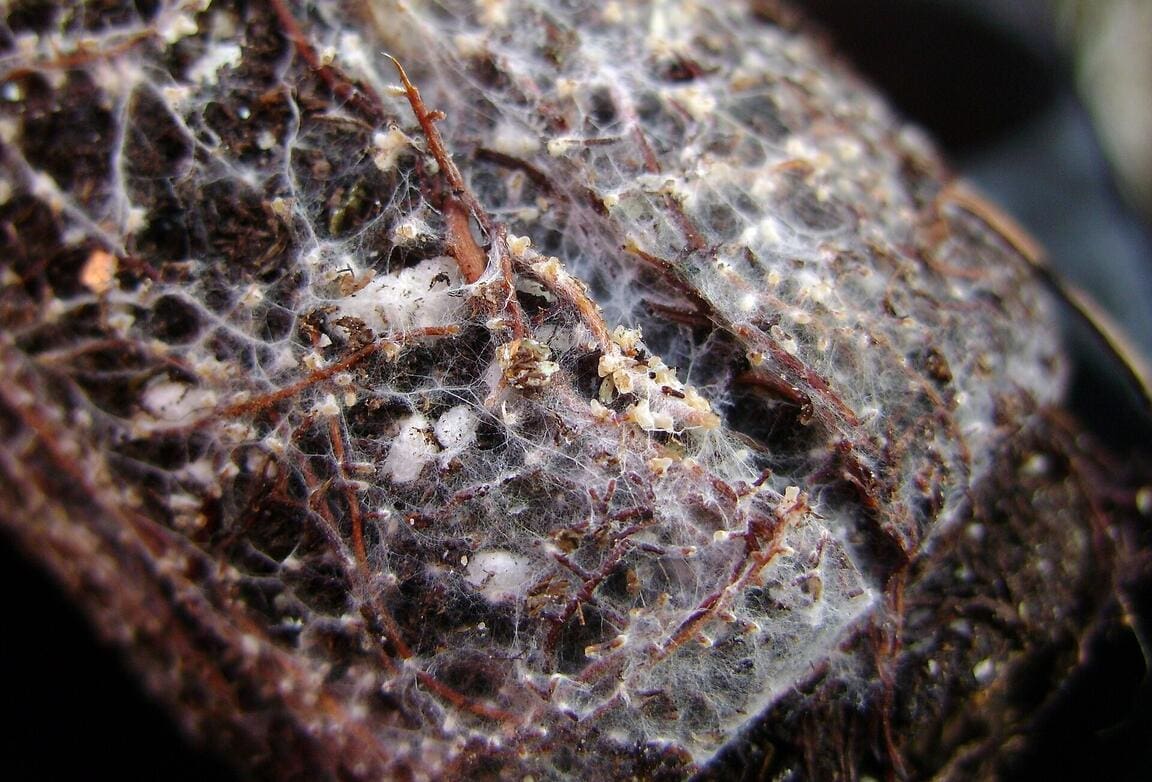
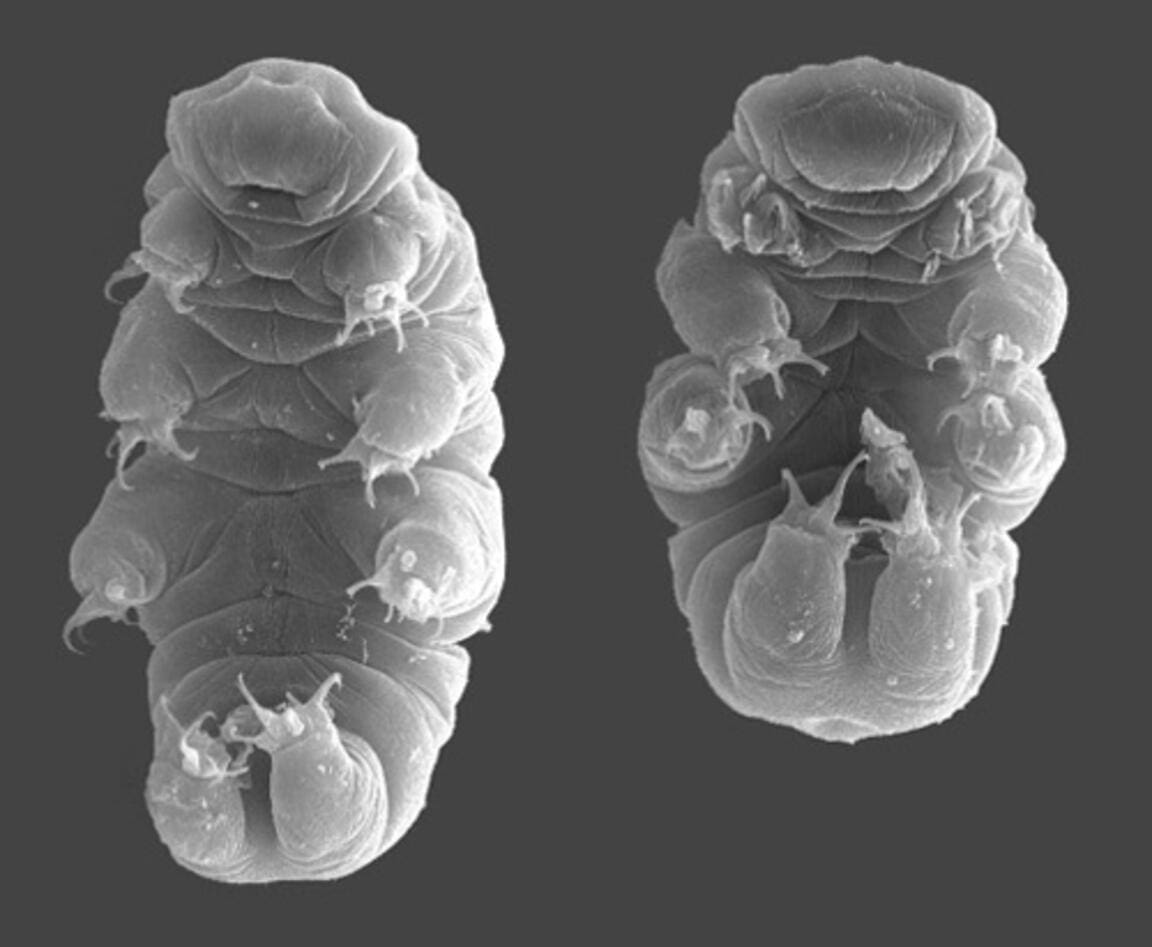
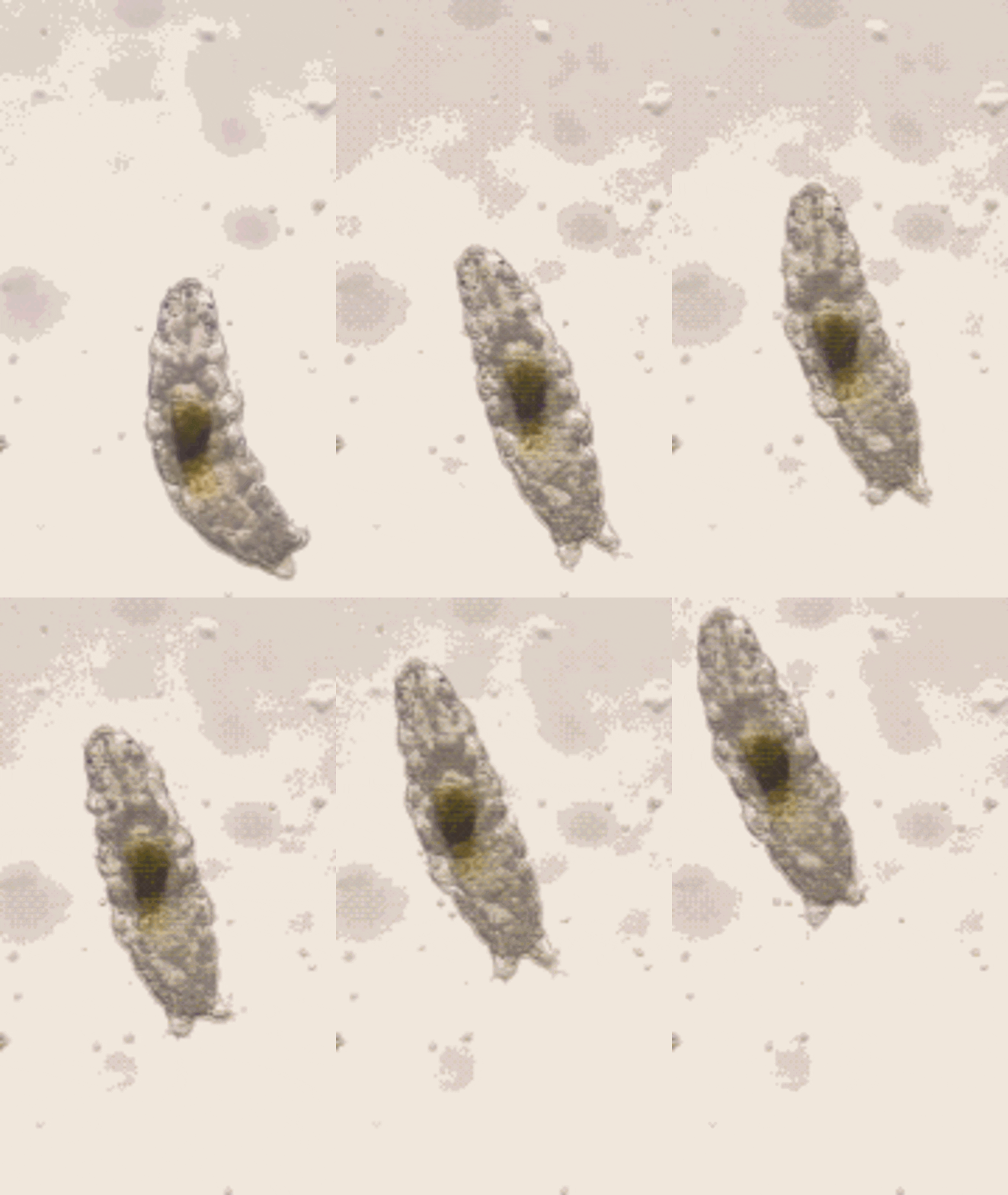
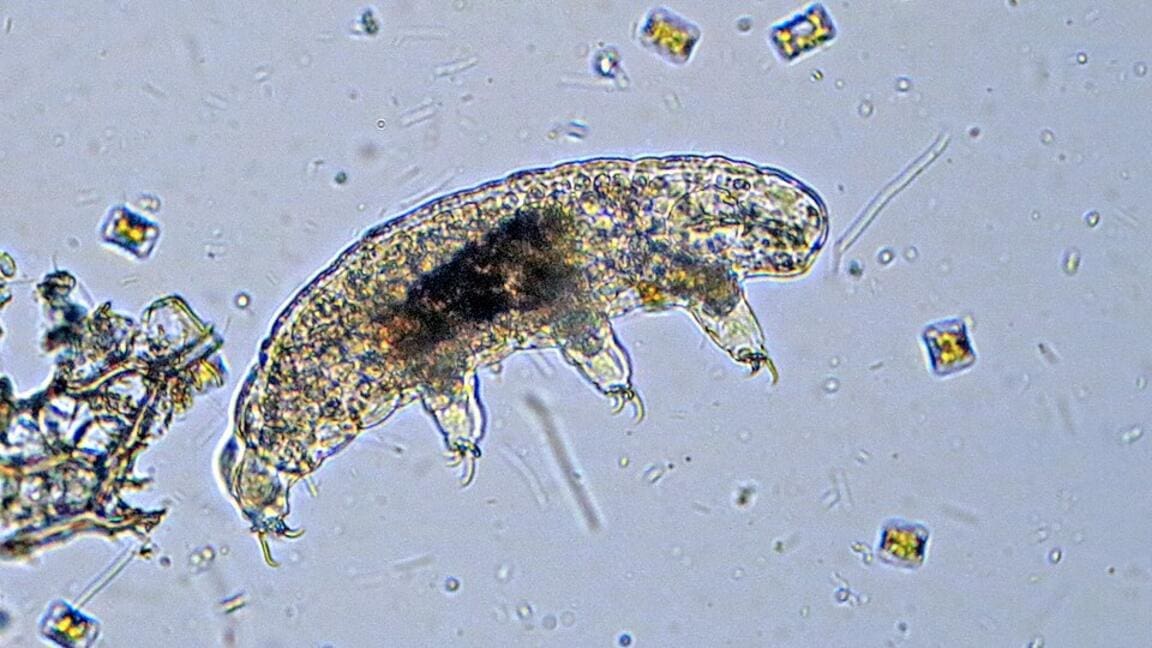
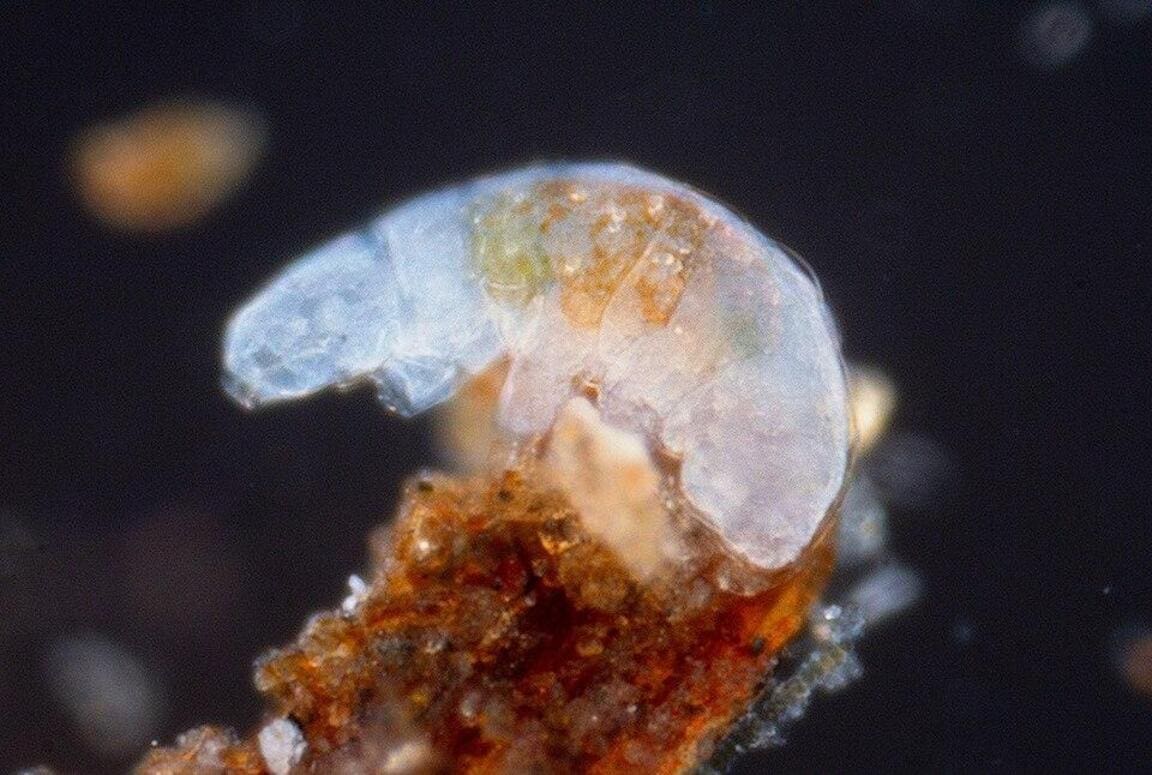

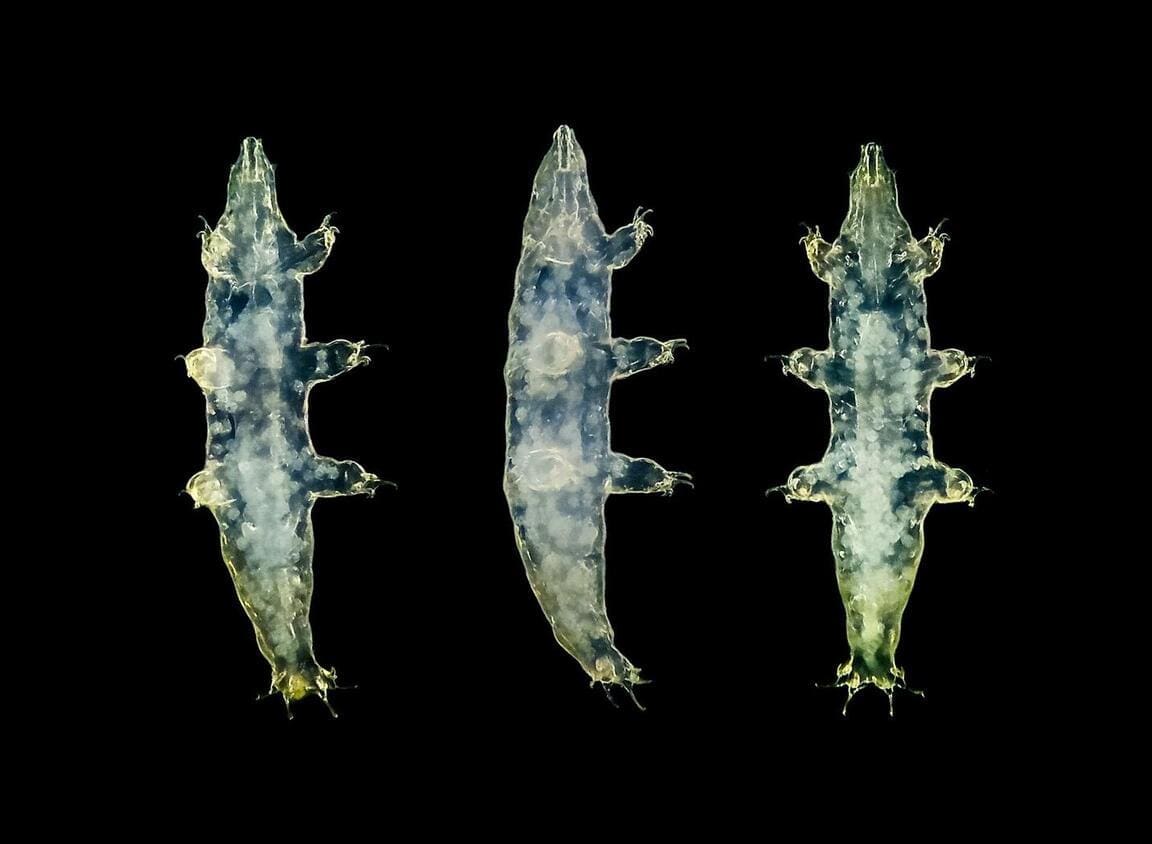

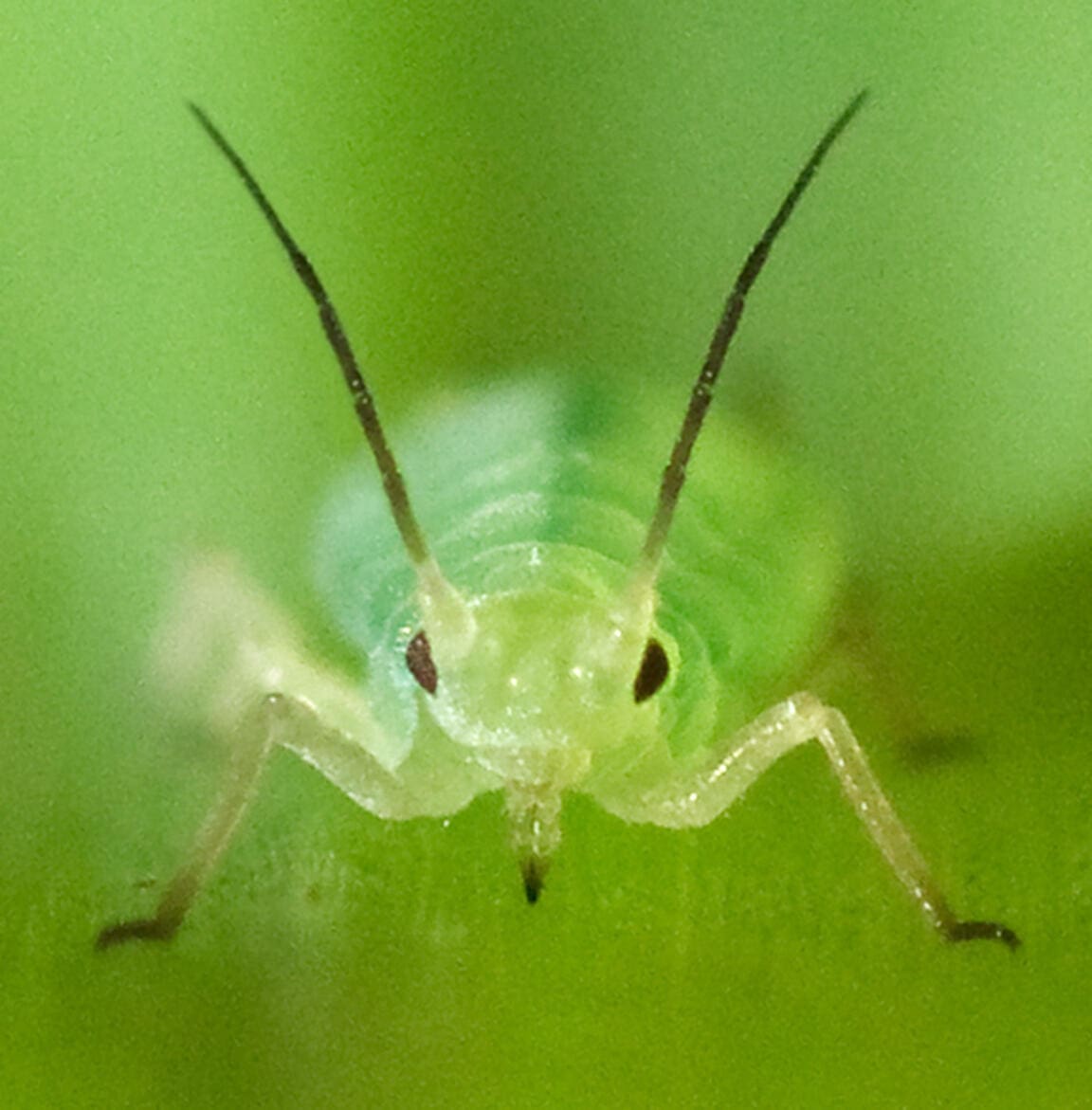
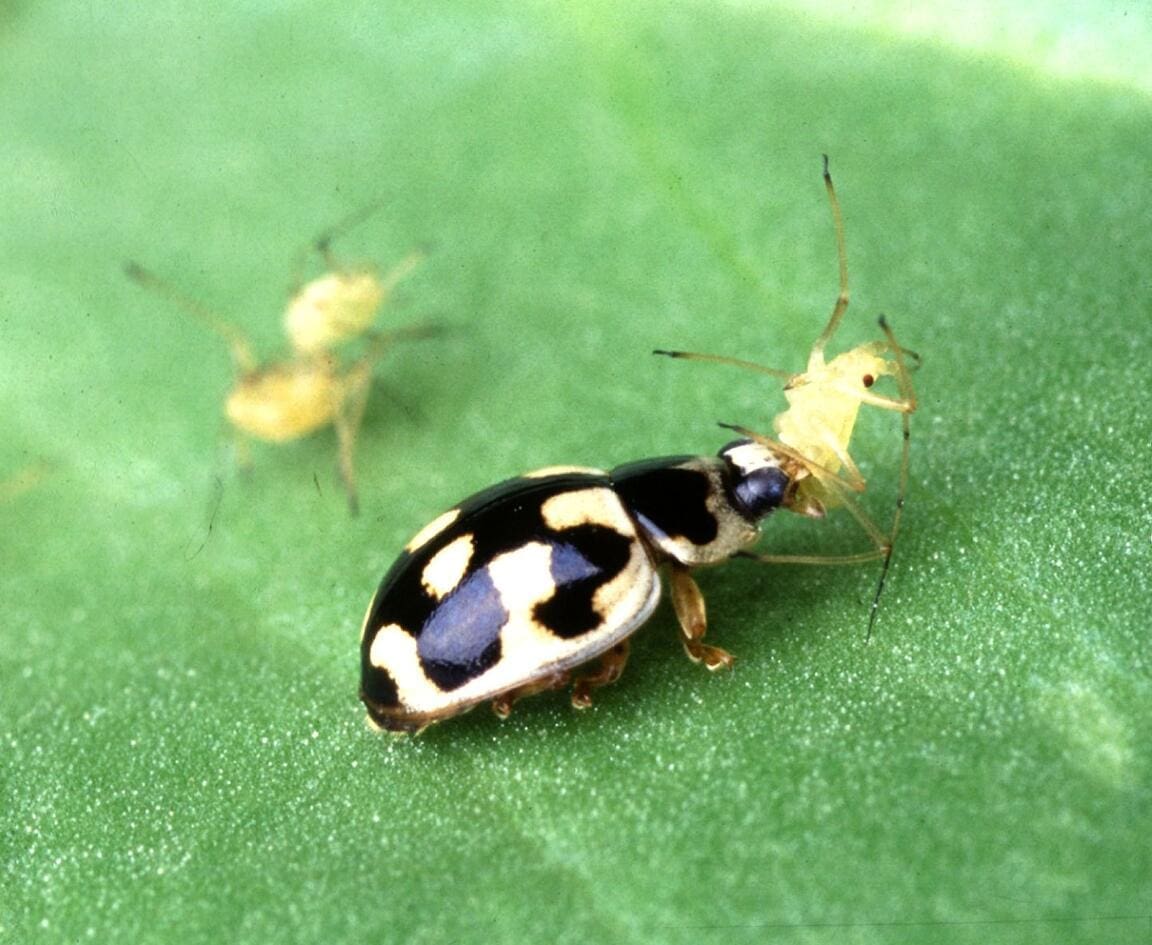
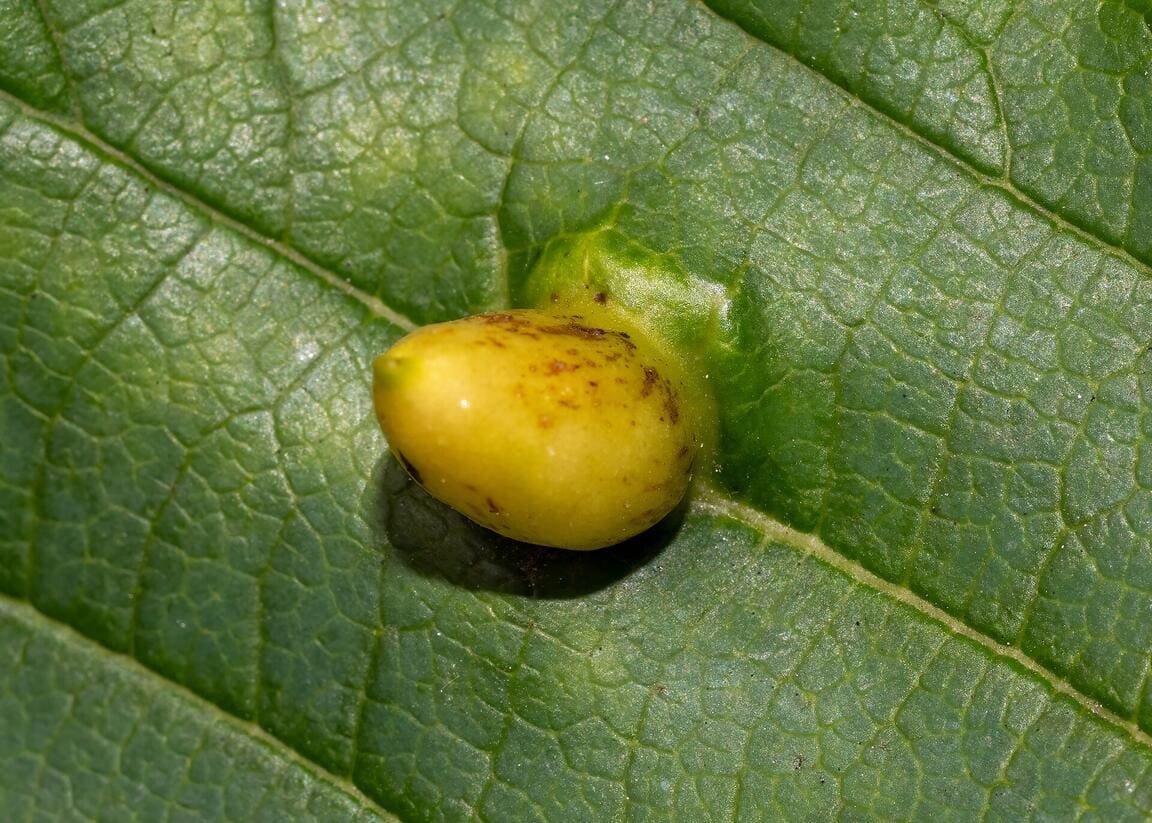
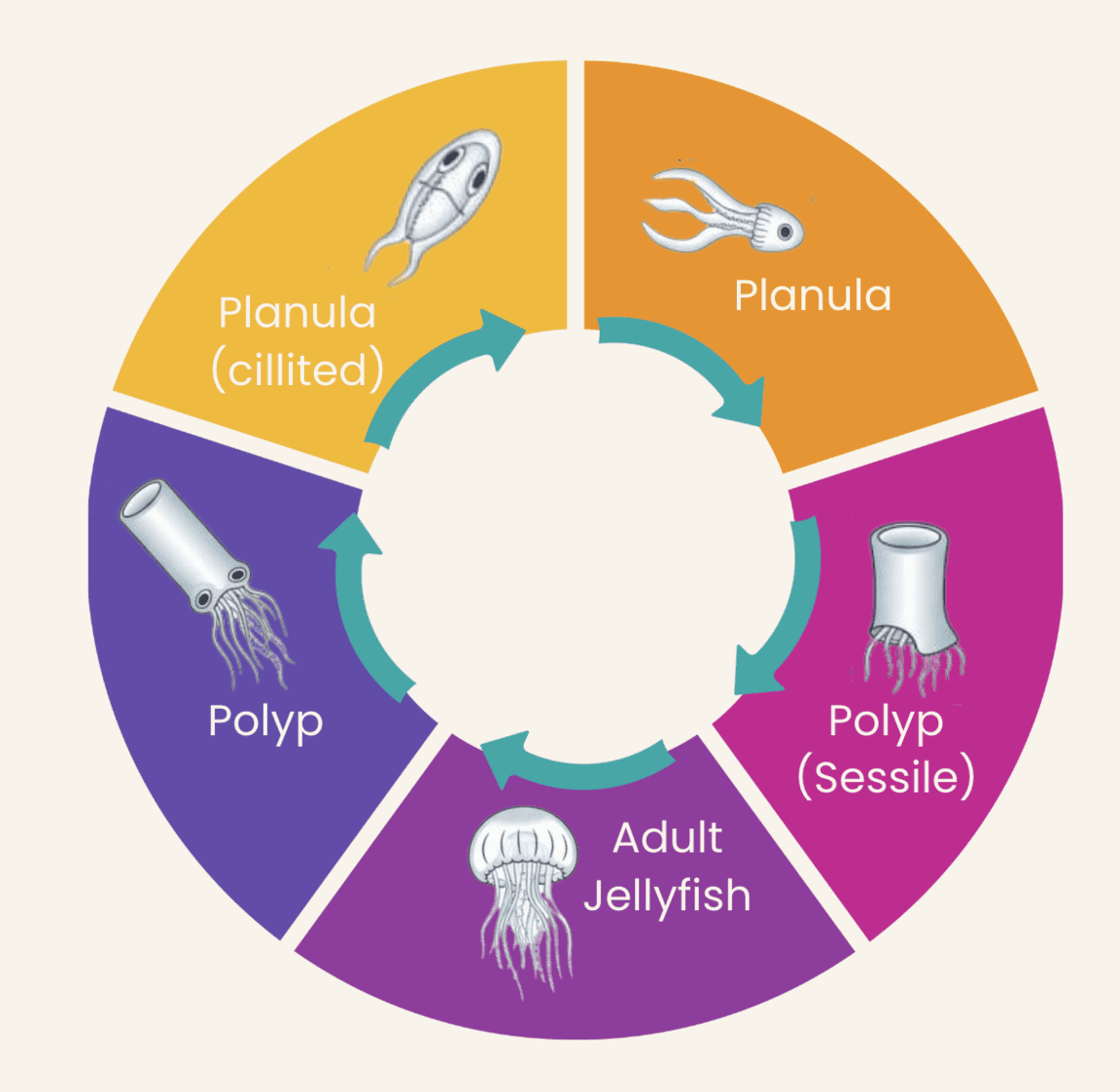

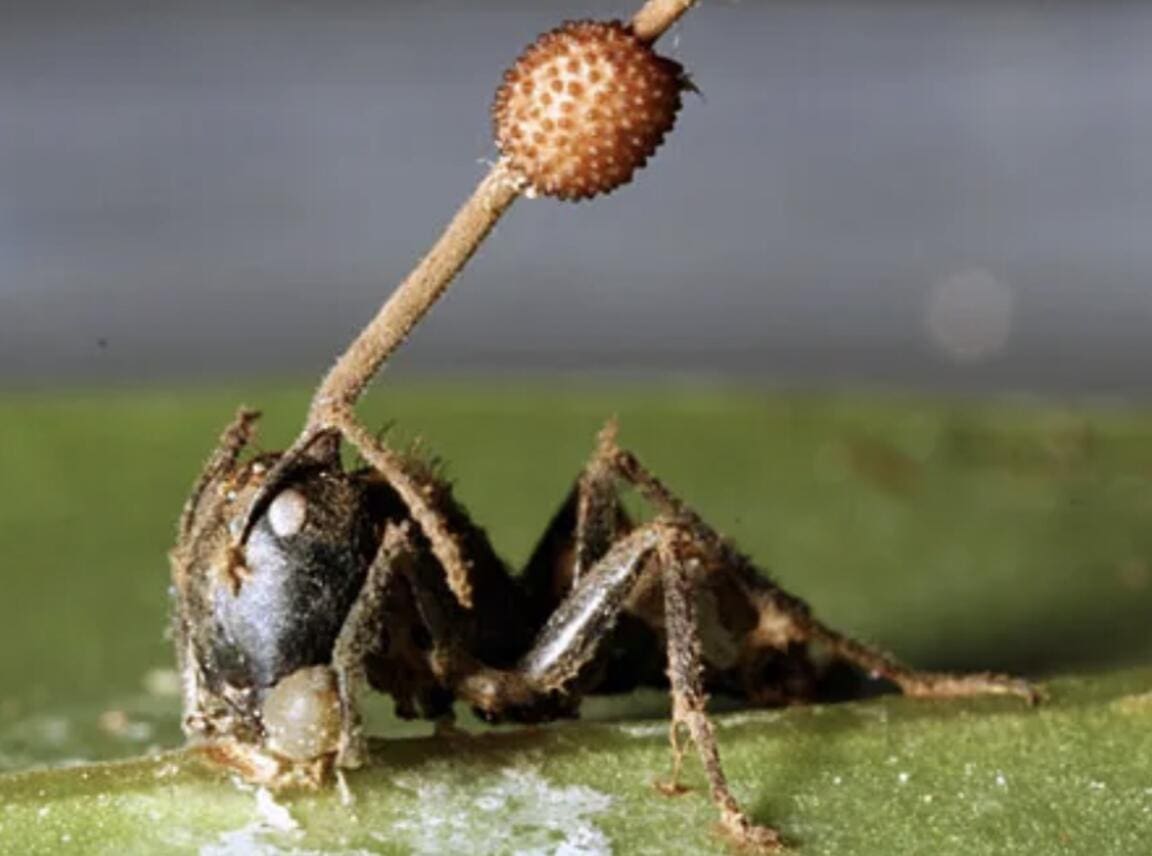
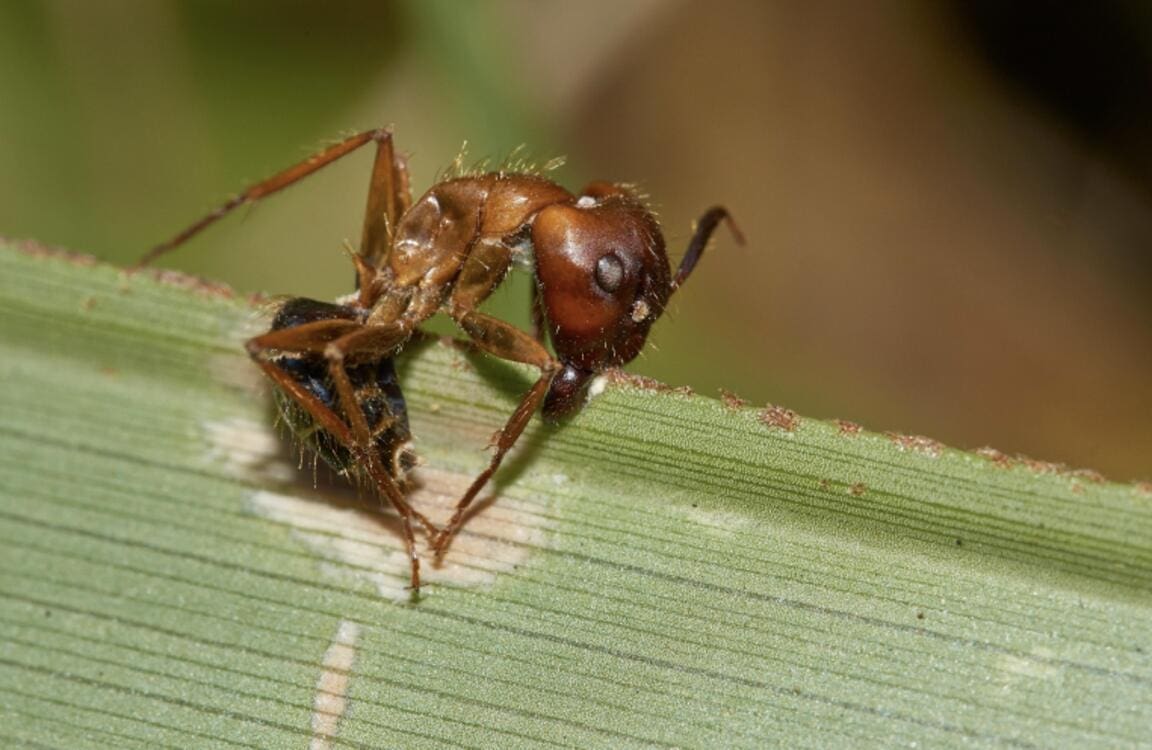
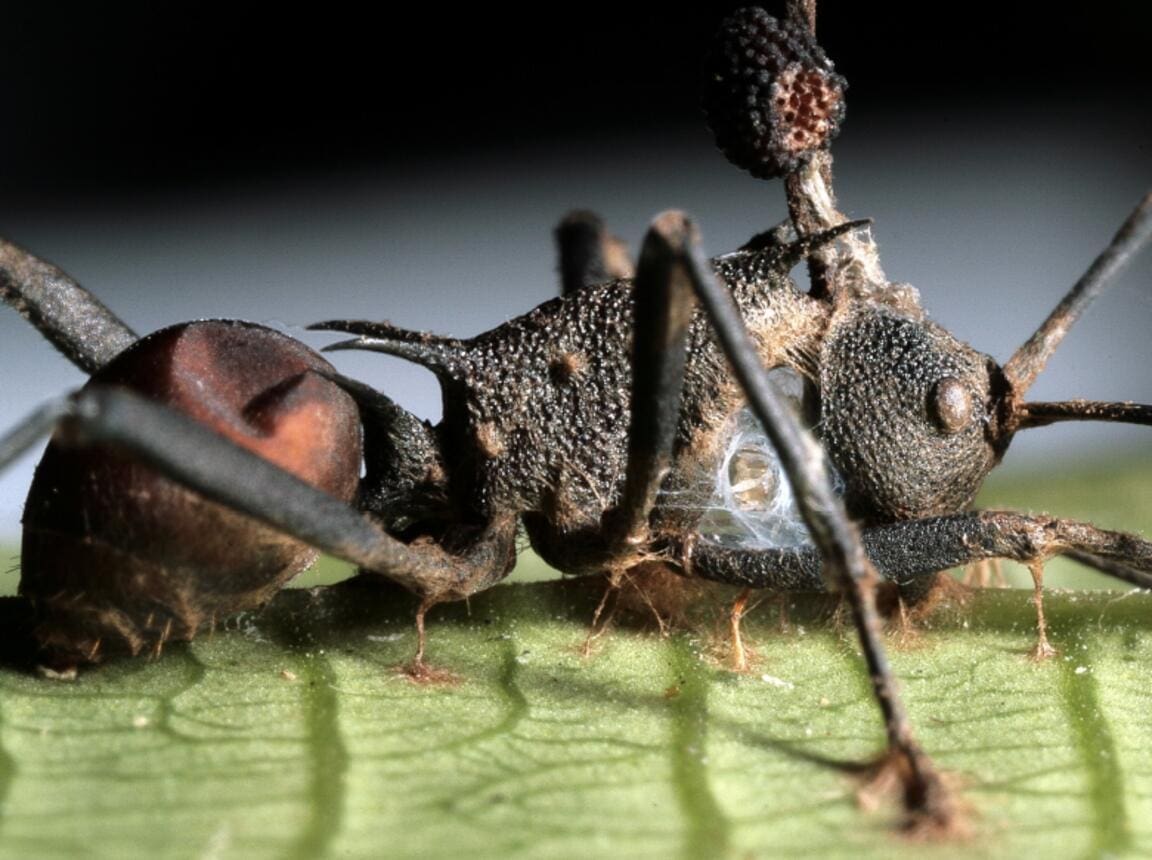
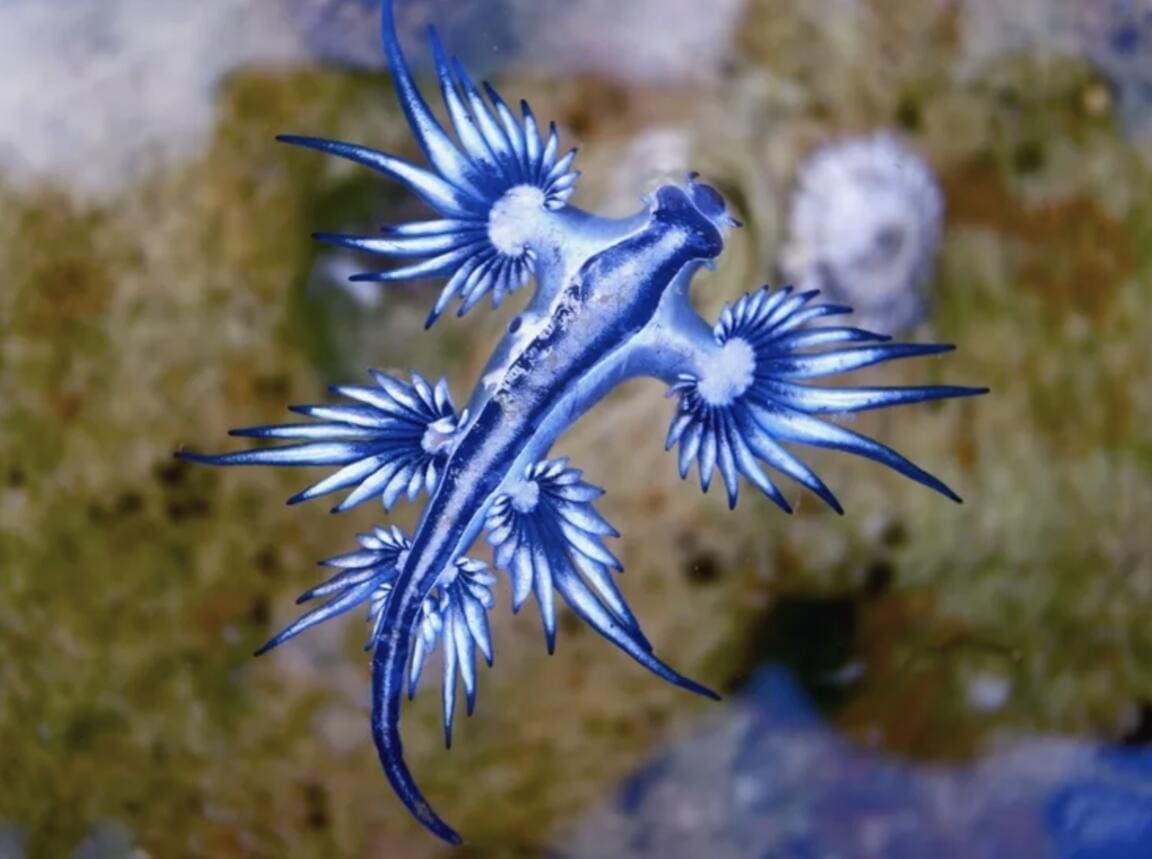
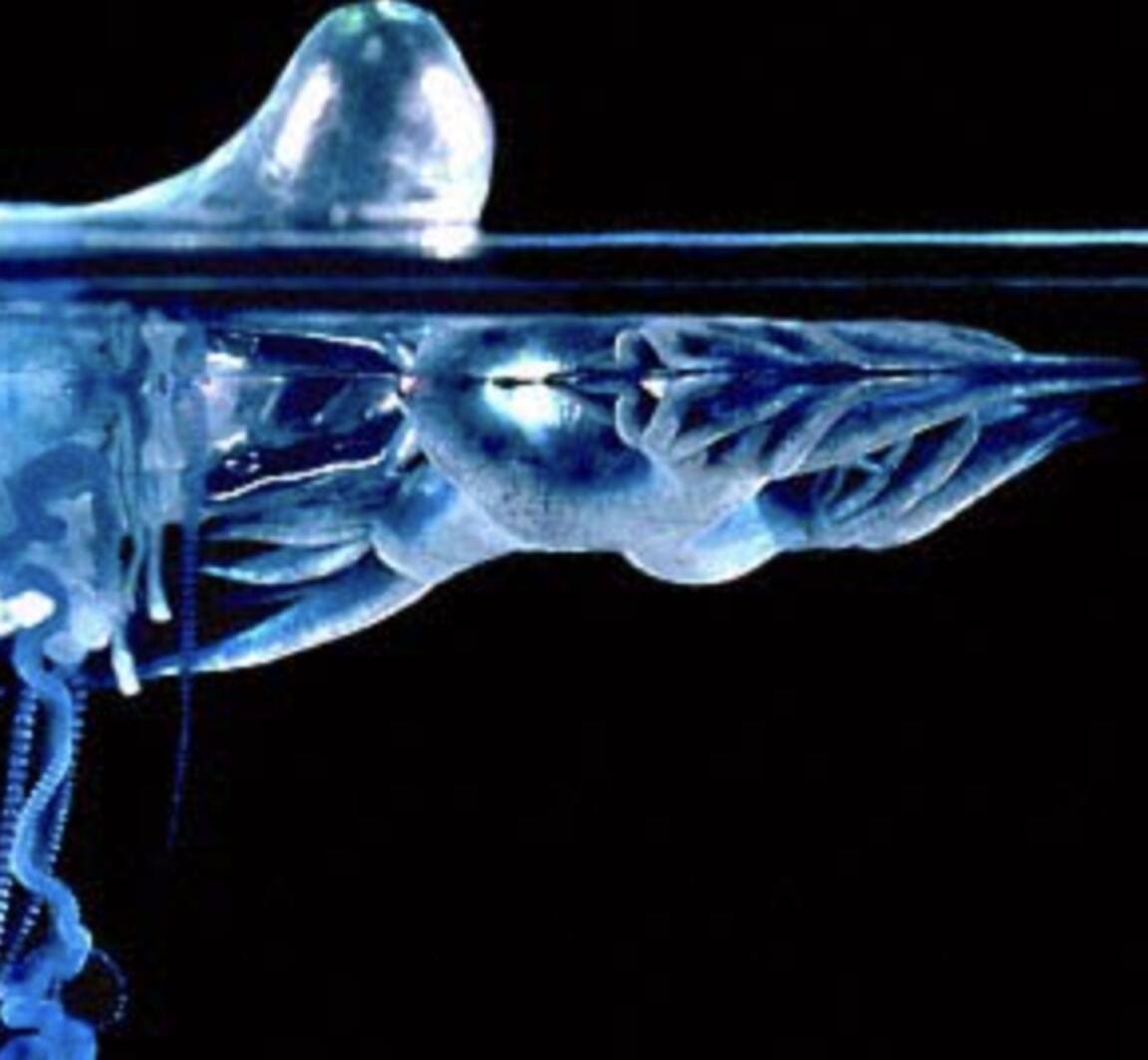
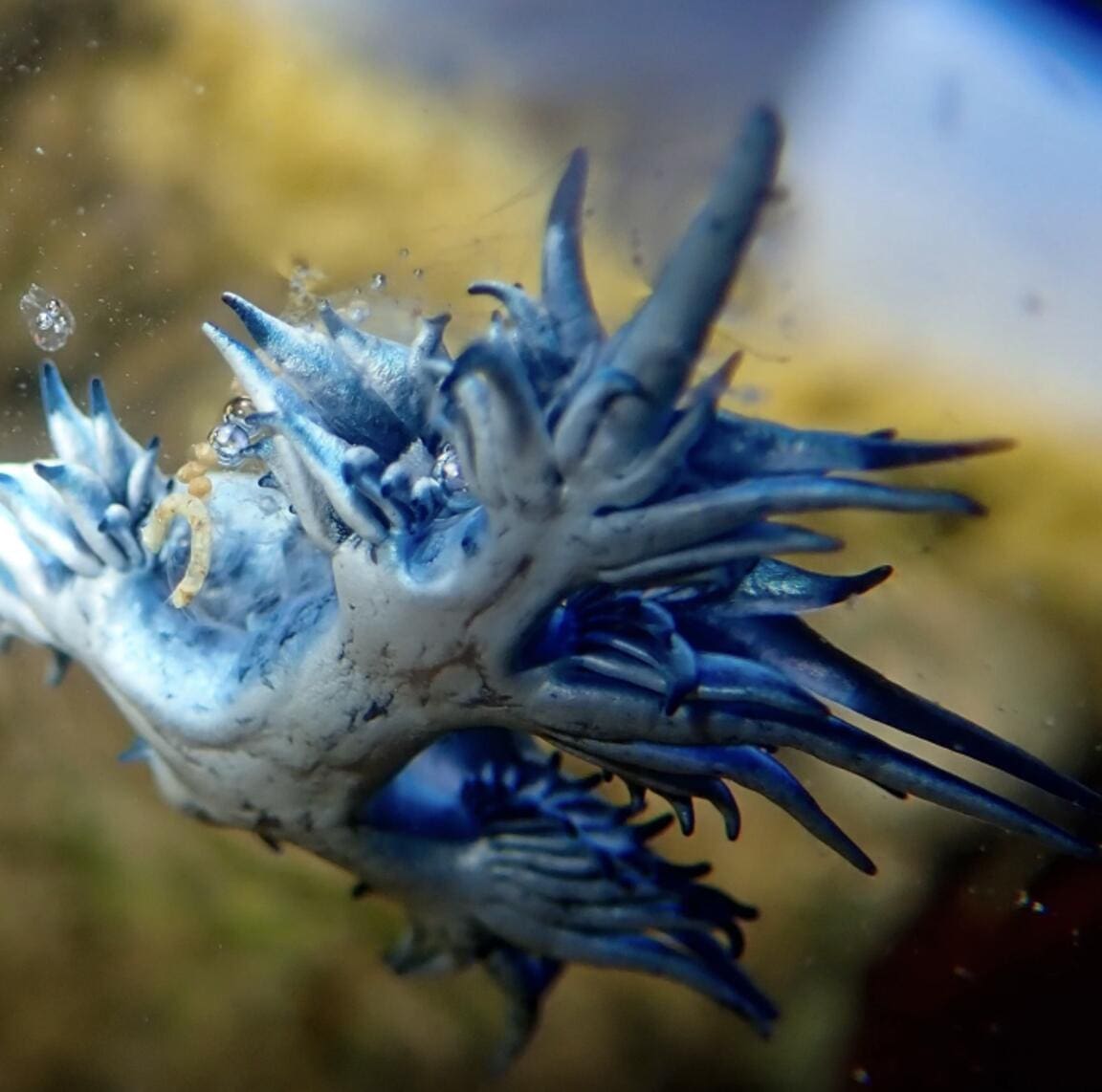

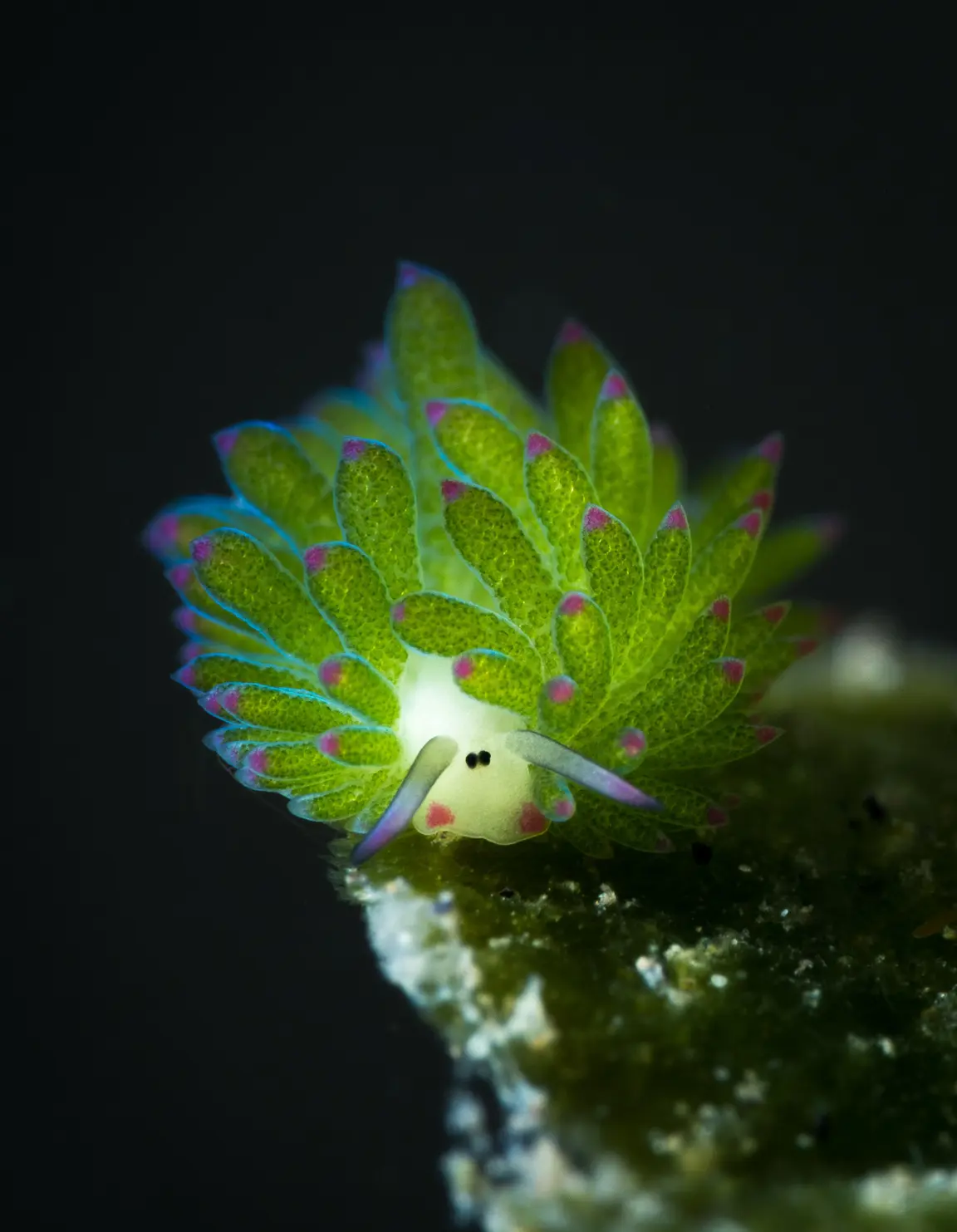
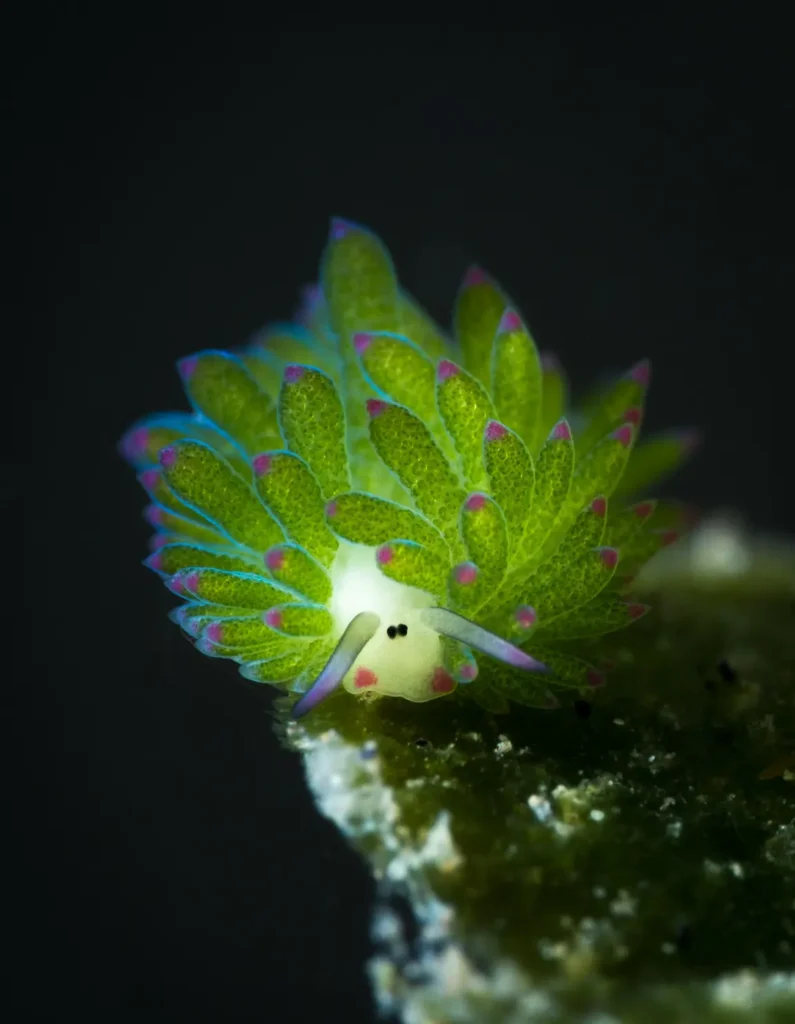
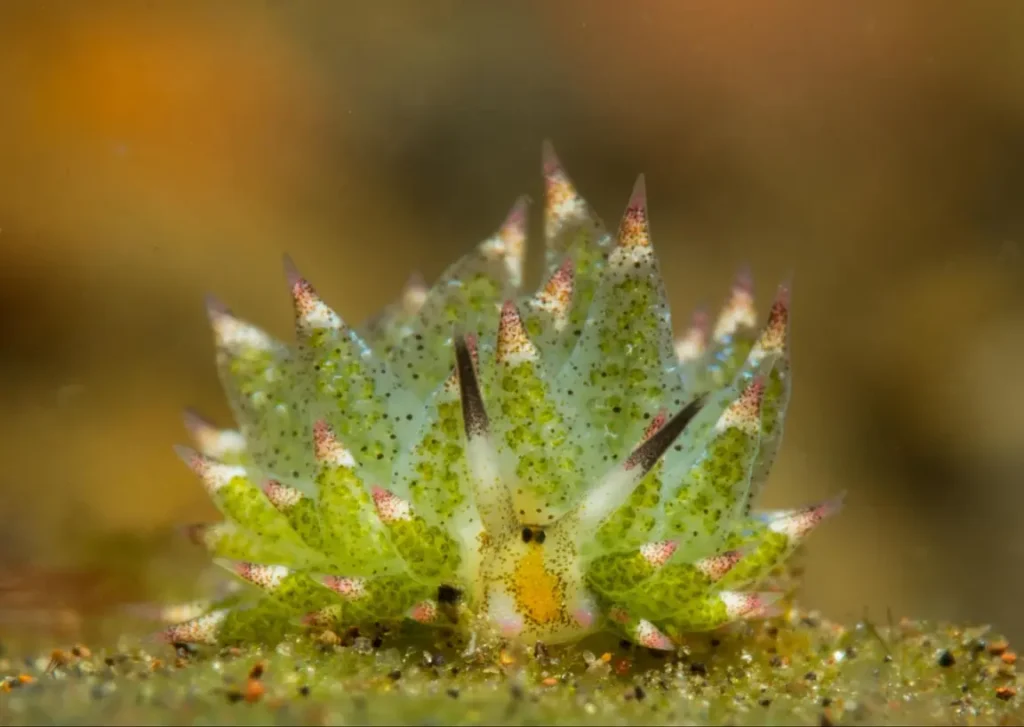
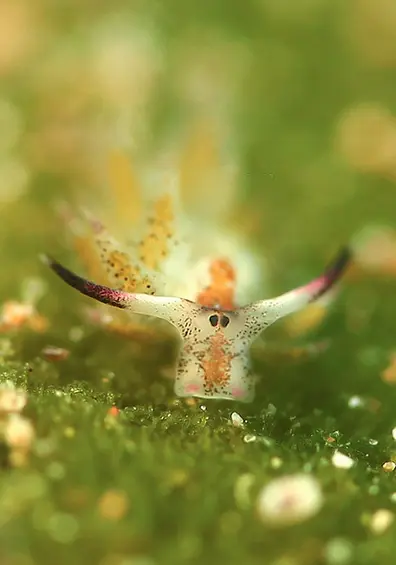
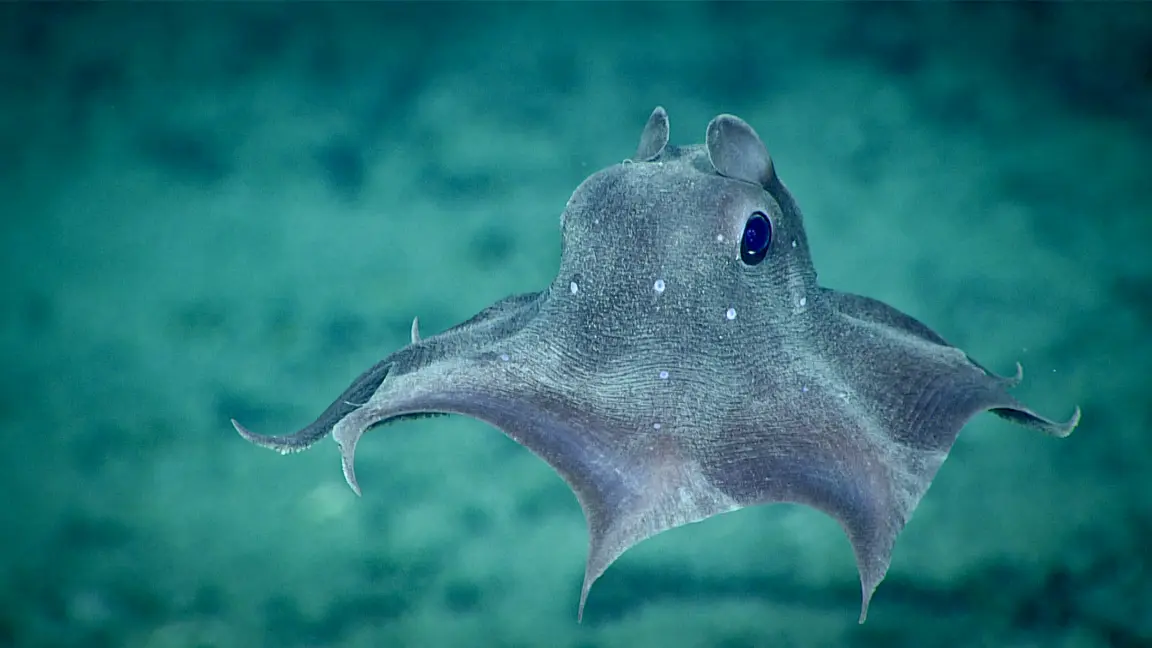
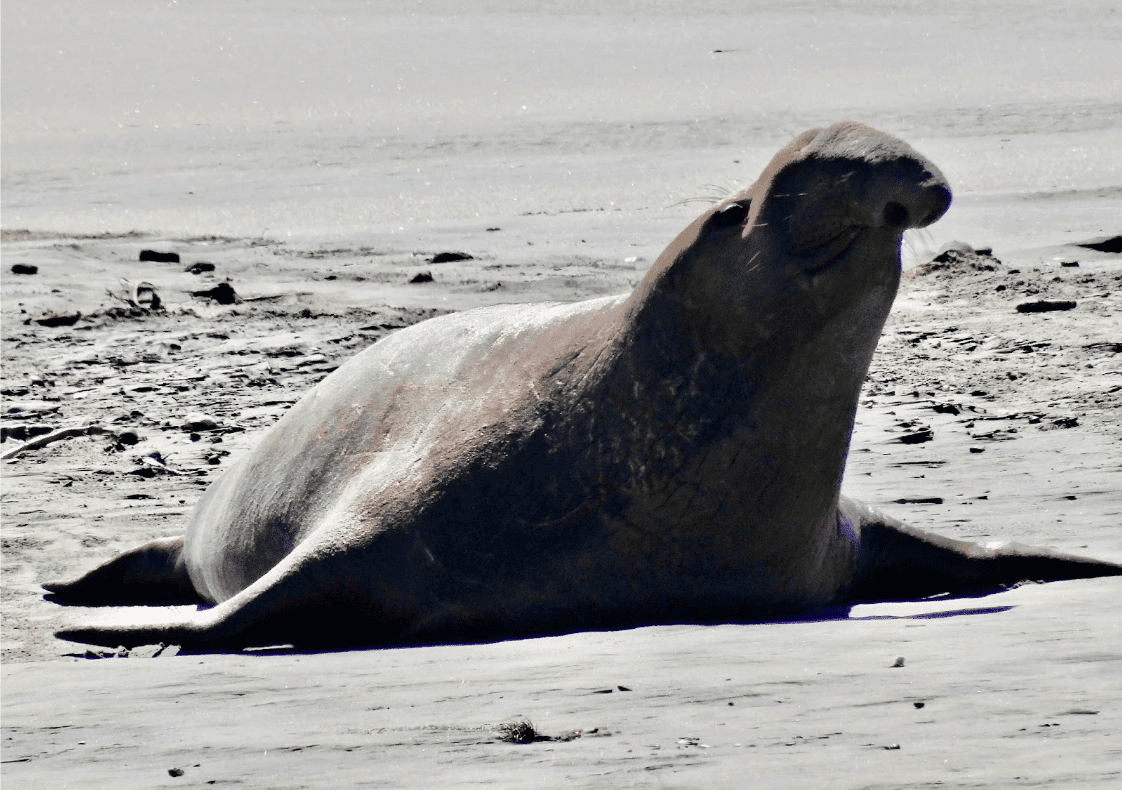
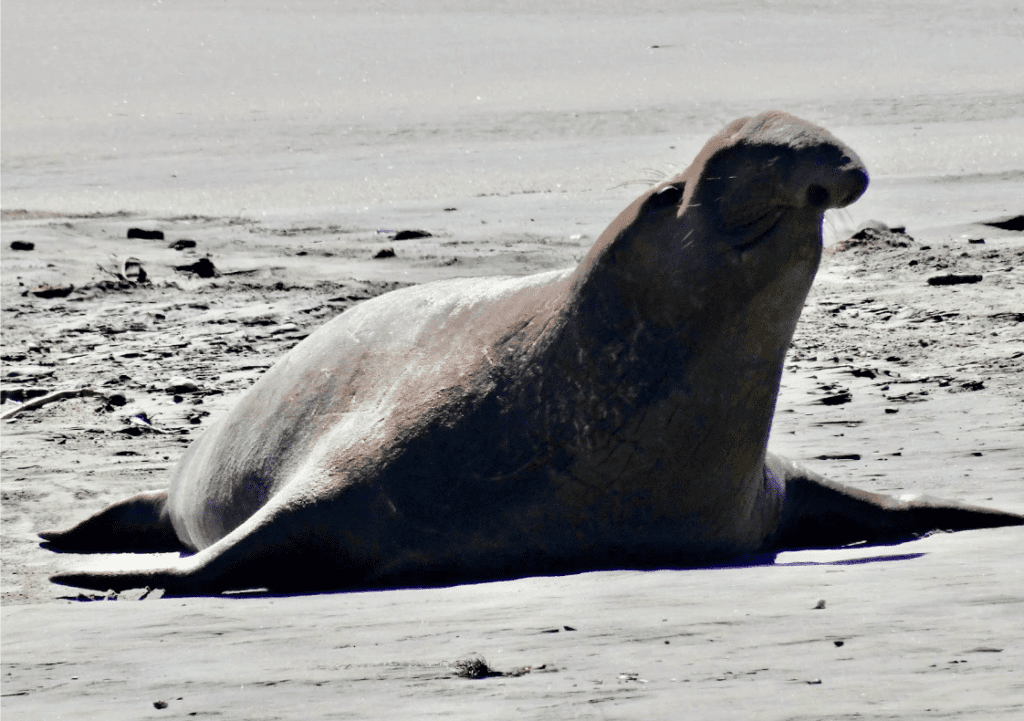
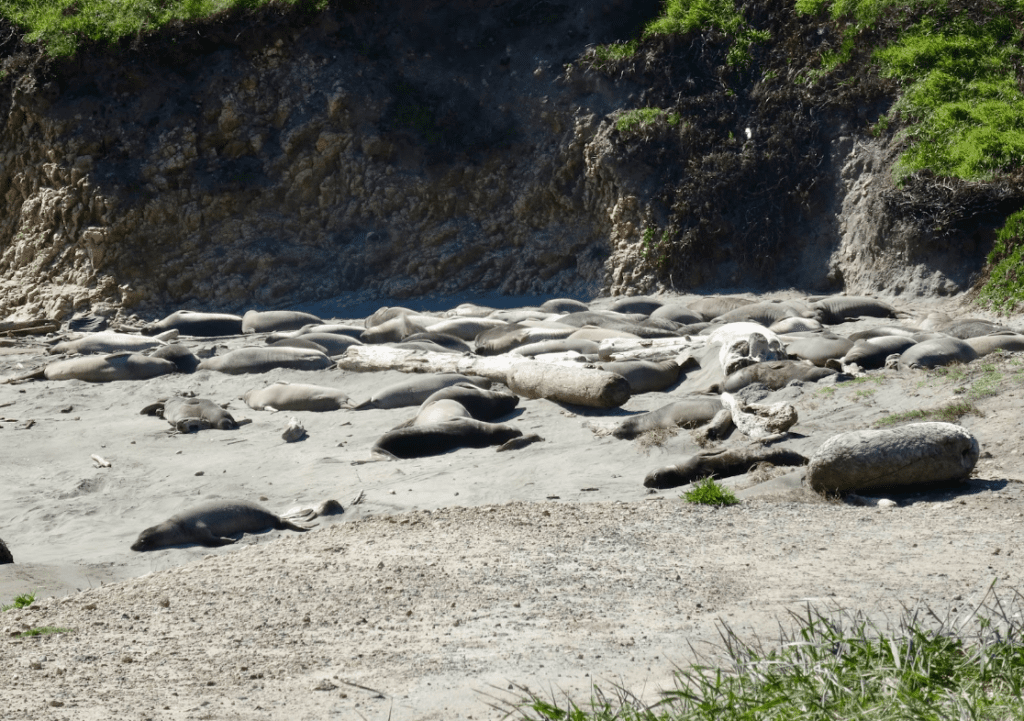
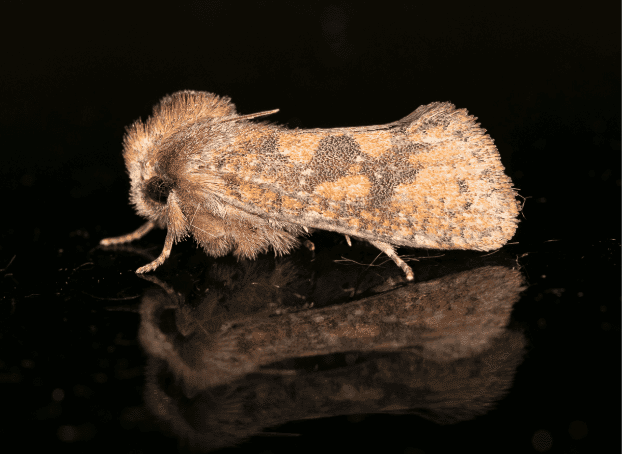
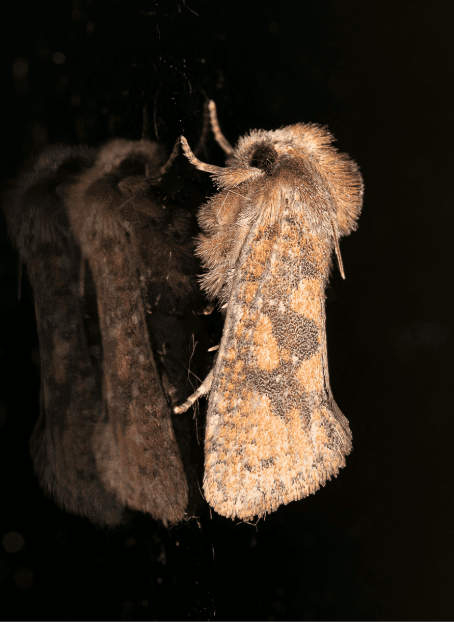
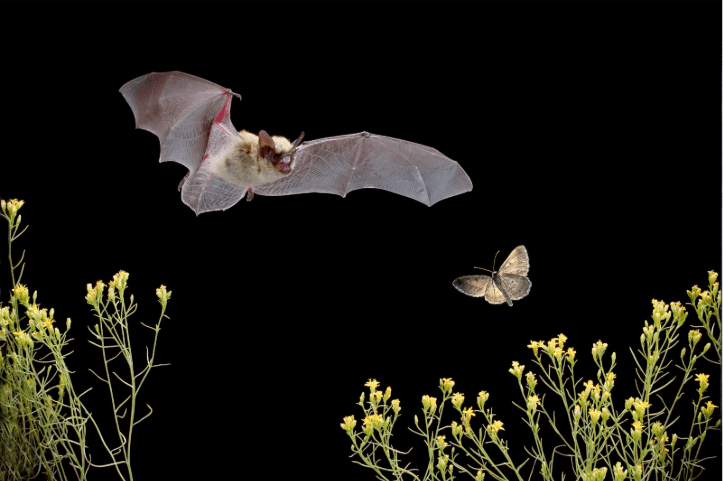

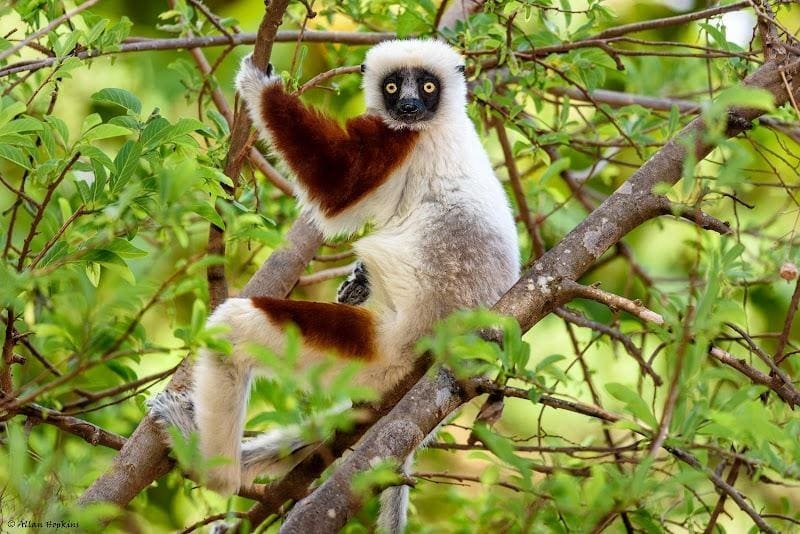
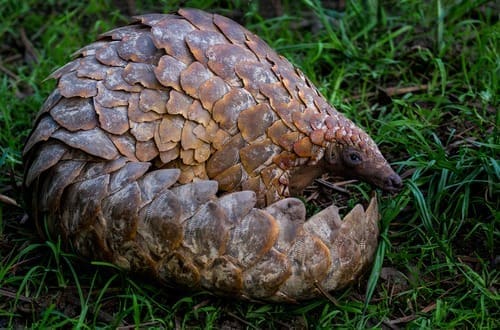
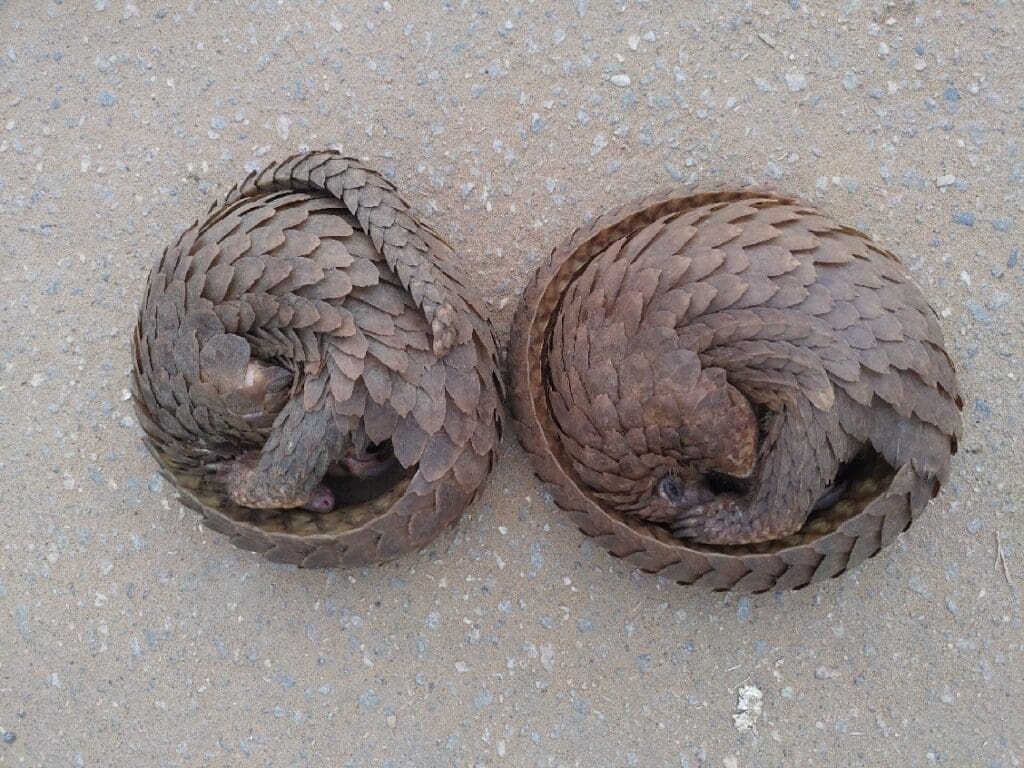
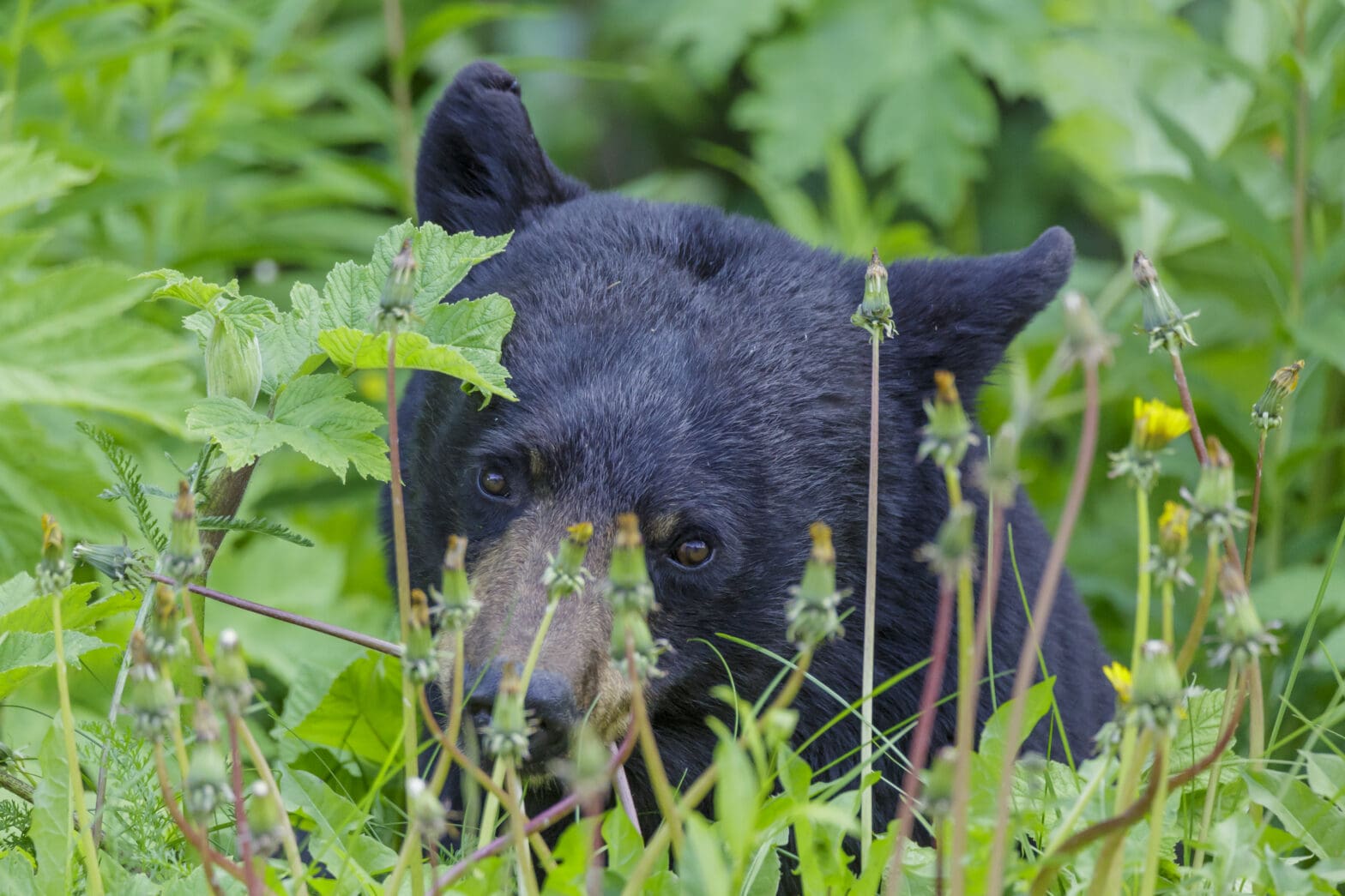
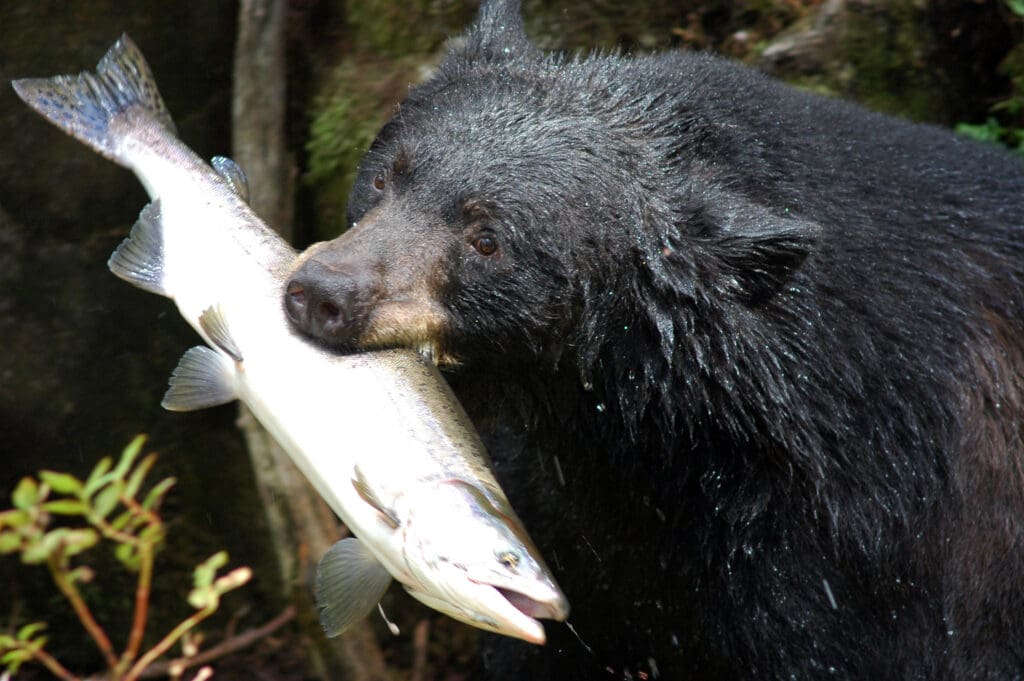

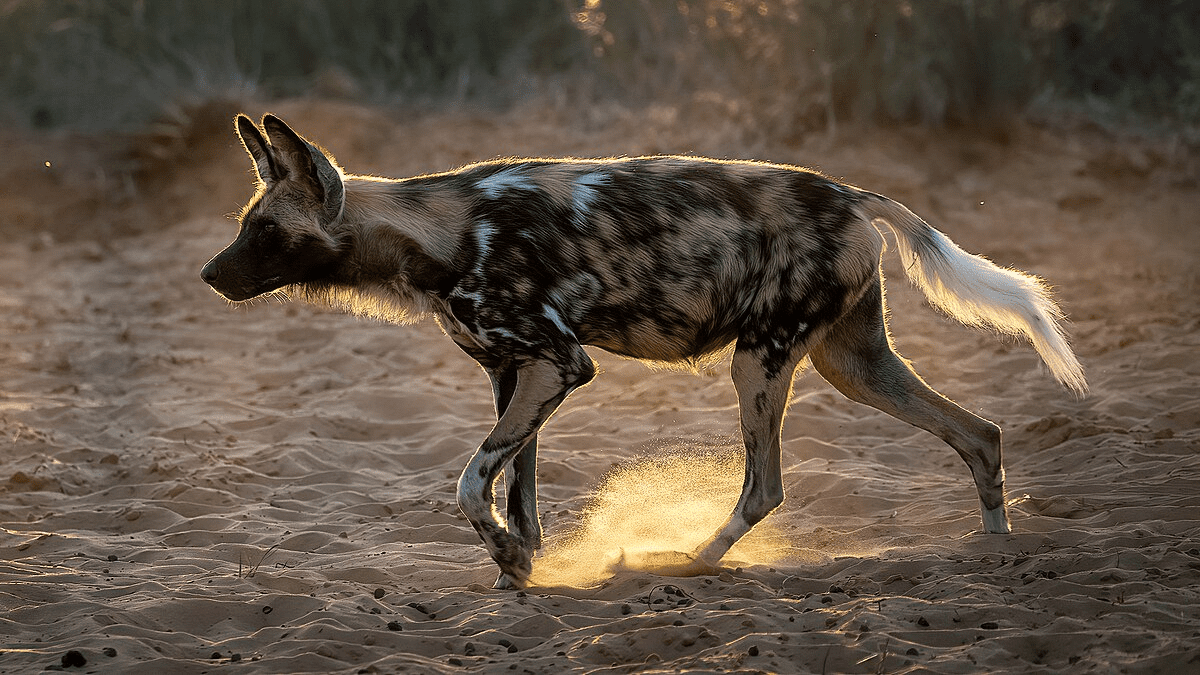
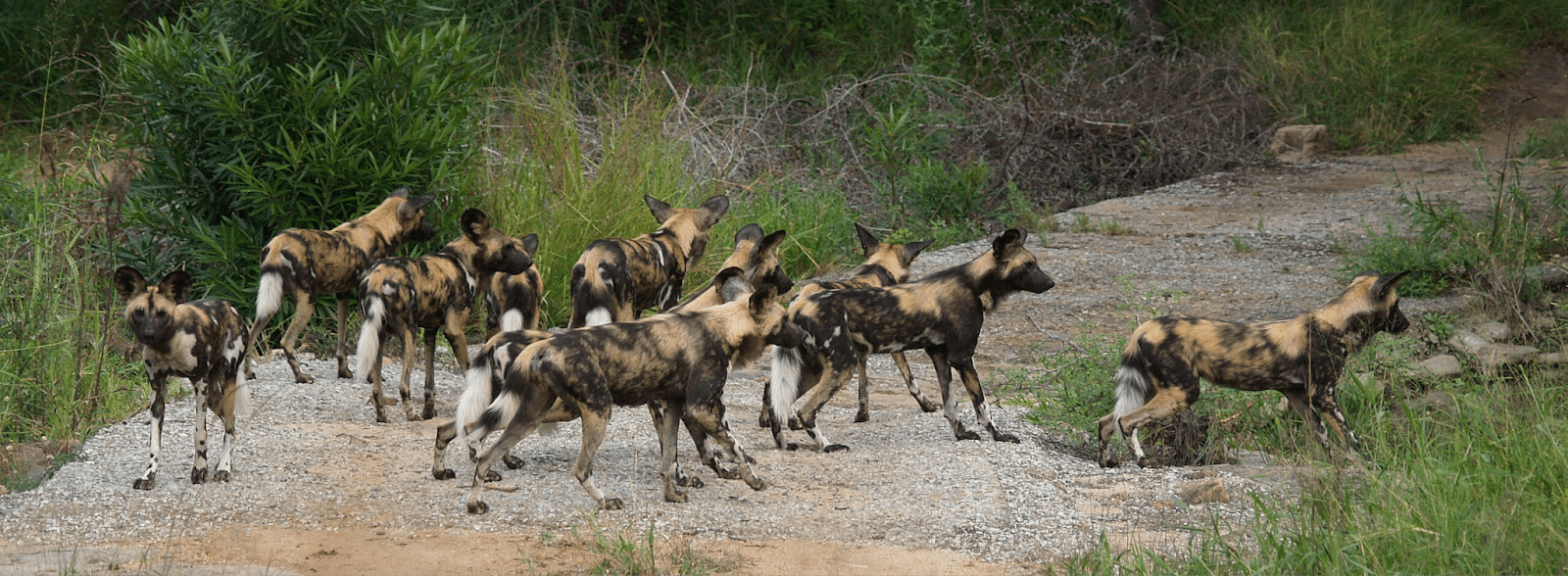
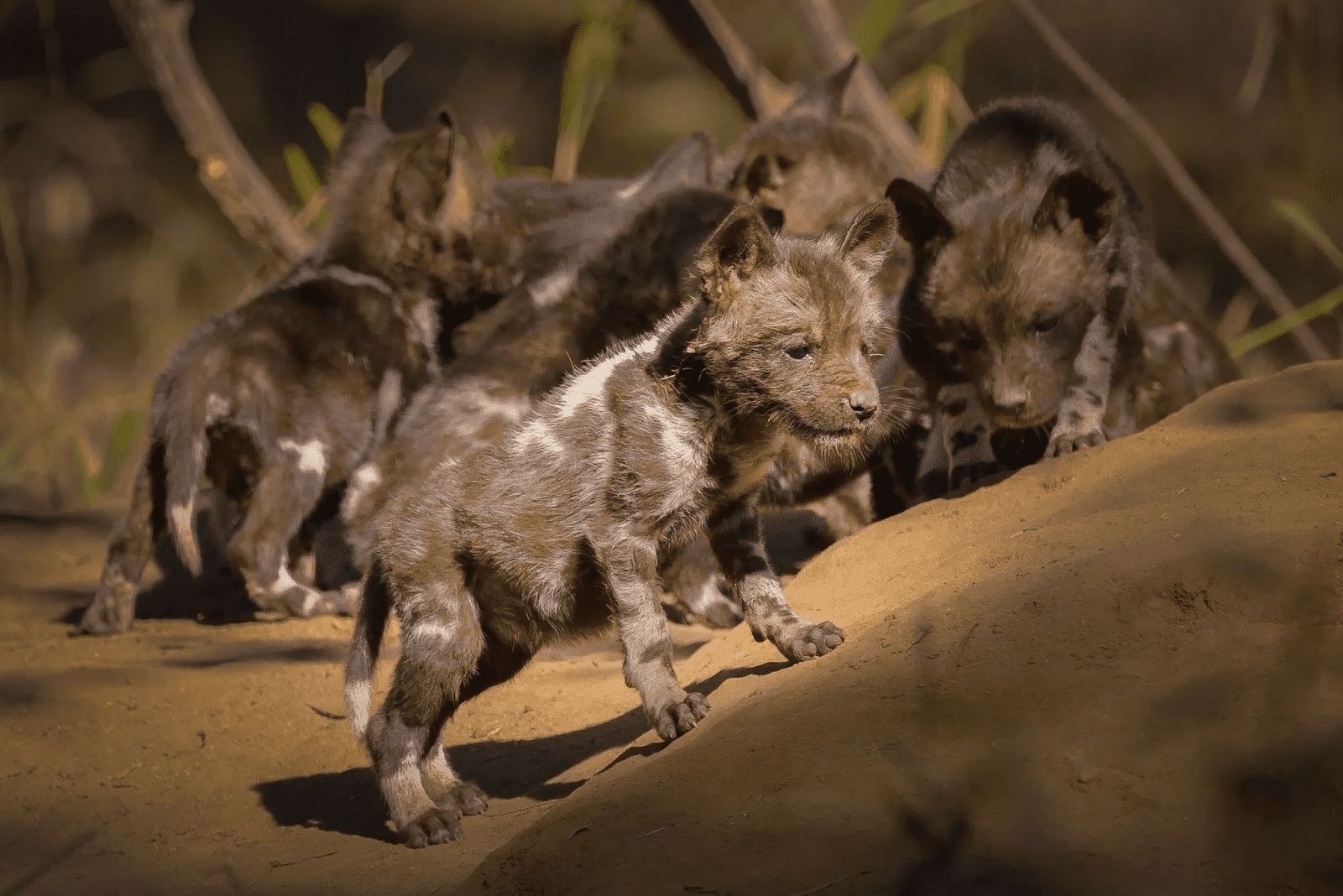

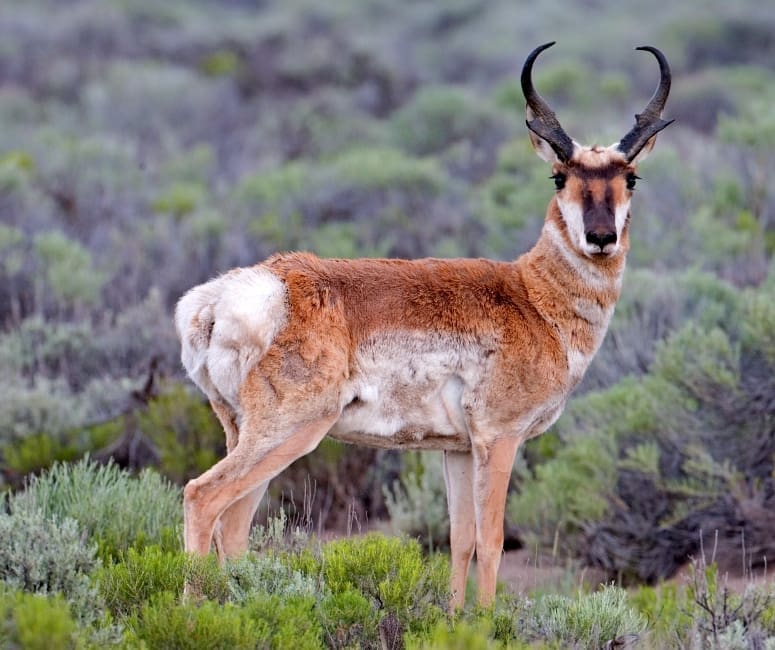
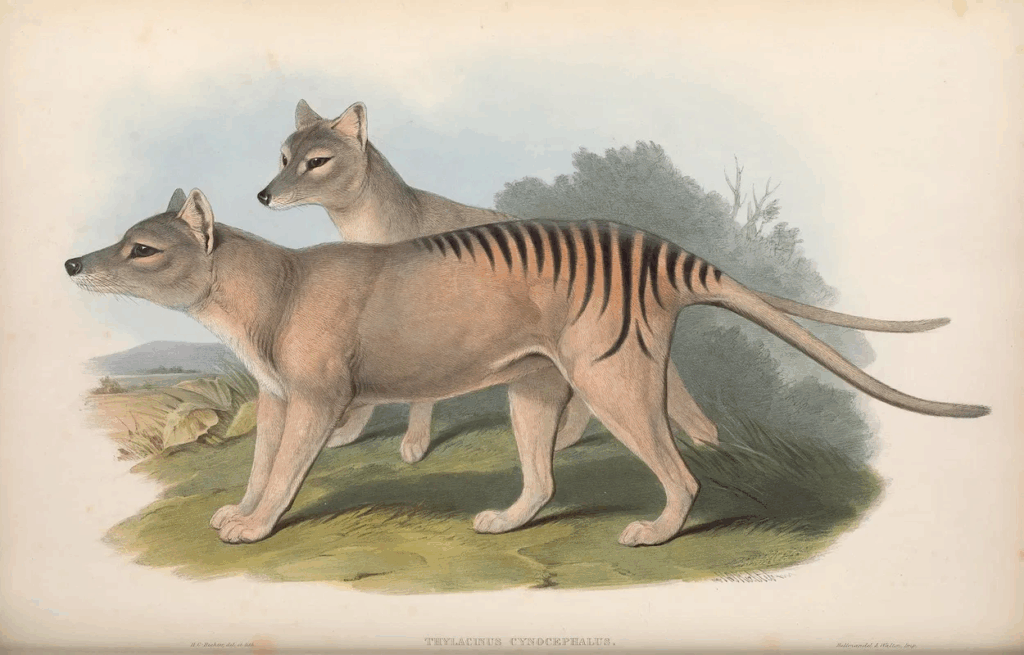
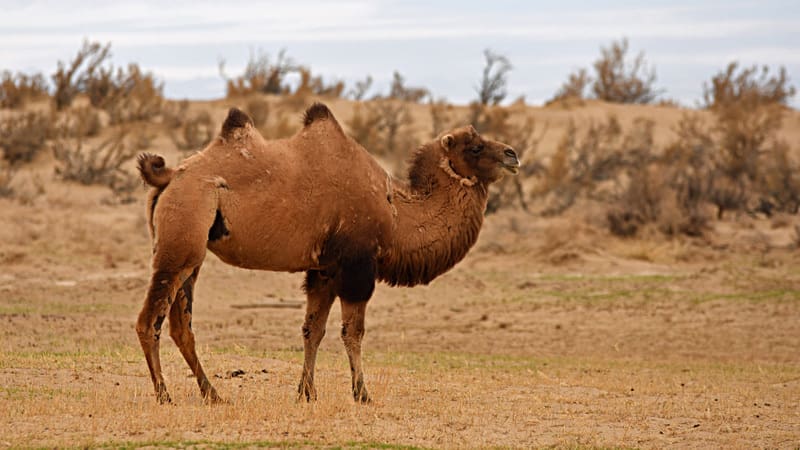
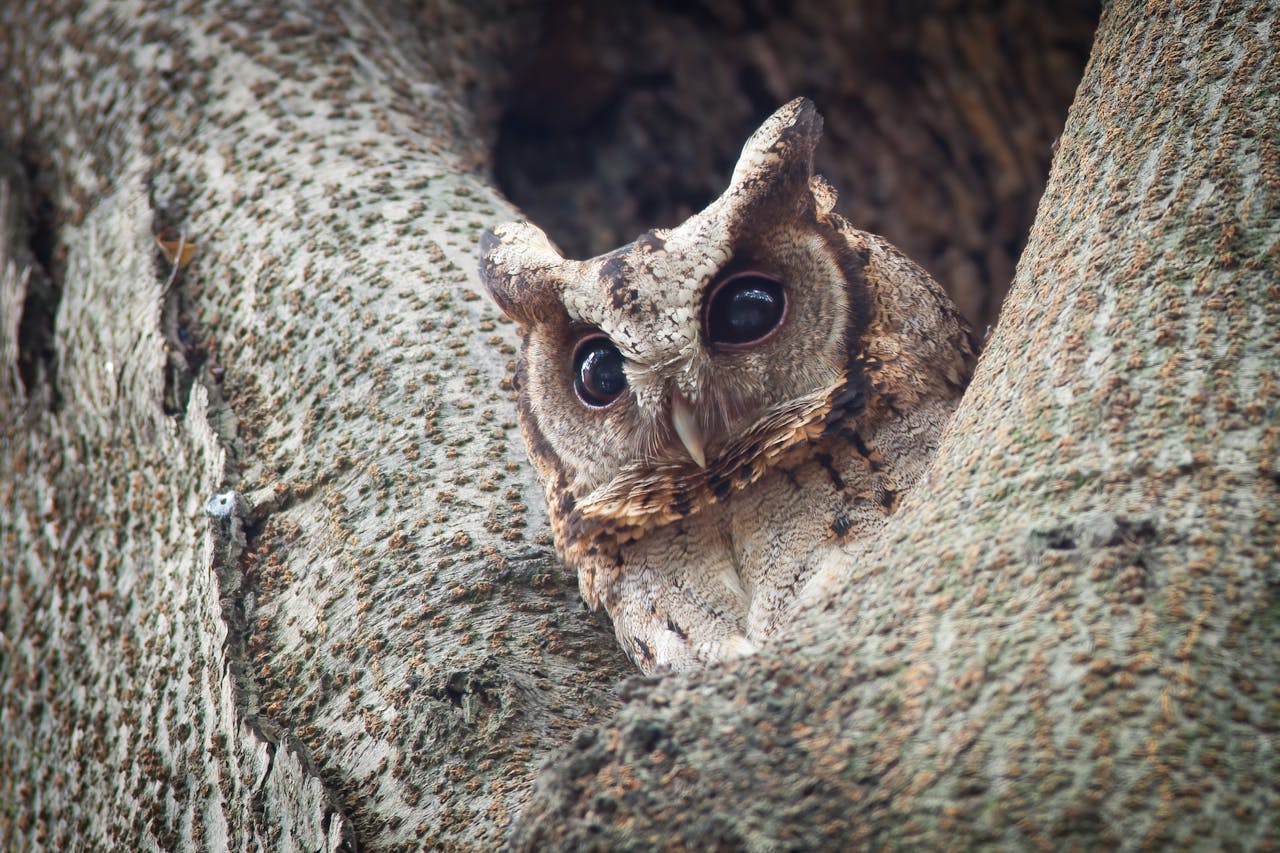
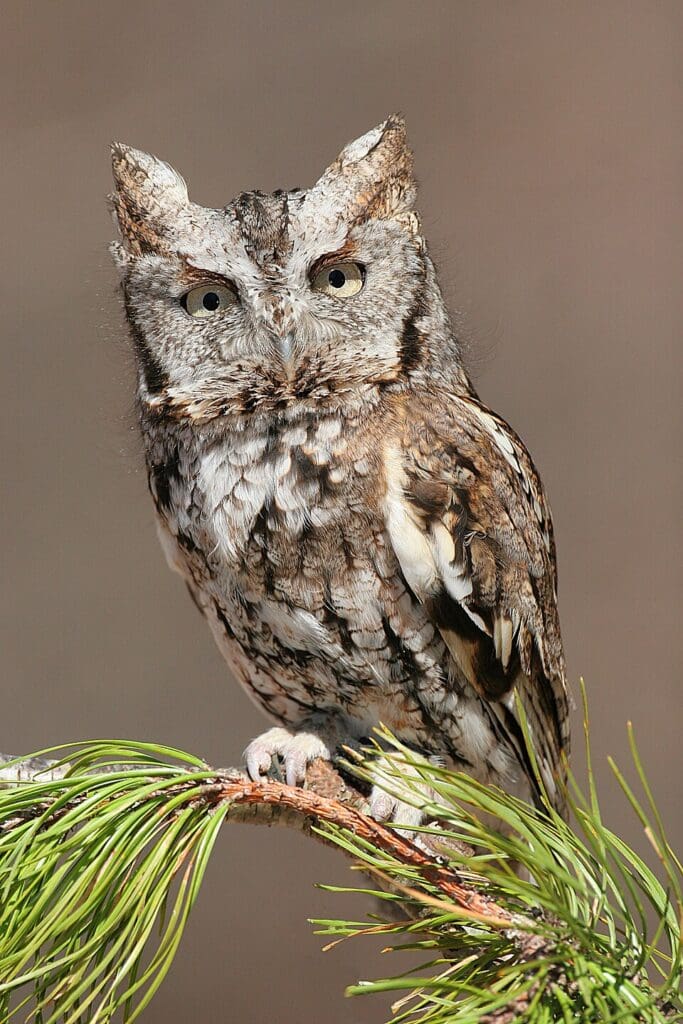
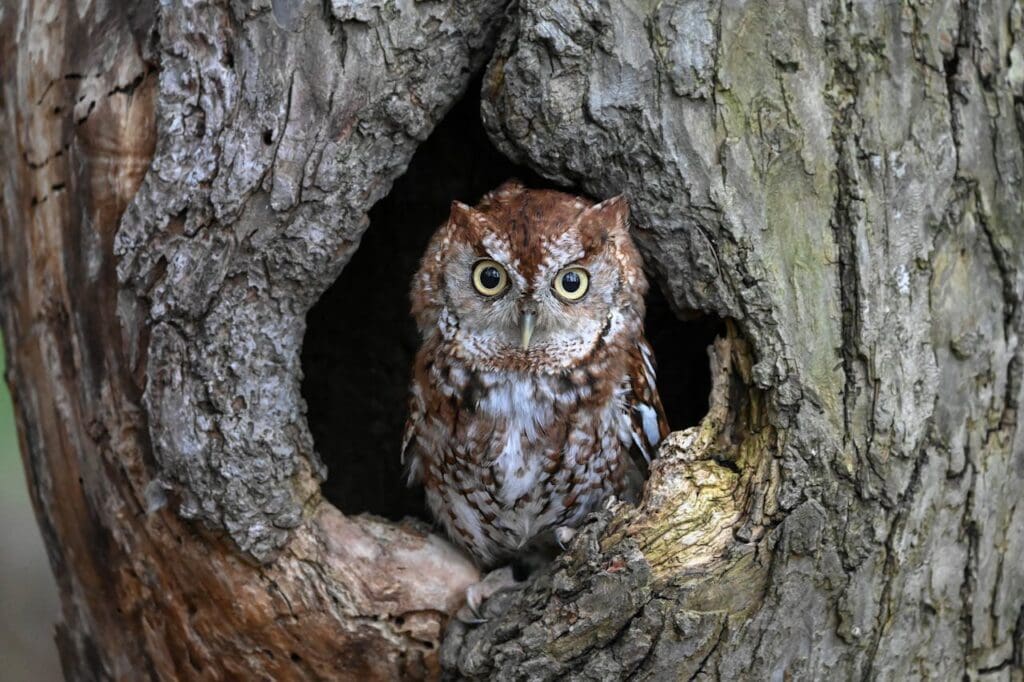

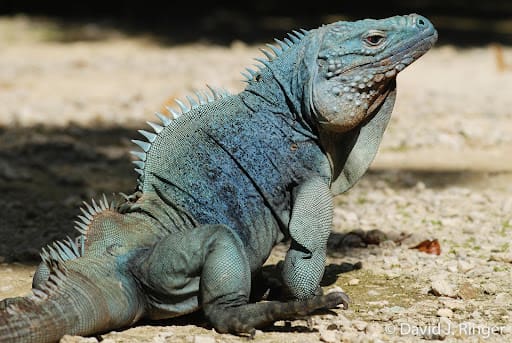
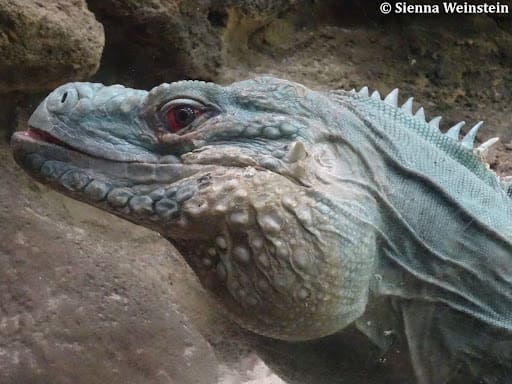
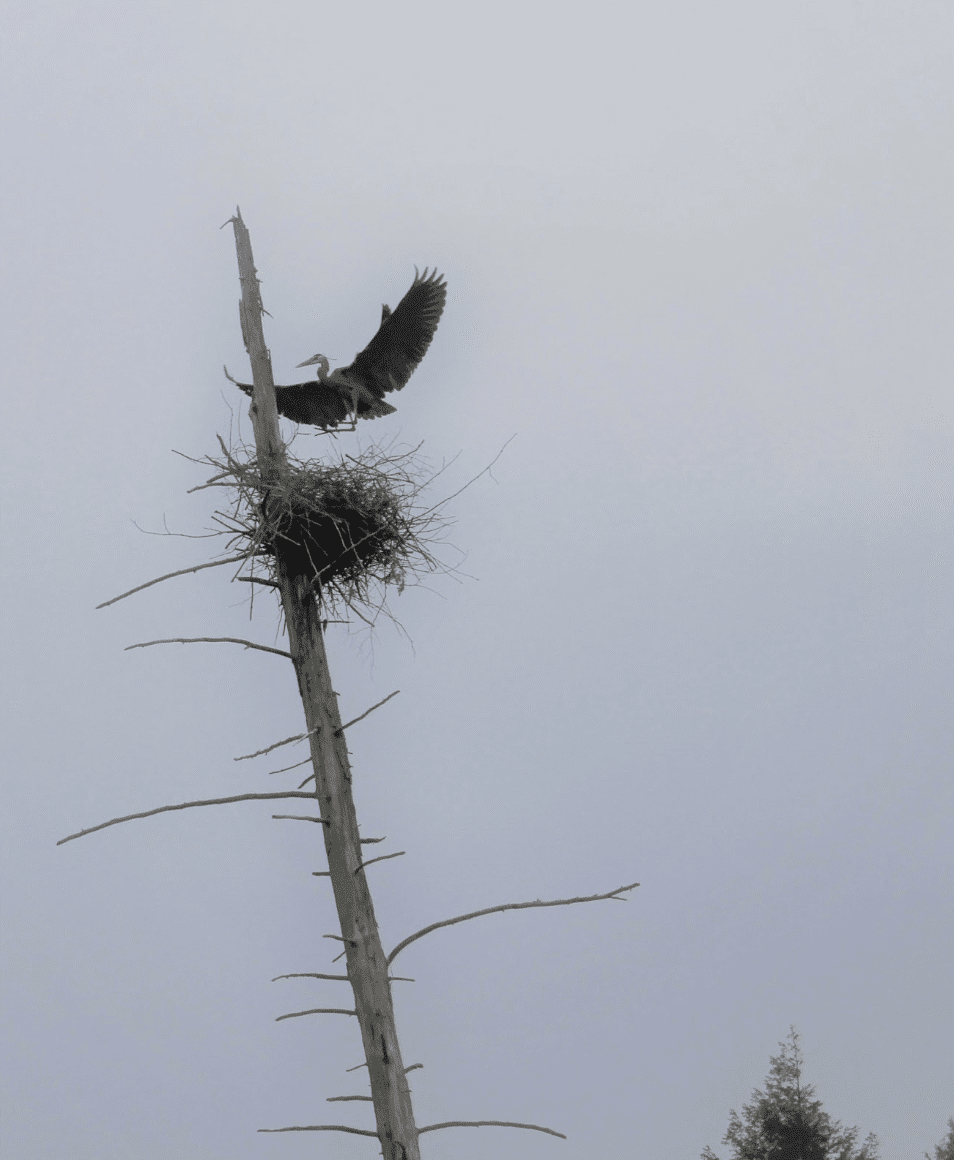
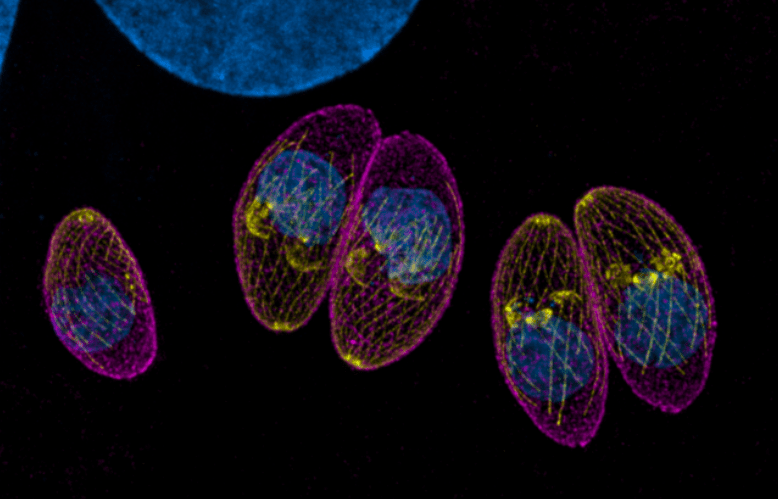
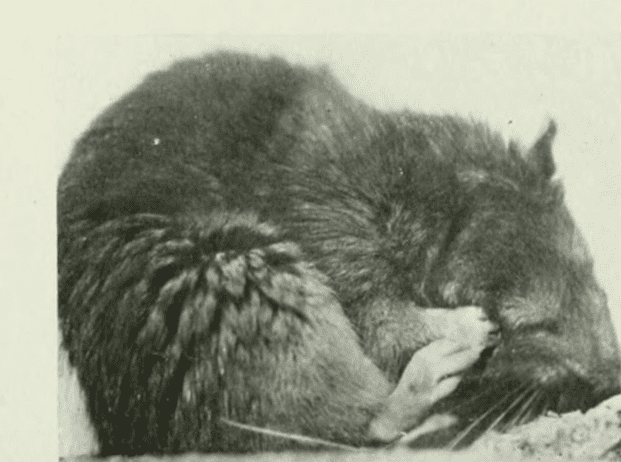
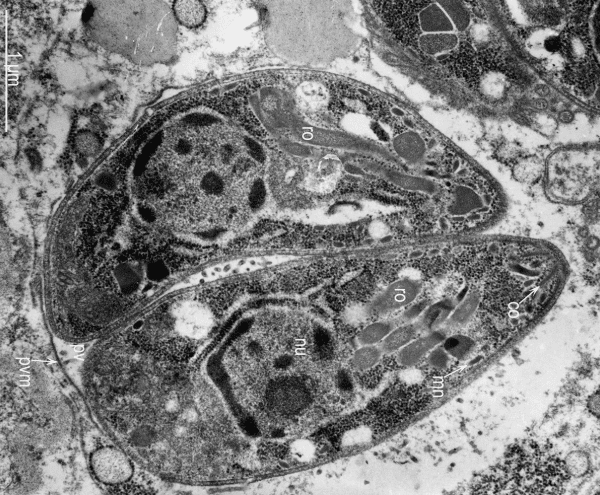
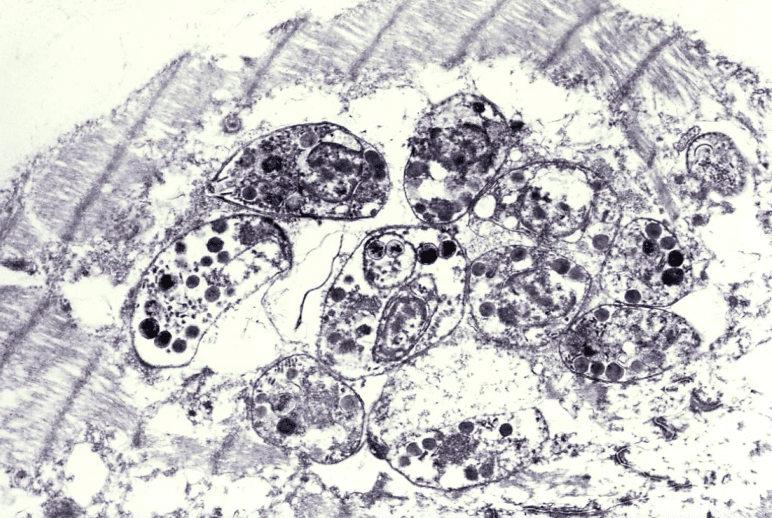
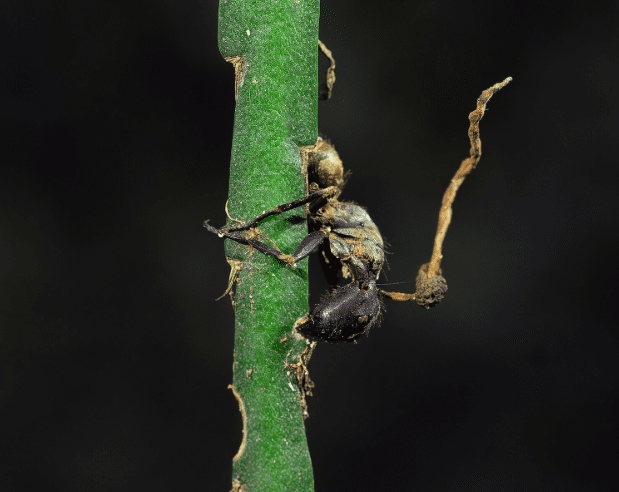

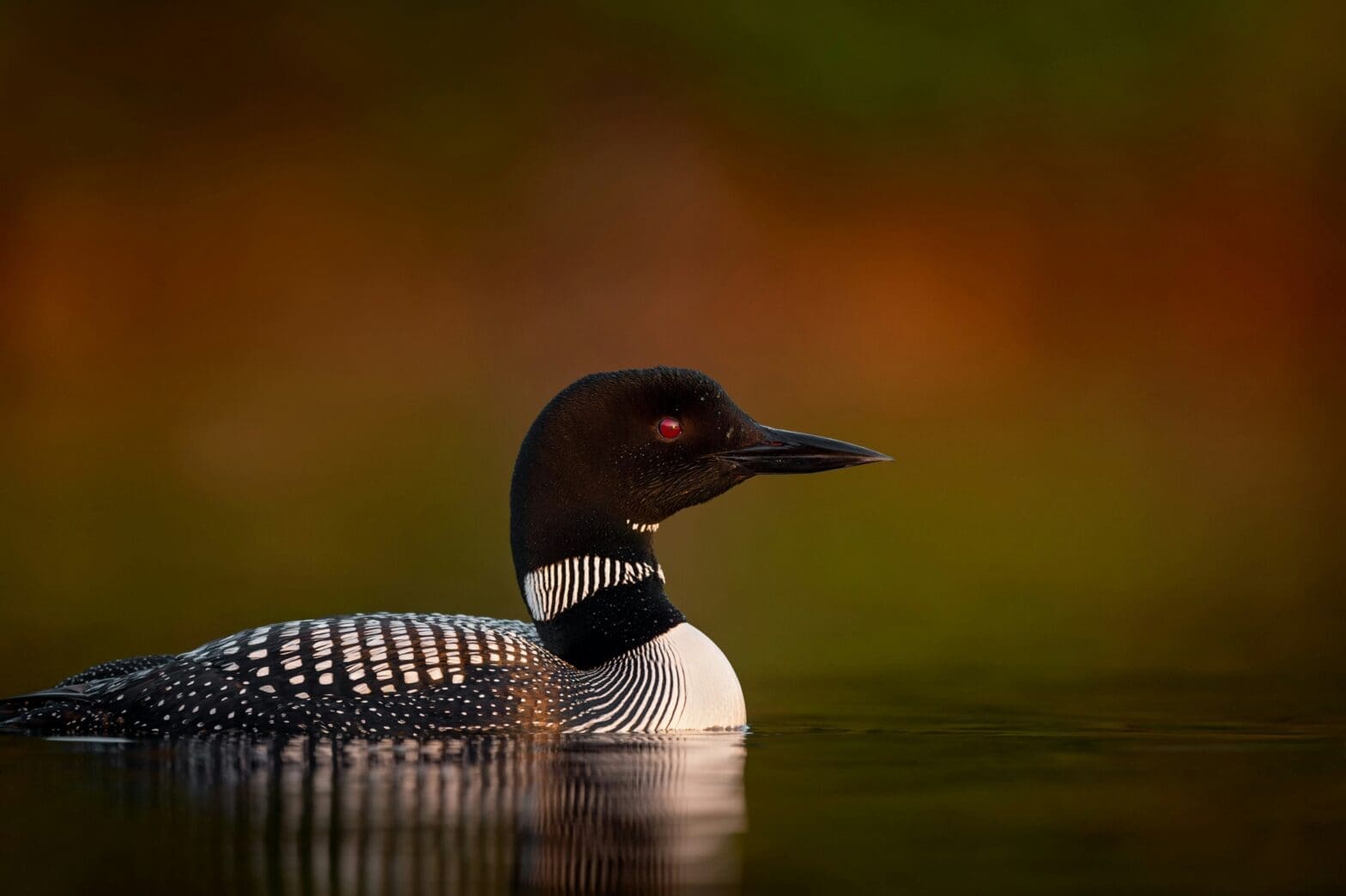
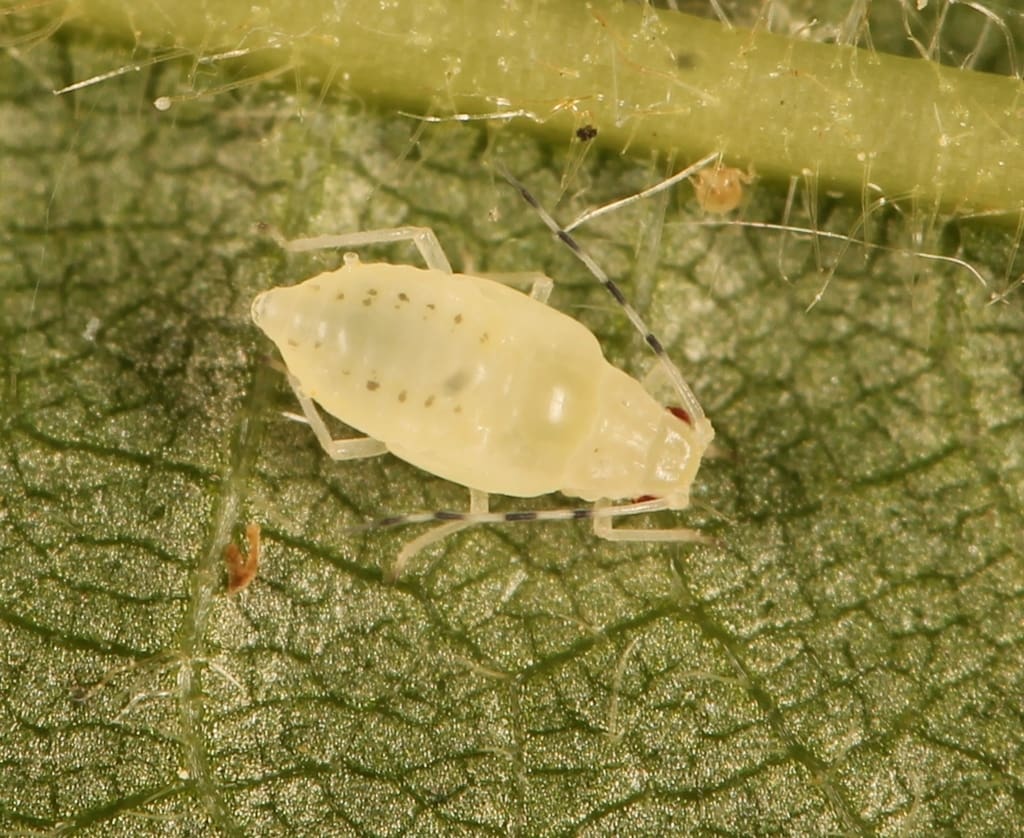
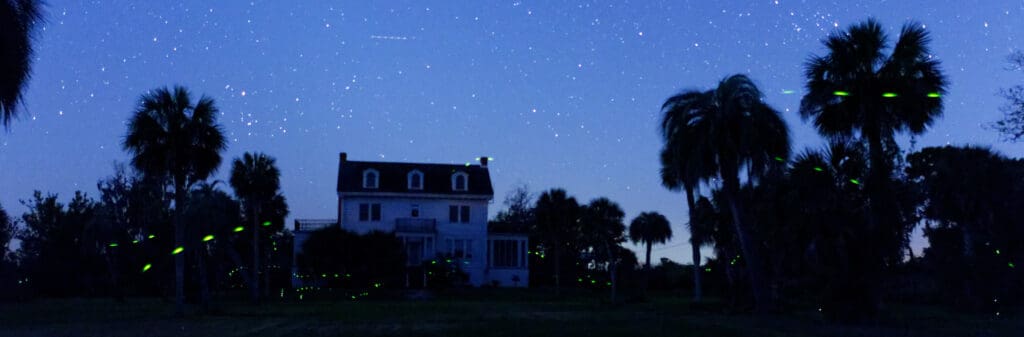
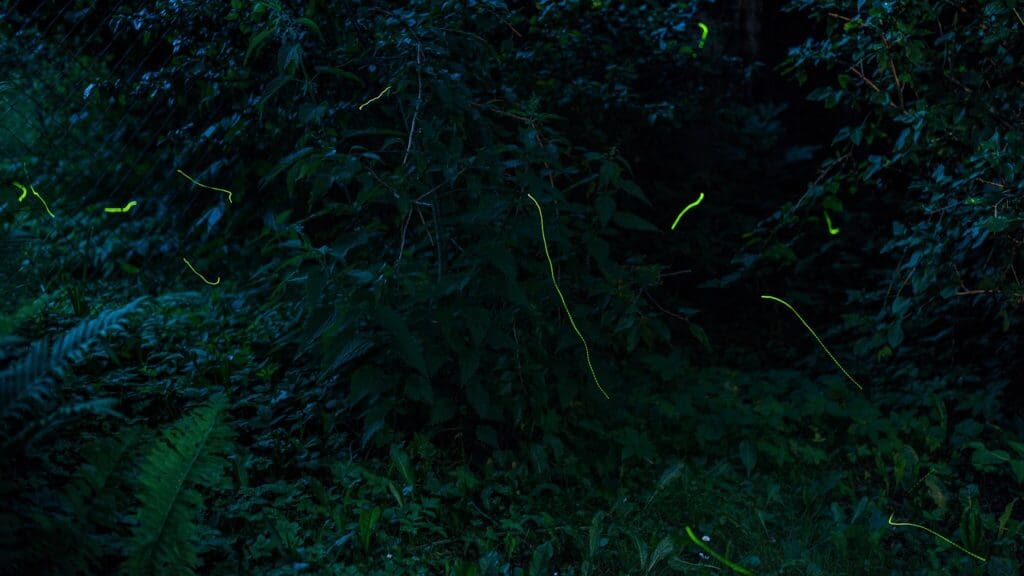



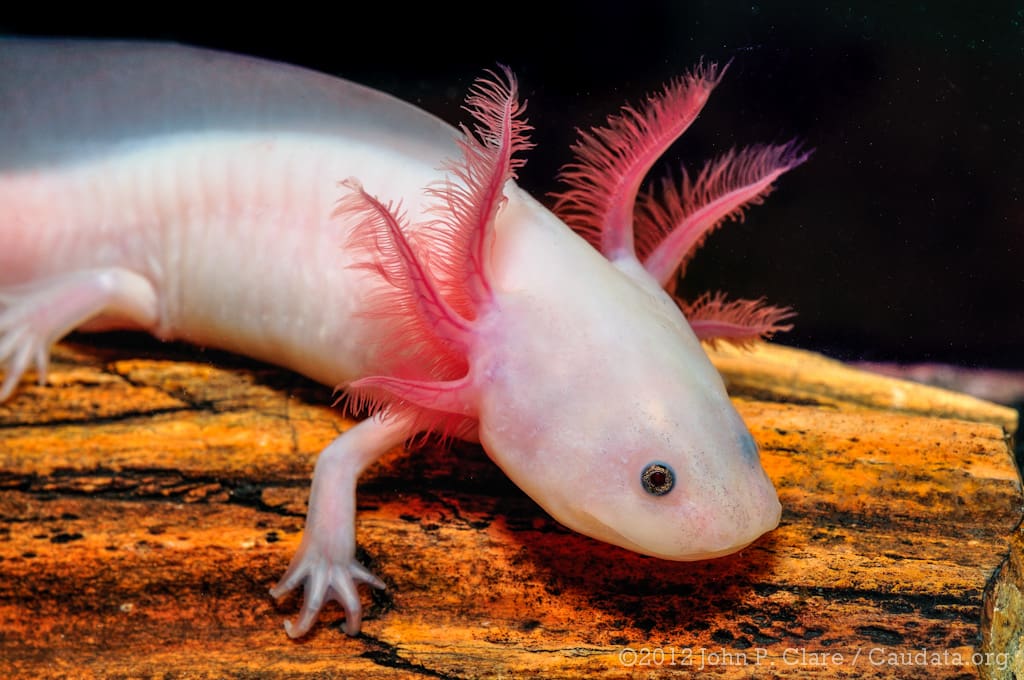

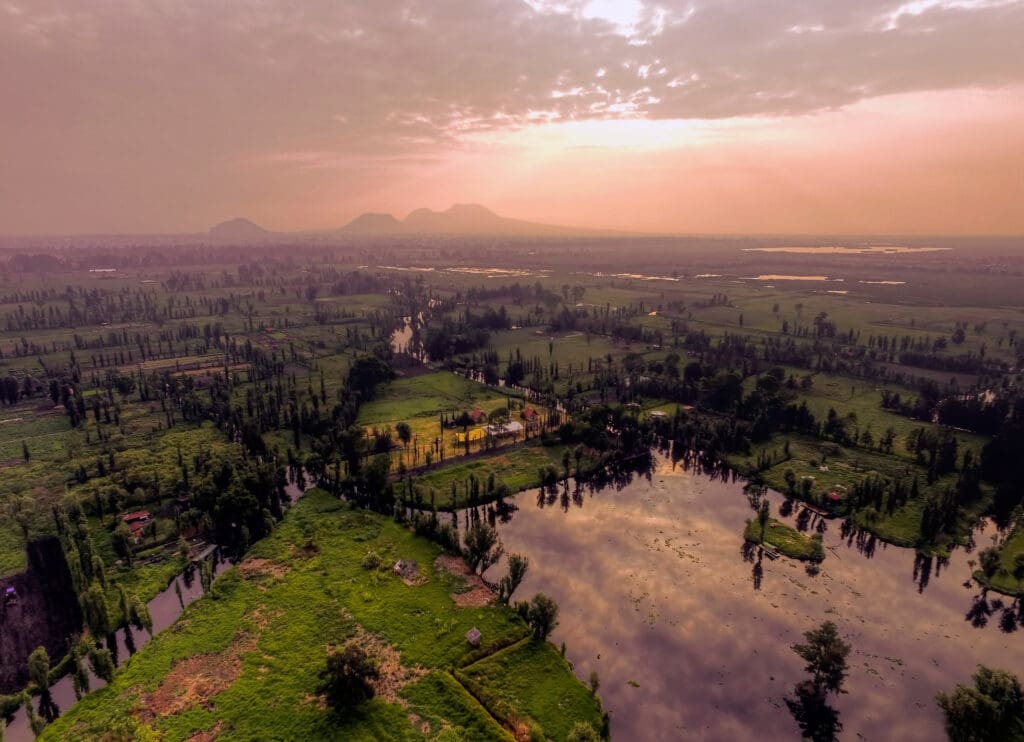
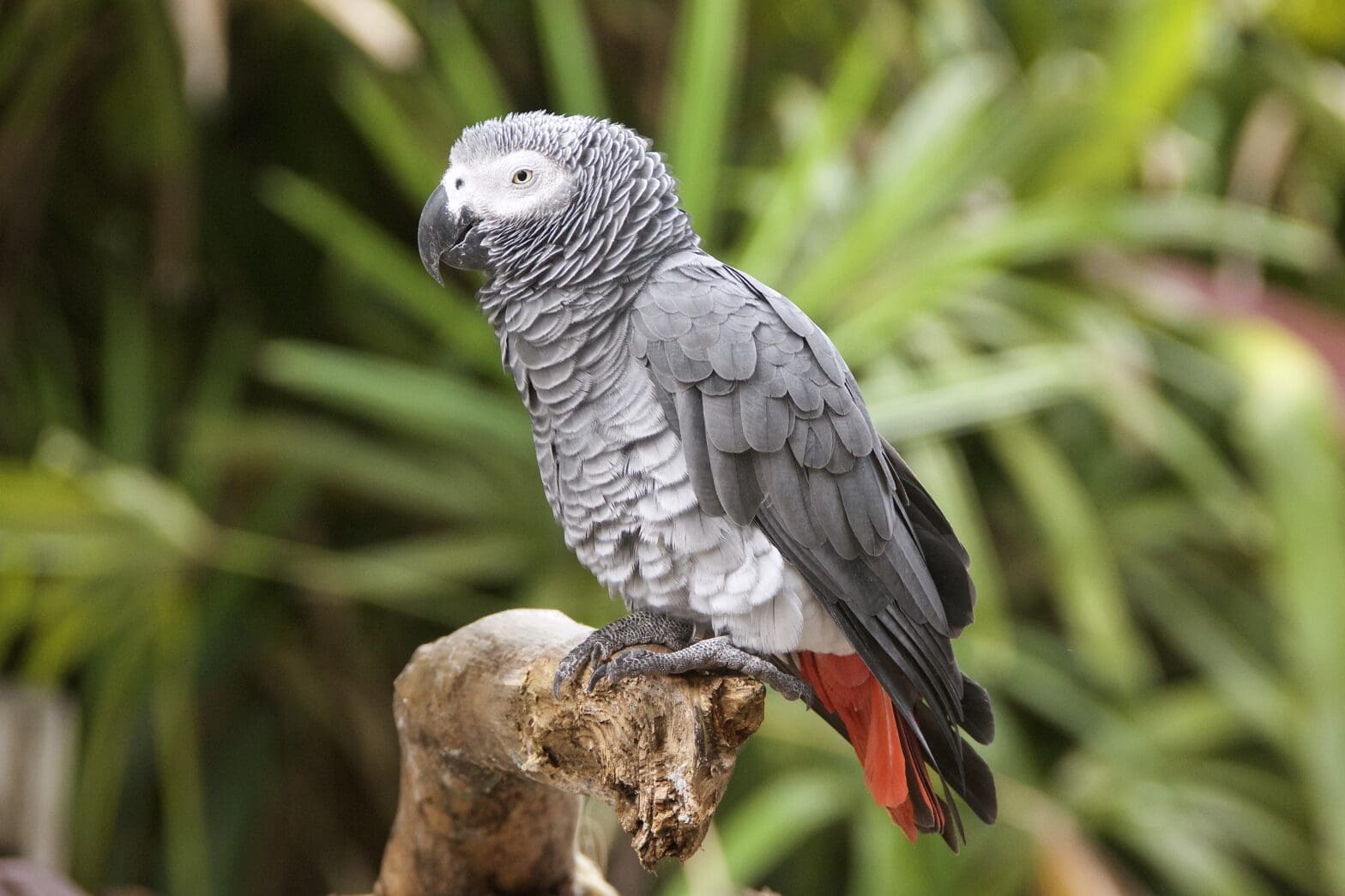
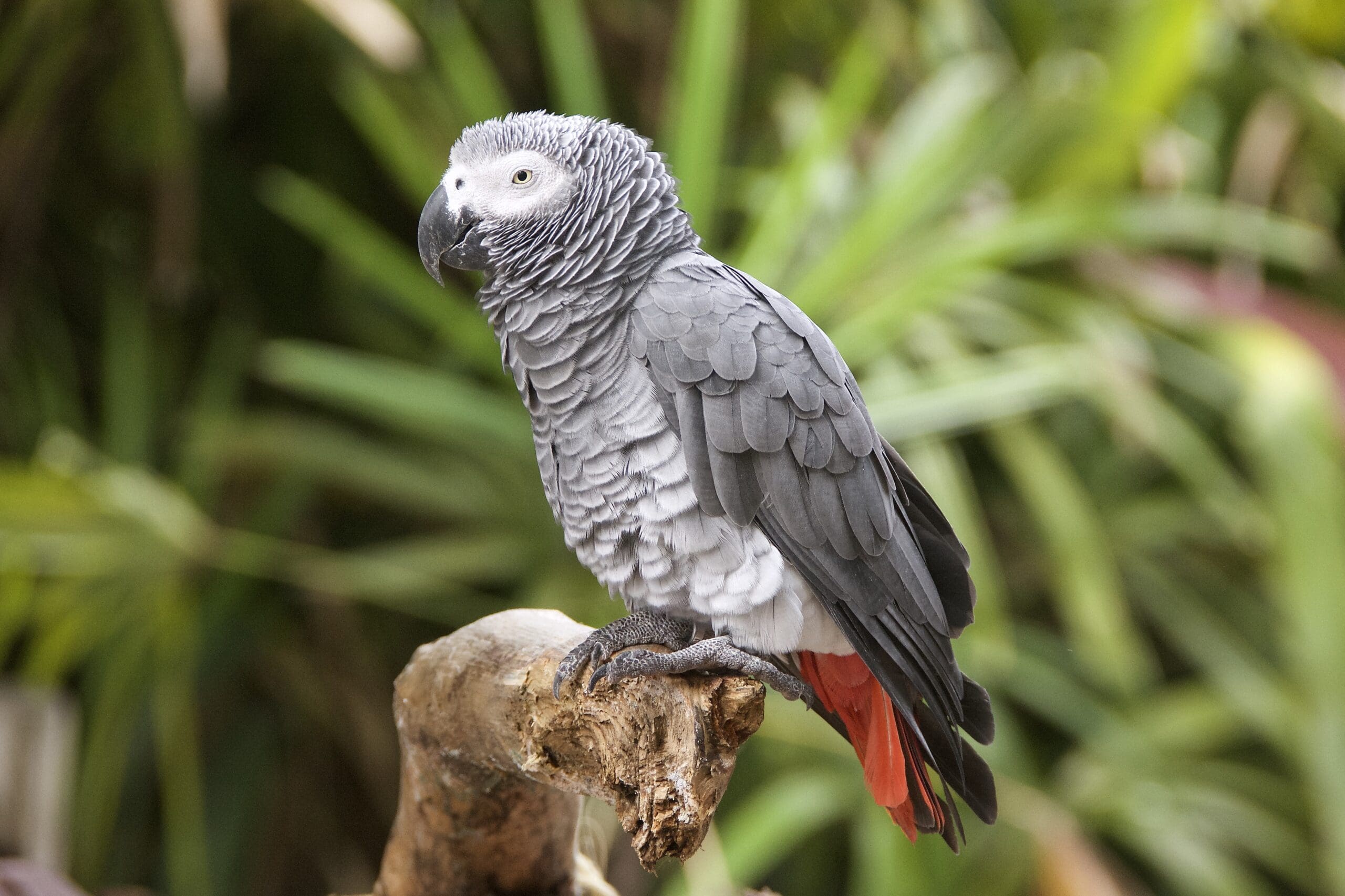
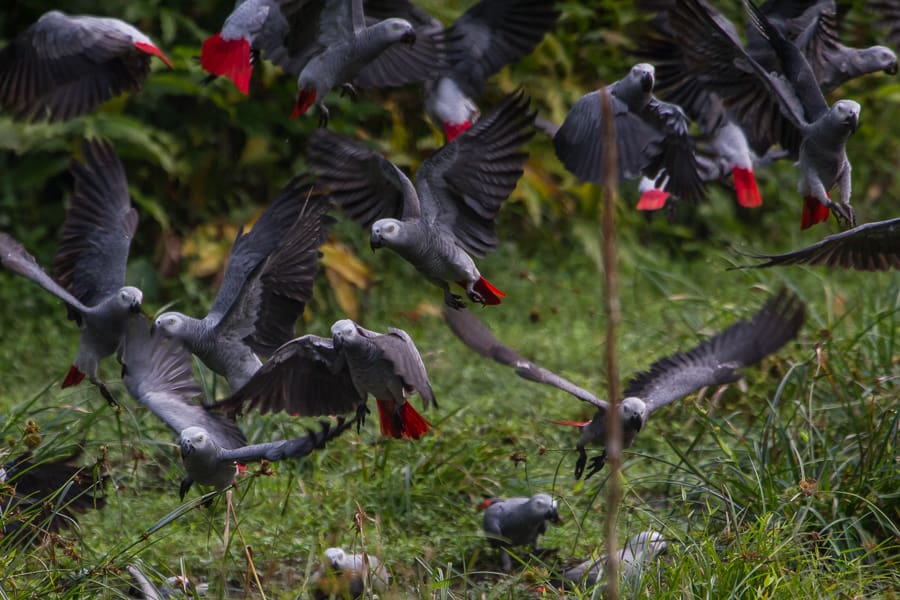


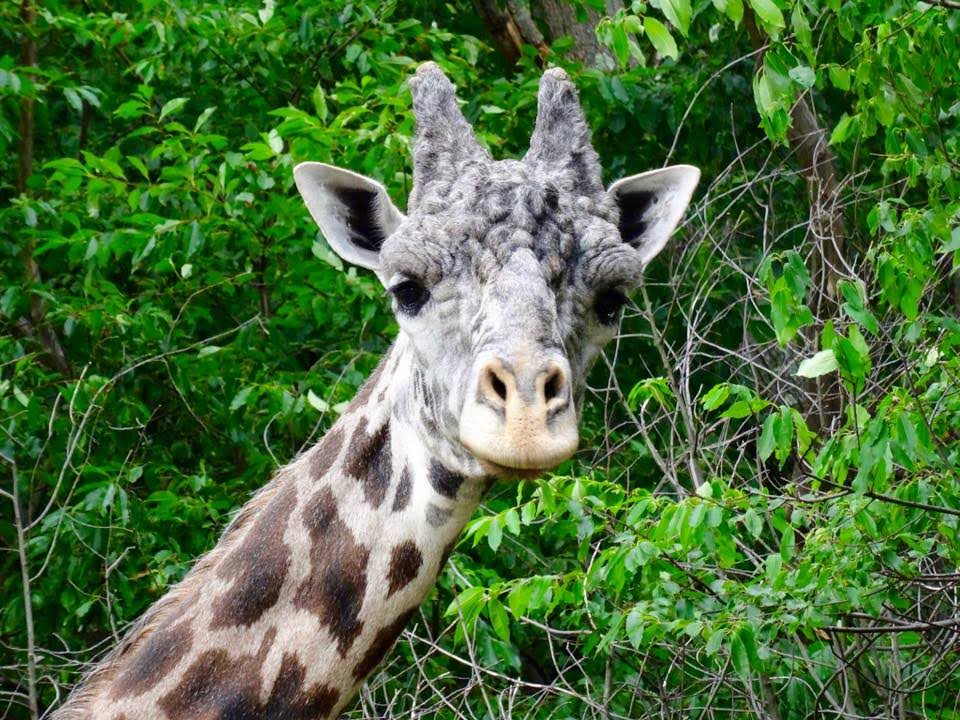
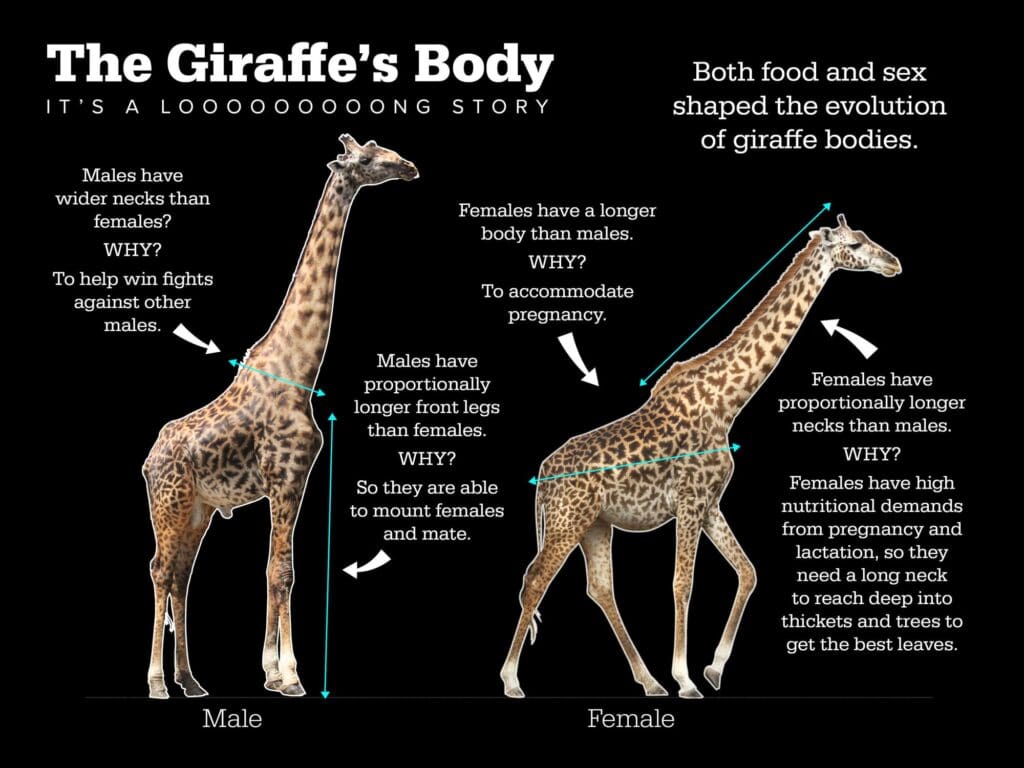
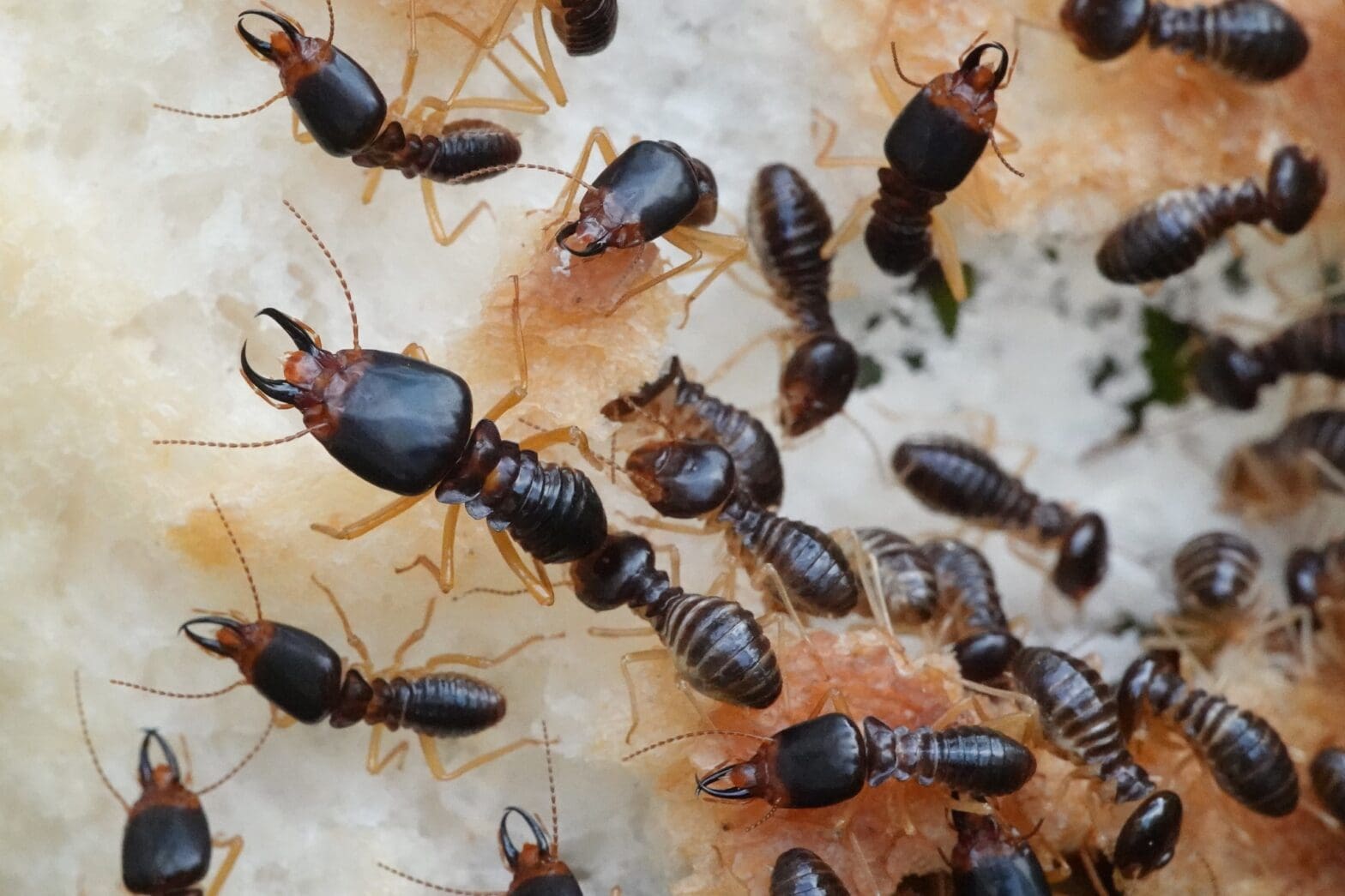
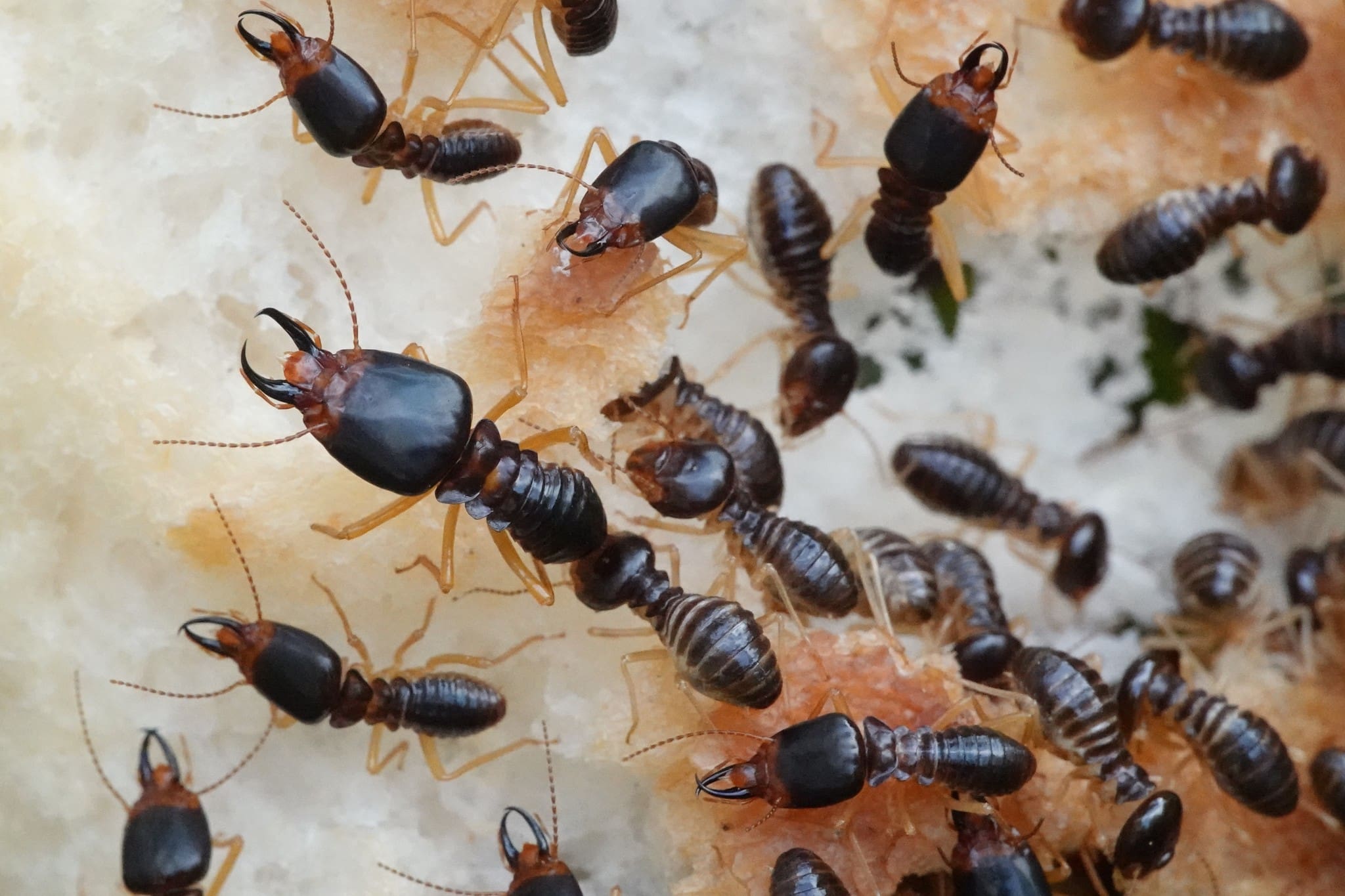
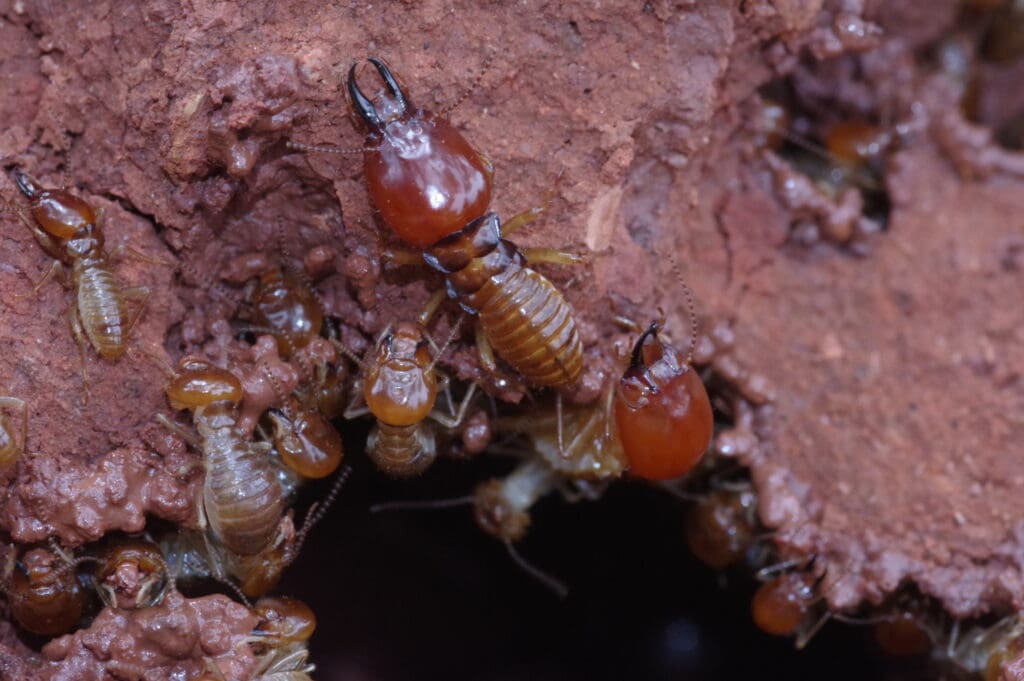
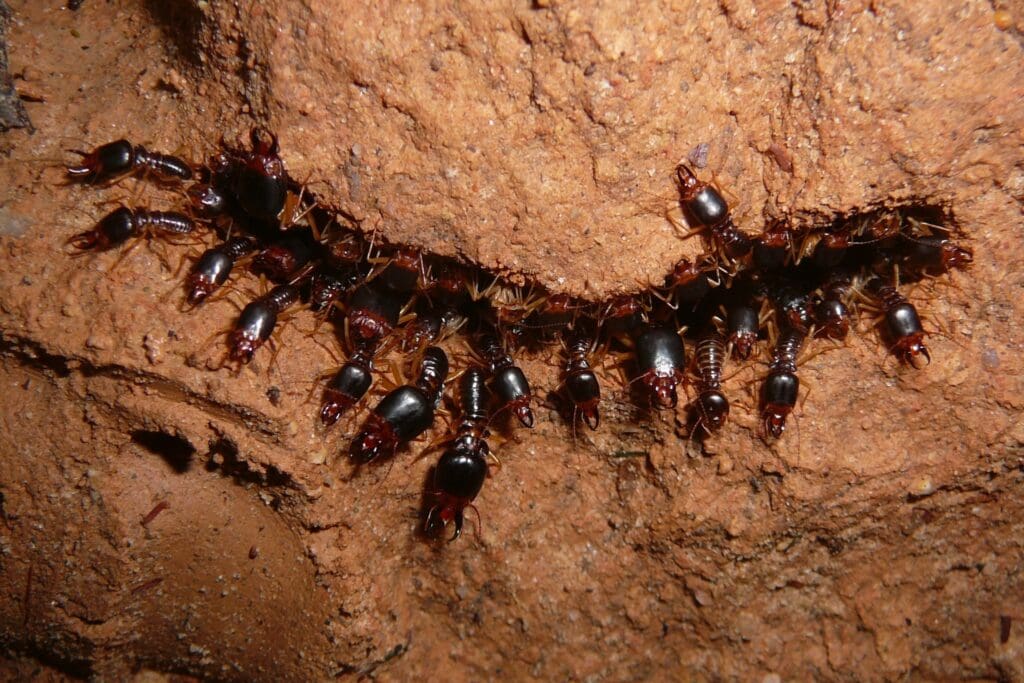
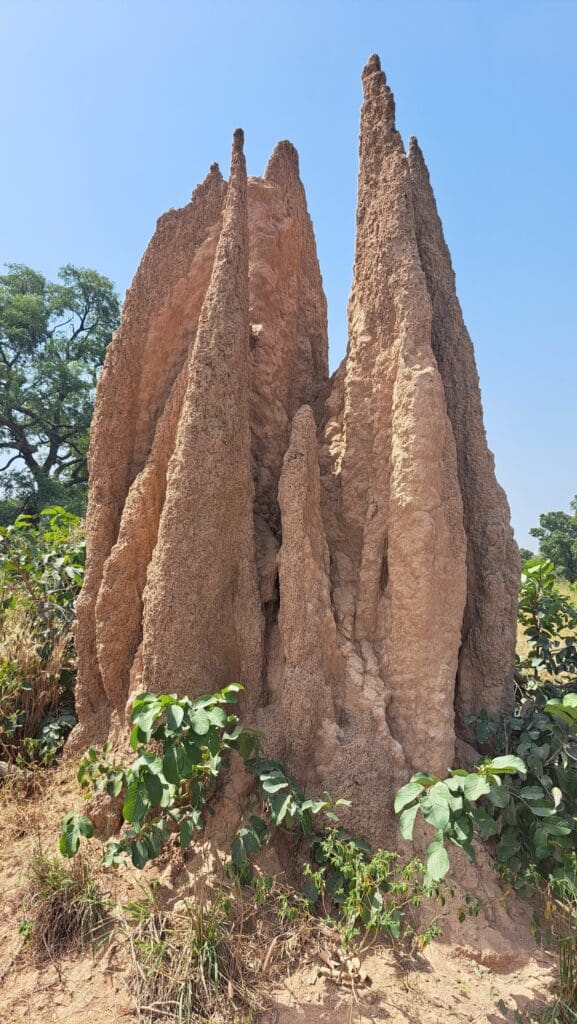
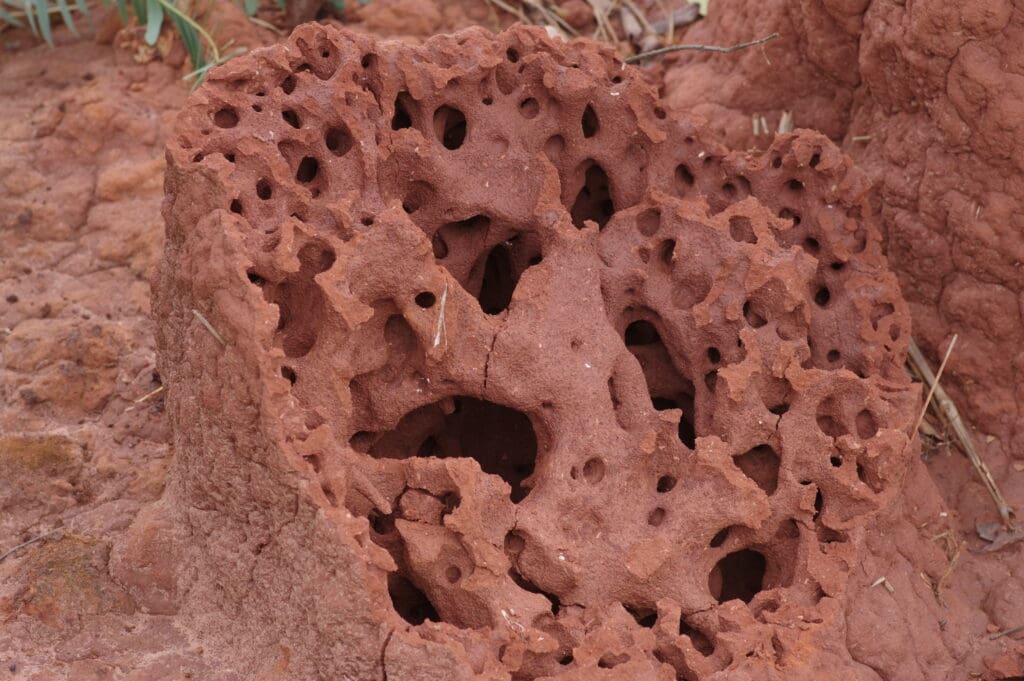
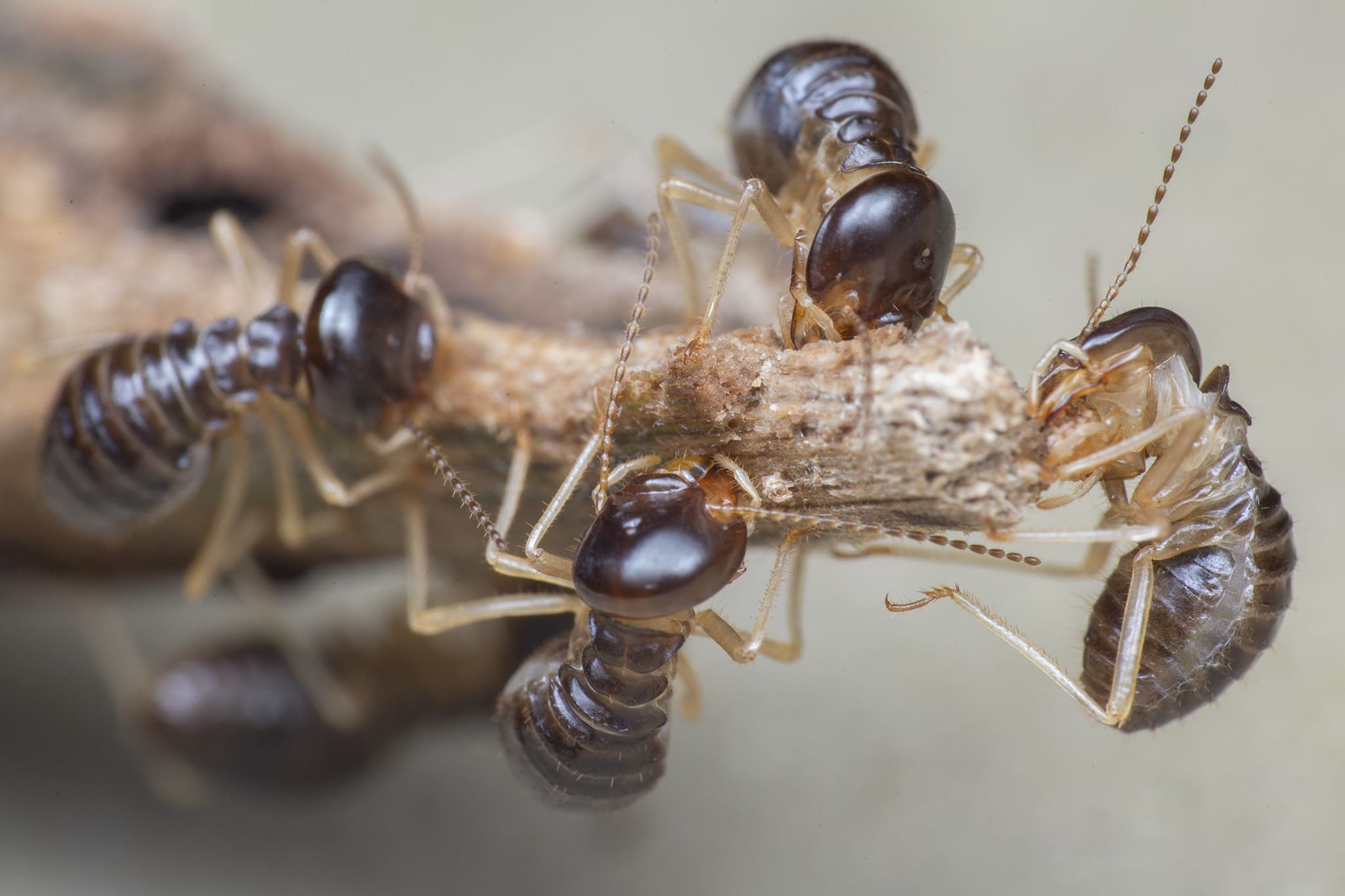

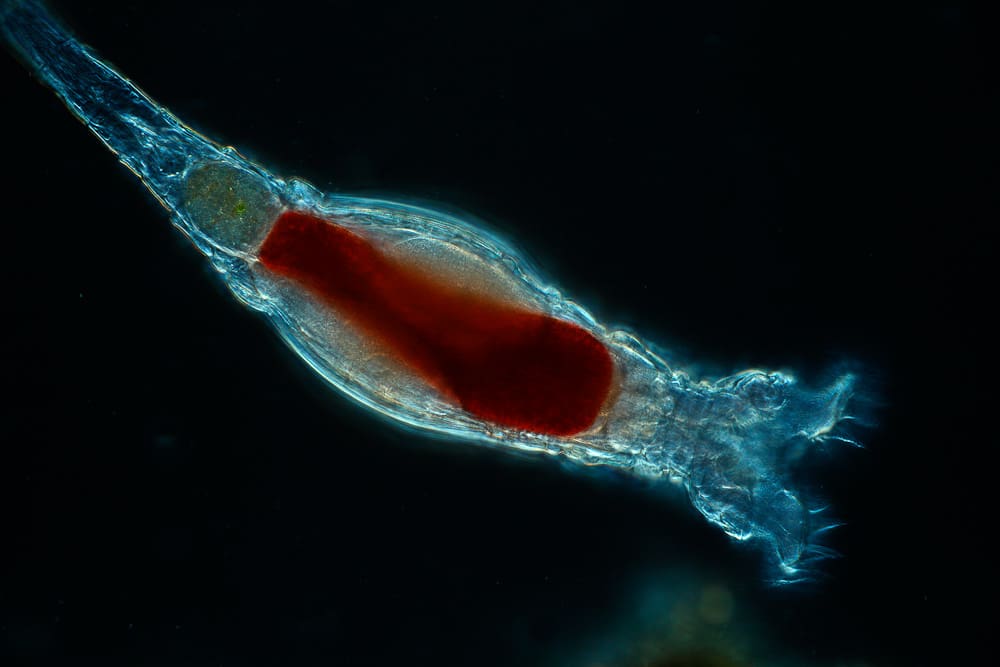

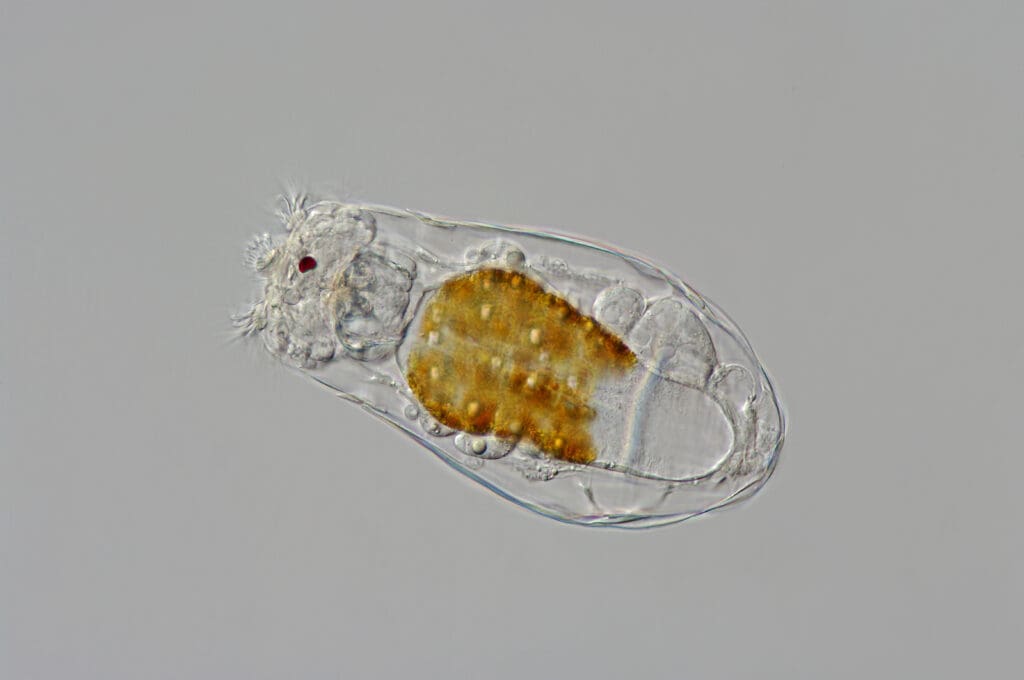
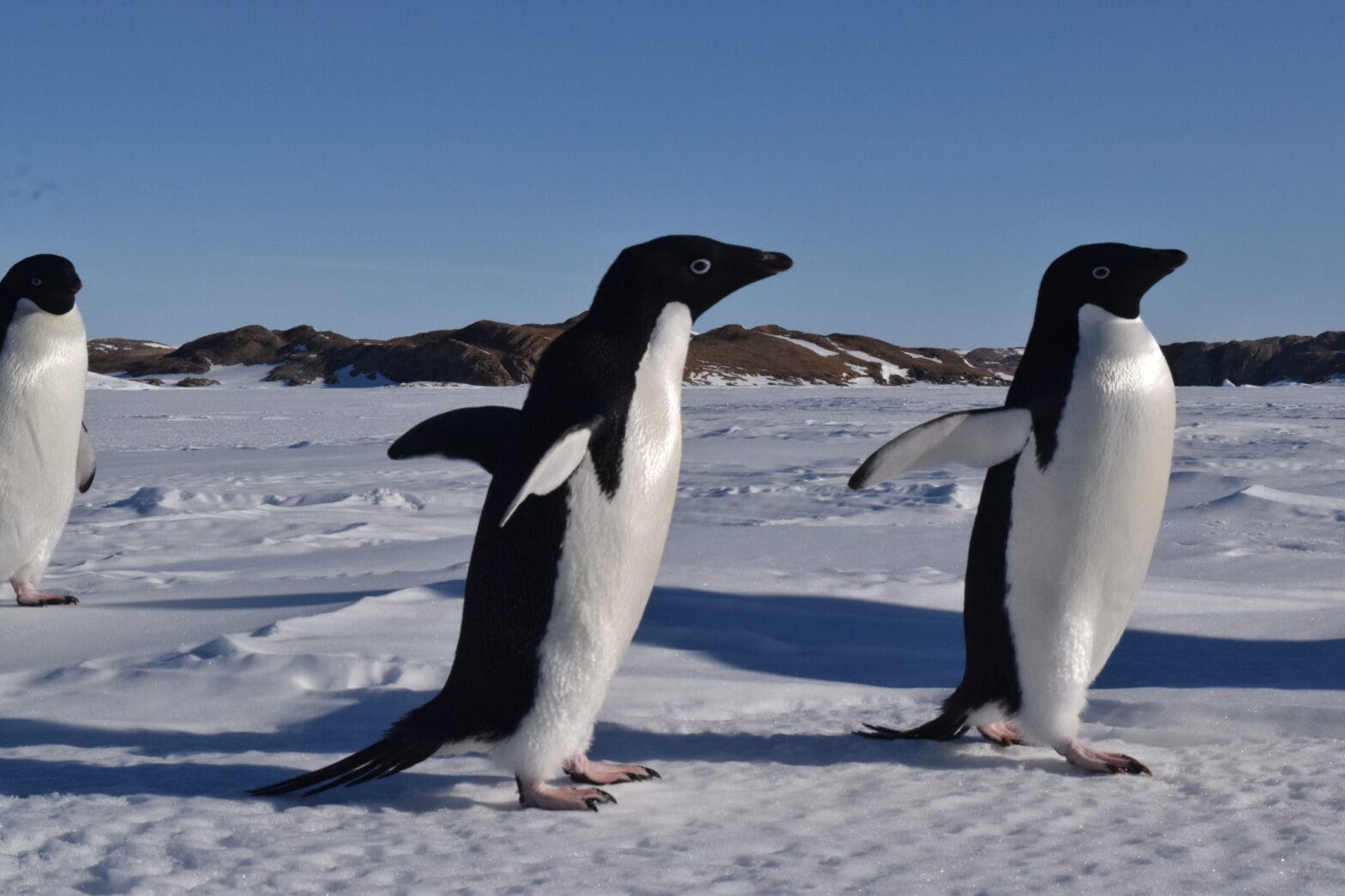
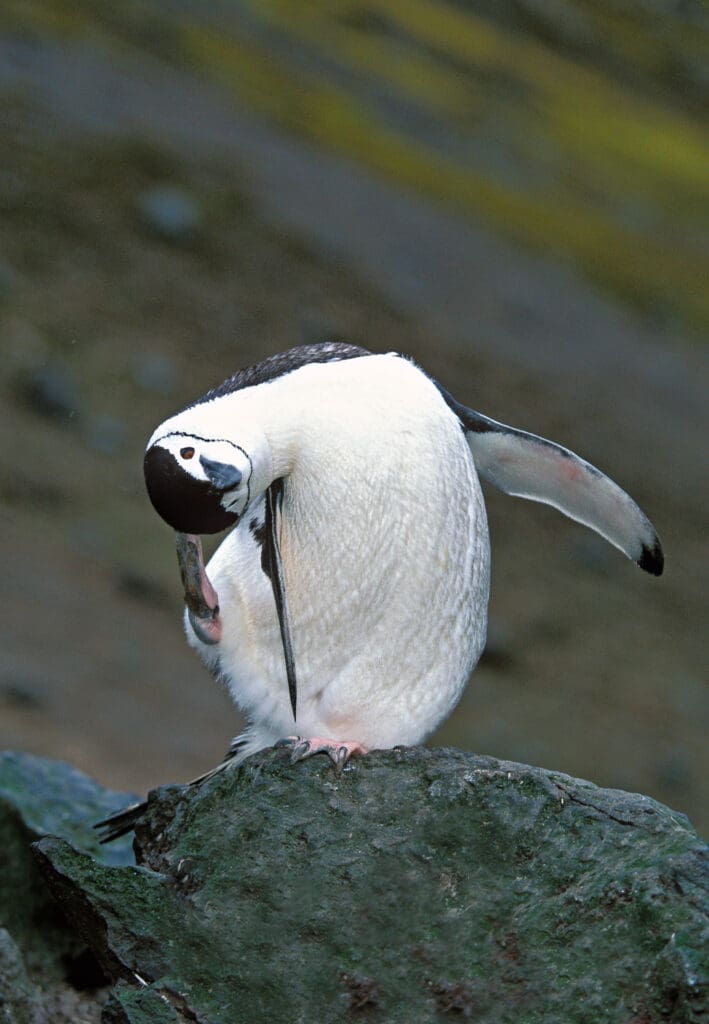
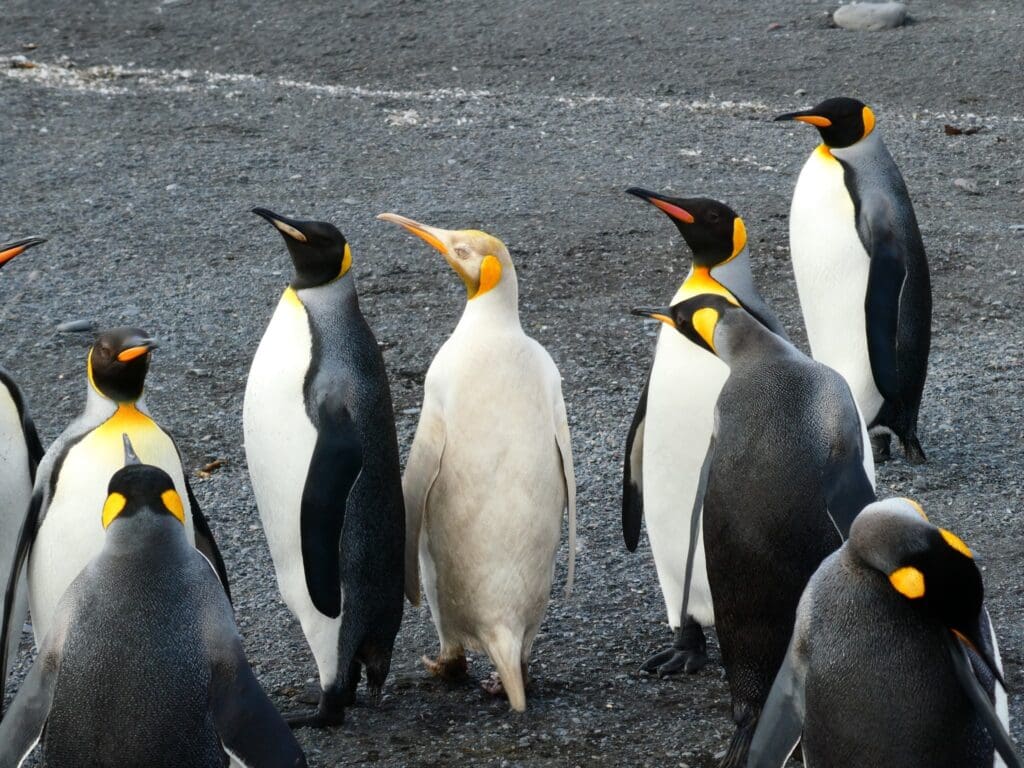
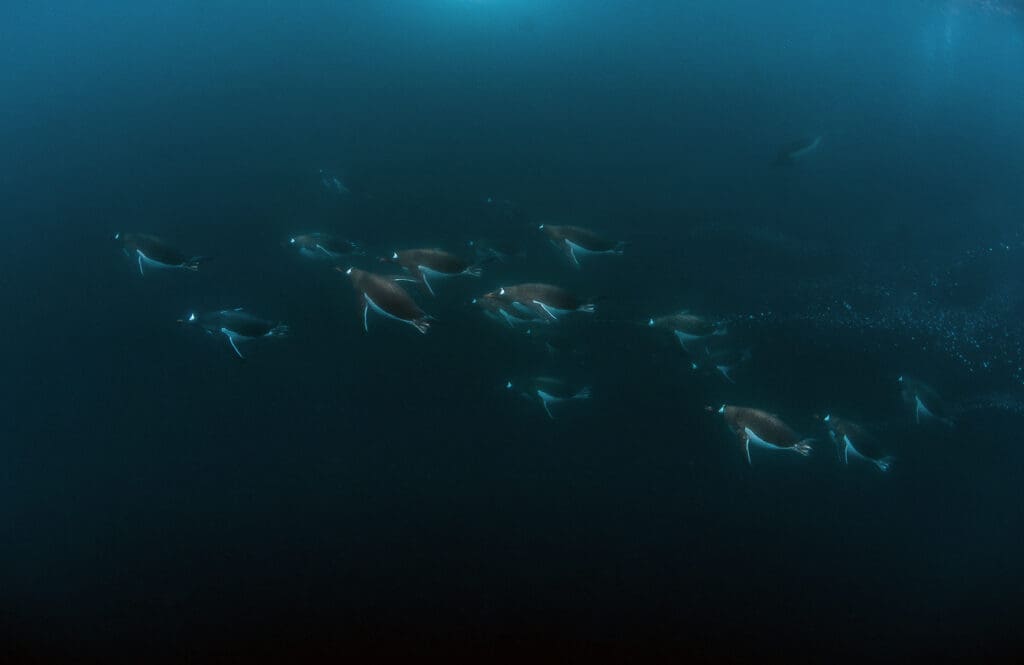
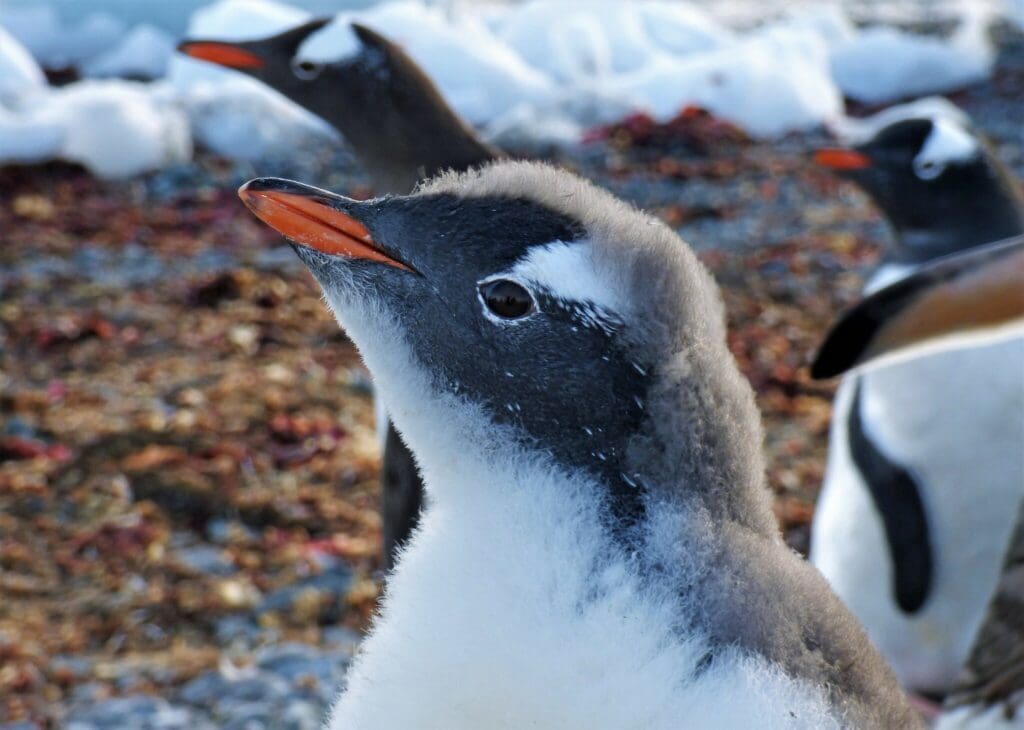
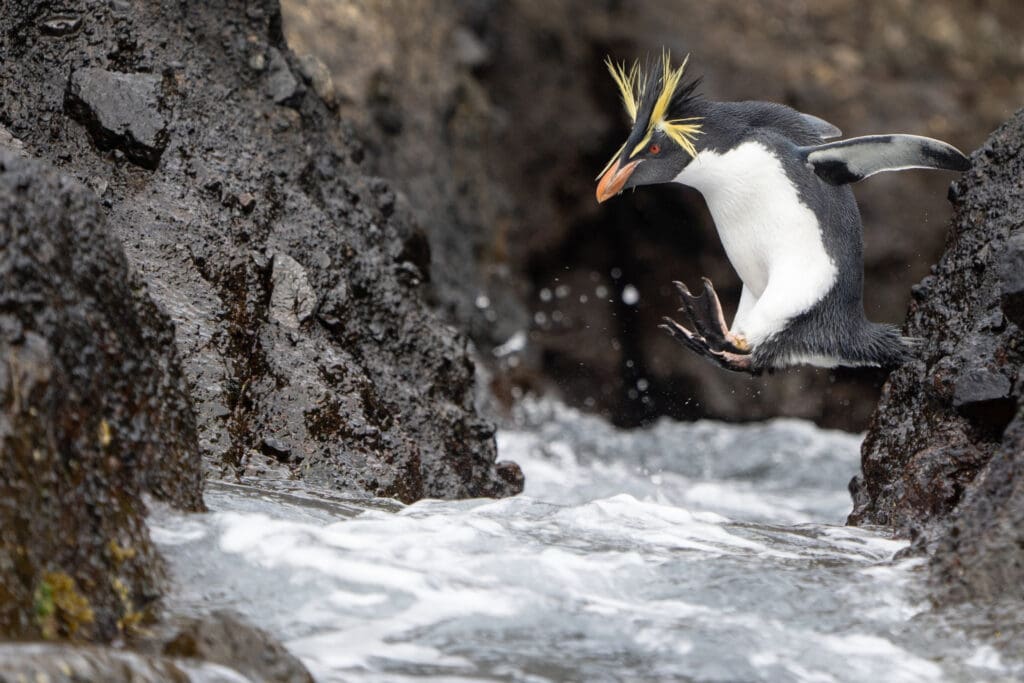
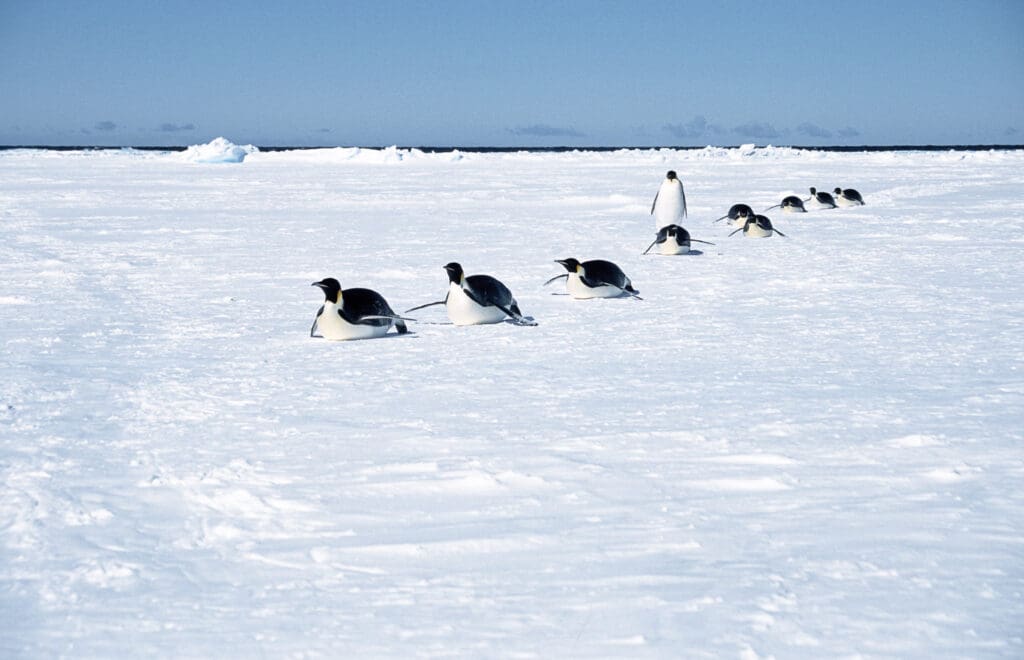
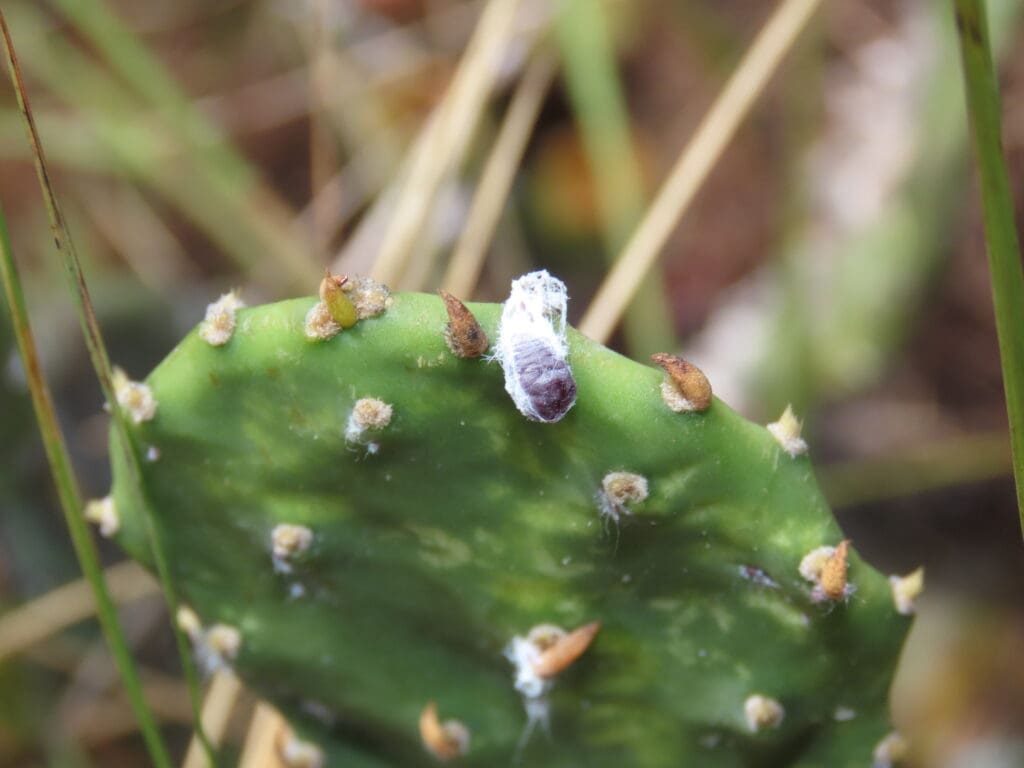

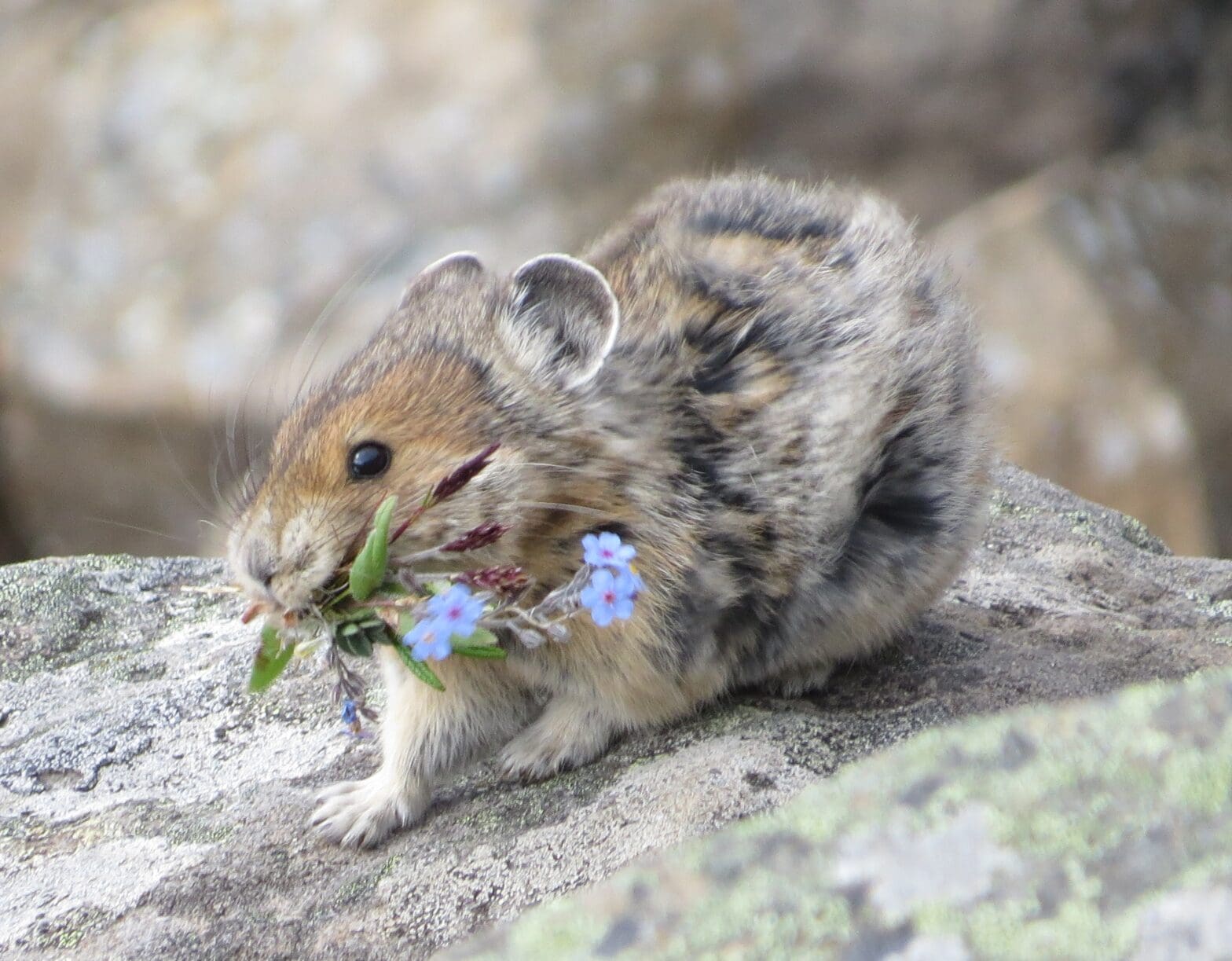
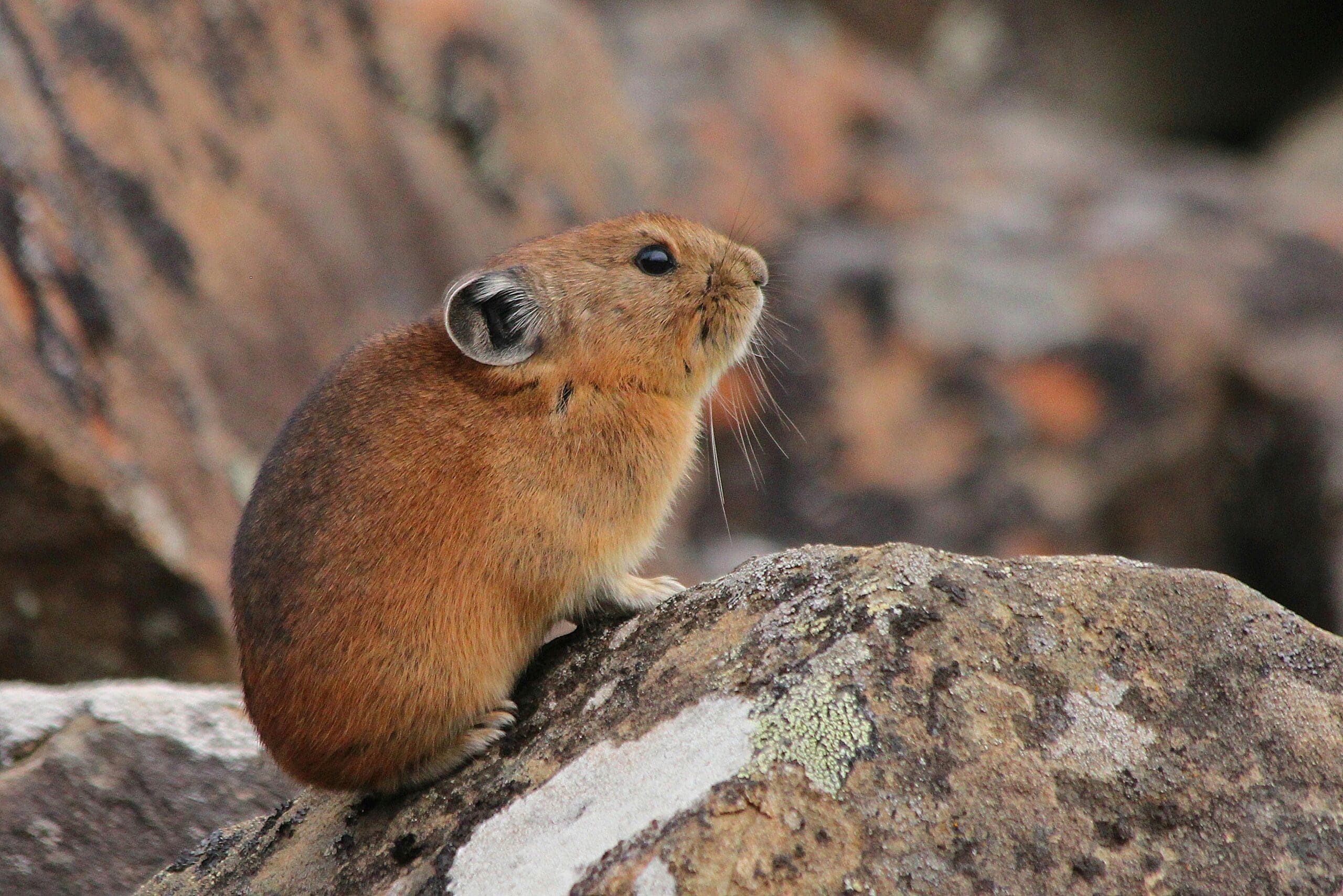
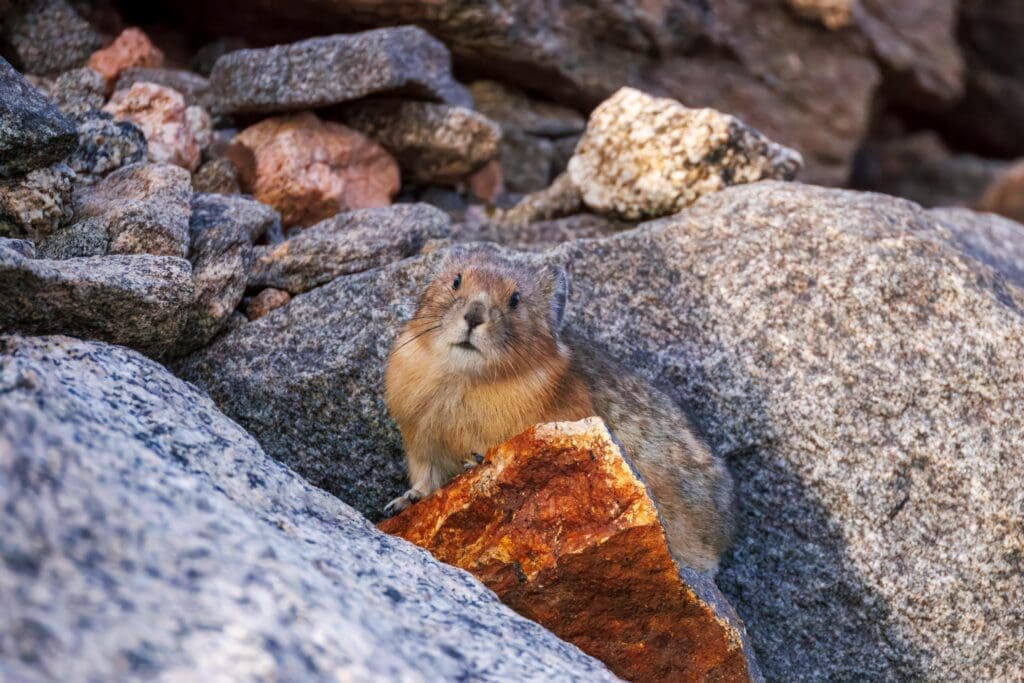
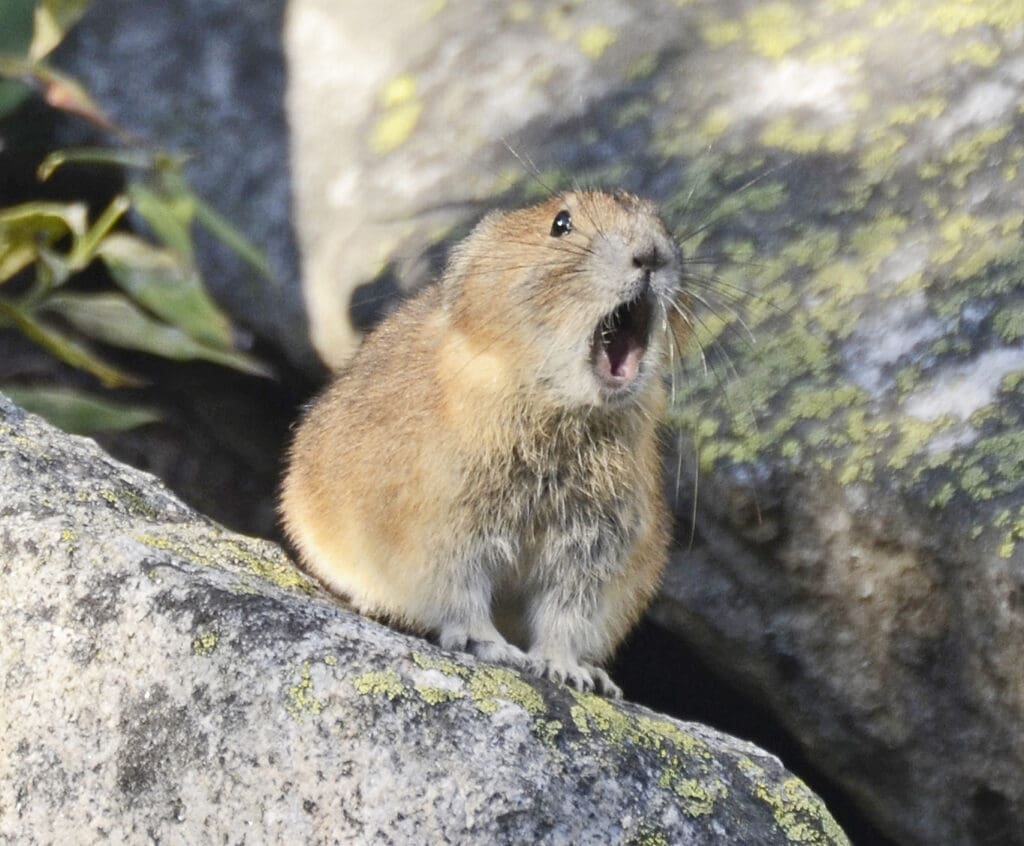
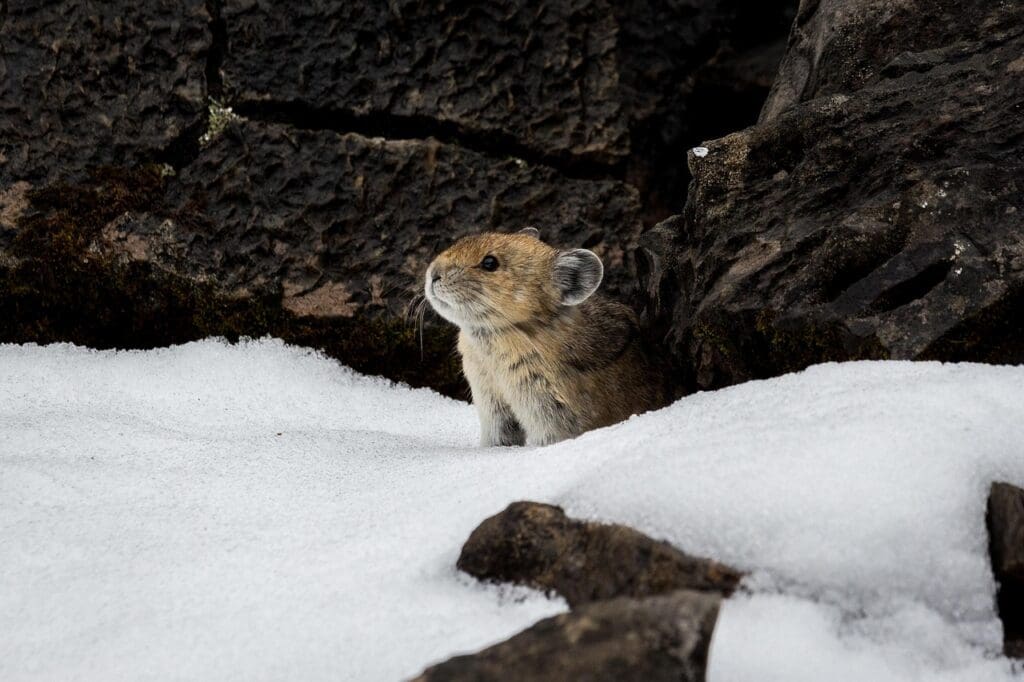
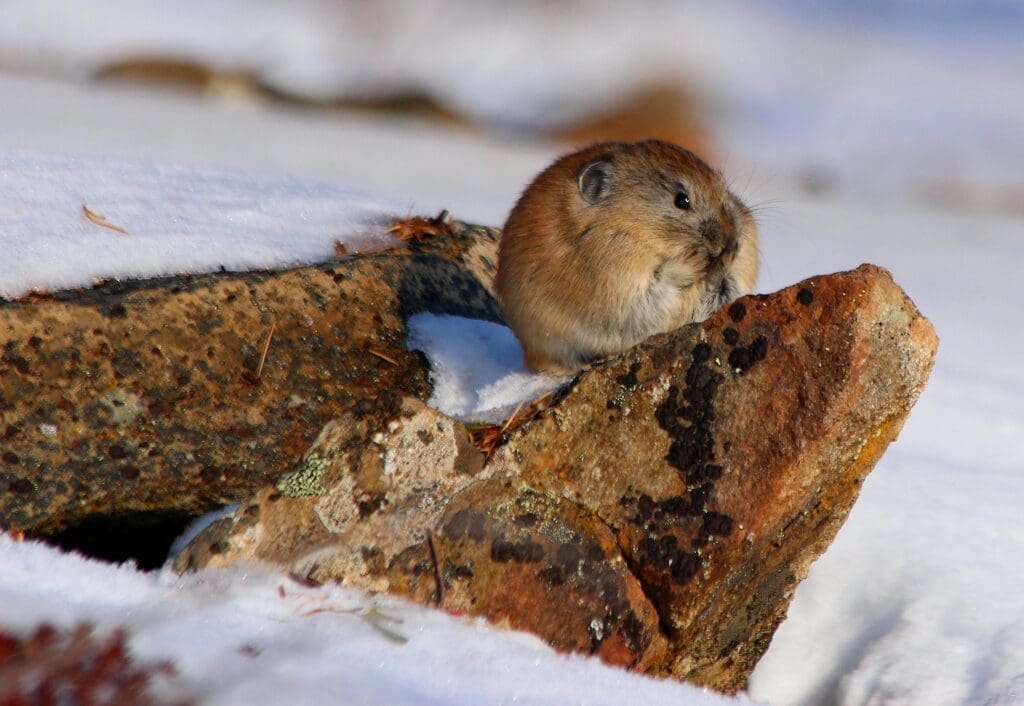



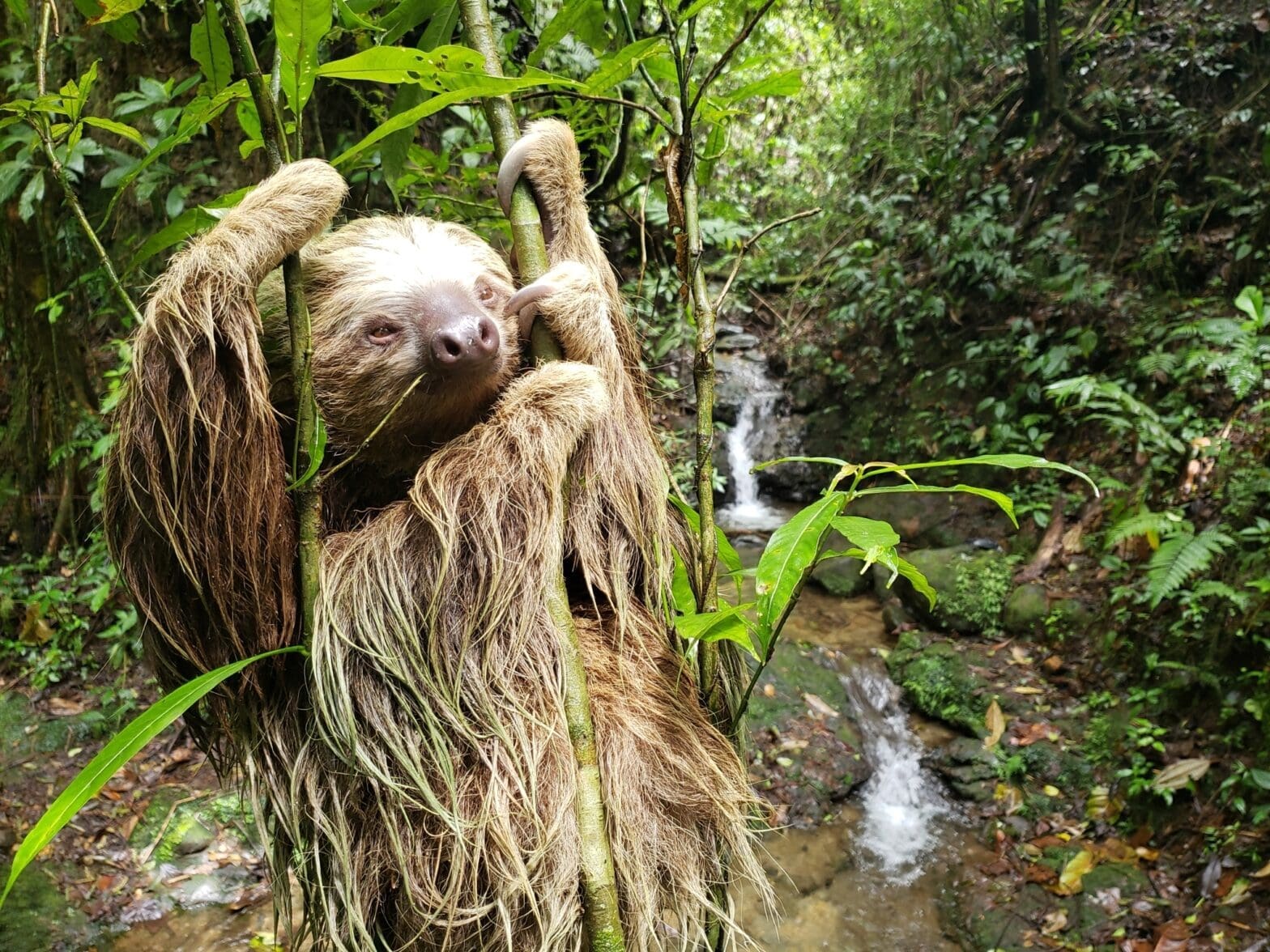
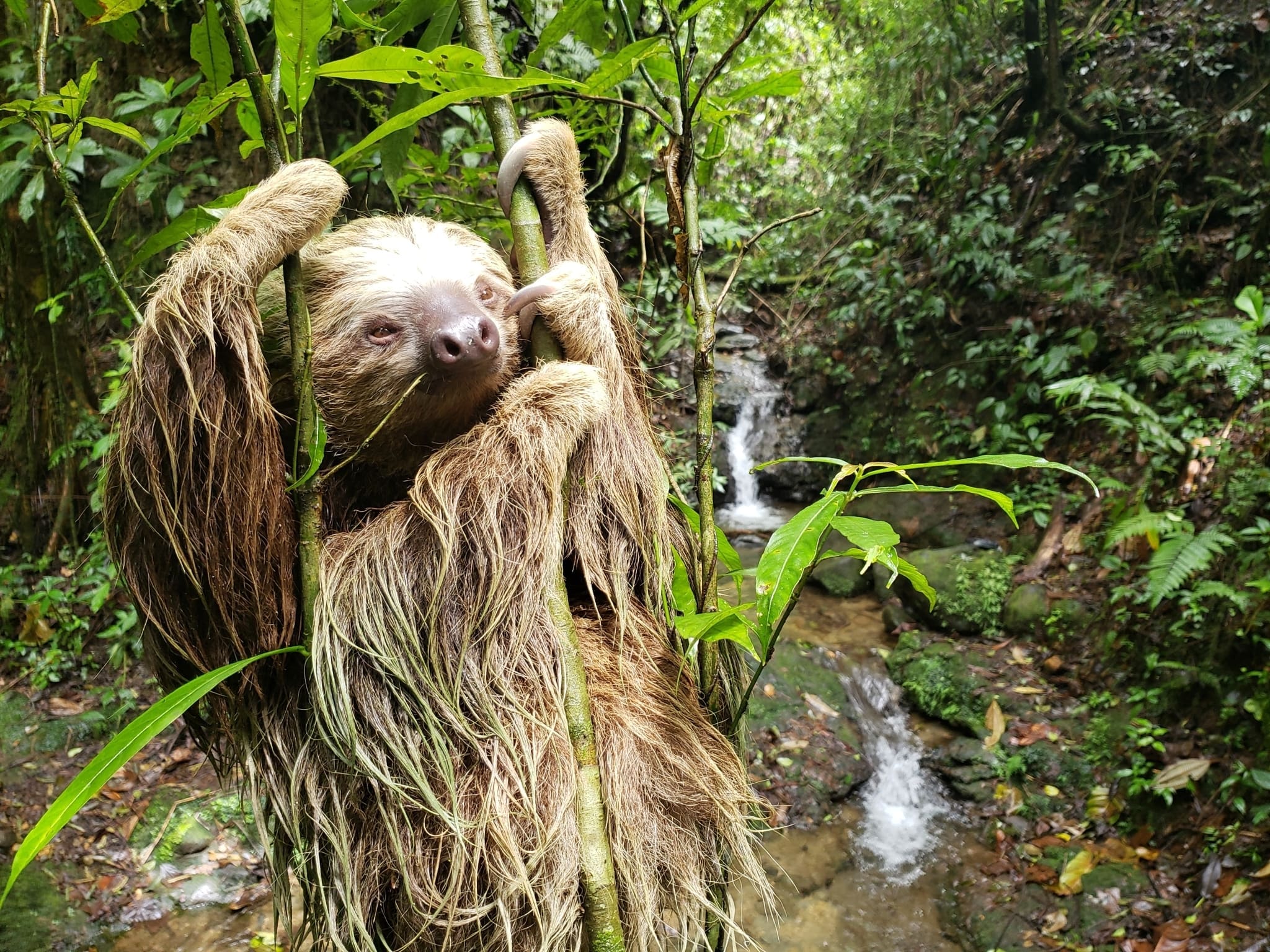
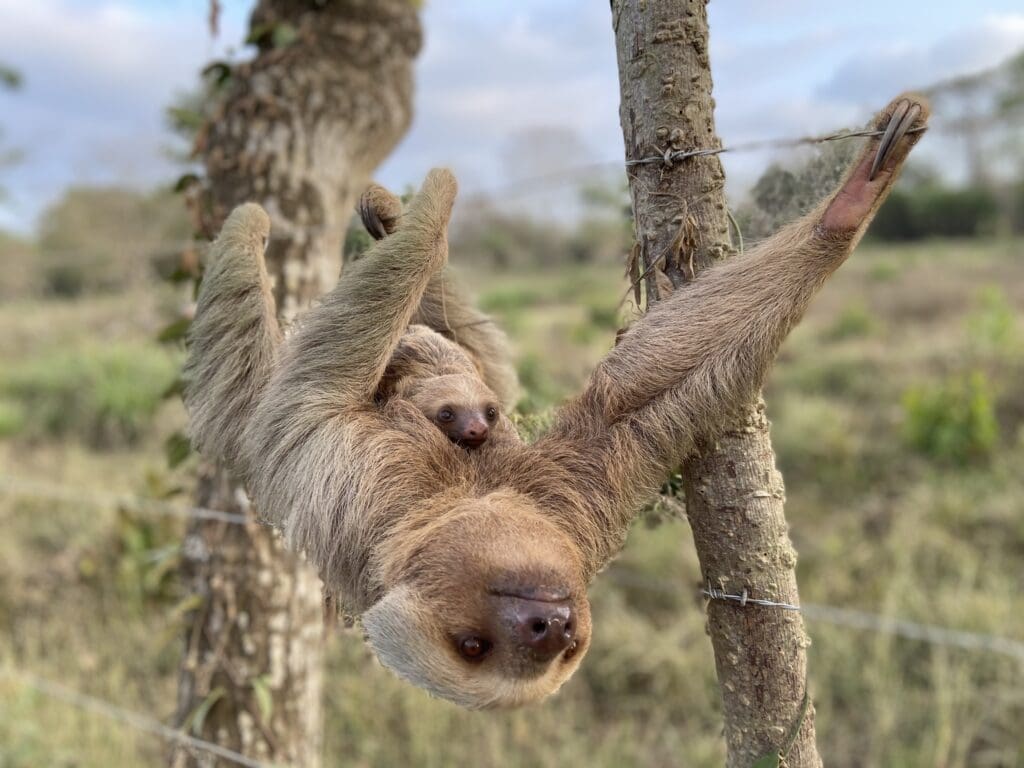
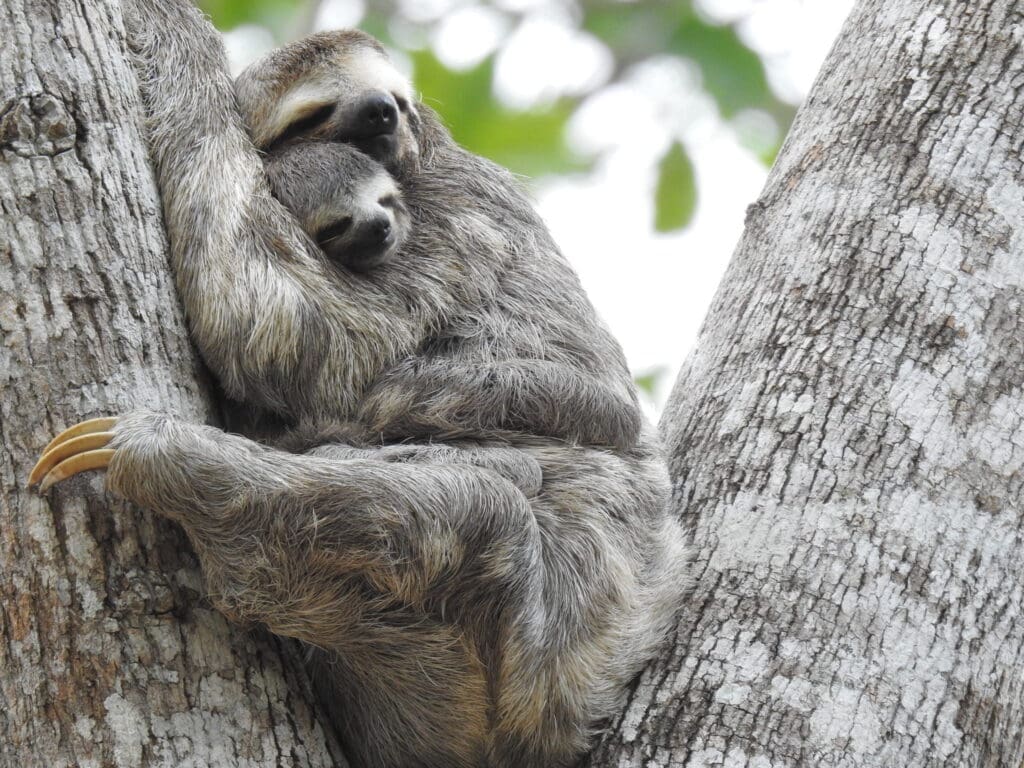
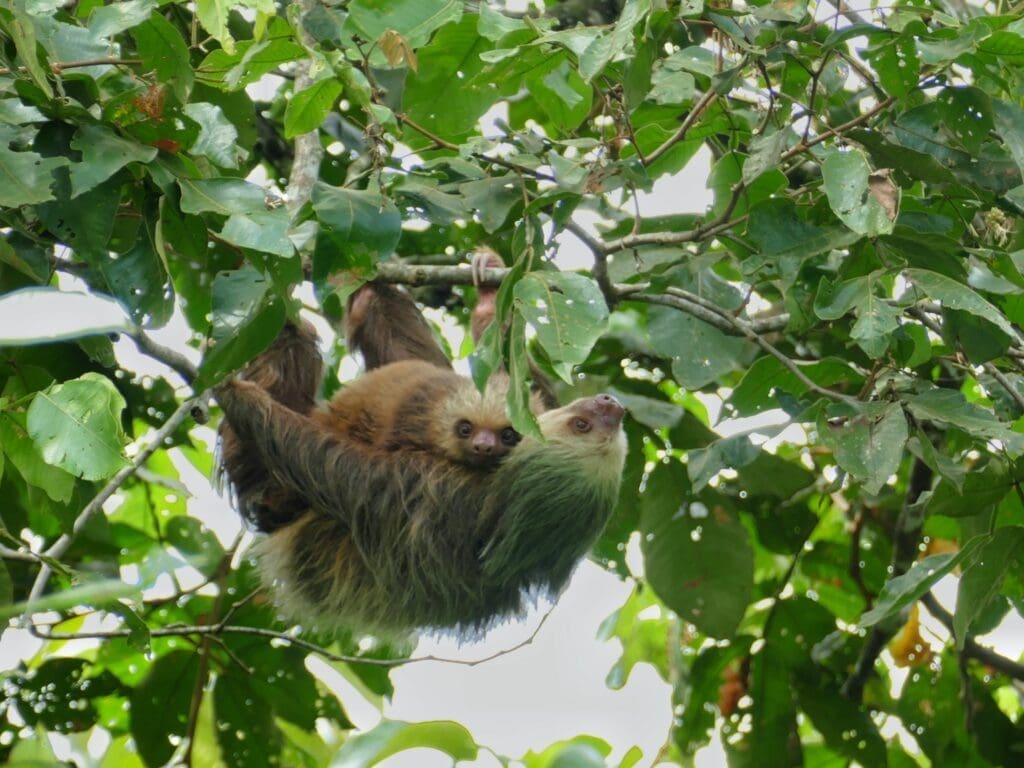




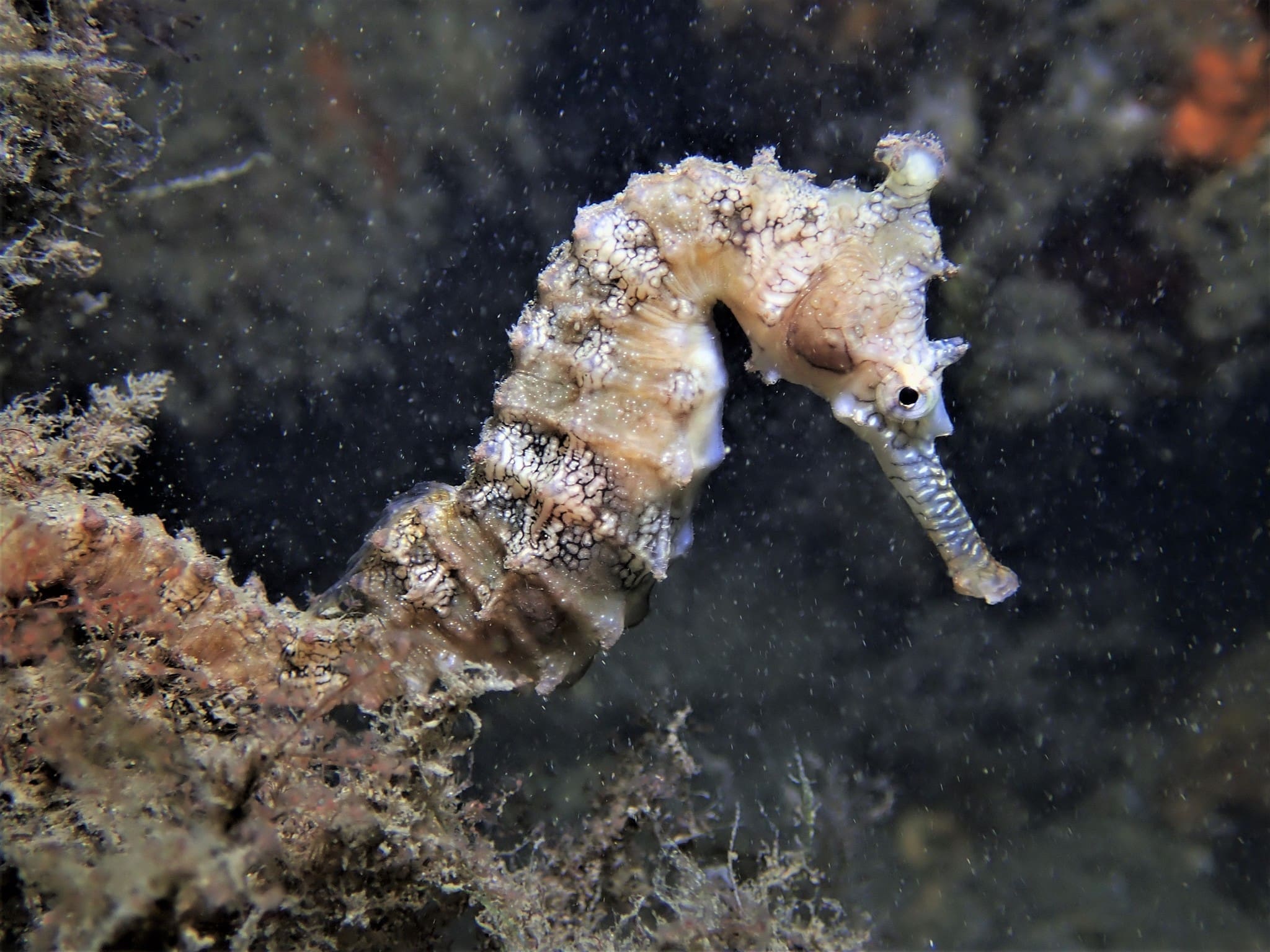
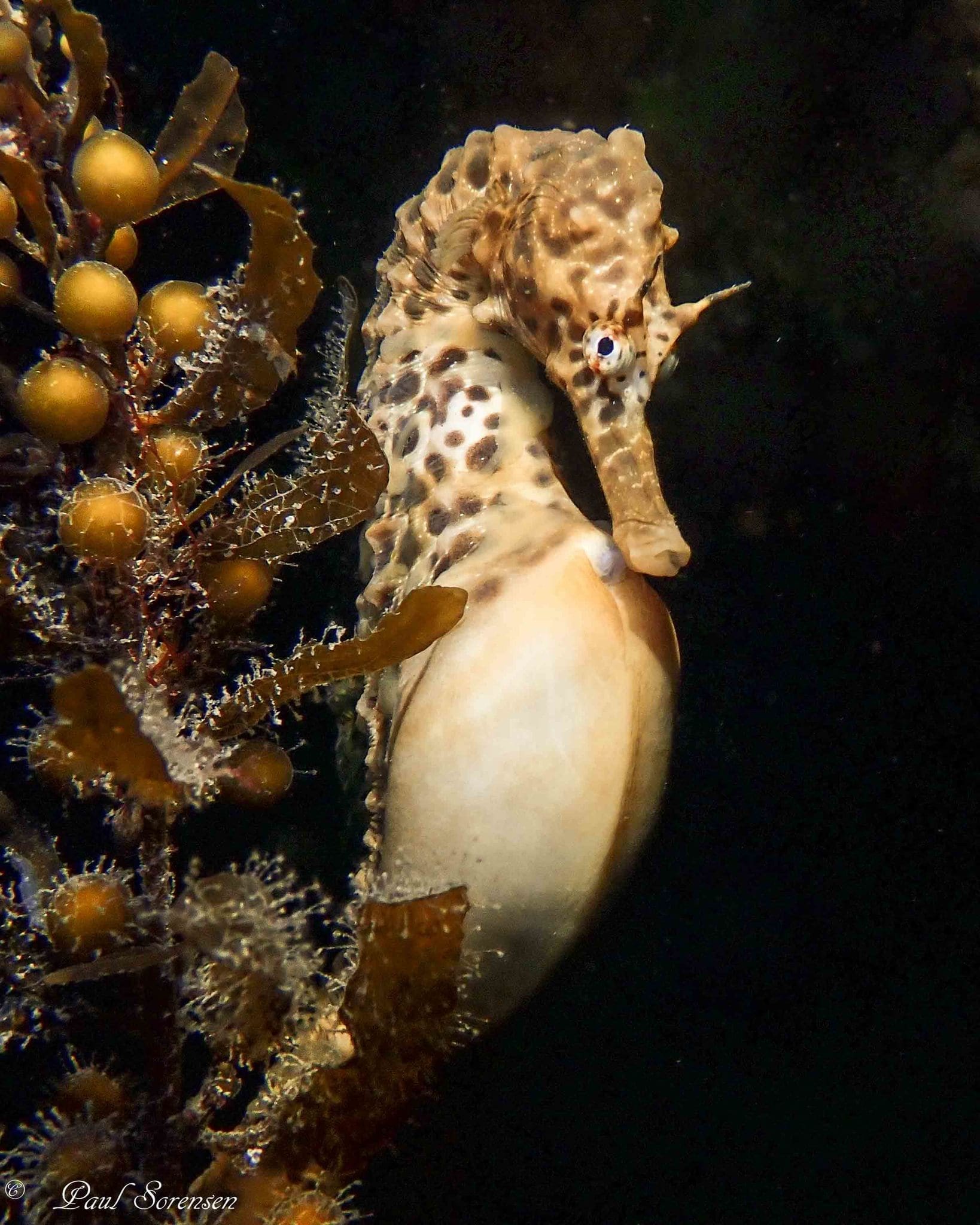
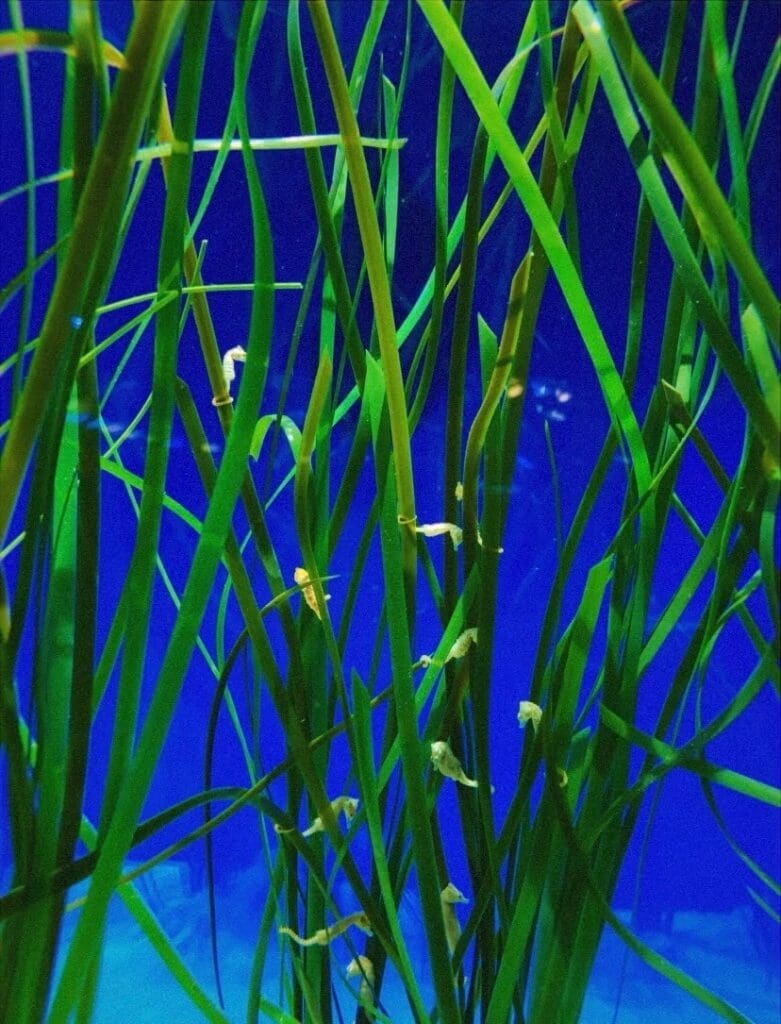
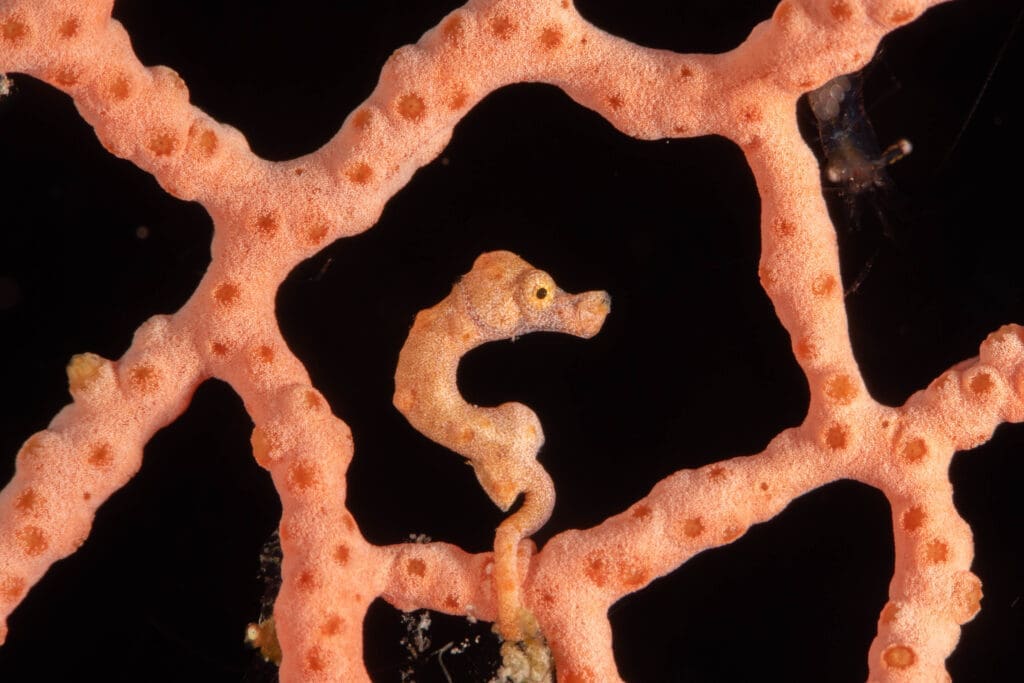
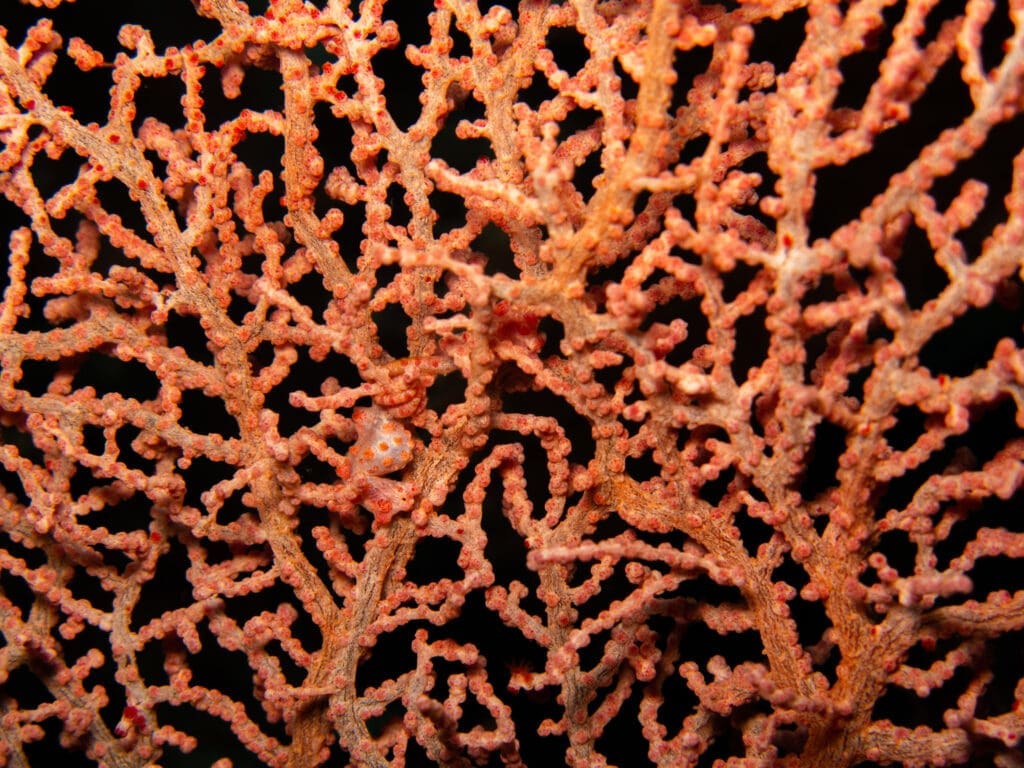
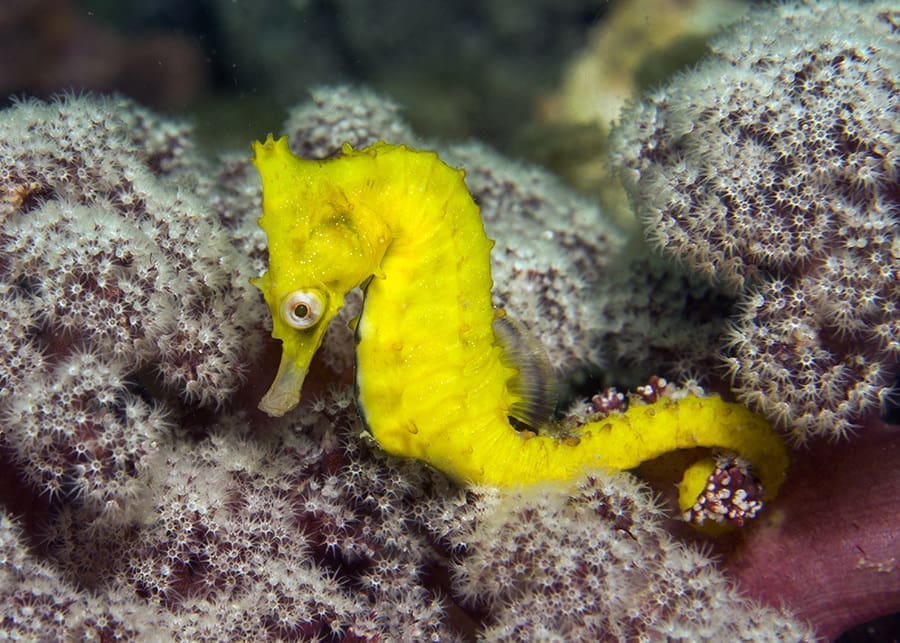

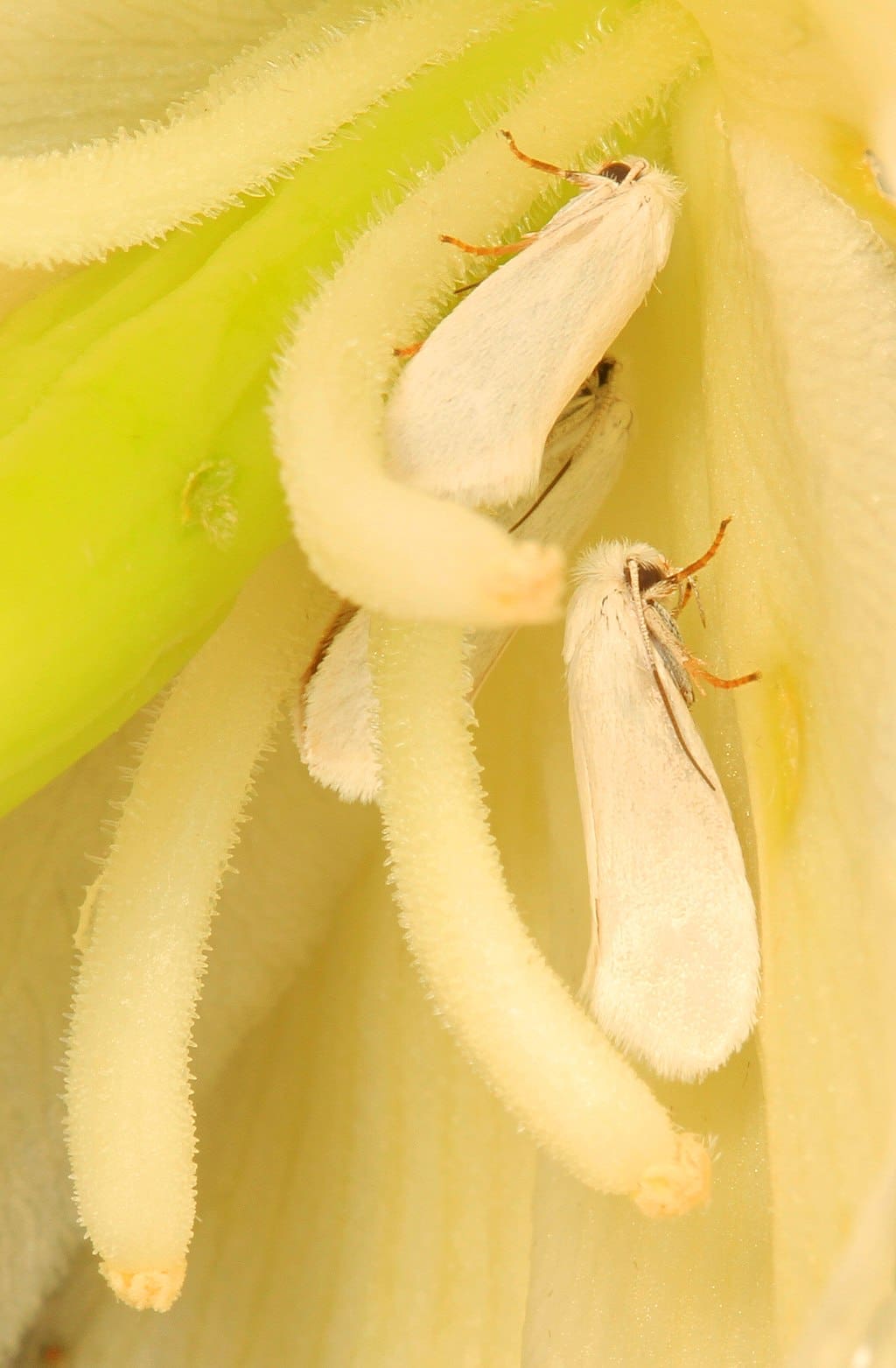
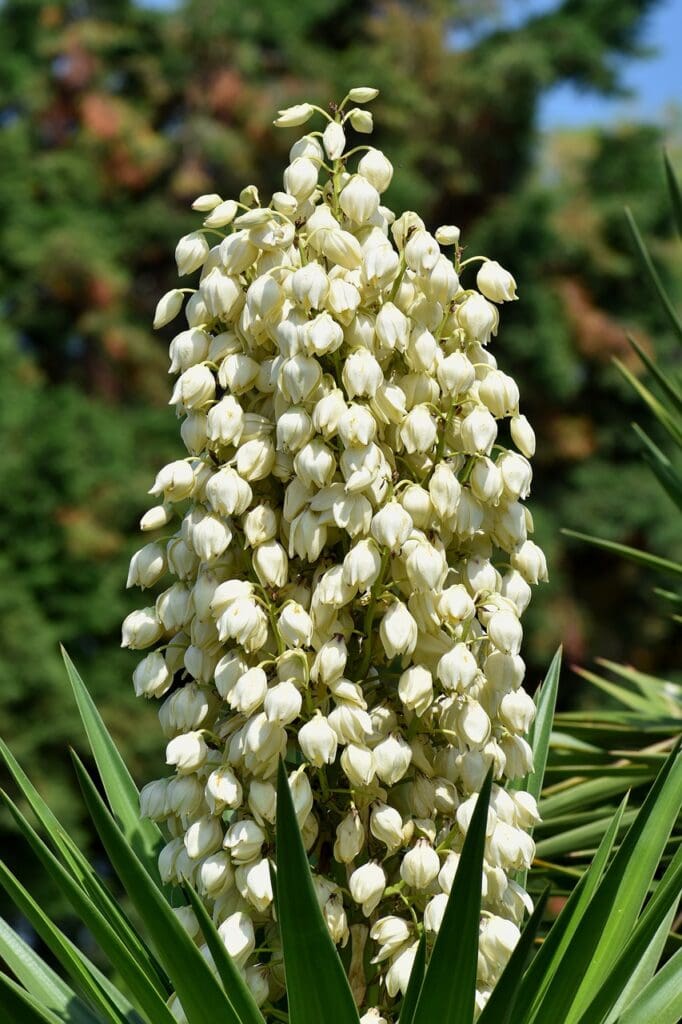
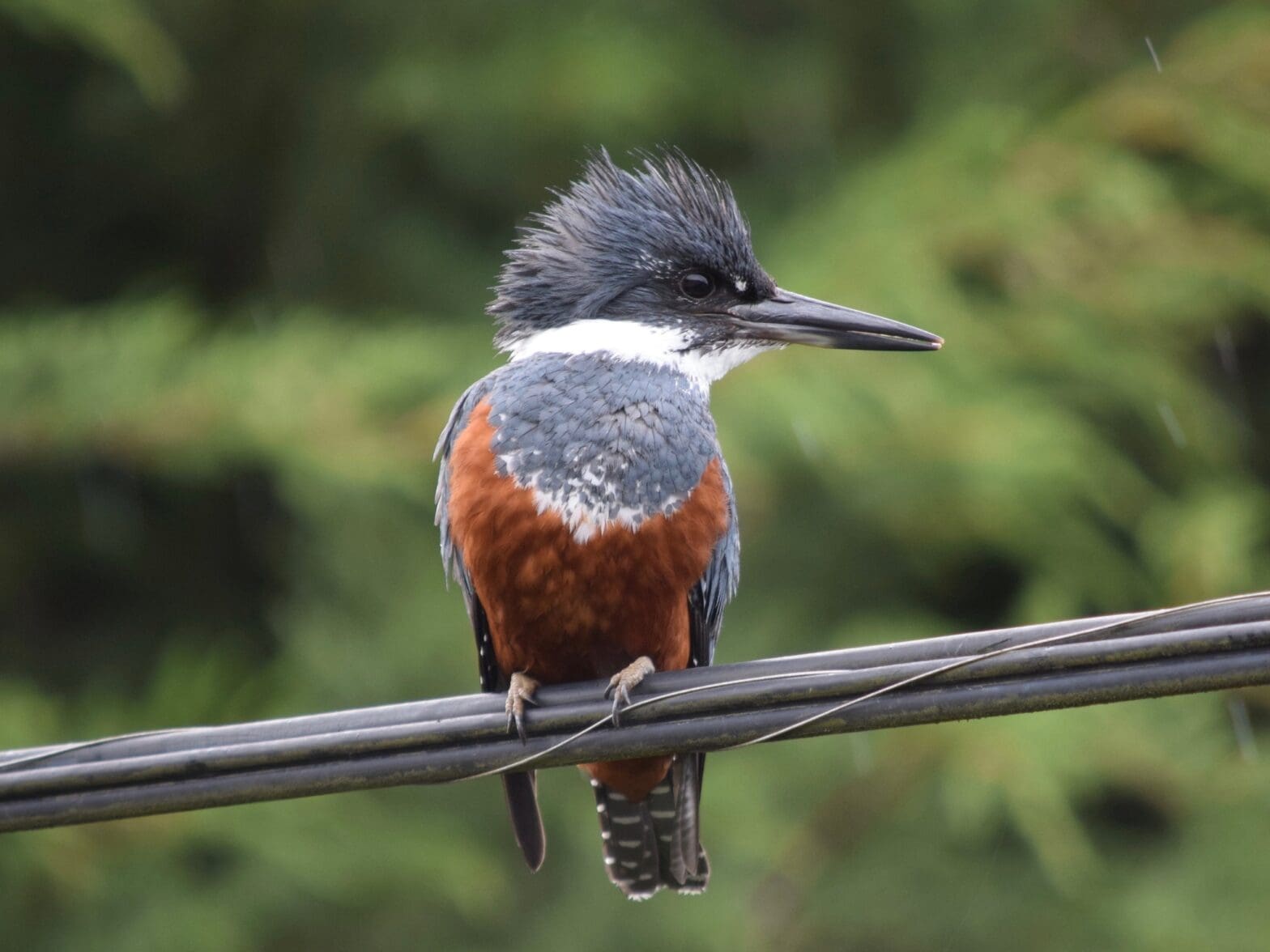
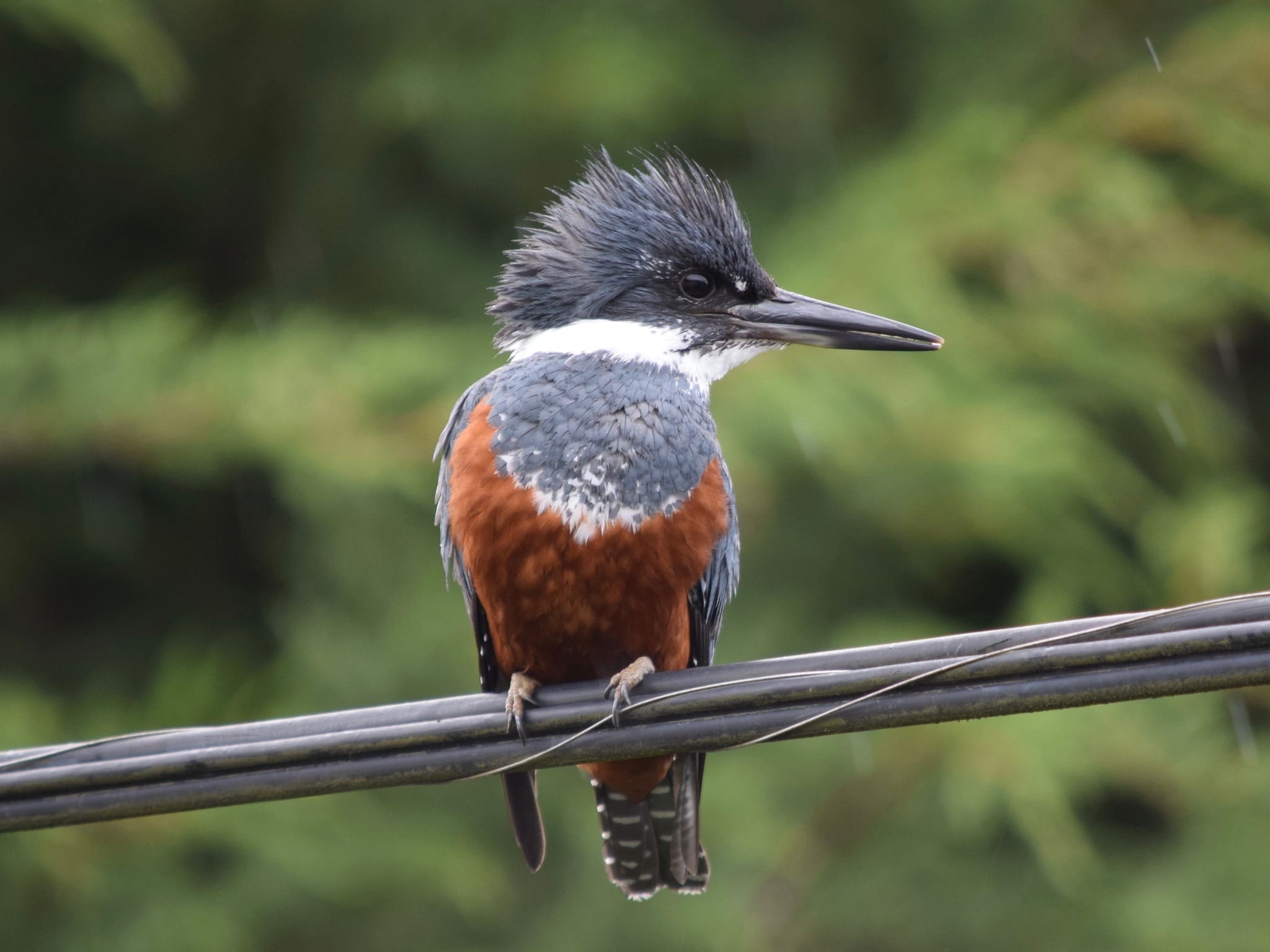

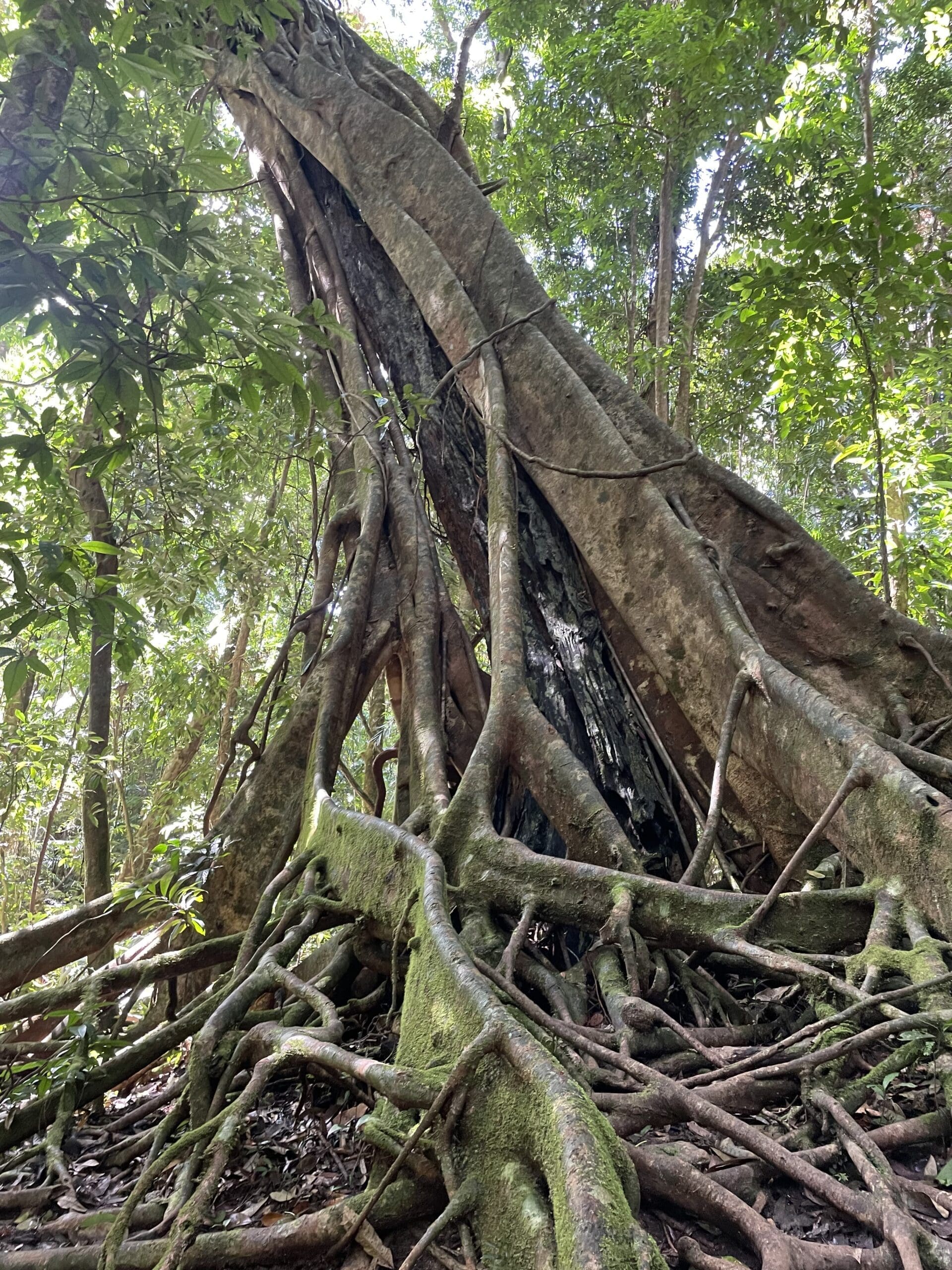
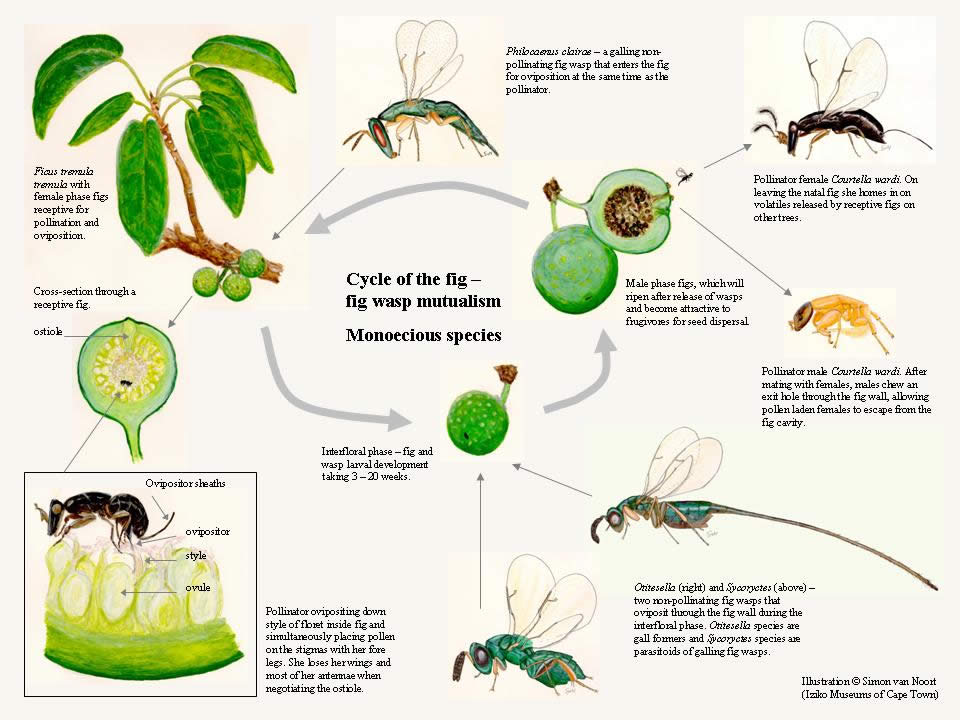
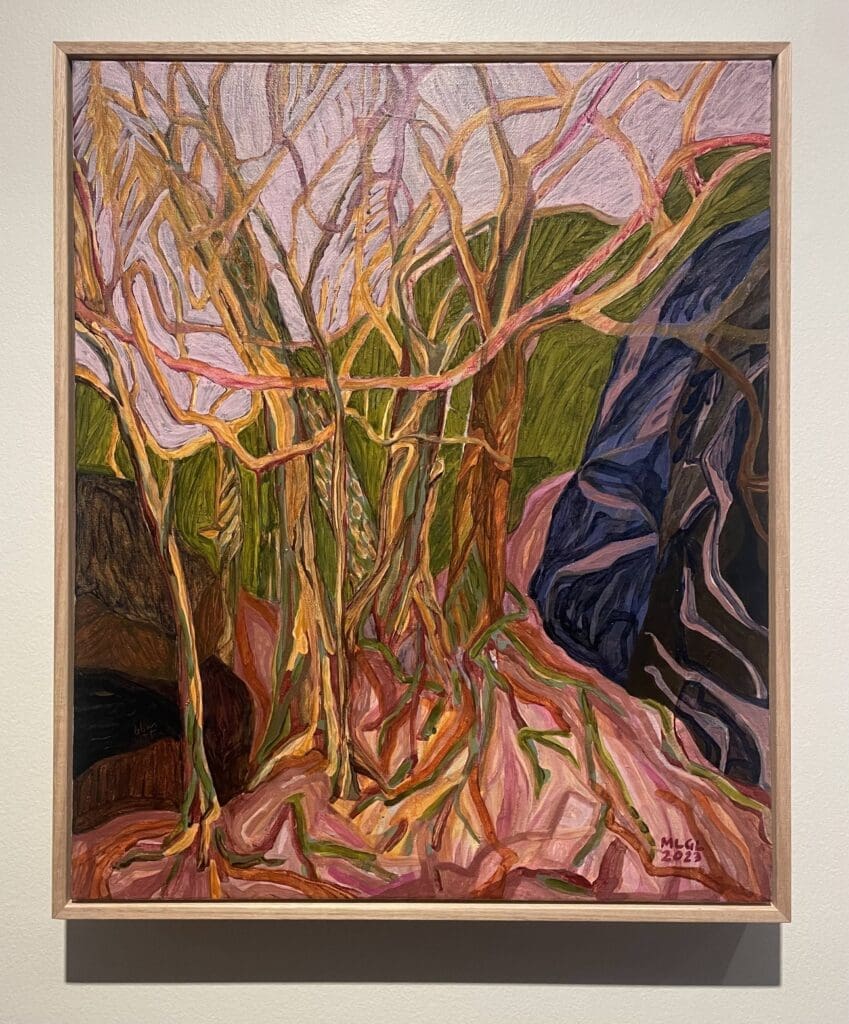

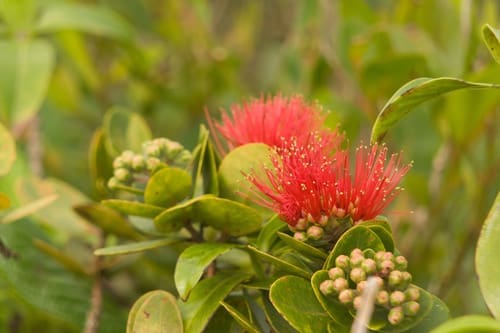
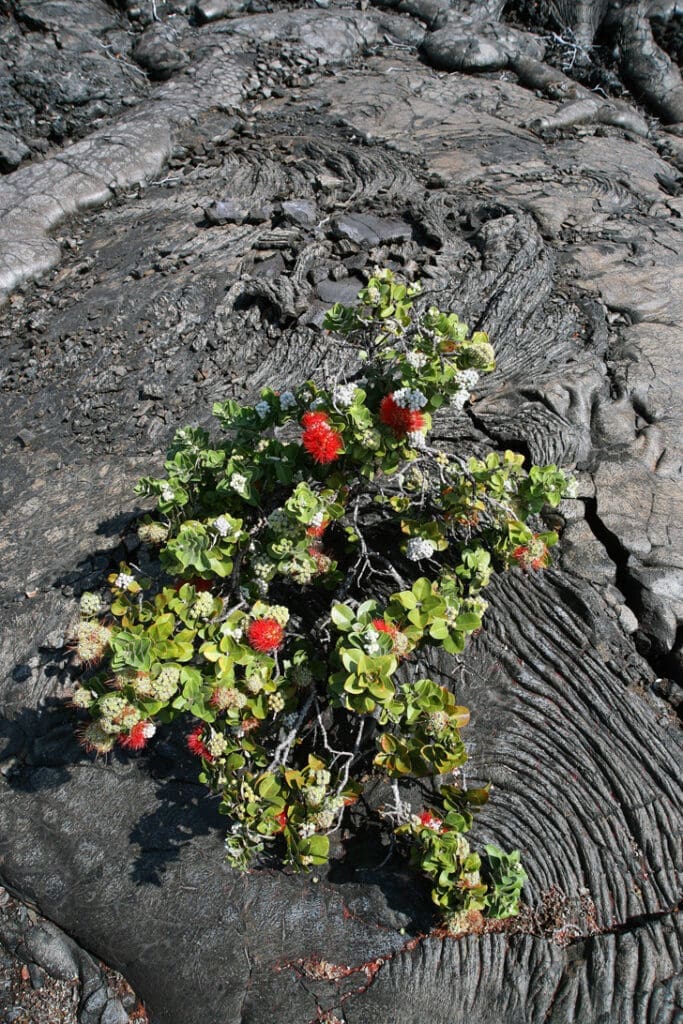
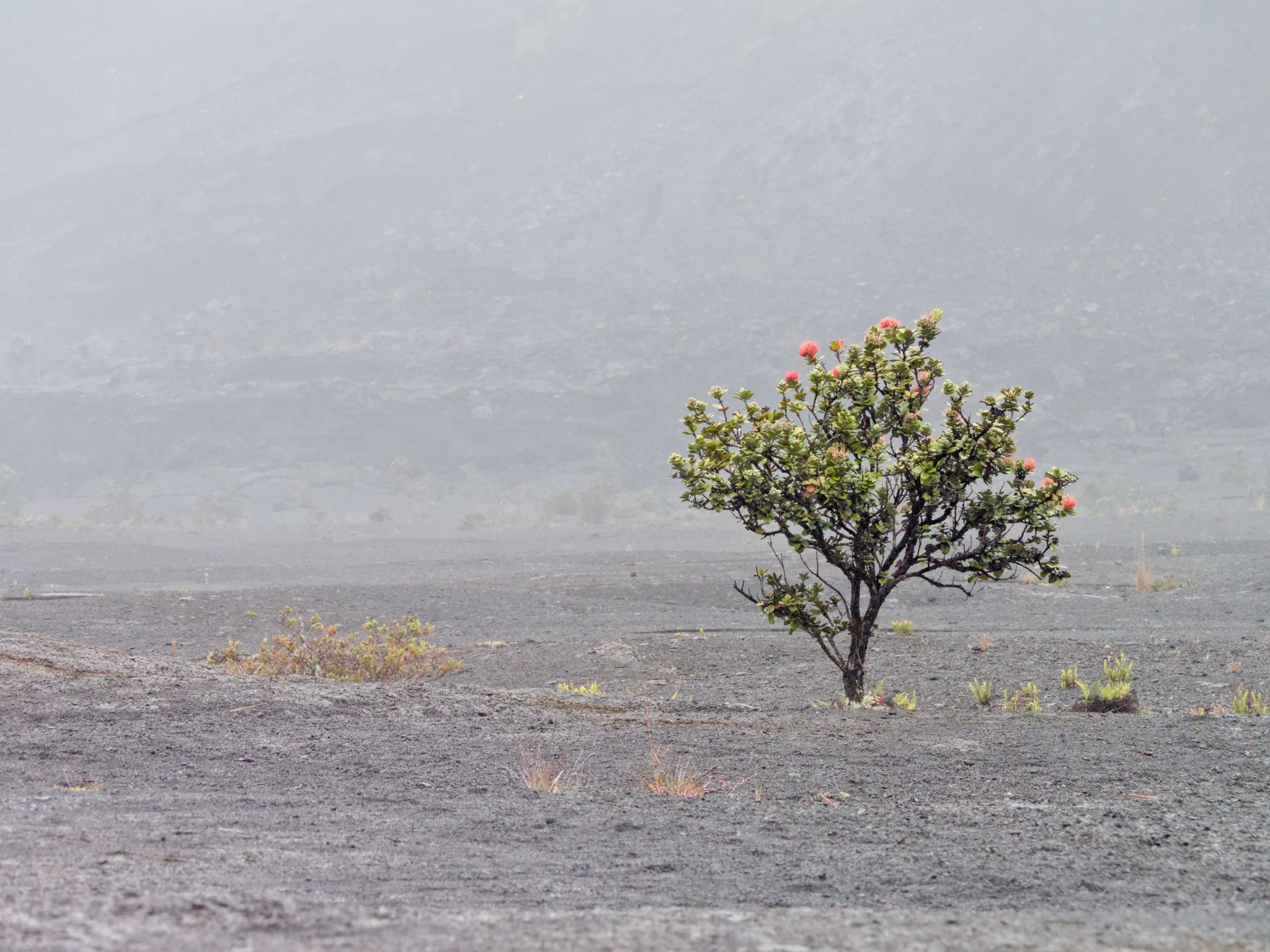




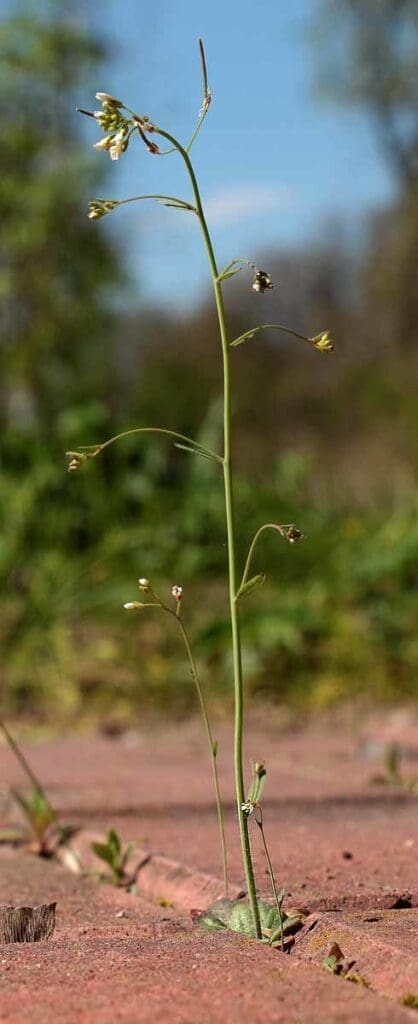
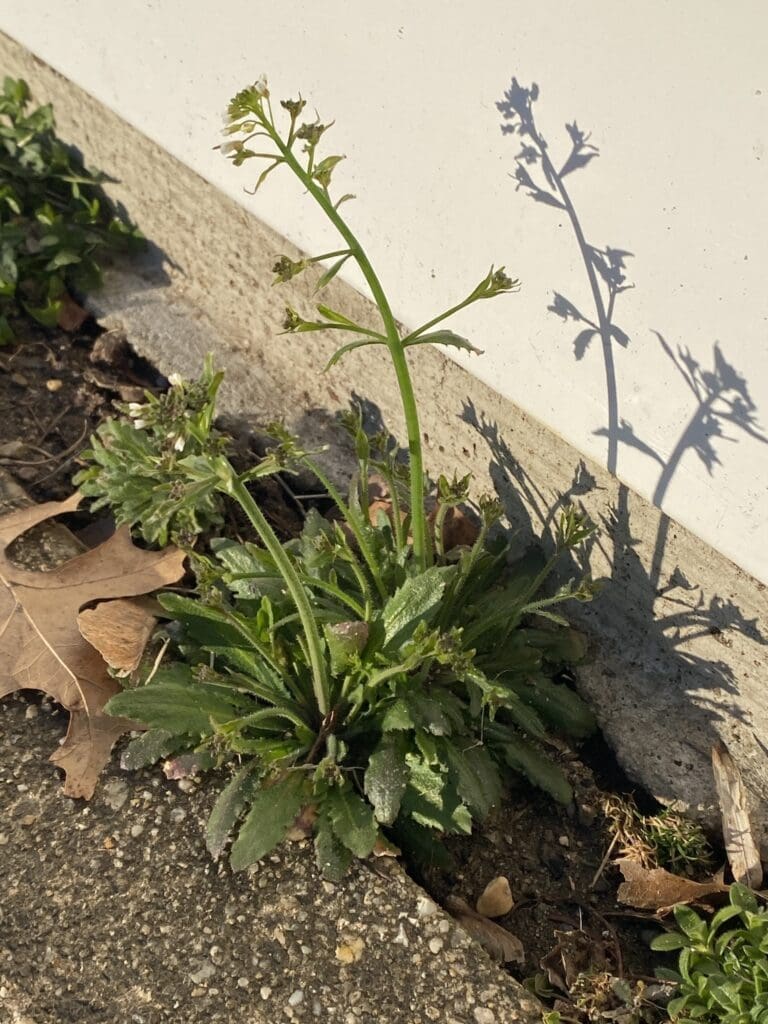
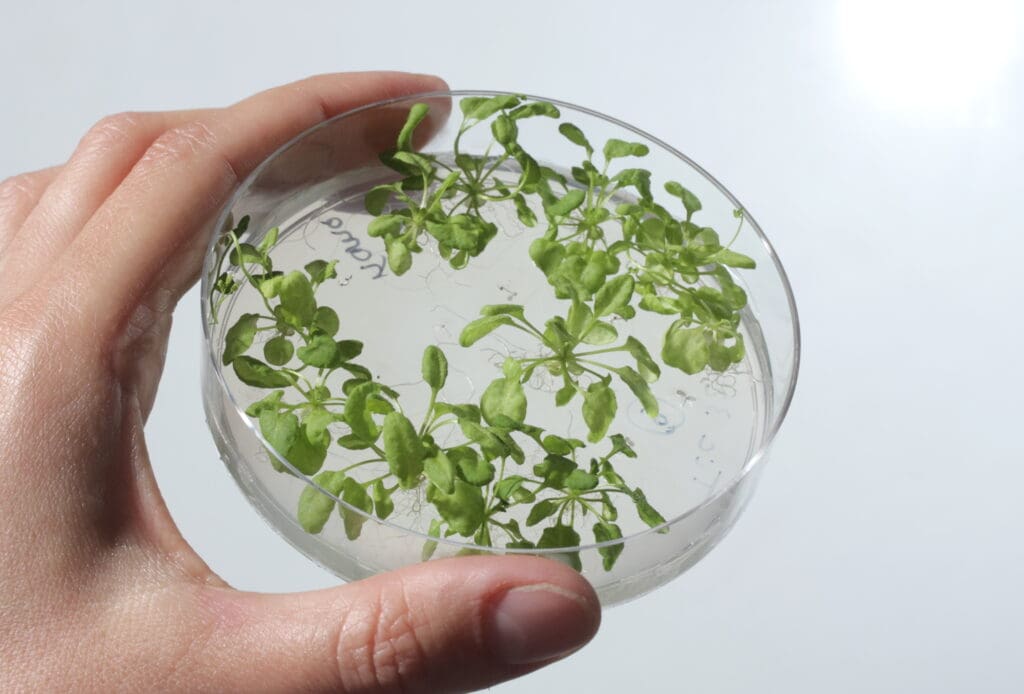

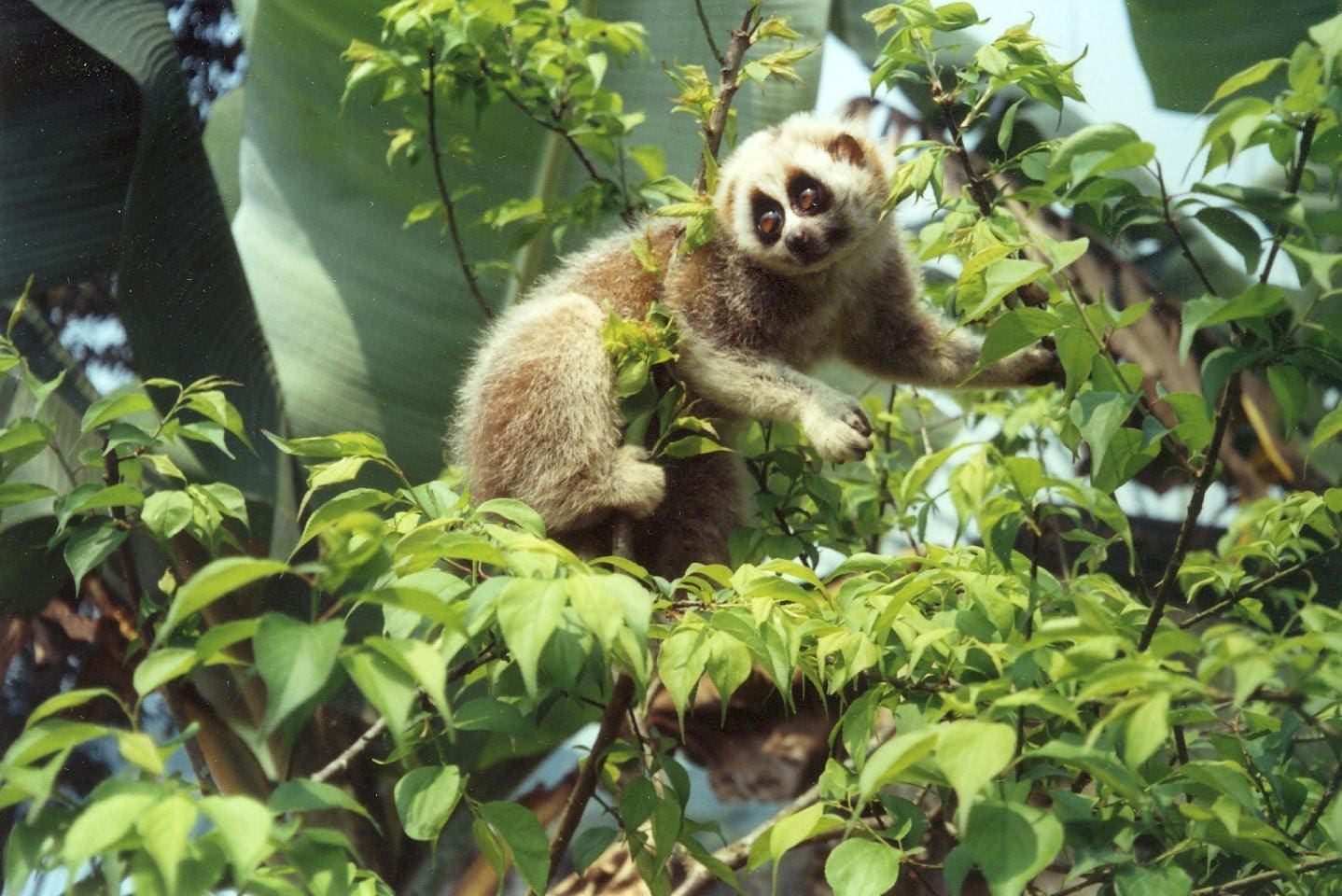
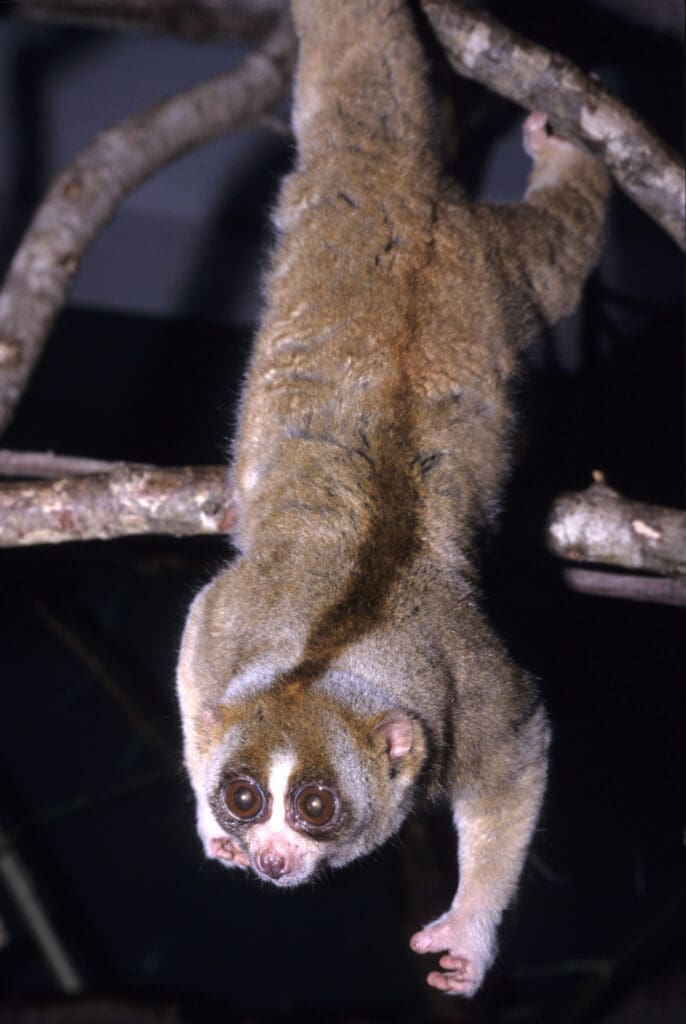
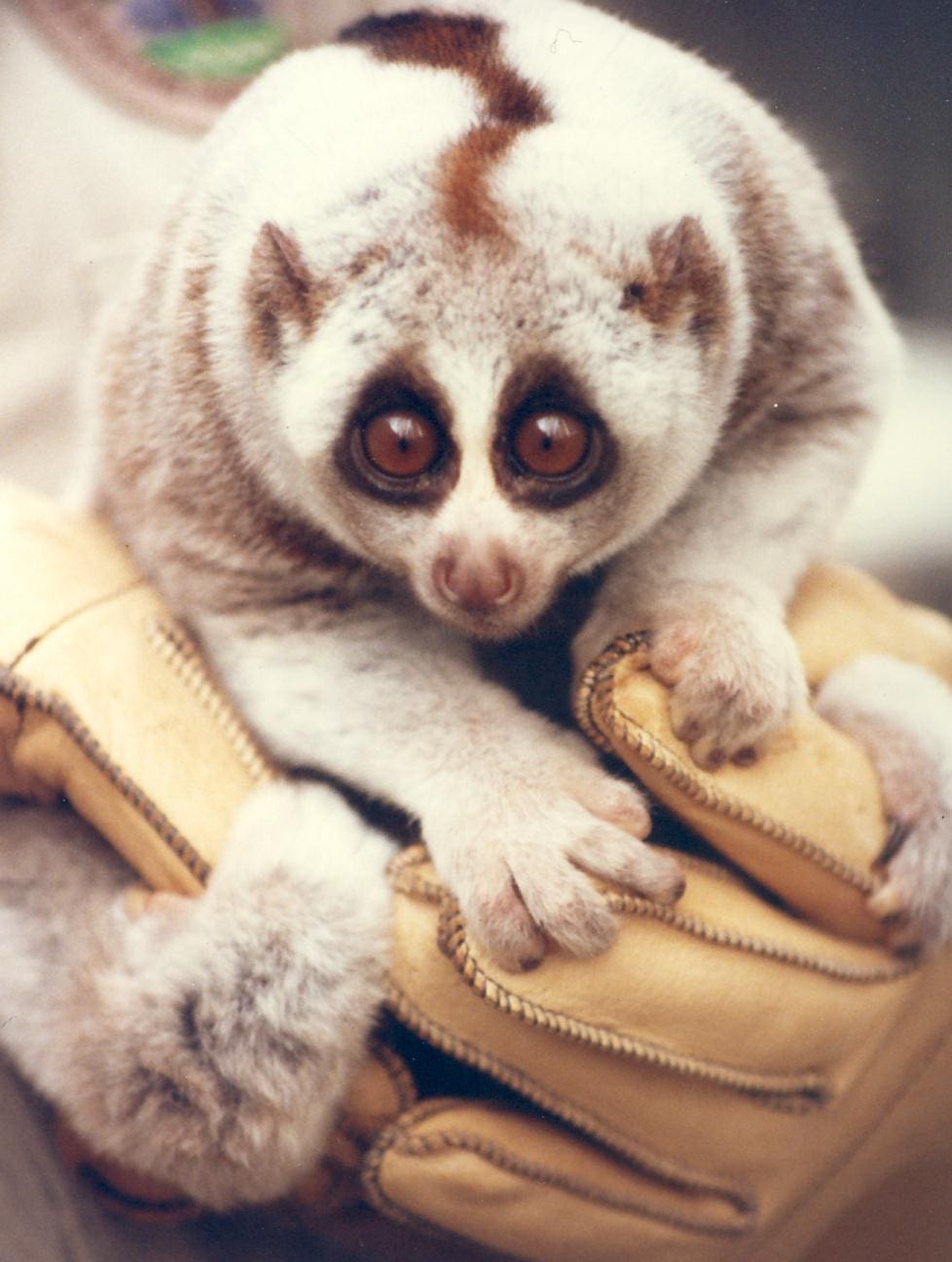
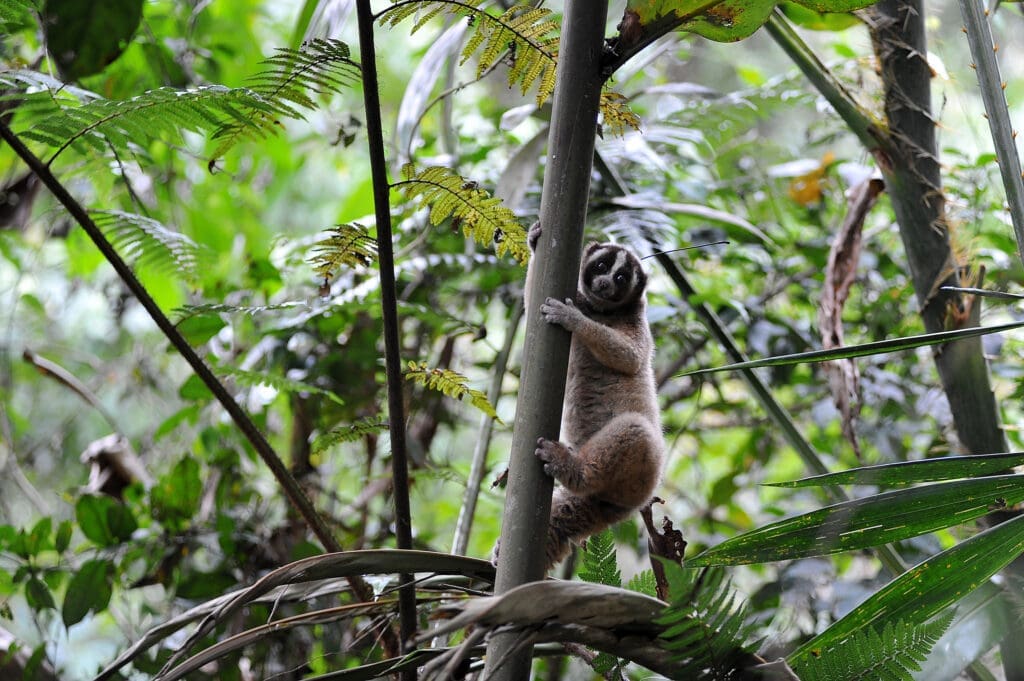

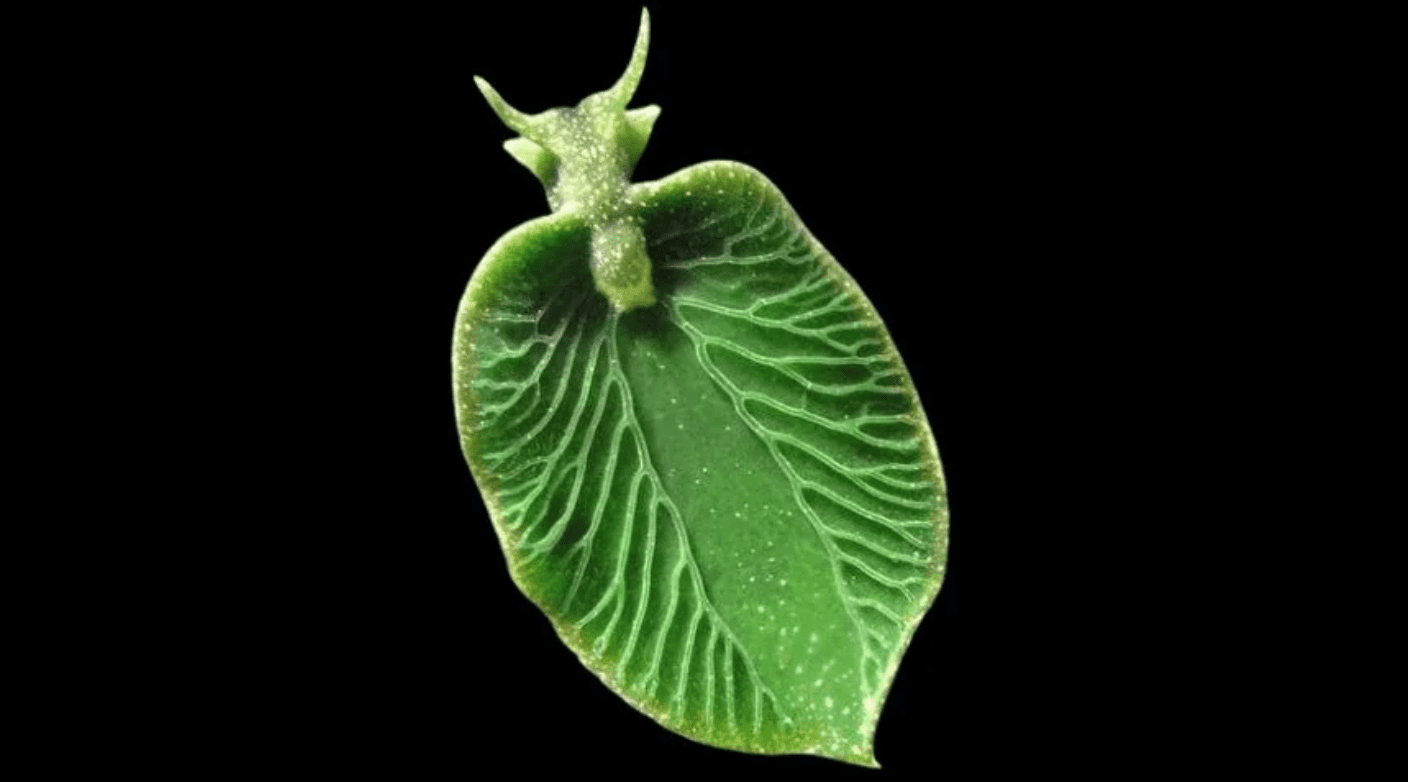
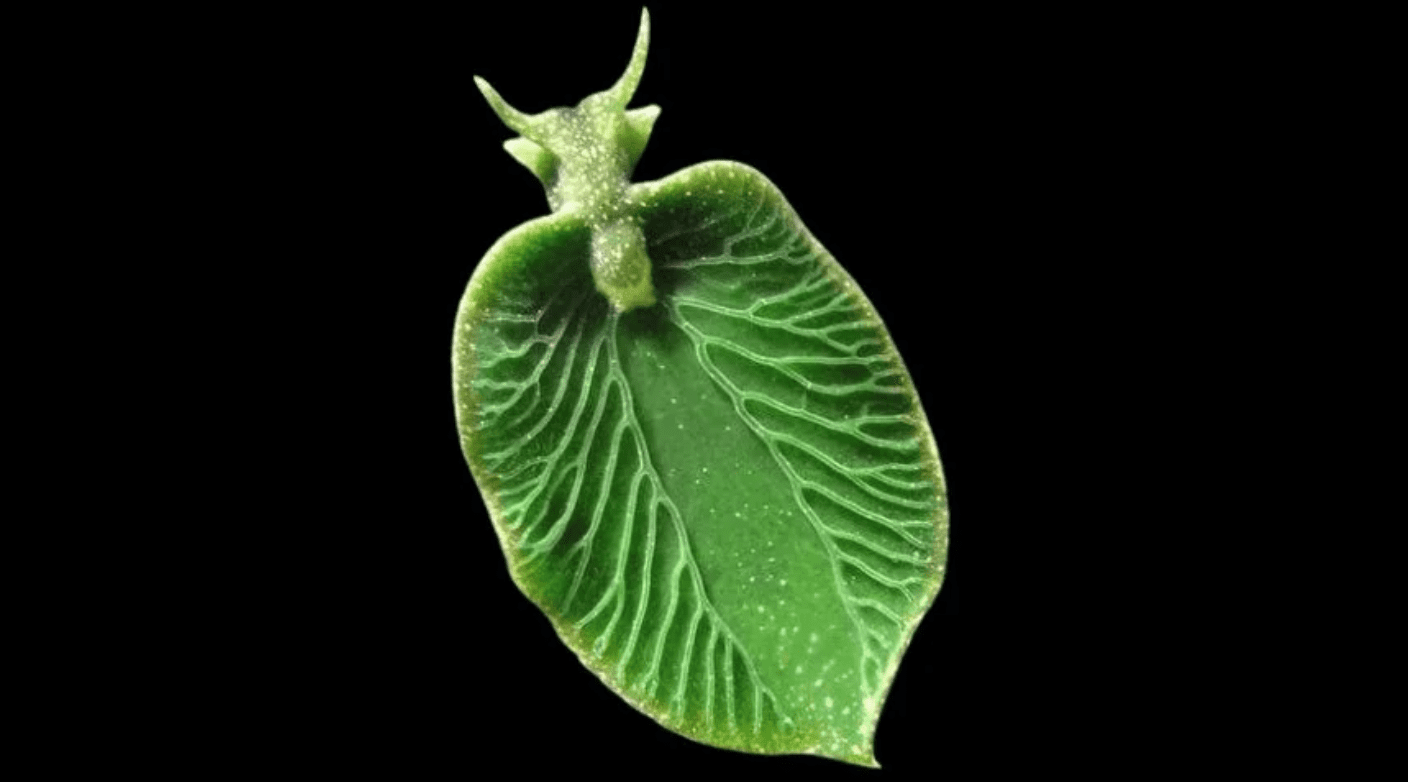
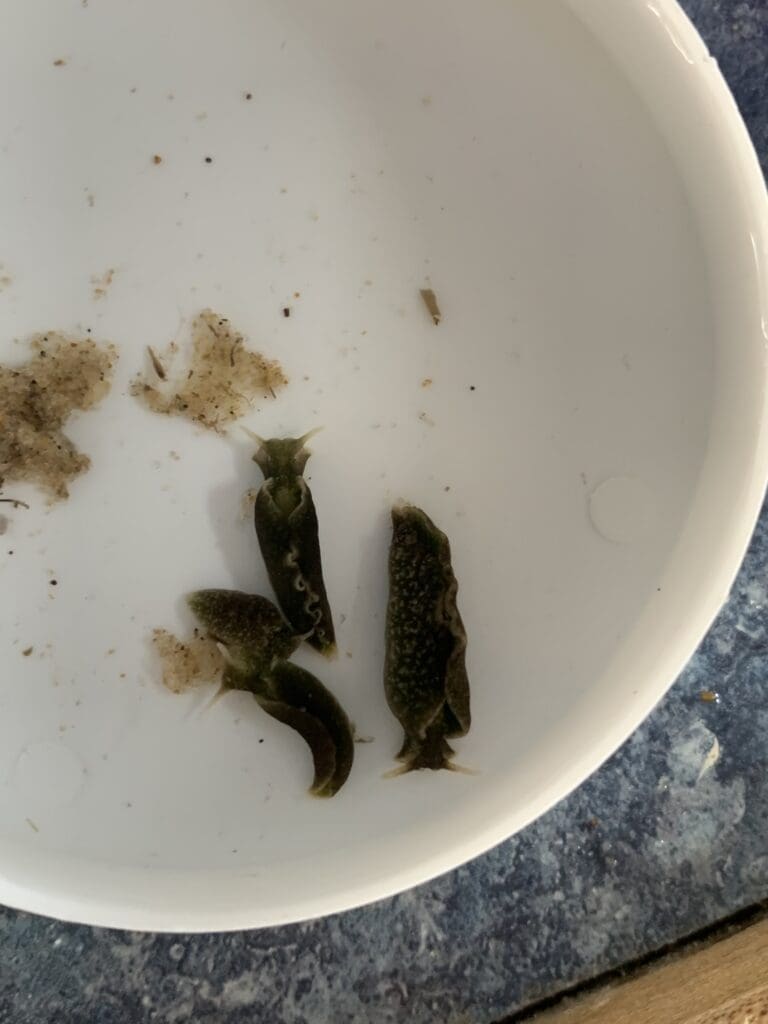
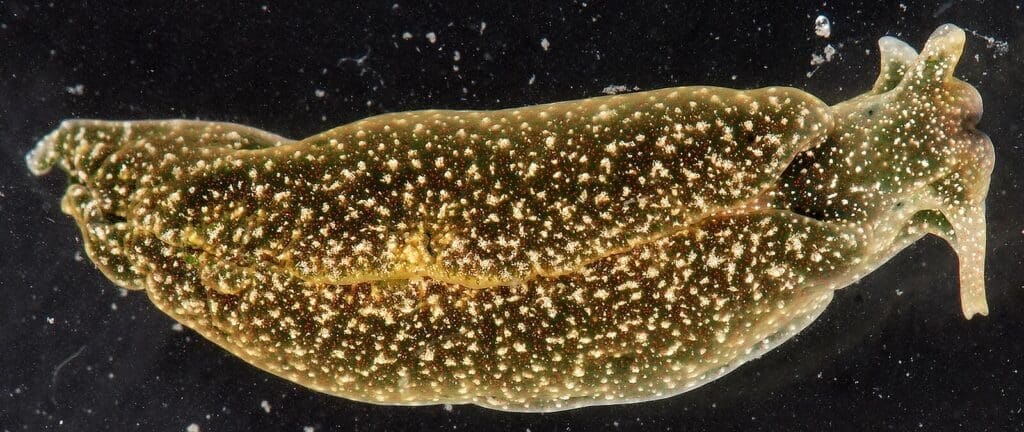
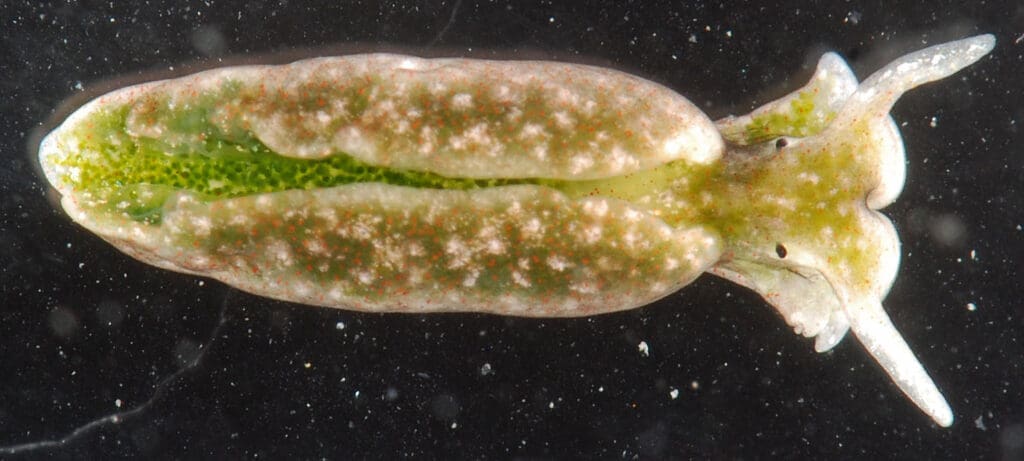
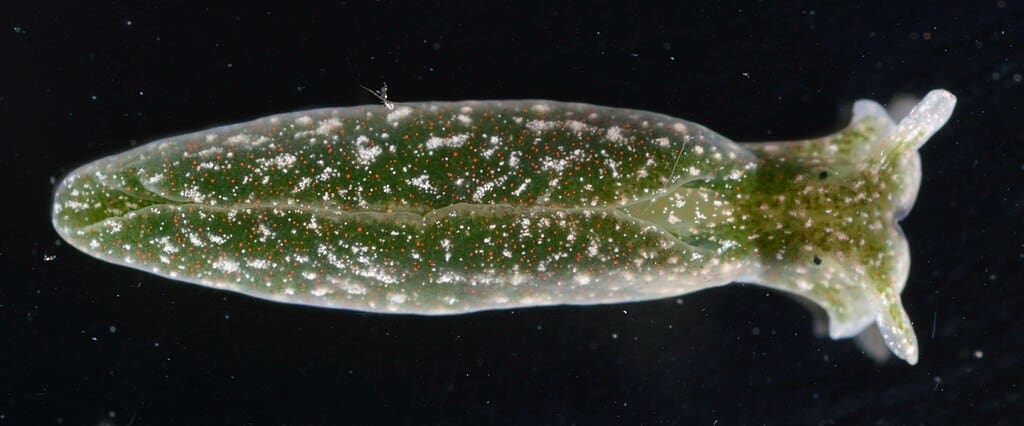
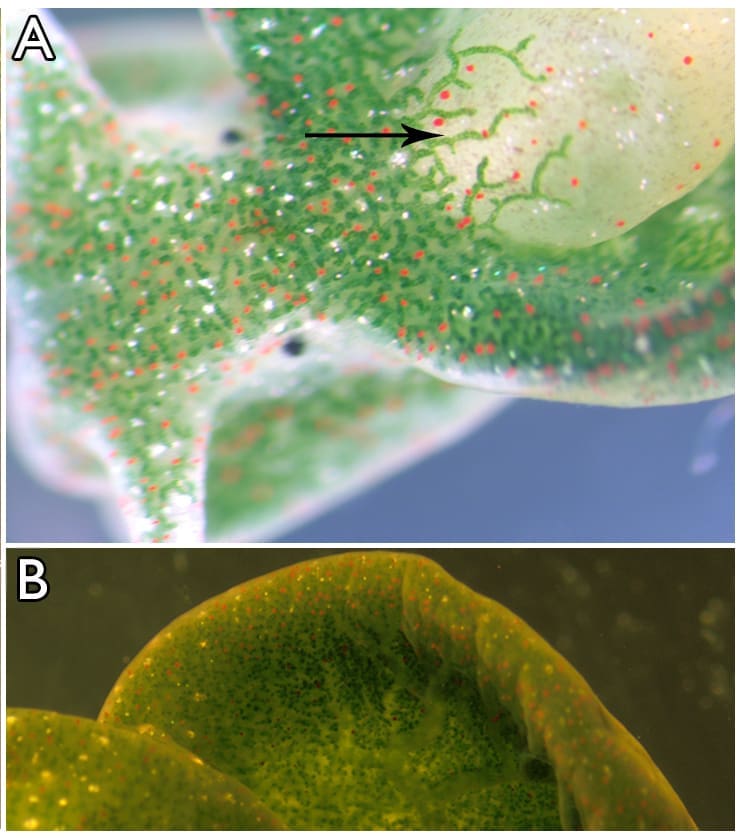
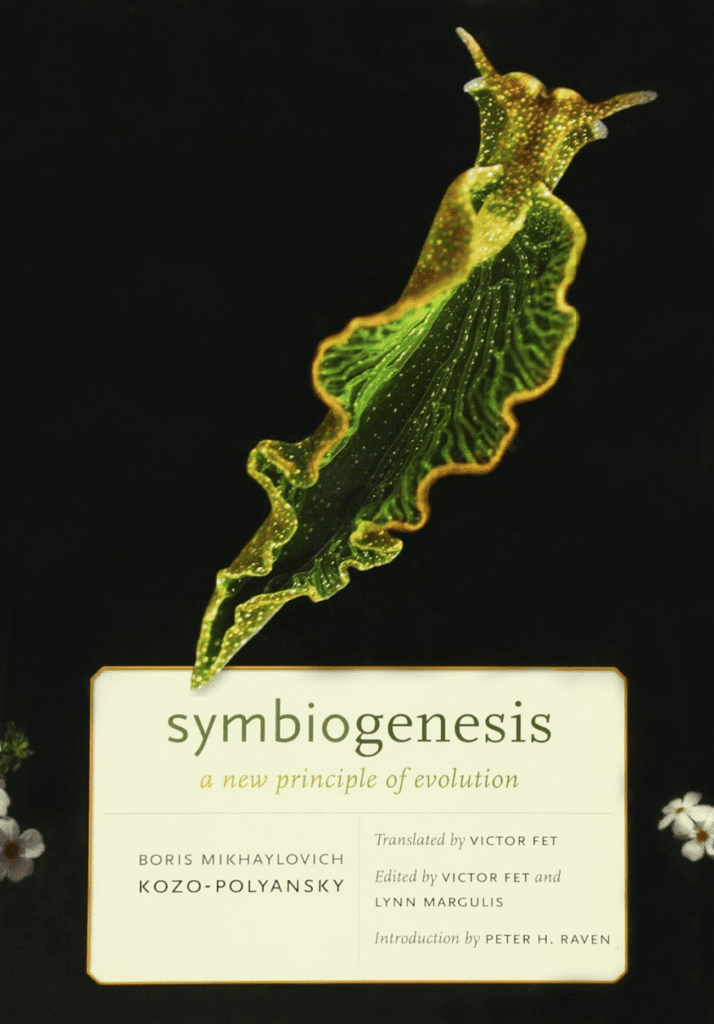
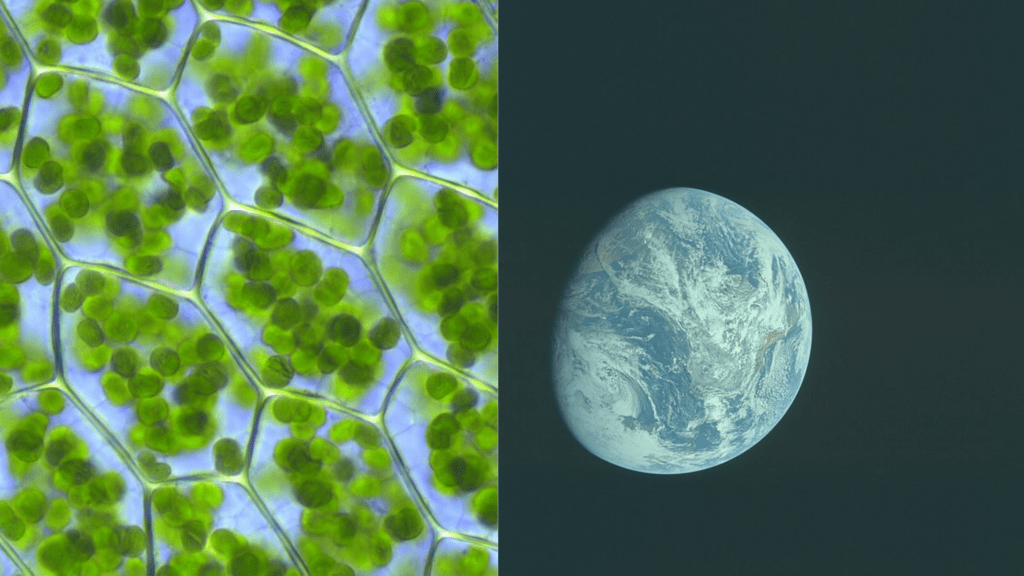
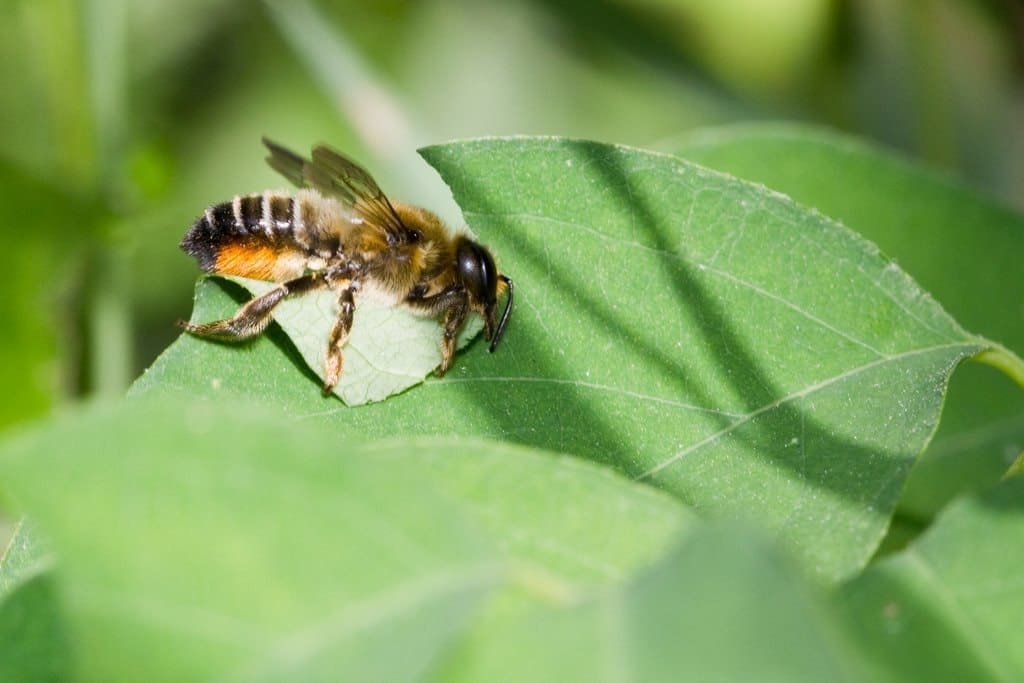
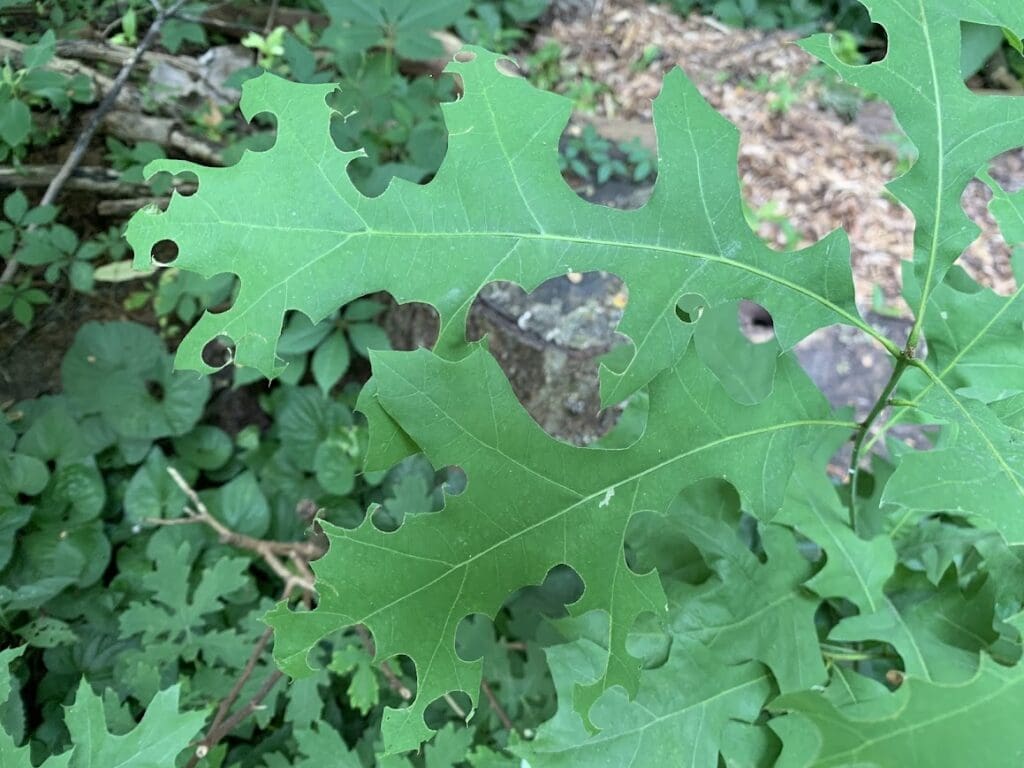
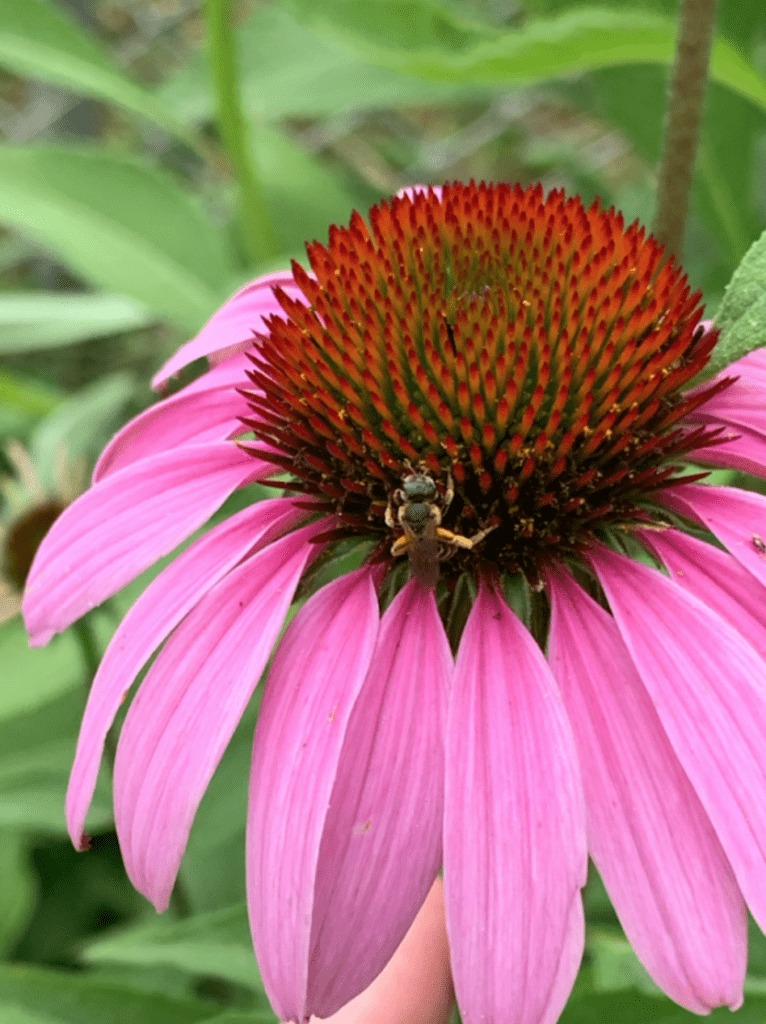
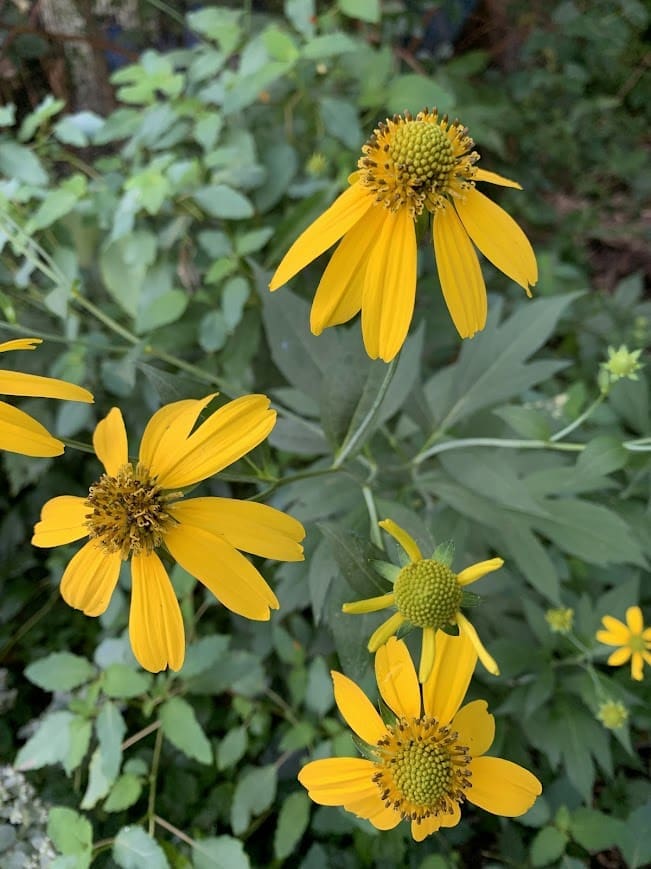
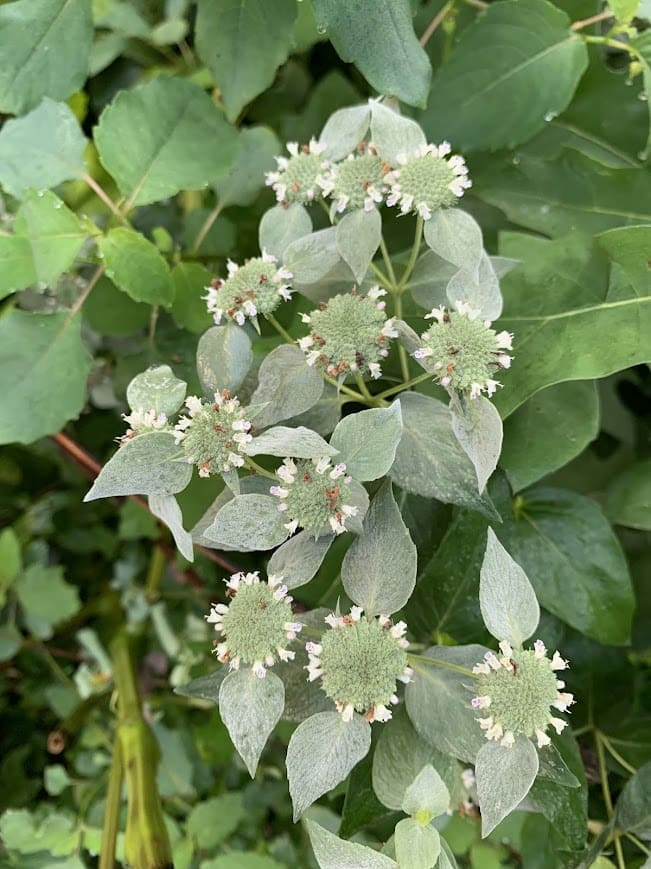
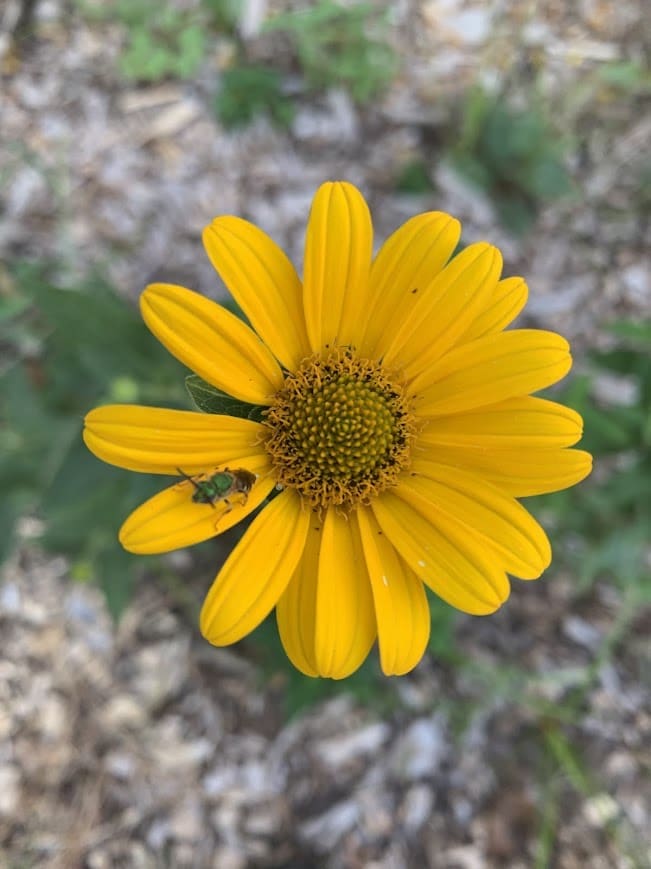
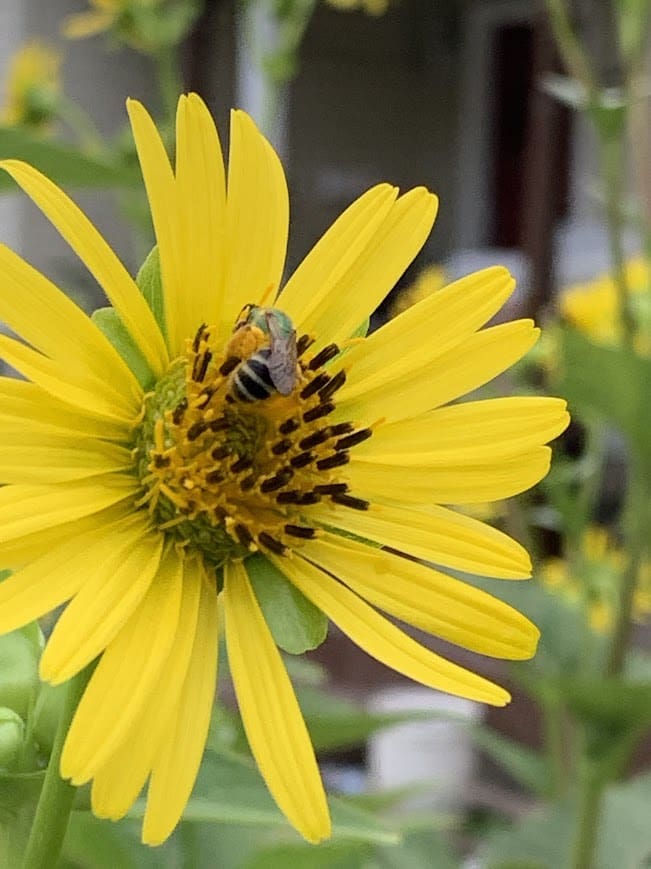
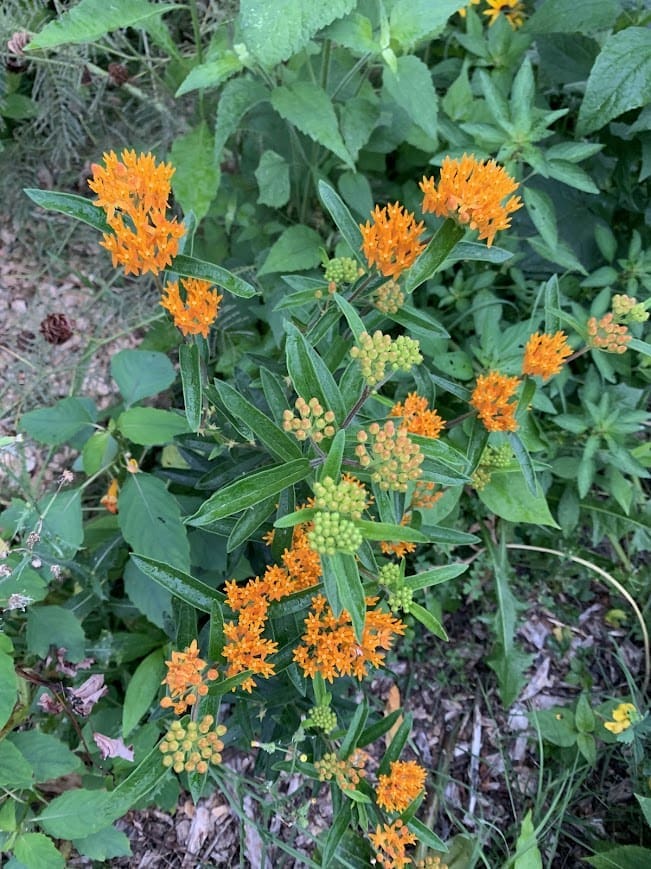
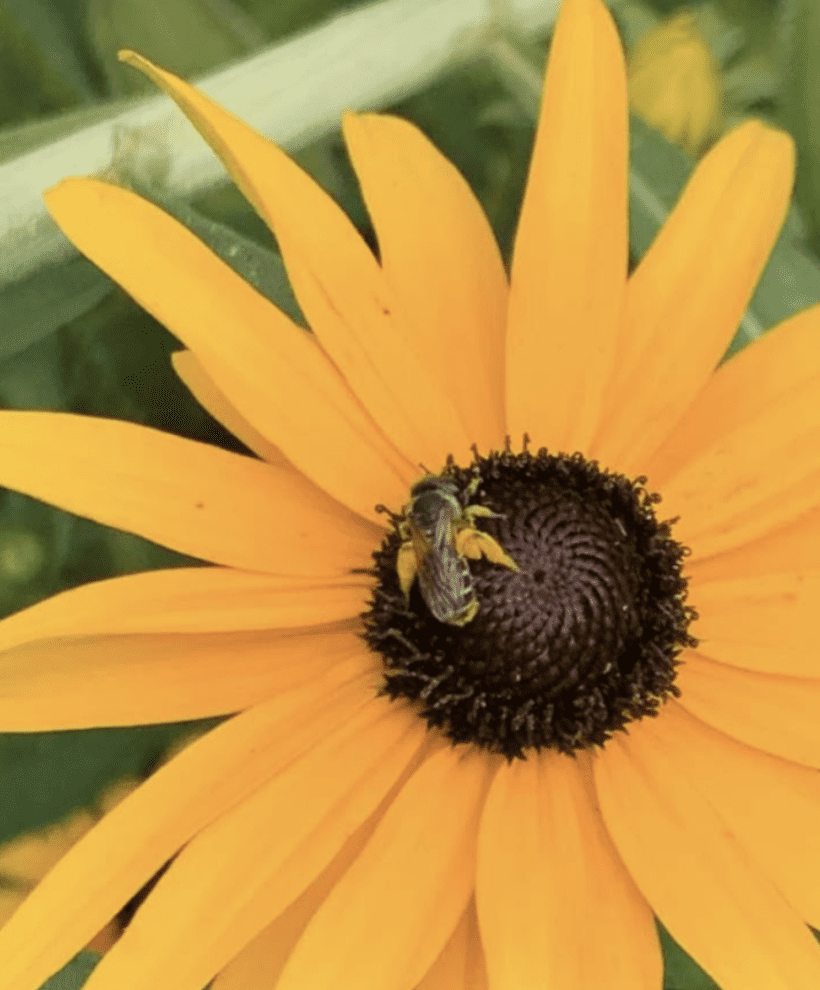
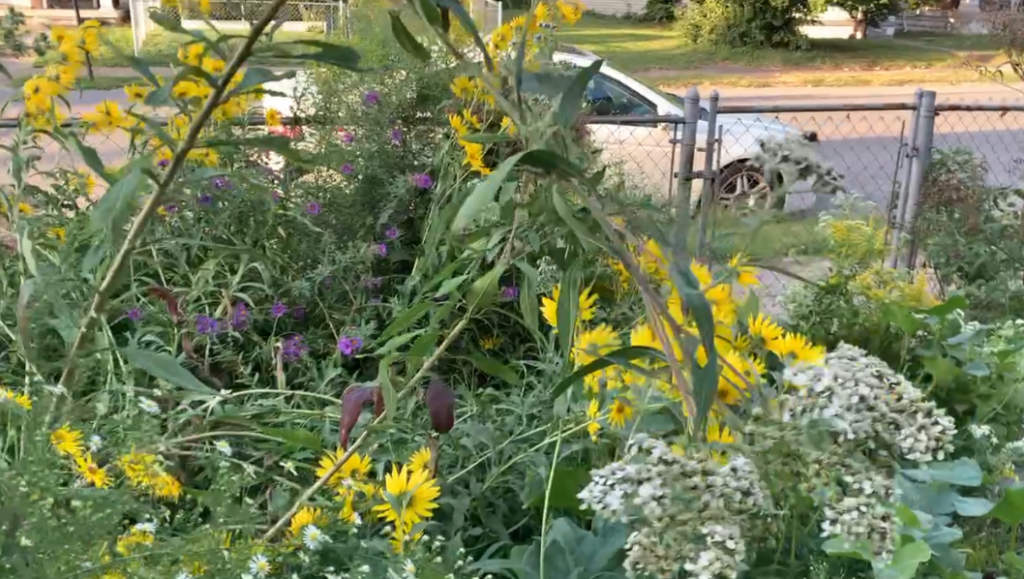

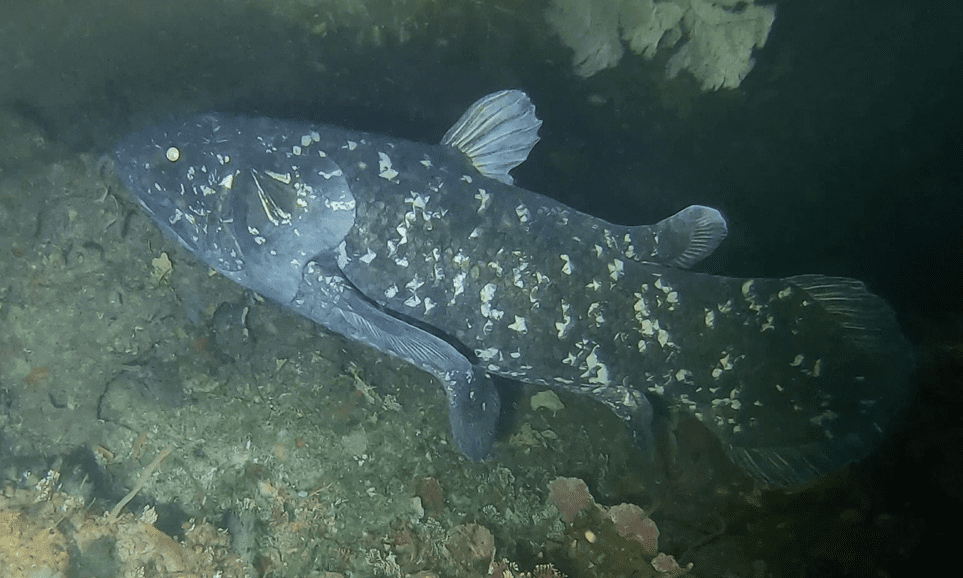
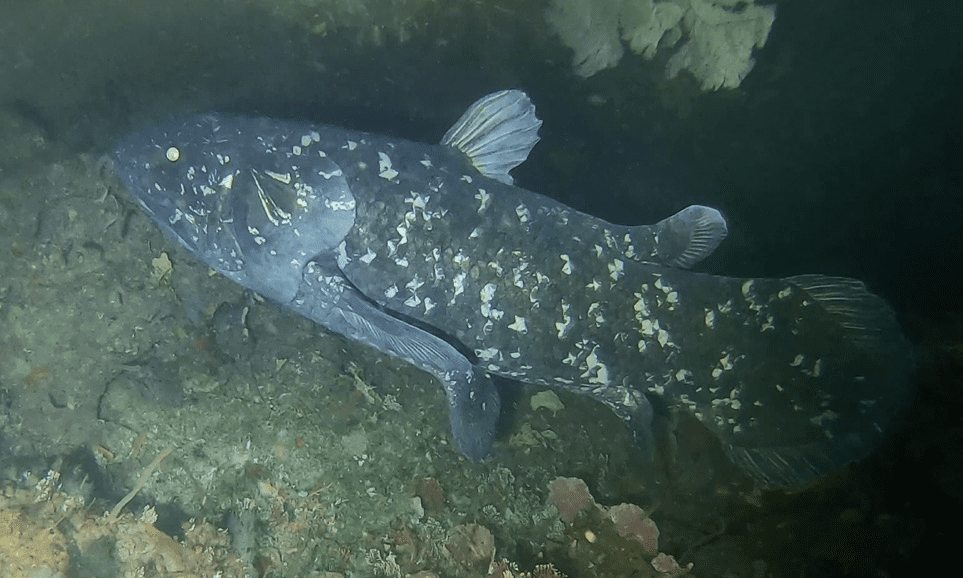
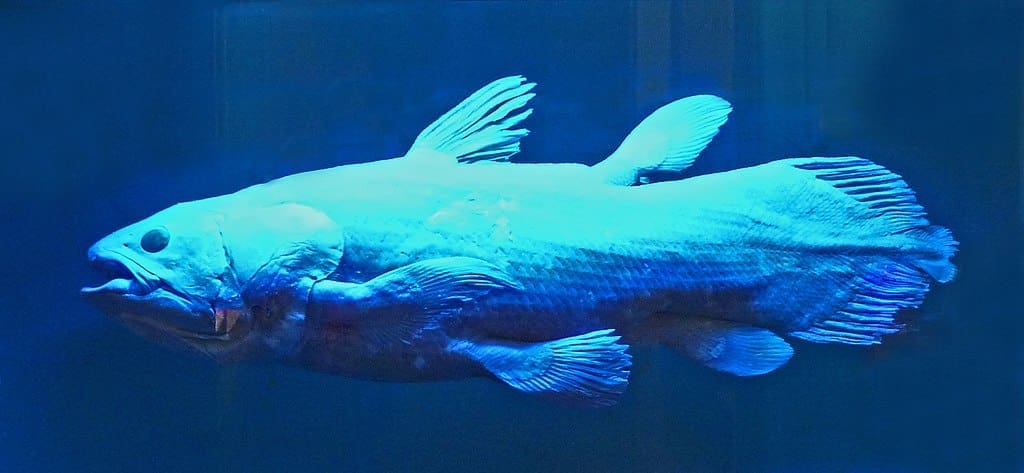
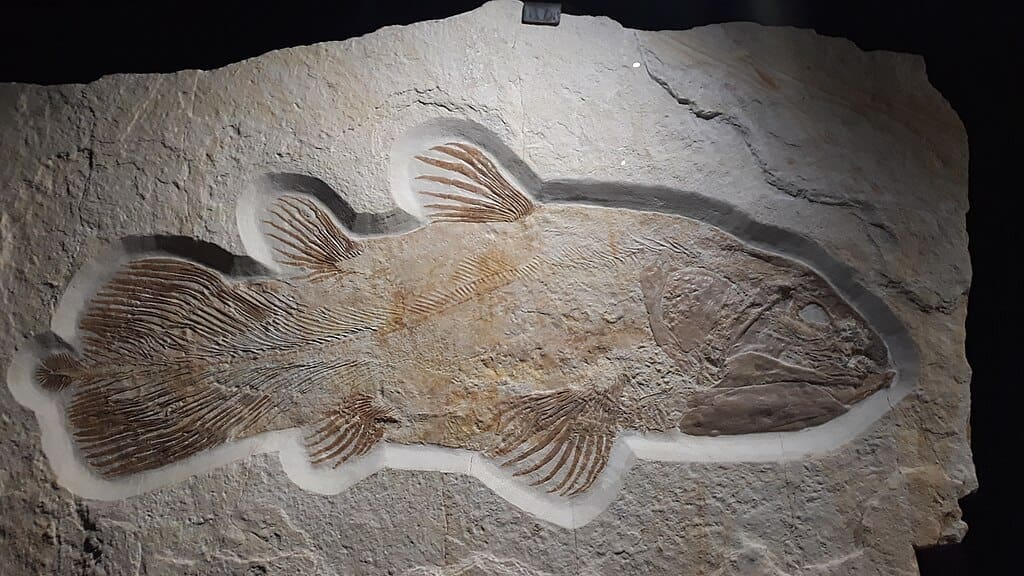
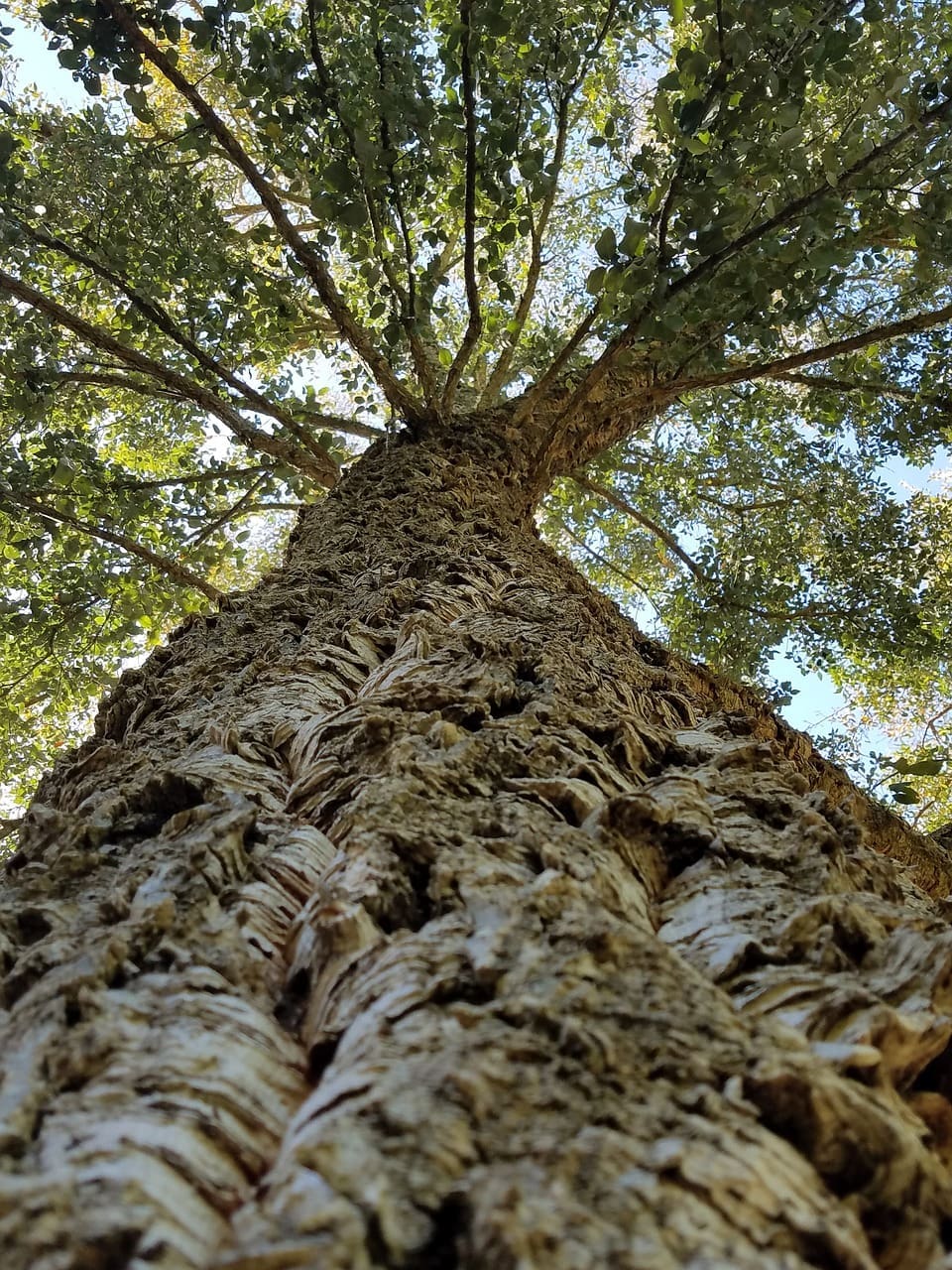
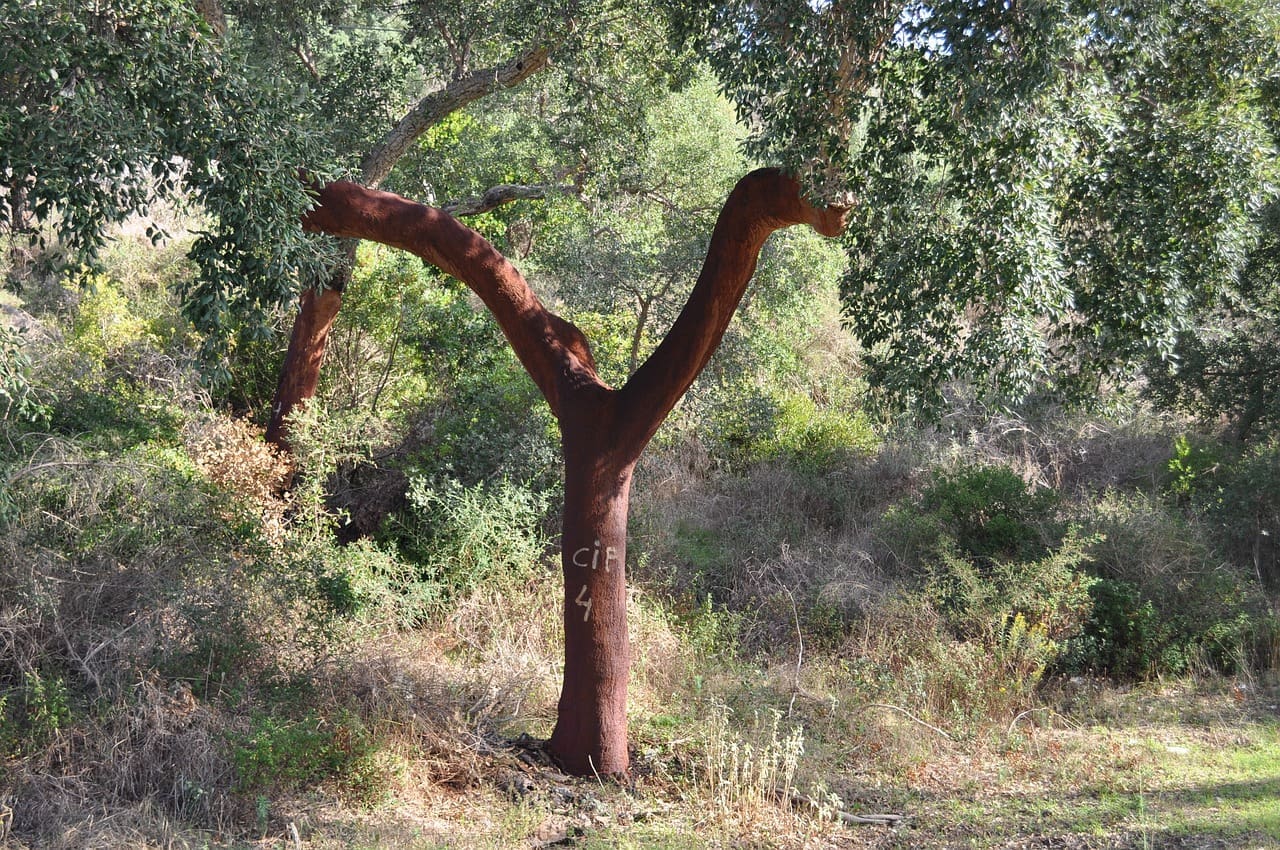
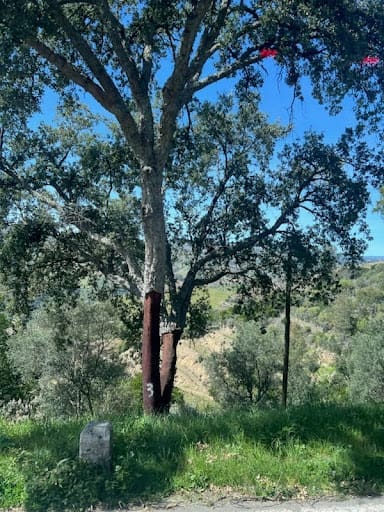


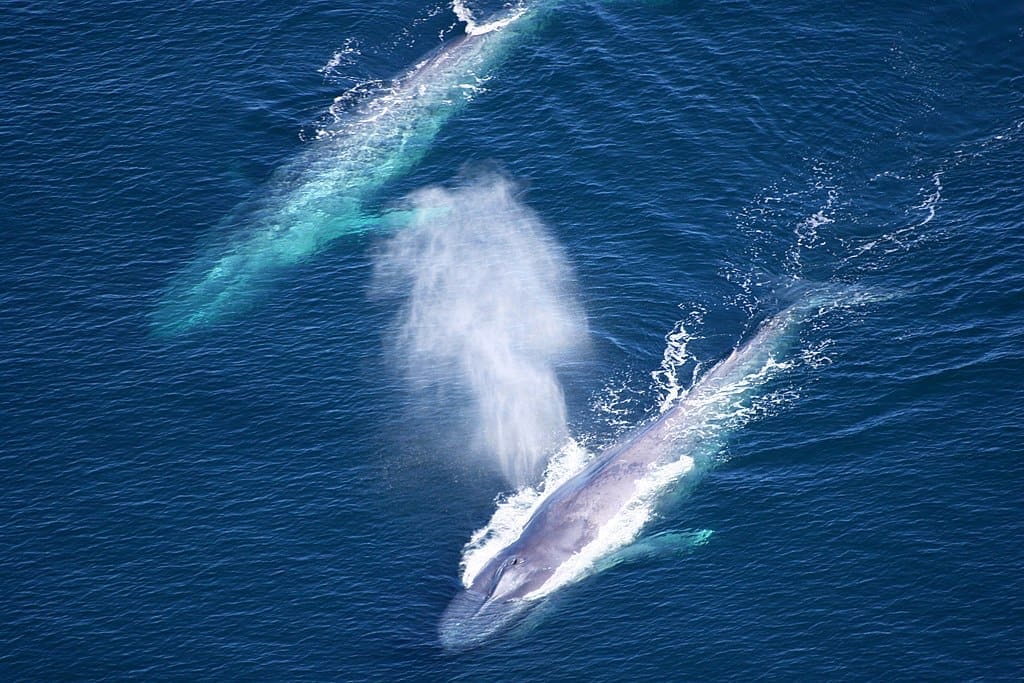

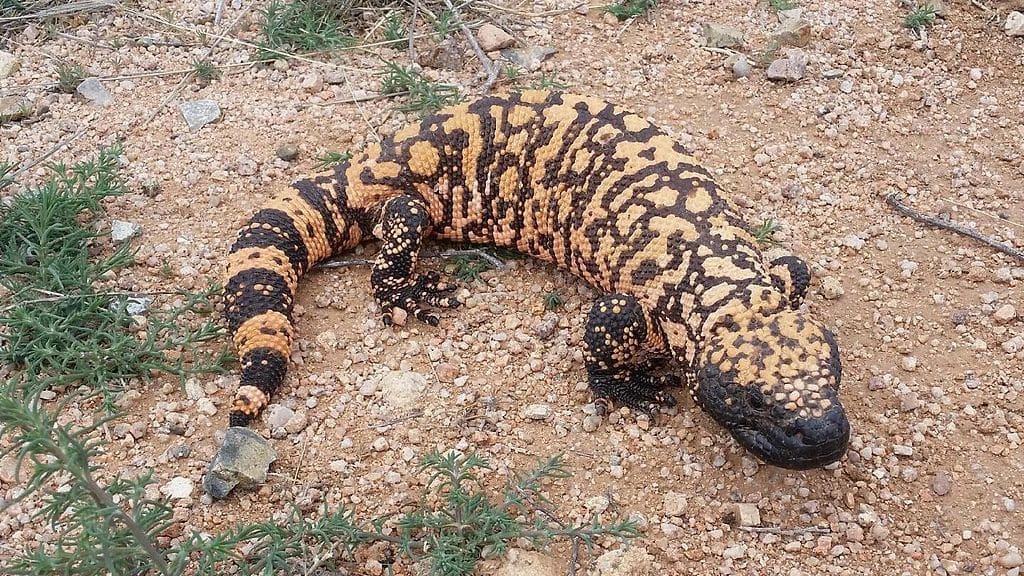
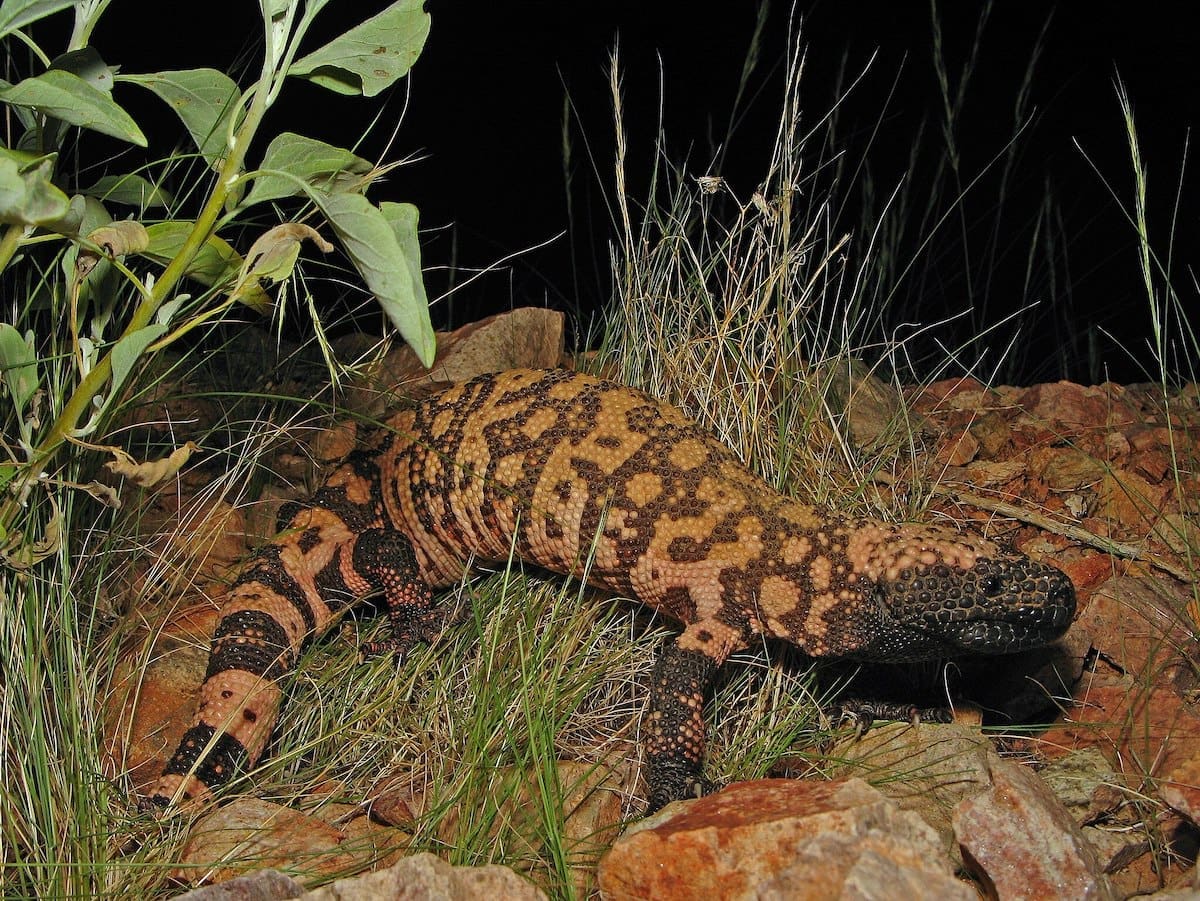
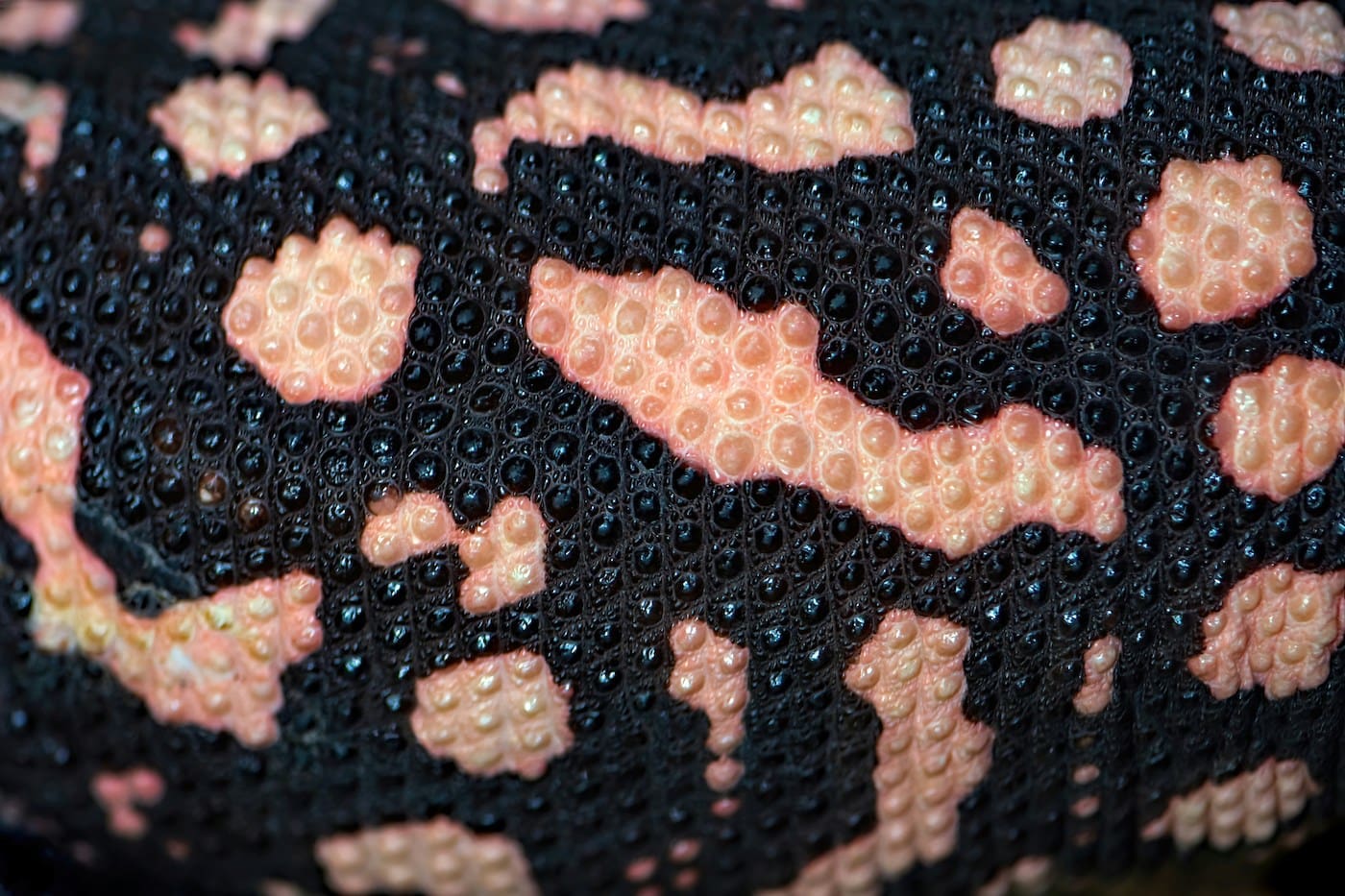
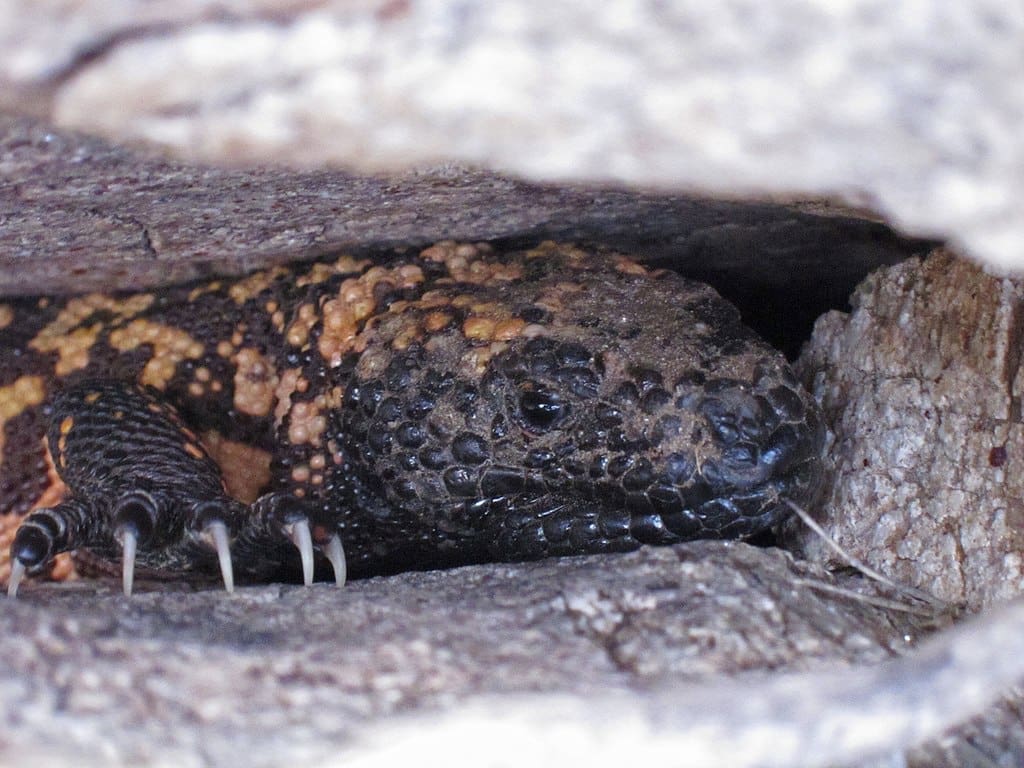
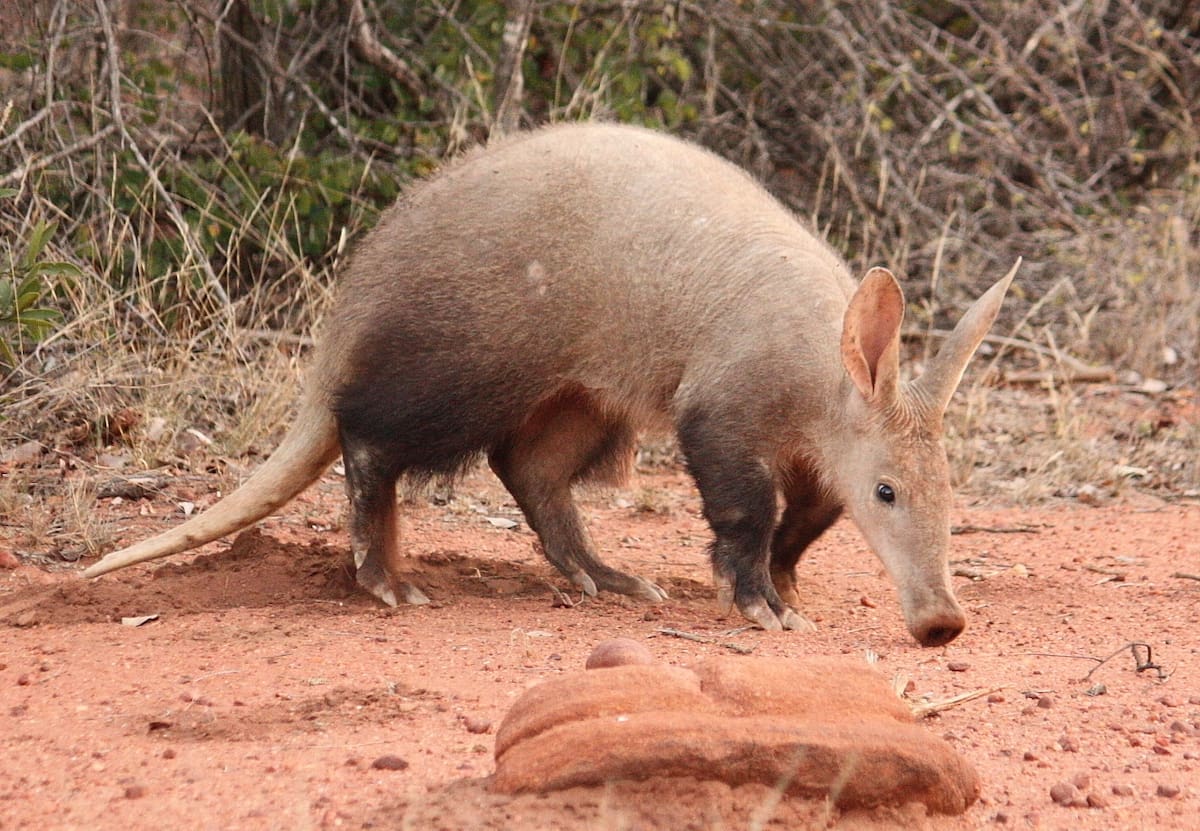
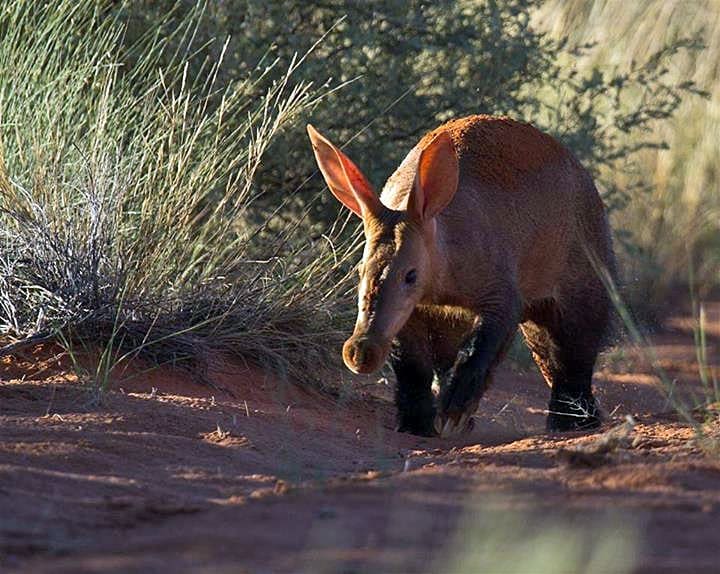
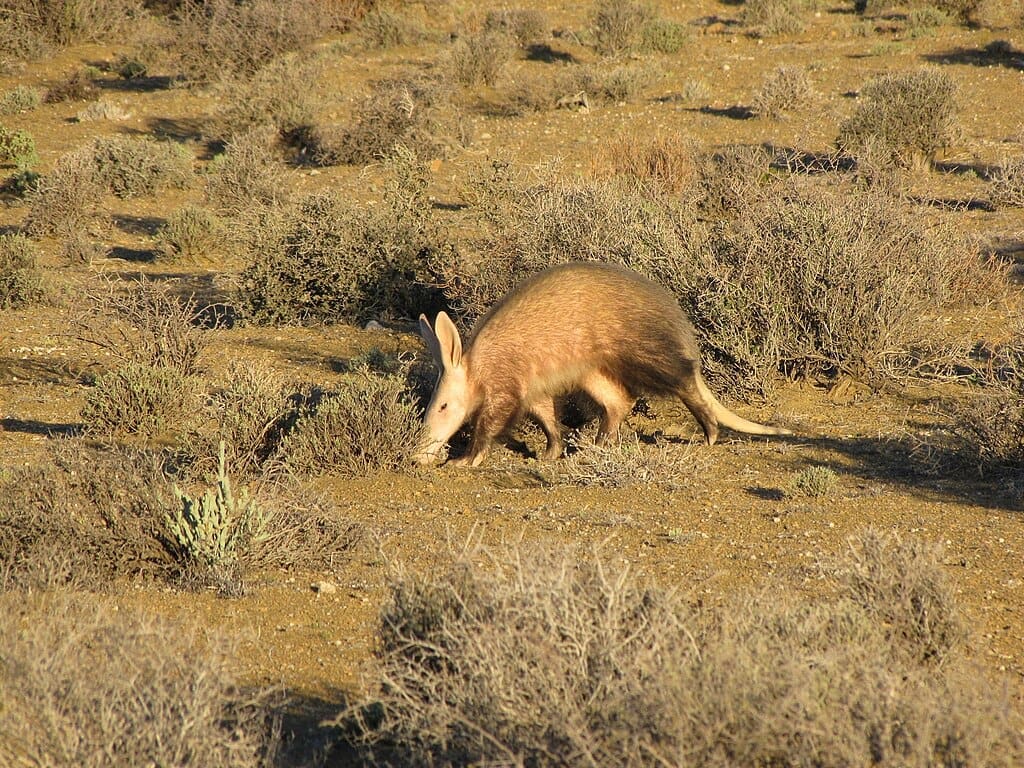
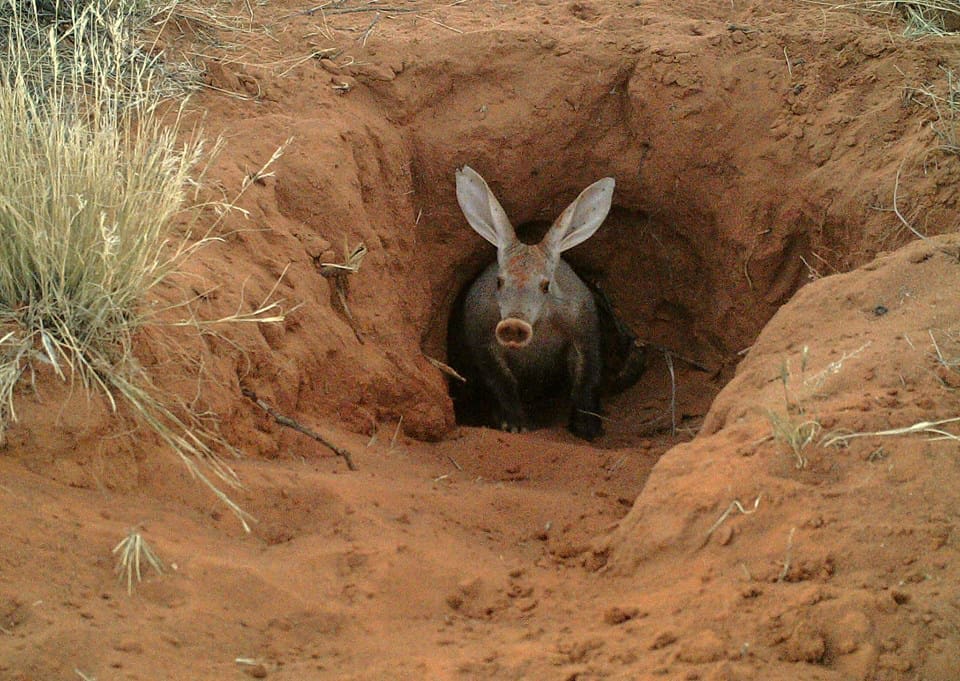

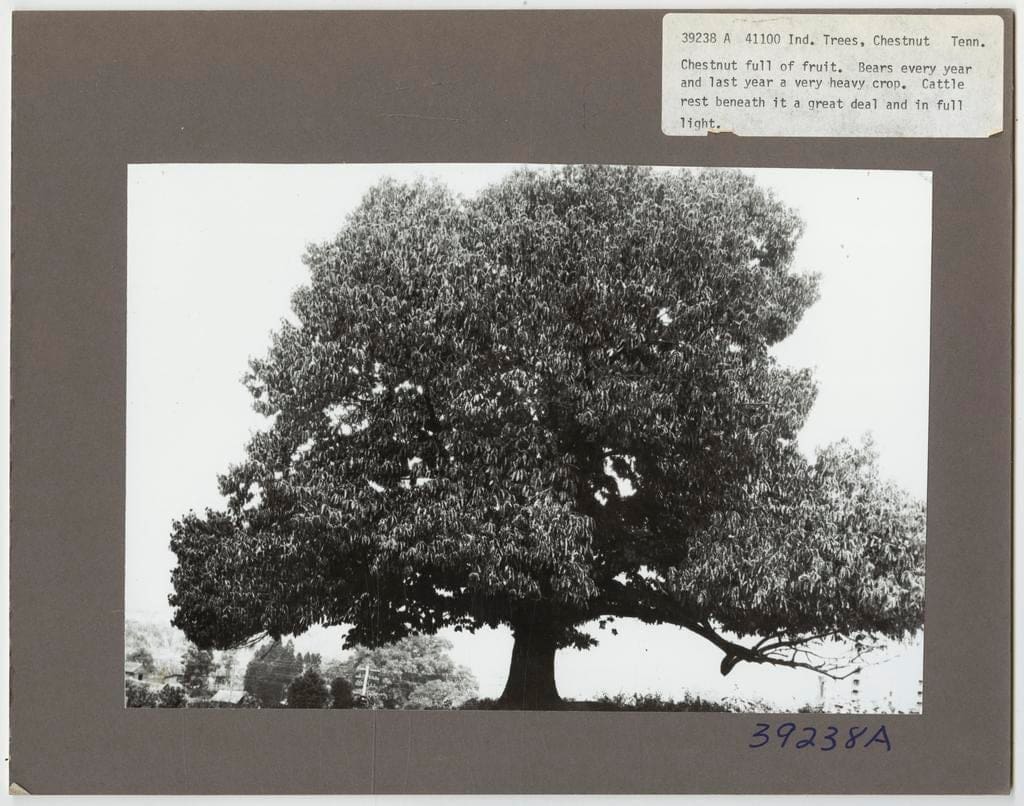

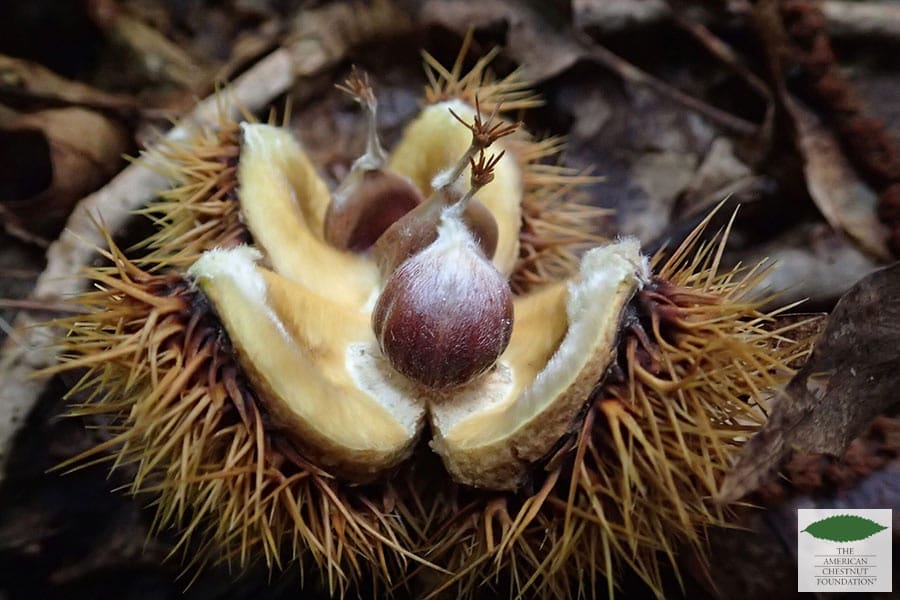
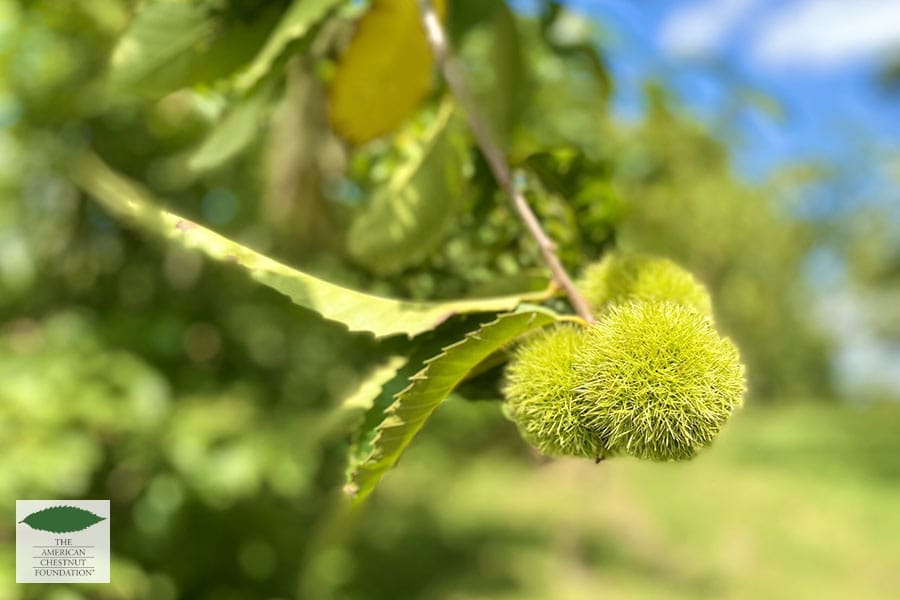
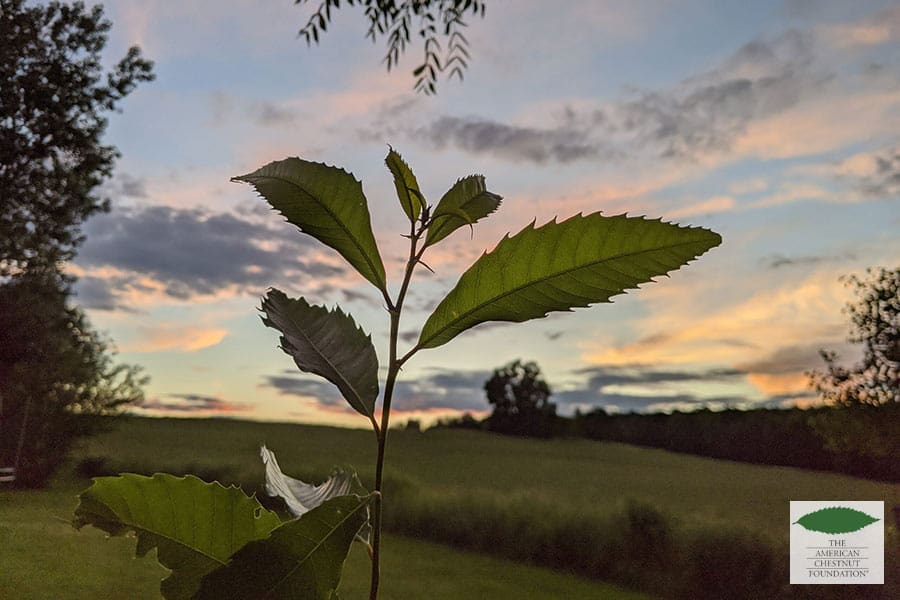





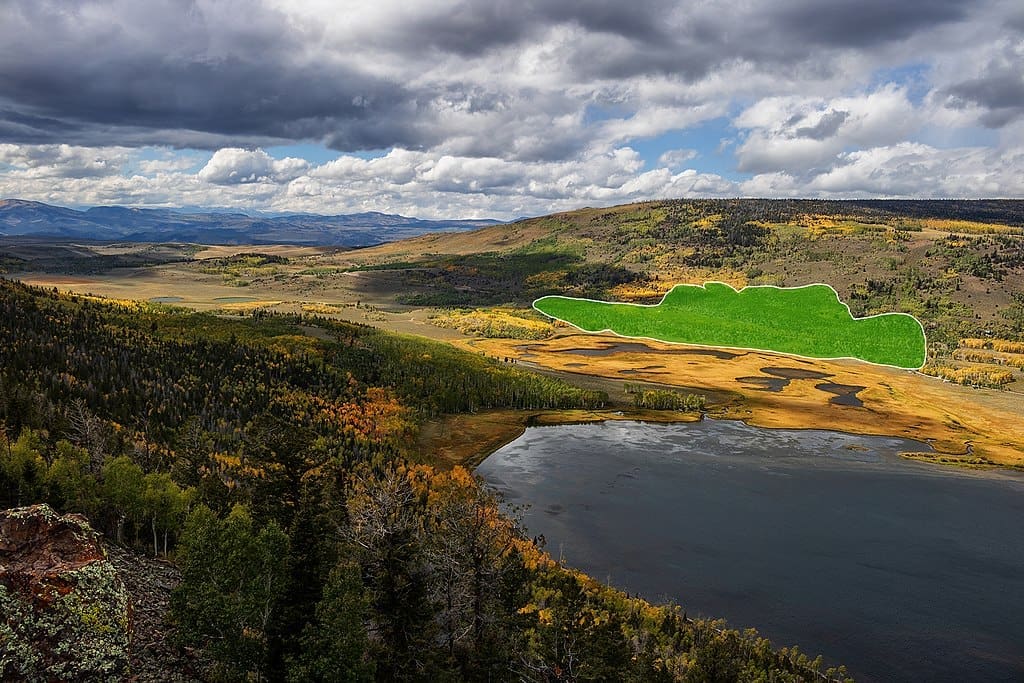
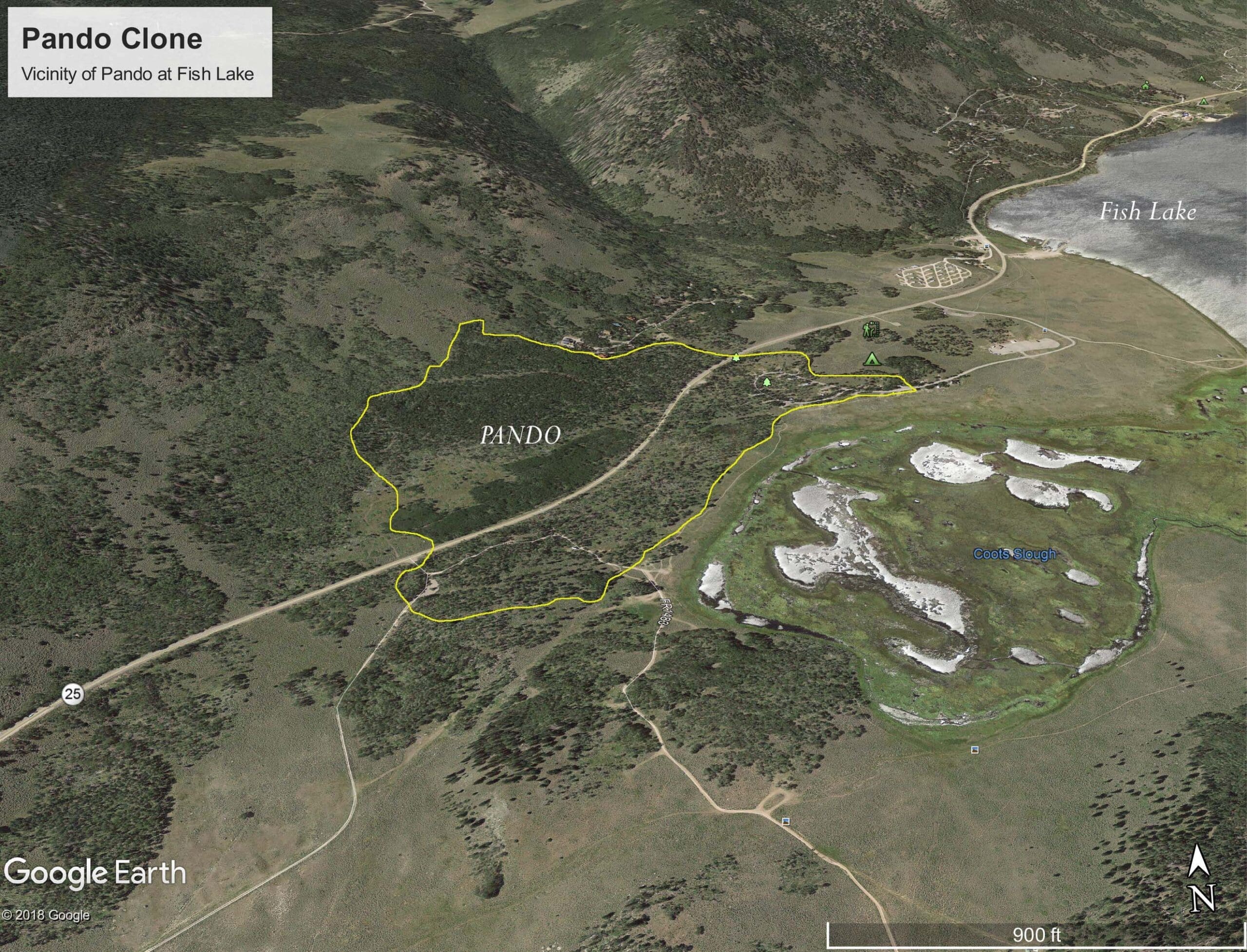
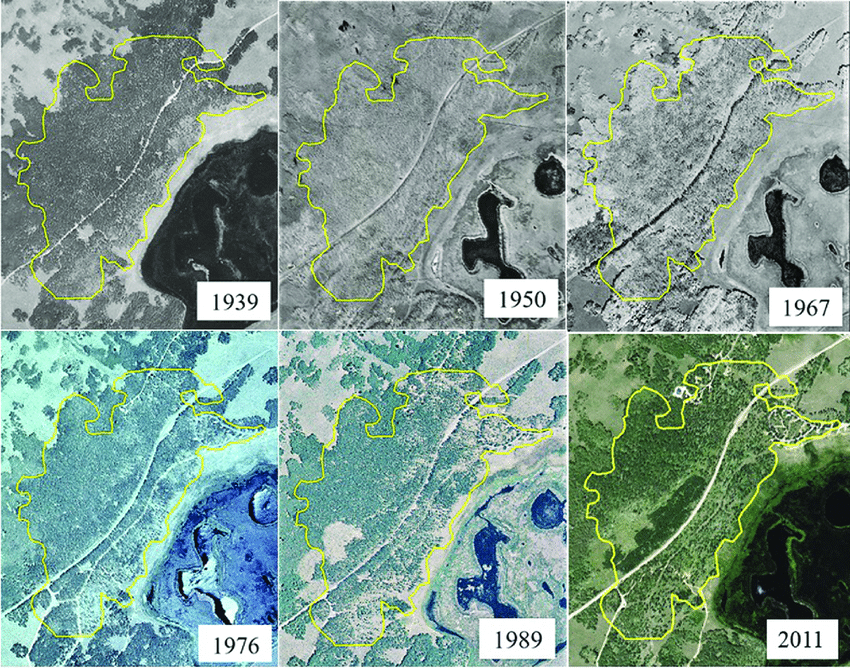
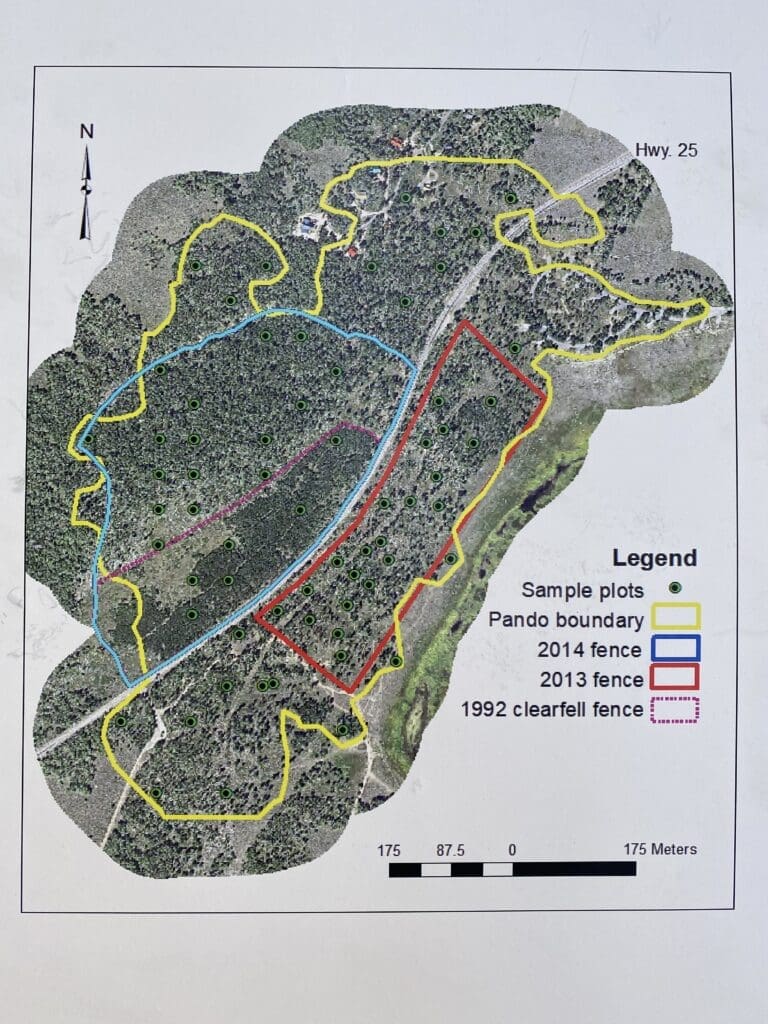
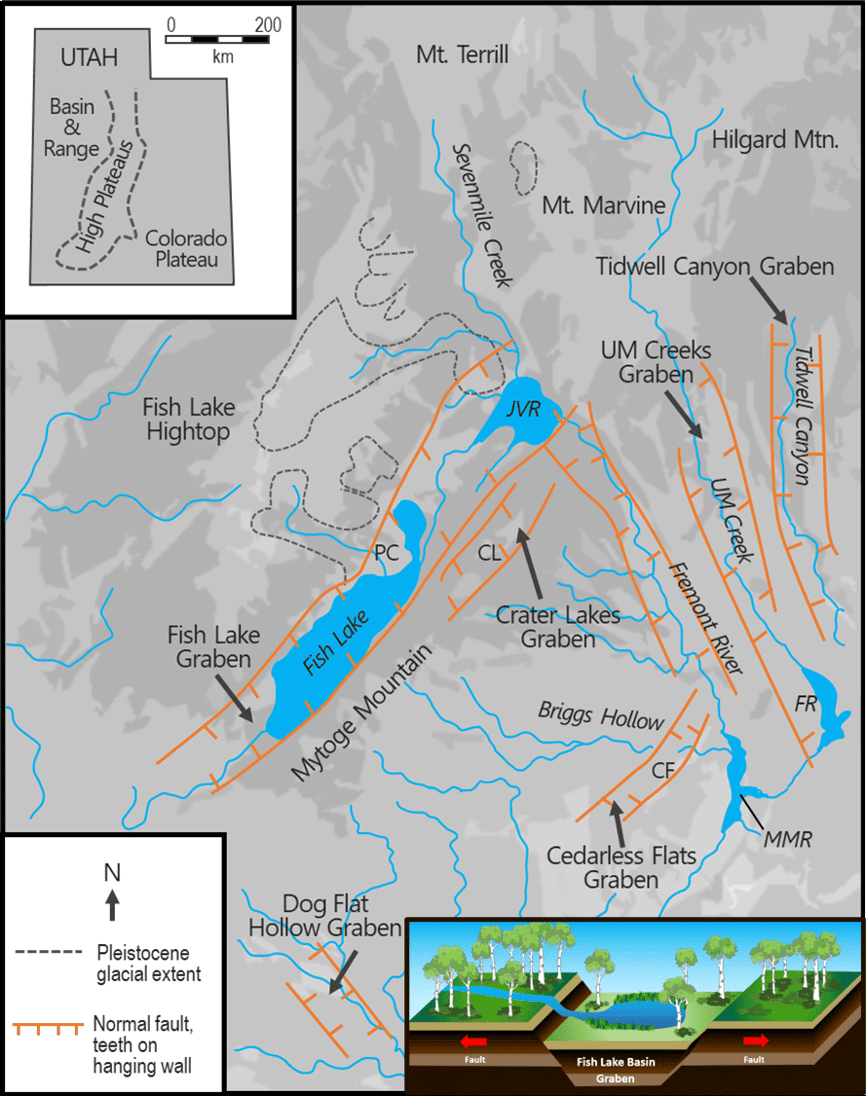
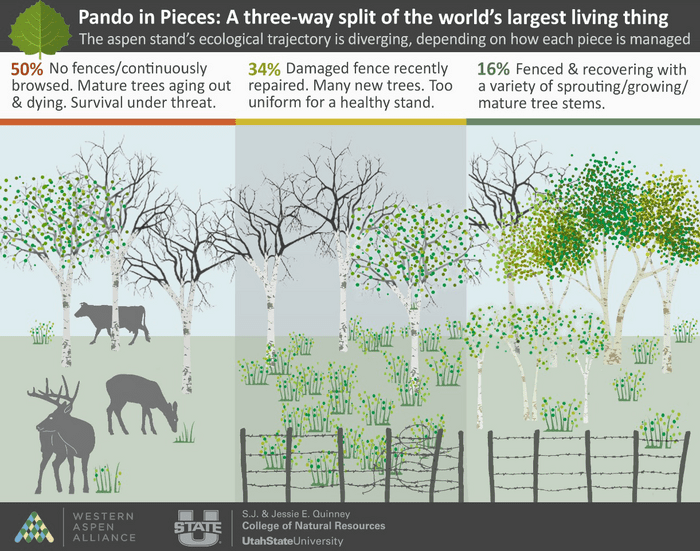
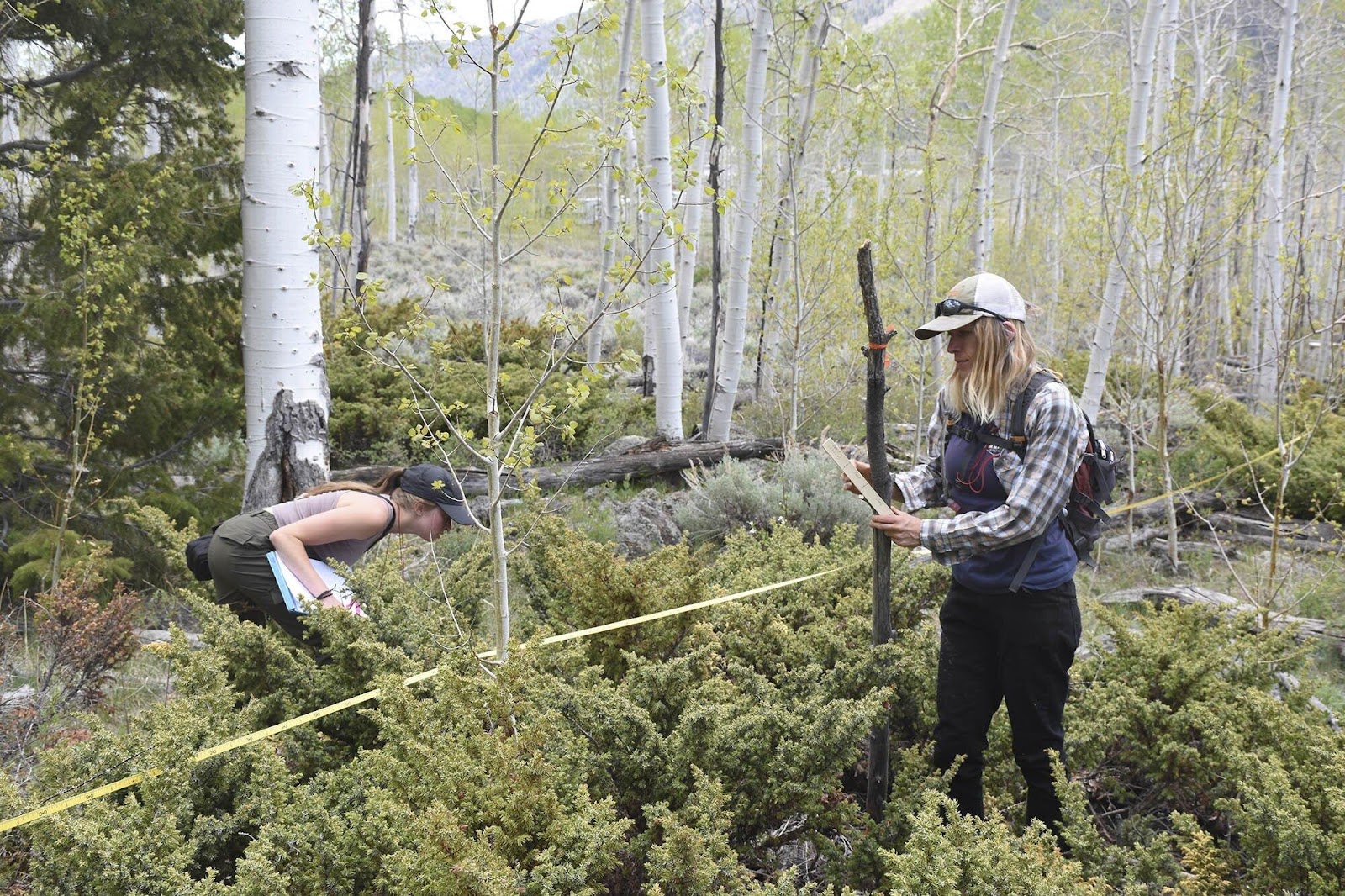

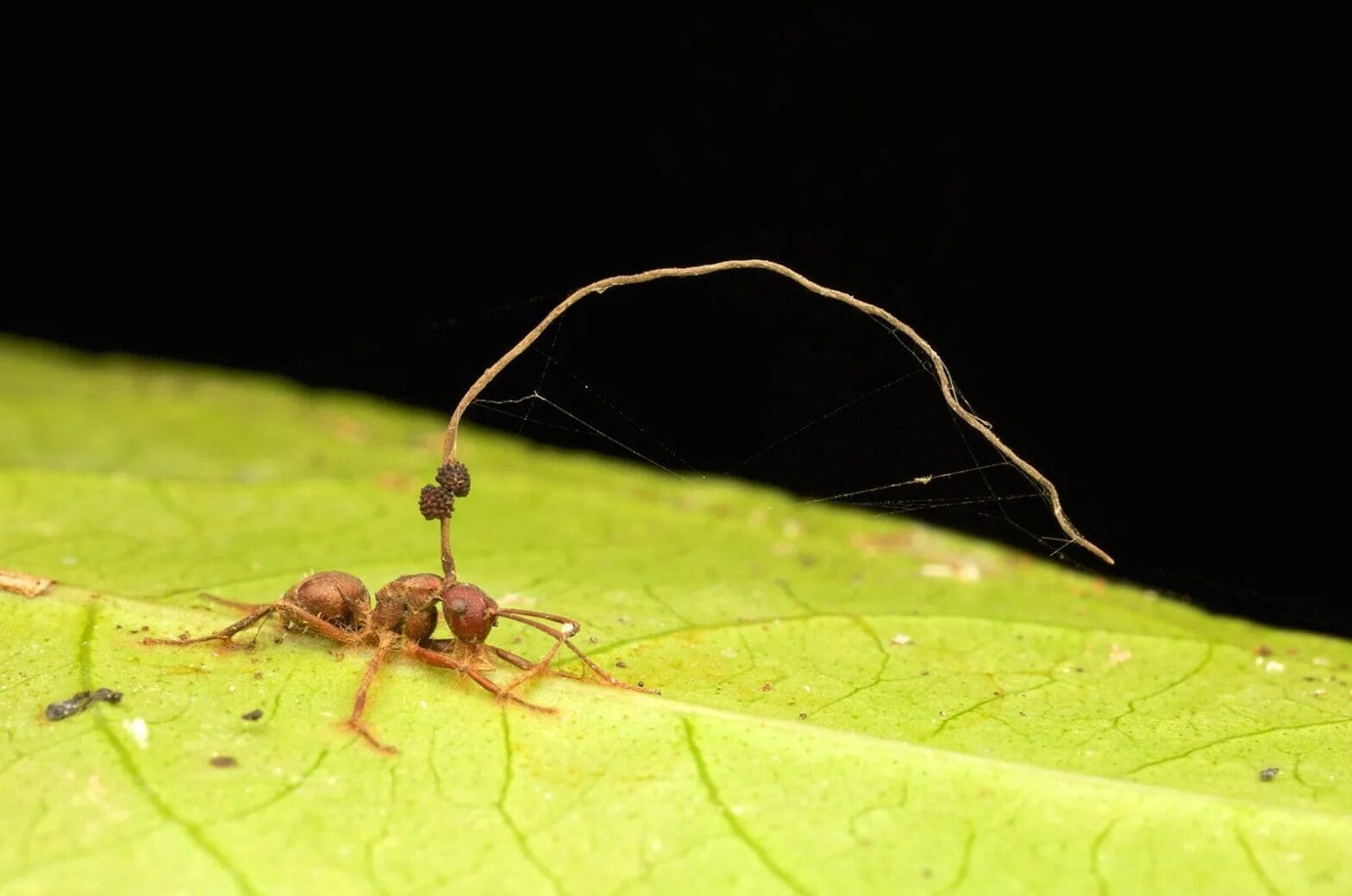

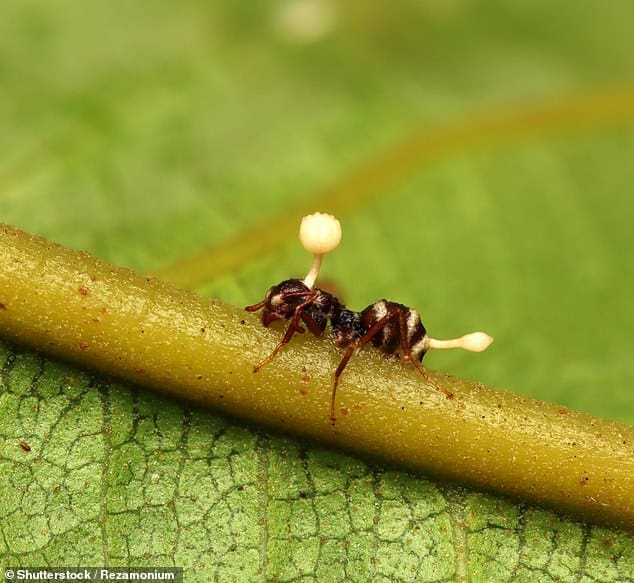
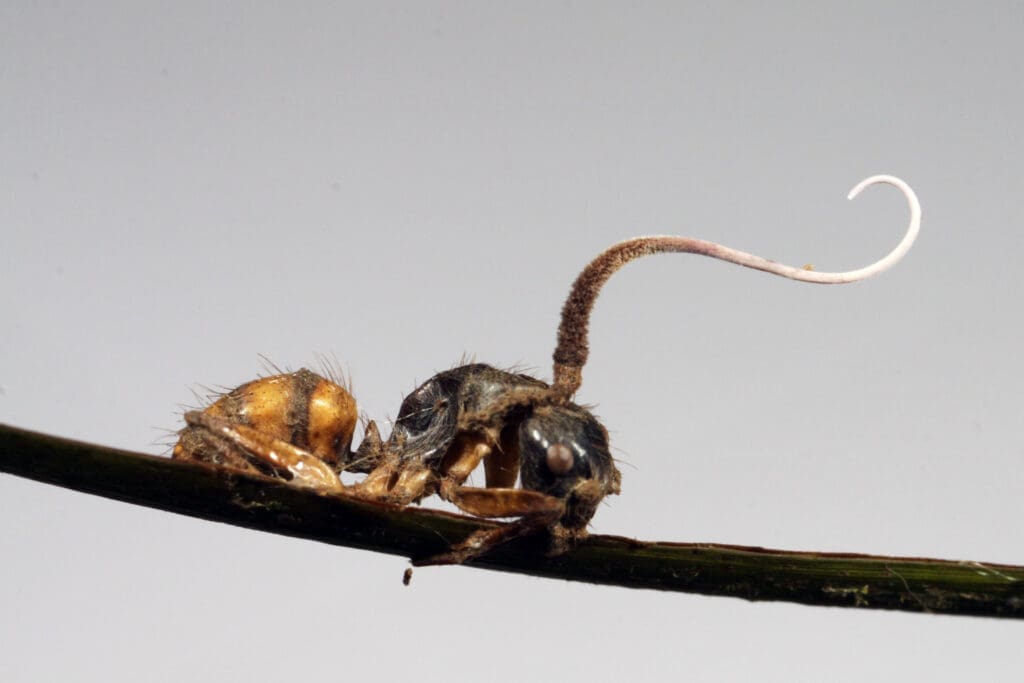
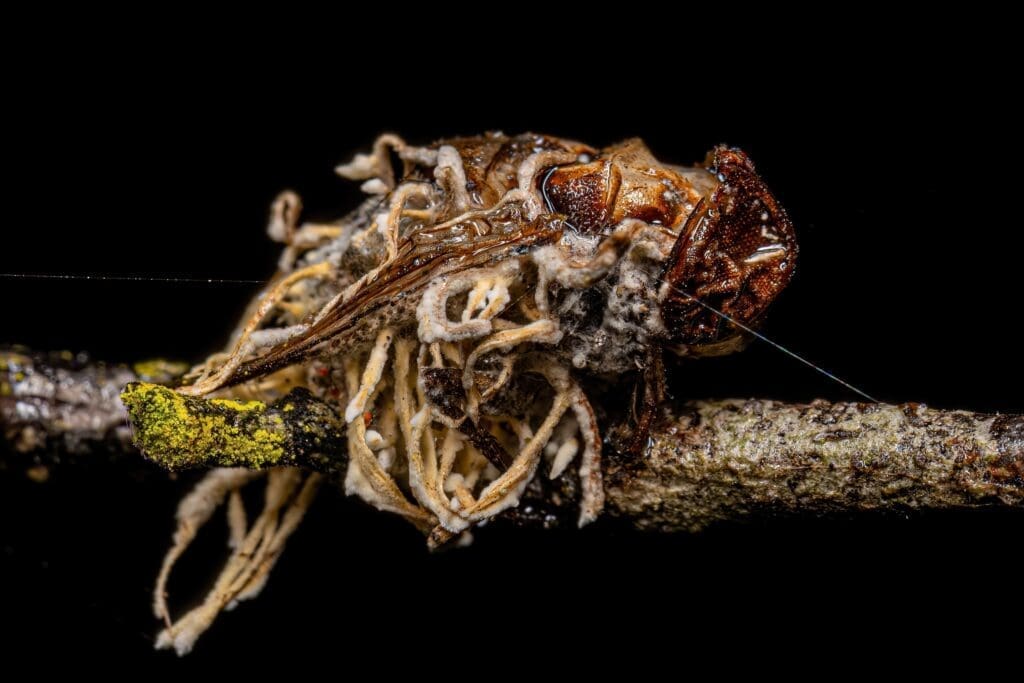
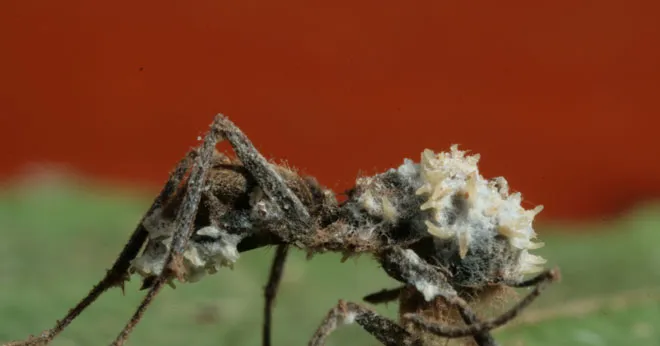
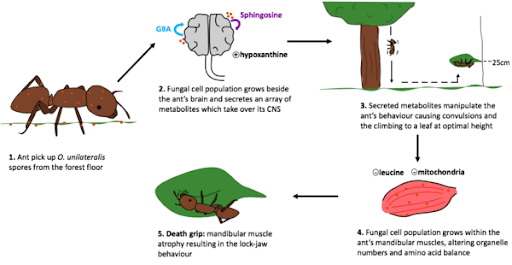
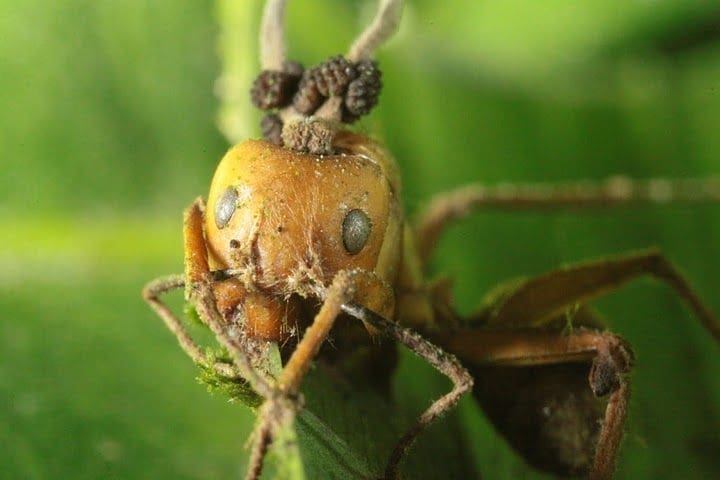
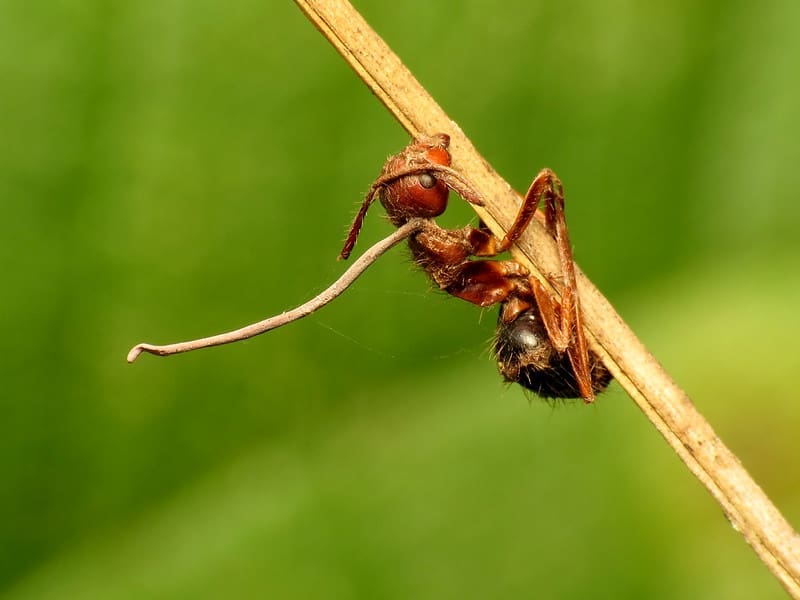
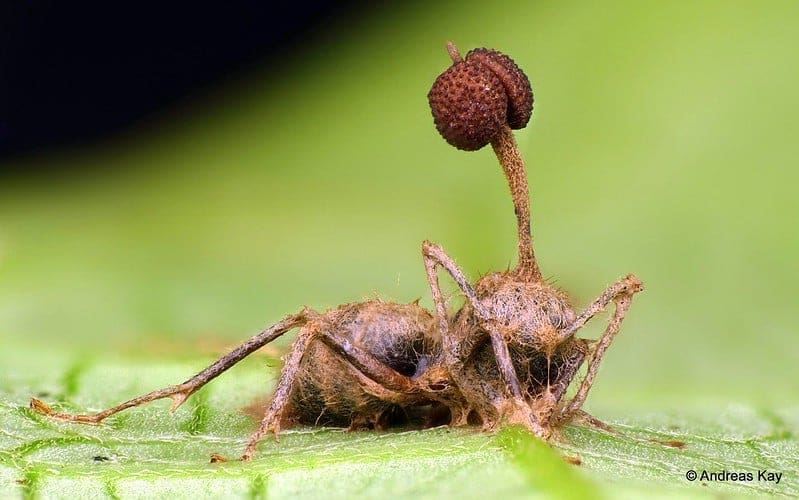
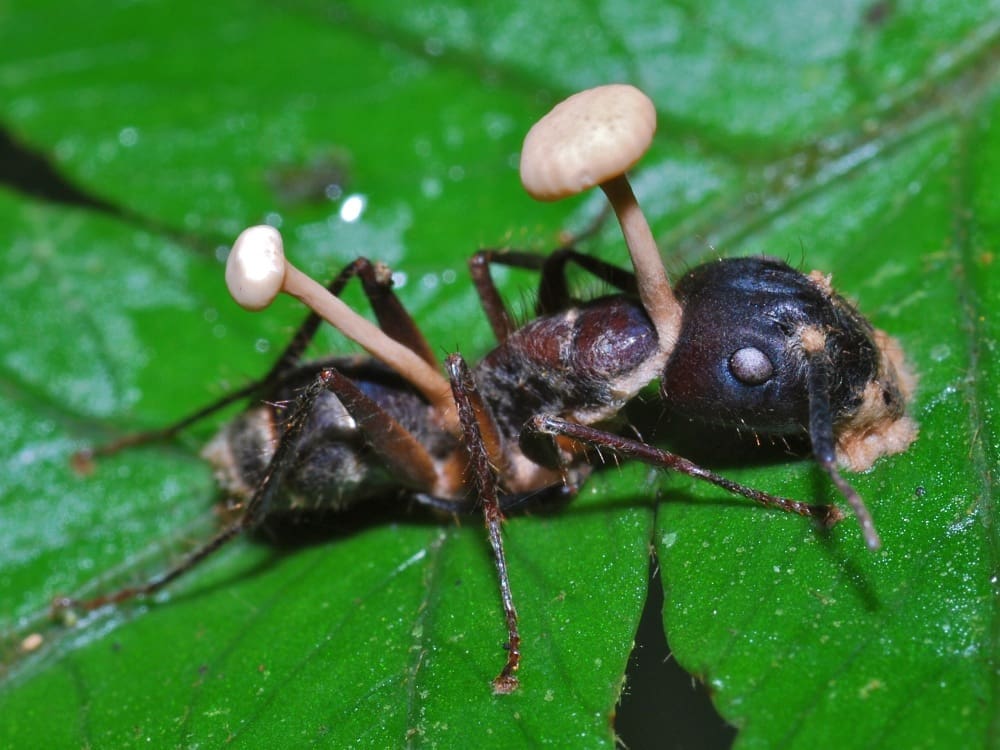

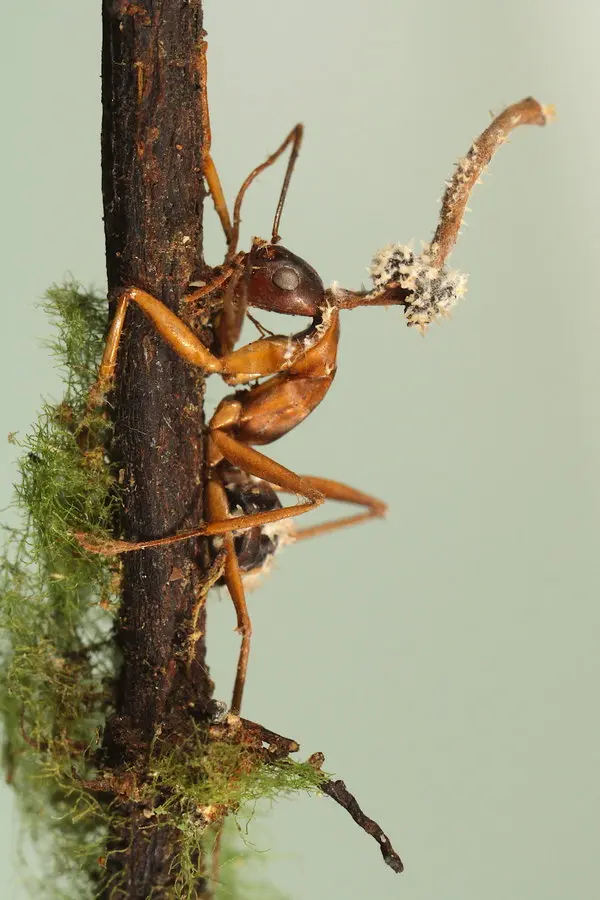
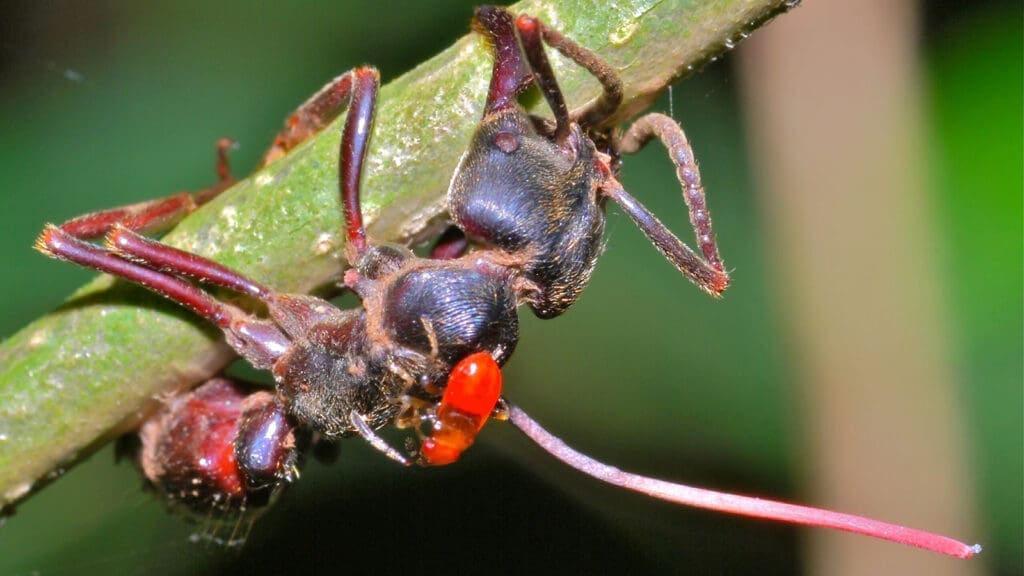
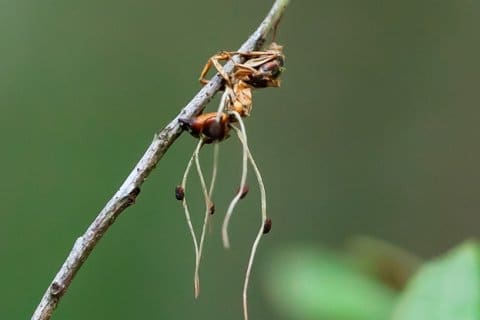
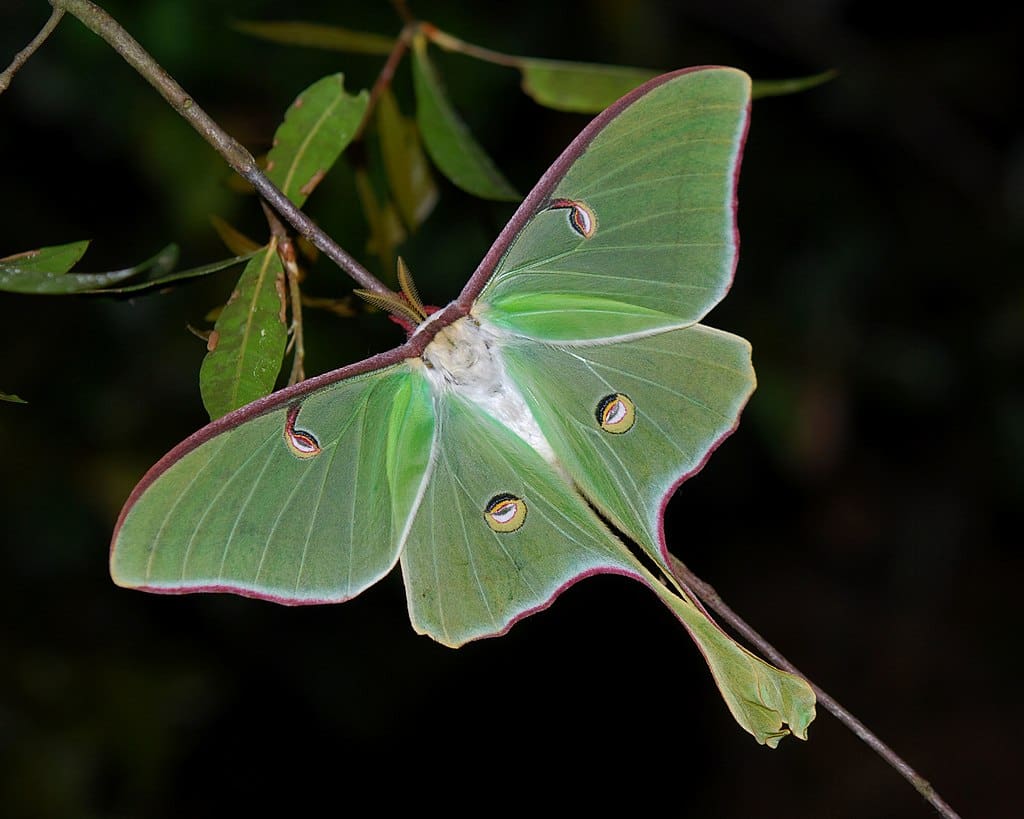
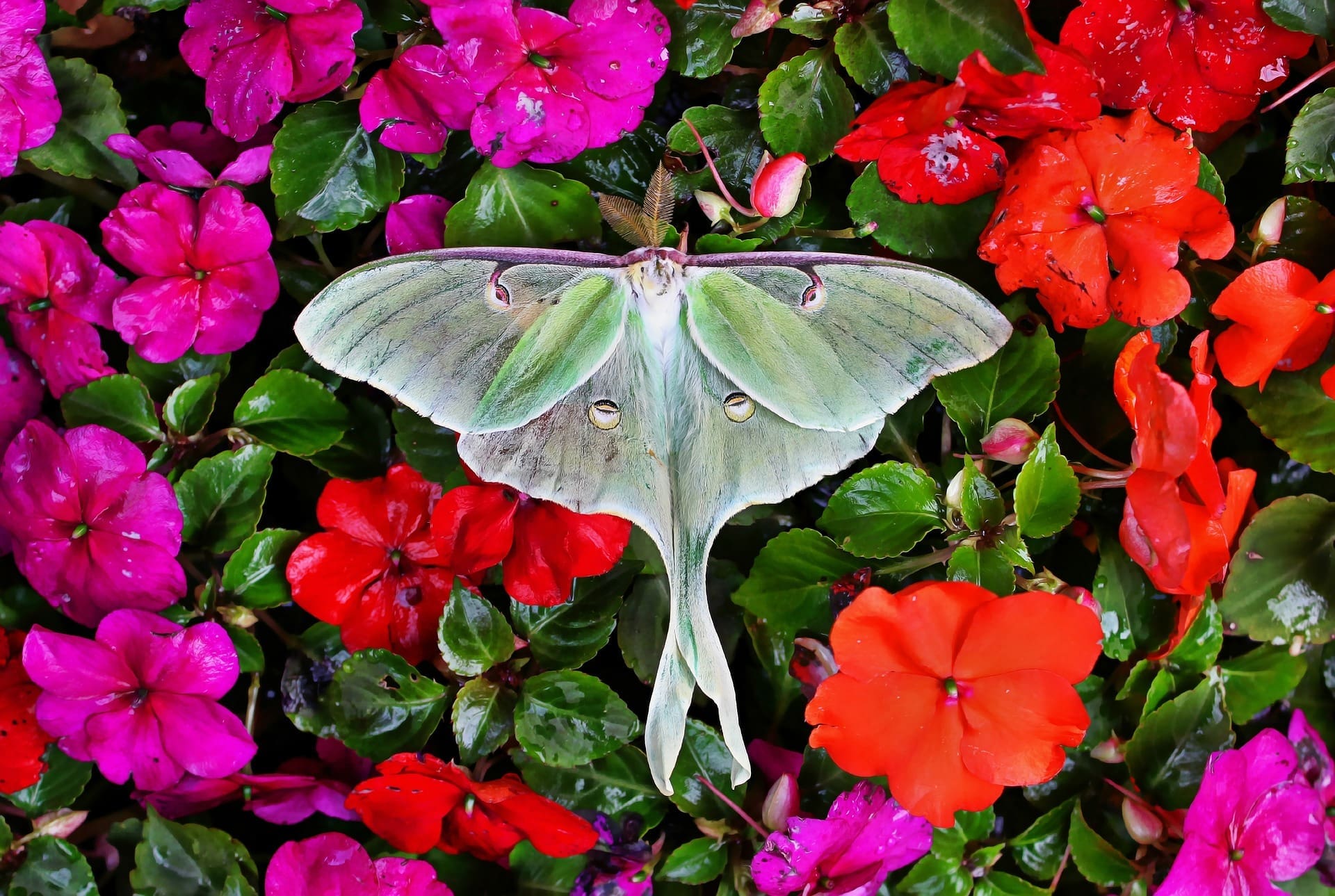
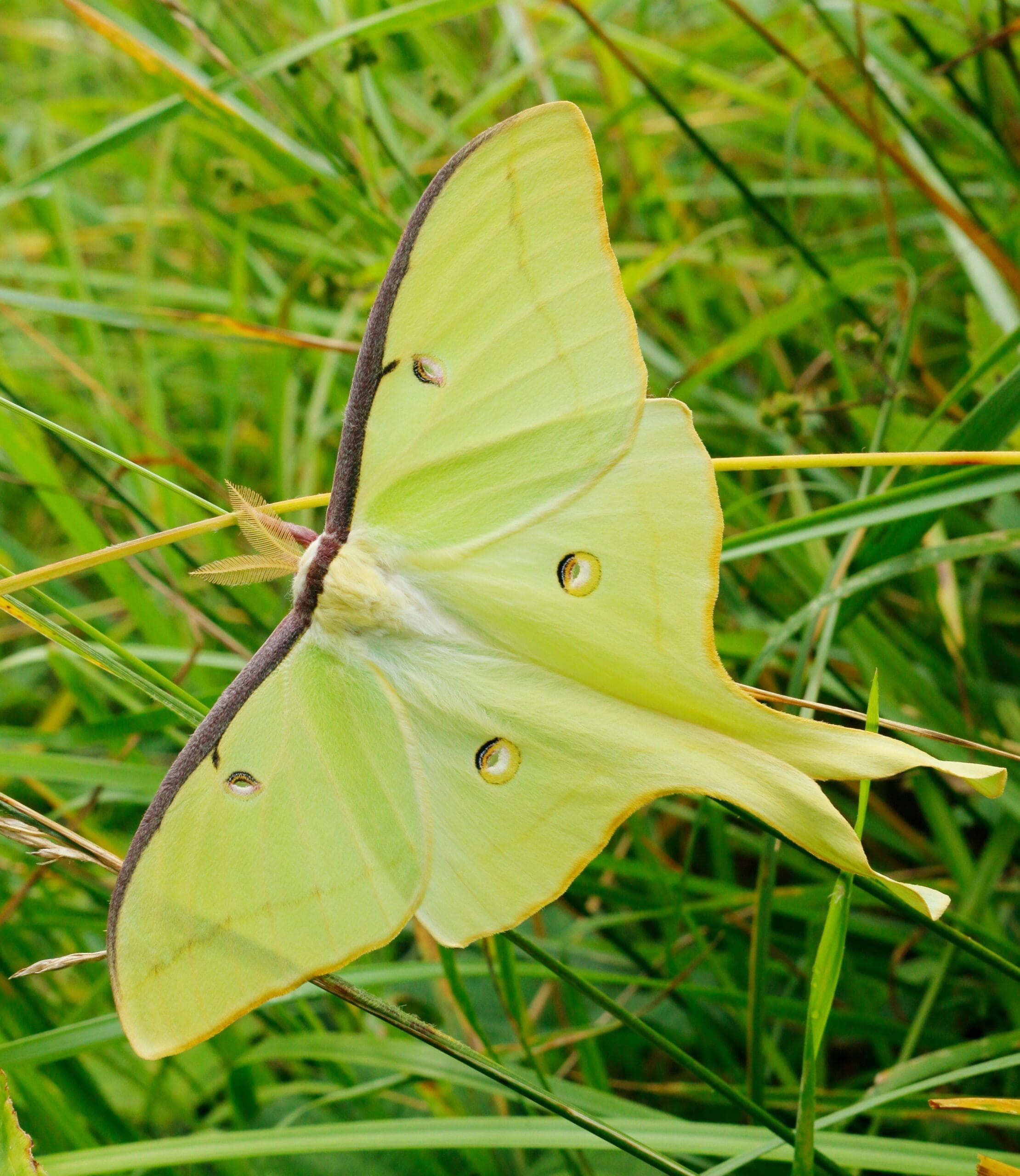
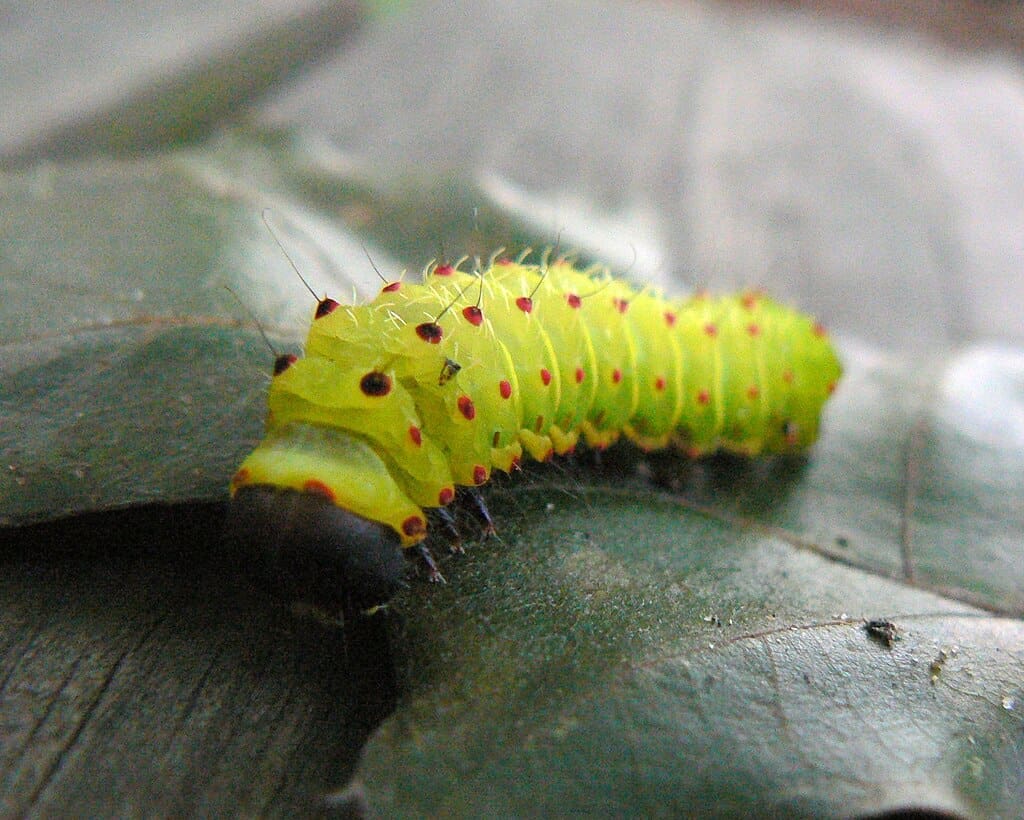
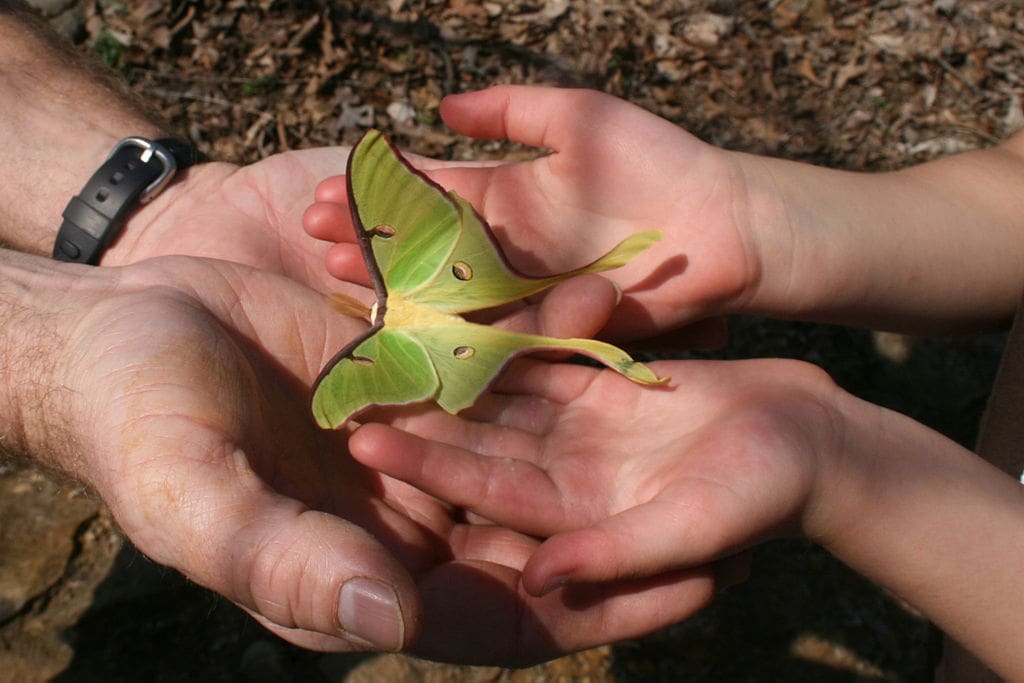

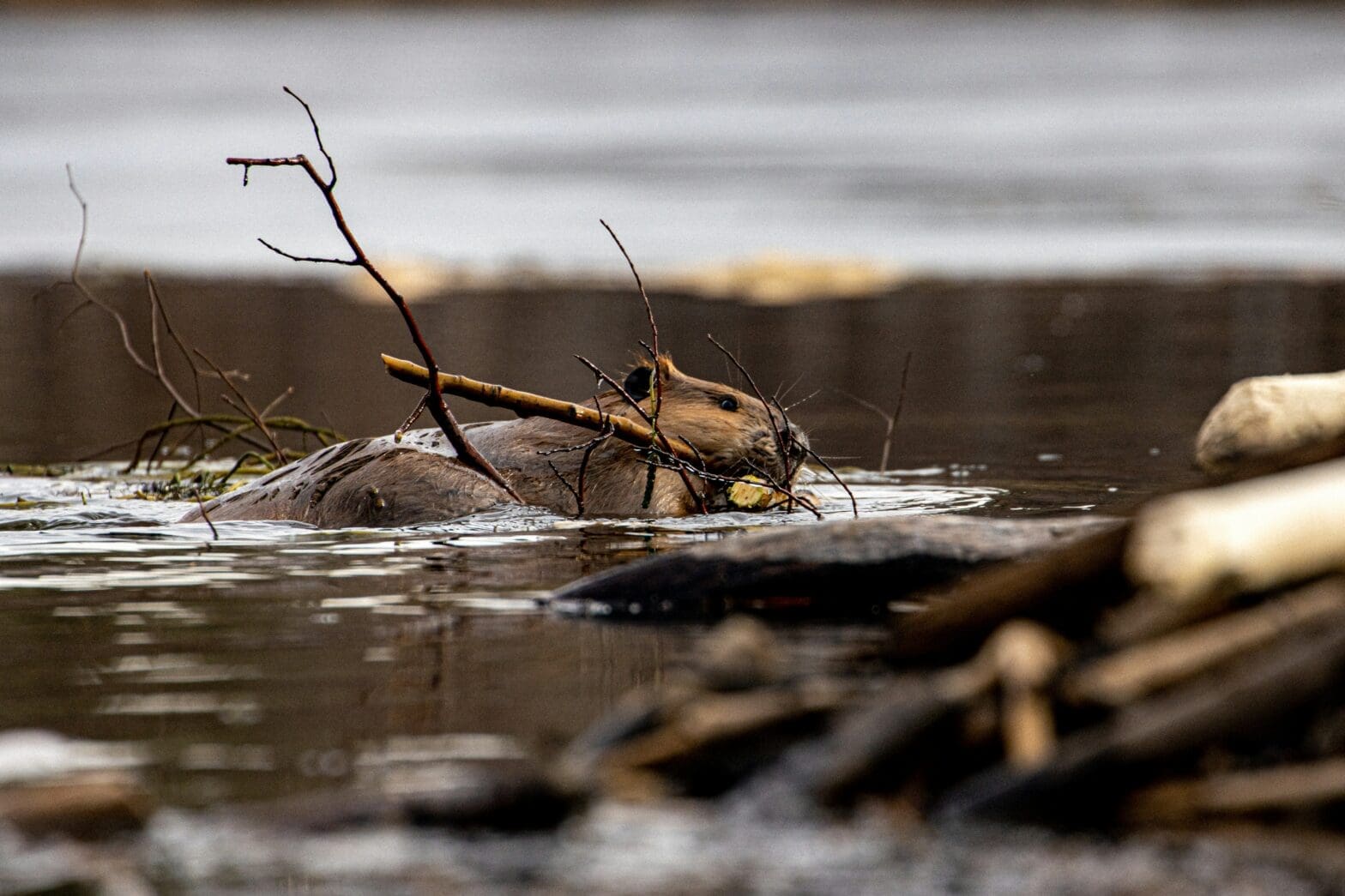
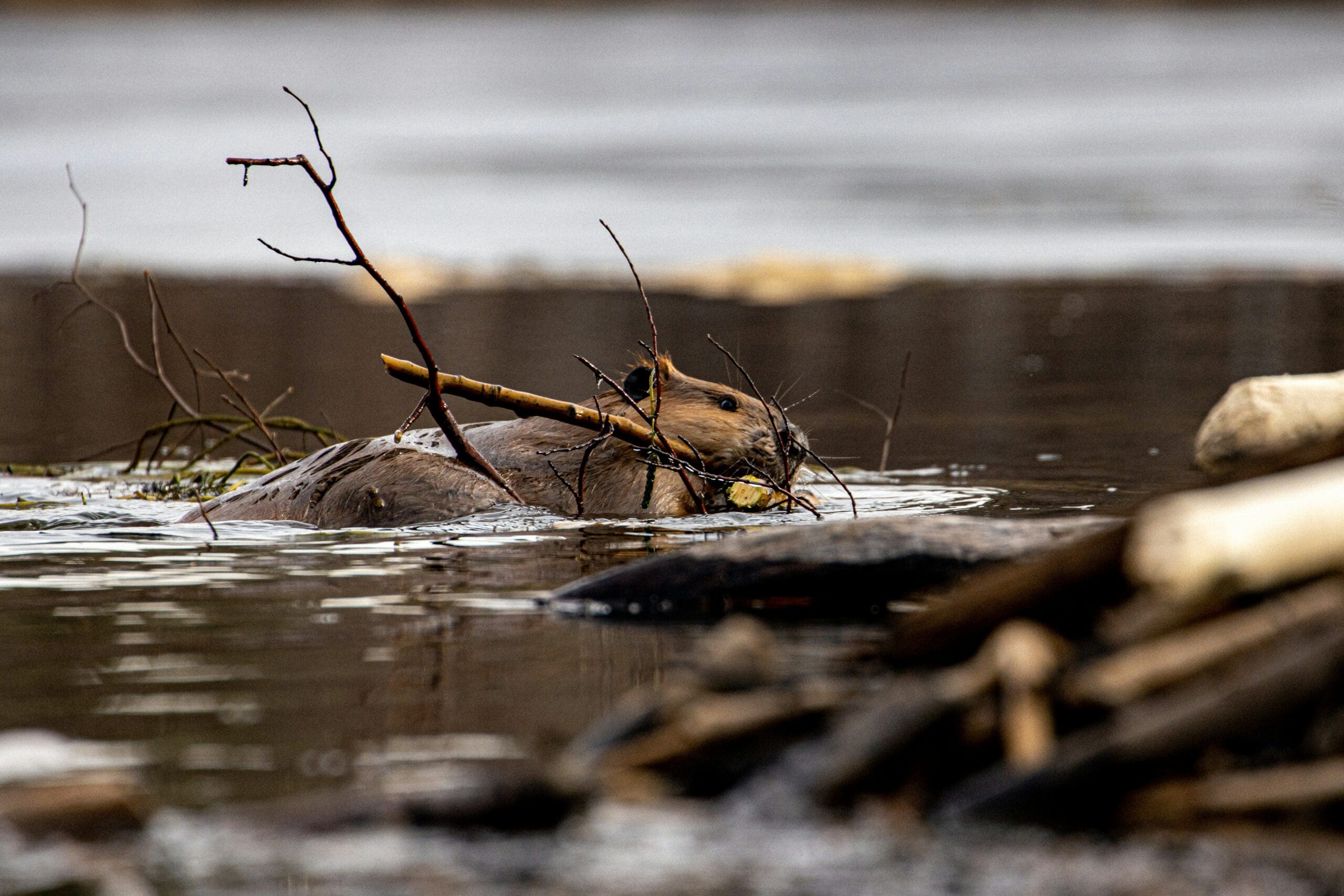
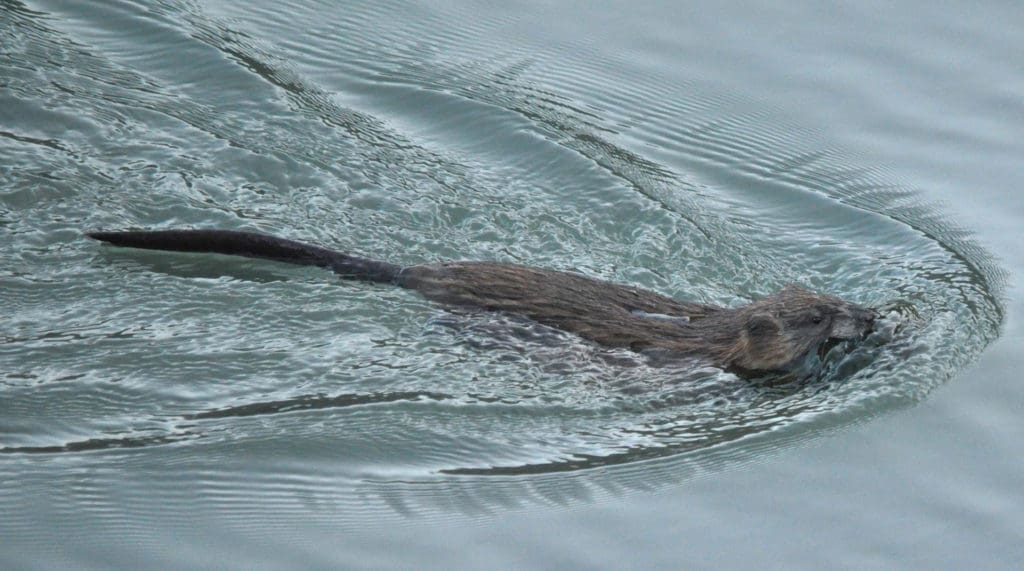
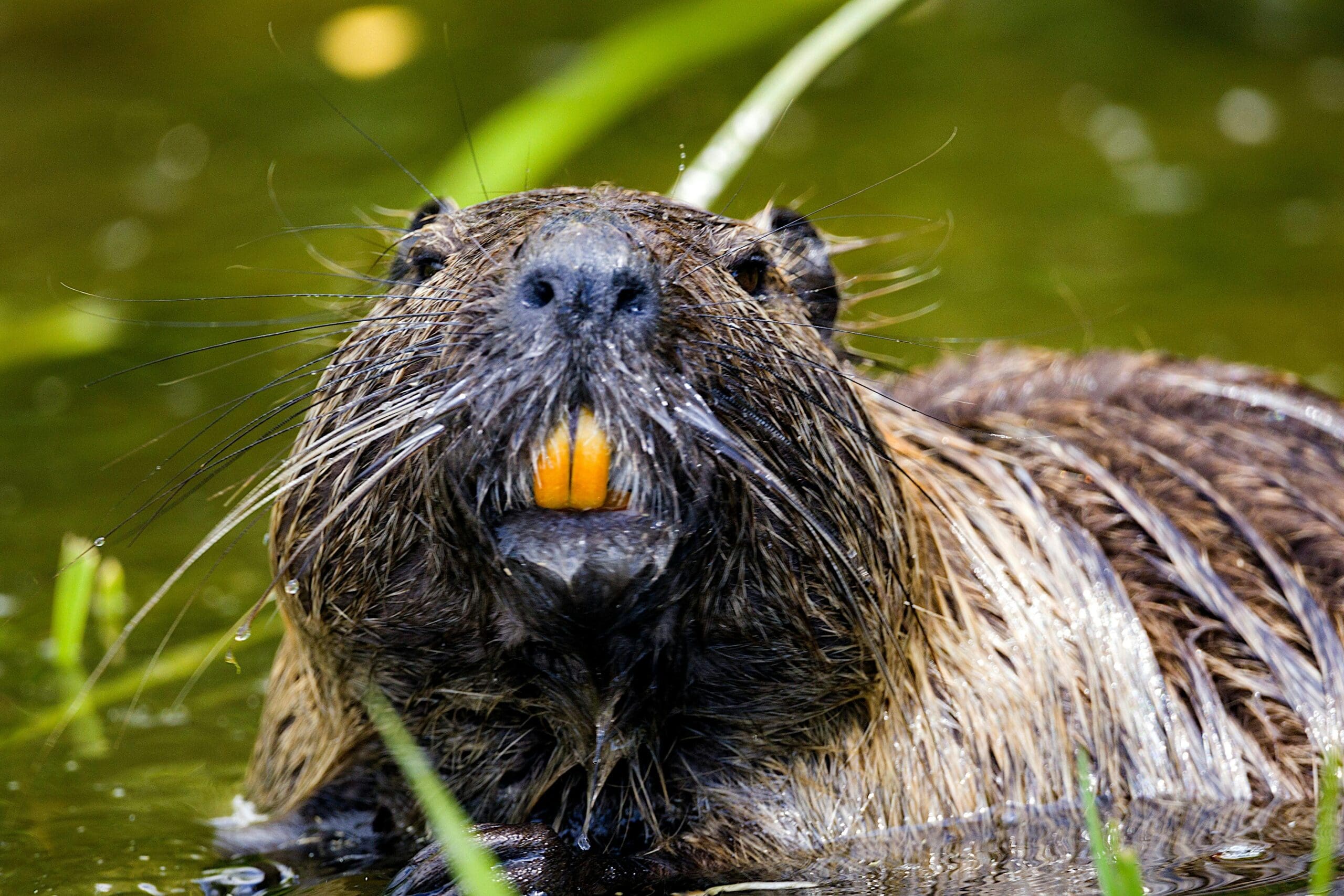
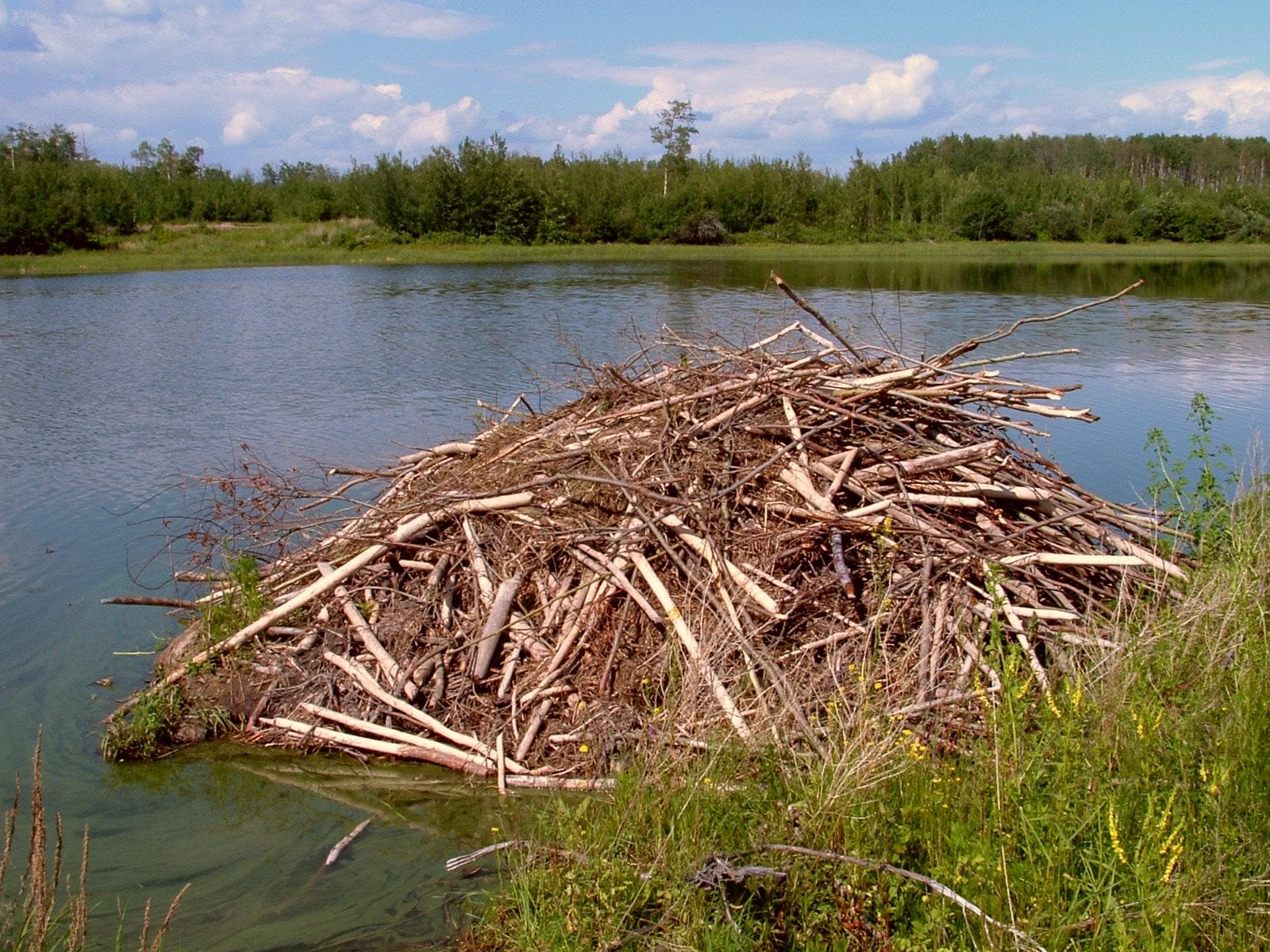
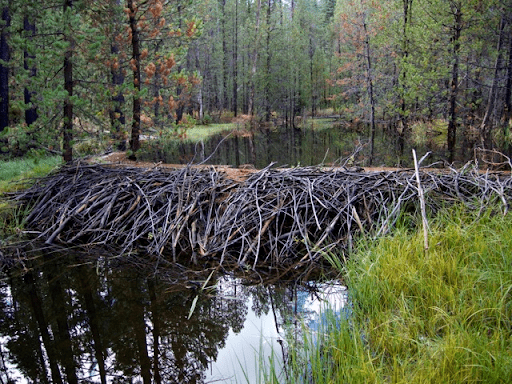
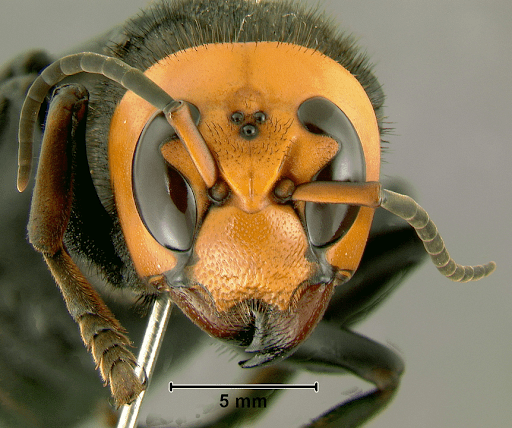
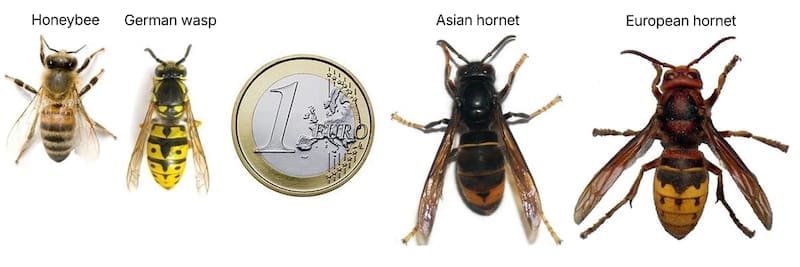

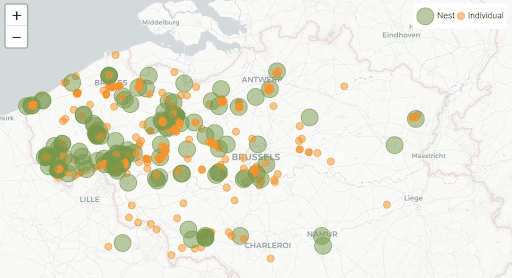
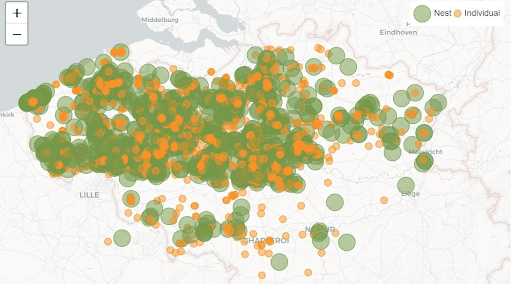
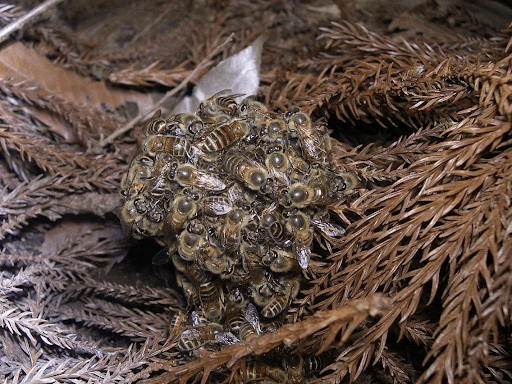
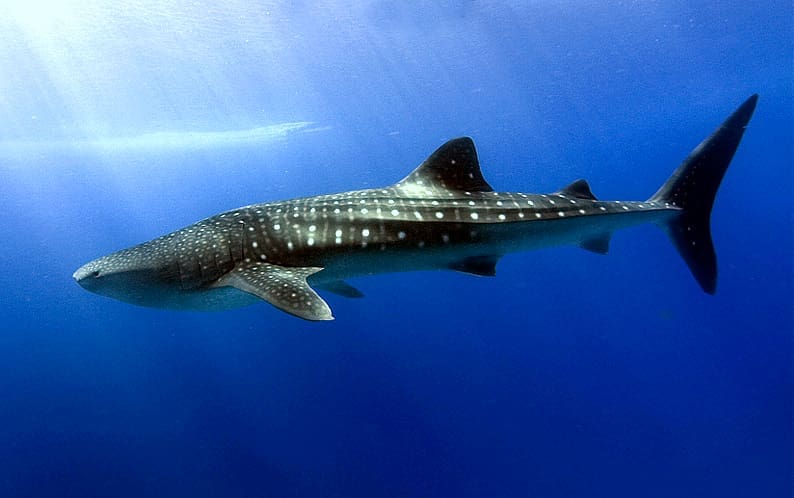
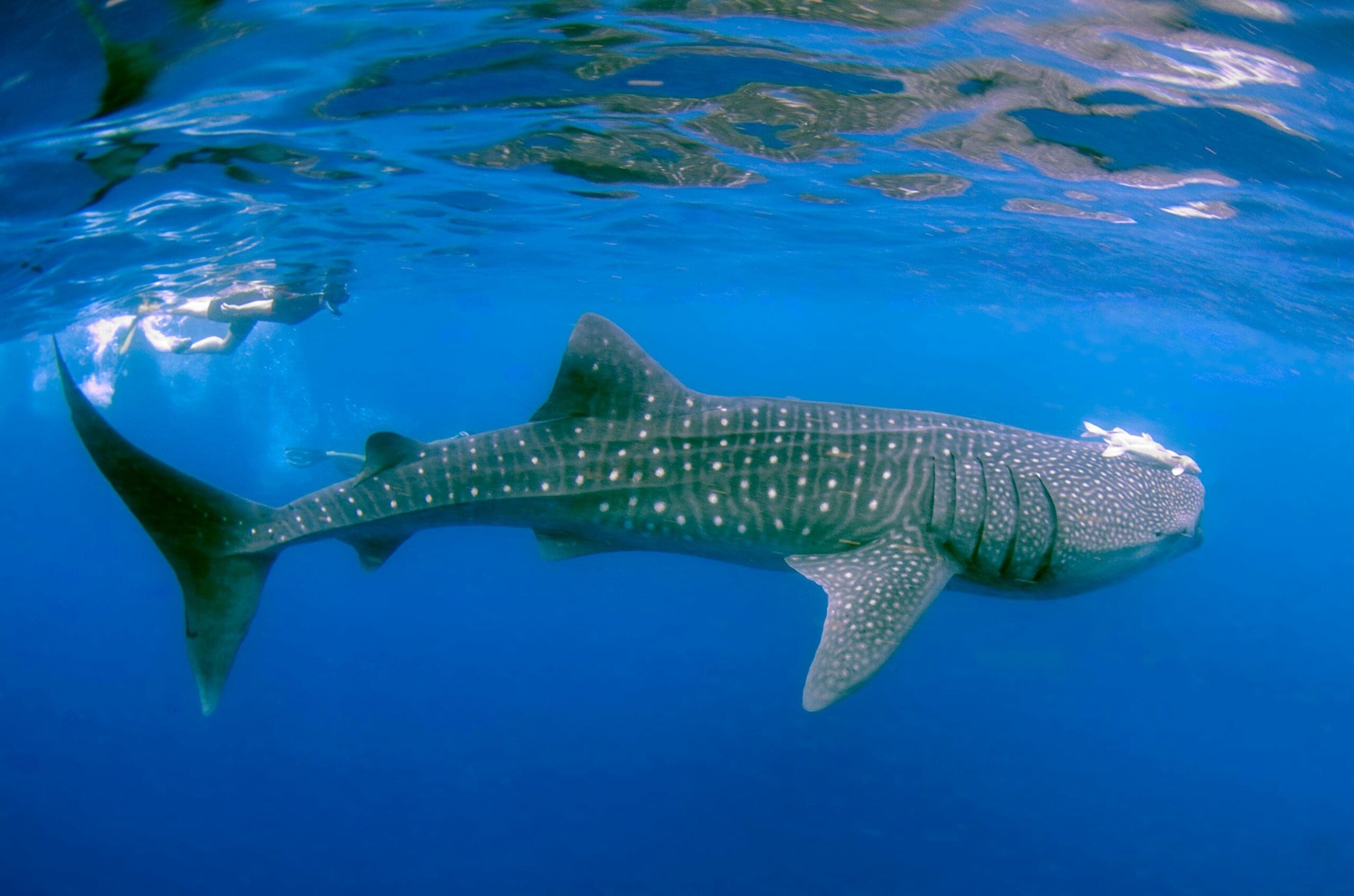
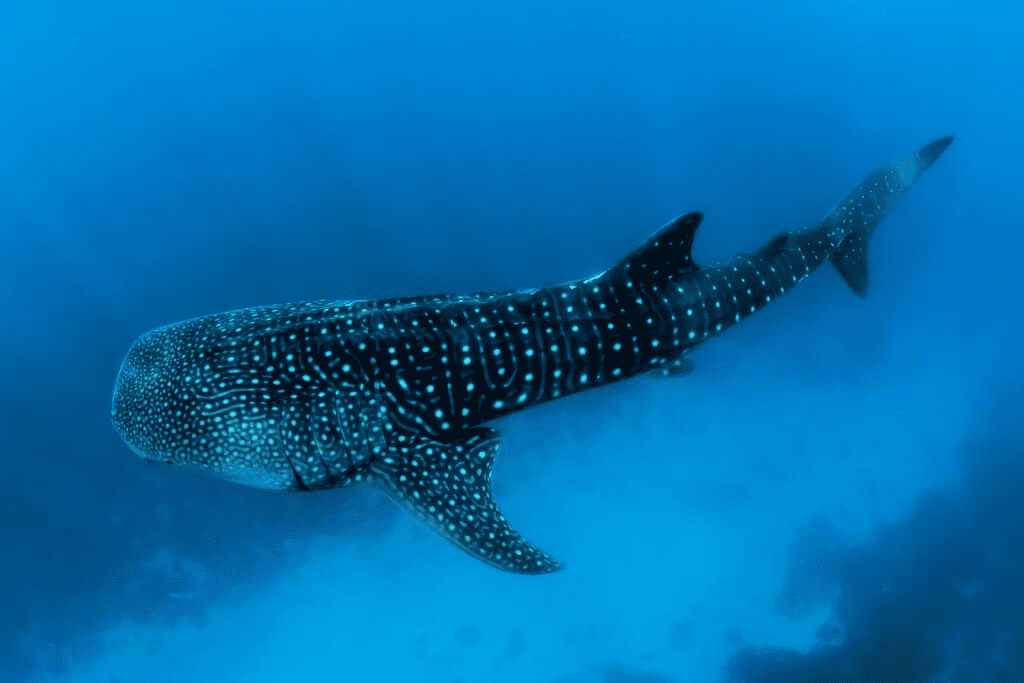
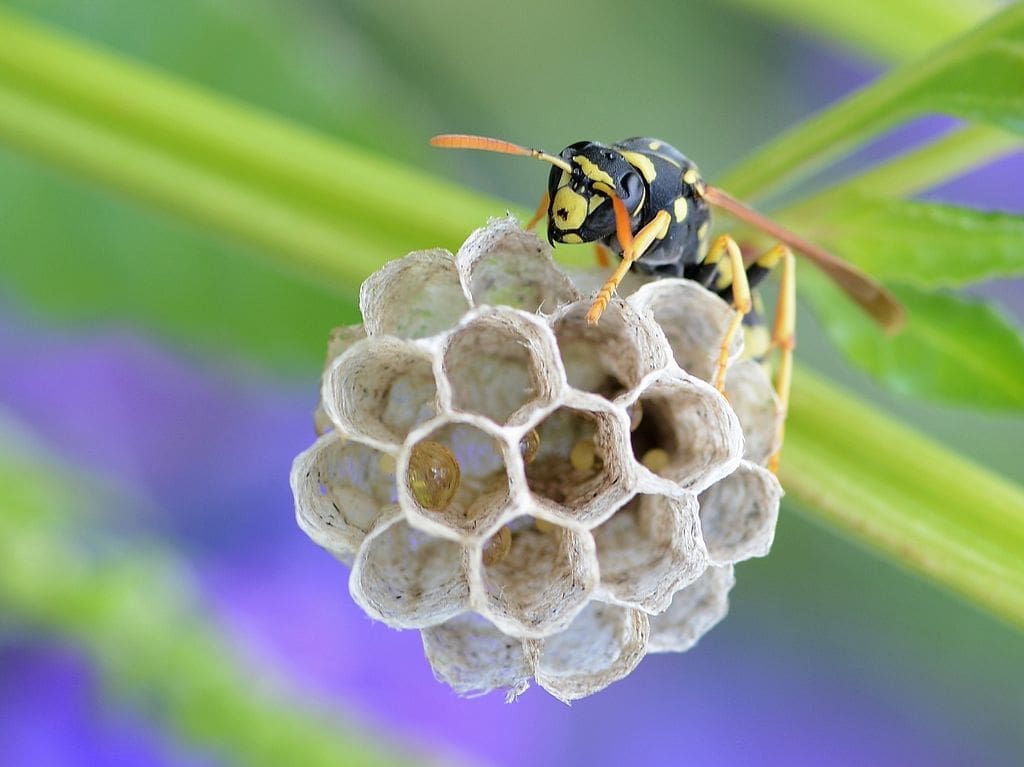
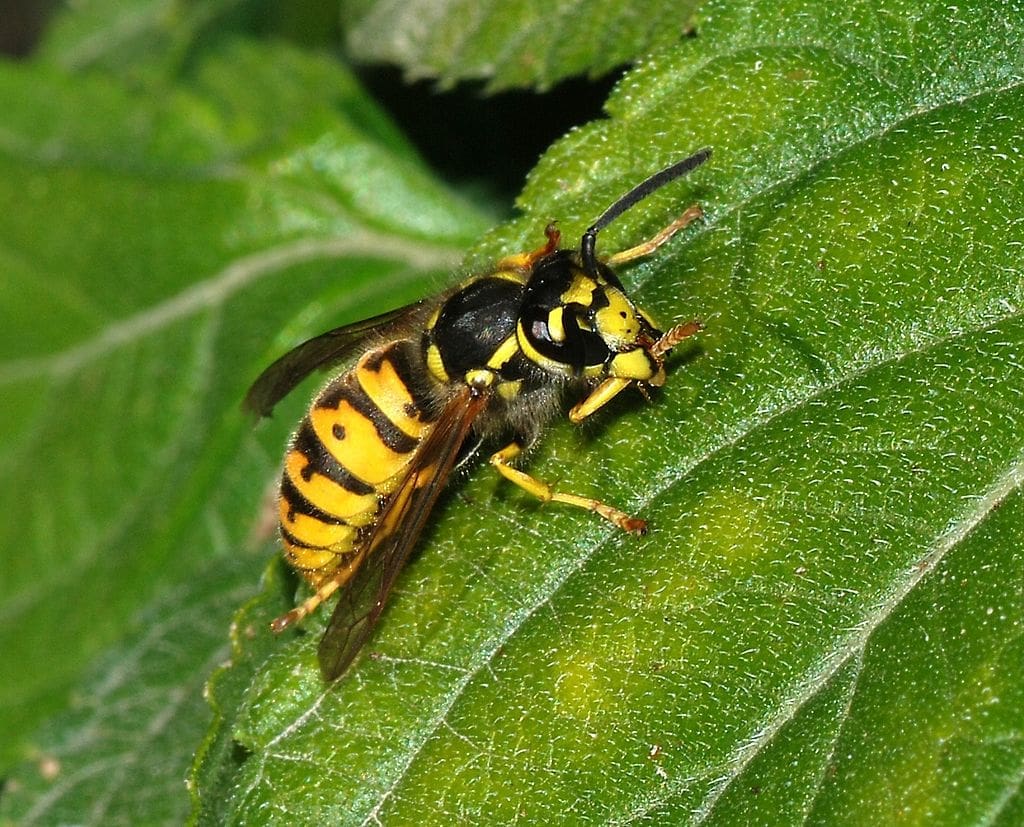




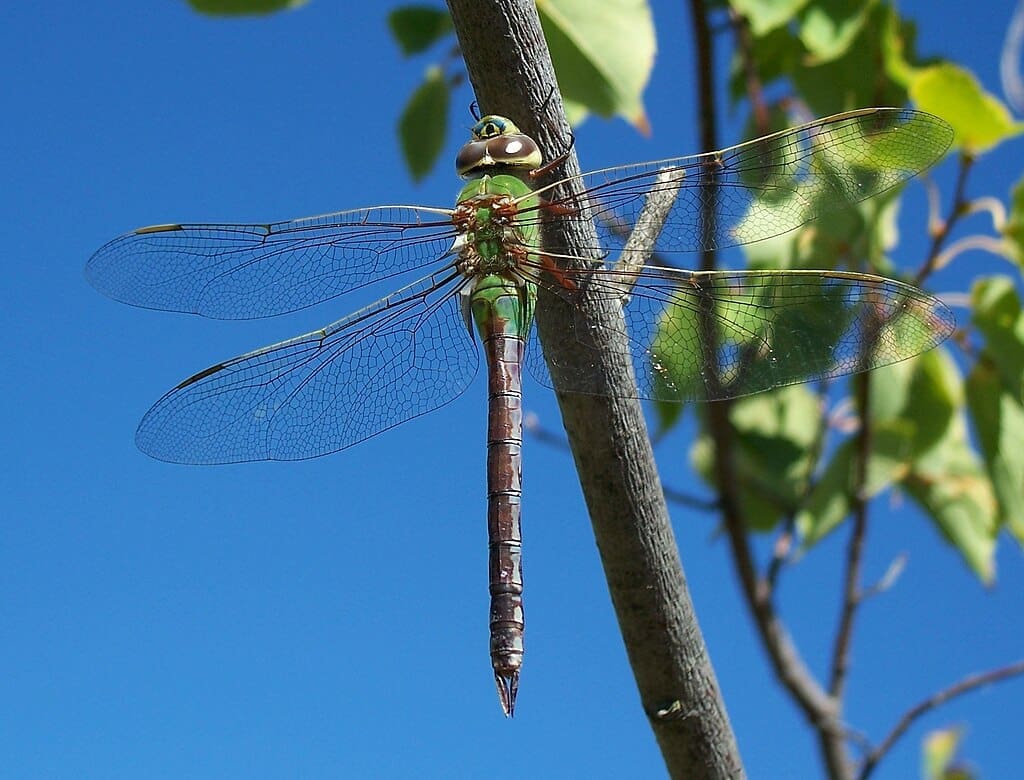
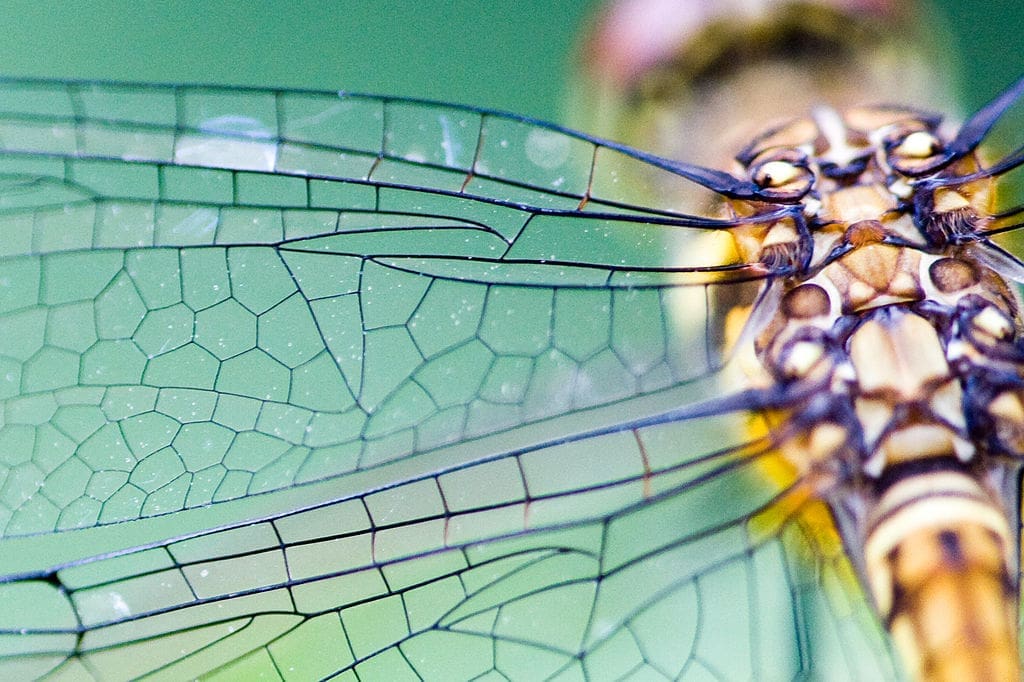
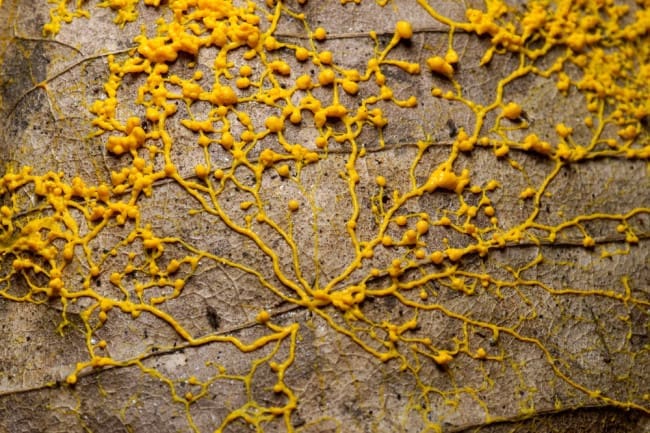

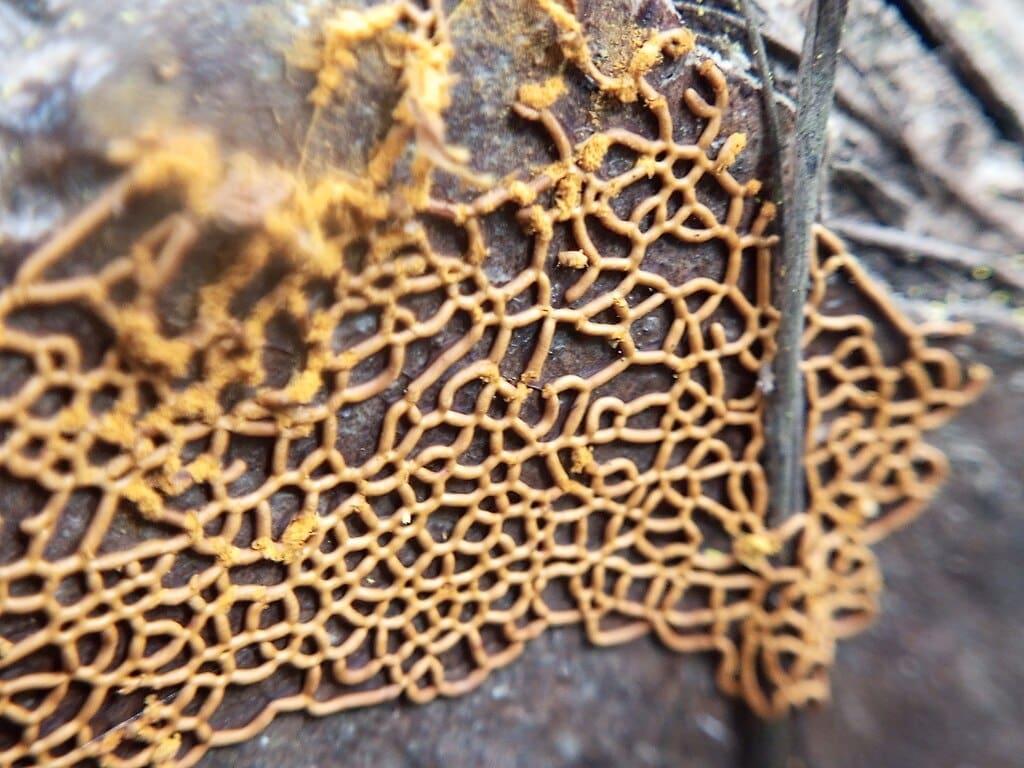

_walking_(video_by_Bob_Goldstein).gif)


_-_Jasper_National_Park_04.jpg#file)
![[1], Public domain, via Wikimedia Commons](https://commons.wikimedia.org/wiki/File:Black_bear_with_salmon.jpg)


_DSC9195vv.jpg)
_with_a_mouthful_of_flowers.jpg)


_in_Union_Township,_Union_County,_New_Jersey.jpg)
.jpg)

_(Red_Canyon_overlook,_Colorado_National_Monument,_Colorado,_USA)_5_(23360912173).jpg)


_(31432623456).jpg)
.jpg)
_(13048556073).jpg)


.jpg)

.jpg)

_(14641342565).jpg)


.jpg)


_-_Near_Tulsa,_Oklahoma.jpg)


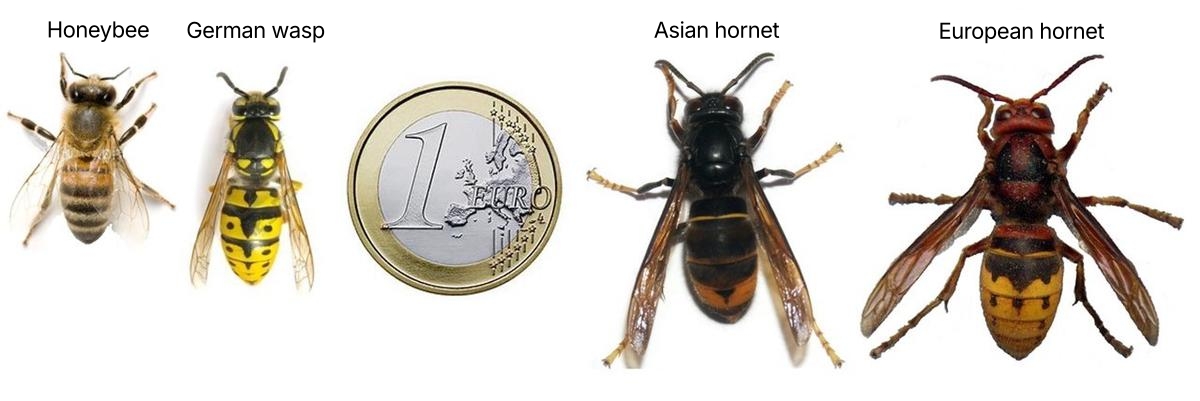


.jpg)


.jpg)

.jpg)

