
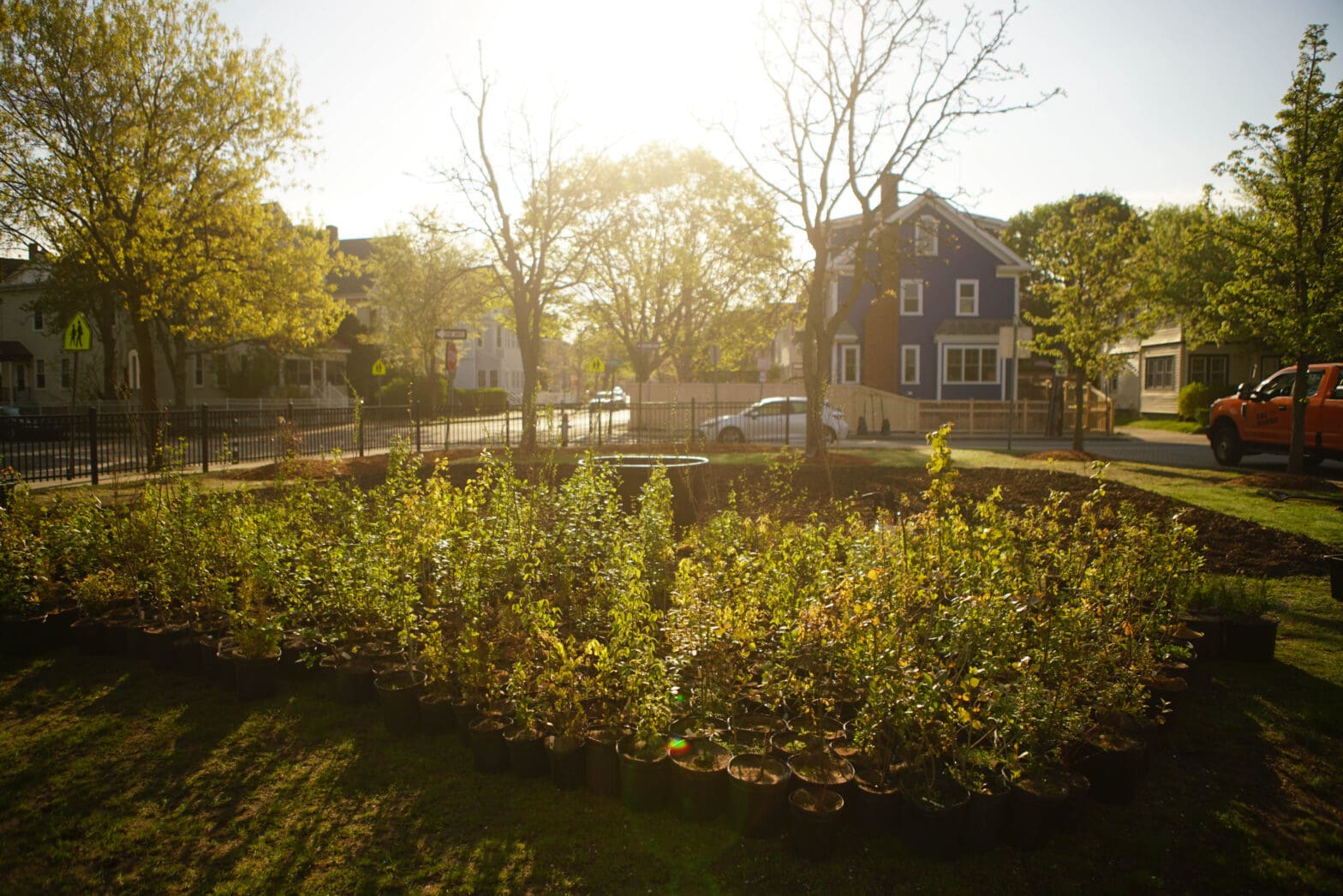
Peabody Elementary School Miniforest
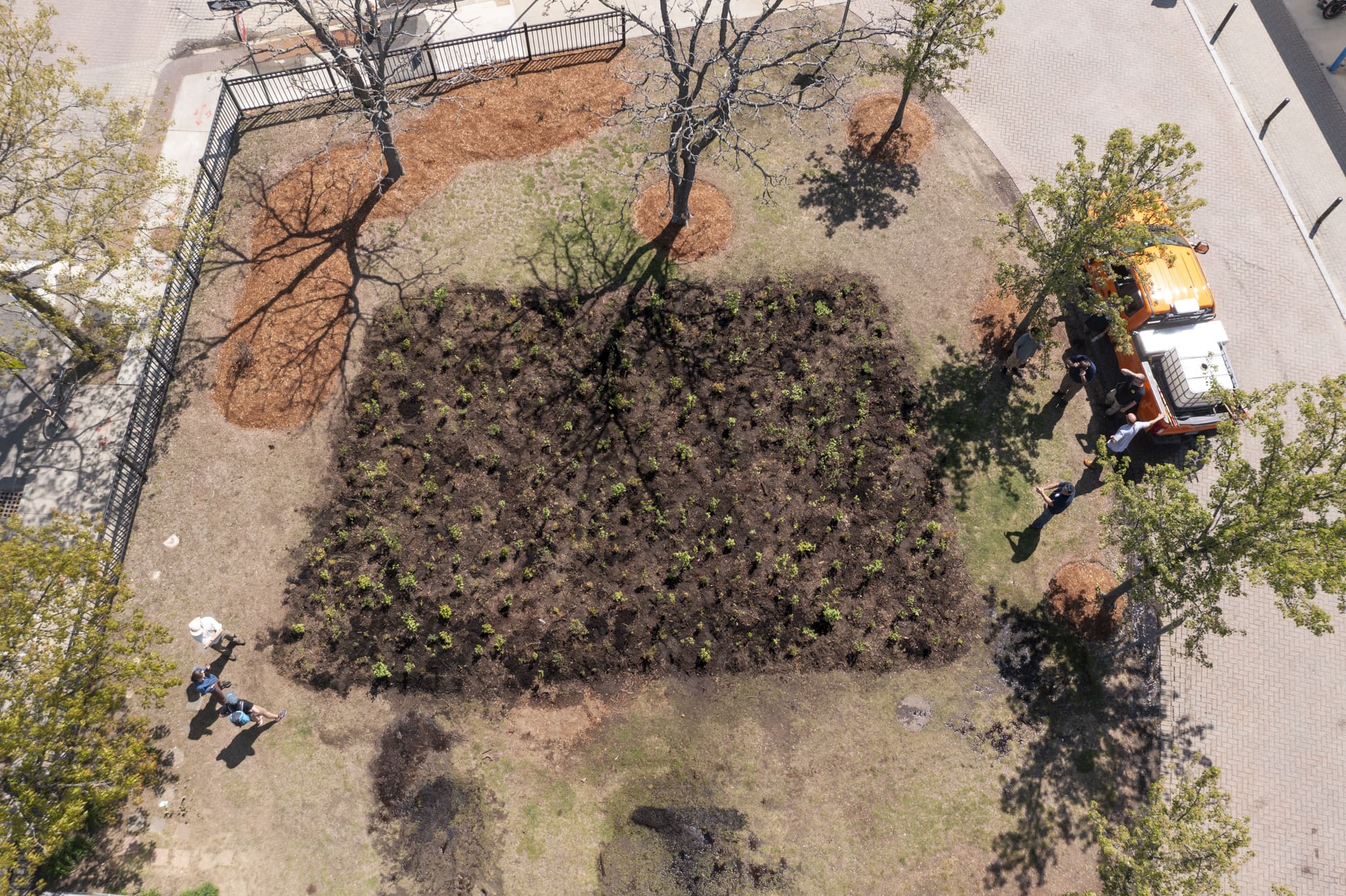
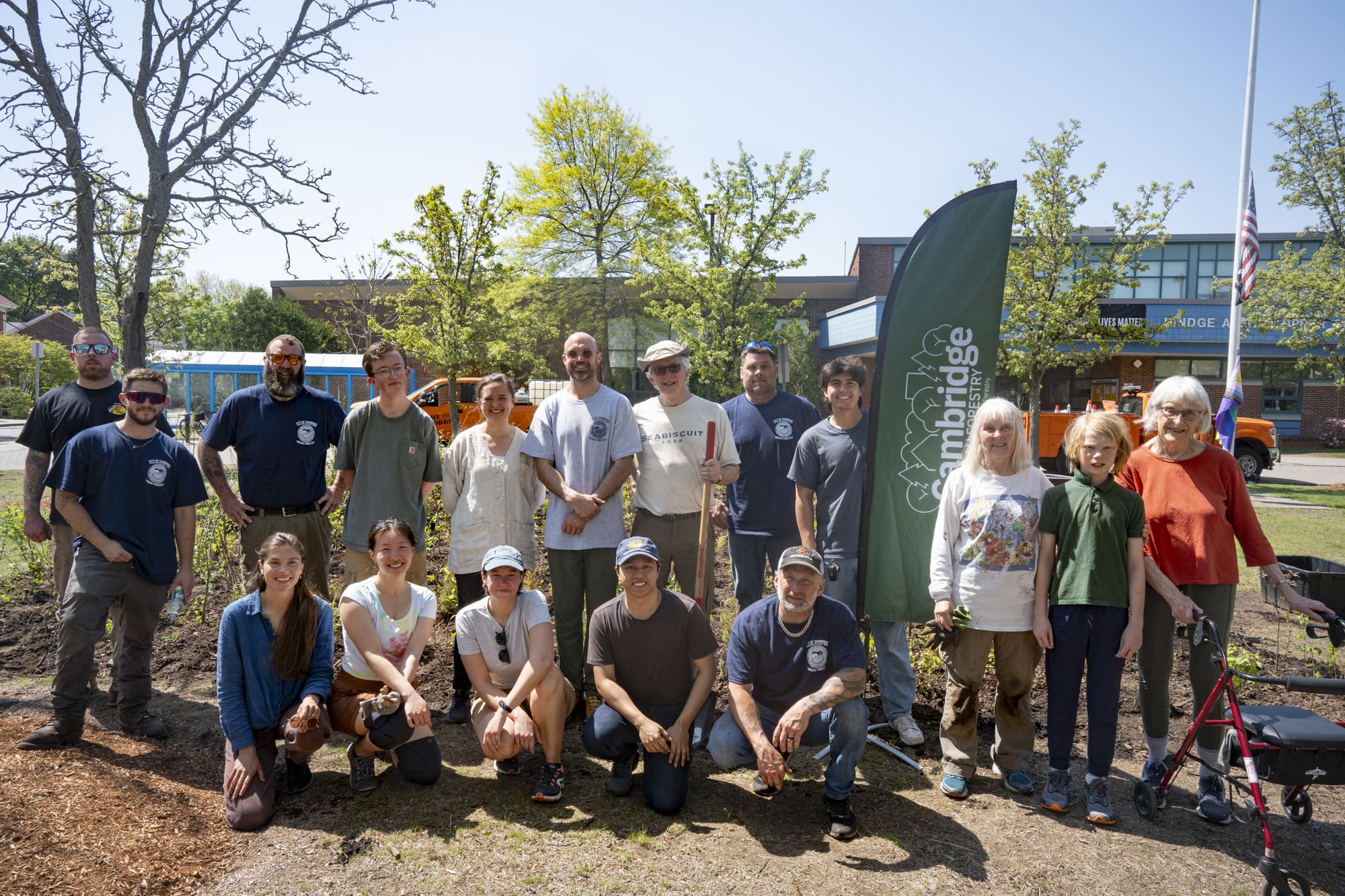
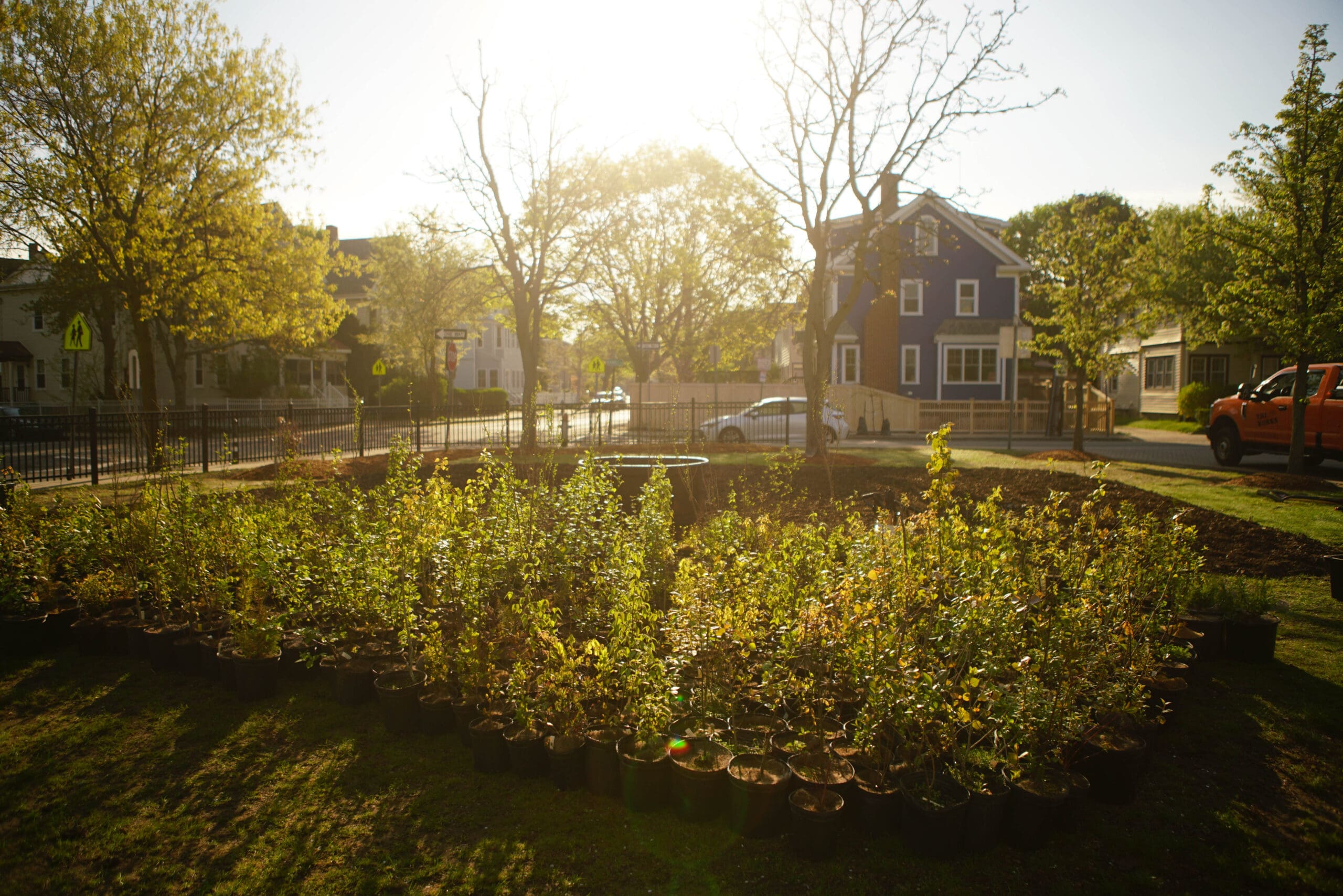
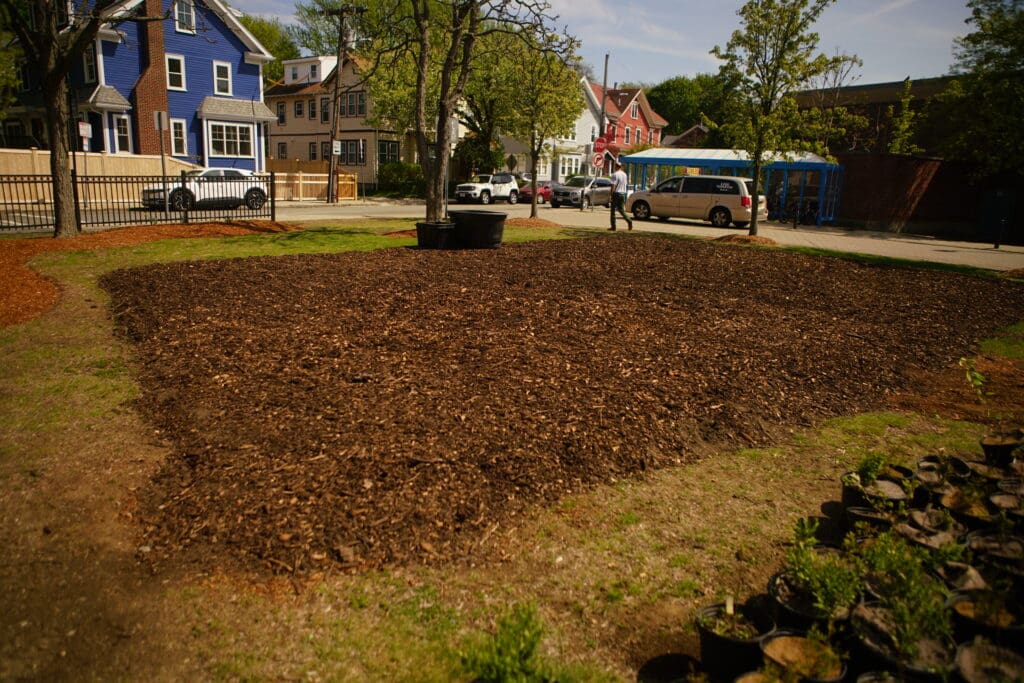
On Saturday, May 3, 2025, the City of Cambridge and Biodiversity for a Livable Climate planted our third Miyawaki miniforest, just outside Peabody Elementary School on Rindge Avenue.
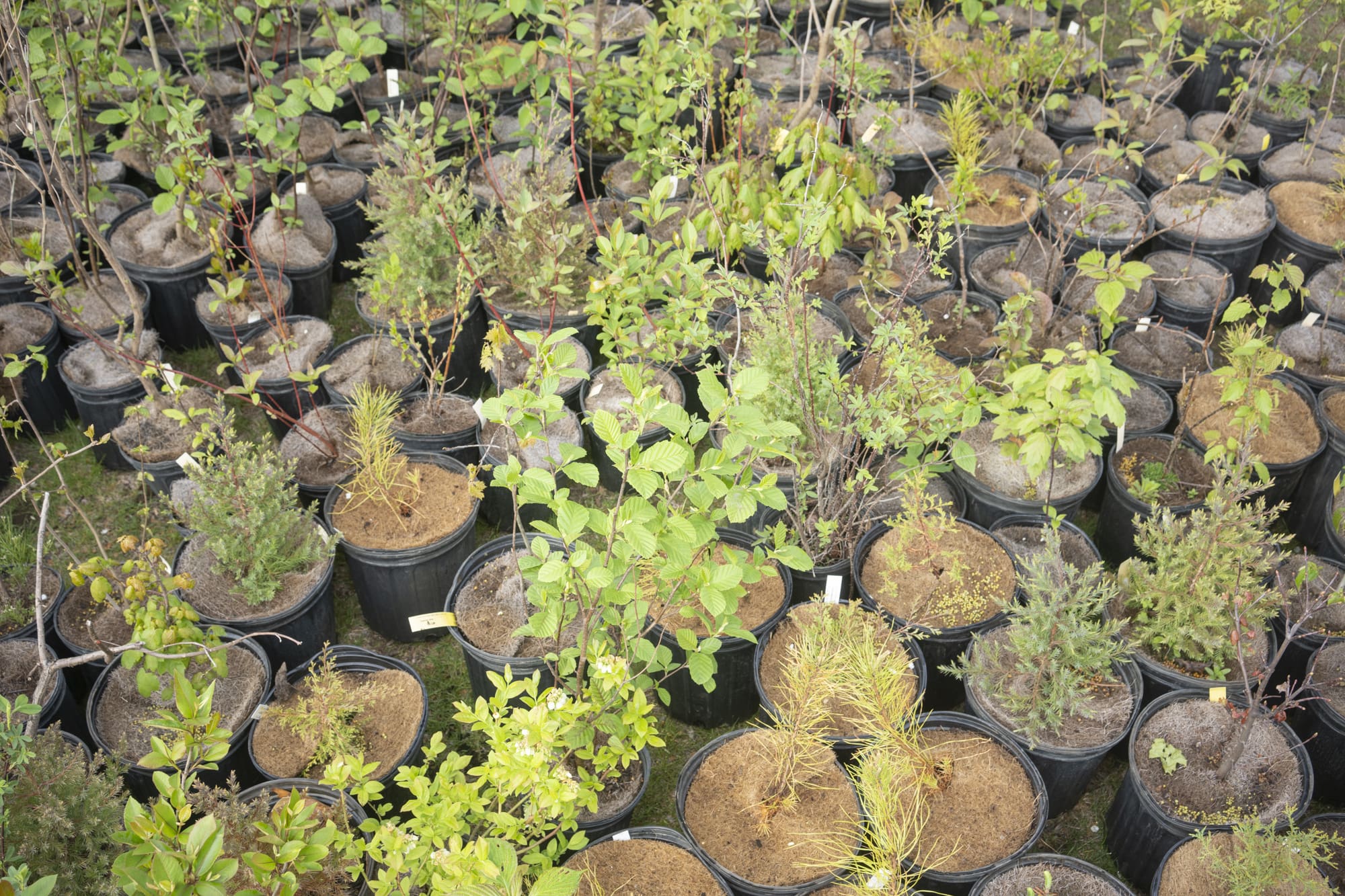
The 2,000-square-foot forest includes more than 40 native species chosen to cultivate biodiversity, improve soil health, and build long-term climate resilience.
We’re thrilled to have a living classroom that students pass by every day, providing a hands-on space to explore and learn how nature works!
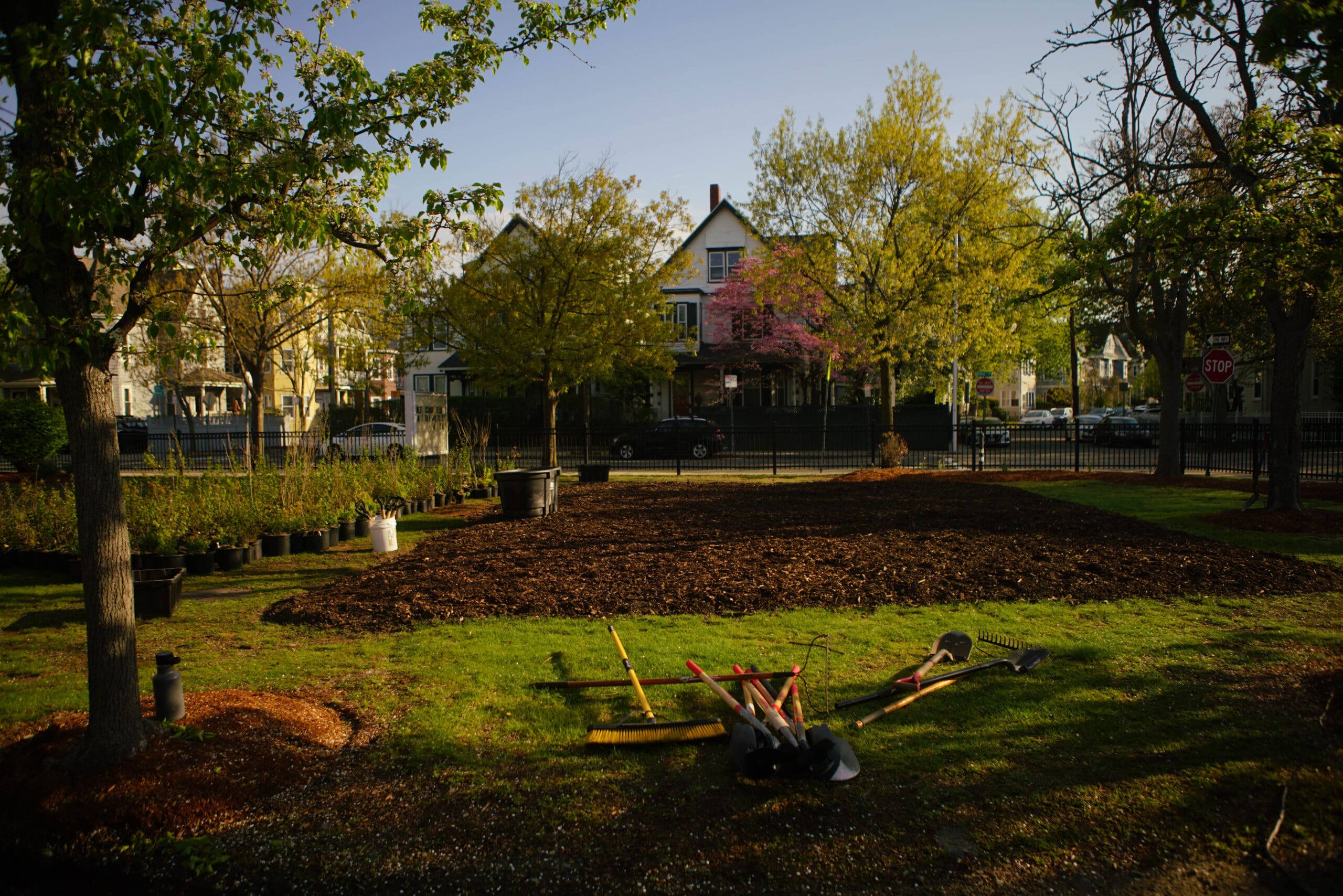
waiting for the community to join in. Photos by Alexandra Ionescu
waiting for the community to join in. Photos by Alexandra Ionescu
waiting for the community to join in. Photos by Alexandra Ionescu
An invaluable partner in this project, the City of Cambridge managed site preparation, coordinated soil amendments—including compost, leaf mulch, and compost tea—and oversaw the development and delivery of the planting list. Our role focused on supporting the City with community organization, ongoing maintenance and engagement, and ensuring the planting day was a success.
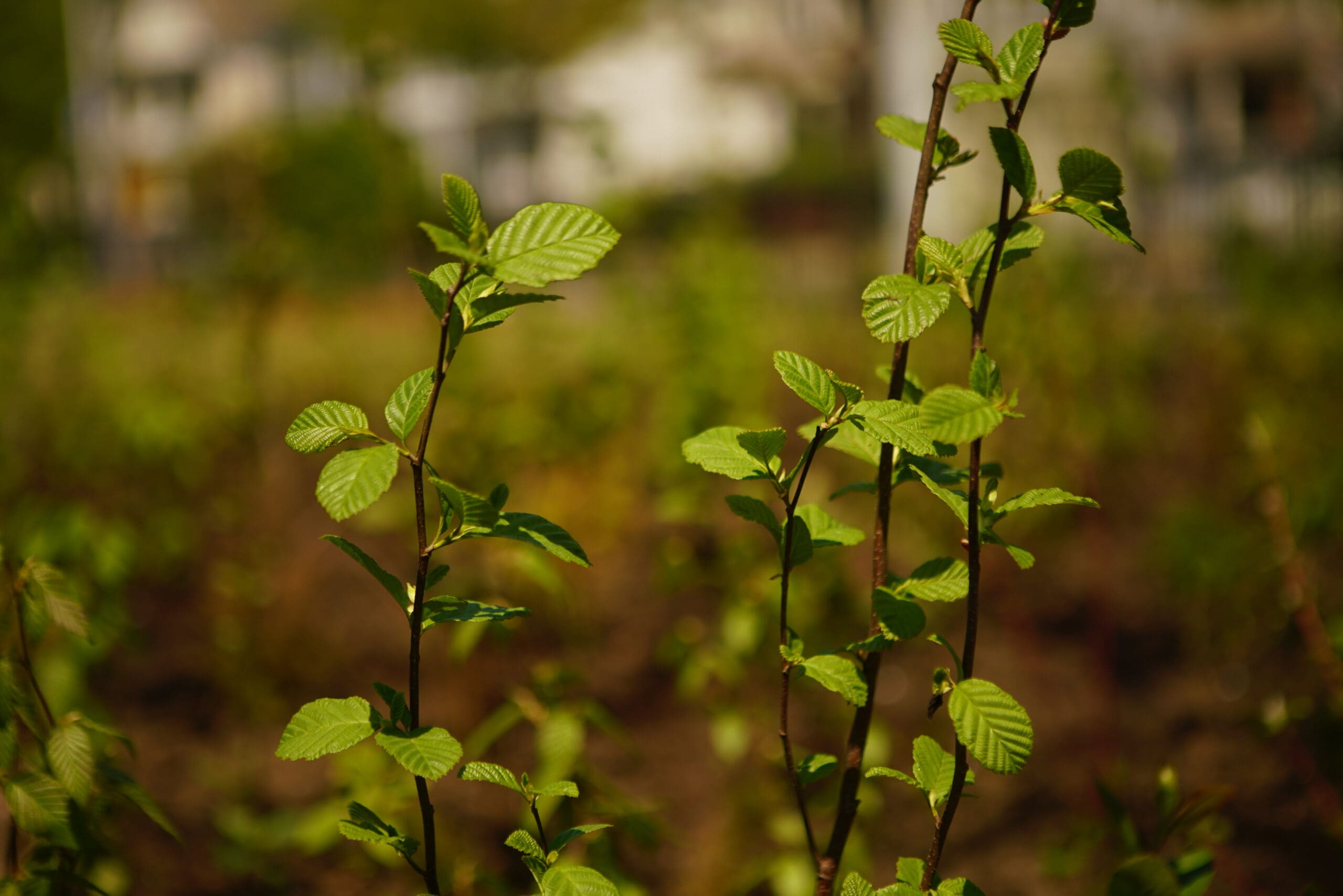
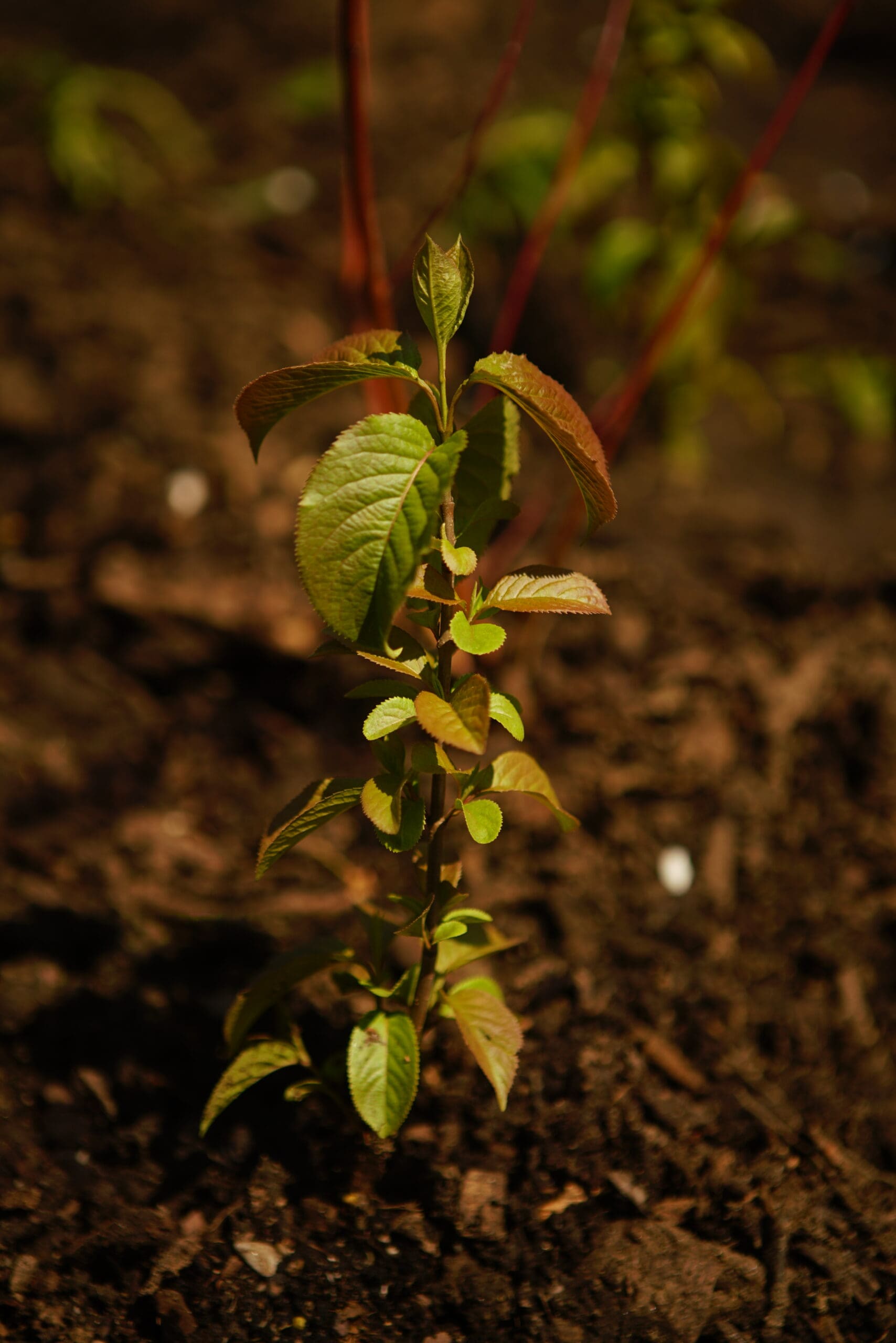
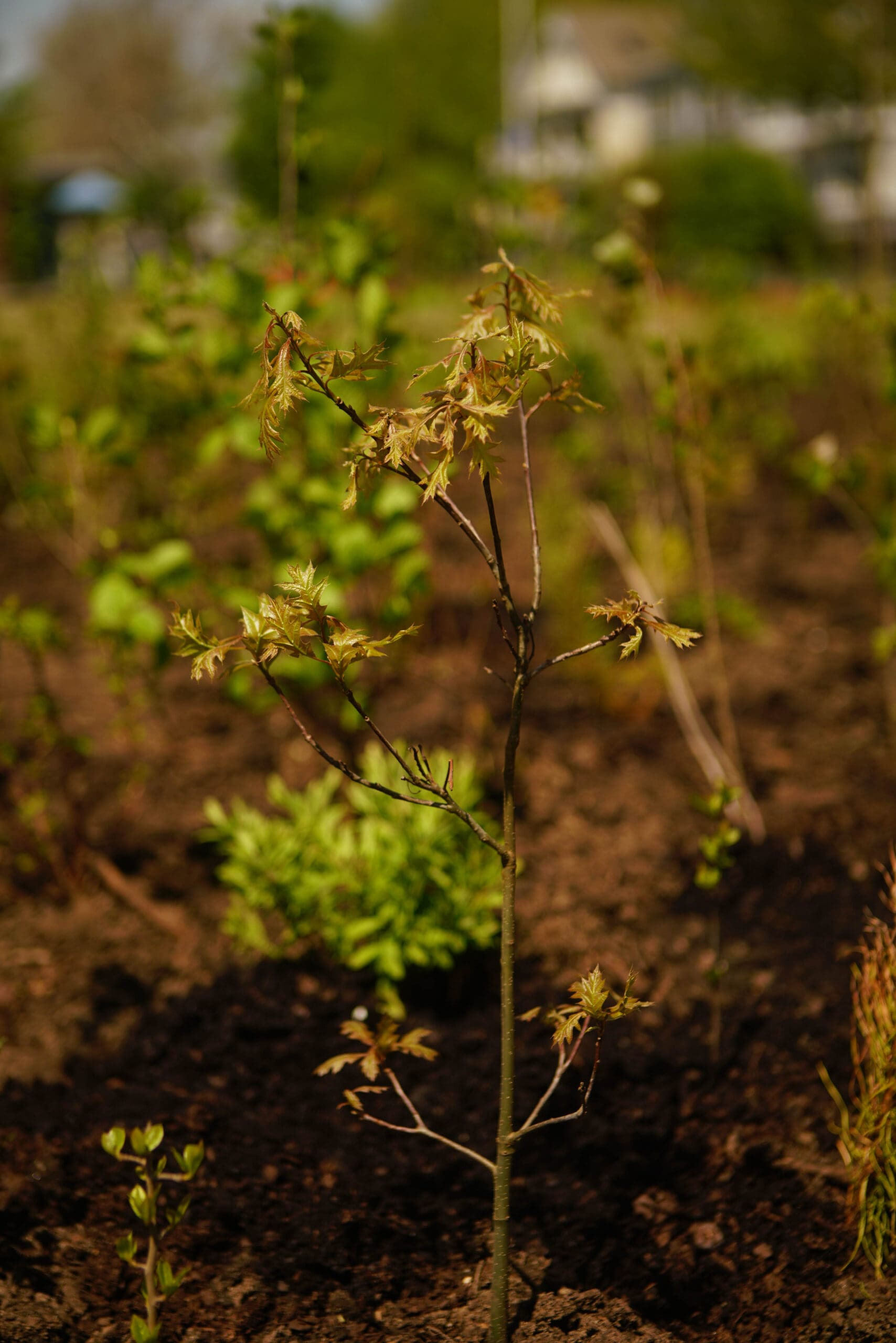
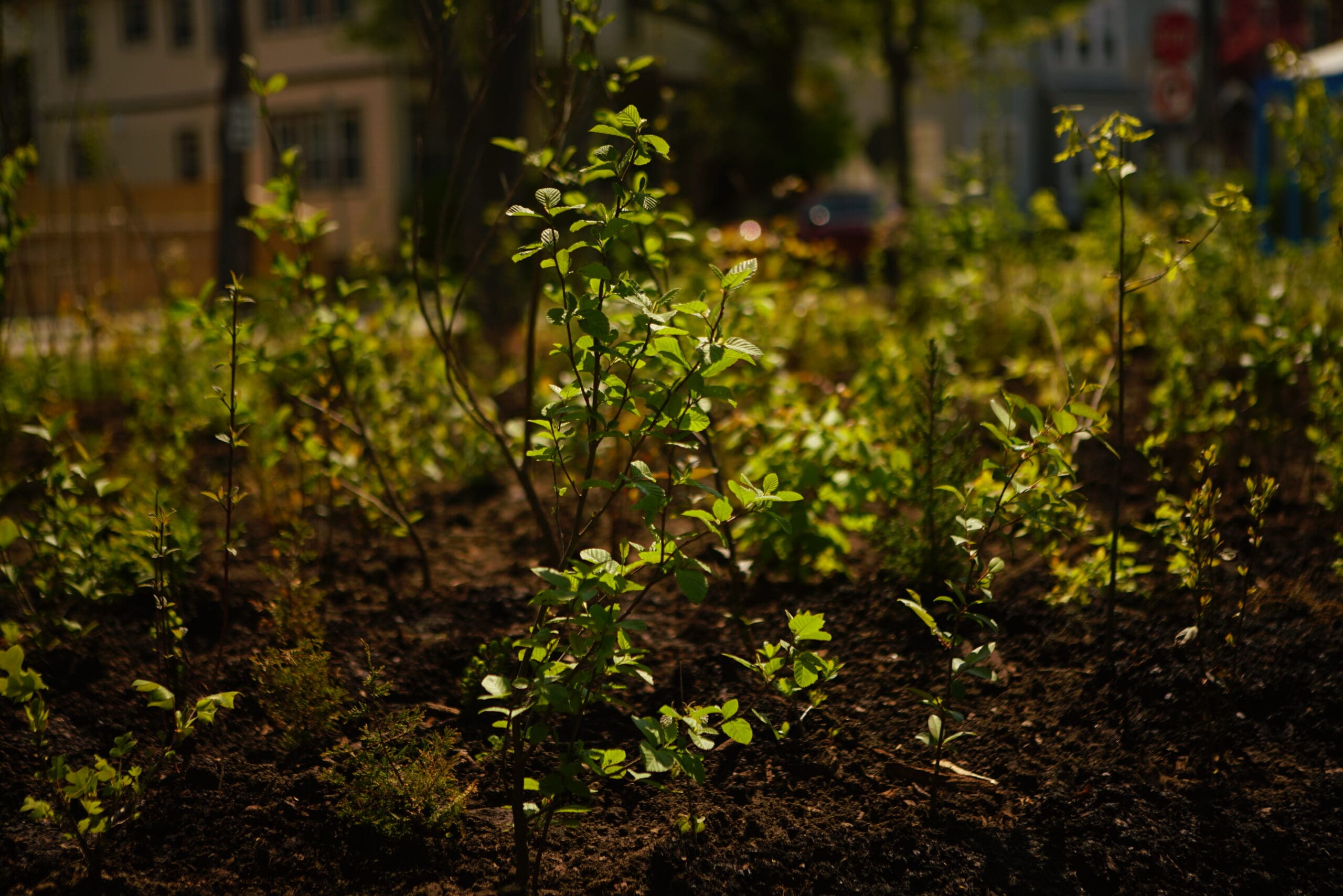
Photos by Alexandra Ionescu
People of all ages came together to plant a mix of native trees and shrubs, spread mulch, and dunk potted plants in nutrient-rich compost tea to help them thrive.
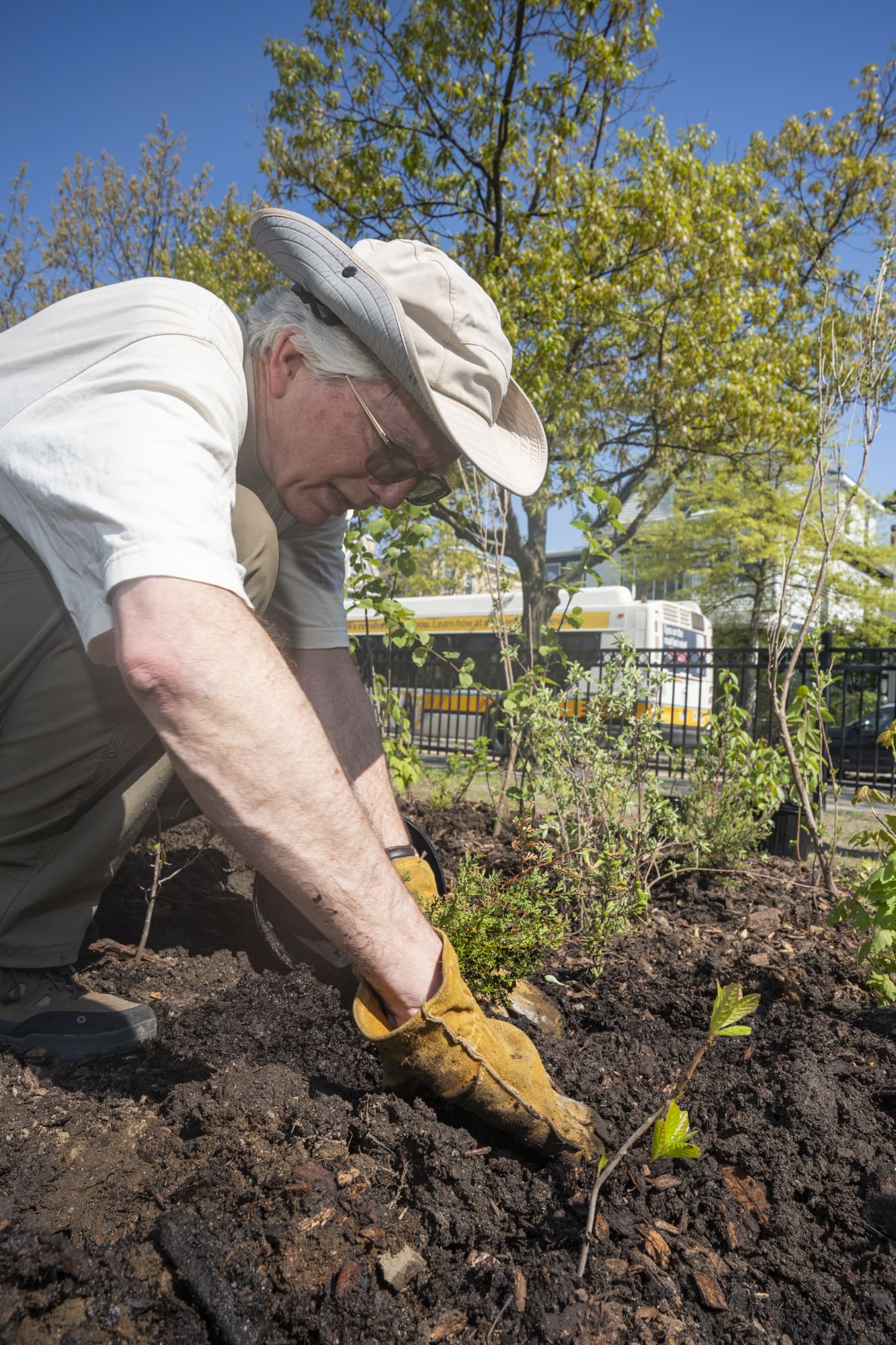
Photos by Bill Hickey
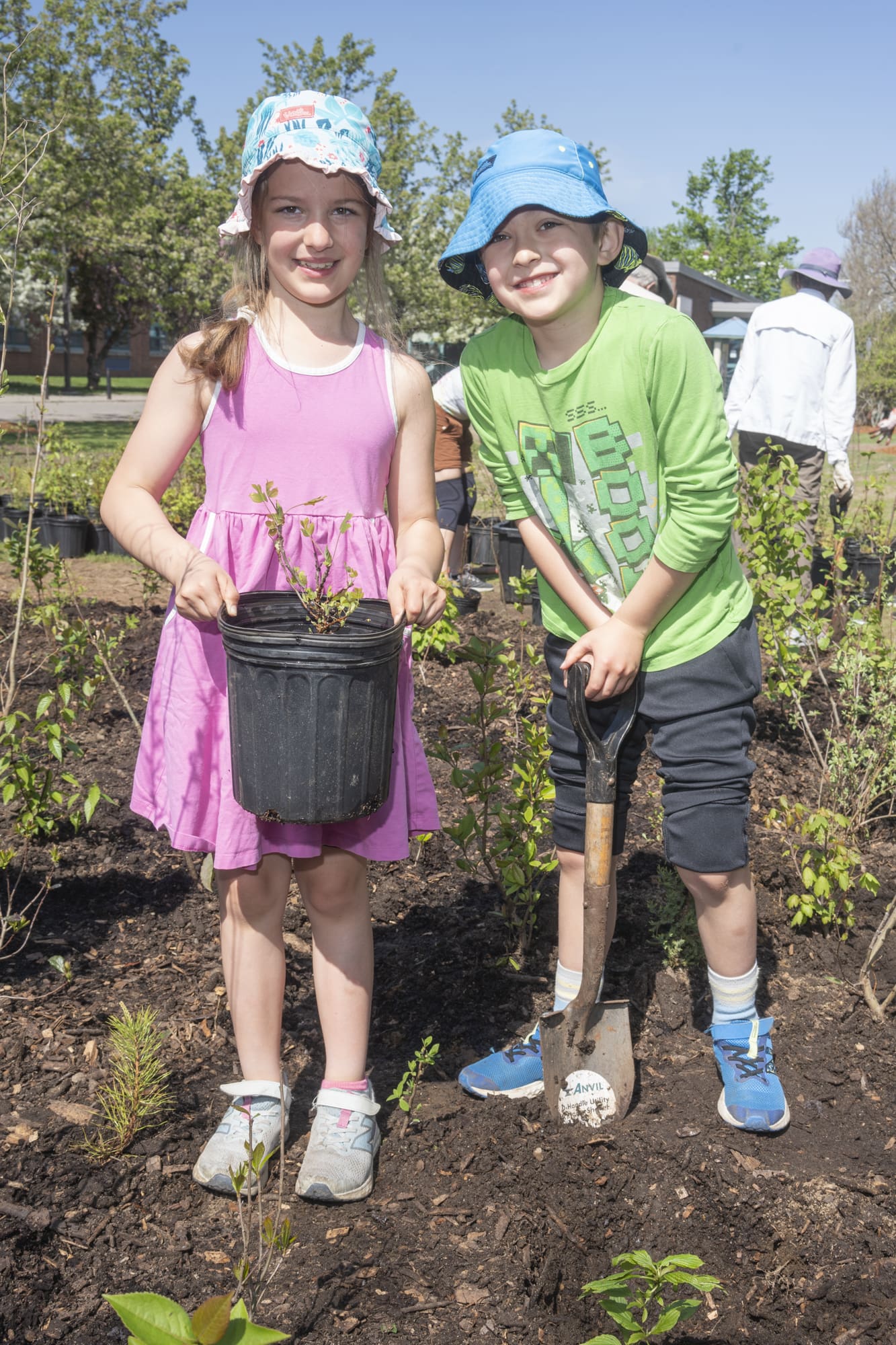
Photos by Bill Hickey
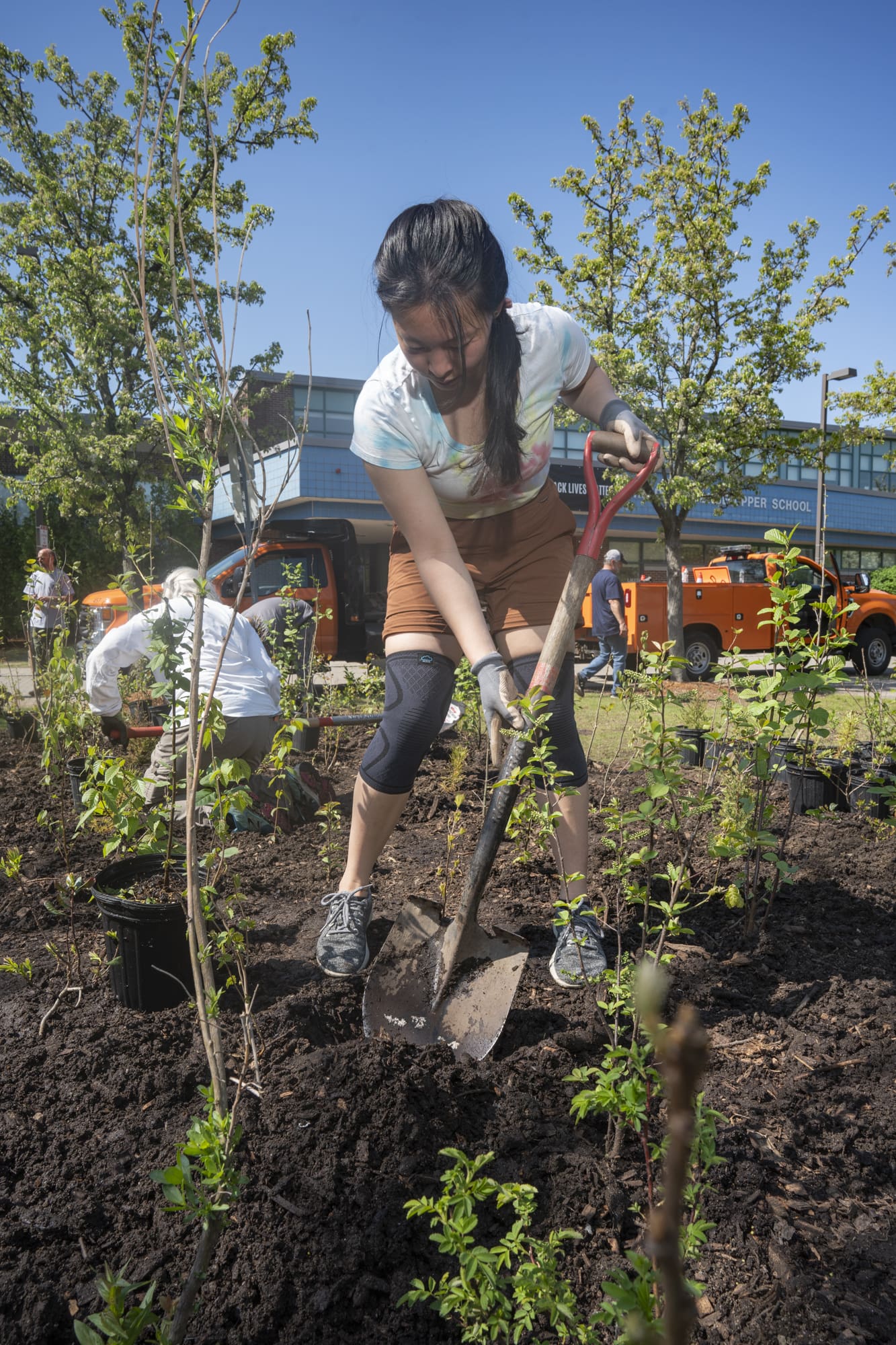
Photos by Bill Hickey
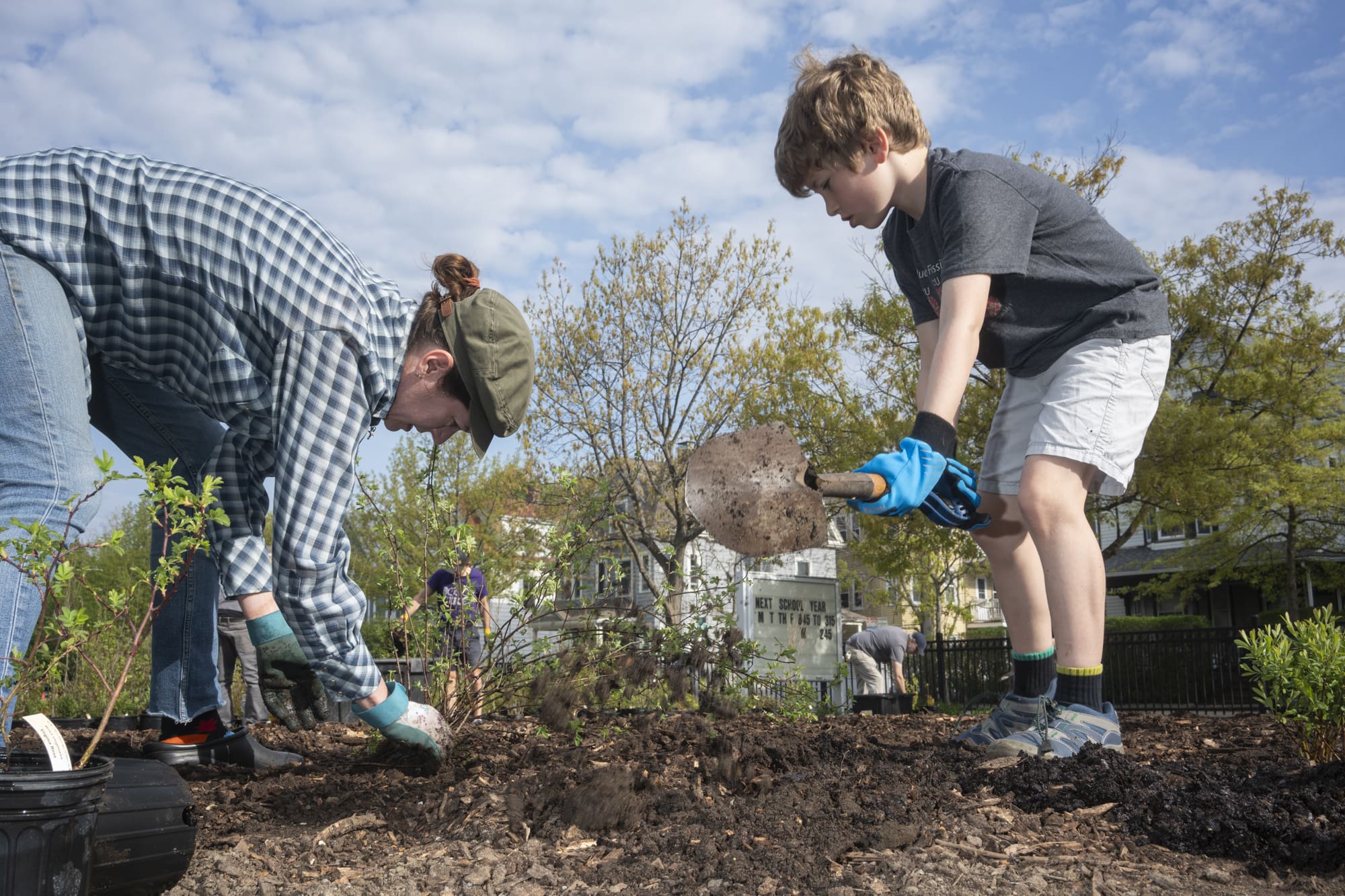
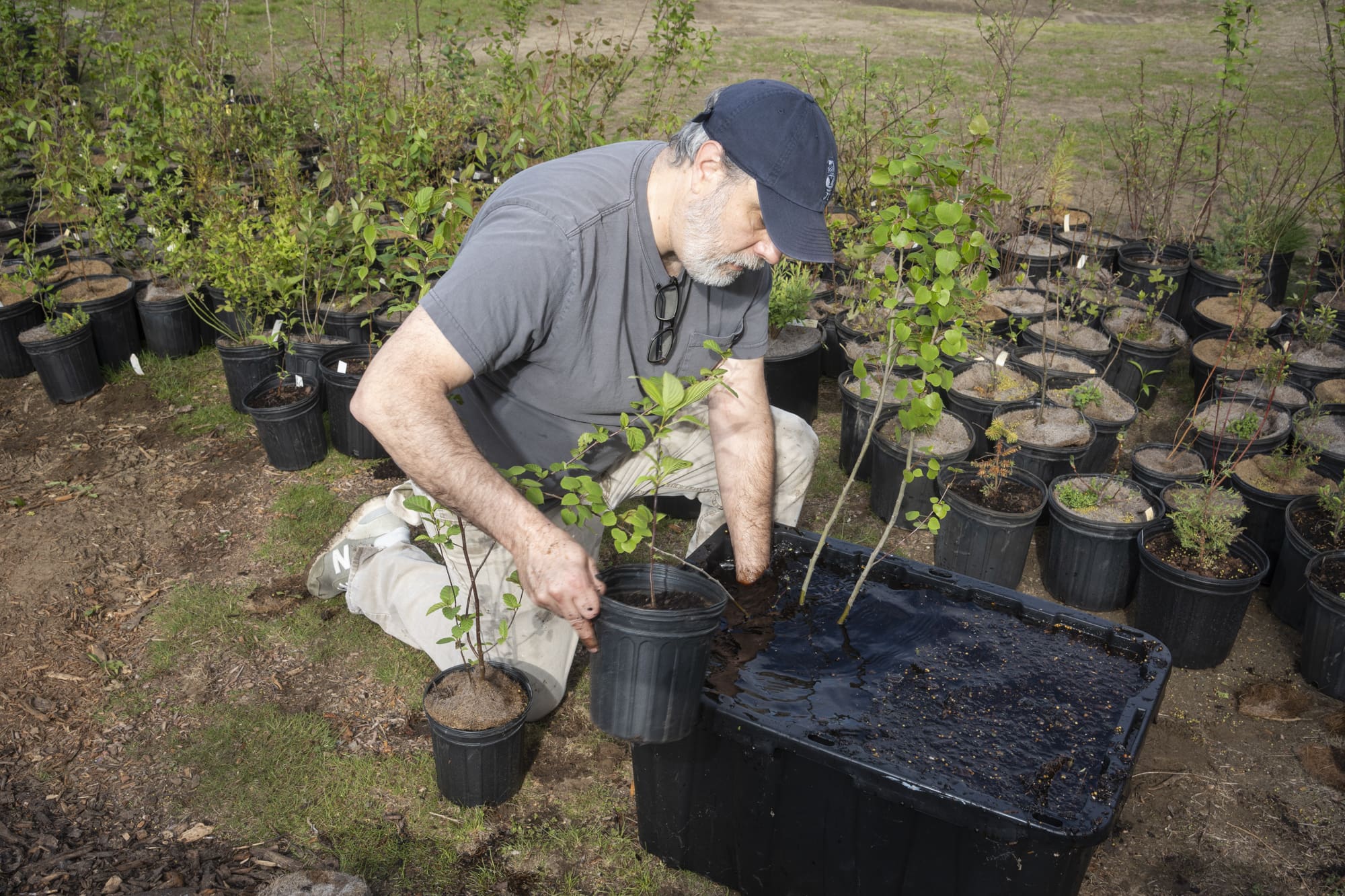
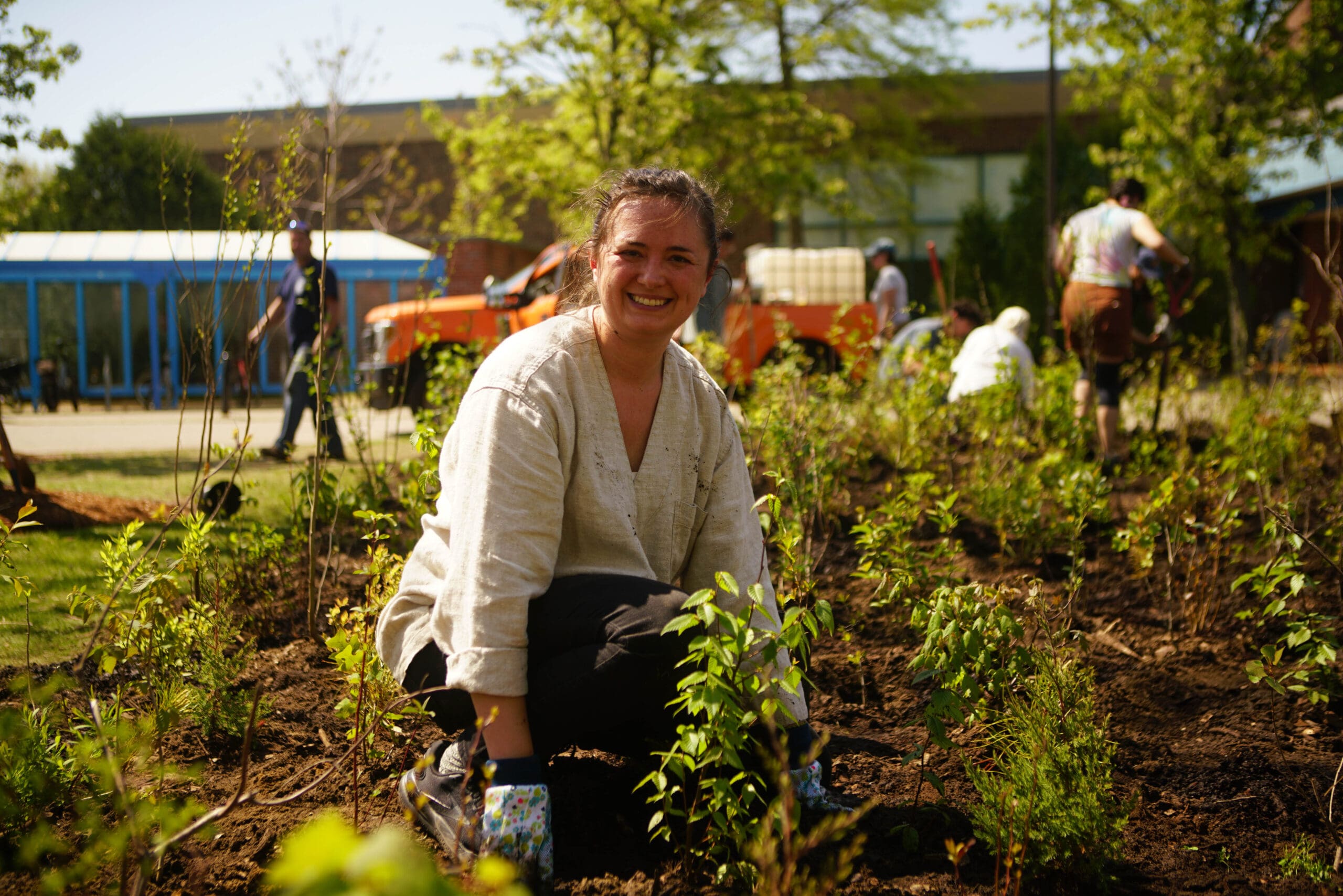
Photos by Alexandra Ionescu
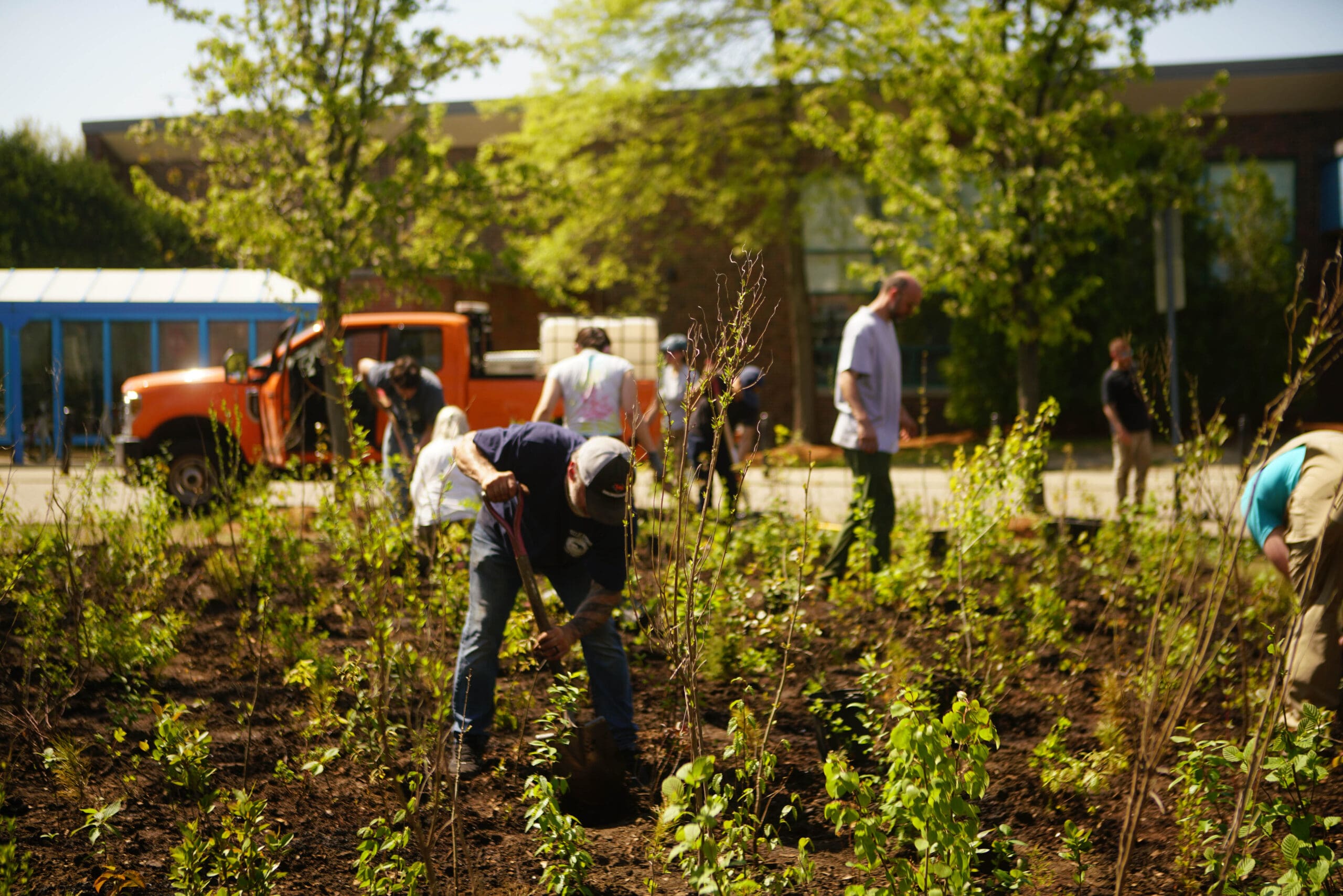
Photos by Alexandra Ionescu
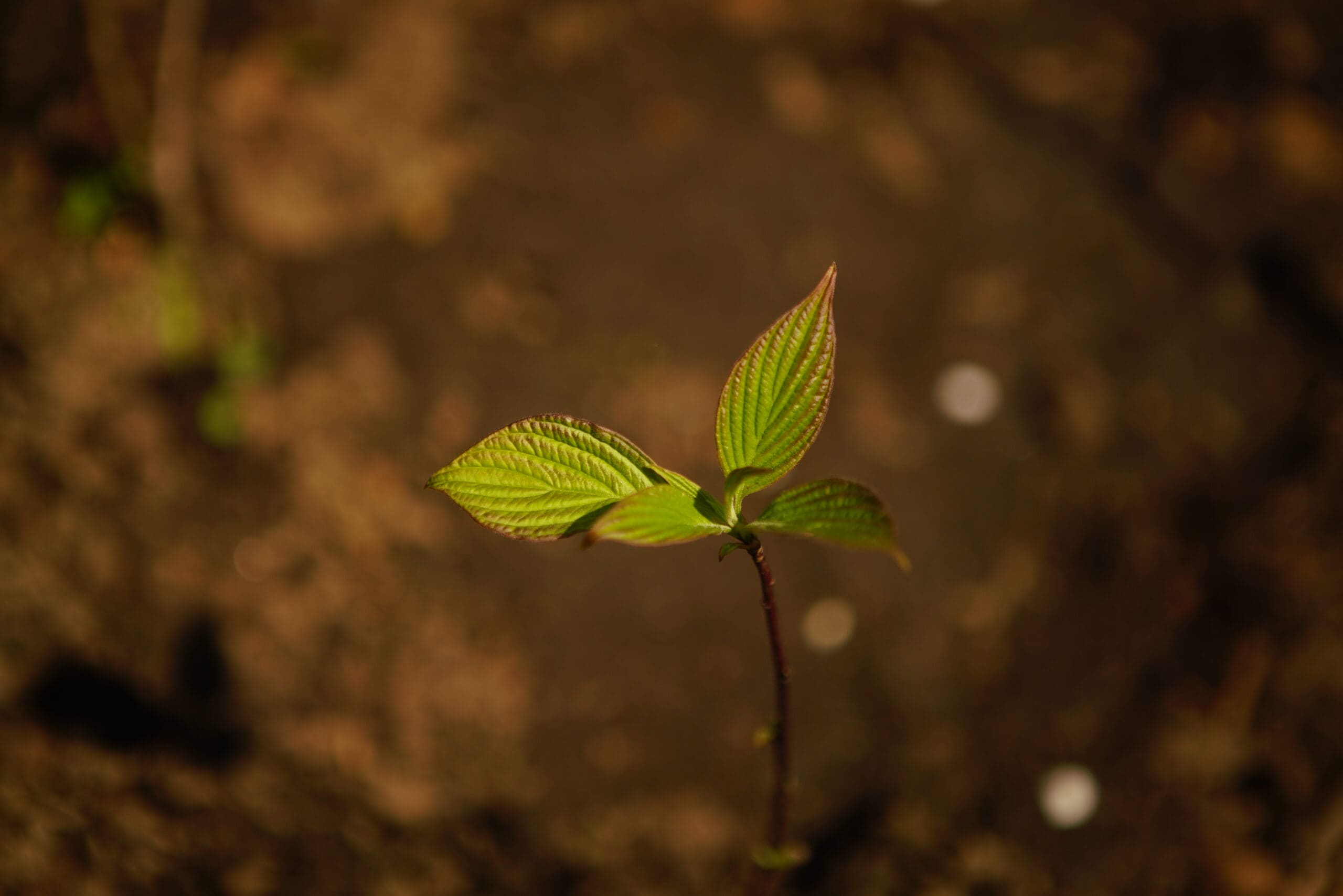
This miniforest is at the very start of its journey. As it establishes, we’ll be caring for it through watering, mulch maintenance, and hands-on learning with students. We’re thankful to all who made this possible and excited to witness how this living system grows and evolves with the community over time.
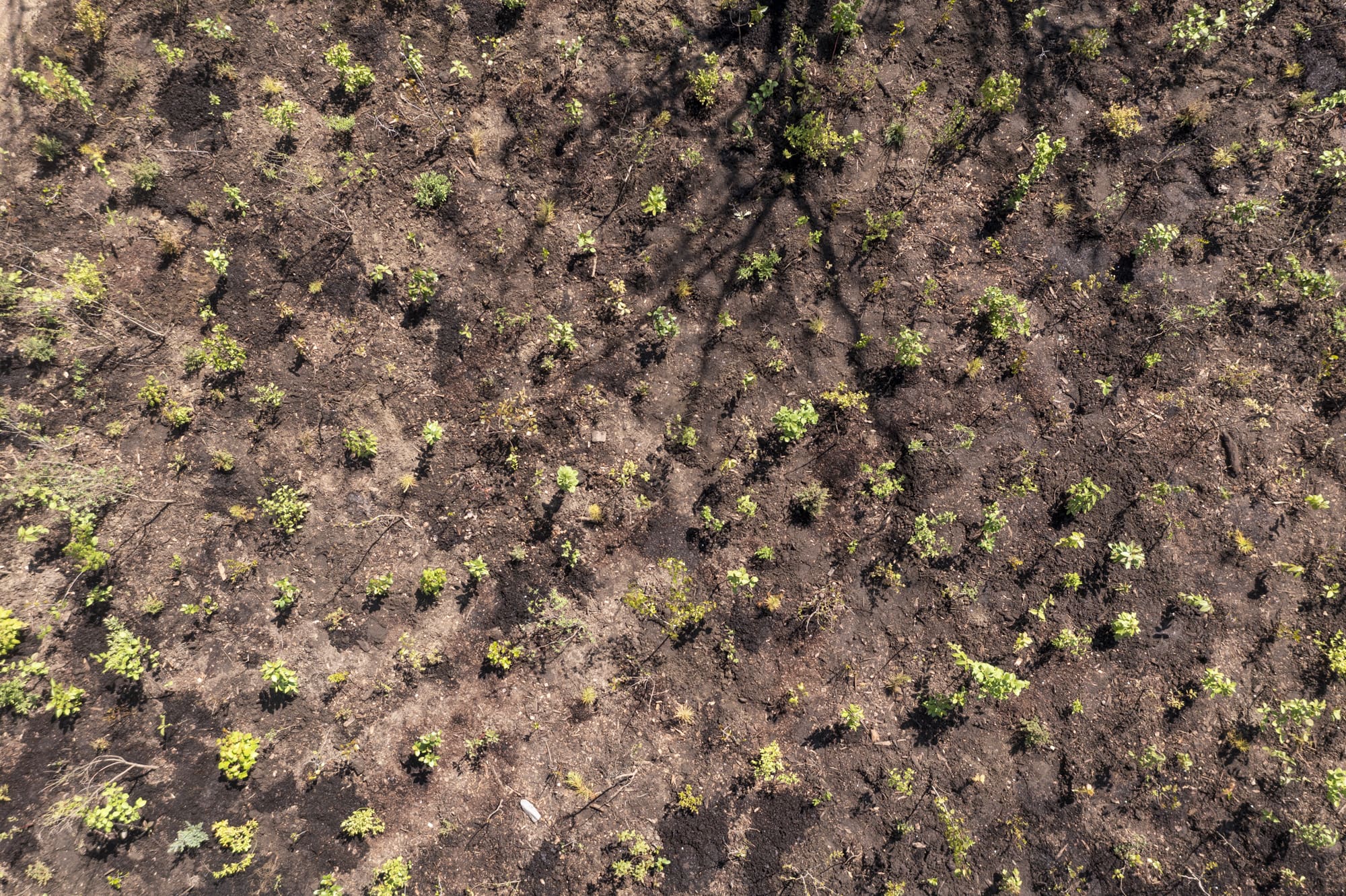
hundreds of young saplings planted densely together. Photo by Bill Hickey
About Miyawaki Forests
The Miyawaki Forest is an ultra dense, biodiverse pocket forest that recreates the complexity of natural forests and the relationships and processes that help them grow strong and resilient. By giving home to a vast array of native species, they boost the biodiversity of the area and nurture pollinators, supporting and restoring ecosystems.
They sequester carbon in the soil, reduce air pollution and soil contamination, improve water absorption to buffer against flooding and erosion, and cool the surrounding area to mitigate the urban heat island effect. They also create a living classroom for people and communities to learn about native ecology, engage in stewardship, and experience the interconnectedness of the natural world.
Related Resources and Links
- Our main Miyawaki Forest Program page
- Bio4Climate’s Miyawaki Forest video playlist
- ‘A Little Forest with a Towering Task‘ – Short documentary on the Miyawaki planting process and the ‘grounded hope’ behind the work
- ‘Tiny Forests with Big Benefits‘ – A feature of our Cambridge forests and other Miyawaki plantings in The New York Times
- Mini-Forest Revolution: Using the Miyawaki Method to Rapidly Rewild the World by Hannah Lewis, published by Chelsea Green in June 2022
Hello: I am a native Bostonian, transplanted to Durham, NC, home to Duke University, its Nicholas School of the Environment, and a very progressive community. I’m fascinated by the Miyawaki method, have watched all your videos, and would like to institute a program to get one or more of these planted here in Durham. But I am only one person, retired, with limited resources. Do you know of any advocates of your organization, or proponents of the Miyawaki method, in Durham or Chapel Hill? How can I get this started here?
Thank you,
Malcolm