
News and Insights
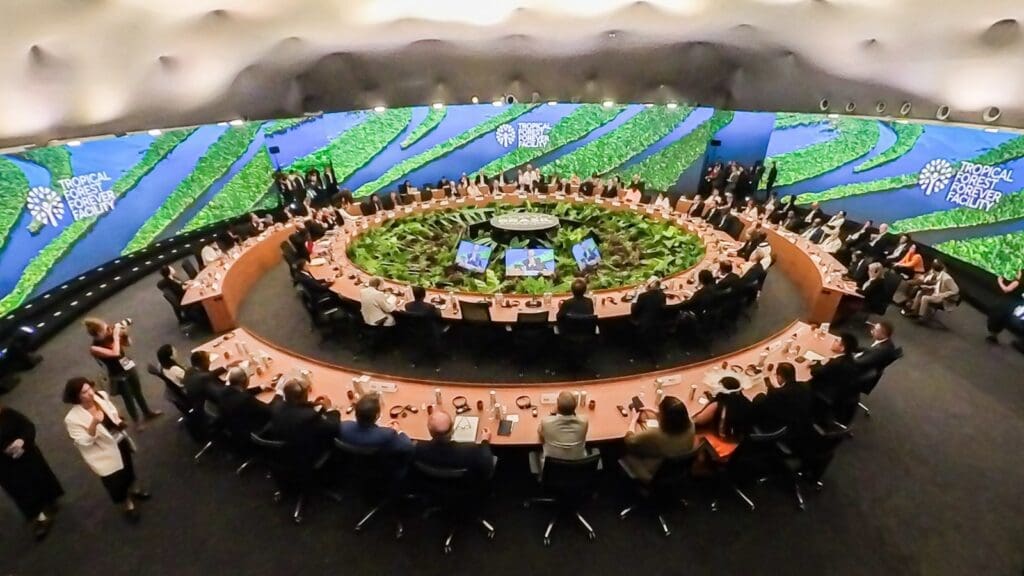
COP30 Creates Finance Program for Forest Preservation
At the COP30 Leader’s Summit, in Belém, the Tropical Forest Forever Facility (TFFF) was officially launched with leaders of more than thirty countries to create a global financial incentive to protect standing tropical forests, rather than destroying them.
We were encouraged by these remarks from Brazil’s Minister of Indigenous Peoples, Sonia Guajajara:
“The TFFF boldly and justly acknowledges the essential role of Indigenous Peoples and traditional communities in forest protection. Ensuring that at least 20% of resources go directly to these guardians is a historic achievement and a decisive step toward equity and the recognition of ancestral knowledge.”
20% doesn’t sound like nearly enough to me, but it is a start. Let’s hope that indigenous voices continue to be honored as climate leaders around the world.
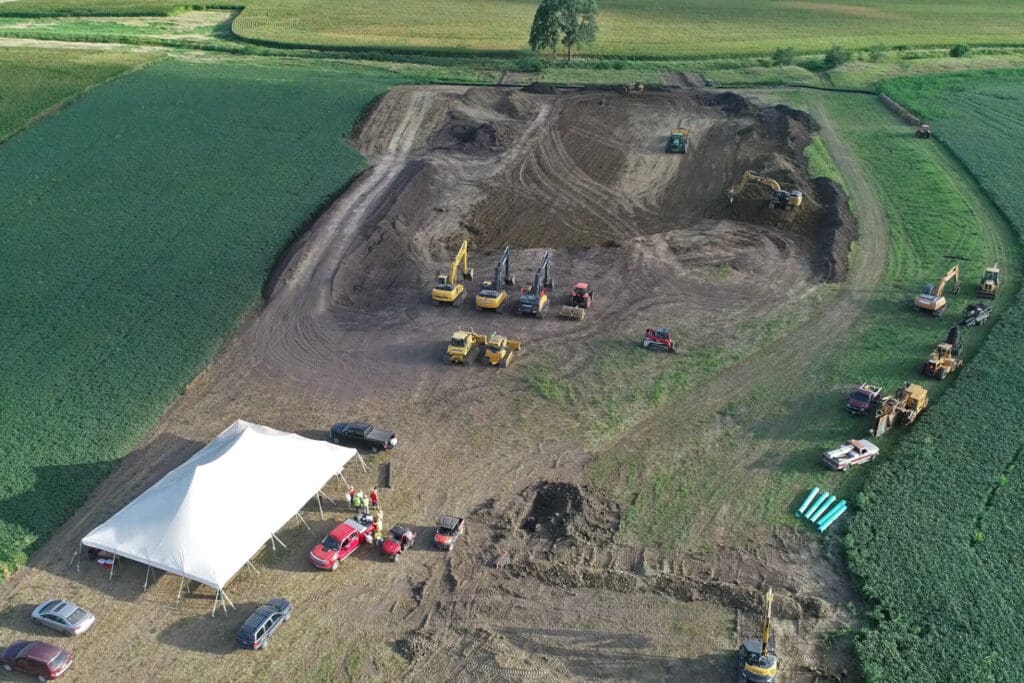
Farmers are Building Wetlands to Reduce Pollution
While we would rather see farms converted to regenerative agriculture, it is encouraging that even some conventional farmers are willing to give up crop land to build wetlands. They are discovering what Jim Laurie, Bio4Climate Biologist and Cofounder discovered decades ago- nature can clean up chemical waste in ways we don’t even understand. The new wetlands are designed to prevent nitrate runoff and protect waterways.
But that is not all. Farmer Jim Fulton shares, “We’ve had nesting ducks, herons, egrets in the summertime, hundreds of red-winged blackbirds that are out roosting in all the tall grasses, which is great. A lot of frogs. We had an exceptionally high amount of water, and at one point, we even had fish in it,” he said, which came as a surprise.
Events and Community
WATCH NOW!
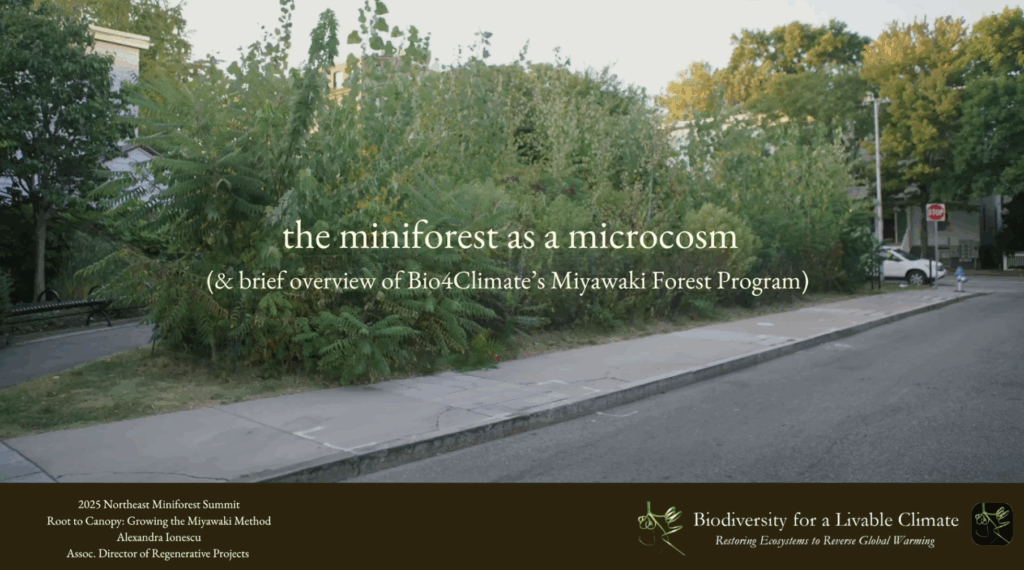
The Miniforest as a Microcosm (and an Overview of Bio4Climate’s Miyawaki Forest Program)
Miniforests are more than trees—they amplify a web of relationships.
Watch and learn as Bio4Climate’s Associate Director of Regenerative Projects explains how miniforests provide hands-on opportunities to explore ecological processes and witness firsthand how ecological restoration can transform our landscapes. Plant growth, the water cycle, and soil health become moments of inquiry and awareness, helping to reconcile natural processes with urban challenges like stormwater management and the heat island effect.
Alex’s presentation is the perfect introduction to Bio4Climate’s 2025 Northeast Miniforest Summit videos that we will be featuring here over the coming weeks.