


The Cool Earth Club
Play. Learn. Restore.
”What you do makes a difference, and you have to decide what kind of difference you want to make.”
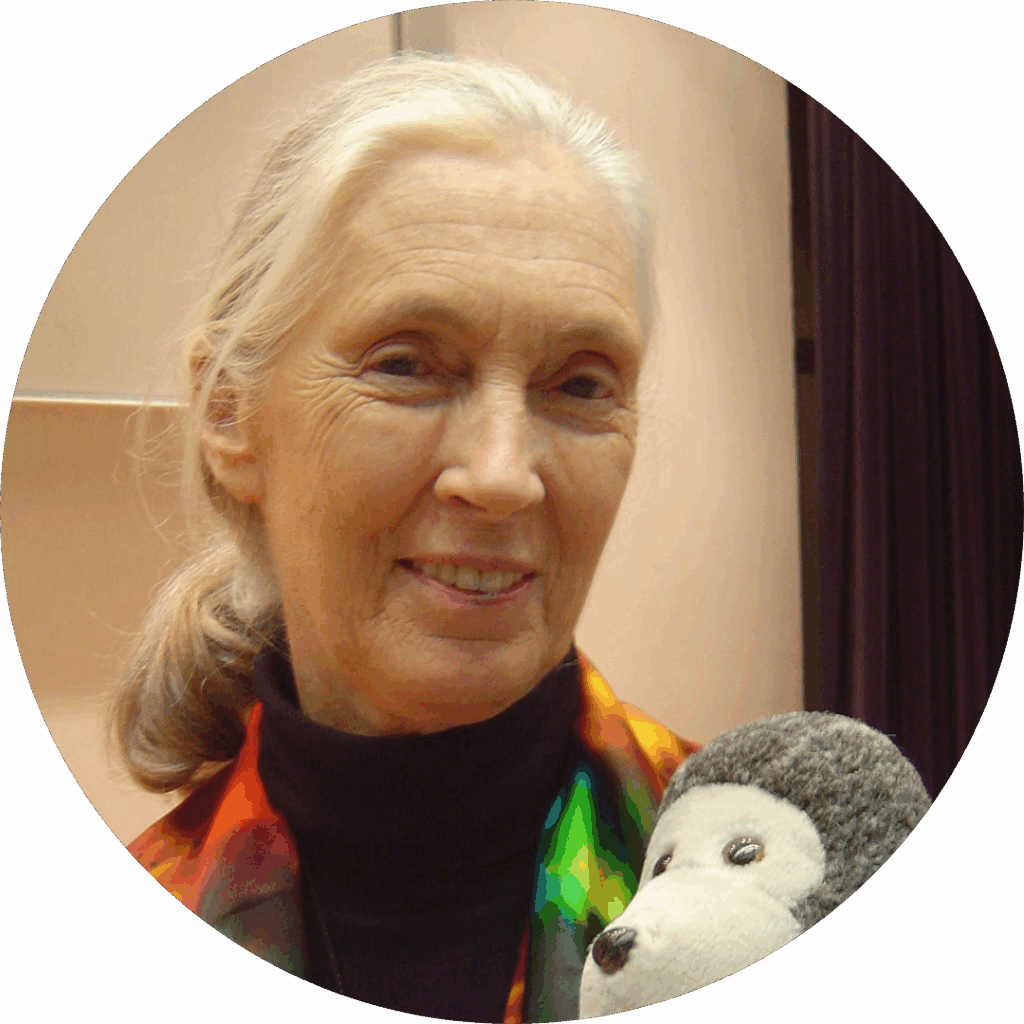
Jane Goodall
Primatologist: Someone who loves chimps and studies them
Start Here
Become a Climate Apprentice
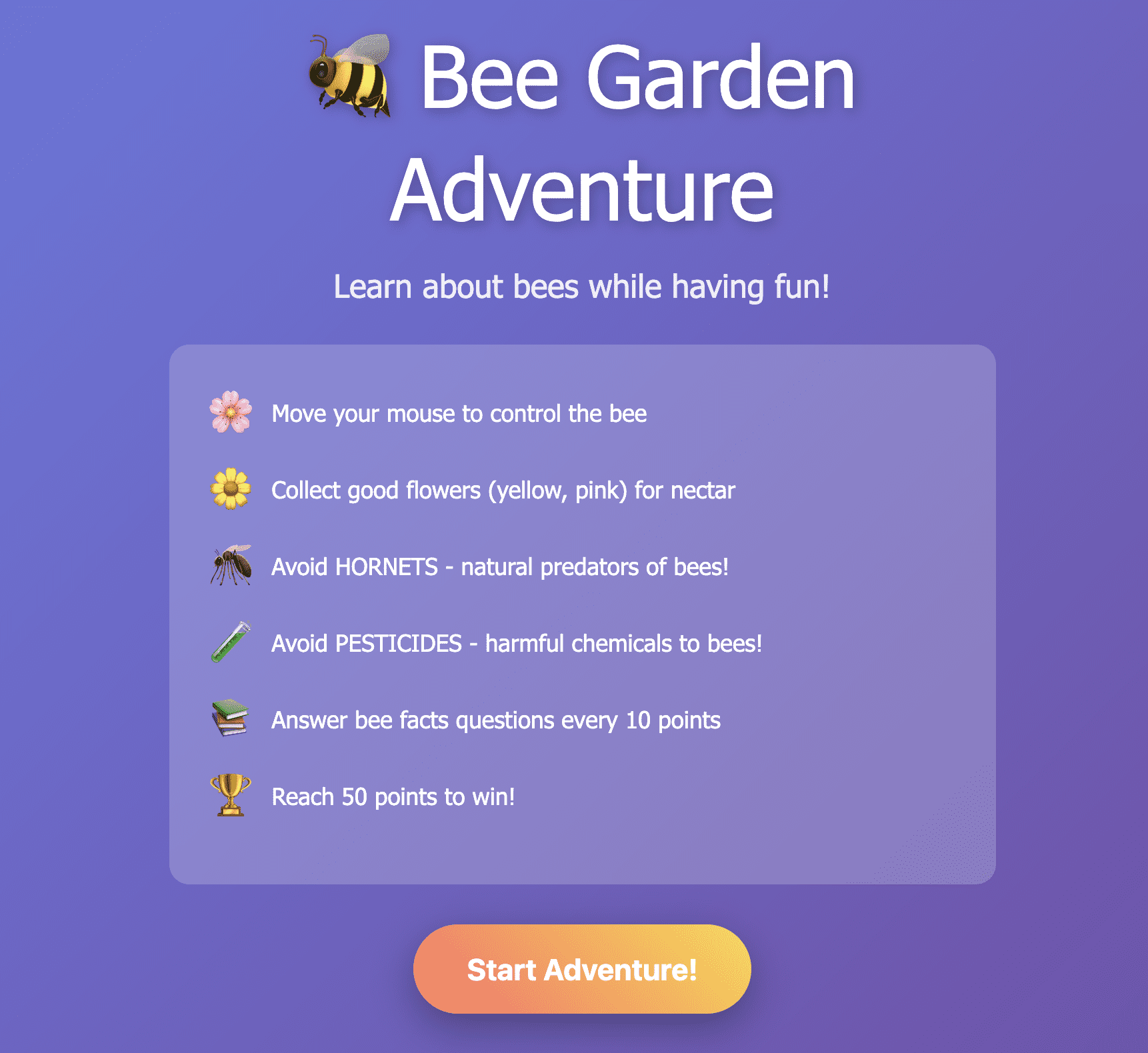
Bee in A Bonnet
Ready to start the buzz-tastic adventure?
Fly as a busy little bee through a colorful garden—sip nectar from safe flowers, dodge hornets and pesticides, and answer quick bee-fact questions as you go. Notice how your flower choices change who visits your garden, and how skipping chemicals keeps bees healthy. By the end, you’ll see how pollination makes seeds and food, and how a simple window box or school plot can help real bees. Build your pollinator power and become the Garden Champion!
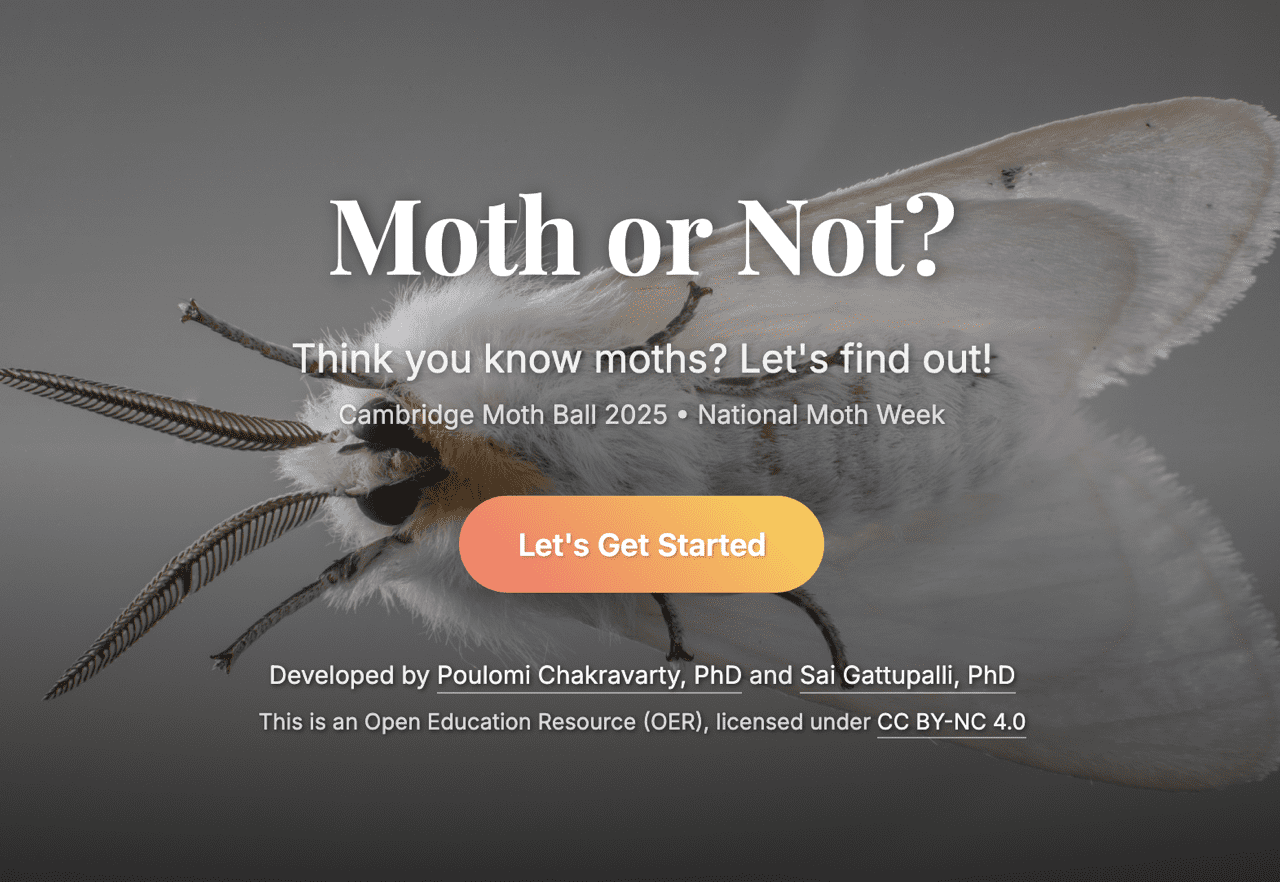
Moth Myth-Busters
Are you a Moth Detective?
Learn to spot real moths and tell them from look-alikes! As you play, notice clues like wing shape, antennae, resting pose, and colors. Moths aren’t just night butterflies—they pollinate flowers, feed birds and bats, and are a big part of healthy ecosystems. Play a few rounds, then try a mini-mission: count moths at a porch light and sketch your favorite.
Nature A–Z : Learn the Lingo
Test your nature smarts! Explore our kid-friendly A–Z glossary and uncover bite-size facts about the world around you— from Atmosphere and Aquifer to Beaver, Biodiversity, and beyond.
Tap a letter, learn a quick definition, then look for the word in real life at home, school, or the park.
Ready to discover something new?
Click a letter to start.
Nature A – Z
A — Atmosphere, Aquifer, Adaptation
Simple, kid-friendly definitions you can read aloud in class.
- Atmosphere — The blanket of air around Earth that we all breathe.
- Aquifer — Rock or sand underground that holds water like a sponge.
- Adaptation — A change that helps a living thing survive in its home.
B — Beaver, Biodiversity, Biodegradable
- Beaver — A water-loving animal that builds dams and creates wetlands.
- Biodiversity — All the different living things in a place.
- Biodegradable — Something that can break down and return to nature.
C — Carbon Cycle, Climate, Compost
- Carbon Cycle — How carbon moves between air, plants, animals, soil, and water.
- Climate — The usual weather in a place over many years.
- Compost — Rotting food scraps and leaves that turn into rich soil.
D — Drought, Decomposer, Drainage
- Drought — A long time with too little rain.
- Decomposer — Tiny workers (like fungi and bugs) that break dead stuff into soil.
- Drainage — How water moves off land or into the ground.
E — Ecosystem, Evaporation, Evapotranspiration
- Ecosystem — Living things and their home, all working together.
- Evaporation — Water turning into vapor and rising into the air.
- Evapotranspiration — Water leaving plants and soil into the air, which helps cool places.
F — Food Web, Floodplain, Forest
- Food Web — Many food chains linked together in nature.
- Floodplain — Land near a river that can flood and then help water soak in.
- Forest — An area filled with trees, animals, and other life.
G — Greenhouse Gas, Groundwater, Germination
- Greenhouse Gas — Gases (like CO₂) that trap heat and warm the planet.
- Groundwater — Water stored under our feet in soil and rock.
- Germination — When a seed starts to grow into a plant.
H — Habitat, Hydrology, Humus
- Habitat — The home where a plant or animal lives.
- Hydrology — The study of water and how it moves on Earth (how water travels).
- Humus — Dark, healthy part of soil made from broken-down plants and animals.
I — Infiltration, Invasive Species, Irrigation
- Infiltration — When rain soaks into the ground instead of running off.
- Invasive Species — A plant or animal that spreads and harms local nature.
- Irrigation — Bringing water to plants when it doesn’t rain.
J — Jet Stream, Juvenile, Junction (Stream)
- Jet Stream — A fast “river of wind” high in the sky that moves weather around.
- Juvenile — A young animal, not yet an adult.
- Junction (Stream) — Where two streams meet and join together.
K — Keystone Species, Kilogram, Kelp Forest
- Keystone Species — A species many others depend on; it keeps the ecosystem strong.
- Kilogram (kg) — A way to measure weight; about the weight of a big book.
- Kelp Forest — An underwater “forest” of tall seaweed that shelters ocean life.
L — Landscape Rehydration, Leaf Litter, Loam
- Landscape Rehydration — Keeping water on the land with wetlands, soil care, and trees.
- Leaf Litter — Fallen leaves on the ground that protect and feed soil.
- Loam — Soil that is just right—sand, silt, and clay mixed together.
M — Miyawaki Forest, Methane, Migration
- Miyawaki Forest — A tiny, dense native forest that grows fast and makes shade.
- Methane (CH₄) — A powerful greenhouse gas that warms the planet.
- Migration — When animals travel to find food, water, or warmer weather.
N — Native Plant, Nature Cools, Nutrient
- Native Plant — A plant that has lived in a place for a very long time.
- Nature Cools — Plants and water can help cool hot places.
- Nutrient — Food for plants and animals, like nitrogen or phosphorus.
O — Organic Matter, Oxidation, Oxbow (River)
- Organic Matter — Bits of once-living things in soil that help it hold water.
- Oxidation — A simple chemical change when things mix with oxygen.
- Oxbow (River) — A U-shaped bend or lake left from an old river path.
P — Pollinator, Photosynthesis, Permeable
- Pollinator — An animal like a bee or butterfly that helps plants make seeds.
- Photosynthesis — How plants use sunlight to make their own food and release oxygen.
- Permeable — A surface water can soak through, like soil or mulch.
Q — Quercus (Oak), Quarry, Quiet Zone
- Quercus (Oak) — The scientific name for oaks—trees that help many species.
- Quarry — A place where rocks are taken from the ground.
- Quiet Zone (Wildlife) — An area kept calm so animals can rest and raise young.
R — Riparian, Runoff, Resilience
- Riparian — Lands next to rivers and streams where plants and animals thrive.
- Runoff — Rain that flows over the ground instead of soaking in.
- Resilience — The ability of nature—or people—to bounce back after trouble.
S — Soil Carbon Sponge, Sustainability, Stomata
- Soil Carbon Sponge — Healthy soil that soaks and stores lots of water.
- Sustainability — Using resources so there is enough for the future.
- Stomata — Tiny openings on leaves that take in air and let water out.
T — Transpiration, Trophic Cascade, Tiny Forest
- Transpiration — Water leaving plant leaves and going into the air.
- Trophic Cascade — A big change that starts at the top of the food web and spreads.
- Tiny Forest — Another name for a small, dense forest planted in cities.
U — Urban Heat Island, Understory, Upstream
- Urban Heat Island — Cities are hotter because roads and roofs hold heat.
- Understory — Shorter plants and small trees growing under tall trees.
- Upstream — The direction water comes from in a river or stream.
V — Vegetation, Vernal Pool, Volatile
- Vegetation — All the plants in an area.
- Vernal Pool — A small, seasonal pond where frogs and salamanders grow up.
- Volatile — Something that easily turns into a gas (like some smells).
W — Watershed, Wetland, Windbreak
- Watershed — All the land where rain flows to the same river or lake.
- Wetland — A land-and-water mix that stores and cleans water and helps wildlife.
- Windbreak — A line of trees or shrubs that slows wind and protects soil.
X — Xeriscaping, Xylem, Xeric
- Xeriscaping — Gardening with little water and drought-tough plants.
- Xylem — Plant “pipes” that carry water from roots to leaves.
- Xeric — Very dry places where only tough plants survive.
Y — Young Forest, Yield (Garden), Yard Habitat
- Young Forest — A new forest with small trees and thick plants.
- Yield (Garden) — How much food or flowers a garden produces.
- Yard Habitat — Turning your yard into a mini home for wildlife.
Z — Zooplankton, Zone (Hardiness), Zonation
- Zooplankton — Tiny animals that drift in water and feed bigger creatures.
- Zone (Hardiness) — A map number that tells which plants like your local weather.
- Zonation — Different bands of plants along a shore or hillside.
Cool The Planet – Maya’s Climate Adventure
Join Maya, a curious second grader, as she discovers how native gardens, wetlands, and mini-forests can cool our planet. An interactive storybook that inspires kids and adults to take climate action right in their own backyards. Tap through 12 beautifully illustrated pages and become part of the Cool-Planet Crew!
Resources – Cool Earth Classroom: 10 Hands-On Climate & Biodiversity Activities
A kid-friendly, K–8 activity set that turns your schoolyard into a living lab.
Each expandable card includes quick materials, check-off steps, and simple extensions that build observation, data, and stewardship skills—covering pollinators, soil sponges, rain capture, mini-forests, fungi networks, and more.
Designed for playful learning that connects nature-based solutions to real-world climate resilience.
10 Hands-On Classroom Activities: Climate · Biodiversity · Earth
Open any card to see quick steps, materials, and optional extensions. Check things off as you go!
🦋 Pollinator Safari K–6 | 30–45 min
Try this: Repeat after planting natives; compare “before/after” tallies.
🍂 Leaf-Litter Life Hunt 2–7 | 30 min
Message: Leaf litter hosts biodiversity and becomes future soil.
💧 Soil Sponge Test 3–8 | 35 min
Extension: Add compost to tray B and re-test next week.
🦫 Mini Beaver-Dam Model 2–6 | 30–40 min
🌱 Windowsill Grow Lab K–8 | 15 min setup + 2 wks
🏙️ Cool-Spot Campus Map 3–8 | 45–60 min
*If no IR guns, use analog thermometers and timed readings.
🌧️ Rain-Capture Challenge 4–8 | 40 min
🌼 Native Garden Quest K–8 | multi-day
🍄 Fungi & Mycelium Web 2–7 | 30 min
📖 Climate Story Circles 3–8 | 25–35 min
About
The Cool Earth Club is Bio4Climate’s kid-friendly space for learning how nature keeps our planet cool and alive. Through simple games, hands-on missions, and real-world stories, young learners explore forests, soil, water, pollinators, and wildlife. It’s free, safe, and designed to spark curiosity that leads to action.
What We Do
We create playful tools that connect biodiversity to climate resilience. Kids can explore mini-games, nature glossaries, and classroom-ready activities that build observation, data, and teamwork skills. Our programs connect science to real places—schoolyards, neighborhoods, gardens, and forests.
How To Navigate (For Parents and Educators)
- Play one game.
- Try one mission.
- Share what you notice.
- Whether at home, in classrooms, or in clubs, each activity connects learning with real-world impact.
Our Promises
- Kid-safe & simple: No personal data, no accounts, no ads.
- Accessible: High contrast, captions, alt text, printable PDFs.
- Hopeful & honest: Real science + real actions kids can take today.