News and Insights

Stingless Bees From the Amazon Become First Insects with Legal Rights
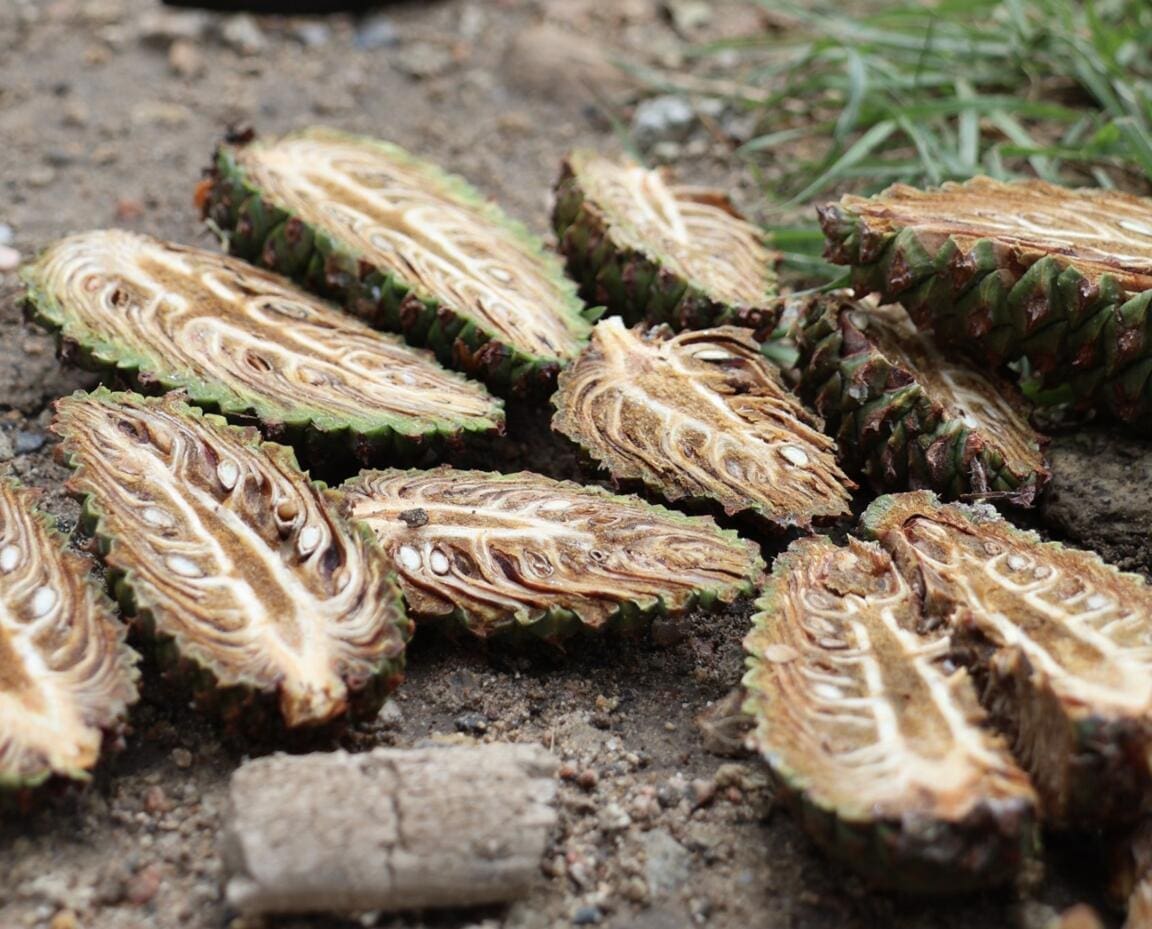
Bees native to the Amazon are now internationally recognized as an endangered species, a first for insects of any kind. Stingless bees are the oldest bee species in the world, and they are key pollinators in the Amazon, responsible for the pollination of over 80% of the rainforest’s flora.
“The ordinances [granting legal rights to stingless bees] are precedents with no equivalent worldwide. According to Prieto they will establish a mandate requiring policies for the bees’ survival, ‘including habitat reforestation and restoration, strict regulation of pesticides and herbicides, mitigation of and adaptation to the impacts of climate change, the advancement of scientific research, and the adoption of the precautionary principle as a guiding framework for all decisions that may affect their survival.

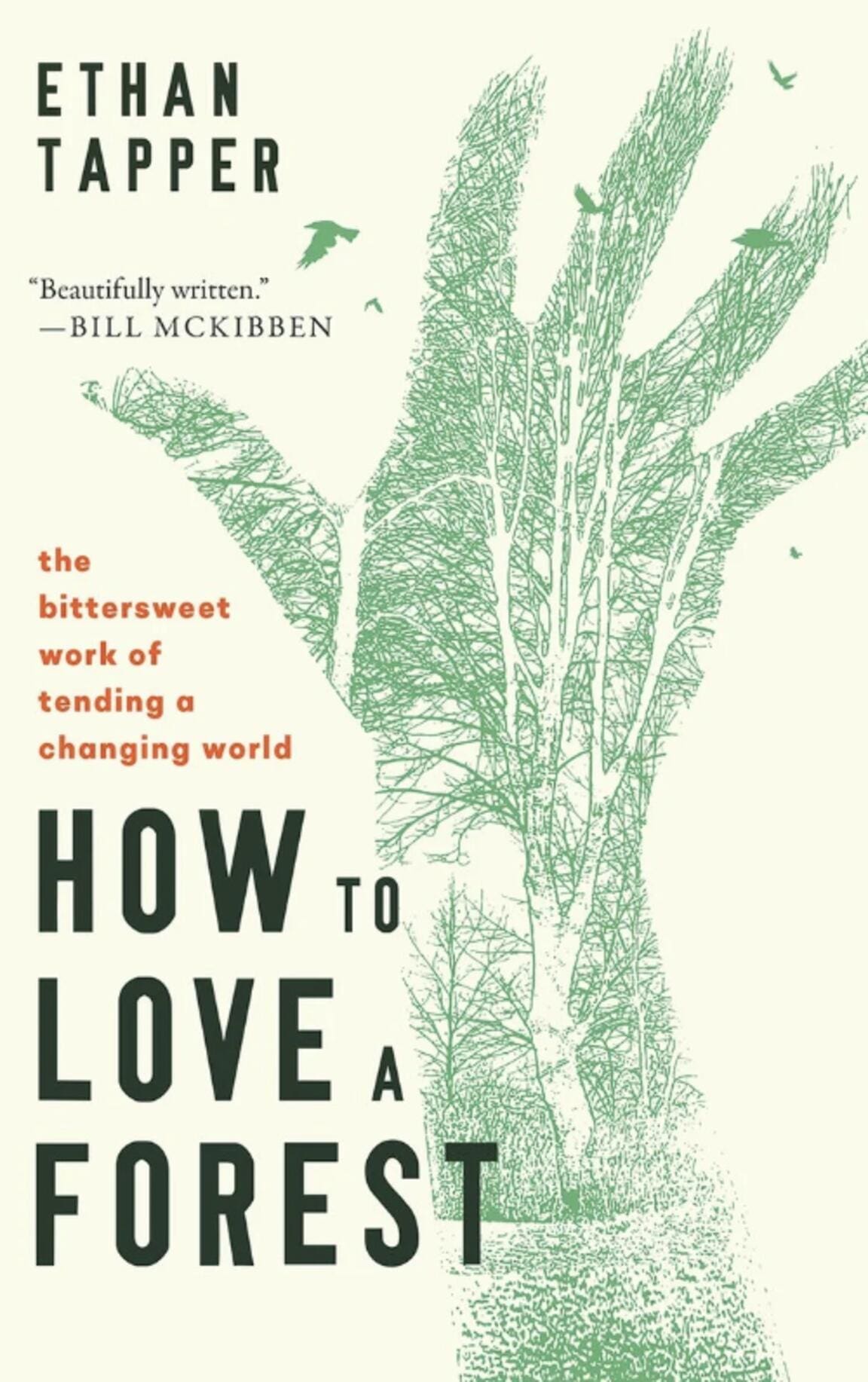
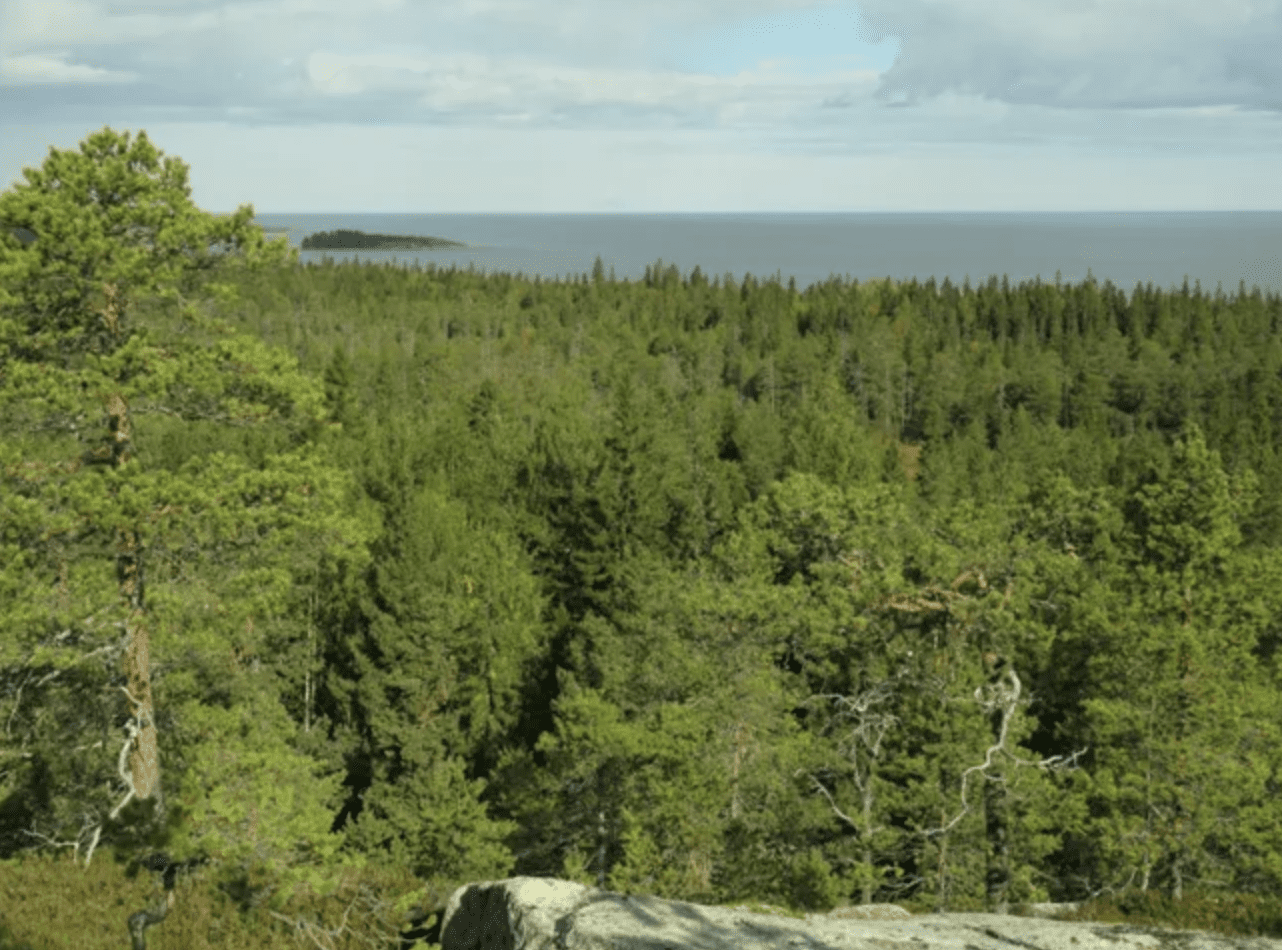
Though Recognized As Part of Climate Solutions, Forests Are So Much More
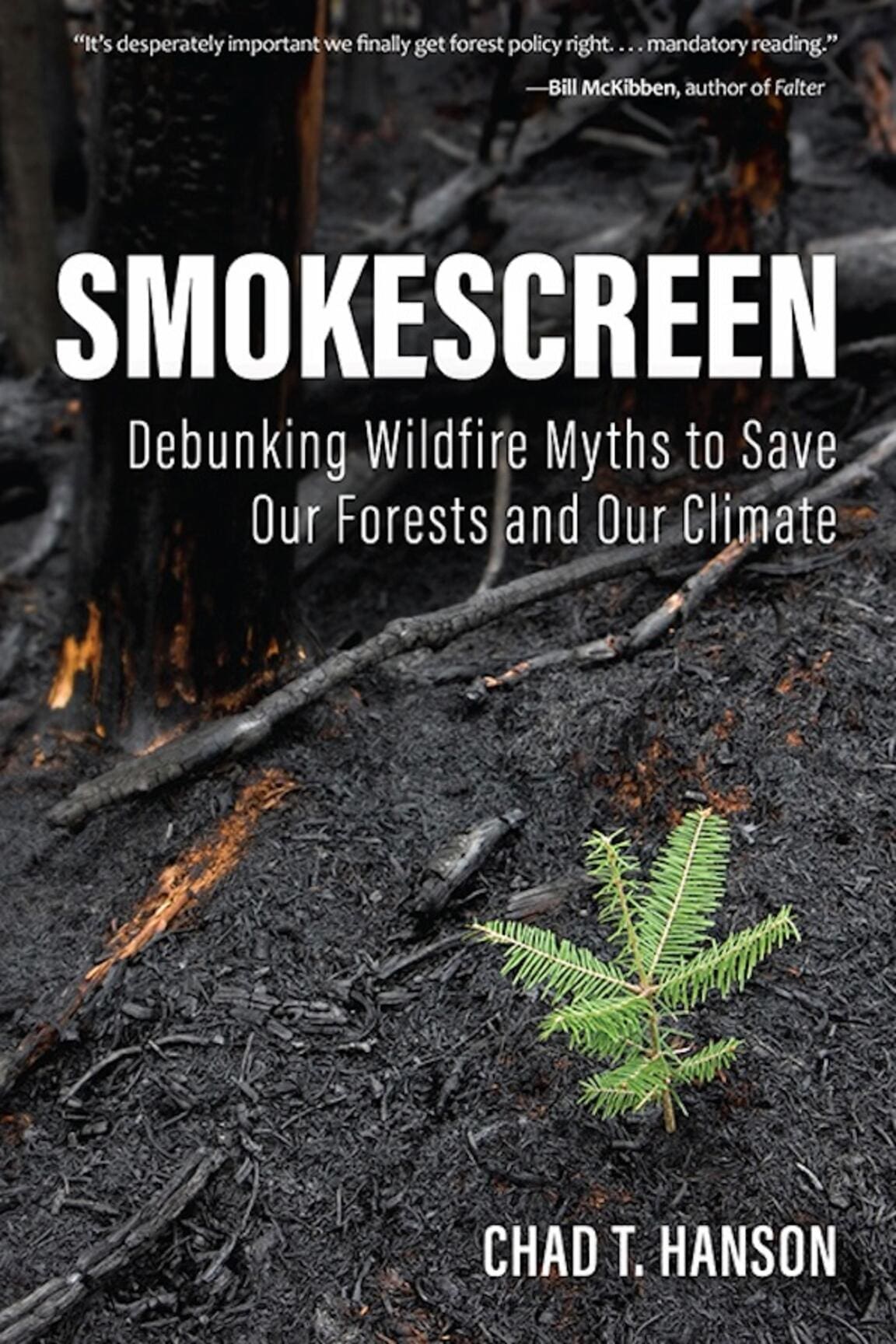
Yet another major organization has adopted Bio4Climate’s living climate systems perspective. This piece from the Organisation for Economic Co-operation and Development (OECD) delves into land-based climate action solutions and outlines key areas for the kind of improved policy required for effective forest climate action.
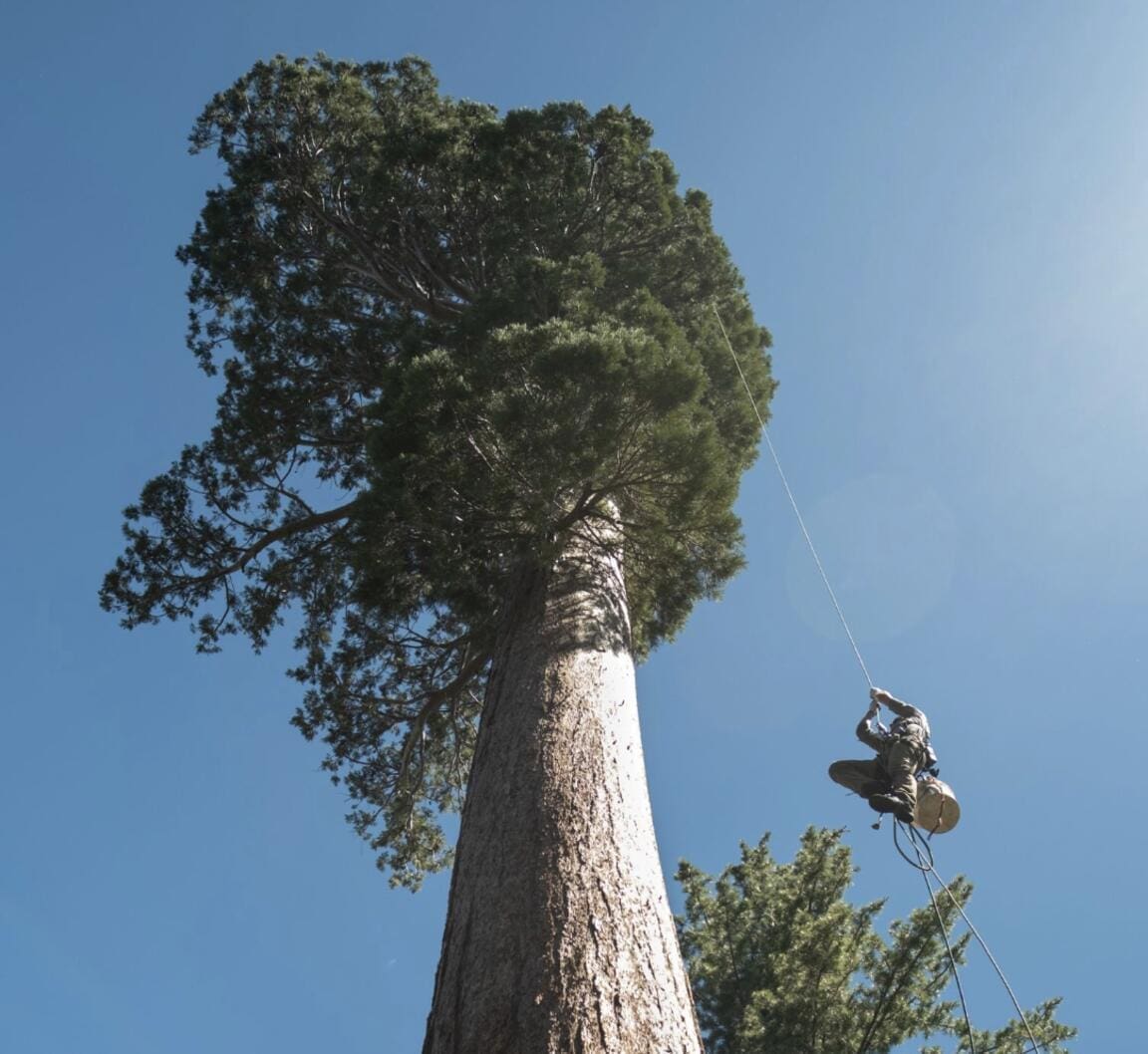
“Leveraging the potential of forests as a cost-effective means to drive progress on climate action requires looking at the bigger picture. Yes, forests are important carbon sinks and deforestation is a significant source of emissions – but forests, and natural systems more generally, provide far more than just climate benefits. They are diverse and complex systems, and policy and management practices need to reflect these traits to be effective.
Events and Community

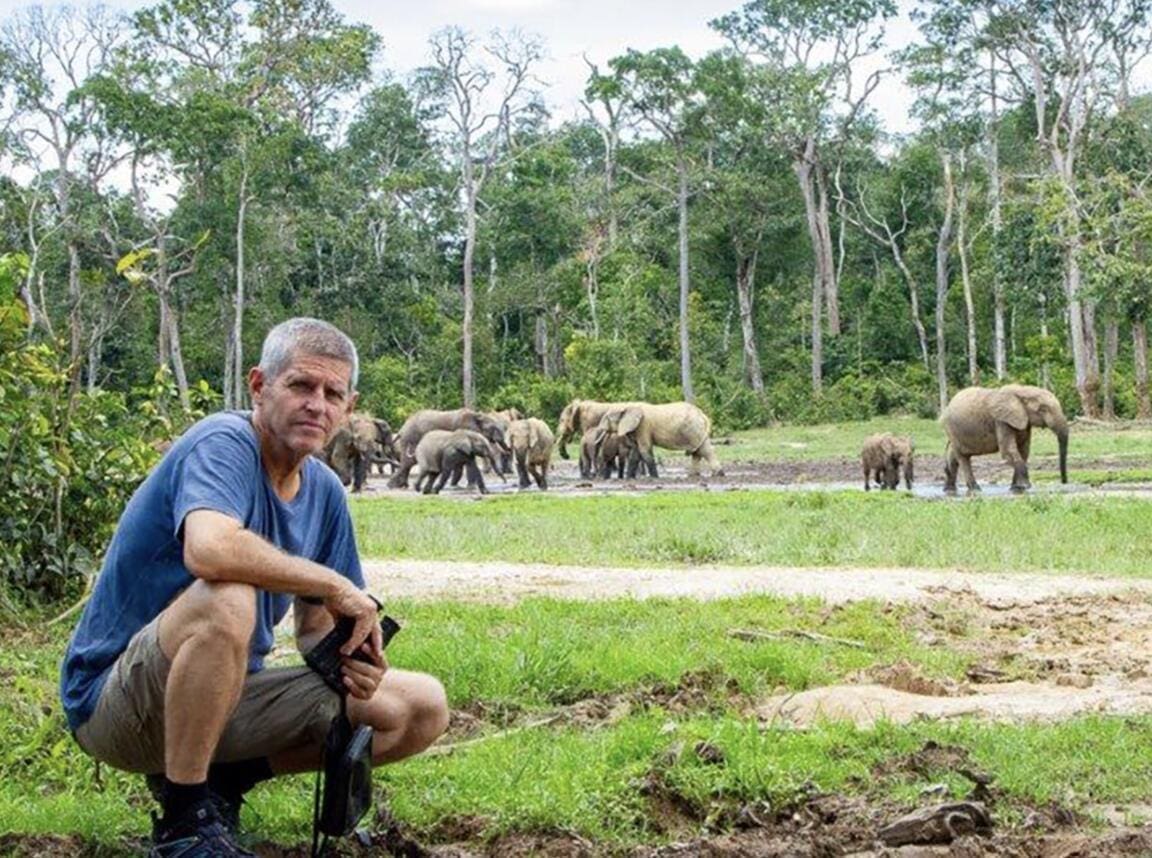
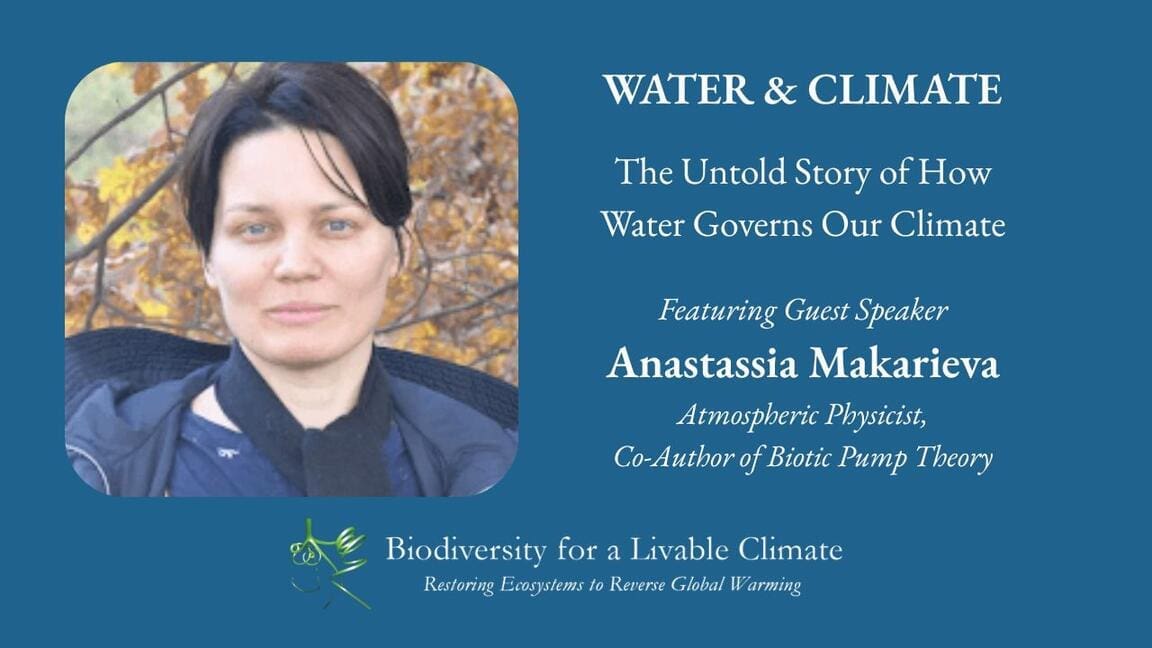
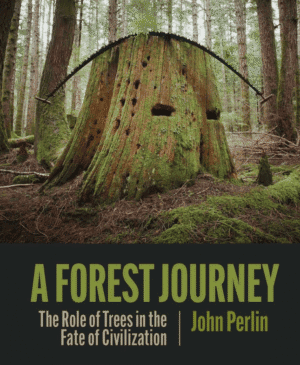
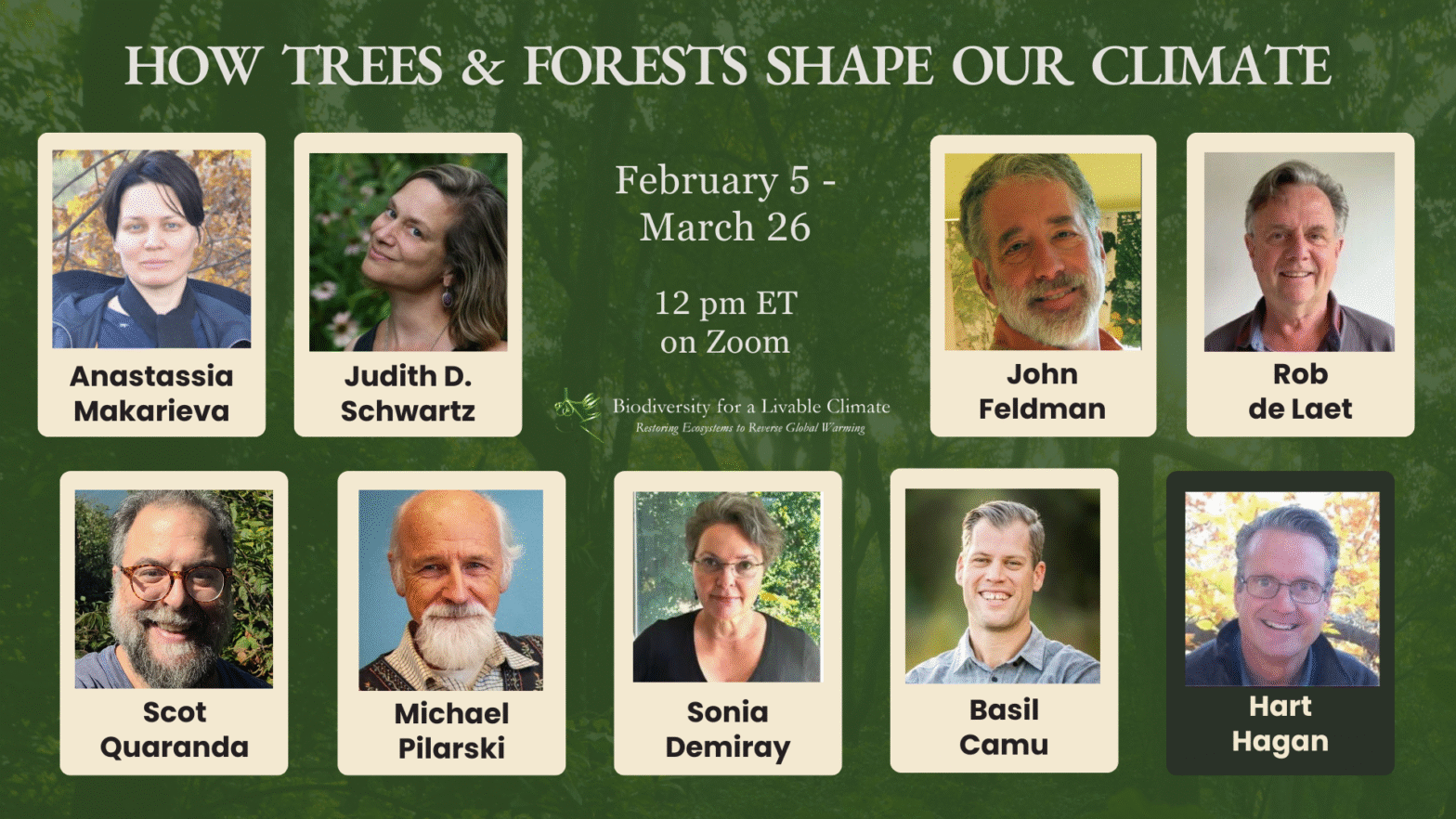
Award-Winning Filmmaker John Feldman and Climate Strategist and Author of Cooling the Climate Rob de Laet join as guest speakers for How Trees & Forests Shape Our Climate
John Feldman is an award-winning filmmaker whose films Regenerating Life and Symbiotic Earth reveal how living ecosystems—forests, water cycles, and biodiversity—actively regulate Earth’s climate. Symbiotic Earth, a documentary on Life and works of Lynn Margulis depicts how cooperation, interdependence, and symbiosis—not competition—are the driving forces shaping life, ecosystems, and Earth’s self-regulating climate systems. His upcoming works include the Gaia Perspective.
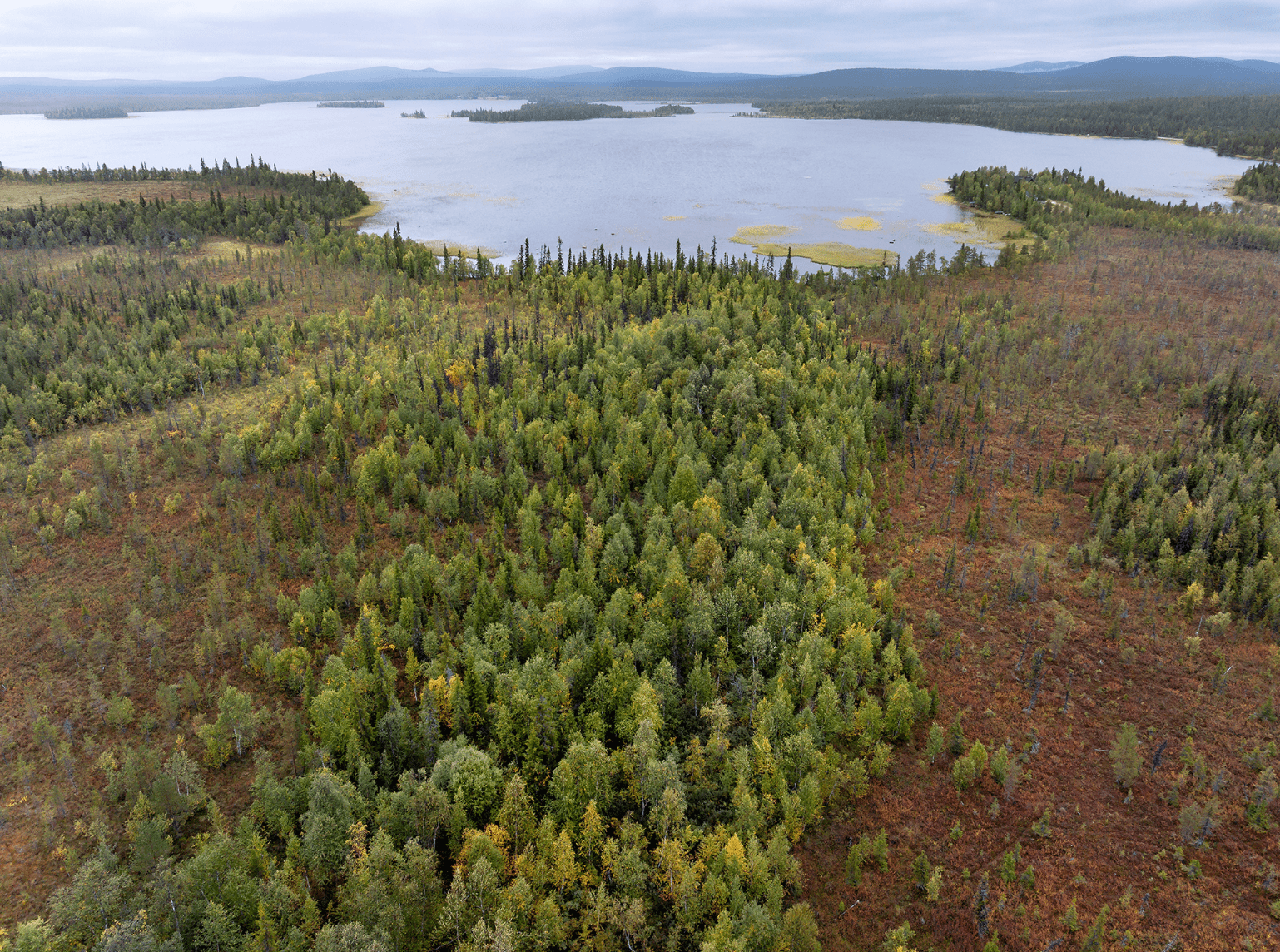
Rob de Laet is the founder of Cooling the Climate and a climate strategist working from a Gaia-based perspective to restore Earth’s water cycles and biosphere at planetary scale. As co-author of Cooling the Climate and a project lead with the Global Evergreening Alliance, he focuses on averting critical tipping points—especially Amazon rainforest dieback—by strengthening the biotic pump and regenerating living systems to cool the Earth within decades.
Don’t miss the upcoming course, How Trees & Forests Shape Our Climate! The course runs from February 5 through March 26 and meets weekly on Thursdays from 12:00 – 1:30 pm ET.
Register by January 17 to receive our lowest rate! Group rates, reduced rates, and scholarships are available. Email courses@bio4climate.org for more information.

The Bio4Climate Film Club Presents Thinking Like Water
January 20 – February 17
Tuesdays | 7:30 pm ET / 5:30 pm MT
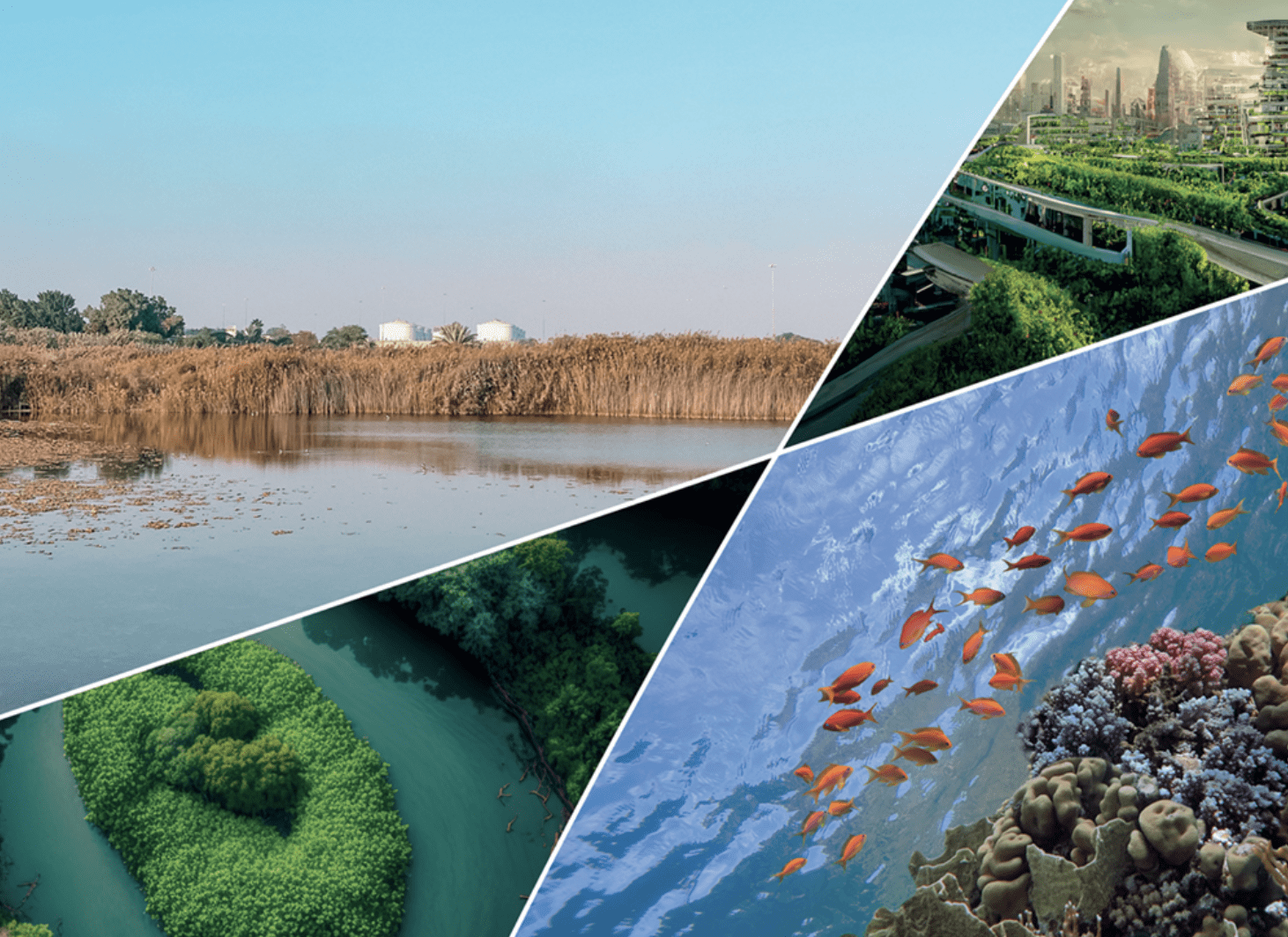
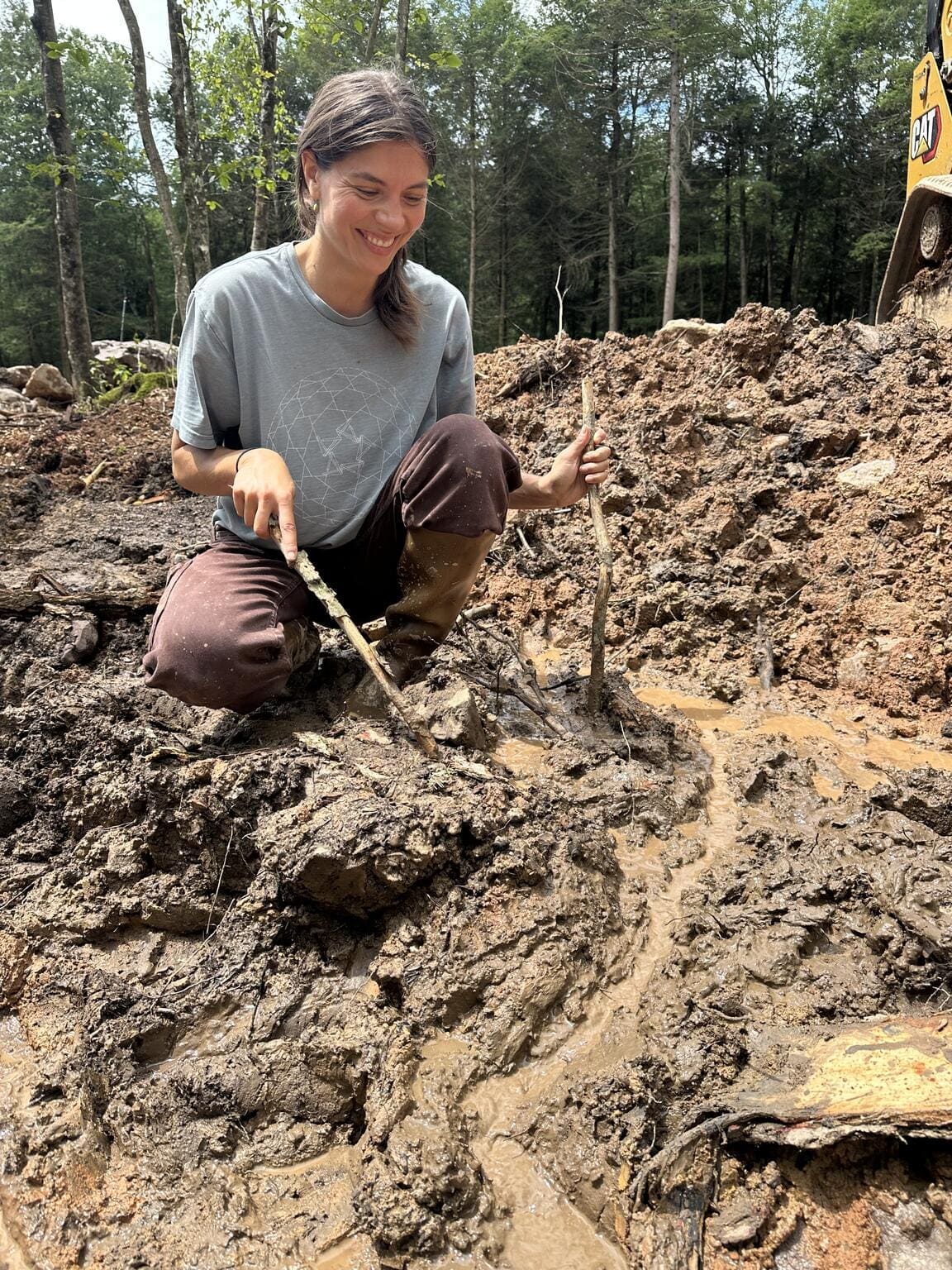
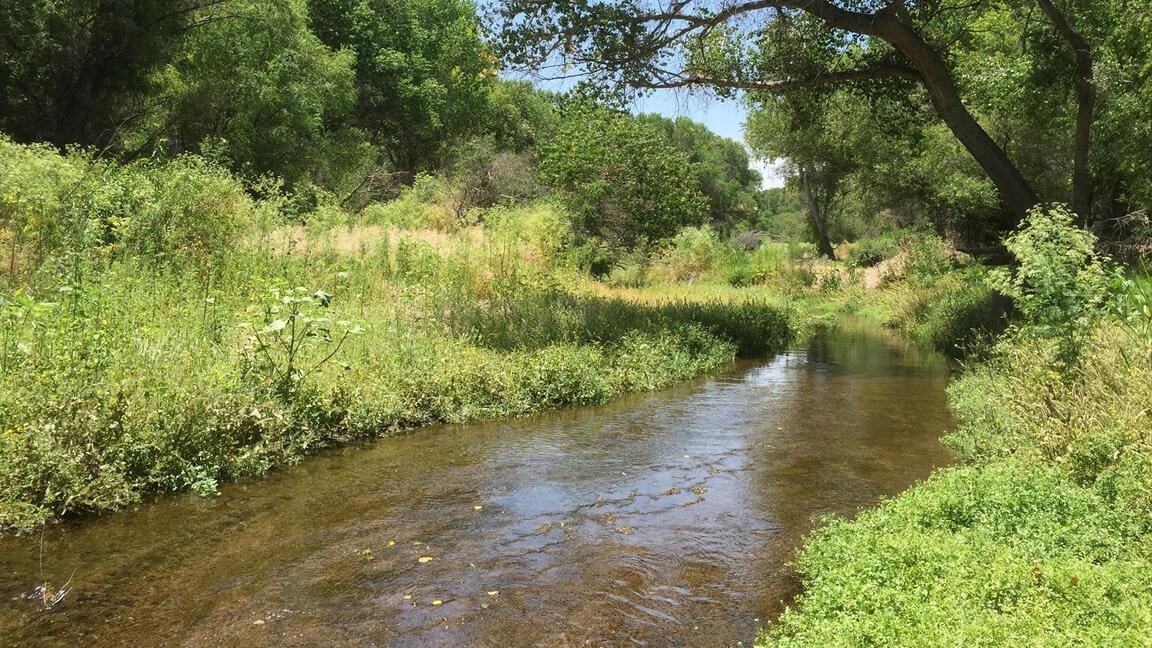
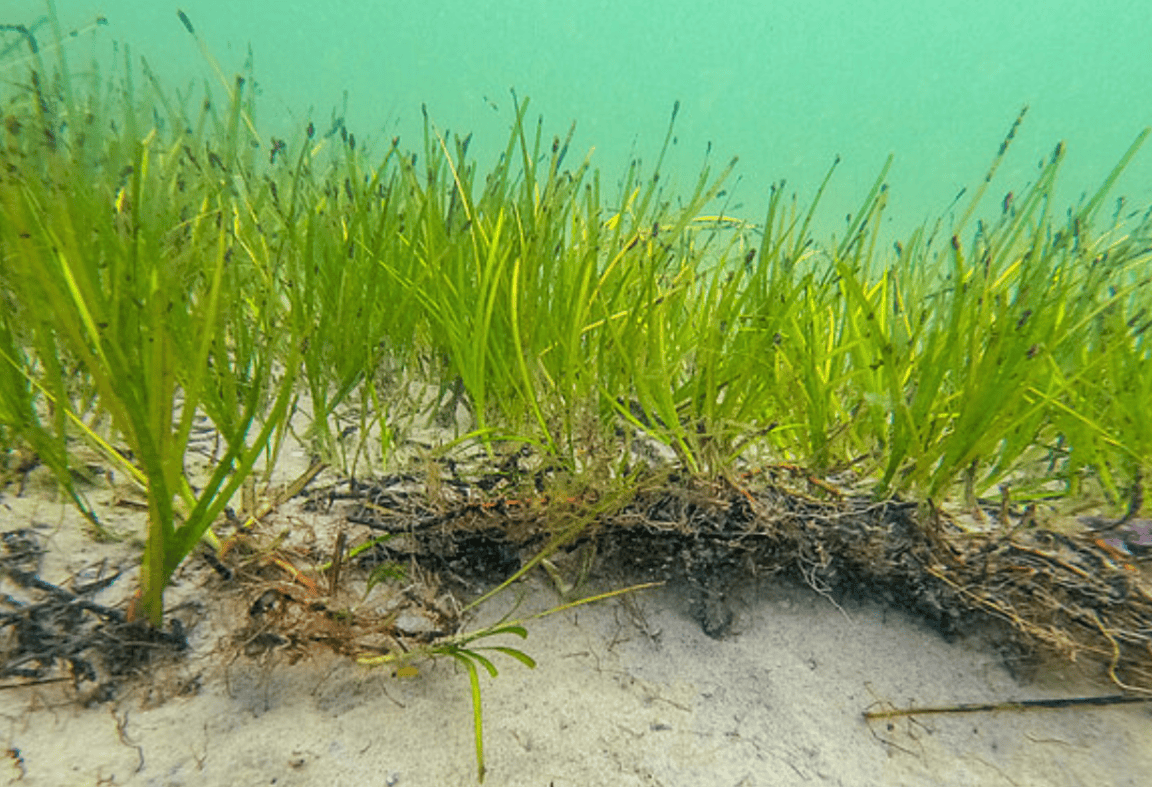
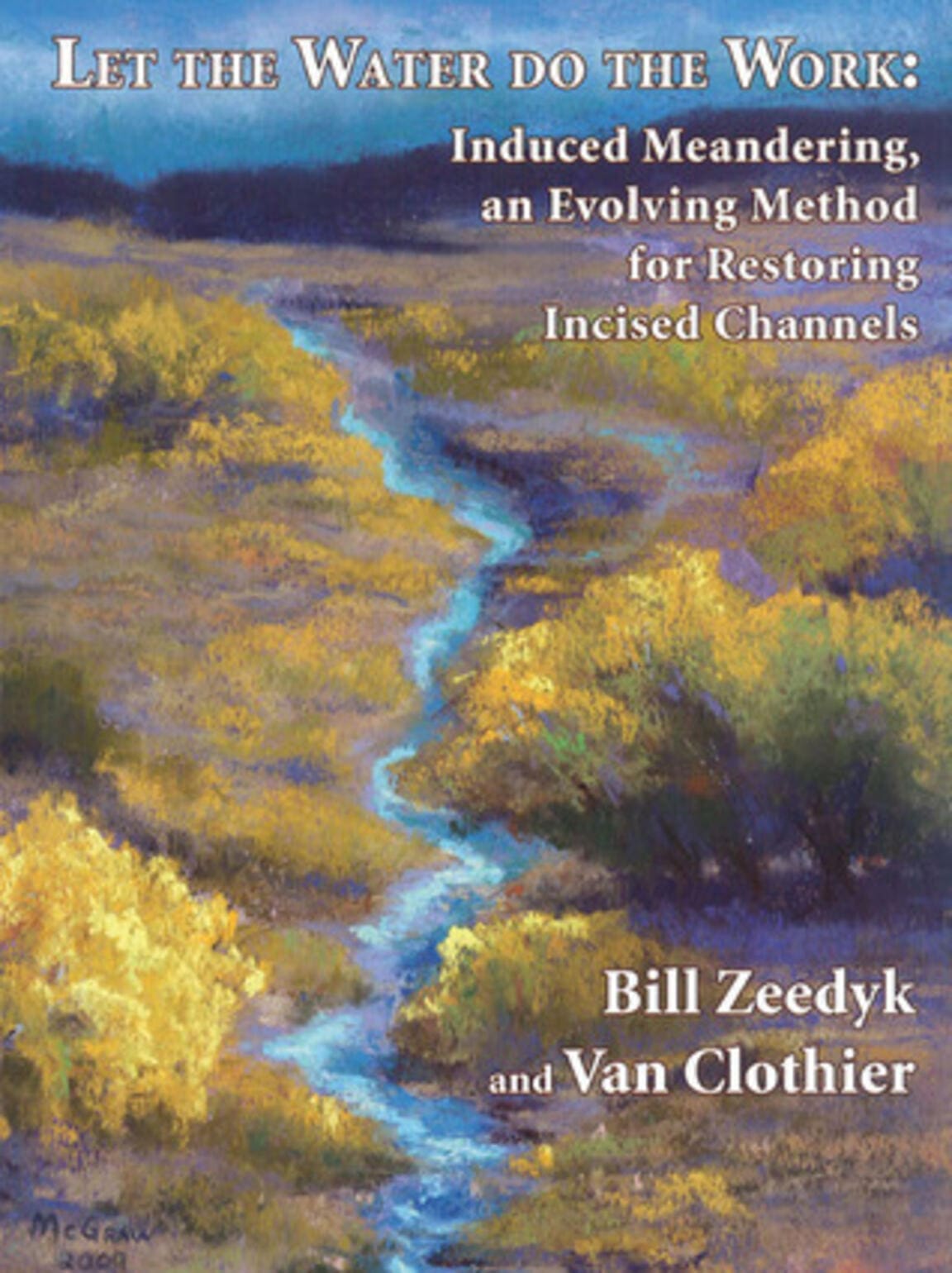
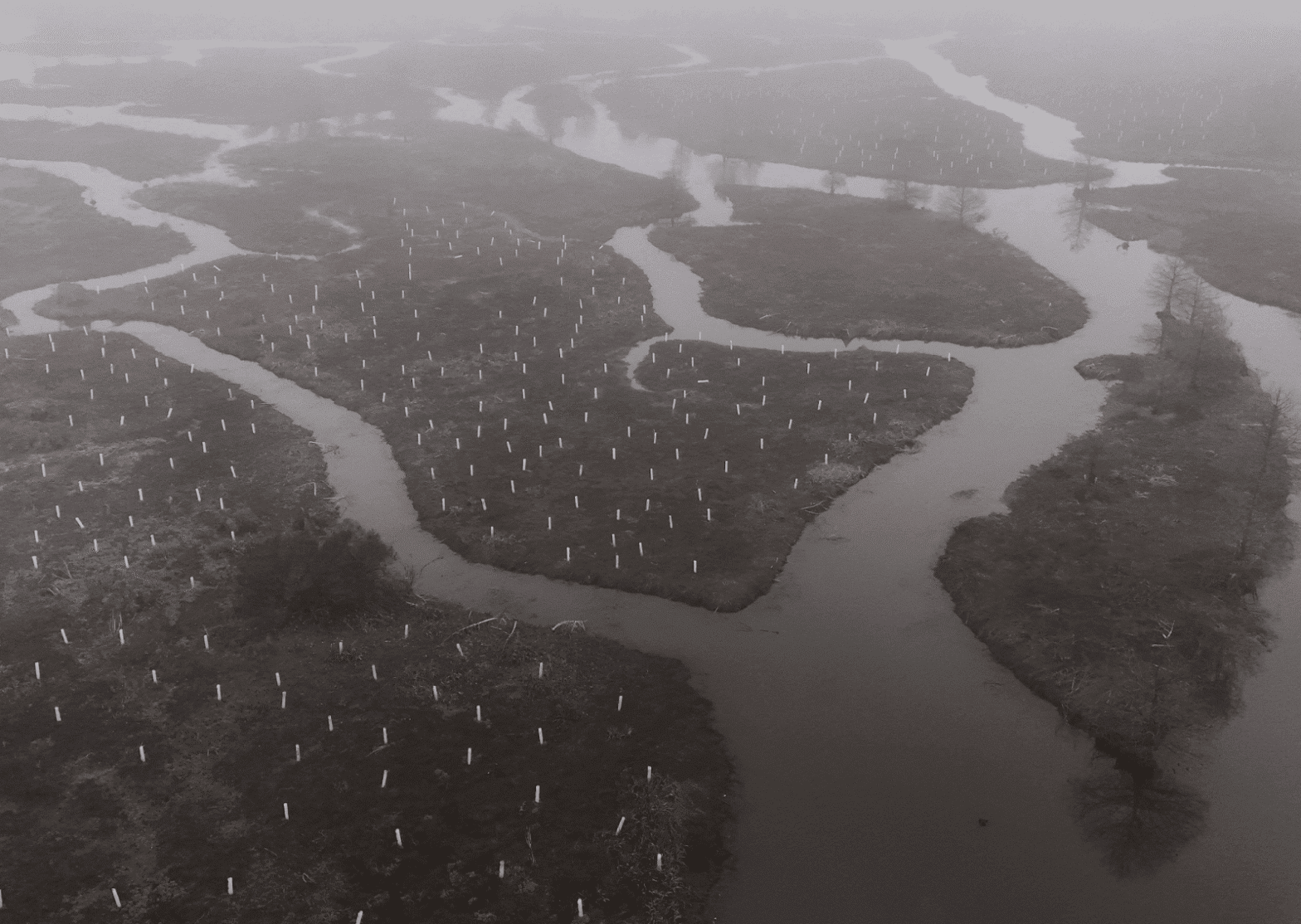
Join us this January to be part of a very special screening of Thinking Like Water, a five-part docuseries which follows restoration pioneer Bill Zeedyk and his collaborators, as they transform degraded watersheds into more resilient ecosystems – girding against the ravages of drought and climate change.
The docuseries and conversations with filmmaker Renea Roberts and other featured speakers begin on January 20 and continue for five Tuesdays. Registrants can choose how they’d like to participate—watch each documentary episode in advance and join the live conversation, or come together for a weekly viewing party with discussion shortly after. Each session will also make space to connect with others in your watershed and discover ways to learn more about the local waterways that connect us.
Registration is now open! Reduced rates and scholarships are available. Email films@bio4climate.org for more information.
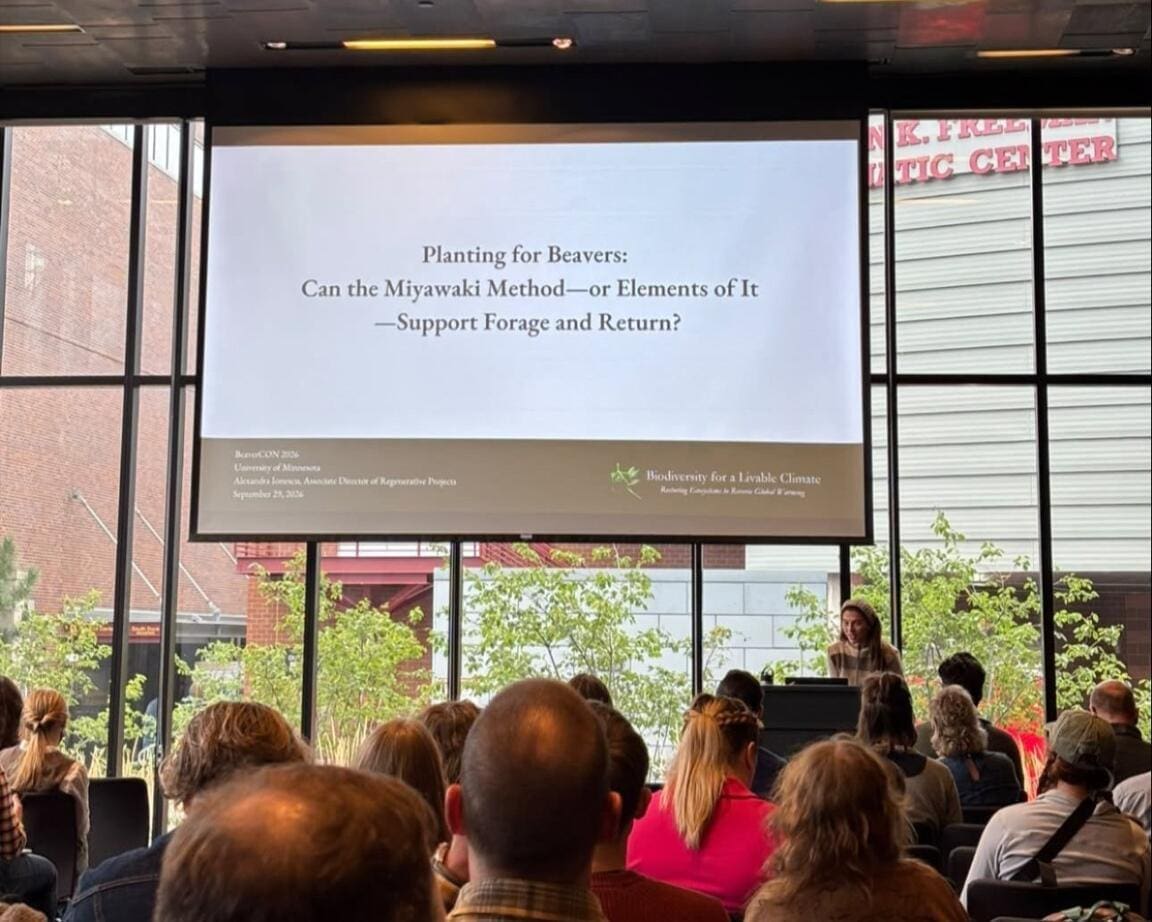
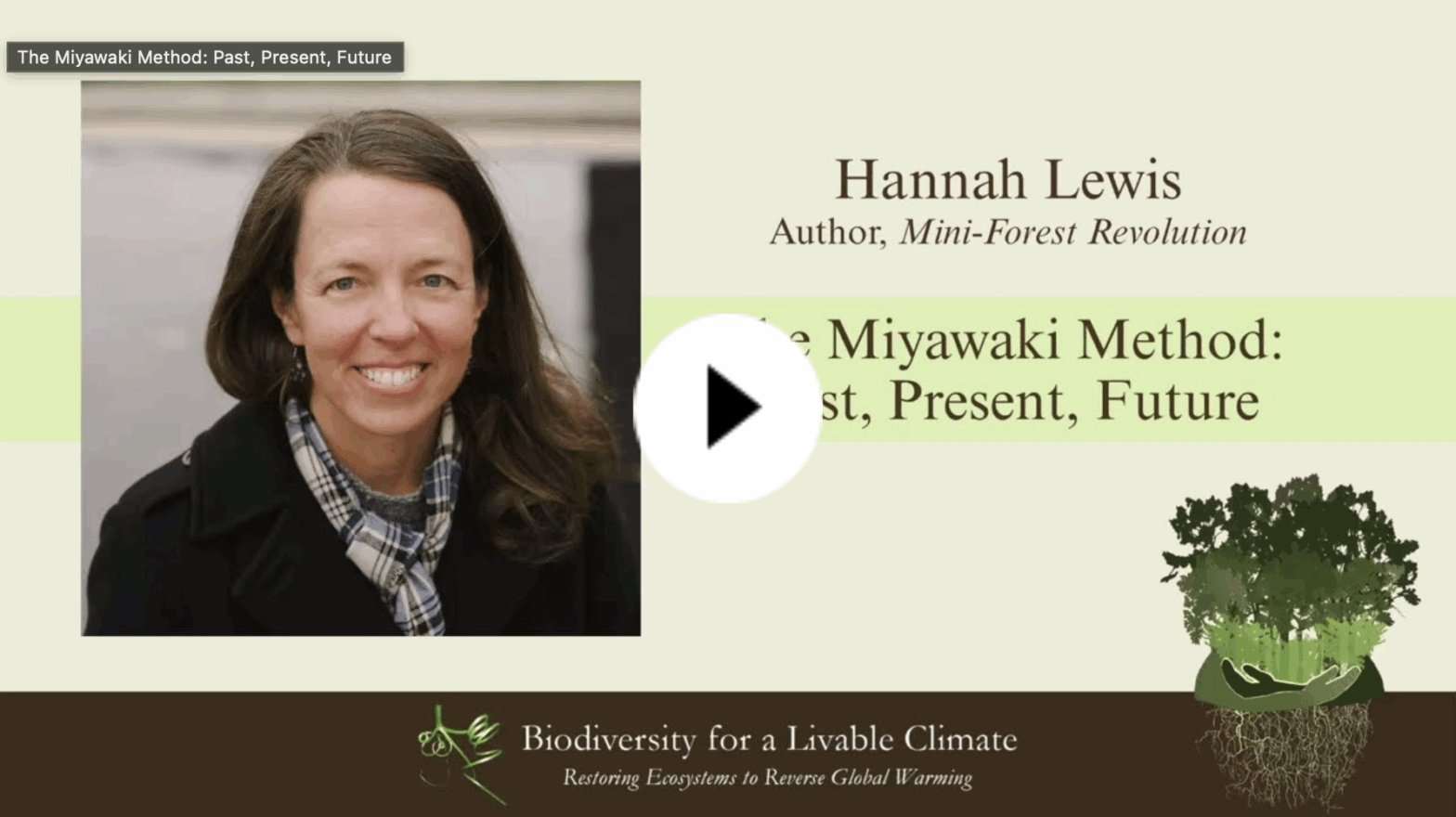
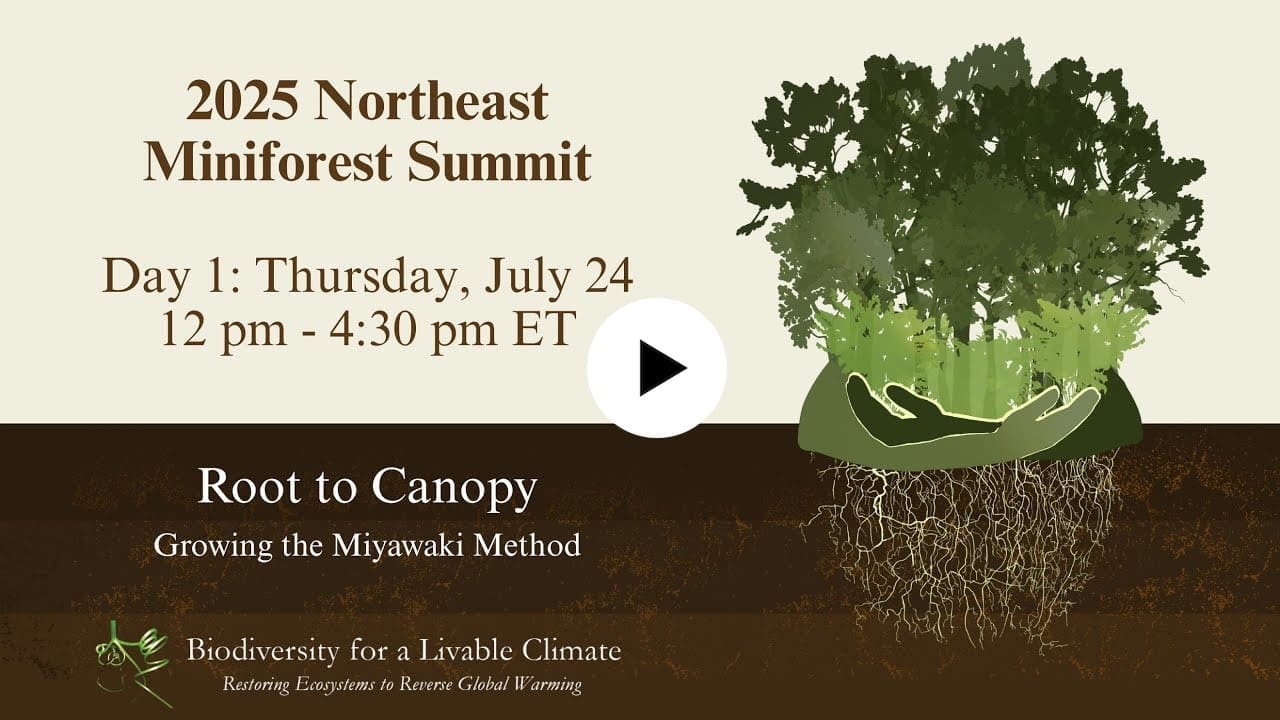
Miyawaki Update
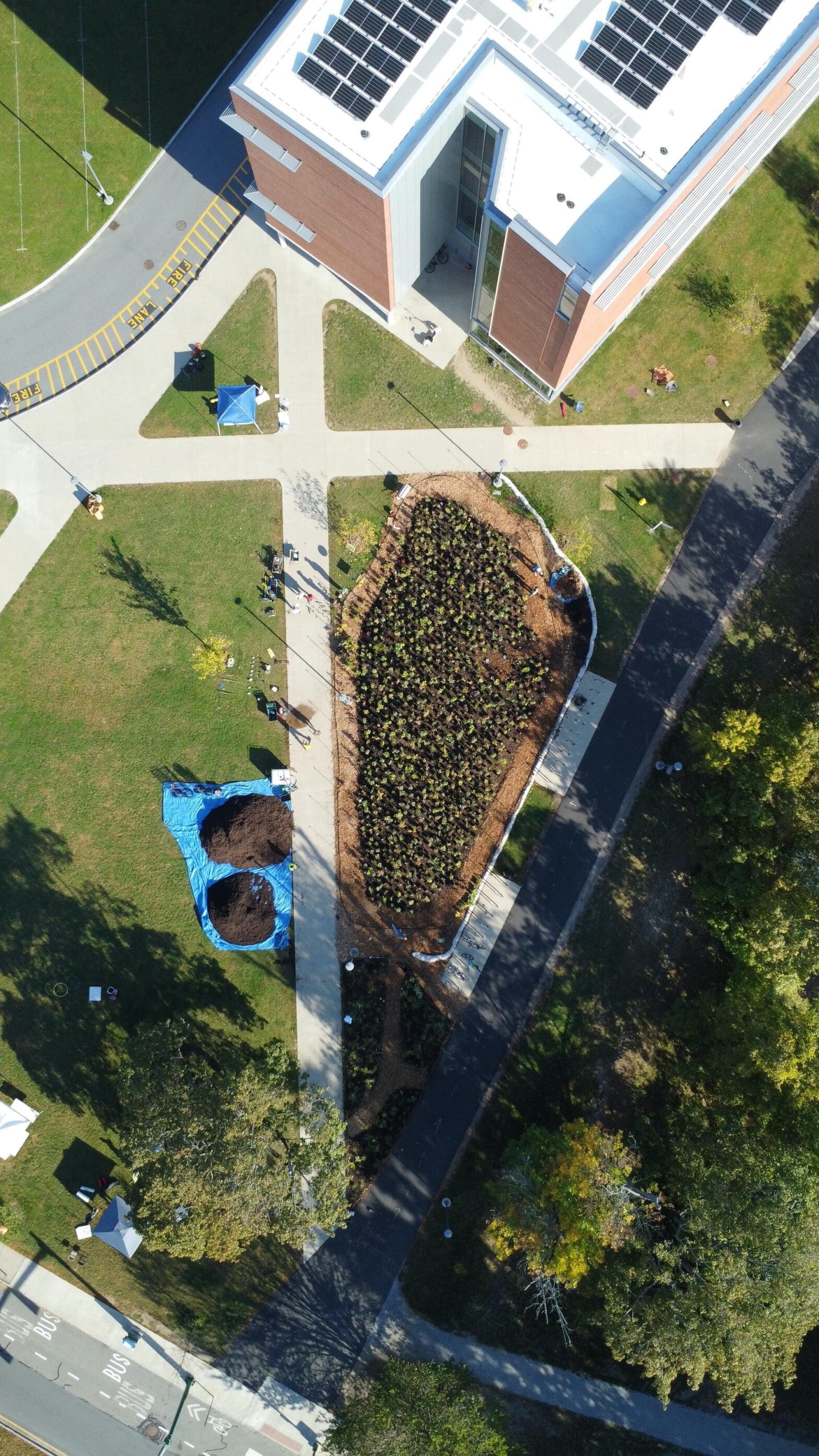
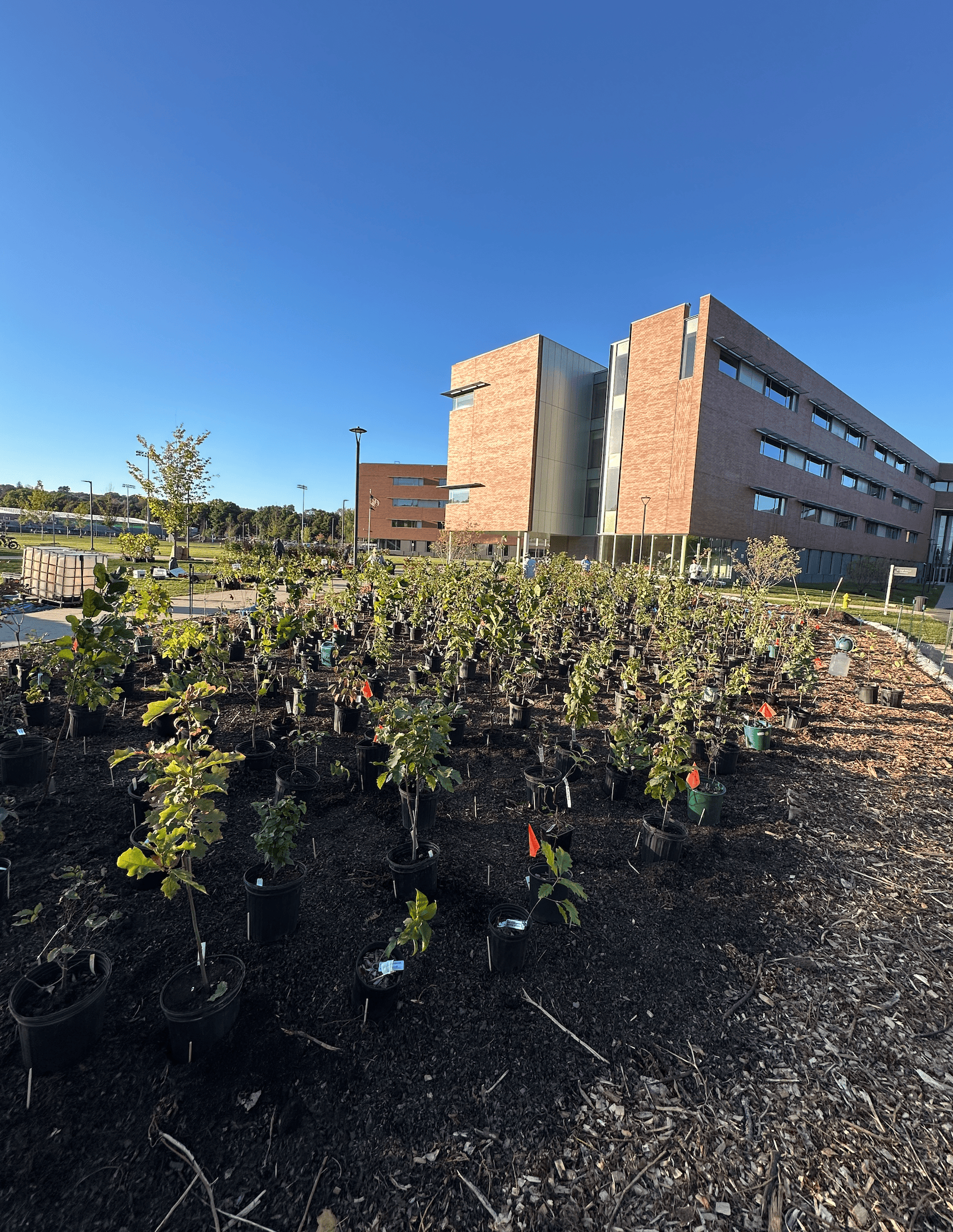
This week we are highlighting The Life-Cycle of a Miniforest Project: Initiating, Creating, Stewarding & Educating, which brought together perspectives from municipal leaders, for-profit
The session unfolded through a series of practical questions:
- What are the biggest challenges in securing land for miniforest projects, and how do implementers navigate competing land uses and pushback?
- How do existing municipal plans shape where miniforests can happen, and how can residents find and advocate within those pathways?
- When initiating a miniforest as a community member, where do you start, and what kinds of municipal support help move a project forward?
- How are concerns about maintenance, forest spread, and long-term protection addressed over time?
- When beginning to understand a site, what sources help identify appropriate forest plant communities?
- Using local ecotypic plants is part of the method—what does that mean, and what models or partnerships could help grow and source them?
- How can miniforests become part of more outdoor educational programs, especially in schools?
We hope this panel deepens your own thinking as you consider what meaningful action looks like in your own context. We’ll continue exploring these questions next week and beyond.