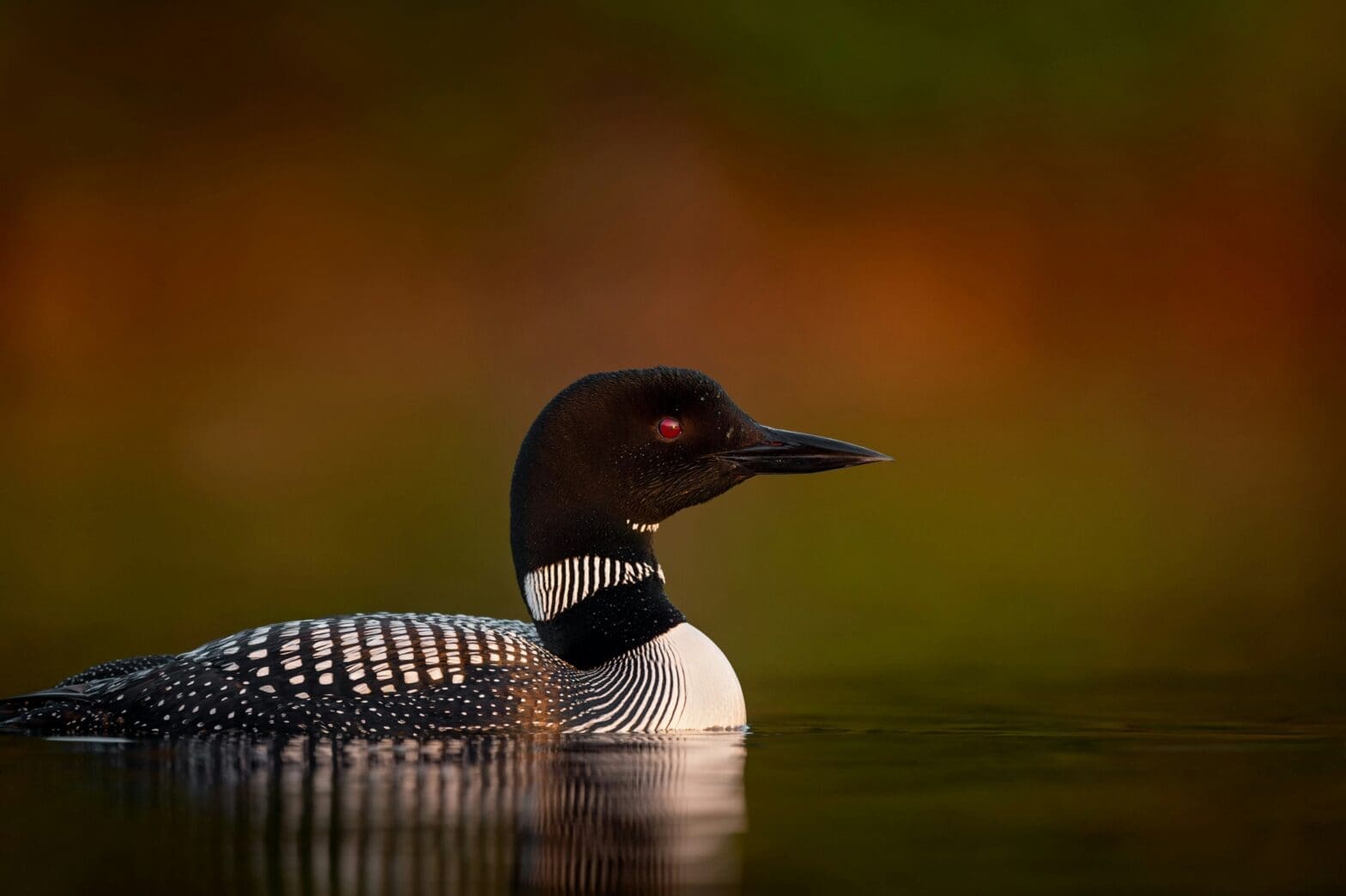
What species is an expert diver and well known for its haunting wail?
On the fringes of my mind, there lies a lake. I can’t recall what it looks like, now just a fragmented memory, but I know it’s there. I imagine that it’s shimmering, with small ripples that echo and a deep blue that beckons, brightened by the sun. I imagine how time passed through this landscape, with the basin painstakingly carved out by a glacier, then pooling with the tears of retreat and the cry of melting snow. I imagine the lake resting, a wooded mountain towering above. Here, I am at peace.
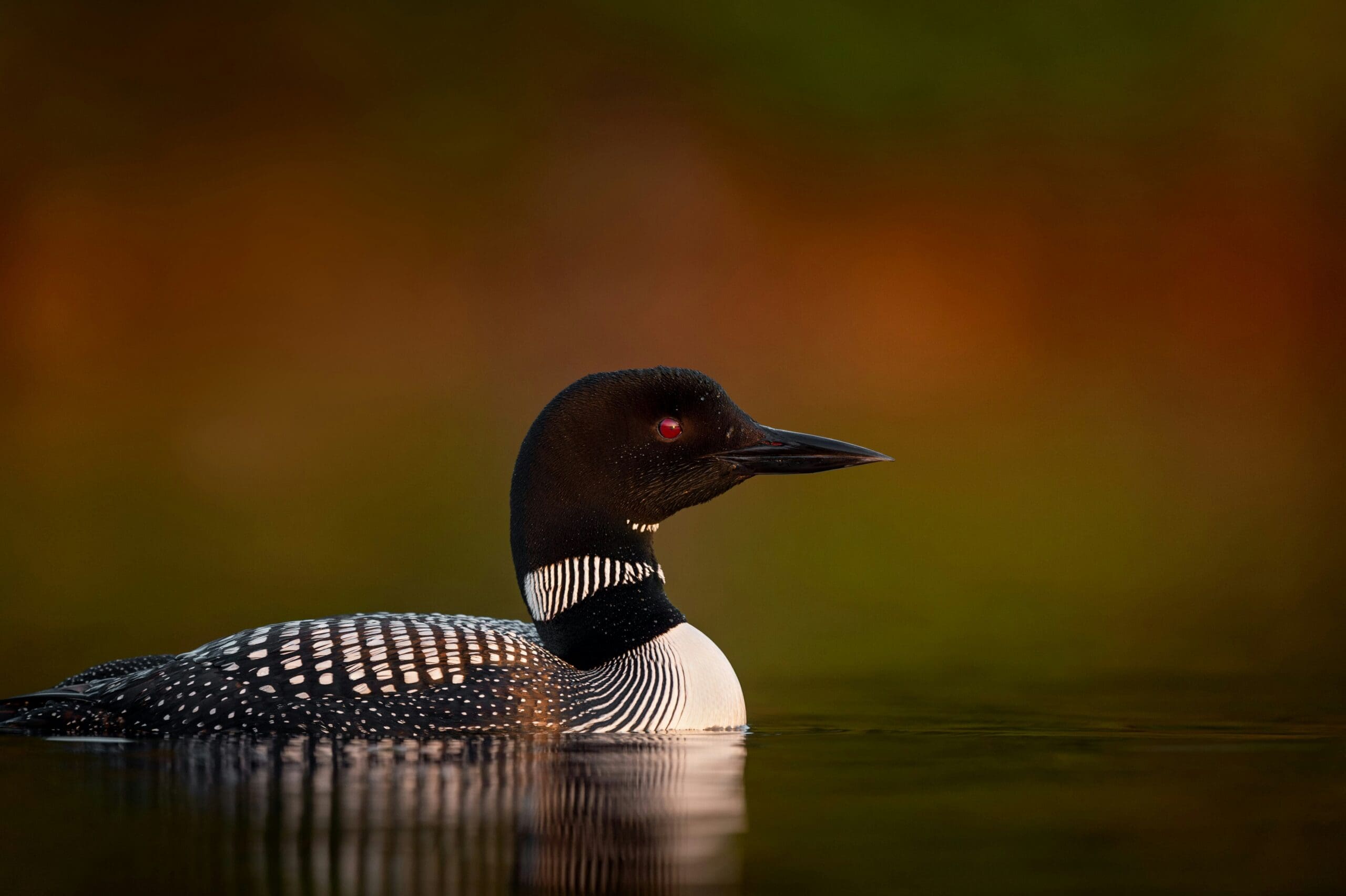
A bird emerges from the water. It peers down, neck craned, to gaze into the depths of the lake. In a flash, the creature dives. Beneath the surface, the bird’s black and white feathers glimmer, and its stark, red eyes skillfully search the darkness. Under the bird’s sleek exterior lies a solid bone structure, allowing it to swim deeper and deeper, reaching depths of 250 ft as it races through the dim waters. The water is clear, allowing the bird to spot a small fish swimming, just a few feet below. Five minutes pass before the bird re-emerges, a small fish tucked in its beak.
The bird may be diving for fish in a faint memory, but it continues to swim at the forefront of my mind. Meet the common loon.
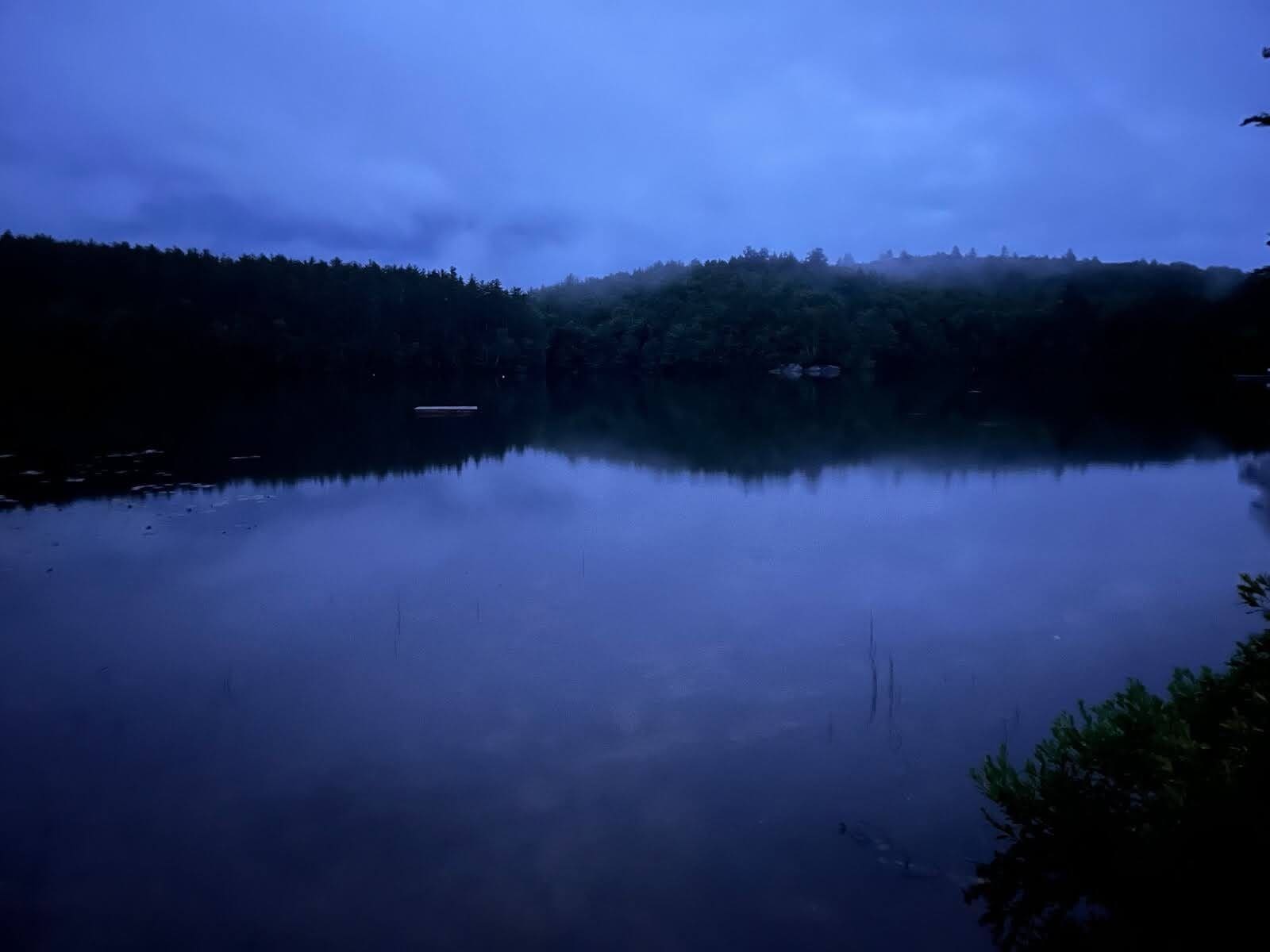
(Photo credit: Adrianna Drindak)
Growing up, my grandparents spent one week of each summer along Blue Mountain Lake, nestled within the Adirondack Mountains in upstate New York. I remember going up to visit with my parents. We would sit outside and chat for hours, dipping in the lake to cool down and cooking meals for our small, close family. The details of these visits are now hazy. After all this time, it’s not the smell of the lake or a stunning evening sunset that lingers. It’s a sound that we cherished, a beckoning that would dance in our ears, a noise that both chilled and calmed my spirit – the call of the loon.
Even now, the loon calls to me. The common loon has four distinctive calls, with its voice most likely to be heard from May to June.
The hoot is a terse call that often allows for family units to converse over small distances.
A male loon might produce a yodel when defending its territory from nearby males, predators, and other threats.
The tremolo is a sound often released over water, as the loon flies over lakes inhabited by other loons.
But, of all the loon’s calls, there is one that settles in your bones, demanding you to listen – the wail. Often a call into the night, the wail serves as a way for mated loons to communicate over the expanse of a large lake. The sound haunts you. It is a cry that mourns, a cry that beckons, a cry that celebrates all that is living and has lived.
…
It is a few days after my grandmother’s funeral.
I hold a small, carved loon in the palm of my hand. This wooden loon is just one of the many objects remaining in my grandparents’ empty home. I hold the loon, and I’m pulled back to Blue Mountain Lake. Even if years separate me from the memory, I can still imagine the gentle whispers of my grandparents as a loon calls.
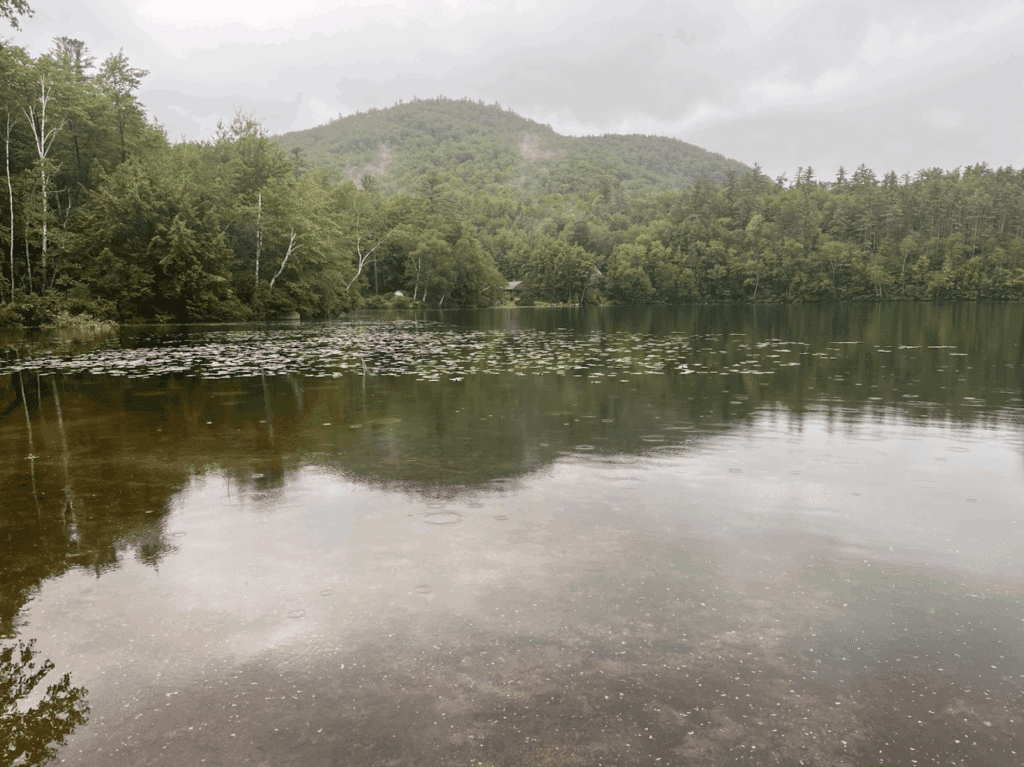
(Photo credit: Adrianna Drindak)
Now I hear the loon and I feel its own mourning. There is a raw grief, as watersheds are polluted and habitats are destroyed, but there is also the need to communicate and seek partnership. A yearning for what is lost and what is loved. If grief is an expression of love, maybe the loon’s call is one for the world, a call to the wild, to the marshlands and lakes, to the ecosystems that once were, to the future and what our world can be.
Our planet has so much to share, and it’s up to us to listen.
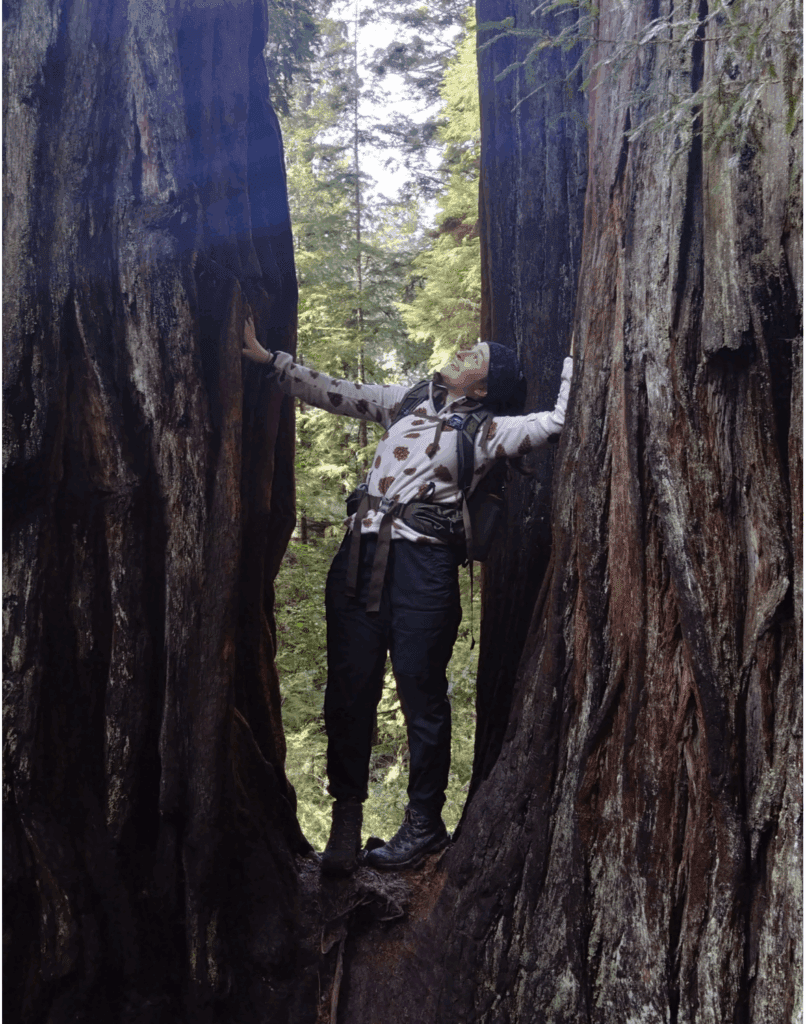
Adrianna Drindak is a rising senior at Dartmouth College studying Environmental Earth Sciences and Environmental Studies. Prior to interning at Bio4Climate, she worked as a field technician studying ovenbirds at Hubbard Brook Experimental Forest and as a laboratory technician in an ecology lab. Adrianna is currently an undergraduate researcher in the Quaternary Geology Lab at Dartmouth, with a specific focus on documenting climate history and past glaciations in the northeast region of the United States. This summer, Adrianna is looking forward to applying her science background to an outreach role, and is excited to brainstorm ways to make science more accessible. In her free time, Adrianna enjoys reading, baking gluten free treats, hiking, and backpacking.
Dig Deeper
Spirit of the North: the Common Loon, Marie Read