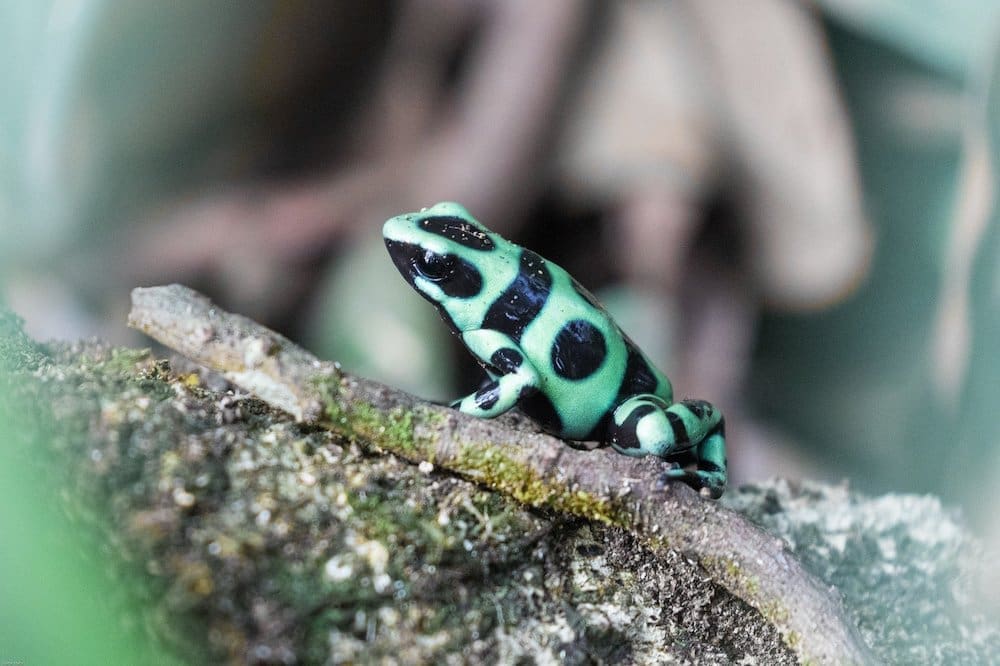
Poison dart frogs – so named because the Indigenous Emberá people of Colombia traditionally used the venom in blow darts – are some of the most toxic creatures on Earth. Some carry enough poison to kill ten grown men or to poison 20,000 mice.
This potent toxicity originally comes from plant poisons that were ingested by the frogs’ insect prey. The effects of this diet, whose repercussions pass from plant to insect to frog to human hunters, shows just how interconnected these ecosystems are. Though it’s not established how the plant poison is processed into venom, when poison dart frogs are bred in captivity and fed a different diet, they do not develop the venom.
Why are poison dart frogs so colorful?
The poison dart frog uses bright colors and patterns as a warning to predators – do not attack if you wish to live! Various species come in bright yellow, turquoise and black, or strawberry red, and these eye-catching visuals broadcast to predators that they’re venomous and dangerous.
They use poison in self-defense, not in hunting, excreting venom into their skin when they’re threatened, so that a single touch would be enough to stop a human heart. This is such an effective tool that many species have evolved to mimic the bright colors and patterns of poison dart frogs in order to get some of that protection from predators by association.
What are other characteristics of poison dart frogs?
They’re tiny! Grown adult frogs typically measure one to two inches, and can be held on a single fingertip (though you wouldn’t want to try this at home).
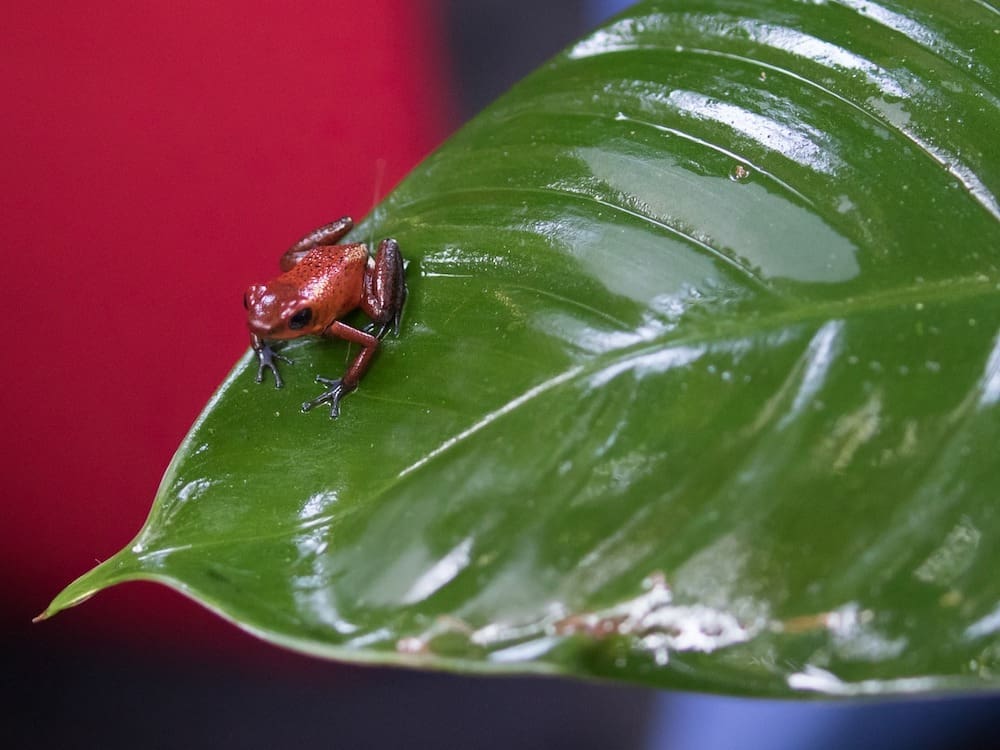
Like all frogs, they’re amphibious, which means they lay eggs that hatch tadpoles, and have permeable skin through which they can absorb water and oxygen.
How are human activities impacting poison dart frogs?
Deforestation is one of the biggest threats to the poison dart frog. Poison dart frogs are spread across the rainforests of Central and South America. There are over one hundred species of them, and new ones continue to be found! However, habitat loss across these areas, especially in the Amazon, put them at risk of extinction.
Check out this brief look at the life of one golden dart frog:
These bright creatures may be dangerous, but they are just as dazzling. They show that brilliant things can come in small packages.
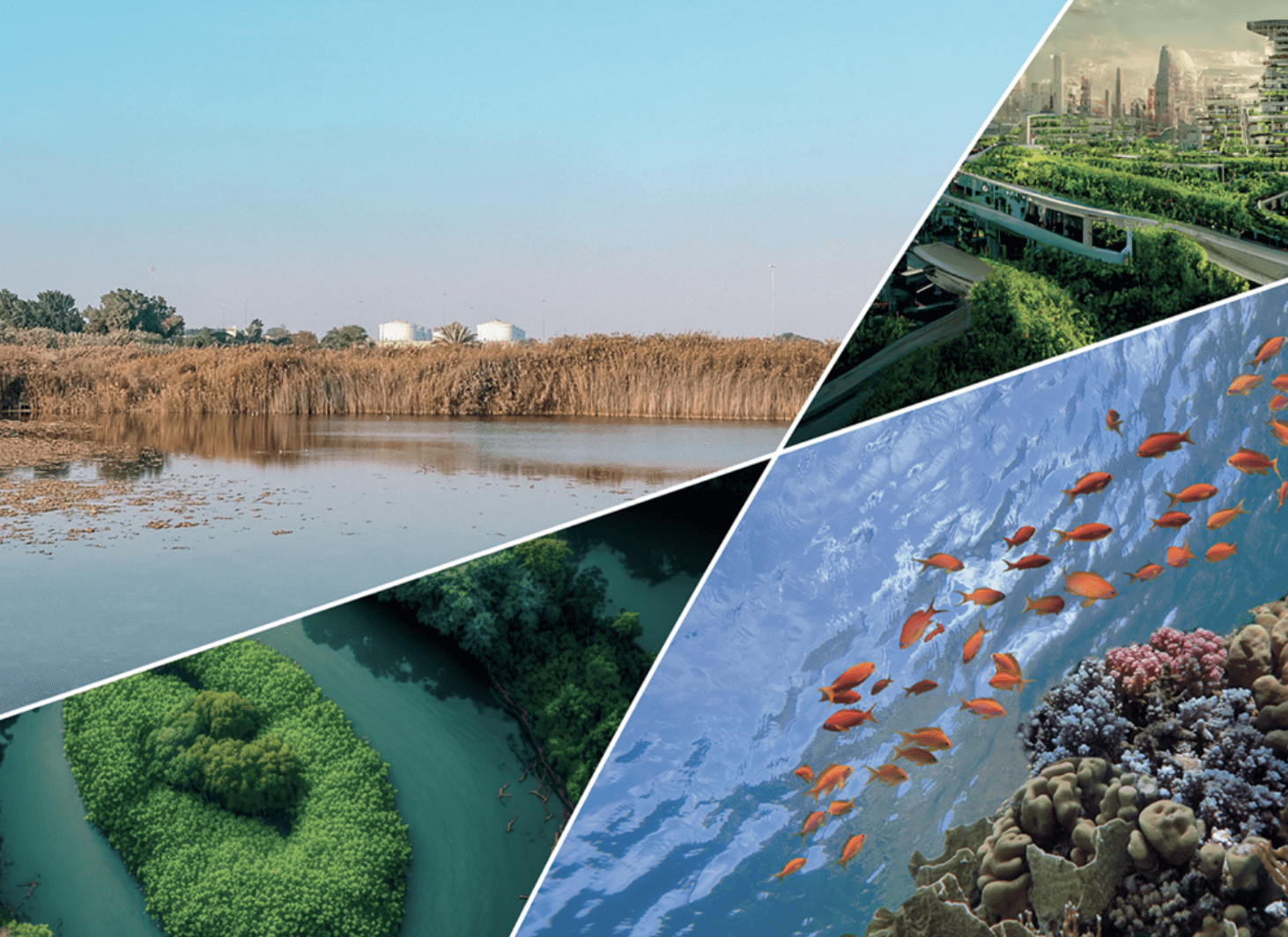
Besides celebrating all fascinating creatures all over the globe, we are working to educate and shape communities around the regeneration of our planet. Check out some of our highlights below.
News and Insights
Graphical Abstract from Ospina Parra, A. F., Evangelista, J., & Shebitz, D. J. (2026). The Root of Urban Renewal: Linking Miyawaki Afforestation to Soil Recovery. Land, 15(1), 84. https://doi.org/10.3390/land15010084
Since 2021, Bio4Climate has supported eight miniforests across Massachusetts, where restoring degraded soil is a central goal alongside planting diverse native species.
We’re excited to see new research—The Root of Urban Renewal: Linking Miyawaki Afforestation to Soil Recovery—examining early soil health changes in three of Groundwork Elizabeth’s miniforests in New Jersey. Led by Andres Ospina Parra (Rutgers–Newark) with Daniela Shebitz (Kean University) and John Evangelista (Groundwork Elizabeth), the study offers some of the first U.S.-based evidence that Miyawaki microforests can rapidly initiate below-ground recovery, showing gains in soil permeability, carbon, and microbial activity within just one to three years—even in highly degraded urban soils.
As the authors note, these changes reflect early signs of soil self-organization, where interactions among roots, microbes, and organic matter begin building long-term resilience.
Studies like this help illuminate what becomes possible when we create the right conditions for urban sites to recover—and we’re excited to keep learning as our own miniforests grow and mature.
A team of Australian researchers spent five years analyzing the microbiomes of tree bark from eight species of Australian trees. They found that bacteria present on the bark were able to consume gases, including methane, hydrogen, and carbon monoxide.
“While people have talked about addressing climate change in part by planting trees, the discovery of this hidden world of bark adds a whole new dimension. It could also inform people’s calculations about which trees are the most potent climate warriors.”
Last Chance to Register for How Trees & Forests Shape Our Climate! Registration is open through February 12 for our eight-week course exploring how living forests regulate climate through water cycles, biodiversity, and ecosystem processes.
Don’t miss this rare opportunity to talk live with these leading scientists, authors, filmmakers and practitioners and get your questions answered.
Be part of a community of fellow learners, each on a journey of understanding how living systems work to cool the temperatures and mitigate climate impacts. Recordings made available weekly. Private email group provides additional opportunities for rich conversations and deeper learning.
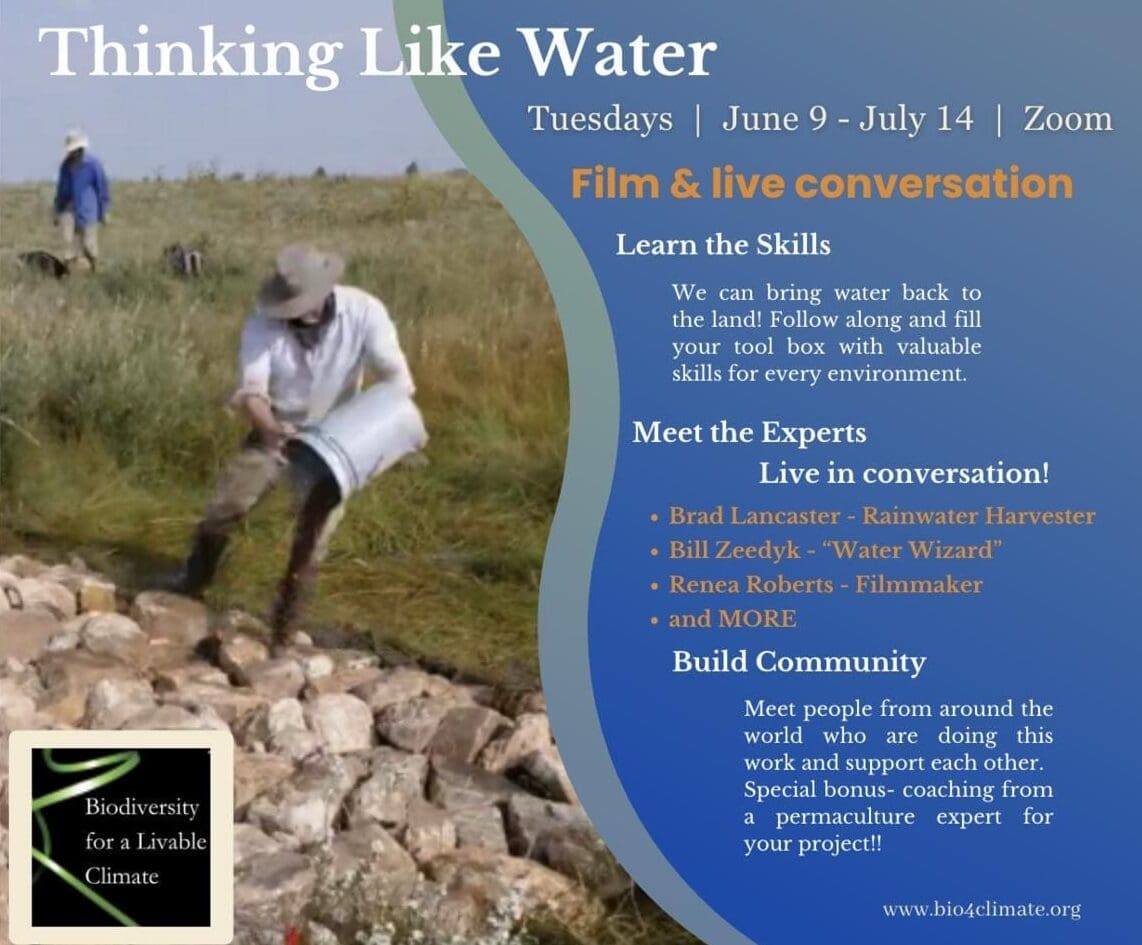
Thinking Like Water — Docuseries & Live Conversations | Episode 4 Join us on February 10 for a live conversation with three trailblazers who have been rethinking water and climate from the ground up.
Hear from Brad Lancaster, rainwater harvester and featured expert in Thinking Like Water Episode 4, as he shares his bold, low-cost strategies to capture rainwater runoff, reduce flooding and drought, and build local water security in urban, suburban, and rural communities.
You’ll also hear from Zuzka Mulkerin and John Lambert of Bio4Climate’s Voices of Water initiative, who will delve into the New Water Paradigm developed by hydrologist Dr. Michal Kravčík. This groundbreaking approach to rehydrate landscapes and restore the small water cycle has reshaped our understanding of water’s role in climate change for more than 30 years.
Together, they’ll reveal how working with water can restore the land, our waterways and climate resilience right where we live.
An intergenerational miniforest now grows in Belmont, MA!
Last year, alongside organizing and hosting the inaugural Northeast Miniforest Summit to support knowledge-sharing and connection, our Miyawaki Forest Program reached an important milestone: planting a 3,000-square-foot miniforest at Belmont High School together with the Miyawaki Forest Action Belmont (MFAB) group and students from the school’s Climate Action Club (CAC).
On October 4, 2025, nearly 275 Belmont volunteers—spanning generations—came together to plant 1,144 native trees and shrubs across 32 species, jump-starting soil life with leaf mulch and compost tea and bringing a living classroom rooted in collective care to life.
What makes this miniforest especially meaningful is the way it was imagined, organized, and stewarded by the community and students—amplifying a web of relationships and a shared sense of care and responsibility to the ecology of place and to one another, while restoring biodiversity and ecological function.
To many more community-initiated, student-powered miniforests—built by many hands and grown for many futures.
With deep gratitude to everyone whose time, support, and care made this possible—and to those stewarding it forward.
We are delighted to share a piece of artwork from one of our community members, Ann Barrett! Ann Barrett works in watercolor and oil on a variety of supports. With roots in observational drawing, her imagery fluctuates between figuration and abstraction, and celebrates human interconnectedness with all of life.
Ann is a six-year member of Jim Laurie’s symbiosis team, a Biodiversity for a Livable Climate financial supporter, and on the board of directors of East Quabbin Land Trust in Hardwick, MA. This is the third piece of Ann’s we’ve shared recently, and we are grateful for her artwork!
Song of Abundance, Oil on Canvas, 36×48, 2023
Share Your Art!
If you have artwork you’d like to have showcased in this newsletter, please respond to this email to get in touch with our team. We are accepting submissions for artwork, which can be anything from a poem to a painting—use your imagination! We are also accepting book recommendations.
What’s Your Favorite Creature?
Lastly, we want to invite you to write your very own Featured Creature article. If you are passionate about a specific creature that you have a personal connection to, we want to hear from you!
We look forward to receiving your artwork, book recommendations, and Featured Creature proposals.