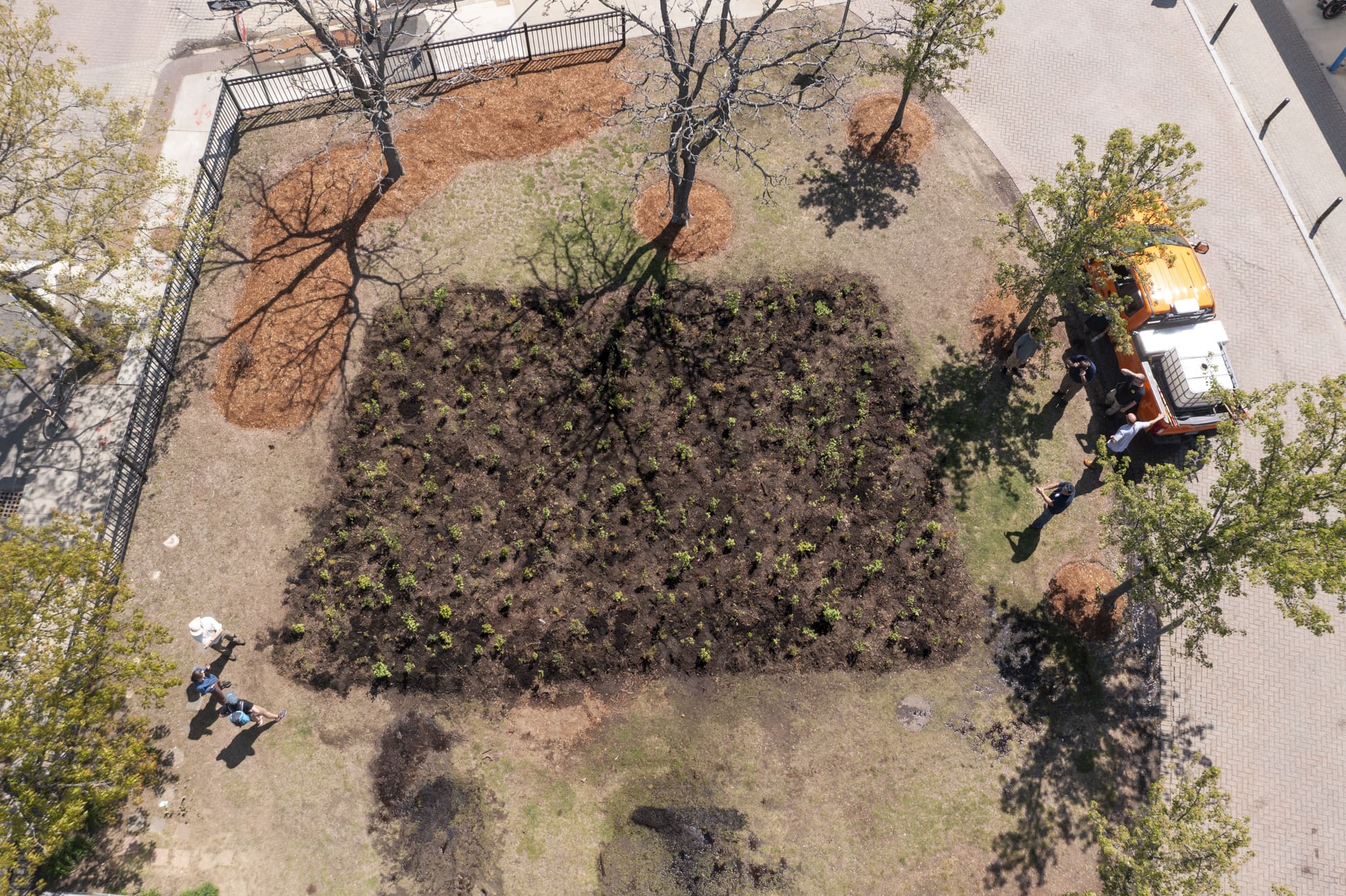
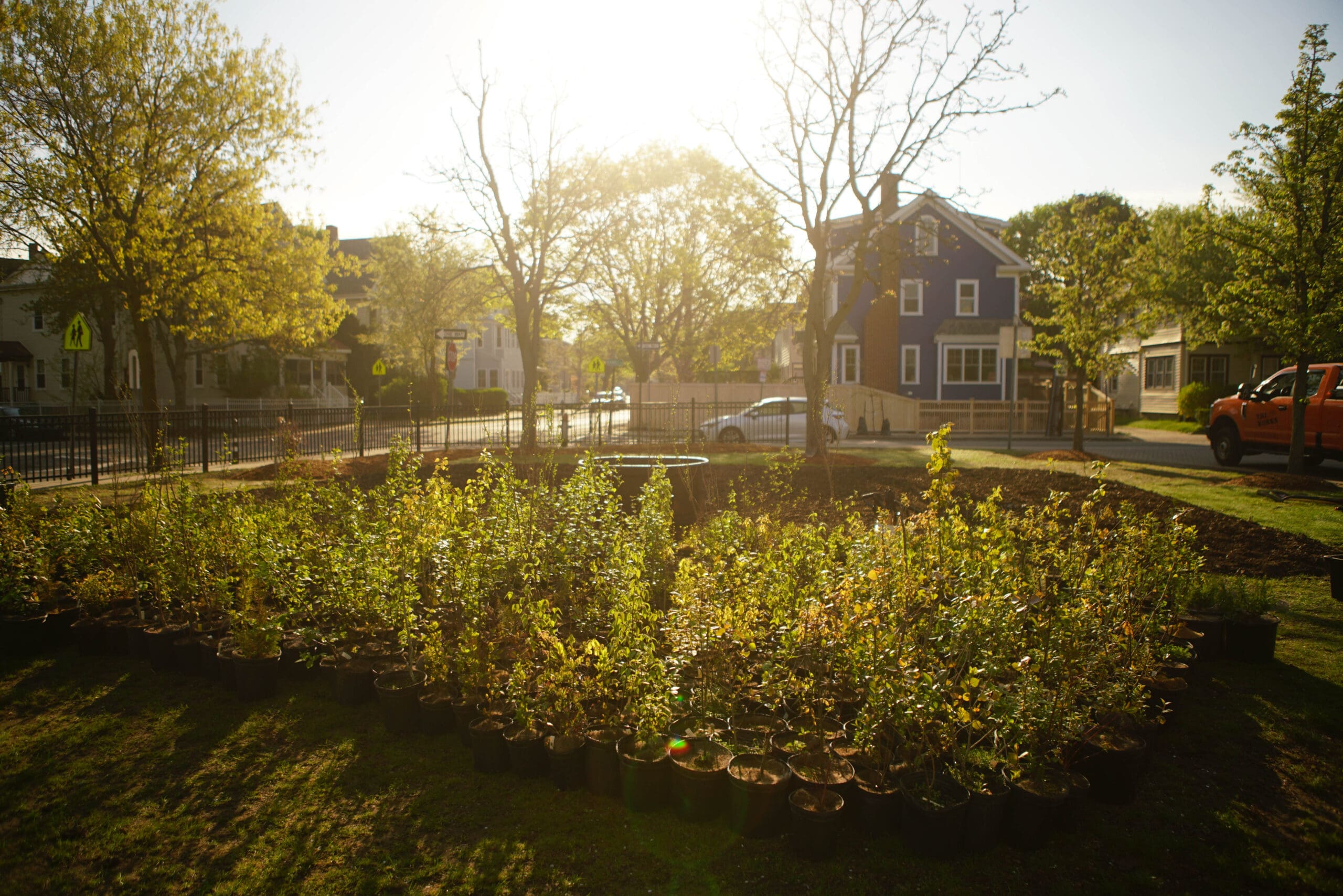
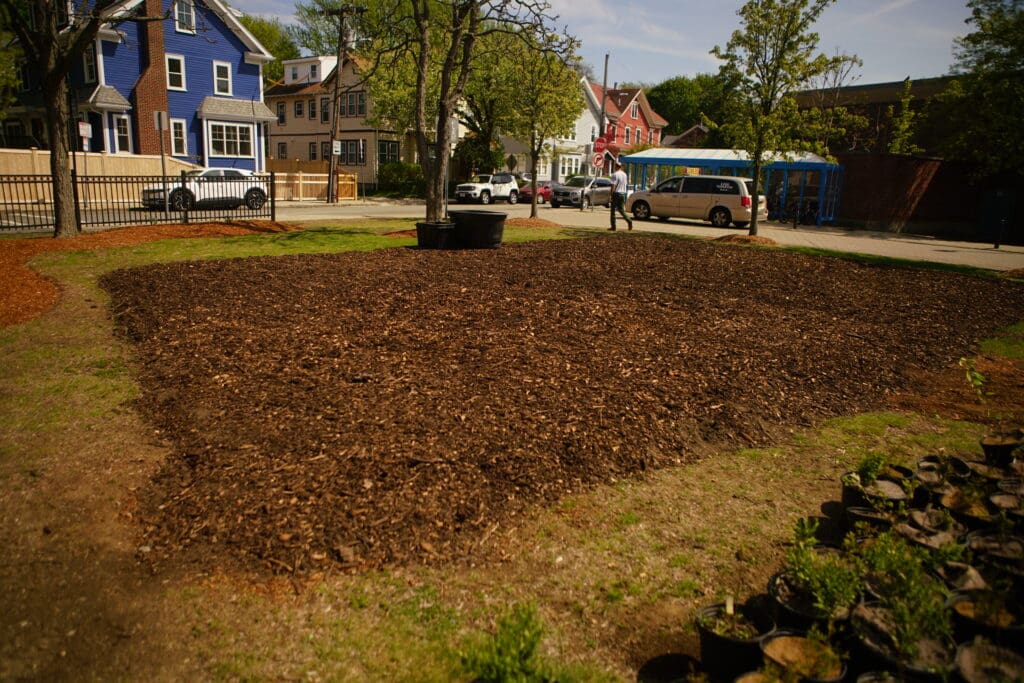
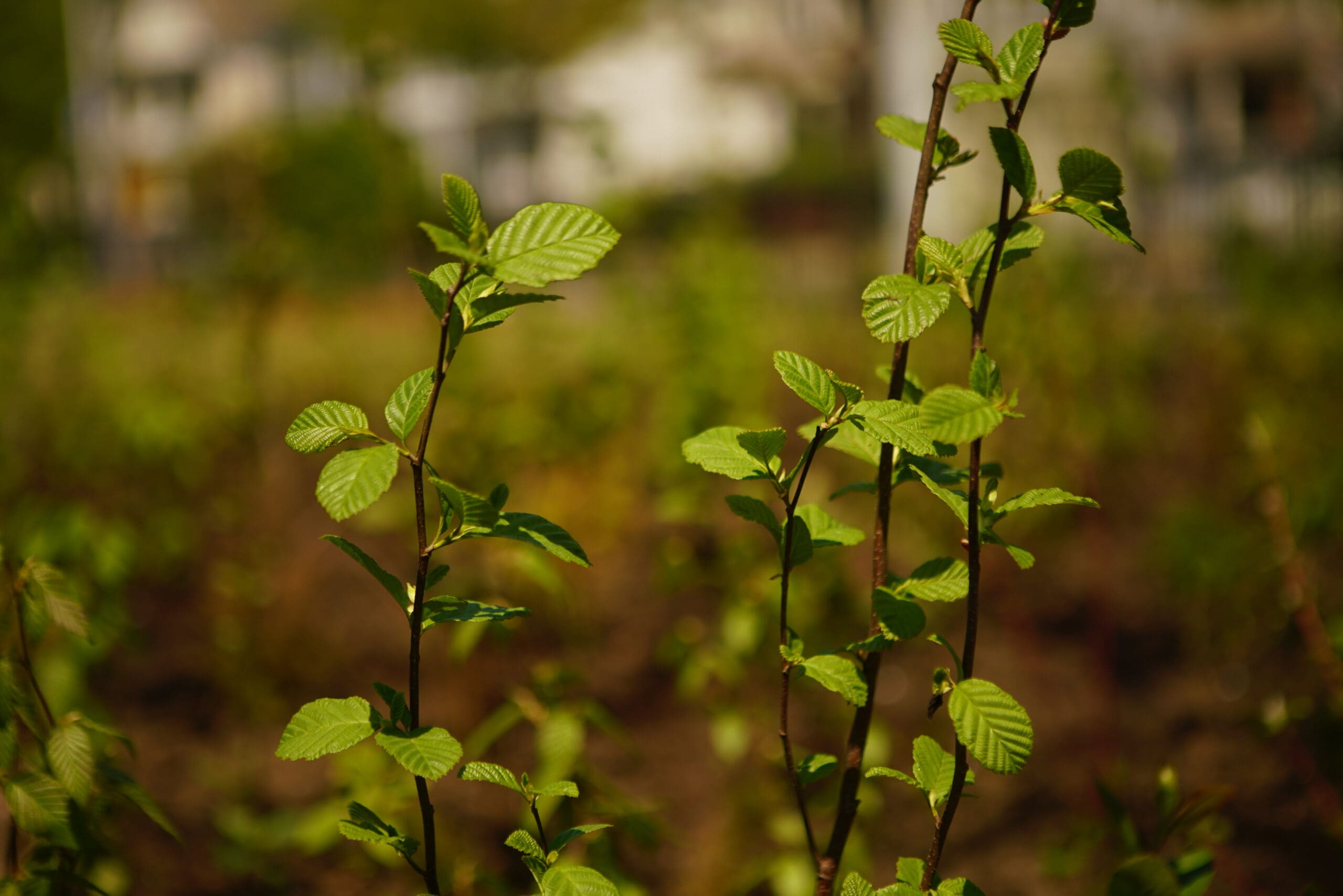
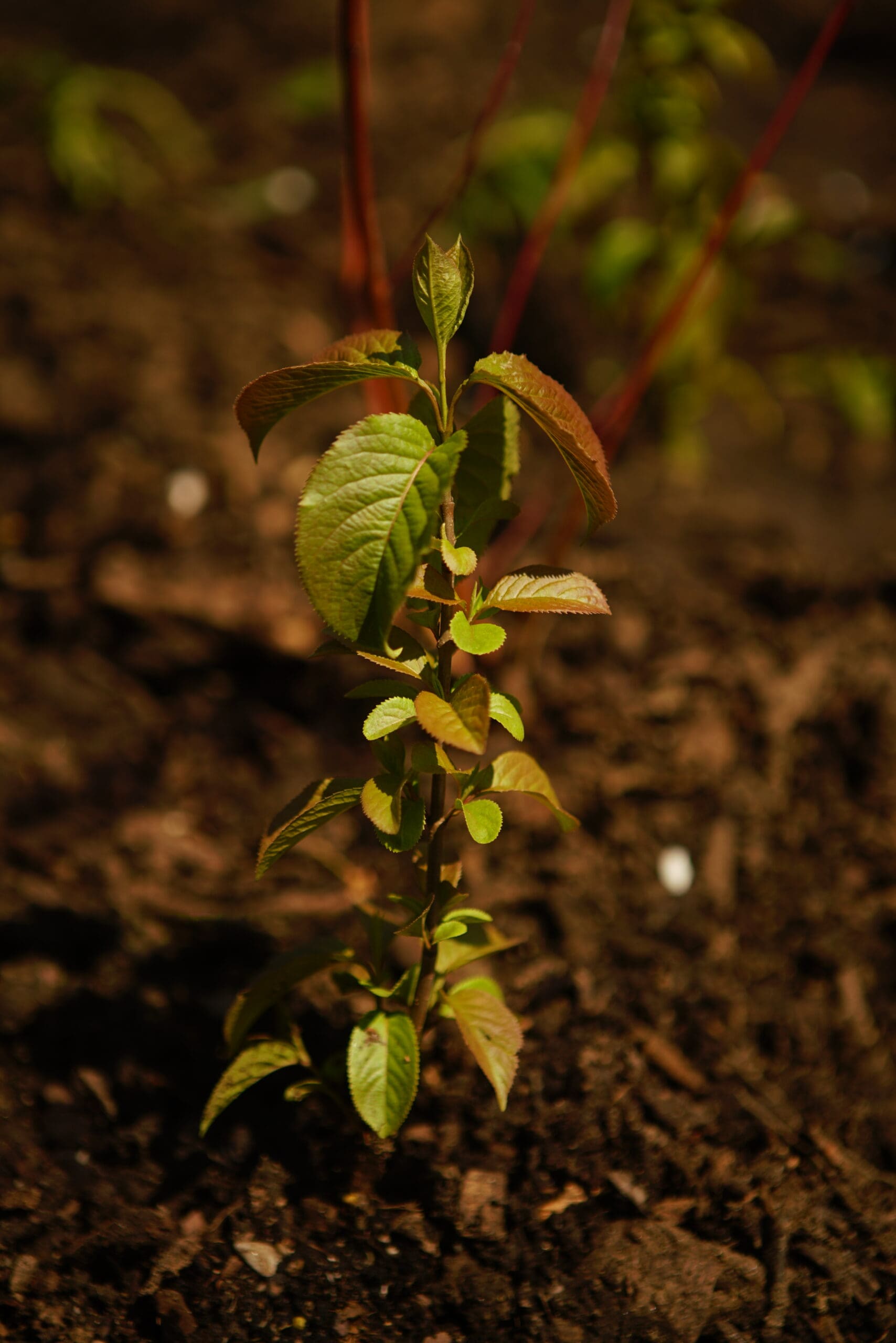
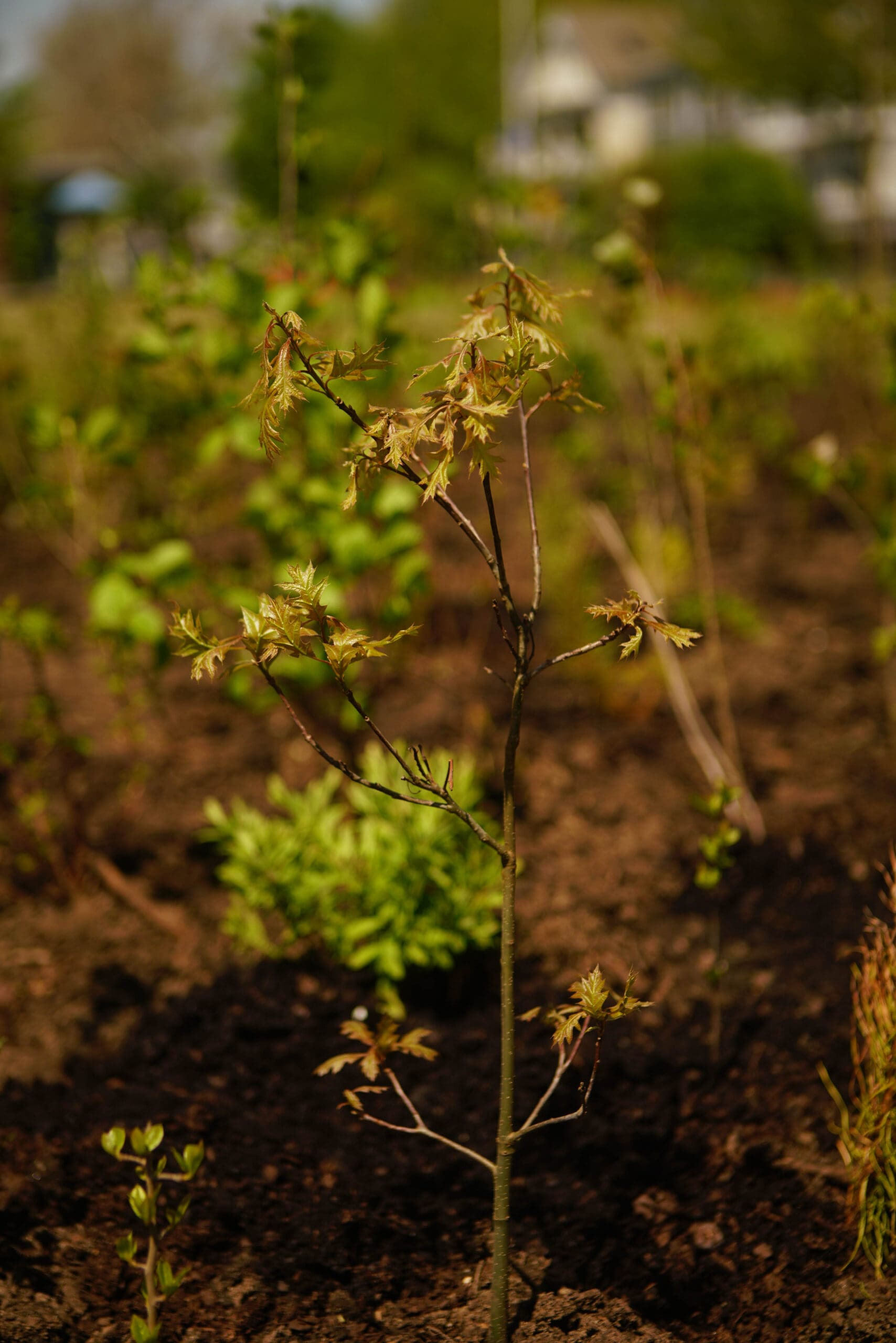
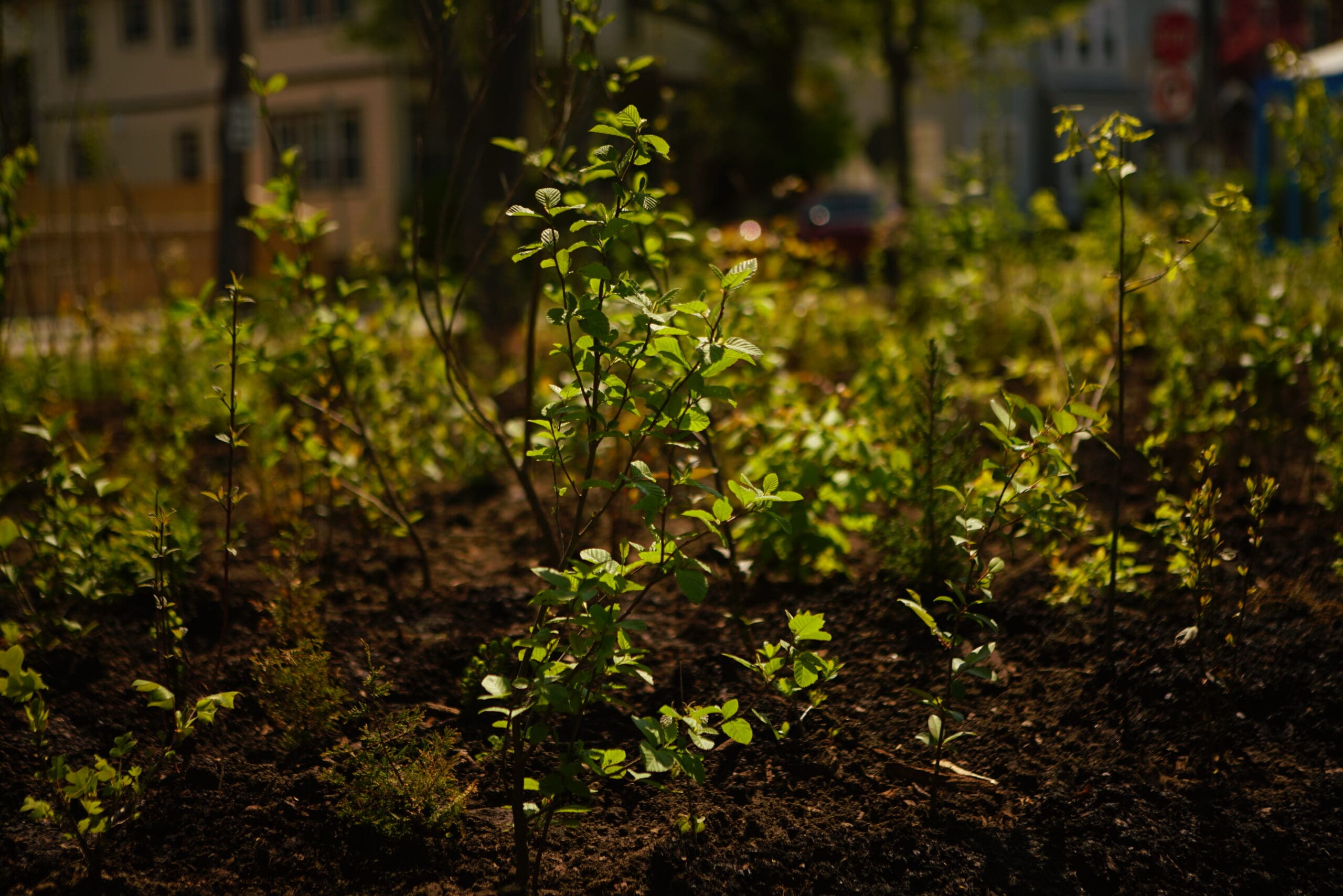
Bird’s-eye view of the 2,000 sq ft miniforest at Peabody Elementary School. Grateful to the community and the Cambridge Department of Public Works for their help with planting and their dedication to ecological restoration. Photos by Bill Hickey
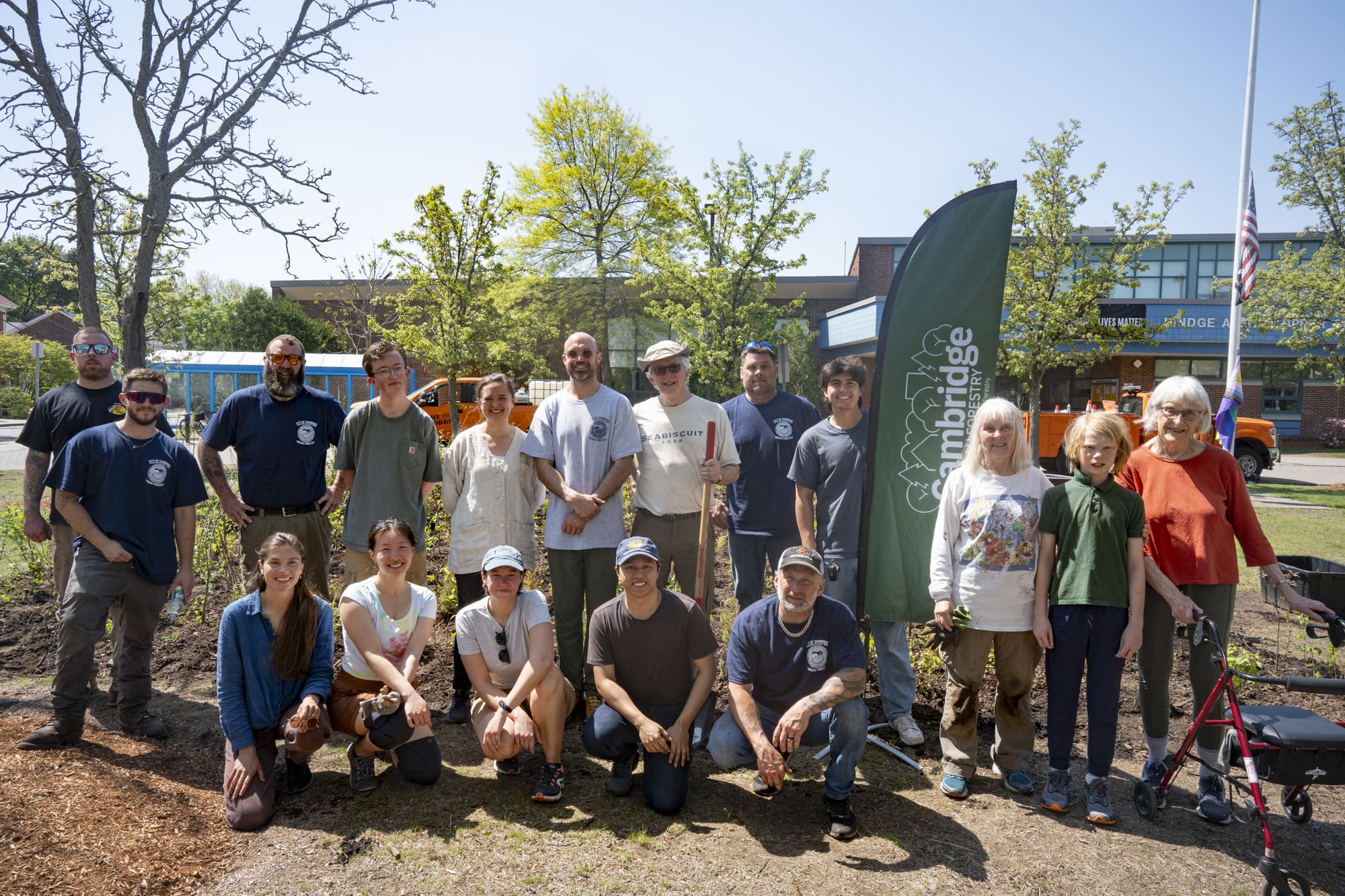
On Saturday, May 3, 2025, the City of Cambridge and Biodiversity for a Livable Climate planted our third Miyawaki miniforest, just outside Peabody Elementary School on Rindge Avenue.
The 2,000-square-foot forest includes more than 40 native species chosen to cultivate biodiversity, improve soil health, and build long-term climate resilience.
We’re thrilled to have a living classroom that students pass by every day, providing a hands-on space to explore and learn how nature works!
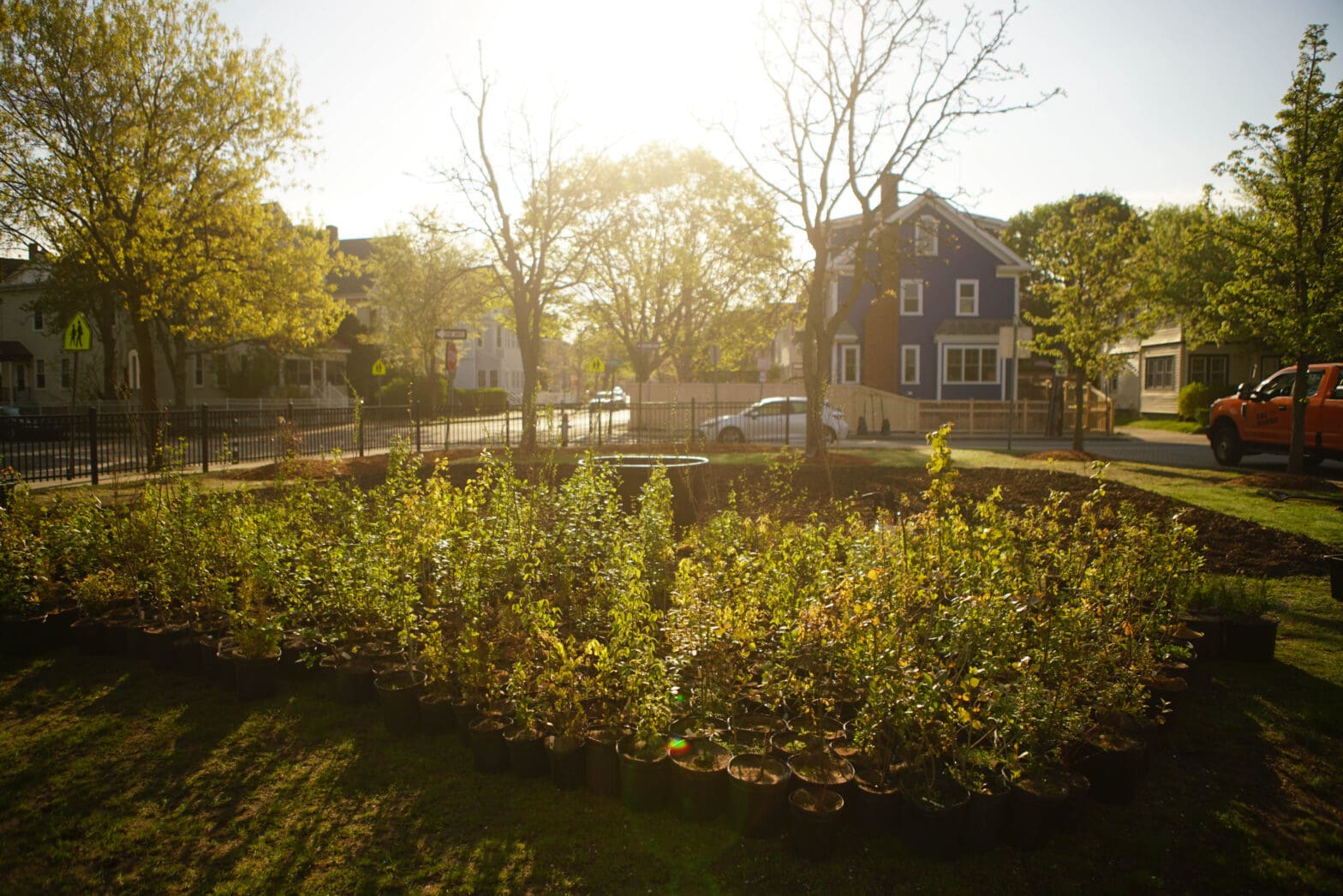
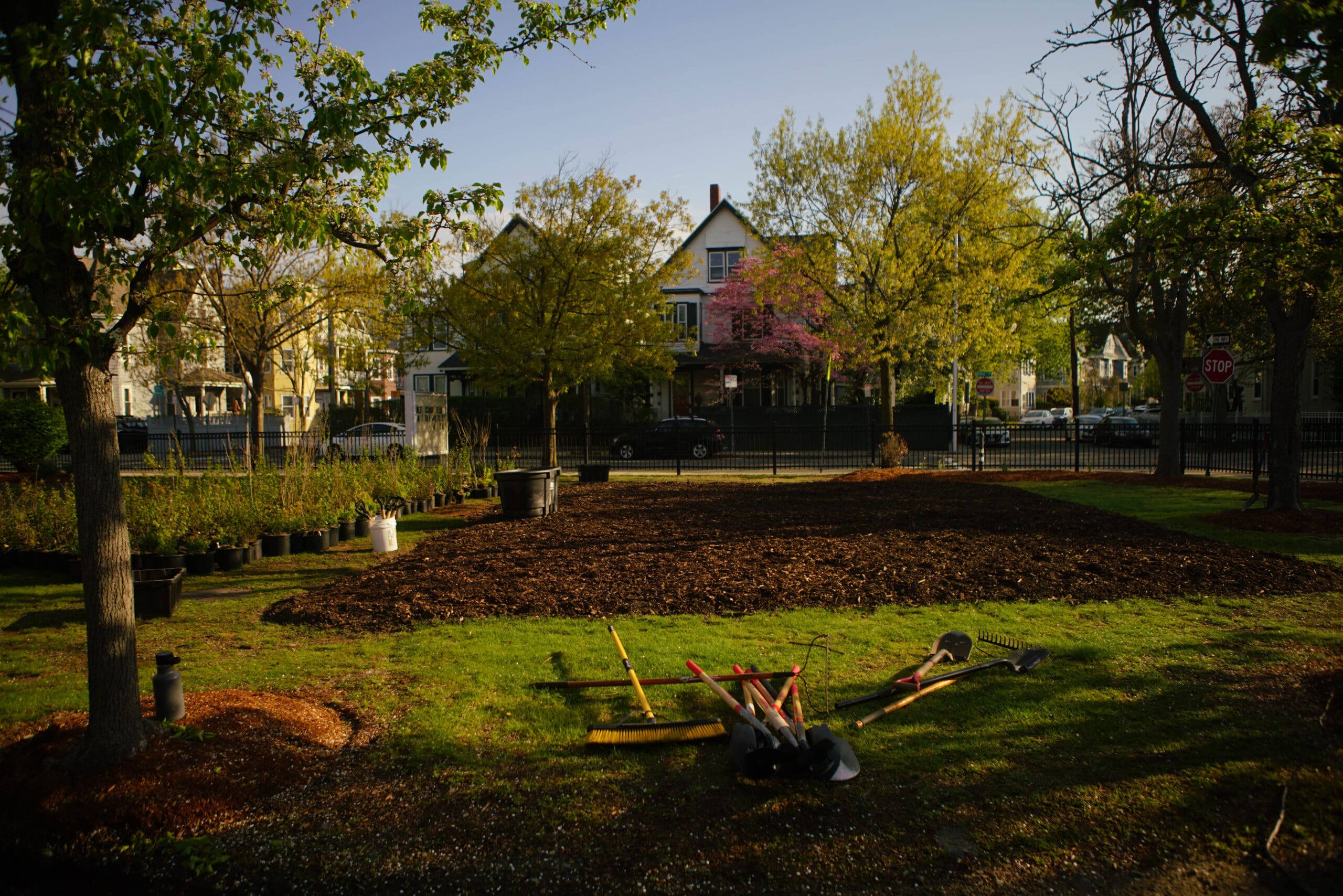
Morning of May 3: The site is ready and the plants have arrived— waiting for the community to join in. Photos by Alexandra Ionescu
Morning of May 3: The site is ready and the plants have arrived— waiting for the community to join in. Photos by Alexandra Ionescu
Morning of May 3: The site is ready and the plants have arrived— waiting for the community to join in. Photos by Alexandra Ionescu
An invaluable partner in this project, the City of Cambridge managed site preparation, coordinated soil amendments—including compost, leaf mulch, and compost tea—and oversaw the development and delivery of the planting list. Our role focused on supporting the City with community organization, ongoing maintenance and engagement, and ensuring the planting day was a success.
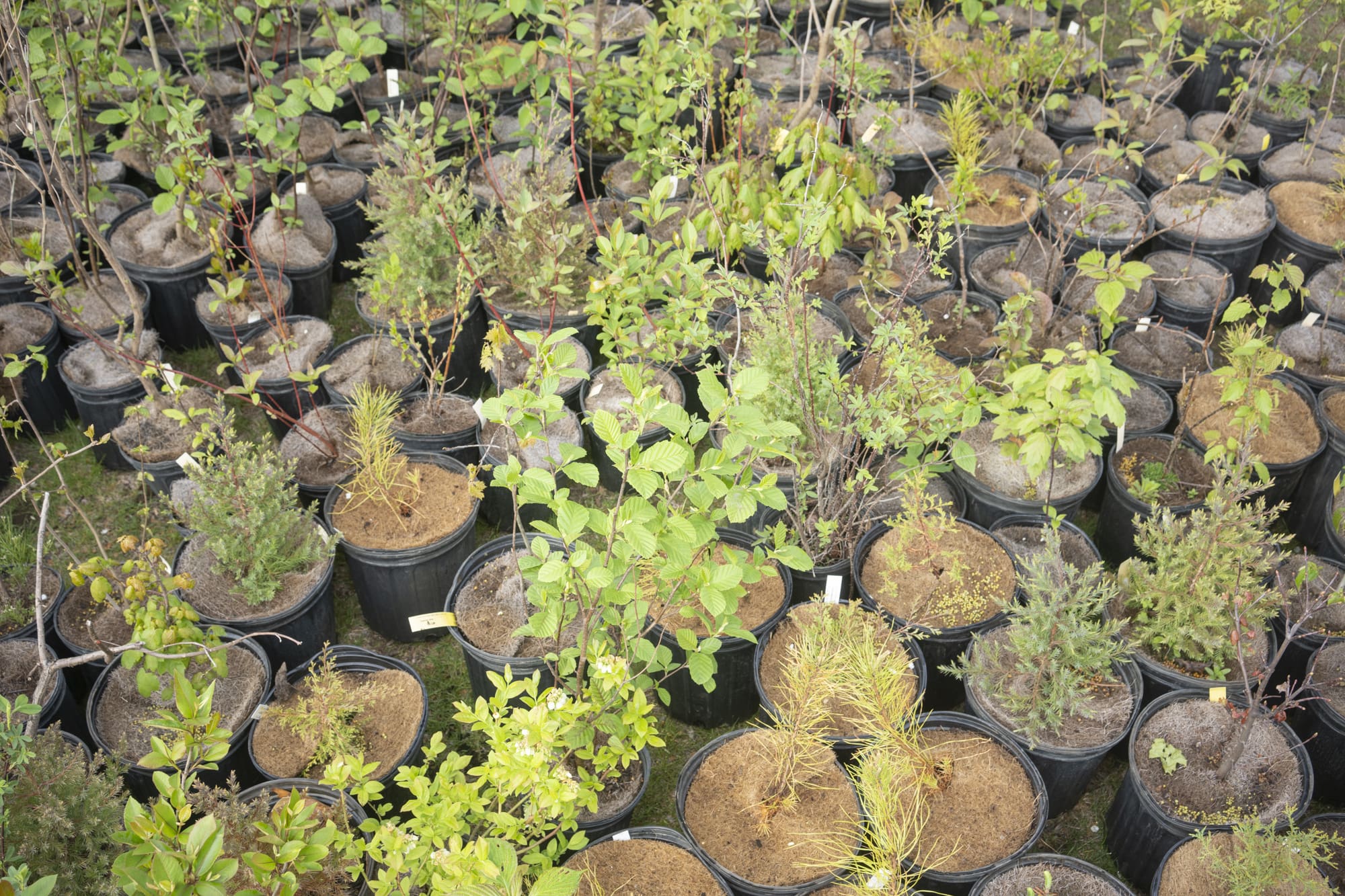
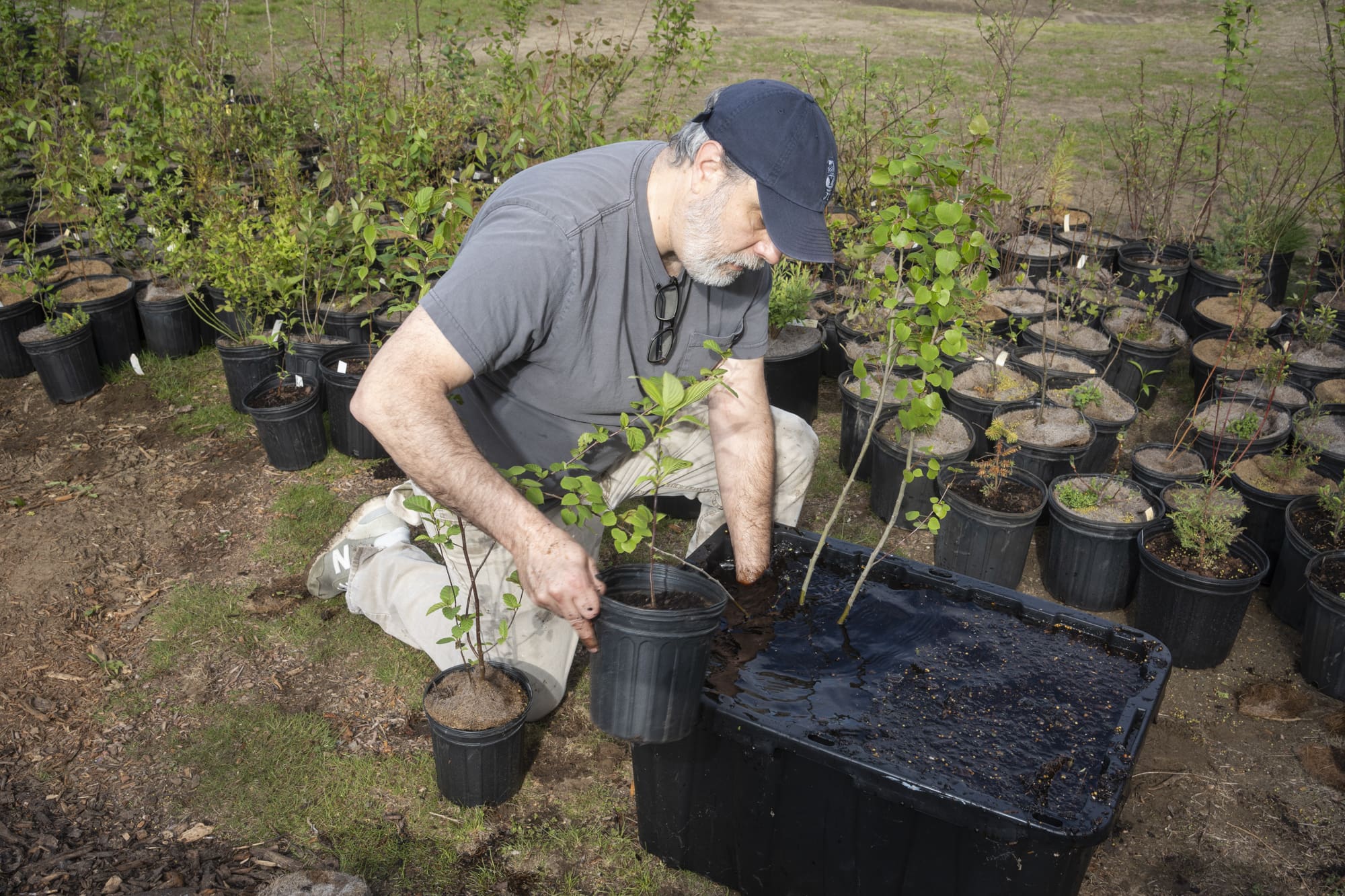
Diverse native plants from New England Wetland Plants nursery. Photo by Bill Hickey
A glimpse of the miniforest to come, planted with a diversity of native species. Photos by Alexandra Ionescu
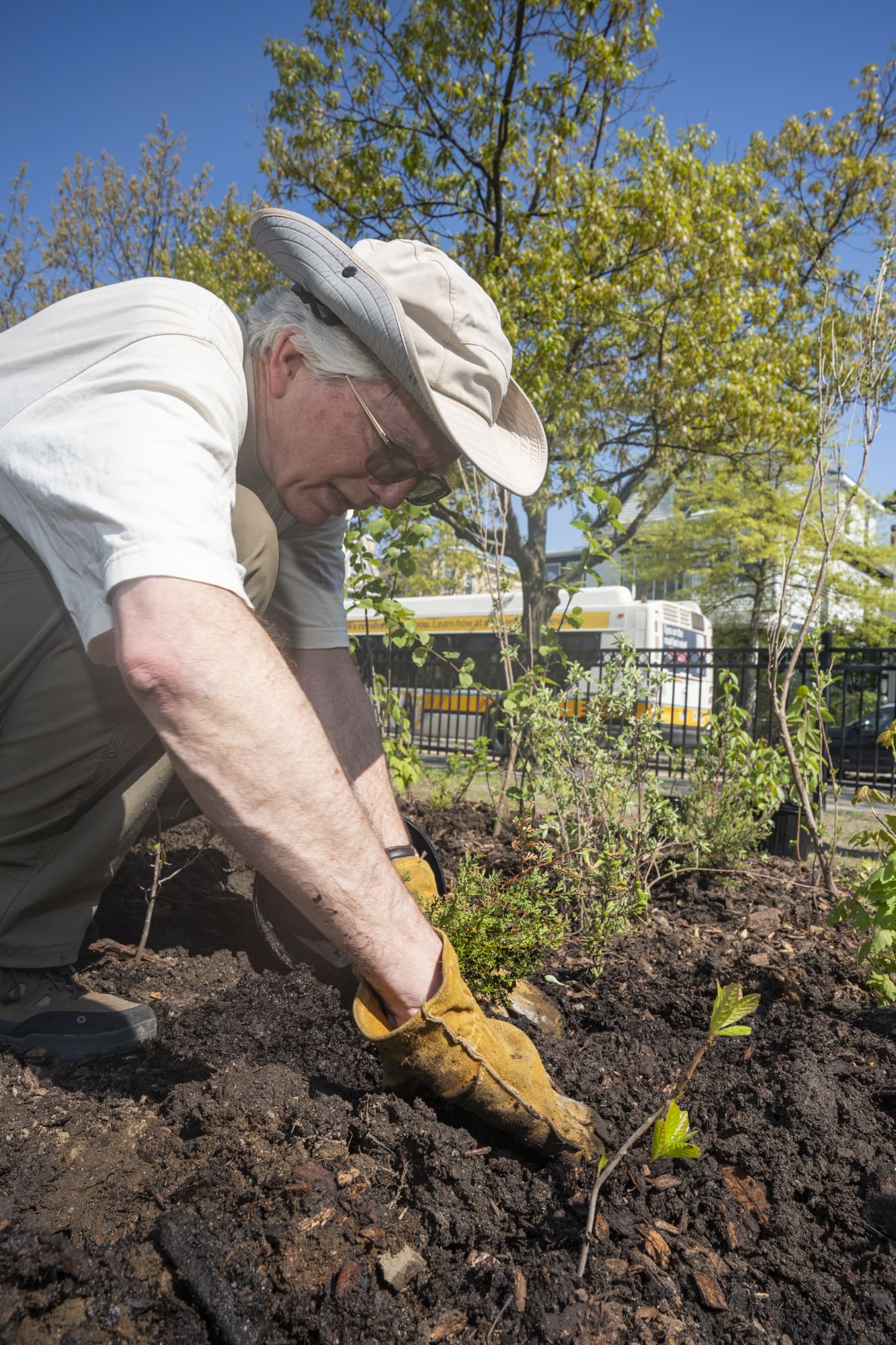
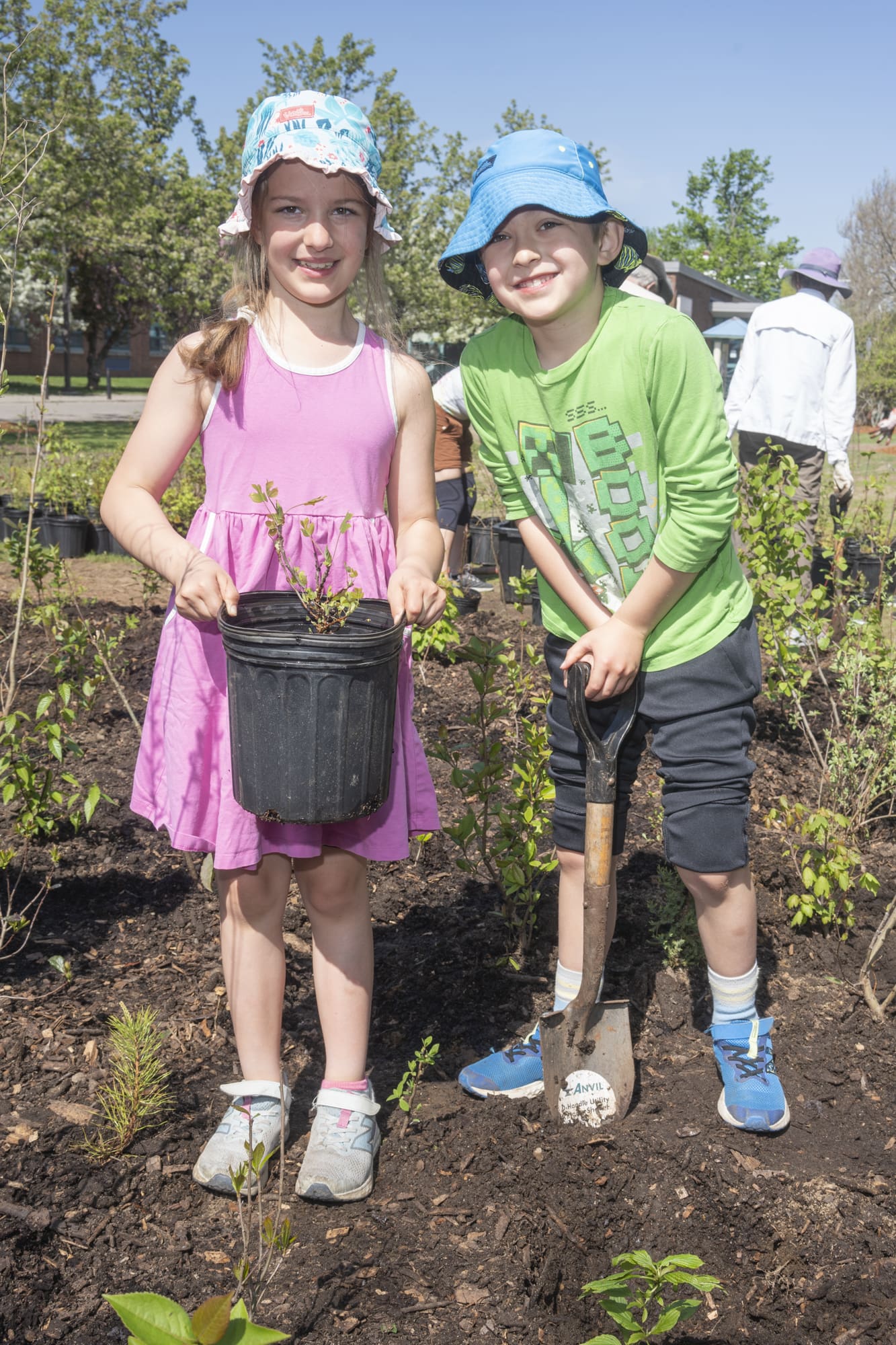
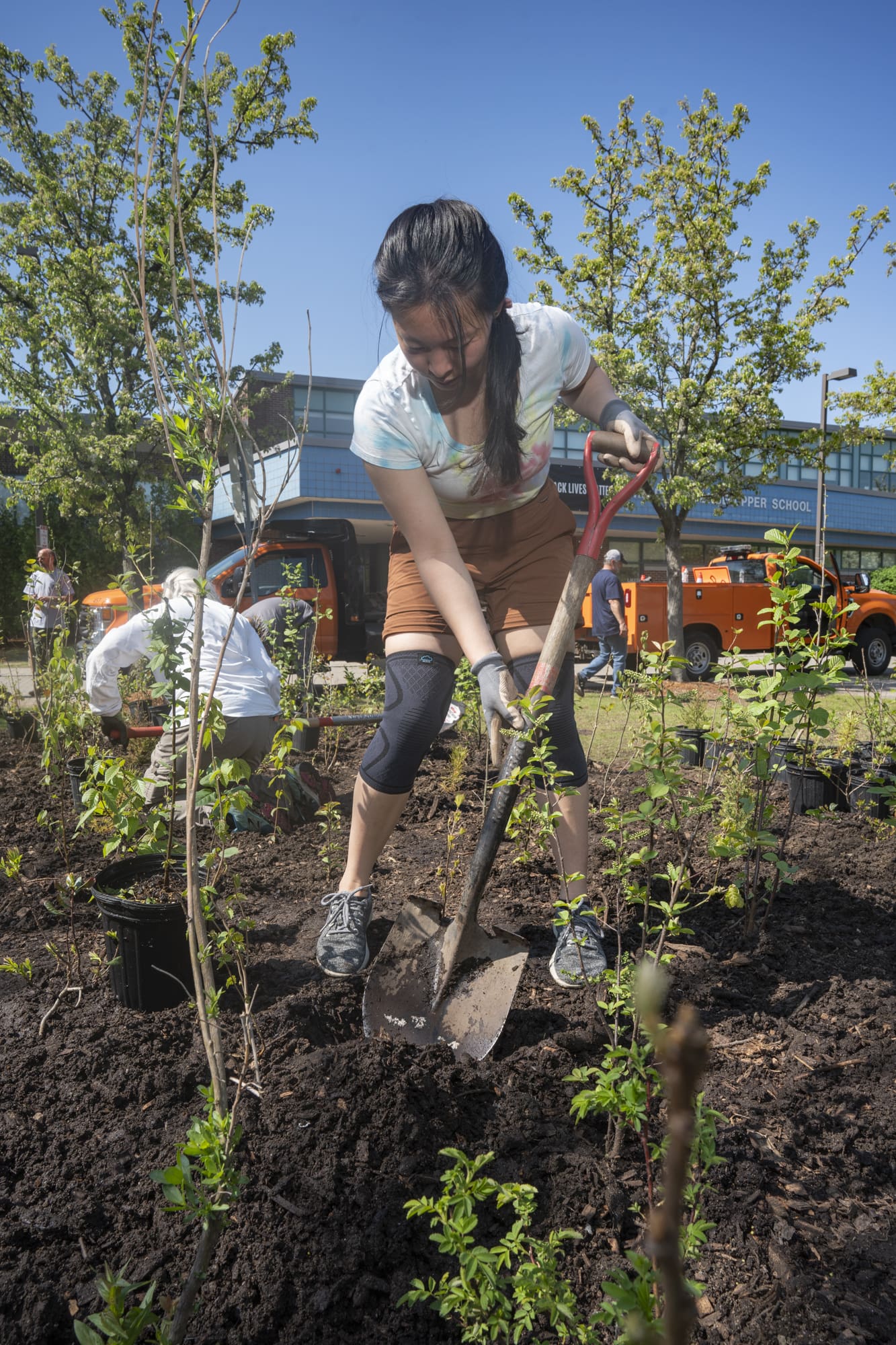
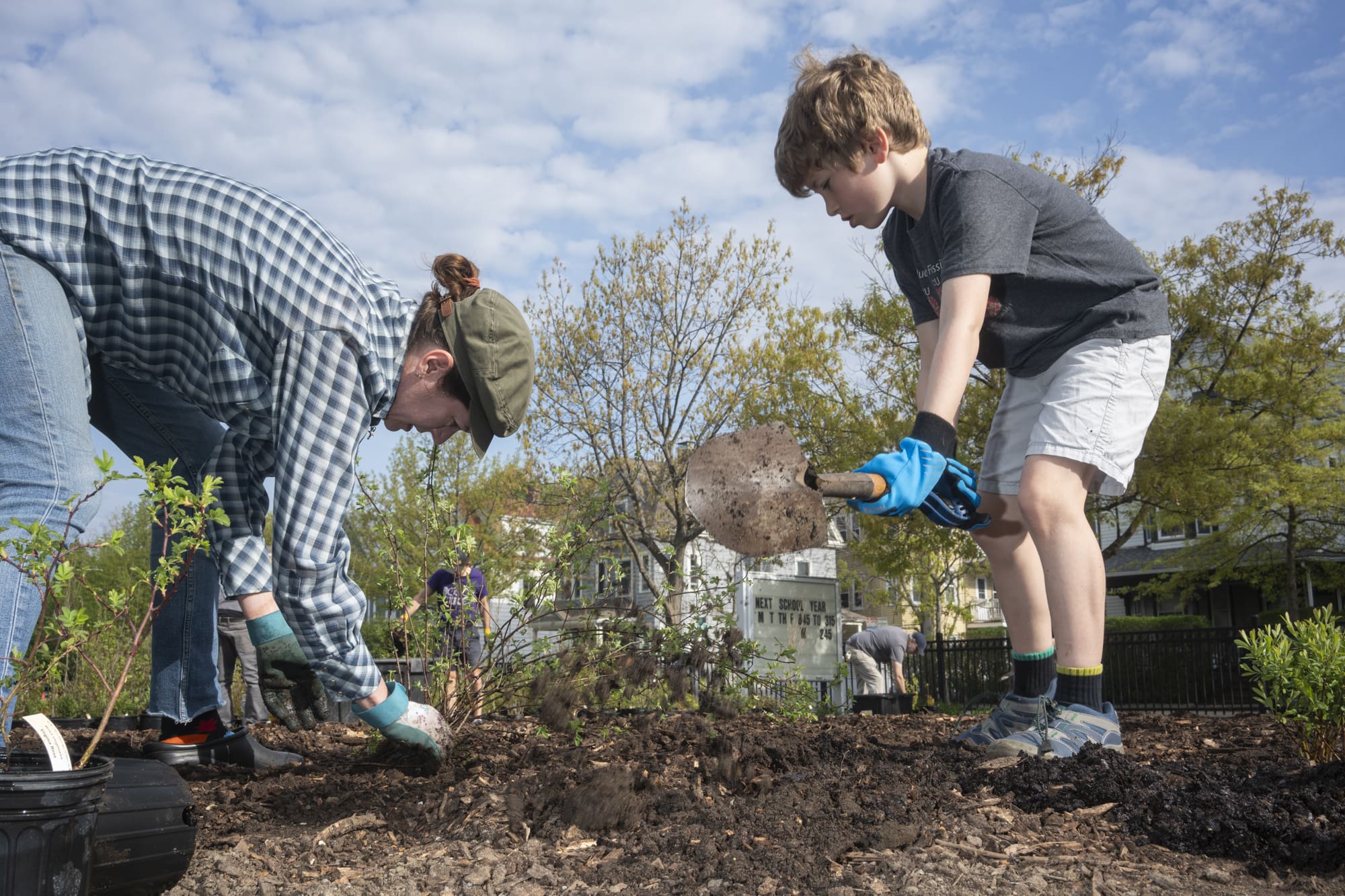
People of all ages came together to plant a mix of native trees and shrubs, spread mulch, and dunk potted plants in nutrient-rich compost tea to help them thrive.
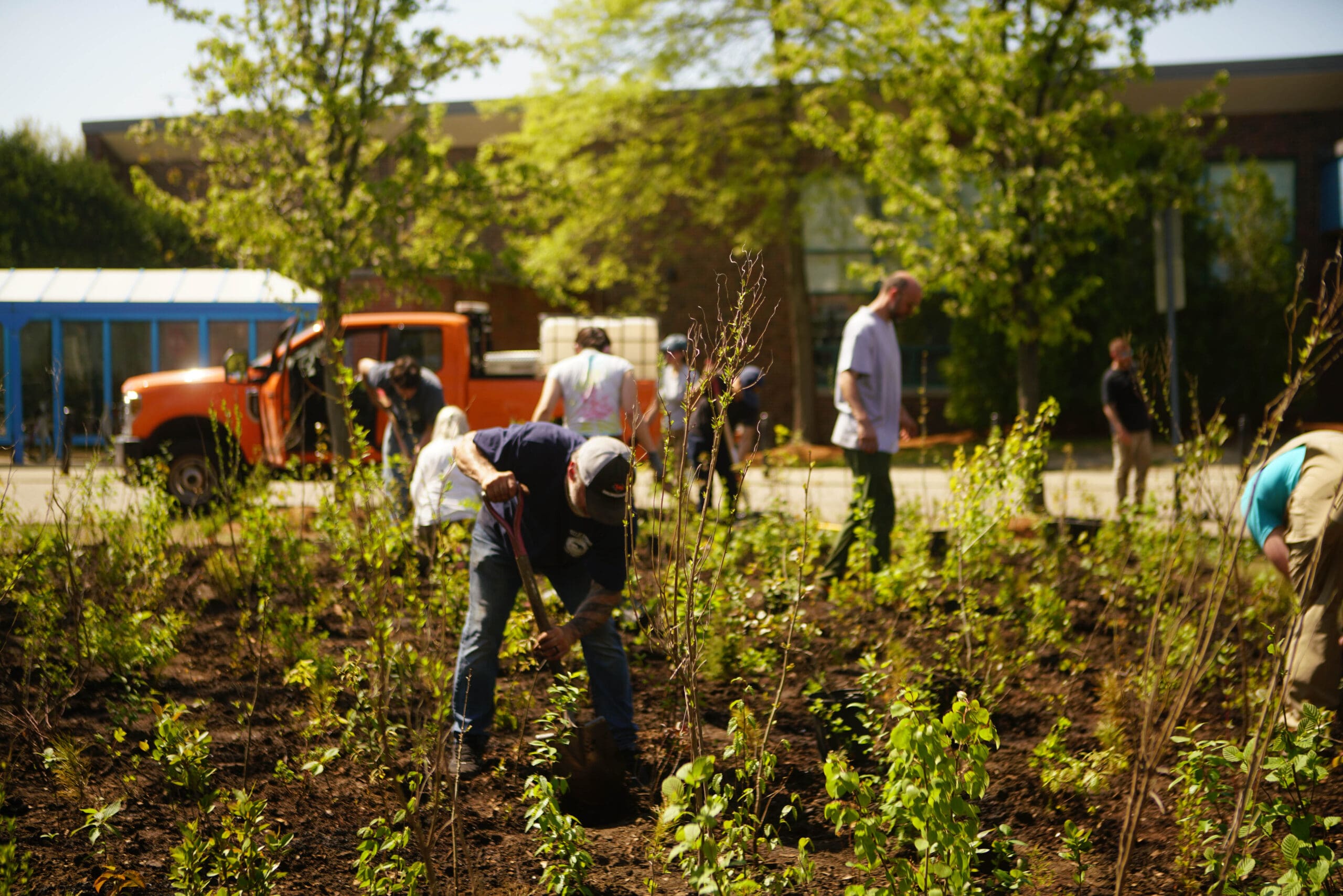
Planting hundreds of native trees and shrubs with help from volunteers of all ages. Photos by Bill Hickey
Planting hundreds of native trees and shrubs with help from volunteers of all ages. Photos by Bill Hickey
Planting hundreds of native trees and shrubs with help from volunteers of all ages. Photos by Bill Hickey
Families planting side-by-side, learning directly from the soil. Photos by Bill Hickey
Families planting side-by-side, learning directly from the soil. Photos by Bill Hickey
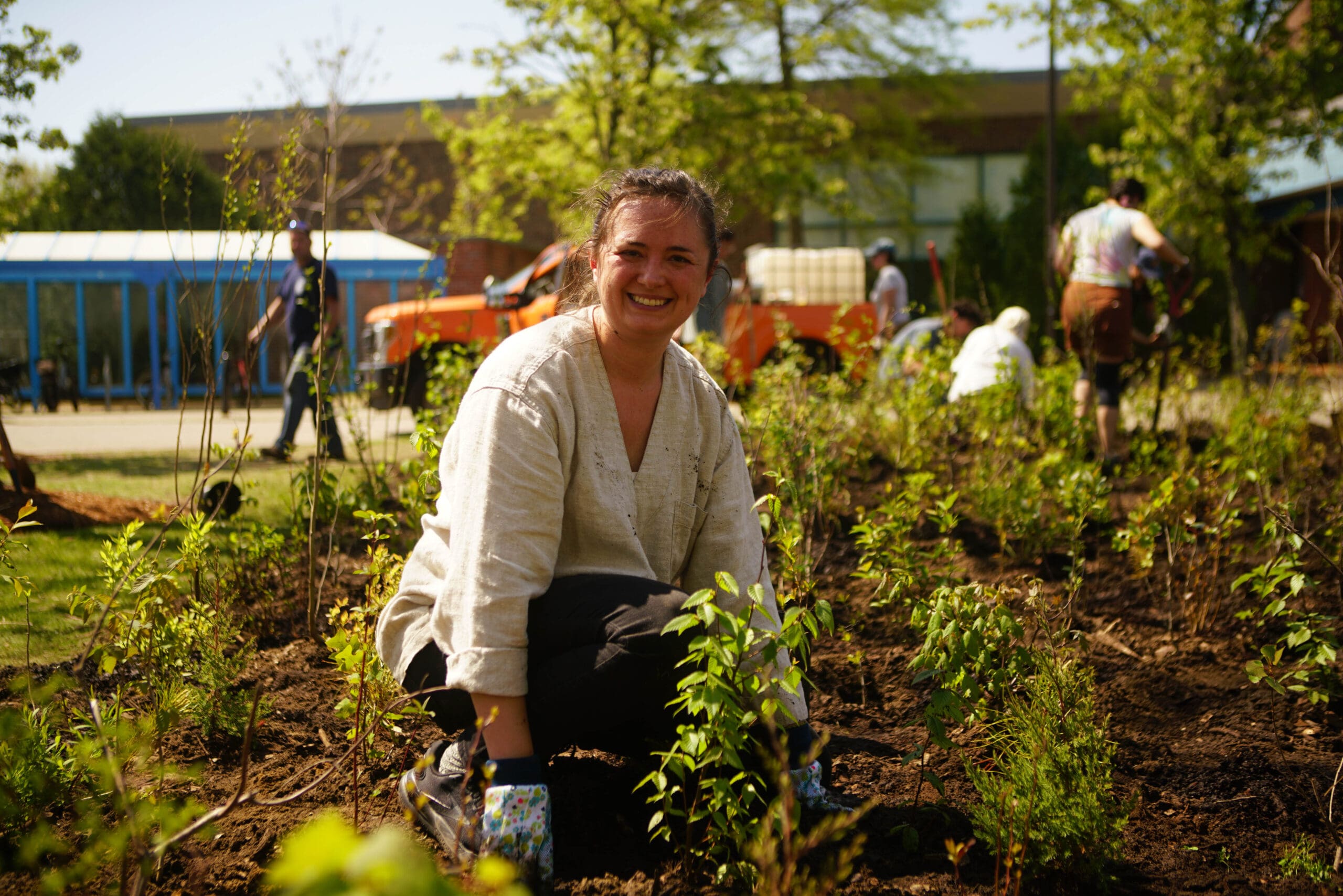
Moments of joy and connection during a full day of community planting. Photos by Alexandra Ionescu
Moments of joy and connection during a full day of community planting. Photos by Alexandra Ionescu
This miniforest is at the very start of its journey. As it establishes, we’ll be caring for it through watering, mulch maintenance, and hands-on learning with students. We’re thankful to all who made this possible and excited to witness how this living system grows and evolves with the community over time.
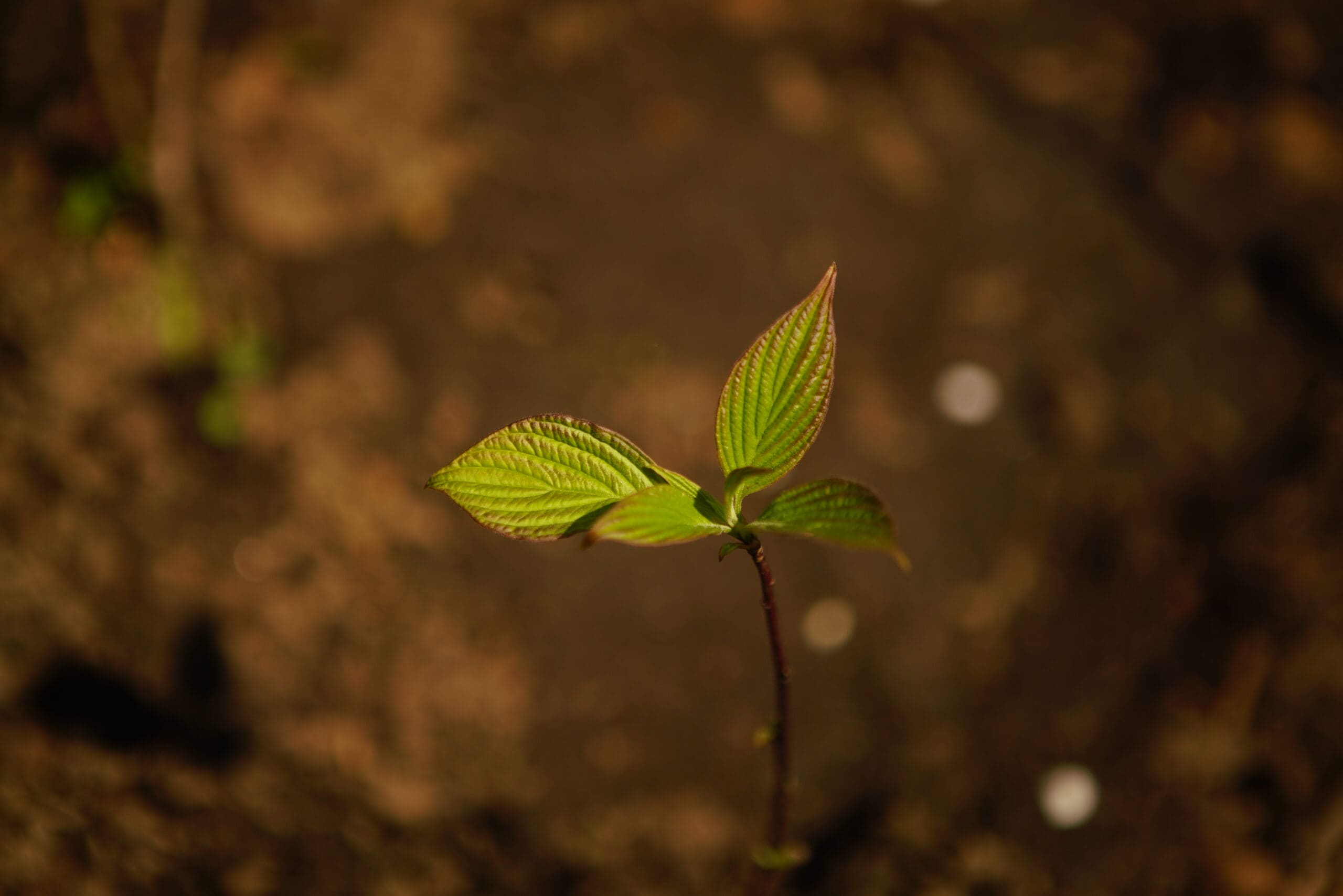
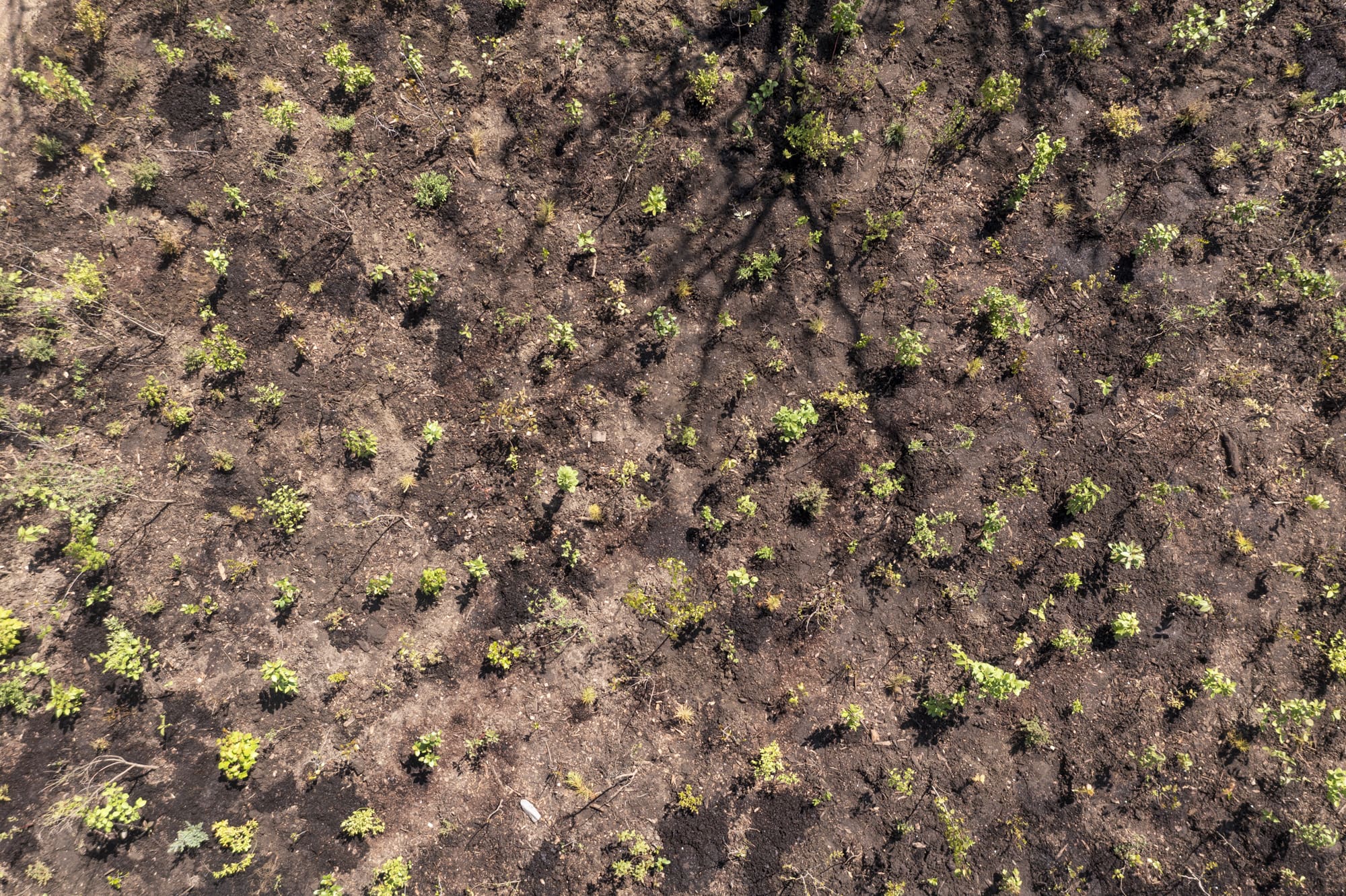
Looking down at the newly planted miniforest floor— hundreds of young saplings planted densely together. Photo by Bill Hickey
About Miyawaki Forests
The Miyawaki Forest is an ultra dense, biodiverse pocket forest that recreates the complexity of natural forests and the relationships and processes that help them grow strong and resilient. By giving home to a vast array of native species, they boost the biodiversity of the area and nurture pollinators, supporting and restoring ecosystems.
They sequester carbon in the soil, reduce air pollution and soil contamination, improve water absorption to buffer against flooding and erosion, and cool the surrounding area to mitigate the urban heat island effect. They also create a living classroom for people and communities to learn about native ecology, engage in stewardship, and experience the interconnectedness of the natural world.
If it rains, planting day will move to October 5. Sign up for updates on any changes.
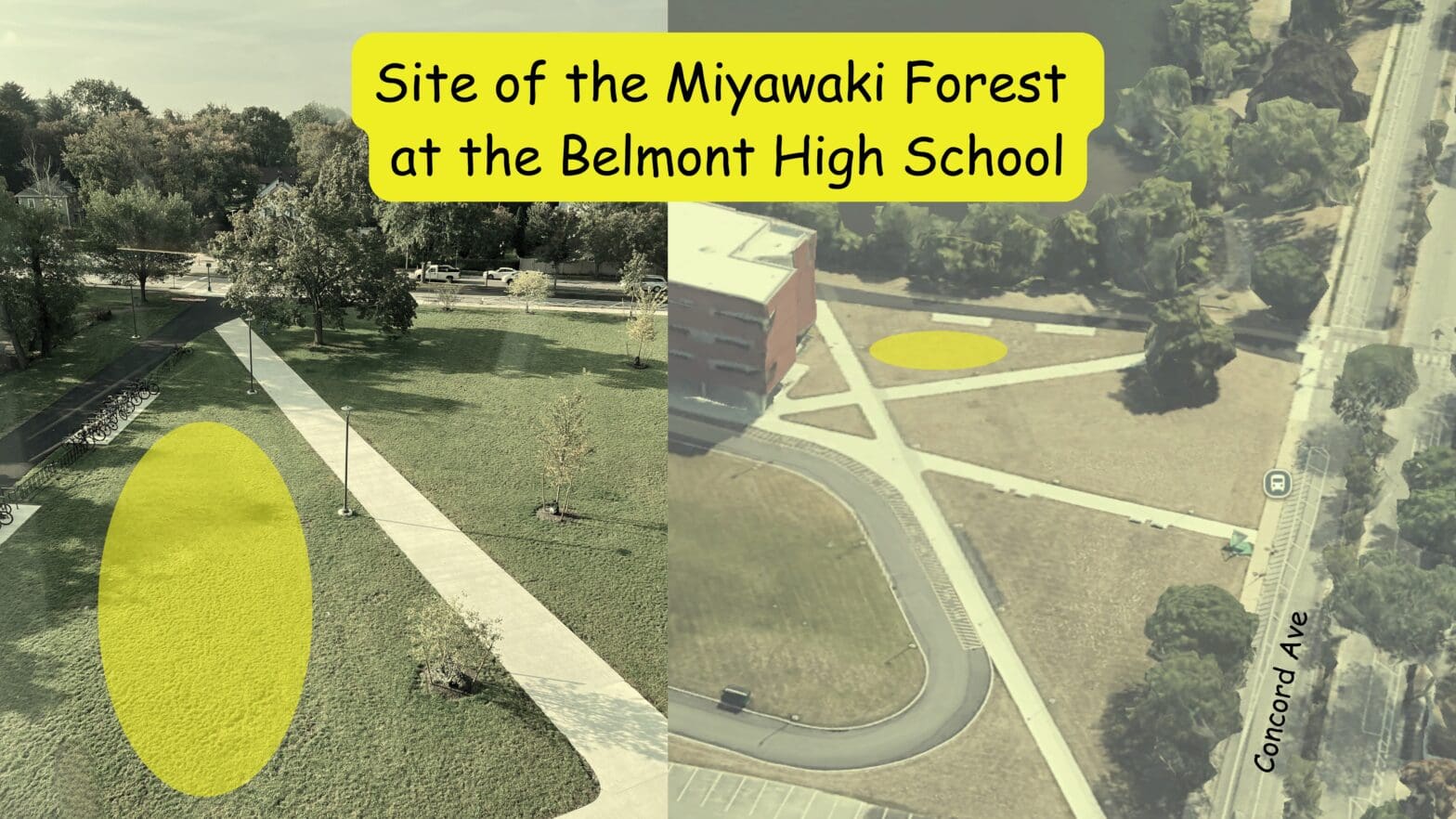
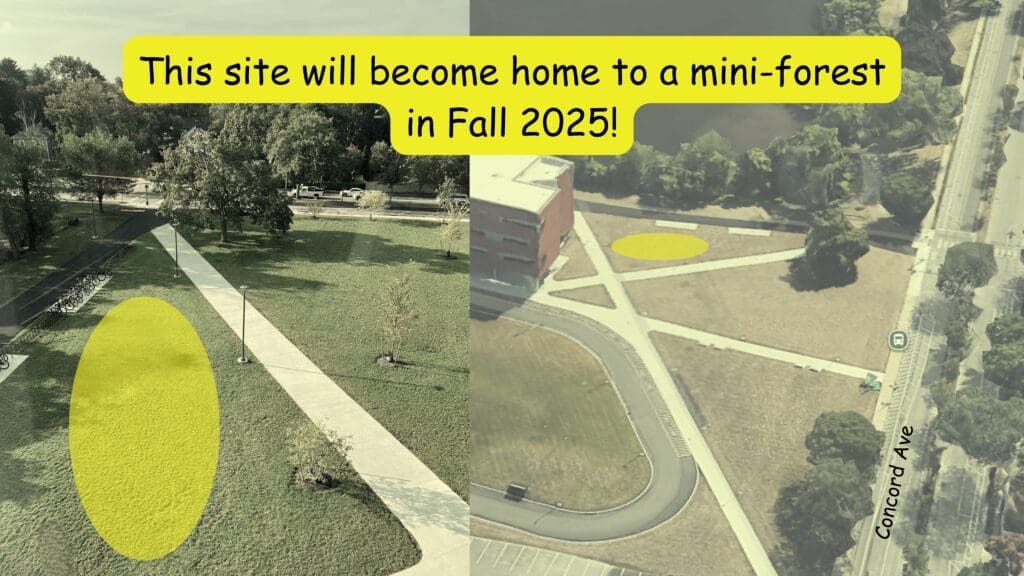
In Fall 2025, the Miyawaki Forest Action Belmont (MFAB), under the guidance of Biodiversity For a Livable Climate (Bio4Climate), will be planting a mini-forest using the Miyawaki Forest at the Belmont High School.
Miyawaki Forest Action Belmont (MFAB) is an intergenerational group of local residents dedicated to establishing Miyawaki forests in Belmont. Our focus is on education and community building, providing Belmont a hands-on place to learn about environmental stewardship and biodiversity.
Our committee members include:
Jean Devine
Jess Hausman
Ralph Jones
Holly Kong
Ranganath Nayak
Michelle Oishi
Kirsten Waerstad
Sarah Wang
Anne-Marie Lambert
We are seeking volunteers to help bring Belmont’s first mini-forest to life by planting hundreds of native plants. Your support will turn this vision into reality, benefitting both human and non-human communities.
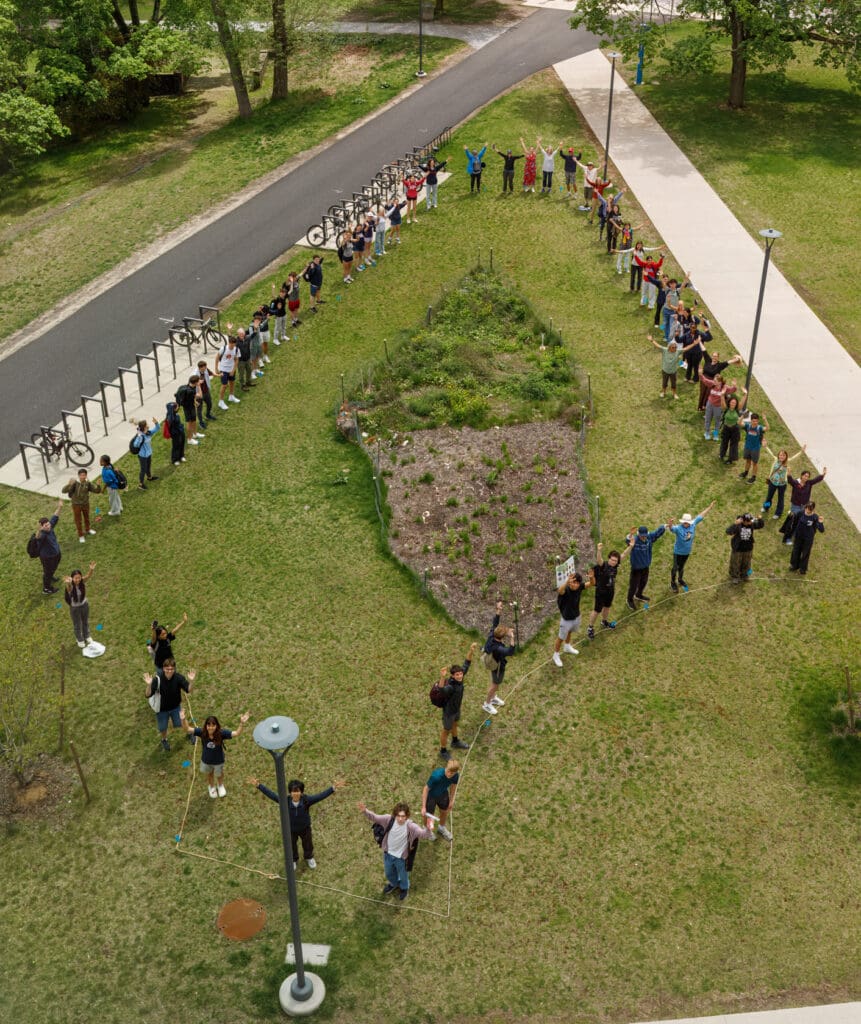
Community members outlining the upcoming shape of the mini-forest! Photo by David Mussina
Help Belmont restore local ecosystems and mitigate the impacts of climate change through a diversity of native trees and shrubs
Educate students about biodiversity and natural systems
Create an outdoor space for teaching science, language, and visual arts
Empower students to positively influence their environment
Improve stormwater absorption on site
Mitigate the urban heat island effect
Strengthen the sense of community within Belmont Town and Schools
If you’d like to be part of this transformative project, please fill out this sign-up form to express your interest in volunteering.
The forest will need stewards and volunteers to plant seedlings, spread mulch, organize materials and volunteers, and take care of the forest after planting, including wedding, litter removal and data collection. While we are prioritizing participation from Belmont residents and high school students, everyone is welcome to join. Kids are encouraged to get involved, too!
We look forward to connecting with you and collectively healing our shared Earth in harmony with native plants, microorganisms, sunlight, and natural cycles. Once the final planting date is set, we will share more details via email.
Grow With Us: Help turn Belmont High School into a biodiversity hotspot—donate here!
We have broad community support:
The Belmont School Committee
Belmont Department of Public Works
Belmont High School Principal Isaac Taylor
Belmont High School Climate Action Club
Sustainable Belmont
Mystic Charles Pollinator Pathways Group
Mass Audubon Habitat Education Center
Friends of Barbara Becker
Belmont Garden Club
Belmont Citizens Forum
Town Shade Tree Committee
I am extremely excited at the prospect of having this forest established on the Belmont Highschool (BHS) campus. My belief is that the Miyawaki forest project will not only further enhance biodiversity at BHS, but will continue to educate students and community members about the benefits and beauty of creating habitats for native plants and creatures, and offsetting the impact of the constructed environment such as runoff. The forest will also be a valuable educational resource for the school. There are clear benefits for a science and engineering curriculum, which are enhanced by opportunities to observe and collect data from the natural world. But beyond that, the space can be used for mindfulness, creative inspiration, and reflection.My support for this program is unequivocal….“
– Isaac Taylor, Principal, Belmont High School
Belmont’s Shade Tree Committee heartily endorses the Miyawaki forest project at the high school. The Miyawaki forest will grow faster than traditional plantings, creating a dense micro forest in just a few years. Native trees and shrubs will increase the diversity of Belmont’s canopy (in keeping with a 2023 recommendation from the town tree inventory report!) and will support local wildlife. It’s a wonderful opportunity to engage students townwide, as well as the community at large. Generations of Belmont residents will benefit from the forest for years to come.”
Belmont Farmers Market 10 Claflin St, Belmont, MA 02478
DIG ON DEMAND – Native Plant Fundraiser
Ongoing
Ongoing
Online
Shopping for native plants? Consider getting them freshly dug from a local garden and supporting the BHS Mini-forest project with a donation. See this spreadsheet of currently available species. Happy gardening!
Past events on May 3, 7, 17, and 18 included native plant sales, distribution of saplings as part of the Foster-a-Tree program, and a pop-up photo opportunity where community members outlined the mini-forest’s shape.
Updates
Site Assessment
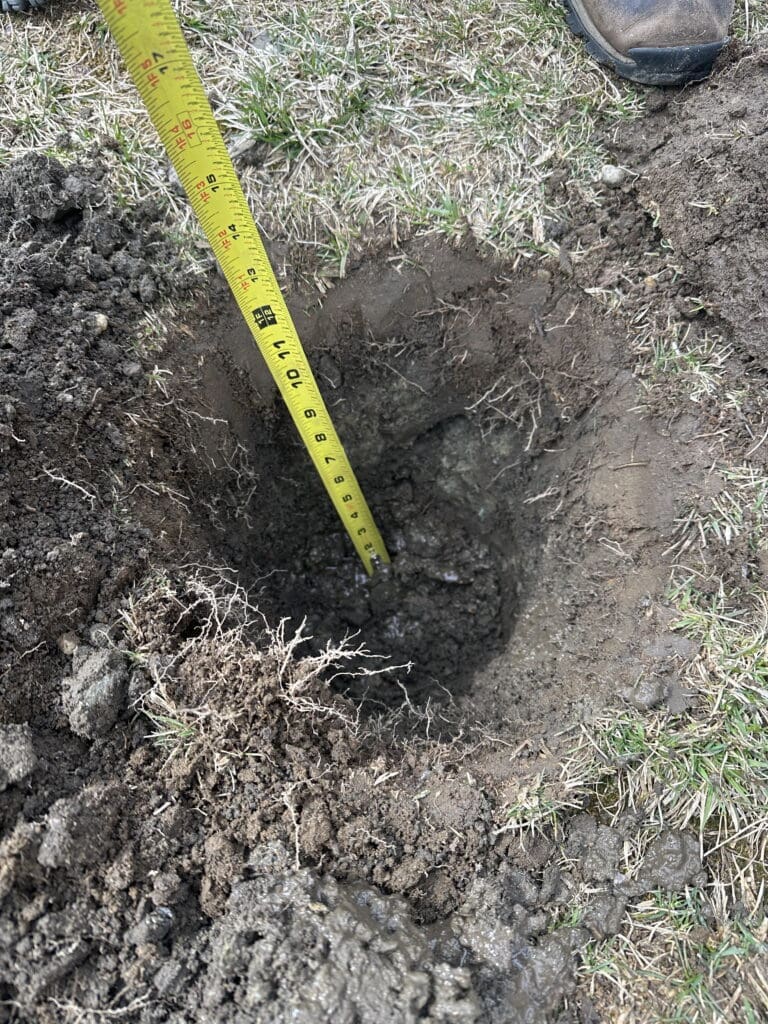
On March 26, 2025, we carried out a site visit to assess the soil. At around 12 inches deep, we encountered a layer of clay—an expected finding, given the area’s history and the nearby Clay Pit Pond, which hints at the site’s clay-rich past. A lab test of the soil showed that the top layer is sandy loam. We also did a simple ribbon test to help confirm the soil texture. In addition to the soil work, we surveyed the existing vegetation on the site, around the pond, and in a nearby grove as part of our Potential Natural Vegetation (PNV) research.
Potential Natural Vegetation (PNV) for the Planting List
On April 23, 2025, we visited the Bolton Flats Wildlife Management Area in Lancaster, MA, to conduct research on Potential Natural Vegetation (PNV). Based on the soil conditions at our Belmont High School site, botanist Walter Kittredge recommended using a High-terrace Floodplain Forest as a model. This forest community now serves as the reference and inspiration for developing our planting list. During the visit, and under Kittredge’s guidance, we observed and identified characteristic plant groupings within this ecosystem.
Foster-A-Tree Program
Saplings are ready to be distributed for the Foster-a-Tree Program! Community members are invited to care for a sapling over the summer and then bring it to planting day, where it will become part of our growing mini-forest.
About Miyawaki Forests
The Miyawaki Forest is an ultra dense, biodiverse pocket forest that recreates the complexity of natural forests and the relationships and processes that help them grow strong and resilient. By giving home to a vast array of native species, they boost the biodiversity of the area and nurture pollinators, supporting and restoring ecosystems.
They sequester carbon in the soil, reduce air pollution and soil contamination, improve water absorption to buffer against flooding and erosion, and cool the surrounding area to mitigate the urban heat island effect. They also create a living classroom for people and communities to learn about native ecology, engage in stewardship, and experience the interconnectedness of the natural world.