
News and Insights
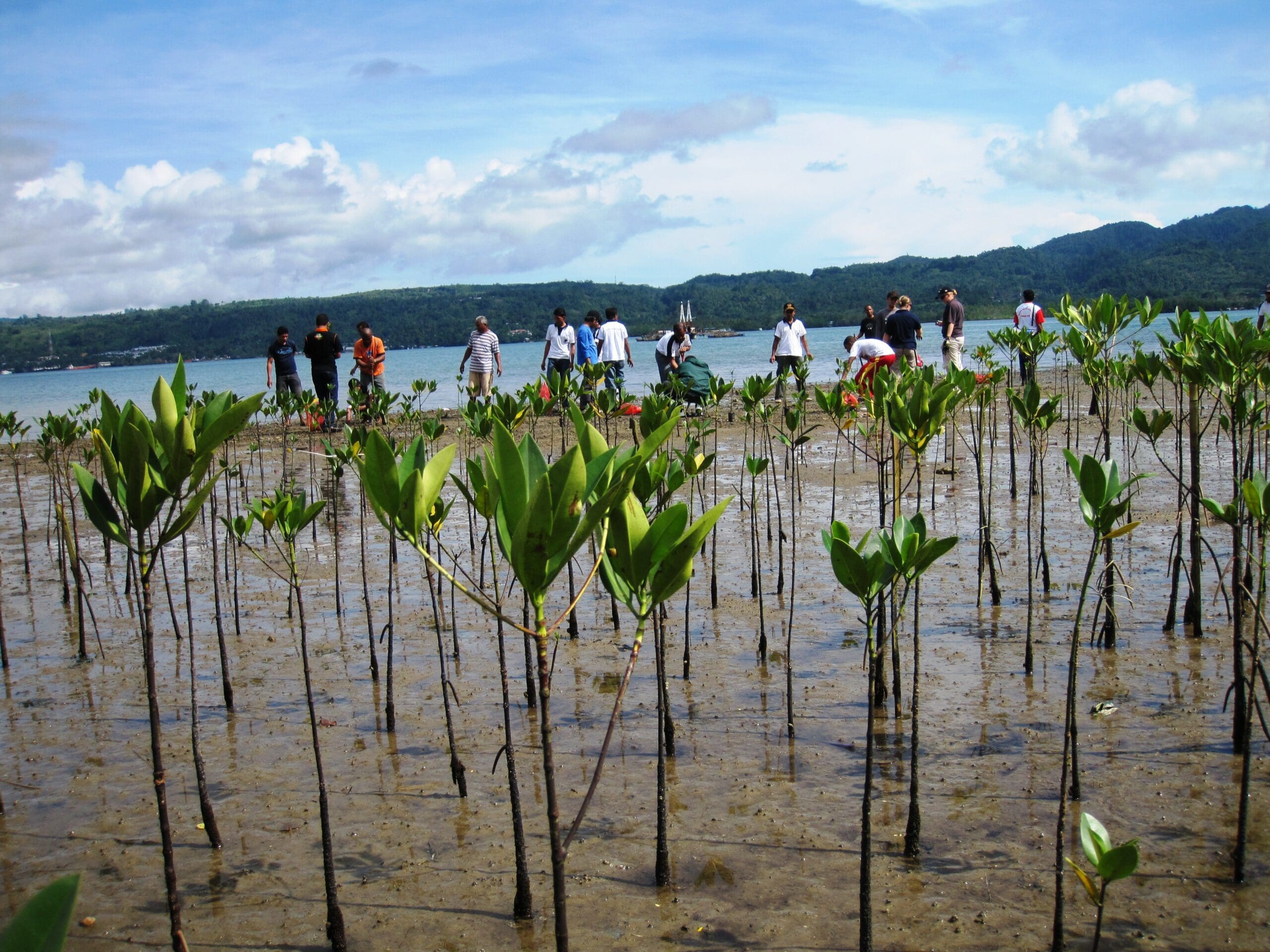
Restoration Led by Locals Deemed Most Successful
“Degraded lands and seas are nearly always occupied, most often by farming communities,” which is why it’s of the utmost importance to include locals in the restoration process. Restoration led by non-locals often “fail to achieve lasting results because of the mismatch with the lives and livelihoods of those most connected to the landscape.”
“Restoring the ability of local communities to be the custodians of nature is a promising approach to both ecological and social recovery – and ultimately environmental justice.” Bio4Climate is aligned with this approach, as our Miyawaki Forests are planted by locals and have shown us the power of doing so.
Keep reading to learn about the four levels of local involvement researchers have identified.
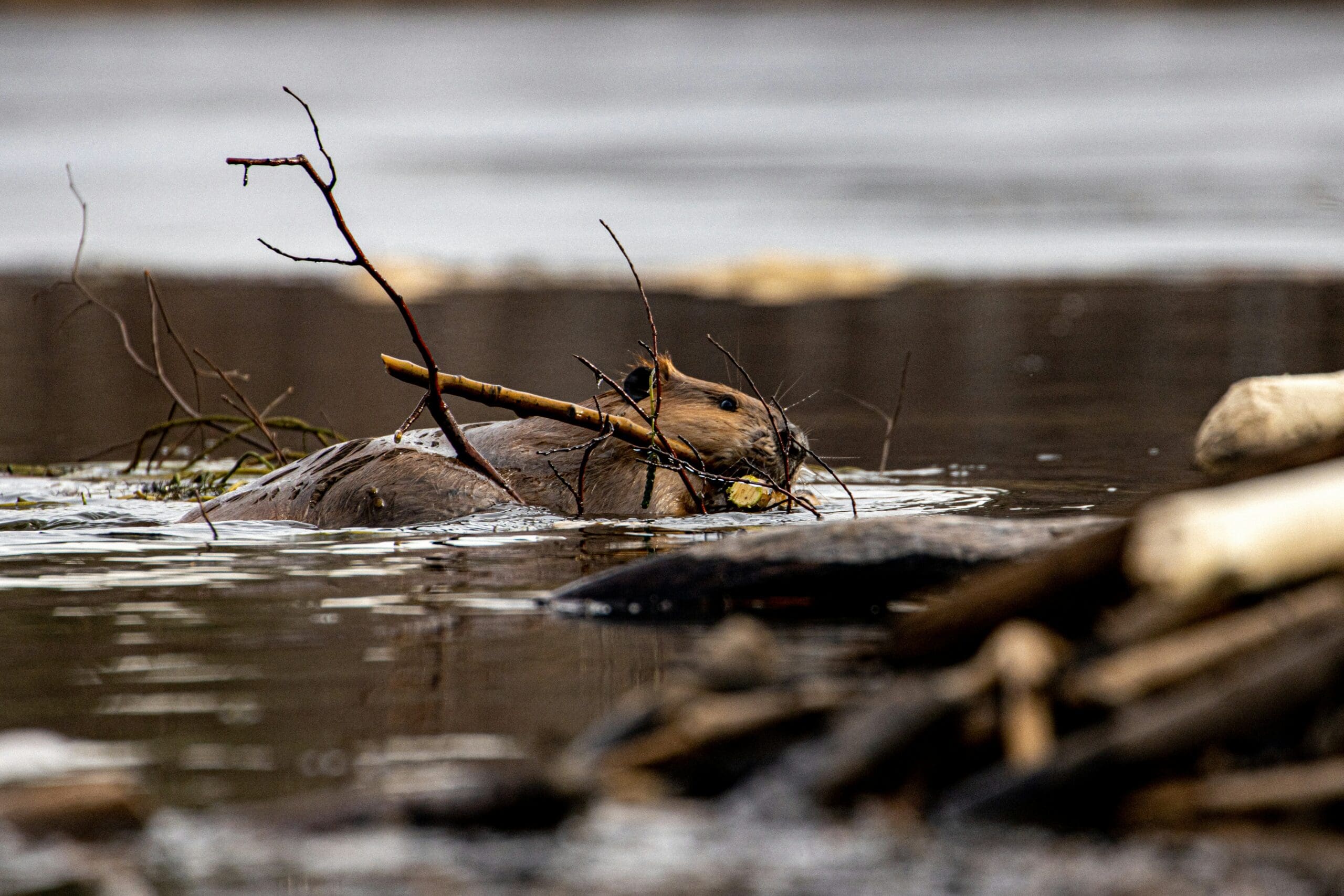
Beaver Dam-Building Supports Local Bat Populations in Switzerland
Beavers have a rightful reputation for increasing biodiversity in rivers and wetlands, but scientists have found that local bat populations have been found to benefit, too! Researchers studied eight streams with active beaver dams and found that bat activity increased by nearly 60%.
“According to the study, bats are drawn in by a combination of better habitat and more food. Beaver activity creates standing dead trees that bats use for roosting, along with more open, varied forest edges that make hunting easier. These areas also support larger numbers of insects, giving the bats a more reliable source of food.”
Events and Community
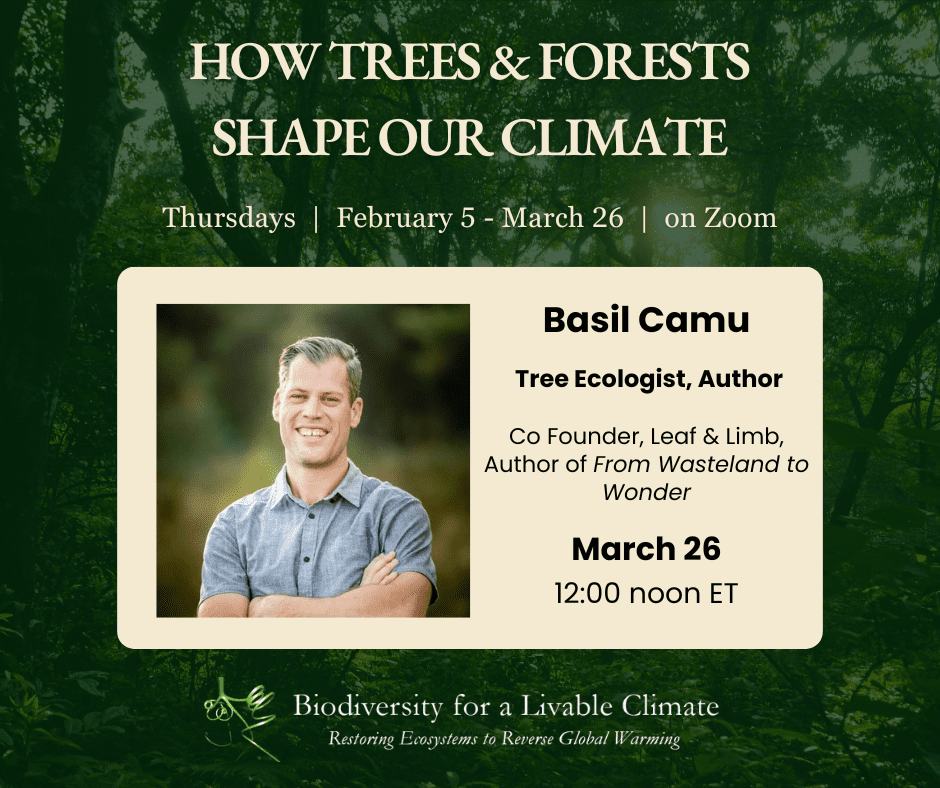
Basil Camu joins guest speaker lineup for How Trees & Forests Shape Our Climate!We’re excited to welcome Basil Camu, co-founder of Leaf & Limb a tree care company in Raleigh, NC, and Project Pando, a non-profit that aims to connect people to trees. He is also the author of From Wasteland to Wonder: Easy Ways We Can Help Heal Earth in the Sub/urban Landscape. A master arborist and “Treecologist,” Basil brings hands-on insight into how caring for trees, soils, and urban forests strengthens ecosystems and helps regulate climate at the local and regional scale.
FREE WEBINARS: You can join course instructor Hart Hagan for two free introductory webinars open to anyone interested in taking a course with Bio4Climate!
Join us on Monday, January 26 at 7 pm ET for Wildfires: Fact, Fiction, and Misinformation or How Industry and Government are Destroying Bird Habitat on Friday, January 30 at 3 pm ET. You are welcome to attend both sessions!
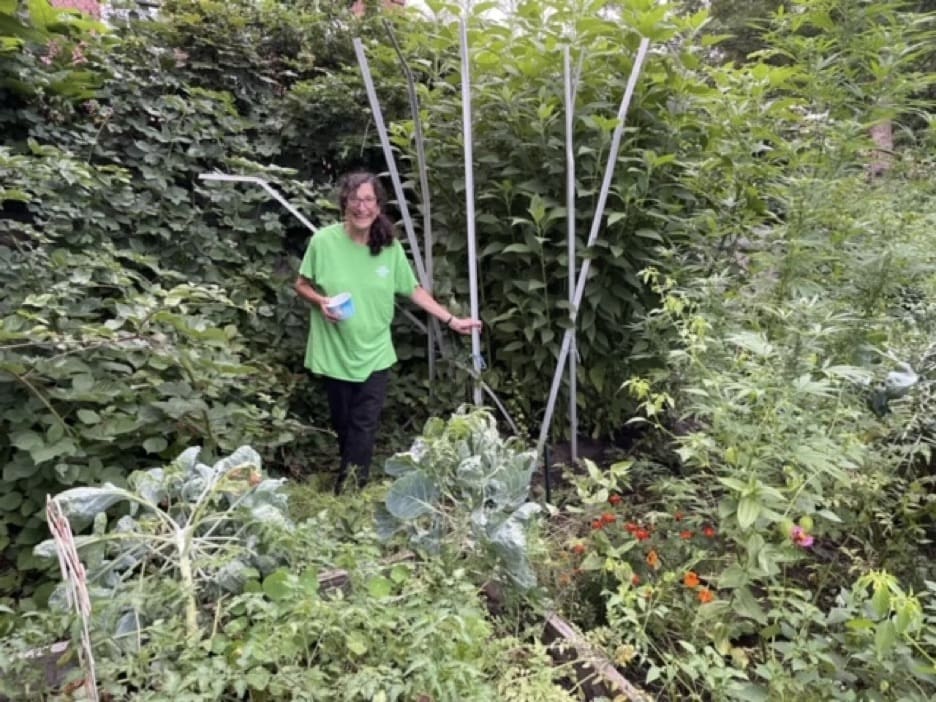
RETIRE YOUR LAWN: PLANT HOPE
Thirty to forty percent of all land is privately owned. Faith communities, businesses, schools, universities, local governments, and individual land owners can be part of the movement to transform their conventional lawns into regenerative landscapes—to promote ecosystem health, community well-being, and planetary repair. These models can meet the needs of various communities offering everything from naturalized yards, to deep rooted grasses, to moss for your shady earth.
Winter is the perfect time to get started! You can transform your lawn to a diverse ecosystem based on healthy soil.
Judith Black, a Symbiosis Team member and student of Jim Laurie’s Biodiversity Deep Dive courses, has put together the resources you need to get started! Imagine the impact we can have if neighbors, churches and businesses transform their square of dirt into thriving, regenerative ecosystems!!
If you’d like a presentation, would like to review this slide deck, or you simply want to explore the possibilities, reach out to Judith Black at storiesalive@gmail.com.
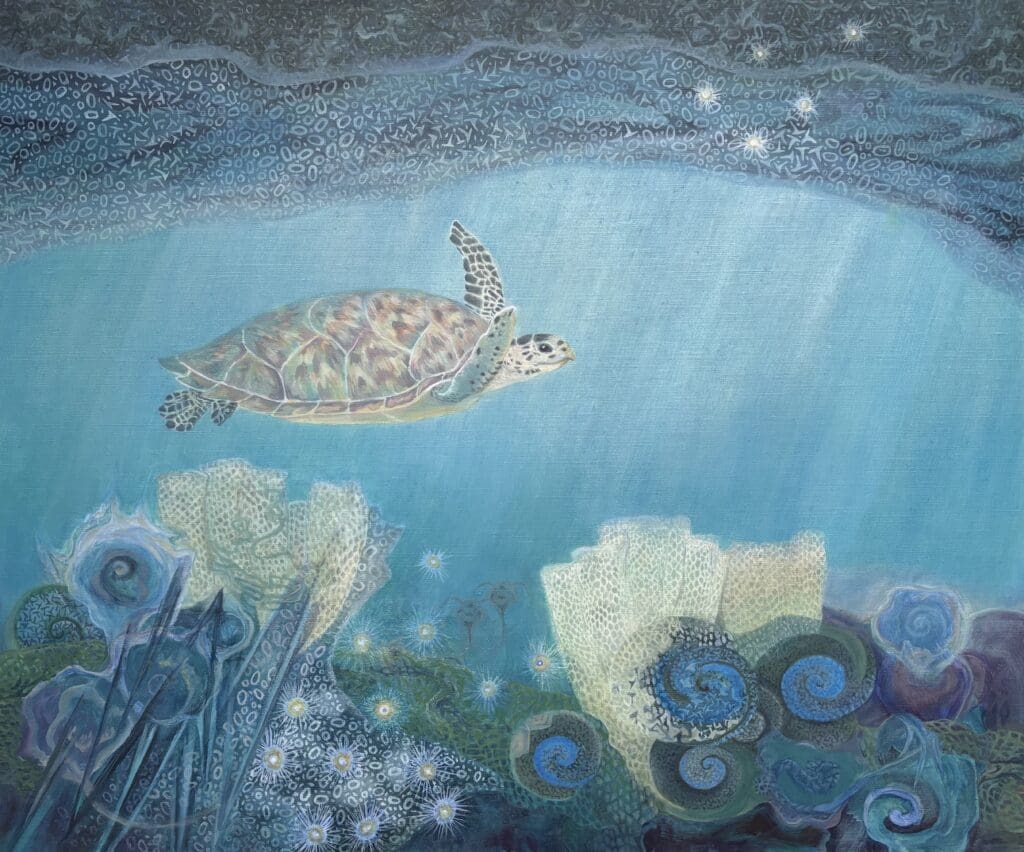
A Moment For Art
We are delighted to share a piece of artwork from one of our community members, Ann Barrett! Ann Barrett works in watercolor and oil on a variety of supports. With roots in observational drawing, her imagery fluctuates between figuration and abstraction, and celebrates human interconnectedness with all of life.
Ann is a six-year member of Jim Laurie’s symbiosis team, a Biodiversity for a Livable Climate financial supporter, and on the board of directors of East Quabbin Land Trust in Hardwick, MA. Ann has graciously shared a few pieces with us, so stay tuned for more of her beautiful work in the coming weeks!
Share Your Art!
If you have artwork you’d like to have showcased in this newsletter, please respond to this email to get in touch with our team. We are accepting submissions for artwork, which can be anything from a poem to a painting—use your imagination! We are also accepting book recommendations.
What’s Your Favorite Creature?
Lastly, we want to invite you to write your very own Featured Creature article. If you are passionate about a specific creature that you have a personal connection to, we want to hear from you!
We look forward to receiving your artwork, book recommendations, and Featured Creature proposals.
This week’s book recommendation comes from Jonas Davulis, a member of the Symbiosis Team and active participant in Bio4Climate courses and events. His pick is Becoming Earth: A Journey Through the Hidden Wonders That Bring Our Planet to Life by Ferris Jabr.