What tree wears needles in summer, gold in autumn, and nothing at all in winter, yet never forgets to bloom again?
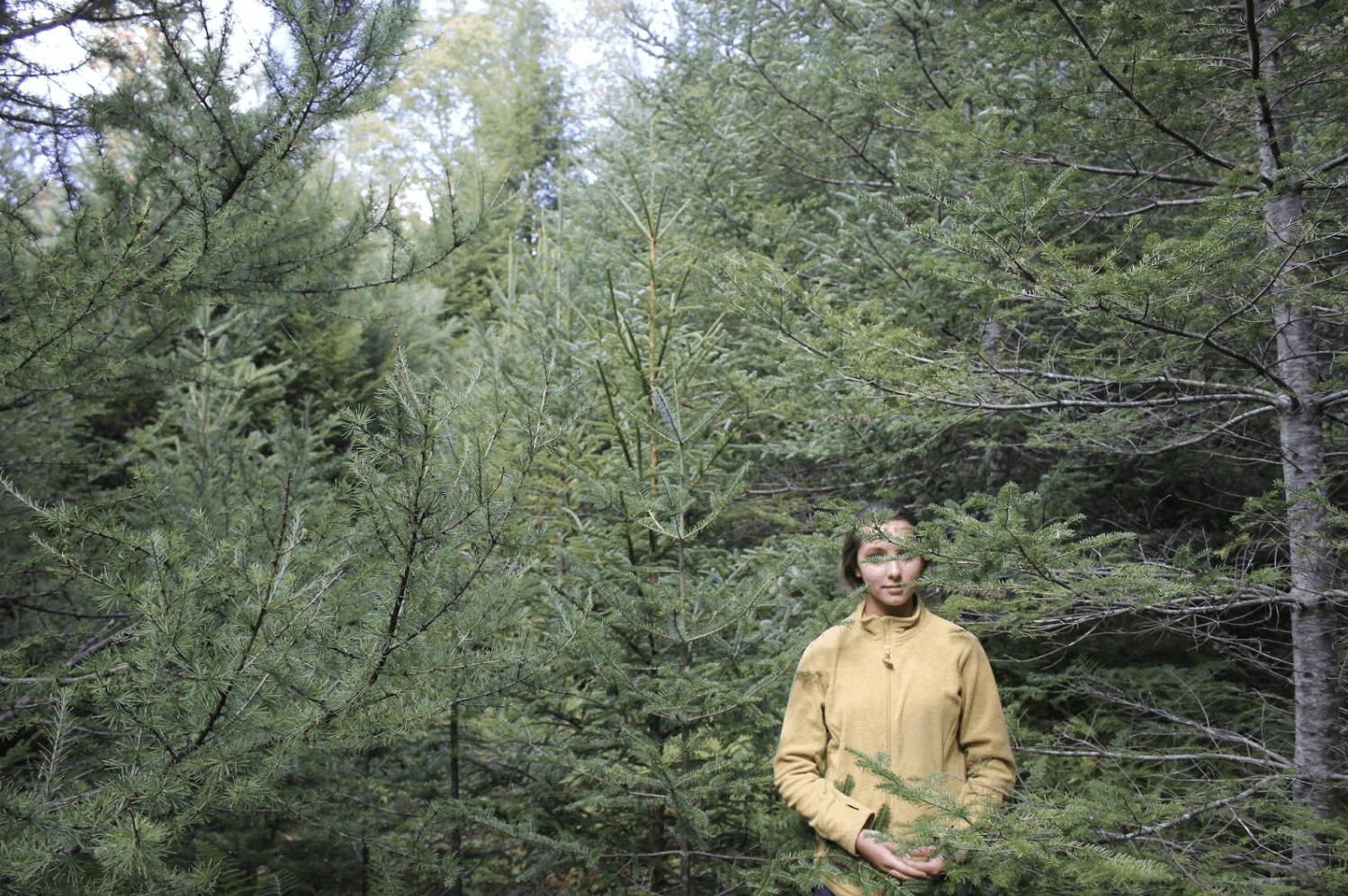
Photo by Adrianna Drindak
The trees are silent. Last fall’s leaves crunch under my feet as I follow a faint trail through the woods. I know every rock and overturned leaf of this forest. Here I trampled over ferns, snowshoed in the light of a full moon, splashed in the gentle brook, and wandered for hours upon hours of my childhood. I wander back into these woods, dense with Eastern Hemlock, American Beech, hobblebush, trillium, and suddenly I’m young again, young enough to only see the beauty in the world, and I’m home. The old trail fades, and it’s time to journey beyond, along a path that lives in my mind like a memory. I recognize the surrounding trees, the pull of a small clearing in the distance. I may be off the trail, but I know where to walk, which steps will lead me through the thicket of trees, curving past the rickety rock wall, down by the bog, where a grove of evergreens grows, hemlocks and pines, and where a rare find in this forest thrives. Meet the tamarack.
In this forest, at the foothills of the Adirondacks, tamaracks are an uncommon sight. I’ve wandered through these woods for years, and these are the only ones I’ve been able to find. The marsh here, tucked into the creaky wood, creates an ecosystem where the tamarack thrives. Just beginning to grow, this small pocket of evergreens and tamaracks reminds me to remember my roots, deep in the bog, on a path I’ve come to know.
The name “tamarack” originates from “Hackmatack”, which is an Abenaki word meaning “wood for making snowshoes.” (Source) Tamaracks (Larix laricina) are found throughout North America, including all Canadian provinces and territories (Source). These trees thrive in bogs, but are also found in upland areas in the northern extent of their range (Source).
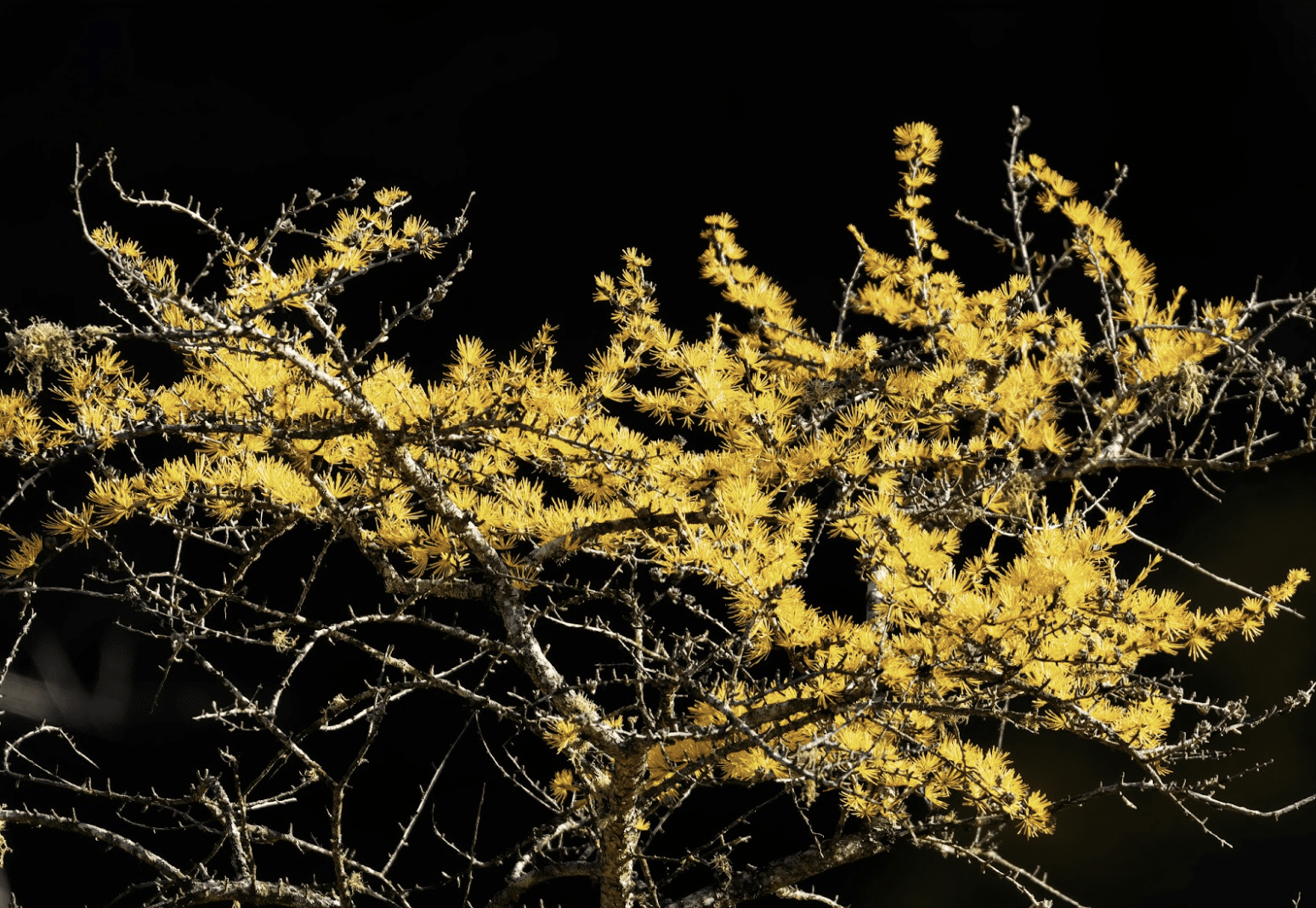
Tamarack trees are special. Known as deciduous conifers, they shift their appearance through the seasons. “Deciduous” refers to trees that drop their leaves for a portion of each year, while “evergreen” trees keep their leaves throughout the seasons (Source). “Conifer,” on the other hand, defines the tree as one that reproduces using a cone structure, thus a cone-bearing plant (Source). While many conifers are evergreen, the tamarack is rare in its ability to drop and regrow its needles in response to seasonal changes throughout the year. In bundles of 10 to 20, the needle clusters of these trees fade from a vibrant green to bright yellow during the fall months, alongside many other tree species in the northeast (Source). These yellow needles fall as the cold weather returns, a golden blanket over the tamarack’s roots (Source).
By Adrianna Drindak
It has been years since I visited this small pocket of tamaracks in person. Yet I am here often in this is the place of my dreams. It has always been a place of wonder and peace, which lives on in my imagination. I close my eyes, and I’m back there, winding between trees, following the path imprinted in my soul. This is a place I know. How powerful it is to know the trees, the esker that runs along through the forest, the curve of the river as it bends away from my course.
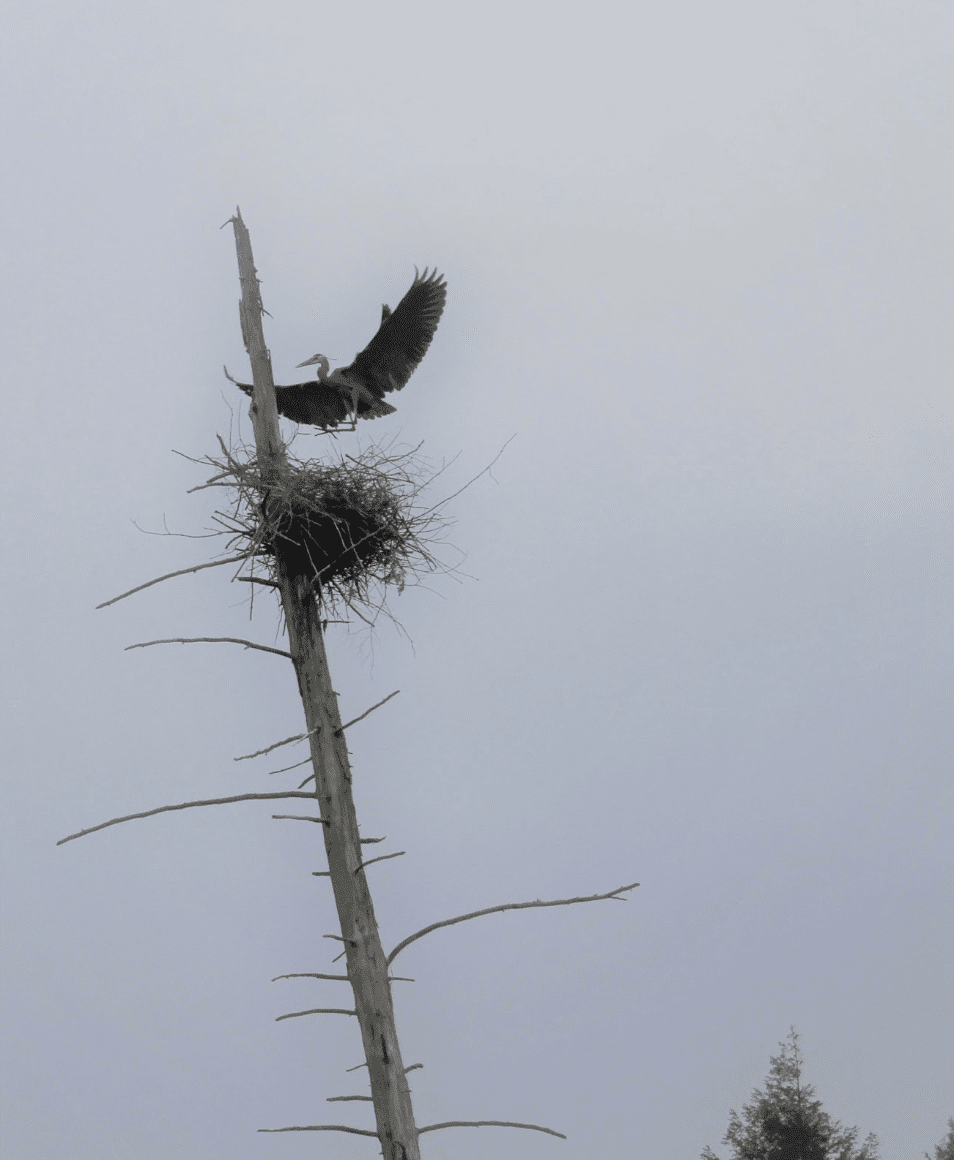
I know this place, but it’s changed – I’ve changed. I’m not the same young girl who used to look for colorful rocks in the riverbed, my camera steady in my hands as the heron landed gracefully in its nest, and observed the beaver dams protruding from the murky marsh. But this place will always be a part of me, no matter where I find myself in the future, no matter how much I change, no matter how much this forest changes. The little pocket of evergreens and whimsical tamaracks, tucked in the bog entrenched in my memory, continue to grow, evolving and shifting with the seasons. There is such beauty in change.
Adrianna Drindak is a rising senior at Dartmouth College studying Environmental Earth Sciences and Environmental Studies. Prior to interning at Bio4Climate, she worked as a field technician studying ovenbirds at Hubbard Brook Experimental Forest and as a laboratory technician in an ecology lab. Adrianna is currently an undergraduate researcher in the Quaternary Geology Lab at Dartmouth, with a specific focus on documenting climate history and past glaciations in the northeast region of the United States. This summer, Adrianna is looking forward to applying her science background to an outreach role, and is excited to brainstorm ways to make science more accessible. In her free time, Adrianna enjoys reading, baking gluten free treats, hiking, and backpacking.
What is the second most consumed insect group in the world (by humans) that can build nests with heights up to 9 meters (29.5 feet) and has a symbiotic relationship with fungi?
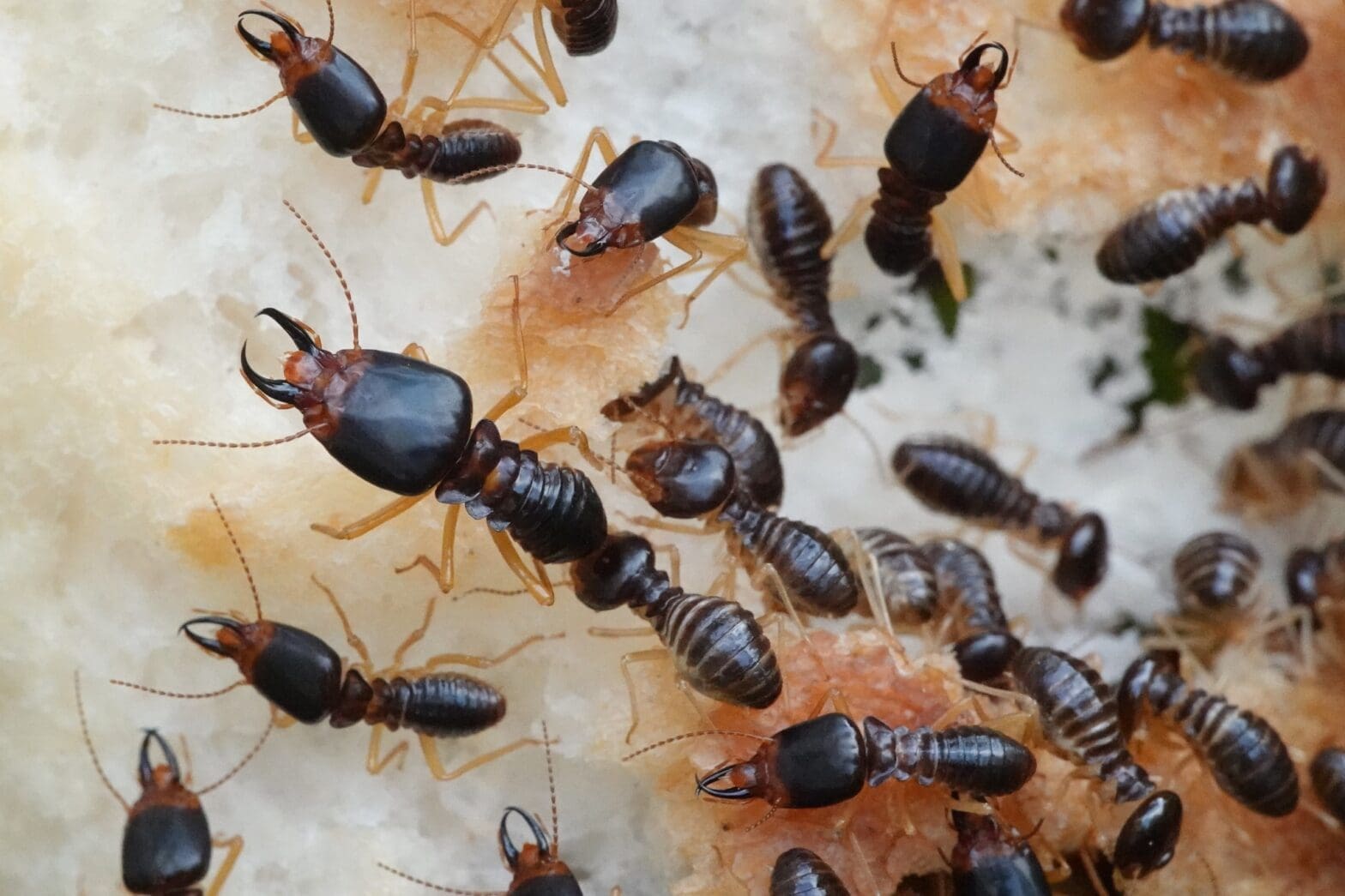
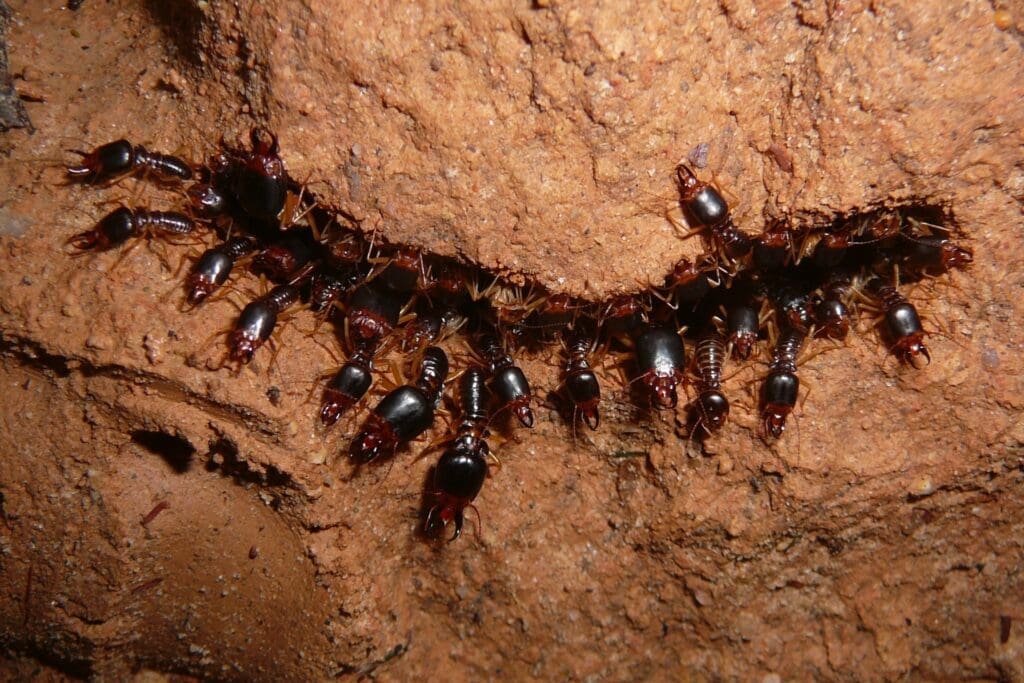
Macrotermes carbonarius (Image Credit: Soh Kam Yung via iNaturalist (CC-BY-NC))
As a featured creature writer for Bio4Climate, I try to read through as many of our published pieces as possible, even those that pre-date my tenure. It’s a tall order, there are so many! Hidden alongside the grand humpback whale, the impressionable Pando, and the beautiful luna moth, I found Fred Jennings’ piece on the zombie ant fungus: an unpleasant looking insect-pathogenic fungus that attaches to ants’ exoskeletons and takes over their bodies from the inside out. It was a little grotesque, a little unsettling, and completely and utterly fascinating.
I’ve been wanting to write about a creature that doesn’t usually make the highlight reel…something easy to overlook, but essential in its own way. My hope is to inspire curiosity (and appreciation) for the parts of nature that don’t always fit our ideas of beauty.
More Than Just Pests
When I think of termites I think about how people, especially homeowners, consider them pests. One of the first links that pops up in an online search for the word termites is the U.S. Environmental Protection Agency’s guide for how to identify and control them. But just as it’s unfair to call sloths lazy simply because they move slowly, it’s unfair to define termites only by their “pest” status. They weren’t ever “pests” until we made them so.
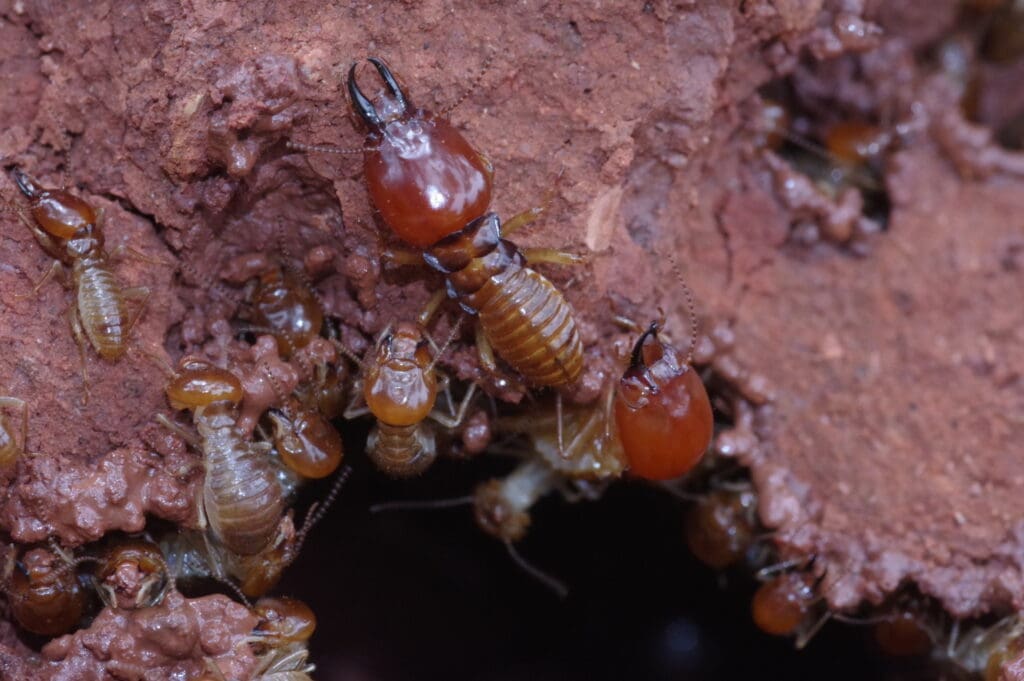
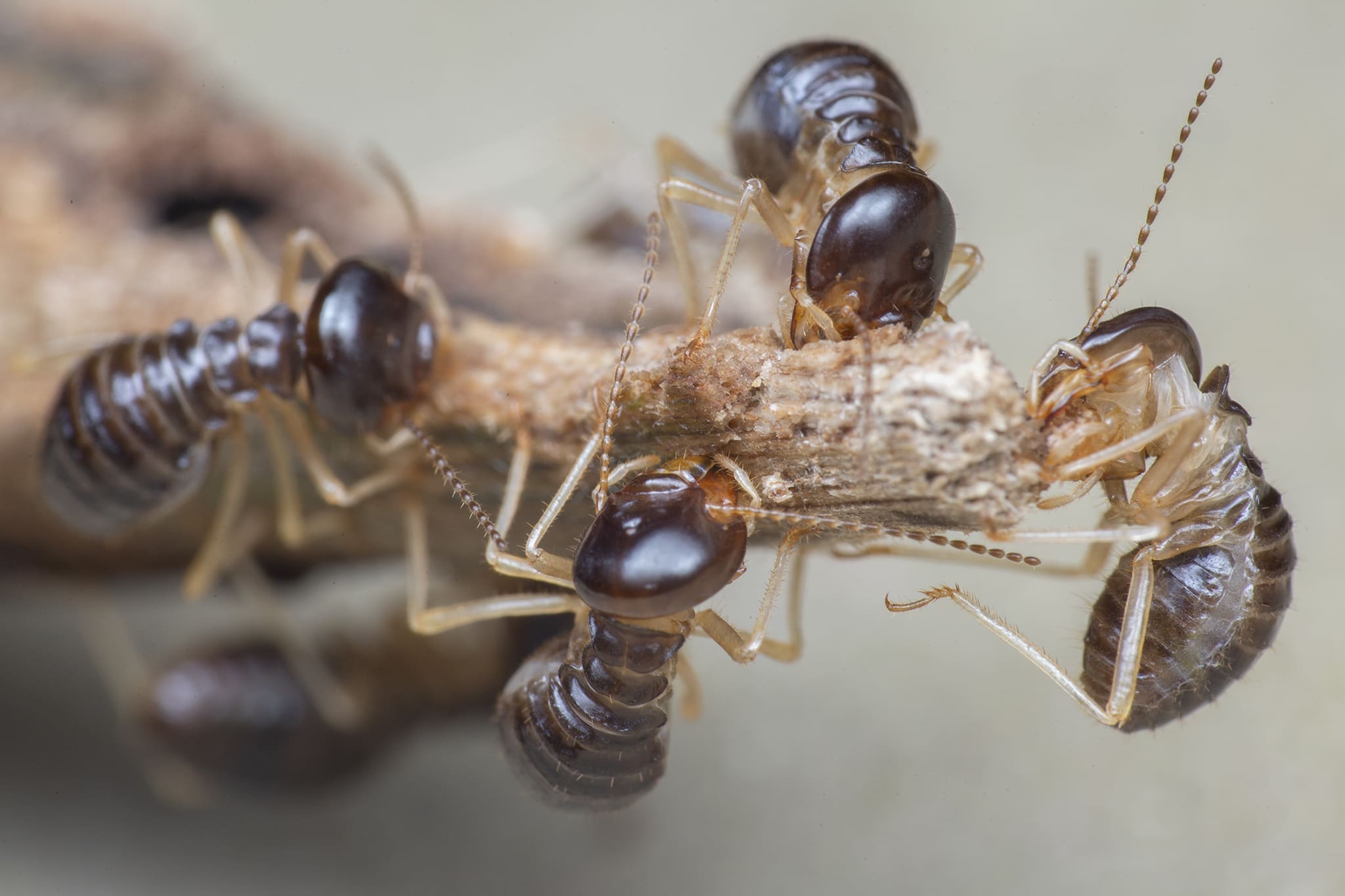
Macrotermes vitrialatus (Image Credit: Craig Peter via iNaturalist (CC-BY-NC))
Macrotermes are fungus-growing termites that reside in tropical regions of Africa and Asia. These insects are larger than other common termites, the largest of all 330 species being the Macrotermes bellicosus, with queens reaching over four inches in length! Most of these bugs are dark brown, with some exceptions like the Macrotermes carbonarius, which are entirely black, and the Macrotermes gilvus, which have orange/red-brown heads.
Termites are a valuable part of many ecosystems. Like fungi, bacteria, and detritivores like millipedes, they decompose dead plant material, modifying the physical and chemical distribution of the soil. Creatures like termites restore soil that’s been degraded and play a key role in cellulose recycling, breaking down plants, wood, and paper into smaller molecules other organisms can use, and returning nutrients to the ecosystem. But, these termites are pretty special for a reason other than their role as ecosystem engineers.
Teamwork Makes the Colony Work
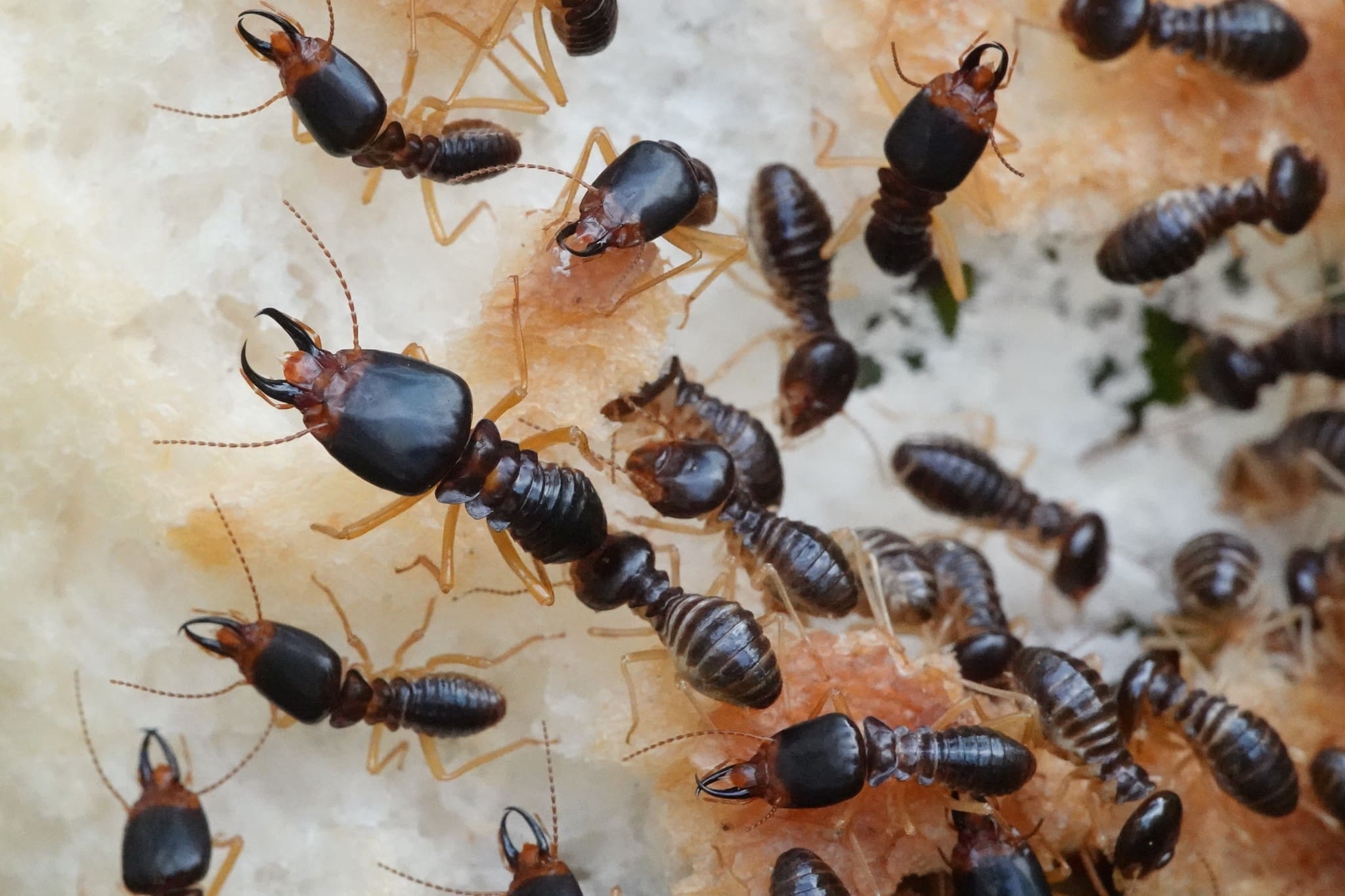
Macrotermes thrive thanks to teamwork, and a symbiotic partnership with a fungus that shares their life cycle. It’s remarkable that these termites (just like other creature populations) cooperate so well in such large numbers. Macrotermes colonies have a highly organized social system in which each insect has a role that makes life efficient and successful: workers gather food and build and maintain the nest/mound, soldiers use their strong jaws to protect the colony from predators like ants, and the queen and king reproduce. This social complexity is mirrored by the colony’s architecture.
Macrotermes carbonarius (Image Credit: Dirk Mezger via iNaturalist (CC-BY-NC))
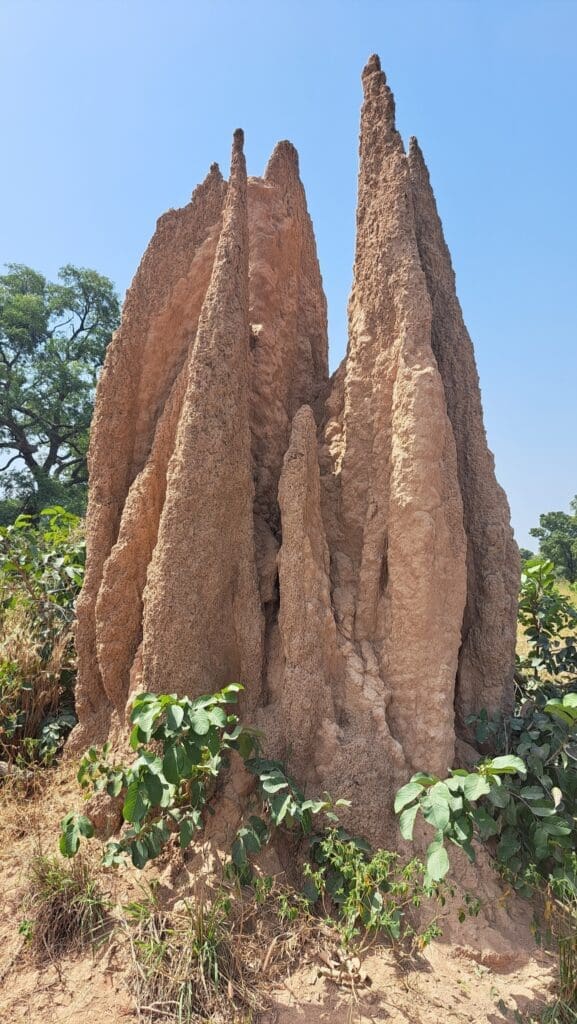
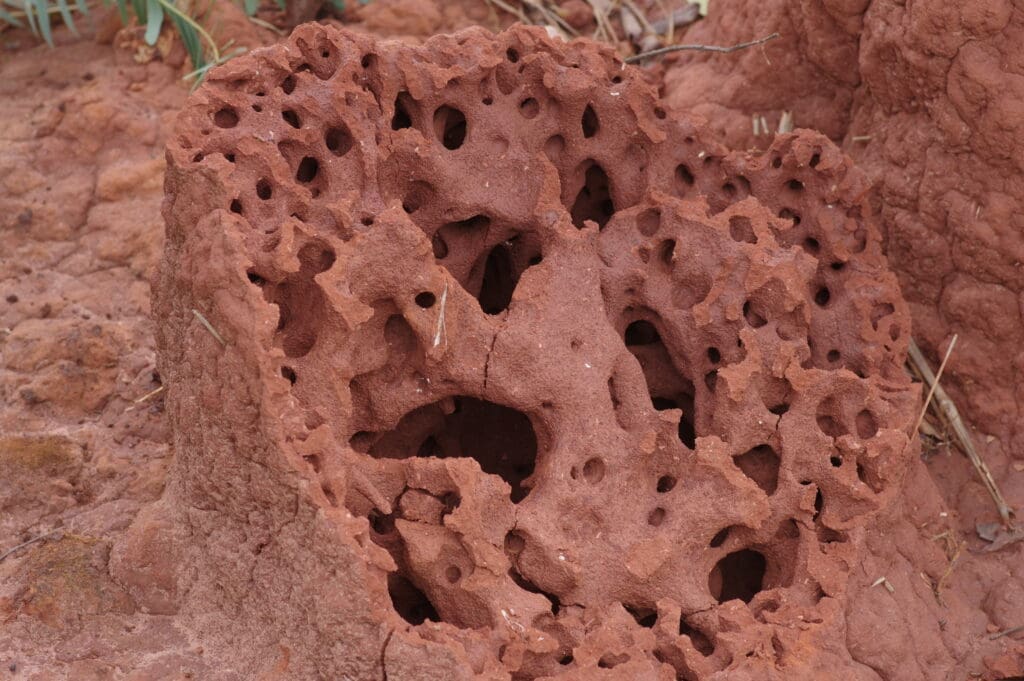
Termite mounds aren’t just shelters, they’re marvels of natural engineering. Built with purpose, these architectural feats regulate temperature and humidity to create the ideal environment for the termite’s fungal partner, Termitomyces, to grow. After foraging for wood or dead plant material, Macrotermes workers masticate and deposit it in chambers inside their nest, producing the perfect substrate for fungus to grow into a comb. Macrotermes cultivate these fungus gardens and feed on them while the fungus degrades plant material, resulting in a continuous supply of food for the termites. To stimulate the right conditions for Termitomyces to grow, macrotermes build their nests with air ducts and ventilation systems. As the fungus produces heat in the nest, workers can open or block individual tunnels that lead to the surface to regulate temperature and humidity. These structures are built to various heights, with some only one foot tall while exceptional ones can rise more than 30 feet.
Tall Macrotermes bellicosus nest (Image Credit: Gabriel Leite via iNaturalist (CC-BY-NC))Macrotermes termite mound (Image Credit: Craig Peter via iNaturalist (CC-BY-NC)
Macrotermes and Humans
Macrotermes termites are an important edible insect widely consumed throughout Africa, along with their fungus gardens. People use the bugs, mushrooms, and termite soil in medicinal practices. The soil can be used as fertilizer or as building material to make bricks and plaster houses. These insects are also used as bait and feed for livestock. Alongside these uses, macrotermes termites have a role in superstitious beliefs, their nests serving as burying places associated with the spiritual world.
Outside their habitat in urban environments, most macrotermes are unable to survive, so they aren’t considered pests like other termites because they don’t cause as much damage to wood structures like homes and buildings. In contrast, macrotermes can pose threats to agriculture by directly consuming crops, roots, and stems of plants. But, like nearly every other creature in the natural world, these bugs don’t live without some challenges of their own.
The largest threat to termites is changes in land use; particularly transitions to organized orchards and more intensified agricultural practices. As ecosystem engineers that contribute directly to the nutrient makeup of the soil in their ecosystem, the changes in land use can have damaging effects on the landscape and organisms throughout the food cycle.
Macrotermes carbonarius (Image Credit: budak via iNaturalist (CC-BY-NC))
Nature deserves to be seen in its full complexity, not just through the lens of what we find beautiful, helpful, scary, or annoying. When we only celebrate the vibrant colors, graceful shapes, or soothing sounds, we risk overlooking the strange, the hidden, and the essential.
Abigail Gipson is an environmental advocate with a bachelor’s degree in humanitarian studies from Fordham University. Working to protect the natural world and its inhabitants, Abigail is specifically interested in environmental protection, ecosystem-based adaptation, and the intersection of climate change with human rights and animal welfare. She loves autumn, reading, and gardening.
The first time I saw the vibrant blossoms of the ‘ōhi’a lehua tree, I was walking on a dirt path in Kauai’s Waimea Canyon State Park, gaping down at the most colorful red and green gorges I had ever seen. Needing a breather from the steep visual plunge, I looked up from the canyon and noticed bright red flowers on the side of the path. As I got closer and could see the plant more clearly, the first thought that popped into my head was how similar the flowers looked to those fiber optic light toys I had played with as a kid. (If you don’t know what fiber optic light toys look like, look them up. You’ll see exactly what I mean.)
After my trip to Waimea Canyon, I saw ‘ōhi’a lehua everywhere. When I drove along the coast between the beach and the sloping mountains, when I hiked the volcanic craters of Haleakala, and when I visited parks and gardens across the islands that protect native plants and animals. ‘Ōhi’a lehua is the most common native tree in Hawaii, so seeing its fiery red, orange, or yellow blossoms every day felt so very ordinary. But ‘ōhi’a lehua is far from ordinary.
Let Me Introduce You to My New Friend, ‘Ōhia Lehua
Endemic to the six largest islands of Hawaii, ‘ōhi’a lehua is the dominant tree species in native forests, present in approximately 80% of the total area of these ecosystems and covering close to one million acres of land across the state. Depending on where exactly it grows, its size can vary widely, from a small shrub to a large tree. Found only in the Hawaiian archipelago, ‘ōhi’a lehua grows at elevations from sea level to higher than 9000 feet, and in a variety of habitats like shrublands, mesic forests (forests that receive a moderate amount of moisture throughout the year), and more wet, or hydric, forests.
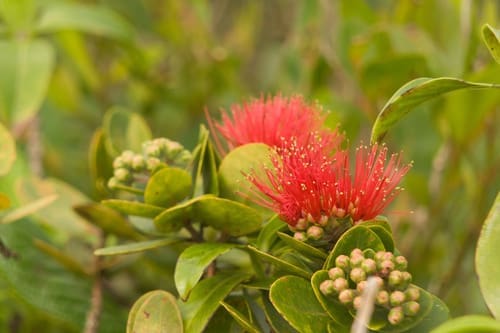
You can easily identify the ‘ōhi’a lehua blossoms by their mass of stamens – the part of the flower that produces pollen – which are slender stalks with pollen-bearing anthers on the end. It’s what made me think the ‘ōhi’a lehua looked exactly like those fiber optic light toys. These powder puff-like flowers are most often brilliant shades of red and orange, but yellow, pink, and sometimes even white ones can be found.
‘Ōhi’a lehua grows slowly, reaching up to 20-25 meters (66-82 feet) in certain conditions.
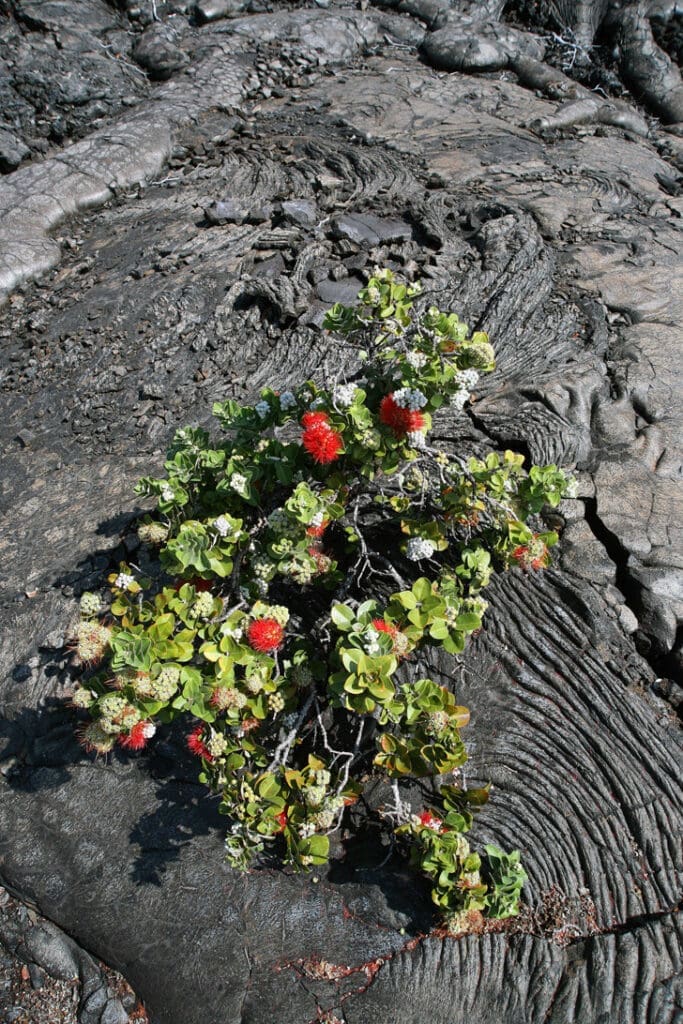
With a little help from the wind, the seeds of ‘ōhi’a lehua travel from the tree and settle in cracks in the ground of young lava rock. It is, in every sense, a true pioneer plant. As one of the earliest plants to colonize and grow in fresh lava fields, ‘ōhi’a lehua stabilizes the soil and makes it more habitable for other species.
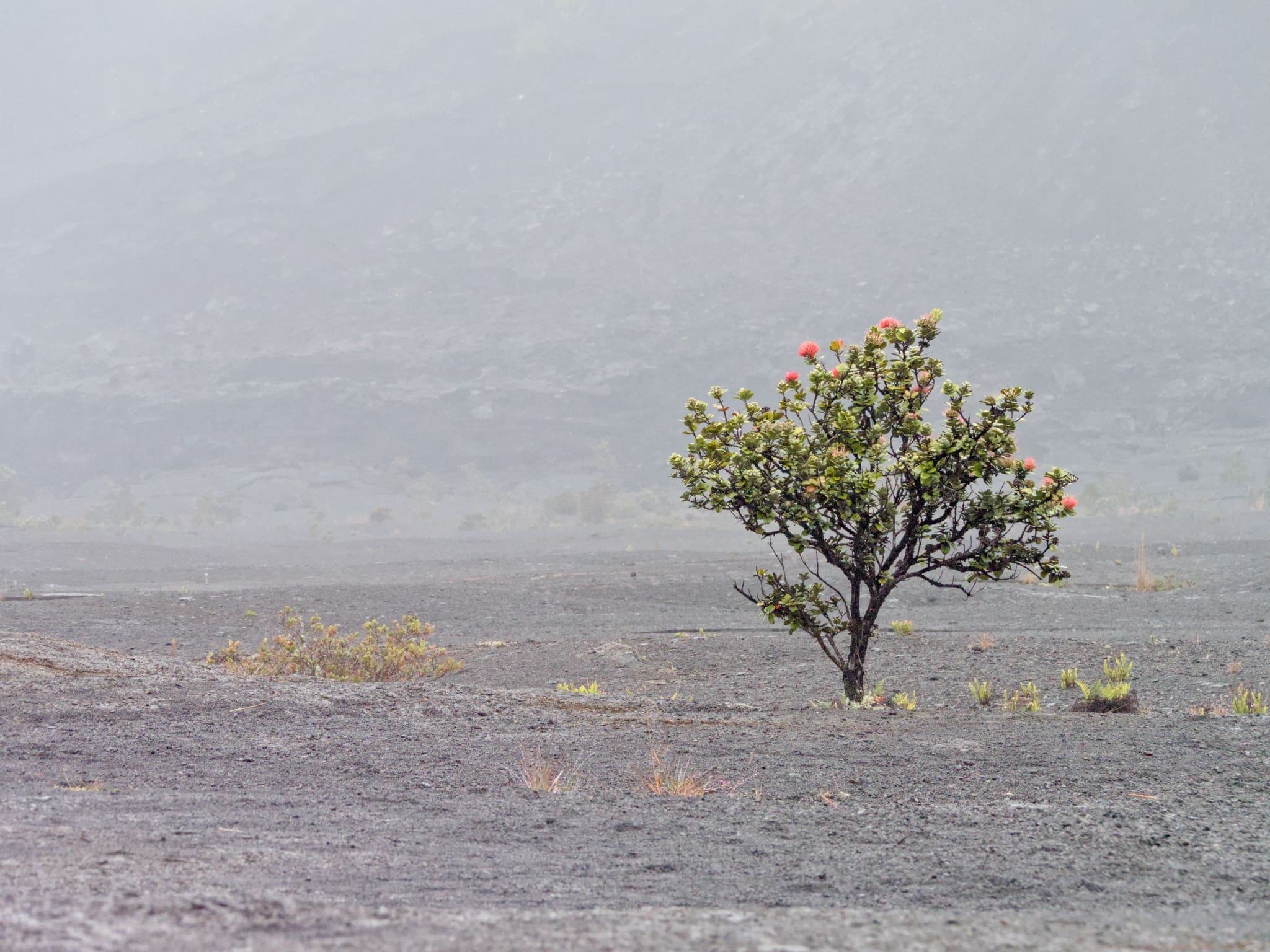
Even though ‘ōhi’a lehua can blanket Hawaii’s native forests, this flowering tree also grows alone, as you can see in the photograph below. Plants like ‘ōhi’a lehua fill me with happiness because they are able to grow in the most harsh, barren, and disrupted places, and they make it possible for other species to do the same. Plants like ‘ōhi’a lehua fill me with surety that even though sometimes poorly treated, the natural world will continue to be strong. Plants like ‘ōhi’a lehua make me believe in the resilience of nature.
Biodiversity forms the web of life we depend on for so many things – food, water, medicine, a stable climate, and more. But this connection between human beings and natural life is not always clear, understood, or appreciated. But there is a concept in Hawaiian culture called aloha ‘āina, or love of the land, which teaches that if you take care of the land, it will take care of you. The ‘ōhi’a lehua in particular takes care of the Hawaiian people in a pretty special way.
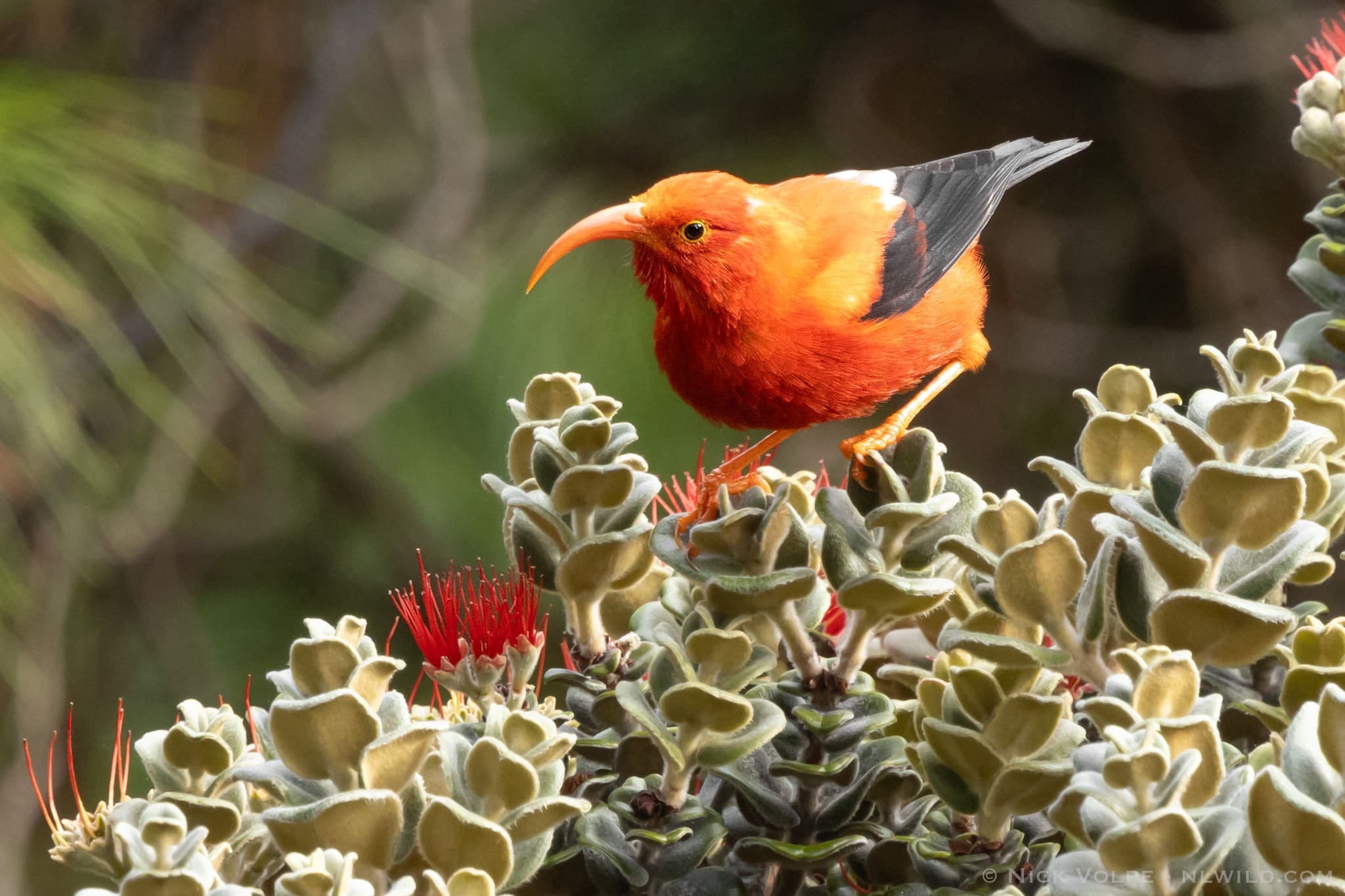
One of the most important characteristics of this flowering evergreen tree is that it’s a keystone species, protecting the Hawaiian watershed and conserving a great amount of water. The way I see it, ‘Ōhi’a lehua is an essential glue that holds Hawaii’s native ecosystems together. The leaves of ‘ōhi’a lehua are excellent at catching fog, mist, and rain, replenishing the islands’ aquifers and providing drinking and irrigation water for Hawaiian communities. ‘Ōhi’a lehua’s ability to retain water, particularly after storms, not only makes that water accessible for other plants, but it helps mitigate erosion and flooding. The tree provides food and shelter for native insects, rare native tree snails (kāhuli), and native and endangered birds like the Hawaiian honeycreepers (‘i’iwi, ‘apapane, and ‘ākepa). ‘Ōhi’a lehua trunks protect native seedlings and act as nurse logs, providing new plants with nutrients and a growing environment.
‘I’iwi, the Scarlet Hawaiian Honeycreeper, perched on an ‘ohi’a tree (Image Credit: Nick Volpe)
The Myth of ‘Ōhi’a Lehua
‘Ōhi’a lehua may have a disproportionately large effect on Hawaii’s ecosystems as a keystone species, but its presence as a meaningful part of Hawaiian culture could be even larger. There are many versions of mo’olelo (story) about the origin of the ‘ōhi’a lehua tree, but the most common one is about young lovers named Ōhi’a and Lehua. Pele, the goddess of the volcano, changed herself into a human woman and tried to entice ‘Ōhi’a. When he denied her, Pele became enraged and transformed ‘Ōhi’a into a tree. When Lehua found out, she was so heartbroken that she prayed to the gods to somehow help her reunite with him. Answering her prayers, the gods transformed Lehua into a flower and placed her on the ‘ōhi’a tree’s limbs. To this day, it’s believed that whenever a lehua flower is picked, the skies will open up and rain will fall, because the lovers have been separated.
‘Ōhi’a Lehua as a Cultural Symbol
In Hawaiian culture, the ‘ōhi’a lehua is a symbol of love, resilience, and ecological harmony. The transformation of Ohia and Lehua into tree and flower represents the inseparable bond between two people who love each other, and between the tree and its flowers. The term pua lehua, or lehua flowers, is often used to describe people who express the same grace, strength, and resilience of the ‘ōhi’a lehua. Pilina, a Hawaiian word that means “connection” or “relationship,” is an important value in Hawaiian culture because it is a critical way for people to connect with and understand the world around them. The ‘ōhi’a lehua tree is a symbol of pilina, and embodies this relationship between the Hawaiian landscape and its people.
Hula dancers performing at the Merrie Monarch Festival Thomas Tunsch (CC BY-SA )
The ‘ōhi’a lehua is also incredibly important to hula. Hula is the narrative dance of the Hawaiian Islands, and it is an embodiment of one’s surroundings. Dancers use fluid and graceful movements to manifest what they see around them and tell stories about the plants, animals, elements, and stars. ‘Ōhi’a lehua trees and forests are considered sacred to both Pele, the goddess of the volcano as you may recall, and Laka, goddess of hula. To enhance their storytelling and evoke the gods, dancers traditionally wear lehua blossoms or buds in lei, headbands, and around their wrists and ankles.
The Dependability of ‘Ōhi’a Lehua
‘Ōhi’a lehua has long been a part of daily life. Historically, the hardwood of the tree was used for kapa (cloth) beaters, papa ku’i ‘ai (poi pounding boards), dancing sticks and ki’i (statues), weapons, canoes, and in the construction of houses and temples. Today, the tree’s wood is used for flooring, furniture, fencing, decoration, carving, and firewood. ‘Ōhi’a lehua blossoms decorate altars for cultural ceremonies and practices. Flowers, buds, seeds, and leaves form the base of medicinal teas that can stimulate appetite and treat childbirth pain.
Threats to ‘Ōhi’a Lehua
As a native tree, ‘ōhi’a lehua competes with invasive species for moisture, nutrients, light, and space. Plants like the strawberry guava plant (Psidium cattleyanum) grow in dense thickets and block the growth of ‘ōhi’a seedlings. The invasive fountain grass (Pennisetum setaceum) can dominate barren lava flows, making it difficult for ‘ōhi’a to compete. ‘Ōhi’a lehua is also threatened by non-native animals. Hooved animals like pigs, cattle, goats, and deer disturb the soil, eat sensitive native plants, and trample the roots of ‘ōhi’a lehua trees.
The most dangerous threat to ‘ōhi’a lehua is a virulent fungus called Ceratocystis fimbriate, which attacks the tree’s sapwood, preventing it from uptaking water and nutrients, and killing the tree within weeks. It’s been given the name Rapid Ohia Death (ROD) because of how quickly it suffocates the tree, turning the leaves yellow and brown and the sapwood black with fungus. Infections spread through a wound in the bark, which can be caused by animals trampling roots, lawn mowing, or even pruning, and can be present in the tree for up to a year before showing symptoms. ROD is spread by an invasive species of wood boring Ambrosia beetle that infests the tree and feeds off the fungus. When colonizing trees, the beetle produces a sawdust-like substance made of excrement and wood particles called frass, which can contain living fungal spores that get carried in wind currents and spread by sticking to animals and human clothes, tools, and vehicles.
Since its discovery in 2014, ROD has killed more than one million ‘ōhi’a lehua trees across 270,000 acres of land, making it a significant threat to biodiversity and cultural heritage. The International Union for Conservation of Nature (IUCN) classifies ‘ōhi’a lehua’s conservation status as vulnerable, and has recorded a decline in mature trees since 2020. Because ROD can spread long distances, it has the potential to wipe out ‘ōhi’a lehua across the entire state. If ‘ōhi’a lehua disappears, it will lead to a collapse of the Hawaiian watershed and radically change the ecosystem.
How the Hawaiian People Care for ‘Ōhi’a Lehua
Scientists, researchers, and native Hawaiians are working together to ensure the long-term health and resilience of ‘ōhi’a and Hawaii’s native forests by mitigating the spread of Rapid Ohia Death. Hawaii’s Forest Service monitors the land to track the spread of ROD and mortality of trees, has developed sanitation and wound-sealing treatments, and collaborates with hunters and game managers to reduce disease transmission. Scientists rigorously test ‘ōhi’a trees to understand the disease cycle, find out how it can be broken, and to identify trees resistant to the infection that could be used in potential reforestation efforts.
To prevent the spread, Hawaii has announced quarantine restrictions, travel alerts, and sanitation rules. If you are shipping vehicles between islands, you should clean the entire understory with strong soap to remove all mud and dirt from the tires and wheel wells. People who go into ‘ōhi’a forests are advised to avoid breaking branches or moving wood around, to clean their shoes and clothes, and to decontaminate any tools used with alcohol or bleach to kill the fungus. Even hula practitioners are forgoing the use of ‘ōhi’a lehua.
Mālama the ‘āina is a phrase that means to care for and honor the land. ‘Ōhi’a lehua is a wonderful representation of the interconnection between people and nature and I hope learning about this beautiful tree has encouraged you to appreciate the relationship we have with the Earth and what the natural world does for us.
Remember, if you take care of the land, it will take care of you.
Abigail
Abigail Gipson is an environmental advocate with a bachelor’s degree in humanitarian studies from Fordham University. Working to protect the natural world and its inhabitants, Abigail is specifically interested in environmental protection, ecosystem-based adaptation, and the intersection of climate change with human rights and animal welfare. She loves autumn, reading, and gardening.
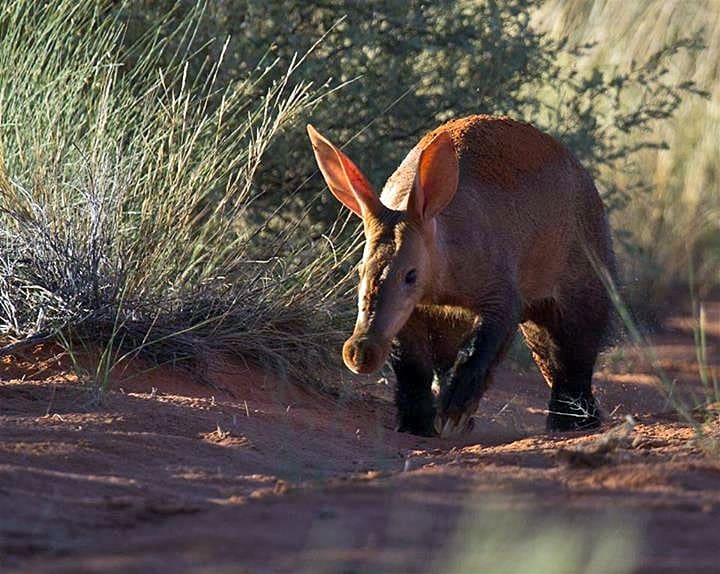
Meet the aardvark – a one-of-a-kind mammal native only to sub-Saharan Africa.
The aardvark has an unusual hodge-podge mix of features including rabbit-like ears, a pig-like snout, an opossum-like tail, and a long, sticky anteater-like tongue. This creature has large and formidable claws used for digging and defense. Weighing in at 115 – 180 pounds, the aardvark is much heftier than it looks.
Aardvarks inhabit the savannas, arid grasslands, and bushlands of sub-Saharan Africa where there is plenty of their favorite prey, ants and termites. They are solitary and do not socialize with others unless for mating or raising young. They live for about 18 years in the wild and approximately 25 years in captivity.
The aardvark is famous for being the first noun in the English dictionary. The animal goes by many names including Cape anteater and ant bear, but its colloquial moniker, aardvark, is Afrikaans for “earth pig”.
Although the aardvark is an eater of ants, it is not an anteater. Understandably, the comparison comes from its similar appearance and nearly identical diet to the anteater, which leads people to assume they are the same animal. However, the aardvark is its own species entirely, and in fact, it is more closely related to elephants than to anteaters.
Unique Diet
Aardvarks are insectivores that eat ants and termites. They use their keen sense of smell to locate ant nests and termite mounds over great distances. Aardvarks have the highest number of olfactory turbinate bones of any mammal on the planet. An aardvark has about 9 -11 of these specialized bones which help support the olfactory bulb in the brain, where smells are processed. This larger-than-average olfactory system allows the aardvark to track such tiny creatures like ants and termites from far away. They have been observed swinging their heads back and forth close to the ground, much like a metal detector, to pick up a scent.
Once an aardvark locates a termite mound, it uses its claws to break open the cement-hard structure. Its tongue, coated in sticky saliva, slurps up the exposed insects in seconds. The highly adapted tongue of an aardvark can be up to 1 foot long. Over the course of a night, a single aardvark eats over 45,000 termites. Amazingly, all of this is done without chewing.
While aardvarks are classified as insectivores, they make one exception in their diet for a very unique fruit, the aardvark cucumber. This African melon looks similar to a cantaloupe but is grown completely underground. Aardvarks easily dig up the fruit and eat its watery, seed-filled interior. Once the fruit is digested, the seeds are dispersed by the aardvarks that cover their dung in dirt, effectively planting these seeds in the soil with a natural fertilizer. This symbiotic relationship helps propagate the aardvark cucumber, whose existence is entirely dependent upon the aardvark.
The aardvark is regarded as a symbol of resilience in some African cultures due to its unrelenting bravery in tearing down termite mounds. The aardvark has very thick skin which helps avoid injury from hundreds of termite and ant bites. Because of their nocturnal habits and solitary nature, aardvarks are not a common sight during the day. It is said that anyone who is lucky enough to see one is blessed.
Earth Engineer
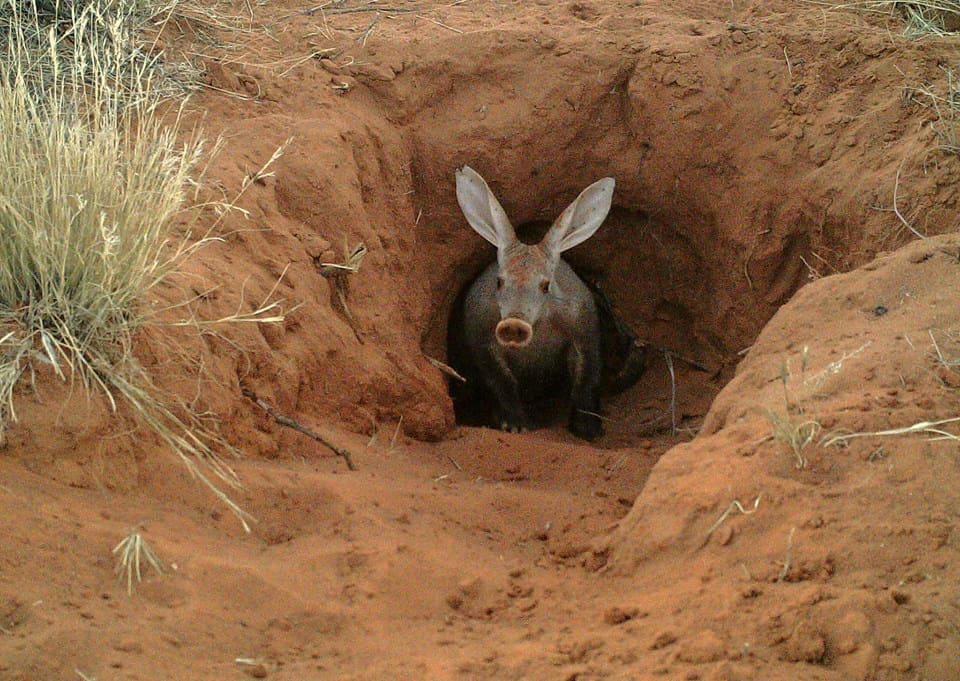
Aardvarks are adept earth-movers known to create specialized burrows to live in. These burrows provide shelter away from the sun and from predators. Its powerful claws are specially adapted to move massive amounts of dirt in minutes, which helps the aardvark excavate multiple chambers within the den.
Some burrows can be up to 10 feet deep and over 20 feet long. There are multiple entrances to the same burrow so the aardvark has a chance to escape if a predator poses a threat. Aardvarks have been observed to be very cautious creatures and practice an unusual ritual before exiting their abode. The aardvark stands at the edge of its burrow and uses its excellent sense of smell to detect any nearby predators. It listens for danger and emerges slowly. The aardvark then jumps a few times, pauses, and heads out for the night. Because aardvarks are primarily nocturnal, they don’t have much need for vivid sight and are colorblind. Their long ears and nose do the seeing for them.
The physiology of these soil architects may strike some as strange, but it serves a purpose. The odd, arched silhouette of the aardvark is caused by its hind legs being longer than its front, which gives them a stronger stance when digging. This adaptation, combined with their formidable claws and muscular forelimbs, allows the aardvark to dig a hole 2-feet deep in just 30 seconds – much faster than a human with a shovel.
When aardvarks have depleted most of their territory’s termite mounds or ant nests, they must move on to new hunting grounds. Their abandoned burrows don’t stay empty for long and are occupied by a variety of species. Hyenas, wilddogs, warthogs, civets, and porcupines make their homes in aardvark burrows. The aardvark has an incredible impact on its environment by sculpting the very landscape itself and providing shelter for other creatures.
If you want to learn more about how aardvark burrows support other animals, check out this article documenting the one of the first observations of predators and prey cohabitating in the same burrow.
Burrowing away now, Joely
Joely Hart is a wildlife enthusiast writing to inspire curiosity about Earth’s creatures. She holds a Bachelor’s degree in creative writing from the University of Central Florida and has a special interest in obscure, lesser-known species.
In the lush landscapes of North America, the Northern Red Oak stands as a timeless symbol of strength, resilience, and enduring beauty. Revered for its towering stature, vibrant foliage, and essential ecological contributions, this iconic species holds a cherished place in both natural ecosystems and human communities.
The state tree of New Jersey, the Northern Red Oak is sometimes referred to as the “champion oak,” and it certainly qualifies as a biodiversity and climate champion!
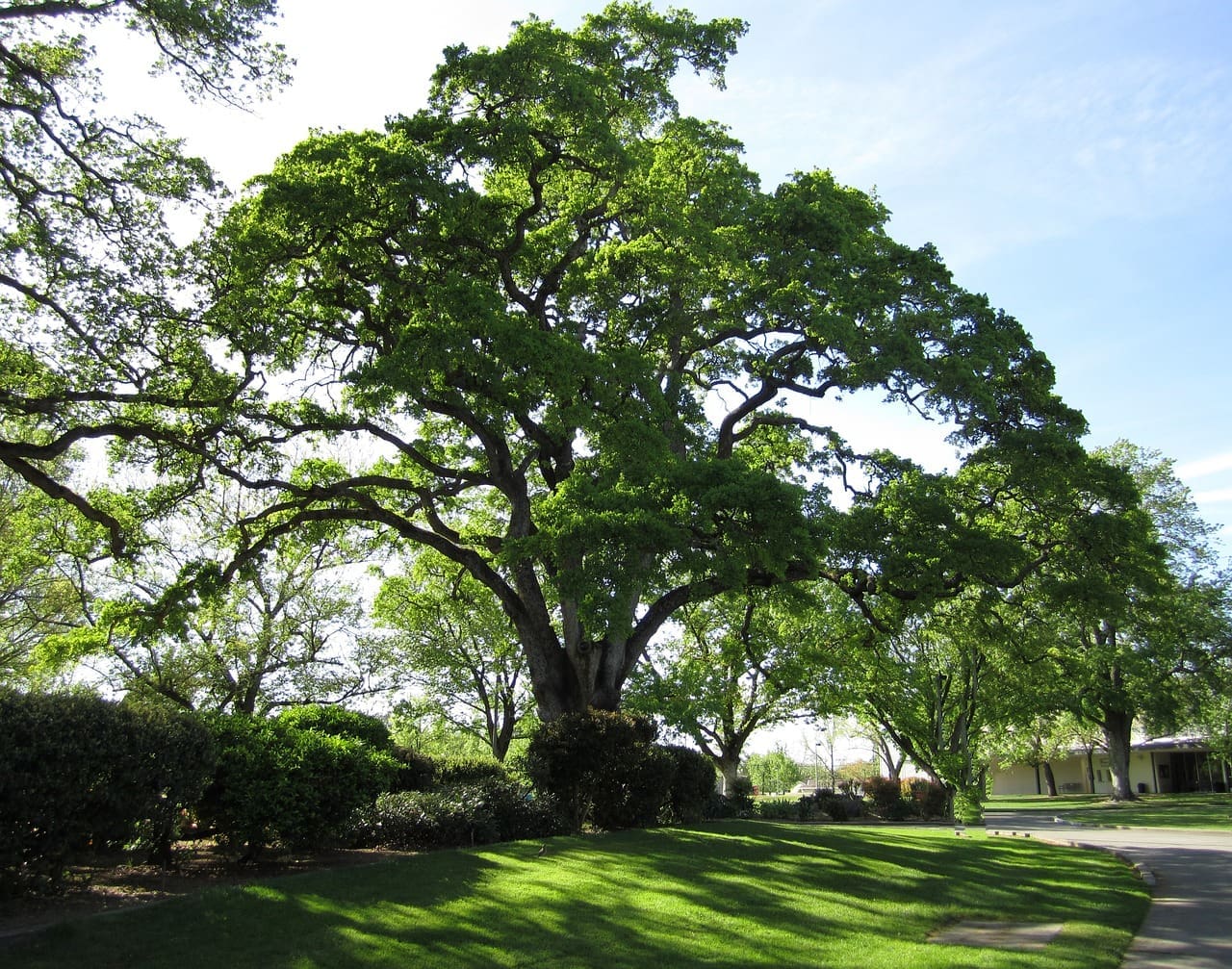
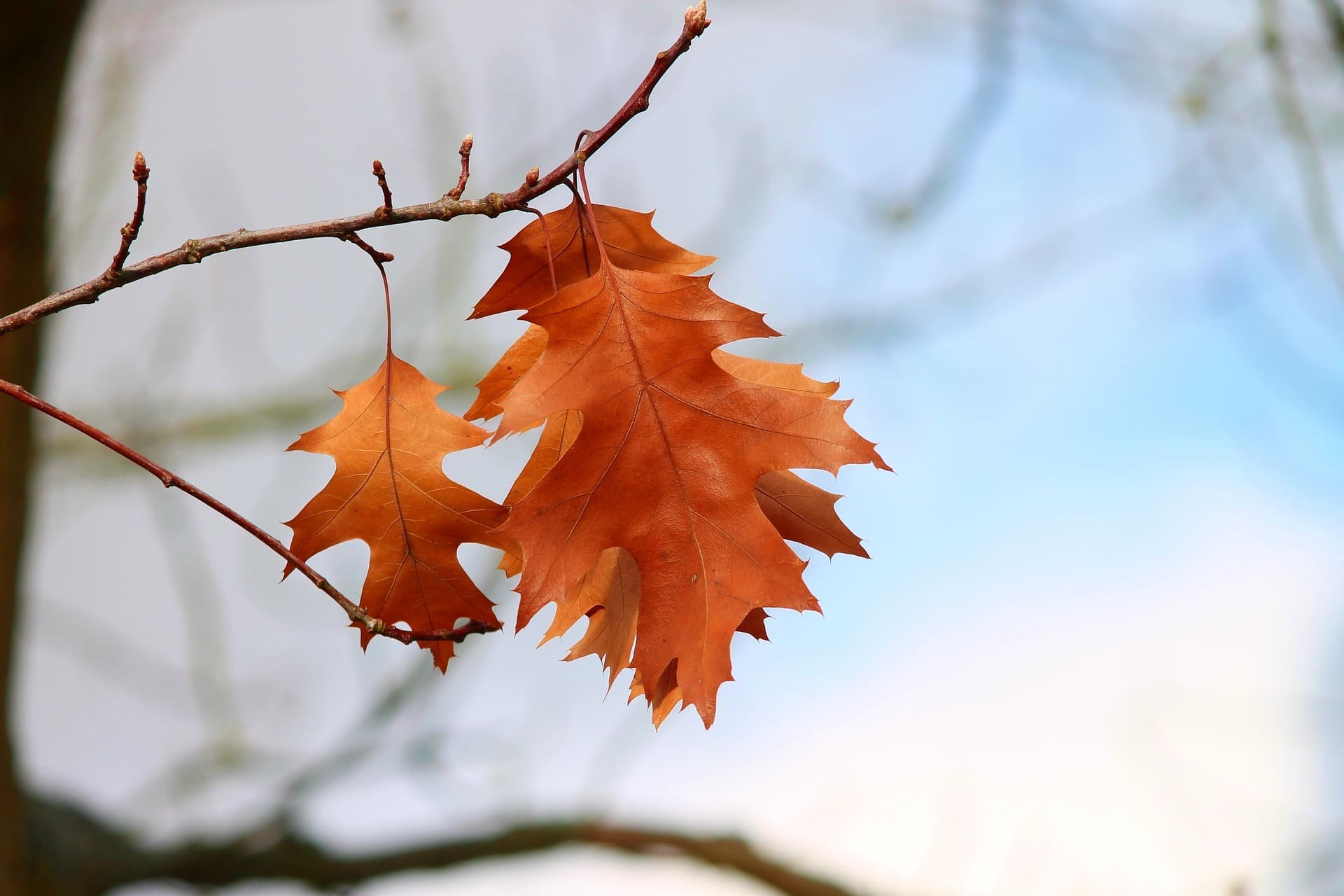
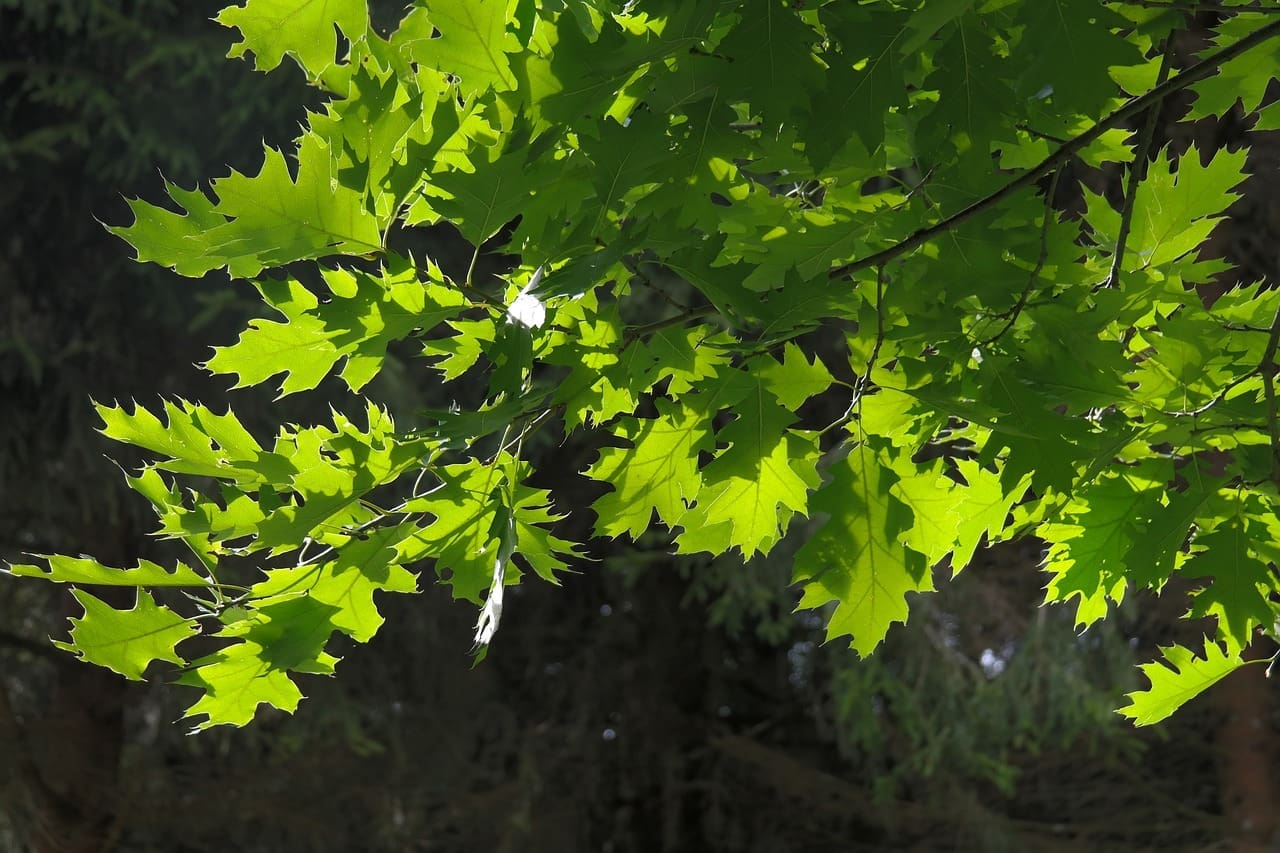
The Northern Red Oak, or Quercus rubra, is an impressive hardwood tree that graces the forests of Eastern and Central North America. Its grandeur is exemplified by its towering height, often reaching between 70 to 90 feet, and its robust, straight trunk. Adorned with deeply lobed, glossy green leaves, the Northern Red Oak undergoes a breathtaking transformation in the autumn, as its foliage turns into a symphony of red, russet, and orange hues, captivating onlookers and adding a burst of color to the landscape.
I got to know my oaks over the past few years as I’ve dived more deeply into the native ecology of New England. Like maples and tulip trees, oaks have fairly recognizable leaves, and make an accessible place to start with species identification. It took me a bit longer to discern between different types of oaks, from the sharp edged Northern Red Oak leaves to the rounded edges of the Swamp White Oak leaves, but it’s a satisfying journey to take to get to know these hallmarks of the landscape better. As I learn trees’ names, patterns, life cycles, and roles, I get to establish a greater kinship with these beings, and witness the beautiful ways they interact with the people, birds, insects, and animals in the ecosystem.
Beyond its visual allure, the Northern Red Oak plays a crucial role in maintaining the health and balance of its ecosystems. Its extensive root system helps prevent soil erosion, and improves the soil sponge for water infiltration, buffering against the intensifying drought and flood cycles affecting our environments. These trees also provide essential food and habitat for a biodiverse array of wildlife.
As many scientists and foresters are beginning to recognize in greater numbers, the more we can preserve and plant keystone native species of our ecosystems, the more deeply and powerfully those ecosystems can mitigate the extreme effects of climate change and global warming. Healthy ecosystems are full of complexity, and in part it is the relationships between different species of vegetation, fungi, microbes, and wildlife that make the whole so successful. Northern Red Oaks are particularly valuable bulwarks of the forest ecosystems of the Eastern and Central US, where they support almost 500 different of butterfly and moth species, which in turn feed the larger food chain. These trees’ acorns also directly supply vital sustenance for many types of wildlife, including blue jays, woodpeckers, turkeys, squirrels, raccoons, and deer. Finally, as old trees begin to decay and die, their trunks and branches go on to house many animals’ dens and nests, continuing to provide throughout the stages their life cycle.
The Northern Red Oak has traditionally been valued for its economic significance, which characterizes a lot of the information you can find on this beautiful tree. Revered for its durable wood, the Northern Red Oak is a prized timber species, notable for its strength, durability, and attractive grain pattern. Its wood can be found in various woodworking applications, including furniture, cabinetry, flooring, and veneer. So next time you see a product boasting its oak hardwood, imagine the long history of that material that lies beneath the surface.
Image by Nicholas A. Tonelli from Northeast Pennsylvania, USA, CC BY 2.0 via Wikimedia Commons
Vital and Versatile
Adaptability is another hallmark of the Northern Red Oak, as these trees thrive in a wide range of soil types and environmental conditions. From lush forests to urban parks, this resilient species can flourish in diverse habitats, underscoring its importance as a cornerstone of biodiversity.
In urban forestry and landscaping, Northern Red Oaks are treasured for providing shade, natural beauty, and environmental benefits to parks, streetscapes, and residential areas. Sometimes, biodiversity value and hardiness to poor soil conditions and urban stressors are thought of as tradeoffs that urban foresters must navigate. However, the Northern Red Oak (and many other remarkable trees) prove that sometimes, you can have it all.
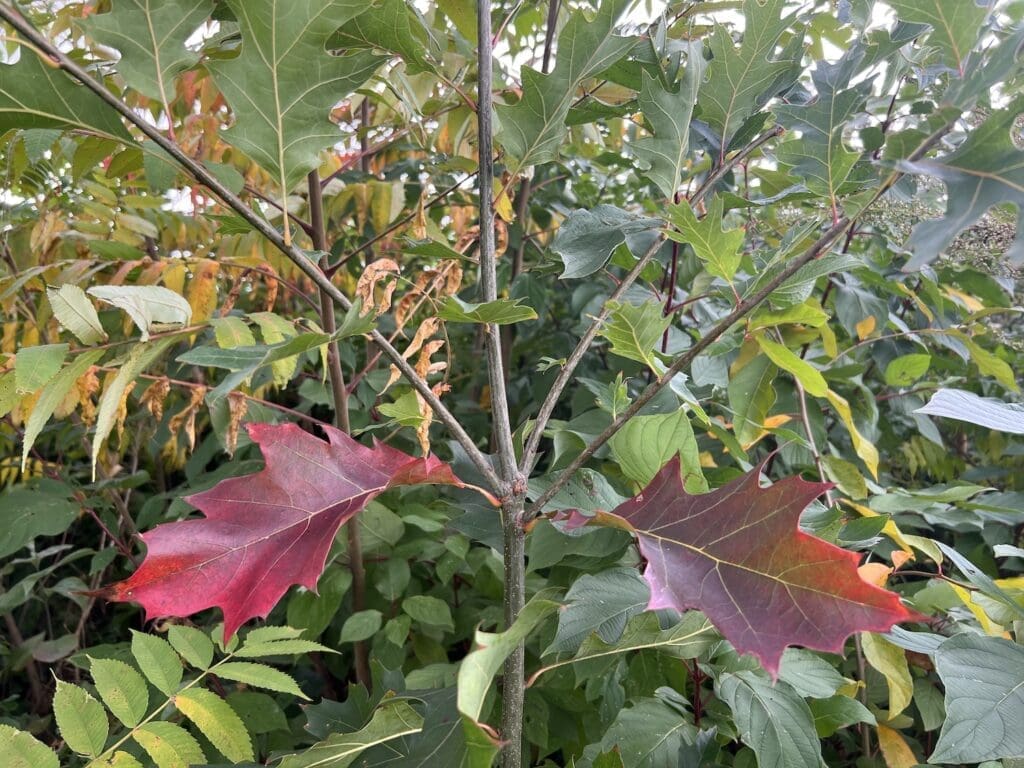
Northern Red Oak sapling in our Danehy Park Miyawaki Forest (Image by Maya Dutta)
Despite its resilience, the Northern Red Oak faces threats from pests, diseases, and habitat loss from logging, degradation, and fragmentation, underscoring the need for transforming our relationship to forests and vegetation, these powerful systems for cooling and carbon sequestration. By protecting and preserving Northern Red Oak populations, prioritizing biodiversity and holistic ecosystem health in our climate resilience efforts, we can make a cooler, greener, healthier world for ourselves and the many species we share our home with.
May we make that dream a reality,
Maya
Maya Dutta is an environmental advocate and ecosystem restorer working to spread understanding on the key role of biodiversity in shaping the climate and the water, carbon, nutrient and energy cycles we rely on. She is passionate about climate change adaptation and mitigation and the ways that community-led ecosystem restoration can fight global climate change while improving the livelihood and equity of human communities. Having grown up in New York City and lived in cities all her life, Maya is interested in creating more natural infrastructure, biodiversity, and access to nature and ecological connection in urban areas.
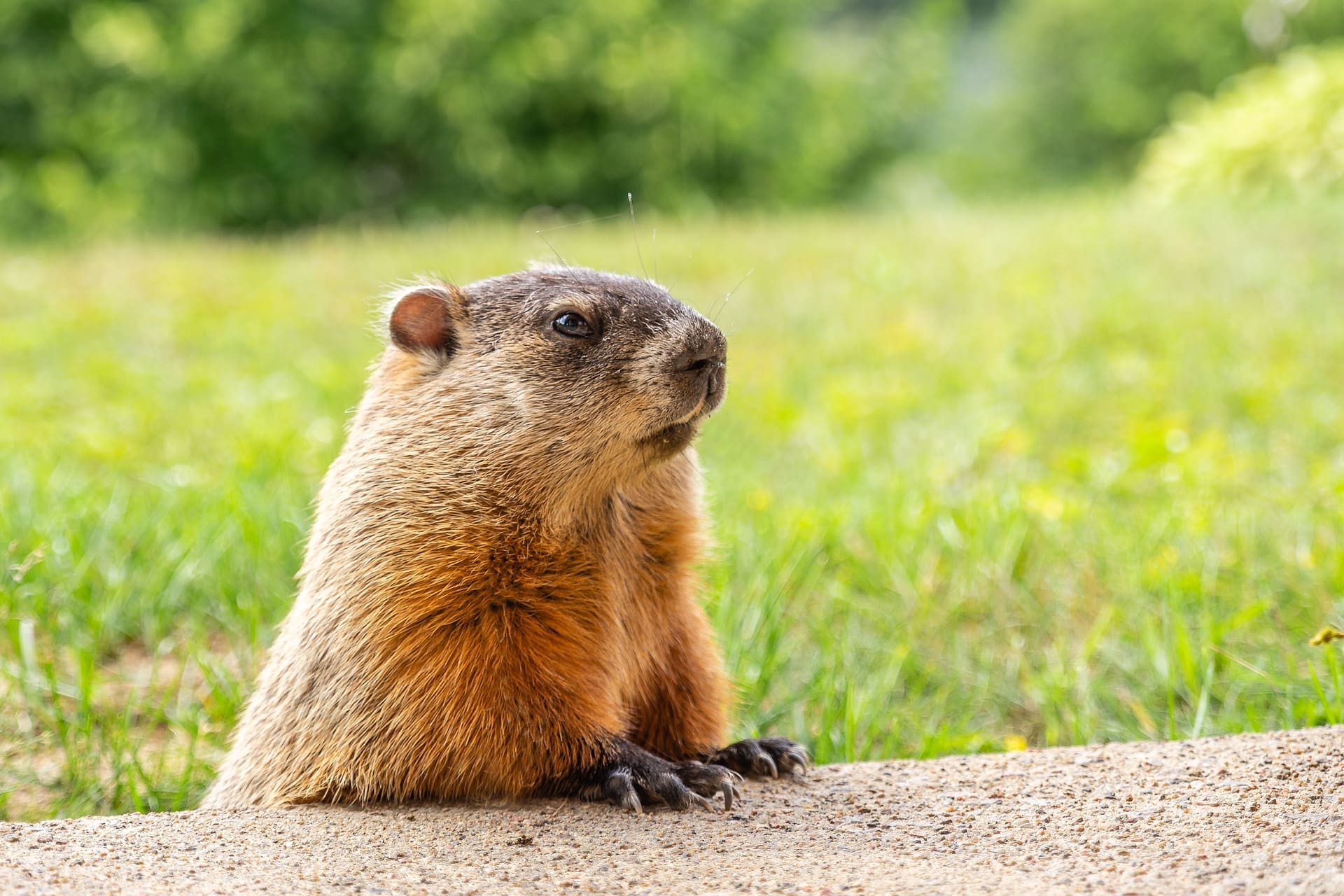
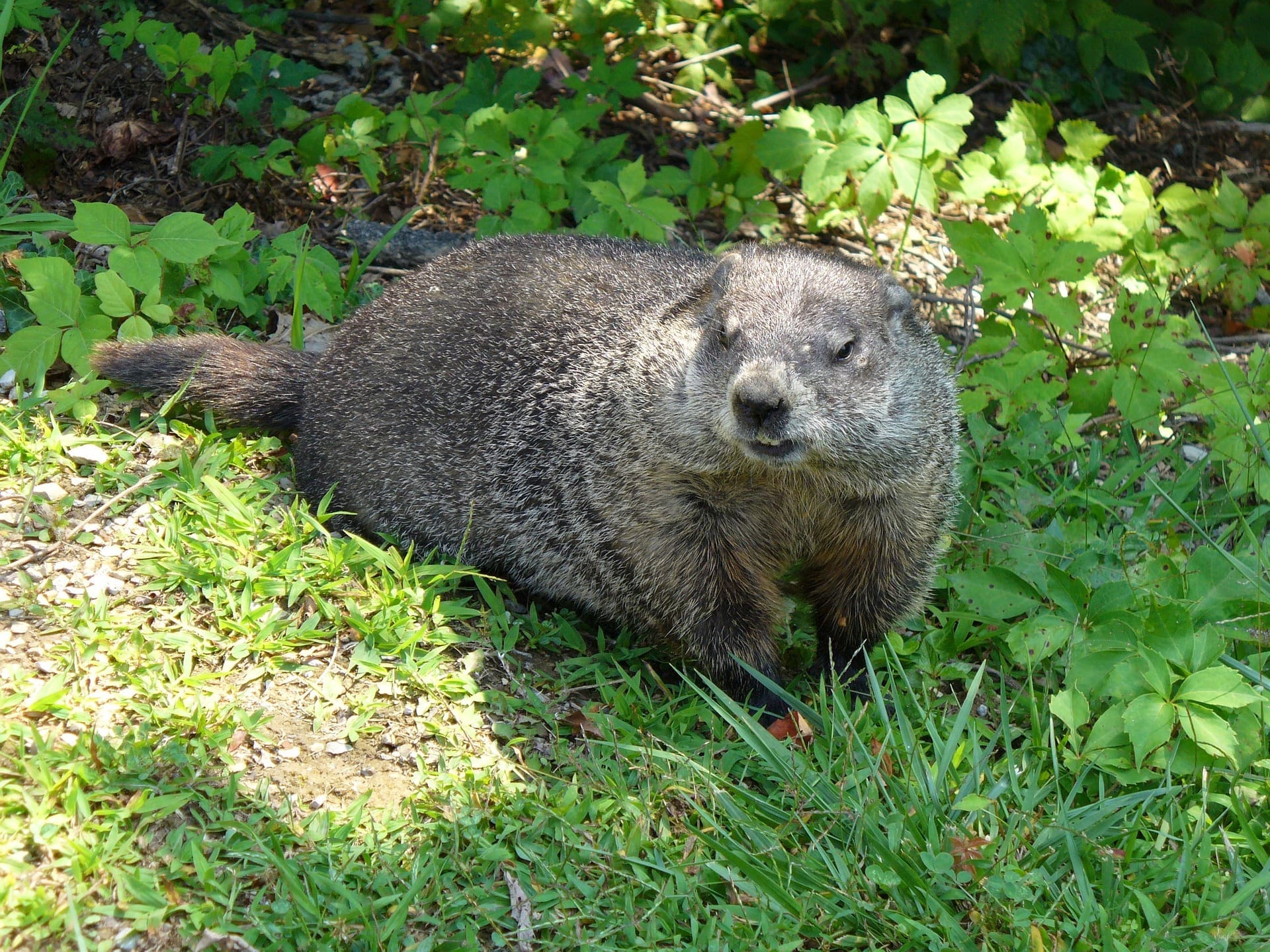
Groundhogs are famous rodents who enjoy the spotlight in early February, when people in the US and Canada celebrate Groundhog Day. These critters also go by woodchuck, whistle-pig, wood-shock, whistler, marmot, thickwood badger, red monk, land beaver, weenusk, monax, and groundpig.
Beyond their supposed (and generally debunked) prowess at predicting seasonal changes, these cuddly creatures exhibit a fascinating blend of behaviors and ecological significance. Groundhogs belong to the squirrel family as one of the 14 species of marmots, which are also aptly known as ground squirrels. Indeed, groundhogs’ fifteen minutes of fame, and their lives outside of it, are shaped by their burrowing talent and how that ties into their seasonal habits.
A defining characteristic of groundhogs is their habit of hibernating through the winter months. They spend the warmer seasons gorging themselves on vegetation, accumulating ample fat reserves to sustain them through the winter slumber. During hibernation, their heart rate drops and their body temperature lowers, enabling them to conserve energy in their underground burrows.
Burrowing is a hallmark behavior of groundhogs, with complex, multi-chambered burrows extending up to a total of 65 feet in length. These subterranean dwellings serve as multi-functional spaces where groundhogs sleep, raise their offspring, and even excrete waste in specific, separate tunnels. Intriguingly, the burrows also provide refuge for other wildlife species, which helps support the overall biodiversity of their habitats. Much like the dens of the related prairie dog, these burrows can shelter other species in times of need, offering a place of refuge during fires or cold snaps, or simply a home base to hide out from the usual predators.
Cultural and Ecological Connections
Groundhog Day, celebrated on February 2nd each year, has captured the imagination of people across the United States and Canada. According to tradition, if a groundhog emerges from its burrow and sees its shadow, there will be six more weeks of winter, and if it doesn’t see its shadow (which happened this year), spring will come early. However, a study conducted in 2021 surveying years of predictions and seasonal records revealed that groundhogs’ predictions seem to be pure chance, with accuracy rates hovering around 50 percent.
Despite their failed reputation as predictors of seasonal changes, groundhogs excel in other aspects of survival. They are skilled foragers, feeding on a variety of vegetation, including leaves, flowers, and field crops. Their burrowing activities also play a crucial role in mixing and aerating the soil, a process which enhances nutrient absorption essential for plant growth.
While groundhogs are classified as species of least concern on the International Union for Conservation of Nature (IUCN) Red List, they face challenges in areas where they are overly abundant. Considered pests by some due to their burrowing activities, groundhogs occasionally come into conflict with humans, particularly farmers who may experience damage to gardens and crops.
Groundhogs are integral components of their ecosystems, providing shelter for various wildlife species and contributing to soil health through their burrowing activities. While adults are known to defend themselves fiercely against predators using their powerful claws and teeth, young groundhogs are more vulnerable to predation, particularly from birds of prey like hawks and other raptors.
Check out this short and sweet video from the Missouri Department of Conservation on Groundhogs:
Let us honor Groundhog Day as a reminder to be attentive to the organisms and ecosystems around us. The more we learn from one another, the better we can participate in the complex web of life in which we all play a role.
Burrowing away now,
Maya
Maya Dutta is an environmental advocate and ecosystem restorer working to spread understanding on the key role of biodiversity in shaping the climate and the water, carbon, nutrient and energy cycles we rely on. She is passionate about climate change adaptation and mitigation and the ways that community-led ecosystem restoration can fight global climate change while improving the livelihood and equity of human communities. Having grown up in New York City and lived in cities all her life, Maya is interested in creating more natural infrastructure, biodiversity, and access to nature and ecological connection in urban areas.
Sometimes, when walking alone in the high grasslands of the Western United States, you may feel as if you are being watched.
My first encounter with prairie dogs in the wild occurred as I stood in an empty prairie just outside of Badlands National Park in South Dakota. As I meandered along, minding my own business, dozens of furry creatures with beady little eyes appeared, propped themselves up on their hind legs, and began to follow my every step. Prairie dogs are adorable, it is true, but when you see a dozen spread out, standing upright, watching you intently, it can be a bit disconcerting.
They were, however, no threat, and weren’t eyeballing me just to judge me. A prairie dog standing on his hind legs – “periscoping” as it is known – is simply keeping watch for predators. And their distinctive bark? It may sound like “yip,” but it is actually a sophisticated language developed over thousands of years that is still not fully understood by scientists.
Prairie dog barks convey everything about a predator’s size, speed, and location. According to a study at the University of Northern Arizona led by Con Slobodchikoff, Ph.D (see video linked below) pitch, speed, and timbre were all altered in a consistent manner corresponding to the species of predator and the characteristics of each. Certain “yips” could even be interpreted to represent nouns (the threat is “human”), verbs (the “human” is moving toward us), and adjectives (the “human” is wearing an ugly yellow shirt). So now that I think about it, I guess they were judging me, and I am not sure how I feel about that. But still, those are some impressive squirrels.
Wait, did you say squirrels?
Yes.
Squirrels. From the Sciuridae family. Prairie dogs are marmots (or ground squirrels) that bark like a dog, prompting Lewis and Clark to label them “barking squirrels,” which may lack points for creativity but is at least more accurate than calling them “dogs.” Prairie dogs, in fact, have no connection to dogs whatsoever.
There are five major species of prairie dog, who all live in North America at elevations between 2,000 and 10,000 feet. The Black-Tailed prairie dog covers the largest territory, filling an extensive region from Montana to Texas. Gunnison’s prairie dogs occupy the southwest near the Four Corners region. White-Tailed prairie dogs reside in Wyoming, Utah, and Colorado. Mexican and Utah prairie dogs belong to Mexico and Utah, respectively, and both are considered endangered.
As you may have observed, prairie dogs live in areas prone to harsh extremes of weather. To protect themselves, they dig extensive burrow networks with multiple entrances, designed to create ventilation, route flood water into empty chambers deep underground, and keep watch for predators. Their burrows connect underground, organized into sections called “coteries,” each of which contains a single-family unit responsible for the maintenance and protection of their area. Multiple coteries become “towns” of startling size and complexity. According to the National Park Service, the largest prairie dog town on record covered 25,000 square miles, bigger than the state of West Virginia!

Over the years, however, the prairie dog’s range has shrunk, scientists estimate, by as much as 99%, largely because of agriculture. Farmers and ranchers tend to regard prairie dogs as a nuisance, as they sometimes eat crops (they are mostly herbivores) and their holes create a hazard for livestock. They will bulldoze their towns or conduct contest kills to remove them, which has had devastating impacts.
Experts consider prairie dogs to be a keystone species. Their loss affects hundreds of other species who rely on them for food or use their burrows for shelter. They are instrumental in recharging groundwater, regulating soil erosion, and maintaining the soil’s level of production. Prairie dog decline, in fact, eventually leads to desertification of grassland environments.
So, an impressive AND important squirrel?
Yes, and the restoration of prairie dog habitats could be a crucial step in mitigating the effects of climate change.
If you’ve caught prairie dog fever, dive deeper into the resources below. And to learn more about Prairie Dog language, check out this fascinating video:
Hoping one day to converse with my personal prairie dog army,
Mike
Mike Conway is a part-time freelance writer who lives with his wife, kids, and dog Smudge (pictured) in Northern Virginia.
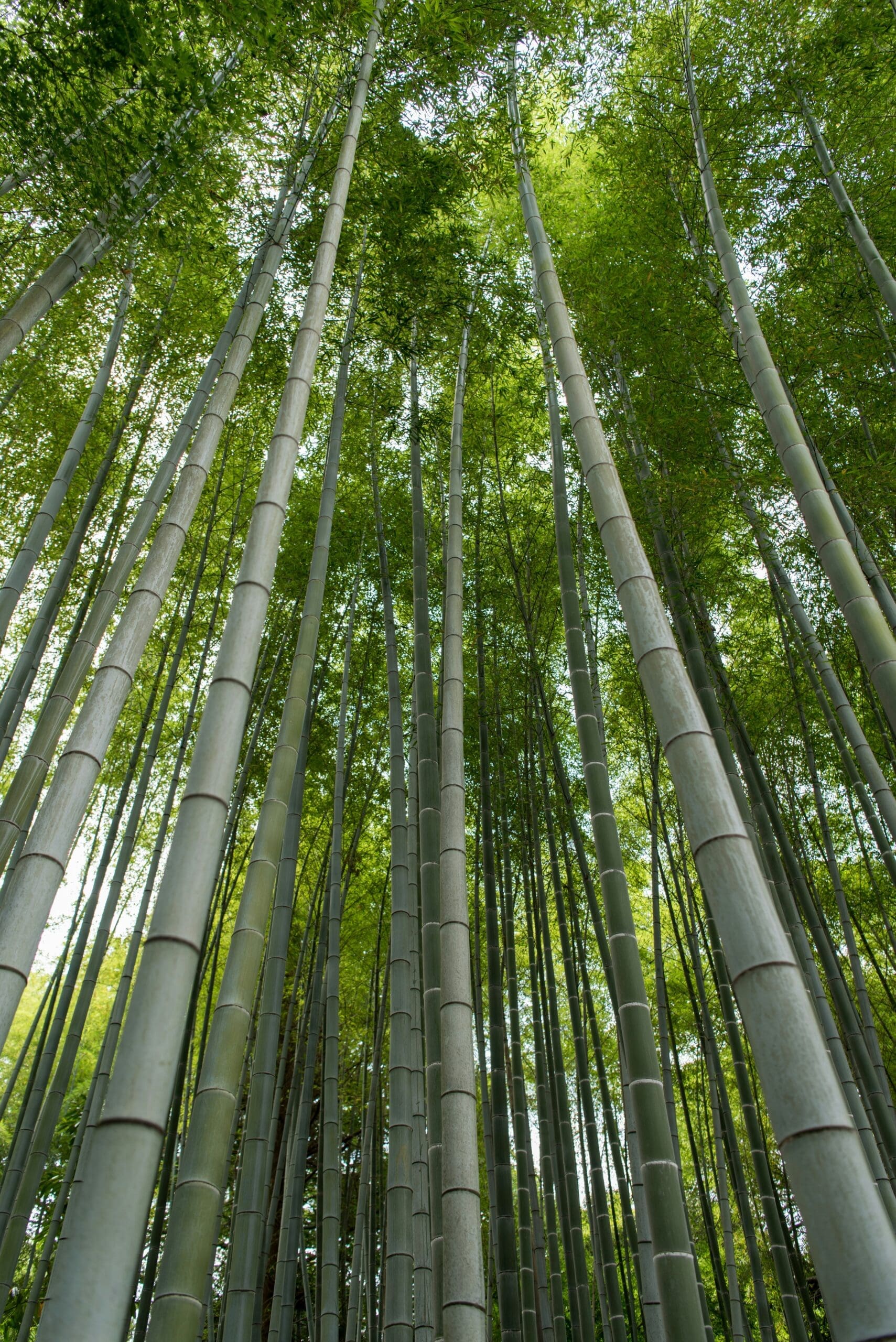
With over 1,600 species of bamboo worldwide, this subfamily (Bambusidae) has a great deal of diversity, and well-earned acclaim. These plants are actually the largest grasses, or members of the family Poaceae.
This talented family boasts a remarkable diversity, with bamboo species native to every continent besides Antarctica and Europe. People and cultures across the world have come to prize bamboo for its amazing growth rates, its extraordinary flexibility and strength, and its ecological contributions to clean air, soil, and water. Whether as a symbol of luck and fortune, a provider of adaptable materials, or an ecosystem restoration MVP, bamboo reminds us of nature’s incredible ability to captivate and nurture.
The word “bamboo” is thought to originate in the Malay word “mambu.” During the late 16th century, the Dutch adopted the term and coined their own version, “bamboes,” which eventually became the “bamboo” we know and love today.
One great grower
Bamboo holds the crown for being the fastest-growing plant on Earth. Some species can achieve astonishing growth rates of up to 90 centimeters (35 inches) in just 24 hours. While giant sea kelp (actually an algae) can surpass bamboo’s growth rates in ideal conditions, the rapid growth of bamboo remains unparalleled among vegetation and land-based photosynthesizers.
Another of bamboo’s most notable qualities is its ability to be harvested without uprooting the plant. This feature allows for comparatively sustainable manufacturing processes, as bamboo regenerates quickly from its robust root system and does not require its rhizomes to be replanted.
Over centuries, people have found uses for bamboo in various industries, such as construction, furniture, textiles, and paper, and in the present day many are looking to bamboo for greener alternatives to traditional materials. You might see this trend taking off in the latest utensils, toothbrushes, or toilet papers hitting the market, but experiments using these plants are no new fad.
One of the most famous examples of bamboo taking a central stage in innovation came in 1880, when Thomas Edison used carbonized bamboo fiber to conduct electrical current through a lightbulb. After testing a wide variety of materials, he found the bamboo fiber to perform the best, lasting 1,200 hours as the conductor.
Bamboo harvested at Murshidabad, India (Photo by Biswarup Ganguly, CC by 3.0)
Bamboo is particularly renowned for its unique combination of flexibility and strength. This exceptional quality has made it a popular choice in construction. Notably, in Sichuan, China, a thousand-year-old bridge made of bamboo stands as a testament to the plant’s durability. The bridge is still in use today with ongoing maintenance, showcasing the long-lasting potential of bamboo.
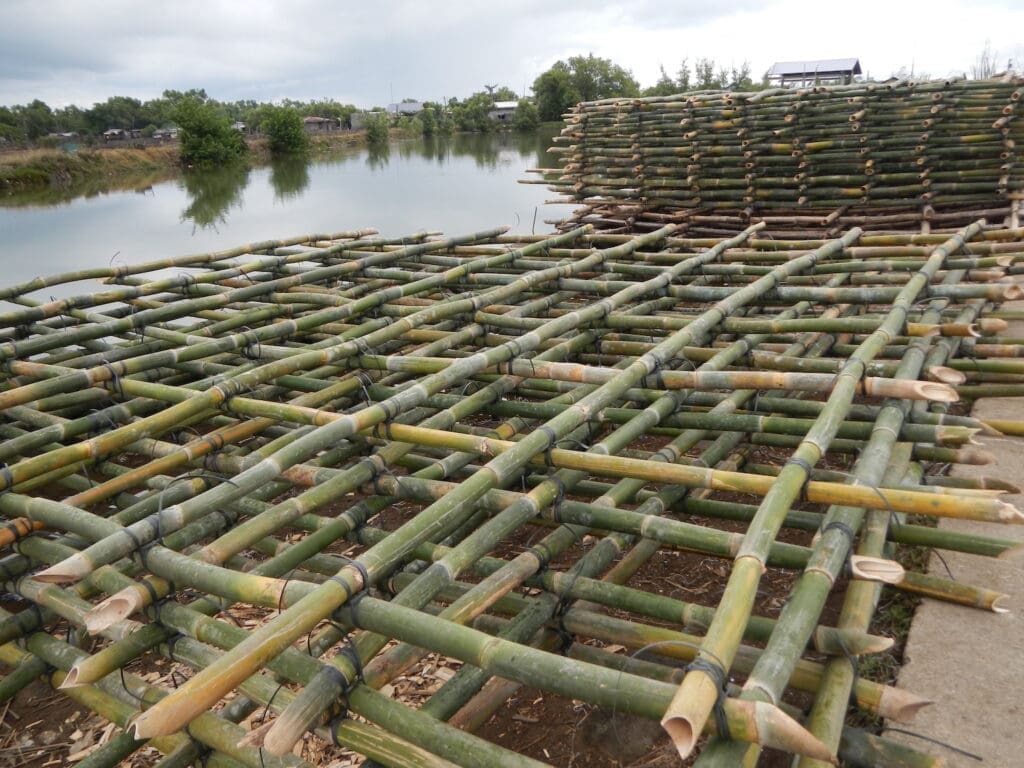
People have naturally turned to bamboo for some of our most fundamental activities, like creating shelter, harvesting firewood, making clothing and home goods, and of course, eating. Bamboo shoots are featured in dishes across Asia, while its sap, seeds, leaves, and even the hollow stalks can be used in cooking or fermentation processes. Bamboo textiles offer durability, hypoallergenic properties, natural cooling, and moisture-wicking capabilities, making them ideal for bedding and clothing. Bamboo has also been used to create paper, writing implements, musical instruments, weapons, fishing and aquaculture equipment, baskets, firecrackers, medicine, and more. Truly, what can’t this plant do?

Bamboo trays used in mussel farming in Abucay, Bataan, Philippines (Photo by Ramon F. Velasquez, CC by 3.0)
An asset to the ecosystem
While humans have found many ways to work with harvested bamboo, I think these amazing grasses are most impressive as living organisms in their environment. Bamboo plays a vital ecological role in its surroundings, working to regulate intact ecosystems and repair degraded ones.
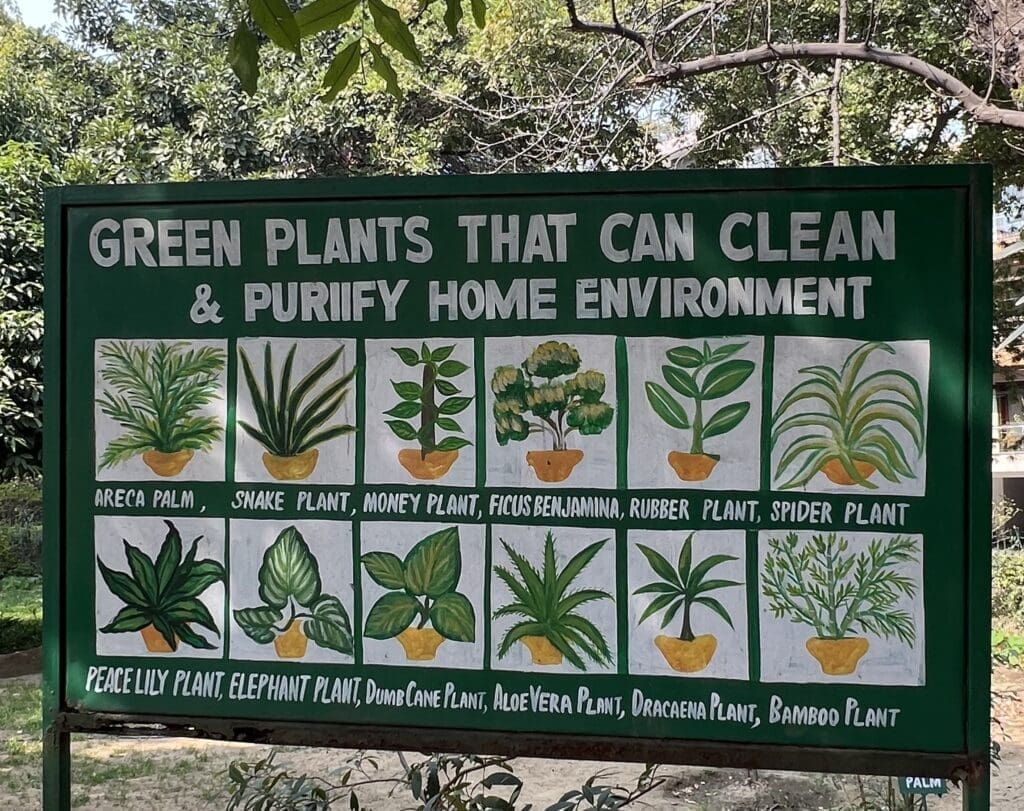
Bamboo’s extensive root system helps control soil erosion, preventing the loss of vital topsoil and providing stability to sloped areas and river systems. Some bamboo species are able to stabilize and hold in place up to six cubic meters of soil with their long roots. Additionally, bamboo can be extremely effective at absorbing carbon dioxide and releasing oxygen into the atmosphere. In particular, “clumping” types of bamboo that grow thickly in dense clusters can filter air up to 30% more effectively than other plants.
Park signage in New Delhi featuring good filtering plants, including bamboo (Photo by Maya Dutta)
Bamboo thrives in diverse environments, from tropical to high-altitude regions. It demonstrates exceptional resilience, withstanding extreme cold below -20°C (-4°F) in the Andes and Himalayas and heat up to 50°C (122°F). Notably, bamboo groves were the only plant life to survive the atomic bombings in Hiroshima, Japan, in 1945, and were among the first to resprout after the devastation.
Some species of bamboo are able to survive and thrive even in areas of high pollution, making them an extremely important ally in remediation efforts to remove heavy metals or other toxic substances from soil or wastewater. As a result of these advantages, many people have introduced bamboo species outside of their native areas. In doing so, it is essential to be aware of the potential for displacing vegetation important to local wildlife.
Some bamboo that clusters densely can easily crowd out competition, while other bamboo species can produce allelopathic compounds (natural herbicides) that prevent other plants from growing. In any interventions we make, especially for the good of our environments, a comprehensive systems approach is key. Understanding the elements of an ecosystem and the dynamics that make it function, as well as what outcomes you want to bring about, can help prevent single-minded solutions and unintended consequences that harm biodiversity and ecosystem function in the long run.
Bamboo under Spring Rain by Xia Chang (Image from Wikimedia Commons)
Strength in symbolism
Given its history of cultivation that dates back around 6000 years, it is unsurprising that Bamboo holds deep symbolic significance in cultures around the world. In China, it represents various values, including fairness, beauty, virtue, and strength. Its tall, upright growth is associated with integrity and the ability to adapt to challenging circumstances. In India, bamboo is considered a symbol of friendship and enlightenment, embodying qualities of unity and harmony.
One myth with several variants around Asia tells us that humanity emerged from a bamboo stem. If that is the case, then we are coming back to our roots. Let us embrace all this might mean for us — flexibility, fairness, adaptability, strength, and, of course, our interdependence with the biodiverse wonders of this world.
Rooted in admiration,
Maya
Maya Dutta is an environmental advocate and ecosystem restorer working to spread understanding on the key role of biodiversity in shaping the climate and the water, carbon, nutrient and energy cycles we rely on. She is passionate about climate change adaptation and mitigation and the ways that community-led ecosystem restoration can fight global climate change while improving the livelihood and equity of human communities. Having grown up in New York City and lived in cities all her life, Maya is interested in creating more natural infrastructure, biodiversity, and access to nature and ecological connection in urban areas.
At Bio4Climate, we LOVE beavers. We’re borderline obsessed with them (or maybe not so borderline) because they do SO much for Earth’s ecosystems, natural cycles, and biodiversity. These furry, water-loving creatures are finally beginning to receive the recognition they deserve in mainstream media now that more people see how their existence and behaviors lead to numerous benefits for everyone’s climate resilience.
We are one of the many organizations advocating for their reintroduction across North America and some places in Europe. For this reason, when I spotted one on a hike during my time in Tennessee, I did what any Bio4Climate team member would do: jump in excitement, yell out “Oh my gosh it’s a BEAVER!” and take a picture that I’ll treasure forever.
Photo by Tania Roa
The rockin’ rodent
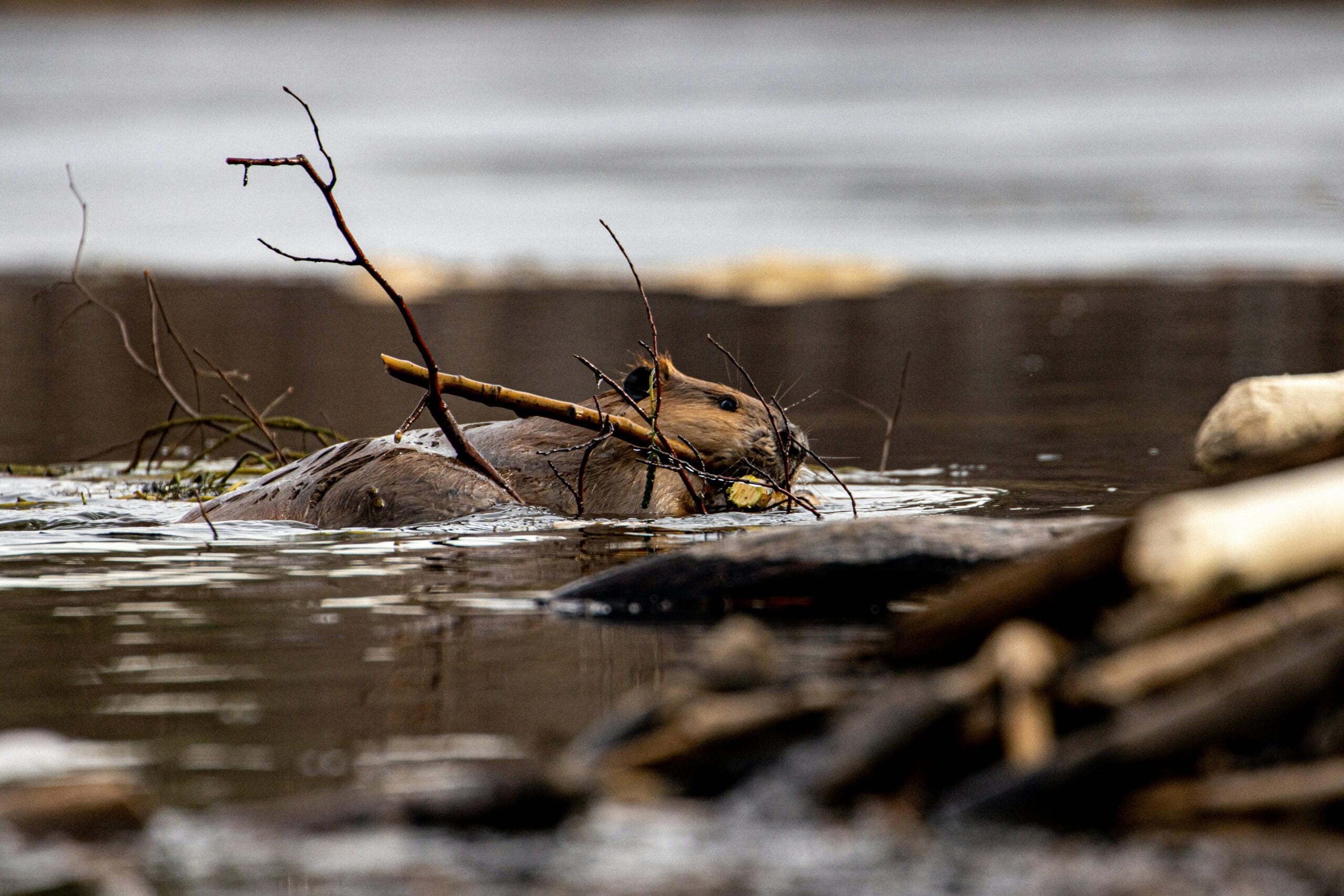
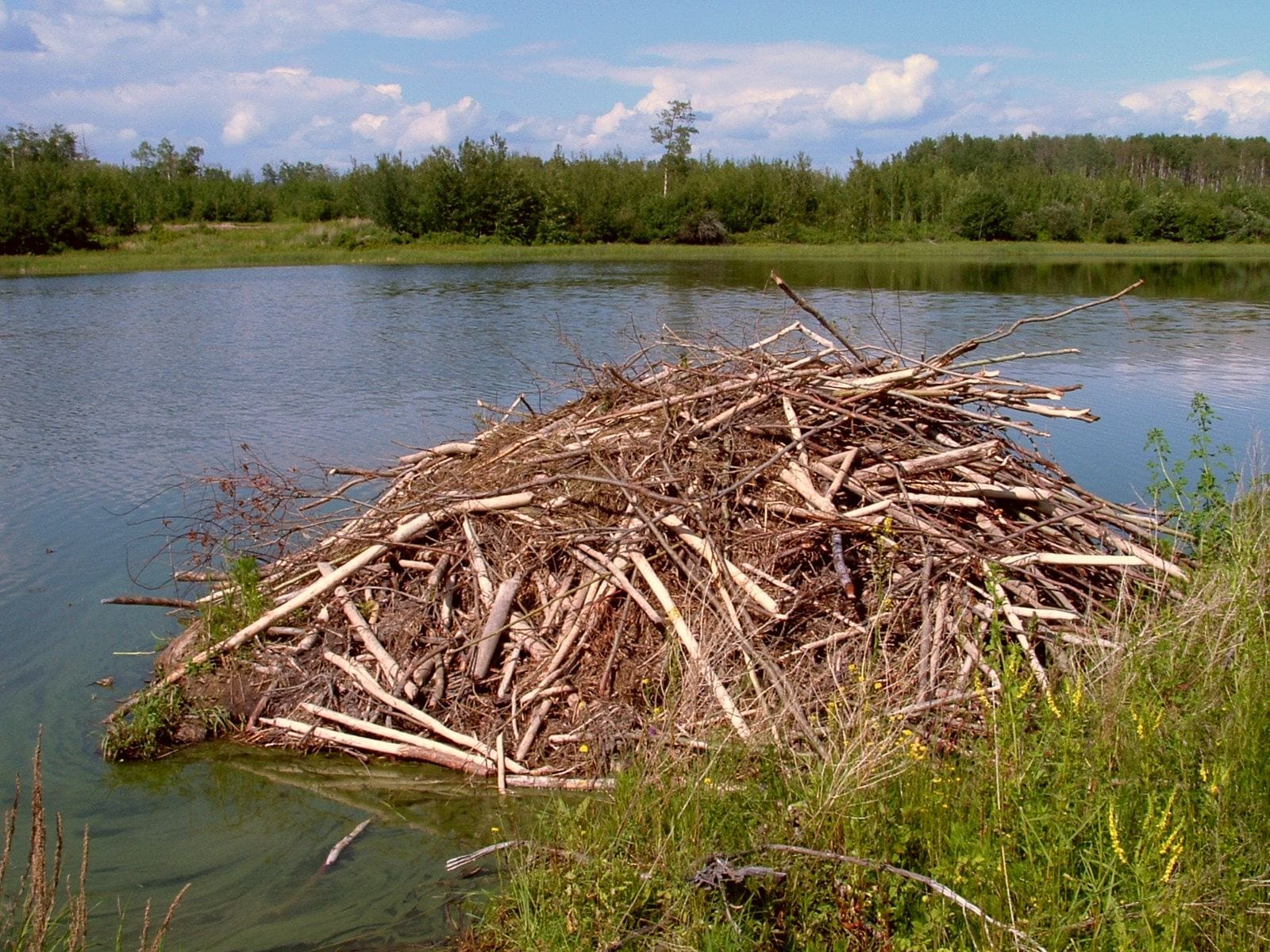
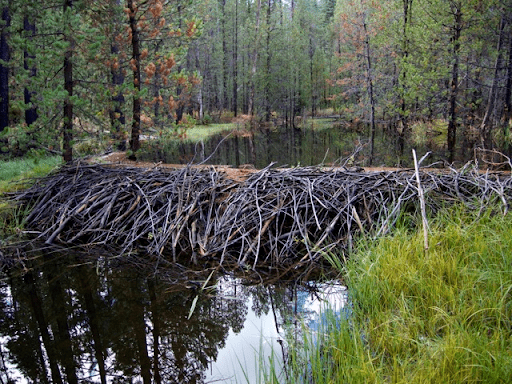
Beavers live in family groups of up to eight members. Offspring stay with their parents for up to two years, meanwhile helping with newborns, food gathering, and dam building. To create dams, beavers use their large teeth to cut down trees and lug over branches, rocks, and mud until they successfully slow down the flow of water. These dams include lodges that beavers use as bedrooms and to escape from predators. Dams are designed according to the water’s speed: in steady water, the dam is built straight across, and in rushing water the dam is built with a curve. These engineers build their dams in a way that makes them nearly indestructible against storms, fires, and floods.
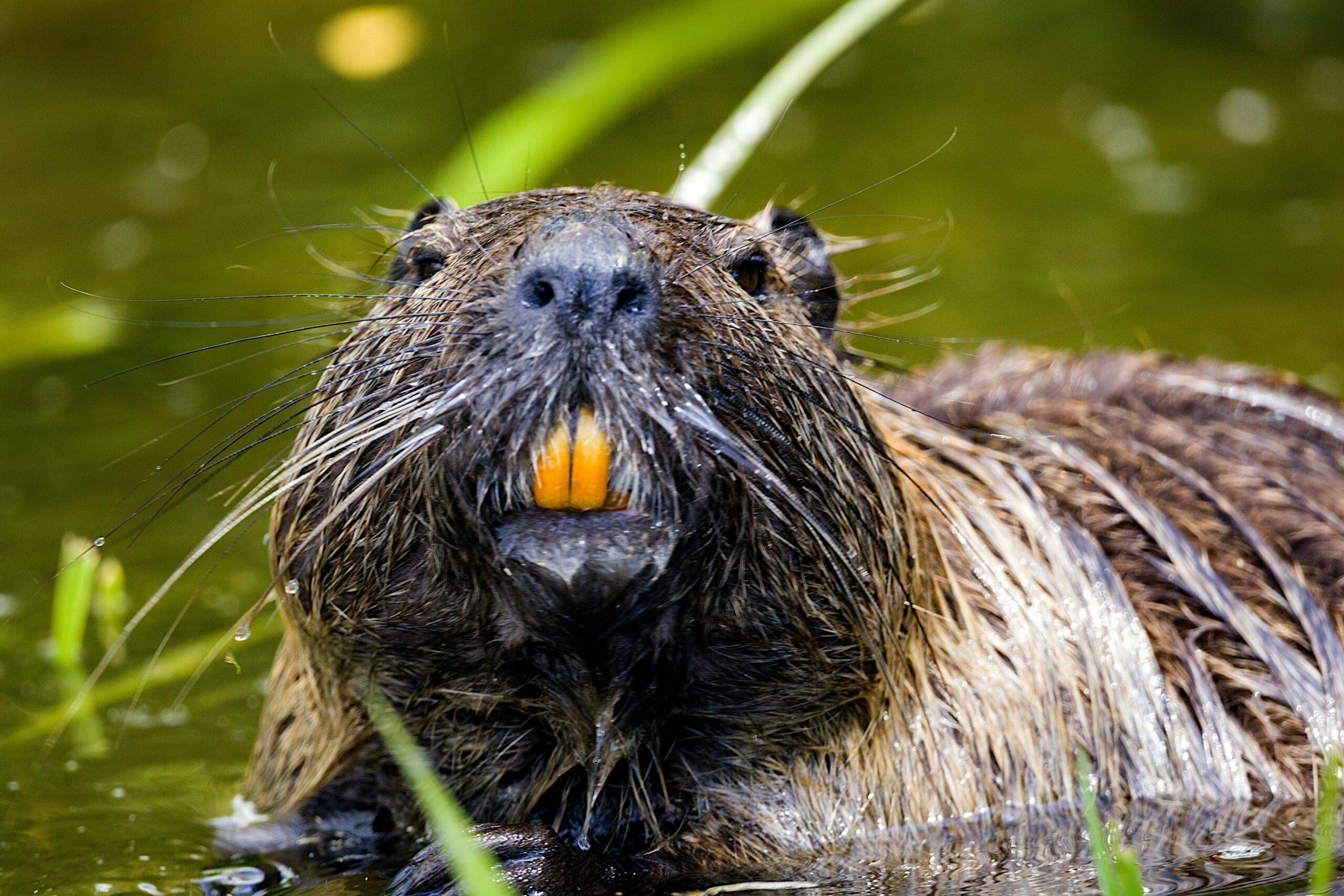
Look at those bright orange teeth! The color is thanks to an iron-rich protective coating. Beaver teeth grow continuously, and require gnawing on trees for trimming.
Beaver dams are what make these rodents, the largest ones in North America, so special. When dams alter the flow of water, they create ponds that stretch out a river into a wide wetland. These ponds filter pollutants and store nutrients that then attract a variety of wildlife including fish seeking nurseries, amphibians looking for shelter, and mammals and birds searching for food and water sources.
The abundance of wildlife and the storage of necessary nutrients in beaver ponds classifies these places as biodiversity hotspots, meaning they are “biogeographic regions with significant levels of biodiversity that are threatened by human habitation” (Wikipedia). Beaver ponds also store sediment, and this helps recharge groundwater. Due to the sheer wetness of these ponds, and how deep the water filters into the soil, fires are often extinguished as soon as they reach a beaver pond. In this way, beavers are nature’s firefighters, of which we need many more in areas where extreme heat is increasing.
“There’s a beaver for that” — Ben Goldfarb
Wetland Creation
Biodiversity Support
Water Filtration
Erosion Control
Wildlife Habitat
Flood Management
Drought Resilience
Forest Fire Prevention
Carbon Sequestration
They’re Cool (pun intended)
Beavers are considered ‘ecosystem engineers’ because they actively shift the landscape by fluctuating the flow of water and the placement of plants and trees. Muskrats, minks, and river otters also find refuge in beaver lodges. When beavers take down trees, they create pockets of refuge for insects. Using their constructive talents, beavers significantly modify the region and, in turn, create much-needed habitat for many. Numerous creatures rely on beaver dams for survival, and the local ecosystem dramatically changes when a beaver family is exterminated; for these reasons, we also consider them ‘keystone species.’
Disliked dam builders
Despite the positive impact beavers have on biodiversity and ecosystems, we humans have viewed them as fur, pests, and perfume. By 1900, beavers went nearly extinct across Europe and North America. We hunted them for their fur in response to fashion trends, and trapped them for their anal musk glands, or castors, which produce castoreum, a secretion that beavers use to mark their homes and that humans use to make perfume. When beaver populations plummeted, so did the number of dams and ponds, meaning vast swaths of land were drastically altered during this time – and not for the better. To this day, we kill beavers when they wander into military bases or near urban areas since we see their dam-building behaviors as potentially damaging to man-made properties.
Thankfully, as more ‘Beaver Believers’ speak out against these practices and more authorities recognize the importance of beaver benefits, these rodents are beginning to return to their original homes. California recently passed a program specifically for beaver reintroduction efforts across the state. Washington, Utah, and Massachusetts are other states witnessing the return of beavers. People like Skip Lisle of Beaver Deceivers are designing culverts that prevent beaver dams from damaging infrastructure, but allow the beavers to create their biodiverse-filled ponds. These are just a few examples of the ways we can coexist with beavers, and in turn heal our communities.
There are places in North America where water sources are decreasing for all living things, and in other regions the amount of rainfall is increasing while the amount of snow is decreasing. These weather conditions are detrimental to all of our health, unless we welcome back beavers.
As the effects of climate change and biodiversity loss increase, storing water, preventing runoff and erosion, and protecting biodiverse hotspots become more important by the hour. By restoring local water cycles, beaver ponds provide a source of life. By spreading water channels and creating new ones, beaver dams prevent flooding and stave off wildfires. By encouraging the cycling and storage of nutrients, beaver ponds nurture soil health and that leads to carbon sequestration. We all have something to gain from beavers as long as we allow them to do what they do best: build those dams.
To learn more about beavers, watch the video below and the two in the ‘Sources’ section. We also highly recommend Ben Goldfarb’s Eager: The Surprising Secret Life of Beavers and Why They Matter for further reading.