
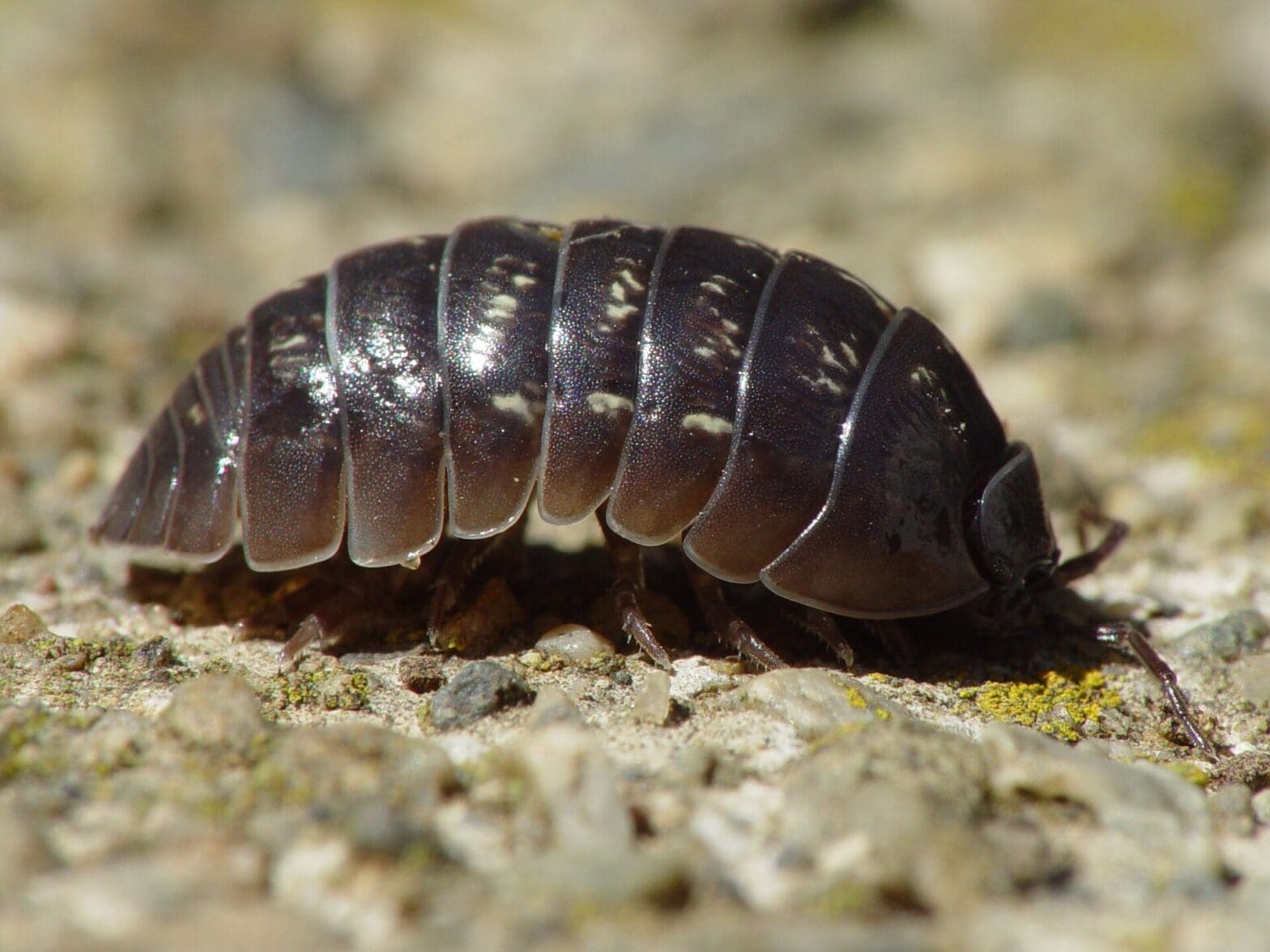
What creature has gills but doesn’t live in water, has a pouch for their young but isn’t a marsupial and has blue blood?
Pill Bugs! (Armadillidiidae)
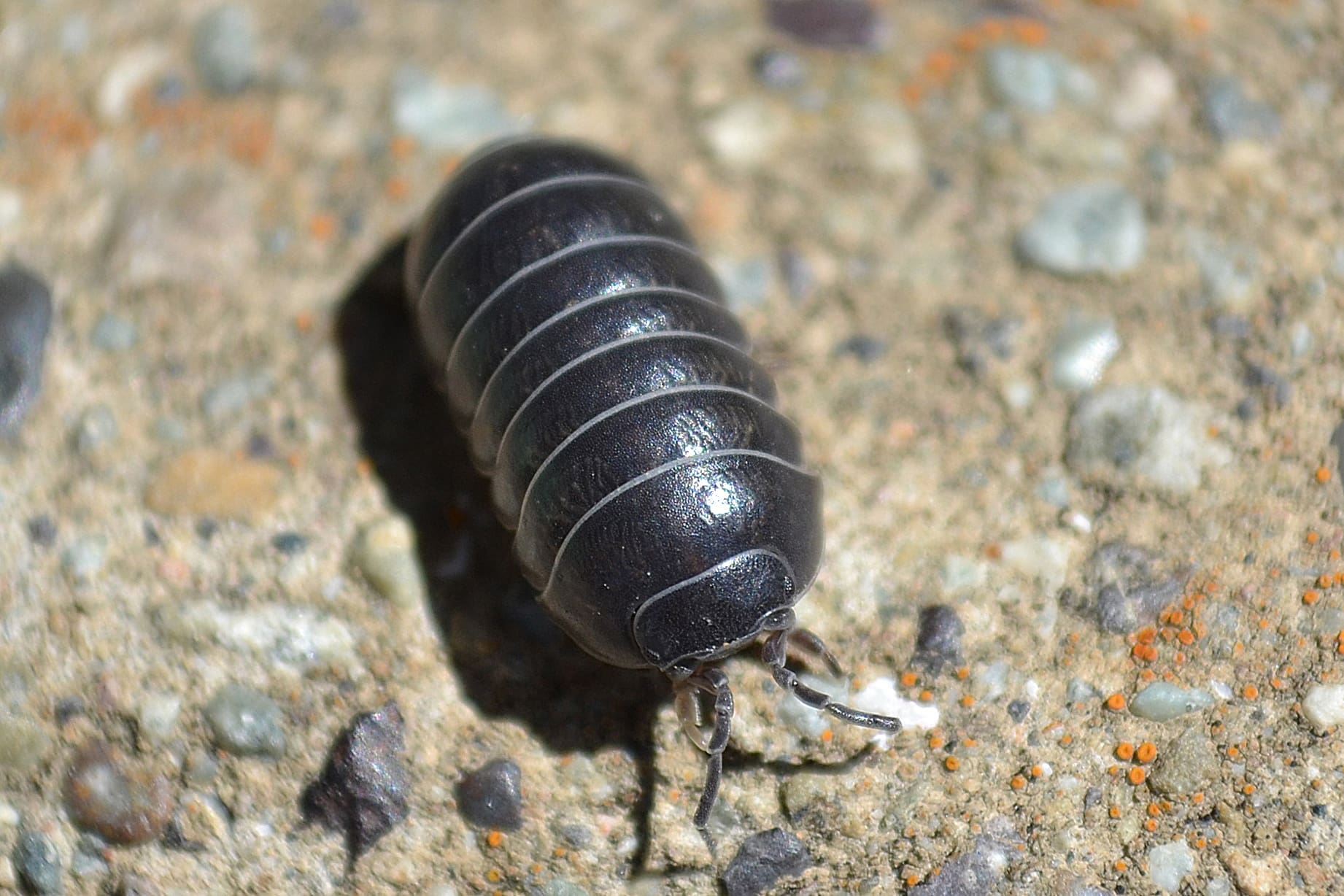
Turn over a rock and you’ll likely see “armadillos” that aren’t armadillos, or anything else you’d expect.
The Roly-Poly: Sort of a Rock Lobster
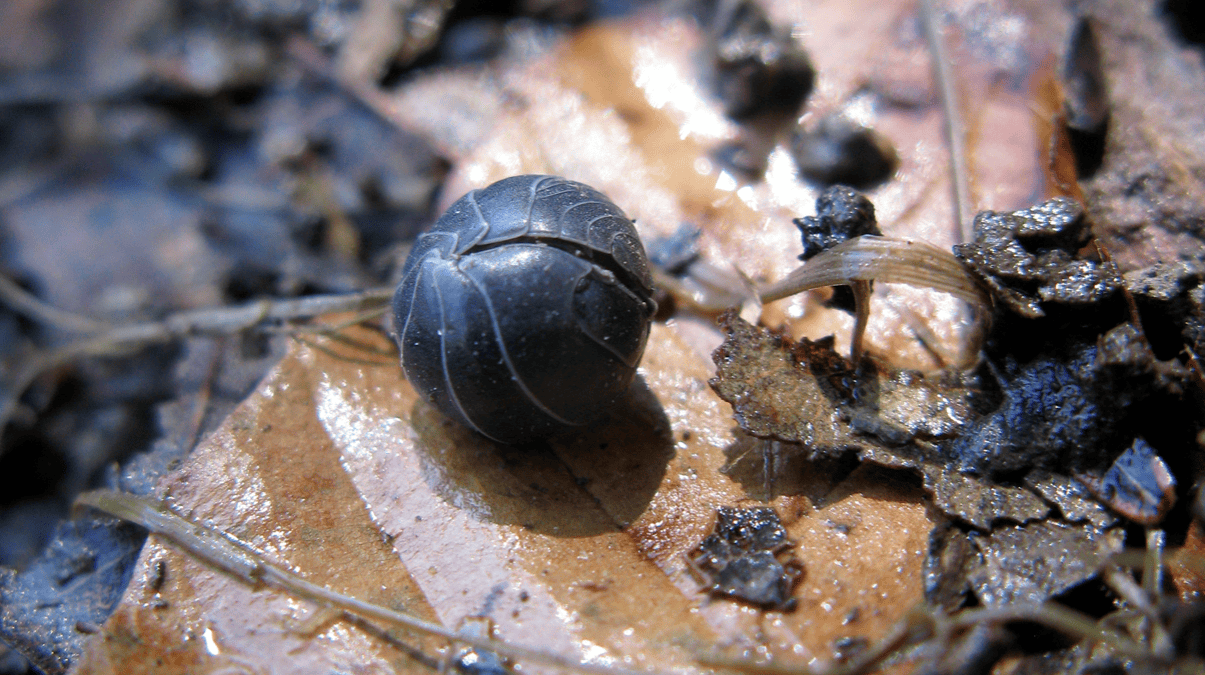
The pill bug, as it is known, has more aliases than James Bond. Depending on where you live, you may know them as potato bugs, roly-polies, doodlebugs, woodlice, or something more exotic like chiggy pigs or bench biters. They are unique creatures distinguished by their ability to form into a ball—a process known as conglobation—as a defense against predators (and small children).
Conglobation as a defense isn’t entirely unique. It is shared with certain wasps, millipedes, and other animals. But for the pill bug, it is a defining characteristic, much like it is for the armadillo. This shared behavior, in fact, and a few similarities in appearance, prompted scientists to assign pill bugs to two families and name them Armadillidae and Armadillidiidae, and leads some people to refer to them as “armadillo bugs.”
Of course, you are now thinking, armadillos are mammals, and these are bugs of some sort. Why are you going on about armadillos?
But where you might assume that, as bugs, they might be insects, like the beetle, or arachnids, or something else known for crawling around in the dirt, your assumption would be incorrect. These are actually crustaceans, like crabs, or crayfish, or krill. They are crustaceans who live out of the water, and would more fittingly be called “dirt shrimp,” if I wrote the dictionary.
The Rather Odd Physiology of the Dirt Shrimp
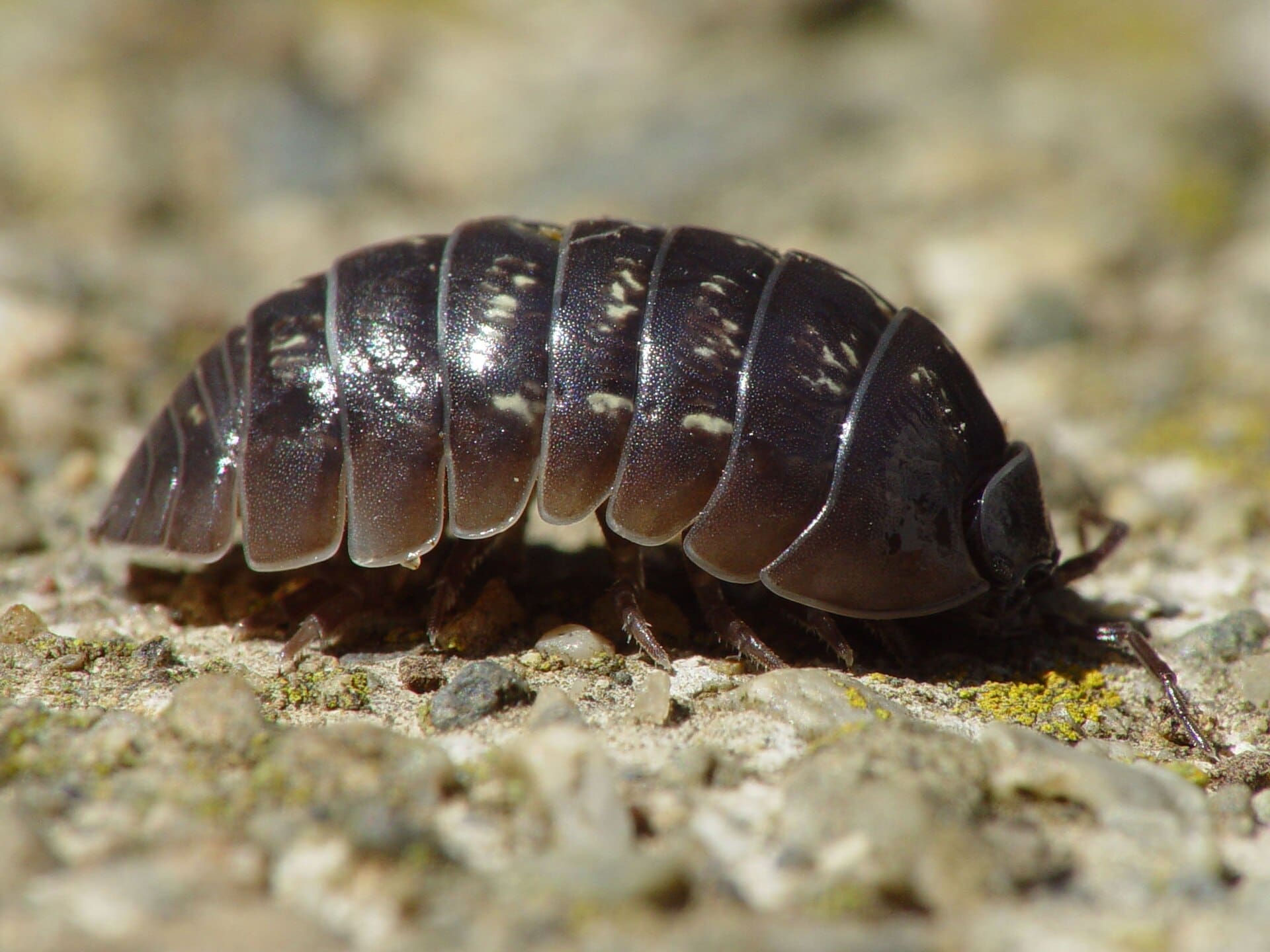
Being related to so many aquatic creatures has given the pill bug a rather unique feature for something that lives on land: gills. They breathe through gills that cannot function underwater but allow them to absorb air in damp environments. The environment must contain moisture, though, because if they dry out, they will die. As a result, they are largely nocturnal and stay under rocks where the soil stays cool and wet.
Conglobation can occur thanks to a segmented body with overlapping plates, called tergites, that contract inwards when the pill bug feels threatened. On the underside, these overlapping plates create a pouch that mothers use to carry their young, carrying a hundred to two hundred at a time, holding first the eggs and then the young for several days after they hatch. This pouch is known as a “marsupium,” named for a similar structure in marsupial mammals. The fact that nobody calls the pill bug a “soil kangaroo” strikes me as a missed opportunity.
Pill bugs do not urinate, instead passing ammonia gas directly through their exoskeleton. They also drink with both their mouth and anus, taking in water through their hindquarters via tube-shaped “uropods” which wick water up as needed.
Most pill bugs are born with six pairs of legs, but later grow a seventh, and they have two sets of antennae, only one of which is visible. They have two sets of eyes, as well, one on the side of their heads which provides a detailed view of their surroundings, and another set in the center that is sensitive to light. Since pill bugs are nocturnal, and can dry out in the heat, these eyes can be critical in ensuring they stay in the dark where it’s more likely to be moist.
A Soil-Friendly Diet
The pill bug diet consists mostly of decaying plant matter. Sometimes they are known to eat living plants, which can become a problem for farmers during times of explosive population growth in areas prone to heavy rains or flooding. Sometimes they eat their own waste, which is occasionally necessary for replenishing copper. Their bloodstreams contain a pigment known as hemocyanin, which stores copper and turns the blood blue in much the same way hemoglobin stores iron and turns our blood red.
One of the principal benefits of the pill bug is their ability to rid the soil of heavy metals by taking them in and crystallizing them in their stomachs. As a result, they can be tremendous allies in restoring contaminated ecosystems.
In addition, they are known to remove excess carbon from falling leaves and replenish nutrients while stimulating bacteria, keeping the carbon and nutrient cycles intact. Pill bugs do not bite and do not spread disease, and although in rainy areas they can potentially be a problem, in most parts of the world they do minimal damage to either crops or people.
Dirt Shrimp: Friends or Food?
The internet has a bit of literature on the best ways to cook and eat pill bugs, though it is recommended you do your research first. Reportedly they taste a bit like shrimp, with some saltiness and a nice crunch. Their nutritional value is said to be quite high and, provided you haven’t mistaken the pill bug for another creature, they are safe to eat should you choose.
Elsewhere, a dedicated community around the world likes to keep them as pets. Different lineages, mostly chosen because of coloring, are bred to provide stock to enthusiasts. They are easy to maintain as a pet, only needing a moist habitat and abundant decaying matter on which to feed. This makes them quite useful in lab settings as well, to teach students about biological processes and life cycles.
There are many ways to appreciate these incredible isopods! To learn more about the pill bug in all its forms, check out my sources below.
Let’s make “dirt shrimp” happen,
Mike

Mike Conway is a part-time freelance writer who lives with his wife, kids, and dog Smudge (pictured) in Northern Virginia.
Sources
- Wikipedia: Armadillidiidae
- Simple English Wikipedia: Pill Bug
- Wikipedia: Armadillidium vulgare
- ThoughtCo: 15 Fascinating Facts About Pill Bugs
- Britannica: Pill Bug
- WebMD: Pill Bugs: Pests or Scientific Pets?
- University of Florida Featured Creatures: Pillbug, Armadillidium vulgare
- Epic Gardening: Pill Bugs: Are They Friends or Foes?
- Eat the Weeds: Pillbugs, Woodlice, Roly Pollies
- Woodlands.co.uk: Cooking and Eating Woodlice (Pillbugs) – A Real Bushcraft Experience