
Life Saves the Planet Blog:
Biodiversity Variety of plant and animal species crucial for resilient ecosystems, threatened by climate change impacts such as habitat loss, extinction, and ecosystem disruption.
Variety of plant and animal species crucial for resilient ecosystems, threatened by climate change impacts such as habitat loss, extinction, and ecosystem disruption.
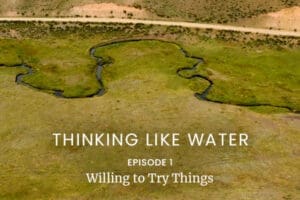
Thinking Like Water Episode 1: “Willing to Try Things”
What does it mean to “think like water”? In this blog post, Dr. Katie Ross, Facilitator of Bio4Climate’s Thinking Like Water Film Club and conversation series, reflects on Episode 1: “Willing to Try Things.” The piece explores Bill Zeedyk’s pioneering work in induced meandering and nature-based restoration, showing how simple, place-based techniques can slow water,…
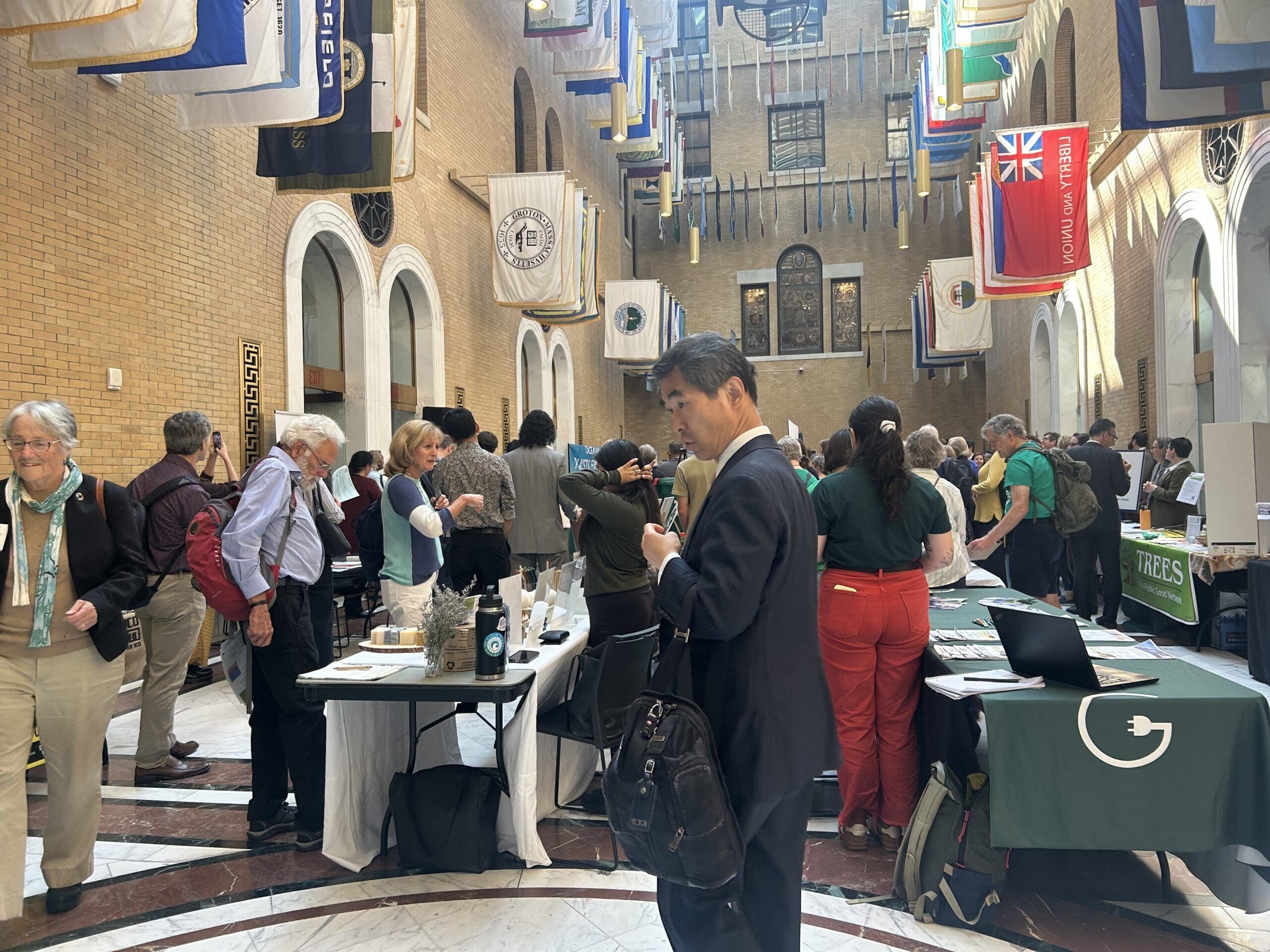
Inaugural Sustainability Day at Massachusetts State House
On September 9, 2025, Bio4Climate participated in the first-ever Massachusetts Sustainability Day at the State House in Boston, which drew over 350 participants including legislators, organizations, and members of the public. With nearly 40 exhibitors, a municipal climate leadership panel, and a keynote by Climate Chief Melissa Hoffer, the event showcased practical solutions and bold…
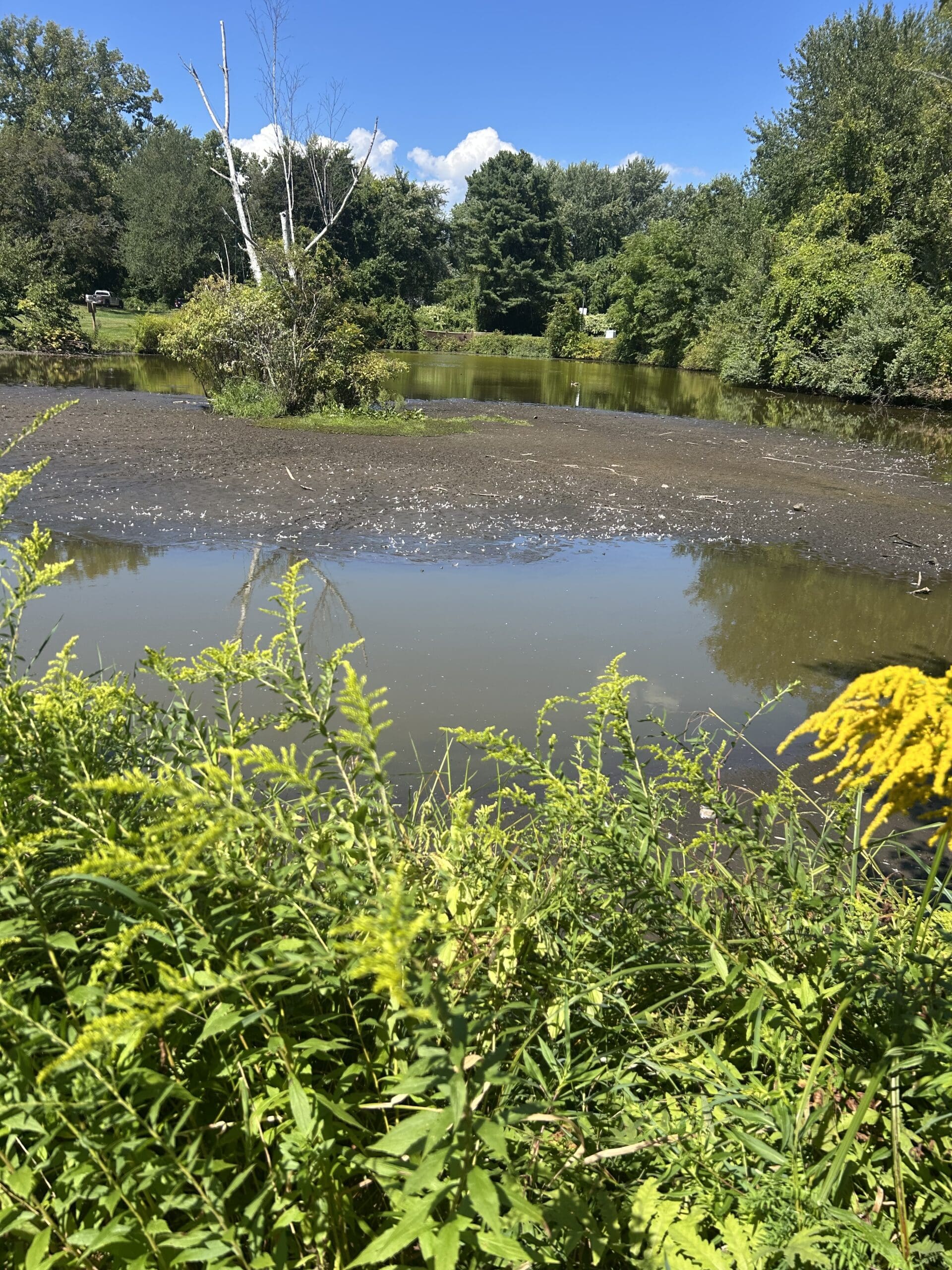
Biodiversity as Climate Infrastructure: Micrometeorology, Fluxes, and the Living Earth
In Biodiversity as Climate Infrastructure, Poulomi Chakravarty explores micrometeorology—the science of small-scale exchanges of heat, water, and gases between land, plants, and air. It shows how forests, wetlands, and even animals influence evaporation, rainfall, and temperature through hidden processes that quietly stabilize our climate. The article opens a window into this overlooked science, inviting us…
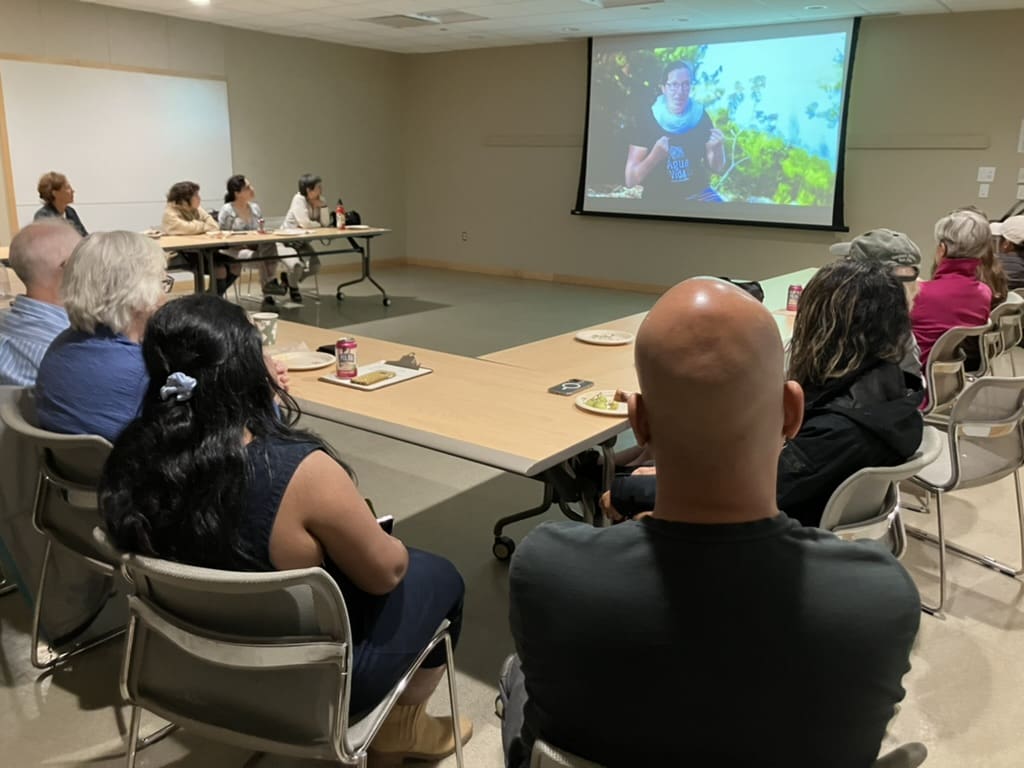
Reflecting on Water is Love: A Community Movie Night at Cambridge
In September, Poulomi Chakravarty reflected on Water Is Love during Bio4Climate’s community screening in Cambridge. More than just a film showing, the event became a space for connection, learning, and inspiration—where neighbors shared food, ideas, and stories about restoring water cycles. The screening highlighted how decentralized, community-led action can turn water into a source of…
Just released: “Cooling Climate Chaos: A Proposal to Cool the Planet within Twenty Years.”
This newly published book by Peter Bunyard and Rob de Laet approaches the climate crisis and its solutions from a completely different angle. “To address the climate crisis, now demonstrably causing havoc with life-killing extreme events,” the authors write, “we must not only transform our economic and societal models towards sustainability and resilience, we must…
Signing on to Protect Forests
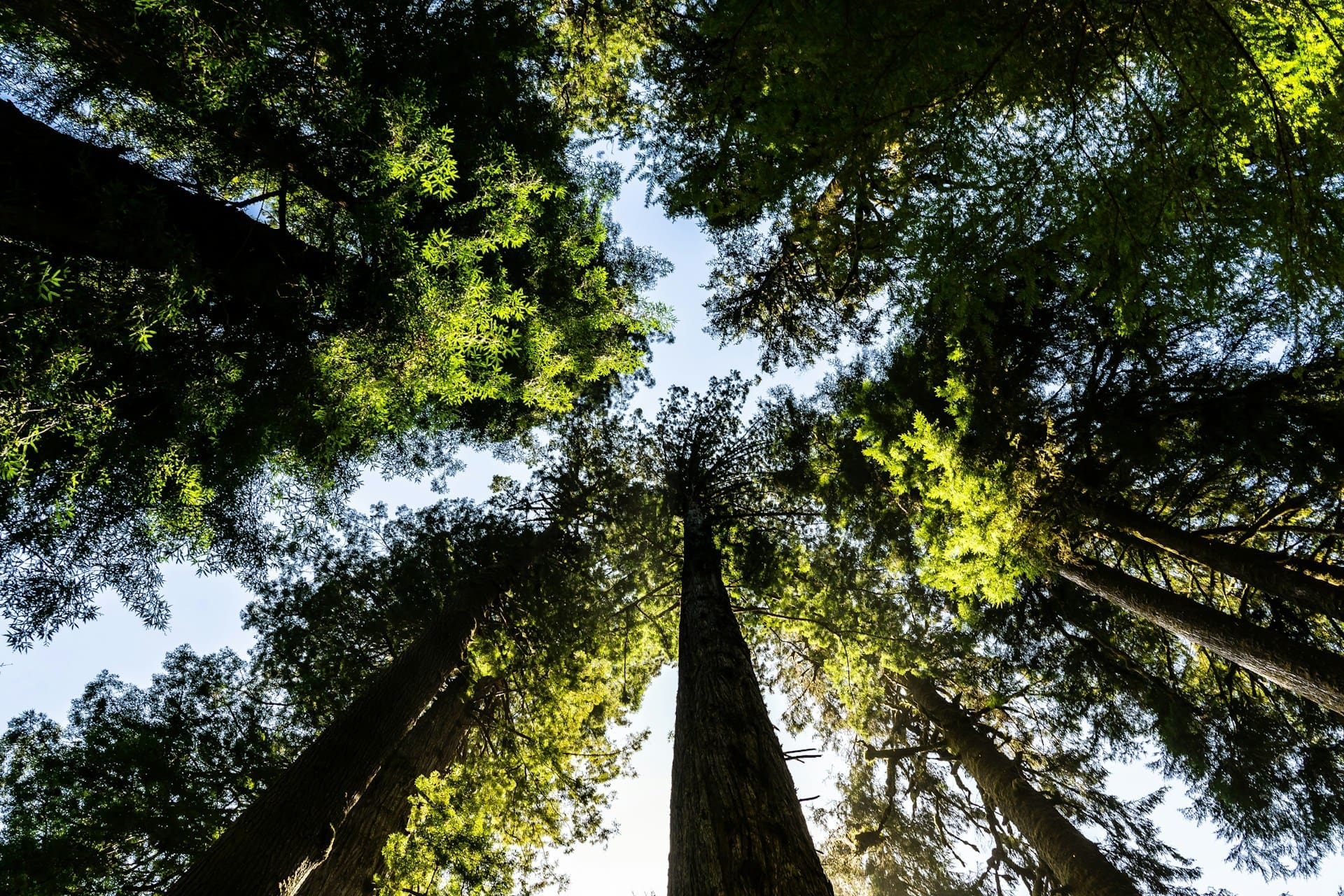
We, the undersigned organizations, are writing with the hopes of establishing a dialogue regarding the October 17, 2023 joint comment letter sent to Congress by the Outdoor Industry Association, Outdoor Alliance, and The Conservation Alliance concerning the Farm Bill.
Biodiversity Day: A Community Celebration
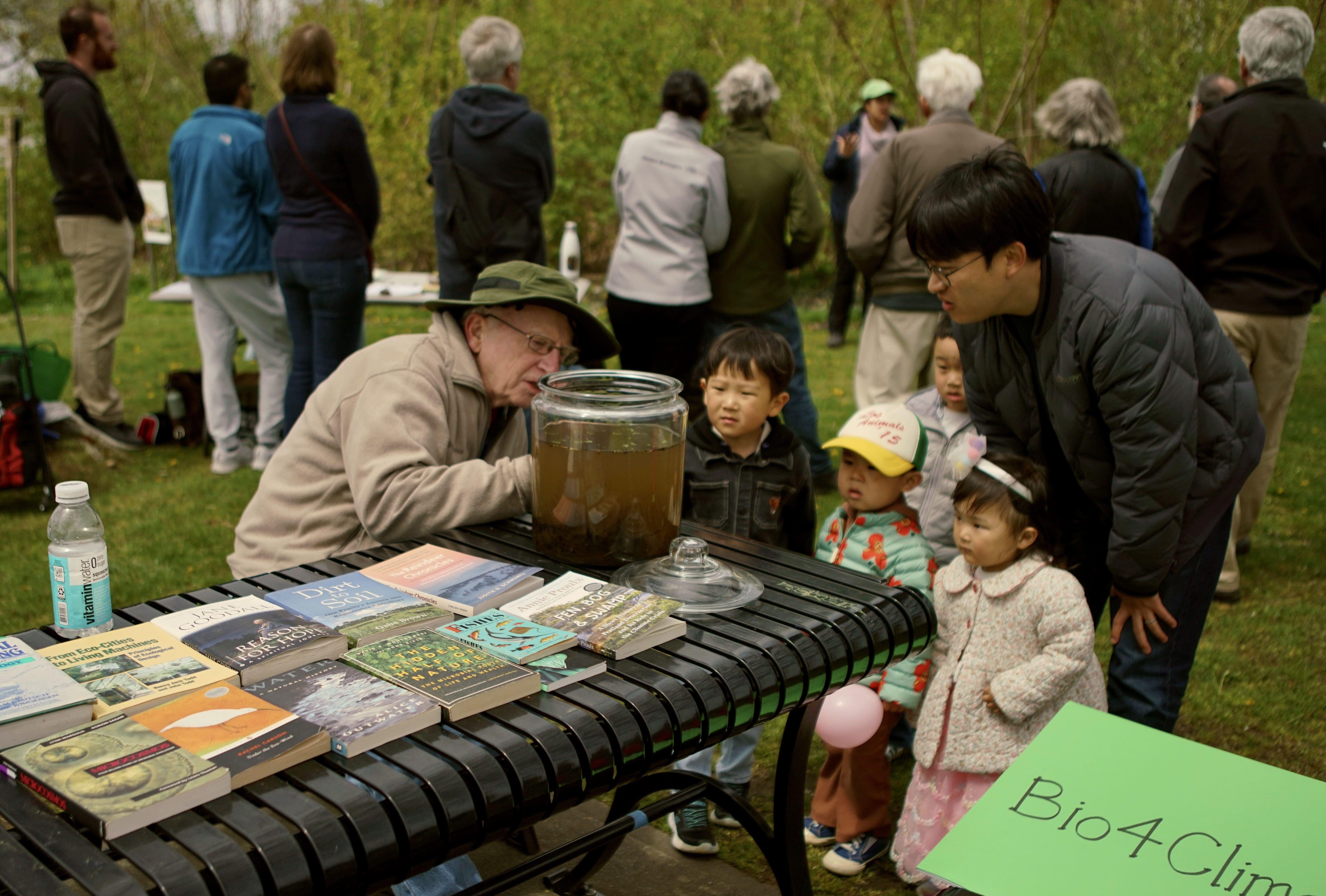
By Paul Barringer and Jean Devine of Native Plant Community Gardeners Our first Biodiversity Day festival was a success! On Saturday, May 4th, over 120 visitors came to Danehy Park, Cambridge, to join birding tours, Miyawaki Forest tours, learn about pollinator gardens, native plants, and ecosystem restoration from ten local environmental organizations who joined us…
Cool Forests for a Hot World
We affirm the need to restore the five billion hectares of degraded land worldwide but we have also found a way to bring the power of eco restoration home. Home to our own communities; Home to those most in need of a healing shot of nature; By planting tiny forests in urban areas, using the…
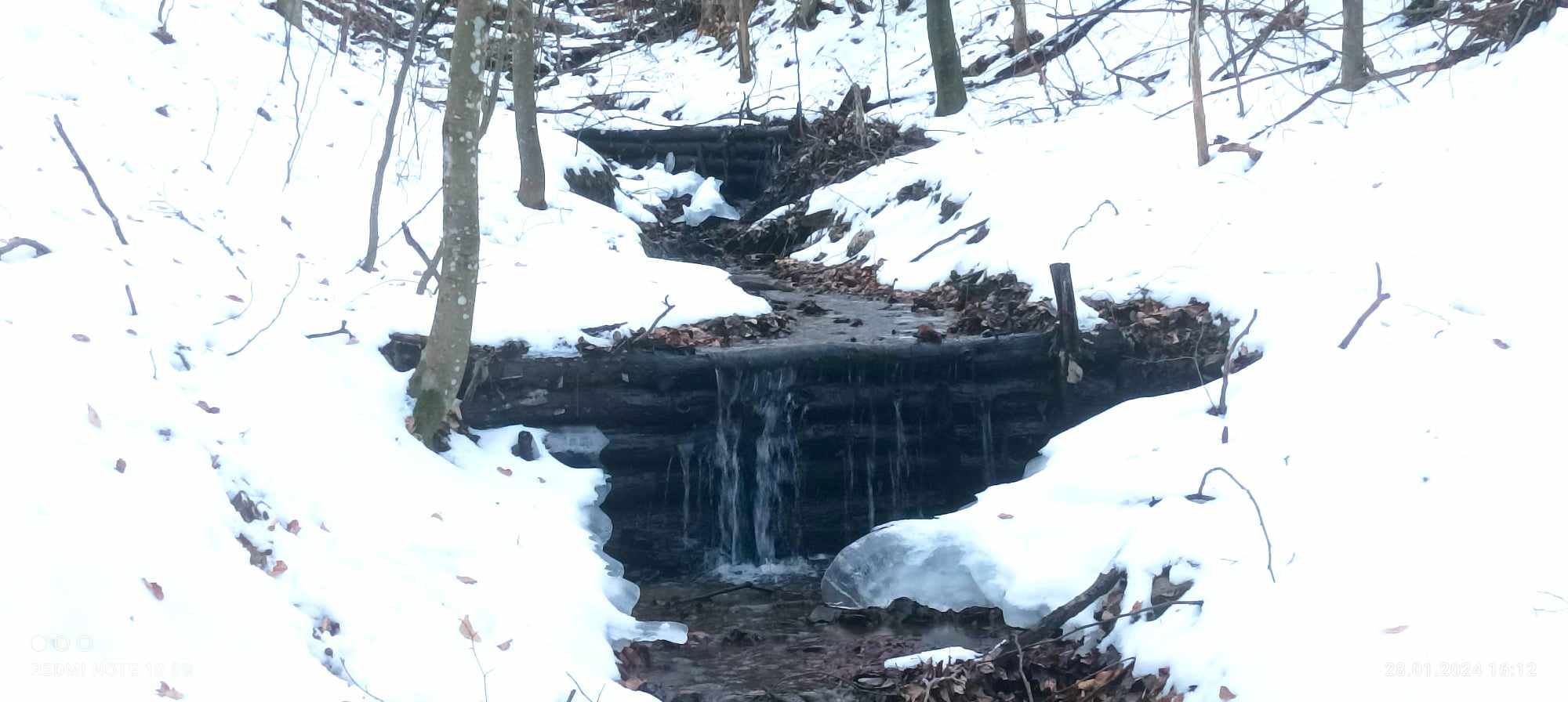
Slow Water Romance
As Valentine’s Day approaches, we invite you to experience a romantic journey in a winter wonderland. As the temperatures rise in February or earlier in our warming world, the snow melts, and we realize that the water cycle is a precious gift from the sun to all living creatures on Earth. Without the sun’s energy,…

Halley’s Comet and Scenario 300
Halley’s Comet last hurtled around the Sun in 1986 and is expected to return in July of 2061. What will the Earth be like when the Comet returns? What kind of world do we want to greet it?
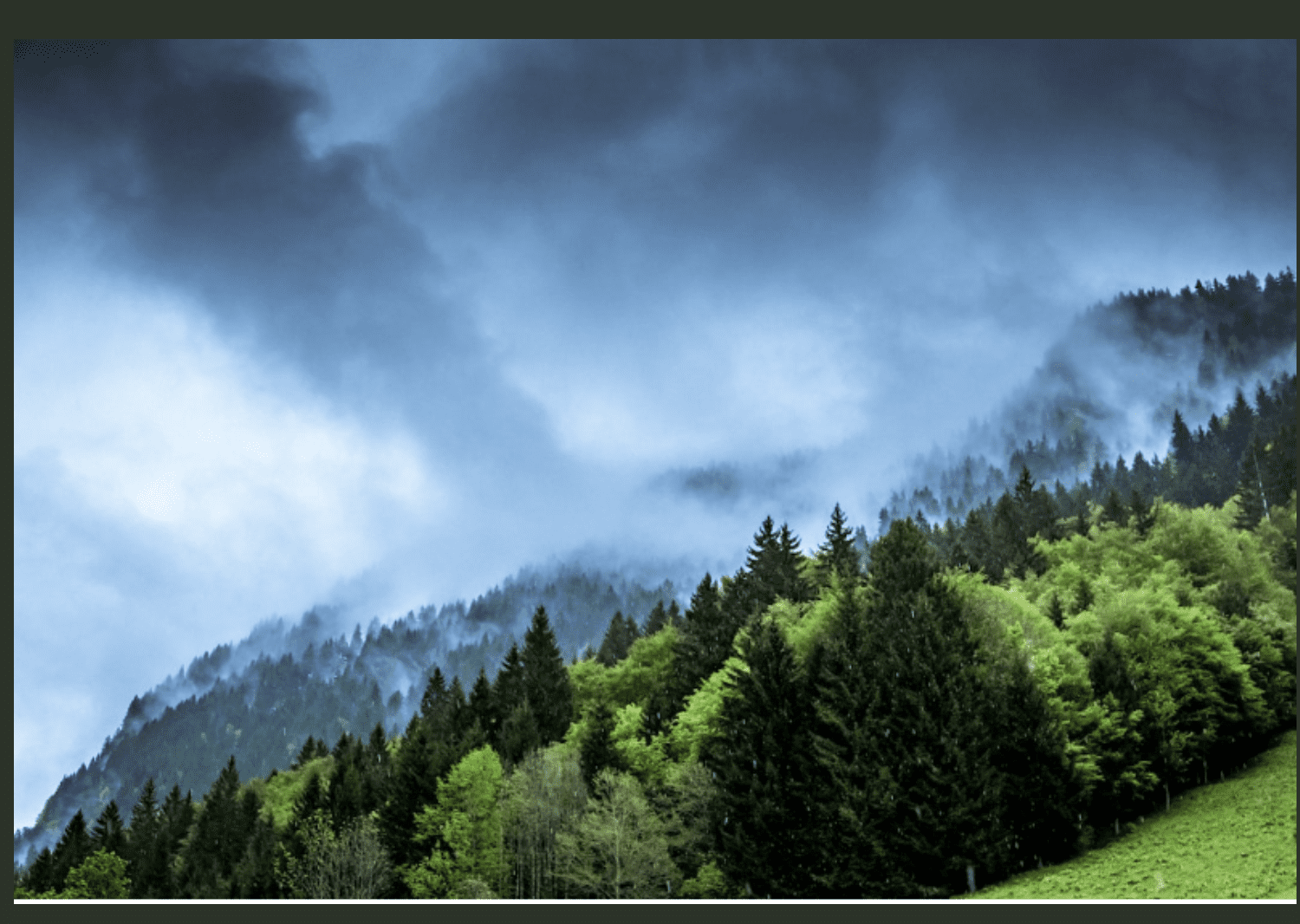
Intact ecosystems stabilize climate.
The more we disturb intact ecosystems, the less stable the climate that we have. Do we have systematic evidence-based resources to prove how natural ecosystems stabilize climate? Yes, we do! It would be helpful for science communicators and policymakers to have a resource with systematized evidence. For example:Primary forests have higher resilience against droughts than…
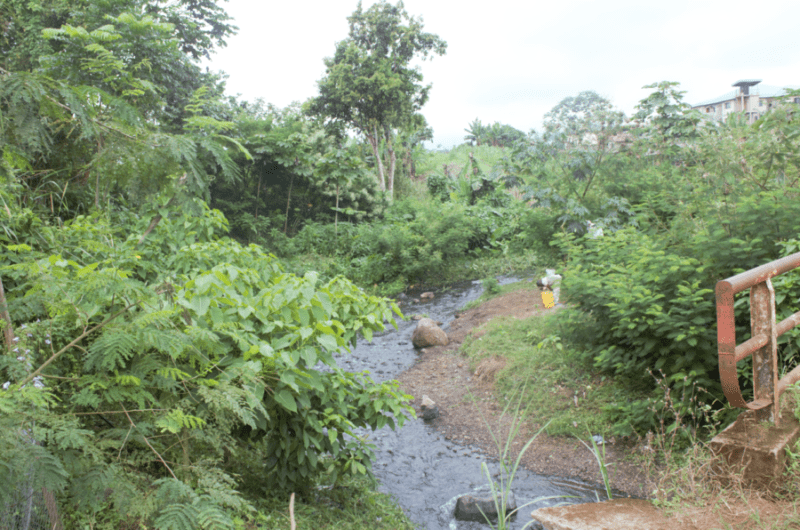
Using the Miyawaki Method to Rapidly Rewild our Communities
Bulu mini-forest in Cameroon after 19 months; Photo: Agborkang Godfred Hannah Lewis, Compendium Editor for Biodiversity for a Liveable Climate and freelance writer The Miyawaki Method The Miyawaki Method is a way to grow natural, mature forests in a couple of decades rather than a couple of centuries. You do this by observing what happens…