Life Saves the Planet Blog:
Soil A vital component of terrestrial ecosystems, climate change impacts soil quality, fertility, and stability, highlighting the importance of sustainable land management practices to enhance carbon sequestration and maintain ecosystem health.
A vital component of terrestrial ecosystems, climate change impacts soil quality, fertility, and stability, highlighting the importance of sustainable land management practices to enhance carbon sequestration and maintain ecosystem health.
Thinking Like Water Episode 1: “Willing to Try Things”
What does it mean to “think like water”? In this blog post, Dr. Katie Ross, Facilitator of Bio4Climate’s Thinking Like Water Film Club and conversation series, reflects on Episode 1: “Willing to Try Things.” The piece explores Bill Zeedyk’s pioneering work in induced meandering and nature-based restoration, showing how simple, place-based techniques can slow water,…
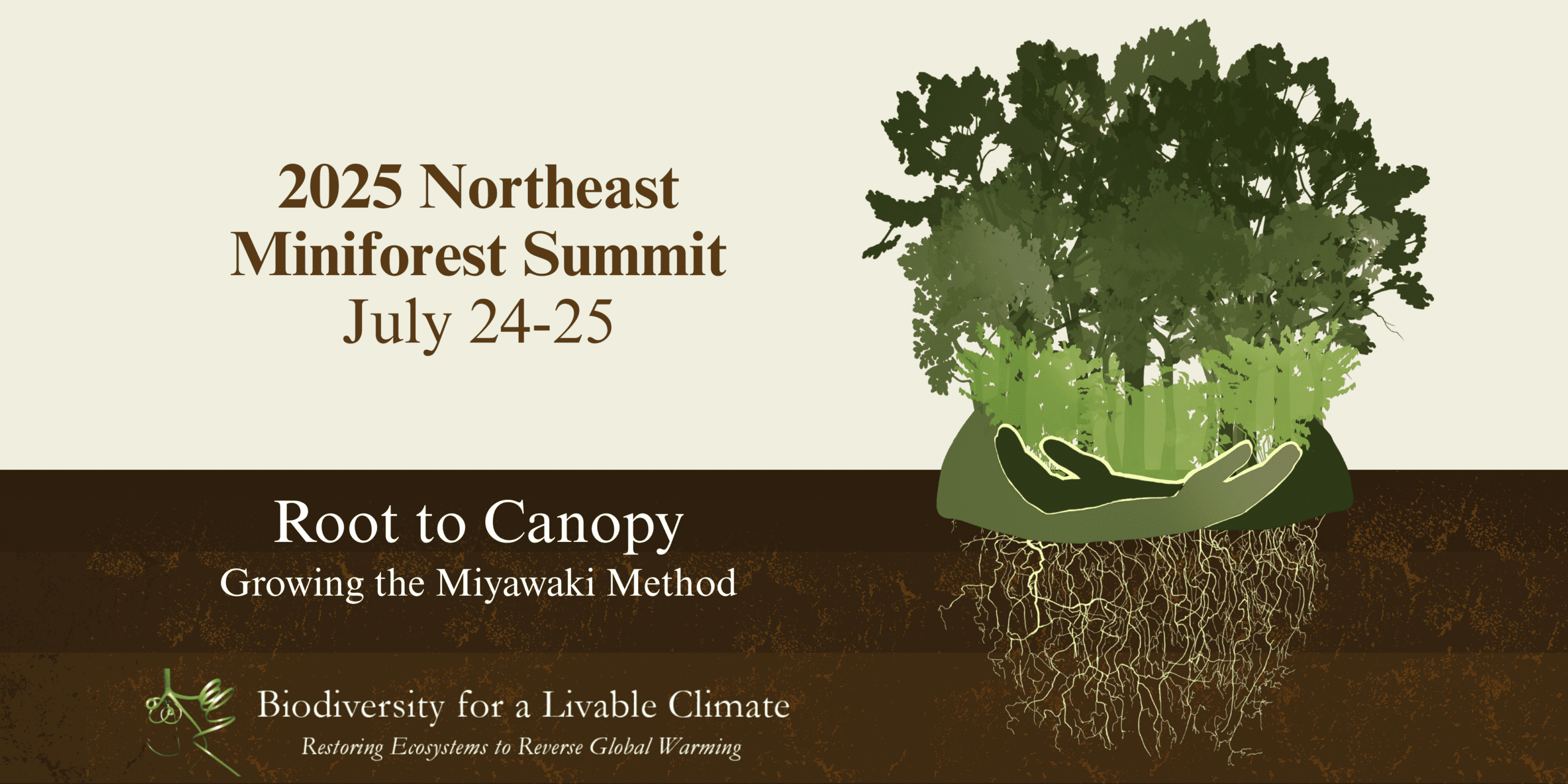
Day 2 Summary & Reflection — 2025 Northeast Miniforest Summit
Root to Canopy: Growing the Miyawaki Method In 2025, Biodiversity for a Livable Climate organized and hosted the inaugural Northeast Miniforest Summit, bringing together more than a dozen speakers across two virtual half-days and an in-person bus tour. Practitioners, researchers, and leaders from diverse fields gathered to explore the Miyawaki method of afforestation from root…
Day 1 Summary & Reflection—2025 Northeast Miniforest Summit
Root to Canopy: Growing the Miyawaki Method In 2025, Biodiversity for a Livable Climate organized and hosted the inaugural Northeast Miniforest Summit, bringing together more than a dozen speakers across two virtual half-days and an in-person bus tour. Practitioners, researchers, and leaders from diverse fields gathered to explore the Miyawaki method of afforestation from root…
Beyond Gates: What COP 30 needs to address now.
Bill Gates recently made headlines with his advice for world leaders ahead of this week’s COP30 Climate meeting. The post was widely denounced for suggesting that climate change is a future problem while today’s priority should be immediate human suffering. Gates implies we must choose between addressing climate change and easing human suffering, which misses…

Kick off your Summer 2024 Reading List
How can we find cool insights as we dive into a summer of heatwaves and weather extremes? It hasn’t always been this way. Many of us remember carefree summers with morning dew on the grass or a breeze by the beach or river. Everyone knows it’s cooler by the water! Nations and communities have favorite…
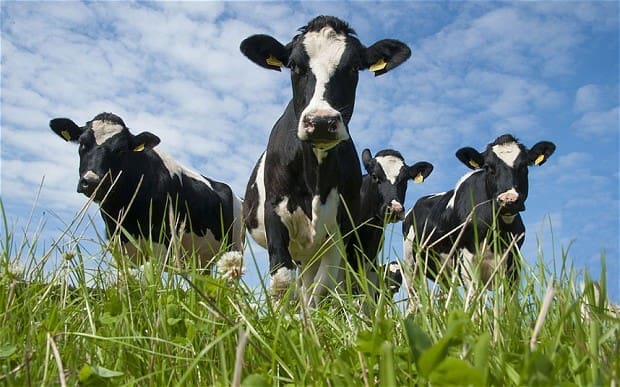
Regenerative Grazing: A Compelling Climate Strategy
Most of what you hear climate activists talk about when it comes to beef or cows is methane. Methane is a greenhouse gas and cows emit methane as part of their digestion process. What you don’t hear is that this is primarily a problem of the commercial cattle industry and that nature has an ingenious…
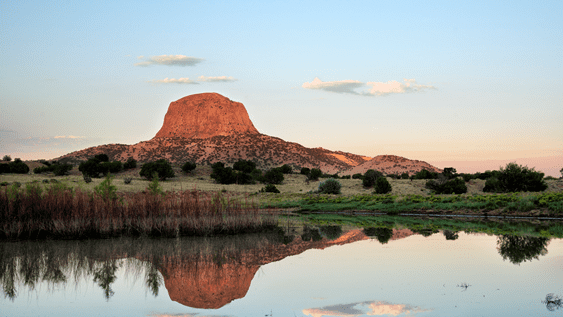
Our Underrated Climate Ally: The Small Water Cycle
Cabezon Peak after rain, Photo by John Fowler (CC BY 2.0) Although climate change is a global issue, it can and must be addressed locally. Our overall climate is shifting drastically, but local climates are also changing, and they don’t always get the same amount of attention. Local climates change when the environment is drastically…
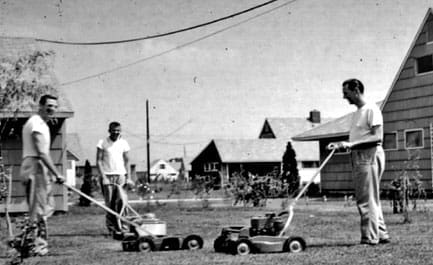
Urban Soil Restoration to Help Communities Manage Stormwater
Jan Lambert’s take: This article by Charles Hegberg, talks about the importance of soil restoration in urban settings for optimal stormwater infiltration. He writes: “We have hundreds of years of experience in making ‘Dirt’ – It’s time we start re-making ‘Soils’ on a landscape level, quickly.“ “It’s no secret: Americans take their lawns seriously –…
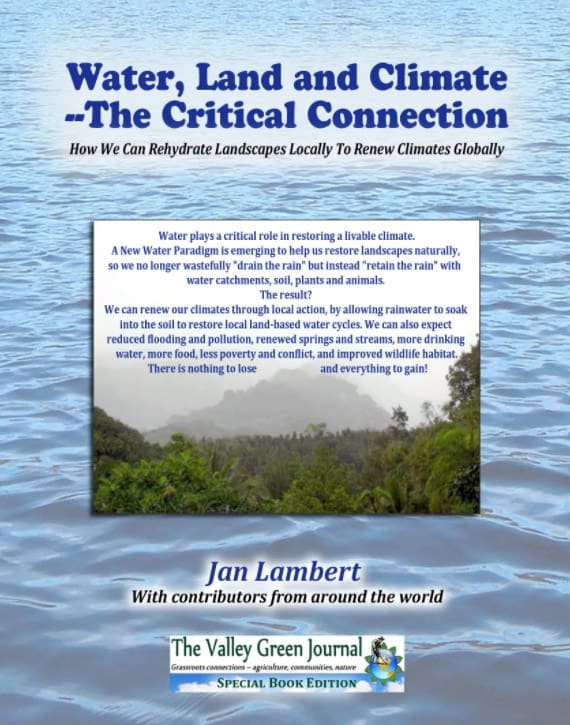
Water, Land, and Climate –The Critical Connection
Water plays a critical role in restoring a livable climate. A New Water Paradigm is emerging to help us restore landscapes naturally, so we no longer wastefully “drain the rain” but instead “retain the rain” with water catchments, soil, plants and animals. The result? We can renew our climates through local action, by allowing rainwater…
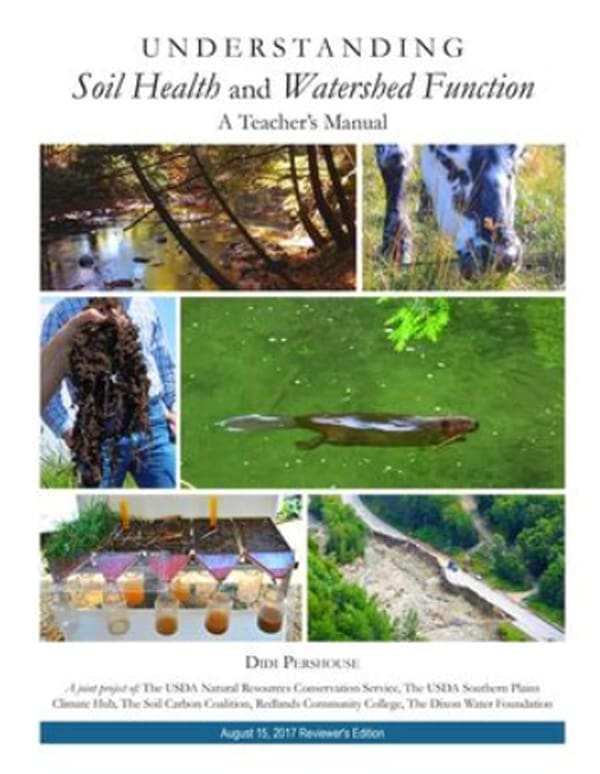
Working with Nature to Cool Climates through Plants, Soil, and Water
Jan’s Quick-Take: Didi is a world class educator and a real Vermonter who knows her stuff, and how to teach it to anyone who cares about soil and water. She is the great source for all aspects of the famed “soil carbon sponge.” We at Voices of Water for Climate consider her to be a…

Why everyone – vegetarians and vegans included – should be passionate about Holistic Planned Grazing
Happy New Year! Over the holiday season, I had the luxury of sharing many meals with family and friends, including latkes and apple sauce; Tofurkey and yams; and locally caught shrimp and farm-raised oysters. In discussing my work, I was asked several times, “But how can you not eat meat and be so passionate about Holistic…