Life Saves the Planet
The Bio4Climate Blog
“Life Saves the Planet” is more than just a blog—it’s our philosophy and a partnership with GBH public television’s Lowell Lecture Series. In the search for answers to climate change, we look to the interconnected living systems that sustain our planet. These biodiverse systems shape our atmosphere, regulate temperature, and maintain balance in weather patterns. Inspired by the words of Janine Benyus, who proclaimed that “life creates the conditions of life,” we gather cutting-edge research, ideas, and resources to guide the way.
Join our mailing list for updates and be part of the inspiring journey to protect and preserve our world.
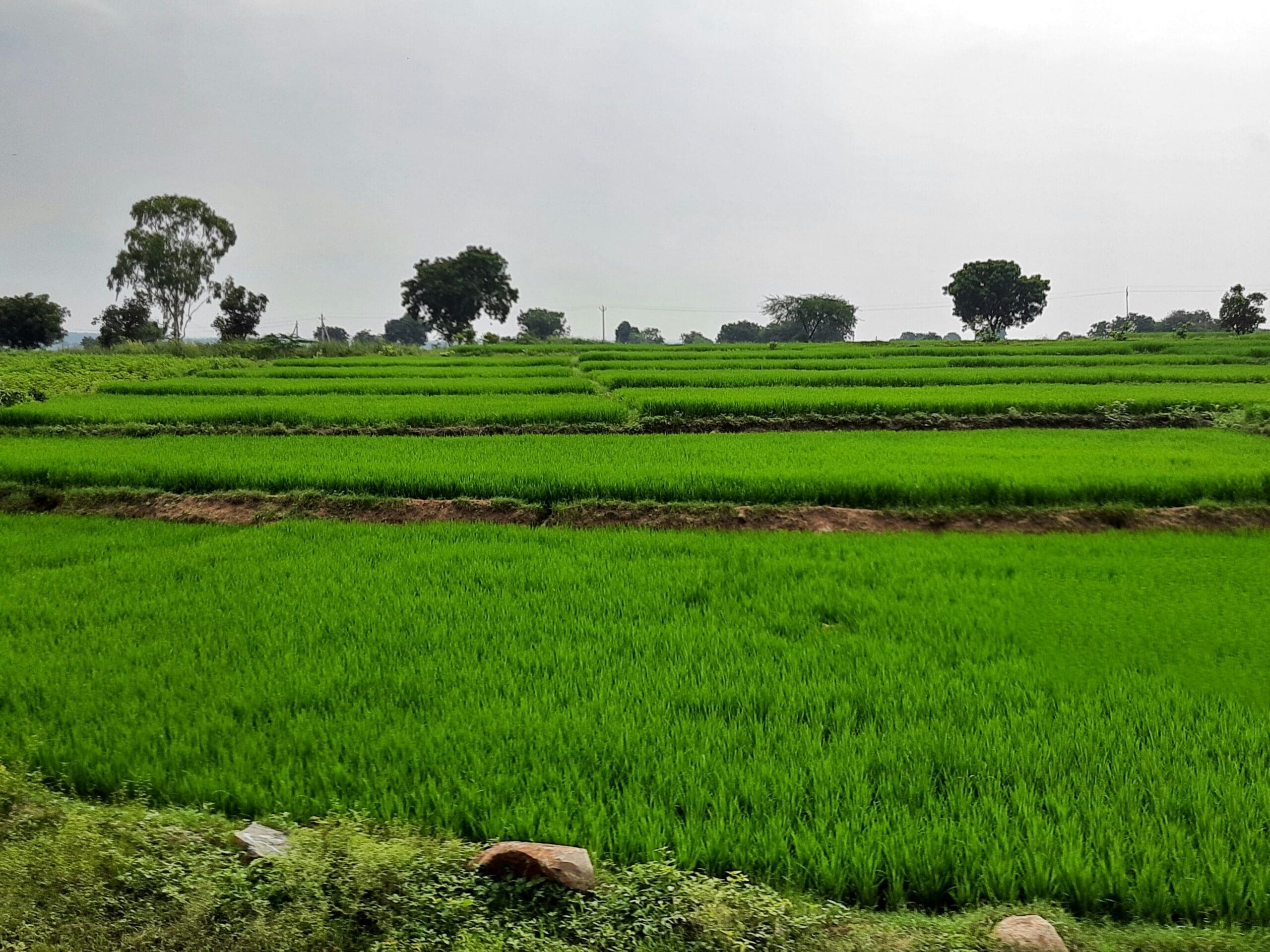
The Living Soil: A Holistic Analysis of Nutrient Dynamics in Andhra Pradesh Community-Managed Natural Farming (APCNF)
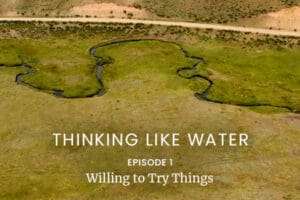
Beavers Restoring Water and Life in Alma, Colorado
In Alma, Colorado, a newly built beaver dam has raised the water level by three feet, restored trout habitat, and helped keep the surrounding landscape moist in a fire-prone region. Bio4Climate Board Member Sue Farist Butler shares how this community restoration is bringing water, wildlife, and learning back into the heart of the town.
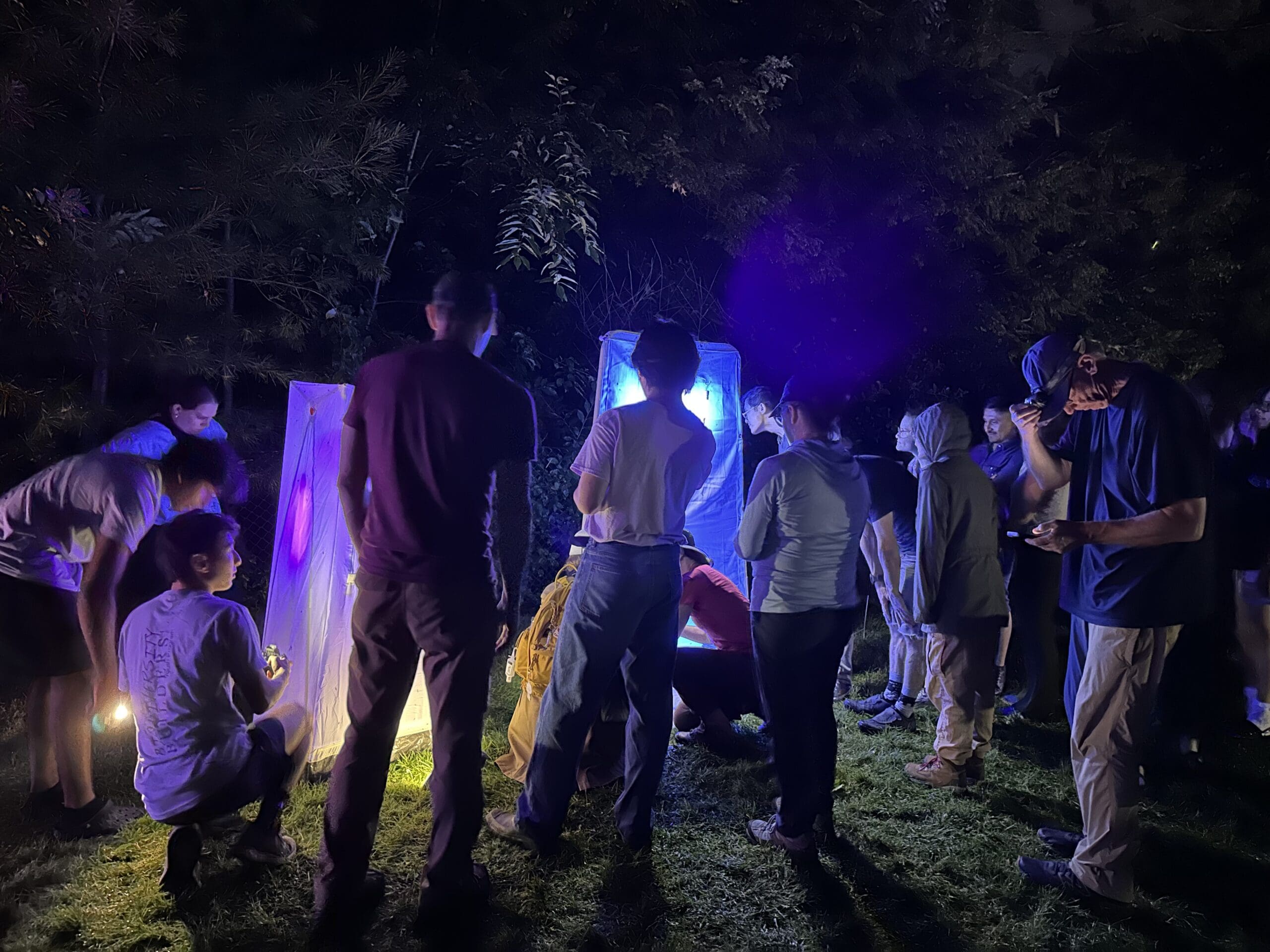
Mothball 2026
This summer, Biodiversity for a Livable Climate co-hosted the 3rd Annual Cambridge Mothball 2026 at the Kingsley Park, Fresh Pond Reservation, Massachusetts. The glimpses of the event as reported by Beck Mordini, John Minkle and Jim Laurie are presented in this blog.

A Living Legacy: The Lyons Family, Restoration, and the Work Ahead
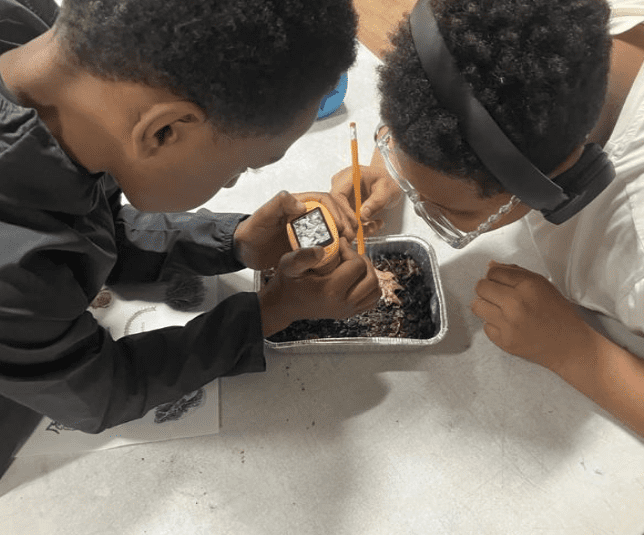
Soil to Sky Program Brings Biodiversity-Based Climate Learning to Cambridge Students