
News and Insights
Beyond Tree Cover: Vertical Canopy Structure Is Associated with the Cooling Impact of Pocket Parks in Mediterranean Cities
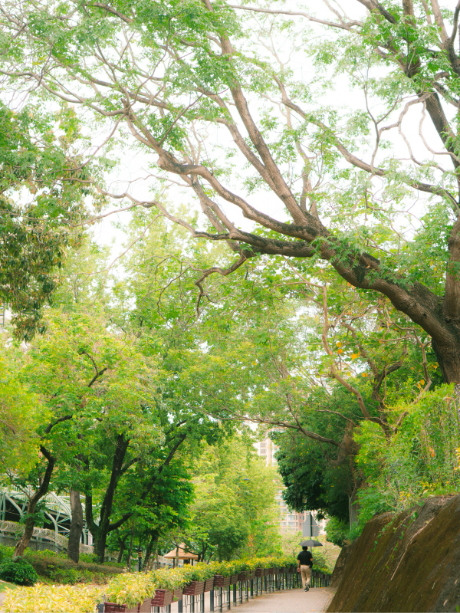
Some studies use tree canopy cover alone as an indicator of cooling potential, but this paper asks a different question: Does the structure of vegetation, especially the vertical layering of plants, affect how much a park cools the surrounding urban area? A recent study by Antenucci et al. (2026) found that parks with greater variation in plant height, higher plant density, and vegetation distributed across multiple vertical layers produce significantly stronger cooling than parks with similar canopy cover but lower structural complexity. These findings highlight the importance of vegetation structure in shaping urban microclimates, offering an interesting parallel to approaches such as the Miyawaki method, which also emphasizes dense, diverse, layered vegetation.
Sub-Saharan Africa Has Lost Nearly One Quarter of Its Pre-Industrial Biodiversity
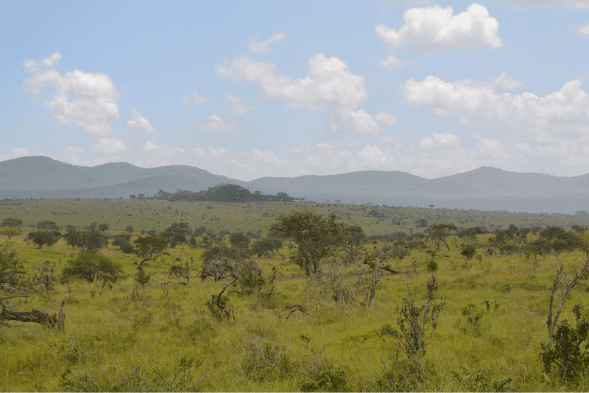
This landmark study compiled by 200 African scientists, rangers, and field ecologists reveals that sub-Saharan Africa has lost nearly a quarter of its pre-industrial biodiversity — and that what remains is largely found not in protected parks, but in the working forests and rangelands where half a billion people live. The findings reframe conservation priorities across the continent: protecting biodiversity now means supporting the communities already coexisting with it.
Events and Community
Courses
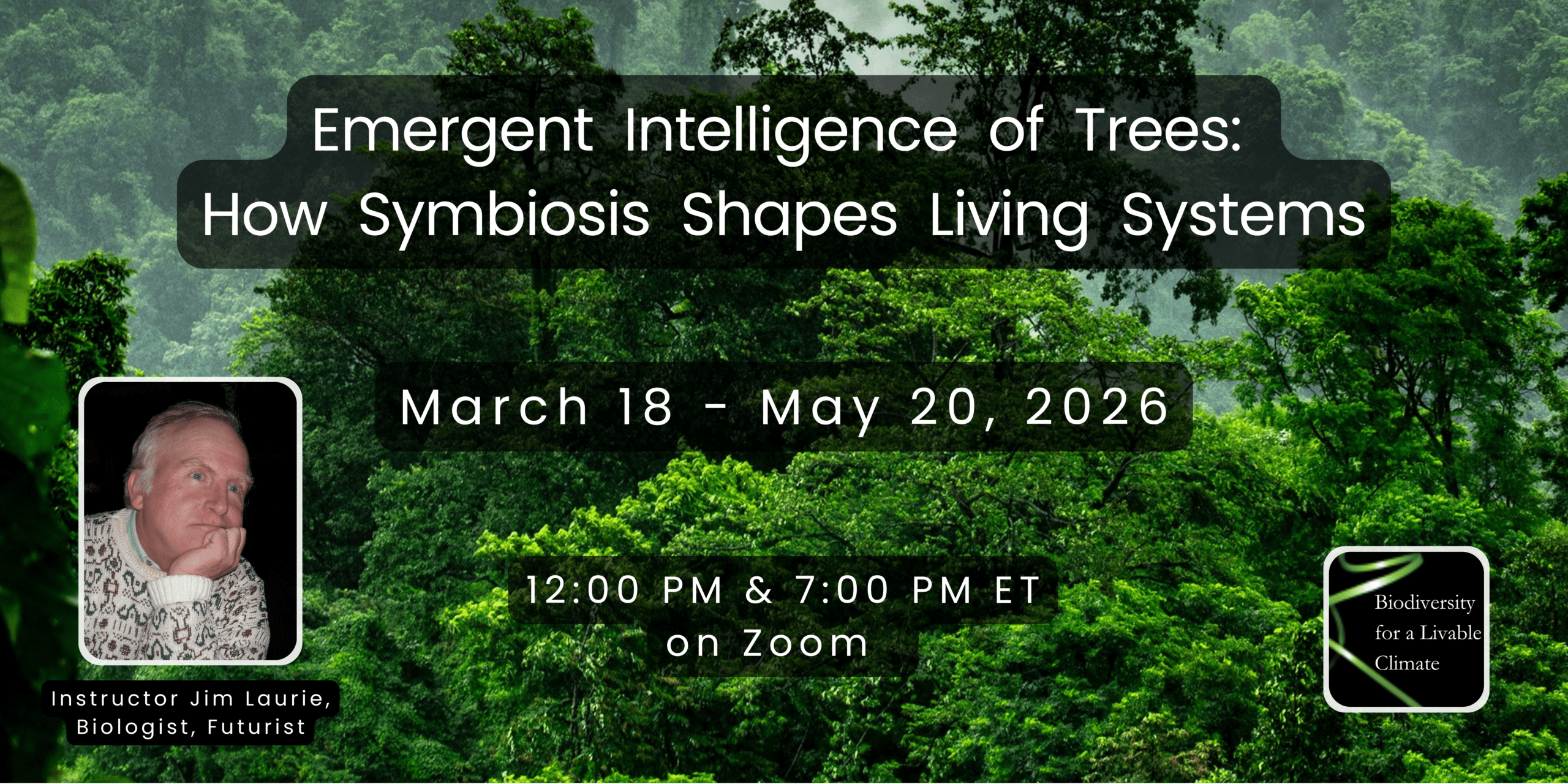
Starts This Wednesday!! Register Now!
Among the thousands of tree species humans have used for medicine, few have had a greater global impact than Cinchona (Cinchona officinalis), the evergreen tree native to the humid forests of Ecuador and Peru. For centuries, Indigenous Quechua communities used its bark for healing, and the compound quinine, extracted from the tree later, became the world’s first effective treatment for malaria, saving millions of lives.
Yet quinine isn’t produced by trees for humans. Like many plant chemicals, it evolved as part of the tree’s own survival strategy. Quinine is a bitter alkaloid that helps defend the tree against insects and pathogens, protecting its tissues from being eaten or infected. This illustrates a profound ecological principle that many of the compounds humans use as medicines originate as plant defense mechanisms shaped by evolution.
To understand this deeper intelligence of life, namely, how trees engineer chemistry, soil, water, and the atmosphere, please join us for our upcoming course, Emergent Intelligence of Trees: How Symbiosis Shapes Living Systems, led by Restoration Biologist Jim Laurie.
Course begins Wednesday, March 18
Two live sessions each week: 12 PM ET or 7 PM ET (choose either one or both)
Join us to explore how trees from rainforest giants like Cinchona to forests across the globe quietly shape the systems that sustain life on Earth.
Community
Floating Wetland Webinar with Water Stories
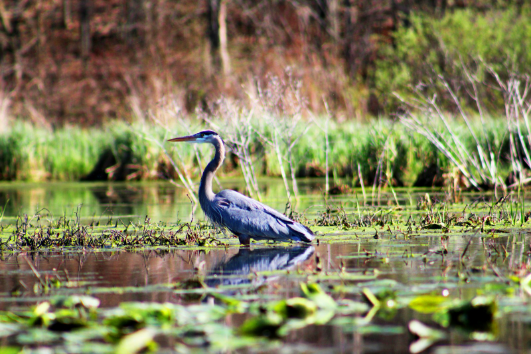
What does it mean to improve water quality through floating wetlands—especially in urban waterways where ecological function has been most disrupted? Join a webinar curated by our Associate Director of Regenerative Projects, Alexandra Ionescu, in collaboration with Water Stories, as she shares the floating wetland work of the Below and Above Collective in Providence, Rhode Island, alongside Max Rome of the Charles River Floating Wetland project in Boston and Nick Wesley of the Wild Mile project in Chicago.
Rhode Island 2026 Land & Water Summit
Bio4Climate’s Associate Director of Regenerative Projects, Alexandra Ionescu, will be presenting at the 2026 Land & Water Conservation Summit March 21, 2026 at the University of Rhode Island. Her sessions will focus on the role of beavers in creating water-retention landscapes (jointly with Molly Hastings of Rhode Island Beaver Management) and Bio4Climate’s Miyawaki Forest Program and the ecological principles behind it.
Keynote Speaker Ethan Tapper is an internationally recognized forester and the author of the best-selling How to Love a Forest. His keynote will focus on “The Work Ahead: Caring for Our Land and Water and Creating a Just Future” and will explore the complex and necessary acts of conservation and stewardship across Rhode Island’s landscapes and watersheds.
Books for Biodiversity Lovers
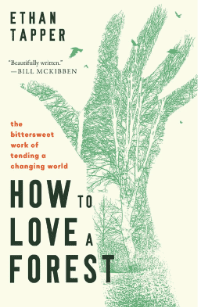
How to Love a Forest
By Ethan Tapper
You don’t have to hear author Ethan Tapper at the Rhode Island Land & Water Summit to be inspired by his exploration of what it means to live in a time when ecosystems are in retreat and extinctions rattle the bones of the earth. How do we respond to the harmful legacies of the past? How do we use our species’ incredible power to heal rather than to harm?
Tapper walks us through the fragile and resilient community that is a forest. He introduces us to wolf trees and spring ephemerals, and to the mysterious creatures of the rhizosphere and the necrosphere. He helps us reimagine what forests are and what it means to care for them.
Tapper argues that the actions we must take to protect ecosystems are often counterintuitive, uncomfortable, even heartbreaking. With striking prose, he shows how bittersweet acts–like loving deer and hunting them, loving trees and felling them–can be expressions of compassion. Tapper weaves a new land ethic for the modern world, reminding us that what is simple is rarely true, and what is necessary is rarely easy.
By purchasing this title through the link provided above, you’ll continue to support Bio4Climate. We are an affiliate partner of Bookshop.org and receive a portion of the sales price at no additional cost to you. View the Bio4Climate Bookshop for more books.