
What creature is a keystone species that lives in salt and freshwater, excretes salt through its eyes, and is threatened by the drying out of sand?
The diamondback terrapin! (Malaclemys terrapin)
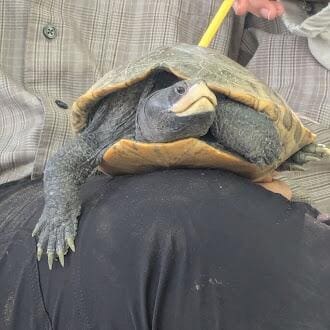
The diamondback terrapin holds a special place in my heart. From its role as a keystone species to the way it inspired me to pursue wildlife conservation biology and wetland ecology, this (not so) tiny turtle inspires me to this day. Females can be as large as 7.5 inches while males are smaller, measuring around 5 inches. I began working with this species through the Barrington Land Trust in Barrington, Rhode Island, in 2025 as an intern, and I continue to help out as a senior intern volunteer today. Working hands-on with the terrapins has guided me through my college journey and shaped my studies. As I head into my senior year, I am looking for more ways I can help conserve and protect terrapins and the many other species who live in the marshes.
A Keystone of the Estuary
This amazing creature is a keystone species, meaning it plays a critical role in keeping its salt marsh and mangrove home in balance. But here’s the twist: it’s the only one of its kind in North America that calls brackish water, a mix of freshwater and saltwater, its permanent address. Found in estuaries, tidal rivers, and salt marshes, this animal is a true estuary specialist.
Diamonds on the Shell
Their name, diamondback, comes from the intricate, diamond-shaped patterns on their shells. These patterns are not only beautiful, they’re also unique to each individual, like a fingerprint. No two terrapins have the same shell design, making them one of the most visually striking turtles in North America.
Crying Out the Salt
Most turtles prefer either freshwater lakes and ponds or the open ocean. But the diamondback terrapin? It lives in between. This environment is constantly changing; freshwater flows in from rivers, while saltwater pushes in from the ocean with the tides. It’s a challenging place to live, but terrapins have adapted in remarkable ways.
Living in brackish water isn’t easy. The salt content fluctuates constantly, and too much salt can be deadly. But terrapins have evolved with a built-in solution: salt-excreting glands near their eyes. These glands, also known as lacrimal glands or “tear ducts,” allow them to remove excess salt from their bodies. They do this by excreting a salty solution through their eyes or nose in a process called cranial salt excretion. It might look as though they’re crying, but they’re actually just flushing out the salt and maintaining the perfect balance of salt and water in their systems. This adaptation is similar to what sea turtles do, but terrapins have perfected it for life in the ever-changing estuary.
Riding the Tides
Diamondback terrapins don’t just survive in their brackish world; they thrive in it. Their secret? They’ve mastered the art of tide synchronization. These turtles are true followers of the tides, moving with the rhythm of the water like nature’s tide surfers. When the tide rises, terrapins venture into shallow waters to feed. They munch on periwinkle snails, small crabs, and mud snails—all part of their estuary buffet. Periwinkle snails, in particular, are a favorite, and terrapins play a crucial role in keeping their populations in check. As the tide recedes, terrapins retreat to deeper waters or bury themselves in the mud. This isn’t just a nap but a survival strategy. By conserving energy and avoiding predators like raccoons, herons, and crabs, they’re ready to strike again when the next high tide rolls in.
Engineers of the Salt Marsh
Diamondback terrapins are active engineers of their ecosystem. By preying on periwinkle snails and other invertebrates, they help control populations that could otherwise wreak havoc. Without terrapins, the salt marsh cordgrass (Spartina alterniflora) would be overgrazed, leading to weaker roots and making the marsh more vulnerable to erosion from storms and high tides. This, in turn, would threaten the entire habitat, from fish and birds to crustaceans and plants. In other words, terrapins are the glue that holds the salt marsh together, aka—a keystone species!
But their role doesn’t stop there. Terrapins also serve as a food source for larger predators like raccoons, foxes, and birds of prey. Their eggs, laid in sandy nests along the shore, are a vital part of the food chain. Even after hatching, young terrapins face a gauntlet of predators, from crabs to fish.
Threats and Hope
Despite their importance, diamondback terrapins face growing threats. Habitat loss is a major concern as coastal development, pollution, and climate change alter their environment. Roads built near nesting sites pose another danger: female terrapins often cross busy roads to lay their eggs, leading to high mortality rates. Along with those risks, terrapins (and particularly hatchlings) are facing warmer climates, which also means scorching sands. As a result, females exhaust themselves on land and are unable to make it back to shore. It also means that the sand is drying out and the eggs are having a harder time developing or surviving at all.
Fortunately, conservation efforts are making a difference. Organizations like the Diamondback Terrapin Working Group and local wildlife agencies, like the one I work with at Hundred Acre Cove in RI, are protecting nesting sites by installing barriers or signs to warn drivers, restoring salt marshes to ensure healthy habitats, and educating communities about the importance of terrapins and how to coexist with them.
And we can all help by reducing plastic pollution, supporting wetland conservation, and doing all we know how to do to cool the climate!
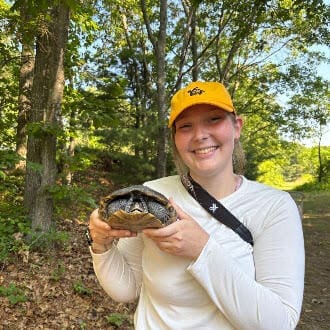
As a senior studying wildlife conservation and biology at the University of Rhode Island, Amethyst Clark has found her purpose in the salt marshes of Barrington, Rhode Island. Her work monitoring diamondback terrapin populations began as a way to explore the world, but it quickly became the defining force that led her to her academic and career path. Amethyst views these turtles not just as a subject of study, but as a connection to the broader environment. Her ultimate goal is to become a steward of the environment, ensuring that the beauty and biodiversity of our planet continue to thrive.
Sources
- S.C. Sea Grant Consortium: Jewel of the Marsh: the Remarkable Diamondback Terrapin
- NC Wildlife Resources Commission: Diamondback Terrapin Species Profile
- National Park Service, Gateway National Recreation Area: Diamondback Terrapin
- Native Plant Trust, Go Botany: Spartina alterniflora
- Kartzinel Lab: Study: New England Is Key to Survival of Diamondback Terrapins