
An Enchanted Night of Moths, Living Soil, and Community Connection
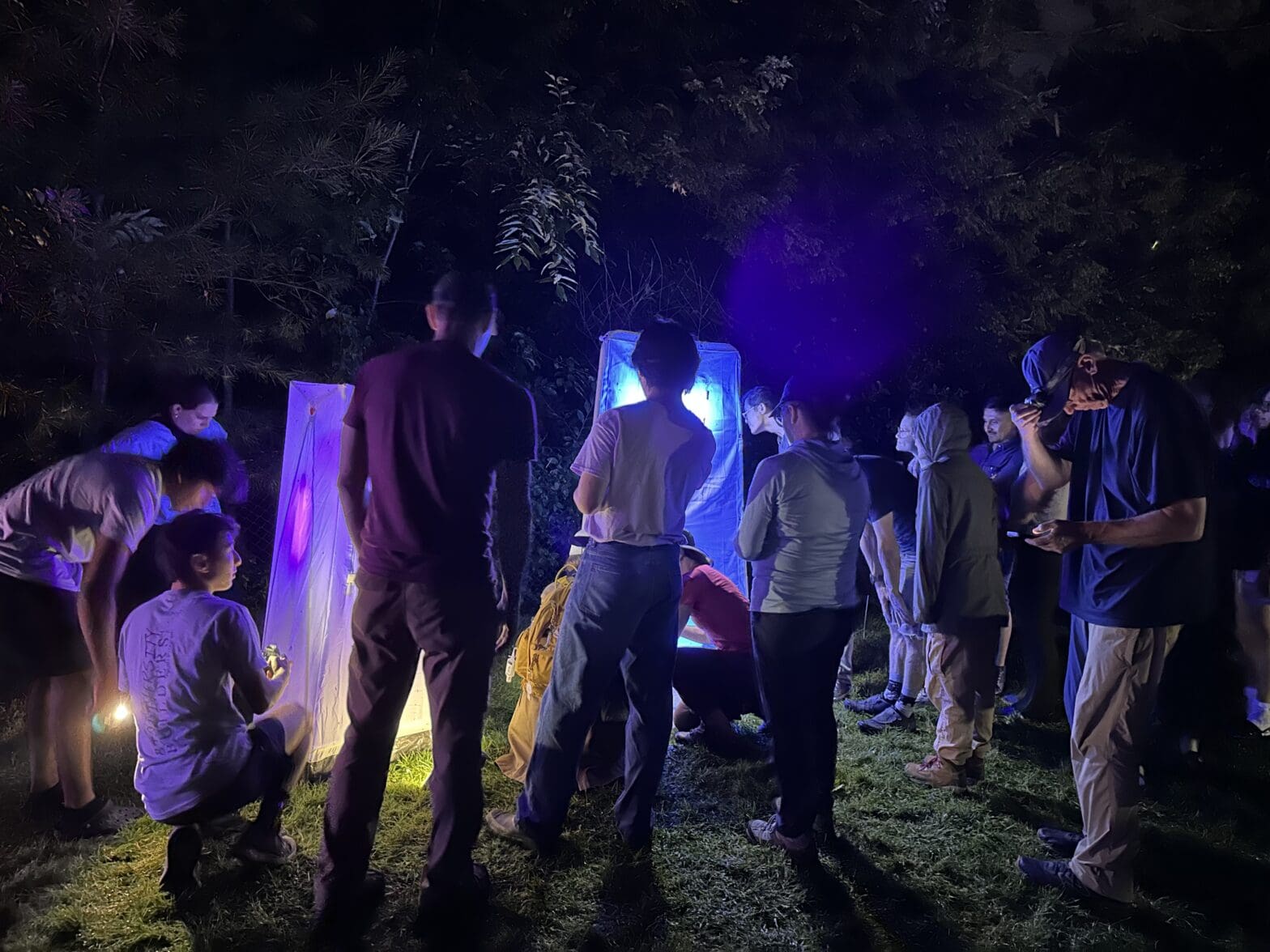
Bio4Climate was delighted to co-host the third annual Cambridge Moth Ball on July 22, 2026, at Kingsley Park, Fresh Pond Reservation, alongside the Boston Birding Festival and ten other local organizations. This free-for- all National Moth Week celebration brought together over 300 attendees in diverse fields of art, storytelling, photography, community science, but with a shared curiosity about the extraordinary living world around us.
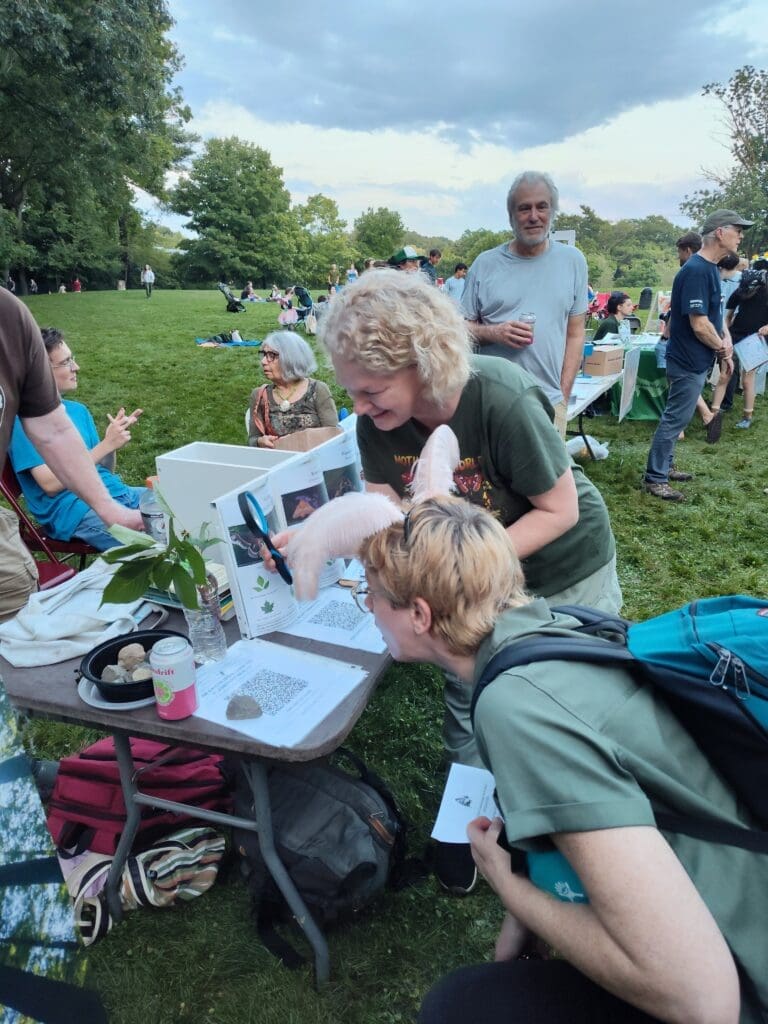
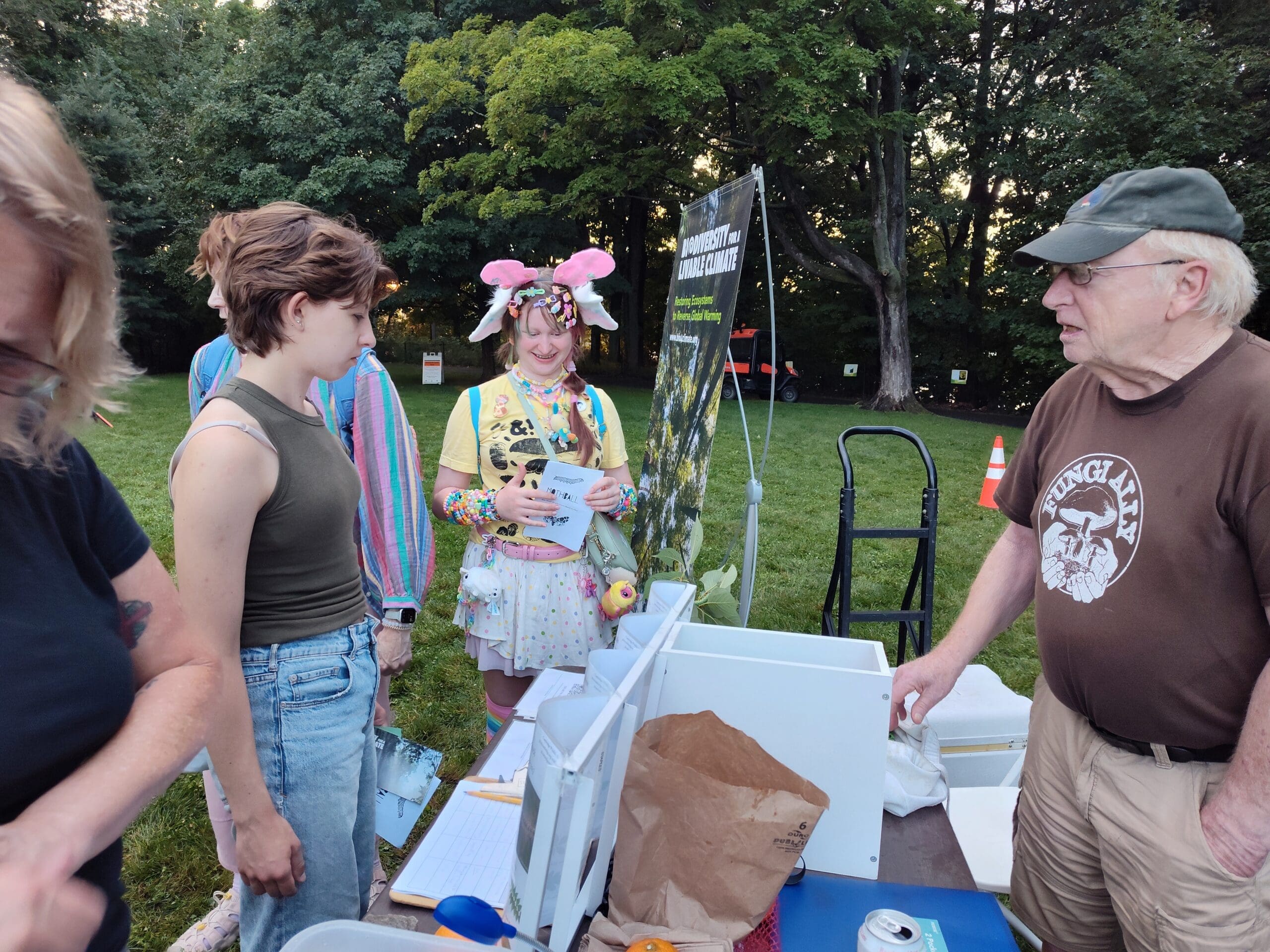
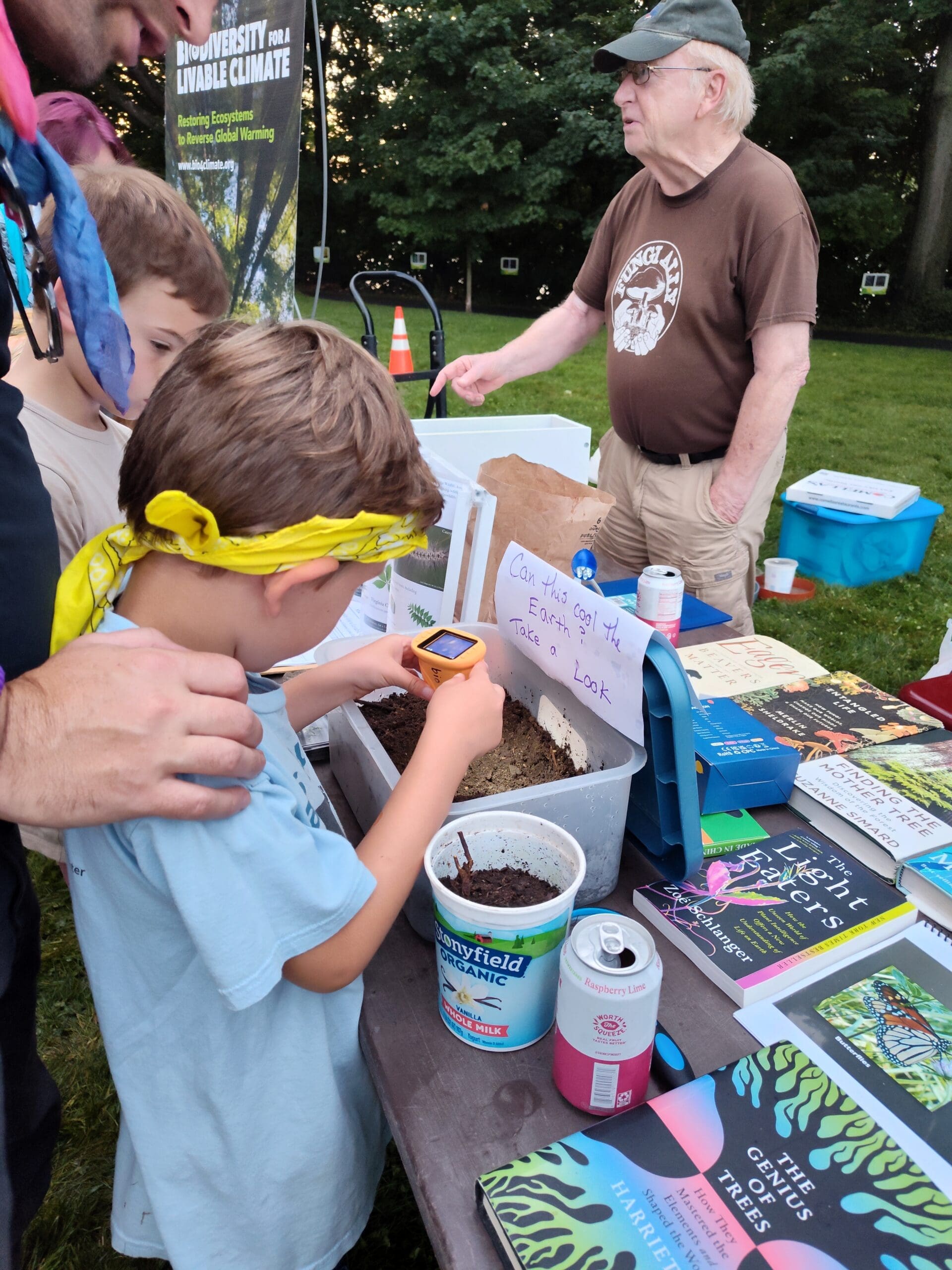
Executive Director Beck Mordini welcomed children, families, naturalists, photographers, and longtime Cambridge residents to Bio4Climate’s lively display. Our living-soil exhibit drew people in to discover the extraordinary life beneath seemingly quiet soil. Children and adults gathered closely around a tub of soil, using magnifiers to search for tiny organisms, roots, organic matter, and evidence of the ecological processes that sustain the more visible life aboveground.
Could this soil help cool the planet? was a question raised by IT Director John Minkle, an avid native-plant gardener, while he helped visitors find the tiny creatures moving through the soil The activity opened conversations about healthy soil, water retention, evapotranspiration, plants, biodiversity, and the ways living landscapes regulate climate.
The evening became a joyful intergenerational celebration of biodiversity and demonstrated how a community gathering can transform into a living classroom. The Cambridge Moth Ball also featured an inspiring group of artists, photographers, scientists, educators, and community naturalists.
Artists and Storytellers
Kona Morris, a storyteller, writer, comedian, and educator, brought the power of narrative, creativity, and humor to the evening.
Painter and birder Judith Robichaud demonstrated how artistic observation can deepen our appreciation for birds, moths, plants, and the habitats they share.
Photography for Conservation
Nature photographer and storyteller Billy Hickey highlighted the ability of photography to help people notice, document, and protect the species living around them.
Photographers interested in creating imaginative moth images and exploring the power of photography to catalyze conservation and habitat restoration were especially encouraged to participate. Beginners were warmly welcomed, with practical advice and cell phone photography techniques making nature photography accessible to everyone.
Science and Community Learning
Scientific perspectives were shared by Dr. Jane Waters of the Department of Biology at Providence College and Dr. Avalon Owens, an entomologist at the Rowland Institute at Harvard University.
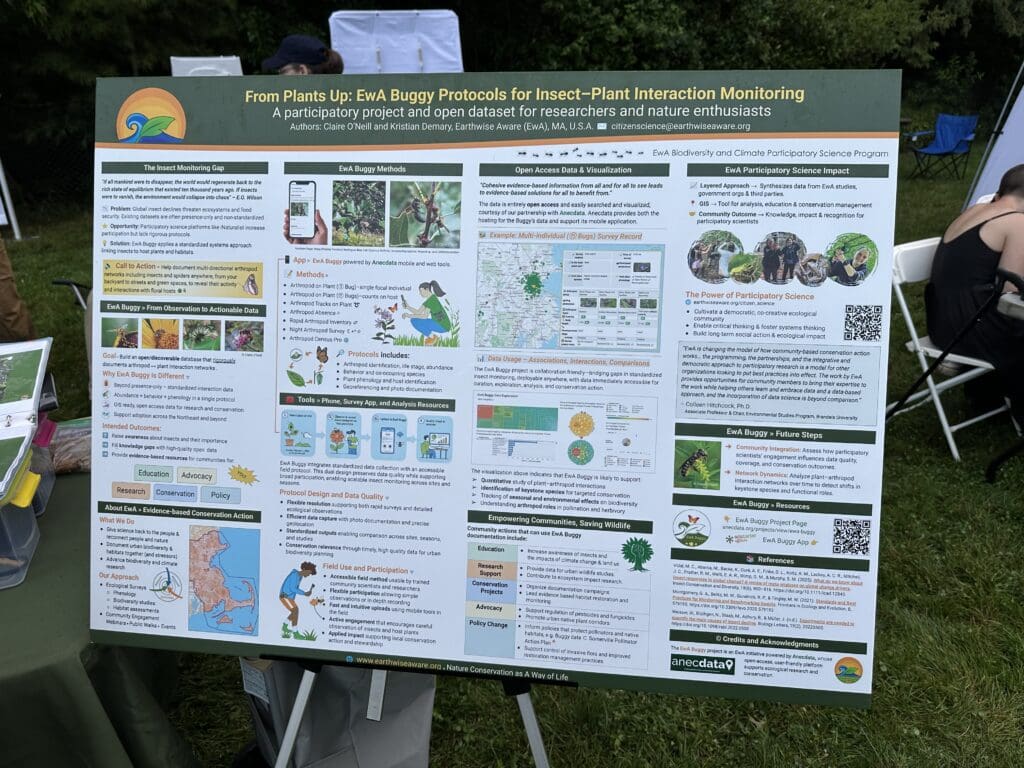
Earthwise Aware also contributed its expertise in community science, ecological ethics, and meaningful public engagement with the natural world.
Futurist and Restoration Ecologist Jim Laurie brought a selection of books from his many Deep Dive courses. The collection sparked conversations about what it means to be a “light eater,” how Cows Save the Planet, and how moths, caterpillars, birds, native plants, soil organisms, and people participate in interconnected food webs.
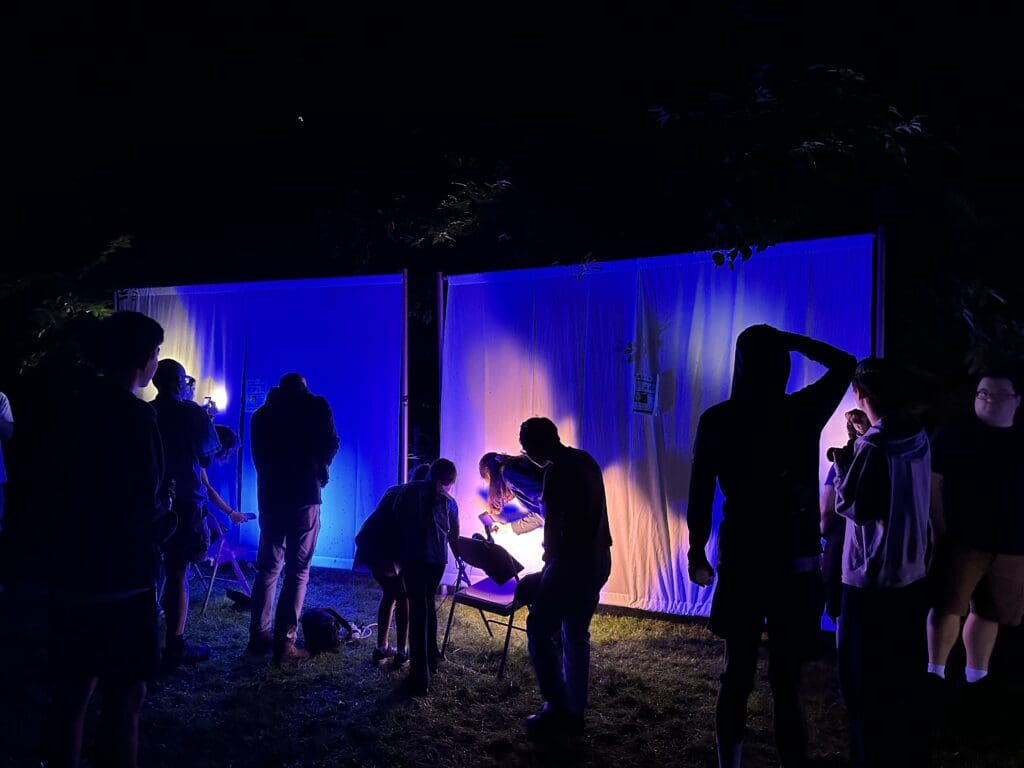
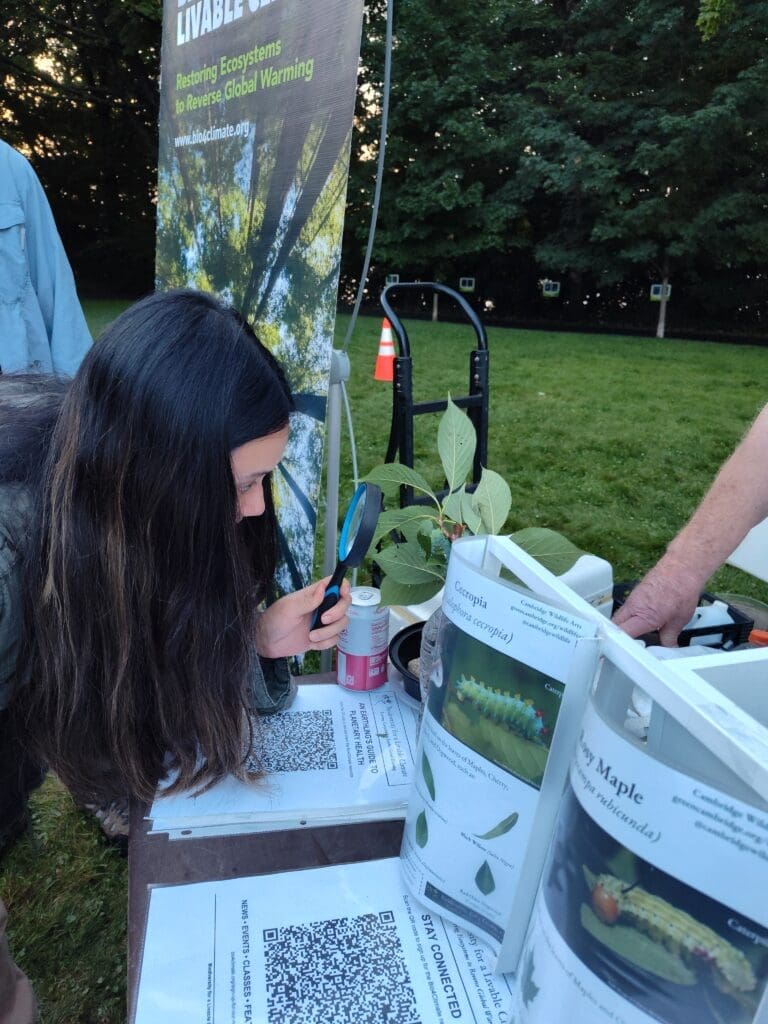
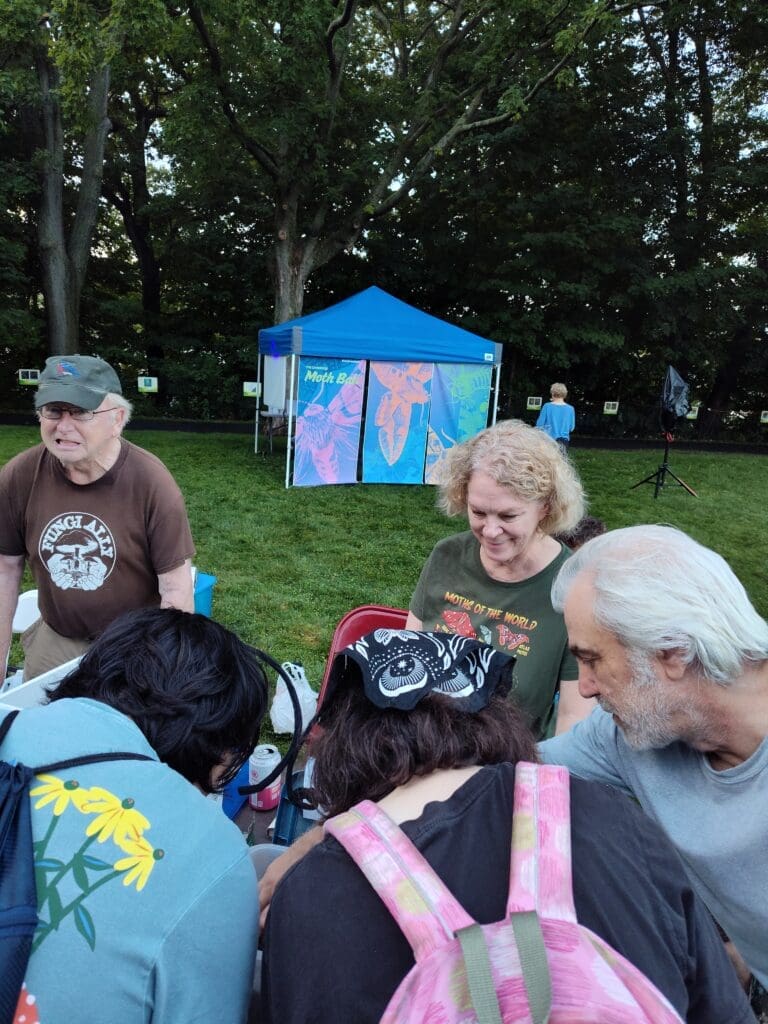
Photo Credits: Casey Mordini-Bluhm and Beck Mordini
Extra-Special Guests
The evening’s extra-special guests were Alex and Max Khitrik, creators of Max’s Museum of Natural Things. Their participation added another layer of wonder and discovery, reflecting the close observation and curiosity that make community nature events especially meaningful for children and families.
Caterpillars and Jim’s extensive collection of ecological books sparked conversations about moths, pollination, food webs, native plants, habitat, and the connections among all living systems. Alex and Max generously lent us a branch covered with Cecropia caterpillars to complement our display illustrating “what eats what” in the Miyawaki forest. At their own table, visitors could also observe a large terrarium filled with branches and striking, colorful Cecropia caterpillars actively munching on leaves.These displays helped amplify our core message that soil, plants, insects, animals, water, climate, and human communities are not separate systems, but interconnected parts of one living world.
It was a vibrant celebration of moths and of the interconnected living systems that sustain us all.Moths are sometimes overlooked beside more familiar daytime pollinators, yet they are essential contributors to healthy ecosystems. Many moth species serve as nighttime pollinators, while their caterpillars provide critical food for birds and other wildlife. They connect native plants, predators, soil, and habitats across the wider food web.
The overwhelmingly positive response to the Bio4Climate table reminded us that people are eager to understand these relationships. When living soil, caterpillars, books, art, photography, storytelling, and scientific knowledge are brought together, ecological learning becomes tangible, joyful, and personal.
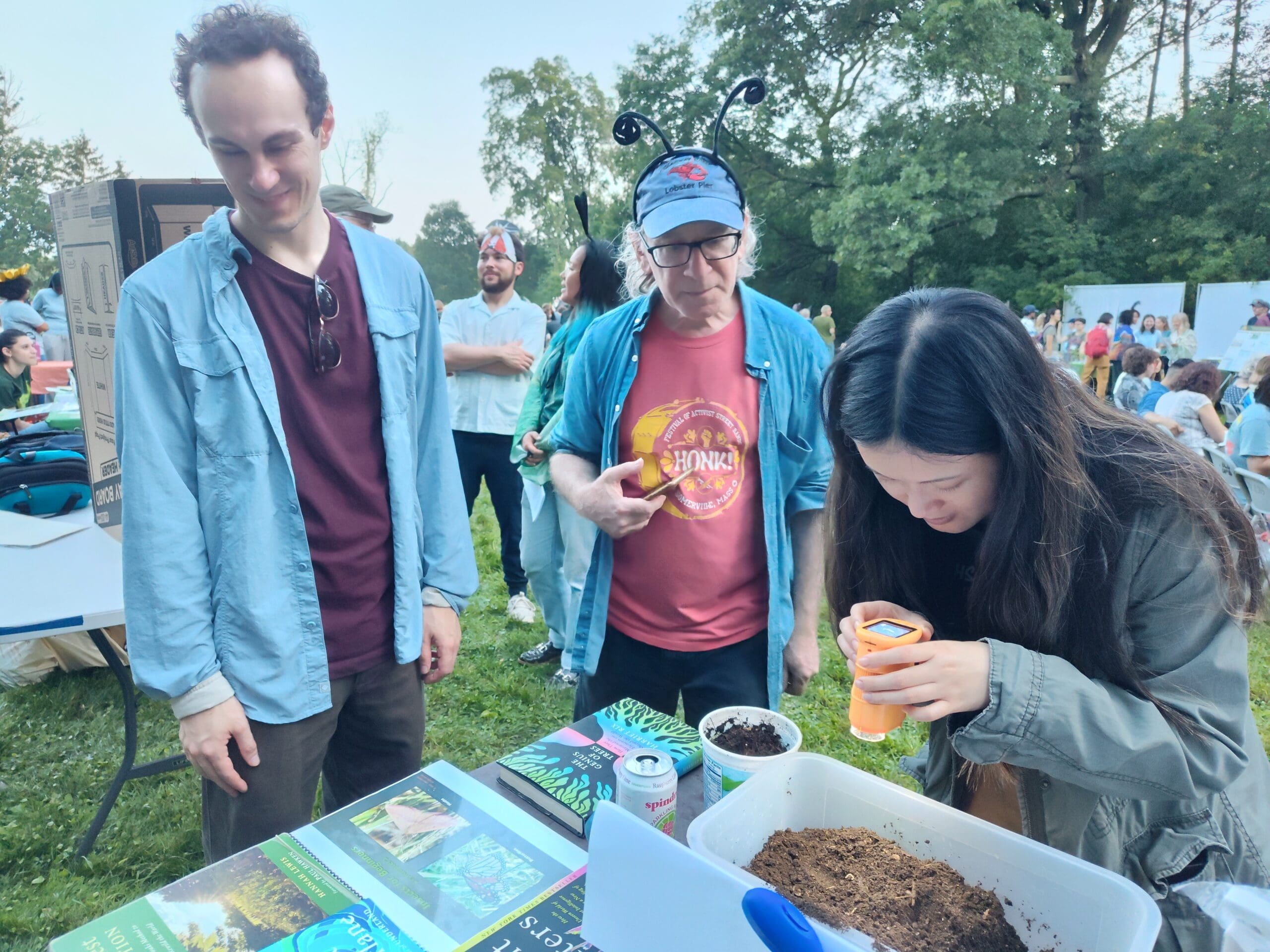
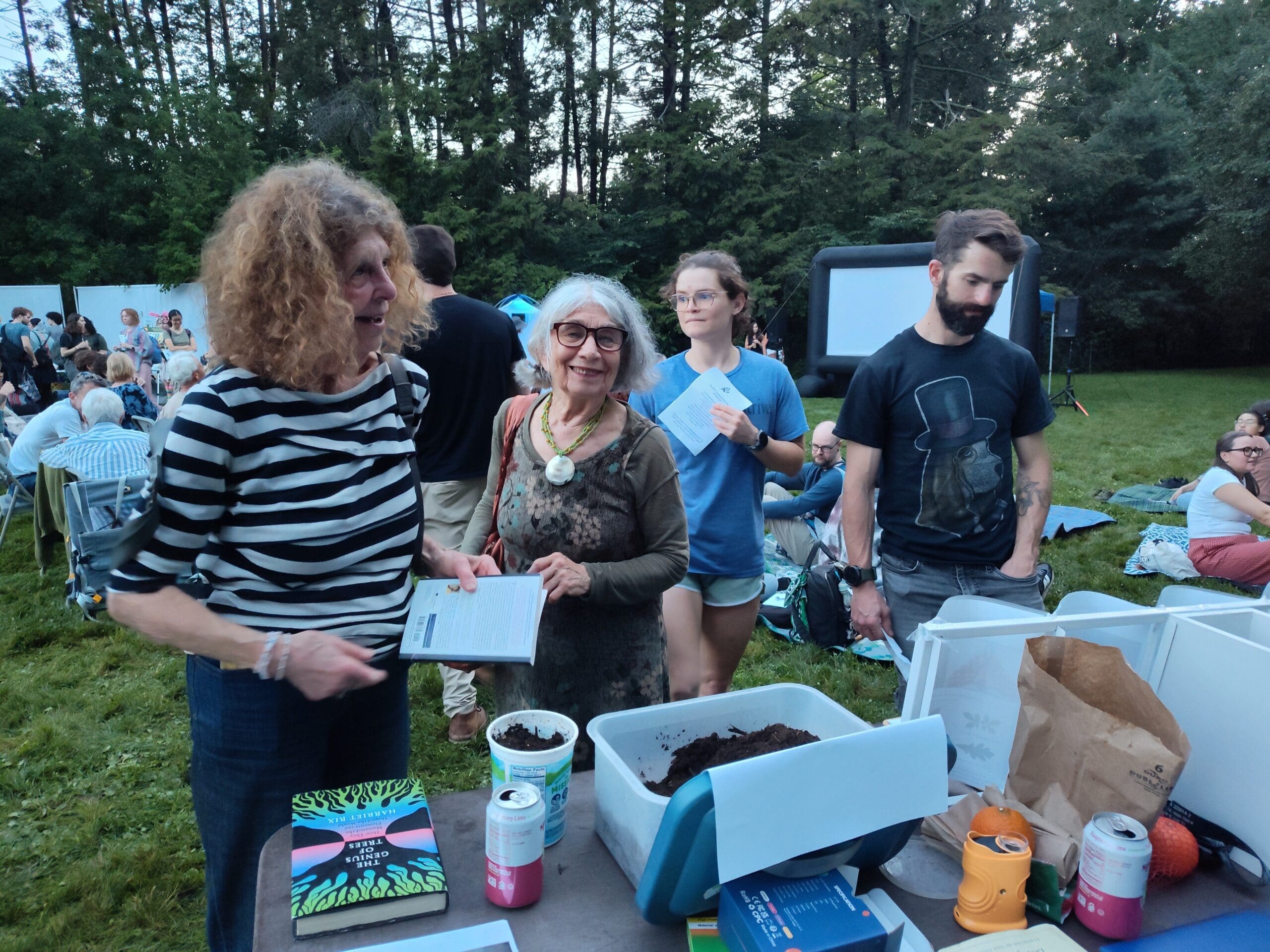
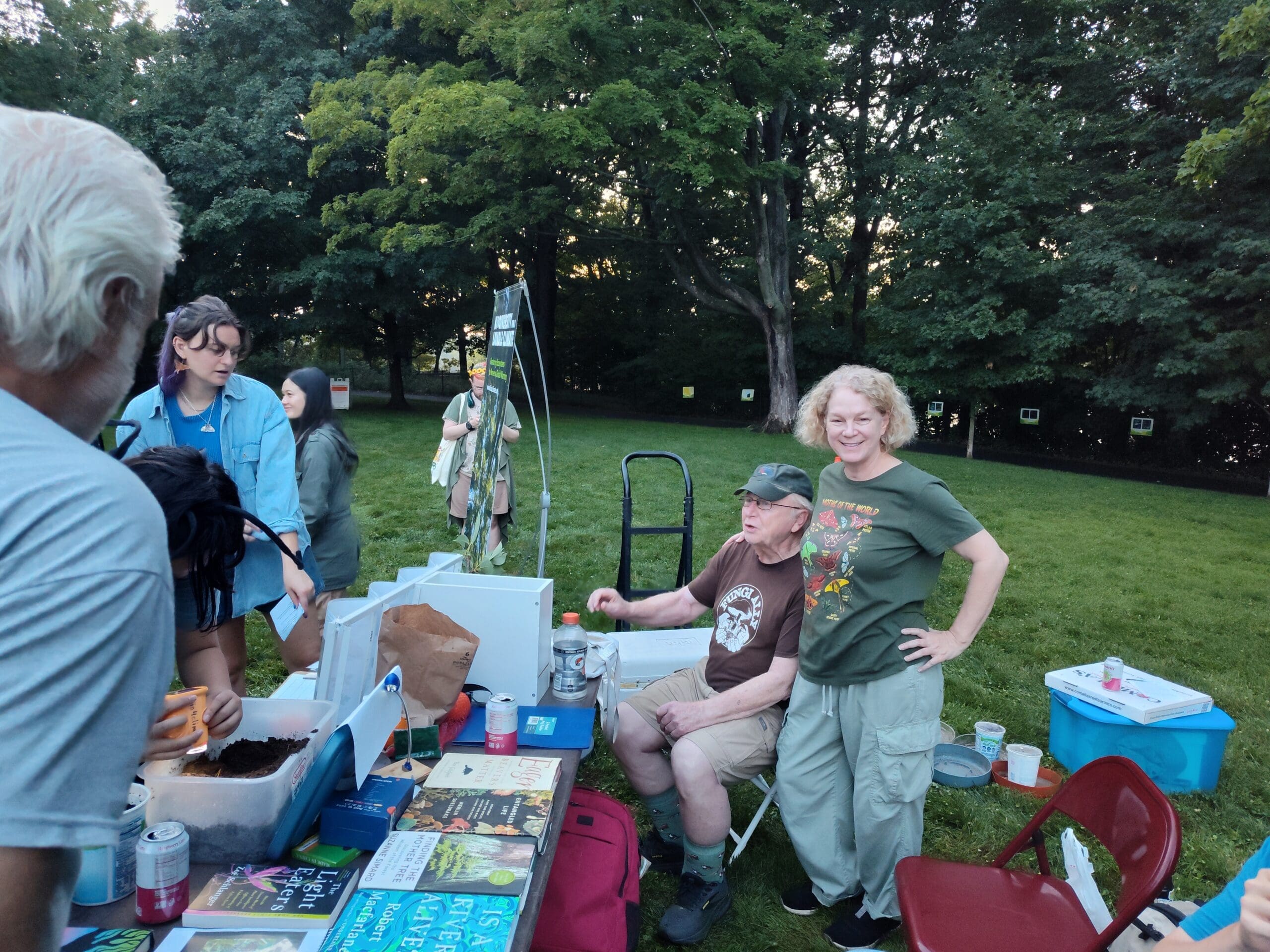
Photo credit : Casey Mordini-Bluhm and Beck Mordini
A special shoutout to Jonas Davulis for generously volunteering his time and energy throughout the event. His help with setup, cleanup, and activities during the evening played an important role in making the Cambridge Moth Ball such a welcoming and successful community celebration. We were also joined by our Retired Associate Director Paula Phipps who graciously provided support to the event.
We left the Cambridge Moth Ball energized by the enthusiasm of the community and grateful to the Boston Birding Festival, participating artists, photographers, scientists, organizations, volunteers, and visitors who made the evening possible.
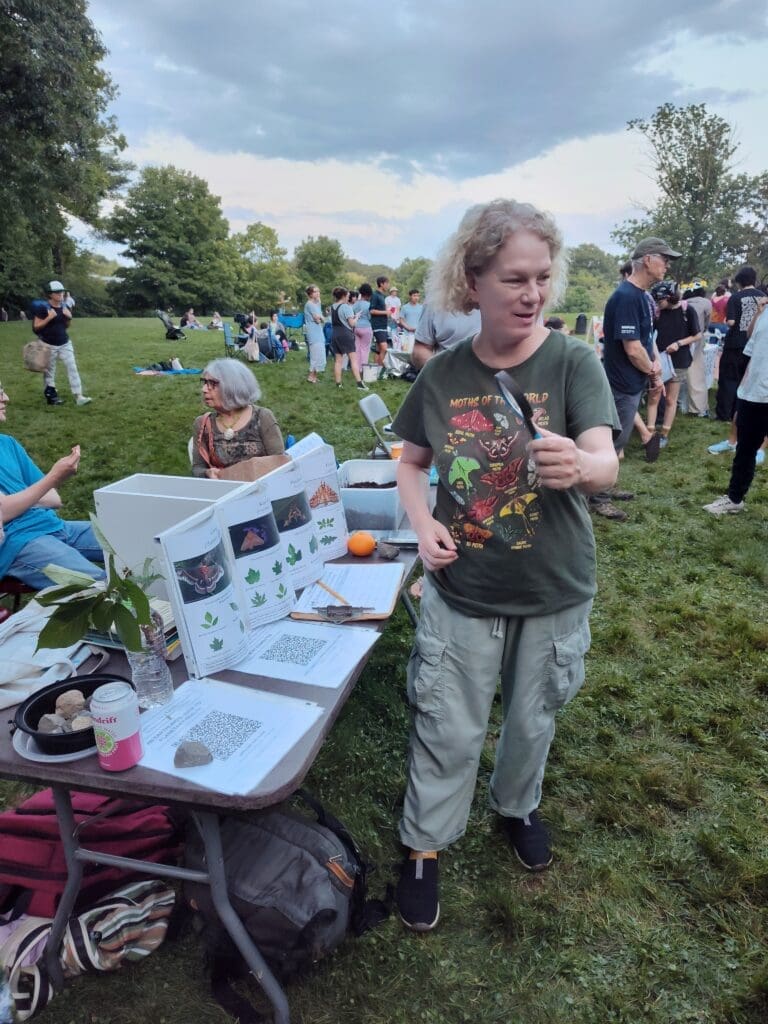
“It was such a joy to engage with people of all ages searching through our soil sample with a magnifier from our Soil to Sky program, while we talked about how the soil is key to evapotranspiration and cooling the planet” Beck Mordini,
The Mothball Project
At the Fresh Pond reservation area moth enthusiasts and experts have recorded 142 species of moth during 615 observations. This has been recorded in the iNaturalist as the The Mothball Project. All local Moth lovers are encouraged to visit the area and record their observations.

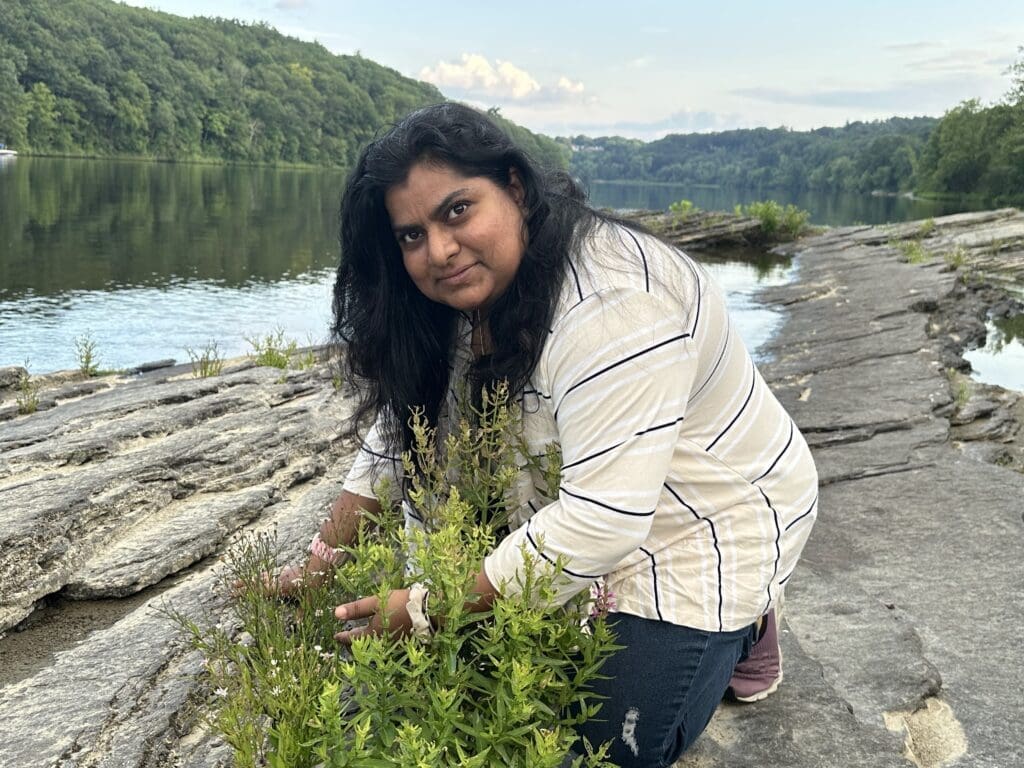
Poulomi Chakravarty, PhD is an environmental scientist, educator, and science communicator with expertise in micrometeorology, ecology, biodiversity, phytoremediation, climate extremes, remote sensing, and climate education. She serves as Scientific Advisor, India Program Director, and Education Lead at Biodiversity for a Livable Climate, where her work advances climate literacy, environmental education, ecosystem restoration, and nature-based climate solutions. Her work also focuses on integrating natural systems, Indigenous Knowledge, and AI-enabled approaches for climate resilience. As a facilitator of climate action programs, she designs curricula and leads community-based initiatives that help diverse learners engage with climate science, biodiversity, soil, water, and sustainability. Beyond her professional work, she is passionate about environmental protection, animal rescue, painting, music, and life as a devoted dog mom.