Few animals have traveled through human history quite like the donkey.
Domesticated in northeast Africa more than 7,000 years ago, donkeys descended from the Nubian wild ass and became essential partners in the growth of early civilizations and trade networks across Africa, Asia, and the Ancient Near East. They carried people, food, building materials, and goods across landscapes where wheeled transport was often impossible.
Centuries later, donkeys were taken to the Americas, Australia, the Caribbean, and Indian Ocean islands during European colonization. There, they became deeply tied to farming, mining, railroad construction, and resource extraction. But as machinery and motorized transportation replaced much of this work, many donkeys were abandoned or released. Unlike mules, donkeys can reproduce, allowing free-roaming populations to establish themselves far from their ancestral range.
Today, that history has produced a complicated ecological and ethical story.
Australia is believed to contain the world’s largest population of free-roaming donkeys, although estimates vary considerably. Brazil also supports a large population, while free-ranging burros remain part of the landscape of the western United States. In some places, these animals are now treated primarily as ecological problems and targeted for population control.
At the same time, elsewhere in the world, donkeys remain vital to rural livelihoods, while their wild relatives face an entirely different challenge: survival. Recent conservation stories from Mongolia, for example, document the return of khulan, or Mongolian wild asses, to landscapes from which they had been absent for decades.
A particularly urgent version of this tension is unfolding at Kachana Station in Western Australia’s Kimberley region. There, a managed population of wild donkeys has become part of an experiment in restoring a dry, fire-prone landscape.
Judith D. Schwartz describes how the donkeys graze vegetation in places cattle rarely reach, interrupt potential fire pathways, create small bare patches that may function as firebreaks, dig wells used by other animals, and help move seeds and nutrients through the landscape.
Yet approximately 70 of these donkeys now face a government-ordered cull. Their story raises a difficult conservation question: when landscapes have already been profoundly altered by extinction, colonization, climate change, and human intervention, should an animal be understood only by where it came from or also by what it is doing within the living system it now inhabits?
The donkey therefore occupies an unusual place in our relationship with nature: worker, companion, abandoned animal, introduced species, wild relative, and conservation concern.
Perhaps its story asks us to look beyond simple labels such as useful, feral, or invasive and instead ask a deeper question: How did these animals arrive in a landscape, what role are they playing there now, and what responsibilities do we carry because of the history that brought them there?
This Register is open to anyone interested in seeing the research continue and its future potential properly assessed. It will help demonstrate the scientific, professional, and community interest in the opportunity and identify people interested in following, supporting or contributing to the research.
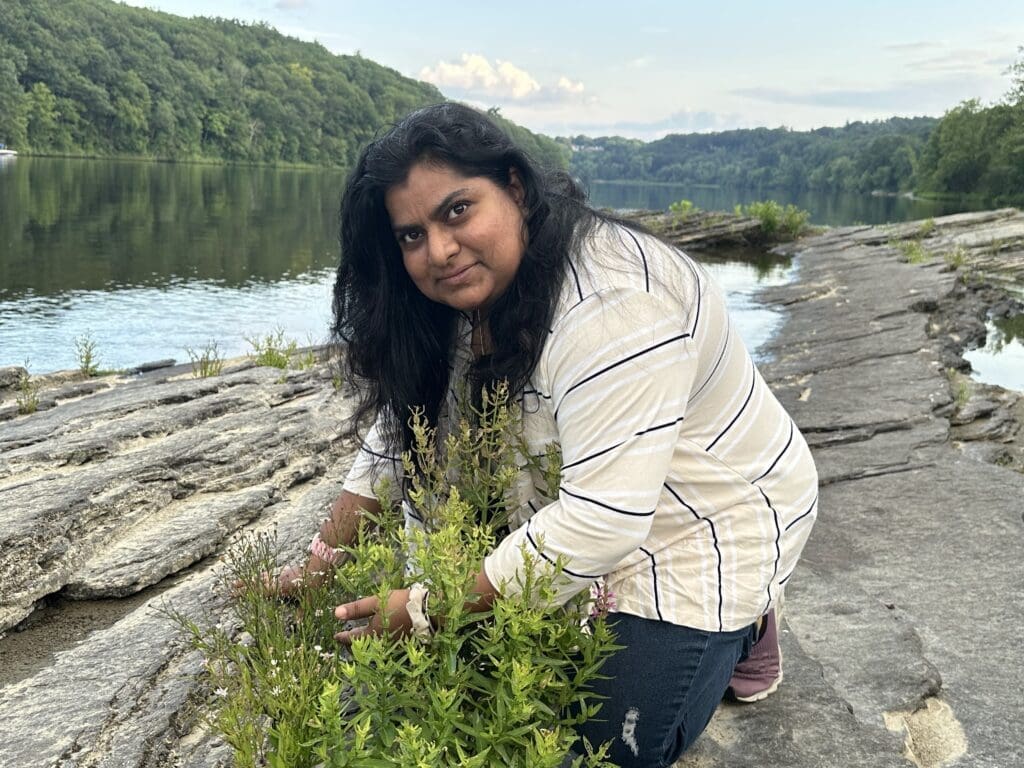
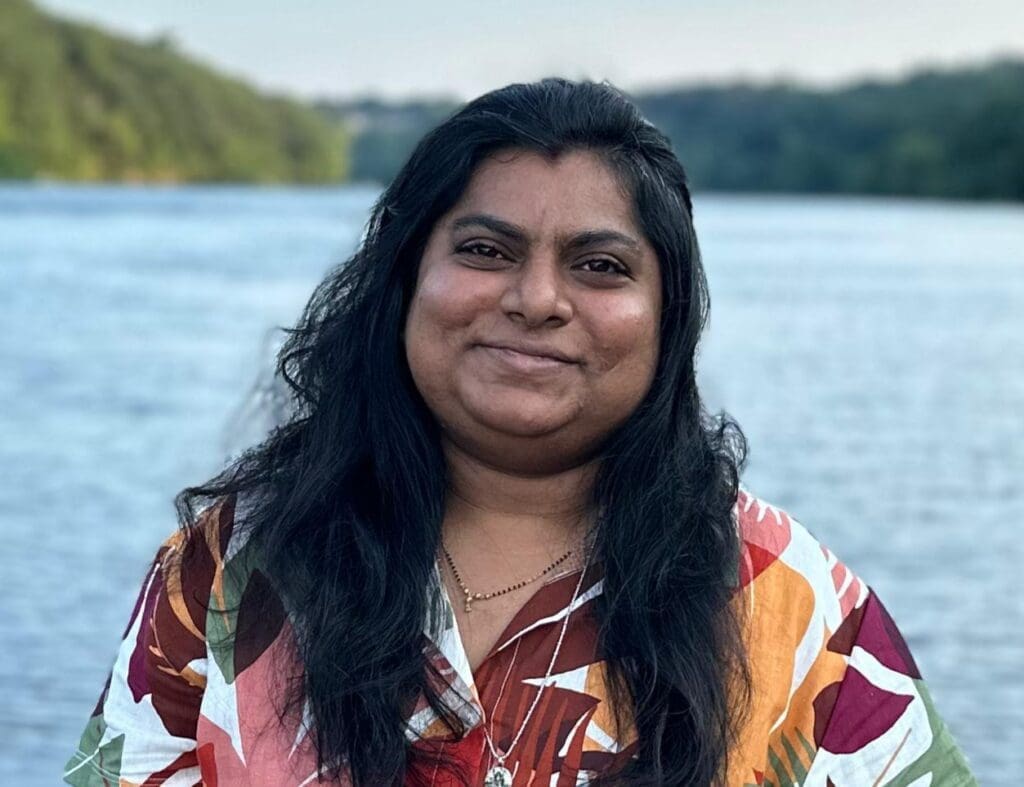
Poulomi Chakravarty, PhD is an environmental scientist, educator, and science communicator with expertise in micrometeorology, ecology, biodiversity, phytoremediation, climate extremes, remote sensing, and climate education. She serves as Scientific Advisor, India Program Director, and Education Lead at Biodiversity for a Livable Climate, where her work advances climate literacy, environmental education, ecosystem restoration, and nature-based climate solutions. Her work also focuses on integrating natural systems, Indigenous Knowledge, and AI-enabled approaches for climate resilience. As a facilitator of climate action programs, she designs curricula and leads community-based initiatives that help diverse learners engage with climate science, biodiversity, soil, water, and sustainability. Beyond her professional work, she is passionate about environmental protection, animal rescue, painting, music, and life as a devoted dog mom.
An Enchanted Night of Moths, Living Soil, and Community Connection
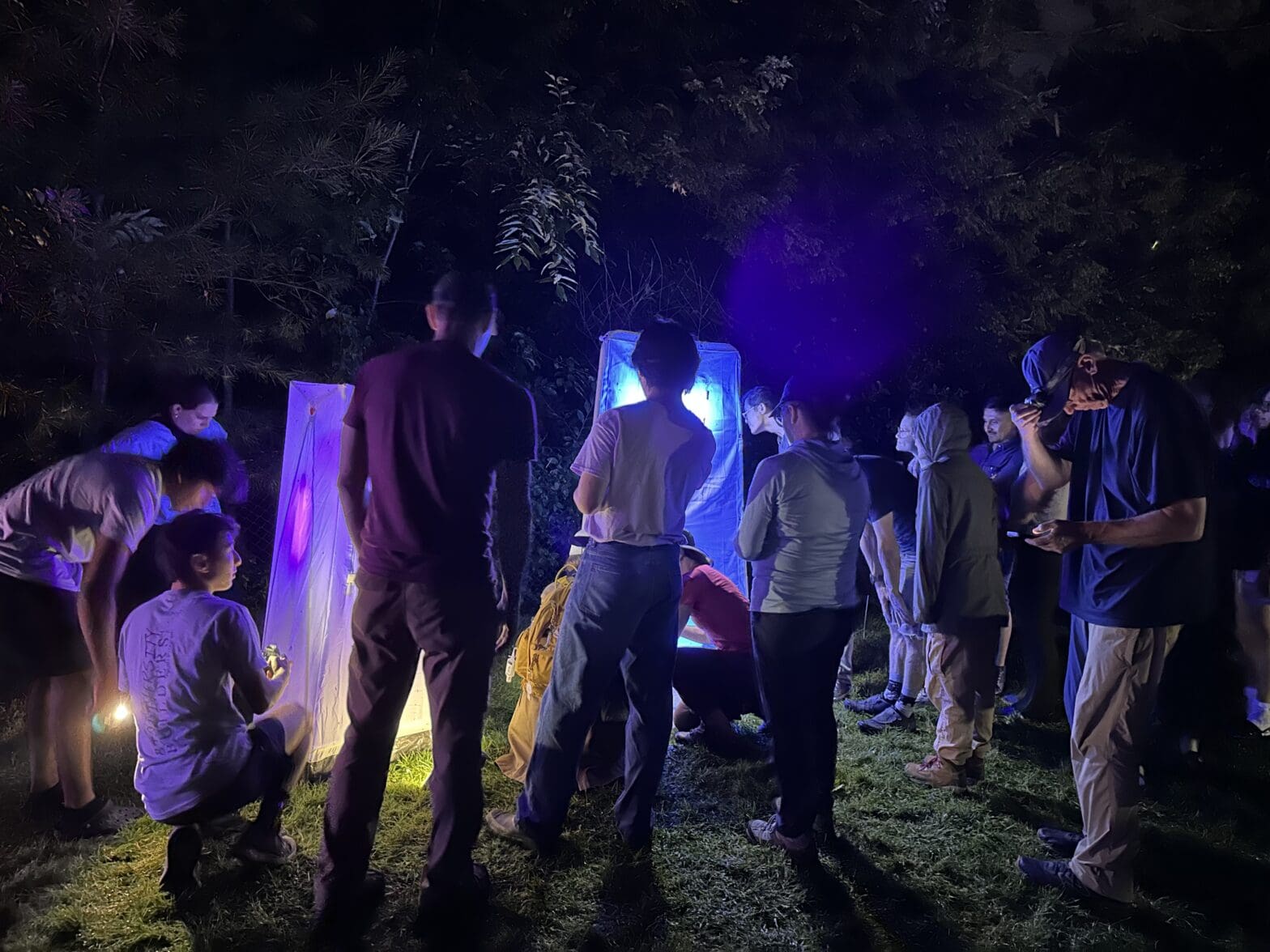
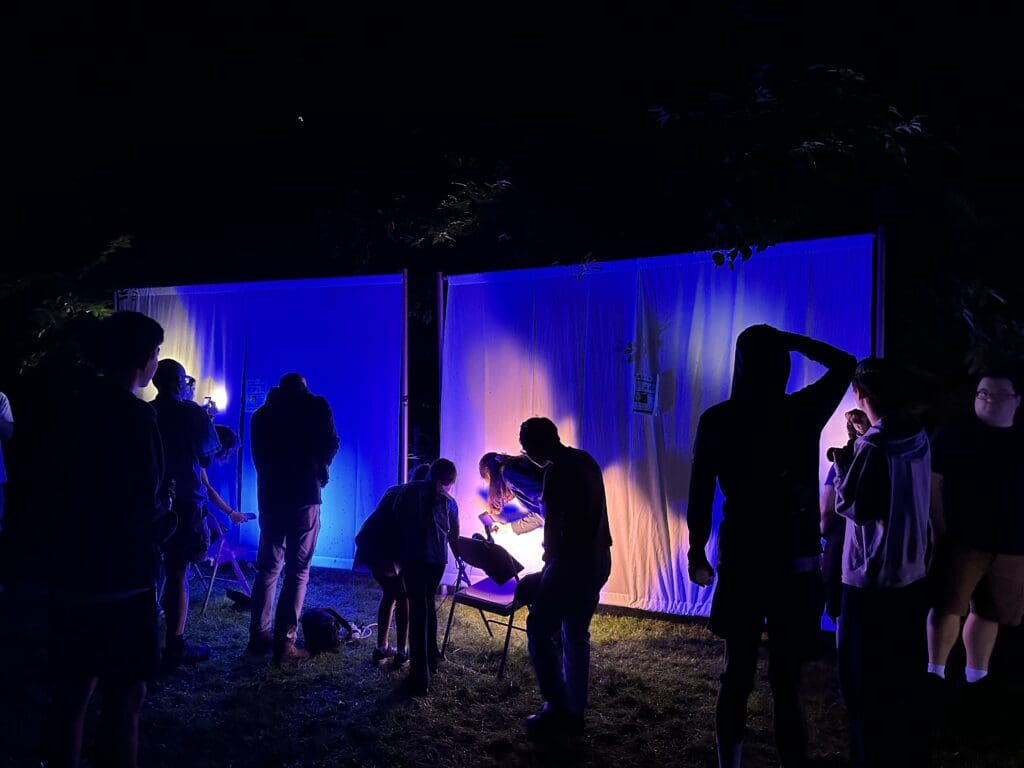
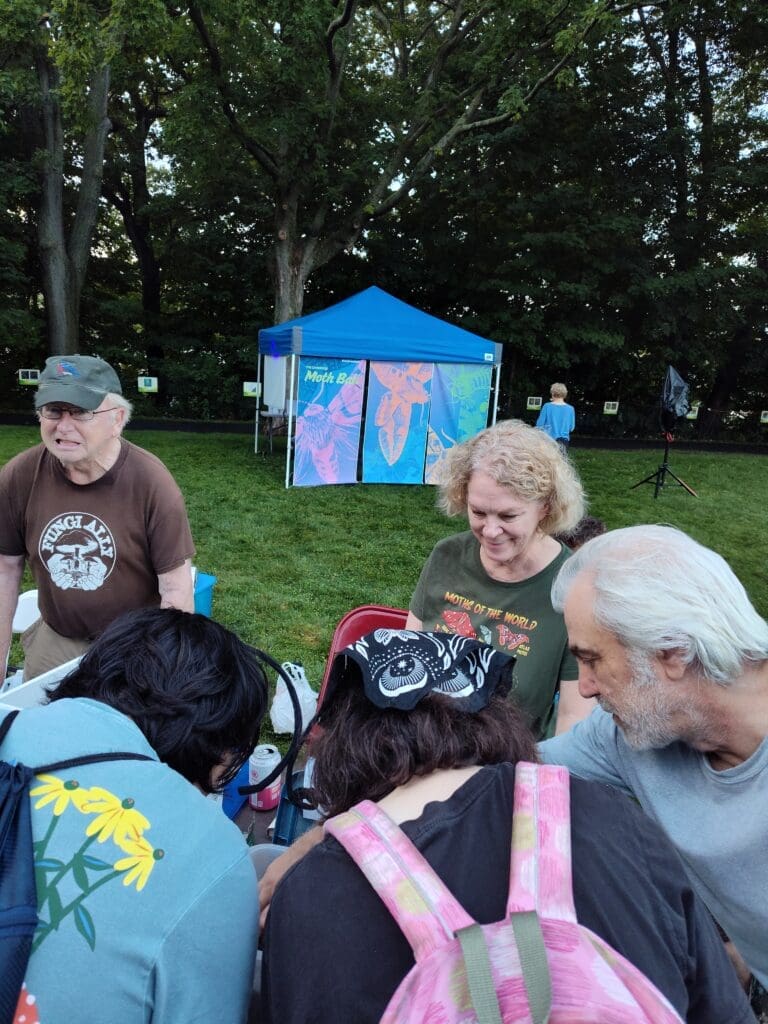
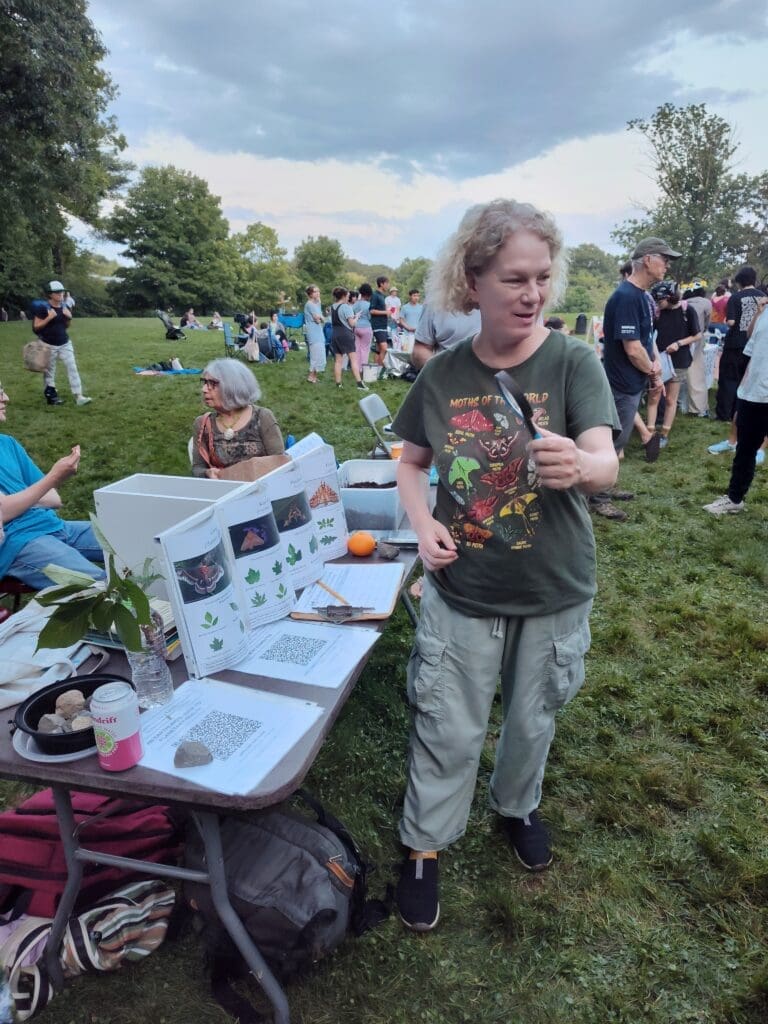
Bio4Climate was delighted to co-host the third annual Cambridge Moth Ball on July 22, 2026, at Kingsley Park, Fresh Pond Reservation, alongside the Boston Birding Festival and ten other local organizations. This free-for- all National Moth Week celebration brought together over 300 attendees in diverse fields of art, storytelling, photography, community science, but with a shared curiosity about the extraordinary living world around us.
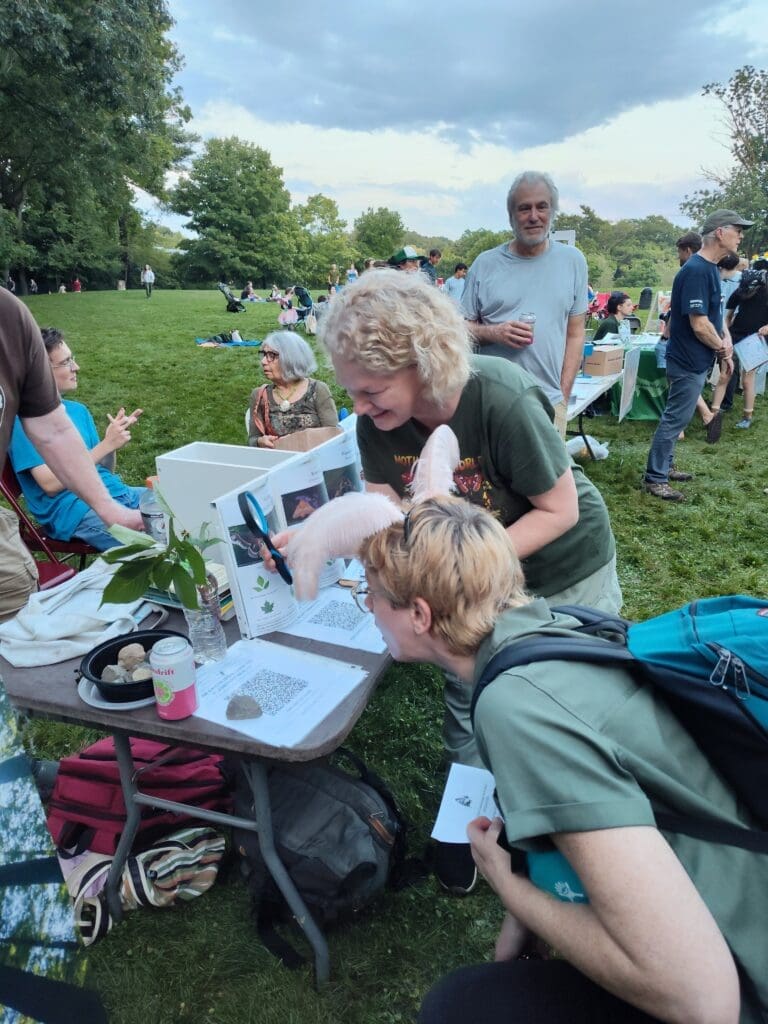
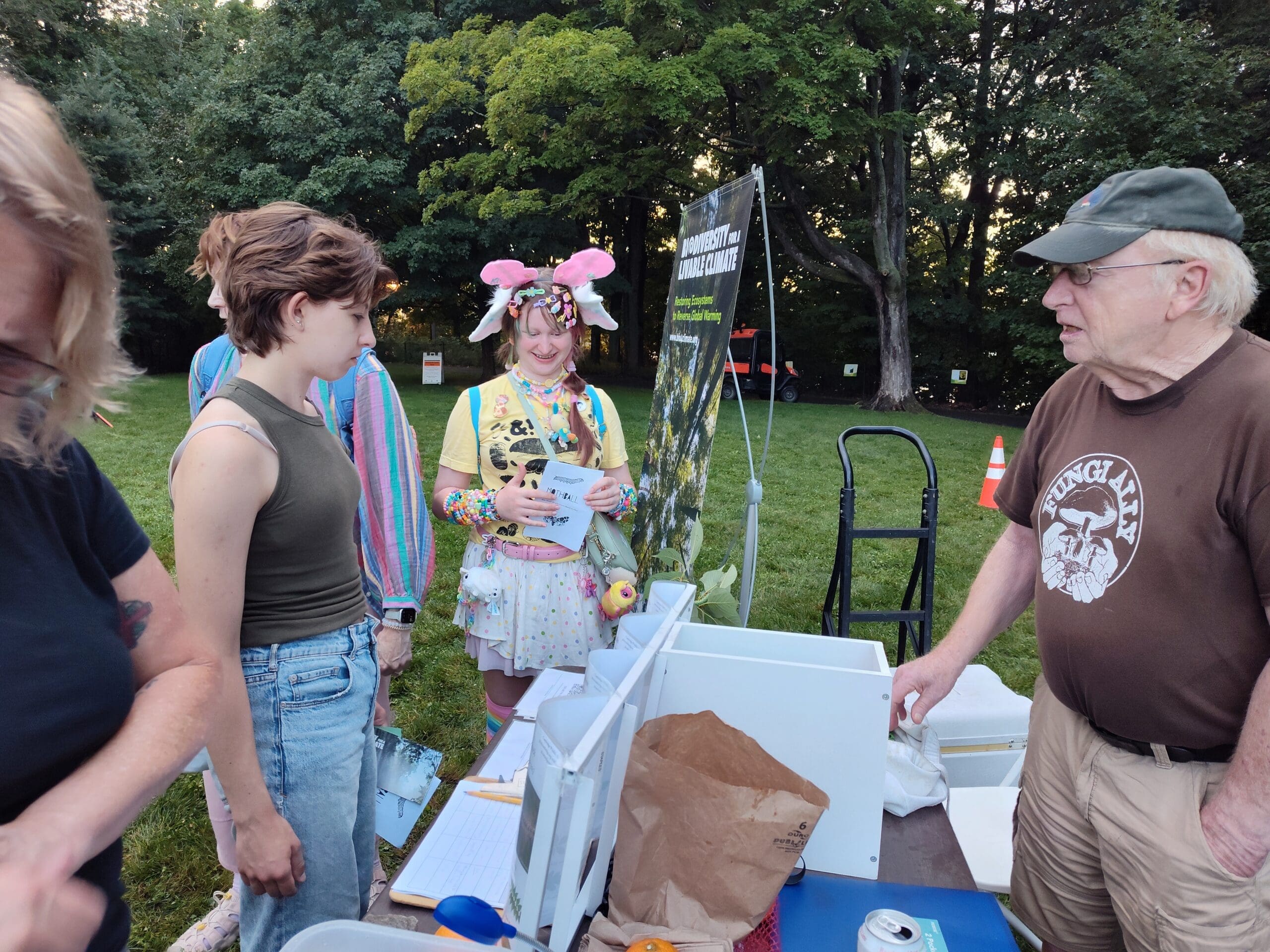
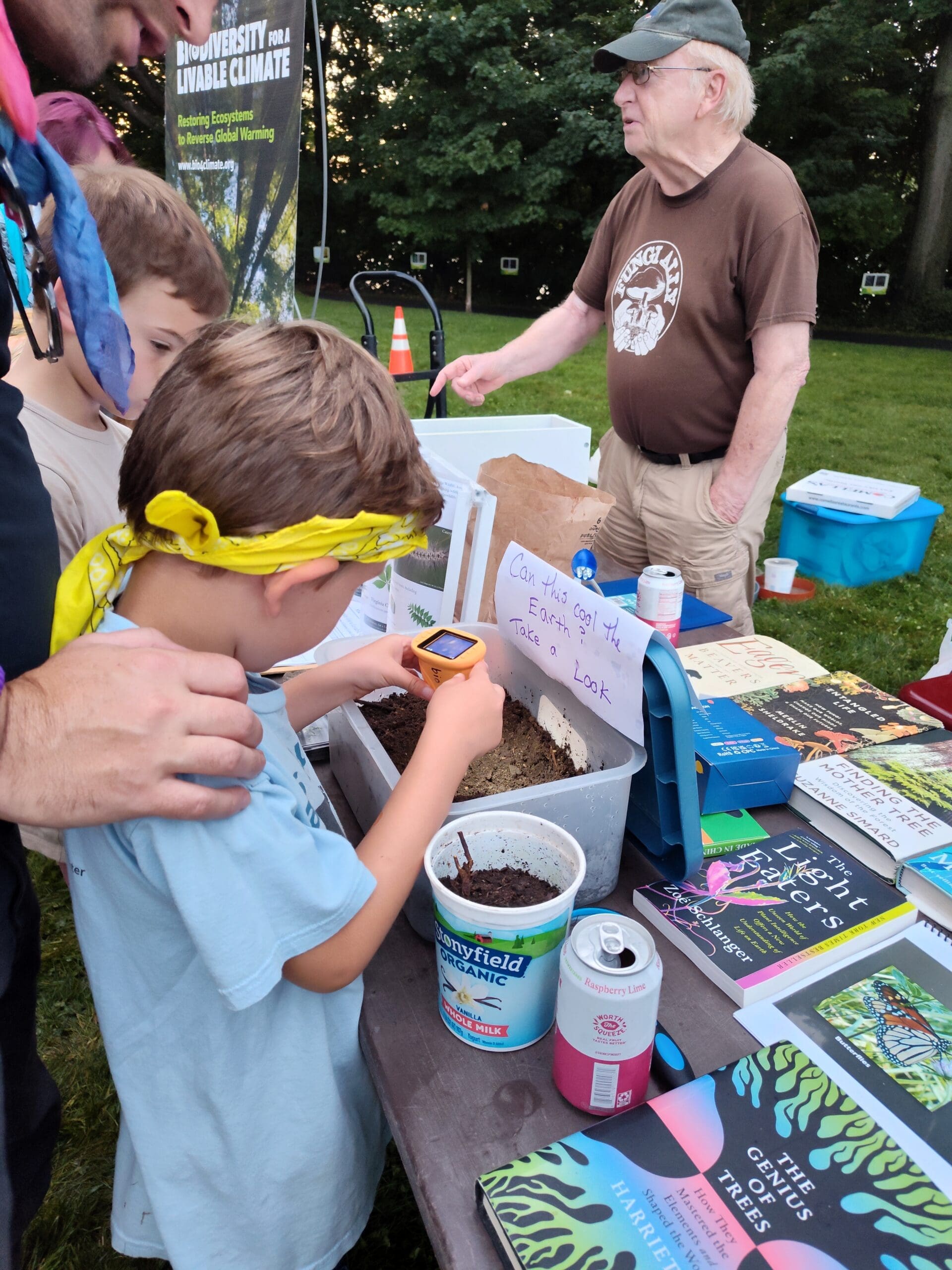
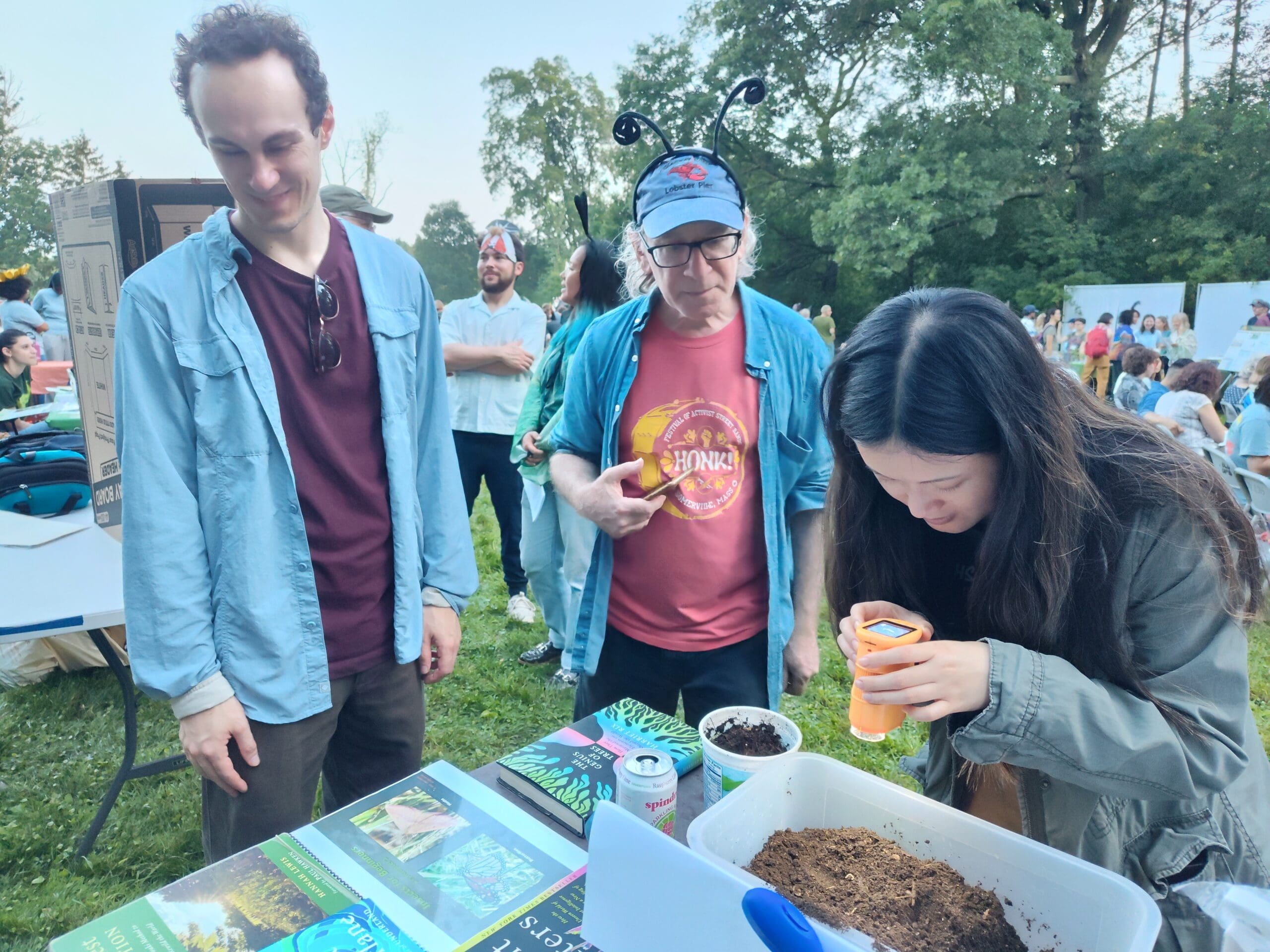
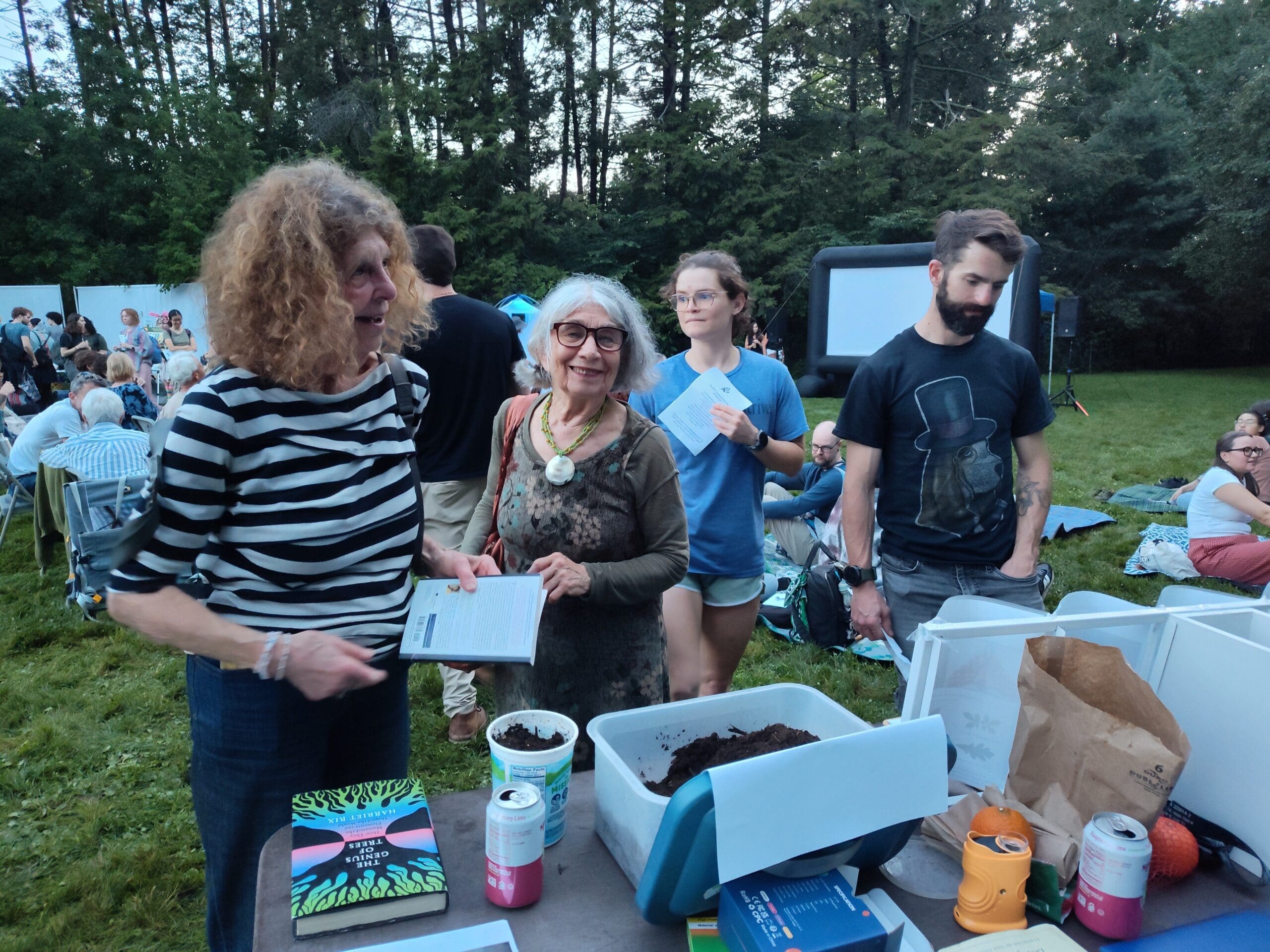
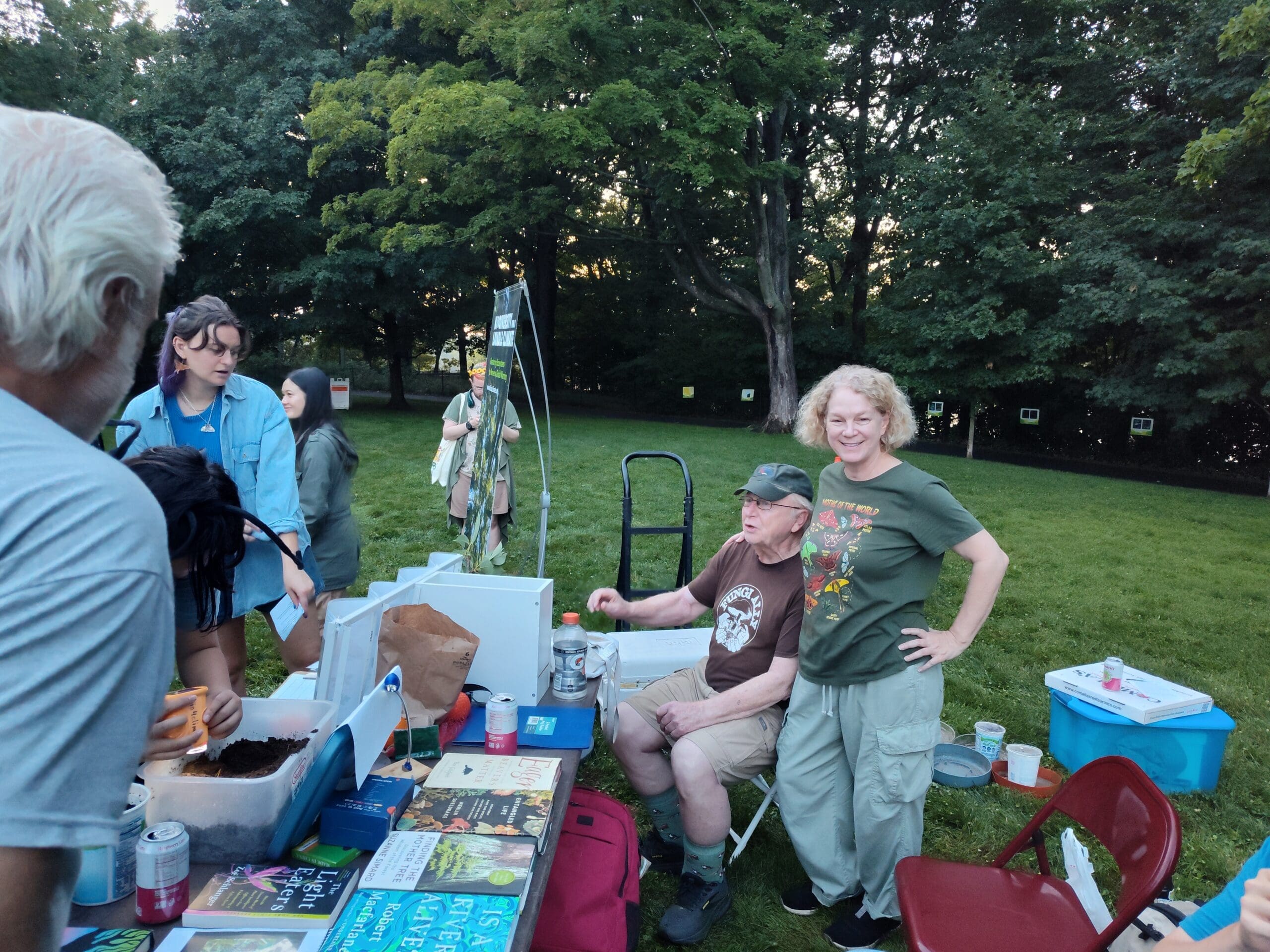
Executive Director Beck Mordini welcomed children, families, naturalists, photographers, and longtime Cambridge residents to Bio4Climate’s lively display. Our living-soil exhibit drew people in to discover the extraordinary life beneath seemingly quiet soil. Children and adults gathered closely around a tub of soil, using magnifiers to search for tiny organisms, roots, organic matter, and evidence of the ecological processes that sustain the more visible life aboveground.
Could this soil help cool the planet? was a question raised by IT Director John Minkle, an avid native-plant gardener, while he helped visitors find the tiny creatures moving through the soil The activity opened conversations about healthy soil, water retention, evapotranspiration, plants, biodiversity, and the ways living landscapes regulate climate.
The evening became a joyful intergenerational celebration of biodiversity and demonstrated how a community gathering can transform into a living classroom. The Cambridge Moth Ball also featured an inspiring group of artists, photographers, scientists, educators, and community naturalists.
Artists and Storytellers
Kona Morris, a storyteller, writer, comedian, and educator, brought the power of narrative, creativity, and humor to the evening.
Painter and birder Judith Robichaud demonstrated how artistic observation can deepen our appreciation for birds, moths, plants, and the habitats they share.
Photography for Conservation
Nature photographer and storyteller Billy Hickey highlighted the ability of photography to help people notice, document, and protect the species living around them.
Photographers interested in creating imaginative moth images and exploring the power of photography to catalyze conservation and habitat restoration were especially encouraged to participate. Beginners were warmly welcomed, with practical advice and cell phone photography techniques making nature photography accessible to everyone.
Science and Community Learning
Scientific perspectives were shared by Dr. Jane Waters of the Department of Biology at Providence College and Dr. Avalon Owens, an entomologist at the Rowland Institute at Harvard University.
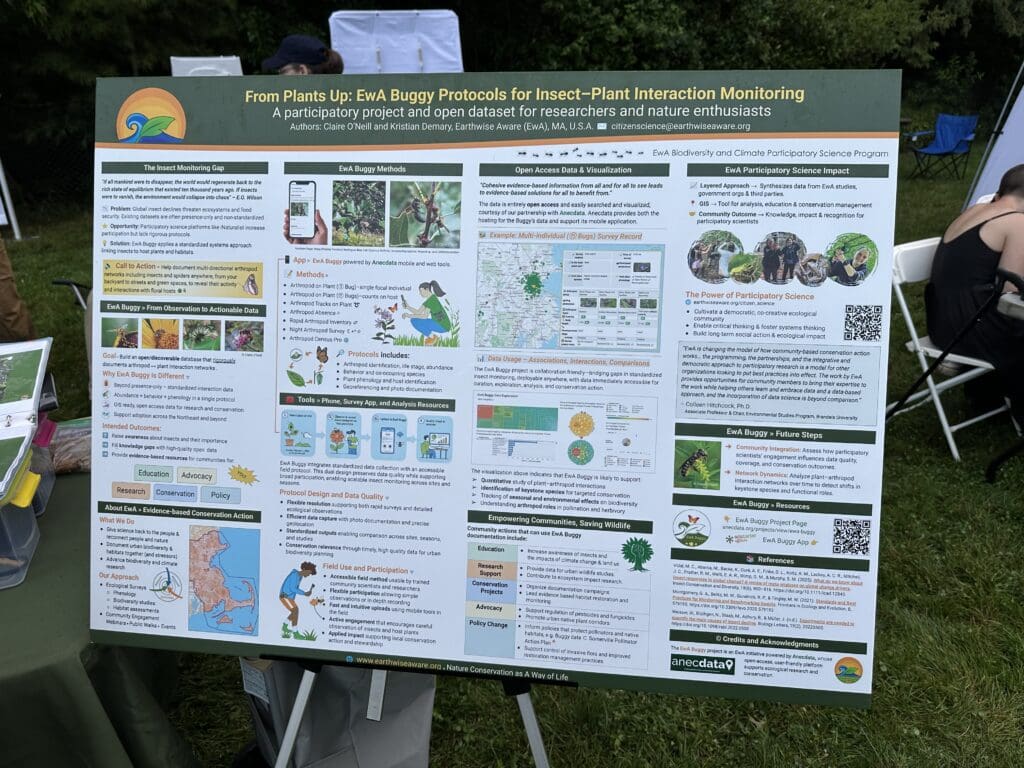
Earthwise Aware also contributed its expertise in community science, ecological ethics, and meaningful public engagement with the natural world.
Futurist and Restoration Ecologist Jim Laurie brought a selection of books from his many Deep Dive courses. The collection sparked conversations about what it means to be a “light eater,” how Cows Save the Planet, and how moths, caterpillars, birds, native plants, soil organisms, and people participate in interconnected food webs.
Photo Credits: Casey Mordini-Bluhm and Beck Mordini
Extra-Special Guests
The evening’s extra-special guests were Alex and Max Khitrik, creators of Max’s Museum of Natural Things. Their participation added another layer of wonder and discovery, reflecting the close observation and curiosity that make community nature events especially meaningful for children and families.
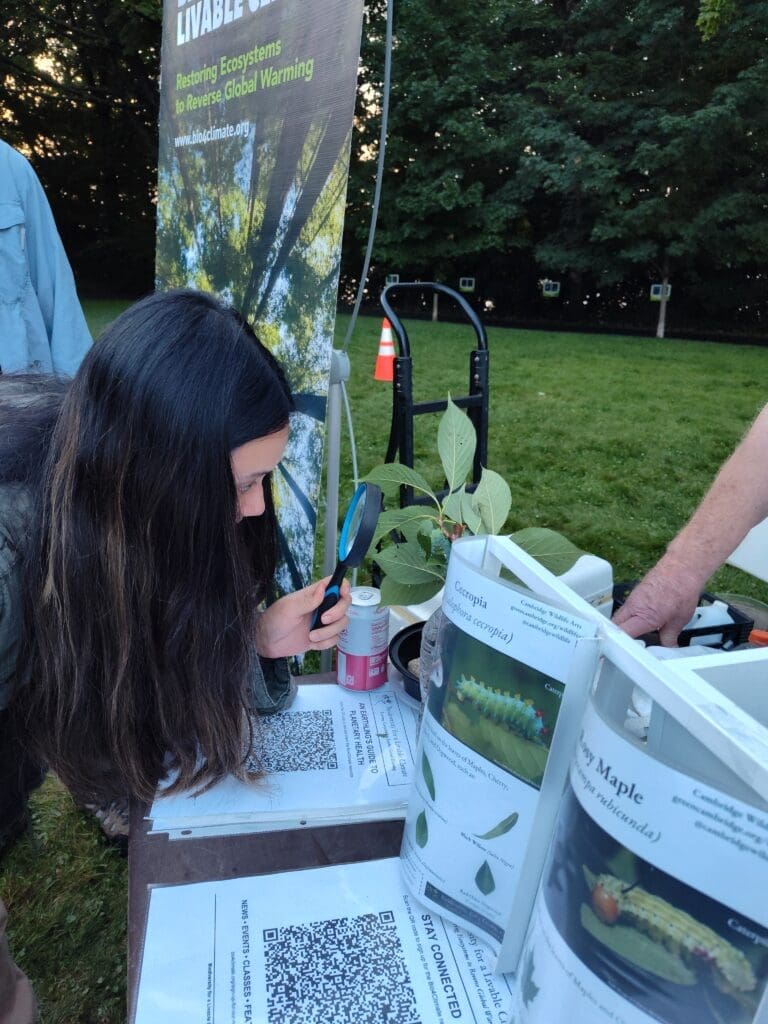
Caterpillars and Jim’s extensive collection of ecological books sparked conversations about moths, pollination, food webs, native plants, habitat, and the connections among all living systems. Alex and Max generously lent us a branch covered with Cecropia caterpillars to complement our display illustrating “what eats what” in the Miyawaki forest. At their own table, visitors could also observe a large terrarium filled with branches and striking, colorful Cecropia caterpillars actively munching on leaves.These displays helped amplify our core message that soil, plants, insects, animals, water, climate, and human communities are not separate systems, but interconnected parts of one living world.
It was a vibrant celebration of moths and of the interconnected living systems that sustain us all.Moths are sometimes overlooked beside more familiar daytime pollinators, yet they are essential contributors to healthy ecosystems. Many moth species serve as nighttime pollinators, while their caterpillars provide critical food for birds and other wildlife. They connect native plants, predators, soil, and habitats across the wider food web.
The overwhelmingly positive response to the Bio4Climate table reminded us that people are eager to understand these relationships. When living soil, caterpillars, books, art, photography, storytelling, and scientific knowledge are brought together, ecological learning becomes tangible, joyful, and personal.
Photo credit : Casey Mordini-Bluhm and Beck Mordini
A special shoutout to Jonas Davulis for generously volunteering his time and energy throughout the event. His help with setup, cleanup, and activities during the evening played an important role in making the Cambridge Moth Ball such a welcoming and successful community celebration. We were also joined by our Retired Associate Director Paula Phipps who graciously provided support to the event.
We left the Cambridge Moth Ball energized by the enthusiasm of the community and grateful to the Boston Birding Festival, participating artists, photographers, scientists, organizations, volunteers, and visitors who made the evening possible.
“It was such a joy to engage with people of all ages searching through our soil sample with a magnifier from our Soil to Sky program, while we talked about how the soil is key to evapotranspiration and cooling the planet” Beck Mordini,
The Mothball Project
At the Fresh Pond reservation area moth enthusiasts and experts have recorded 142 species of moth during 615 observations. This has been recorded in the iNaturalist as the The Mothball Project. All local Moth lovers are encouraged to visit the area and record their observations.
Poulomi Chakravarty, PhD is an environmental scientist, educator, and science communicator with expertise in micrometeorology, ecology, biodiversity, phytoremediation, climate extremes, remote sensing, and climate education. She serves as Scientific Advisor, India Program Director, and Education Lead at Biodiversity for a Livable Climate, where her work advances climate literacy, environmental education, ecosystem restoration, and nature-based climate solutions. Her work also focuses on integrating natural systems, Indigenous Knowledge, and AI-enabled approaches for climate resilience. As a facilitator of climate action programs, she designs curricula and leads community-based initiatives that help diverse learners engage with climate science, biodiversity, soil, water, and sustainability. Beyond her professional work, she is passionate about environmental protection, animal rescue, painting, music, and life as a devoted dog mom.
The balance between land and water is one of the foundational regulators of life on Earth. Ecosystems, agriculture, forests, cities, and human societies all depend on relatively stable exchanges between precipitation, soil moisture, groundwater recharge, evaporation, and atmospheric circulation. Yet scientists are increasingly finding that this balance is becoming unstable in ways that traditional climate metrics alone do not fully capture.
A major new study published in Nature suggests that one of the defining climate paradoxes of the 21st century may already be underway: many regions are receiving more rainfall overall, while simultaneously experiencing declining terrestrial water storage and progressively drier landscapes.
The findings emerge from a combination of satellite observations, hydrological analysis, and terrestrial water storage (TWS) studies. TWS refers to the total amount of water stored across land systems, including groundwater, soil moisture, wetlands, snowpack, rivers, and vegetation water content. Scientists monitor these changes using Earth observation systems such as NASA’s GRACE and GRACE-FO satellite missions, which detect tiny shifts in Earth’s gravitational field caused by changes in water mass distribution.
What the researchers found is deeply concerning. Even in regions where precipitation totals are increasing, landscapes are often losing their ability to retain water over time.
The reason lies partly in the changing character of rainfall itself.
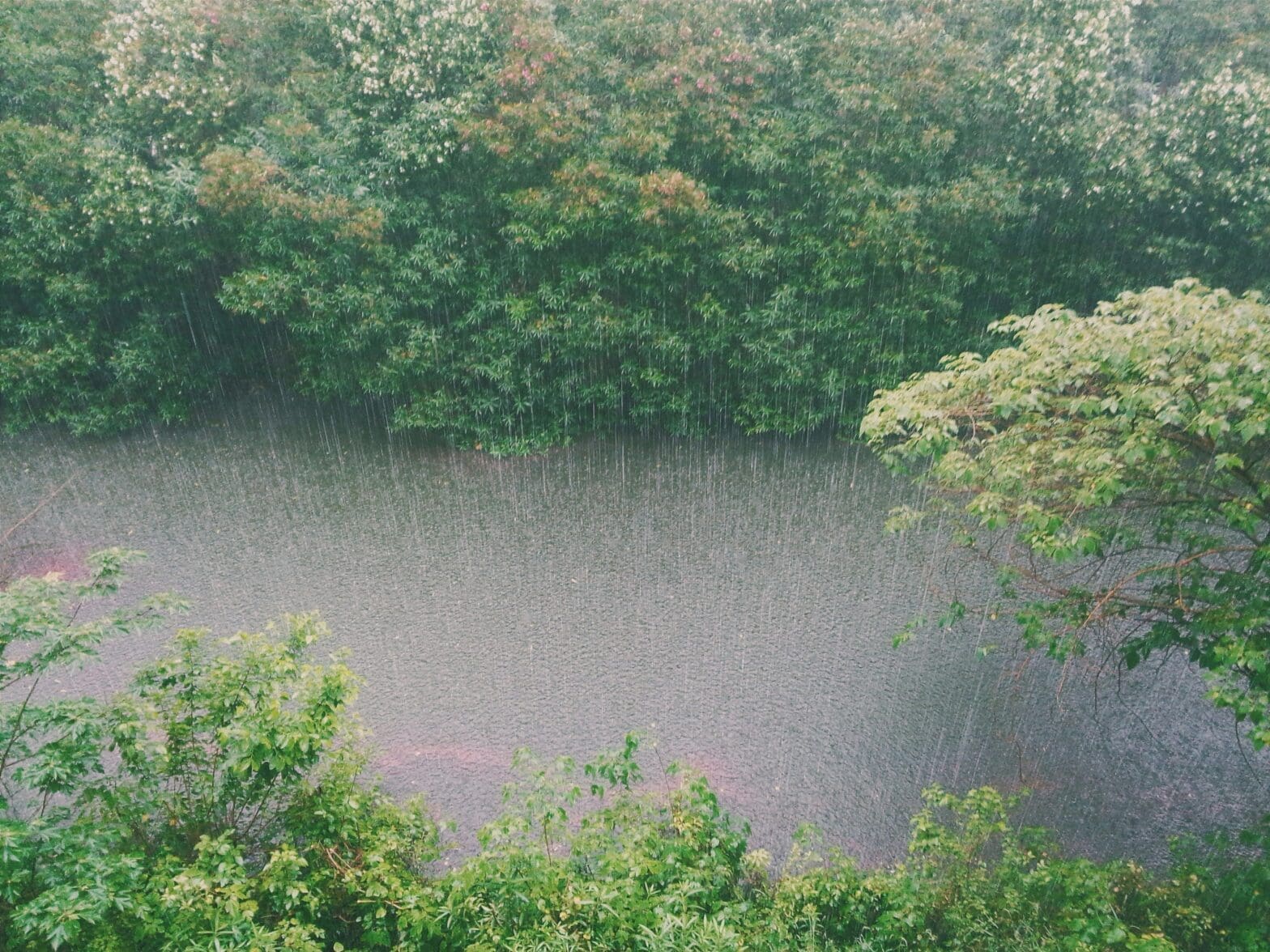
Rather than arriving as slower, moderate precipitation events that infiltrate soils and recharge ecosystems, rainfall is increasingly occurring in short-duration, high-intensity bursts. These extreme precipitation events generate rapid surface runoff instead of long-term hydrological storage. Water moves quickly across hardened or degraded landscapes, increasing flash flooding, erosion, sediment transport, and infrastructure damage while contributing relatively little to groundwater recharge.
At the same time, rising temperatures intensify evaporation and atmospheric moisture demand. Warmer air can hold significantly more water vapor, increasing what climate scientists describe as hydroclimate intensification. This creates stronger oscillations between wet and dry extremes — heavier storms followed by prolonged drying intervals.
An additional factor is the changing energy balance at Earth’s surface, particularly involving shortwave radiation. Reduced cloud persistence between storms, declining soil moisture, and land degradation can increase the amount of incoming solar shortwave radiation absorbed at the surface. Dry soils convert more solar energy into sensible heat rather than latent heat used for evapotranspiration. In practical terms, this means landscapes heat up faster and more intensely during dry intervals, amplifying heat waves and accelerating soil desiccation.
This feedback loop is becoming increasingly visible across US and many other parts of the world.
The study also highlights evidence from the United States showing how changing rainfall timing can dry landscapes even when total water input remains similar. Experimental treatments in a U.S. grassland ecosystem found that more concentrated watering events reduced soil moisture over time, while another study showed that increasing day-to-day rainfall variability affected satellite vegetation indices across 42% of vegetated lands.
In recent weeks, India has experienced simultaneous extremes of severe heat and intense storm activity. In the state of Uttar Pradesh saw devastating thunderstorms, lightning, hail, and dust storms that killed more than 111 people across multiple districts on May 13 as reported in a article by Mongabay. At nearly the same time, large parts of northwest and central India entered severe heatwave conditions, with temperatures exceeding 115°C in parts of Maharashtra and Uttar Pradesh.
This pattern — intense heat interrupted by short-lived but destructive rainfall events — reflects exactly the type of hydroclimatic volatility discussed in the Nature study.
Southern India has also experienced increasingly erratic rainfall behavior. Bengaluru, for example, has repeatedly faced episodes of urban flooding linked to short-duration extreme rainfall overwhelming drainage systems, even while broader seasonal water stress remains a persistent concern. Similar patterns have emerged globally, from flash floods in the Himalayas and Pakistan to atmospheric river events in North America and severe flood-drought oscillations across parts of Africa and Europe.
The broader scientific implication is that climate change is not simply shifting average temperature or precipitation values. It is reorganizing the temporal dynamics of the water cycle itself.
Historically, many ecosystems evolved around relatively predictable hydrological rhythms. Forests, wetlands, floodplains, and biodiverse soils acted as stabilizing infrastructure — slowing runoff, increasing infiltration, regulating evapotranspiration, and buffering climatic variability. But when precipitation becomes more concentrated and landscapes become degraded, these buffering capacities weaken.
This is why terrestrial water storage is becoming such an important metric in climate science. TWS provides insight not just into how much rain falls, but whether ecosystems are capable of storing and circulating water over long timescales.
The findings also reinforce growing interest in ecohydrology and land-atmosphere feedback systems. Vegetation influences cloud formation, forests recycle atmospheric moisture, wetlands moderate temperature extremes, and soil microbial systems regulate infiltration and carbon cycling. Healthy ecosystems are not passive recipients of climate — they actively participate in regulating it.
In this context, ecological restoration becomes more than conservation policy. Reforestation, regenerative agriculture, wetland restoration, urban biodiversity systems, and watershed restoration may function as forms of climate adaptation by rebuilding hydrological resilience directly into landscapes.
The emerging challenge of the 21st century may therefore not only be atmospheric warming itself, but the destabilization of the planetary water cycle that warming initiates.
Note:Interested in how restoring water cycles and rehydrating landscapes can help reduce floods, droughts, wildfire risk, and extreme heat?
Join Bio4Climate’s Thinking Like Water: Film Club & Live Conversation Seriesrunning June 9 – July 14, 2026, a five-part documentary and discussion series exploring practical, nature-based approaches to watershed and landscape restoration with filmmakers, restoration practitioners, and permaculture experts from across the world.
Poulomi Chakravarty, PhD is an environmental scientist, educator, and science communicator with expertise in micrometeorology, ecology, biodiversity, phytoremediation, climate extremes, remote sensing, and climate education. She serves as Scientific Advisor, India Program Director, and Education Lead at Biodiversity for a Livable Climate, where her work advances climate literacy, environmental education, ecosystem restoration, and nature-based climate solutions. Her work also focuses on integrating natural systems, Indigenous Knowledge, and AI-enabled approaches for climate resilience. As a facilitator of climate action programs, she designs curricula and leads community-based initiatives that help diverse learners engage with climate science, biodiversity, soil, water, and sustainability. Beyond her professional work, she is passionate about environmental protection, animal rescue, painting, music, and life as a devoted dog mom.
From Soil to Sky: Bio4Climate Launches Its First-Ever Education Program in Hyderabad, India during Earth Month
In April 2026, Bio4Climate marked a significant milestone—its first-ever educational event in Hyderabad, India, introducing the Soil to Sky biodiversity curriculum to a new global context.
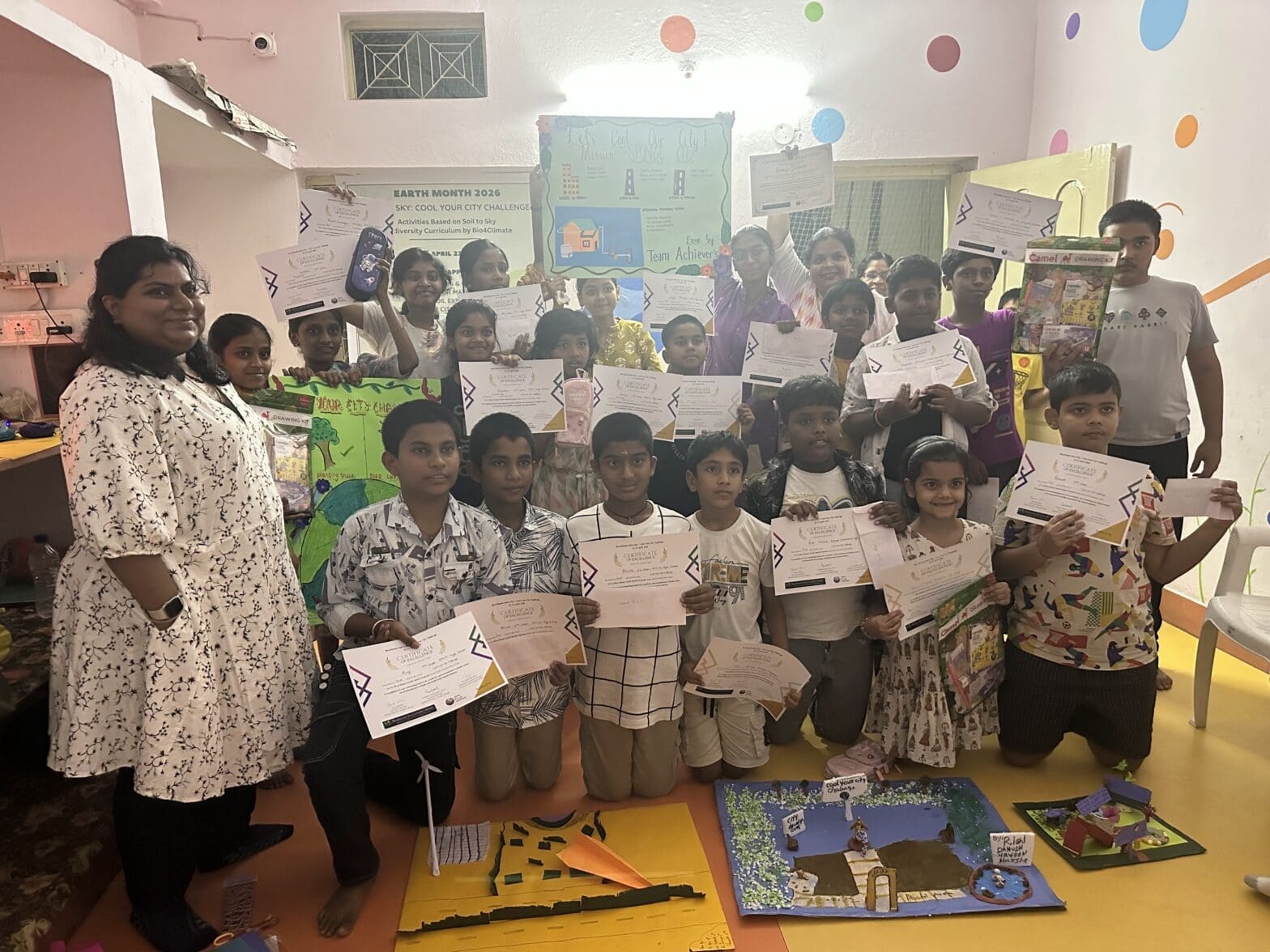
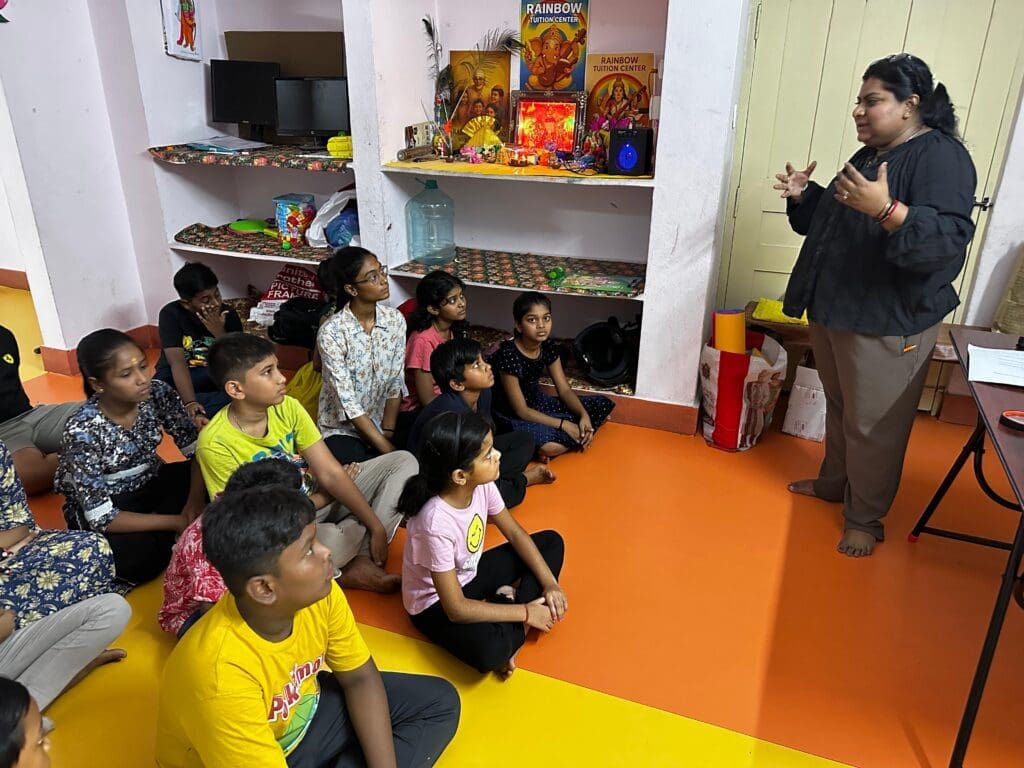
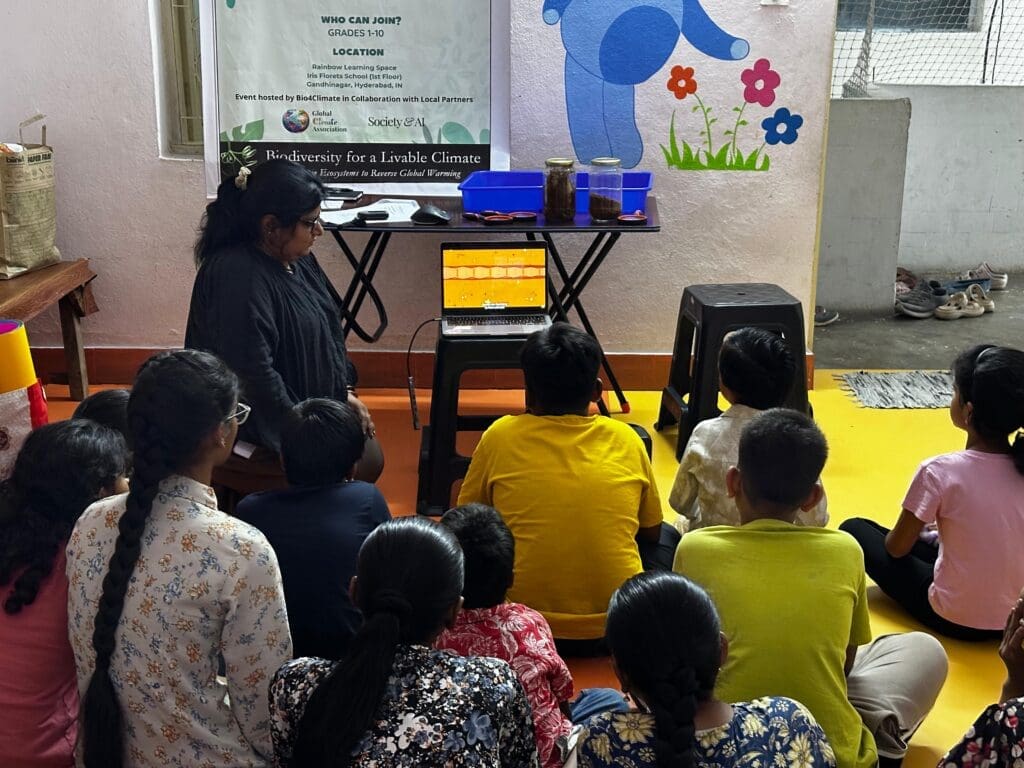
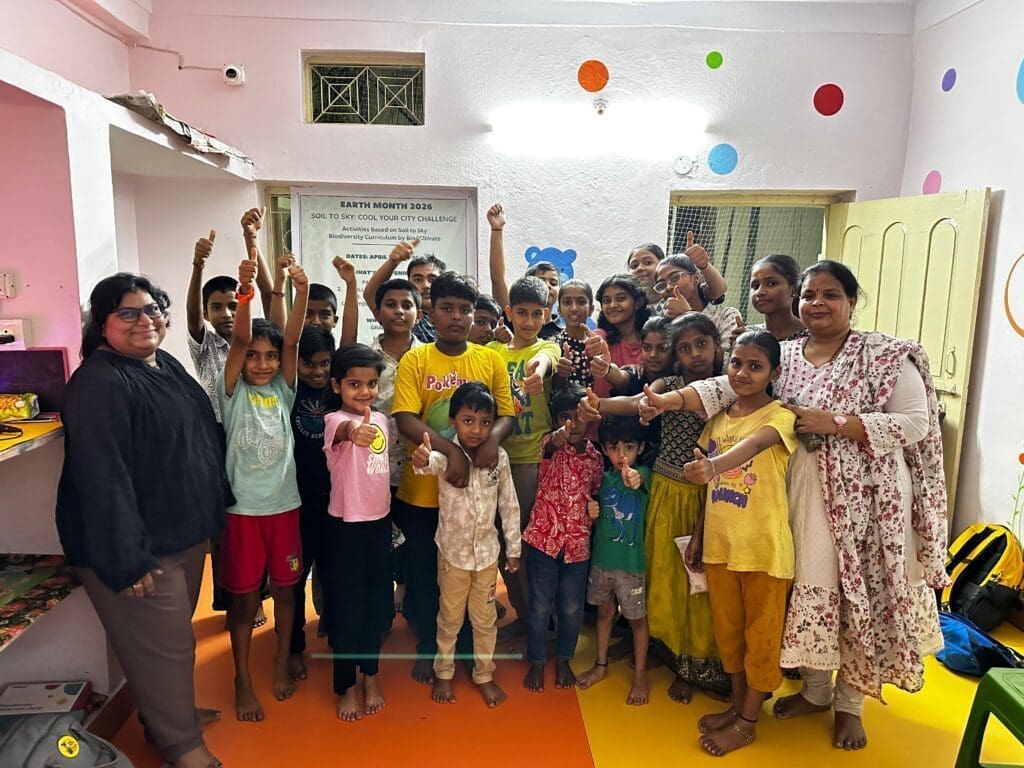
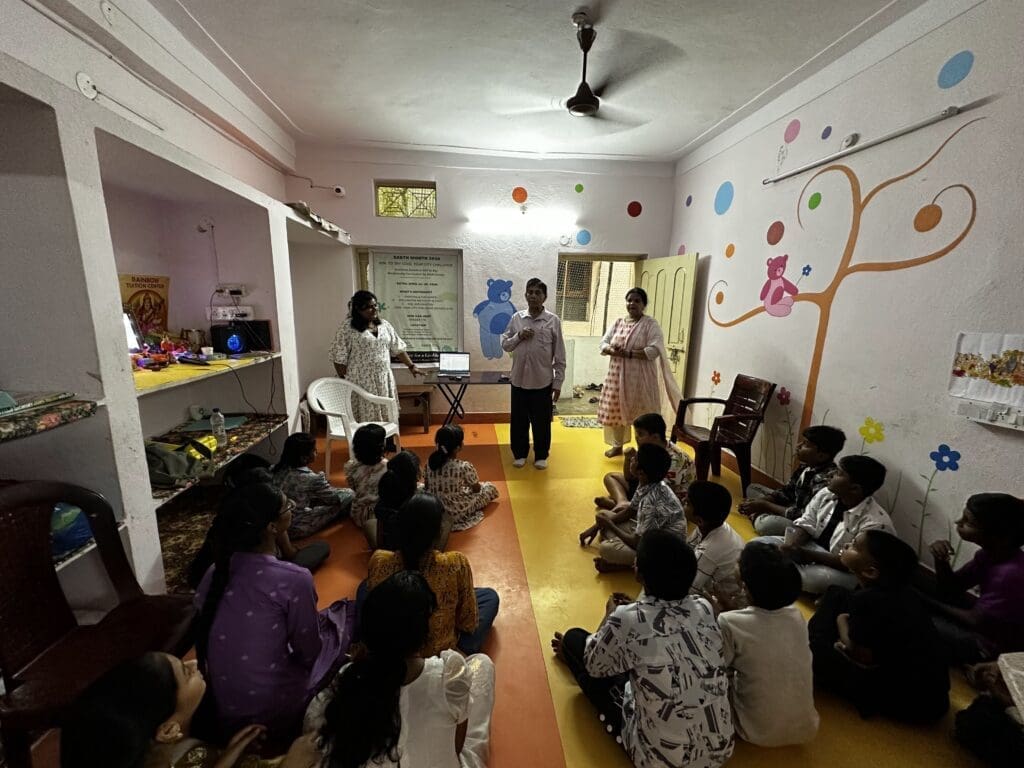
Held as part of Earth Month 2026, the three-day event titled “Soil to Sky: Cool Your City Challenge” took place from April 22–24 at the Rainbow Learning Space, an after-school program at Iris Florets School, Hyderabad, India. The program was locally hosted and by Varanya Sankarsri, a High School Science Educator, creating a bridge between global ecological knowledge and community-centered learning.
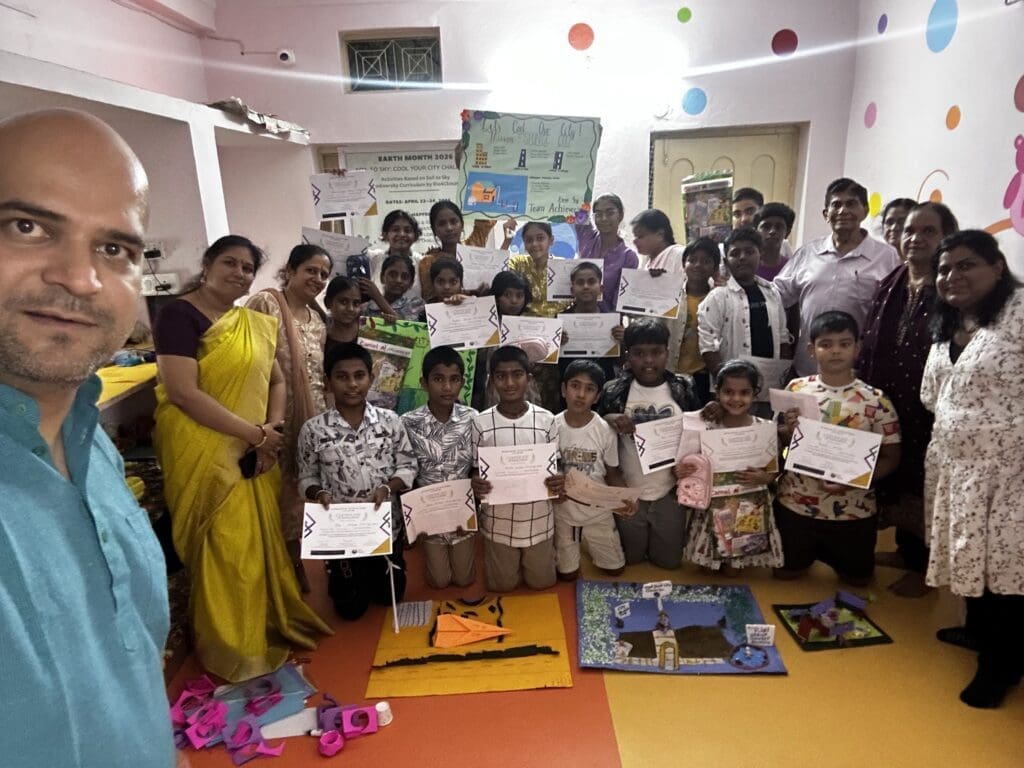
The event brought together more than 35 student participants (Grades 1–10), alongside 7 community elders and educators, who joined on the final day—transforming the space into a multi-generational learning environment grounded in dialogue, exploration, and shared inquiry.
The Soil to Sky Curriculum: A Layered Learning Model
All activities were adapted from the Soil to Sky Biodiversity Curriculum, developed by the Bio4Climate education team:
Beck Mordini, JD – Executive Director
Poulomi Chakravarty, PhD – Curriculum Designer and Facilitator
Paul Barringer – Cambridge Program Lead Facilitator
Jerald Katch, PhD – Director of Education
The curriculum is designed to integrate ecological systems vertically—from soil microbiomes to atmospheric processes—while also layering learning experiences horizontally across creativity, science, and real-world application.
This Hyderabad event represented the first international implementation of this curriculum in a community-based after-school setting.
A Collaborative Effort Rooted in Science and Education
This initiative was hosted by Bio4Climate in partnership with the Global Climate Association and Society & AI, reflecting a growing model of cross-institutional collaboration for climate education. The event was facilitated by Poulomi Chakravarty, PhD – Research Scientist, Bio4Climate; Founder, Global Climate Association and Sai Gattupalli, PhD – Principal Scientist, Society & AI.Their facilitation synthesized ecological science, systems thinking, and adaptive pedagogy, enabling learners to move fluidly between observation, experimentation, and design. Development of the Soil to Sky Curriculum was funded in part by the Sacred Heart Charitable Fund in 2025.
Day 1: Soil Exploration — Seeing the Hidden Living System
The program began at the foundation—soil as a living ecosystem.
Activity Design
Students worked with two contrasting soil samples, both collected locally:
Dry Surface Red Soil (Roadside Sample)
Texture: coarse, loose
Composition: pebbles, sand particles
Observation: no visible organic matter
Moist Red Soil (Dug ~10 inches below ground, Garden Sample)
Texture: dense, moist, cohesive
Composition: rich in organic matter
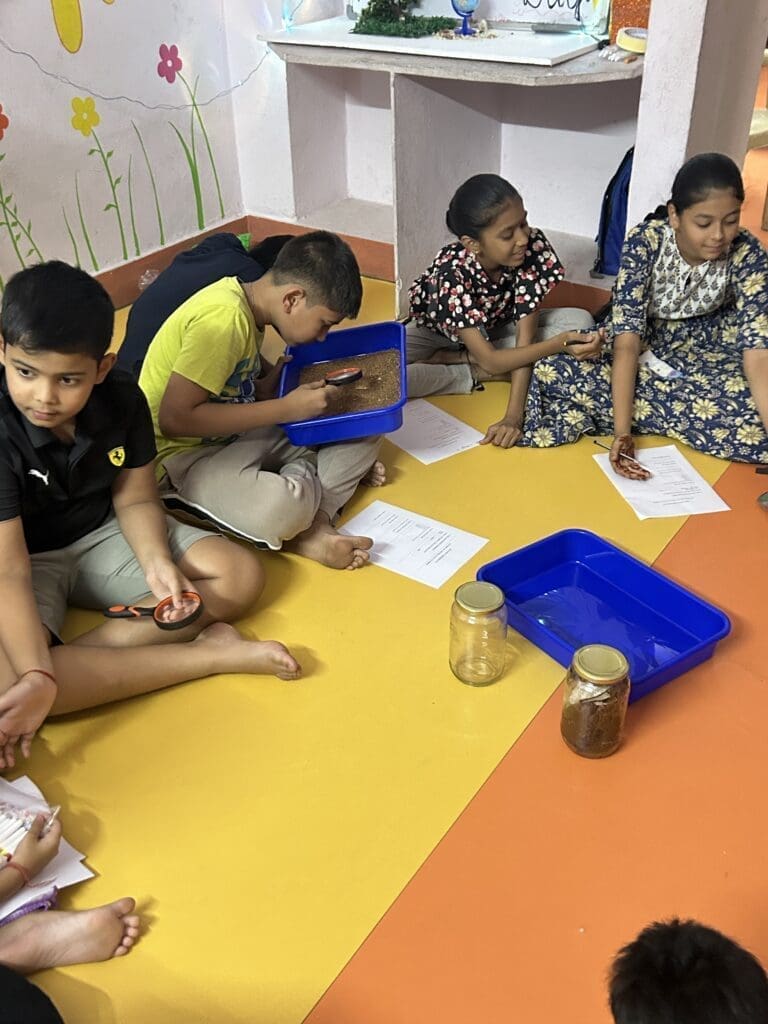
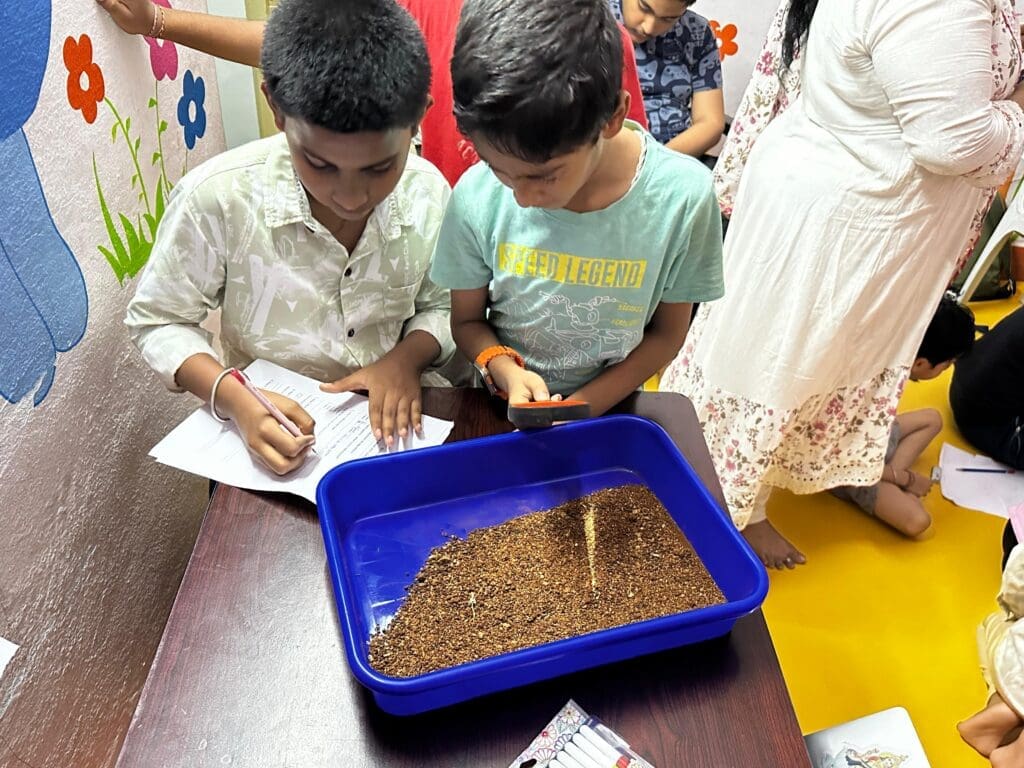
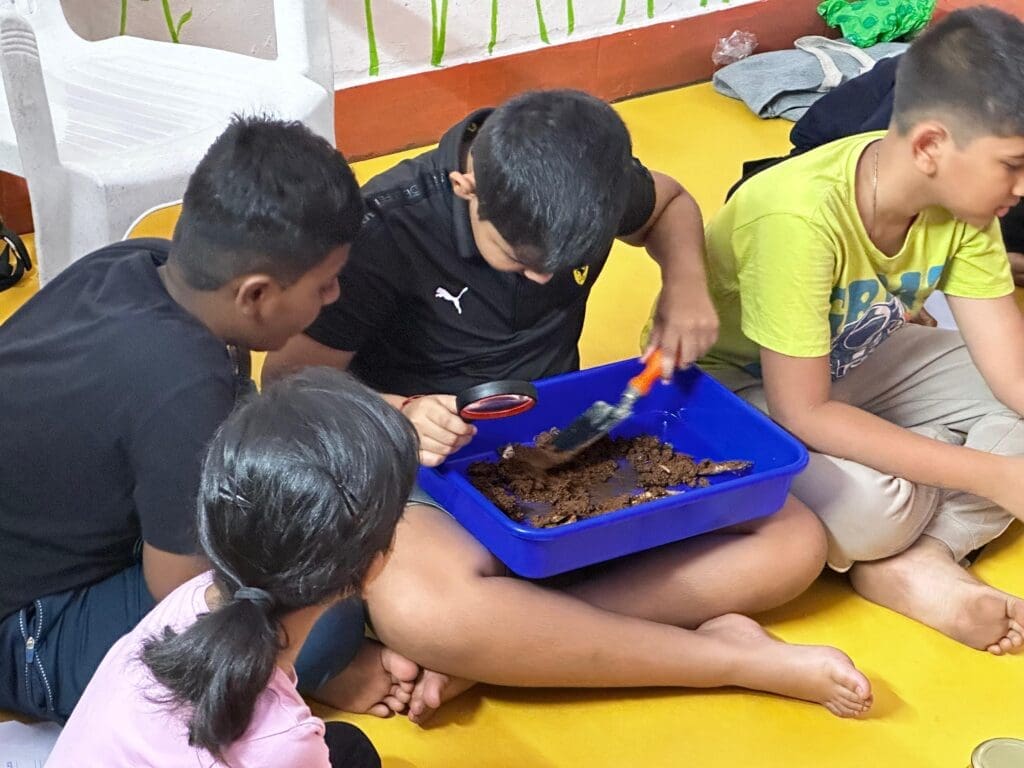
Using magnifying glasses, students conducted close observations of the moist soil sample. They identified:
Fine roots threading through the soil
Fungal networks (mycelial strands)
Decayed fruit fragments, feathers
Leaves with white fungal growth
Small shell remnants embedded in the soil
In contrast, the dry roadside soil revealed:
Pebbles and sand
Fragmented mineral particles
Absence of visible biological activity
Learning Outcome
This side-by-side comparison enabled students to distill a critical ecological insight by reframing their idea of soil :
Soil is not just dirt —it is a living system shaped by moisture, organic matter, and biological activity.
Day 1 Picture Gallery and Description
Students leaned in closely, holding magnifying glasses, pointing out discoveries with excitement. The moment of recognition was tangible—especially when comparing the “lifeless” dry soil with the biologically rich garden soil.
The activity reframed soil from background to protagonist—a foundational system that supports plants, regulates water, and ultimately influences climate.
Day 2: Pollinators and Local Biodiversity — Connecting Systems
Day 2 shifted from soil to above-ground ecological relationships, focusing on pollinators and plants.
Activity Design
Pollinator Match-Up Game (Localized to Hyderabad & Telangana)
The activity was customized to reflect regional biodiversity, introducing students to:
Local pollinators (bees, butterflies, insects)
Native or familiar plant species
Real-world ecological pairings
Students worked to match pollinators with the plants they support, learning how pollination sustains ecosystems and food systems.
Ecosystems function through interdependence, not isolation”
Differentiated Learning by Age Group
Grades 5–9
Participated in the Pollinator Match-Up Game
Received an introduction to the “Cool Your City Challenge”
Discussed urban heat
Explored how trees, soil, and biodiversity can cool cities
Began thinking about solutions for their own environments
Grades 1–4
Engaged in the Pollinator Match-Up Game through simplified interaction
Created Earth Day-themed paintings, expressing:
Nature and animals
Clean environments
Green cities and ecosystems
Learning Outcome
Students began to integrate ecological relationships across layers:
Soil supports plants
Plants support pollinators
Pollinators sustain ecosystems
For older students, this expanded into an early understanding of:
How biodiversity can directly influence urban climate systems, including heat and livability.
Day 2: Picture Gallery and Description
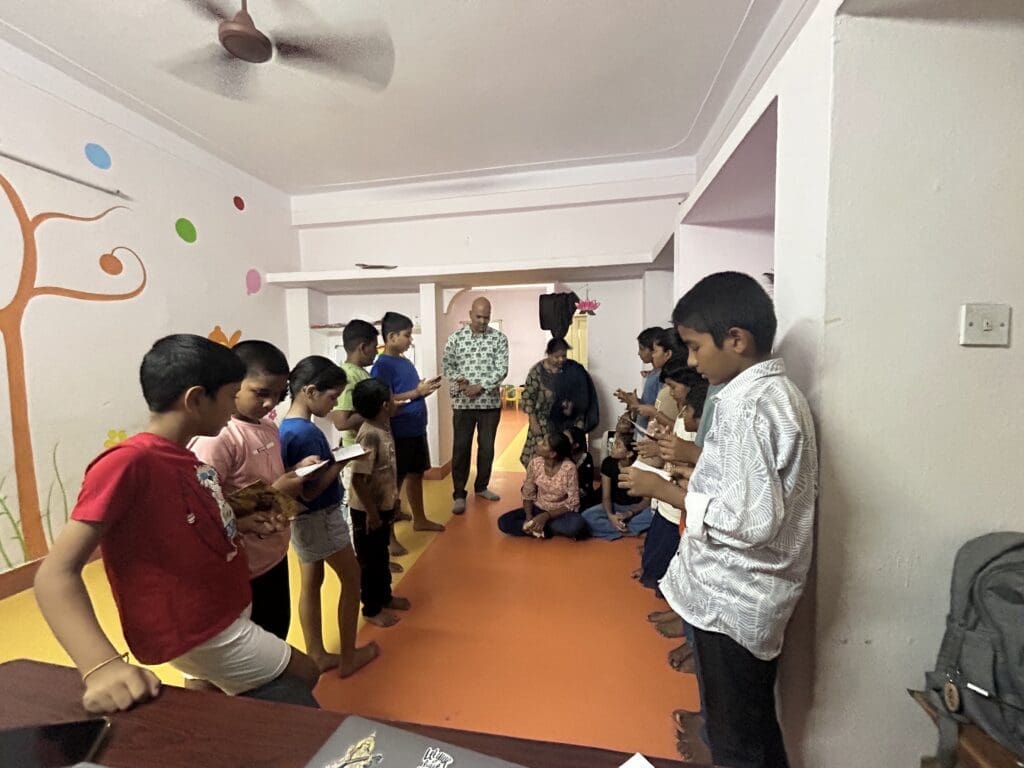
The space became highly interactive—students moving between matching activities, discussions, and creative expression.
Younger students painted vibrant scenes of Earth and nature
Older students engaged in more analytical conversations about cities and climate
Moments of realization emerged as students connected pollinators to food, plants, and daily life
This day effectively bridged observation and systems thinking, preparing students for applied design work on Day 3.
Transition to Day 3
By the end of Day 2, a clear conceptual arc had formed:
Day 1: Soil as a living foundation
Day 2: Plants and pollinators as interconnected systems
This set the stage for Day 3, where students would transform understanding into action through the Cool Your City Challenge.
Key Learning Shift
Students began to integrate systems thinking:
Soil supports plants
Plants support pollinators
Pollinators sustain ecosystems
This layered understanding prepared them for application.
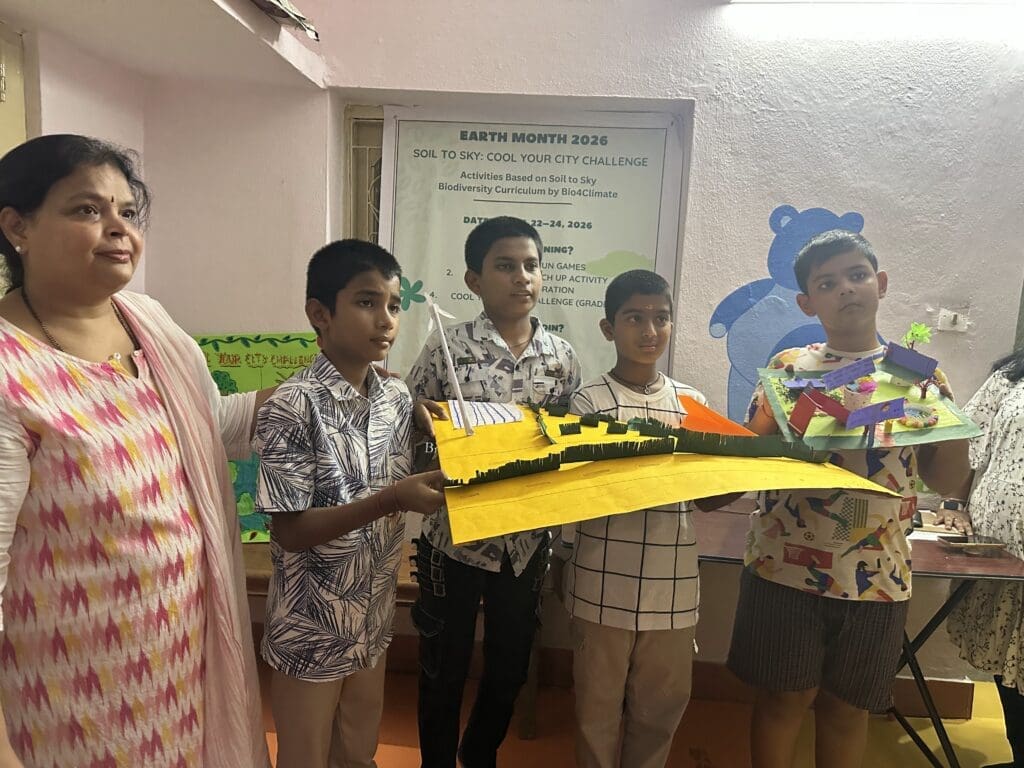
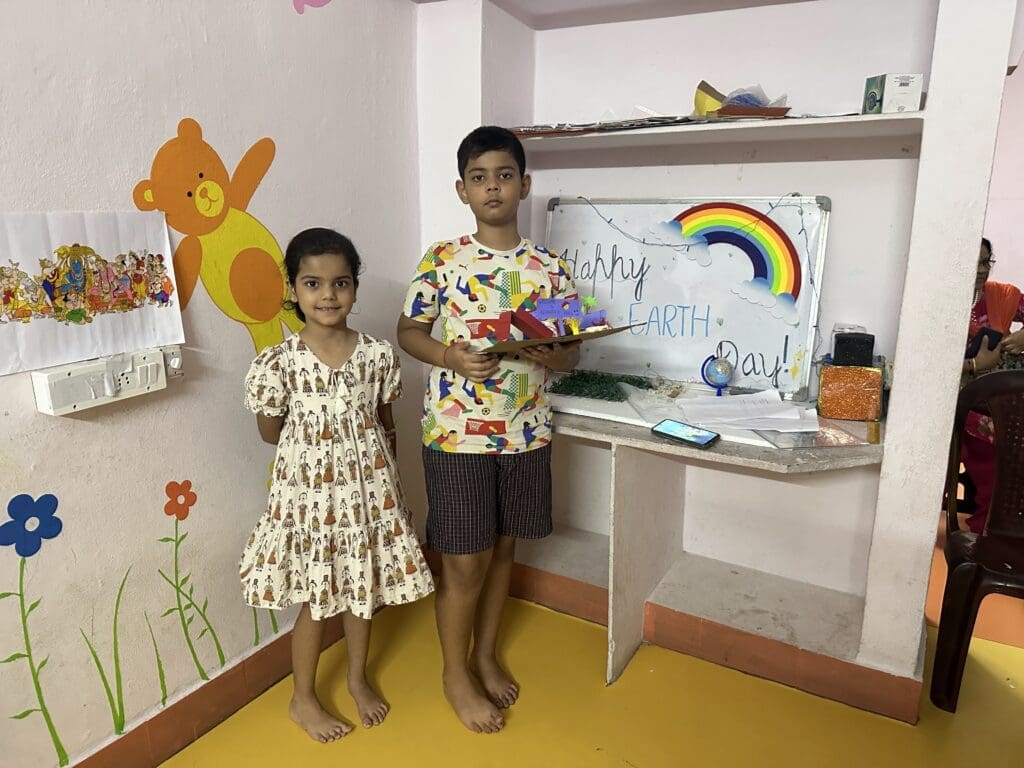
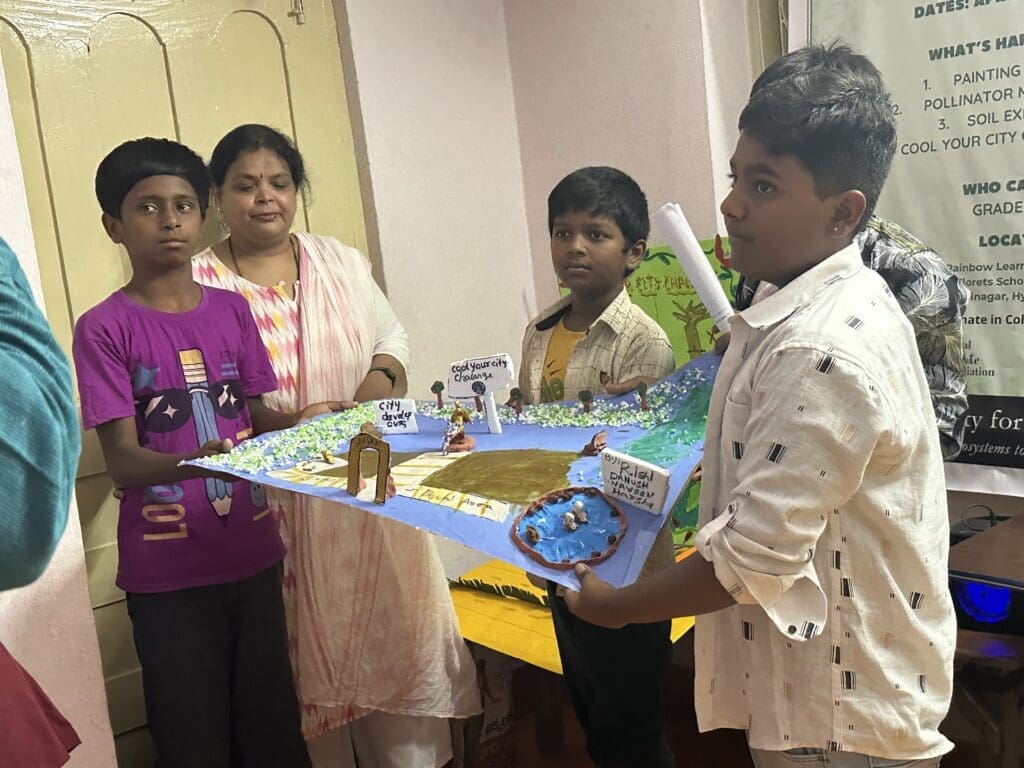
Day 3: Cool Your City Challenge — Designing for Climate Action
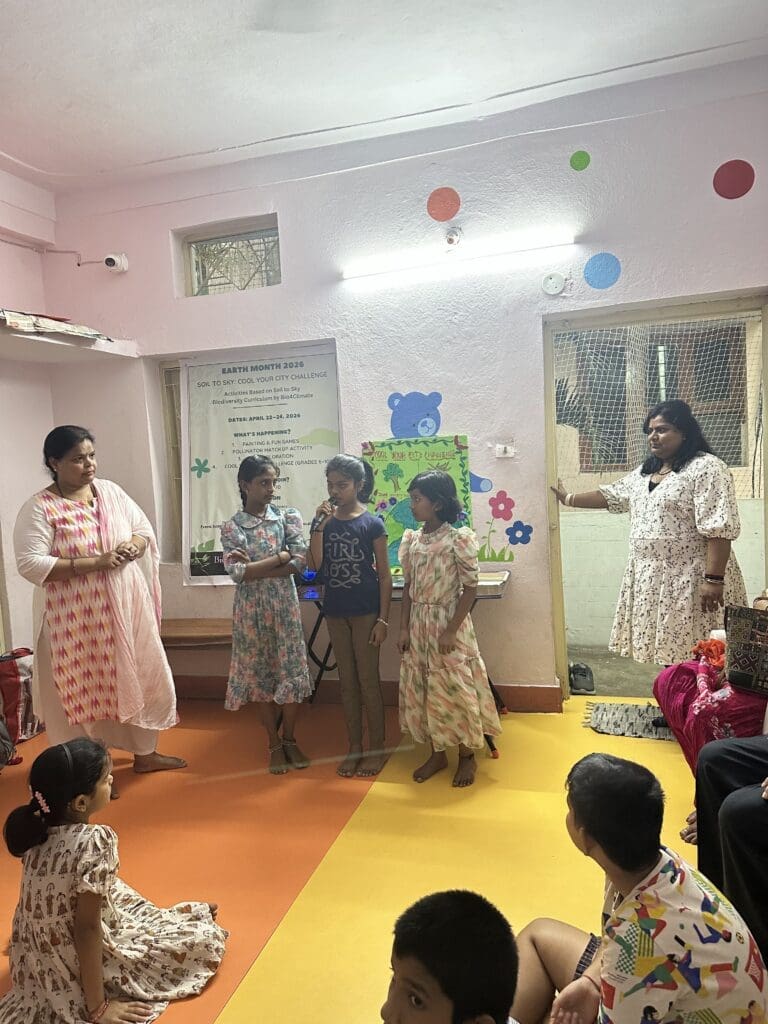
The final day marked a transition from learning to action and agency. The students in India were truly energized by a virtual interaction with Beck Mordini, who joined us live from Virginia, USA. Her presence on Zoom transformed the session—she engaged directly with the students, asking thoughtful questions about their projects and prompting them to articulate their ideas with greater clarity and confidence.
With community elders and teachers joining, the learning space evolved into a collaborative, multi-generational design studio.
What Students Did
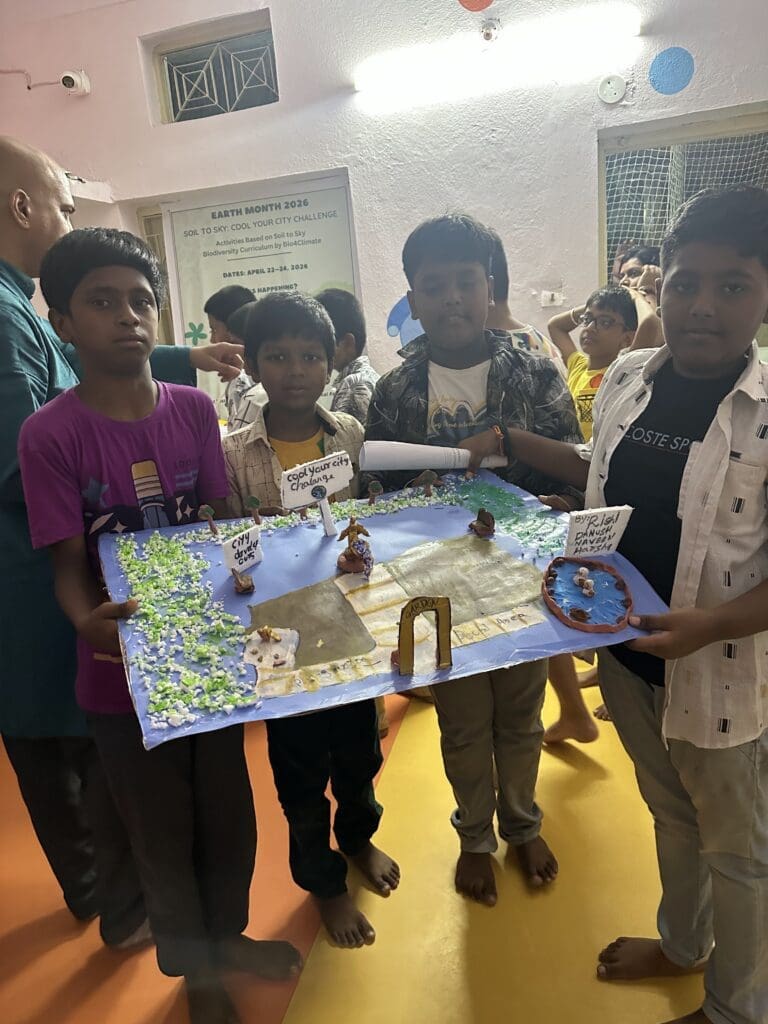
Grades 5–9 students worked in groups to:
Identify urban challenges:
Heat
Lack of green cover
Limited biodiversity
Design solutions based on their learning:
Planting trees and increasing shade
Restoring soil and green spaces
Creating more livable, cooler environments
Grades 1–4 students contributed through:
Drawings and visual storytelling
Imagining greener, cooler cities
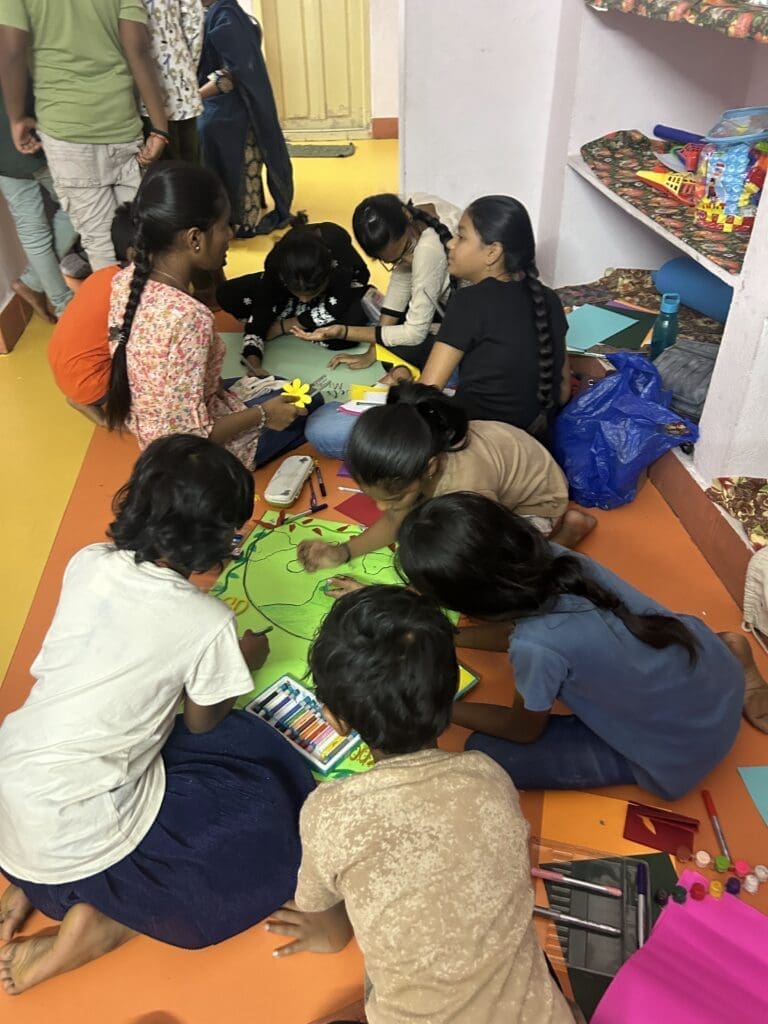
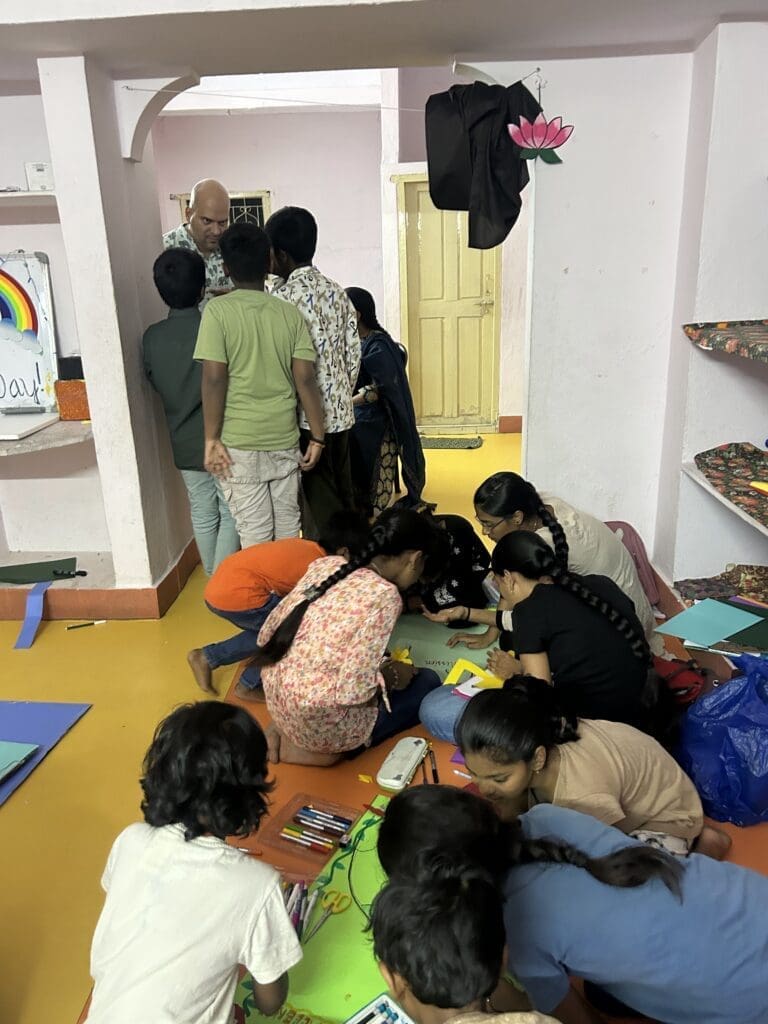
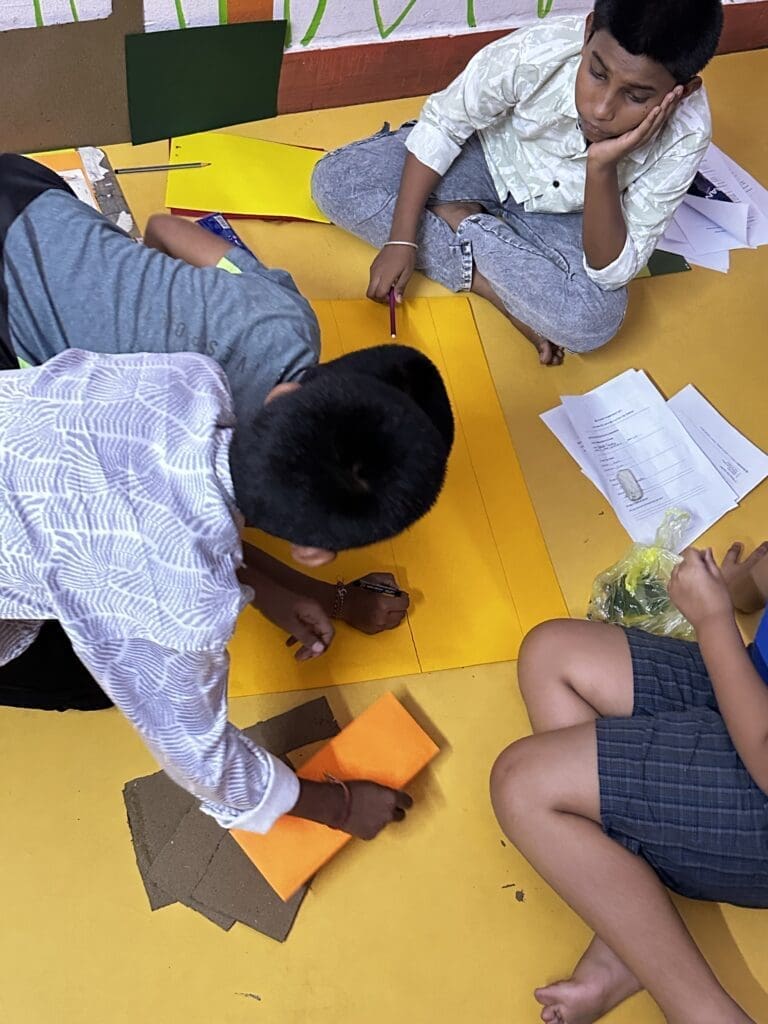
Day 3: Picture Gallery and Description
The atmosphere shifted noticeably:
Students gathered in teams, sketching ideas and discussing solutions
Drawings depicted cities filled with trees, shaded walkways, and biodiversity
Facilitators guided conversations, pushing students to refine their thinking
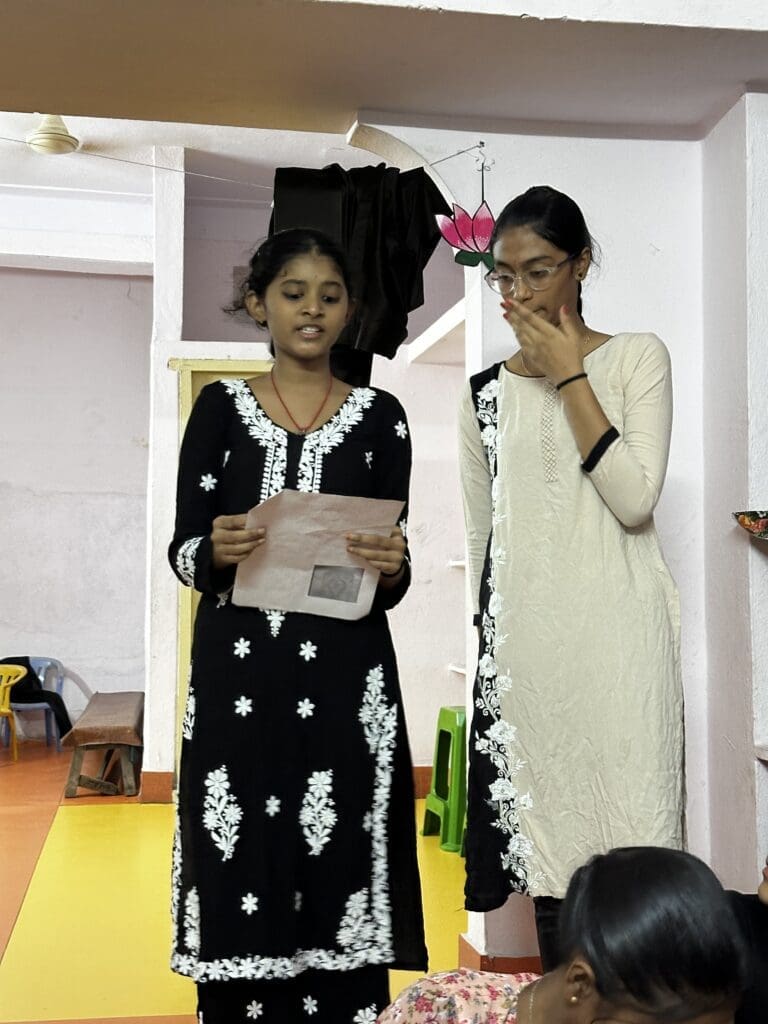
Elders and teachers engaged directly—asking questions, offering feedback, and validating student ideas. This created a feedback-rich environment, where learning extended beyond the classroom into community dialogue.
What Shifted
Students began to:
See cities not just as built environments—but as ecological systems that can be redesigned.
More importantly, they began to see themselves as:
Participants in climate solutions—not just learners of the problem.
From Soil to Sky: A Complete Learning Arc
Across three days, the program unfolded as a clear progression:
Day 1: Soil → Understanding foundational systems
Day 2: Biodiversity → Integrating ecological relationships
Day 3: City → Applying knowledge to real-world challenges
This reflects the core design of the Soil to Sky curriculum:
A layered model that moves from observation → connection → action
Why This Matters
This event demonstrates that climate education can be:
Localized — grounded in students’ immediate environments
Experiential — driven by hands-on exploration
Transformative — leading to real-world thinking and design
Instead of framing climate change as a distant global issue, the program reframed it as:
A local, solvable challenge rooted in biodiversity and systems thinking.
Looking Ahead
The Hyderabad launch of Soil to Sky represents the beginning of a scalable model for future-forward climate education.
What emerged across these three days is a powerful insight:
When students engage with ecosystems directly, they don’t just learn science—they begin to think like ecological designers.”
From soil to sky, the learning unfolded. And with it, a new pathway for climate education—grounded, connected, and action-oriented—took root.
Poulomi Chakravarty, PhD is an environmental scientist, educator, and science communicator with expertise in micrometeorology, ecology, biodiversity, phytoremediation, climate extremes, remote sensing, and climate education. She serves as Scientific Advisor, India Program Director, and Education Lead at Biodiversity for a Livable Climate, where her work advances climate literacy, environmental education, ecosystem restoration, and nature-based climate solutions. Her work also focuses on integrating natural systems, Indigenous Knowledge, and AI-enabled approaches for climate resilience. As a facilitator of climate action programs, she designs curricula and leads community-based initiatives that help diverse learners engage with climate science, biodiversity, soil, water, and sustainability. Beyond her professional work, she is passionate about environmental protection, animal rescue, painting, cooking, and life as a devoted dog mom.
On September 9, 2025, the Commonwealth of Massachusetts hosted its inaugural Sustainability Day at the State House in Boston. Bio4Climate was proud to participate in this groundbreaking event that brought together more than 350 participants including legislators, senators, representatives, advocacy groups, municipalities, state agencies, and members of the public to share ideas and showcase solutions for a more sustainable future.
Though our programming reaches a global audience, we remain rooted in our local community in Cambridge, MA, where our founders lived and where much of our work continues to grow.Coming on the heels of the Governor’s announcement of bold new Massachusetts Biodiversity Goals, Sustainability Day was the perfect opportunity to lift up Bio4Climate’s message that biodiversity is climate infrastructure.
We continue to expand our presence locally as part of our commitment to build agency and community through hands-on restoration, education, and engagement. We are especially thankful to our partners at Elders Climate Action, who invited us to join them at this important event.
Massachusetts Climate Chief Melissa Hoffer during the Keynote Address
From Policy to Practice at the State House
The Great Hall was filled with nearly 40 exhibitors highlighting innovations in zero-waste living, recycling, regenerative design, and community-based climate action. From refill stores cutting down on plastic to redesigned recycling systems and “Save the Bees” advocacy booths, the diversity of solutions on display underscored both the creativity and urgency of climate action at every scale.
Bio4Climate Team – Sue Butler, John Minkle, Jim Laurie
The day’s agenda included a panel on municipal climate leadership and a keynote address by Massachusetts Climate Chief Melissa Hoffer, who reminded the audience that “we don’t really get anything done unless we have healthy ecosystems and a stable climate.” Chair Rep. Tram Nguyen and Vice Chair Michelle Ciccolo of the House Committee on Climate Action & Sustainability also spoke powerfully about the need for legislative leadership and political will, reminding participants that collaboration between policymakers and communities is essential to meeting the challenges ahead.
Bio4Climate Team with Volunteers and Citizens- Sue Butler, Jonas Davulis, Paul Barringer, Jim Laurie
Bio4Climate’s Presence
Bio4Climate was proud to represent our mission of putting biodiversity and ecosystem restoration at the heart of climate action. Our table invited legislators, advocates, and residents to learn more about how forests, soils, and water cycles are climate infrastructure regulating temperature, creating rainfall, buffering floods, and sustaining resilience.
Bio4Climate Team with Volunteers and Citizens- Sue Butler, Poulomi, Paul Barringer, Jim Laurie
A heartfelt thank you goes to Sue Butler, Jim Laurie, John Minkle, Paul Barringer, Helen Snively, Patricia and Jonas Davulis for representing Bio4Climate with such dedication especially Sue, Jim, and John for their tireless work. We are also grateful to Nonie Valentine, whose cookies brought warmth and hospitality to our table.
Sustainability Day at a Glance
Why Biodiversity Matters
Our presence at Sustainability Day reinforced a central truth of our work: biodiversity is invaluable for its own existence, and it also provides measurable ecological services that reduce the costs of resilience. From cooling cities through forest transpiration, to purifying water, to supporting food webs and pollinators, healthy ecosystems do what no technology can replicate.
Massachusetts has recently launched a nation-leading biodiversity plan that sets ambitious targets: protecting 30% of the state’s lands and waters by 2030 (and 40% by 2050), restoring 75% of priority habitats to good health by 2050, and ensuring that ecosystems—from forests to salt marshes—continue to deliver critical services like flood protection, water purification, and carbon storage. These goals, outlined in the Commonwealth’s Biodiversity Goals Report, affirm what Bio4Climate has long championed: biodiversity is climate infrastructure. Our work planting Miyawaki forests, restoring ecosystems, and engaging communities directly supports these state objectives, demonstrating how local action can scale into the broader vision. Sustainability Day highlighted many of the same themes, and we see our role as both amplifying and implementing the Commonwealth’s biodiversity commitments through hands-on projects and public education.
Center Goods – A community-based sustainable goods and refill store offering practical, zero-waste alternatives for everyday living
When we lose biodiversity, we lose both the irreplaceable richness of life and the natural systems that stabilize our climate and communities. That is why Bio4Climate continues to plant urban Miyawaki forests, run educational programs, and advocate for policies that prioritize ecosystem restoration.
Bootstrap Compost- Local composting service dedicated to turning food scraps into nutrient-rich compost
Looking Ahead
Sustainability Day showed us what is possible when government, nonprofits, businesses, and citizens come together with urgency and creativity. For Bio4Climate, it was an opportunity not just to share our work, but to stand alongside others advancing the same vision: a livable, resilient, biodiverse future for Massachusetts and beyond.
We look forward to continuing these collaborations and to expanding the reach of our programs from restoring urban ecosystems to deepening public education because only by working with nature can we meet the challenges of the climate crisis.
Poulomi Chakravarty, PhD., is an environmental scientist, educator, and science communicator Her work focuses on climate literacy, environmental education, and integrating natural world and Indigenous Knowledge systems utilizing AI for climate resilience. As a facilitator of climate action programs, she designs curricula and leads community-based initiatives that empower diverse learners to engage with climate science and sustainability. Serving as a Volunteer Climate and Biodiversity Research Advisor with Biodiversity for a Livable Climate since spring 2025. Poulomi’s work reflects Bio4Climate’s mission of advancing ecosystem restoration and nature-based climate solutions, with a focus on engaging diverse communities and amplifying the connections between biodiversity, soil, water, and climate resilience.
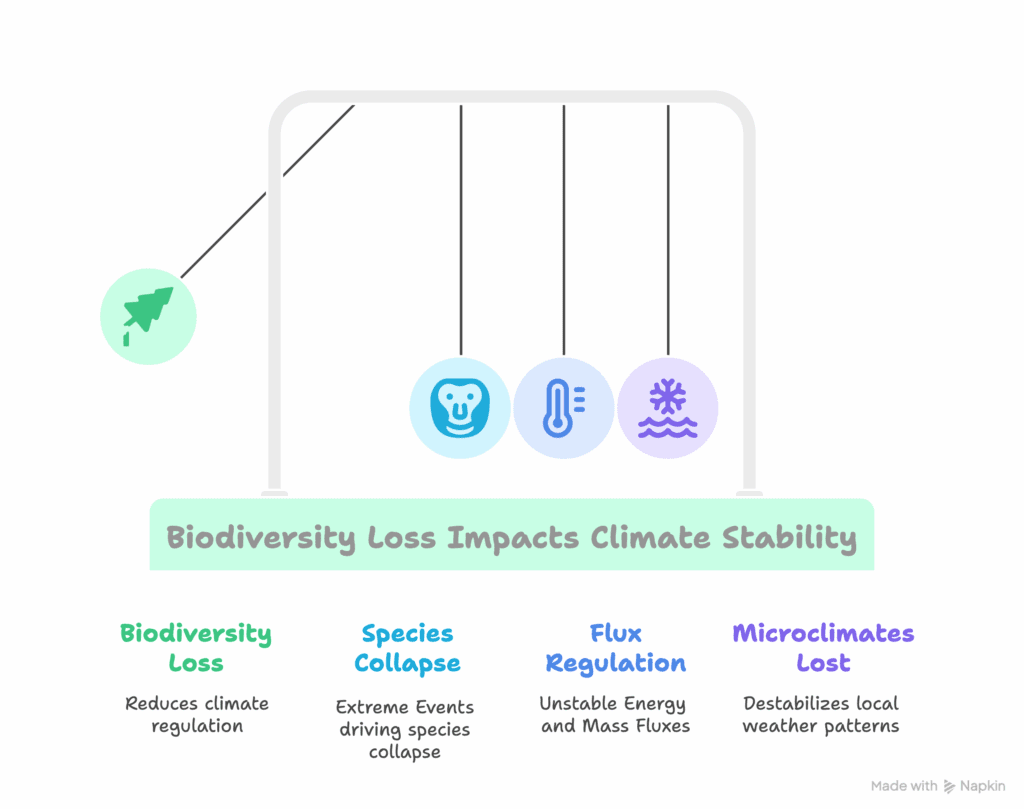
Climate change is usually framed as a problem of greenhouse gases and rising global temperatures. Yet the real heartbeat of climate stability lies closer to the ground, in forests, wetlands, grasslands, and even the work of animals. These ecosystems continuously interact with the air above them, shaping weather, rainfall, and temperature patterns.
This is the realm of micrometeorology, the science of small-scale processes at the land–atmosphere boundary. Micrometeorology studies the fluxes of heat, water, and gases between soils, vegetation, and the air. Though small in scale, these processes, when multiplied across landscapes, become the regulators of regional and global climate (Chakravarty, 2025).
Biodiversity, the richness of life in genes, species, and ecosystems is the machinery that drives these exchanges. Healthy, diverse ecosystems stabilize fluxes and buffer against extremes. When biodiversity collapses, this living infrastructure unravels, leaving both people and wildlife more vulnerable.
Micrometeorology: The Climate Engine Below Our Feet
Micrometeorology connects ecology with atmospheric science. Classical works such as Oke (1987), Stull (1988), and Garratt (1992) describe the atmospheric boundary layer—the lowest part of the atmosphere directly influenced by the land surface. Within this zone, processes like evaporation, transpiration, and canopy shading shape daily weather.
Key terms include:
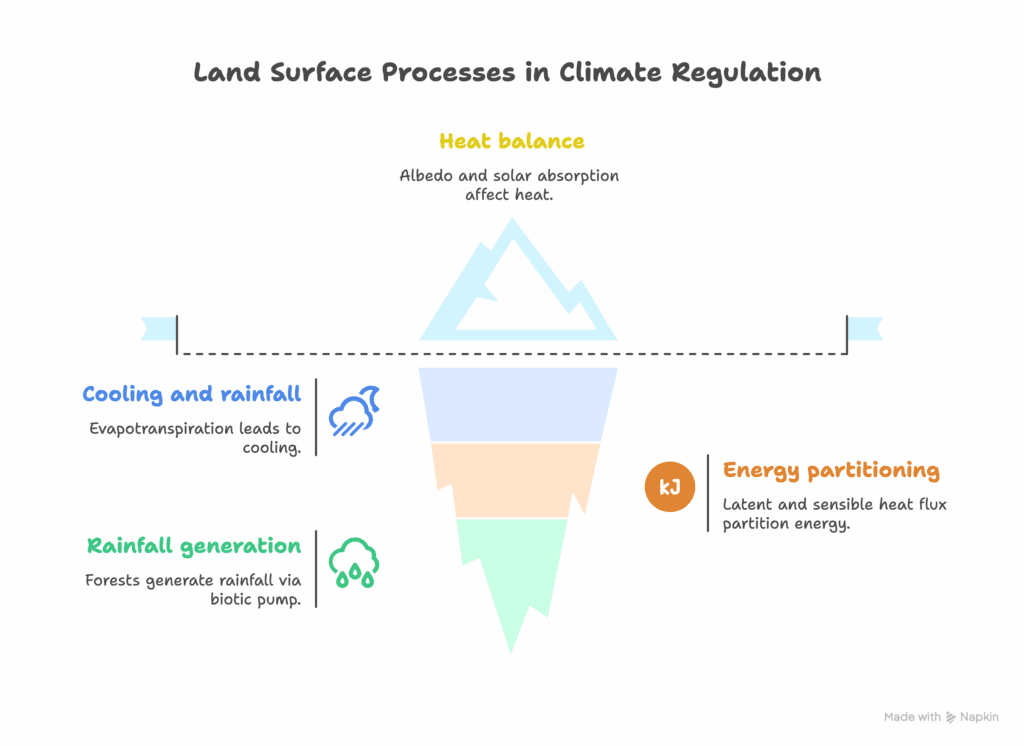
Albedo, Solar Absorption, and Rainfall
Albedo and solar absorption
Reduced albedo: Most plants are darker than bare soil or snow, so they reflect less sunlight. A lower albedo means more solar energy is absorbed by the land surface rather than bouncing back into space.
Seasonal changes: The effect of vegetation on albedo shifts with seasons and regions. For example, in boreal zones, dark conifer forests absorb far more solar energy than surrounding snow in winter, leading to localized warming. In summer, however, the difference in albedo between forest and landscape is smaller.
Evaporation and rainfall
Enhanced evaporation: The extra solar energy absorbed by vegetation drives evapotranspiration—the process where water evaporates from soil and transpires from leaves. This cools the land and adds moisture to the atmosphere.
Influenced rainfall: The water vapor released by vegetation can contribute to cloud formation and rainfall. Research dating back to Sellers (1992) and others shows that increases in vegetation often boost regional evapotranspiration, which in turn affects local and regional precipitation cycles.
Evapotranspiration: The combined release of water vapor from soil and plants, which cools surfaces and fuels cloud formation.
Latent heat flux: The transfer of heat through evaporation, critical for cooling.
Sensible heat flux: The direct warming of air from land. Landscapes stripped of vegetation show higher sensible fluxes, becoming hotter.
Biotic pump effect: Large forests recycle vapor, drawing moist air from oceans to create rainfall inland (Makarieva & Gorshkov’s 2007 ; Sellers, 1992).
Recent insights also emphasize thermodynamic limits: as Kleidon (2020) shows, photosynthesis and ecosystem productivity are constrained by the balance of energy, water, and entropy in the Earth system. In short: vegetation is not passive—it actively regulates atmospheric dynamics.
Forests and Vegetation: The Rainmakers
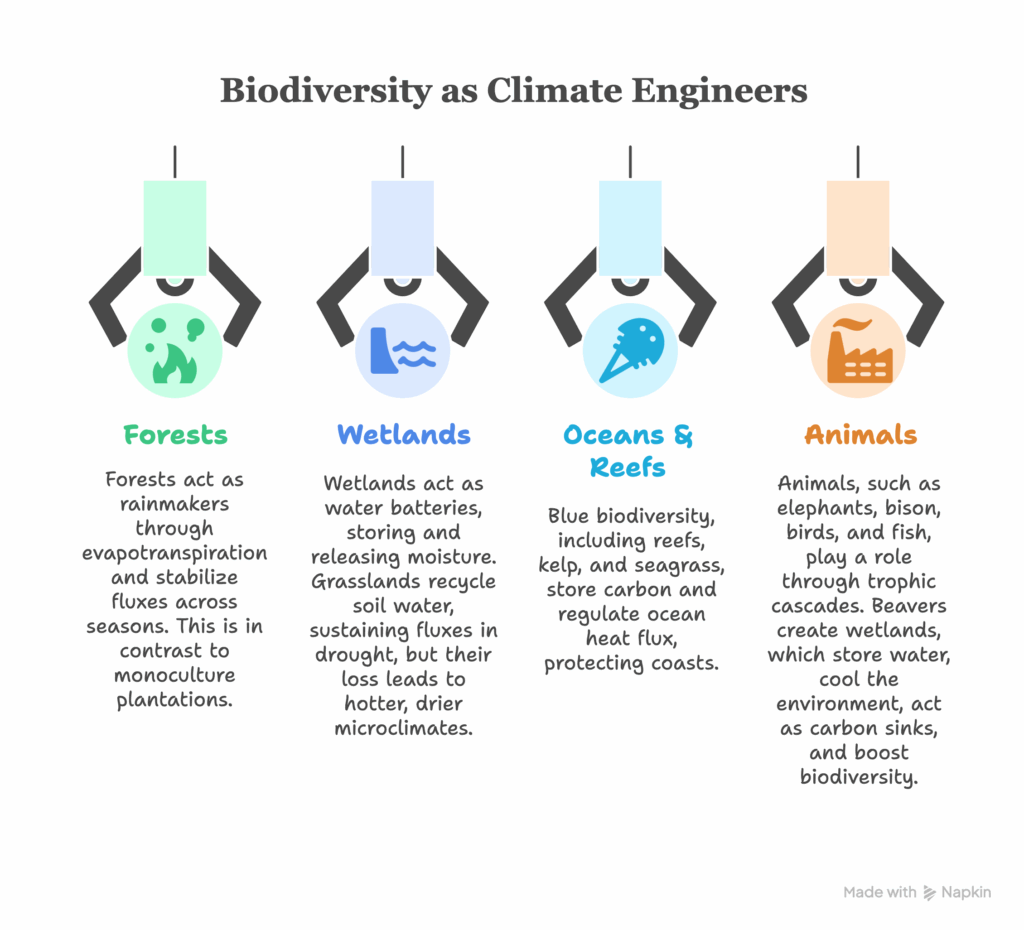
Forests are more than carbon stores, they are the rainmakers. Through evapotranspiration, forests pump vapor into the air, cooling the surface and forming clouds. In places like the Amazon, forests generate their own rainfall through the biotic pump effect.
Diverse forests are especially resilient. Multiple tree species provide different root depths, canopy layers, and seasonal cycles, ensuring steady fluxes across the year. A monoculture plantation, by contrast, cannot replicate the same micrometeorological stability (Monteith & Unsworth, 2013).
Forests also moderate albedo and daily temperature swings. Without them, landscapes are prone to hotter days, colder nights, and disrupted rainfall.
Wetlands, Peatlands, and Grasslands: Nature’s Cooling Systems
Wetlands and peatlands are climate regulators par excellence. They store immense amounts of carbon in saturated soils, and their latent heat flux cools surrounding air masses. As Shuttleworth (2012) details, wetlands act as “water batteries,” storing and releasing moisture that stabilizes hydrological cycles.
Grasslands, with their deep-rooted plants, recycle soil moisture even during droughts. Their biodiversity grasses, forbs, and grazing animals ensures resilience against extremes. When overgrazing or land conversion strips this diversity, soil dries, latent flux vanishes, and drought cycles worsen.
Oceans and Reefs: Blue Biodiversity as Climate Infrastructure
Marine ecosystems also shape climate. Coral reefs, kelp forests, and seagrass meadows are blue carbon ecosystems, absorbing CO₂ and storing it in sediments. They regulate ocean heat fluxes, redistribute solar energy via currents, and protect coastlines from storm surges.
The biodiversity of marine life ensures resilience: reefs with diverse fish recover faster from bleaching, because grazers keep algae in check, enabling coral regrowth.
Animals and Trophic Effects: The Hidden Engineers
Animals act as climate regulators through trophic cascades—chains of ecological effects triggered by their presence or absence.
Elephants disperse seeds and open forest gaps, influencing canopy structure, light penetration, and water fluxes.
Large herbivores like bison maintain grasslands, preventing shrub encroachment and sustaining soil–atmosphere exchanges.
Birds and fish transport nutrients, linking ecosystems across boundaries.
And one keystone engineer deserves special attention: the beaver.
Beavers: Restoring Hydrological Balance
Beavers are ecosystem engineers whose dams transform streams into wetlands. Their impacts on micrometeorology are profound:
Water storage: Beaver ponds retain water during wet seasons, releasing it gradually during dry periods, stabilizing streamflow.
Cooling effects: By increasing water surfaces and soil saturation, beaver wetlands raise latent heat flux, cooling local climates during heatwaves.
Carbon sinks: Wetlands created by beavers trap organic matter, acting as long-term carbon stores.
Biodiversity boosts: Beaver ponds create habitats for amphibians, fish, birds, and insects, strengthening resilience.
Without beavers, many landscapes are drier, hotter, and more vulnerable. Their return across North America and Europe has restored micrometeorological balance in watersheds. Chakravarty & Kumar (2020) show similar principles in how floral diversity can augment microclimates in polluted landscapes—species diversity restores not just soils but small-scale climate conditions.
Evidence of Breakdown
Beyond Climate as a Driver Caro et al. (2022) warn against the misconception that climate change is the principal driver of biodiversity loss. In reality, habitat destruction, land use, and exploitation are primary culprits.
Technology Alone is Insufficient Ketcham (2022) cautions that renewable energy alone cannot “save the planet” if biodiversity collapse continues. Micrometeorological regulation requires living ecosystems, not just carbon accounting.
Heat and Extinction The Guardian (2025) documents extreme examples: monkeys falling dead from trees, barnacles baking on rocks. These are signals of ecosystems losing their buffering capacity. Without canopy shade, wetland cooling, or reef protection, animals are left exposed to lethal extremes.
Why This Matters
The loss of biodiversity is not only an ecological crisis but a climate one. Ecosystems provide the climate-regulating infrastructure of the Earth.
Without forests, evapotranspiration declines, rainfall falters, and landscapes dry.
Without wetlands, latent heat flux disappears, making floods and droughts more severe.
Without reefs, coastal protections fail.
Without beavers and keystone species, water cycles collapse and microclimates destabilize.
Biodiversity drives the micrometeorological machinery of climate. Its loss means the breakdown of fluxes that stabilize weather, rainfall, and temperature.
Conclusion
Micrometeorology reveals that climate is not just about global averages or carbon molecules. It is about the constant, small-scale exchanges of energy, water, and gases between ecosystems and the air. These fluxes are governed by the sun,land, atmosphere and also the diverse flora and fauna inhabiting our planet. To stabilize the climate, we must restore the living systems that sustain it.
Glossary of Key Terms
Albedo The fraction of sunlight reflected by a surface. Light surfaces like snow have a high albedo (reflecting more sunlight), while dark forests have a low albedo (absorbing more heat).
Evapotranspiration The combined process of water evaporating from soil and transpiring from plant leaves. This cools land surfaces and adds moisture to the atmosphere, helping clouds and rainfall form.
Latent Heat Flux The transfer of heat from the land into the atmosphere via evaporation. Think of it as “hidden heat” carried away by water vapor, which cools landscapes.
Sensible Heat Flux The direct transfer of heat from the land to the air. Landscapes without vegetation (like bare soil or pavement) have higher sensible heat flux and feel hotter.
Micrometeorology The study of small-scale weather and climate processes at the land–atmosphere boundary, such as exchanges of heat, water, and gases between ecosystems and the air above them.
Trophic Cascade A chain reaction in ecosystems triggered by the removal or return of a species (often predators or keystone animals). These shifts can reshape vegetation, soils, and even local climate.
Grasses Narrow-leaved plants in the Poaceae family (e.g., wheat, rice, prairie grasses). They dominate grassland ecosystems and stabilize soils.
Forbs Broad-leaved herbaceous plants that are not grasses, sedges, or rushes. Examples: clover, milkweed, sunflowers. They support pollinators and wildlife with flowers, seeds, and nectar.
Biotic Pump Effect The idea that forests recycle water vapor and create pressure differences that pull moist air from the ocean inland, effectively “making their own rain.”
Keystone Species Species whose presence or activities have a disproportionately large effect on their ecosystems. Examples include beavers, elephants, and wolves.
References
Caro, T., Rowe, Z., Berger, J., Wholey, P., & Dobson, A. (2022). An inconvenient misconception: Climate change is not the principal driver of biodiversity loss. Conservation Letters, 15(3), e12868. https://doi.org/10.1111/conl.12868
Chakravarty, P., & Kumar, M. (2020). Floral species in pollution remediation and augmentation of micrometeorological conditions and microclimate: An integrated approach. In A. Pandey et al. (Eds.), Phytomanagement of polluted sites (pp. 203–219). Elsevier. https://doi.org/10.1016/B978-0-12-813912-7.00006-5
Kleidon, A. (2020). What limits photosynthesis? Identifying the thermodynamic constraints of the biosphere within the Earth system. Biogeosciences, 17(17), 3907–3925. https://doi.org/10.5194/bg-17-3907-2020
Makarieva, A. M., & Gorshkov, V. G. (2007).Biotic pump of atmospheric moisture as driver of the hydrological cycle on land.Hydrology and Earth System Sciences, 11, 1013–1033. https://doi.org/10.5194/hess-11-1013-2007
Sellers, P. J. (1992). Biophysical models of land surface processes. Journal of Geophysical Research: Atmospheres, 97(D17), 2757–2772. https://doi.org/10.1029/91JD02484
Poulomi Chakravarty, PhD., is an environmental scientist, educator, and science communicator Her work focuses on climate literacy, environmental education, and integrating natural world and Indigenous Knowledge systems utilizing AI for climate resilience. As a facilitator of climate action programs, she designs curricula and leads community-based initiatives that empower diverse learners to engage with climate science and sustainability. Serving as a Volunteer Climate and Biodiversity Research Advisor with Biodiversity for a Livable Climate since spring 2025. Poulomi’s work reflects Bio4Climate’s mission of advancing ecosystem restoration and nature-based climate solutions, with a focus on engaging diverse communities and amplifying the connections between biodiversity, soil, water, and climate resilience.
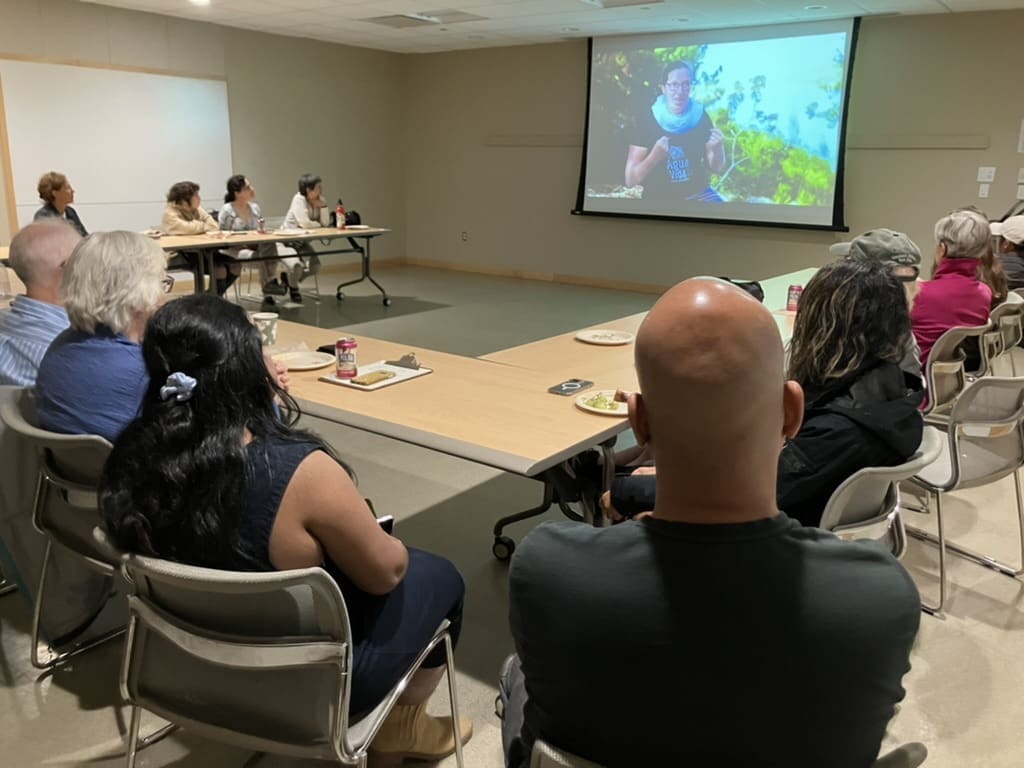
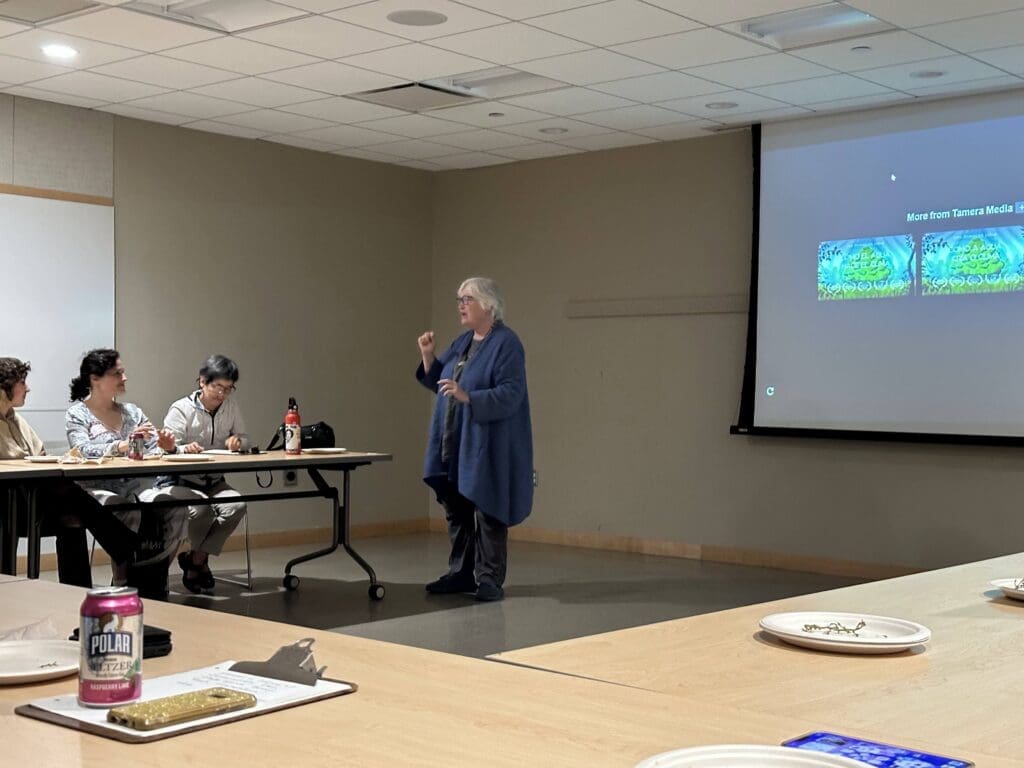
On Wednesday, August 27, Bio4Climate welcomed the Cambridge community to the Cambridge Public Library, Massachusetts, for a special screening of Water Is Loveover20 participants filled the room, creating a warm and engaged atmosphere of film, food, and thoughtful conversation.
Stories of Water, Stories of Hope
Water is Love: Ripples of Regenerationis an award-winning feature documentary paired with a companion animated short that invites us to see water not just as a resource, but as the living foundation of climate stability. Directed and produced by Ludwig Schramm, Rosa Pannitschka, Martin Winiecki, Isabel Rosa Zabou, and Emily Coralyne Bishop, the film blends storytelling, science, and activism to highlight communities in India, Kenya, and Portugal who are restoring water cycles through regenerative design.
The narrative is carried by the voices of global “water protectors” who embody diverse wisdom traditions and on-the-ground action. Among them is Rajendra Singh, often called the “Water Man of India,” whose johad rainwater harvesting projects have revived rivers across India; Tokata Iron Eyes, a young Indigenous leader and climate activist; Ati Quigua, an Indigenous leader from Colombia advocating for ecological and cultural sovereignty; Philip Munyasia, founder of OTEPIC in Kenya, demonstrating grassroots water and food sovereignty; and author Charles Eisenstein, who situates water within a broader call for cultural and ecological renewal.
The companion animation, How Water Makes Climate, dramatizes the beauty and fragility of water cycles while offering educational resources for schools and communities. Together, the film and animation act as a love letter to future generations, showing how decentralized, community-led water stewardship can heal ecosystems, cool landscapes, and ignite hope in the face of climate breakdown.
The documentary follows a group of young people facing climate challenges and traveling across the globe to uncover solutions rooted in water. With case studies from India, Kenya, and Portugal, Water Is Love showcases how communities are restoring their landscapes through decentralized water management methods—from building small-scale water retention systems to reviving traditional knowledge of water cycles.
The film weaves together ecology, culture, and resilience, reminding us that water is more than a resource—it is a living connector of people, land, and climate. As the project’s website notes, the message is universal: restoring water cycles restores hope, health, and stability to both ecosystems and societies.
Building Community in Cambridge
Our gathering reflected this lesson in real time. Thanks to Sue Butler’s warm introduction (and her homemade cake!), John Minkle’s thoughtful tech support, Helen Snively and Nonie Valentine’s guiding questions, and the support of Jim Laurie, Beck Mordini, Brendan Kelly, and Louise Mitchell, the evening felt both intimate and inspiring. The seating arrangement encouraged participants to connect across the circle, and the shared food made conversations flow as easily as water.
One memorable moment came when a young attendee asked: “What can we do?” Her question sparked a lively exchange, including Sue’s creative suggestion of starting with even a single square foot of soil for native planting. The idea—that small, local acts ripple outward into larger change—captured the spirit of the evening.
Overflow of Inspiration
As with water itself, the impact of Water Is Love overflowed the boundaries of the film. Participants left with more than just knowledge; they left with practical ideas and a sense of belonging to a community that values restoration.
This event showed how a film screening can become more than an event—it can be the seed of a movement, where food, friendship, and shared purpose fuel deeper engagement.
Call to Action
Inspired by Water Is Love? You can be part of this growing movement.
Join us for future Bio4Climate movie nights as we continue exploring films that connect biodiversity, ecosystems, and climate.
Take action locally—from planting native pollinator gardens to supporting decentralized water management efforts.
Together, we can restore water cycles and build a livable climate.
Poulomi Chakravarty, PhD., is an environmental scientist, educator, and science communicator Her work focuses on climate literacy, environmental education, and integrating natural world and Indigenous Knowledge systems utilizing AI for climate resilience. As a facilitator of climate action programs, she designs curricula and leads community-based initiatives that empower diverse learners to engage with climate science and sustainability. Serving as a Volunteer Climate and Biodiversity Research Advisor with Biodiversity for a Livable Climate since spring 2025. Poulomi’s work reflects Bio4Climate’s mission of advancing ecosystem restoration and nature-based climate solutions, with a focus on engaging diverse communities and amplifying the connections between biodiversity, soil, water, and climate resilience.