


Our Miyawaki Forest, planted in front of Belmont High School alongside Miyawaki Forest Action Belmont on October 4, 2025, is officially one year old!
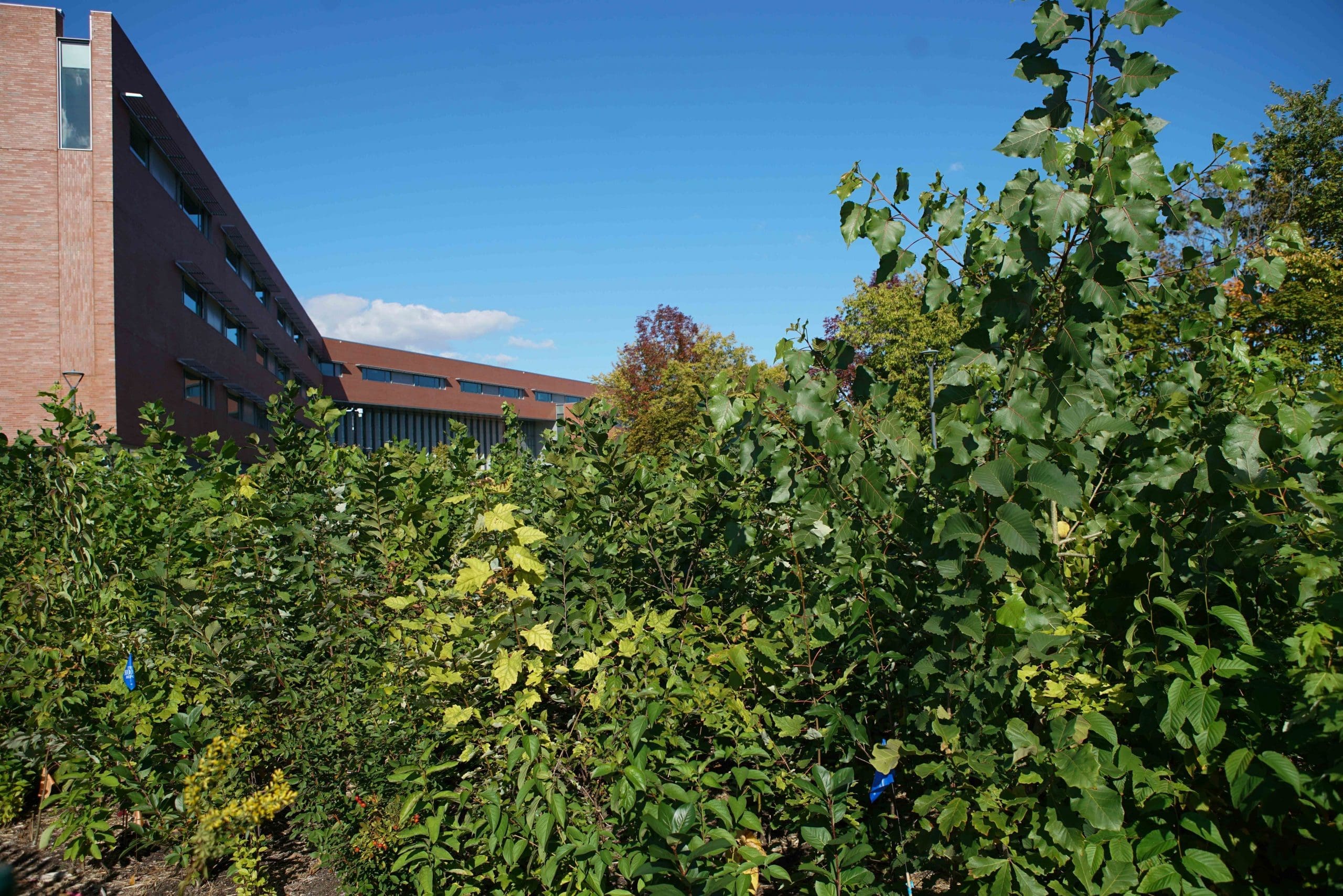
The 3,000-square-foot miniforest has grown so much in just one growing season—quite frankly, it seemed to have doubled in size since our bus tour at the end of July.
The celebration opened with a blessing and words from community speakers, students, teachers, and high school leadership, followed by the announcement of the Mini-Poetry Contest winners, music, and a joyful birthday party where we all sang, “Happy Birthday, Miniforest!”
We spoke each native plant’s name aloud, welcoming and introducing it as a new member of the community—in the spirit of Dr. Akira Miyawaki.
Visitors added wishes and ideas to a giant birthday card; admired the thriving forest and its collar of native perennial plants; joined tours; and explored a summer phenology study and storyboard tracing the miniforest’s development over time.
Dr. Nick Geron of Salem State University and several of his students also joined us to capture drone footage. Throughout the summer, they have conducted thermal-drone flights to document the miniforest as it grows and gather data for their study of miniforests, cooling, and the urban heat-island effect.
We also have so much to learn from Miyawaki Forest Action Belmont’s thoughtful approach to engaging students, the high school, and the surrounding community in every part of the miniforest—from planting and stewardship to ongoing observation and learning. They have even created a digital map of every single tree in the miniforest.
Follow its journey below—and visit the miniforest to read its story, shared through photos and poetry along the fence, and witness its growth and abundance before it goes dormant for winter.




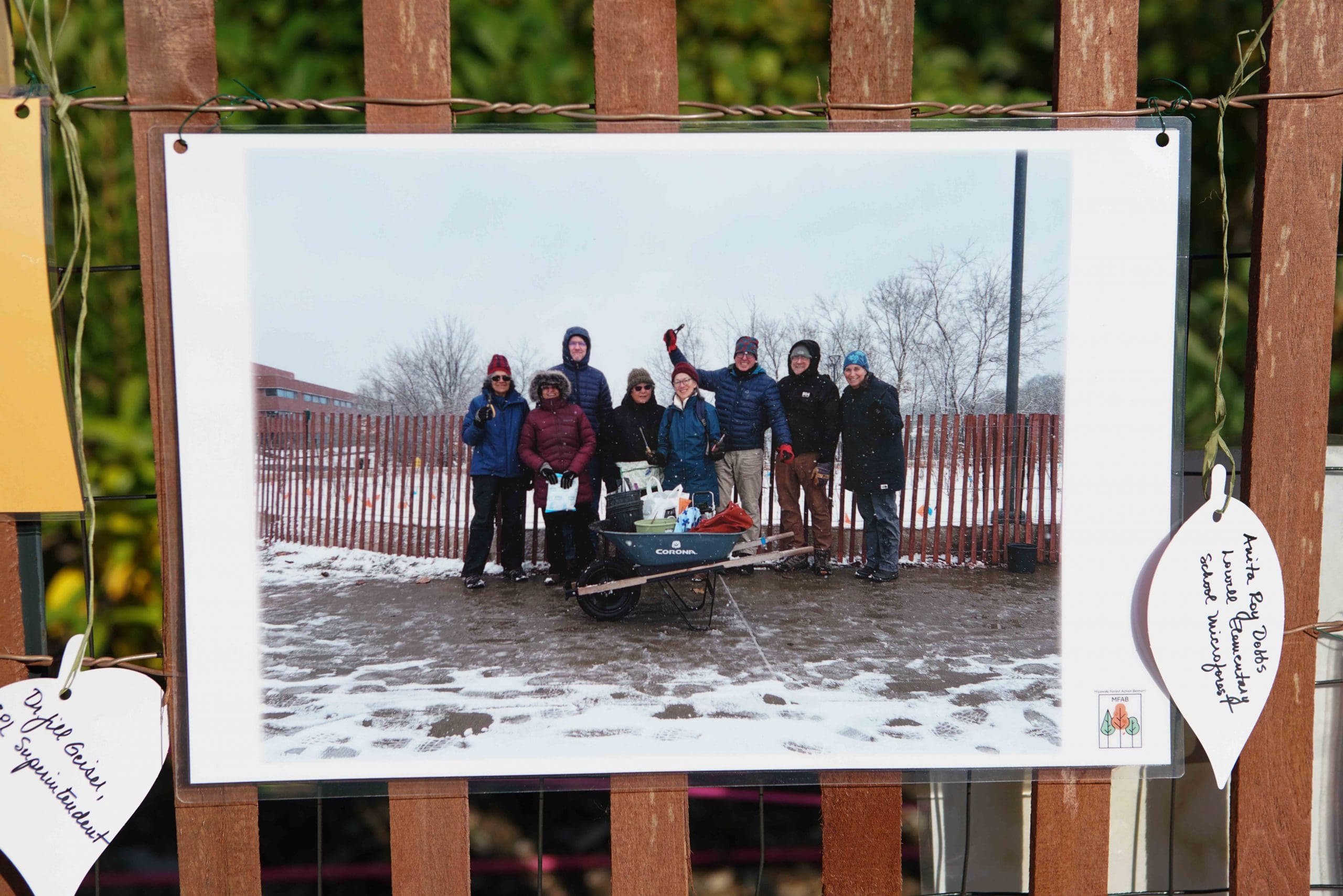


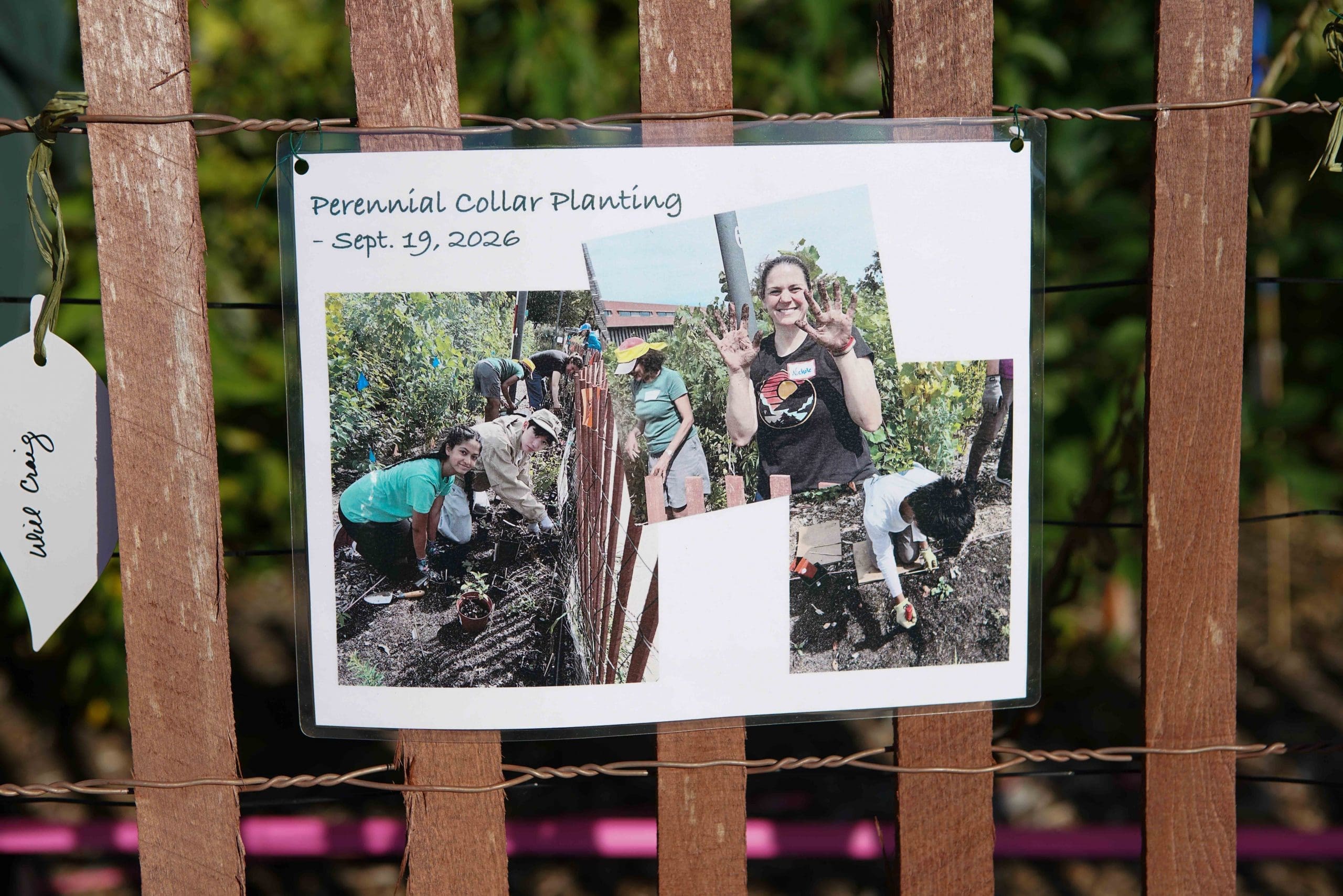
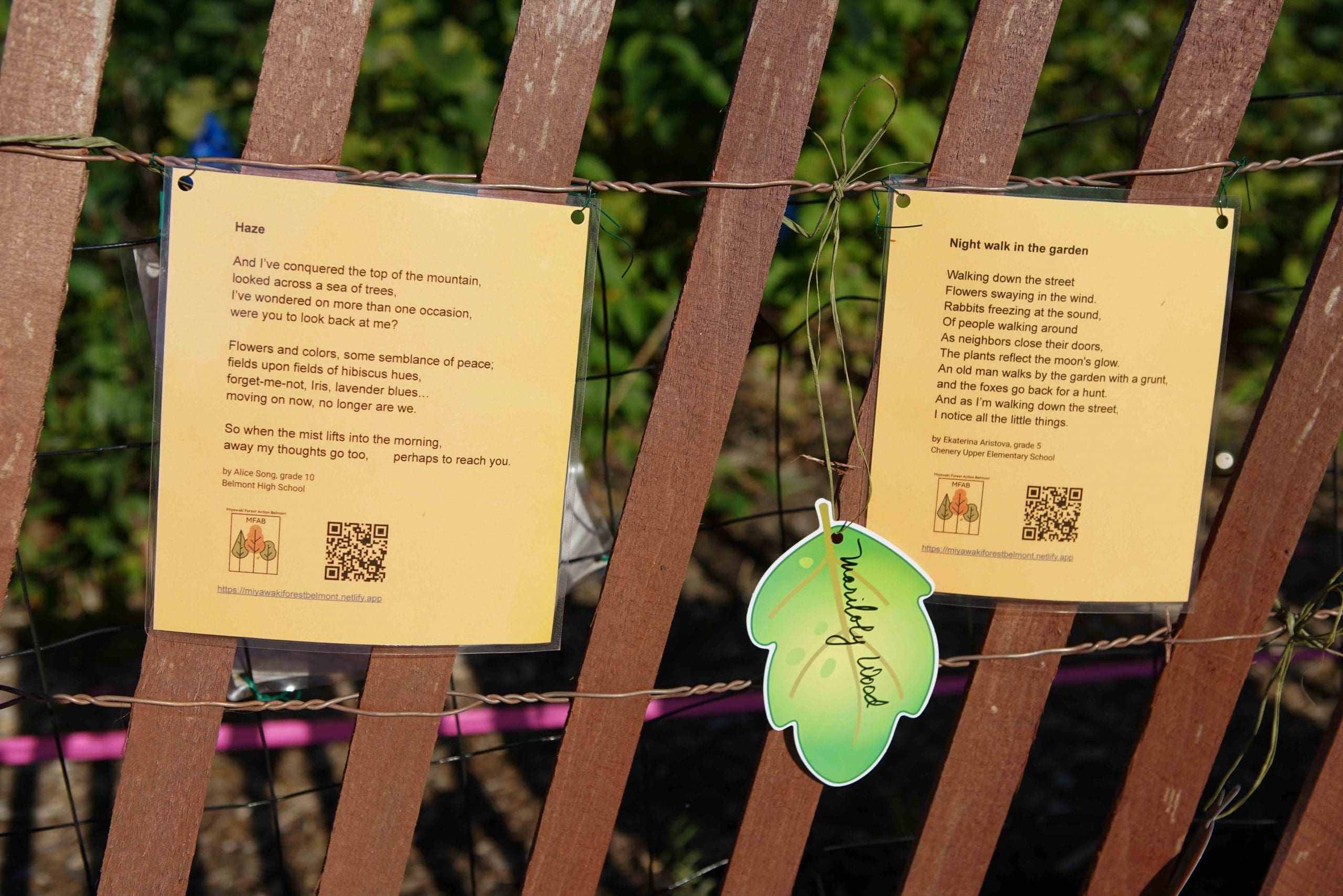


Photos by Alexandra Ionescu

About the Author
Alexandra Ionescu is the Associate Director of Regenerative Projects at Biodiversity for a Livable Climate, where she leads the Miyawaki Forest Program—supporting the planting of miniforests, cultivating partnerships, and guiding strategic planning—and recently curated the inaugural 2025 Northeast Miniforest Summit. Her work focuses on urban afforestation using the Miyawaki Method, education around beaver-engineered landscapes, and floating wetlands that combine art with ecological functionality. A lifelong student of how nature works, her mindset—shaped by graduate education in Biomimicry from Arizona State University and Nature–Culture–Sustainability Studies from the Rhode Island School of Design—is about cultivating propensities for the web of life to emerge. Her practice brings together the implementation of nature-based solutions, knowledge activation, curation, writing, photography, and strategic, as well as creative direction. She is a Certified Biomimicry Professional, and in 2025 she further deepened her ecological understanding through the Water Stories Core Course, a training focused on water-cycle restoration and decentralized water retention systems. Alexandra serves in an administrative role on the Board of Directors of the Beaver Institute and is a co-leader of the Beaver Network for East Coast/Rhode Island.