
Life Saves the Planet Blog:
Biodiversity Variety of plant and animal species essential for ecosystem health and stability.
Variety of plant and animal species essential for ecosystem health and stability.
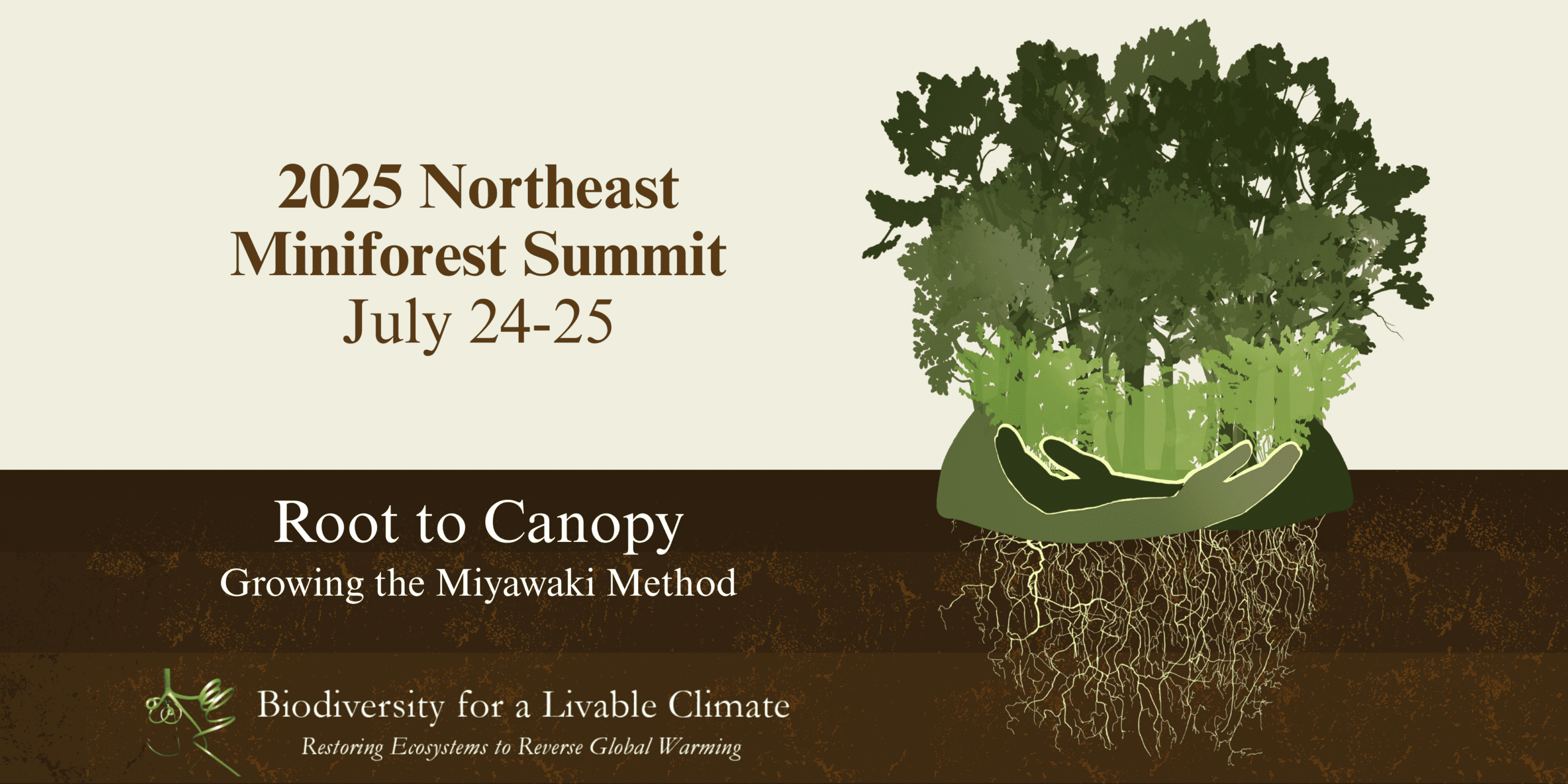
Day 2 Summary & Reflection — 2025 Northeast Miniforest Summit
Root to Canopy: Growing the Miyawaki Method In 2025, Biodiversity for a Livable Climate organized and hosted the inaugural Northeast Miniforest Summit, bringing together more than a dozen speakers across two virtual half-days and an in-person bus tour. Practitioners, researchers, and leaders from diverse fields gathered to explore the Miyawaki method of afforestation from root…
Day 1 Summary & Reflection—2025 Northeast Miniforest Summit
Root to Canopy: Growing the Miyawaki Method In 2025, Biodiversity for a Livable Climate organized and hosted the inaugural Northeast Miniforest Summit, bringing together more than a dozen speakers across two virtual half-days and an in-person bus tour. Practitioners, researchers, and leaders from diverse fields gathered to explore the Miyawaki method of afforestation from root…
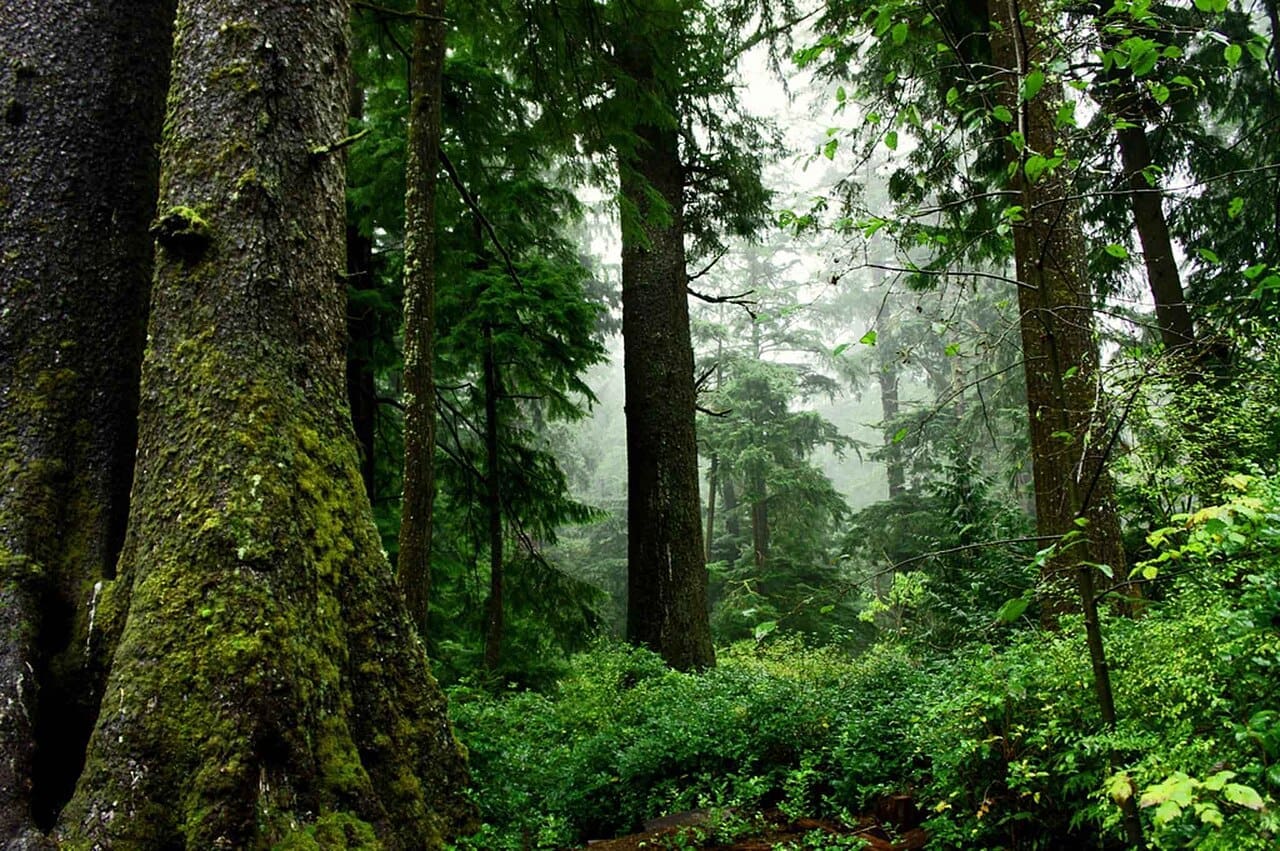
Beyond Carbon: Proforestation and the Undoing of Human Mastery
Beyond Carbon: Proforestation and the Undoing of Human Mastery In a powerful new essay, Pavan Muntha invites us to rethink proforestation beyond its technical framing. Rather than seeing forests as instruments in a planetary climate portfolio, the article asks us to consider them as living, more-than-human communities — with their own histories, relationships, and claims…
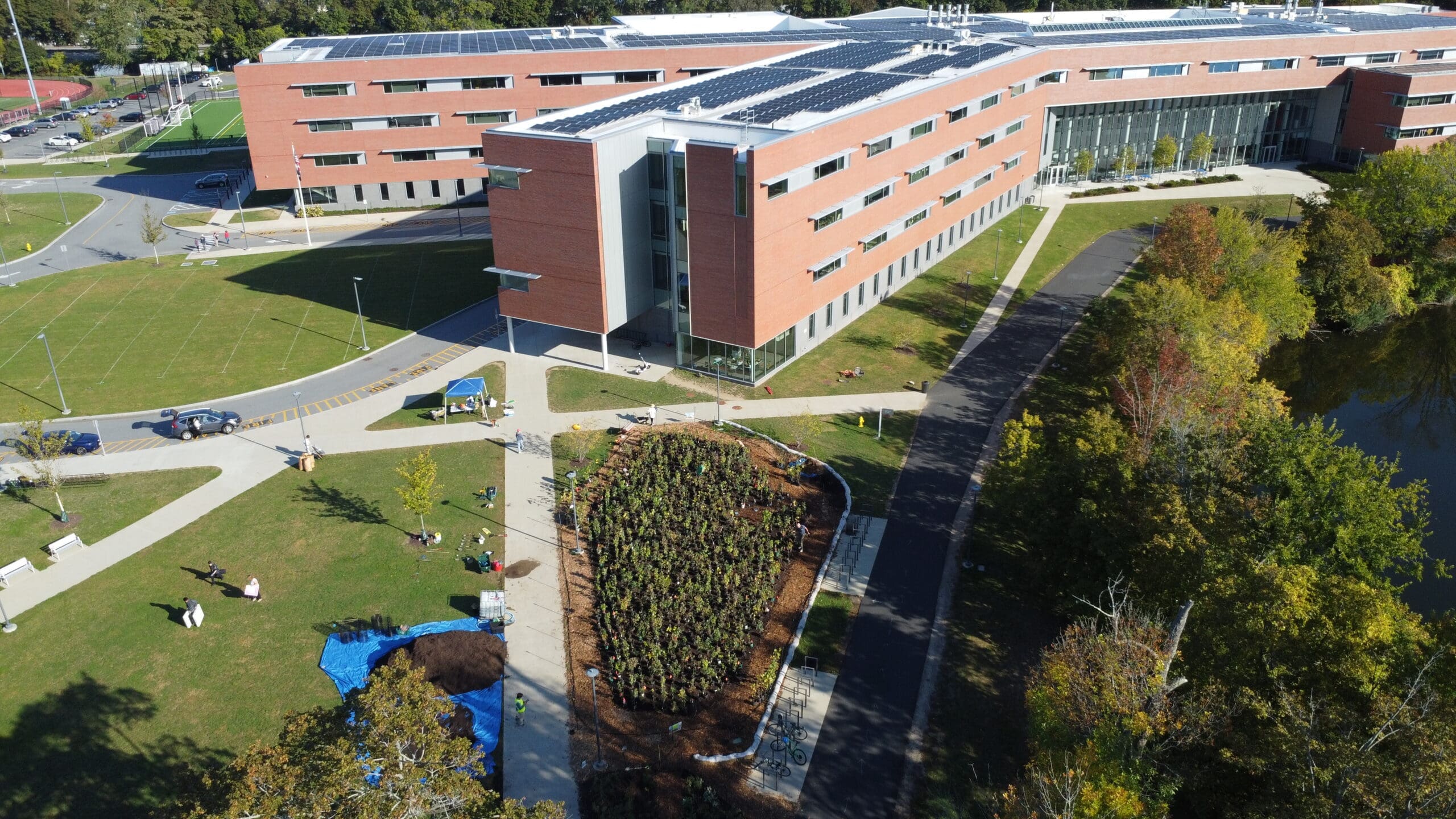
An Intergenerational Miniforest Now Grows in Belmont, MA
On October 4, Bio4Climate and the Miyawaki Forest Action Belmont (MFAB) community came together to plant a 3,000-square-foot Miyawaki Forest — 1,140 native trees and shrubs across 32 species — in front of Belmont High School. Around 275 local Belmont residents of all ages joined at some point throughout the day! Our eighth miniforest is…
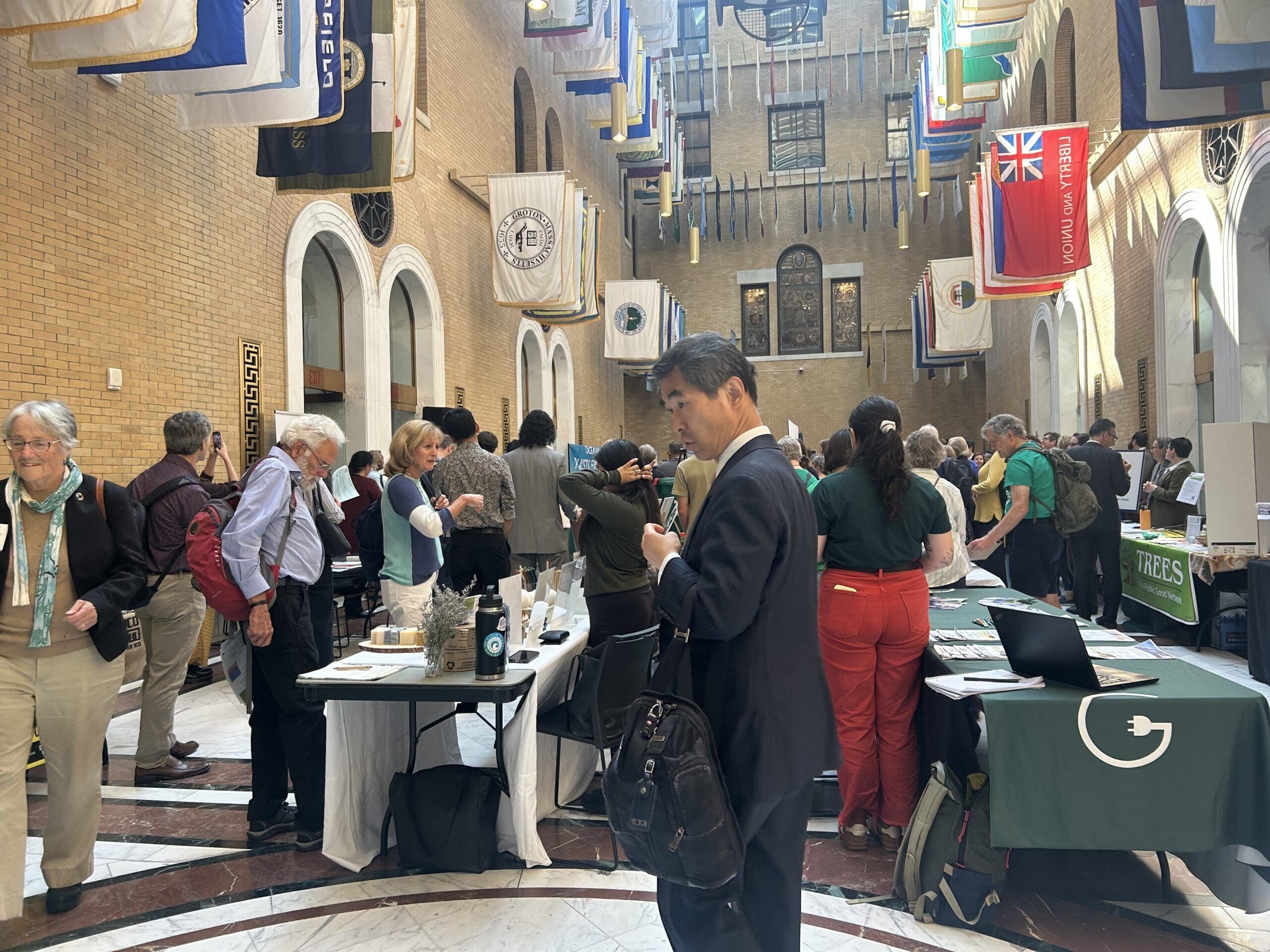
Inaugural Sustainability Day at Massachusetts State House
On September 9, 2025, Bio4Climate participated in the first-ever Massachusetts Sustainability Day at the State House in Boston, which drew over 350 participants including legislators, organizations, and members of the public. With nearly 40 exhibitors, a municipal climate leadership panel, and a keynote by Climate Chief Melissa Hoffer, the event showcased practical solutions and bold…
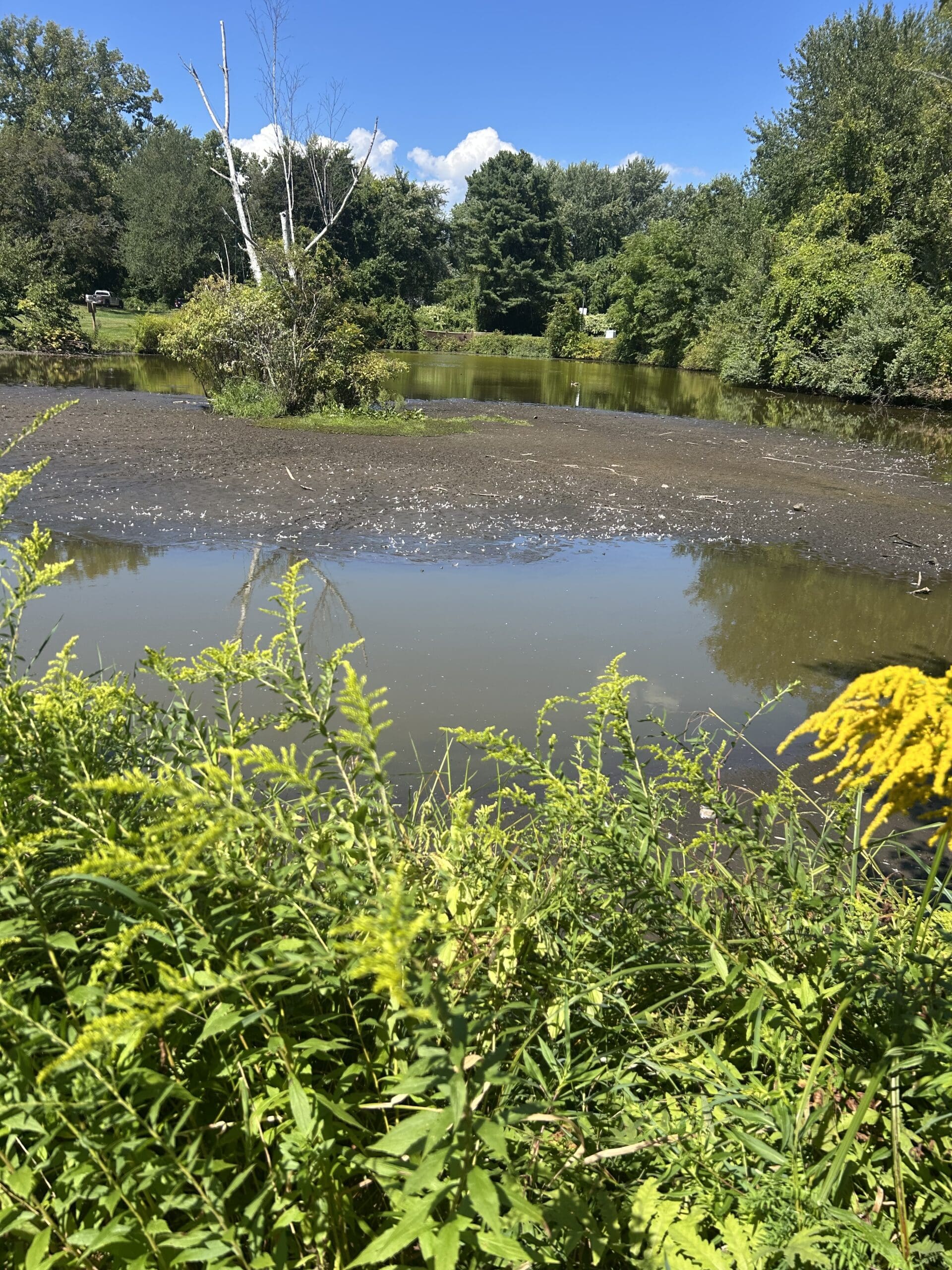
Biodiversity as Climate Infrastructure: Micrometeorology, Fluxes, and the Living Earth
In Biodiversity as Climate Infrastructure, Poulomi Chakravarty explores micrometeorology—the science of small-scale exchanges of heat, water, and gases between land, plants, and air. It shows how forests, wetlands, and even animals influence evaporation, rainfall, and temperature through hidden processes that quietly stabilize our climate. The article opens a window into this overlooked science, inviting us…

Perspective: Heat Policy Briefing
In June, Bio4Climate Science Communications Intern Adrianna Drindak attended a congressional briefing in Washington, D.C., by The Environmental and Energy Study Institute (EESI) and the Federation of American Scientists about how federal policies can bolster resilience to extreme heat at the state and community level, centered on the Federation of American Scientists’ 2025 Heat Policy…

The Critical Connection
This spring, Bio4Climate is sharing select excerpts from the late Jan Lambert’s book, Water, Land and Climate, The Critical Connection: How We Can Rehydrate Landscapes Locally To Renew Climates Globally. First published by The Valley Green Journal in 2015, Water, Land, and Climate introduces the transformative ideas of the New Water Paradigm—showing how retaining, rather…

A National Park in Your Own Backyard?
Bio4Climate partnered with a coalition of climate and native plant organizations to bring Doug Tallamy to Northern Virginia for an in-person talk and book signing.

AN ECONOMICS OF LOVE
In early 2024, I offered an online 12-week course called “An Economics of Love” under the auspices of Biodiversity for a Livable Climate. Initially, I feared that people would encounter “An Economics of Love” as some sort of ‘hipster-flipster’ indulgence of flaky ideas, although those who enrolled showed no signs of any such dismissal, which…
Cows, Salmon, and Mottainai
About 15 years ago my friend Dr. Kyoko Nakayama taught me the Japanese word “mottainai.” Since then, I’ve been trying to wrap my small brain around what mottainai truly means. Every time I think I understand mottainai, the concept grows, and my brain stretches.
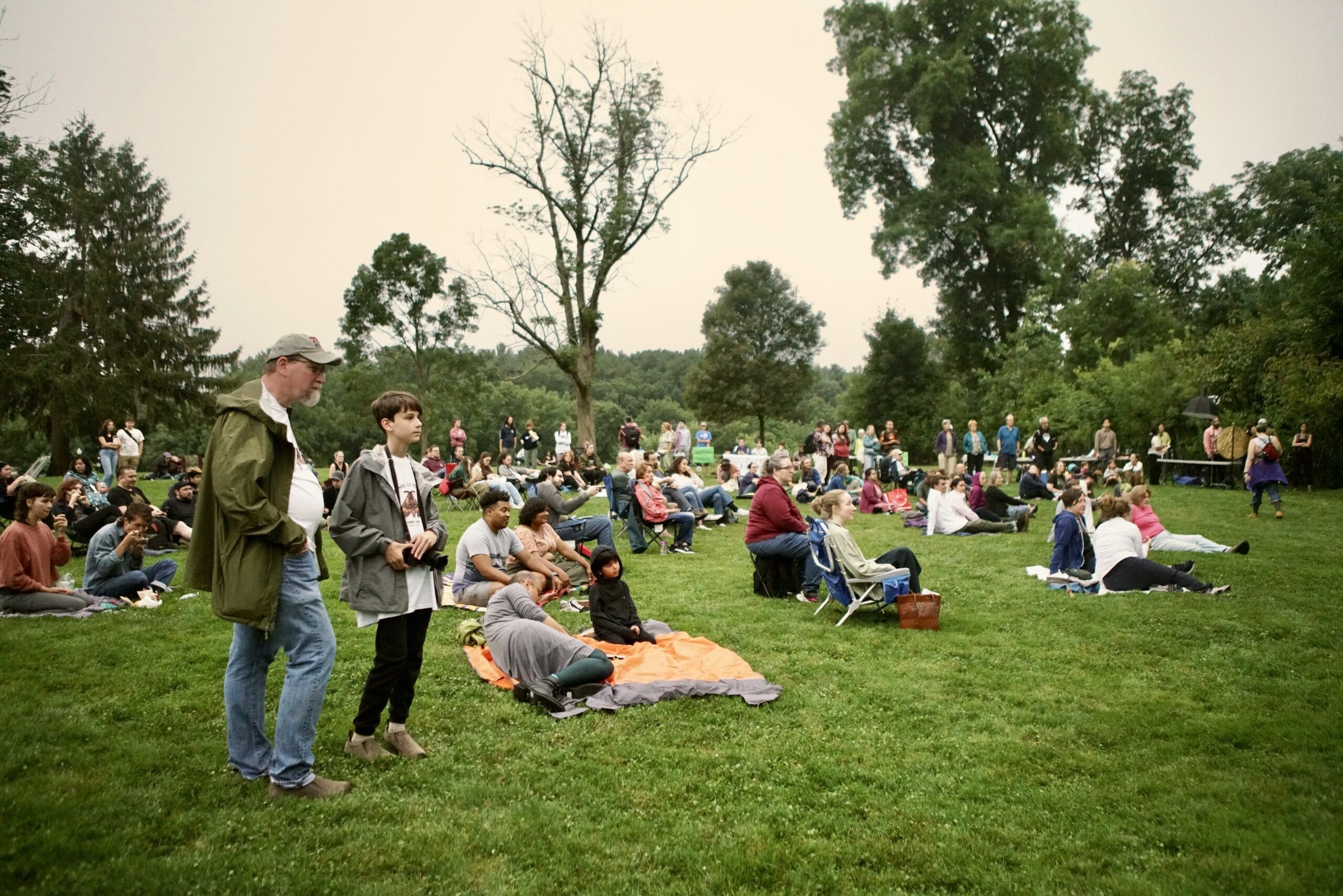
Cambridge Moth Ball 2024
On July 24, Bio4Climate and other host organizations participated in the Cambridge Moth Ball at Kingsley Park, Fresh Pond Reservation, for National Moth Week. Around 200 attendees of all ages engaged in community science, moth collecting, data collection, photography, and children’s activities. Bio4Climate partnered with Julie Croston from Cambridge Wildlife Arts to run the art…
Just released: “Cooling Climate Chaos: A Proposal to Cool the Planet within Twenty Years.”
This newly published book by Peter Bunyard and Rob de Laet approaches the climate crisis and its solutions from a completely different angle. “To address the climate crisis, now demonstrably causing havoc with life-killing extreme events,” the authors write, “we must not only transform our economic and societal models towards sustainability and resilience, we must…
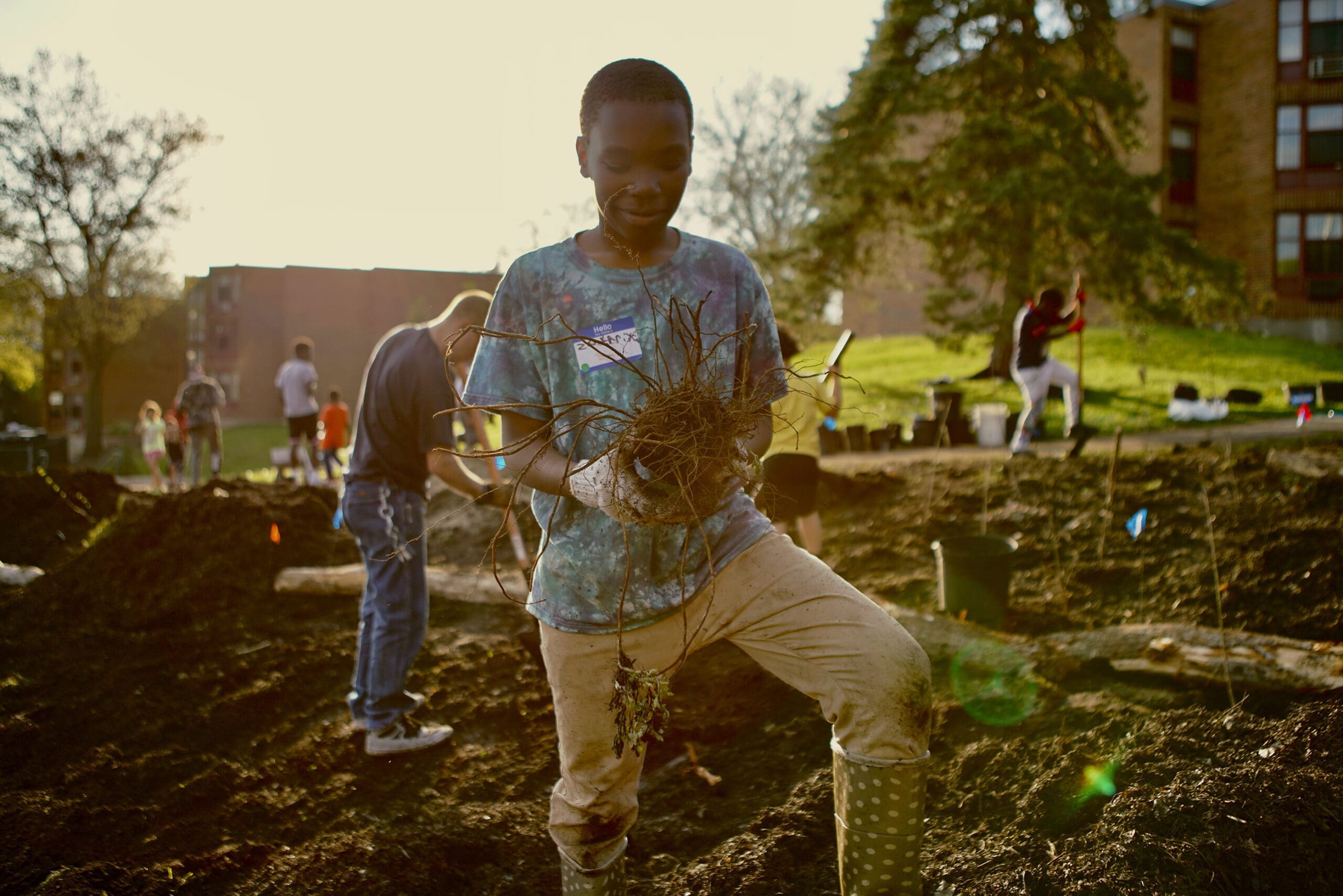
From Parking Lot & Lawn to Miyawaki Forests: Transforming Worcester, MA
A transformation is underway in Worcester, MA. In this mid-sized city in Central Massachusetts long known for its industrial activity, city leadership has undertaken ambitious initiatives to address some of their climate resilience goals using the Miyawaki method. Together, Bio4Climate, BSC Group, and the City of Worcester planned and created two Miyawaki Forests in the…
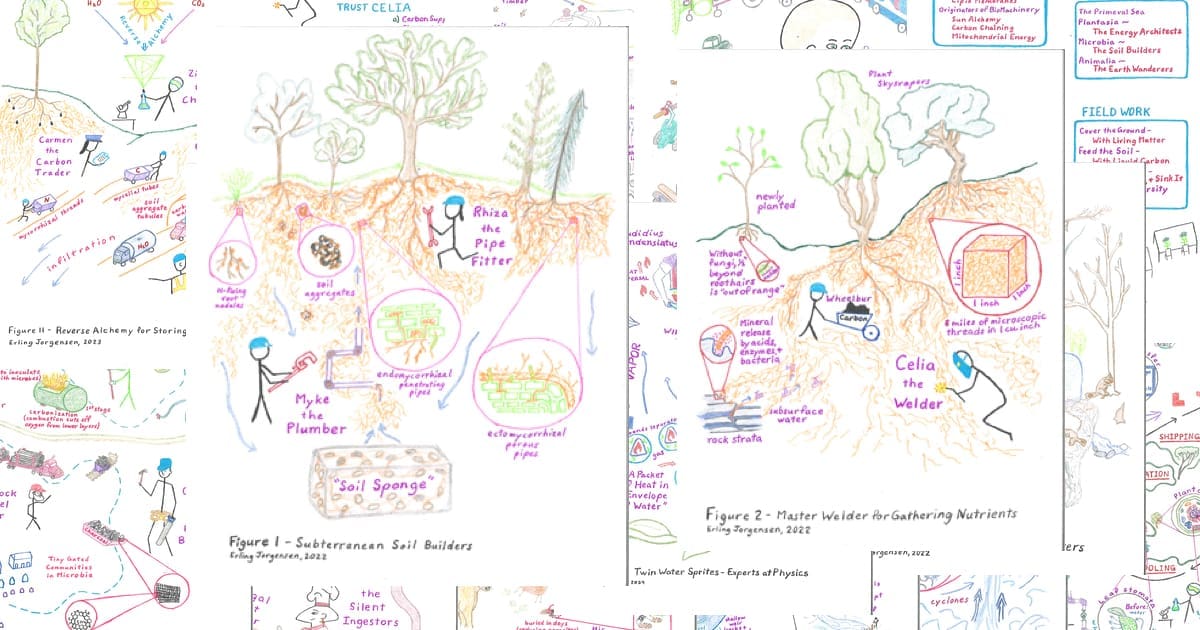
Journey of an Apprentice
Introduction by Jim Laurie Erling Jorgensen was a student in my “Systems Thinking and Scenario Building” course (Biodiversity 6) in the summer of 2022. He is determined to learn how life processes work and develop a scenario of restoring these processes. His goal is also to create a story that young people and adults with…
Signing on to Protect Forests
We, the undersigned organizations, are writing with the hopes of establishing a dialogue regarding the October 17, 2023 joint comment letter sent to Congress by the Outdoor Industry Association, Outdoor Alliance, and The Conservation Alliance concerning the Farm Bill.
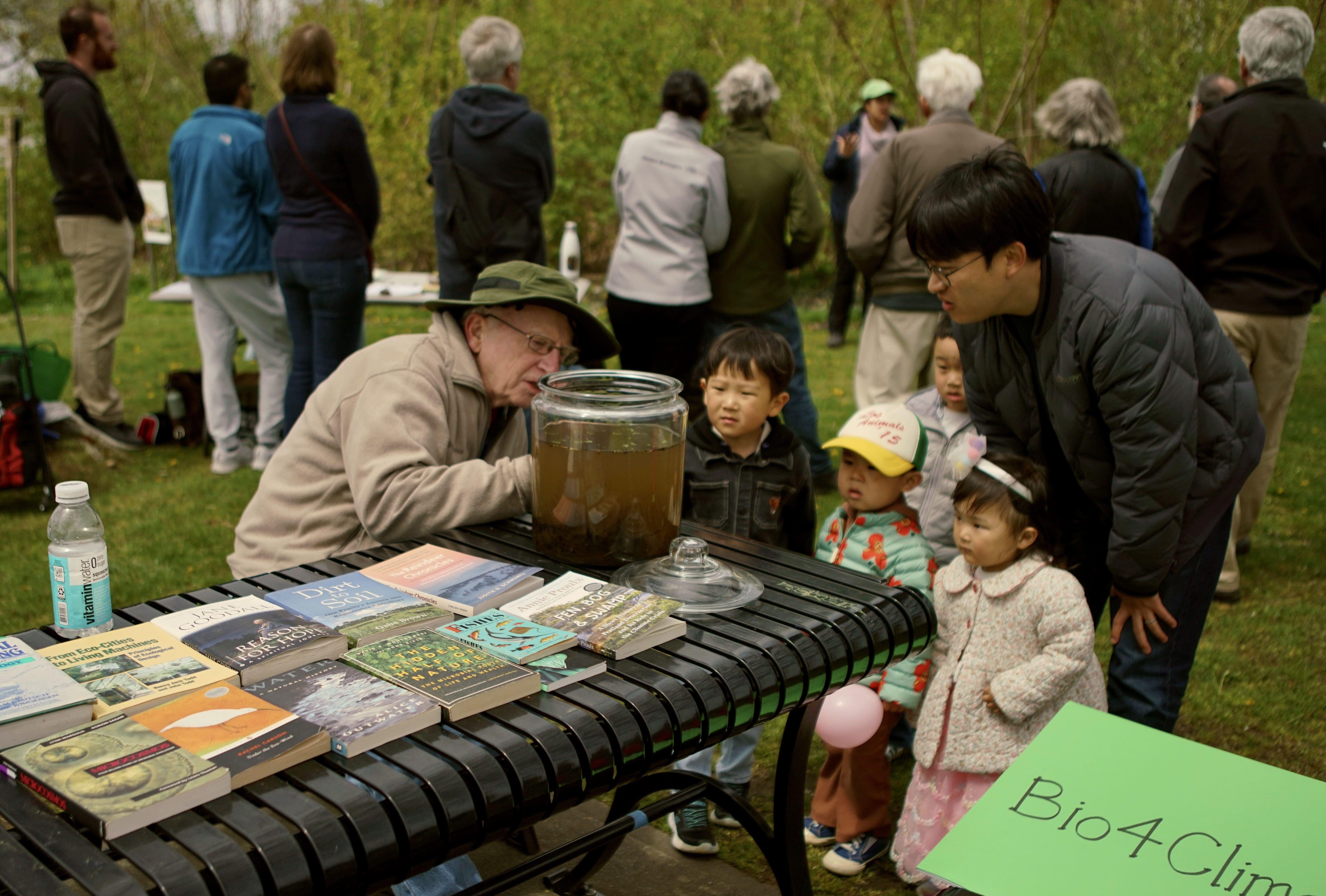
Biodiversity Day: A Community Celebration
By Paul Barringer and Jean Devine of Native Plant Community Gardeners Our first Biodiversity Day festival was a success! On Saturday, May 4th, over 120 visitors came to Danehy Park, Cambridge, to join birding tours, Miyawaki Forest tours, learn about pollinator gardens, native plants, and ecosystem restoration from ten local environmental organizations who joined us…
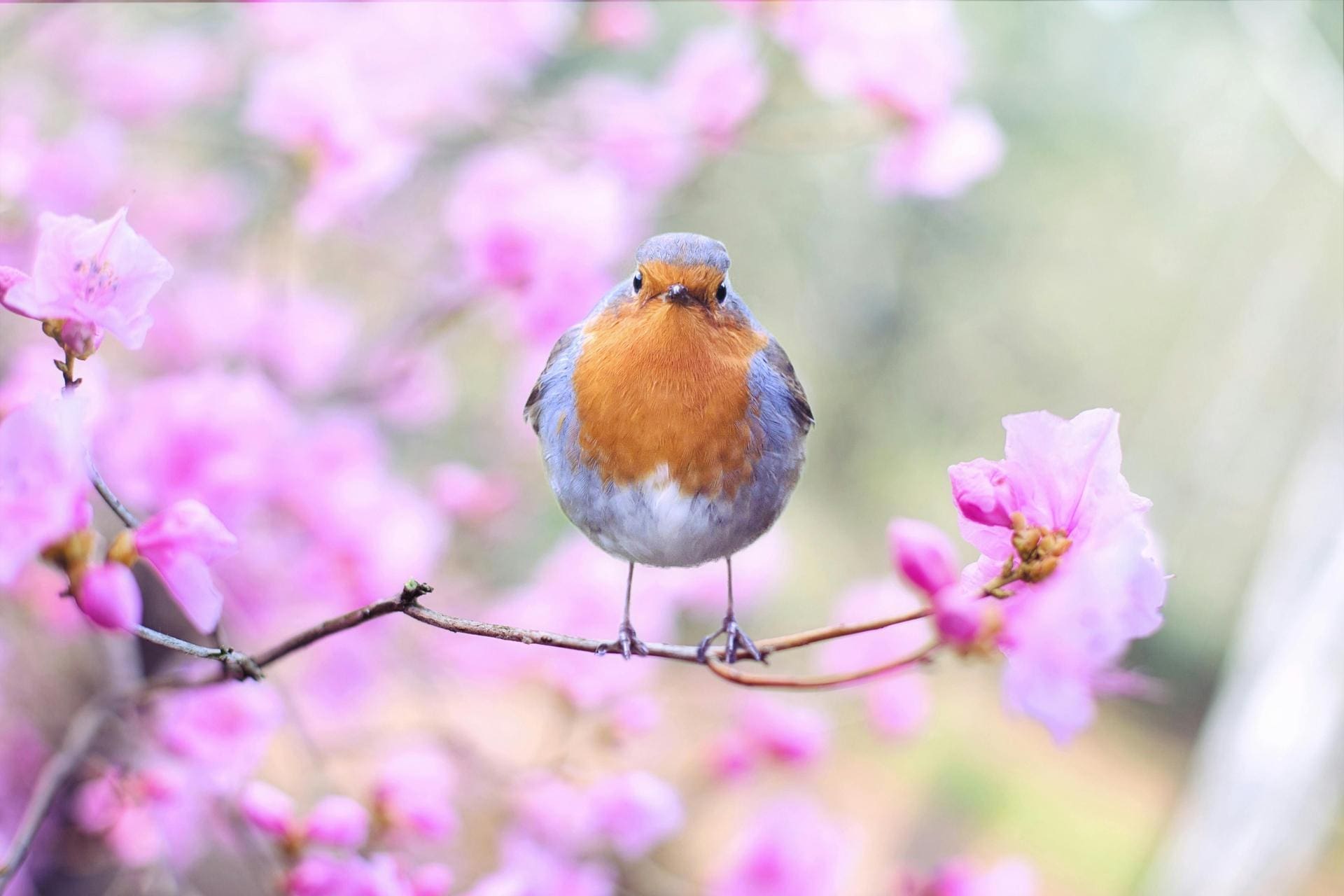
Cool Forests for a Hot World
We affirm the need to restore the five billion hectares of degraded land worldwide but we have also found a way to bring the power of eco restoration home. Home to our own communities; Home to those most in need of a healing shot of nature; By planting tiny forests in urban areas, using the…
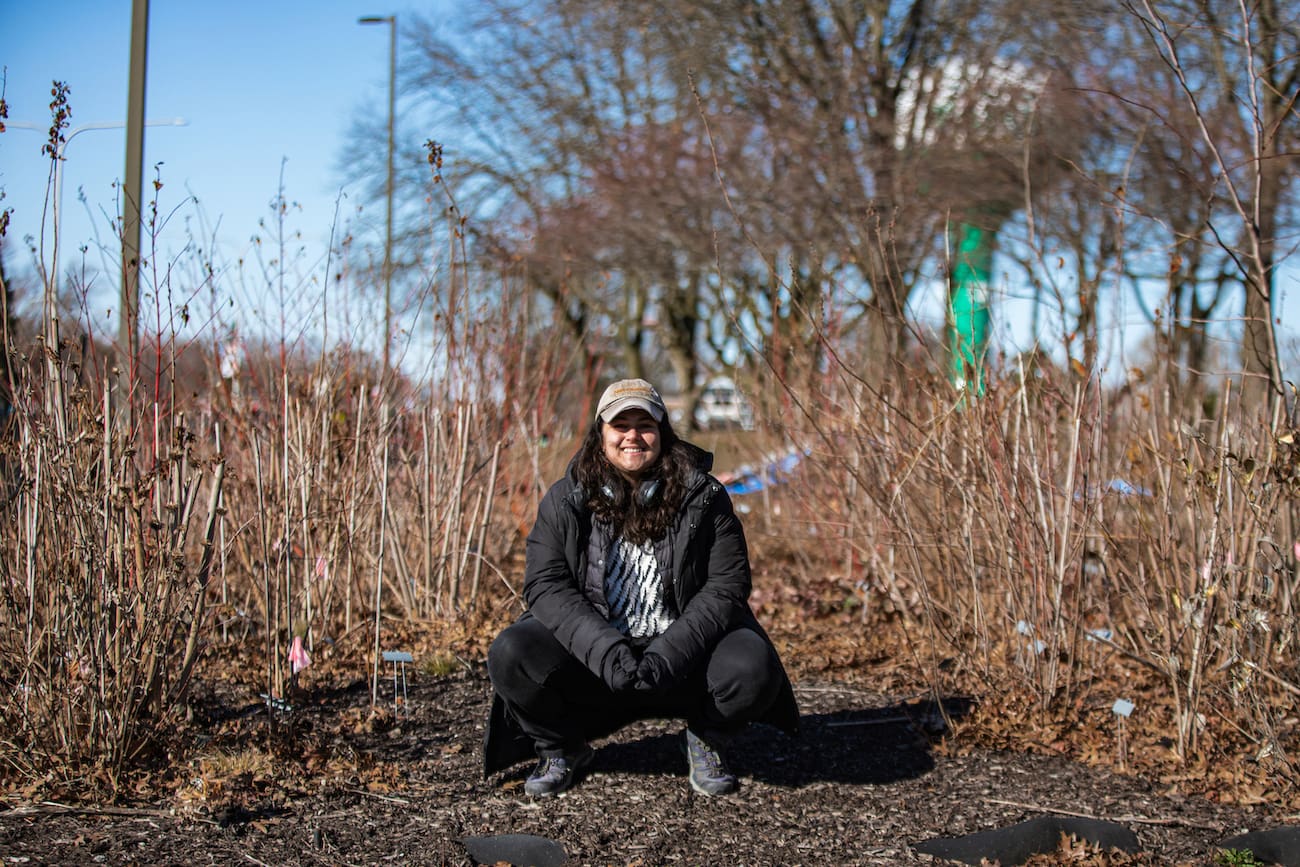
Rewilding the Windy City
I’ve loved Chicago from the first day I set foot there, and I’ve missed the Windy City since I left after college in 2018. When I had a chance to visit two weeks ago, I made it a point to try to understand Chicago’s ecosystems better, and check in on the many ways communities across…
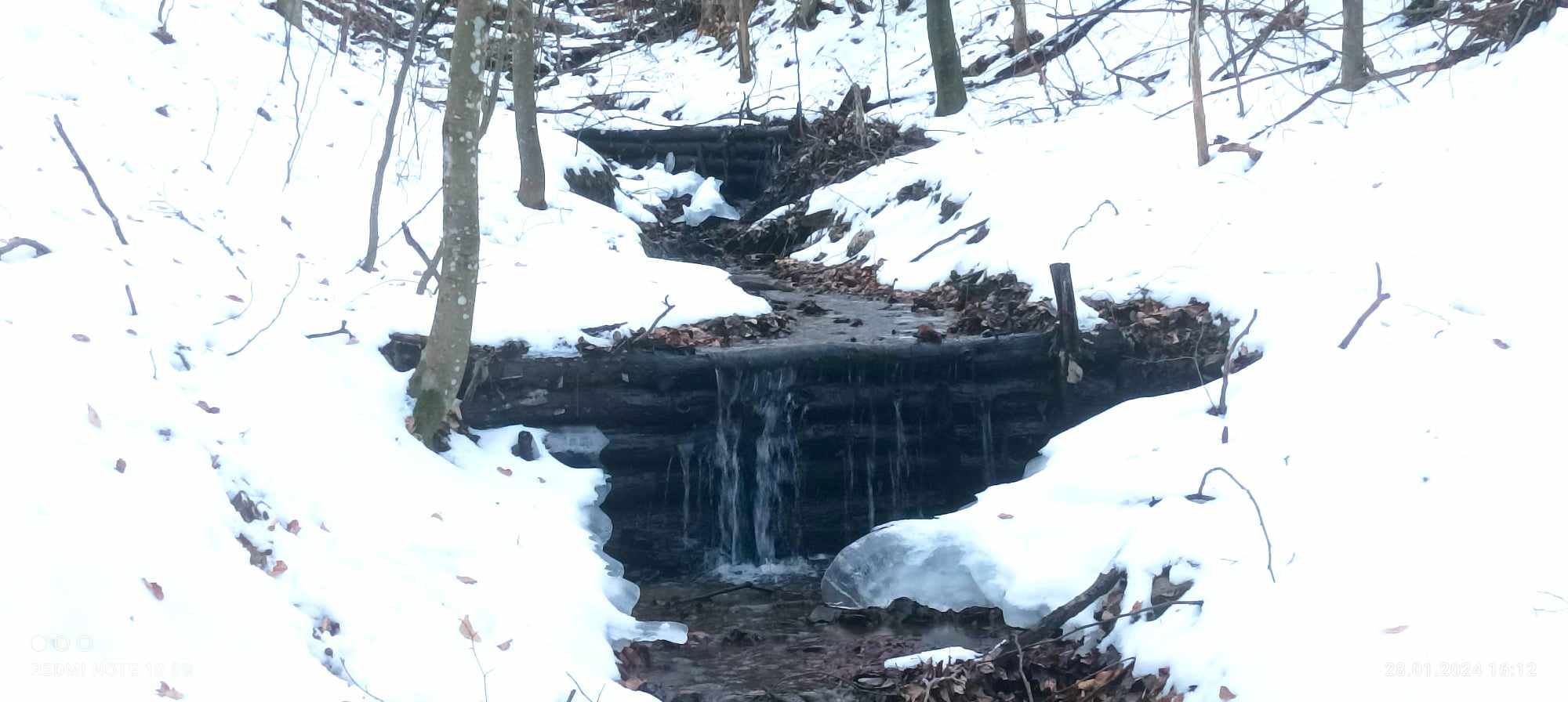
Slow Water Romance
As Valentine’s Day approaches, we invite you to experience a romantic journey in a winter wonderland. As the temperatures rise in February or earlier in our warming world, the snow melts, and we realize that the water cycle is a precious gift from the sun to all living creatures on Earth. Without the sun’s energy,…
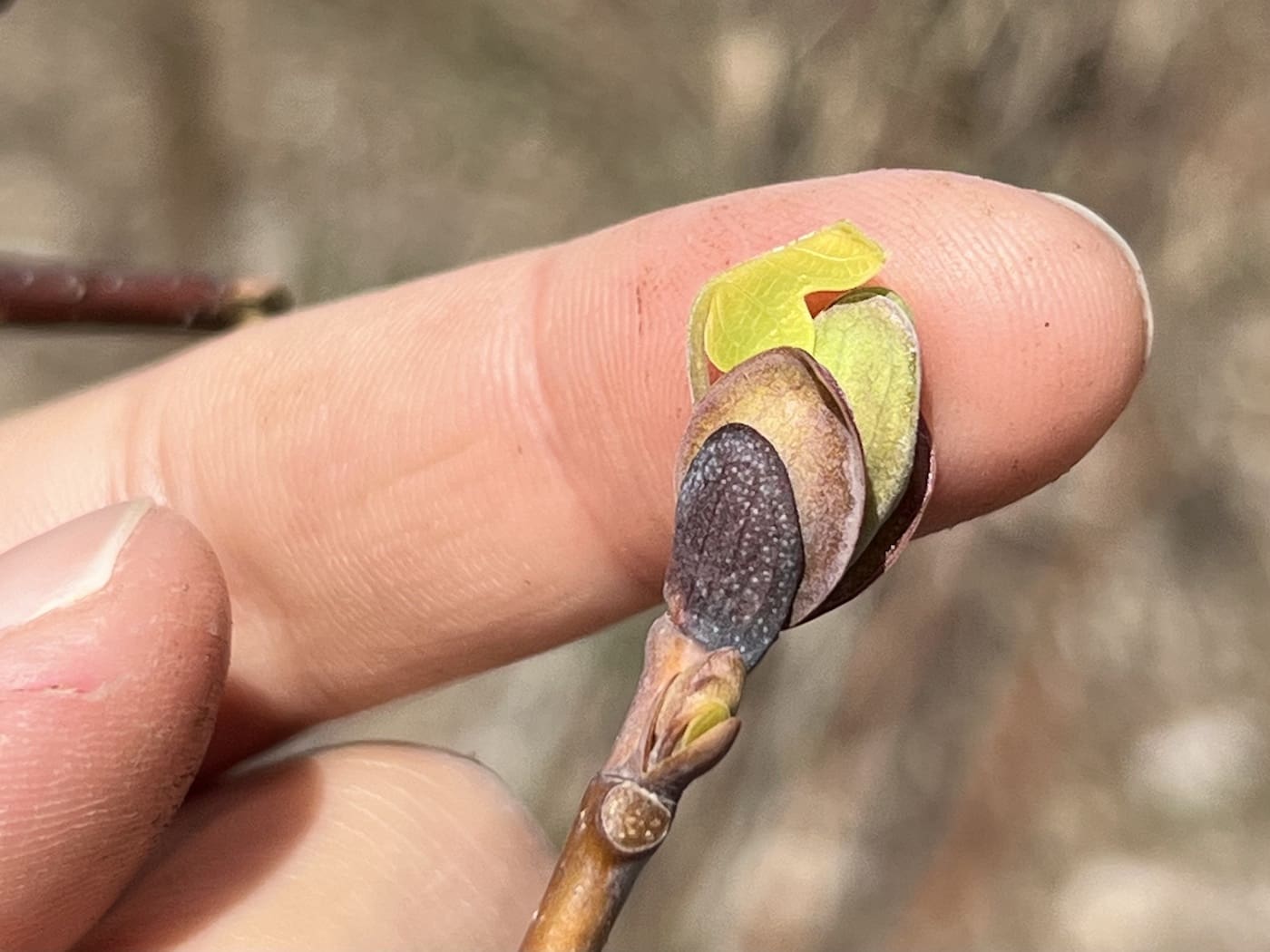
2023 in the Forest
As the year rounds out, it is time to reflect on the changes and growth we’ve seen in 2023. Nothing gives me quite as much pride, amazement, and faith in the power of change than our young Miyawaki forests. I was honored to share our work with the public in this short feature from the…

Halley’s Comet and Scenario 300
Halley’s Comet last hurtled around the Sun in 1986 and is expected to return in July of 2061. What will the Earth be like when the Comet returns? What kind of world do we want to greet it?
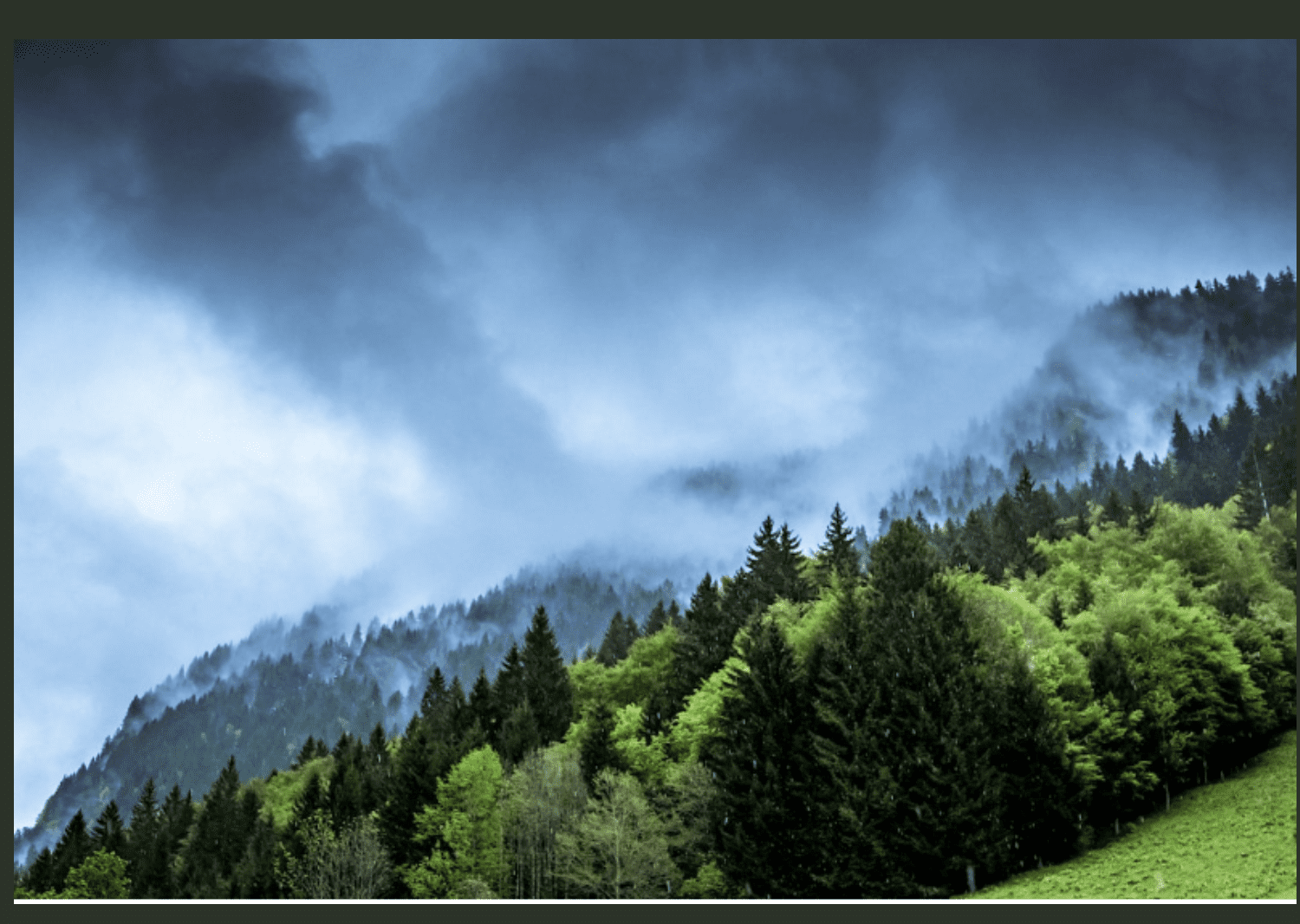
Intact ecosystems stabilize climate.
The more we disturb intact ecosystems, the less stable the climate that we have. Do we have systematic evidence-based resources to prove how natural ecosystems stabilize climate? Yes, we do! It would be helpful for science communicators and policymakers to have a resource with systematized evidence. For example:Primary forests have higher resilience against droughts than…
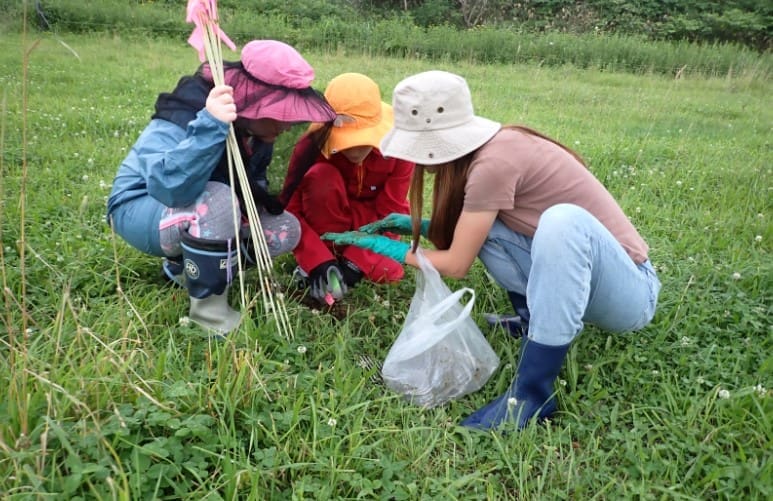
Biodiversity Field Day at Gladney Farm
Bio4Climate friends Tim Jones and Chie Morizuka manage a regenerative farm called Gladney Farm in Hokkaido, Japan. As the name suggests, there’s a lot to be glad about on the newly restored land! Tim and Chie share the love by hosting groups eager to learn from the farm animals and plants. Students of all ages…
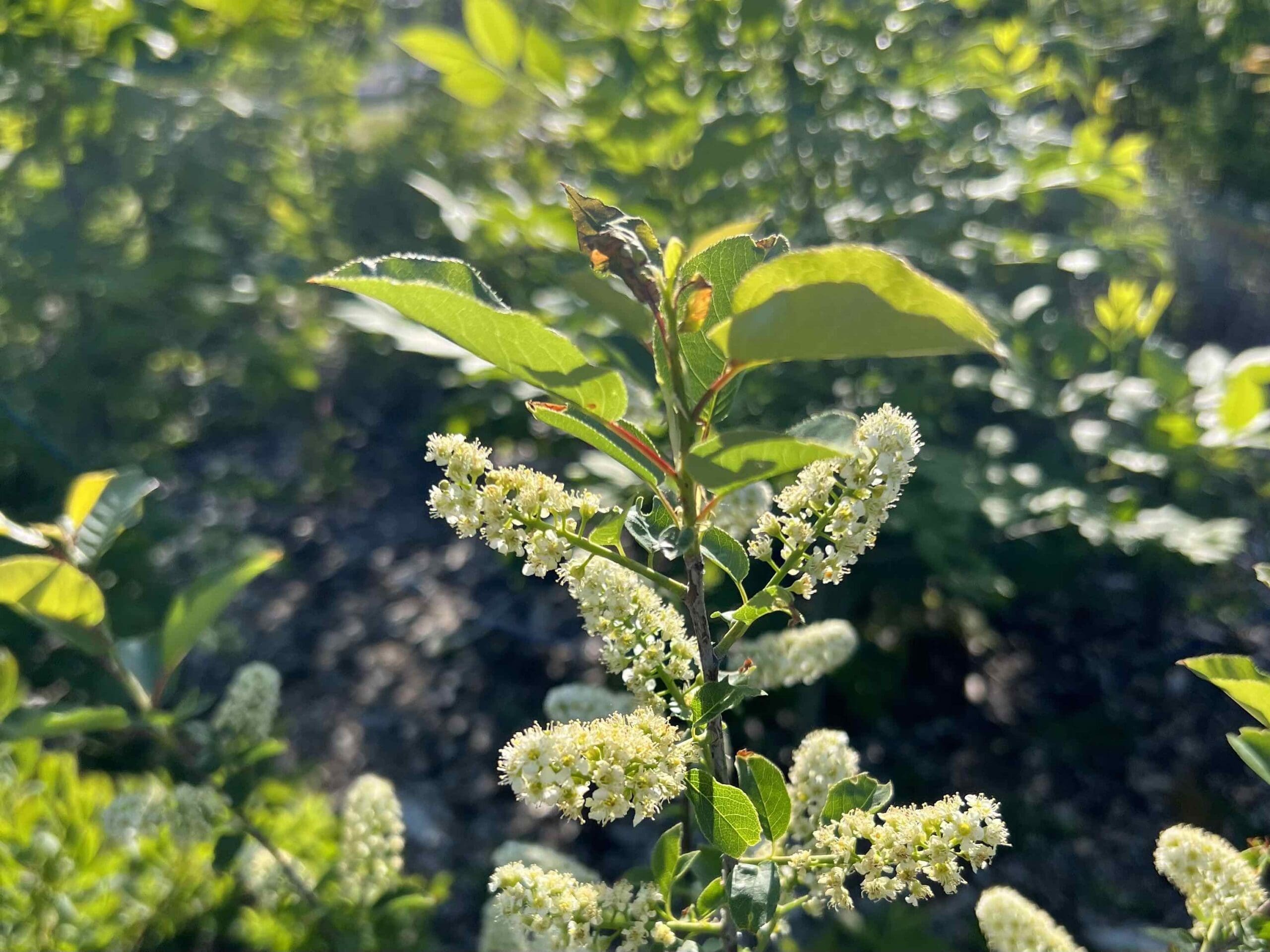
What are these tiny forests’ big benefits anyway?
What a thrilling week it has been! Since last Thursday’s New York Times article Tiny Forests with Big Benefits, my teammates and I at Bio4Climate have been buzzing with excitement at the recognition our forests and this type of restoration is getting. We are so thrilled by the enthusiasm of people’s responses, from interest in…
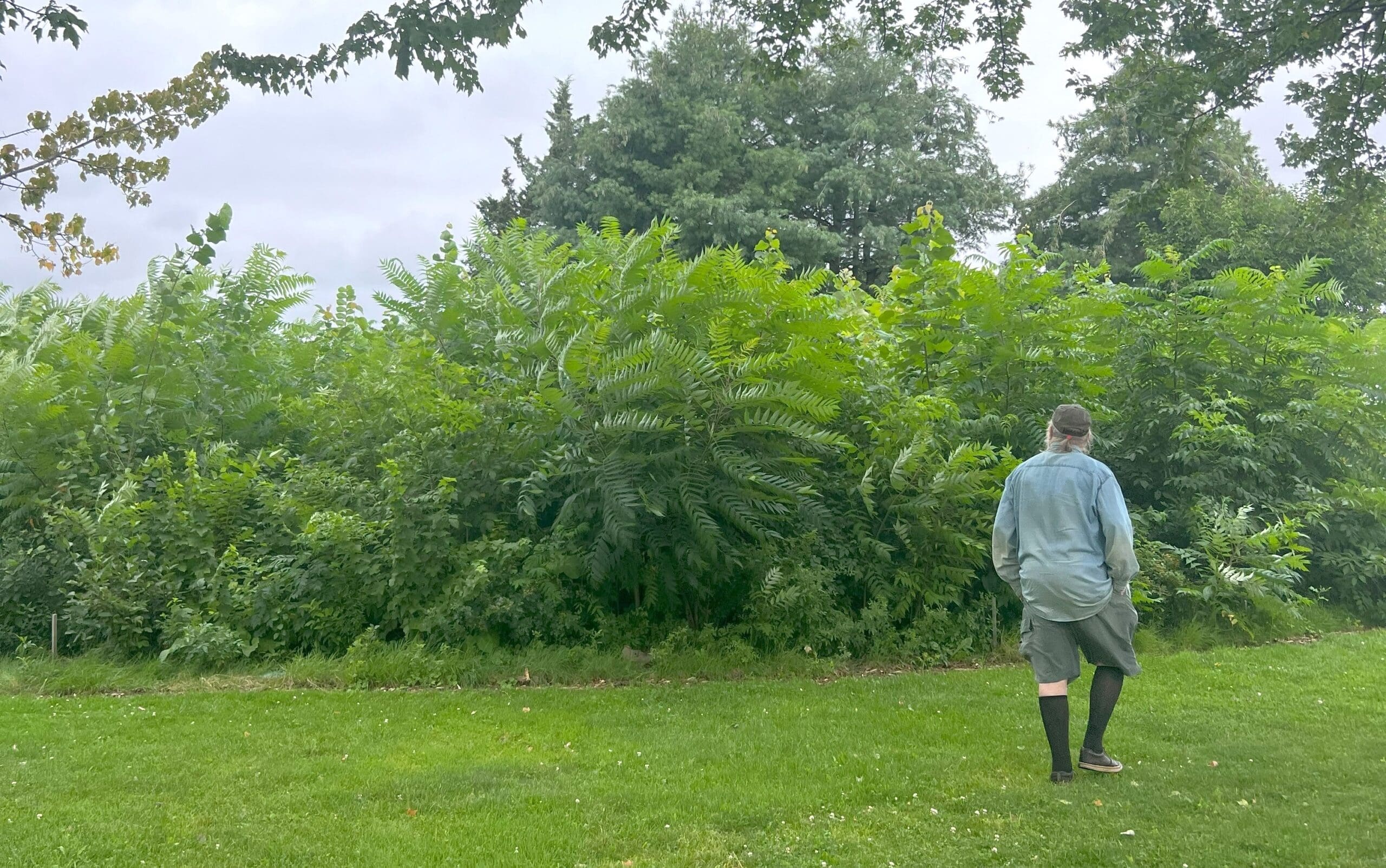
Our First Miyawaki Forest Turns Two
Our community grows alongside our first Miyawaki forest! In September of 2021, we planted our first Miyawaki forest – the first in the Northeastern U.S. – in Cambridge, Massachusetts. As the forest turns two, and demonstrates signs of resilient, abundant growth, the Bio4Climate team gathered with local forest enthusiasts to reflect and celebrate the ecosystem…
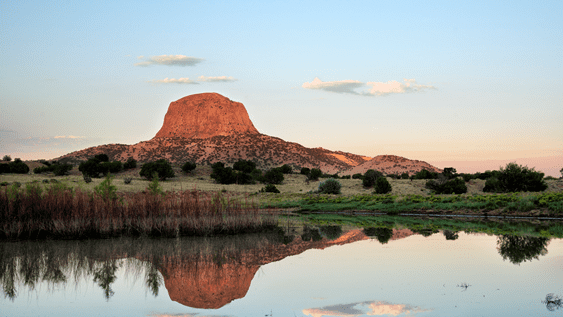
Our Underrated Climate Ally: The Small Water Cycle
Cabezon Peak after rain, Photo by John Fowler (CC BY 2.0) Although climate change is a global issue, it can and must be addressed locally. Our overall climate is shifting drastically, but local climates are also changing, and they don’t always get the same amount of attention. Local climates change when the environment is drastically…
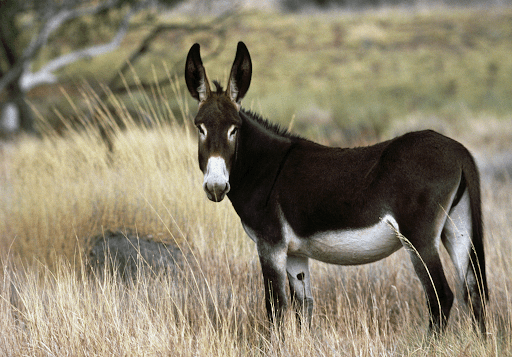
Kachana Station: A Home for Donkey-Led Restoration
In northwestern Australia, far from roads or major cities, a herd of wild donkeys carries a valuable promise. This remote region is the Kimberley, home to Kachana Station, a family-owned holistically managed landscape. The Henggelers have overseen Kachana Station for decades, and their management techniques have brought benefits for the soil, wildlife, and local climate. …
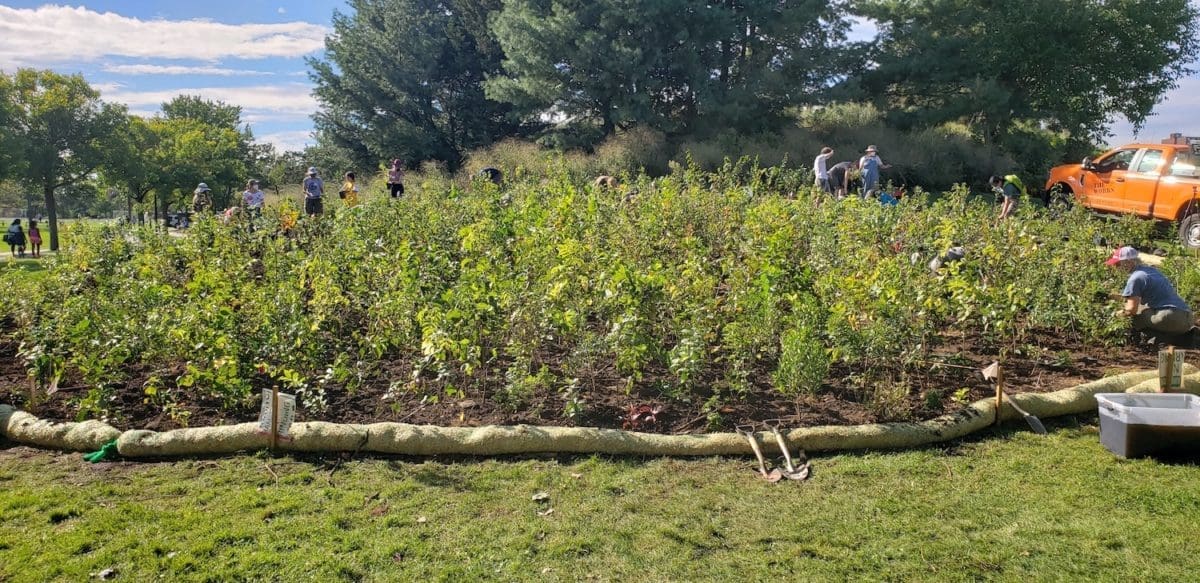
Miyawaki Forests and the Meaning of Regeneration
As many people know through firsthand experience, we planted the Northeast’s first Miyawaki Forest last weekend. After several months of planning, discussion, and organization, we gathered in Danehy Park in North Cambridge to create the forest. This was the part I participated in, but like so much of our work at Biodiversity for a Livable…
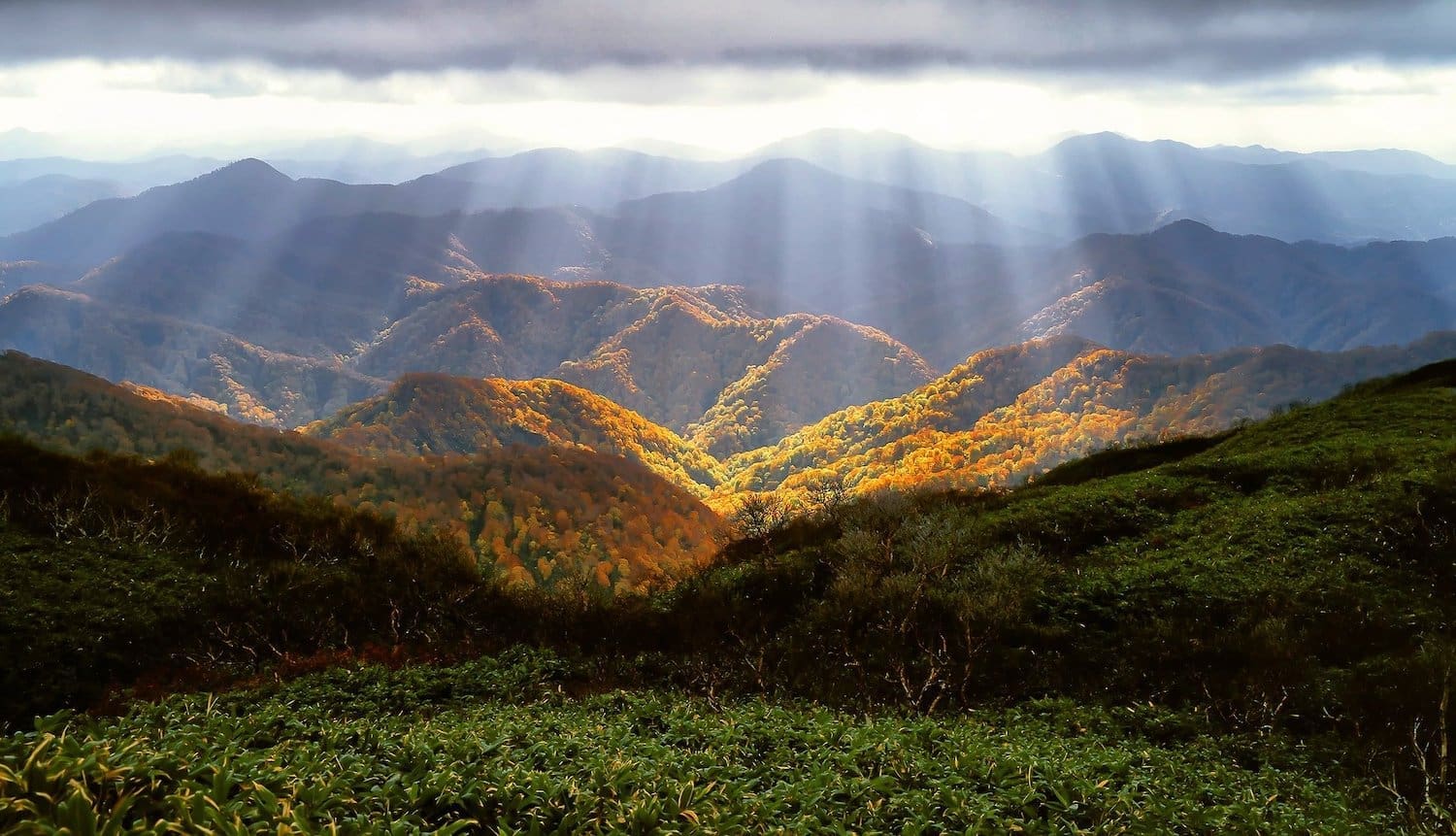
Climate Is About Far More Than Carbon Dioxide
“We have to do everything we know how to do to address climate change.” – Sir Nicholas Stern But what is “everything we know how to do”? What does “everything” mean? Who are “we”? Until very recently “everything” meant reducing emissions and pulling excess carbon out of the atmosphere. That has slowly begun to change,…
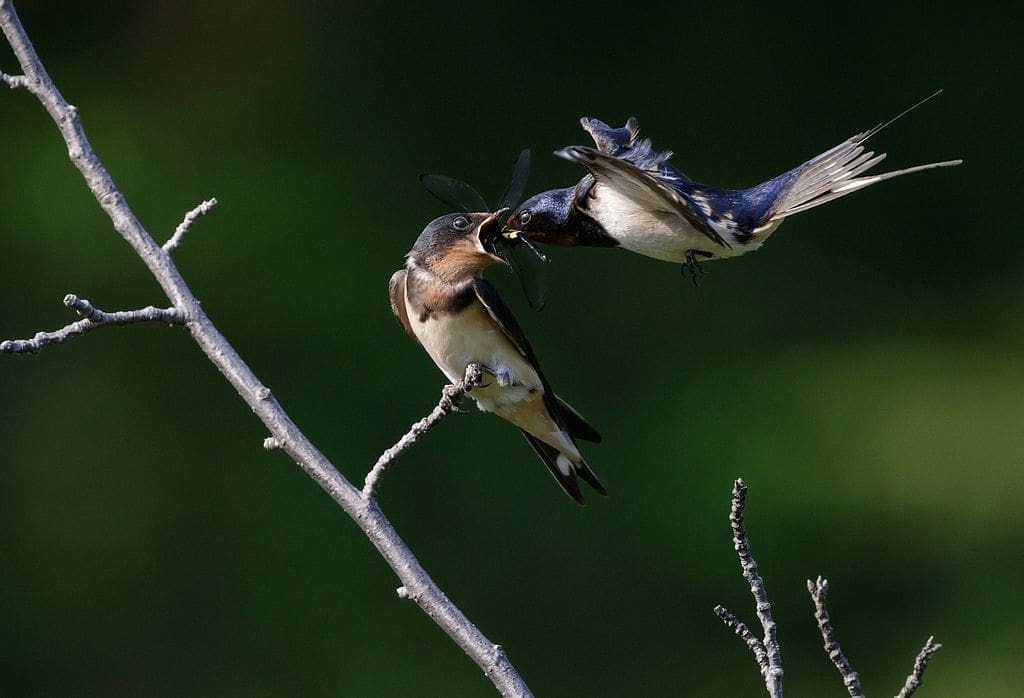
Barn Swallows and the Tyranny of Small Decisions
Barn Swallows, birds who eat insects as they scurry across the sky, are disappearing. This isn’t surprising, I suppose, given that they are among the 2.9 billion birds lost across species in the United States – representing one third of the bird numbers we had 50 years ago. What did surprise me is how we…
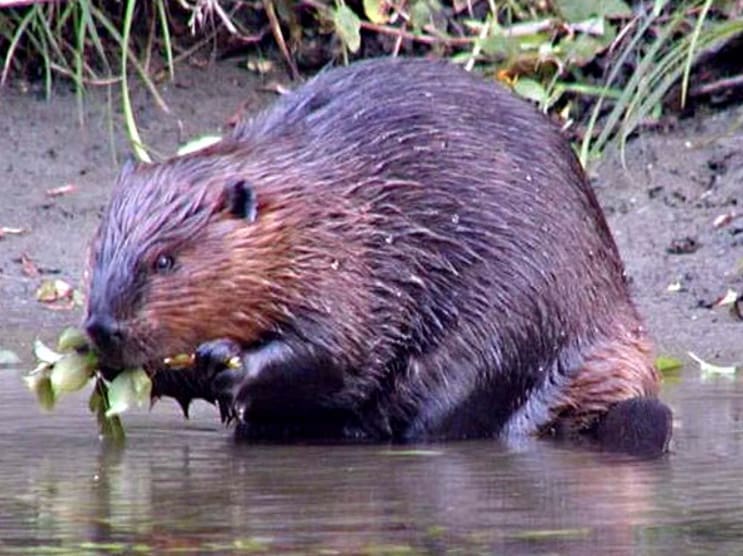
Beavers As Partners – Focus of the Valley Green Journal
FIX LINK AT BOTTOM Jan Lambert’s Quick Take: ‘Beavers As Partners’ is a community service focus of The Valley Green Journal in helping communities find non-lethal solutions to human-beaver conflicts, especially with the use of beaver deceiver flow devices to prevent flooding. Abstract: Beavers As Partners is a campaign to raise awareness of the critical…
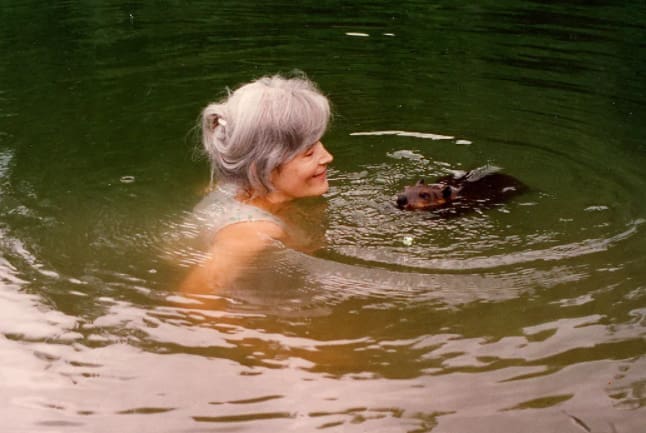
Help Save Beavers!
Jan Lambert’s Quick Take: If you love beavers you need to meet Sharon Brown, a beaver advocate who raises orphaned beaver kits as their “mother” and even takes her babies for swimming lessons! Abstract: Beavers: Wetlands & Wildlife (BWW) is an educational nonprofit that has been helping people enjoy the great benefits of coexistence with…
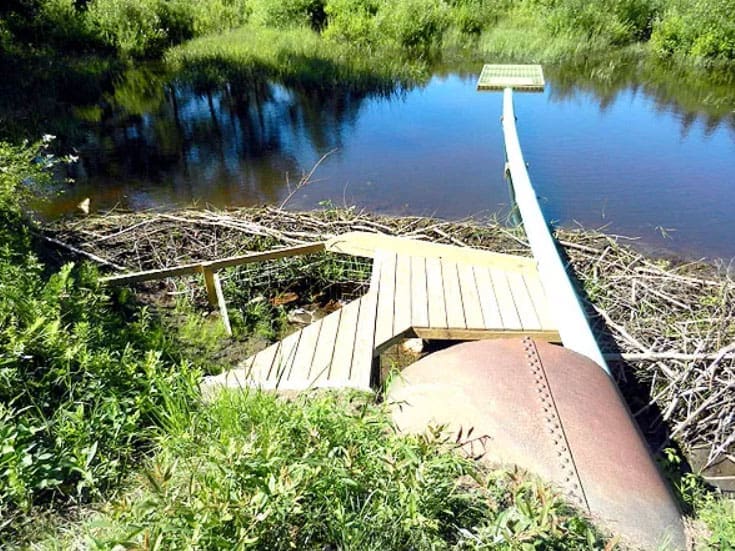
State-of-the-Art Beaver Deceiver™ in Marlboro VT
FIX LINK Jan Lambert’s Quick Take: Beavers are nature’s water engineers; they create and preserve wetlands vital to ecosystems. When beavers and human activities conflict with each other, there can be a win-win solution for both the beavers and the humans! Be sure to check out Skip’s website! Abstract: A win-win solution to human-beaver conflict…
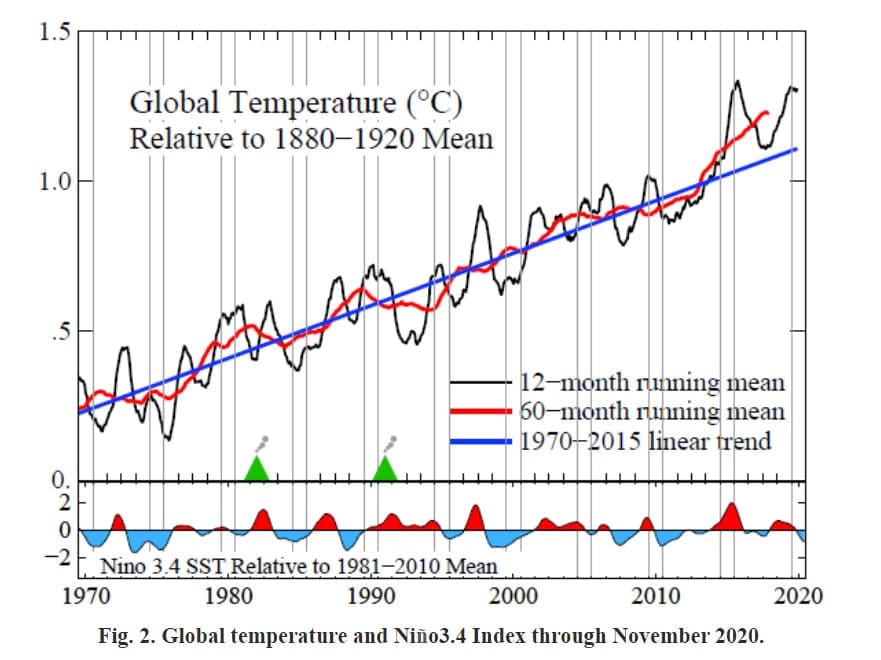
Real Climate Reality
Based on widely accepted scientific measurements, global emissions reduction efforts, while essential, have not succeeded in reducing levels of atmospheric greenhouse gases. The annual rate of carbon released into the atmosphere is accelerating (for many reasons which need not be discussed here). Reducing emissions and building out alternative energy are necessary but insufficient to address…
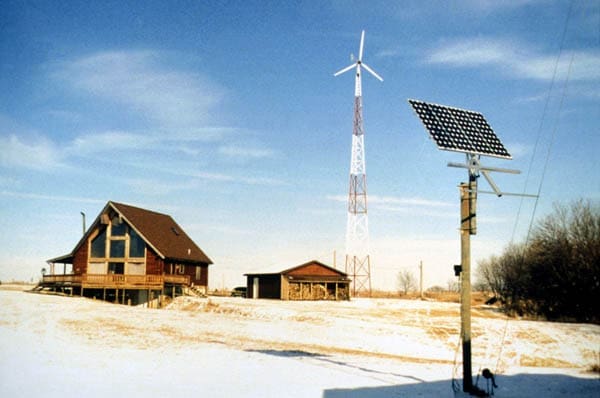
Reducing Greenhouse Gas Emissions Won’t End Global Warming
Solar panels on rooftops. Hybrid and electric vehicles. Meatless Mondays. What do all of these indicators of societal progress have in common? They are just some examples among the many widely attainable, lifestyle modifiers for reducing energy consumption in our fossil fuel-addicted world. But while replacing SUVs with hybrid cars and changing lifestyle habits to…

A Call for Sanity
In September, members of the United Nations will convene a round of climate change negotiations. It’s not hard to guess what is on the table: greenhouse gas emissions reductions. Yet after almost three decades of effort, during which atmospheric carbon concentrations have only gone up, another meeting focused primarily if not exclusively on emissions reductions appears to…
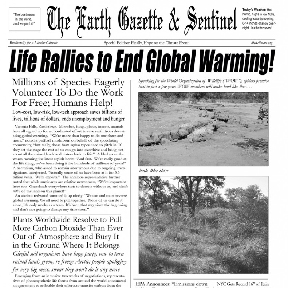
Good news!
This enlightening (and humorous) front page is destined to be a collector’s treasure!
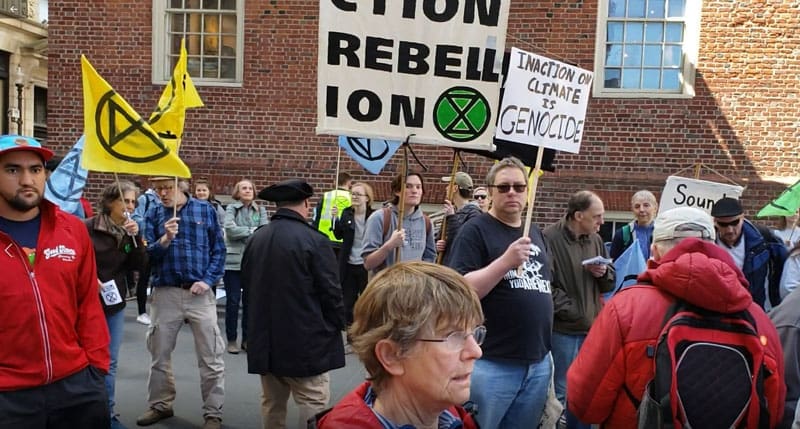
Changing the Climate Conversation
“Everything is connected to everything else.” – Barry Commoner, The Closing Circle Like most climate activists, for a long time I thought that greenhouse gas (GHG) emissions were THE driving force behind climate change. It followed that reducing emissions was our overriding goal. A steady stream of messages from both the climate movement and the mainstream…
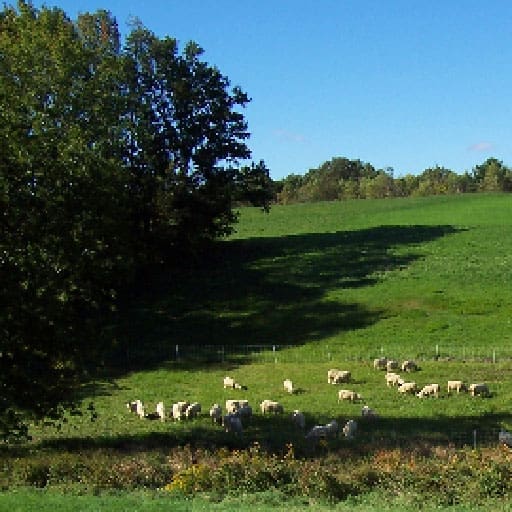
Without vast tracts of grasslands, what can we do in New England?
To pull carbon out of the atmosphere and sequester it in soils, we need to restore biodiversity: that’s the foundation of the whole show. One of the most important visible elements from the perspective of ecosystems is to cover bare ground. Bare ground doesn’t absorb water, it breaks the water cycle, it interferes with the…